This artist’s first monograph brings together sketches, documentation and installation shots, as well as an in-depth analysis of her practice. It highlights her process of making art, from the conception of an idea to the finished work, and from the deconstruction and re-assembling of her characters’ identities to the relentless creation of new worlds.
Published on the occasion of the first exhibition in Italy by Jenna Gribbon, staged at the Collezione Maramotti, Mirages showcases a wealth of images that highlight the fluid, sensual output of this artist who, in repeatedly portraying her wife, the musician Mackenzie Scott (aka TORRES), explores the implications inherent in seeing and being seen.
The catalogue of this ambitious project, held at the Centre d’Art Contemporain Genève in 2017, reflects on the centrality of writing in contemporary visual art practices. Documenting its slippages from printed matters to the digital realm, from voice modulations to its sculptural presence, this book celebrates the word in all its forms.
A book emerged from the need to try to tell the story of architecture in a way quite unlike how it’s usually told, in a continuous dialogue between the anthropological gaze of Armin Linke’s photos compared with the ideation process of two public works by the Carlana Mezzalira Pentimalli architecture office.
The book documents and brings together two exhibition projects by Nina Canell and Maria Hassabi. Essays, unpublished materials and a rich set of photographic materials form the driving force behind two visual narratives that offer new keys to understanding the research of the two artists.
Can art, literature, filmmaking, and music draw out, make visible, legible, audible, or even contestable the patterns in which our lives are held? Considering the work by Stan Douglas, Harun Farocki, Ingri Fiksdal, Åke Hodell, Stefan Panhans & Andrea Winkler, Susan Philipsz, and Elizabeth Price, this publication entertains this question.
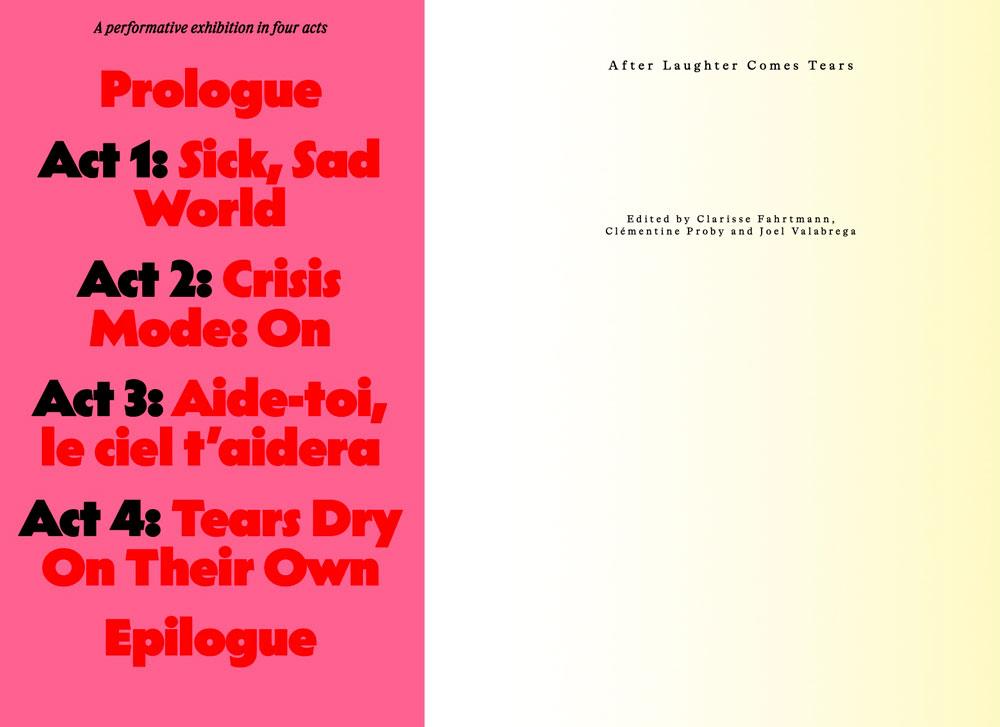
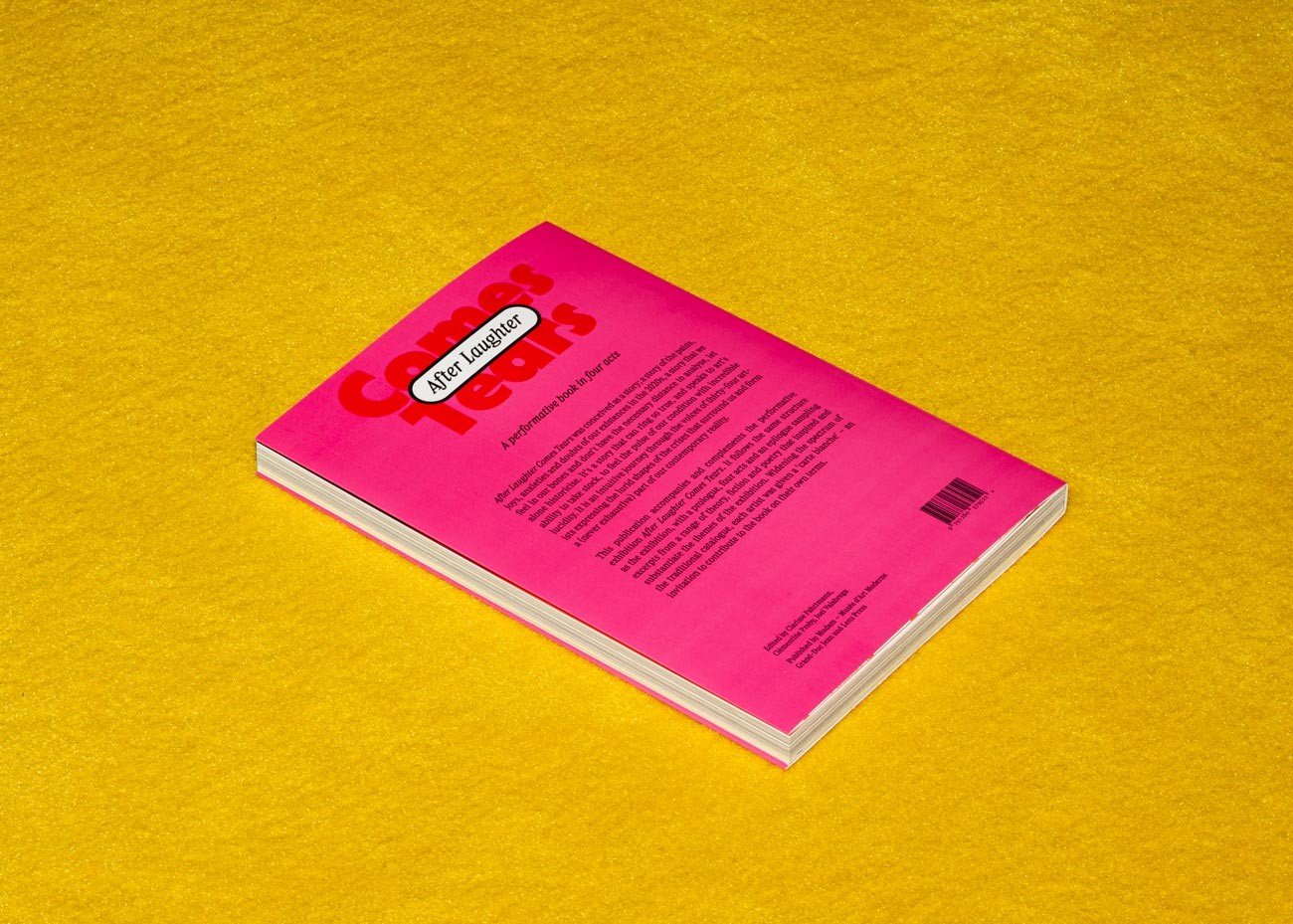
Edited by Clarisse Fahrtmann, Clementine Proby and Joel Valabrega
Foreword by Bettina Steinbrügge
Authors: Kate Cooper, Lukas Hofmann, David McDermott, Markus Pilgram, Agnieszka Polska, Clémentine Proby, Sin Wai Kin, Bettina Steinbrügge, Geraldine Tedder, Joel Valabrega and Lauren Wetmore
Design by Sam de Groot
2023, English, softcover, 16.5 x 24 cm, 200 pages
ISBN: 979-12-80579-52-2
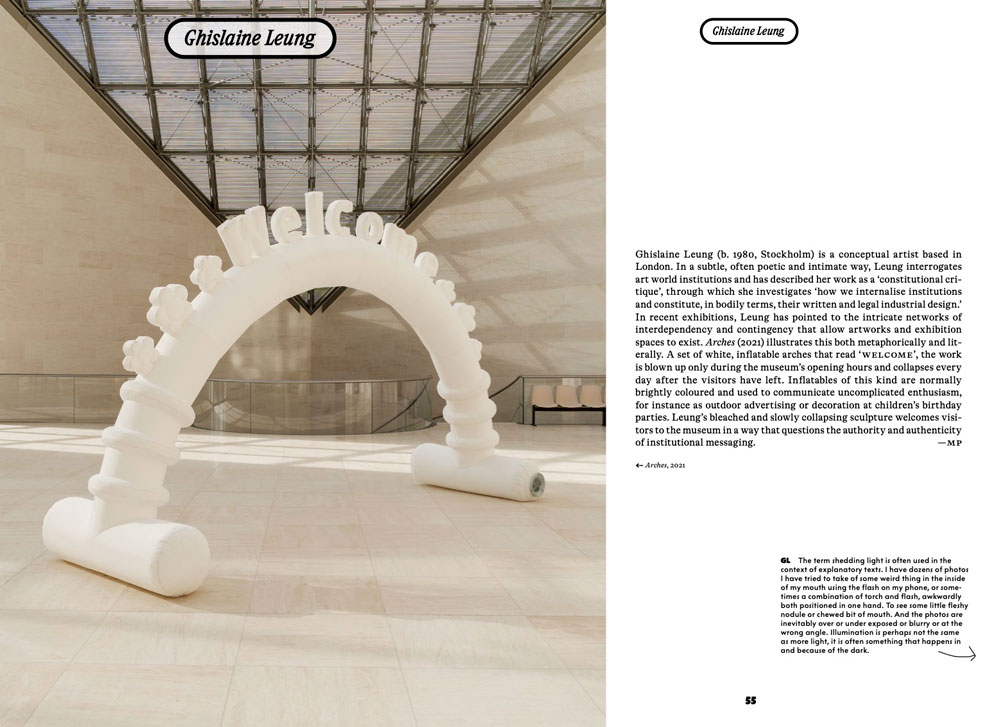
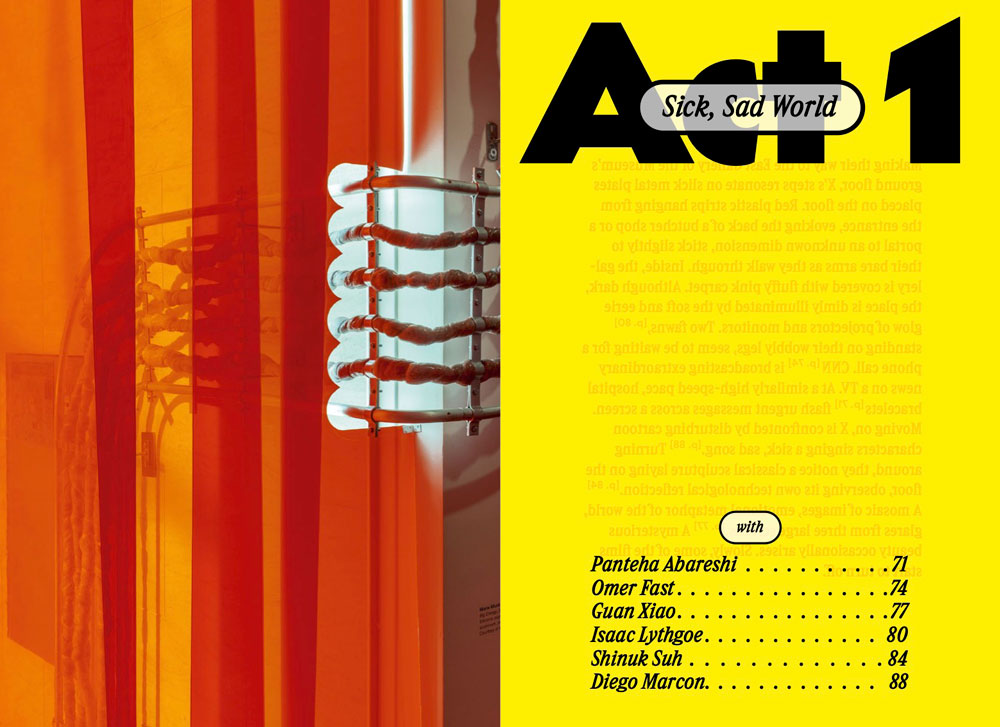
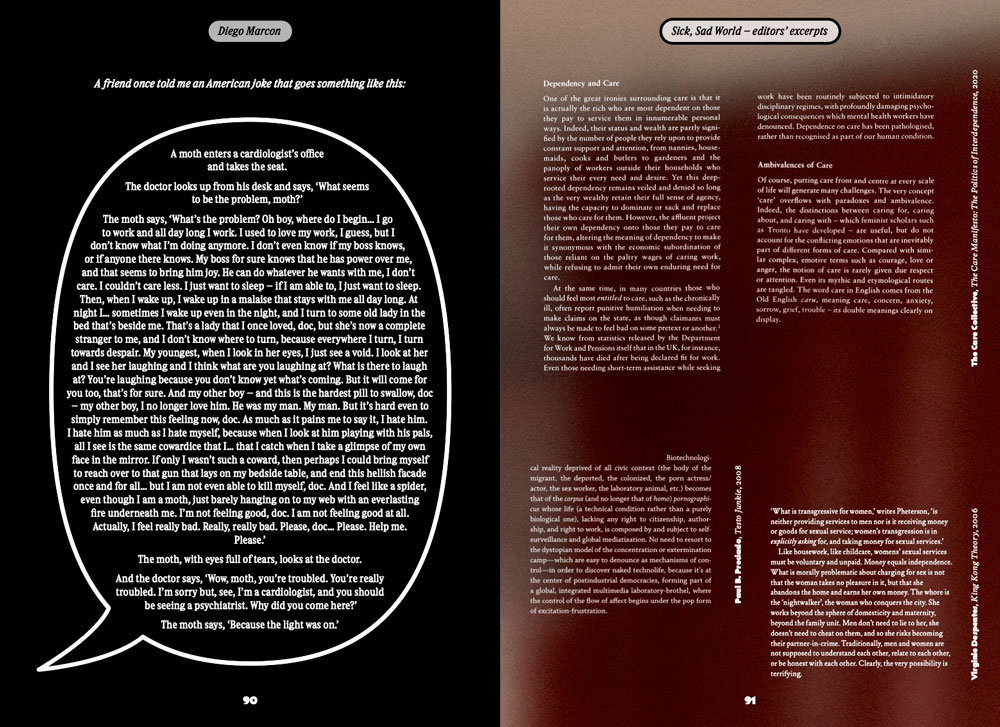
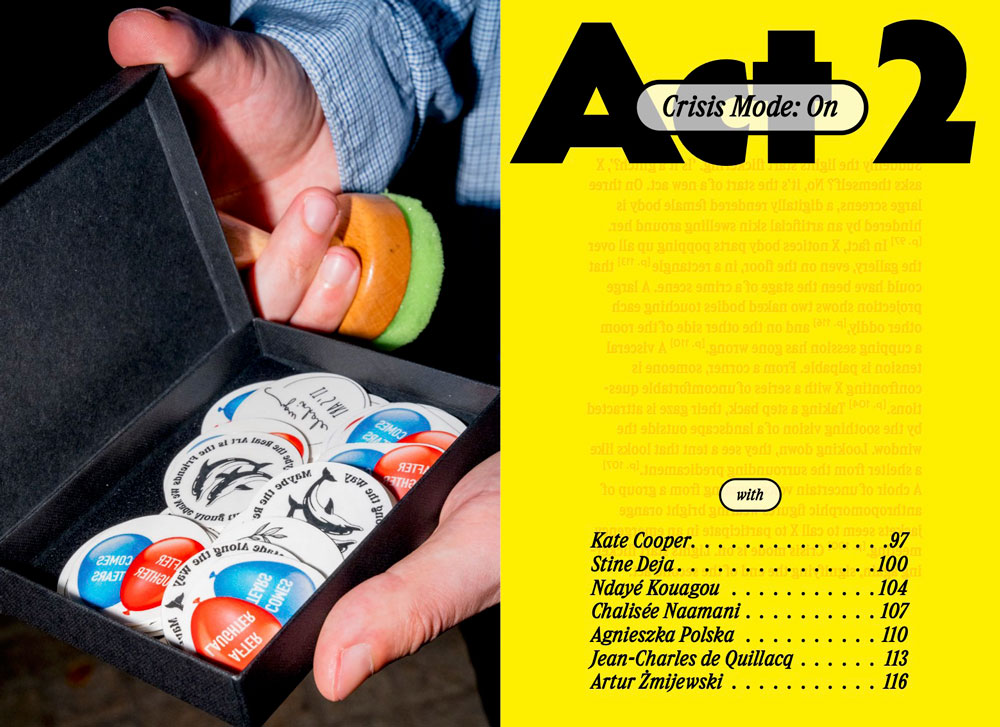
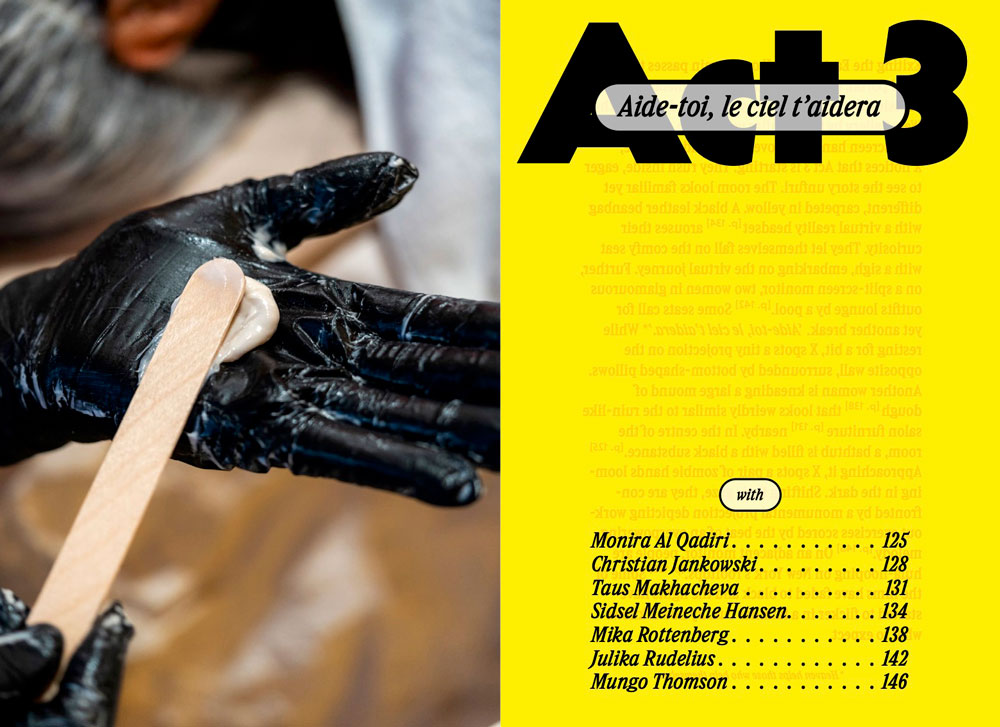
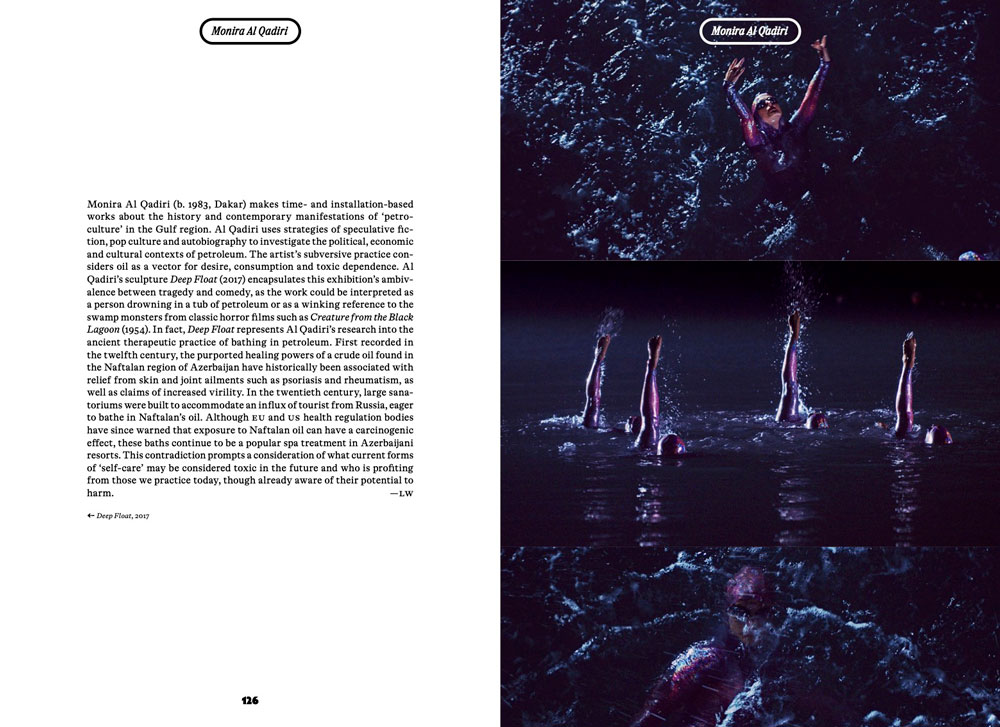
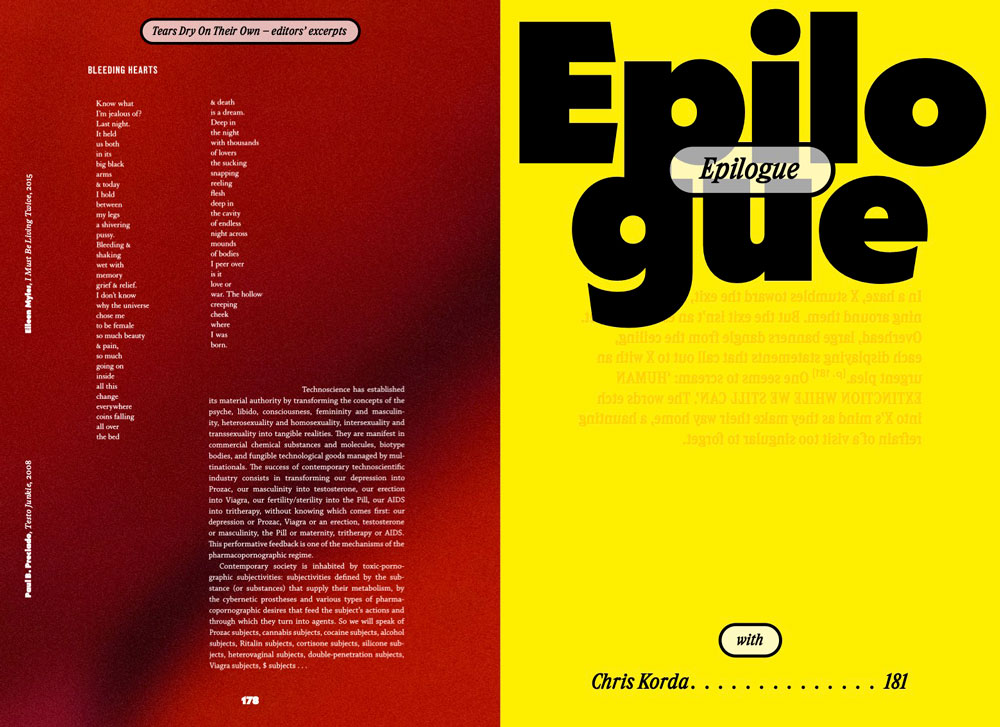
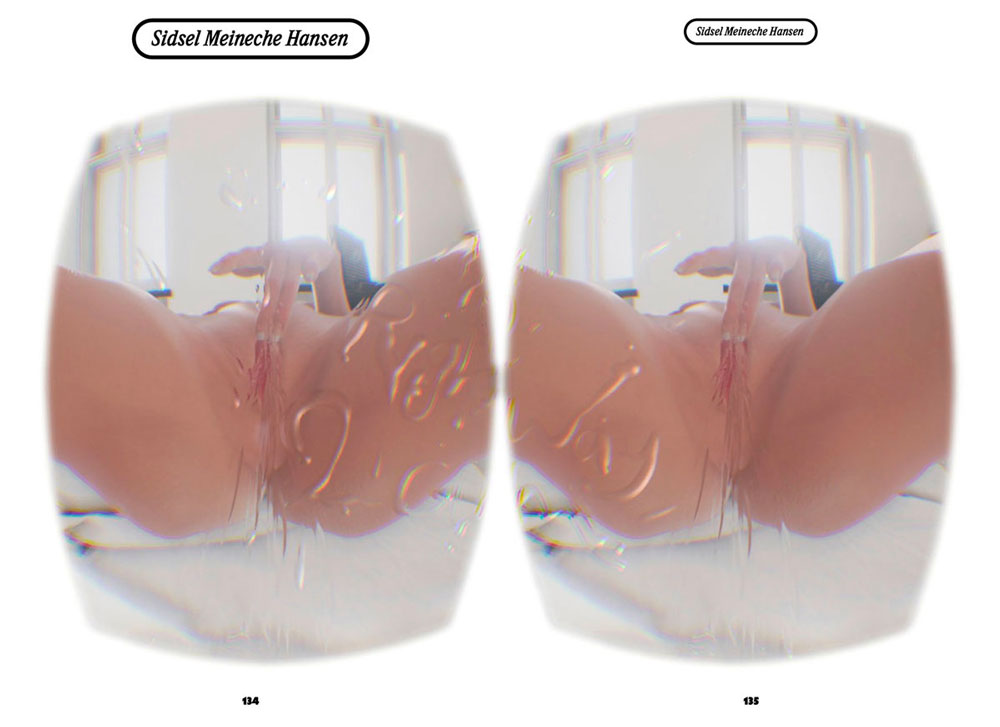
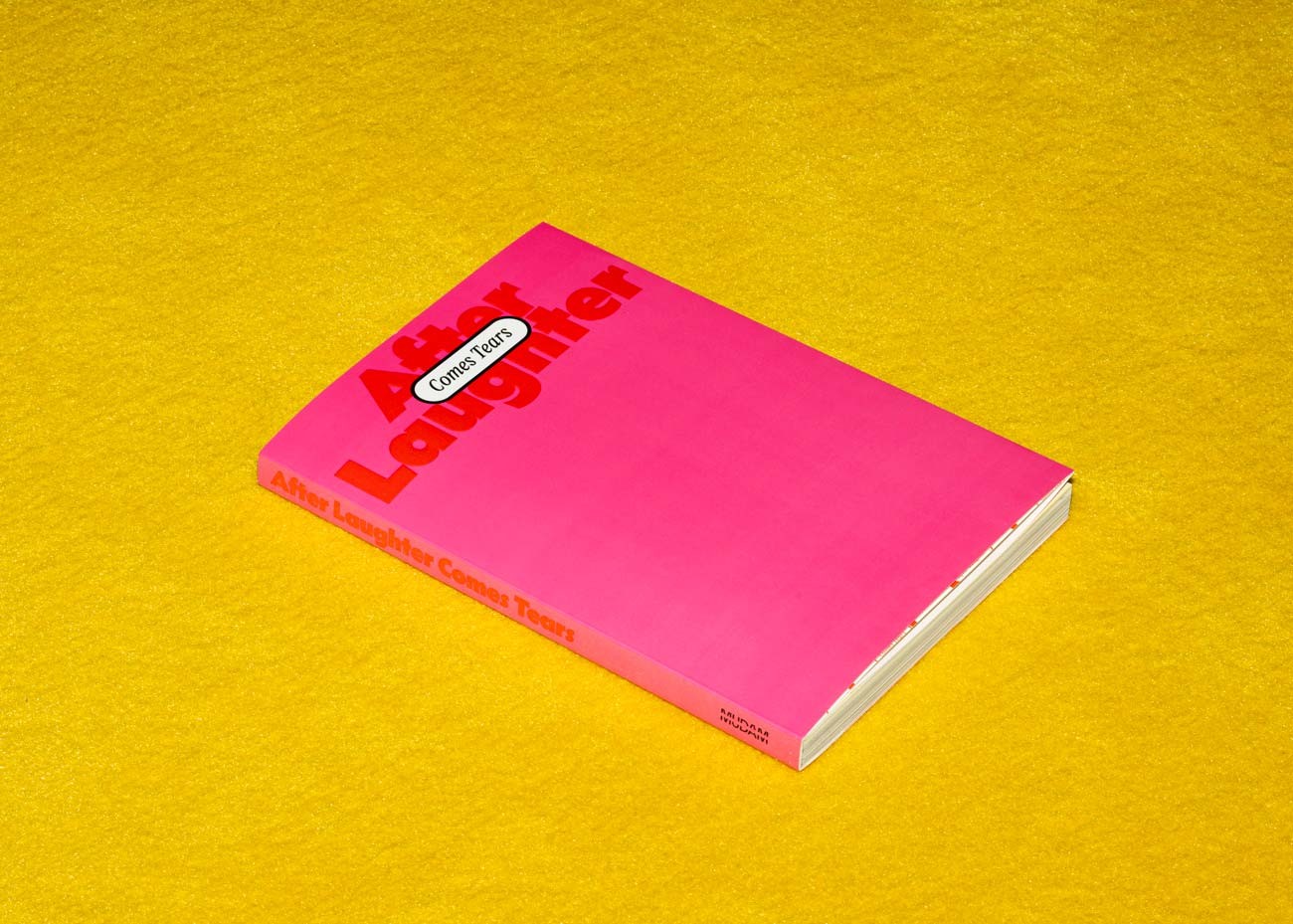
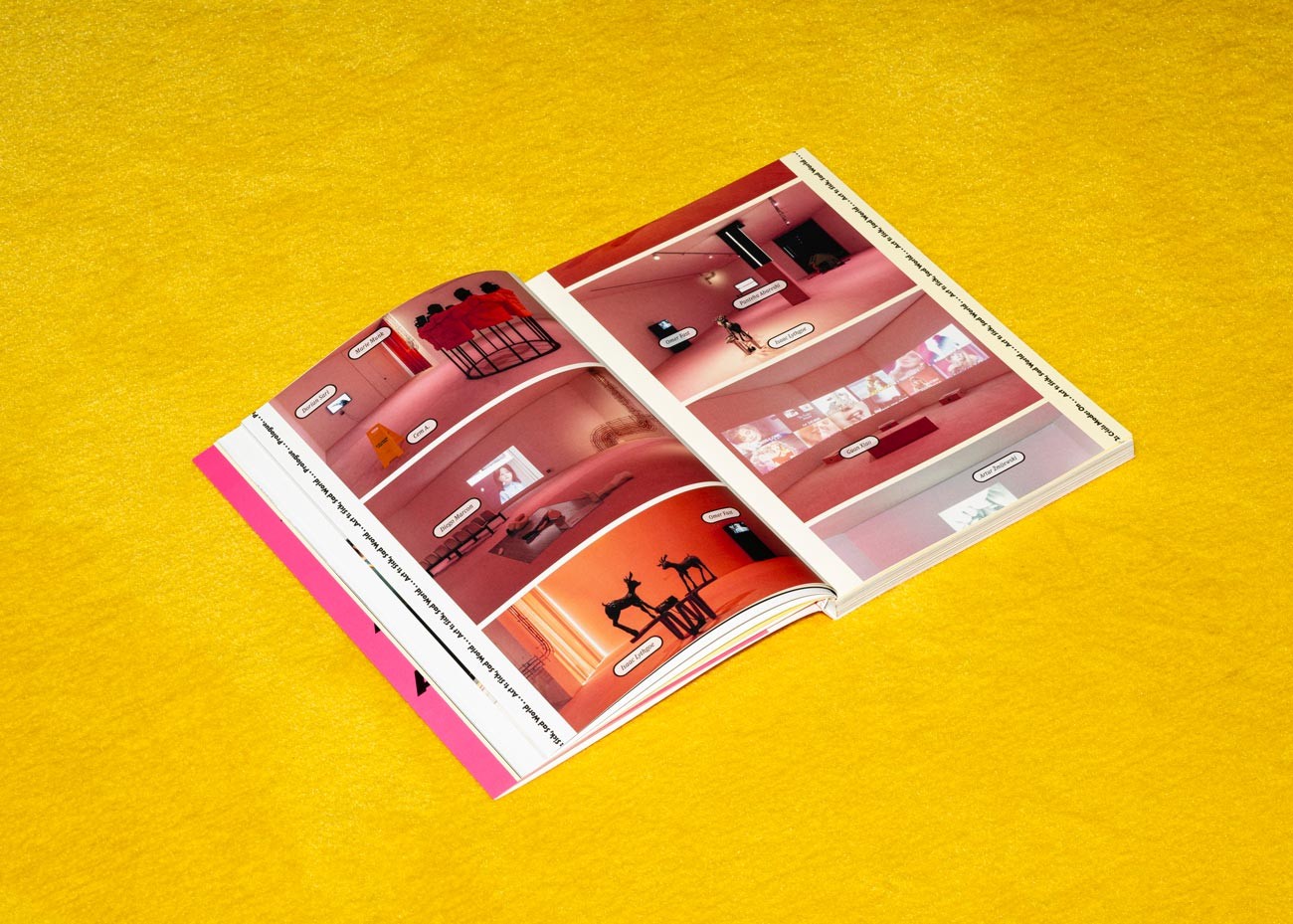
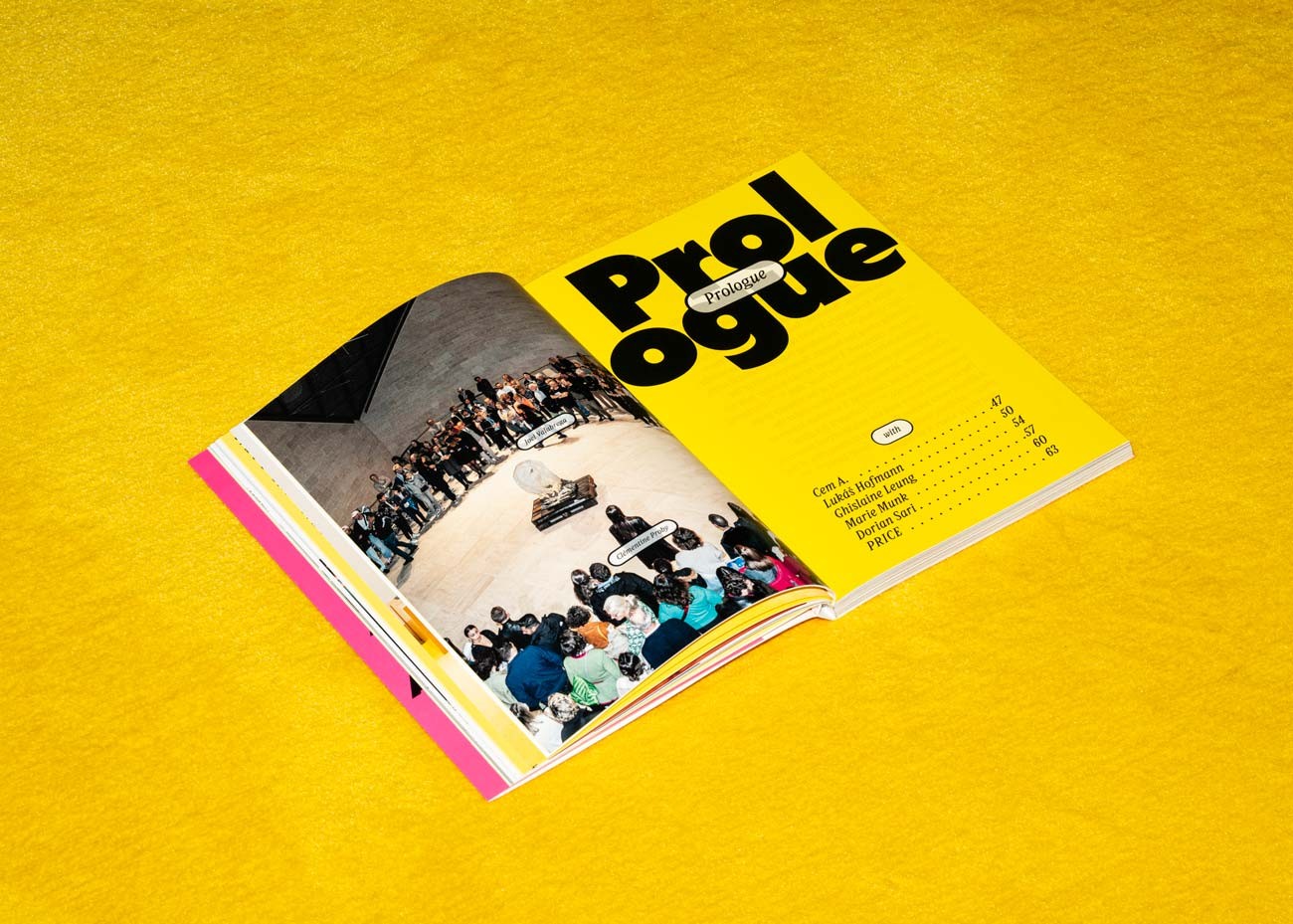
After Laughter Comes Tears, in its exhibition and book forms, brings together artists from different generations who are experimenting with the idea of the performative. This publication follows the structure of the exhibition at Mudam Luxembourg, with a prologue, four acts and an epilogue, which each sample excerpts from the range of theory, fiction and poetry that inspired and substantiate the themes of the exhibition. Widening the spectrum of the traditional catalogue, each artist was given a “carte blanche”—an invitation to contribute to the book on their own terms.
This performative book was conceived as a story; a story of the pains, joys, anxieties and doubts of the 2020s. It takes as a starting point, the feelings of stasis and anger that define the present stage of late capitalism, framed by the anxieties of a generation facing a climate crisis, welfare states trampled and failed by neoliberal policies and the rise of xenophobia around the globe, partly fueled by fake news spreading on- and offline. It is an intuitive journey through the voices of thirty-four artists expressing the lurid shapes of the crises that surround us and form a (never exhaustive) part of our contemporary reality. They are Cem A., Panteha Abareshi, Monira Al Qadiri, Kate Cooper, Pauline Curnier Jardin, Jesse Darling, Stine Deja, Omer Fast, Anna Franceschini, Guan Xiao, Sidsel Meineche Hansen, Lukáš Hofmann, Christian Jankowski, Chris Korda, Ndayé Kouagou, Ghislaine Leung, Isaac Lythgoe, Taus Makhacheva, Diego Marcon, Jacopo Miliani, Marie Munk, Chalisée Naamani, Agnieszka Polska, PRICE, Jean-Charles de Quillacq, Mika Rottenberg, Julika Rudelius, Dorian Sari, Sin Wai Kin, Shinuk Suh, Martine Syms, Mungo Thomson, Cajsa von Zeipel, and Artur Żmijewski.