The paintings and drawings by Jake Grewal draw the viewer in through stillness and ambiguity: they invite reflection on how we inhabit places—physically and emotionally—and how our inner landscapes mirror the physical world. This is the Grewal’s first book, published to accompany the artist’s exhibition at Studio Voltaire.
The transformation of the notion of monuments and the way cultural institutions choose to deal with it find in Maurizio Cattelan an interpreter capable of manipulating historical memory and shared symbols, to the point of turning them into a terrain of doubt and play. Lisa Parola and Lorenzo Giusti investigate the potential of contemporary art within the public sphere.
This is a visual archive of 12 years of developing, designing and exhibiting the House of One, a multireligious sacred space in the heart of Berlin. The architecture, conceived by Kuehn Malvezzi, has been displayed at various venues while being developed in close collaboration with three local religious communities in Berlin since 2012.
The first major monograph on artist Jill Mulleady, whose paintings thread motifs of decay, memory, history, and private myth, featuring humans and animals enacting their instinctive psychological reactions to ever-present threats of danger.
The essays in this first-ever monograph dedicated to Swiss artist Jan Vorisek, alongside image portfolios of the exhibitions they explore and an appendix that features photos and documentation of Vorisek’s performances, recordings and ephemera, grant us unprecedented access to the private fictions that the work reveals.
Since the 1990s Costa has been challenging hierarchies of art production and the fetishization of the “finished” artwork, inviting viewers to reconsider what is discarded, both materially and socially. Through over 300 artworks, accompanied by new writing, this catalogue explores Adriano Costa’s work, a meditation on transformation—of objects, meanings, and systems of value.
Edited by Adriana Varejão, Helena de Freitas, and Victor Gorgulho
Authors: Elena Crippa, Raphael Fonseca, Helena de Freitas, Victor Gorgulho and Adriana Varejão
Designed by Lorenzo Mason Studio
2025, English, softcover, 24 x 32 cm, 152 pages
ISBN 979-12-80579-58-4
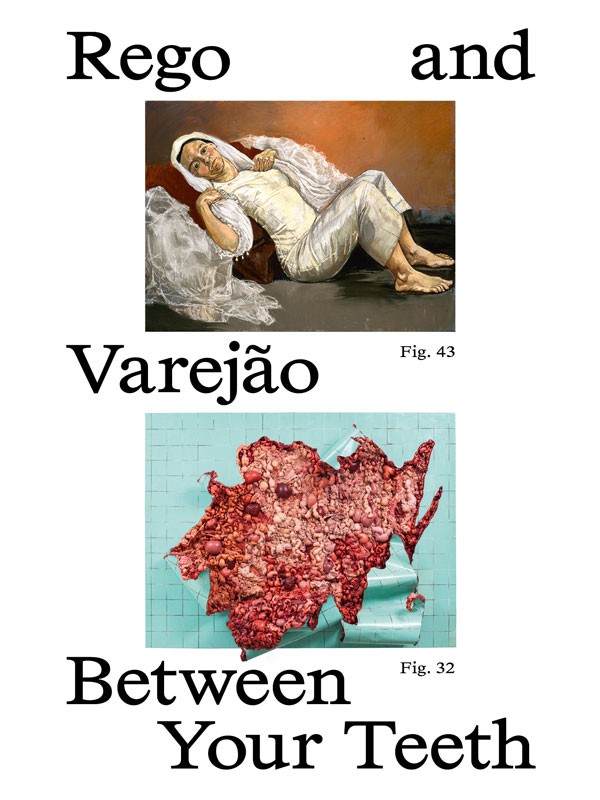
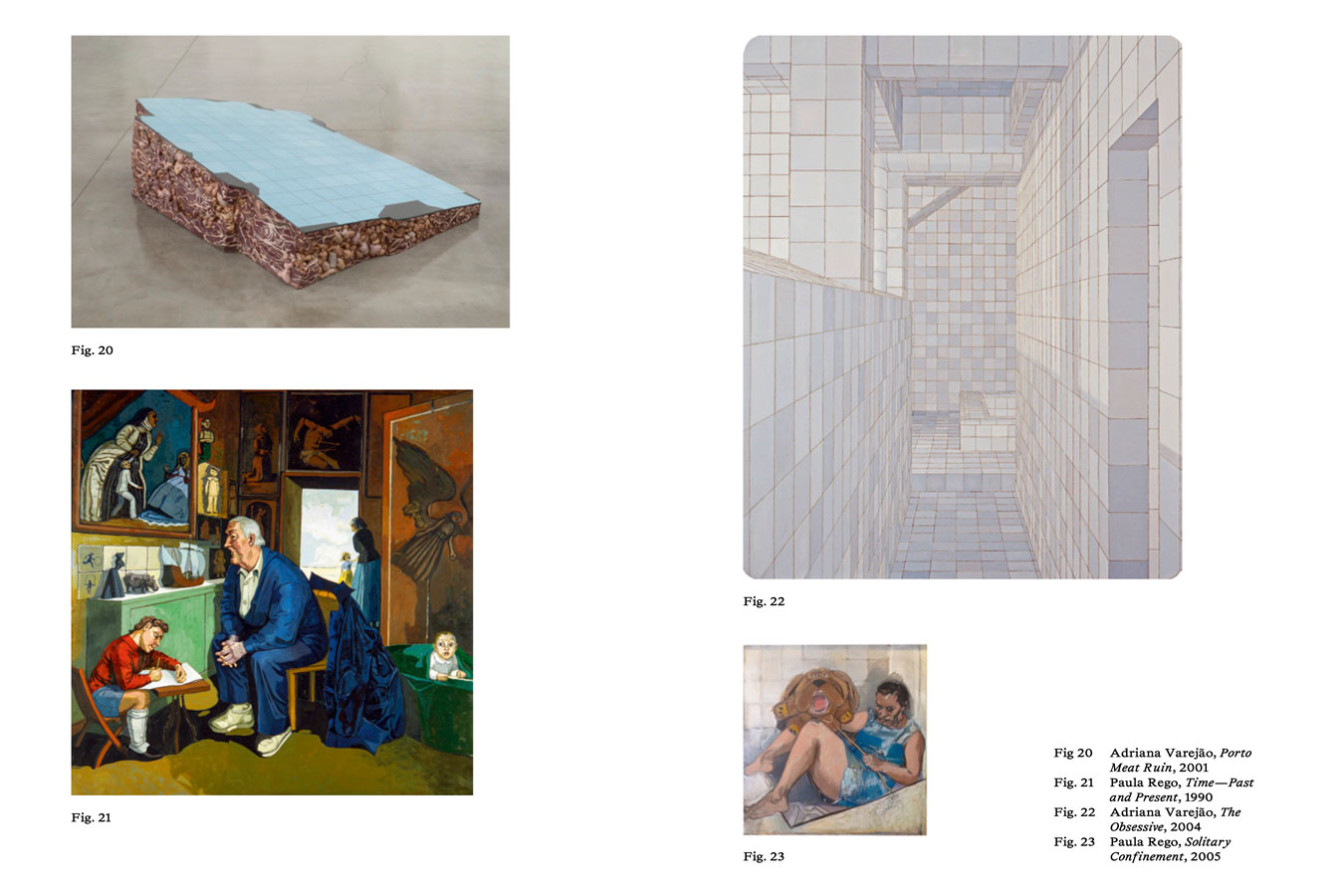
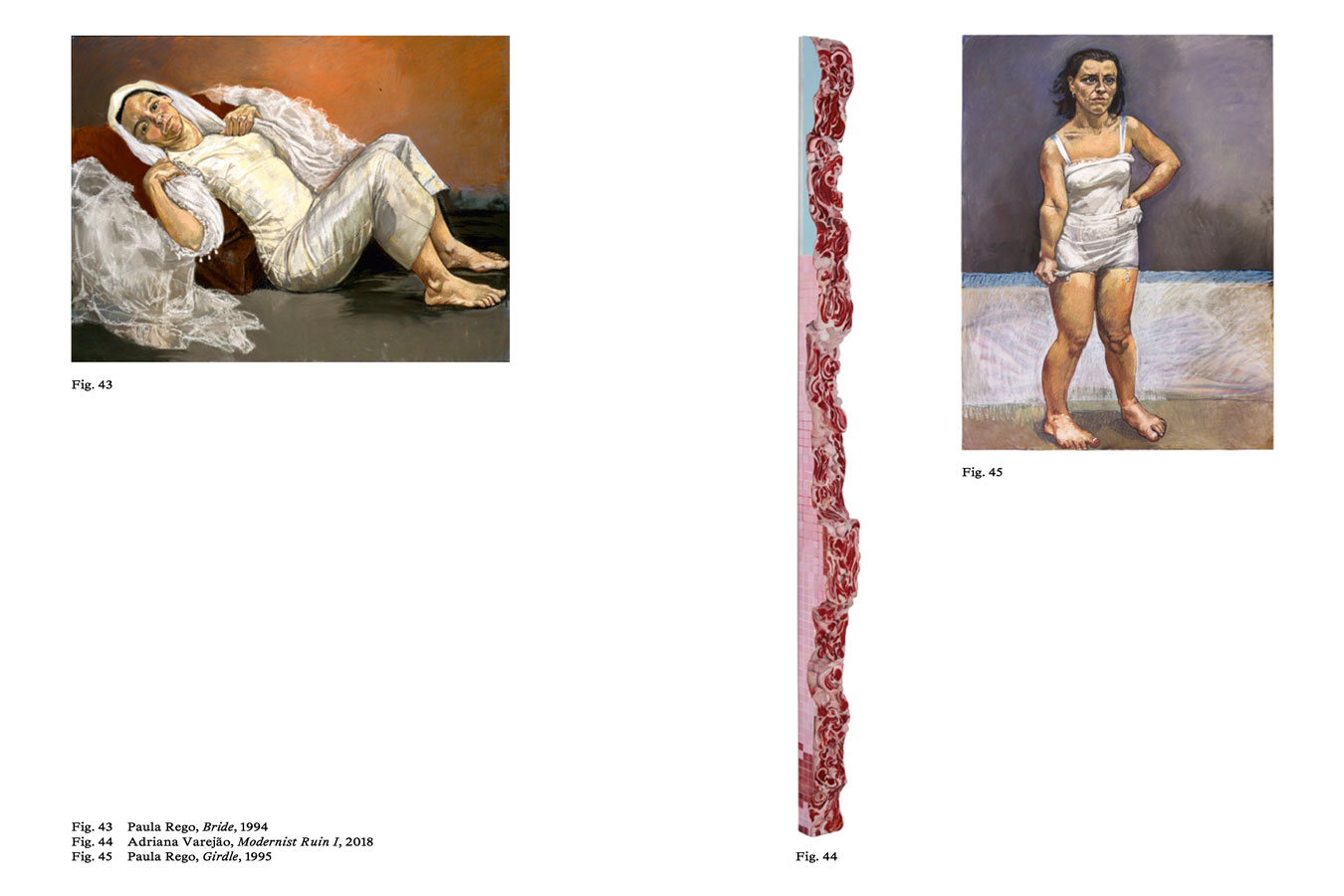
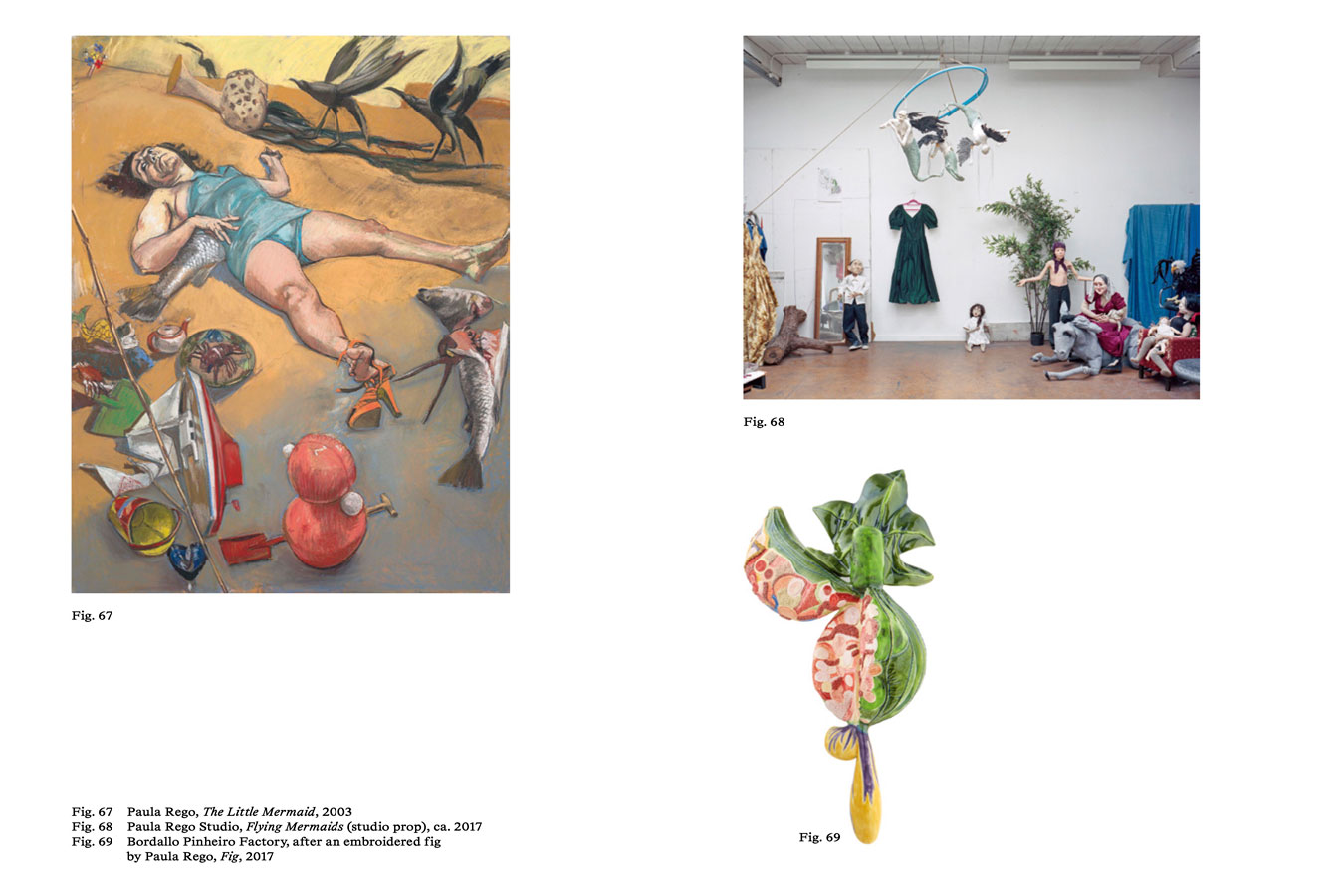
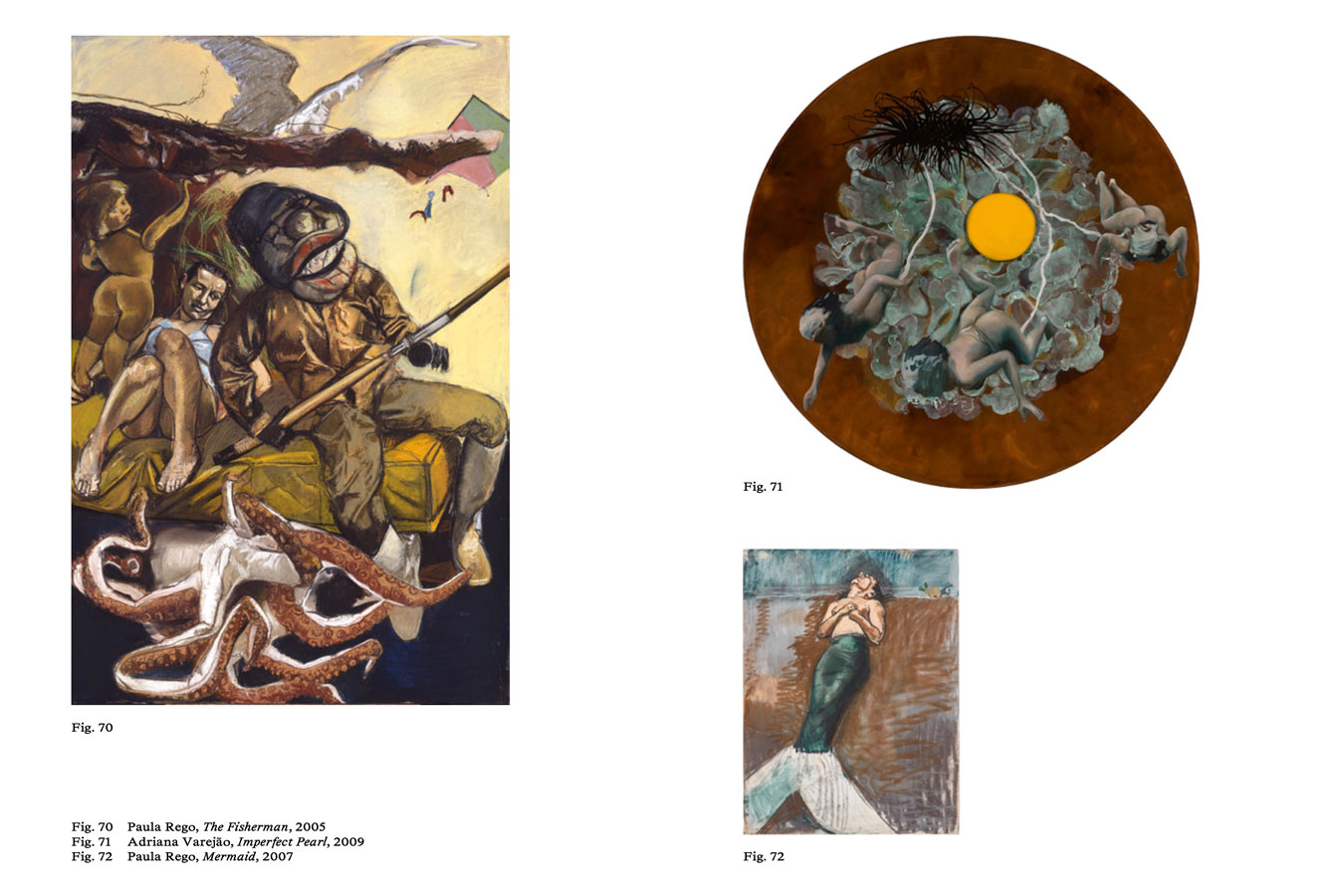
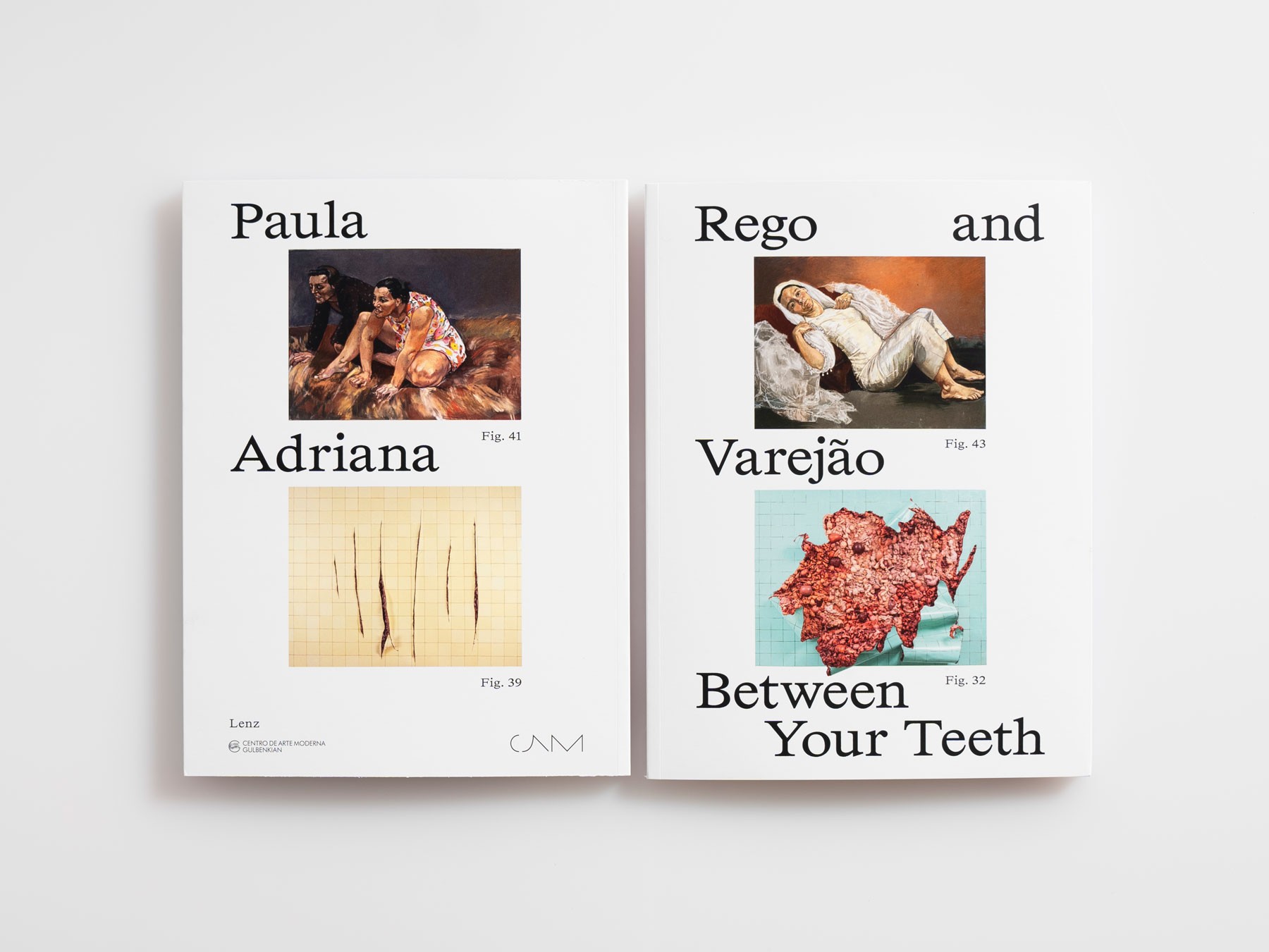
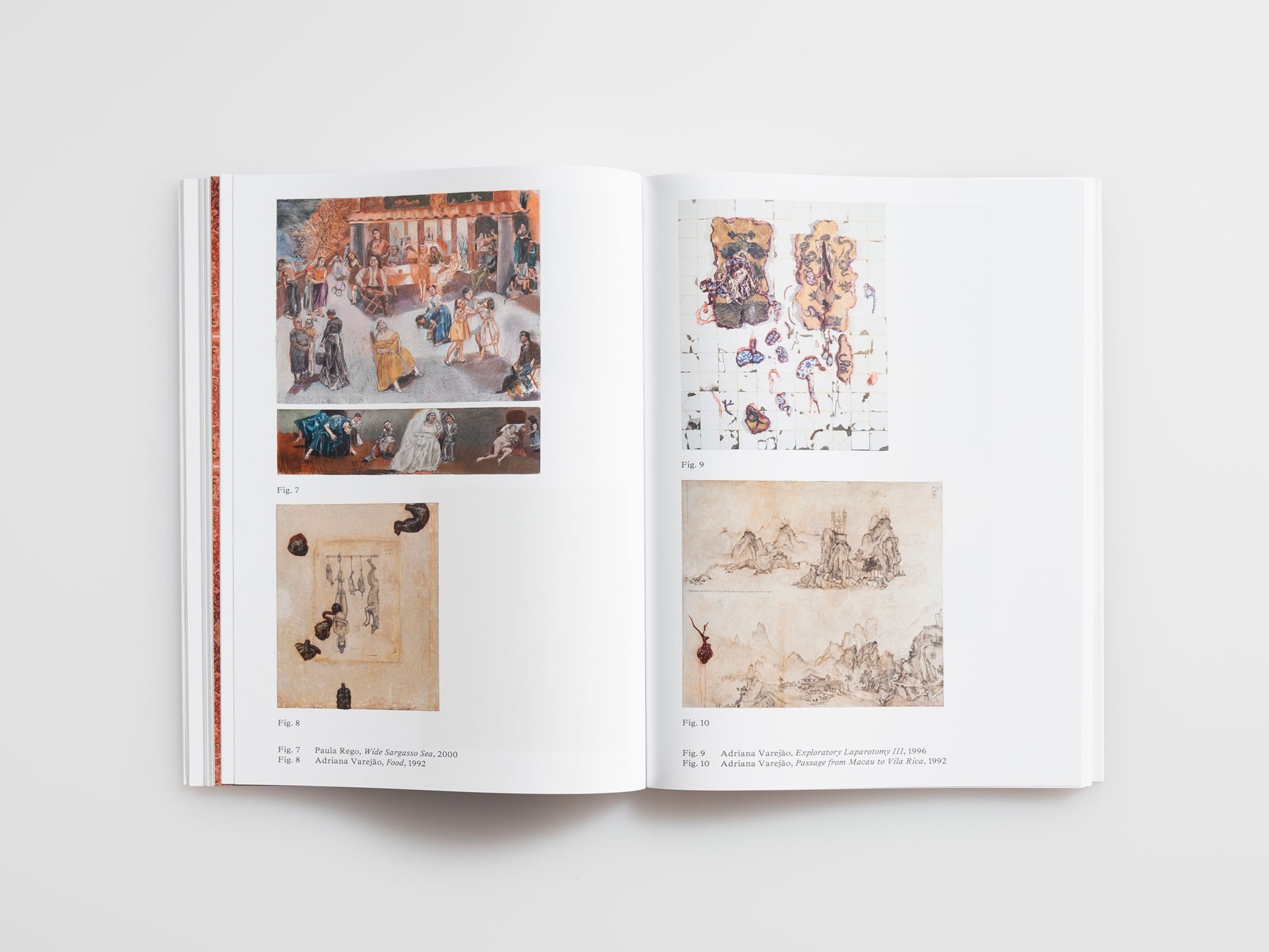
Paula Rego and Adriana Varejão. Between Your Teeth, published on the occasion of the eponymous exhibition held at CAM – Gulbenkian in Lisbon, explores convergences in the work of Paula Rego (Lisbon, 1935 – London, 2022) and Adriana Varejão (Rio de Janeiro, 1964), although they belong to different generations and come from different backgrounds.
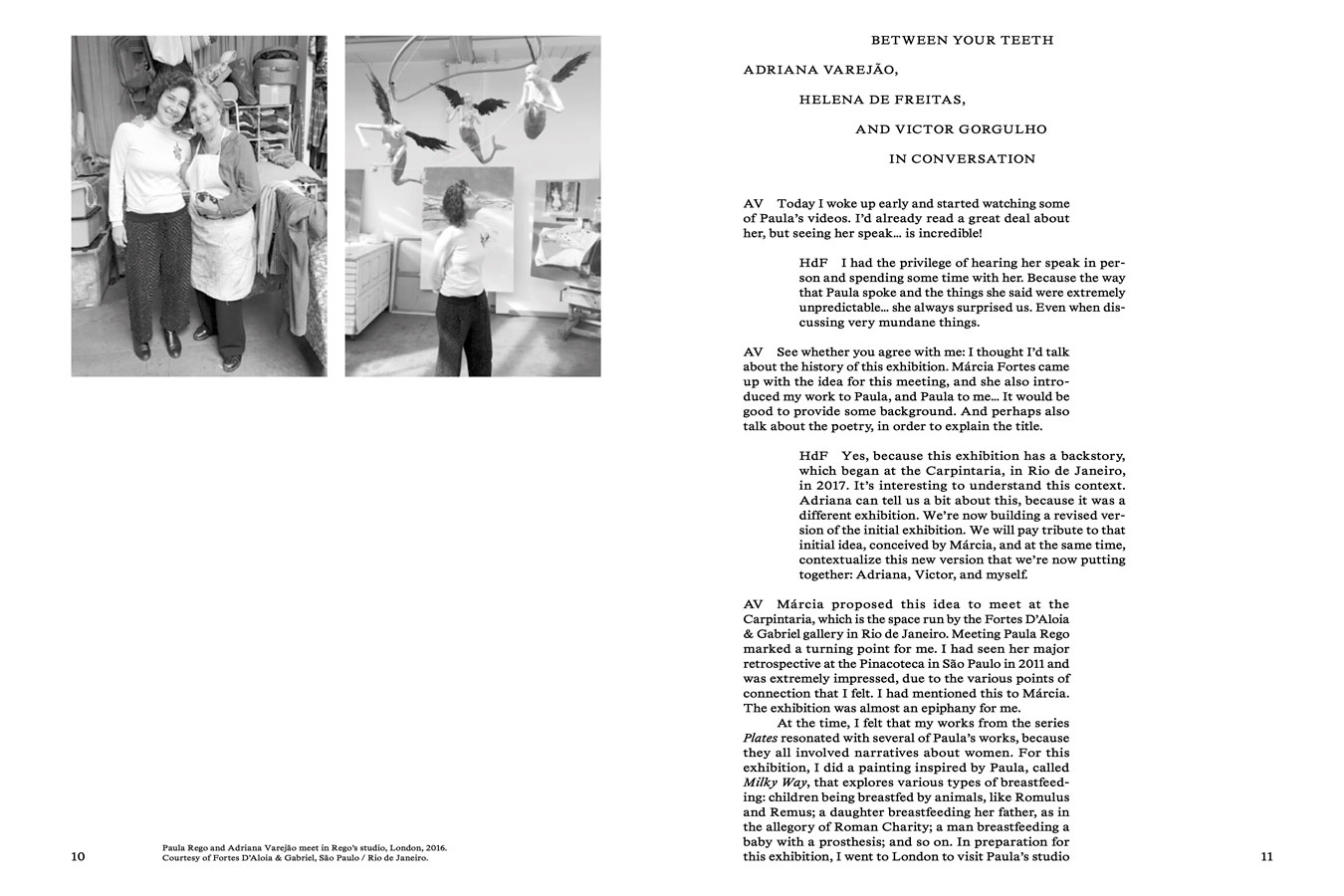
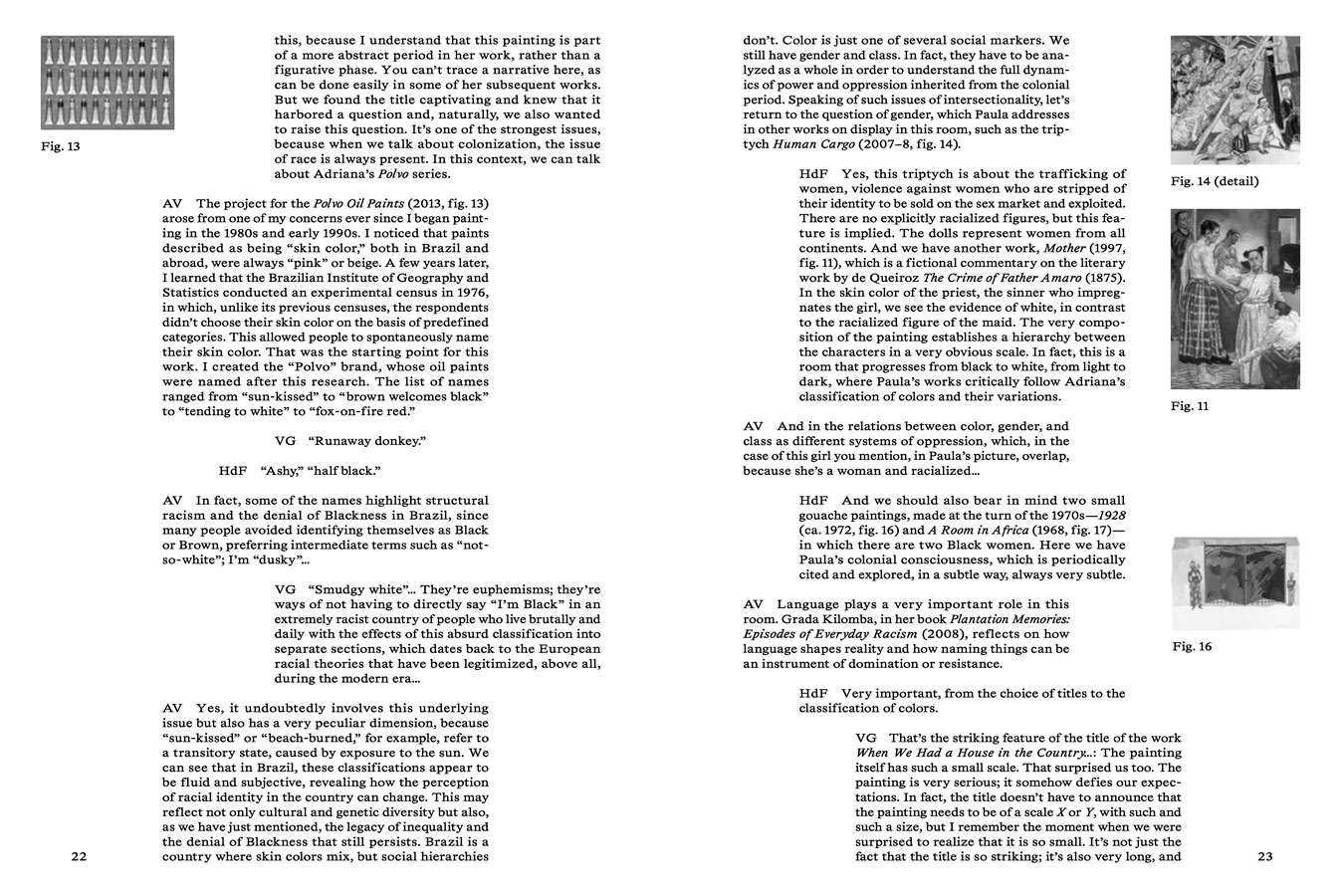
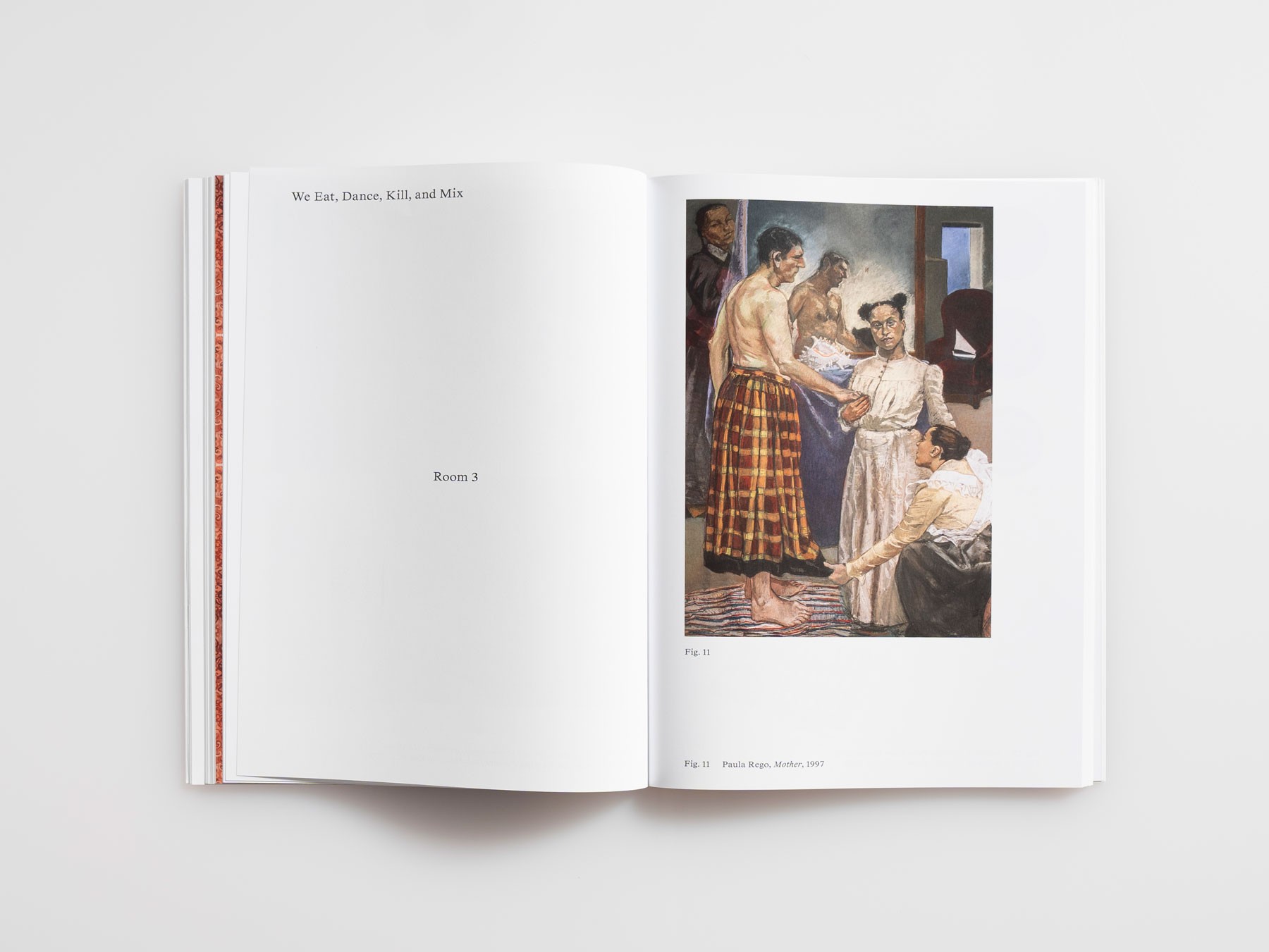
Curated by Adriana Varejão, Helena de Freitas, and Victor Gorgulho, the exhibition, which presents nearly 80 works—including paintings, engravings, sculptures, and installations—is divided into thirteen thematic rooms. The long conversation between the three curators, which forms the main text of the catalogue, reflects the structure of the exhibition, addressing the different thematic nodes and revealing the conceptual and methodological process that guided the selection of works.
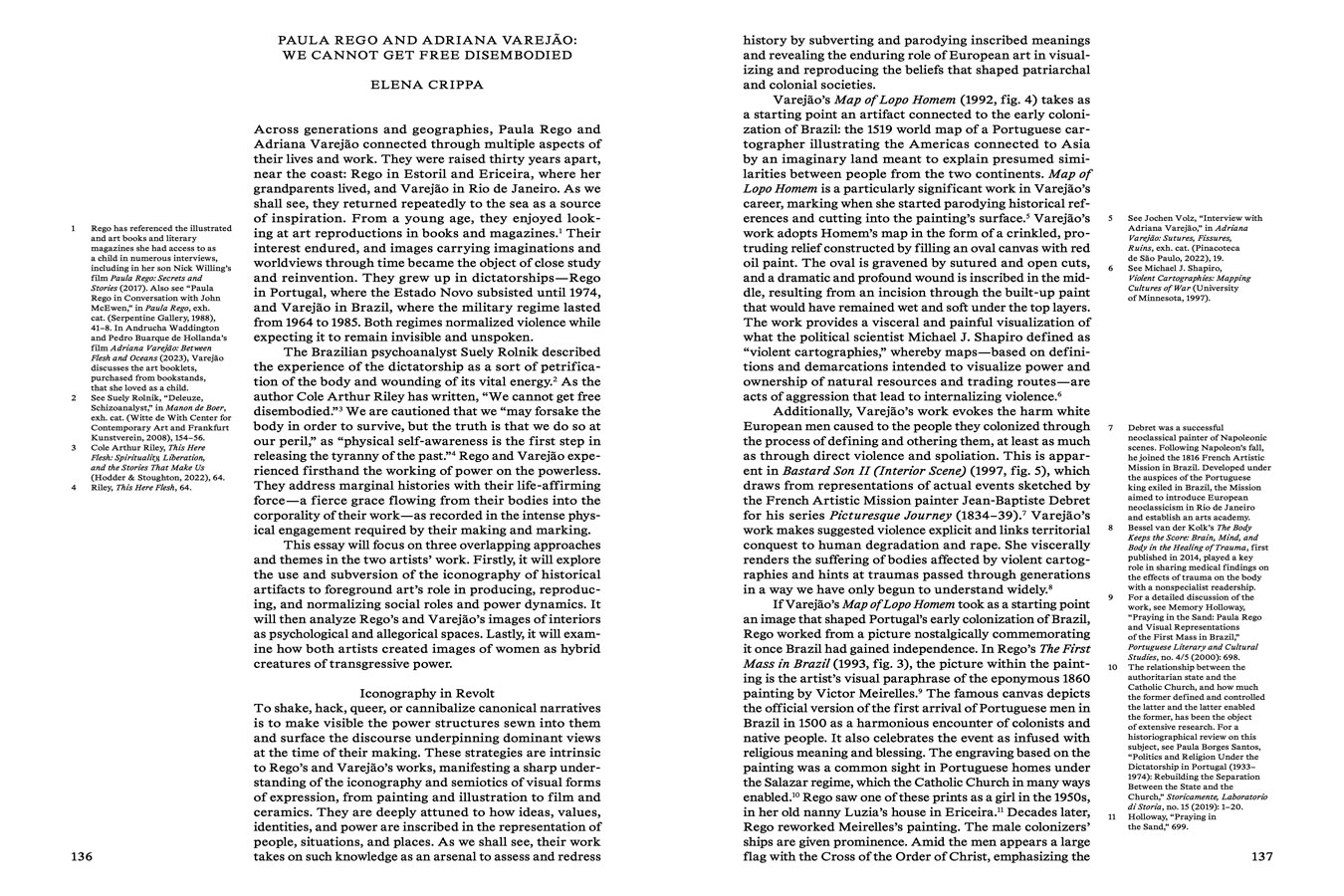
The two essays by Raphael Fonseca and Elena Crippa, which complete the catalogue, offer further insights, by highlighting several similarities in the practice of the two artists from a critical perspective.
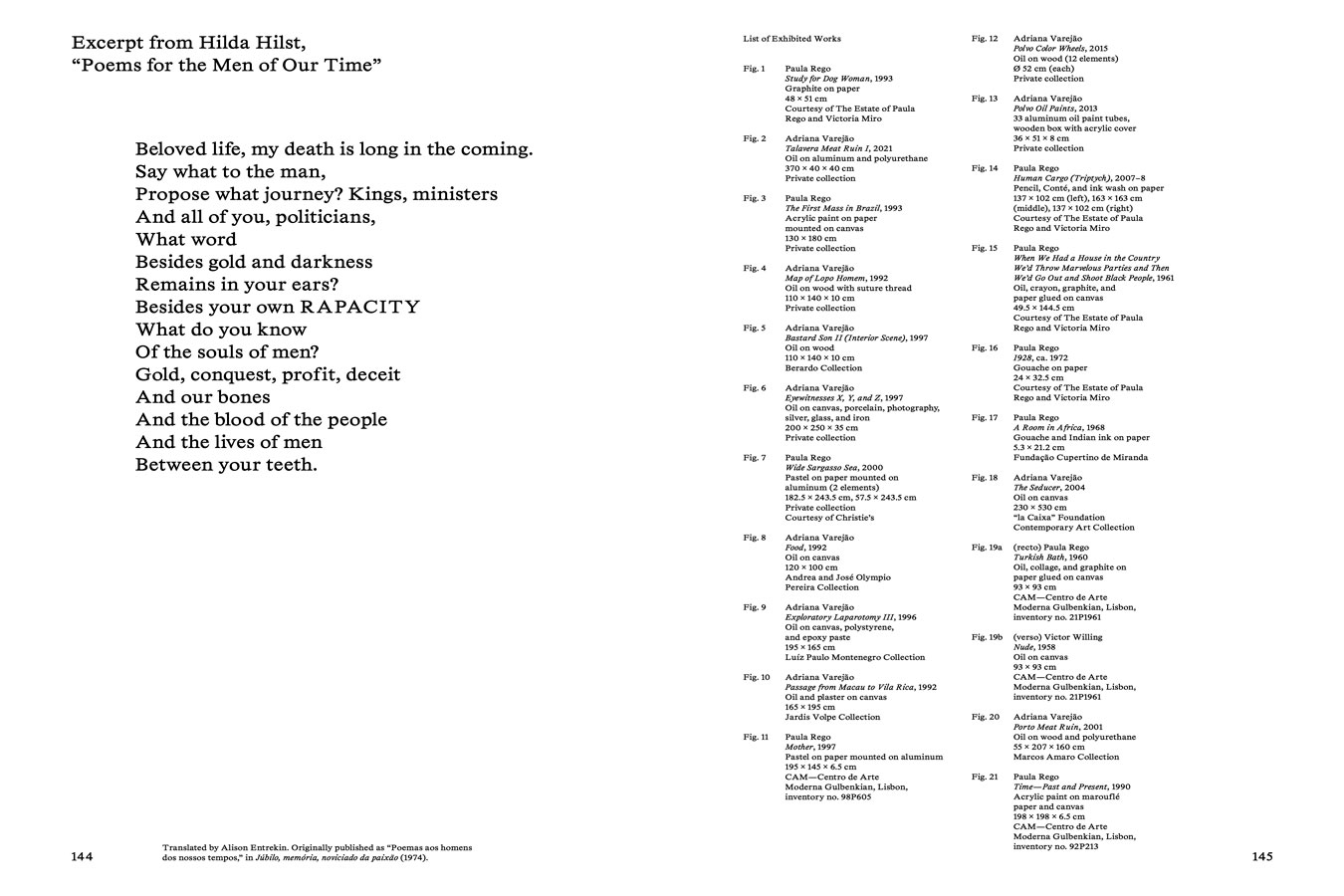
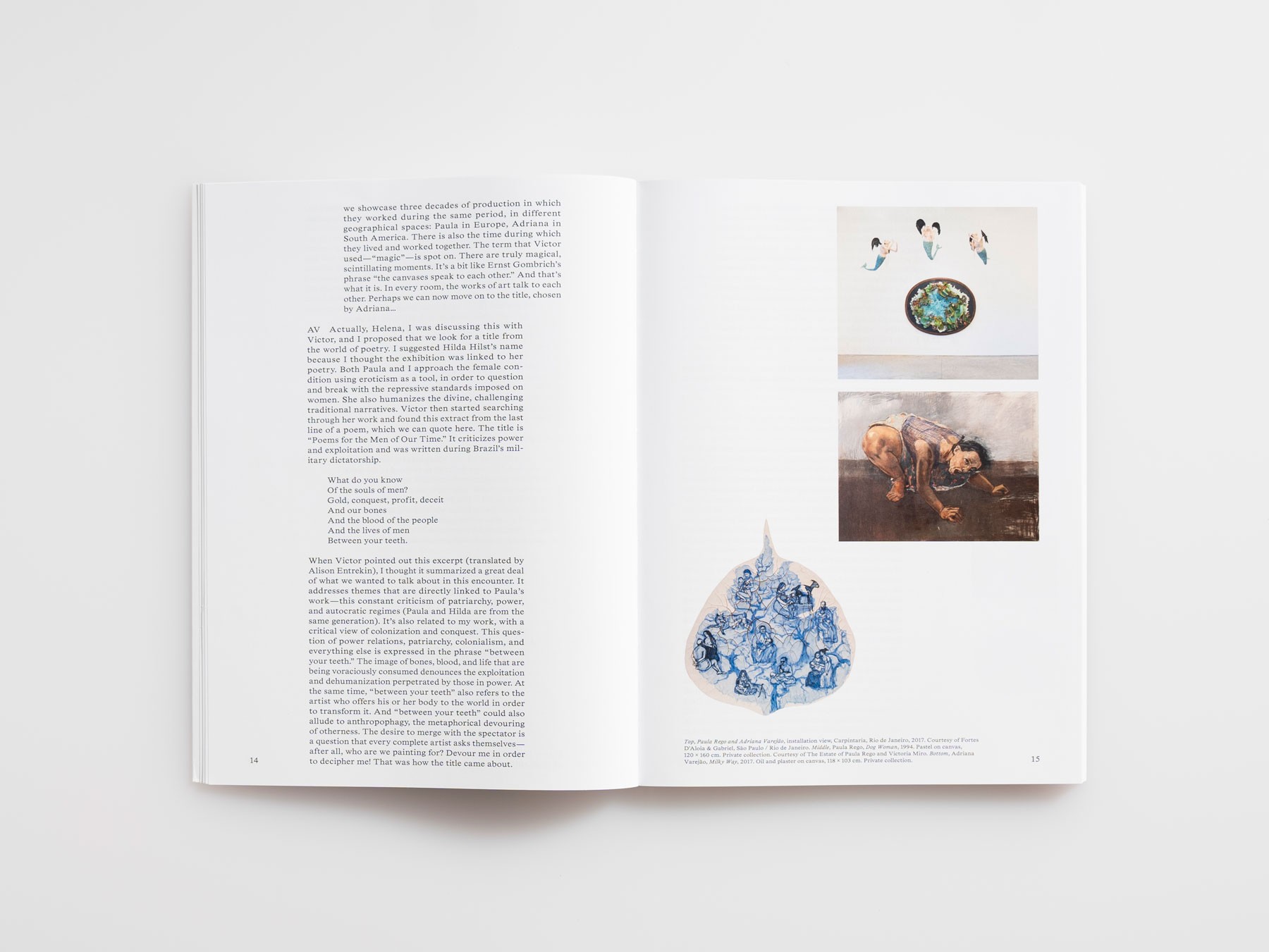
The title—Between Your Teeth—is a line taken from the 1974 Poemas aos homens do nosso tempo (Poems to the men of our time) by the Brazilian poet and novelist, Hilda Hilst, in a clear allusion to the dictatorial regime that had begun in Brazil in the previous decade. Hilst describes and criticises the power associated to greed, conquest, profit and exploitation. In their representations of literal and metaphorical bodies, Paula Rego and Adriana Varejão reflect on how patriarchy, colonialism and all forms of oppression mutually interact, “chewing up” people and their stories.
This is the artists’ first joint exhibition in Portugal, having already exhibited together in Rio de Janeiro (Carpintaria, 2017), when Paula Rego was still alive.
The catalogue fosters the encounter between Adriana Varejão, who has developed pioneering work in the field of postcolonial thought, and the work of Paula Rego, whose political force is developed by a productive tension between a private register and its public dimension, expanding the interpretive universe of the two artists.