Published in conjunction with a solo exhibition at Kunst Museum Winterthur, this book provides the first overview of Altmann’s work to date, characterized by a strongly socio-critical consciousness, and reveals the artist’s influences and inspirations.
The first monograph dedicated to Paloma Bosquê addresses the Brazilian artist’s ways of understanding and giving shape to that matter which can be perceived, but not rationalized.
The first book on London based artist Gili Tal, whose practice identifies how the digital has long become a reality that has subjected our habits of perception to a radical change.
Through comprehensive and interdisciplinary readings of landscape, cinema, architecture, and visual culture, this first monograph builds on the storytelling dimensions that have always informed the photographic oeuvre of the Syrian artist.
The book is the outcome of an exhibition around the theme of the sacred. The resumption of historical figures, classical art-historical iconography, and everyday images intermingle in a reconstruction of reality that is dreamlike, painful, and sometimes grotesque.
Vogliamo tutto. Cultural Practices and Labor is a publication on work within a changing socio-cultural context: from the impact of the Industrial Revolution to post-industrial decline through to the rapid evolution of the digital era.
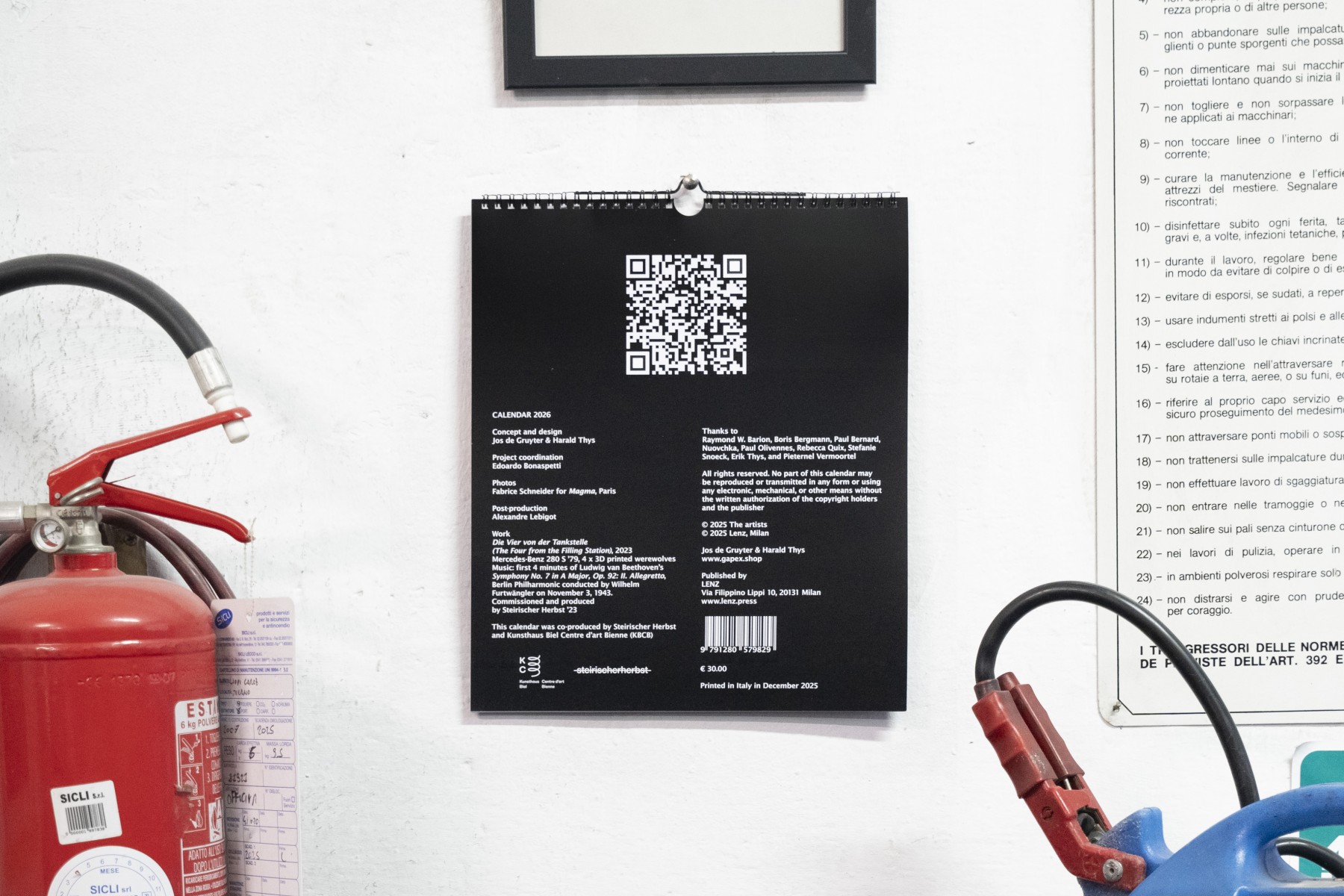
Concept and design
Jos de Gruyter & Harald Thys
Co-produced by Steirischer Herbst and Kunsthaus Biel Centre d’art Bienne (KBCB)
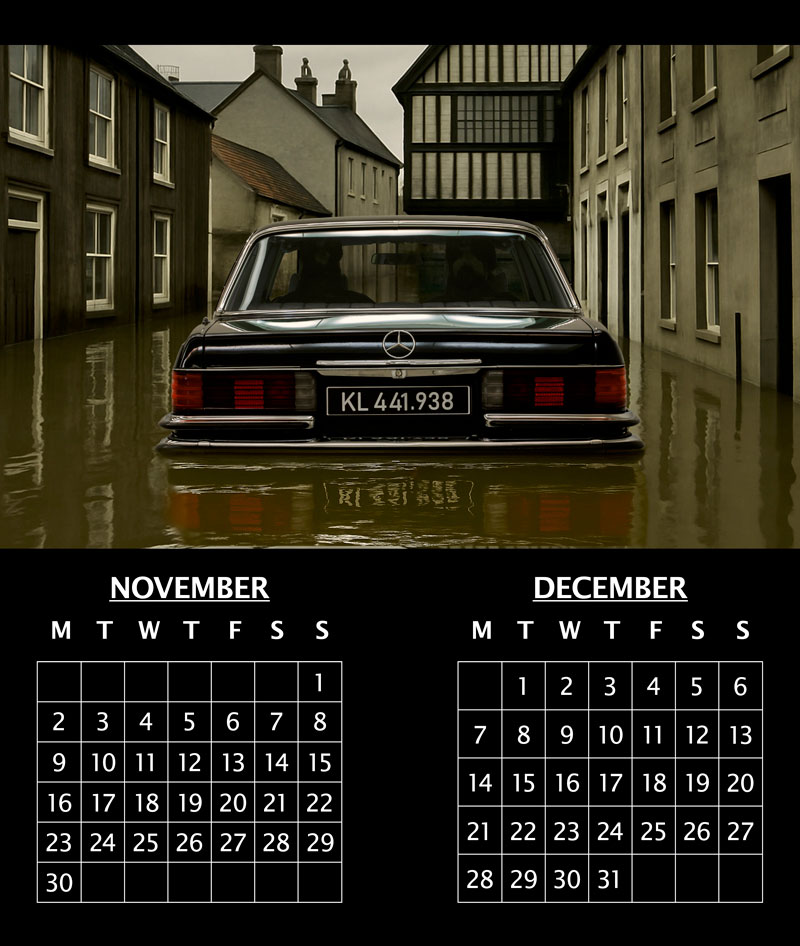
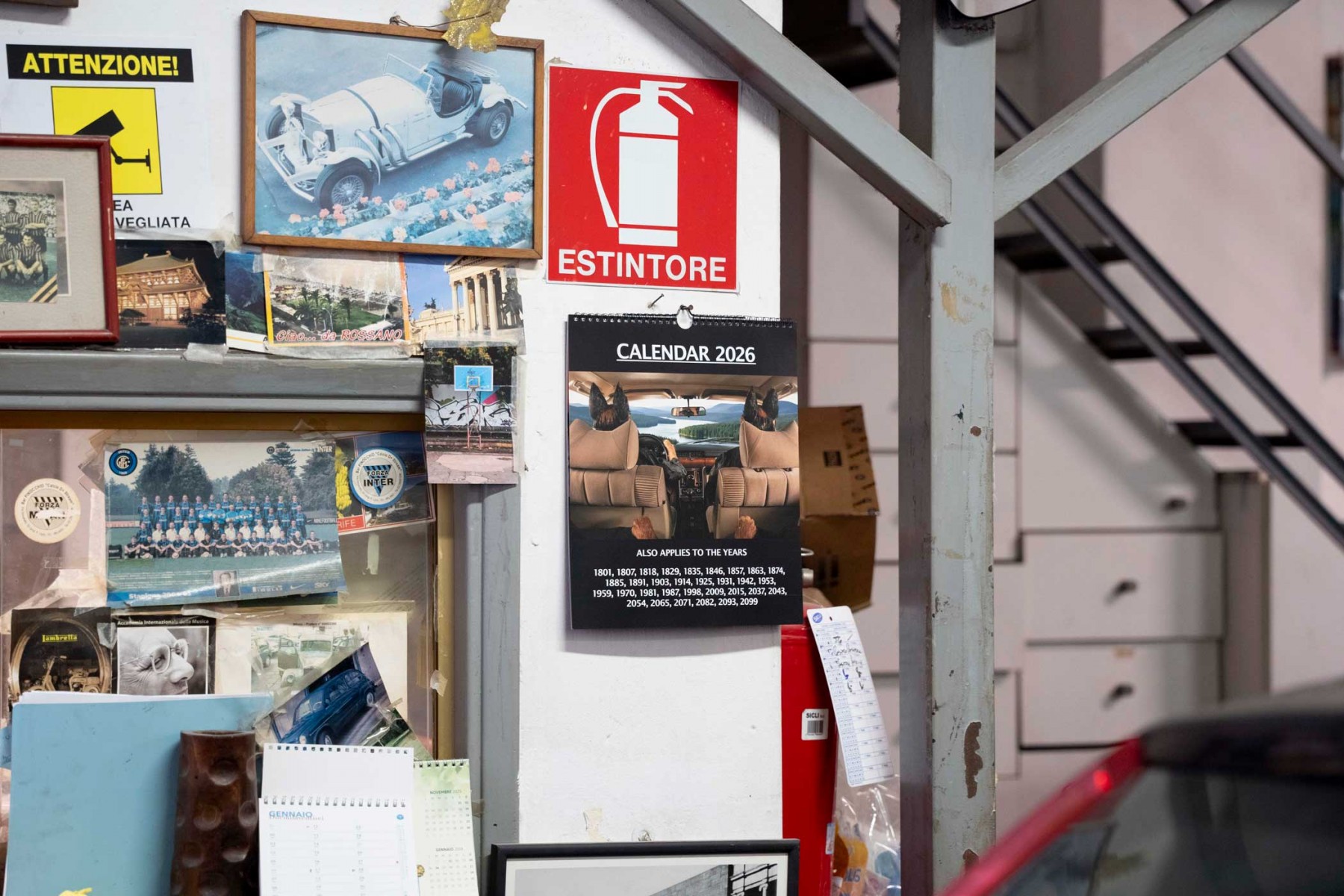
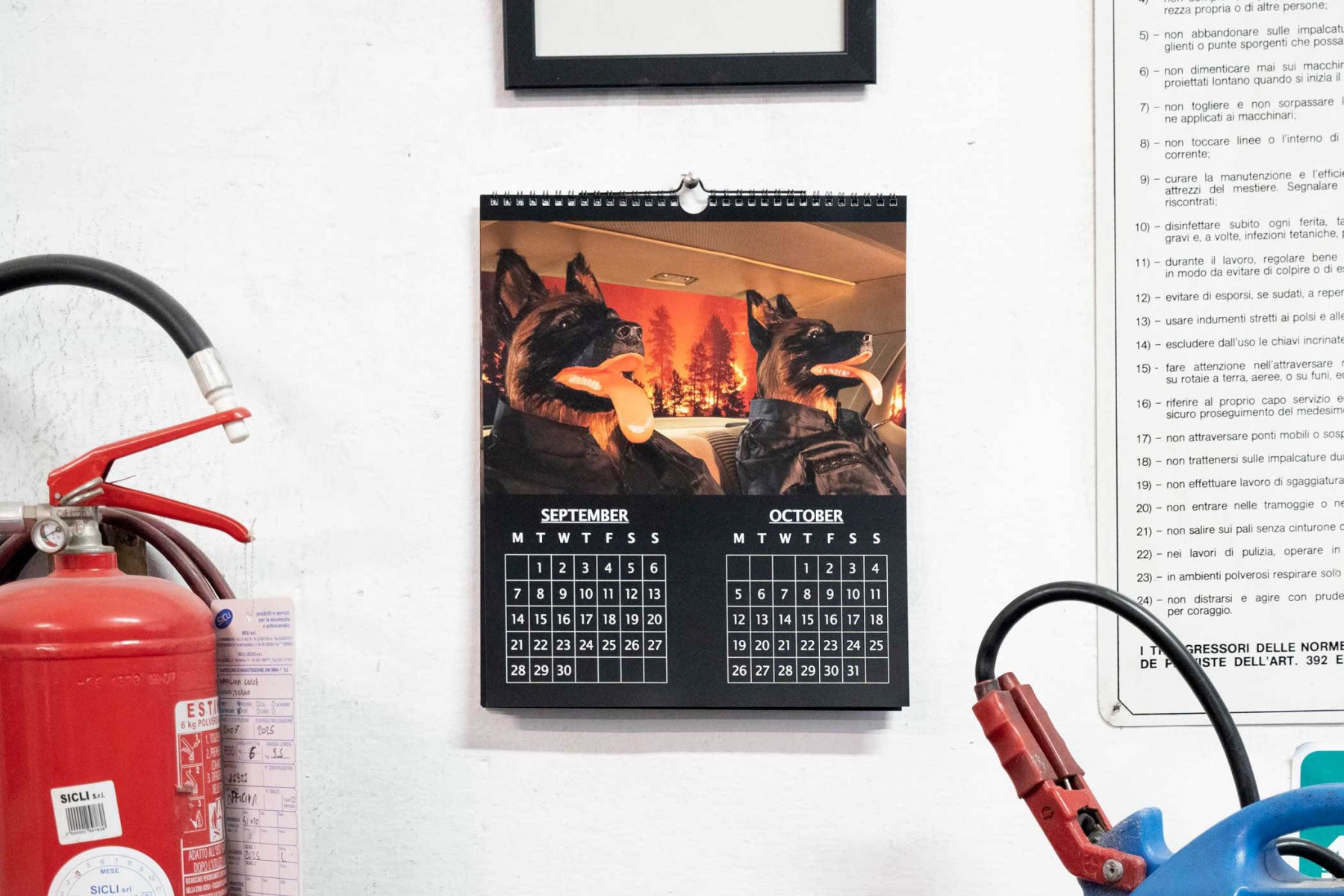
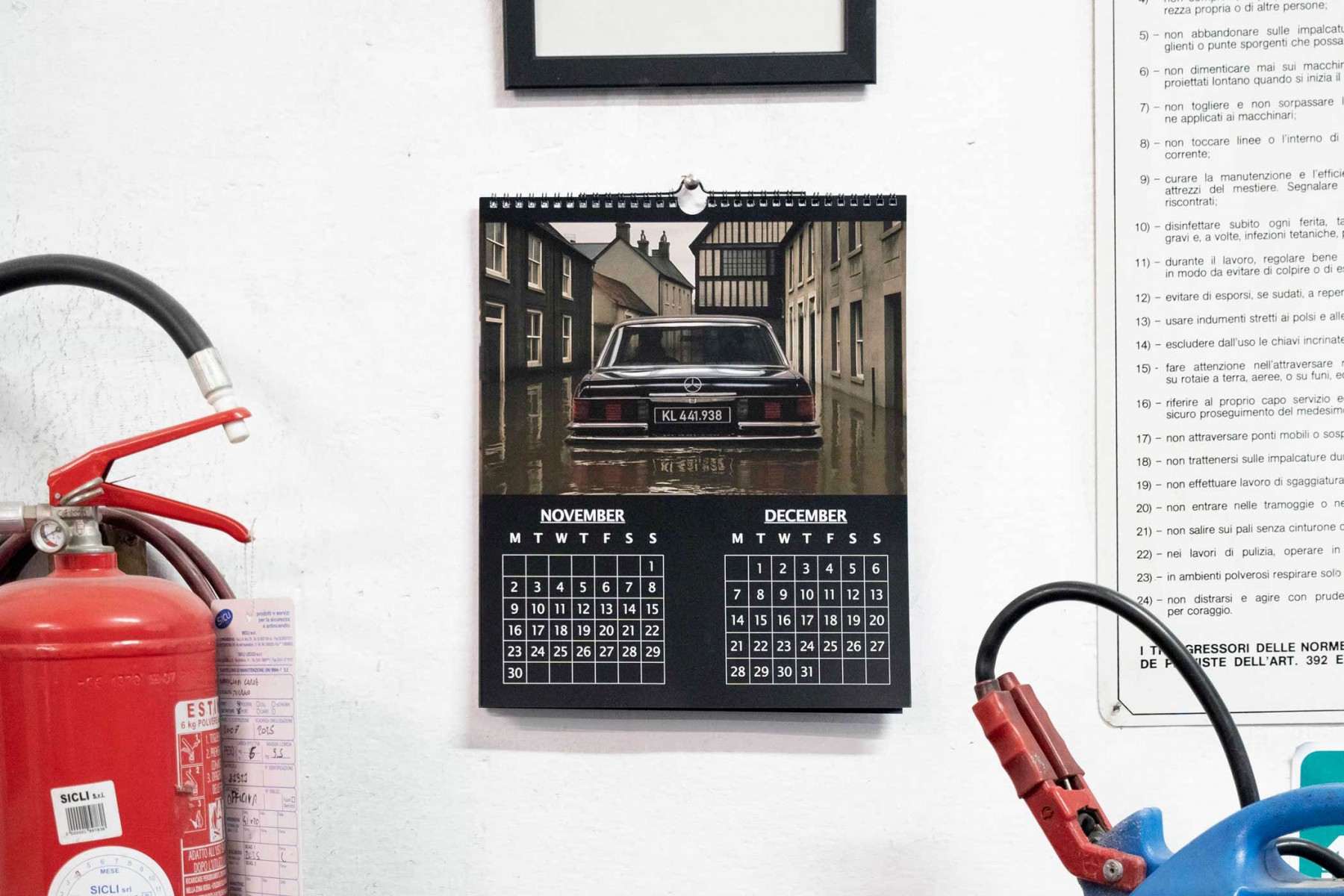
2026, English, Spiral-bound, 28 x 33 cm, 7 pages
ISBN 9791280579829
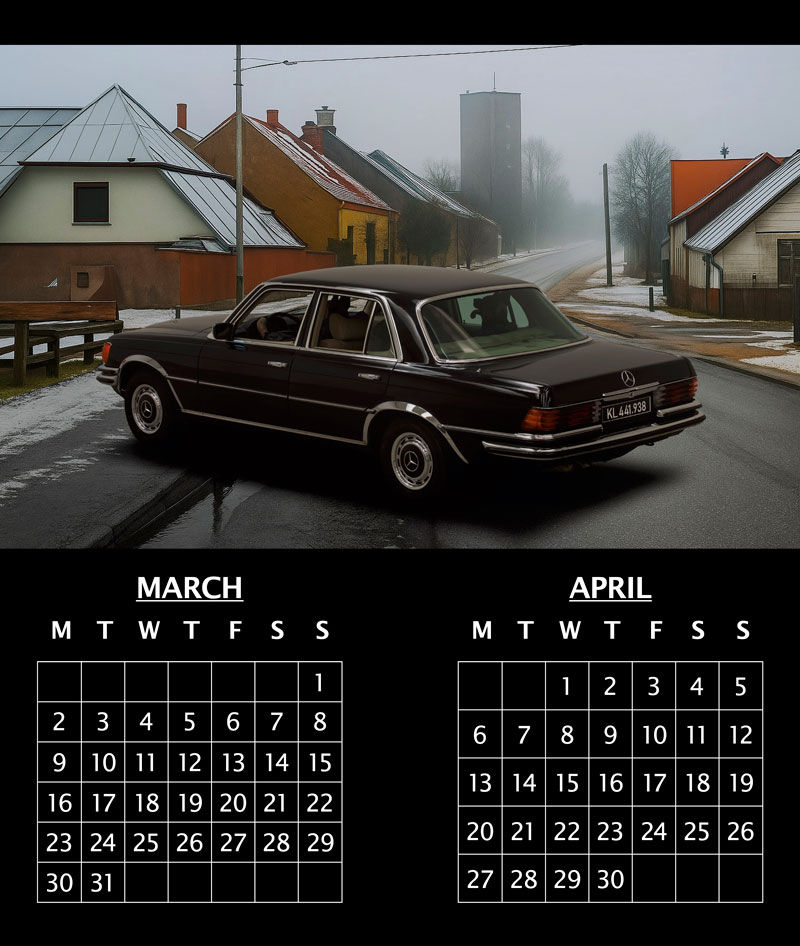
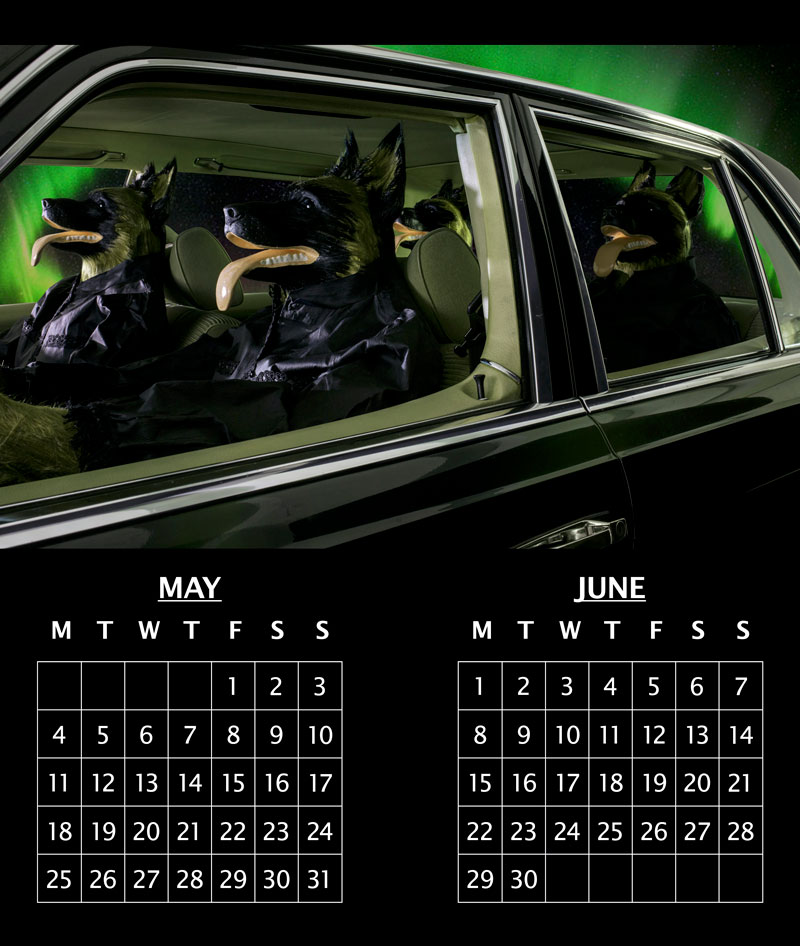
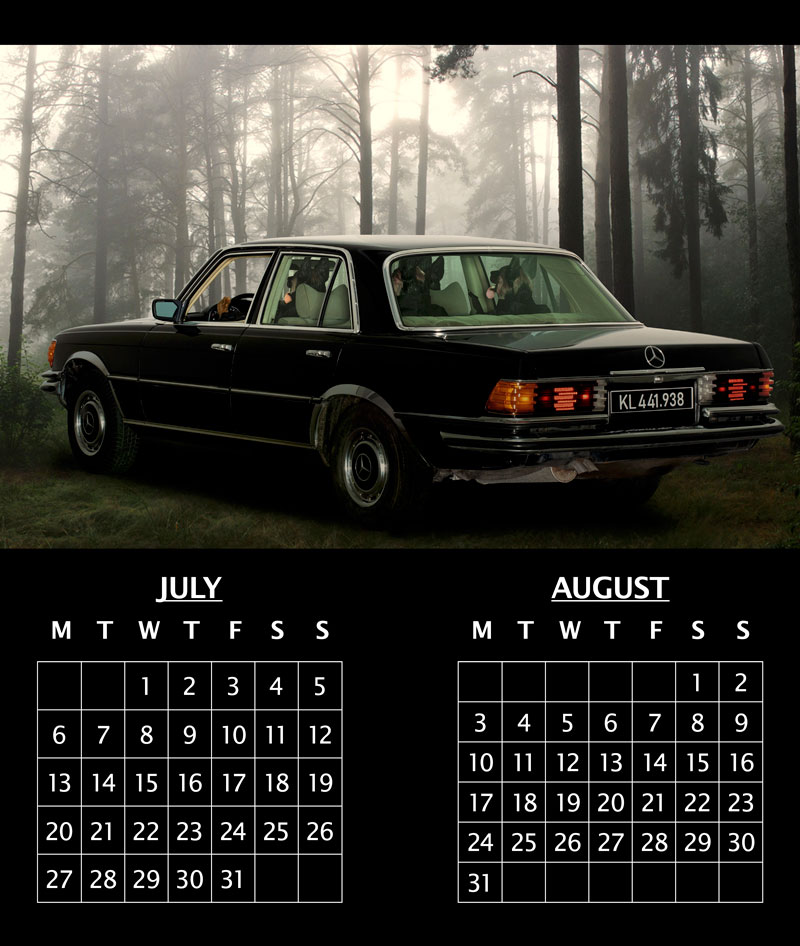
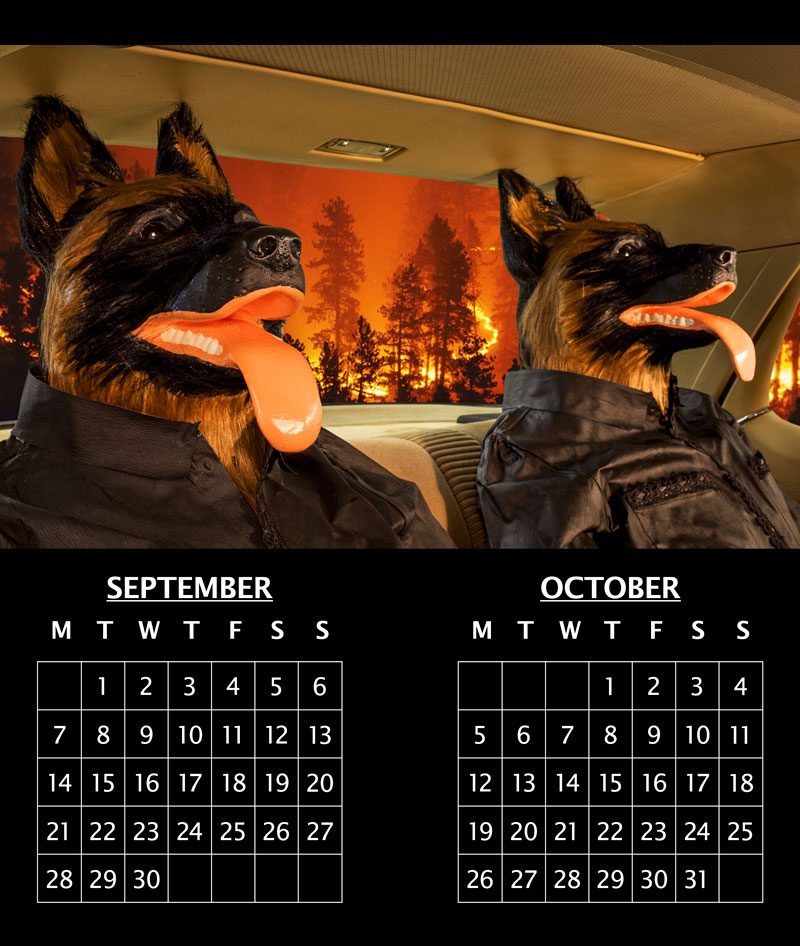
For years now, the Die Vier von der Tankstelle (Four from the Gas Station) have been roaming across an area stretching out to the south of the Baltic Sea.
From Bremerhaven in the west to Kaliningrad in the east.
They prowl their way through sparsely populated areas, frightening and wantonly terrorizing isolated communities in small villages.
They yell at passersby, molest the elderly and children, smash windows, and set fires all over the place.
Once the villagers have barricaded themselves in their homes and are anxiously waiting to see what is going to happen, the Die Vier von der Tankstelle move on.
Roaring with laughter, they continue their journey, doing so purely for their own enjoyment. Their actions are completely pointless and are likely to be repeated, as they may well return time and again.