The artist’s book to love and devour by Tolia Astakhishvili was published on the occasion of the inaugural exhibition at the new site of the Nicoletta Fiorucci Foundation in Venice, curated by Hans Ulrich Obrist.
This monograph, published on the occasion of Samson Young’s exhibition at SFMOMA, focuses on his latest project, Intentness and Songs, a multimedia installation that poetically traces the idiosyncratic rhythms of love, memory, experiences of time, and AI. Essays and a rich set of unpublished materials offer new keys to understanding the artist’s work.
The book, published on the occasion of the eponymous exhibition held at CAM – Gulbenkian in Lisbon, explores convergences in the work of Paula Rego (Lisbon, 1935 – London, 2022) and Adriana Varejão (Rio de Janeiro, 1964), although they belong to different generations and come from different backgrounds.
O livro, lançado por ocasião da exposição homónima no CAM – Centro de Arte Moderna Gulbenkian, em Lisboa, explora as convergências nas obras de Paula Rego (Lisboa, 1935 – Londres, 2022) e Adriana Varejão (Rio de Janeiro, 1964), apesar de pertencerem a gerações e contextos distintos.
The future of architecture lies in the curatorial approach. This is the thesis put forward by architect Wilfried Kuehn and theorist Dubravka Sekulić in their book, which brings together contributions from more than 30 authors working in the fields of architecture, art, and curatorial knowledge and practice.
Emanuele Coccia describes the radical creative freedom inscribed in Ernesto Neto’s practice, analyzing the workings of the Brazilian artist’s pieces of living architecture. Art on Earth is the third book in a series of short essay collections inspired by the site-specific projects conceived for GAMeC at Palazzo della Ragione.
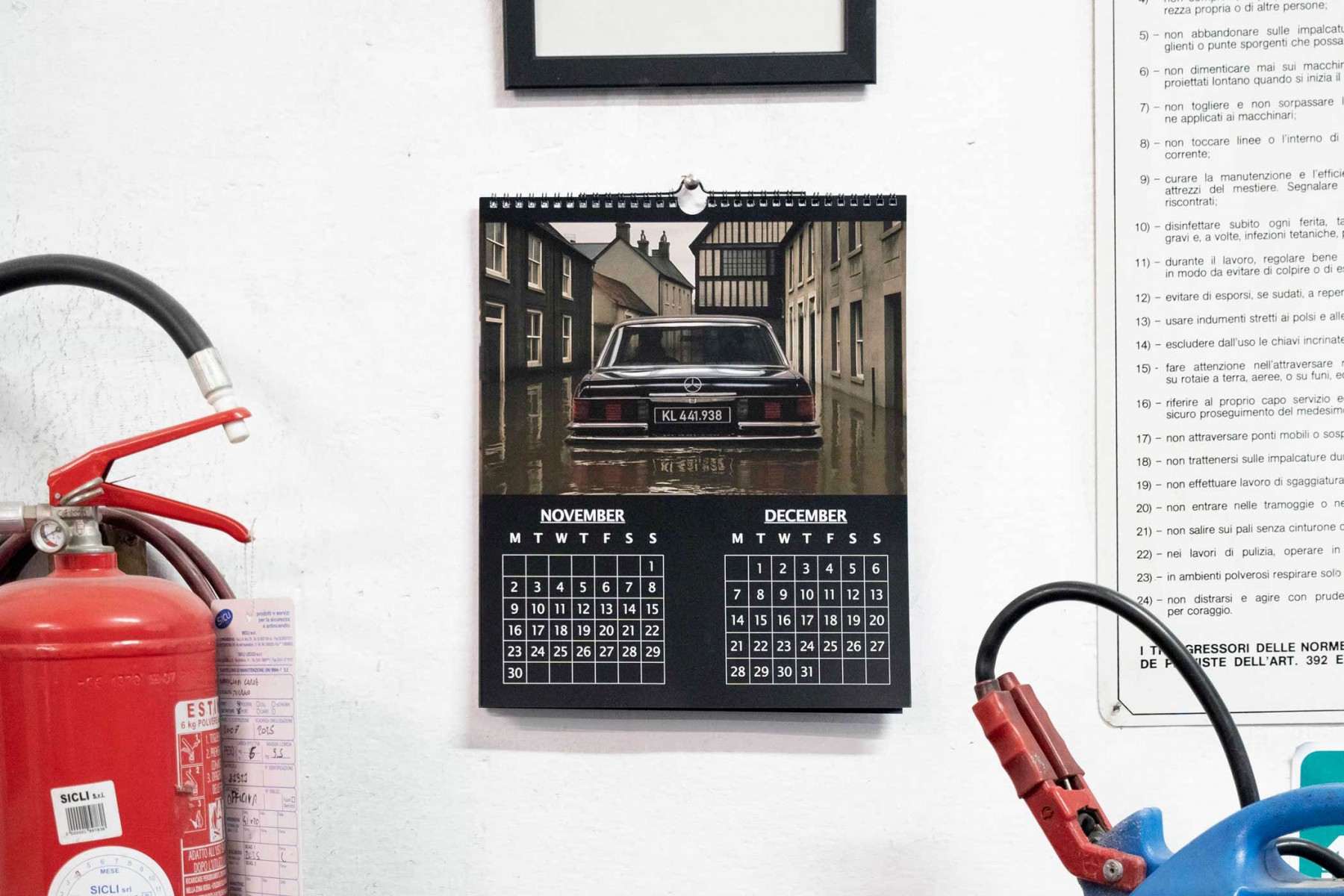
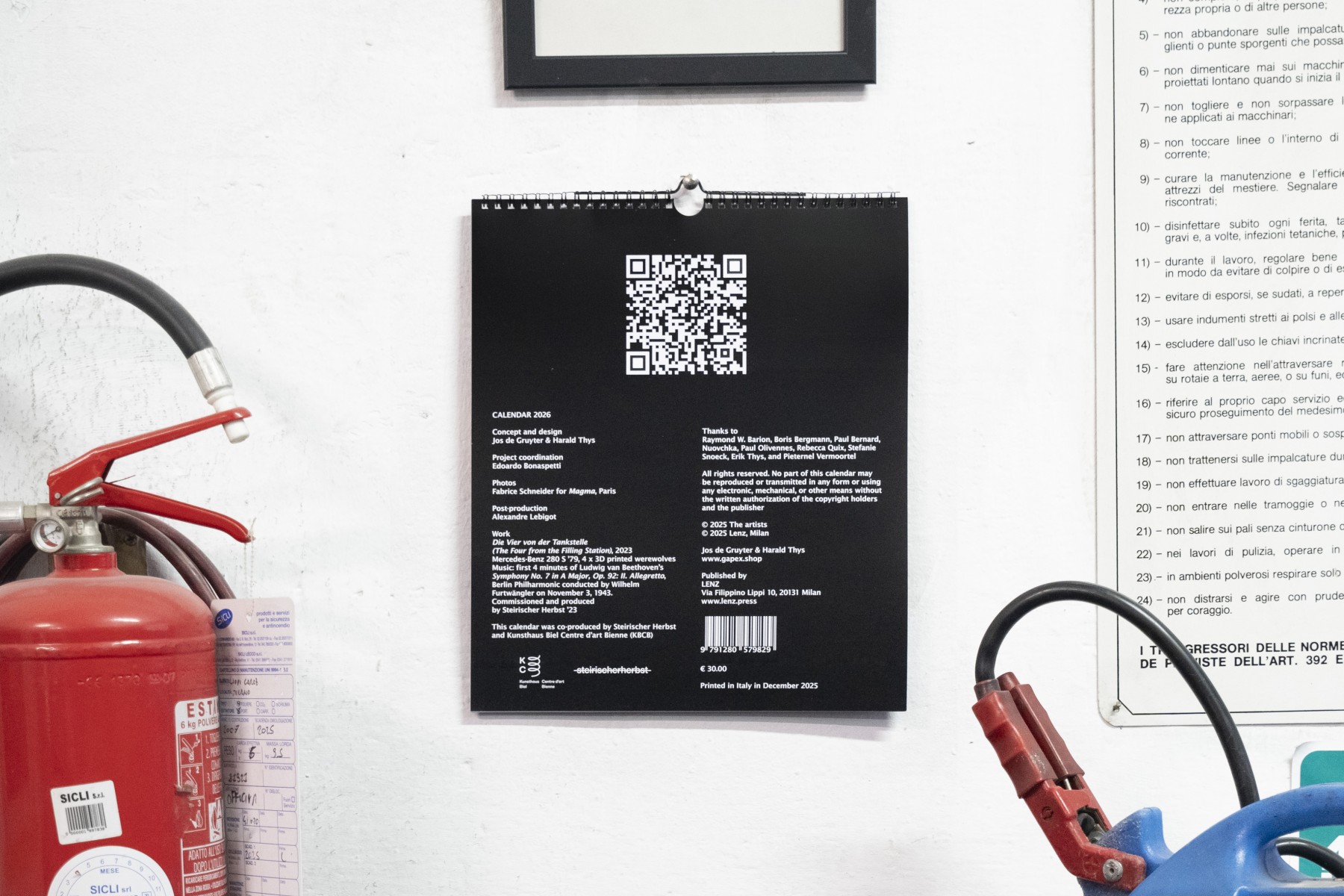
Concept and design
Jos de Gruyter & Harald Thys
Co-produced by Steirischer Herbst and Kunsthaus Biel Centre d’art Bienne (KBCB)
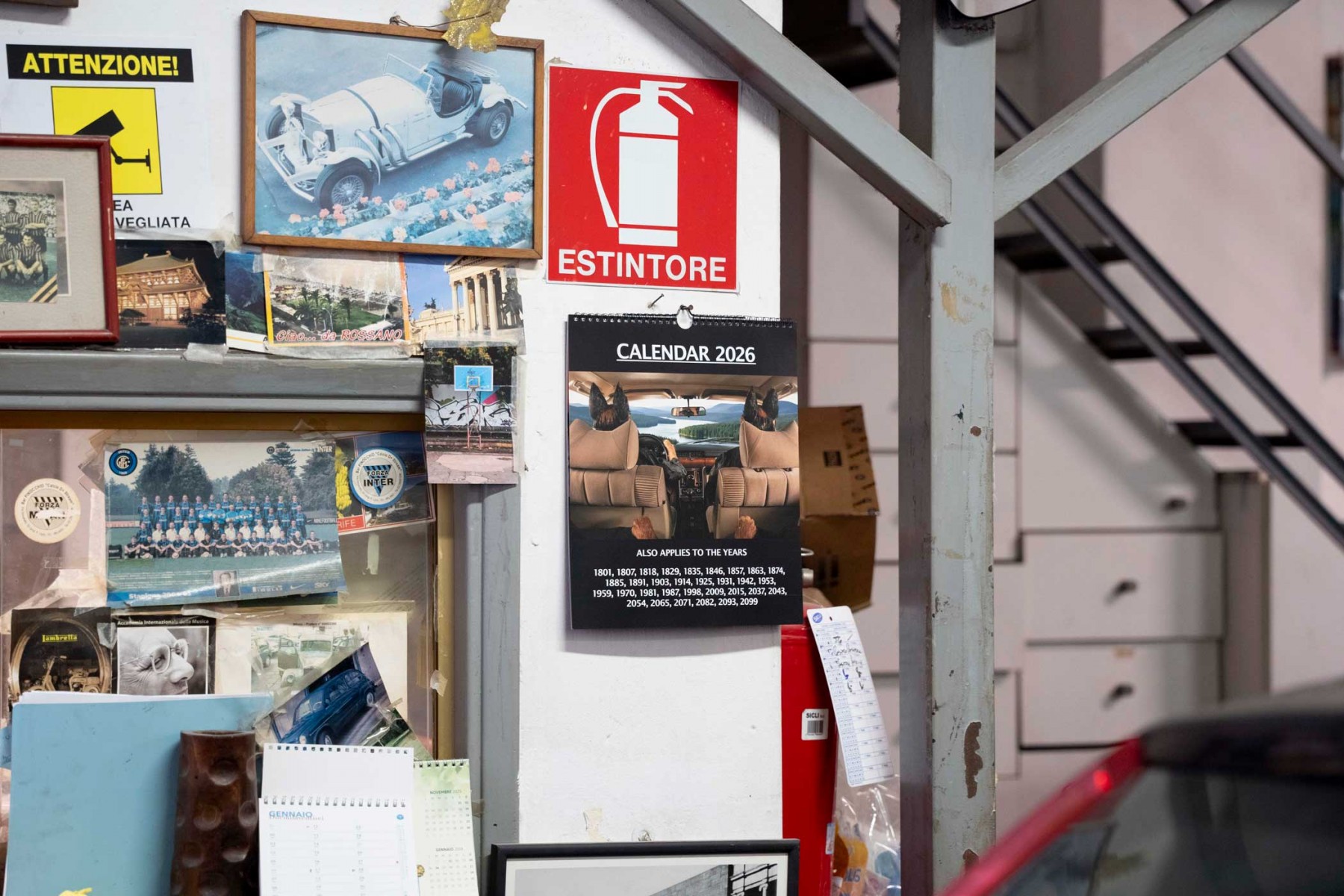
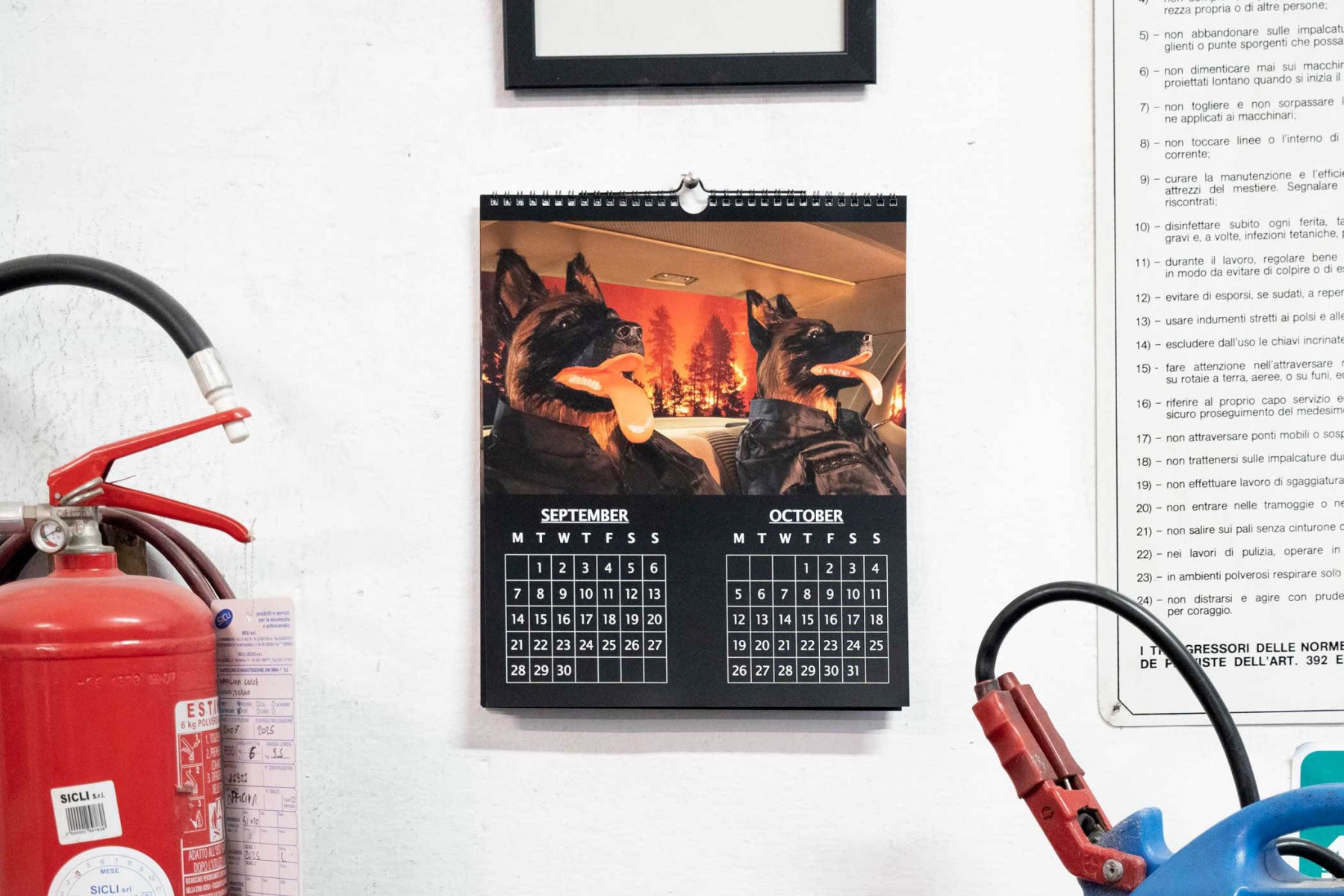
2026, English, Spiral-bound, 28 x 33 cm, 7 pages
ISBN 9791280579829
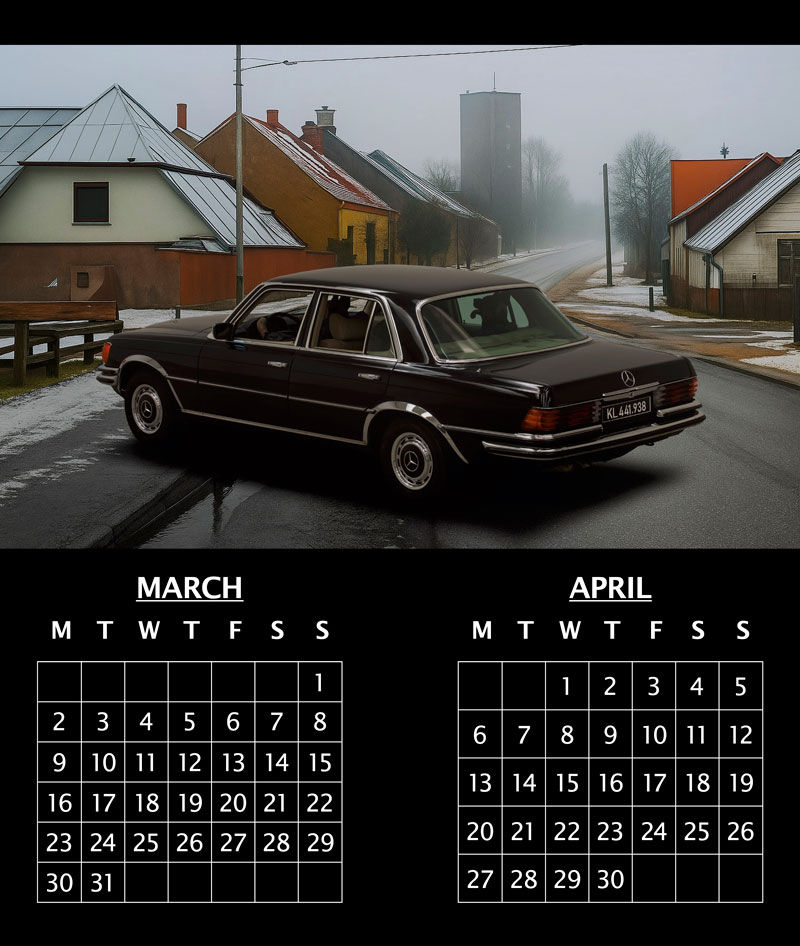
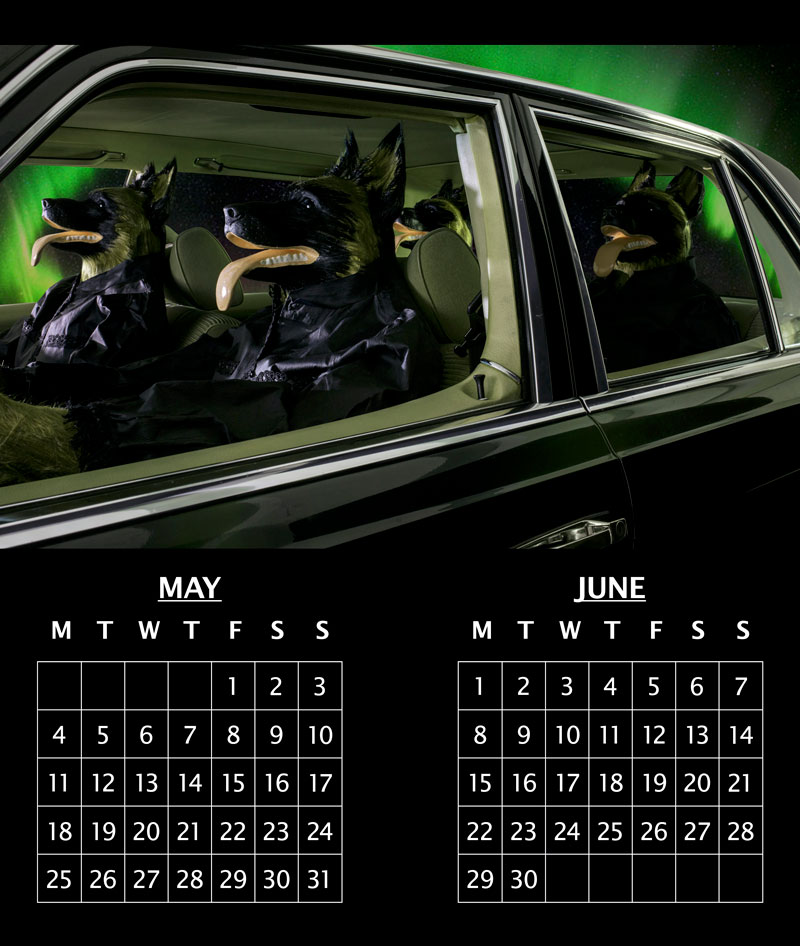
For years now, the Die Vier von der Tankstelle (Four from the Gas Station) have been roaming across an area stretching out to the south of the Baltic Sea.
From Bremerhaven in the west to Kaliningrad in the east.
They prowl their way through sparsely populated areas, frightening and wantonly terrorizing isolated communities in small villages.
They yell at passersby, molest the elderly and children, smash windows, and set fires all over the place.
Once the villagers have barricaded themselves in their homes and are anxiously waiting to see what is going to happen, the Die Vier von der Tankstelle move on.
Roaring with laughter, they continue their journey, doing so purely for their own enjoyment. Their actions are completely pointless and are likely to be repeated, as they may well return time and again.