This compelling artist’s book is built around KOOL (“cabbage” in Dutch), an original font designed by Reus, somewhere between a plant alphabet and concrete poetry. The publication draws on the type specimen book tradition to present new typefaces.
Through a rich selection of images, this artist’s book, published in two editions—gold and silver—explores the birth, life and death of Francesco Gennari’s work Vorrei perdermi e non trovarmi più, 2022, exhibited for the first time at the Ciaccia Levi Gallery in Paris.
Through a rich selection of images, this artist’s book, published in two editions—gold and silver—explores the birth, life and death of Francesco Gennari’s work Vorrei perdermi e non trovarmi più, 2022, exhibited for the first time at the Ciaccia Levi Gallery in Paris.
This richly illustrated publication combines artwork, archival and process imagery, and includes an extended interview with the artist, as well as new essays by key thinkers in the fields of anthropology, philosophy, political economy and art history.
In the first monograph on the feminist conceptual artist collective Claire Fontaine, political theorist and somatic practitioner Anita Chari explores the artist’s theoretical and political innovations to illuminate a more haptic, embodied approach to the practice of critical theory.
Shahryar Nashat inserts his art in the pages of this new artist’s book, which takes the form of a catalogue-turned-manual: but instead of explaining its meaning, he strips it of its aura, flaunts its nature as an object and describes step-by-step how to create it.
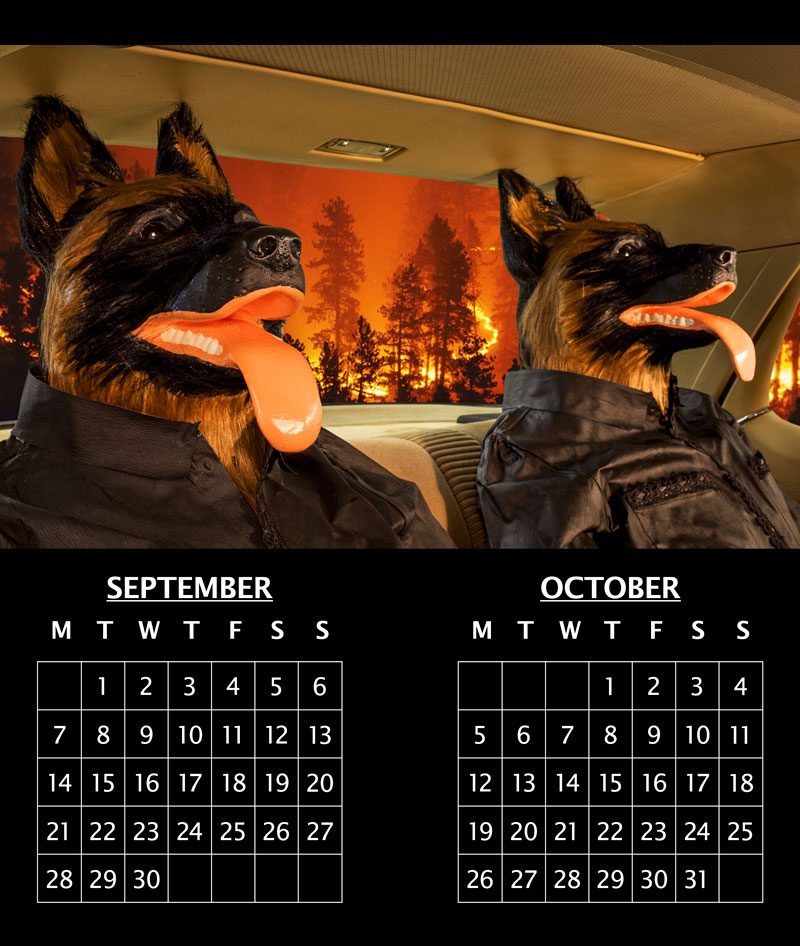
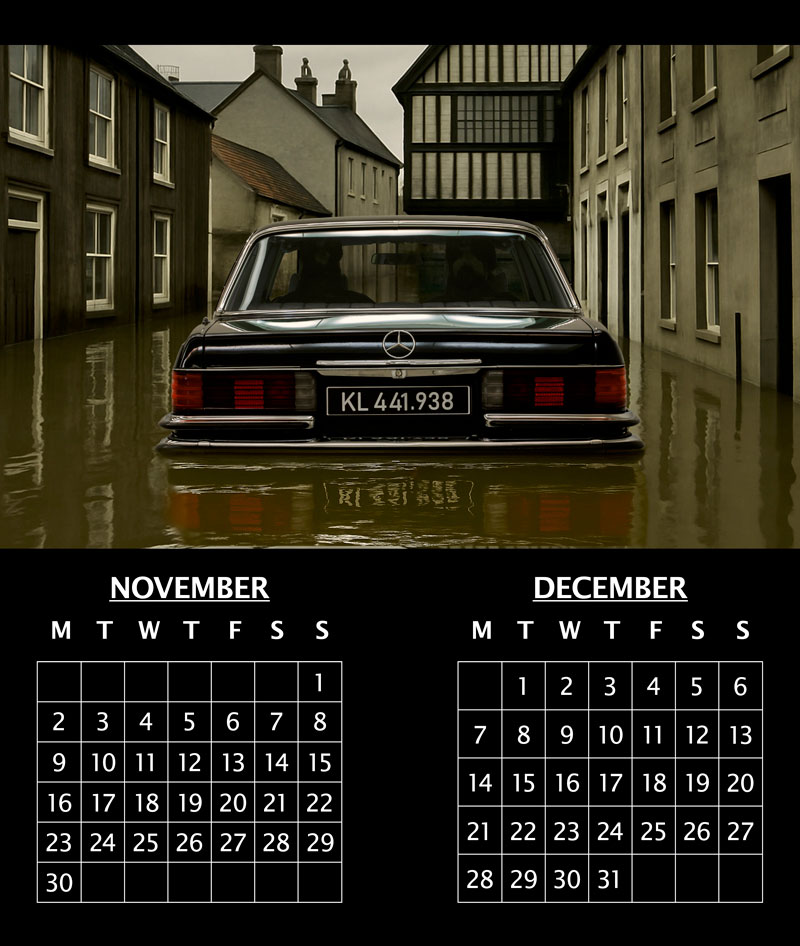
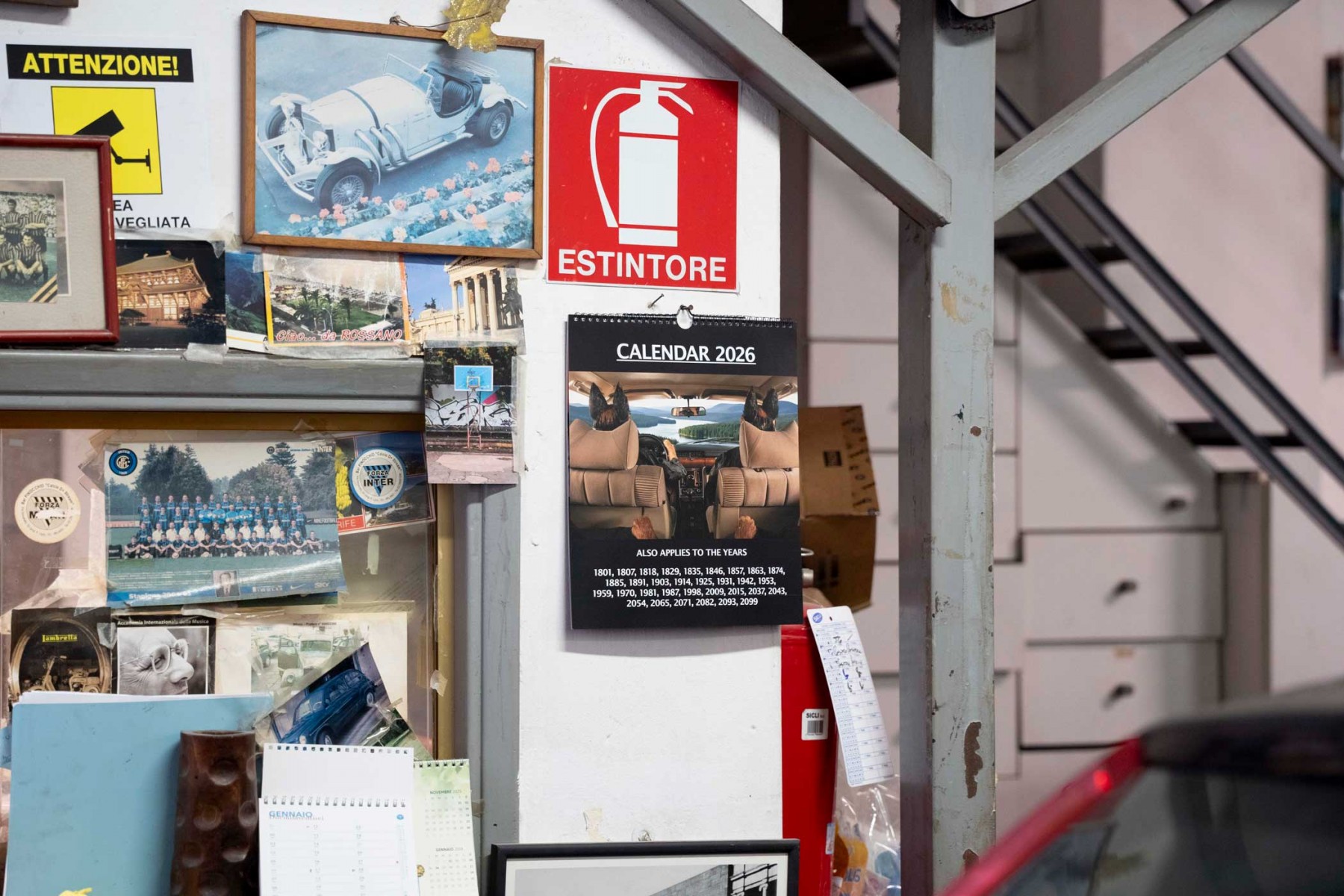
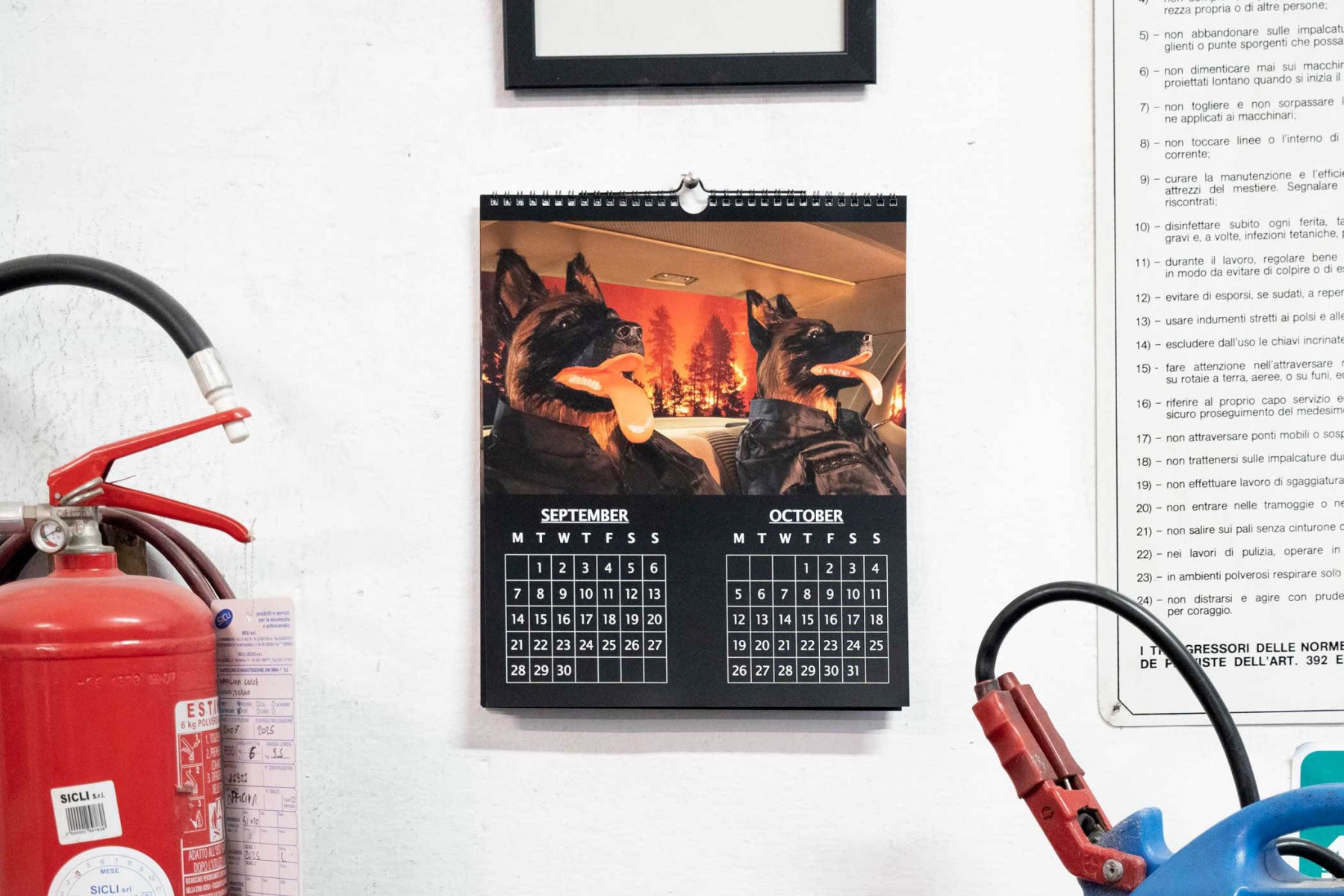
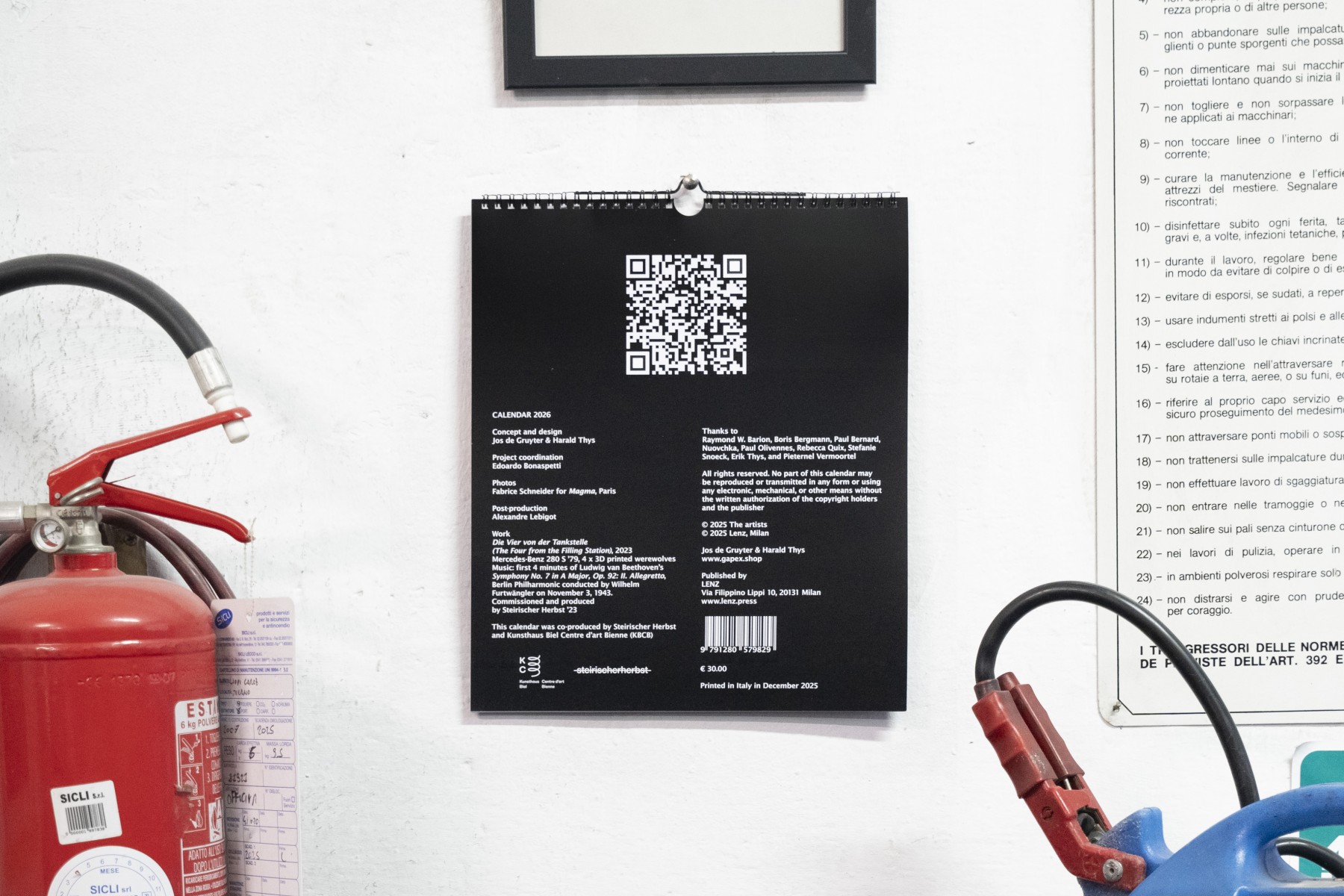
Concept and design
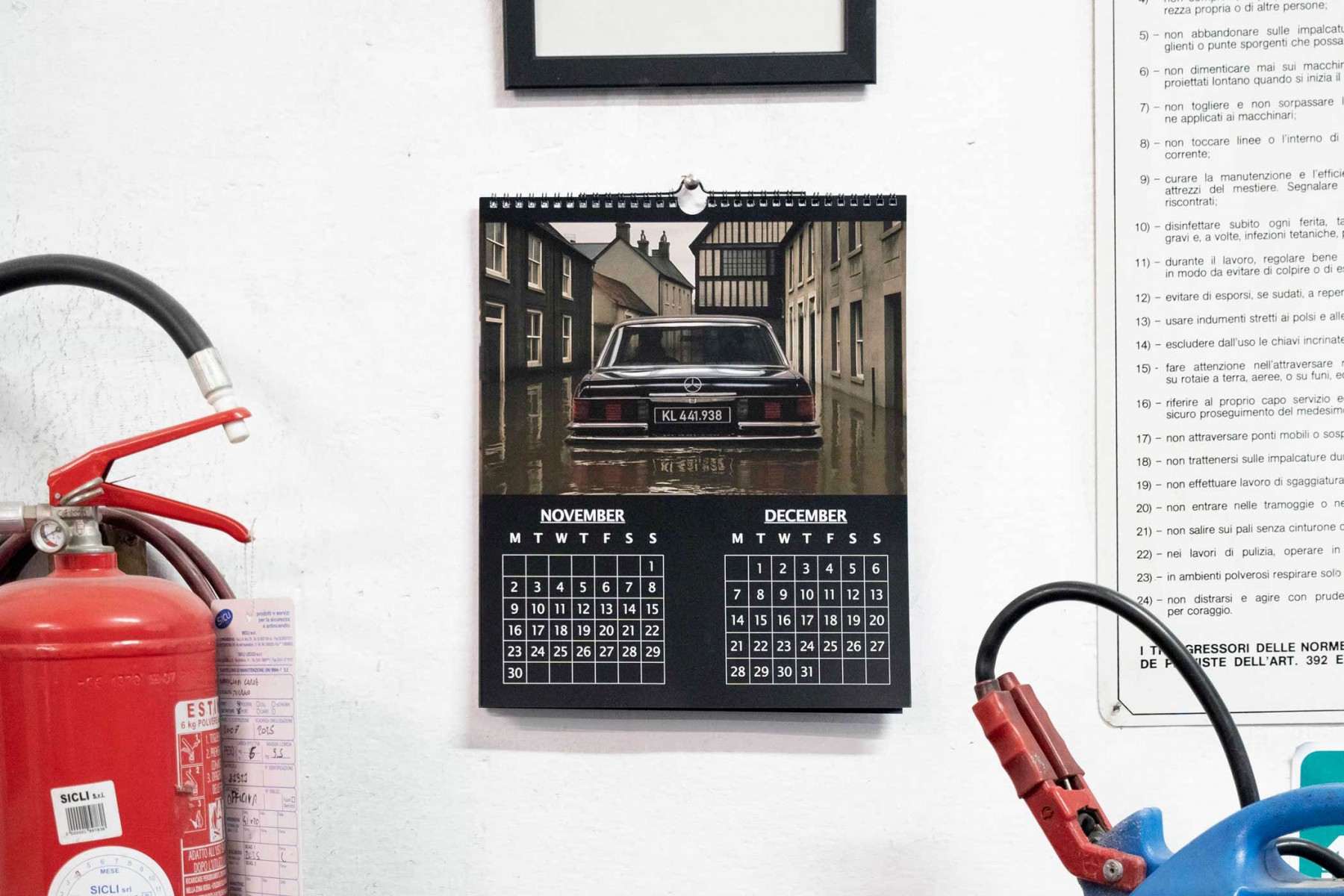
Jos de Gruyter & Harald Thys
Co-produced by Steirischer Herbst and Kunsthaus Biel Centre d’art Bienne (KBCB)
2026, English, Spiral-bound, 28 x 33 cm, 7 pages
ISBN 9791280579829
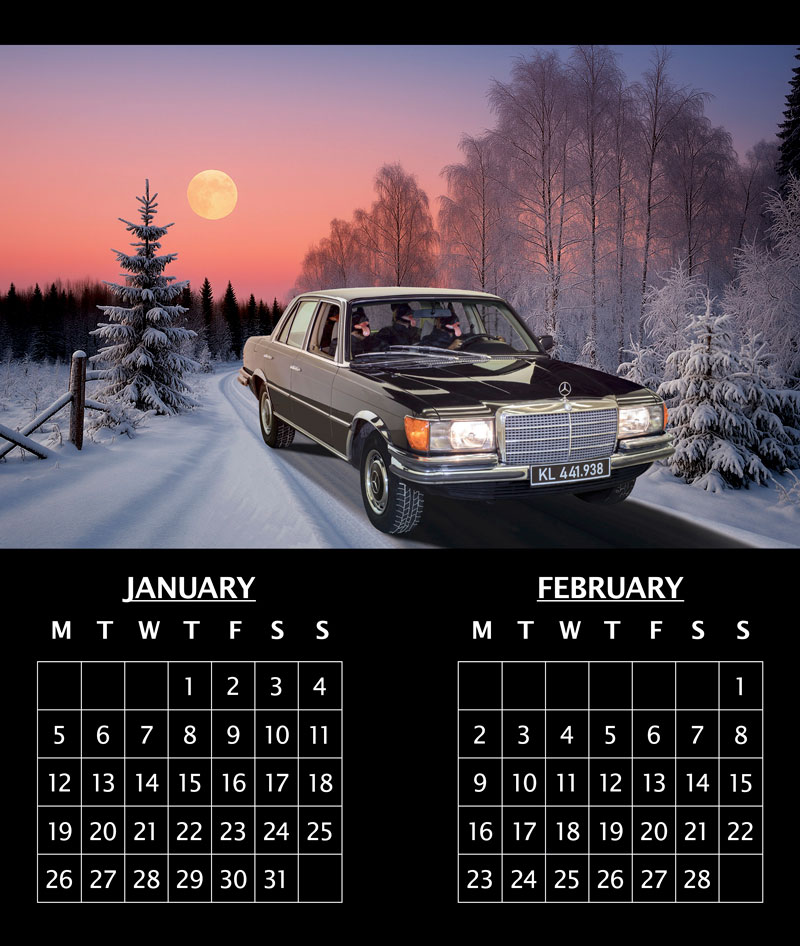
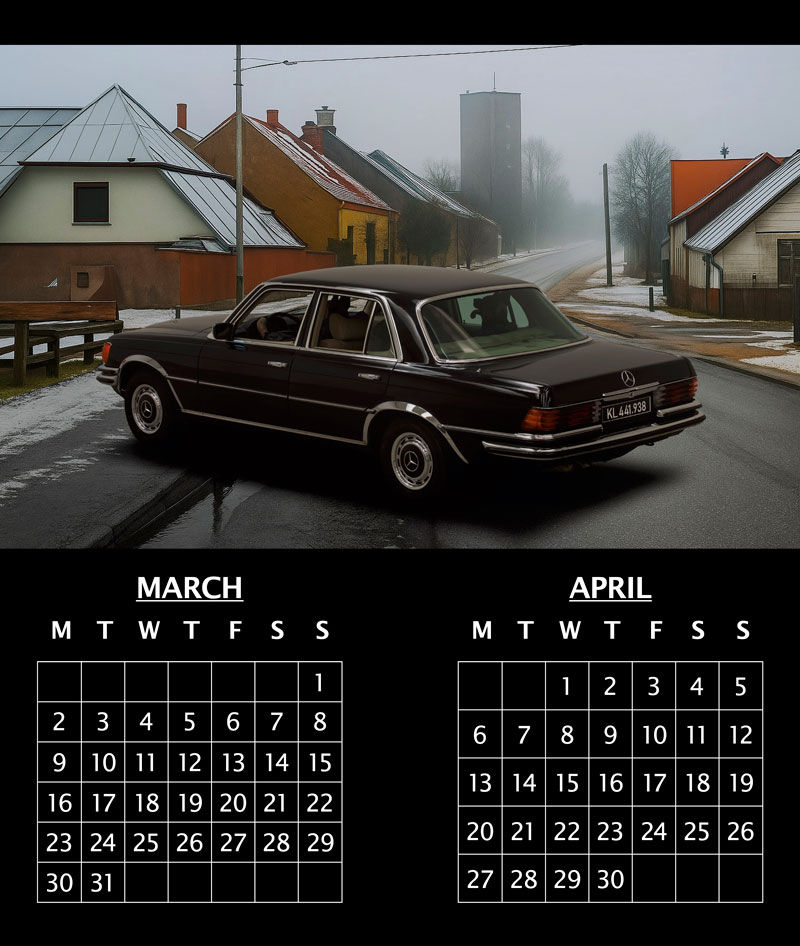
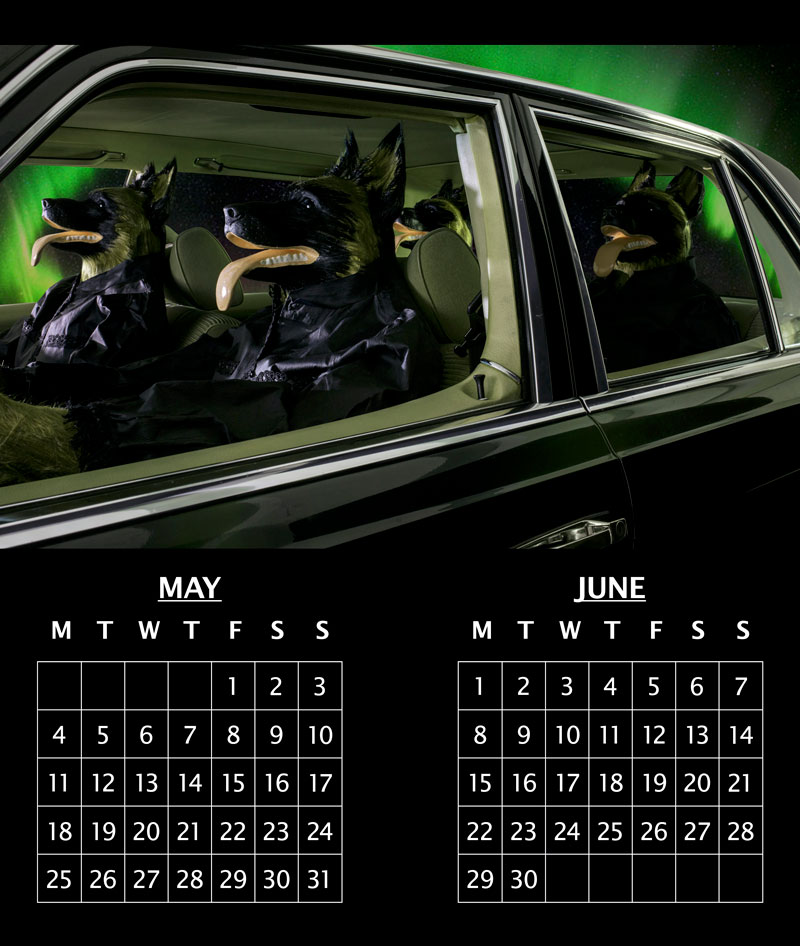
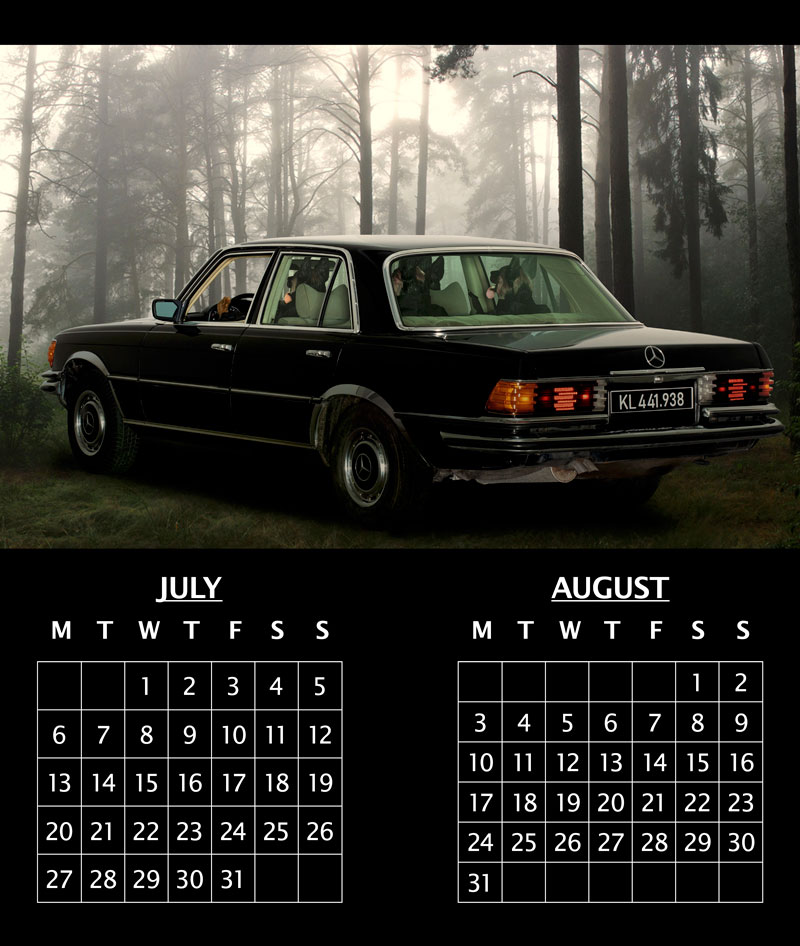
For years now, the Die Vier von der Tankstelle (Four from the Gas Station) have been roaming across an area stretching out to the south of the Baltic Sea.
From Bremerhaven in the west to Kaliningrad in the east.
They prowl their way through sparsely populated areas, frightening and wantonly terrorizing isolated communities in small villages.
They yell at passersby, molest the elderly and children, smash windows, and set fires all over the place.
Once the villagers have barricaded themselves in their homes and are anxiously waiting to see what is going to happen, the Die Vier von der Tankstelle move on.
Roaring with laughter, they continue their journey, doing so purely for their own enjoyment. Their actions are completely pointless and are likely to be repeated, as they may well return time and again.