A Cosmic Movie Camera is the title of the 18th edition of the BIM’24, which also marks the 50th anniversary of the Biennale organized by the Centre d’Art Contemporain Genève. By blending the real and the virtual, its catalogue captures the spirit of the exhibition, which explores the evolution of moving images, particularly in our algorithmic age.
The book seeks to define the contours of the obsession with the teenage years; a fixation that has shaped a significant strand of contemporary art over the last ten years. Adolescence is here understood as a state of mind, a prolonged condition that dissolves the transition into adulthood and becomes a critique of an unstable world.
In this multi-voiced book, starting from the Orobie Alpine range, the mountainside becomes an epistemological lens through which to interpret contemporaneity and address issues such as multi-species migrations, our relationship with geological time and intergenerational inheritance, and the rethinking of collective memories and rituals.
For years now, the Die Vier von der Tankstelle (Four from the Gas Station) have been roaming across an area stretching out to the south of the Baltic Sea. They prowl their way through sparsely populated areas, wantonly terrorizing the inhabitants. The 2026 calendar by Jos de Gruyter and Harald Thys bears witness to their presence.
The first monograph dedicated to Lorenza Longhi, published with the Kunst Museum Winterthur, adopts a format associated with prototypes, manuals, or working documents. Its irregularities reflect Longhi’s ongoing examination of value, functionality, and the aesthetics of the everyday.
This publication is an extensive monograph devoted to the work of Carlos Bunga, published in conjunction with his eponymous show at CAM – Gulbenkian. In addition to a number of essays, which offer an in-depth look at his multifaceted practice, the book contains previously unpublished photos that reveal his working process.
Edited by Wilfried Kuehn & Dubravka Sekulić
Authors: Martina Abri, Ross Exo Adams, Thomas Auer, Giovana Borasi, Susana Caló, Brendon Carlin, Peggy Deamer, Clémentine Deliss, FICTILIS, Francesco Garutti, Maria Shéhérazade Giudici, Joyce Hwang, Anousheh Kehar, Bettina Köhler, Elke Krasny, Wilfried Kuehn, Ippolito Pestellini Laparelli, Maxim Larrivée, Matthew Leander Kalil, Mark Lee, Steve Lyons for Not An Alternative, Armin Linke, Mona Mahall, Charlotte Malterre-Barthes, Dejan Marković, Ana Miljački, Erica Petrillo, Christian Raabe, Albert Refiti, Damon Rich, Christiane Salge, Ivonne Santoyo-Orozco, Anna Schäffler, Bernd Scherer, Laila Seewang, Dubravka Sekulić, Asli Serbest, Stuart Smith, Laurent Stalder, Milica Tomić.
Designed by Gregory Dapra & Laure Giletti
2025, English, softcover, 20 x 28.5 cm, 440 pages
ISBN 979-12-80579-61-4
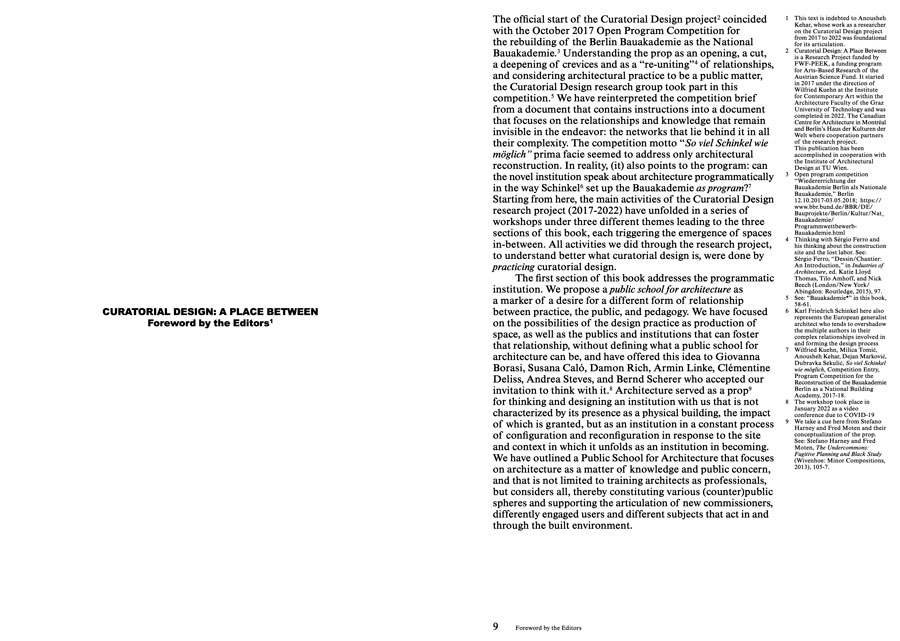
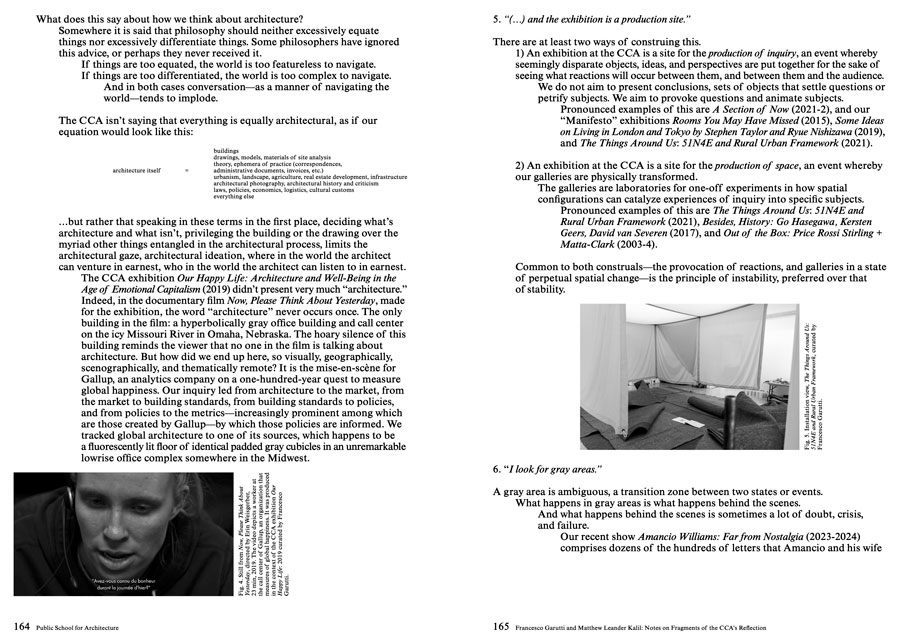
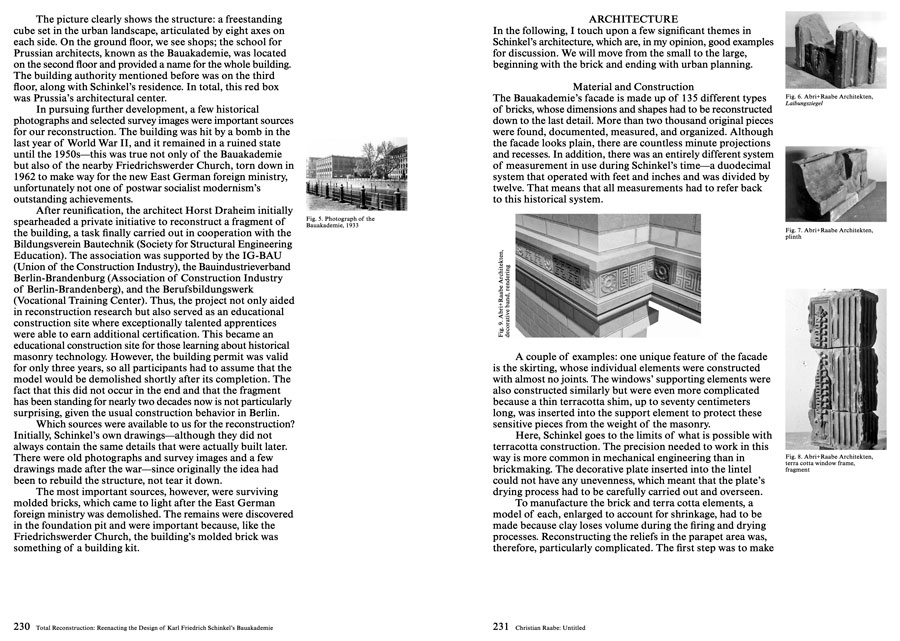
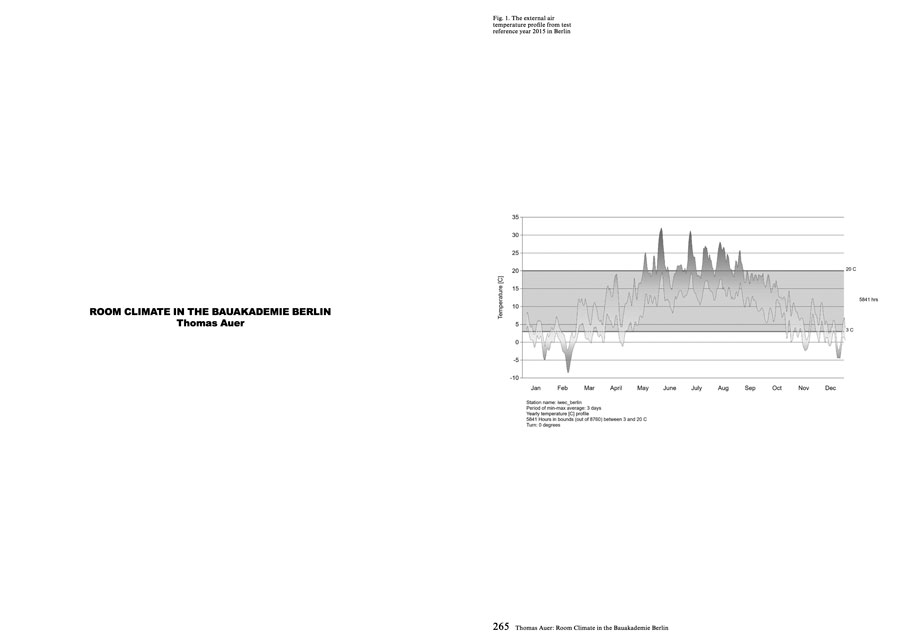
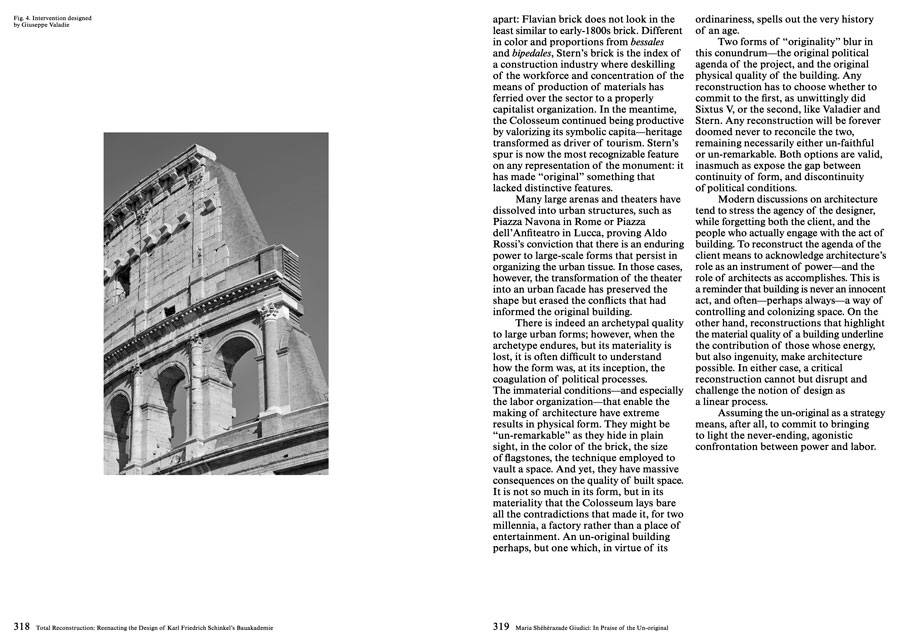
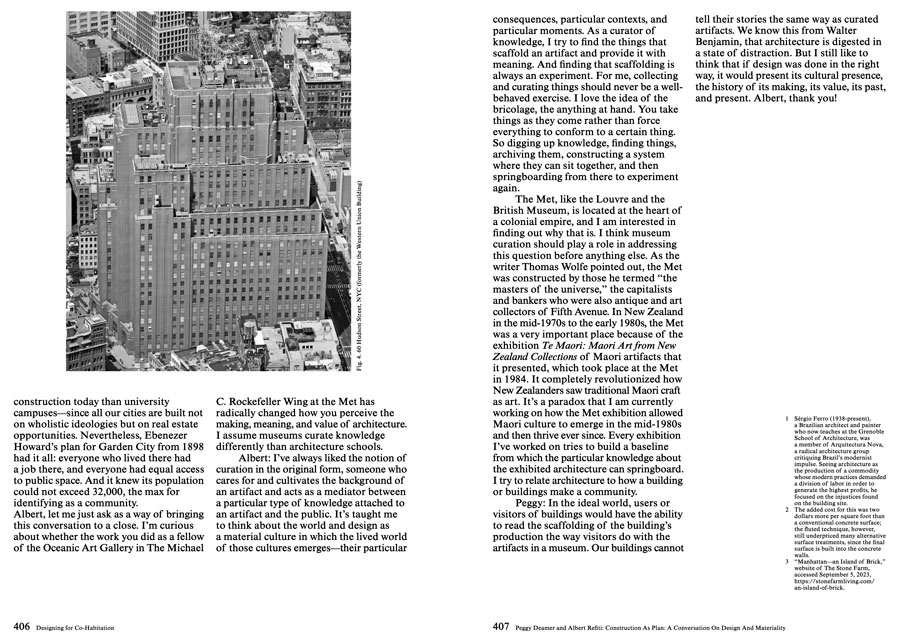
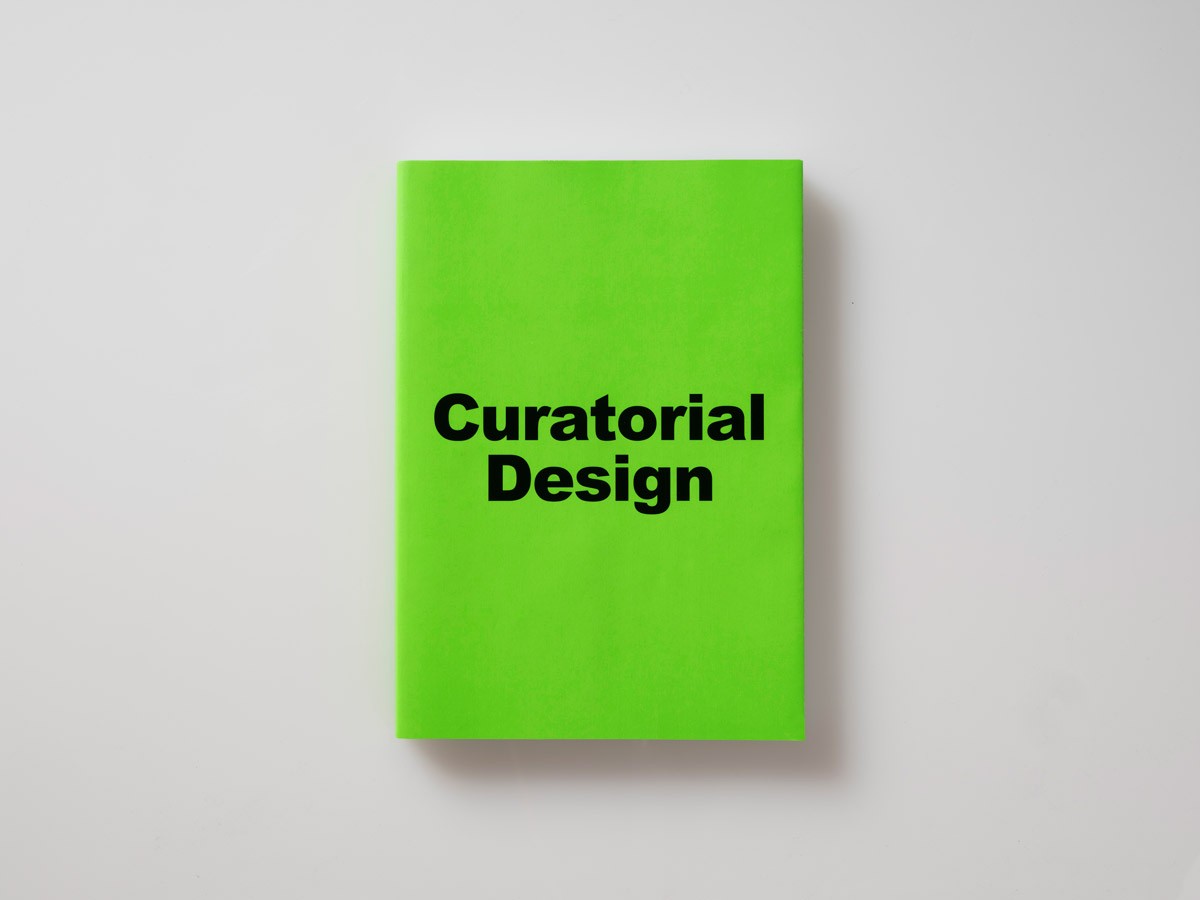
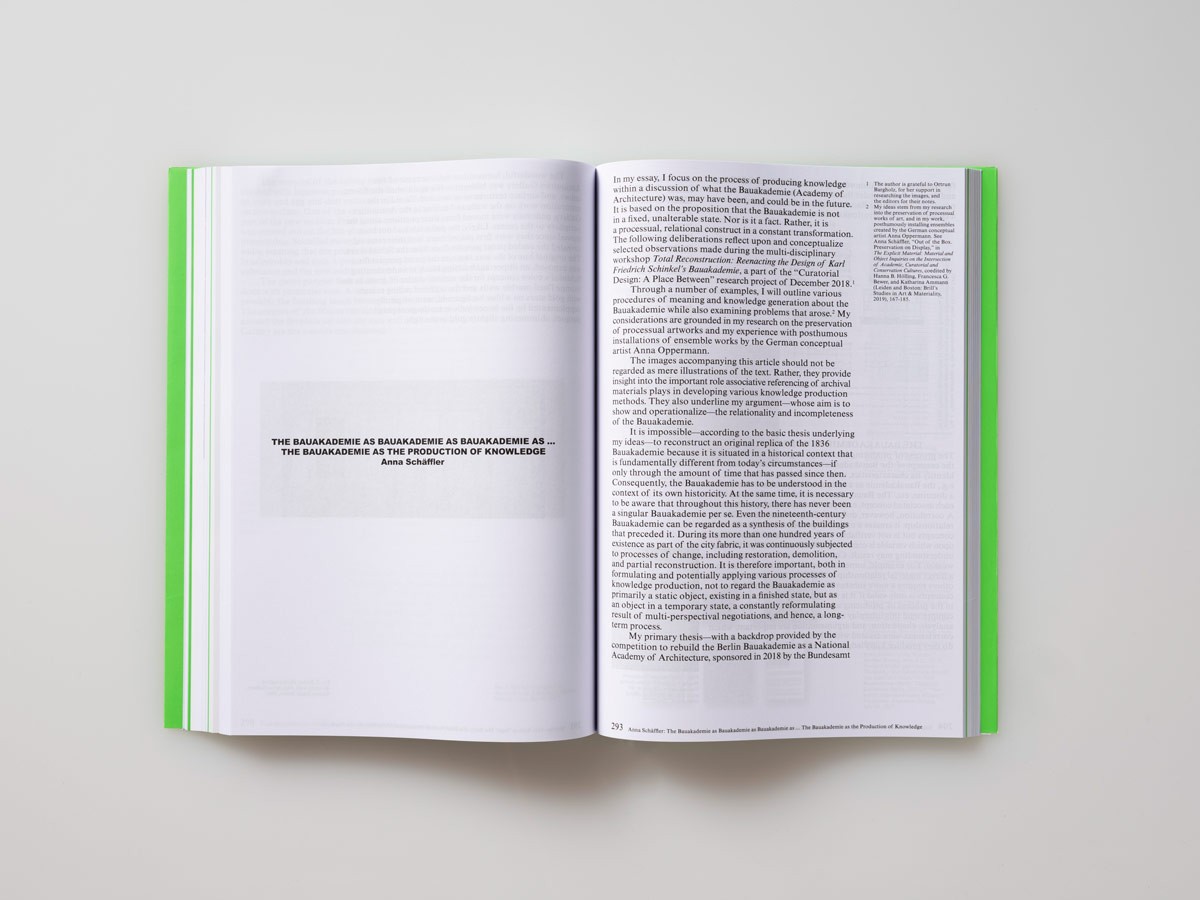
The future of architecture lies in the curatorial approach. This is the thesis put forward by architect Wilfried Kuehn and theorist Dubravka Sekulić in their book Curatorial Design: A Place Between, which brings together contributions from more than 30 authors working in the fields of architecture, art, and curatorial knowledge and practice.
Architectural design and the curatorial share a non-disciplinary background, and aim to assemble diverse forms of knowledge rather than specializing. Inherently transdisciplinary, then, they are at odds with the increasing division of labor in all fields of knowledge and practice. In the face of professionalization, which limits our capacity to intervene comprehensively, design and the curatorial challenge specialization and produce relational knowledge. They intend to create an in-between place, as together they form a novel practice that—in combining heterogenous forms of knowledge—takes center stage rather than serving as a moderator or mediator of sorts. What unites them is the assertion of a relational form, the autonomy of which consists precisely in teasing out relations between different elements. What happens to architectural design when it consciously enters a relationship with the curatorial?
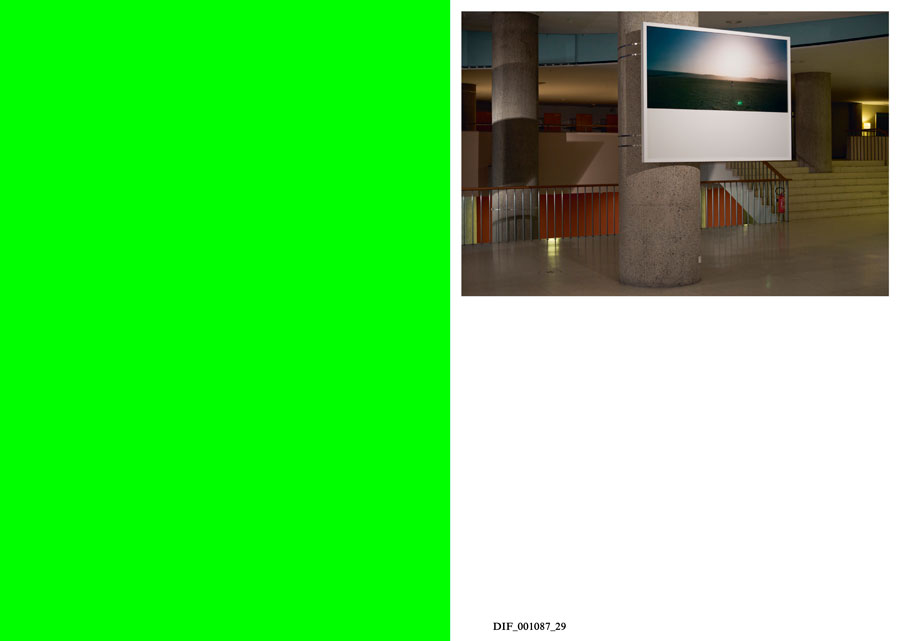
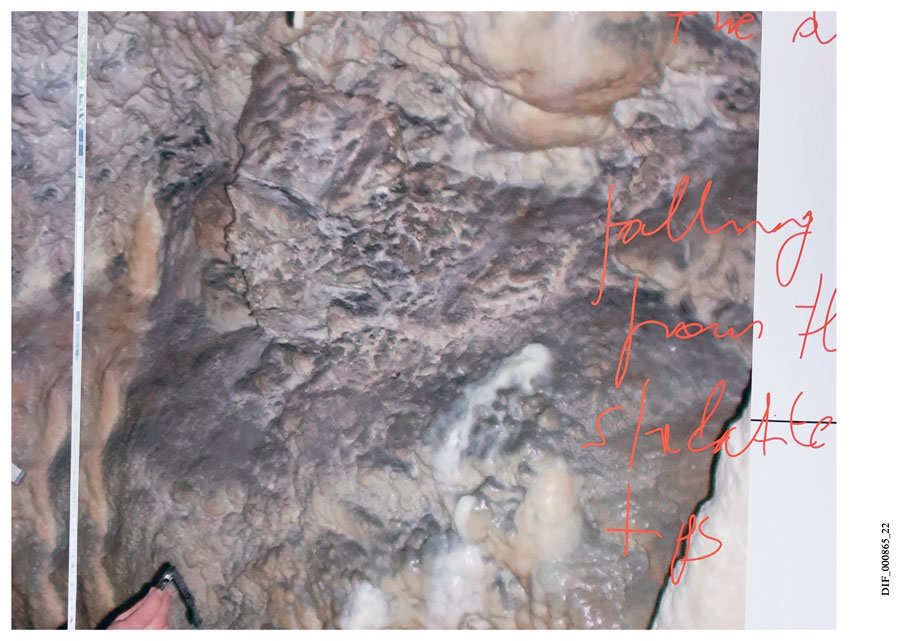
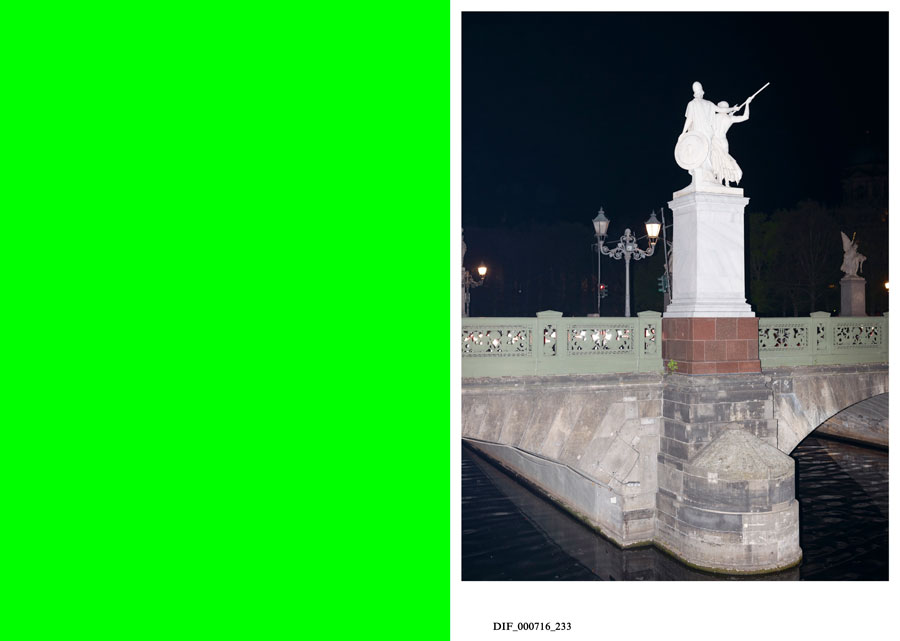
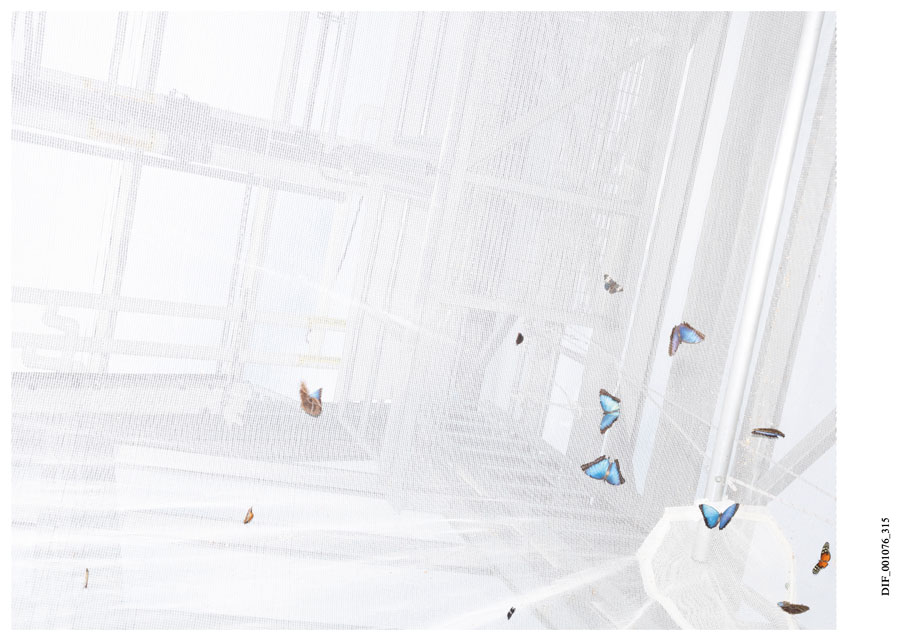
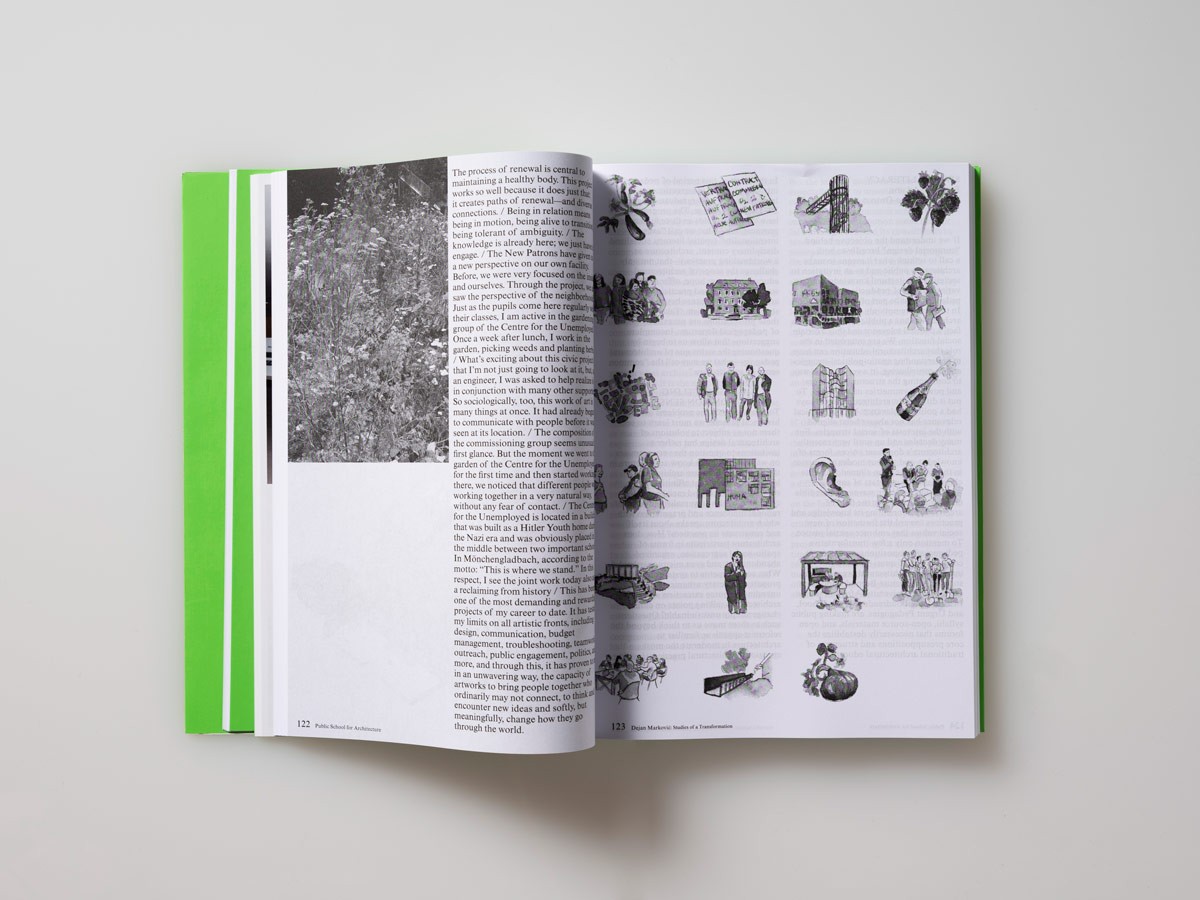
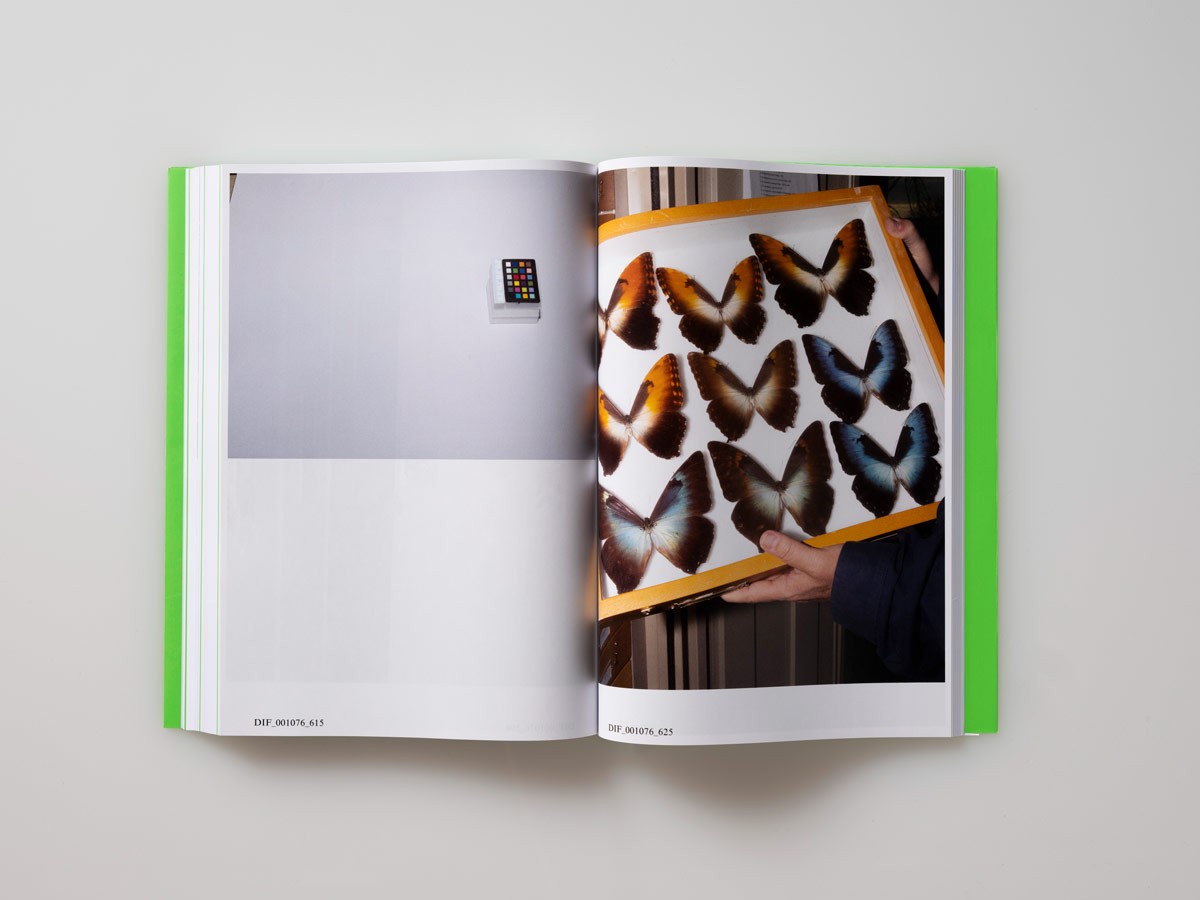
The book is aimed at practitioners and educators in the field of architecture and design, as well as curators and exhibition makers. It contains three photo series by Armin Linke that accompany the three sections of the book: “Public School for Architecture”, “Total Reconstruction,” and “Designing for Co-Habitation.”