Martin Heidegger, Glenn Gould, Jacques-Louis David, Cy Twombly, Paul Engelmann and Ludwig Wittgenstein: characters that Francesco Arena has chosen or rediscovered in multiple contexts over the time recur in this book. Ranging from philosophy, to music, to visual arts, they embrace the whole world of knowledge.
This first institutional monograph on the multimedia practice of artist and director Ali Cherri aims to highlight the themes and formal concerns running through his most recent, highly significant projects at GAMeC, Bergamo; Frac Bretagne, Rennes; Swiss Institute, New York; Biennale Arte 2022, Venice; and the National Gallery, London.
The book highlights the main characteristics of the collective trauma that gave rise to Rachel Whiteread’s project for GAMeC. The psychoanalysts Angelo Antonio Moroni and Pietro Roberto Goisis map out a composite picture, starting from the sense of vulnerability and collective loss associated with the Covid-19 pandemic.
This book, with follows the eponymous exhibition at Mudam Luxembourg, is constructed as a story, with a prologue, four acts, and an epilogue: an intuitive journey through the voices of thirty-four artists from different generations who are experimenting with the idea of the performative.
Dreaming Alcestis is an artist’s book by artist and filmmaker Beatrice Gibson, conceived as an accompaniment to her holographic film installation of the same name. It features a commissioned essay by poet and translator Allison Grimaldi Donahue, as well as a reprint of the American poet Alice Notley’s 1991 essay What Can Be Learned From Dreams?
What if clay is the future and the future is clay? Curators Chus Martínez and Filipa Ramos brought together a group of artists to think and create through this old, maleable and fascinating matter. The result was materialized in an exhibition and book format entitled Feet of Clay.
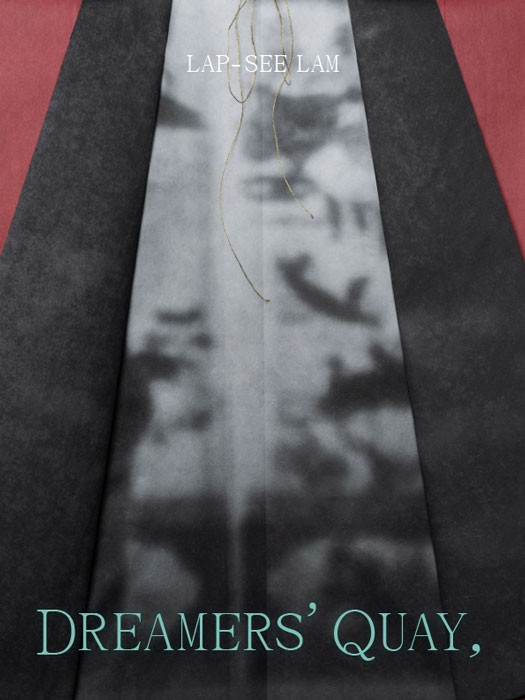
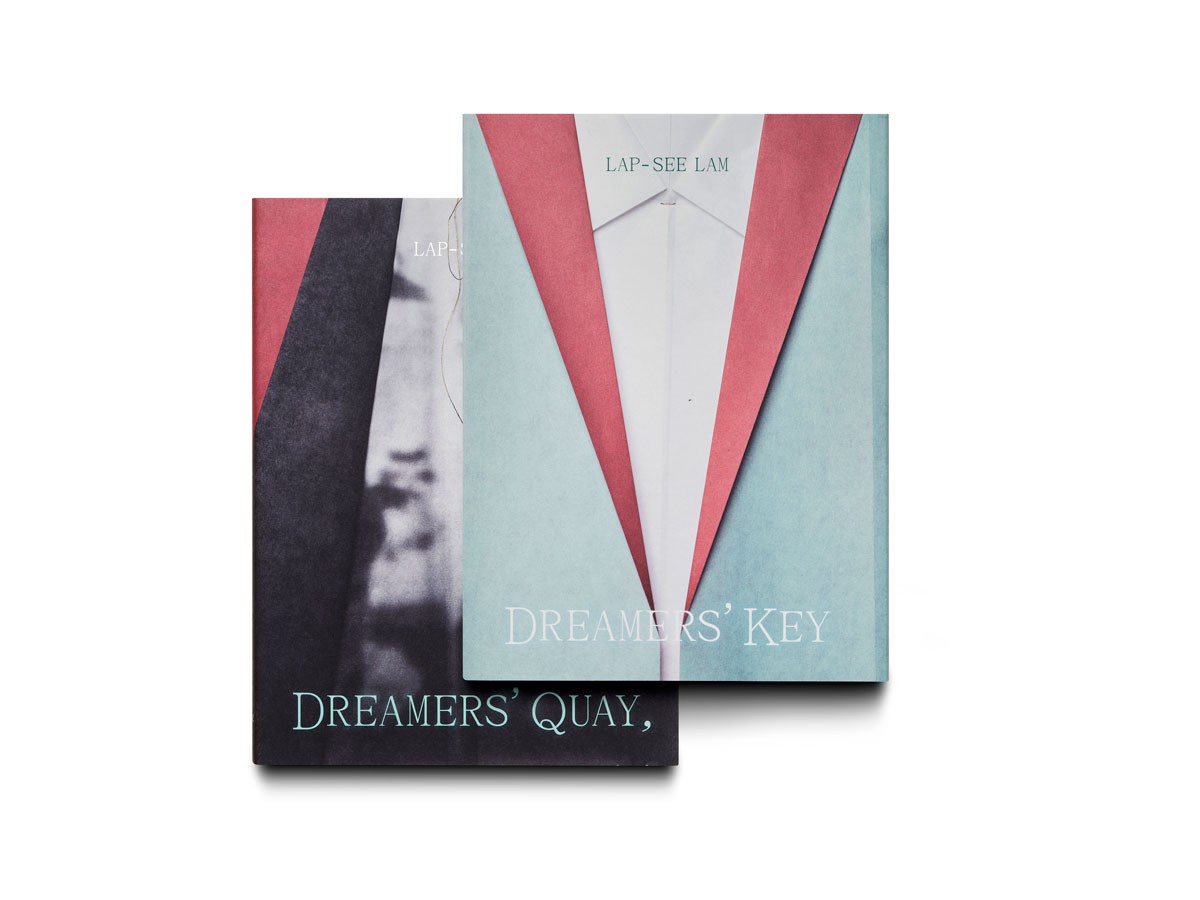
Edited by Yuvinka Medina, Bettina Schultz and Lap-See Lam
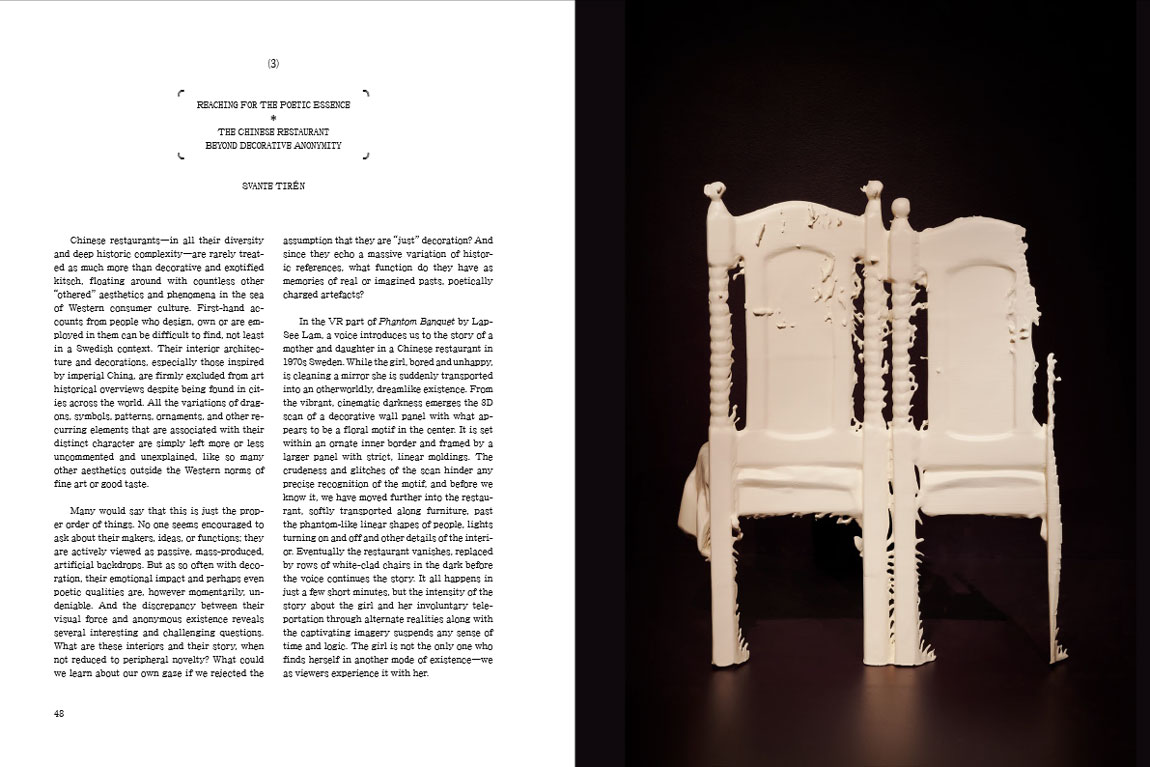
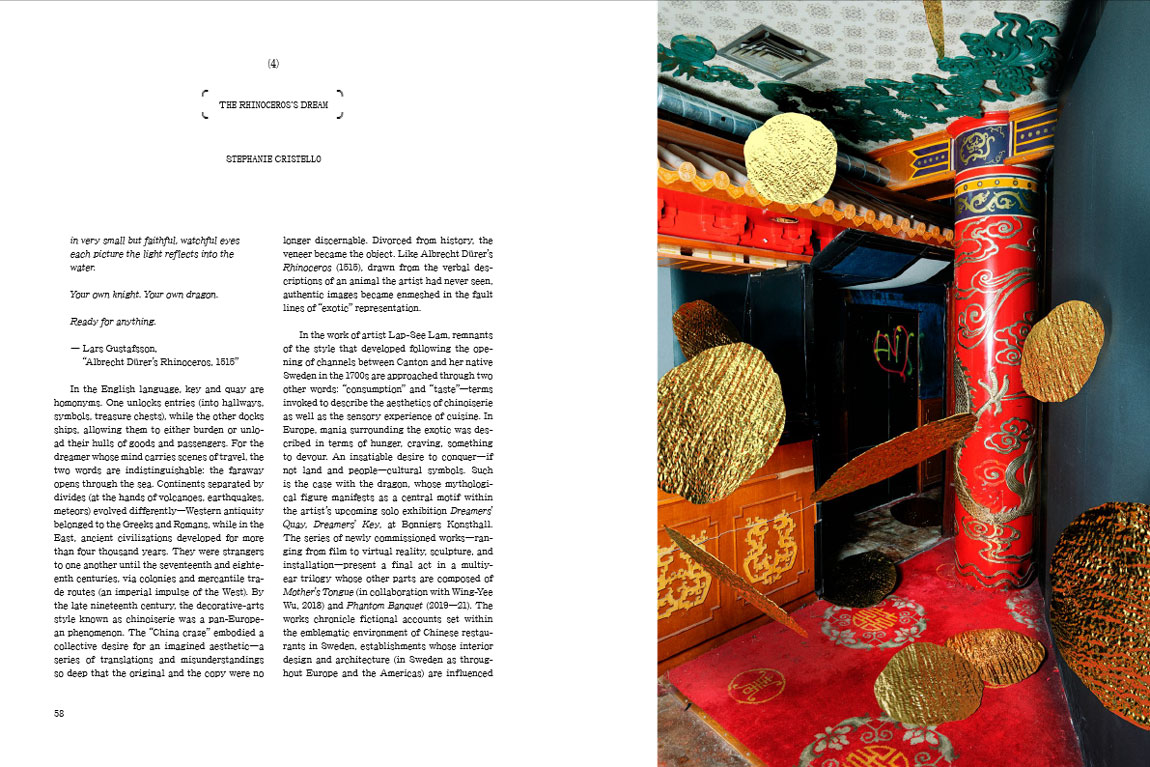
Texts by Stephanie Cristello, Mara Lee Gerdén, Yuvinka Medina, Svante Tirén, and Xiaoyu Weng.
Designed by Thomas Bush
2022, English, softcover, 188 pages, 21 x 28 cm
ISBN: 979-12-80579-25-6
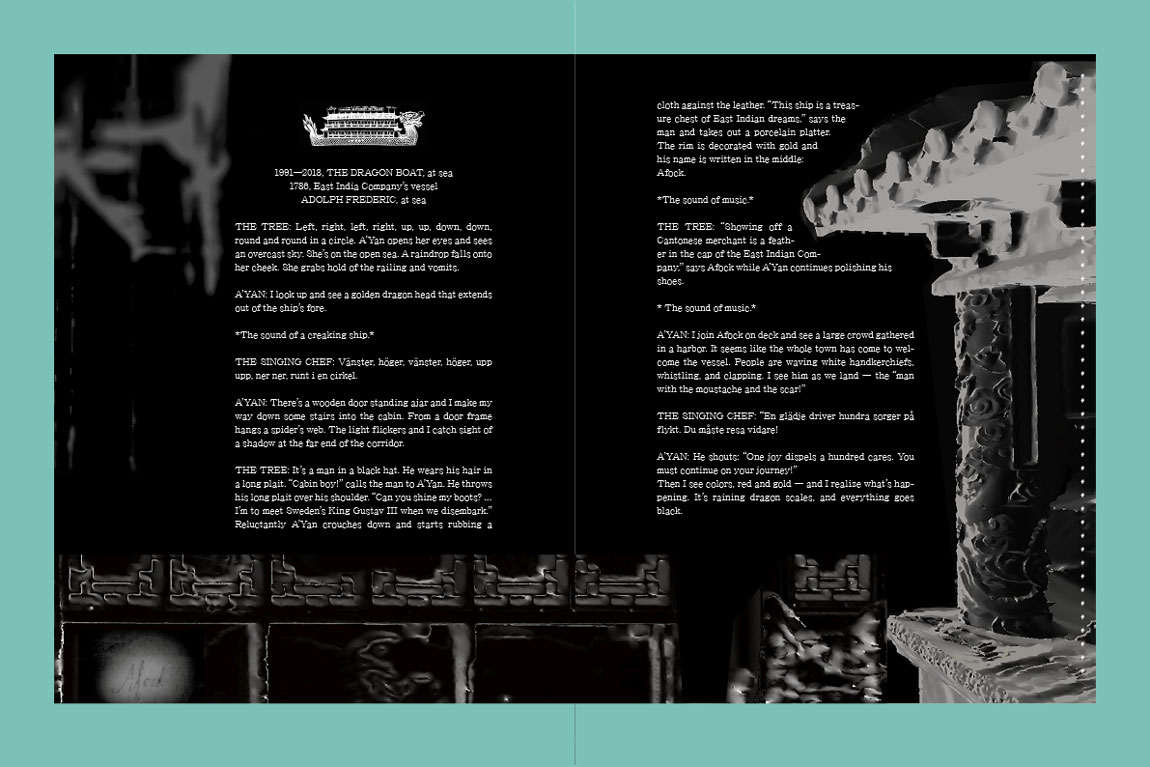
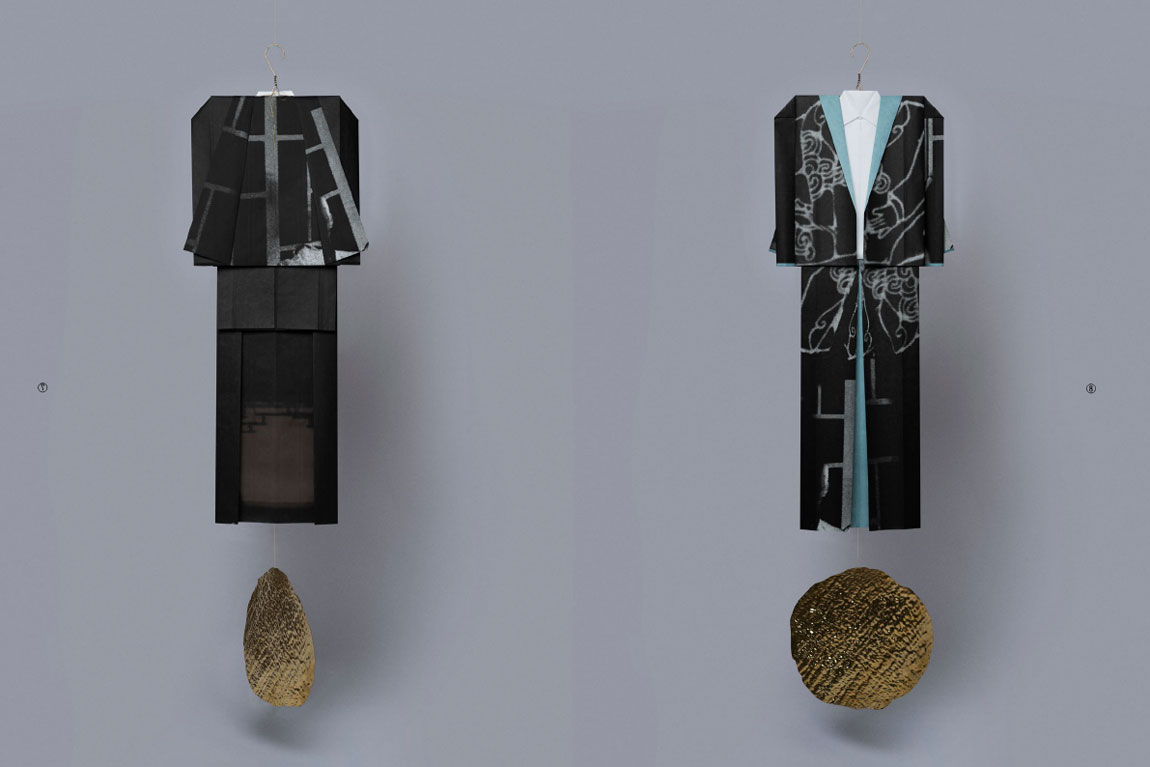
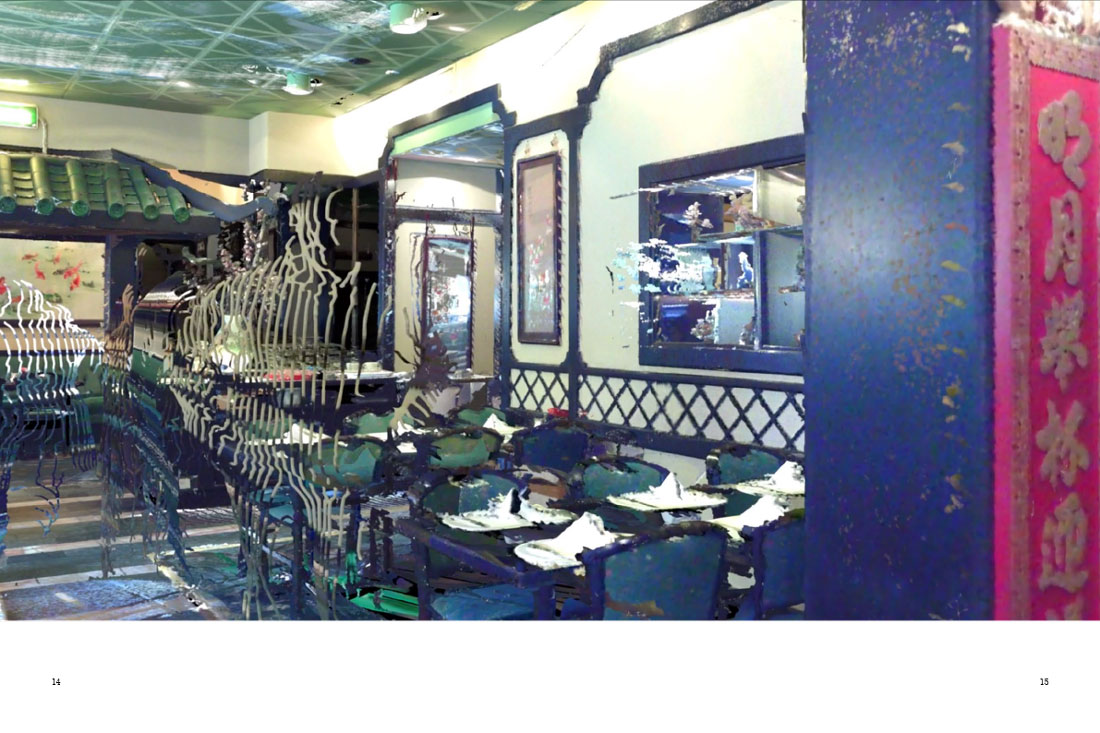
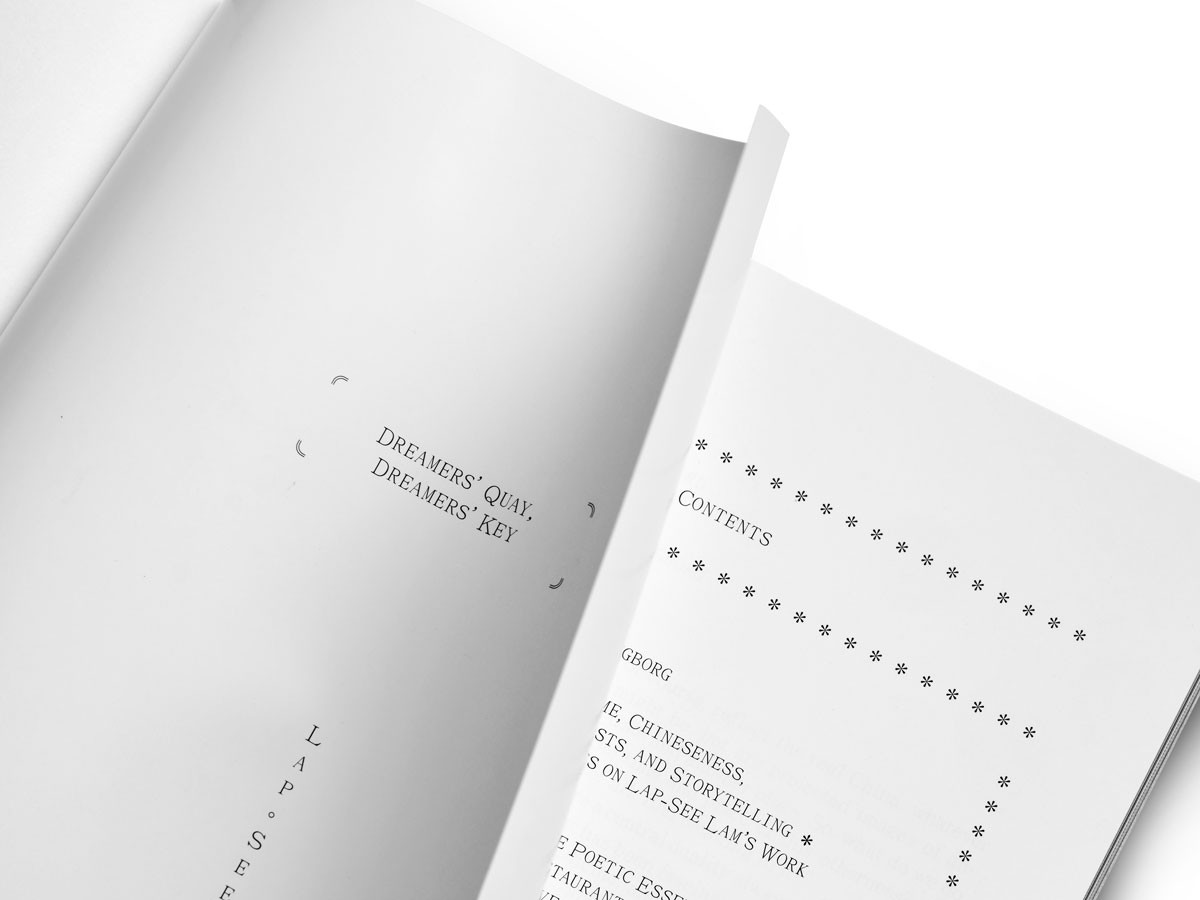
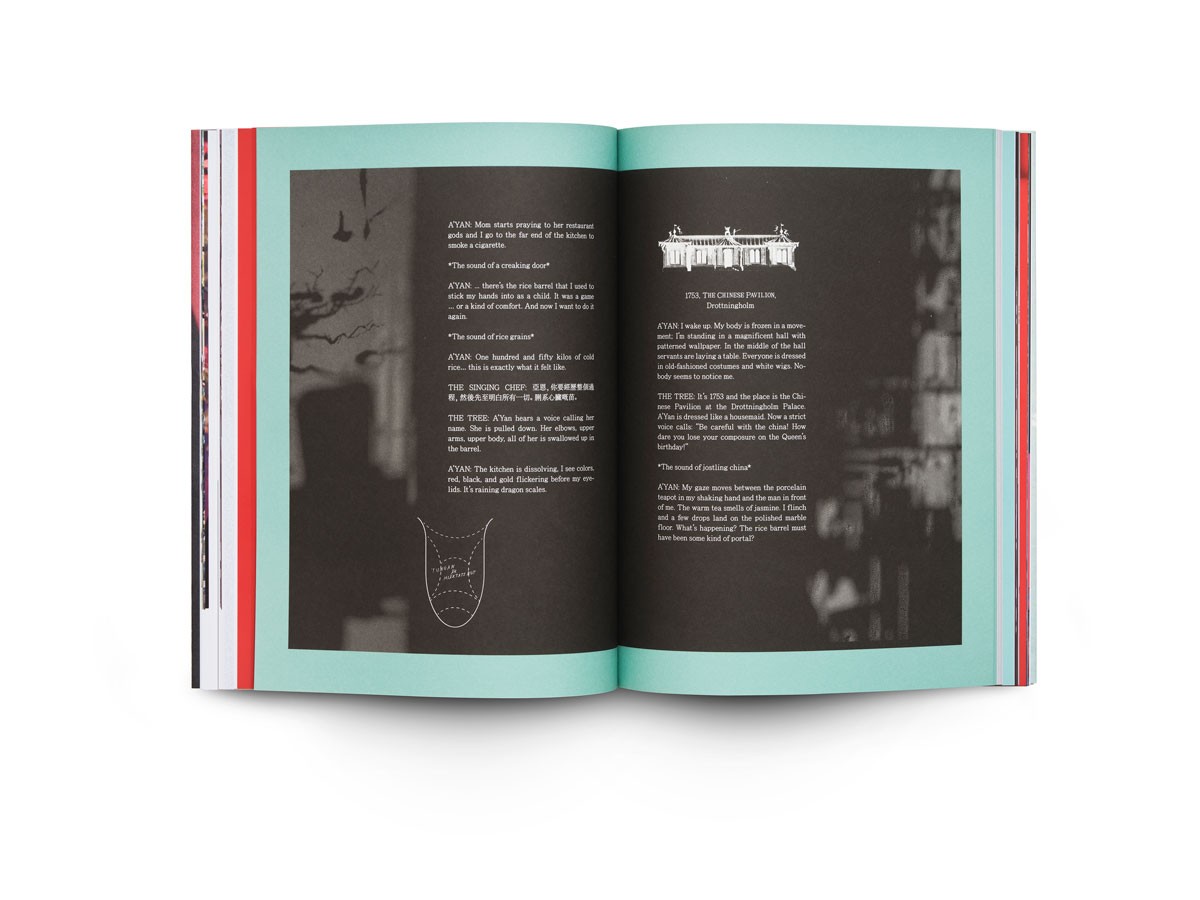
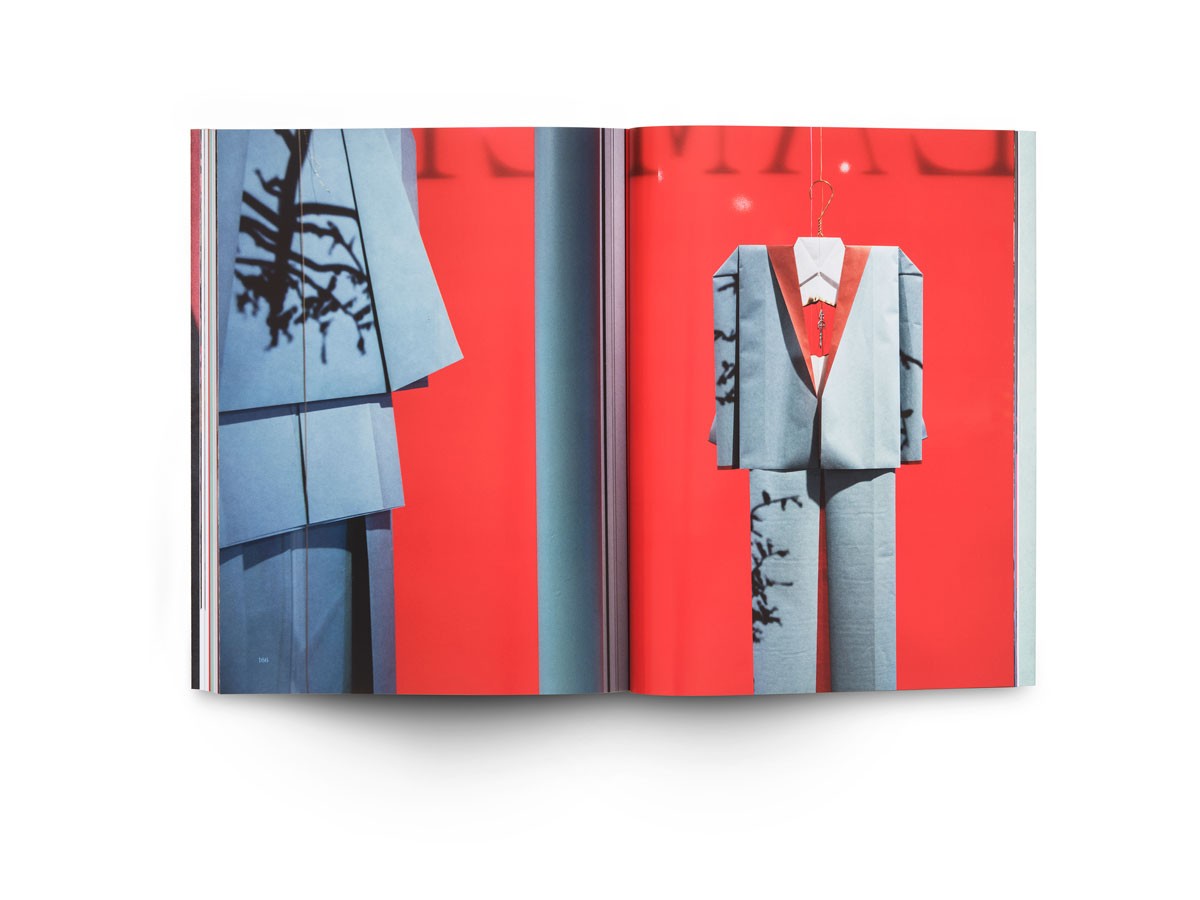
The ubiquitous presence of Chinese restaurants overseas has long been the default and emblematic symbol of Chinese diasporic life. Chinese restaurants are the archetype of a constructed Chineseness meeting the nostalgic ideal of an ancestral homeland. In their many yet all so stereotypical incarnations, these places have acquired names that riff off a few words to embody an oriental experience: Lucky Garden, Mandarin City, Bamboo Palace, New Peking City, Crane Garden, Lotus, Ming Garden. Lap-See Lam puts herself—and us with her—in a relationship to the Chinese restaurants, challenging both the Western historical fascination and its fear by seeking out other realms. It would seem that at the heart of it all, Lam’s practice is guided by a simple question: What are the implications of something looking Chinese? This monograph accompanies Lam’s first institutional exhibition at Bonniers Konsthall.