A Cosmic Movie Camera is the title of the 18th edition of the BIM’24, which also marks the 50th anniversary of the Biennale organized by the Centre d’Art Contemporain Genève. By blending the real and the virtual, its catalogue captures the spirit of the exhibition, which explores the evolution of moving images, particularly in our algorithmic age.
The book seeks to define the contours of the obsession with the teenage years; a fixation that has shaped a significant strand of contemporary art over the last ten years. Adolescence is here understood as a state of mind, a prolonged condition that dissolves the transition into adulthood and becomes a critique of an unstable world.
In this multi-voiced book, starting from the Orobie Alpine range, the mountainside becomes an epistemological lens through which to interpret contemporaneity and address issues such as multi-species migrations, our relationship with geological time and intergenerational inheritance, and the rethinking of collective memories and rituals.
For years now, the Die Vier von der Tankstelle (Four from the Gas Station) have been roaming across an area stretching out to the south of the Baltic Sea. They prowl their way through sparsely populated areas, wantonly terrorizing the inhabitants. The 2026 calendar by Jos de Gruyter and Harald Thys bears witness to their presence.
The first monograph dedicated to Lorenza Longhi, published with the Kunst Museum Winterthur, adopts a format associated with prototypes, manuals, or working documents. Its irregularities reflect Longhi’s ongoing examination of value, functionality, and the aesthetics of the everyday.
This publication is an extensive monograph devoted to the work of Carlos Bunga, published in conjunction with his eponymous show at CAM – Gulbenkian. In addition to a number of essays, which offer an in-depth look at his multifaceted practice, the book contains previously unpublished photos that reveal his working process.
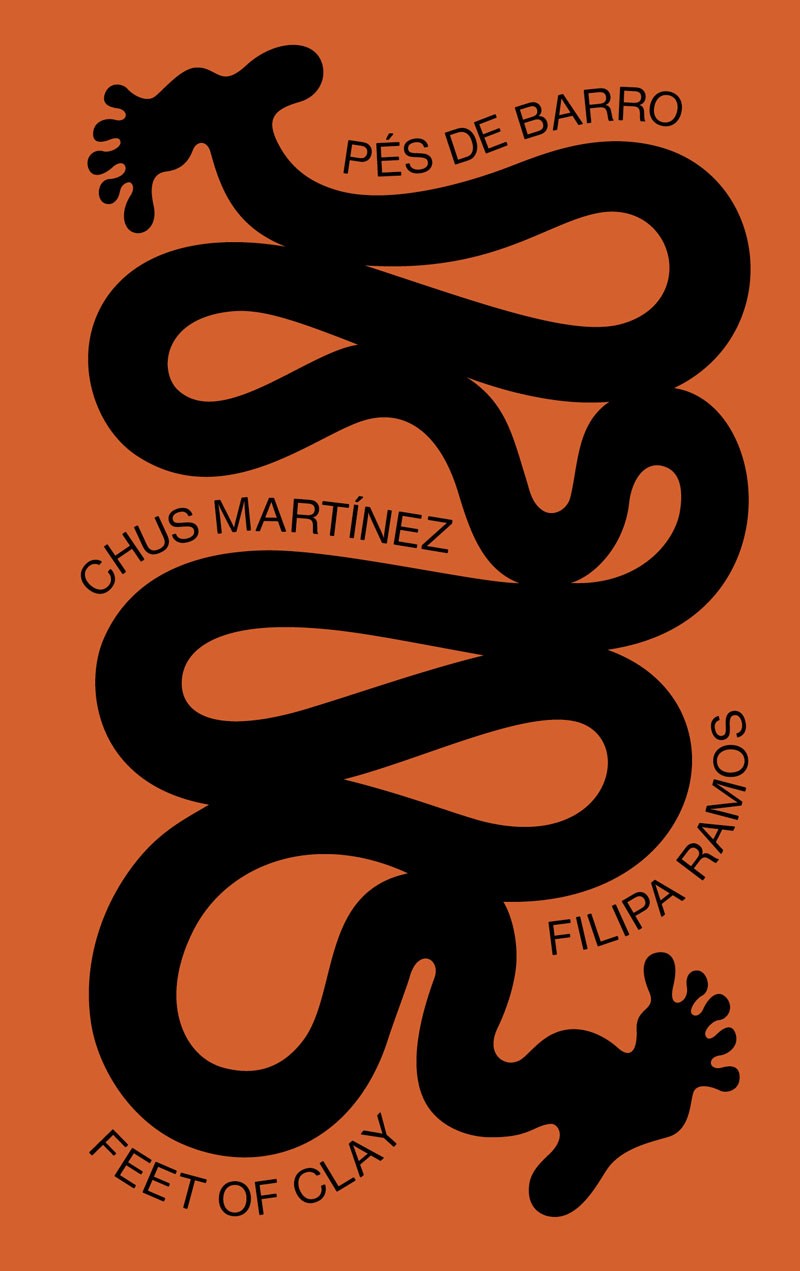
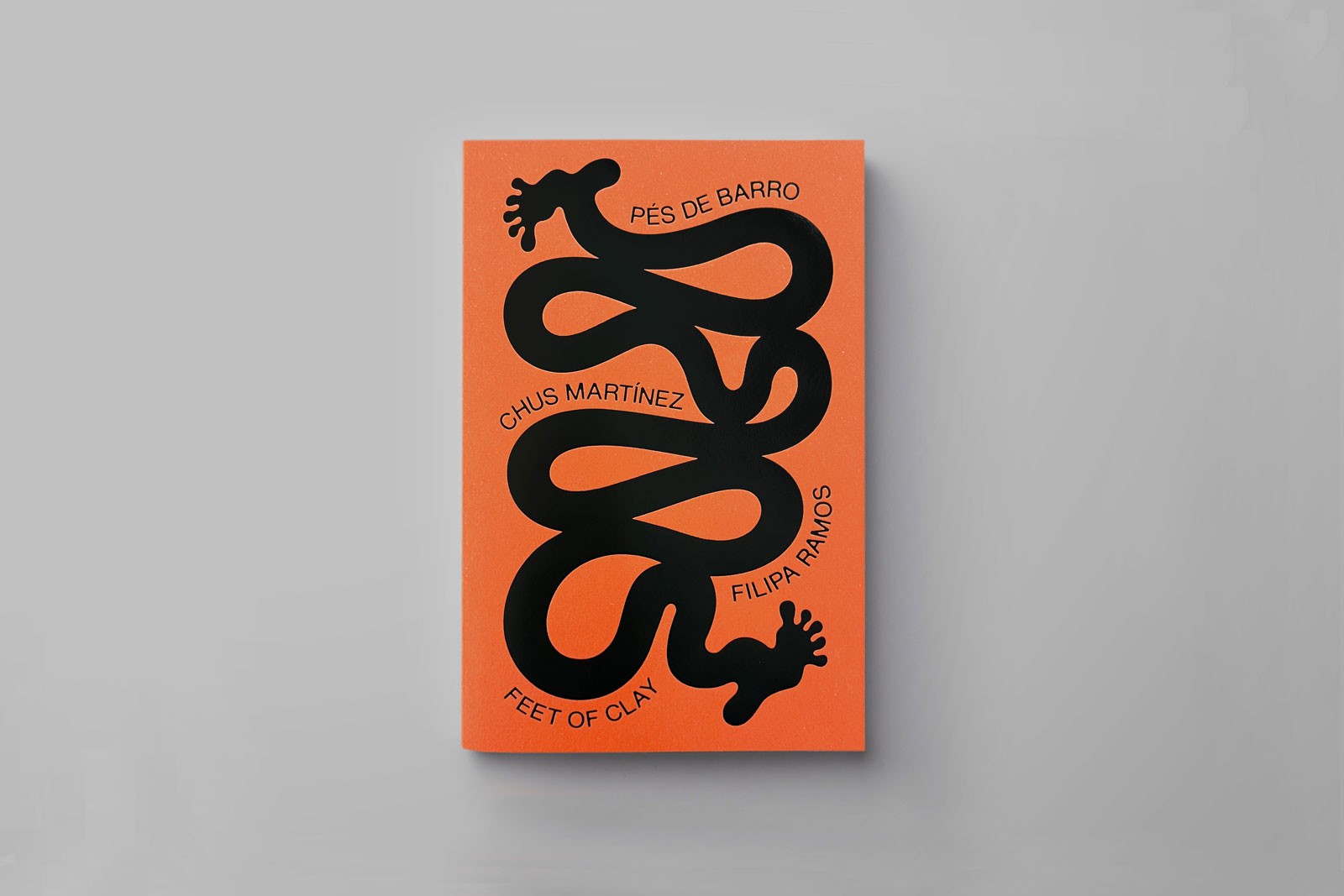
Edited by Chus Martínez and Filipa Ramos
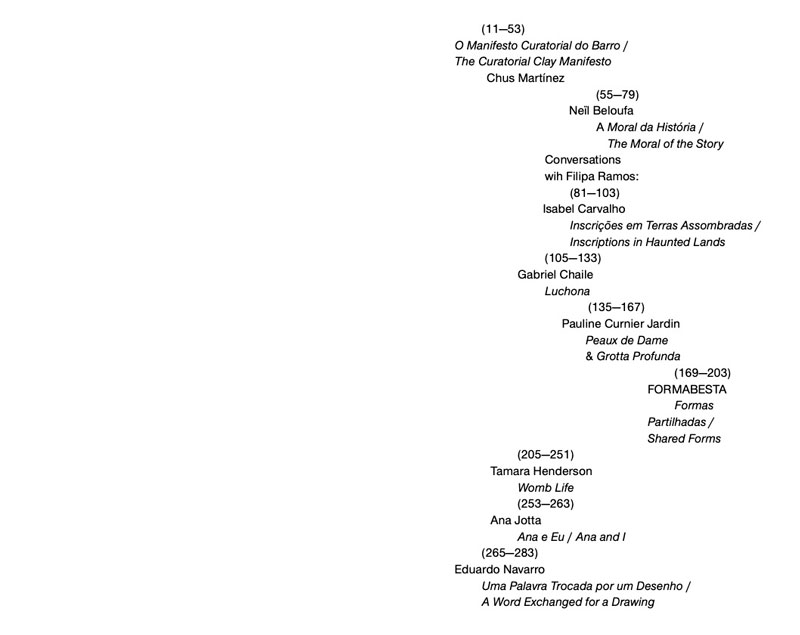
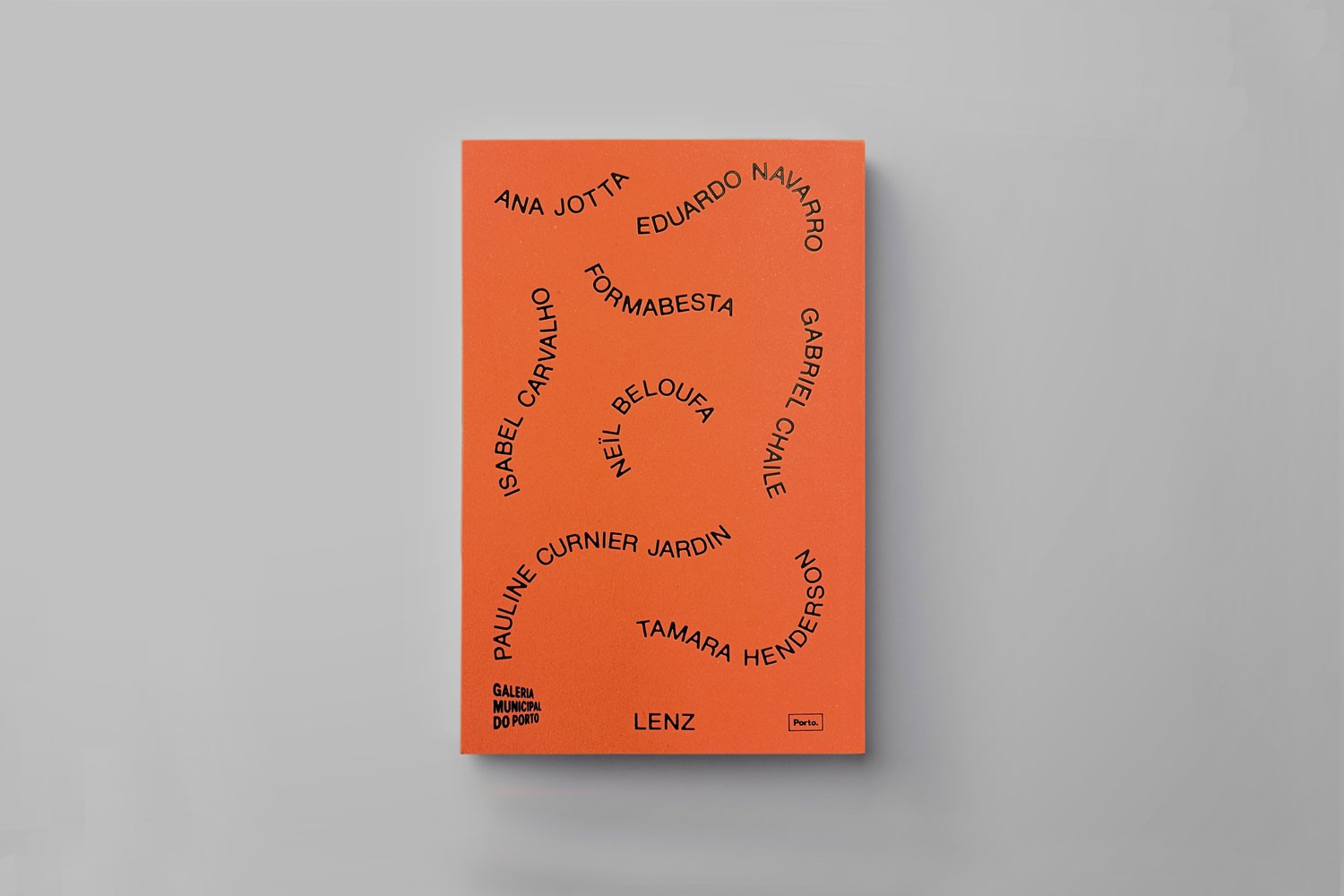
Texts by Neïl Beloufa, Isabel Carvalho, Gabriel Chaile, Pauline Curnier Jardin, Formabesta (Salvador e Juan Cidrás), Tamara Henderson, Ana Jotta, Chus Martínez, Eduardo Navarro, and Filipa Ramos
Design by Ana Dominguez Studio
2023, English / Portuguese, softcover, 11.2 X 17.8 cm, 288 pages
ISBN: 979-12-80579-50-8
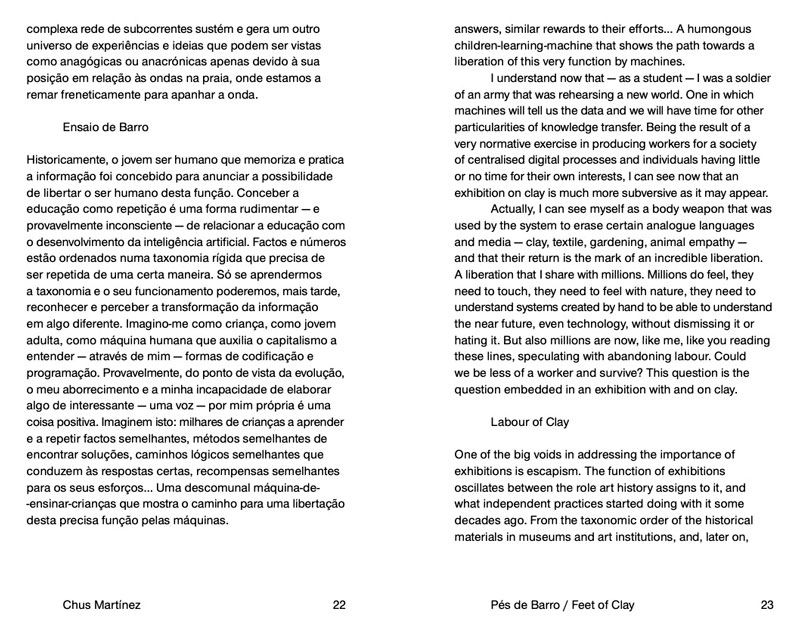
Some may associate clay, pottery and ceramics to tradition, and tradition to the past. Some may associate technology, digital communication and data with the new, and the new with the future. What if the future is only a technology as old and unusual as clay? What if clay is a matter that renews itself constantly and gives time its unpredictable configurations?
What if clay is the future and the future is clay? And if the feet of clay only reveal a vulnerability because the rest of the body is made of a different material? And if the feet of clay are actually rooting people to the earth, connecting them through the same matter? And if feet of clay are a way to establish a post-technological communication that requires no webs, no networks, no cables; only our many, one, two, eight, twenty feet and some clay?
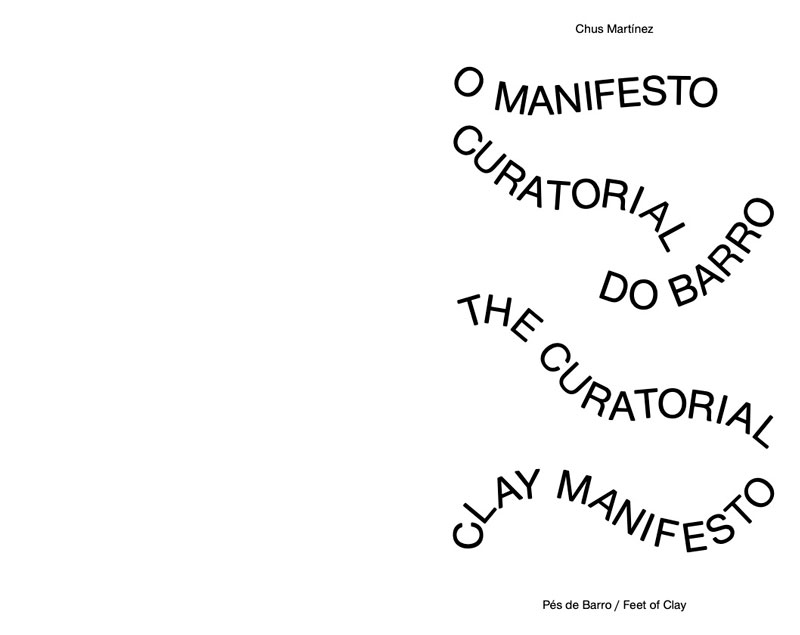
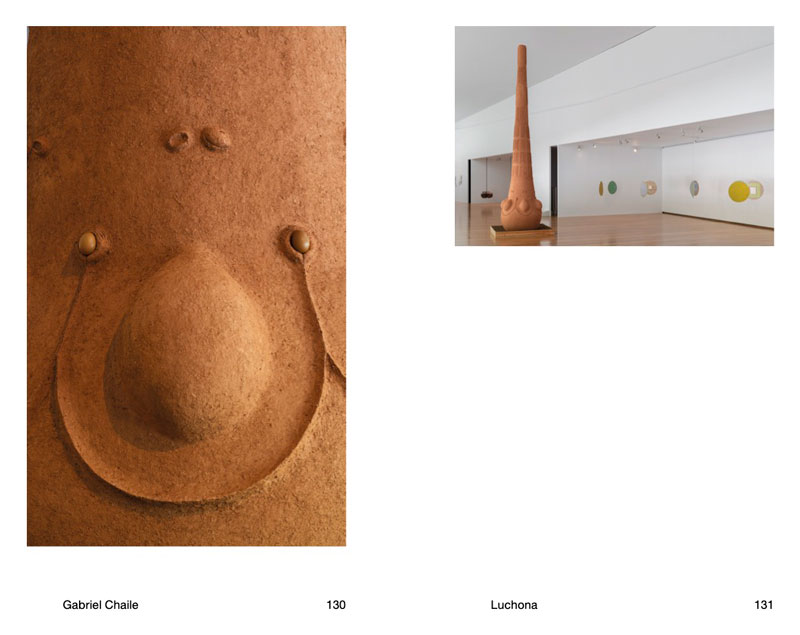
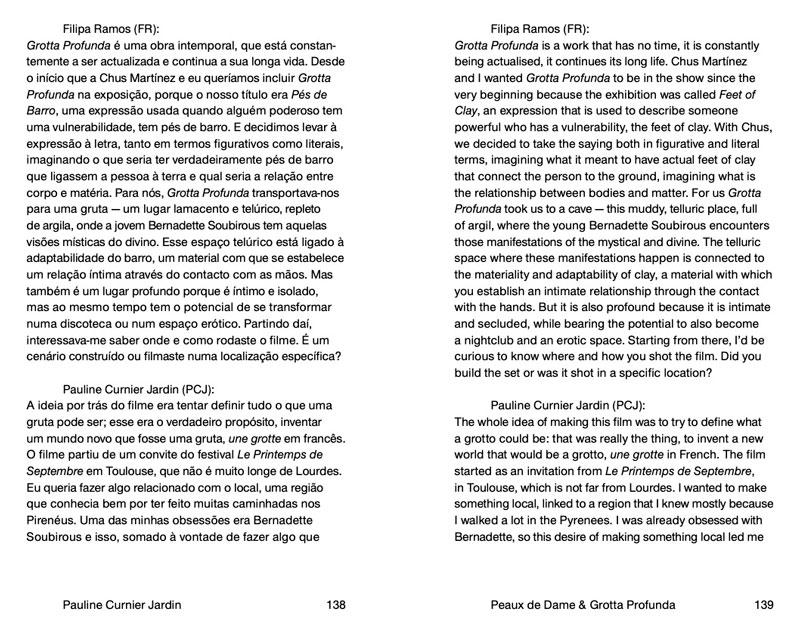
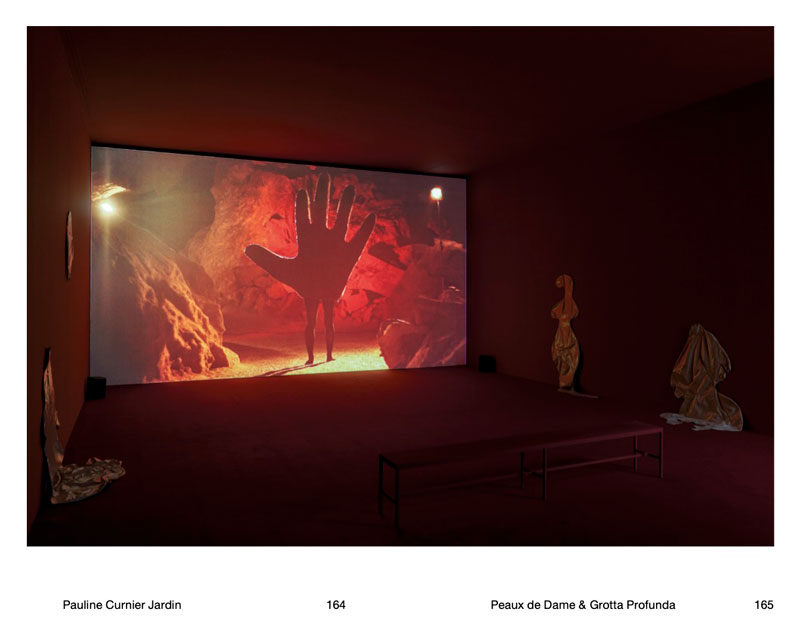
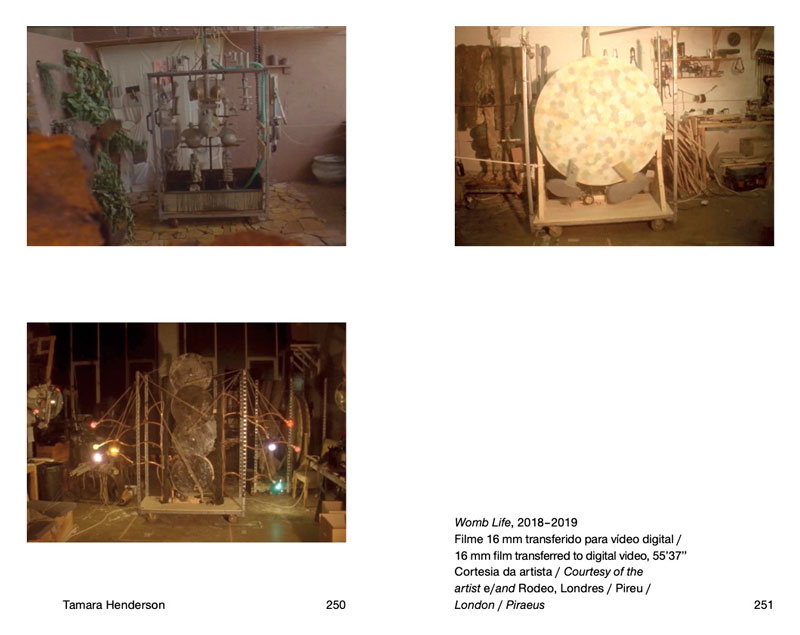
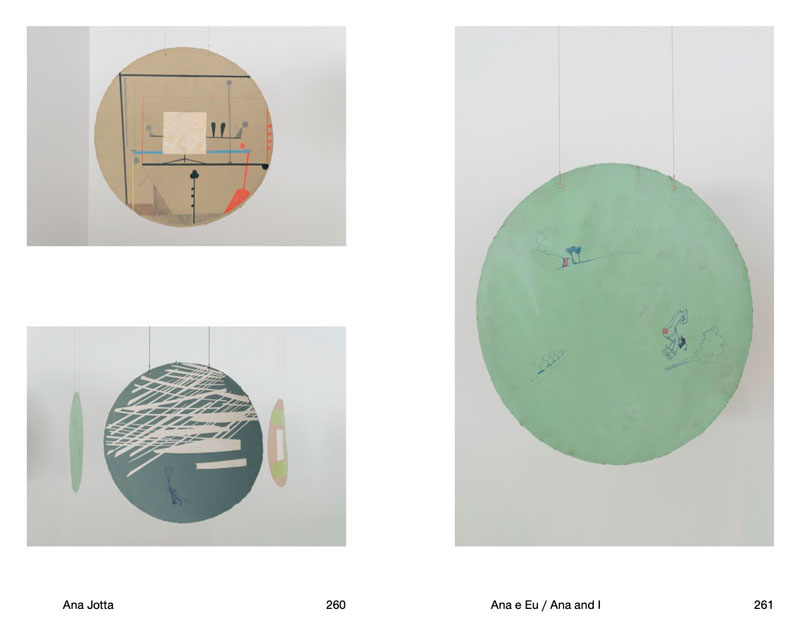
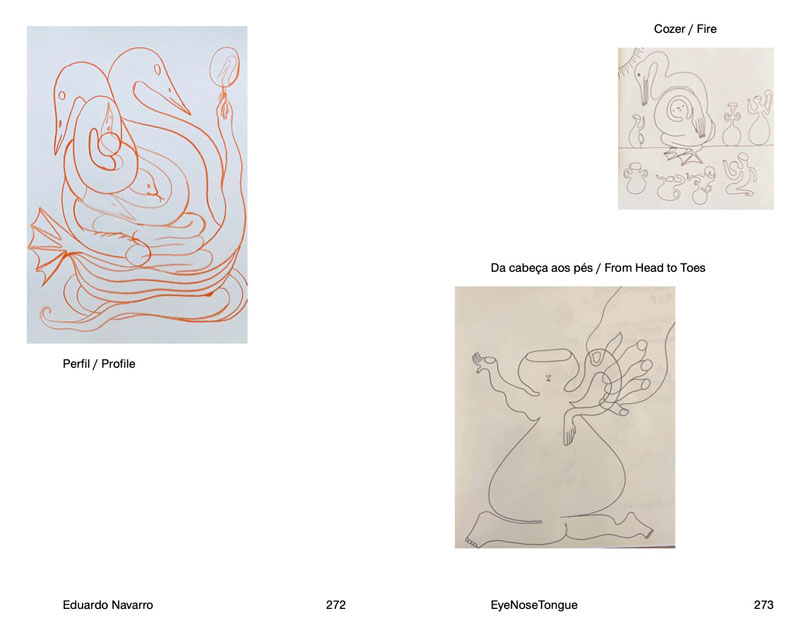
These are some of the questions and enigmas addressed by curators Chus Martínez and Filipa Ramos, who brought together a group of artists who have been using clay, pottery and ceramics in an exhibition entitled Feet of Clay, presented at Galeria Municipal do Porto in 2021. Like clay, the project has now been moulded into book format, bringing together exclusive texts and interviews with the participating artists: Neïl Beloufa, Isabel Carvalho, Gabriel Chaile, Pauline Curnier Jardin, Formabesta (Salvador and Juan Cidrás), Tamara Henderson, Ana Jotta and Eduardo Navarro.
Published with Galeria Municipal do Porto / Ágora - Cultura e Desporto do Porto, E.M.