Published in conjunction with a solo exhibition at Kunst Museum Winterthur, this book provides the first overview of Altmann’s work to date, characterized by a strongly socio-critical consciousness, and reveals the artist’s influences and inspirations.
The first monograph dedicated to Paloma Bosquê addresses the Brazilian artist’s ways of understanding and giving shape to that matter which can be perceived, but not rationalized.
The first book on London based artist Gili Tal, whose practice identifies how the digital has long become a reality that has subjected our habits of perception to a radical change.
Through comprehensive and interdisciplinary readings of landscape, cinema, architecture, and visual culture, this first monograph builds on the storytelling dimensions that have always informed the photographic oeuvre of the Syrian artist.
The book is the outcome of an exhibition around the theme of the sacred. The resumption of historical figures, classical art-historical iconography, and everyday images intermingle in a reconstruction of reality that is dreamlike, painful, and sometimes grotesque.
Vogliamo tutto. Cultural Practices and Labor is a publication on work within a changing socio-cultural context: from the impact of the Industrial Revolution to post-industrial decline through to the rapid evolution of the digital era.
Edited by Edoardo Bonaspetti
Commissioning Editors: Maria Sica (director, IIC Tel Aviv) and Nicola Trezzi (director and curator,
CCA Tel Aviv-Yafo)
Design Lorenzo Mason Studio
2023, English, softcover, 21 x 30 cm, twenty 60 × 40 cm sheets of wrapping paper
ISBN: 979-12-80579-26-3
On March 11, 2011, the most powerful earthquake ever to hit Japan created a tsunami that laid waste to the country’s east coast, causing a catastrophic breach at the Fukushima Daiichi Nuclear Power Plant. Since then, access to the contaminated towns and surrounding countryside has been mostly limited to scientists and specialized decontamination crews. The project Don’t Follow the Wind (2015–ongoing)—organized by the Tokyo-based art collective Chim↑Pom from Smappa!Group, together with Kenji Kubota, Jason Waite, and Eva & Franco Mattes—marked a historic exception: a group of artists entered the exclusion zone to produce a series of site-specific works. Installed in several venues on loan from former residents, these interventions comprise an exhibition that will remain unreachable in person for many years to come, until it will finally be deemed safe to return.
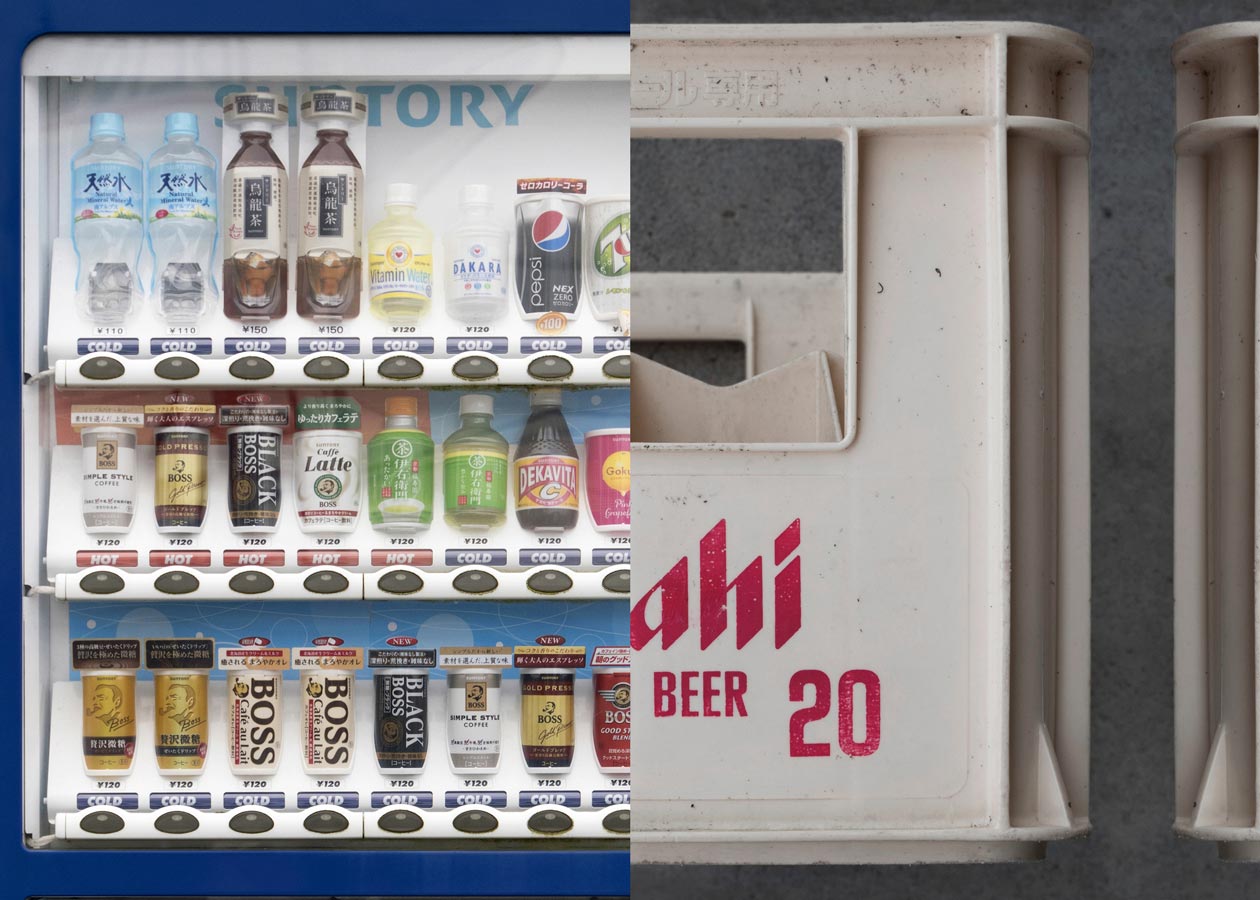
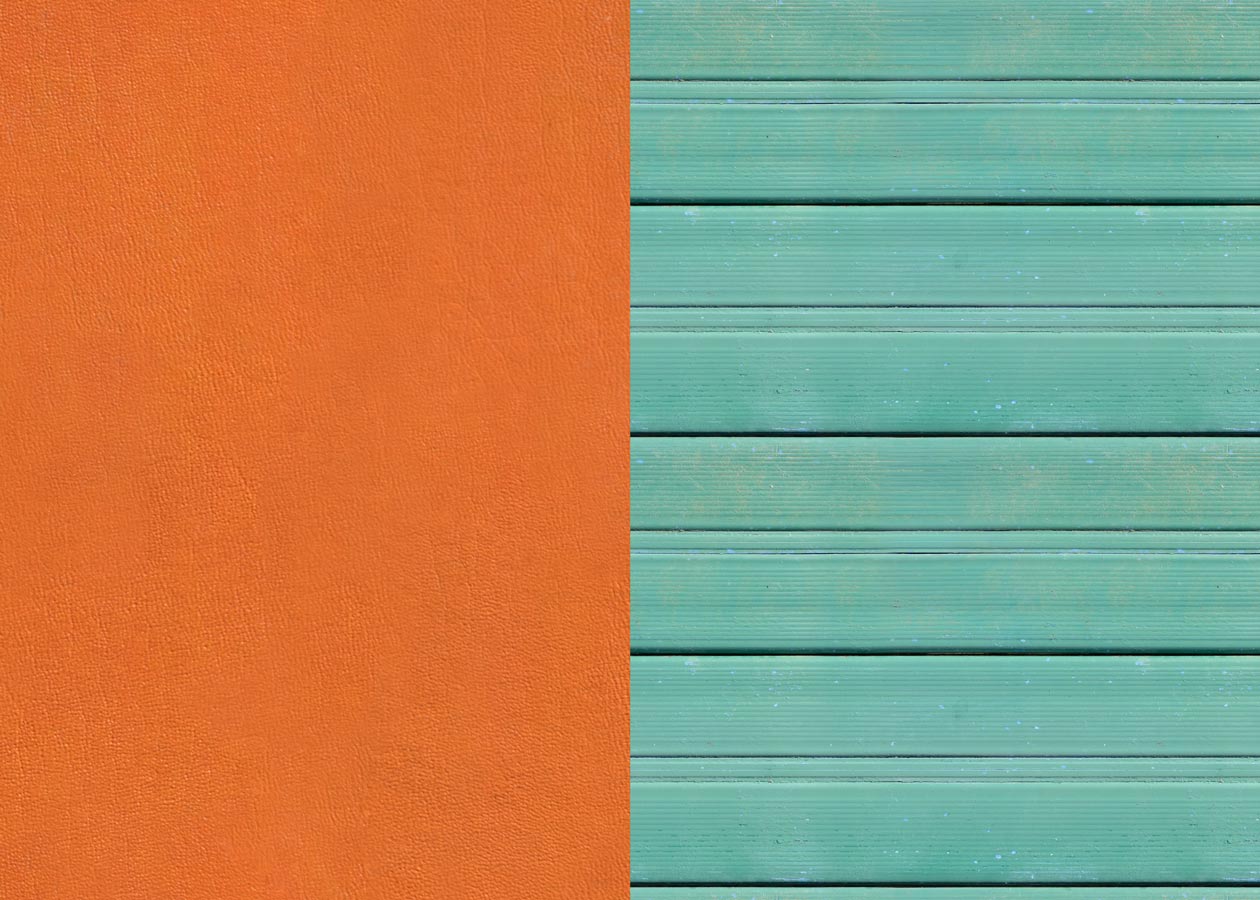
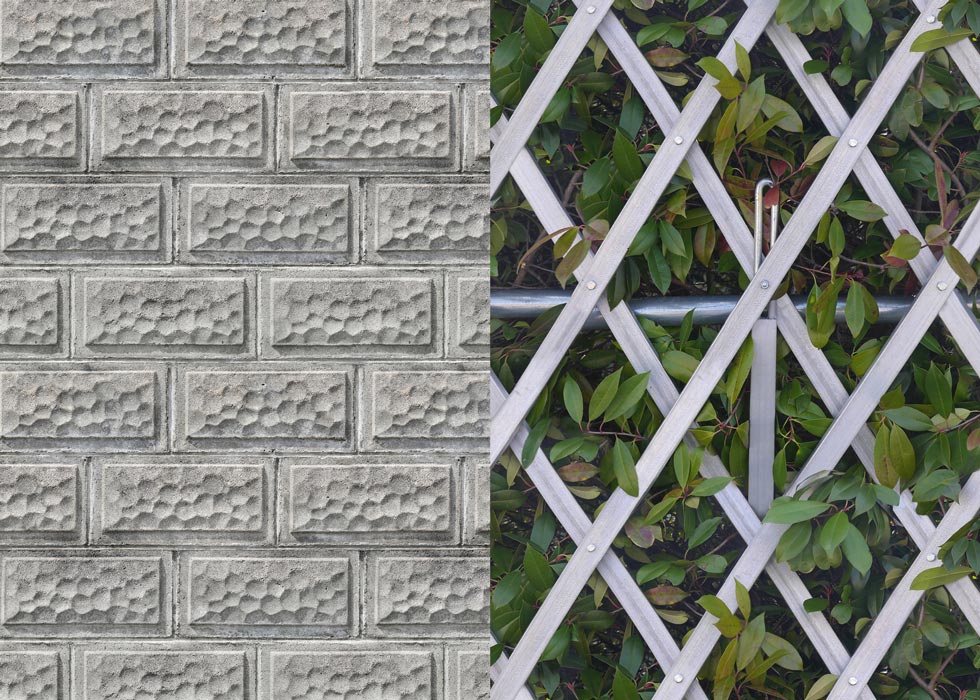
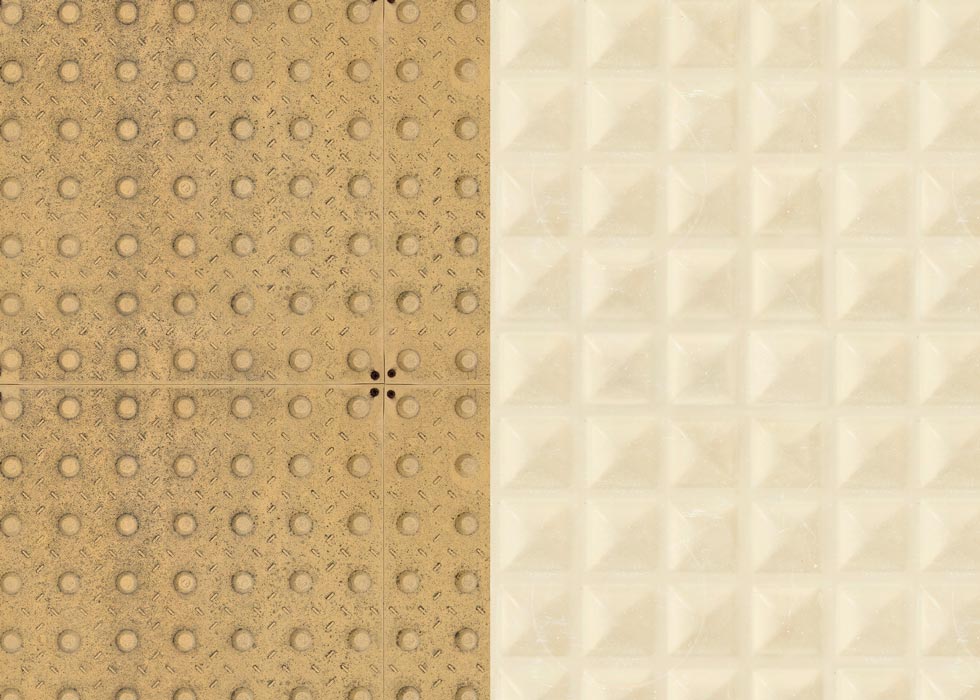
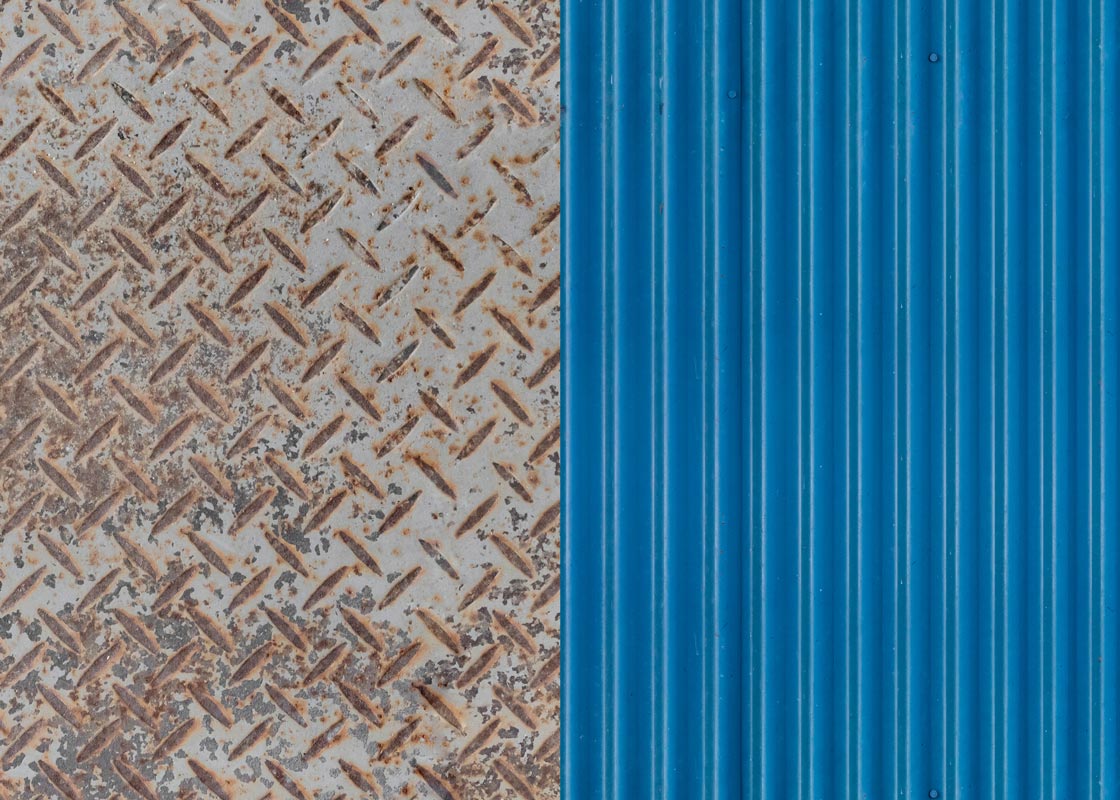
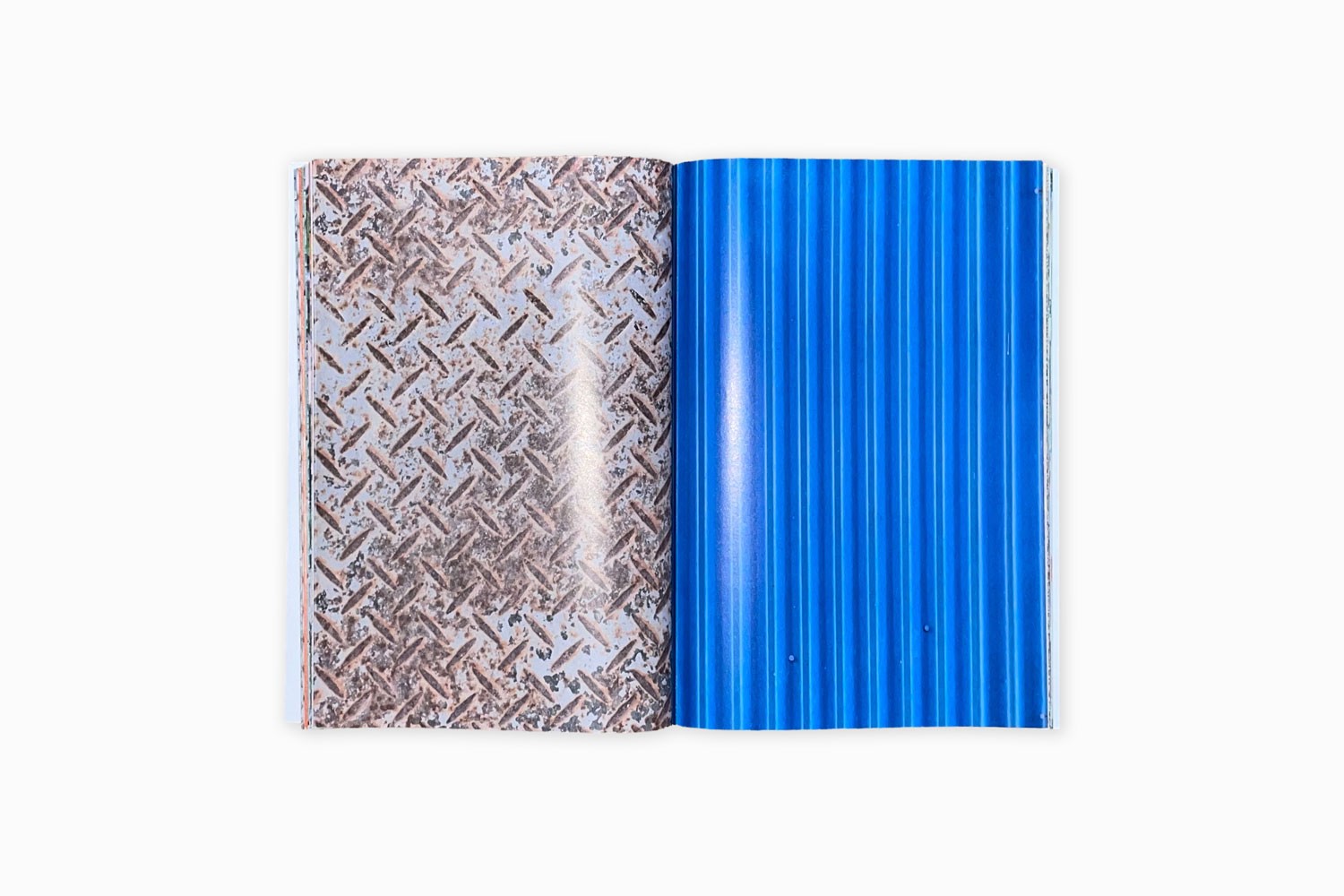
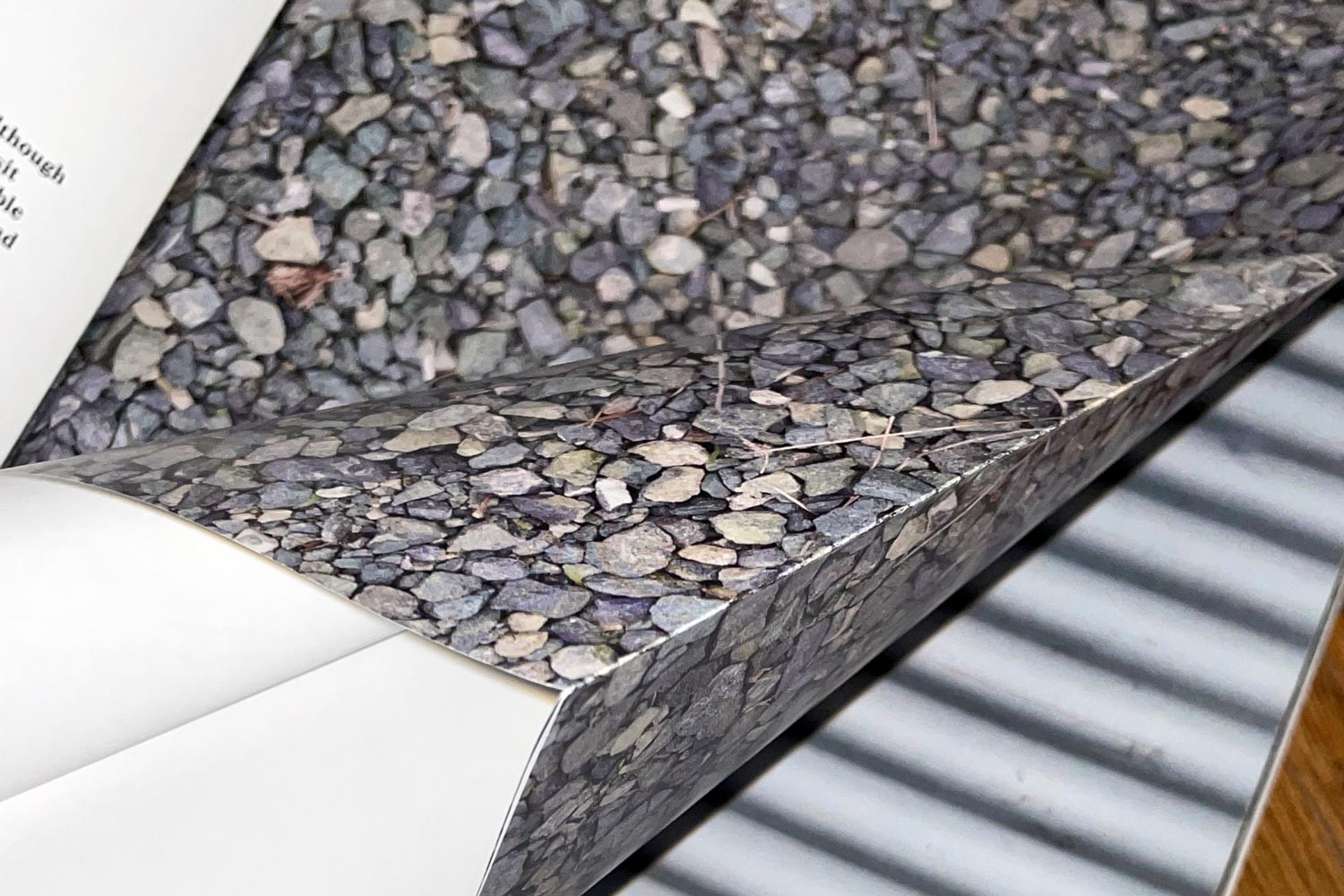
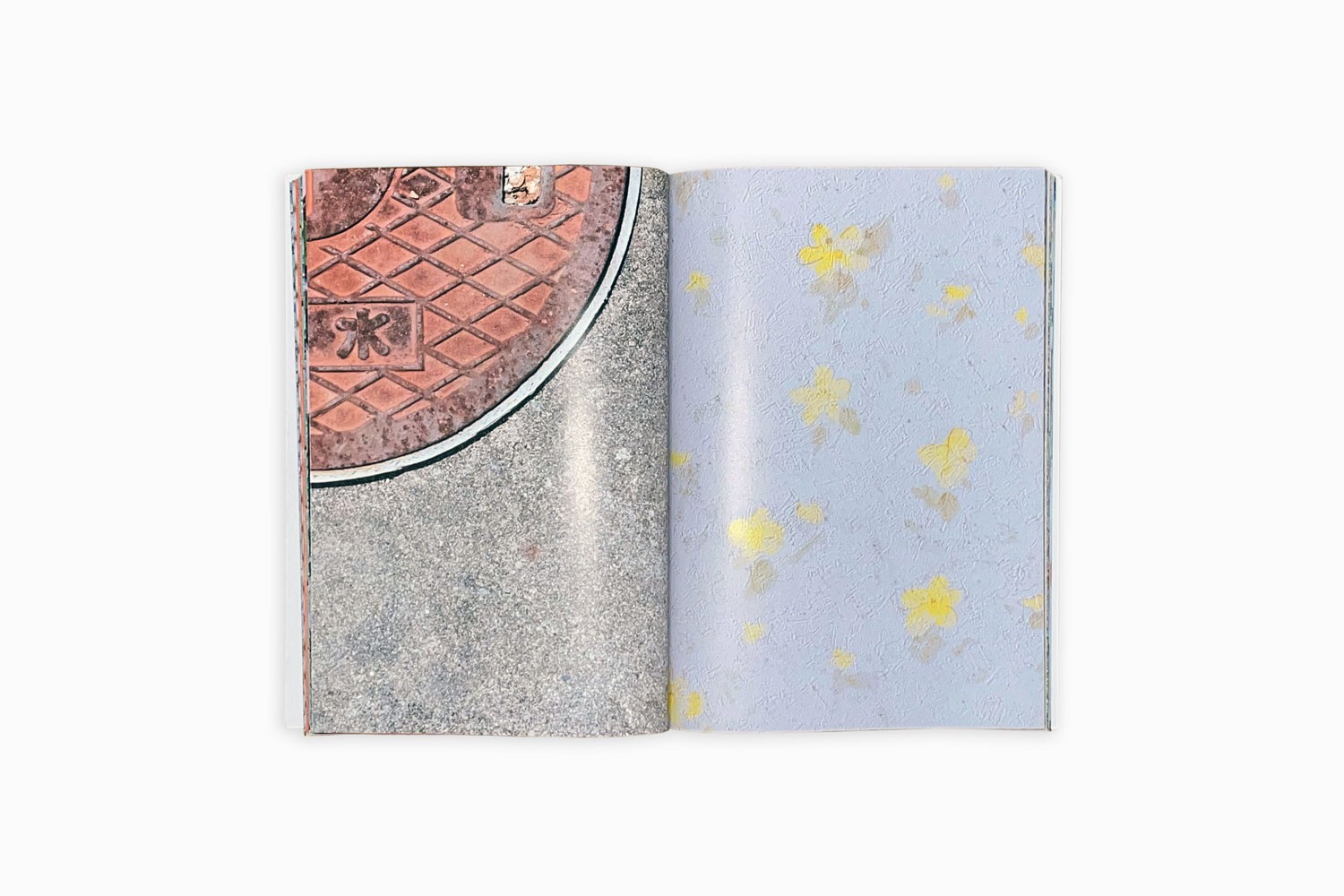
Fukushima Texture Pack is an artistic record of Eva & Franco Mattes’ engagement with this contaminated landscape. Borrowing the format of books of wrapping paper, it contains twenty large pre-perforated sheets. Each features a visual texture, a surface captured on camera amid radioactive ruins. All such patterns afford a seamless repeating motif, should they be installed in a tile formation as wallpaper. They comprise a representative sample of the 152 textures the artists first released online as freehold digital files. The pages of this book may be used freely to cover other books, decorate boxes, wrap gifts, form origami, or they may be framed as small works of art.
This artist’s book extends Eva & Franco Mattes’ interest in Fukushima’s geographical displacement. Following its radioactive ungrounding, this location is now most accessible through its representation. But images are given to obscuring the matter at hand—to wrapping it up, so to speak, in a reduced form. The tragic proportions of the Fukushima meltdown outstrip virtually all frames. With this in mind, how can one maintain awareness of this nuclear disaster? How might we live with the facts?
The textures—sampling walls and floors, rust, bricks, gravel, underbrush, tatami mats, dirt, desks, closets, and more—are unspectacular by design. Eschewing the gnarled automobiles, collapsed buildings, and other wrecks left in the wake of the tsunami, the visual banality of these posters speak to an invisible crisis. Additionally, their modular, tessellating design allows for the limitless spread of a given motif. As possible wallpaper, they evoke the new baselines of background radiation, omnipresent in and around the exclusion zone—a new surface condition.
The publication is supported by Istituto Italiano di Cultura Tel Aviv in collaboration with CCA Tel Aviv-Yafo.