Vogliamo tutto. Pratiche culturali e lavoro è una pubblicazione sul lavoro all’interno del contesto socio-culturale in evoluzione: dagli impatti della rivoluzione industriale, al declino post-industriale, fino alla rapida accelerazione dell’era digitale.
Divine Drudgery is an artist book with collages and artworks by James Richards and Leslie Thornton, and contributions by artists, writers and poets centred around liminality and the aesthetics and politics of the invisible.
The book is the first comprehensive monograph on the polymorphous work of Athanasios Argianas. It is published on the occasion of Hollowed Water, a major solo exhibition at Camden Arts Centre in 2020 and ARCH, Athens, in 2021.
Through exquisite craftsmanship, and with reference to romantic nationalism, Ann Böttcher explores how aesthetic and political projections characterize notions of nature, and how such conceptions are taken up by countries, political movements, and other institutions.
Voices (Towards Other Institutions) is the final act of the coral, multiform, articulated, two-year-long experiment carried out by Open, the Russian Federation Pavilion at the 17th International Architecture Exhibition.
The book deals with Diego Marcon’s practice through the analysis of three film and video works. Monelle (2017), Ludwig (2018), and The Parents’ Room (2020) are his most recent and complex projects, and they are all emblematic of central aspects of his production.
Edited by Michelle Cotton and Francesco Manacorda
Texts by Guglielmo Castelli, Sarah Crowe, Lillian Davies, and Francesco Manacorda
Designed by Lorenzo Mason Studio
2026, English / Italian / German, 24 x 30 cm, 256 pages
ISBN 979-12-80579-90-4
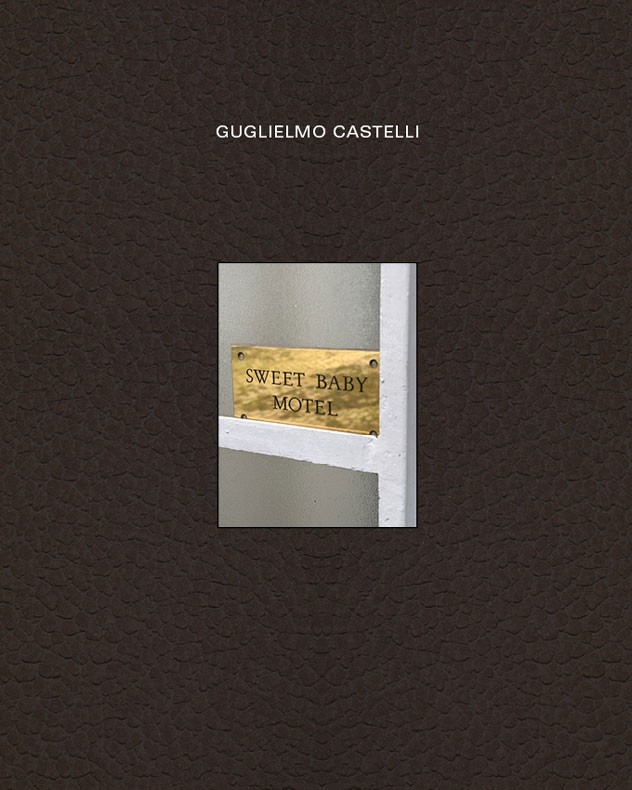
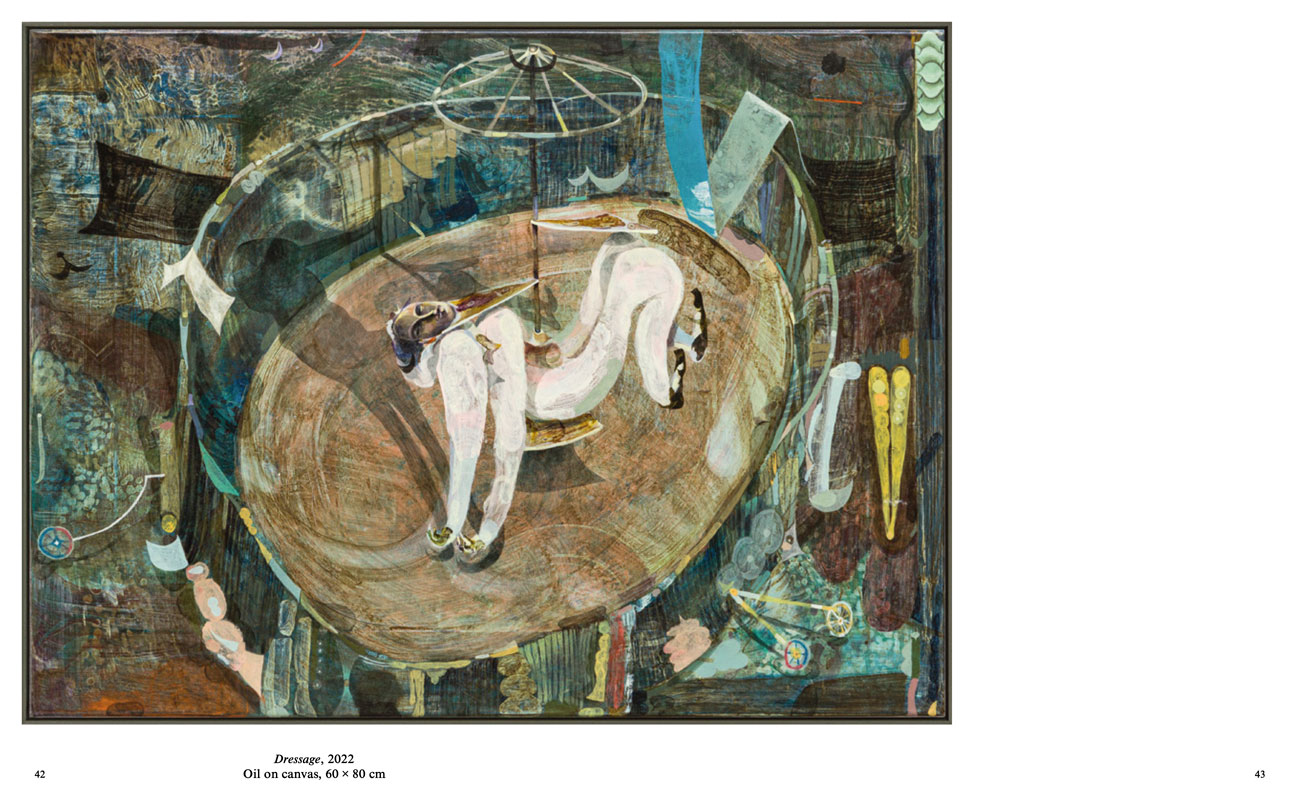
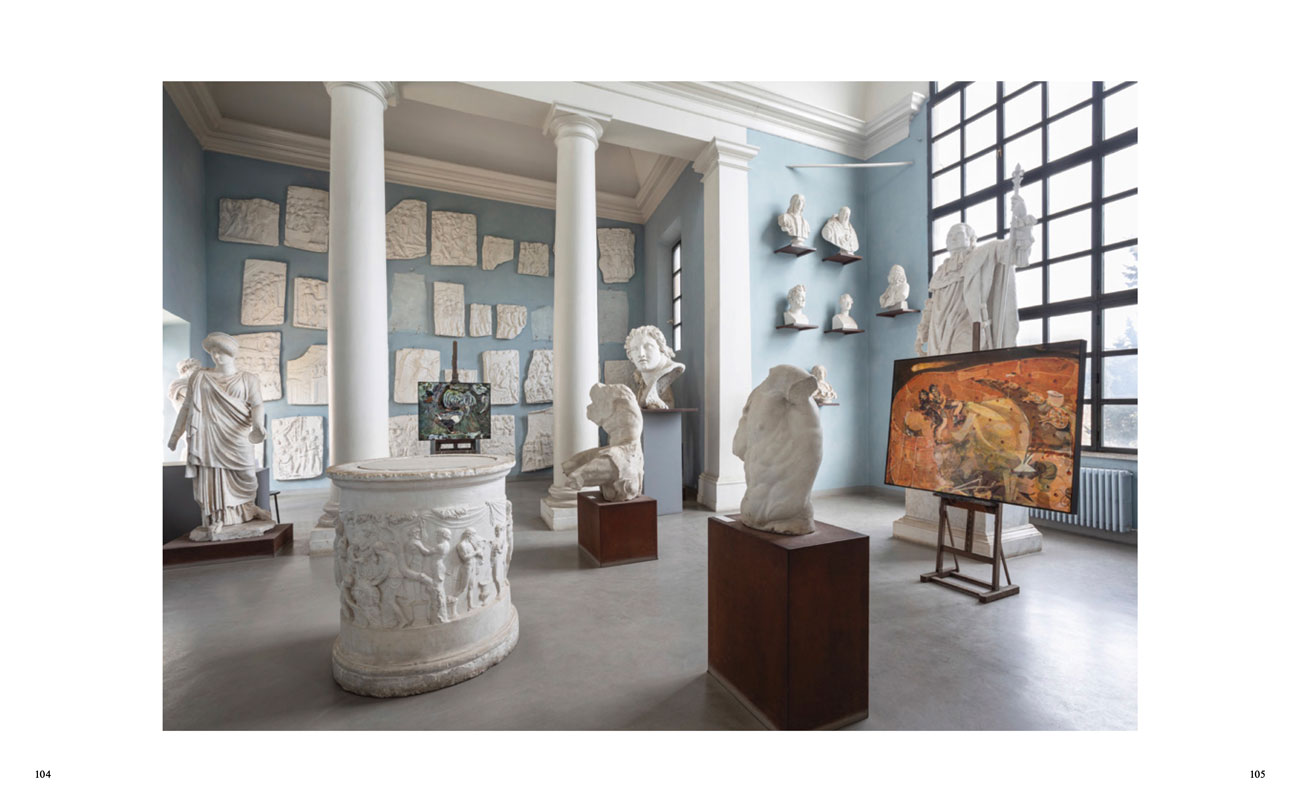
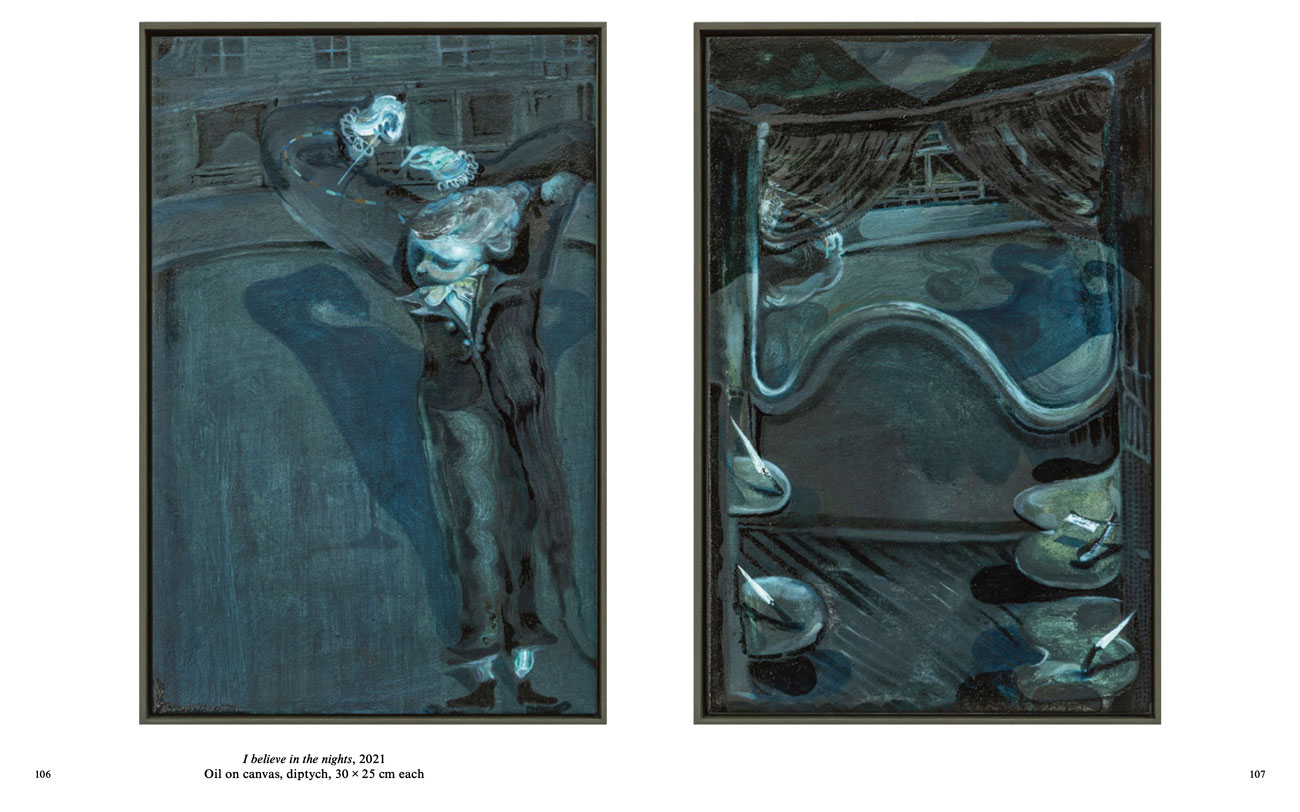
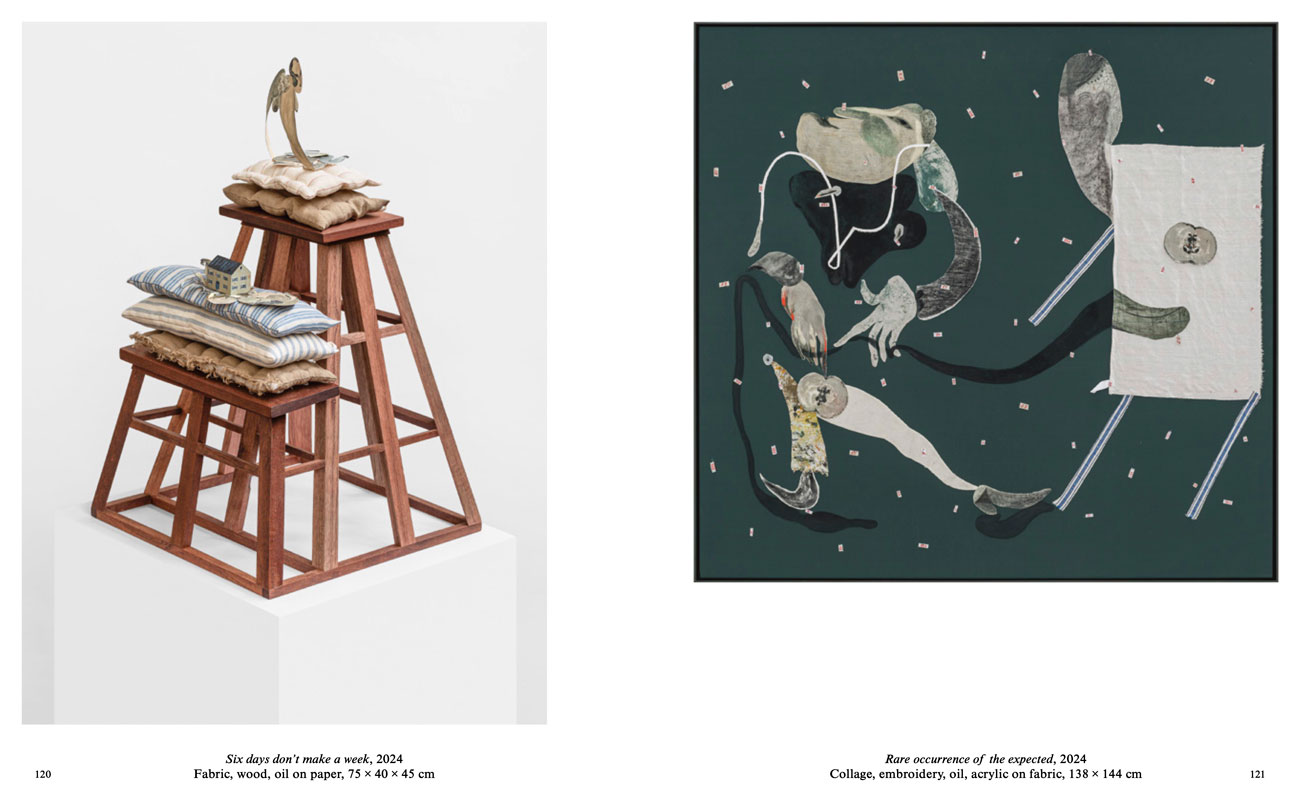
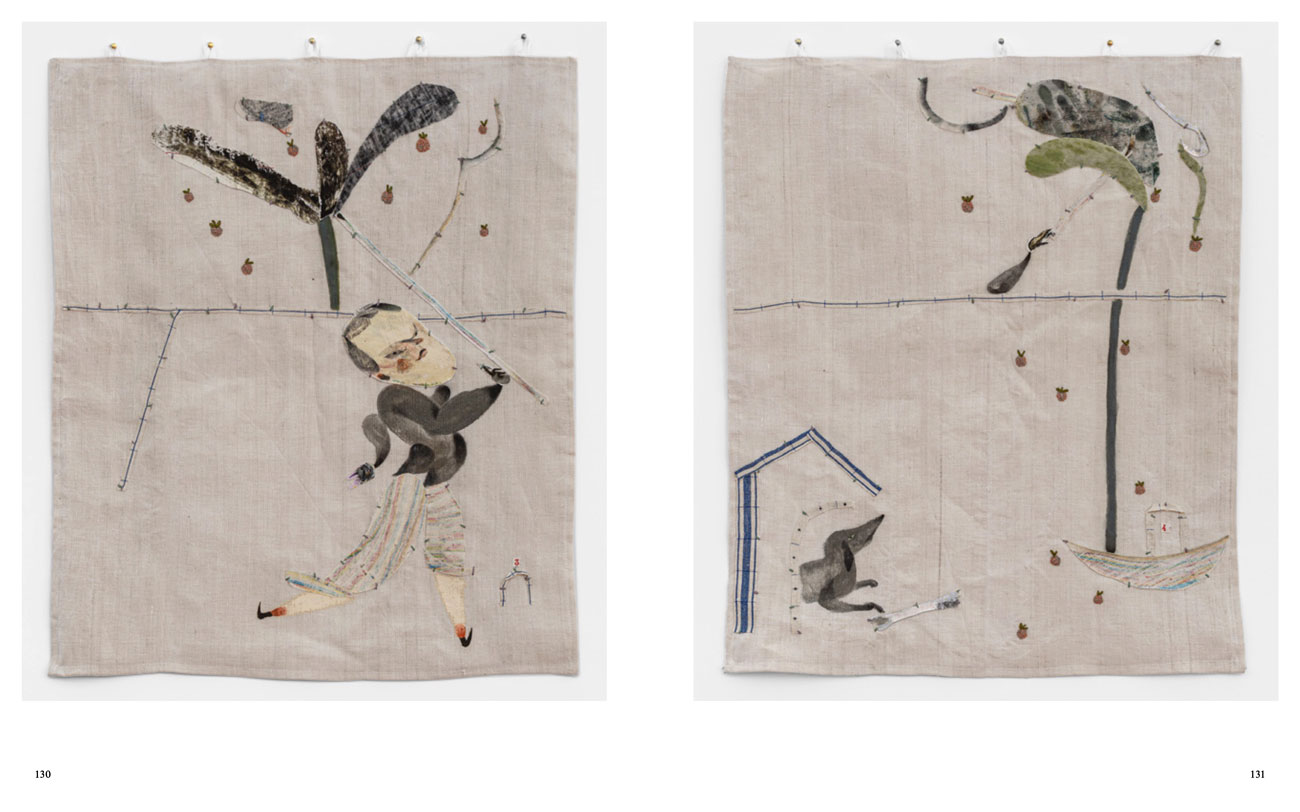
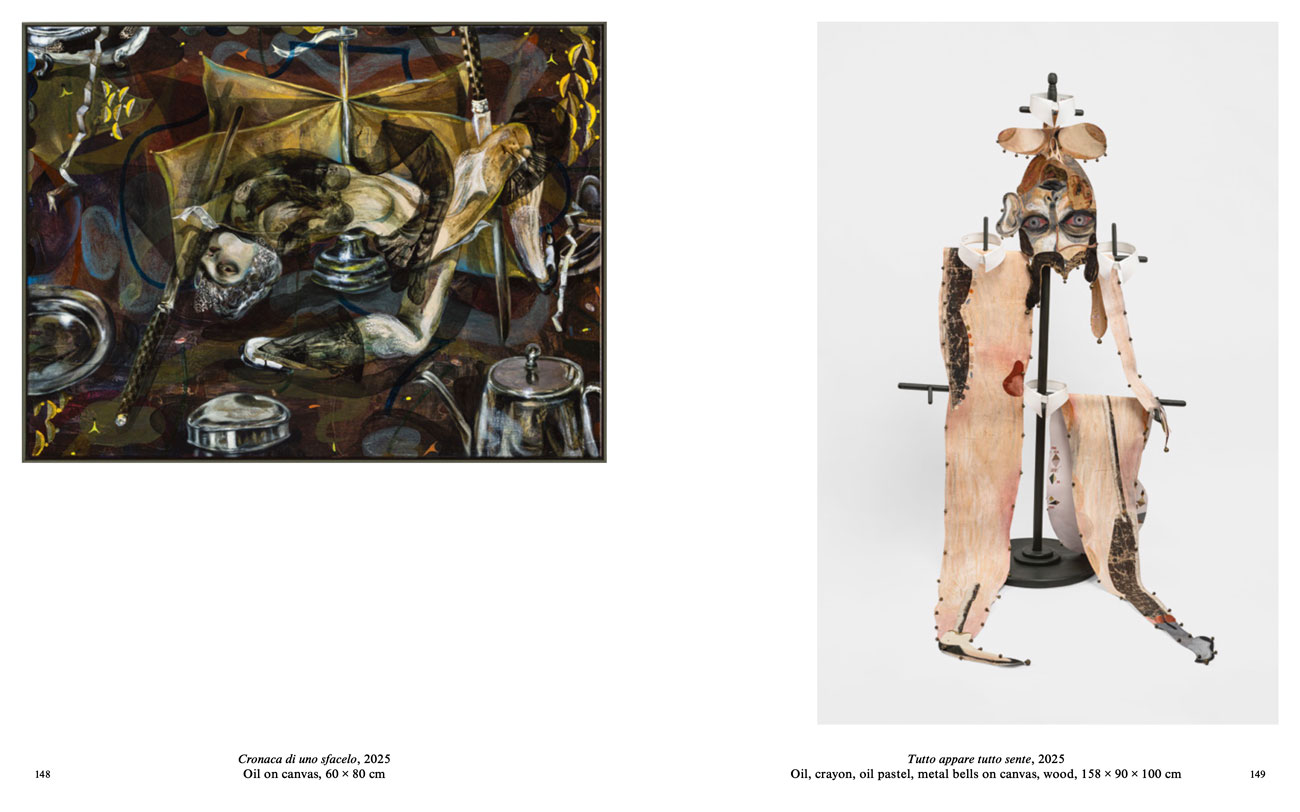
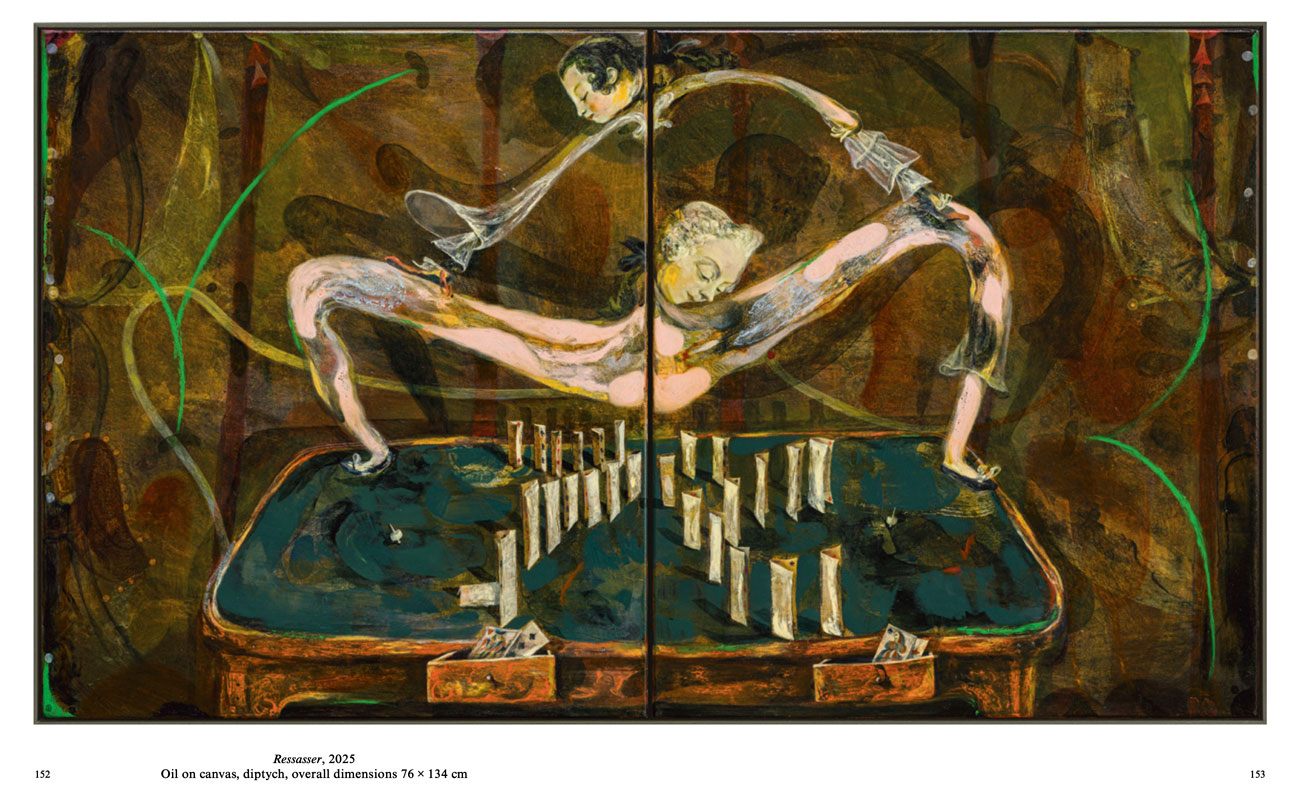
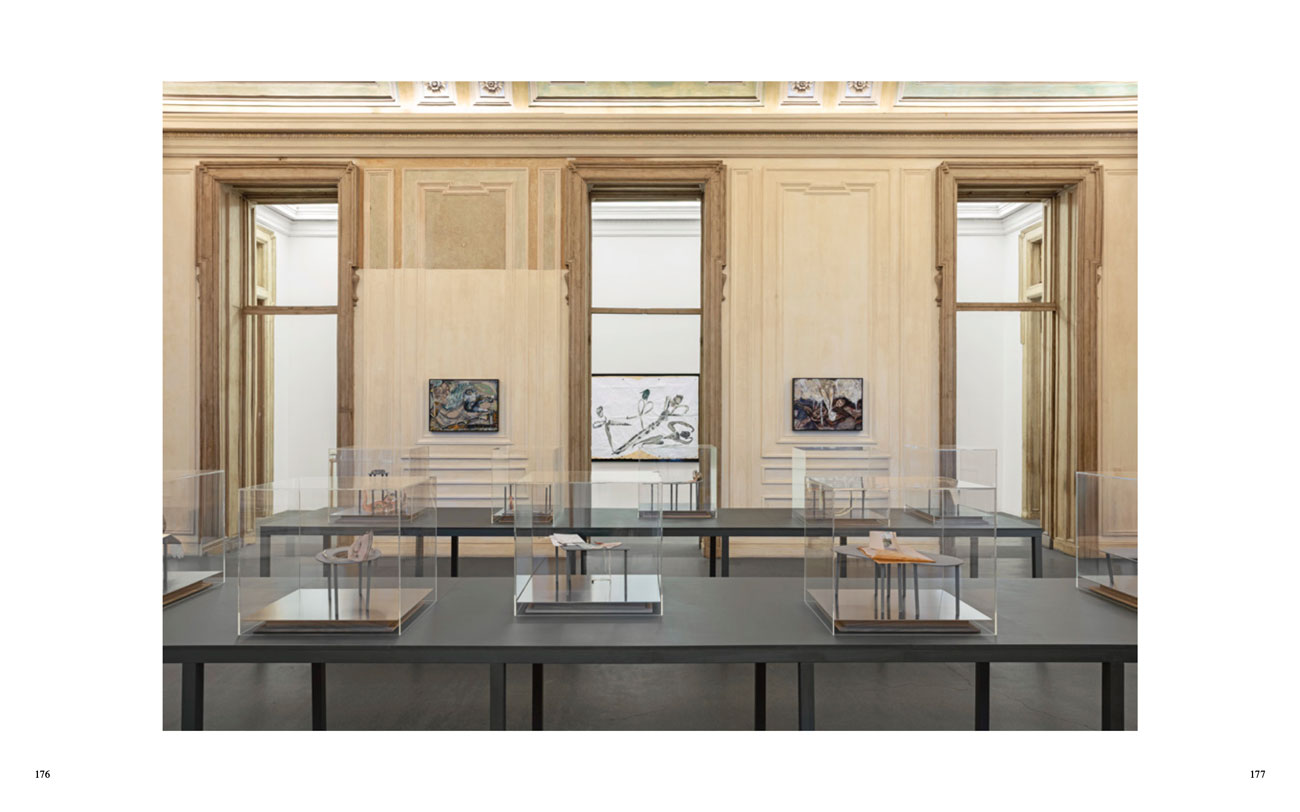
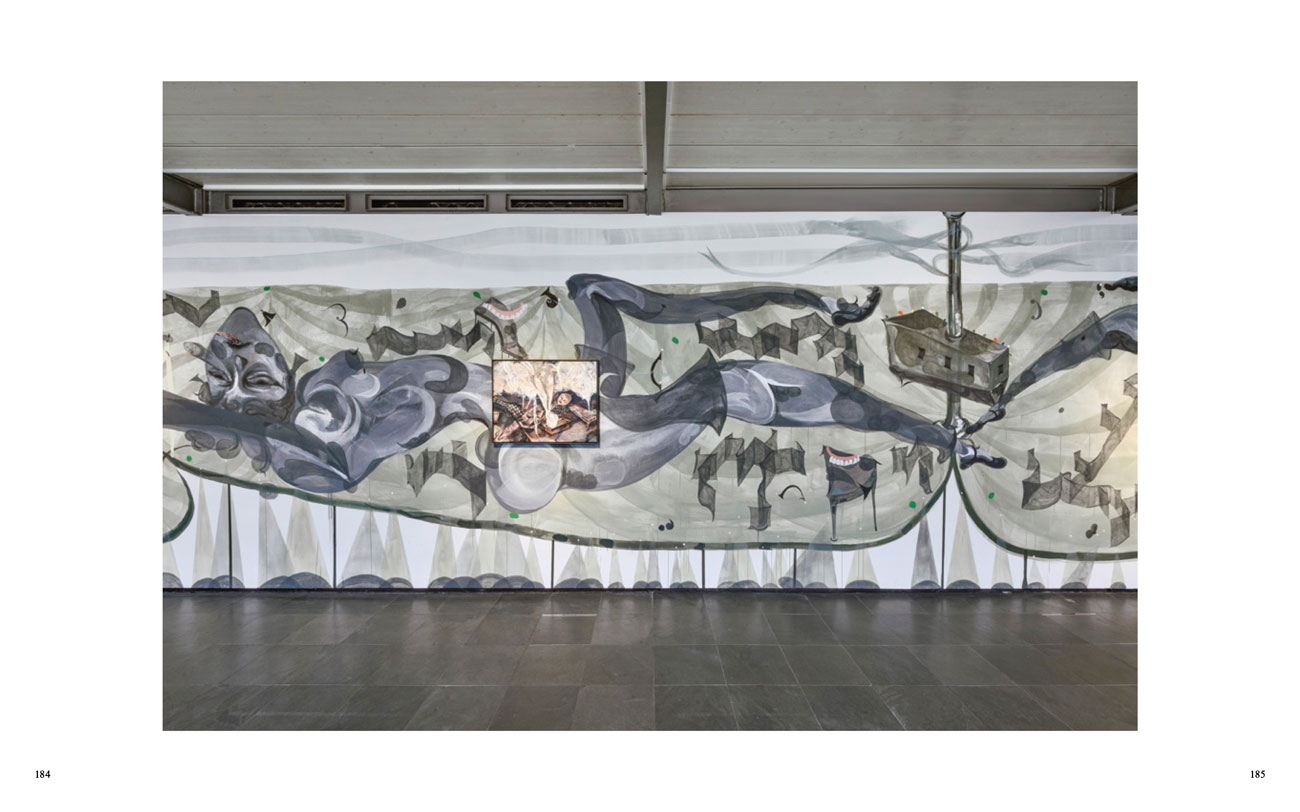
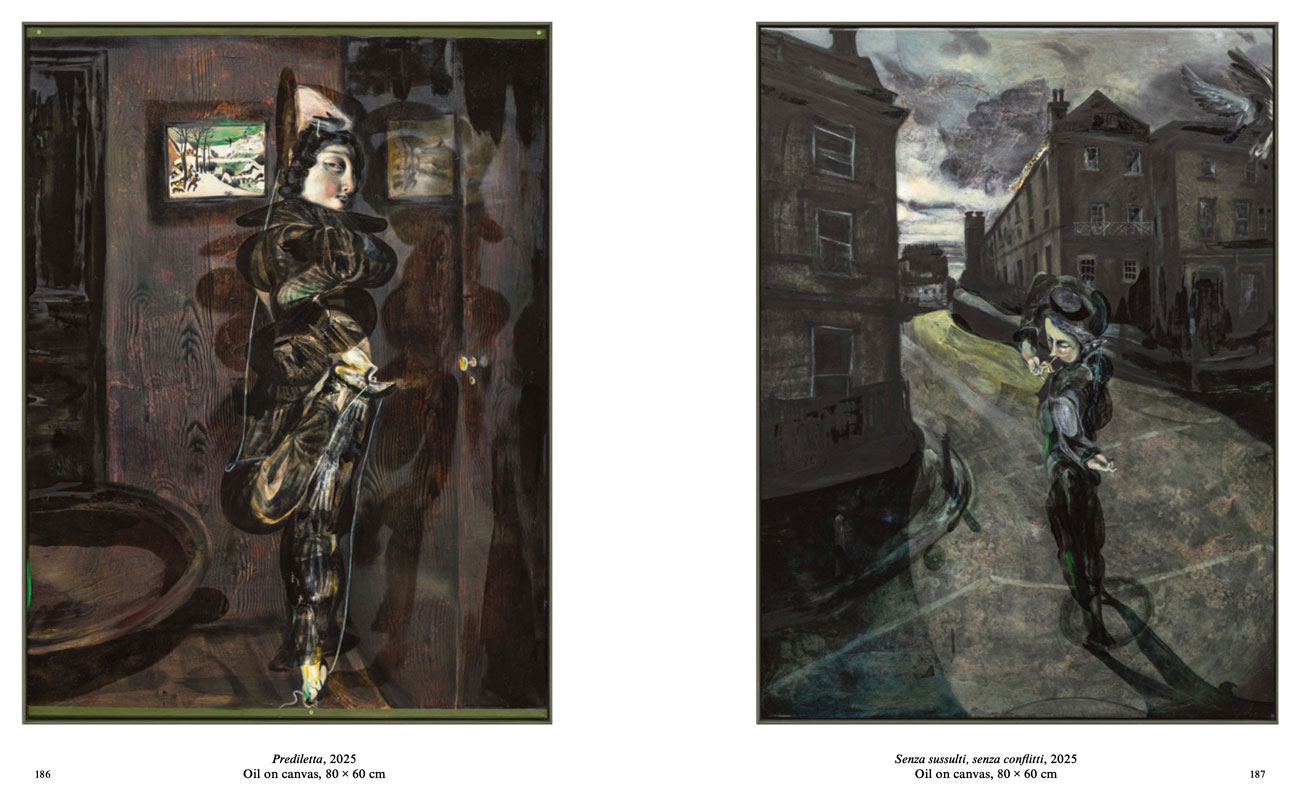
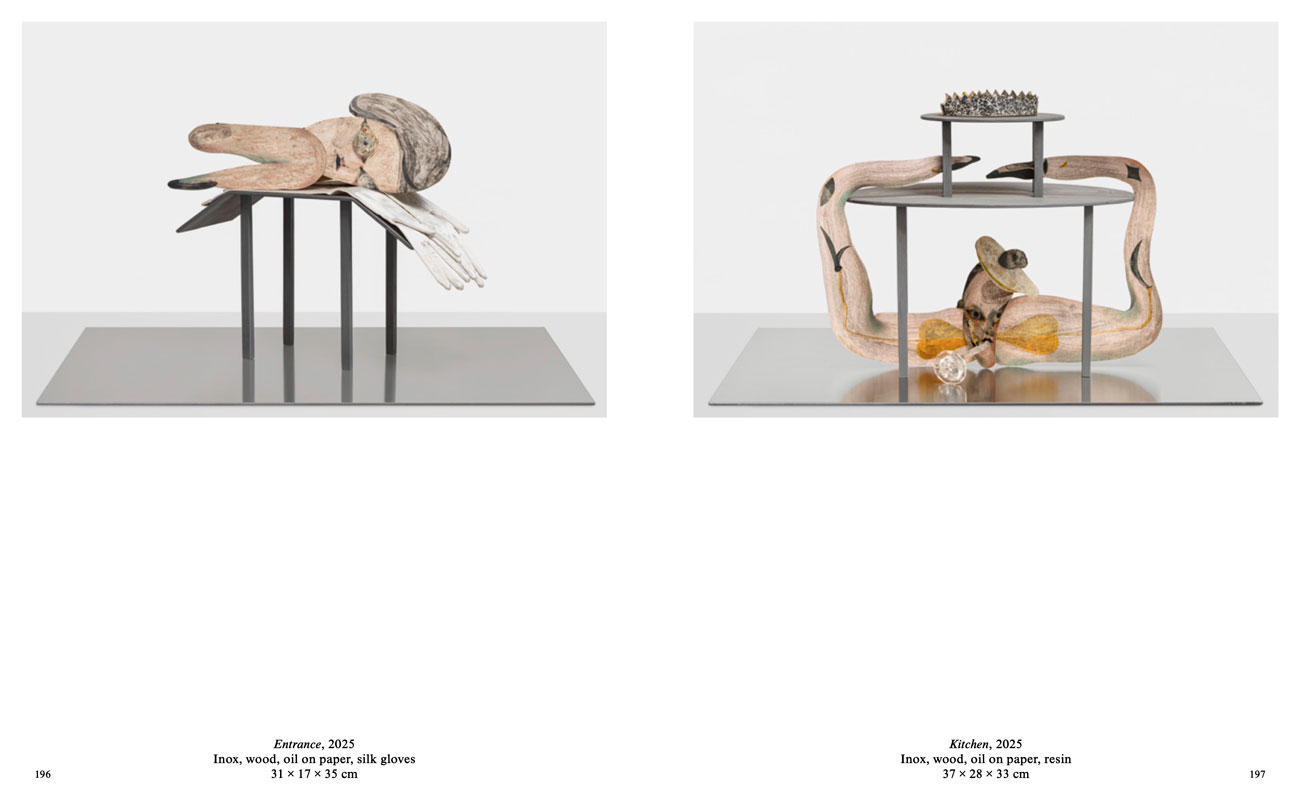
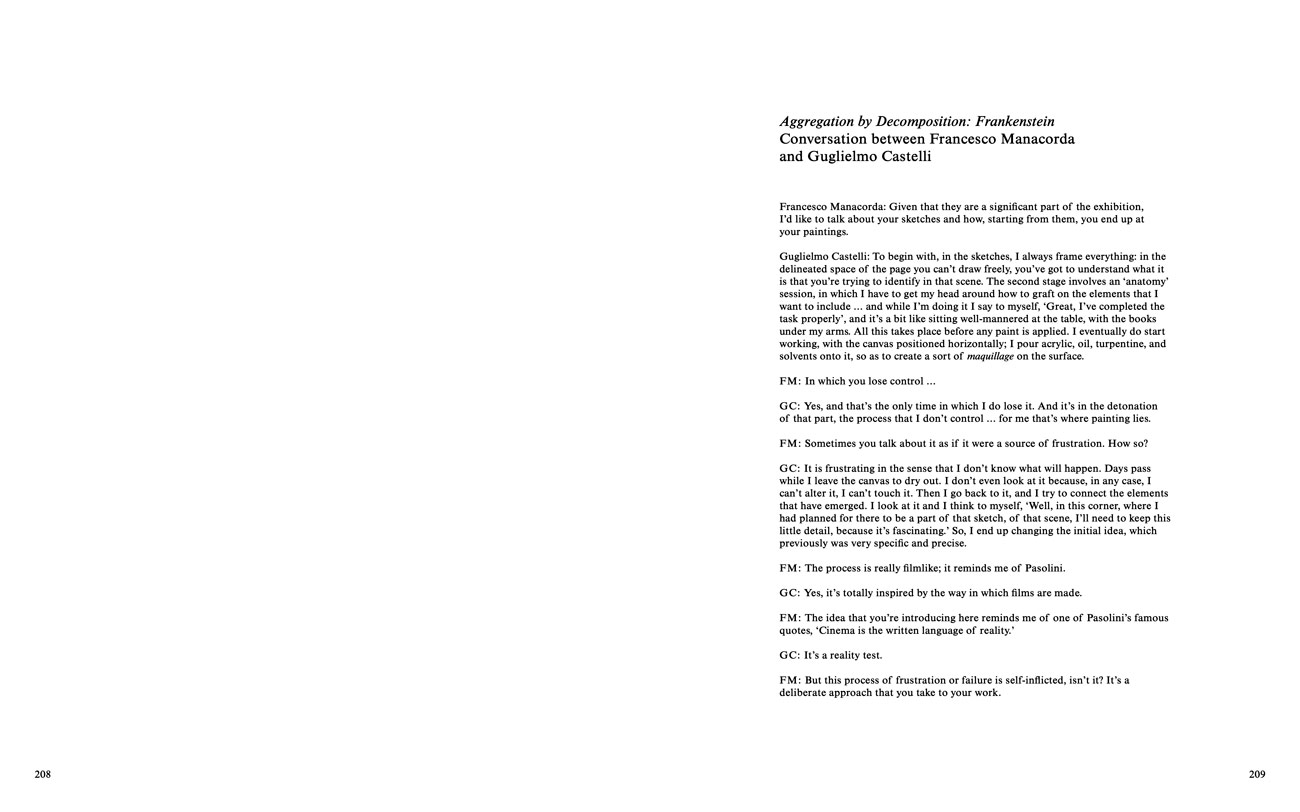
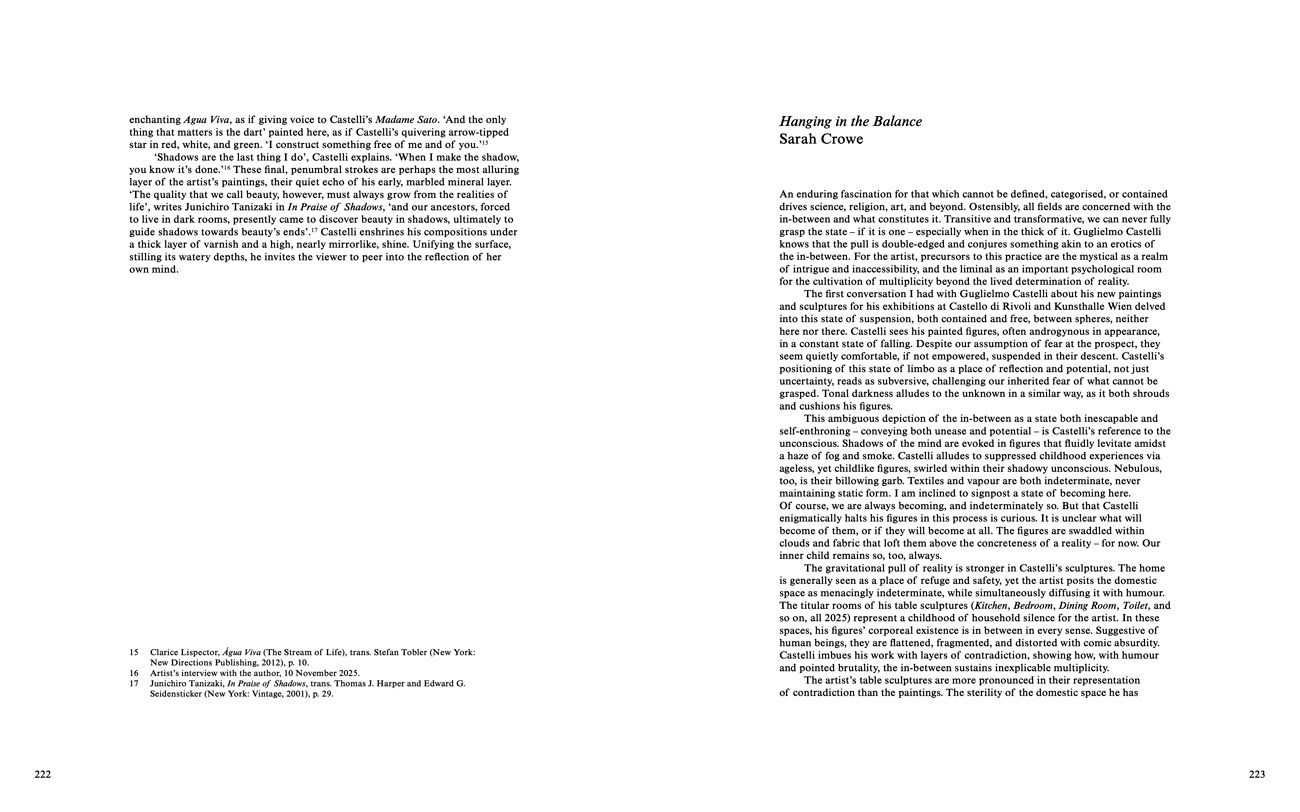
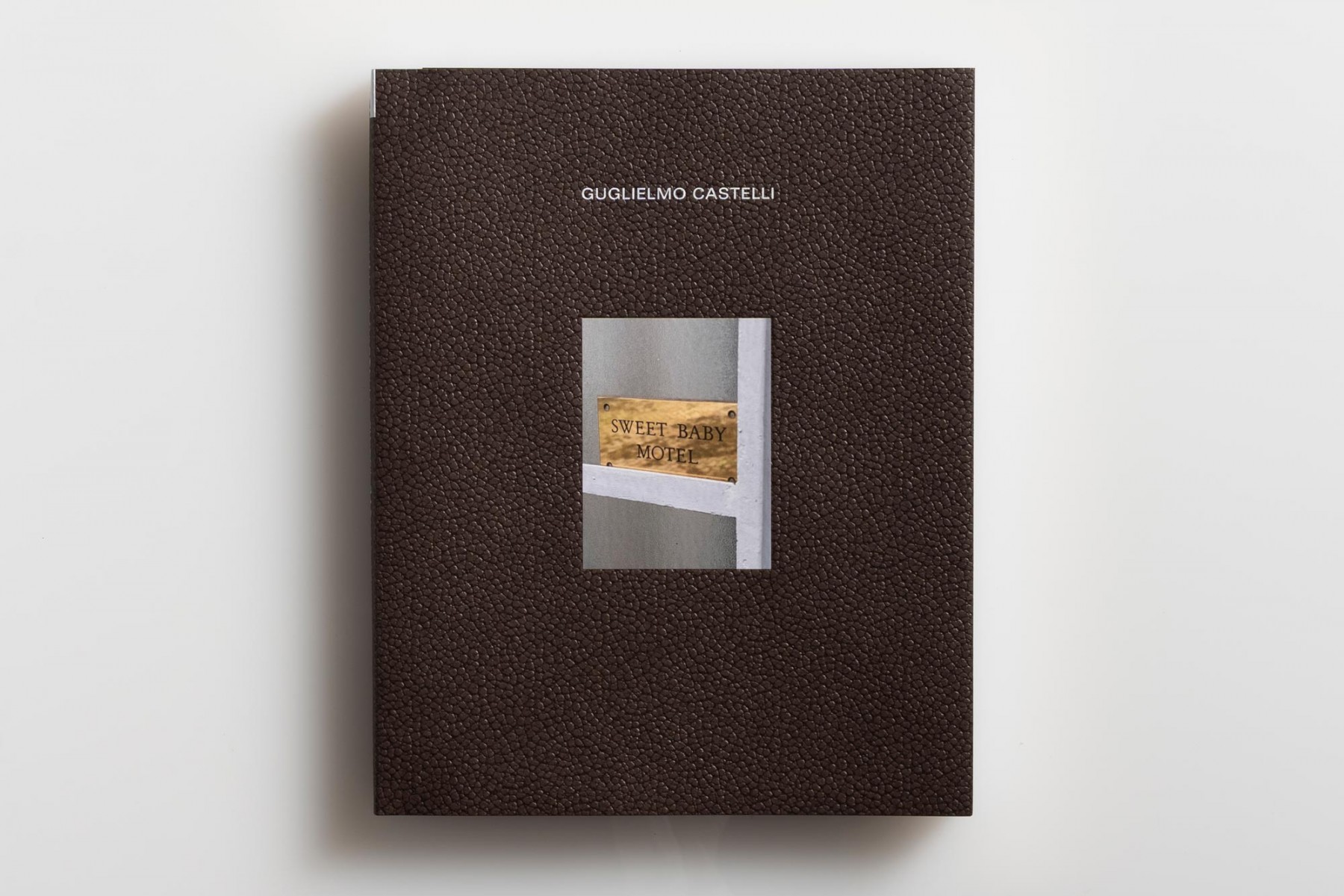
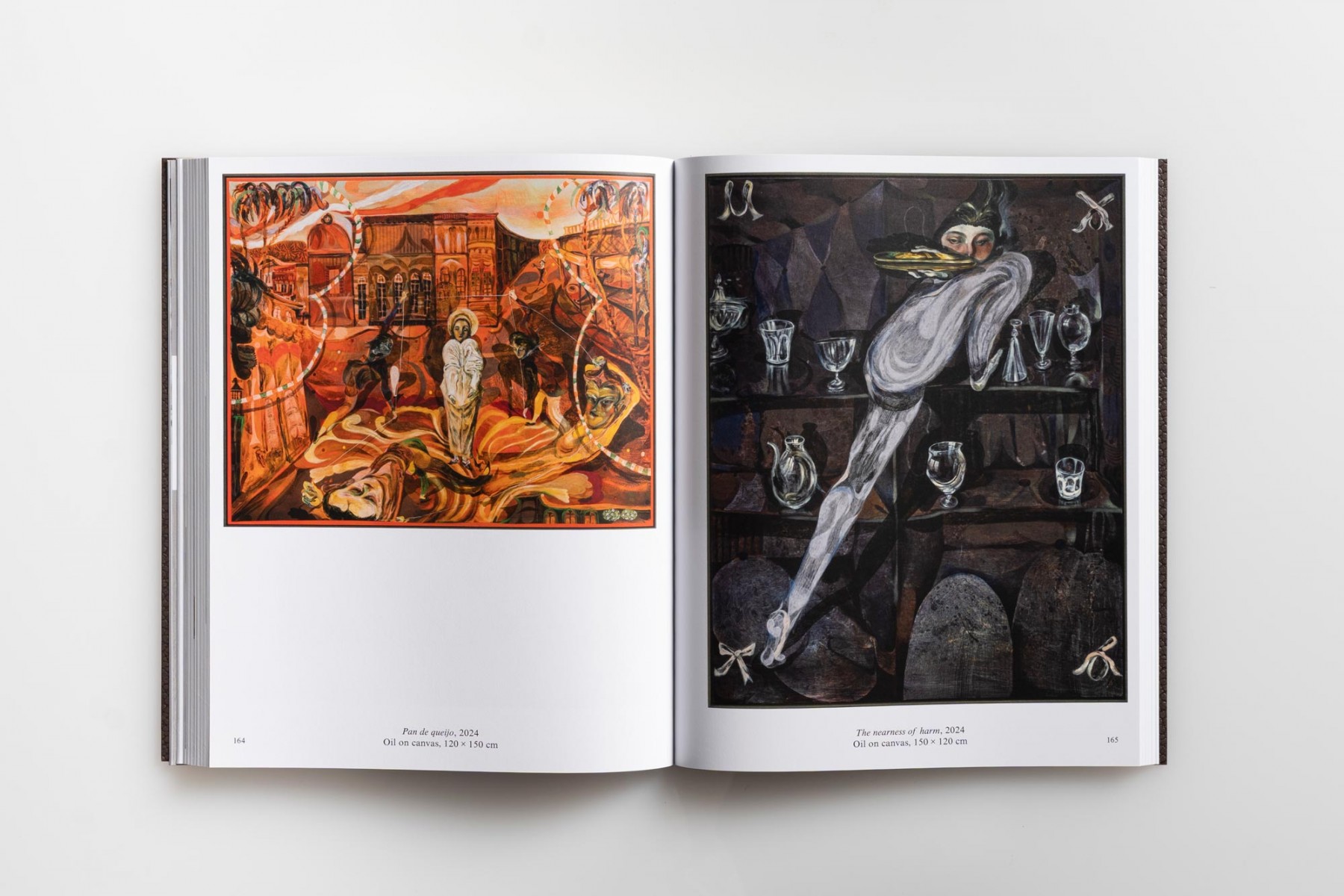
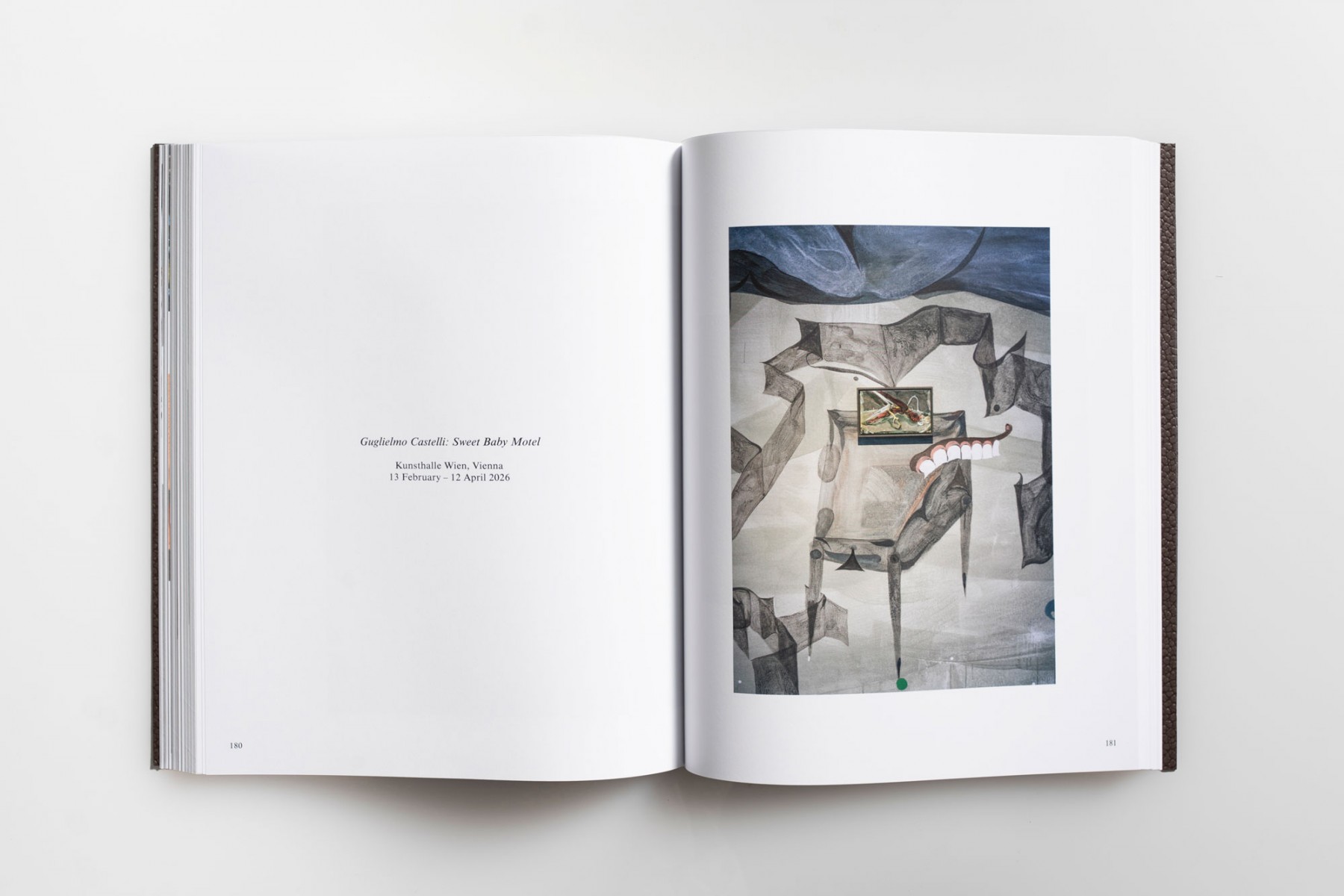
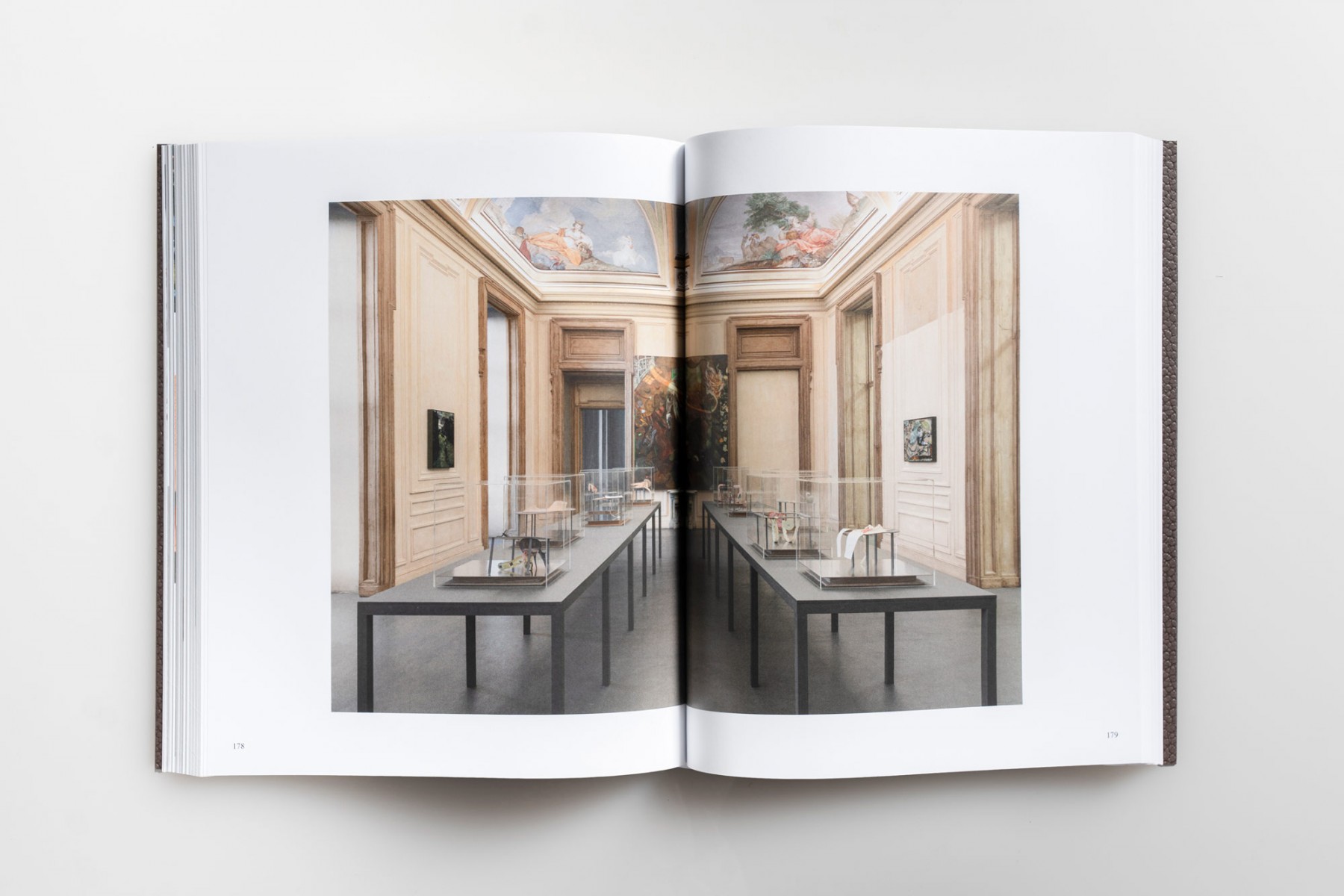
Published on the occasion of the exhibitions at Castello di Rivoli Museo d’Arte Contemporanea, Rivoli-Turin, and Kunsthalle Wien, Vienna, Guglielmo Castelli: Sweet Baby Motel is the first comprehensive monograph on the artist’s painting and sculpture. The publication conducts a wide-ranging investigation into the artist’s ethereal poetics, including newly commissioned essays by the curators of the exhibitions at Castello di Rivoli Museo d’Arte Contemporanea and Kunsthalle Wien, and by art historian and critic Lillian Davies. Davies explores the enigmatic depths of Castelli’s painting practice, and curator Sarah Crowe pays particular attention to the artist’s weightless, boneless, and genderless figures. Francesco Manacorda interviews the artist on his scenographic, filmic approach.
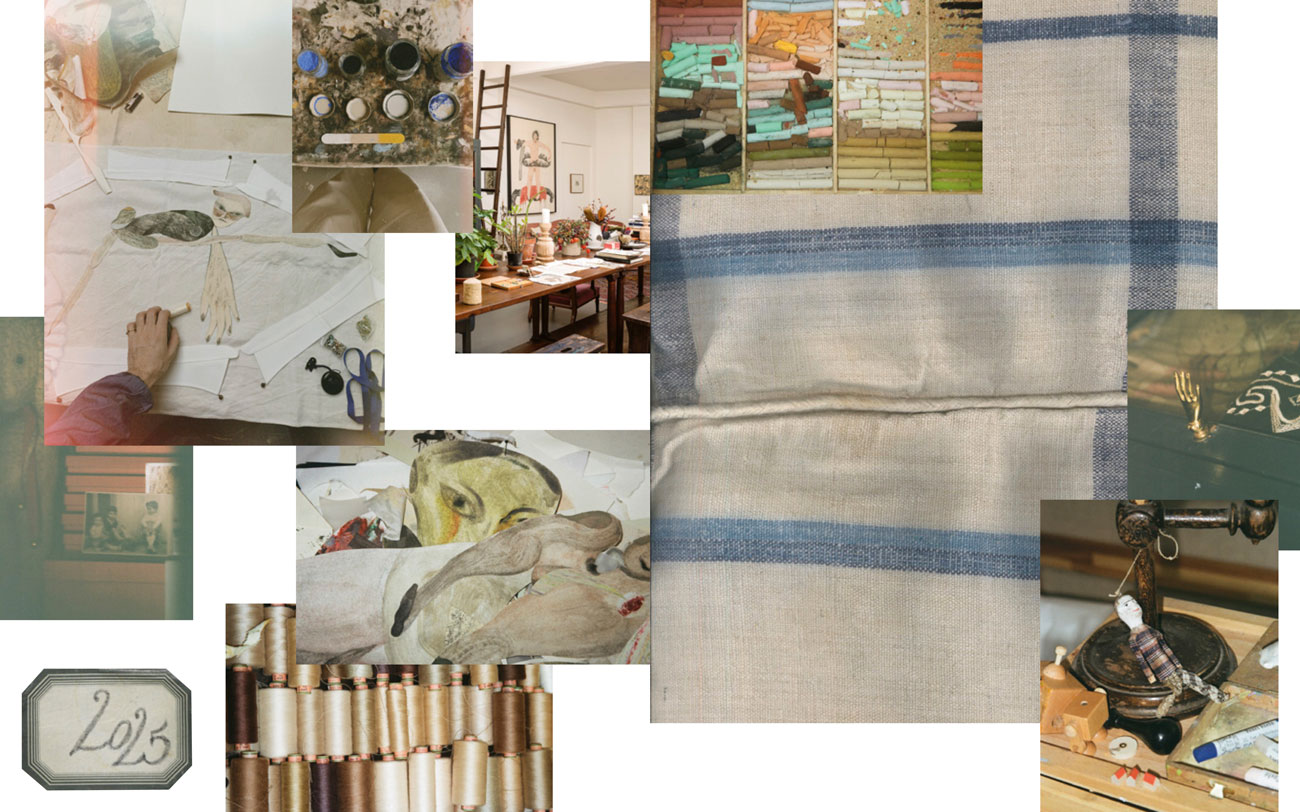
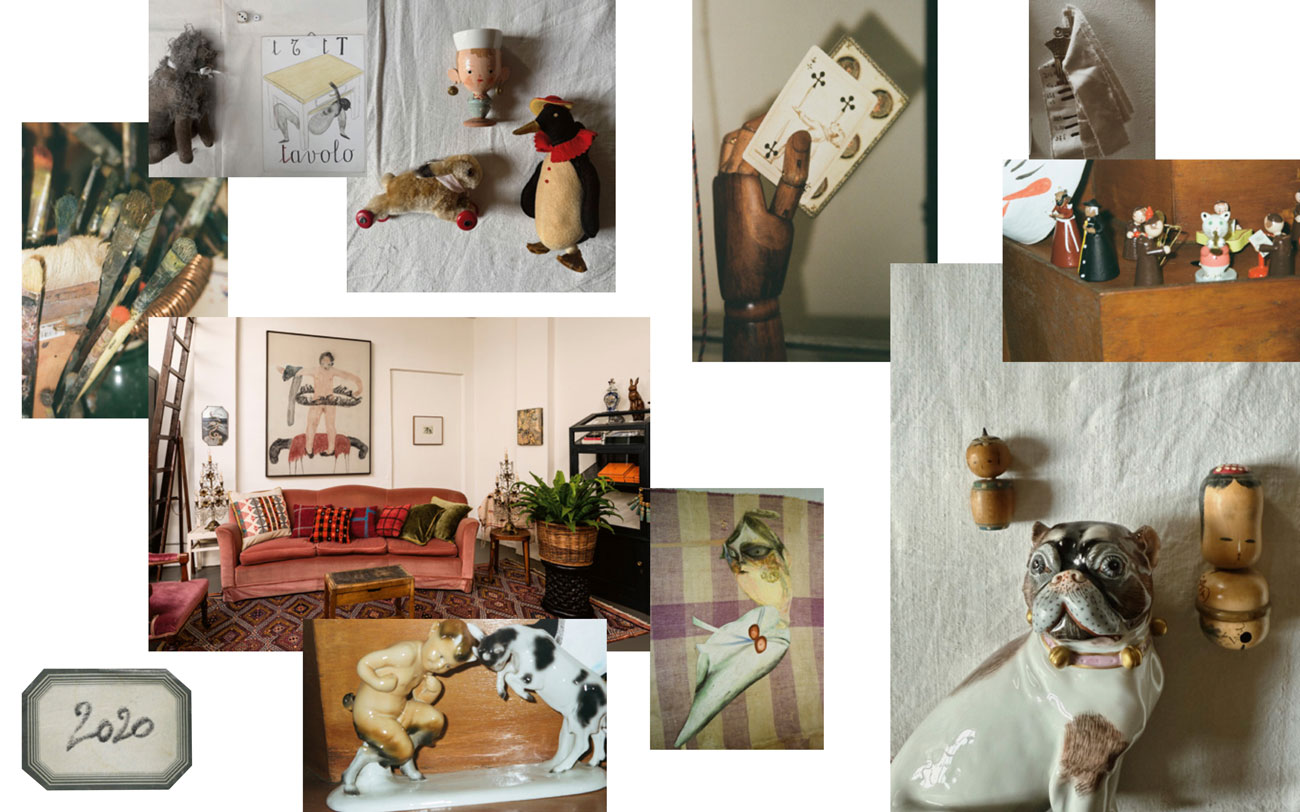
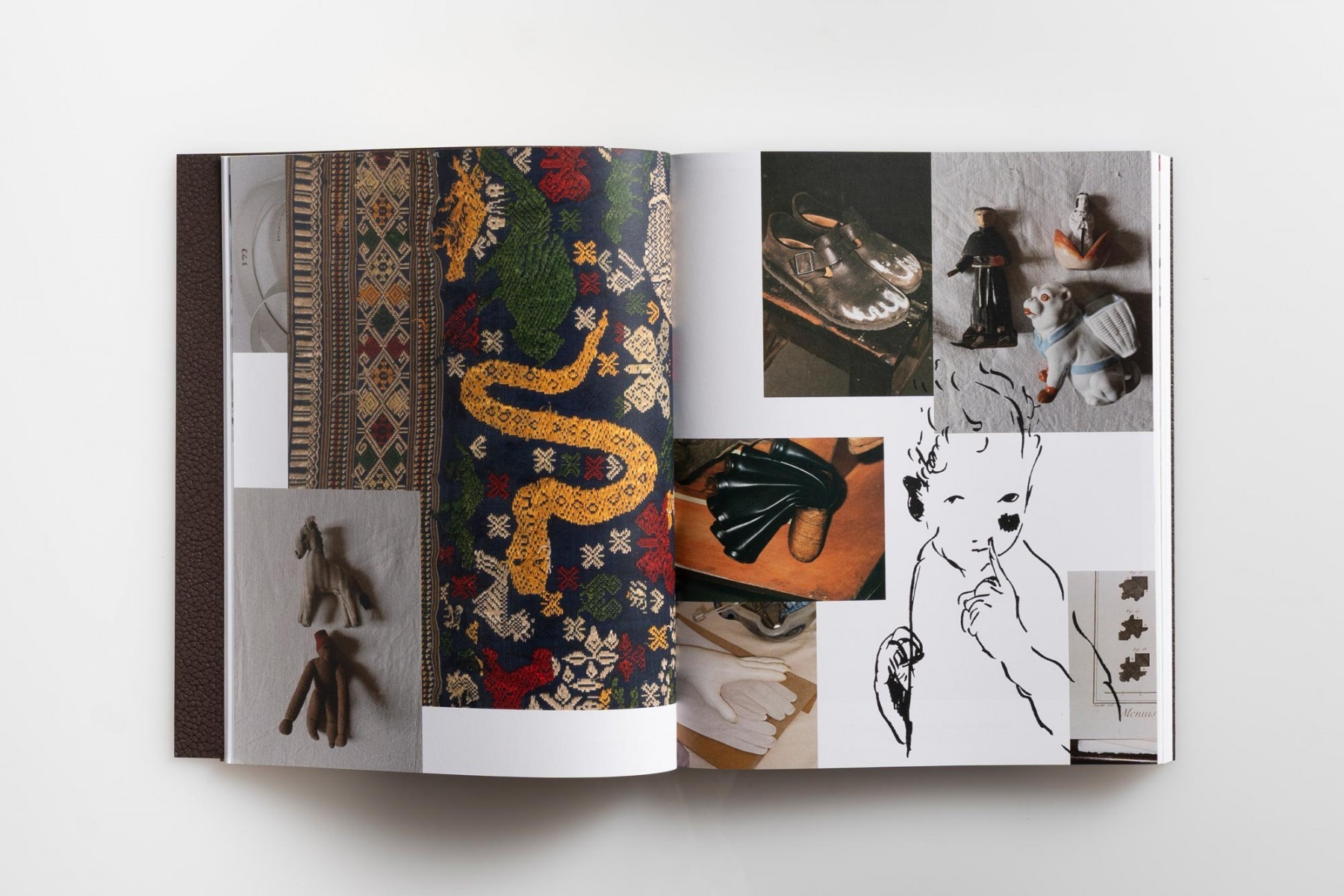
Castelli developed a new corpus of works for the exhibitions in Turin and Vienna that spans painting, collage, and sculpture, and culminates in a selection of his sketchbooks. Facilitating a deep understanding of process and intimate aspects of Castelli’s practice, these sketchbooks are invaluable repositories of creative trajectories, containing references from different places and times, which are then carefully selected by the artist to flow into his work.
The sketchbooks and the artistic process they embody guide the temporal structure and artistic intimacy of the publication. Castelli constellates myriad materials—from preliminary drawings and notes to poetry excerpts and fabric cutoffs—as conceptual inspiration for bodies of work that he conceives as fully fledged exhibitions. In the publication, examples of these collaged fields of associations preface documentation of individual exhibitions and their groups of work, thus bringing the artist’s practice full circle.