Martin Heidegger, Glenn Gould, Jacques-Louis David, Cy Twombly, Paul Engelmann and Ludwig Wittgenstein: characters that Francesco Arena has chosen or rediscovered in multiple contexts over the time recur in this book. Ranging from philosophy, to music, to visual arts, they embrace the whole world of knowledge.
This first institutional monograph on the multimedia practice of artist and director Ali Cherri aims to highlight the themes and formal concerns running through his most recent, highly significant projects at GAMeC, Bergamo; Frac Bretagne, Rennes; Swiss Institute, New York; Biennale Arte 2022, Venice; and the National Gallery, London.
The book highlights the main characteristics of the collective trauma that gave rise to Rachel Whiteread’s project for GAMeC. The psychoanalysts Angelo Antonio Moroni and Pietro Roberto Goisis map out a composite picture, starting from the sense of vulnerability and collective loss associated with the Covid-19 pandemic.
This book, with follows the eponymous exhibition at Mudam Luxembourg, is constructed as a story, with a prologue, four acts, and an epilogue: an intuitive journey through the voices of thirty-four artists from different generations who are experimenting with the idea of the performative.
Dreaming Alcestis is an artist’s book by artist and filmmaker Beatrice Gibson, conceived as an accompaniment to her holographic film installation of the same name. It features a commissioned essay by poet and translator Allison Grimaldi Donahue, as well as a reprint of the American poet Alice Notley’s 1991 essay What Can Be Learned From Dreams?
What if clay is the future and the future is clay? Curators Chus Martínez and Filipa Ramos brought together a group of artists to think and create through this old, maleable and fascinating matter. The result was materialized in an exhibition and book format entitled Feet of Clay.
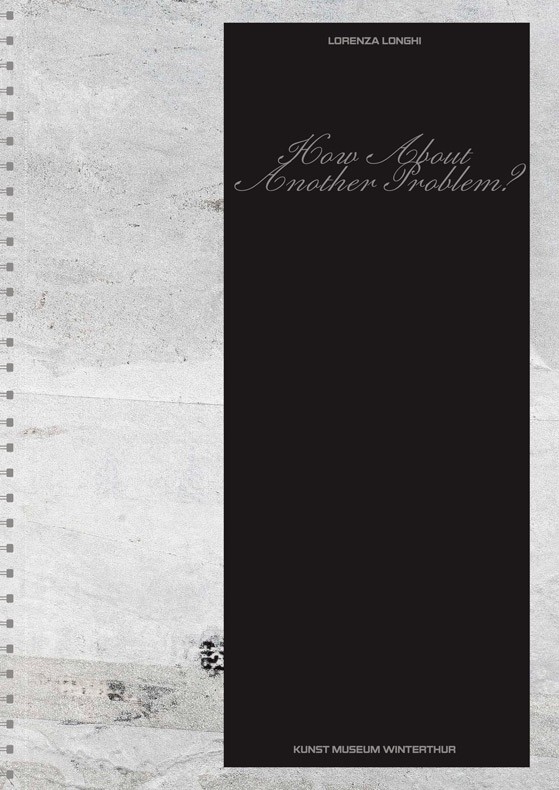
Edited by Konrad Bitterli
Texts by Mitchell Anderson and Konrad Bitterli
Designed by Anne Stock
Co-published with Kunst Museum Winterthur
2025, English / German, Spiral-bound, 30 x 22 cm, 140 pages
ISBN 979-12-80579-83-6
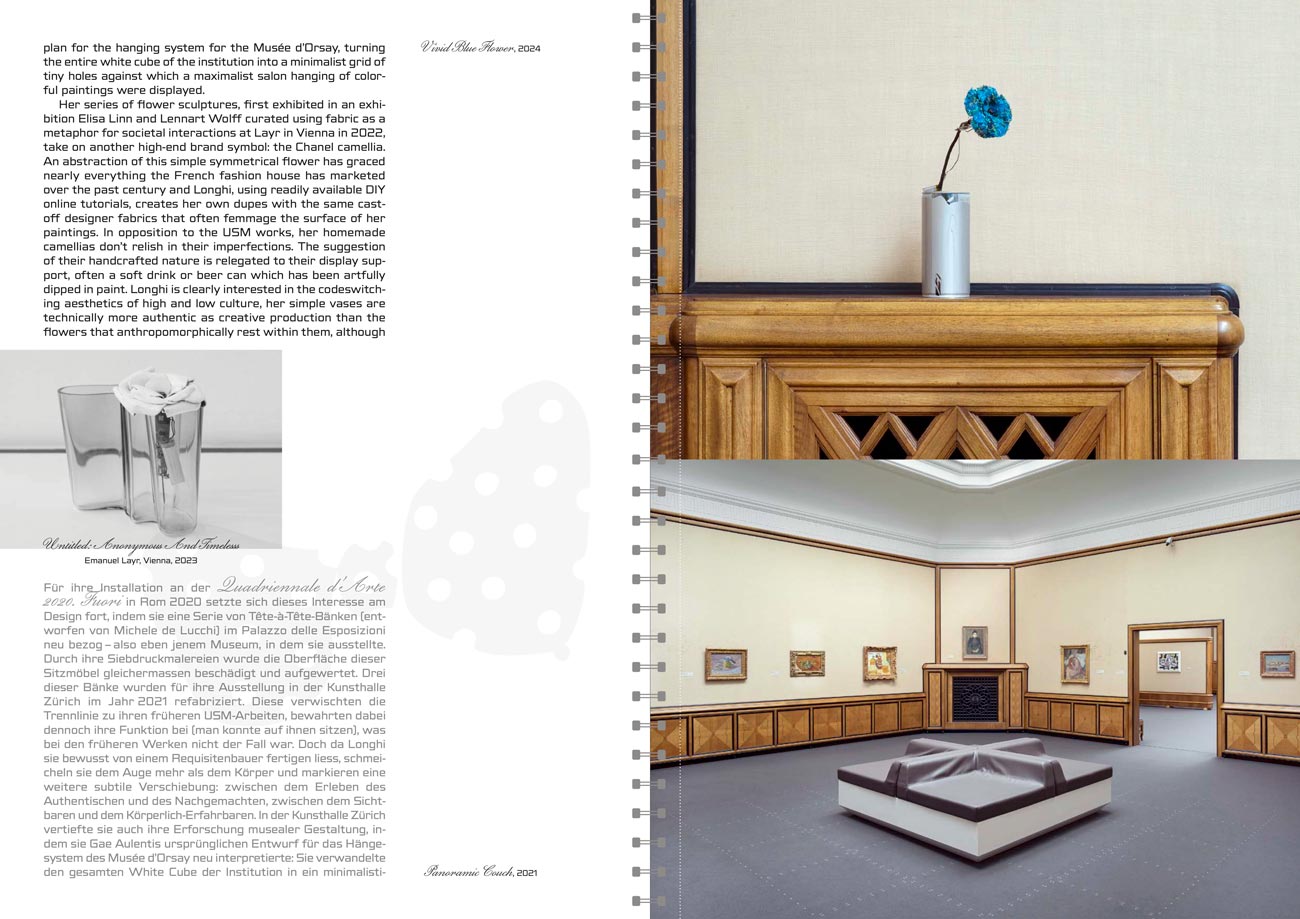
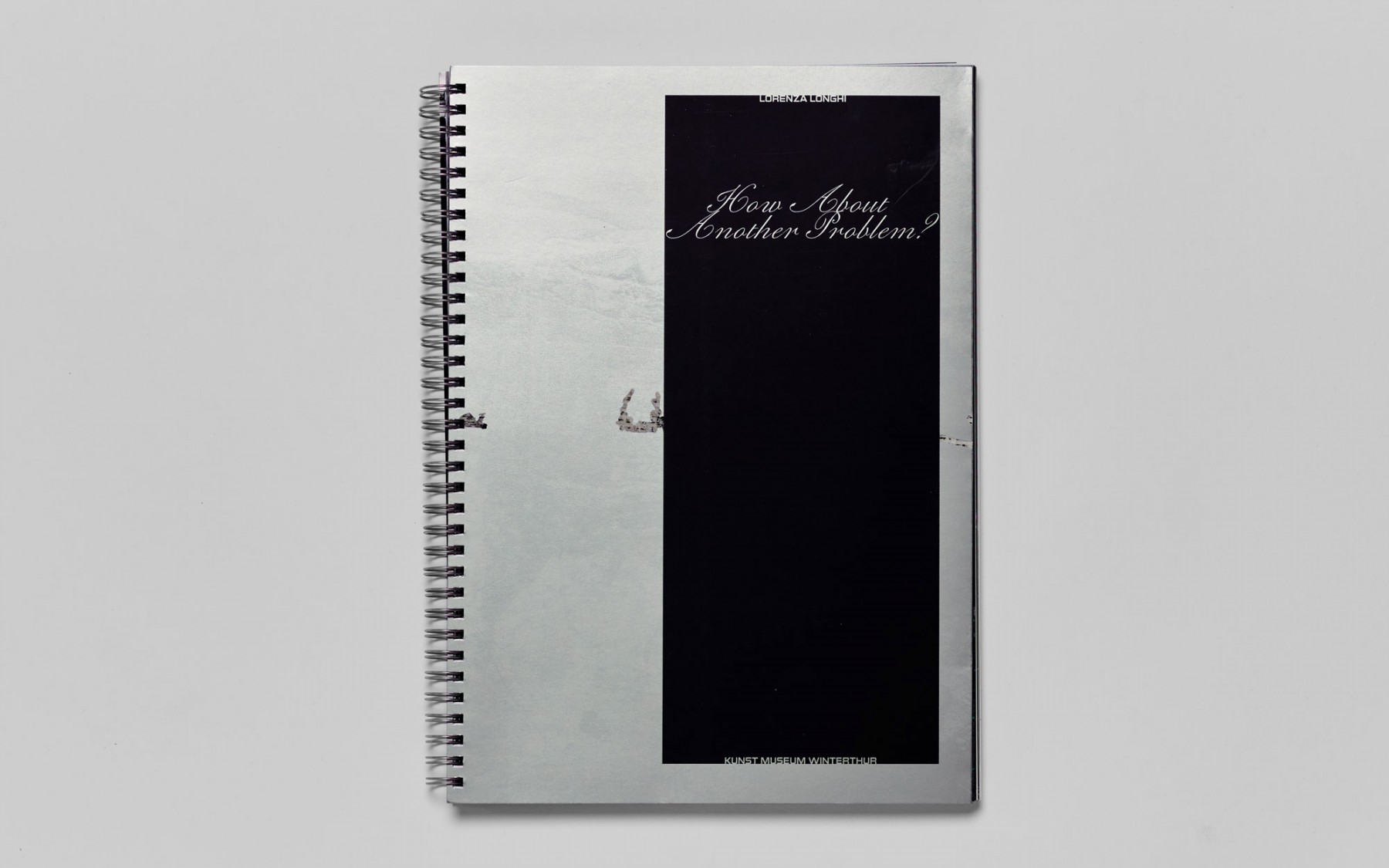
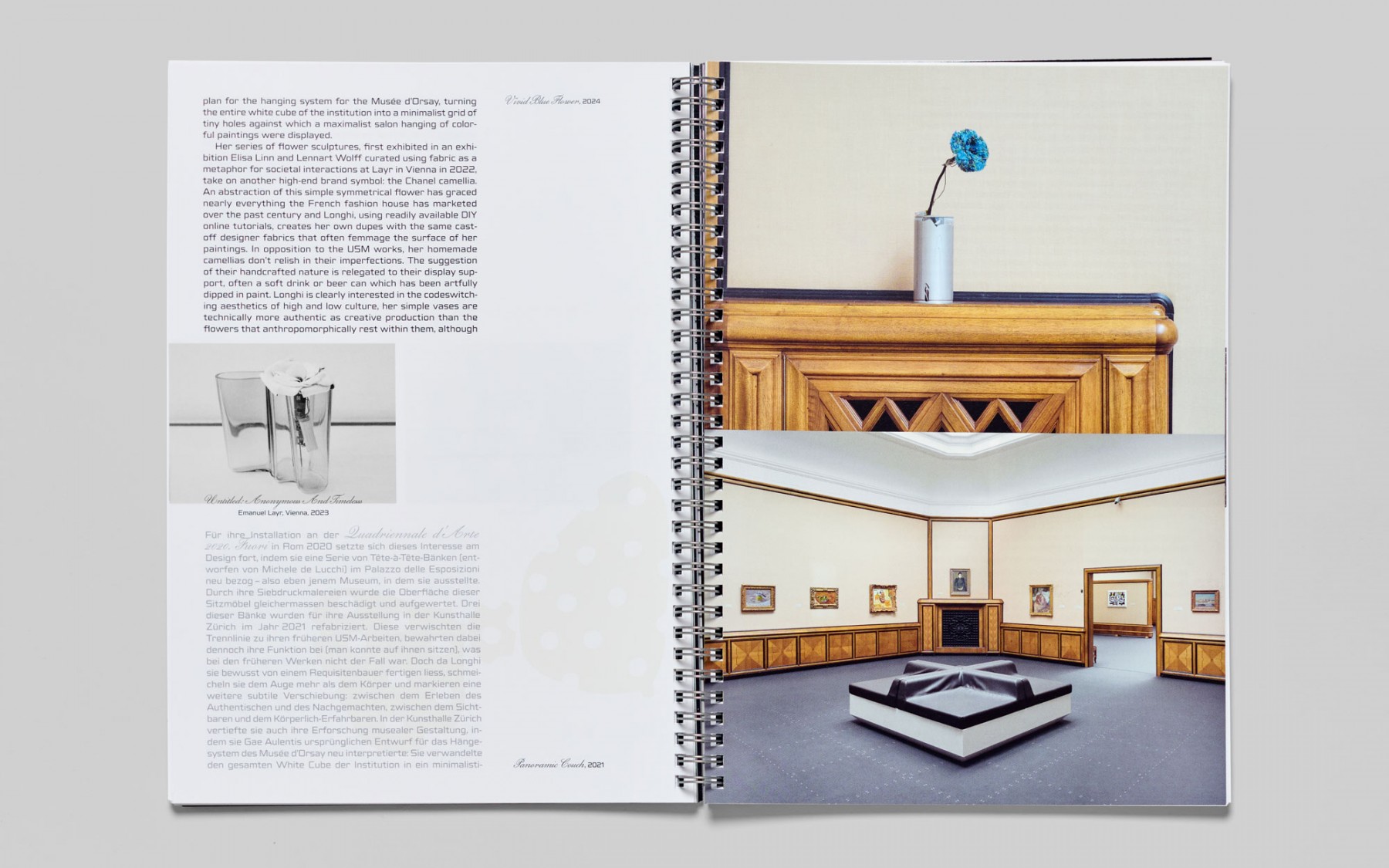
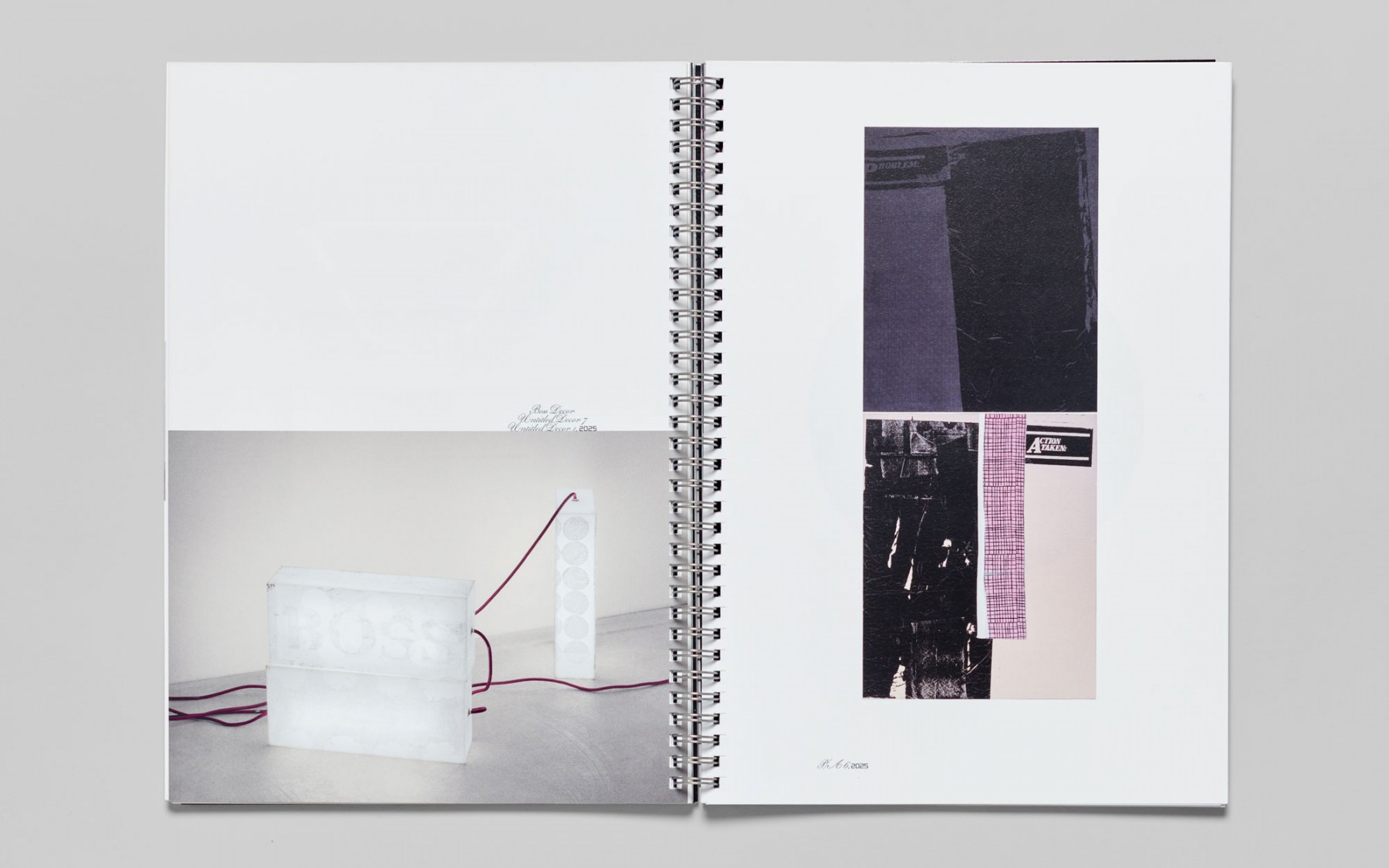
Lorenza Longhi’s practice centers on the circulation of images, materials, and value systems within consumer culture. Working across screen printing, sculpture, installation, and re-constructed furniture, she often reinterprets familiar objects and design elements to expose the subtle pressures embedded in them. By manipulating surfaces, textures, and production processes, Longhi reveals how aesthetics regulate social behavior, status, and aspiration. Her objects—whether printed panels or hybrid forms derived from interior décor—highlight the instability of meaning as things move between domestic, commercial, and institutional settings.
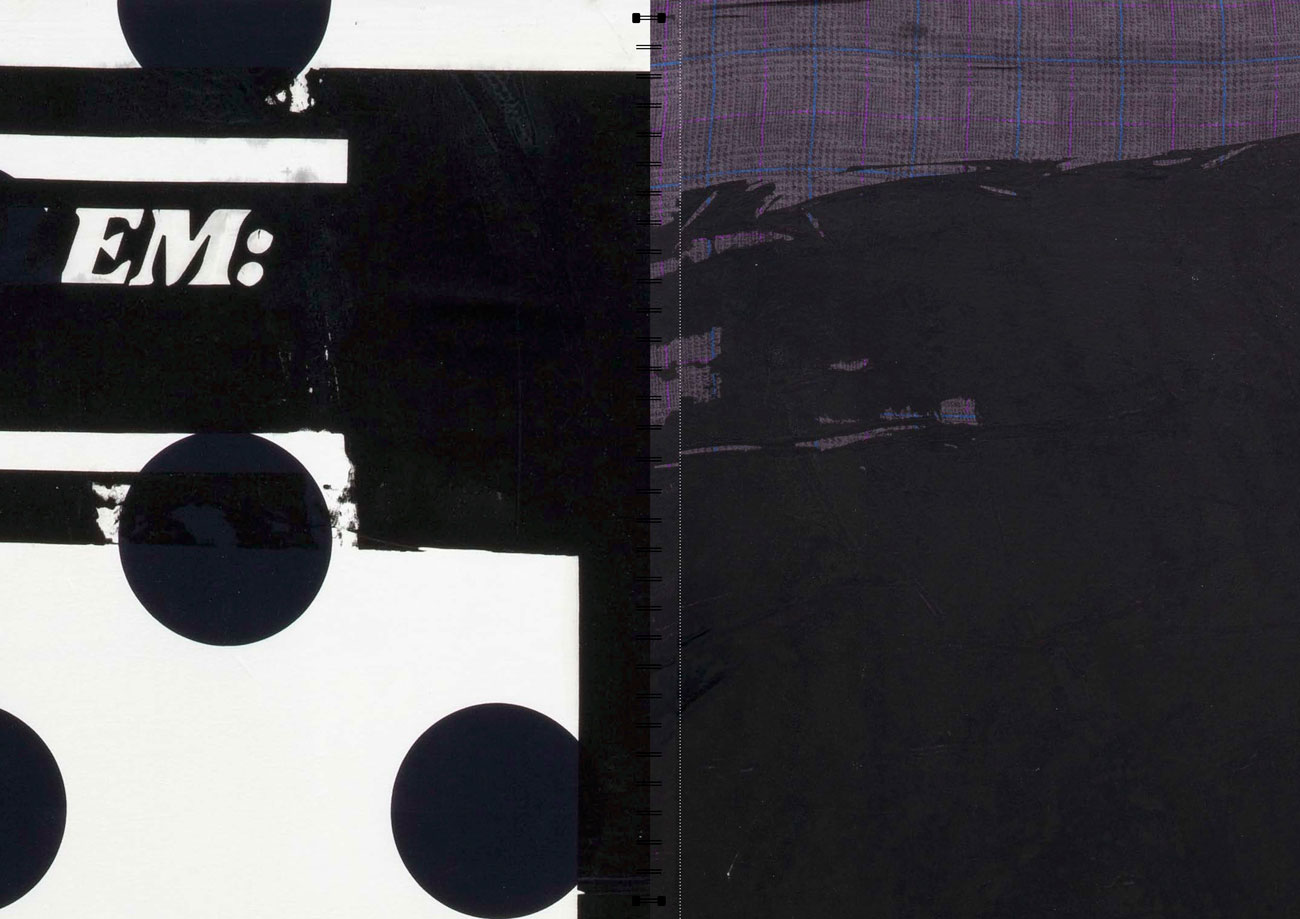
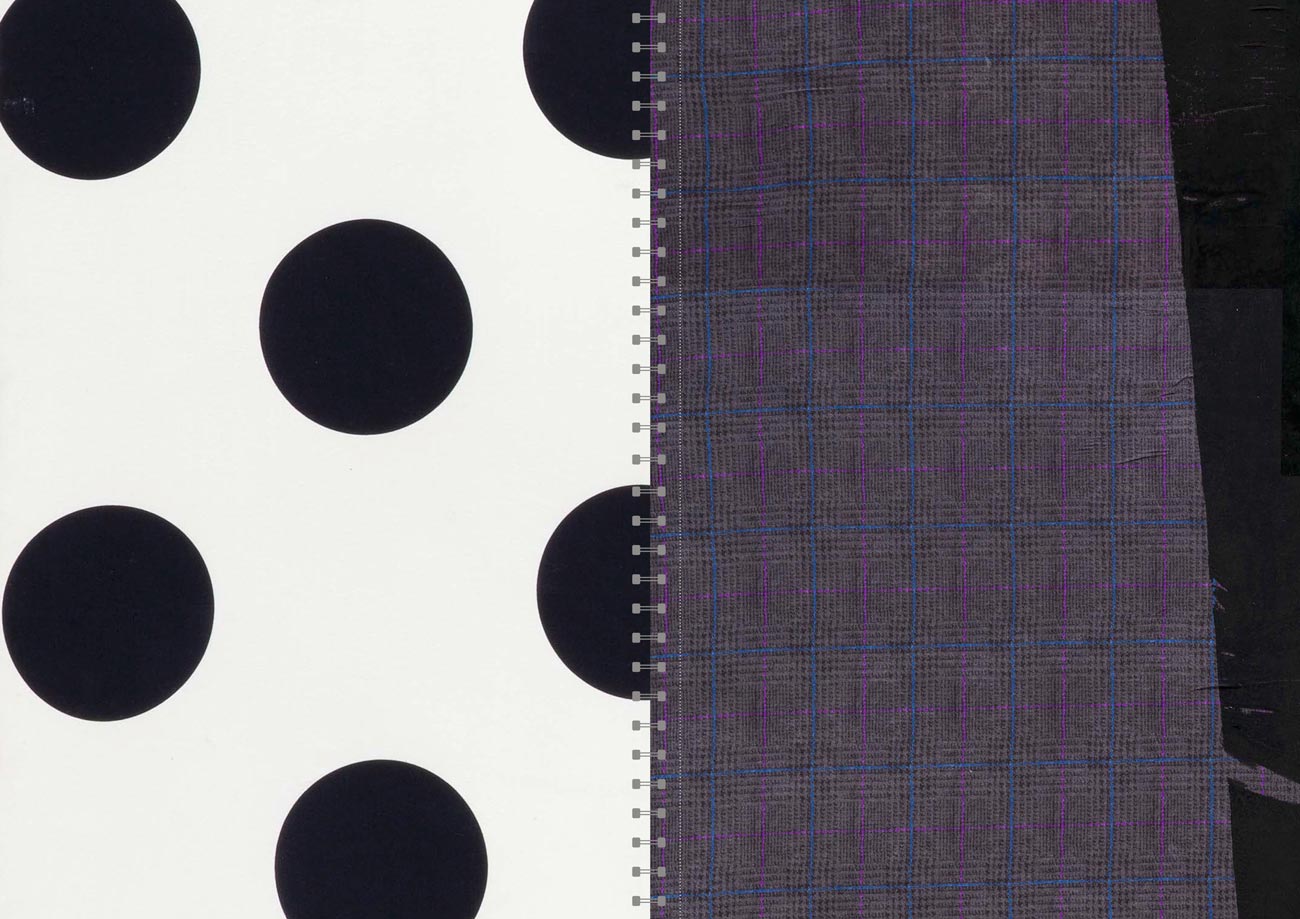
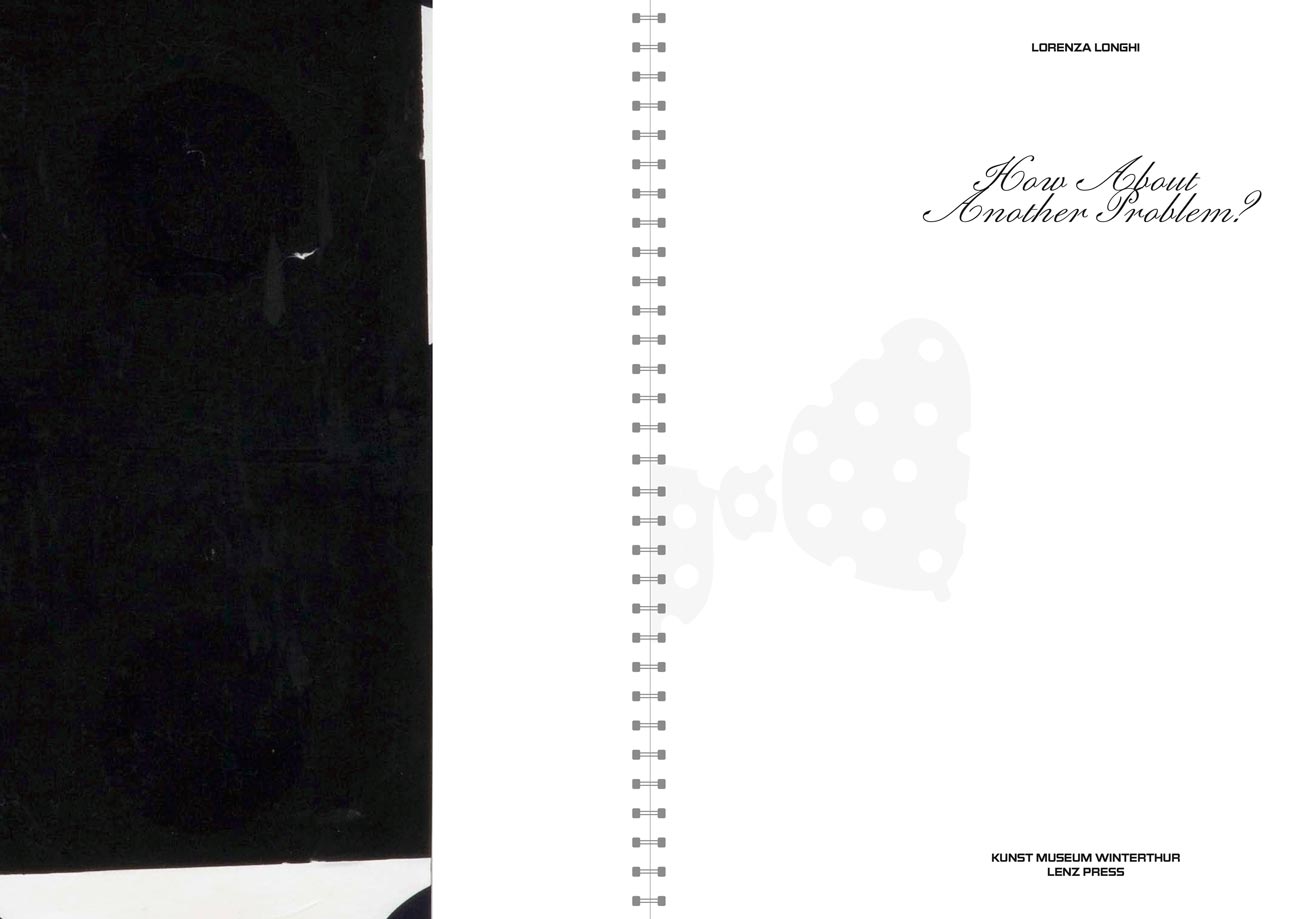
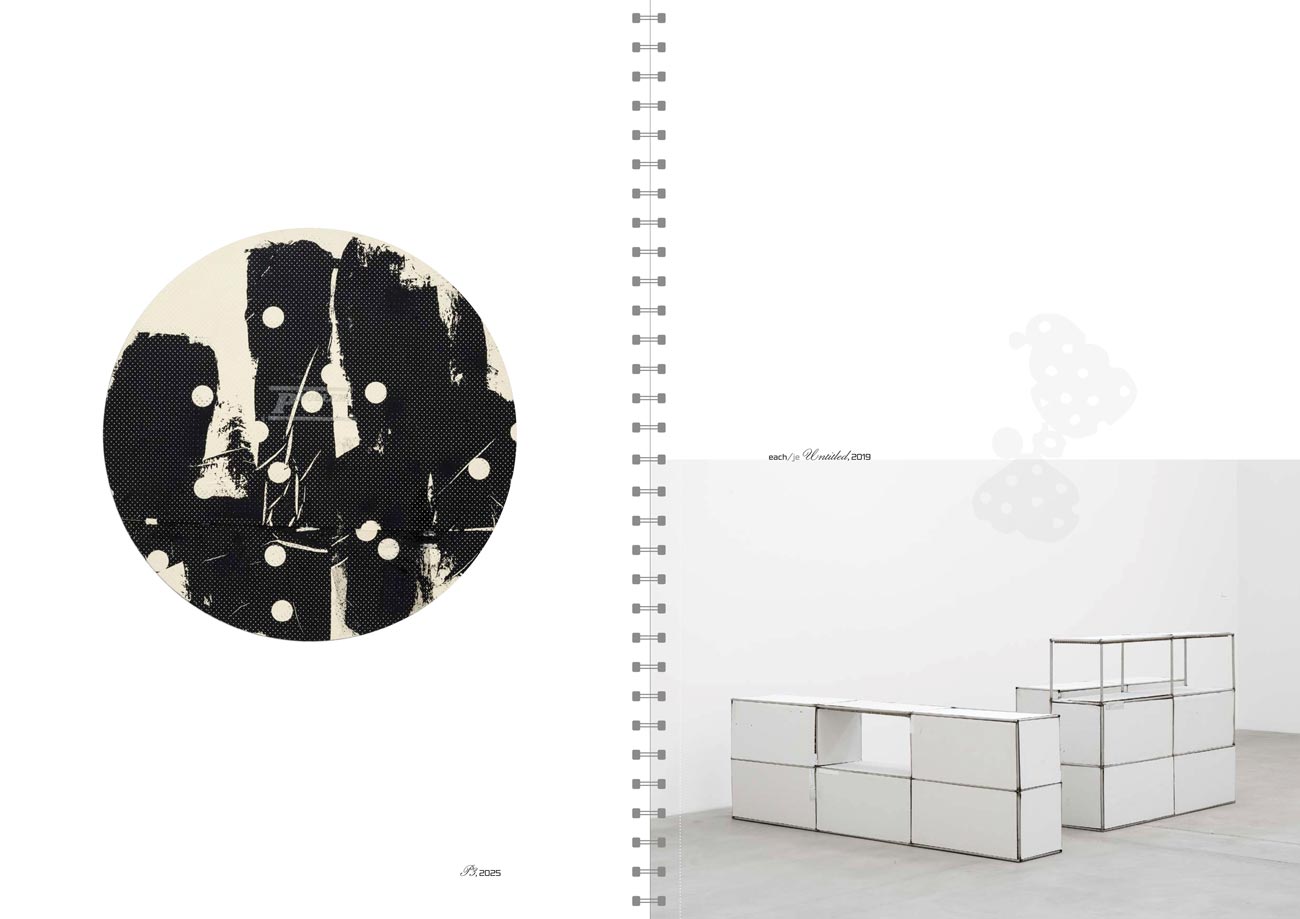
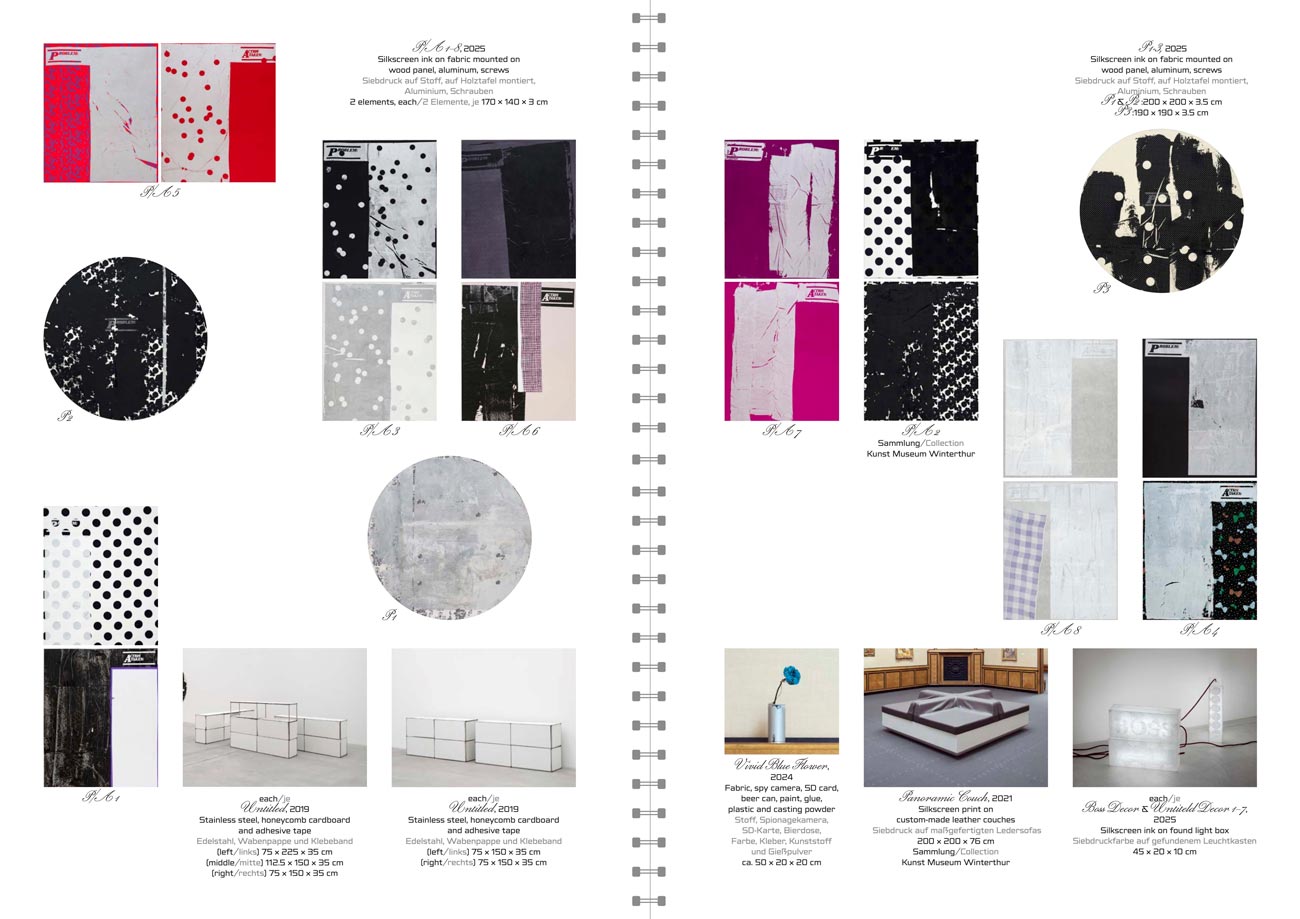
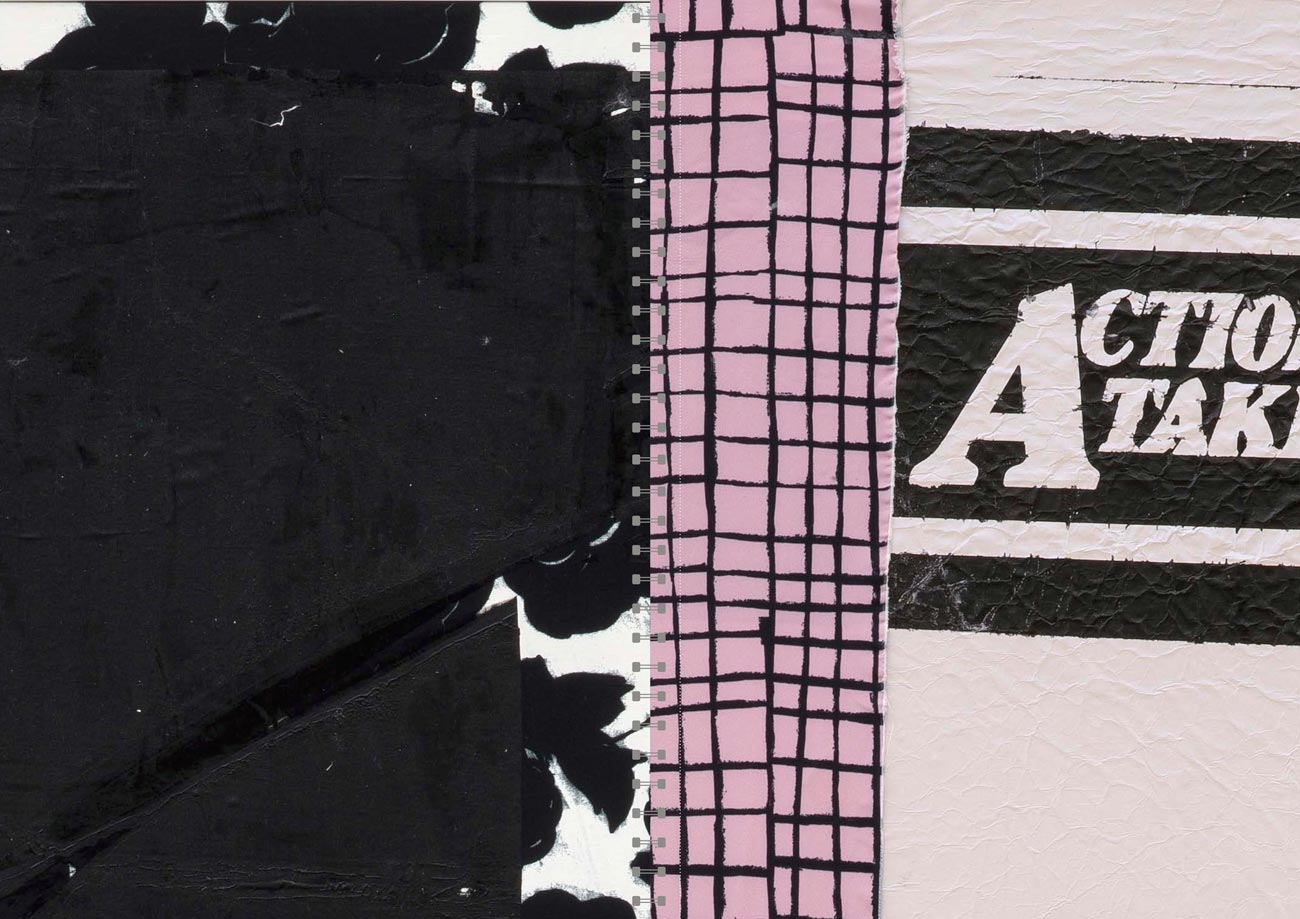
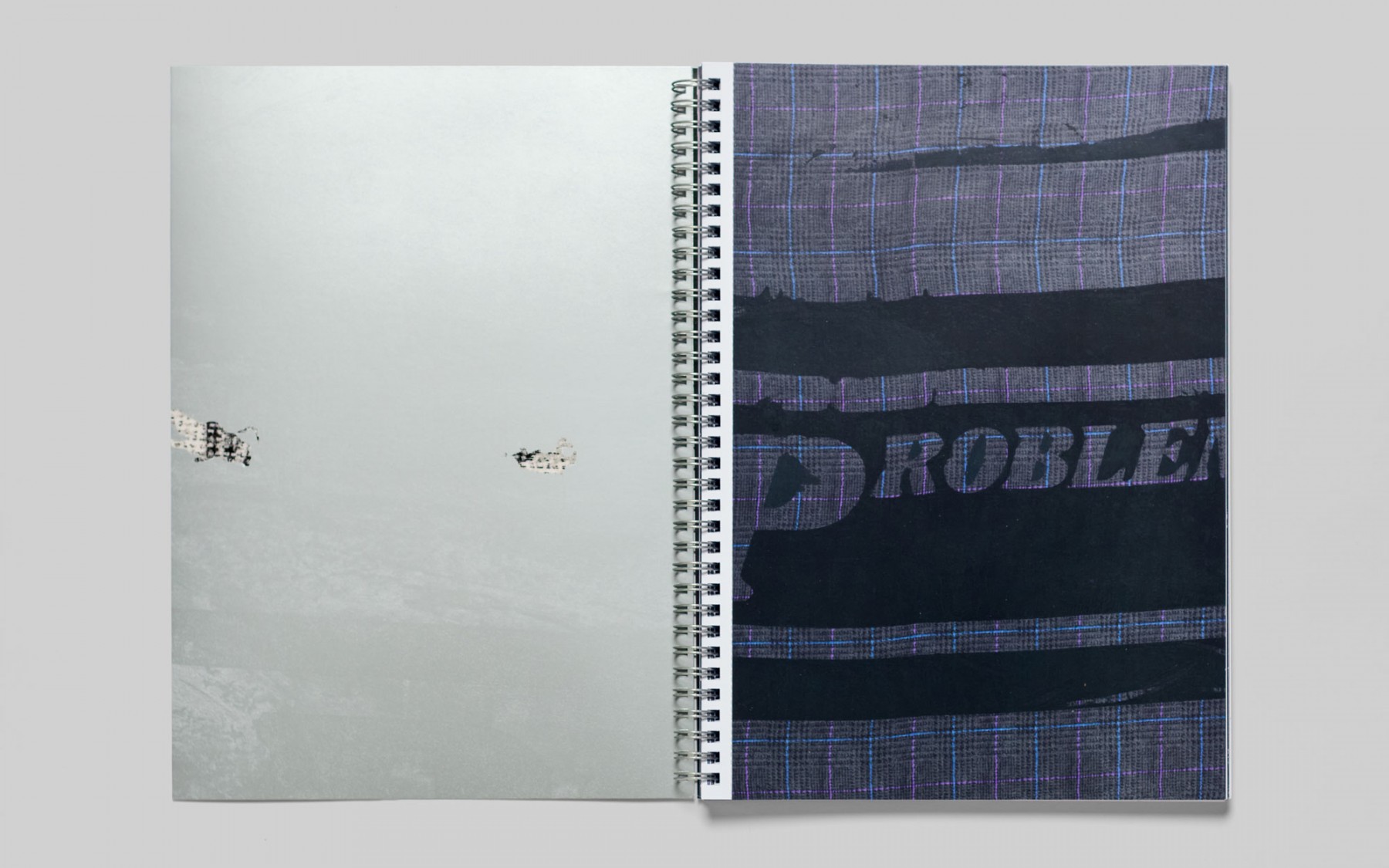
In her 2025 exhibition at Kunst Museum Winterthur, How About Another Problem?, Longhi elaborates these concerns through works that respond directly to the museum’s architecture. Screen-printed panels featuring abstracted flowers pierced by camera-lens motifs evoke the surveillance-driven visual culture shaping contemporary life. Meanwhile, elements resembling furniture or functional fixtures introduce a tension between utility and display, complicating expectations of refinement and production value. Irregularities—misalignments, visible joins, uneven prints—are deliberately preserved, foregrounding the labor behind objects typically associated with industrial perfection and consumer polish.
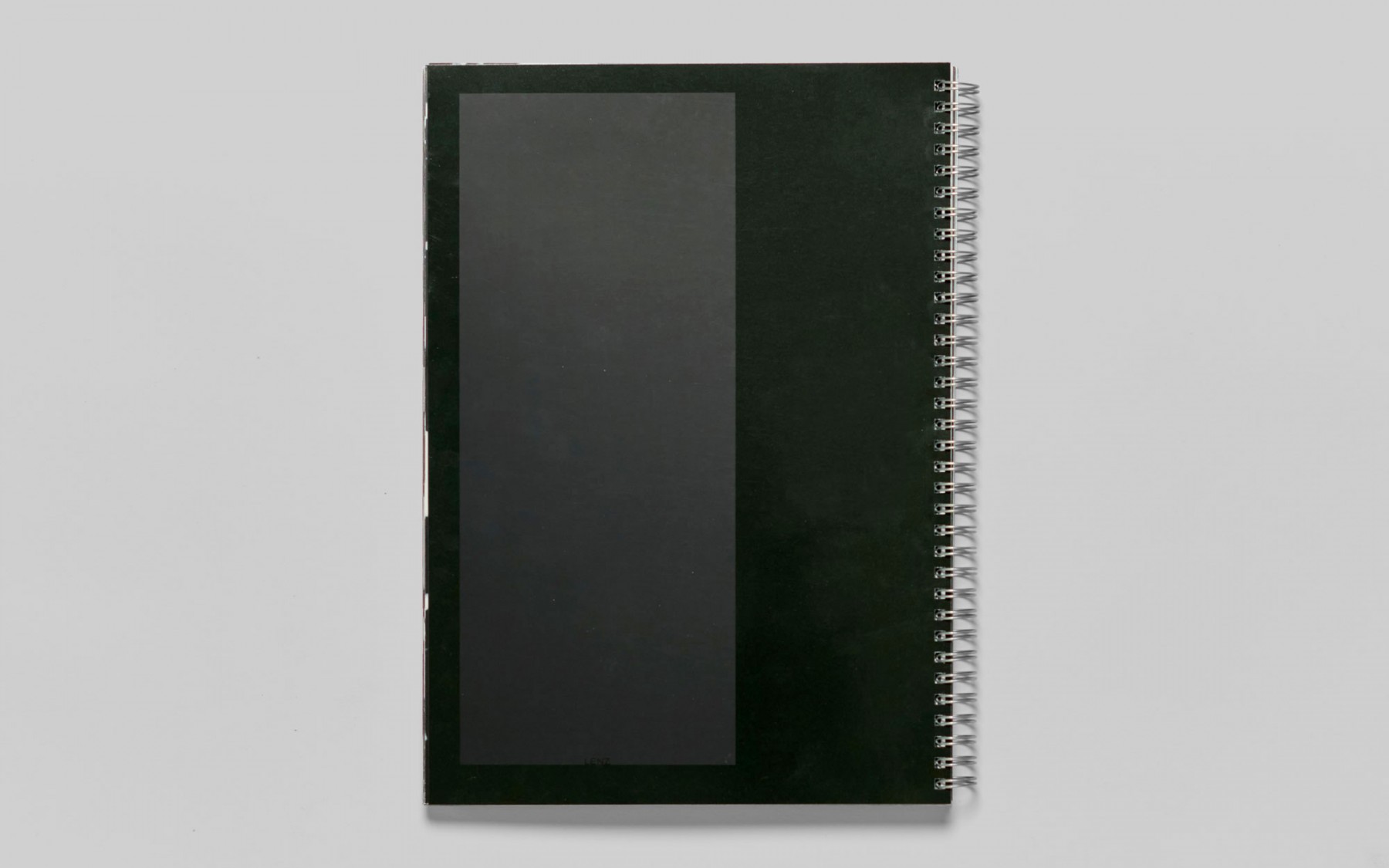
Longhi’s new spiral-bound catalogue echoes her longstanding interest in modest, industrially inflected production formats. By adopting a format associated with prototypes, manuals, or working documents, the catalogue positions itself as an active tool rather than a luxury object—extending Longhi’s ongoing examination of value, functionality, and the aesthetics of the everyday.