This small anthology reviews some of the central themes of Diego Marcon’s research: from the role of the display in exhibitions to his relationship with cinema, from the use of special effects and animatronics to the sense of community established through his work. Glassa accompanies the exhibition of the same name designed by the artist for the spaces of the Centro per l’arte contemporanea Luigi Pecci in Prato.
Strata raccoglie 37 conversazioni con artisti il cui lavoro ha dato un contributo significativo alla scena artistica italiana e internazionale a partire dal 2000. Questo libro è il resoconto personale di una serie di incontri, amicizie e relazioni professionali che Vincenzo de Bellis e Alessandro Rabottini hanno coltivato negli ultimi vent’anni.
Strata compiles 37 conversations with artists whose work has made a significant contribution to the Italian and international art scene since 2000. This book is the personal account of a number of encounters, friendships, and professional relationships that Vincenzo de Bellis and Alessandro Rabottini have nurtured over the past twenty years.
Pardon Façade documents the artistic output of Luca Monterastelli, showcasing almost all of the sculptures and installations that he produced between 2011 and 2022. Across four chapters—corresponding to four solo shows that he staged in Milan, Otegem, Antwerp, and Naples—the publication provides the first overview of the artist’s work.
More than half a century after its premiere, Yvonne Rainer, in collaboration with choreographer and dancer Emily Coates, directed the 2019 revival of her 1965 performance Parts of Some Sextets. This book poses questions about the trajectories of artworks, performers, and audiences, all while tracing the life—and afterlife—of a dance.
How does technology organize life? This book documents and reflects on the exhibition Proof of Stake: Technological Claims at Kunstverein in Hamburg, curated by Simon Denny and Bettina Steinbrügge. It brings together a unique group of artists and scholars who investigate the technological apparatuses and power relations of organized life.
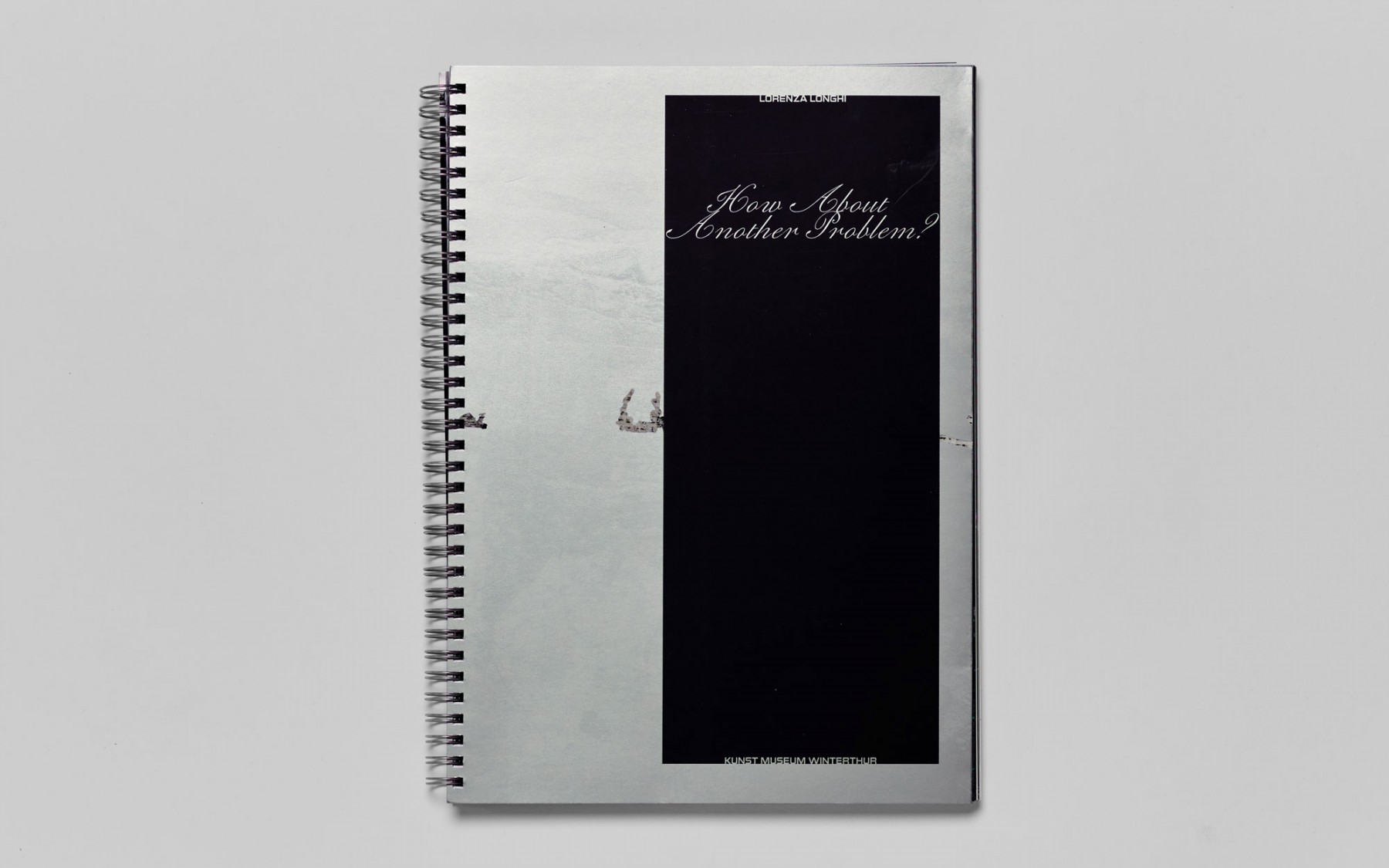
Edited by Konrad Bitterli
Texts by Mitchell Anderson and Konrad Bitterli
Designed by Anne Stock
Co-published with Kunst Museum Winterthur
2025, English / German, Spiral-bound, 30 x 22 cm, 140 pages
ISBN 979-12-80579-83-6
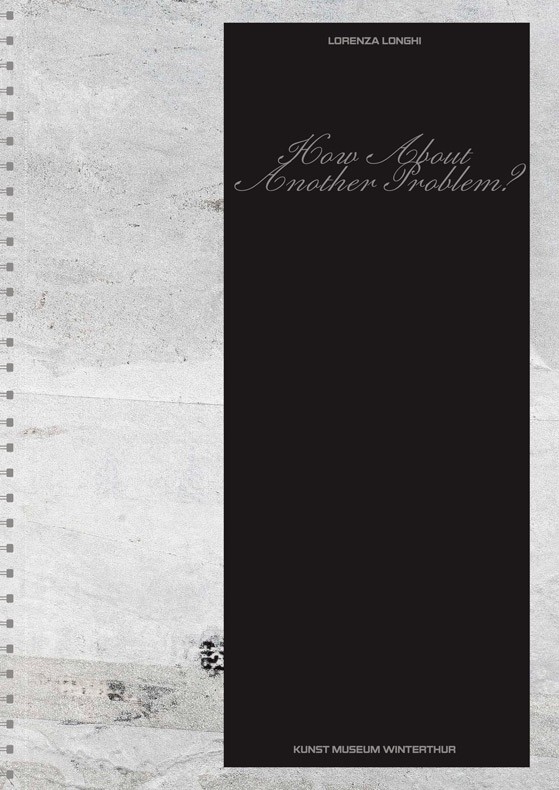
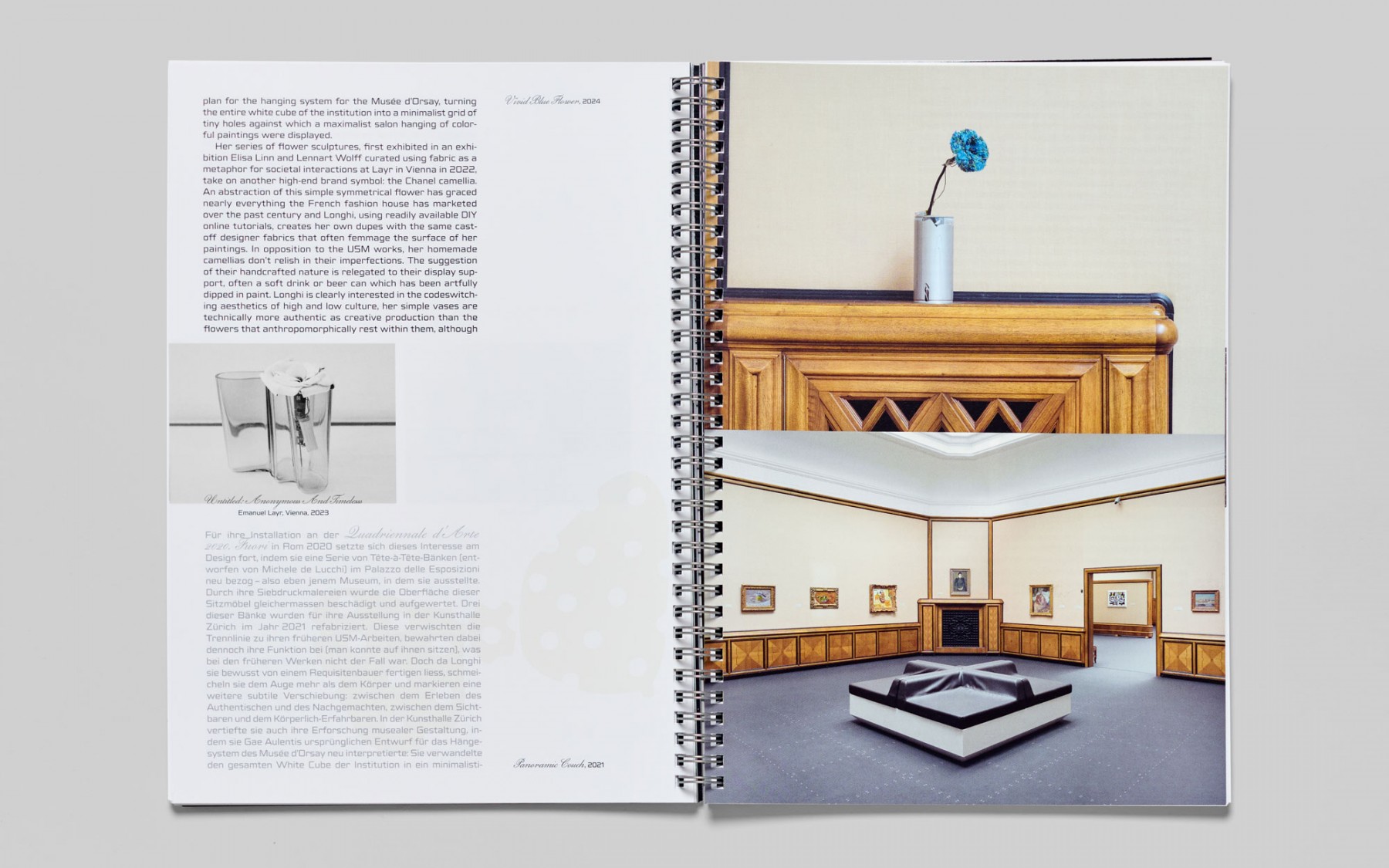
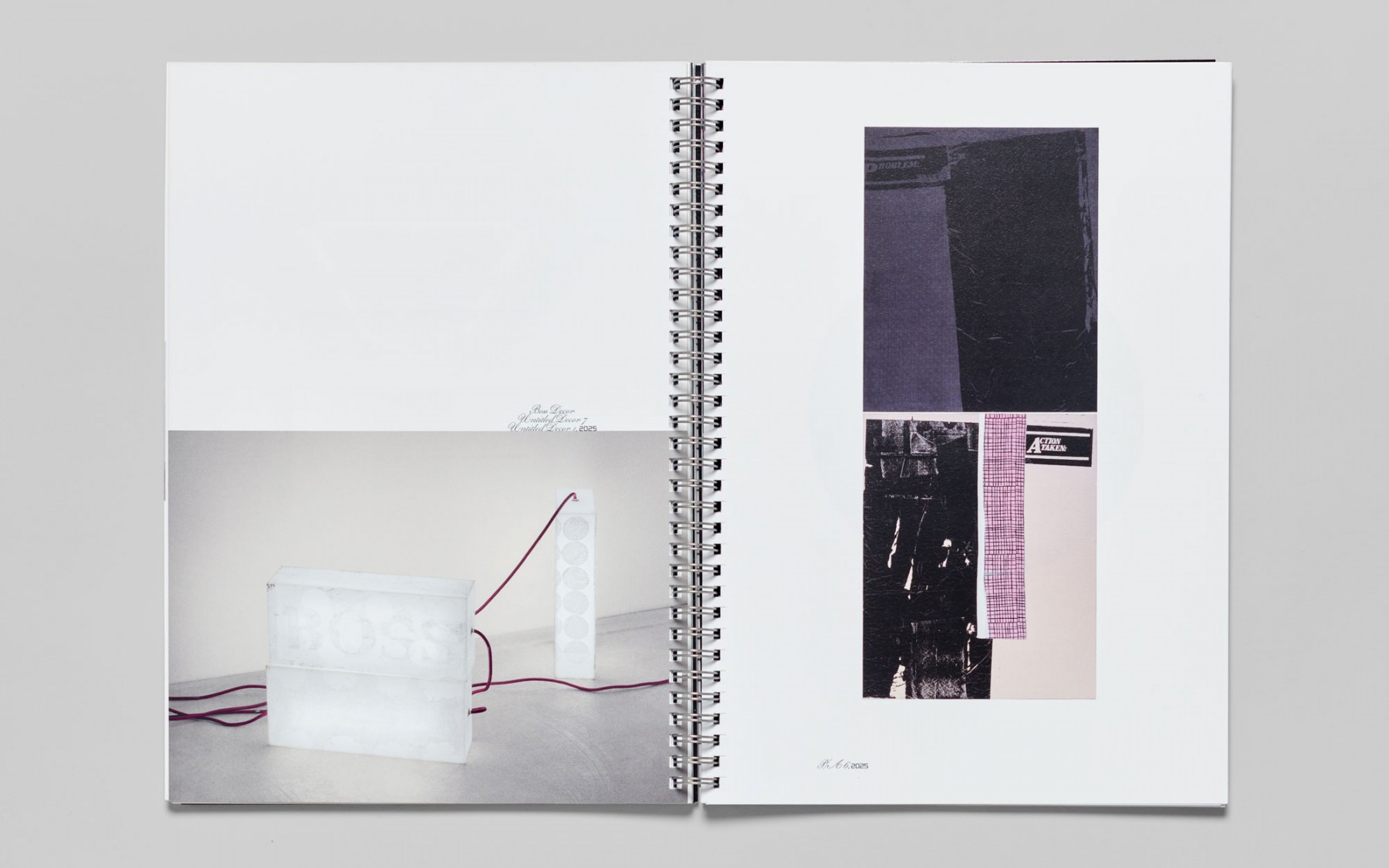
Lorenza Longhi’s practice centers on the circulation of images, materials, and value systems within consumer culture. Working across screen printing, sculpture, installation, and re-constructed furniture, she often reinterprets familiar objects and design elements to expose the subtle pressures embedded in them. By manipulating surfaces, textures, and production processes, Longhi reveals how aesthetics regulate social behavior, status, and aspiration. Her objects—whether printed panels or hybrid forms derived from interior décor—highlight the instability of meaning as things move between domestic, commercial, and institutional settings.
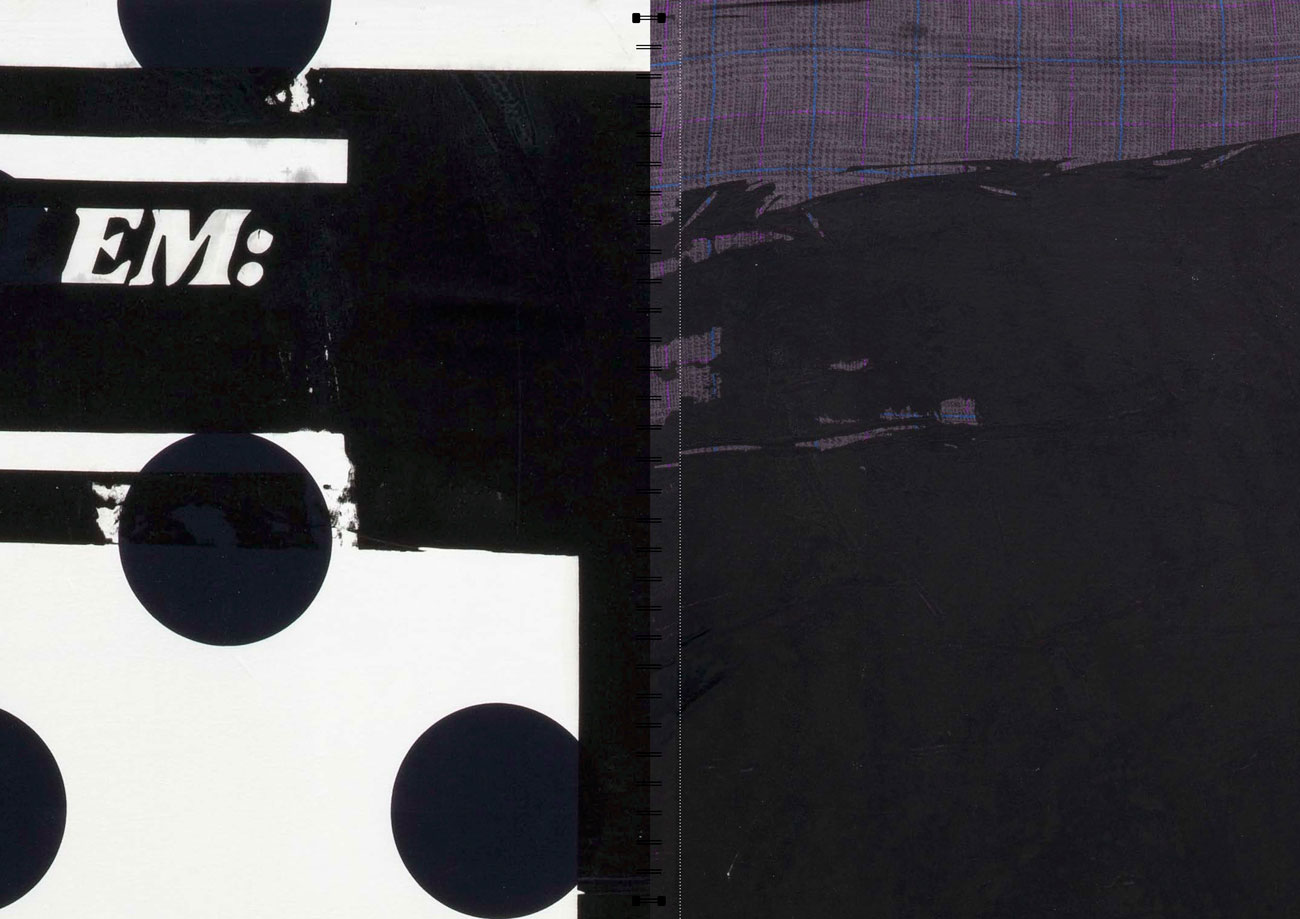
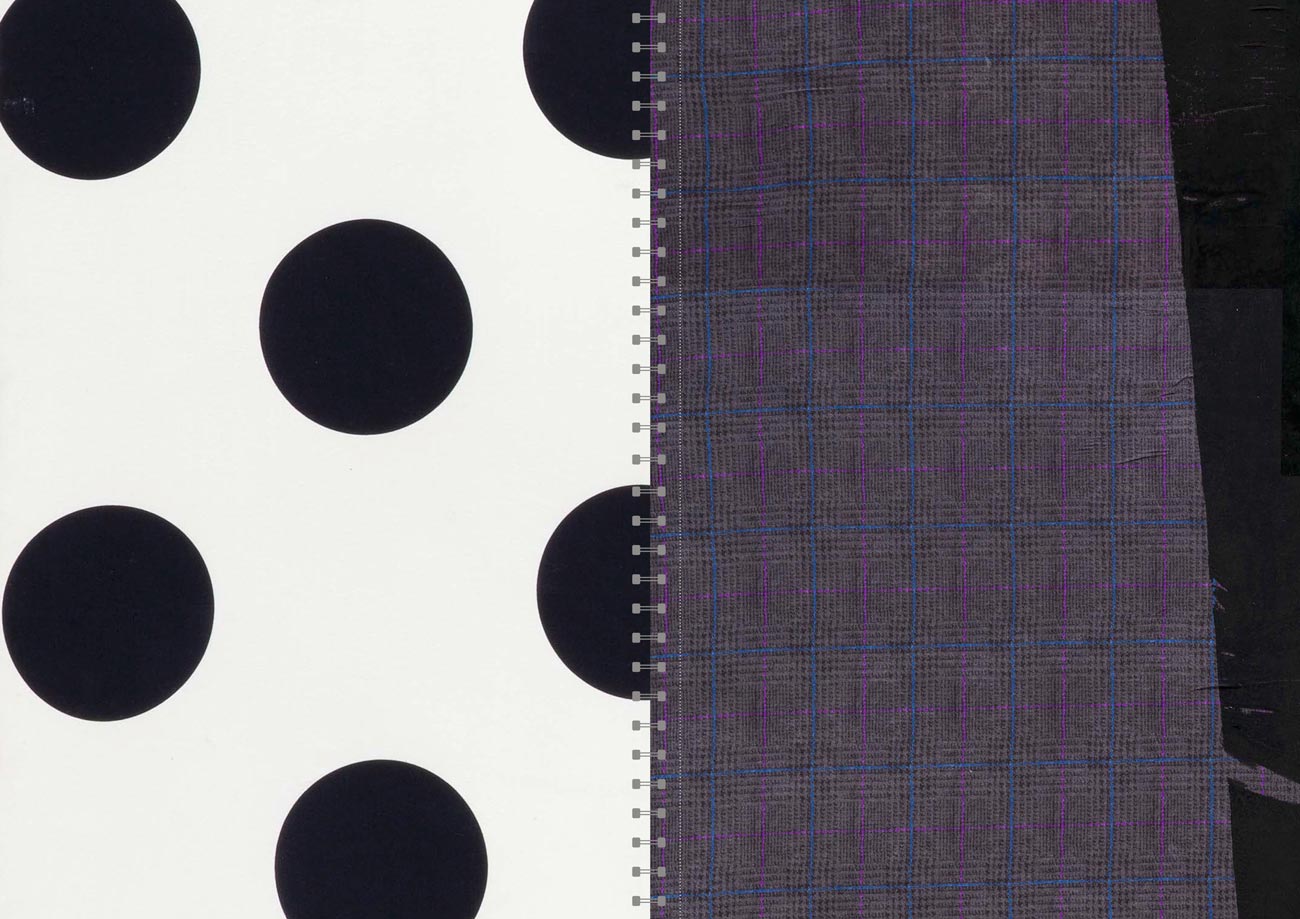
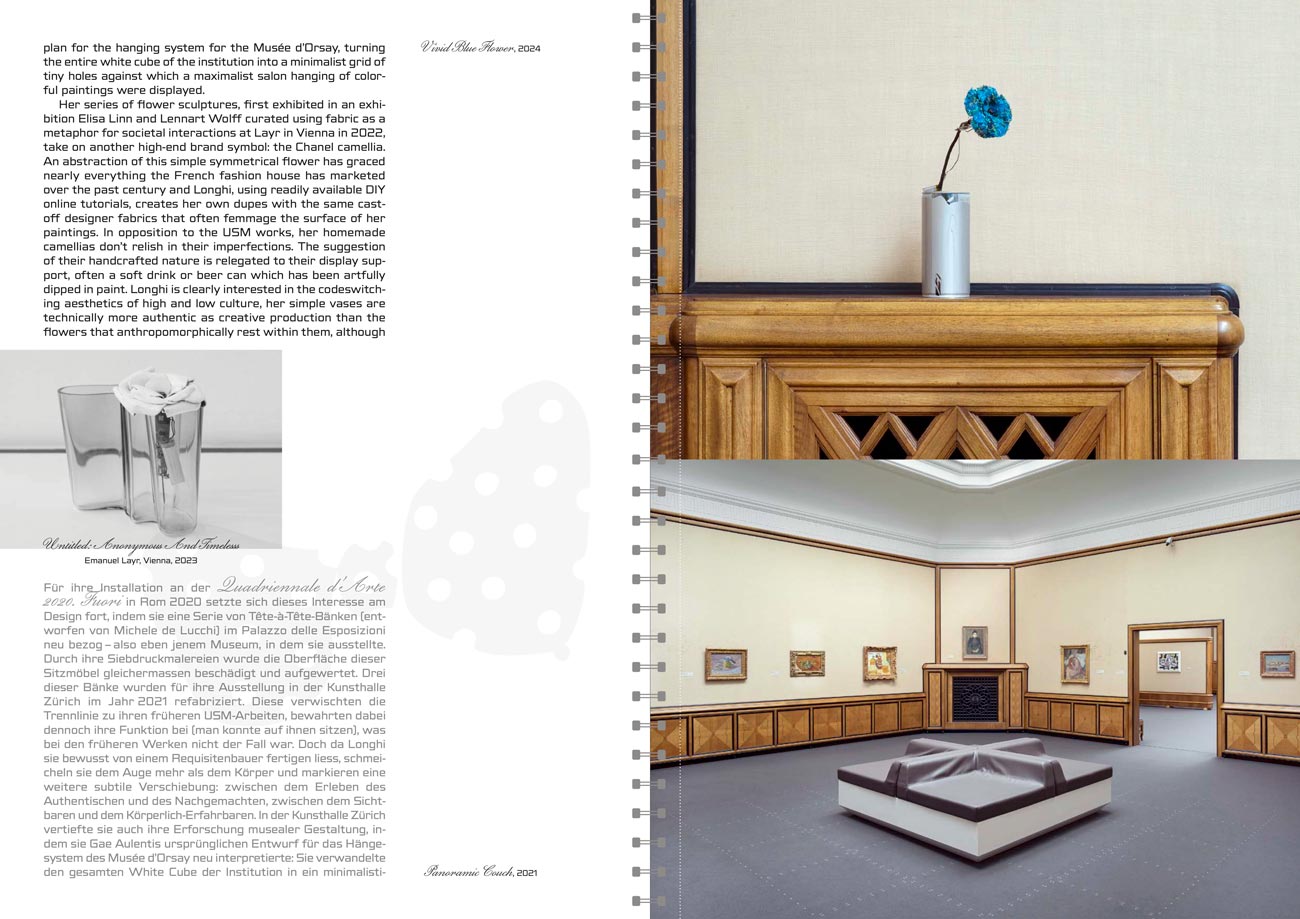
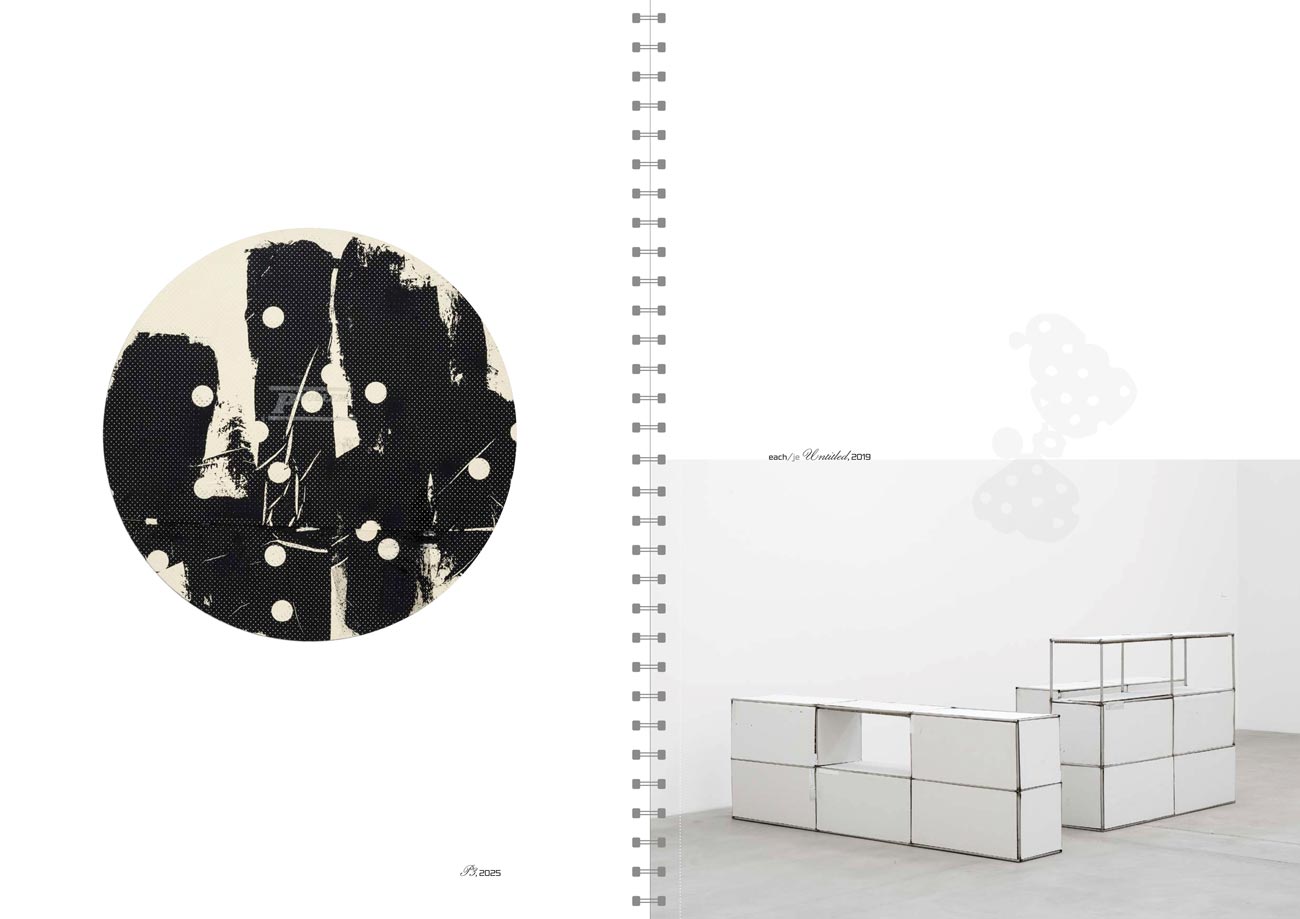
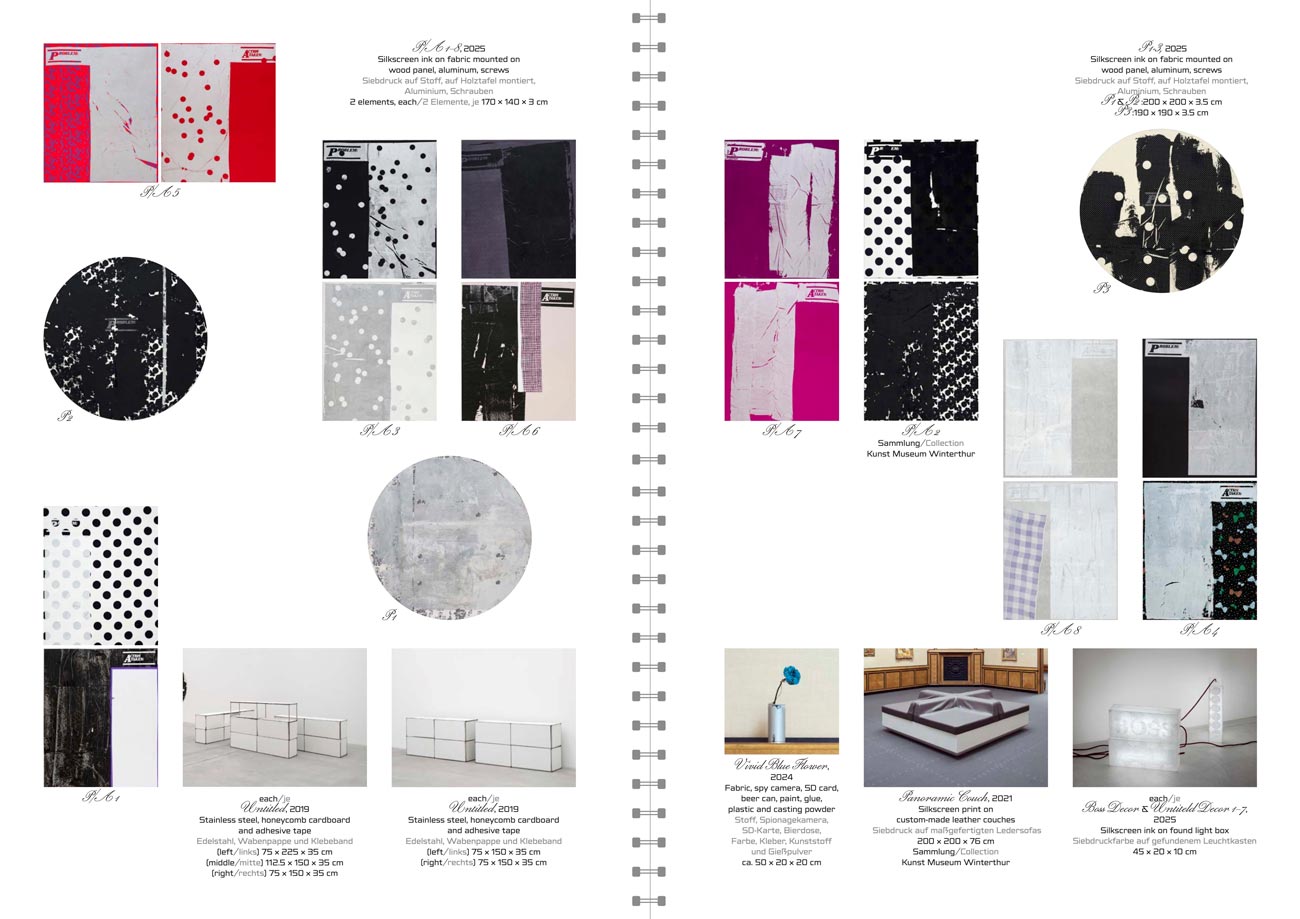
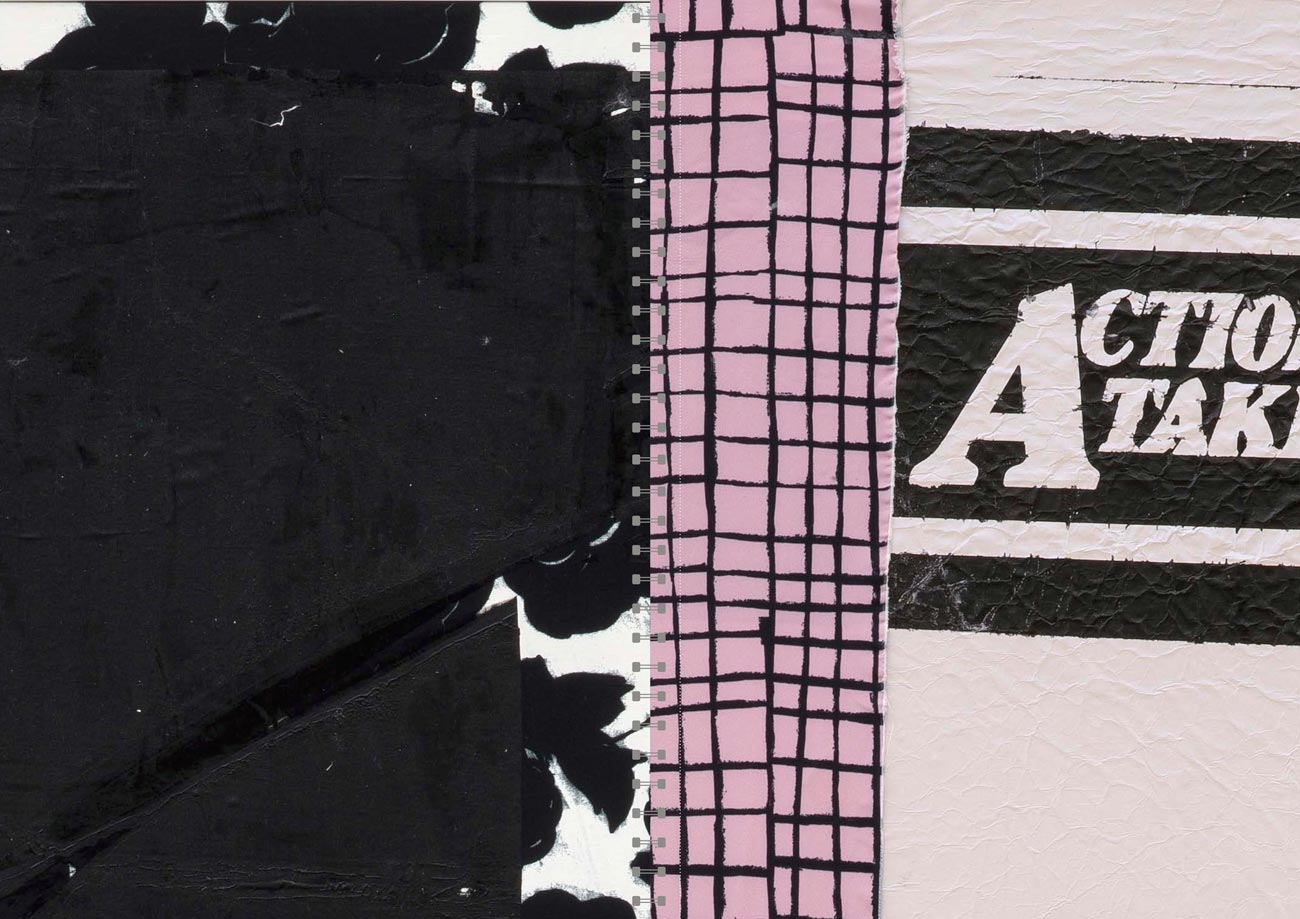
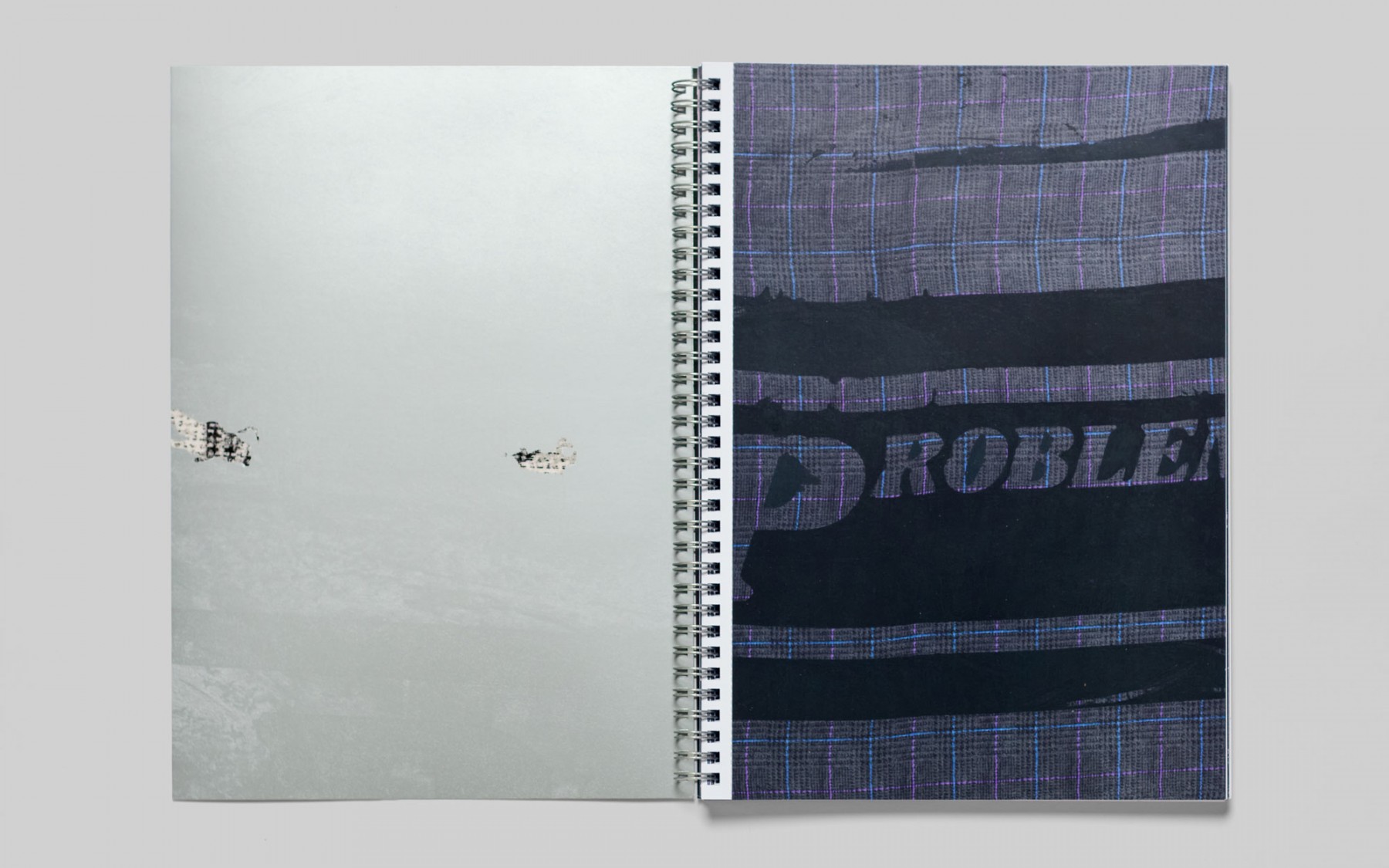
In her 2025 exhibition at Kunst Museum Winterthur, How About Another Problem?, Longhi elaborates these concerns through works that respond directly to the museum’s architecture. Screen-printed panels featuring abstracted flowers pierced by camera-lens motifs evoke the surveillance-driven visual culture shaping contemporary life. Meanwhile, elements resembling furniture or functional fixtures introduce a tension between utility and display, complicating expectations of refinement and production value. Irregularities—misalignments, visible joins, uneven prints—are deliberately preserved, foregrounding the labor behind objects typically associated with industrial perfection and consumer polish.
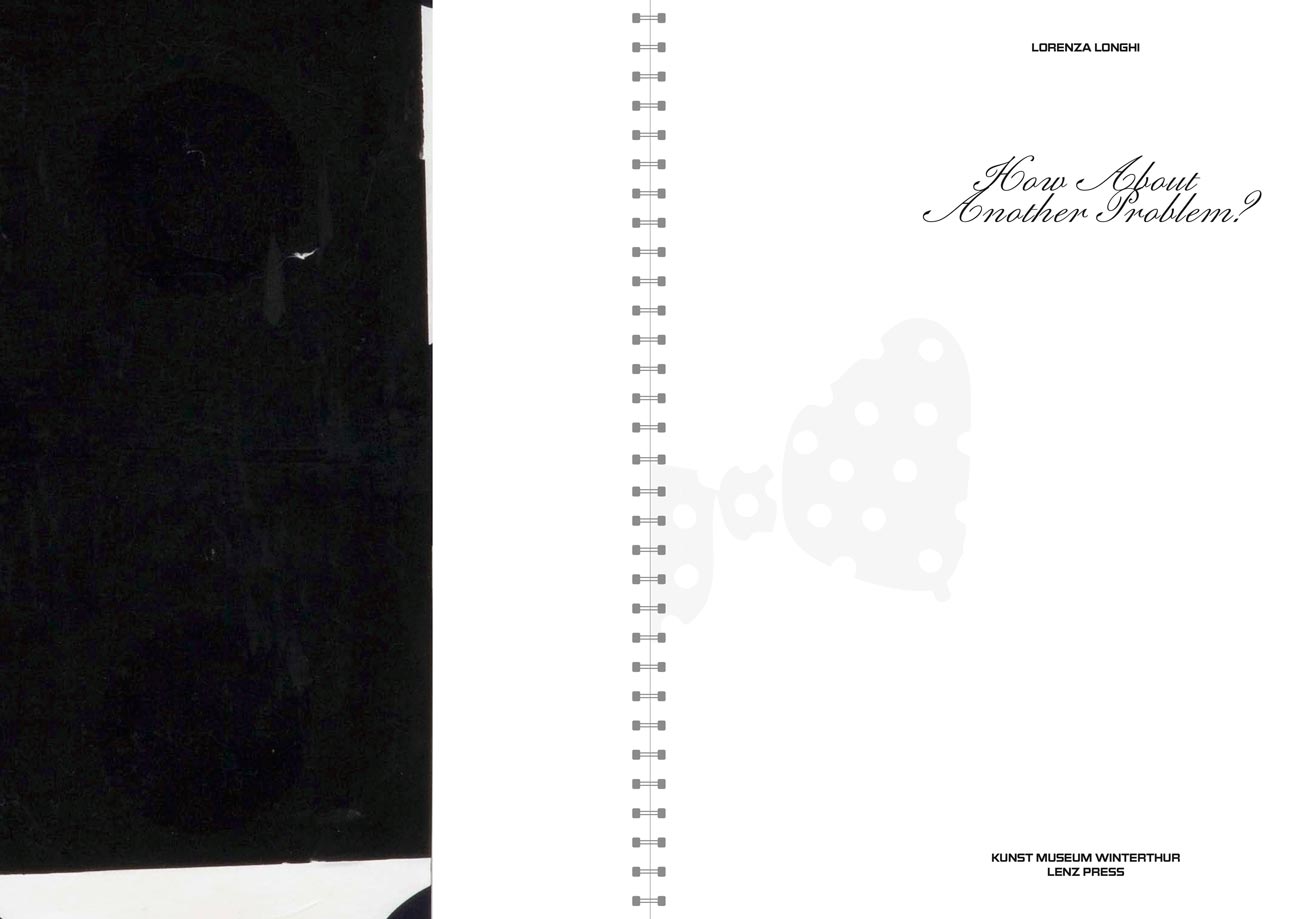
Longhi’s new spiral-bound catalogue echoes her longstanding interest in modest, industrially inflected production formats. By adopting a format associated with prototypes, manuals, or working documents, the catalogue positions itself as an active tool rather than a luxury object—extending Longhi’s ongoing examination of value, functionality, and the aesthetics of the everyday.