The paintings and drawings by Jake Grewal draw the viewer in through stillness and ambiguity: they invite reflection on how we inhabit places—physically and emotionally—and how our inner landscapes mirror the physical world. This is the Grewal’s first book, published to accompany the artist’s exhibition at Studio Voltaire.
The transformation of the notion of monuments and the way cultural institutions choose to deal with it find in Maurizio Cattelan an interpreter capable of manipulating historical memory and shared symbols, to the point of turning them into a terrain of doubt and play. Lisa Parola and Lorenzo Giusti investigate the potential of contemporary art within the public sphere.
This is a visual archive of 12 years of developing, designing and exhibiting the House of One, a multireligious sacred space in the heart of Berlin. The architecture, conceived by Kuehn Malvezzi, has been displayed at various venues while being developed in close collaboration with three local religious communities in Berlin since 2012.
The first major monograph on artist Jill Mulleady, whose paintings thread motifs of decay, memory, history, and private myth, featuring humans and animals enacting their instinctive psychological reactions to ever-present threats of danger.
The essays in this first-ever monograph dedicated to Swiss artist Jan Vorisek, alongside image portfolios of the exhibitions they explore and an appendix that features photos and documentation of Vorisek’s performances, recordings and ephemera, grant us unprecedented access to the private fictions that the work reveals.
Since the 1990s Costa has been challenging hierarchies of art production and the fetishization of the “finished” artwork, inviting viewers to reconsider what is discarded, both materially and socially. Through over 300 artworks, accompanied by new writing, this catalogue explores Adriano Costa’s work, a meditation on transformation—of objects, meanings, and systems of value.
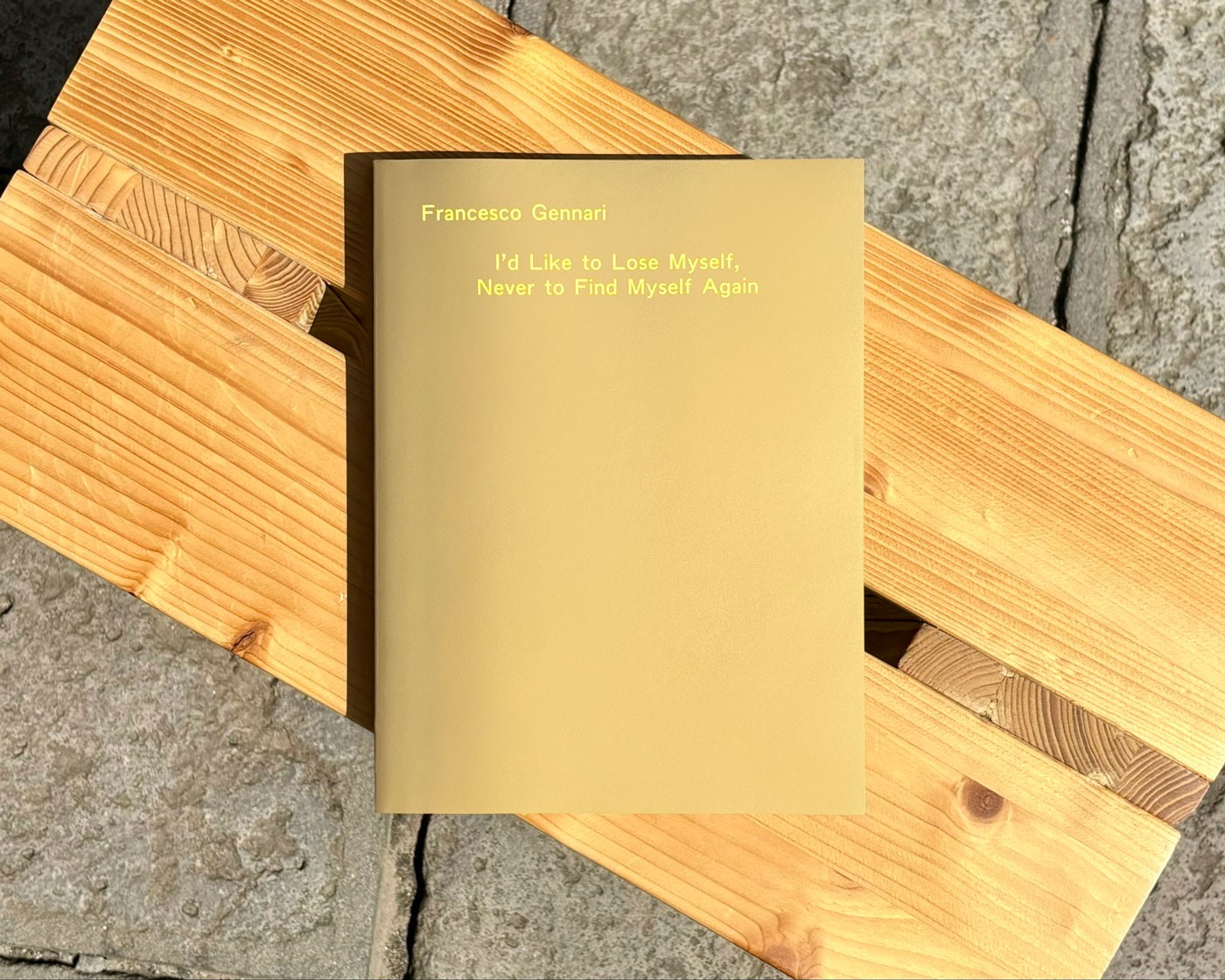
Francesco GennariI’d Like to Lose Myself, Never to Find Myself Again
Edited by Francesco Gennari and Edoardo Bonaspetti
Design by Lorenzo Mason Studio
2024, softcover, 15 x 20 cm, 320 pages
ISBN: 979-12-80579-55-3
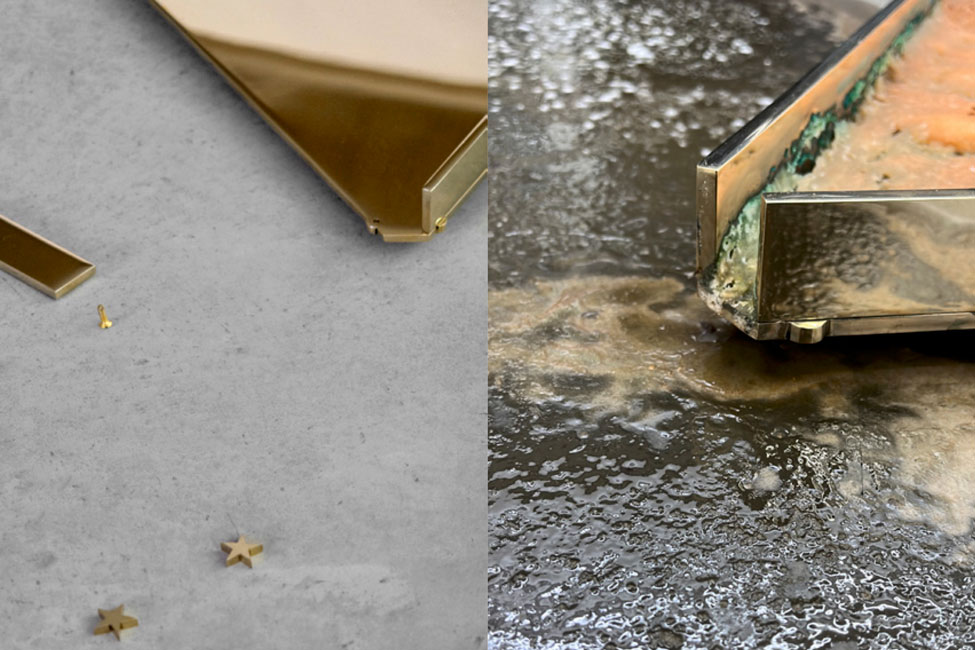
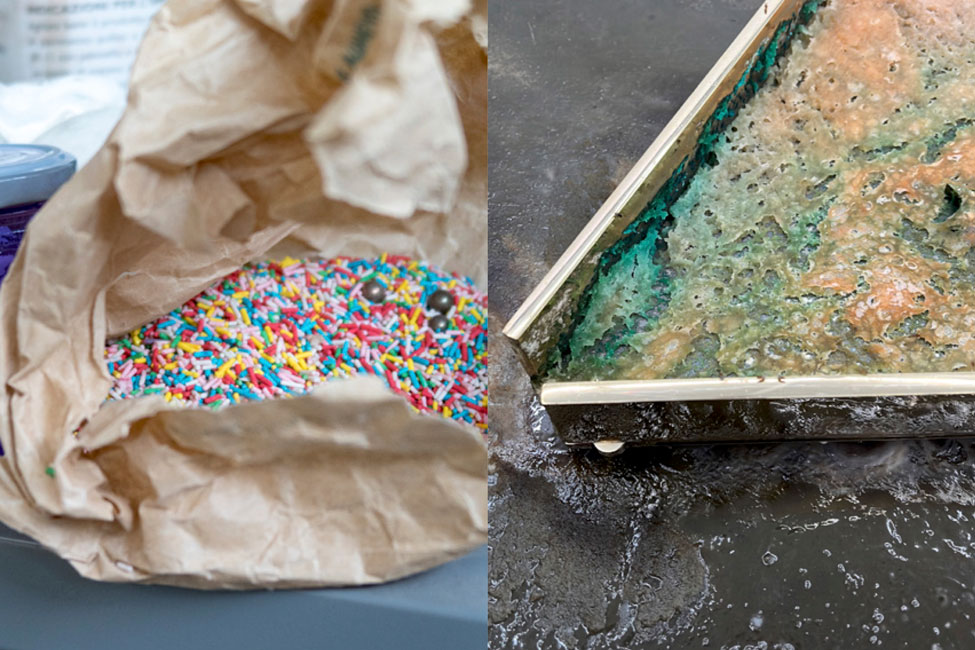
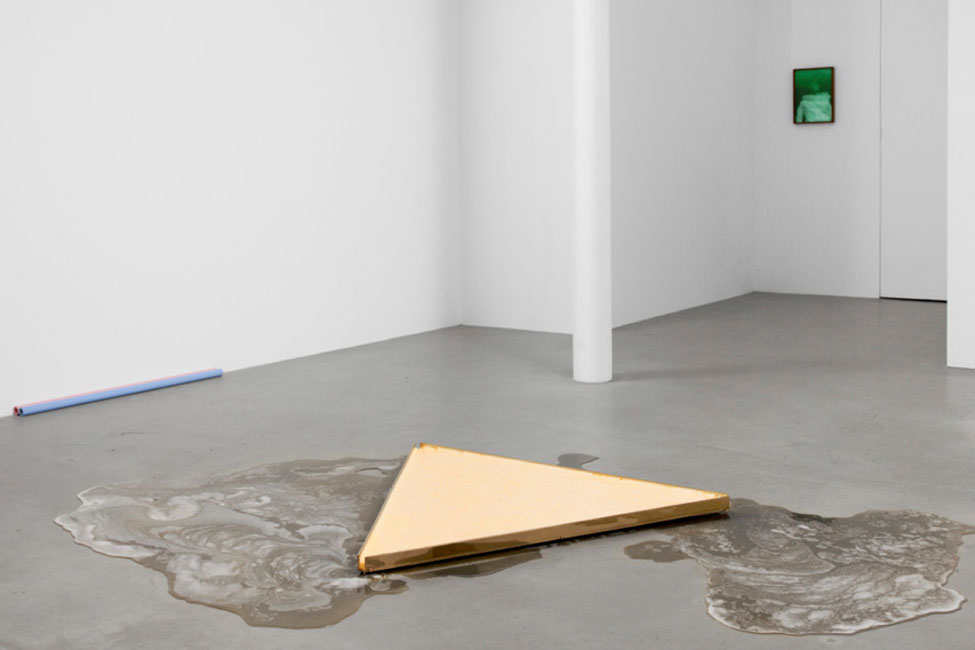
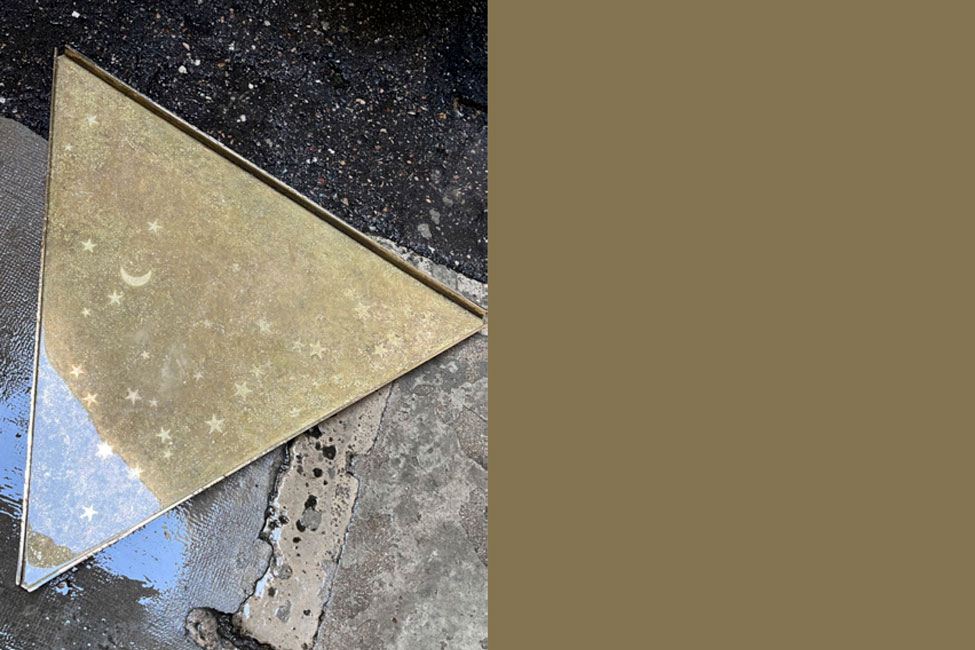
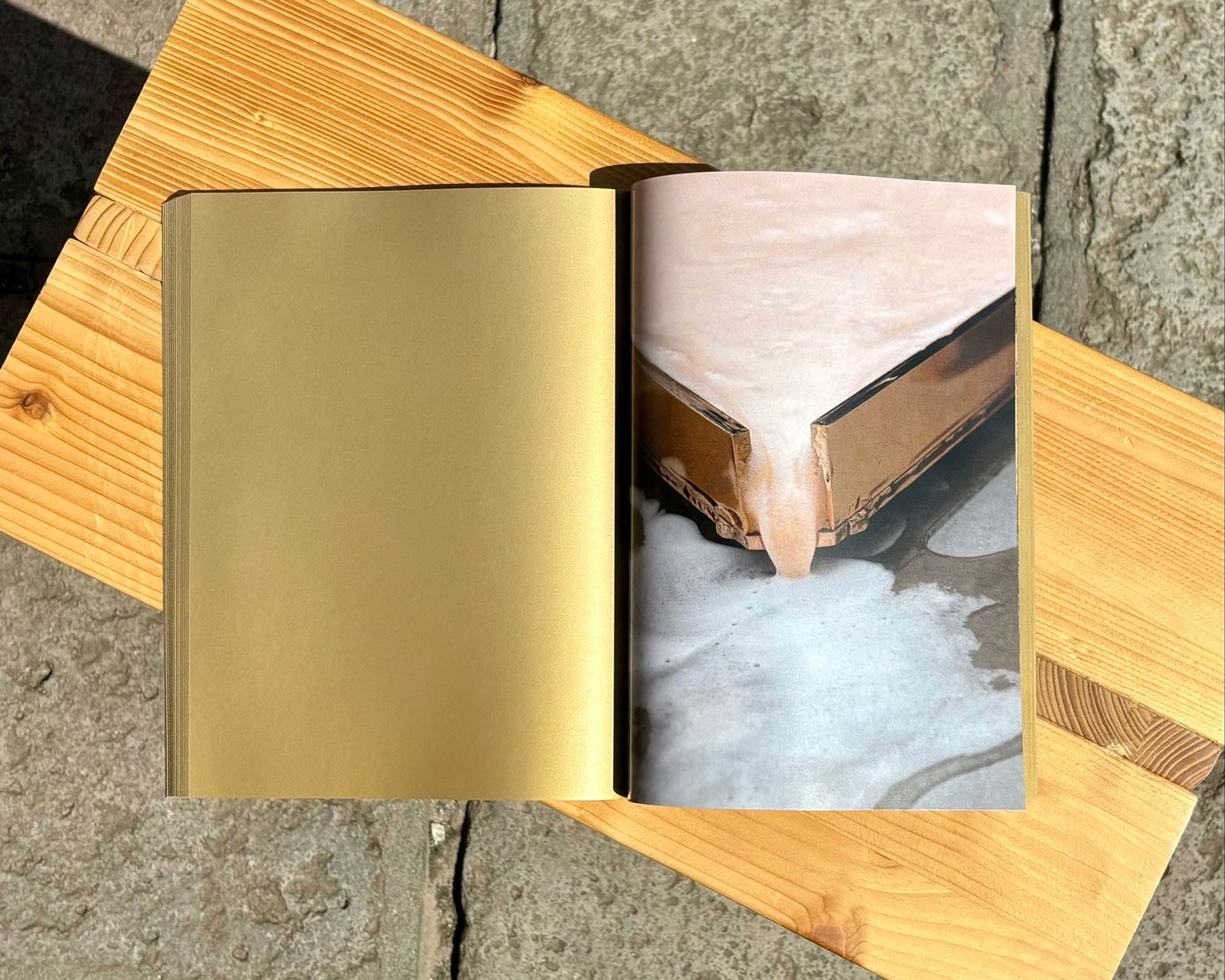
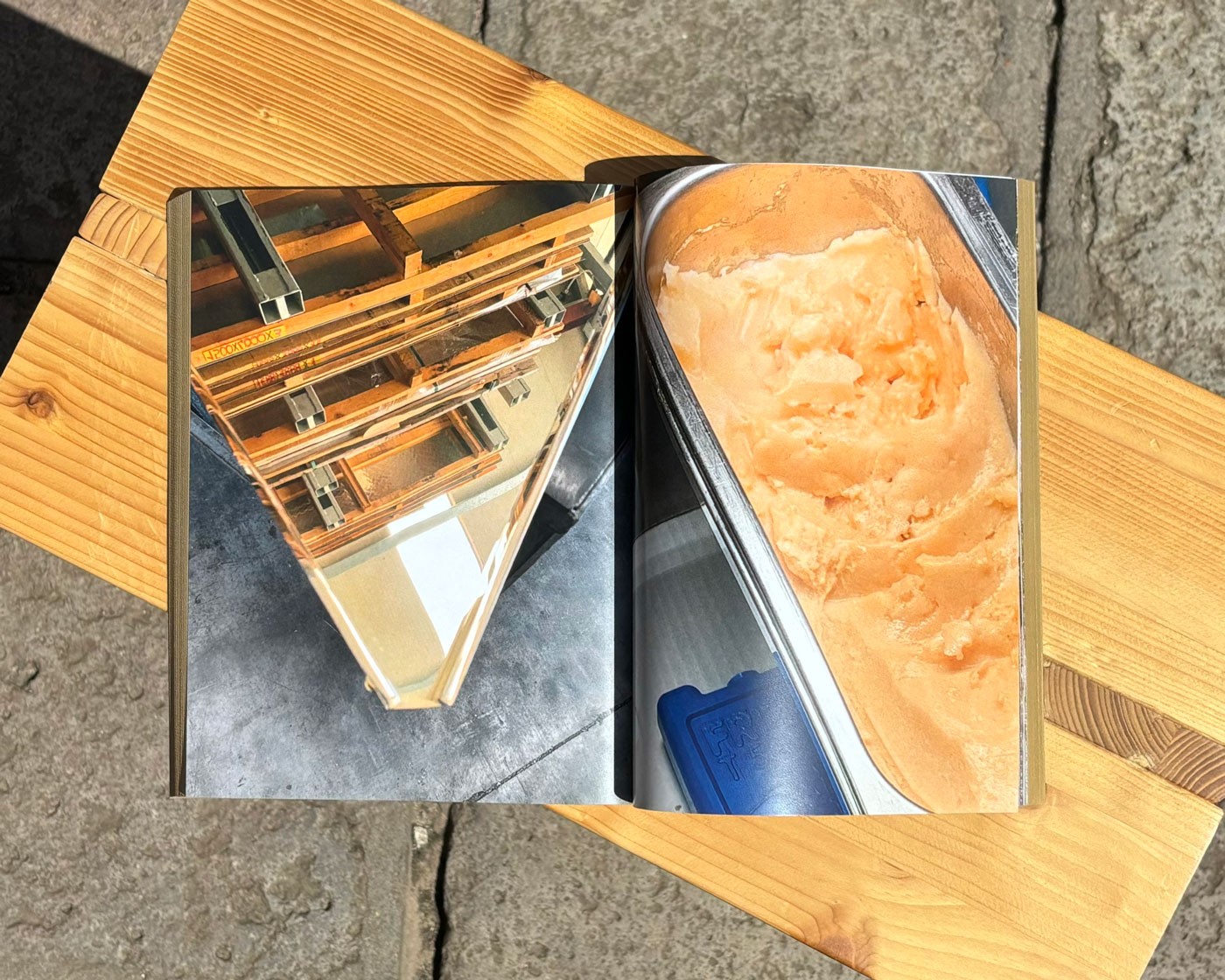
Through a rich selection of images, this artist’s book, published in two editions—gold and silver—explores the birth, life and death of Francesco Gennari’s work Vorrei perdermi e non trovarmi più, 2022, exhibited for the first time at the Ciaccia Levi Gallery in Paris.
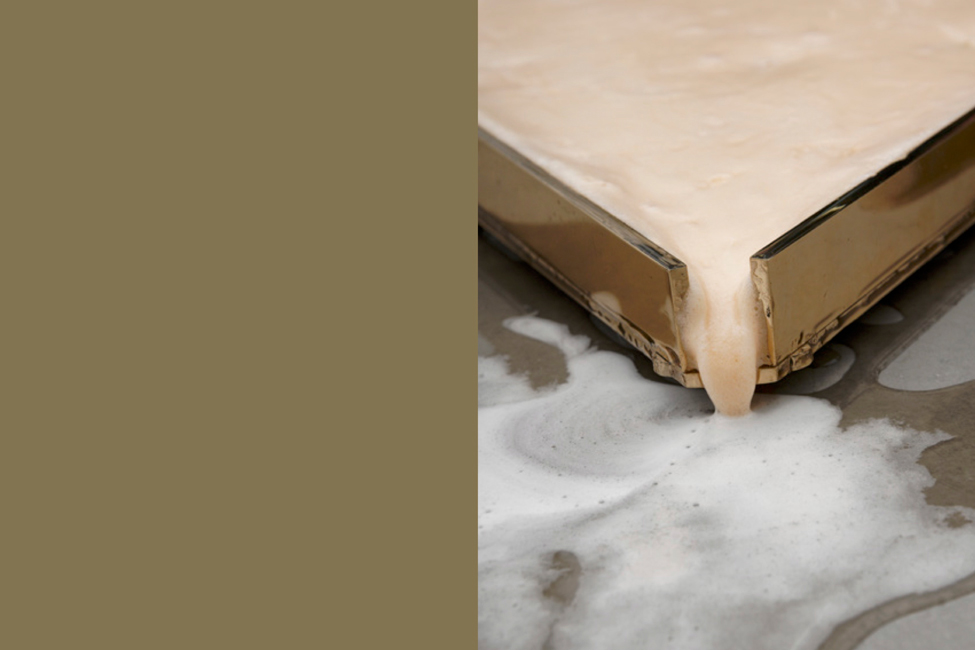
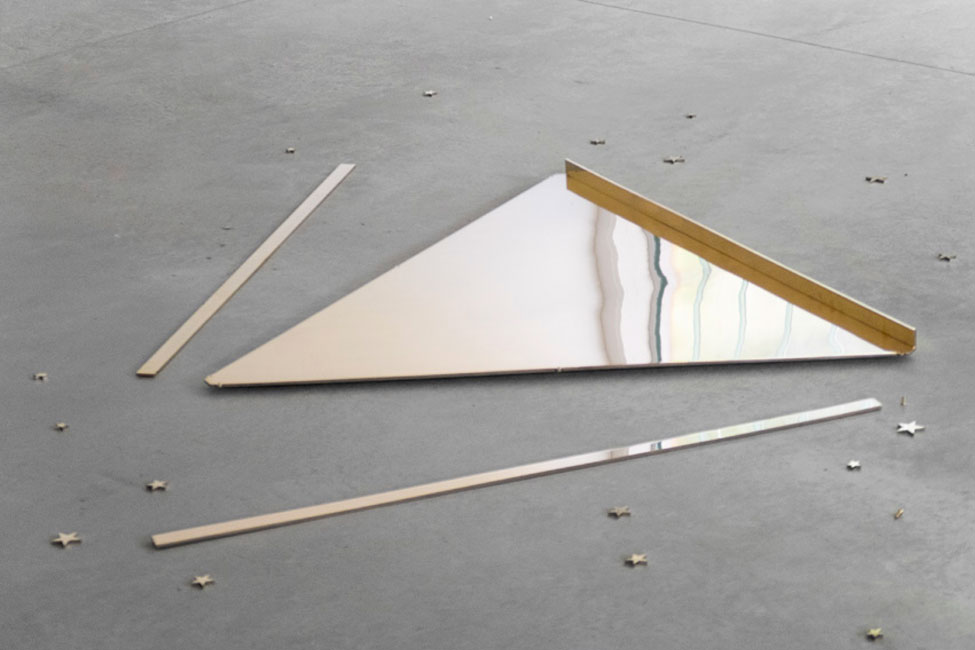
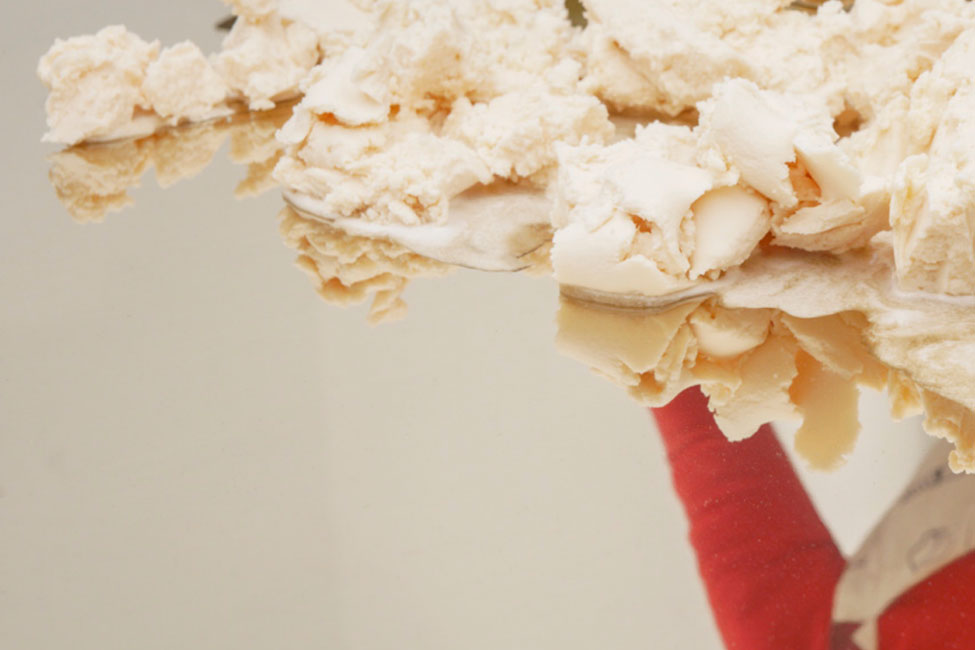
Almost twenty kilos of melon-flavored ice cream mixed with gin fill a triangular bronze prism, flooding the room with a pungent aroma, almost saturating the air and enveloping anyone who approaches in a feeling of freshness and vitality. Slits at the ends of the triangle allow the ice cream to melt and flow beyond the confines of the stainless bronze structure, dispersing into space yet leaving tangible traces of its passage. Hidden in the midst of the ice cream, a multitude of bronze stars emerge little by little. The disintegration of organic matter thus reflects its ephemeral and changeable nature, evoking a sensation of fluidity and transformation—a metaphor for the artist’s own approach to self-representation. By juxtaposing materials in unexpected and sometimes contradictory ways, Gennari generates a dialogue between form and concept that induces a profound sense of introspective reflection in the viewer.
Instinct, creativity, and loss of control also characterize the artist’s book, in which the artist further develops his research into the concept of “identity” along with the sense of the boundary and dispersion in space. This volume is created in two editions, one gold and one silver, and provides an escape from reality towards a broader and more mysterious experience, one in which the limits of human existence and the desire/need to go beyond them remain at the heart of the narrative.