What if the shadow moved first? From March through May 2026, the exhibition The Second Shadow. Dozie Kanu Mirroring Marc Camille Chaimowicz, with Shared Echoes and Kindred Spirits at Fondazione ICA Milano unfolds online through a series of voices and crossings that shift its gravity. Not an extension. A displacement.
A Cosmic Movie Camera is the title of the 18th edition of the BIM’24, which also marks the 50th anniversary of the Biennale organized by the Centre d’Art Contemporain Genève. By blending the real and the virtual, its catalogue captures the spirit of the exhibition, which explores the evolution of moving images, particularly in our algorithmic age.
The book seeks to define the contours of the obsession with the teenage years; a fixation that has shaped a significant strand of contemporary art over the last ten years. Adolescence is here understood as a state of mind, a prolonged condition that dissolves the transition into adulthood and becomes a critique of an unstable world.
In this multi-voiced book, starting from the Orobie Alpine range, the mountainside becomes an epistemological lens through which to interpret contemporaneity and address issues such as multi-species migrations, our relationship with geological time and intergenerational inheritance, and the rethinking of collective memories and rituals.
For years now, the Die Vier von der Tankstelle (Four from the Gas Station) have been roaming across an area stretching out to the south of the Baltic Sea. They prowl their way through sparsely populated areas, wantonly terrorizing the inhabitants. The 2026 calendar by Jos de Gruyter and Harald Thys bears witness to their presence.
The first monograph dedicated to Lorenza Longhi, published with the Kunst Museum Winterthur, adopts a format associated with prototypes, manuals, or working documents. Its irregularities reflect Longhi’s ongoing examination of value, functionality, and the aesthetics of the everyday.
Concept by Vela Arbutina and Anna Franceschini
Edited by Attilia Fattori Franchini, Anna Franceschini, and Ilaria Gianni
Texts by Chiara Agradi, Mohamed Almusibli, Fabio Cherstich, Liv Cuniberti, Gioia Dal Molin, Bernardo De Souza, Vincenzo di Rosa, Attilia Fattori Franchini, Francesco Urbano Ragazzi, Ilaria Gianni, Ingrid Luquet-Gad, Beniamino Marini, Nick Mauss, Giacomo Mercuriali, Alice Motard, Tabea Panizzi, Tobias Perse, Jennifer Teets, Roberta Tenconi, Jeppe Ugelvig, Joel Valabrega, Marianna Vecellio
Designed by Vela Arbutina
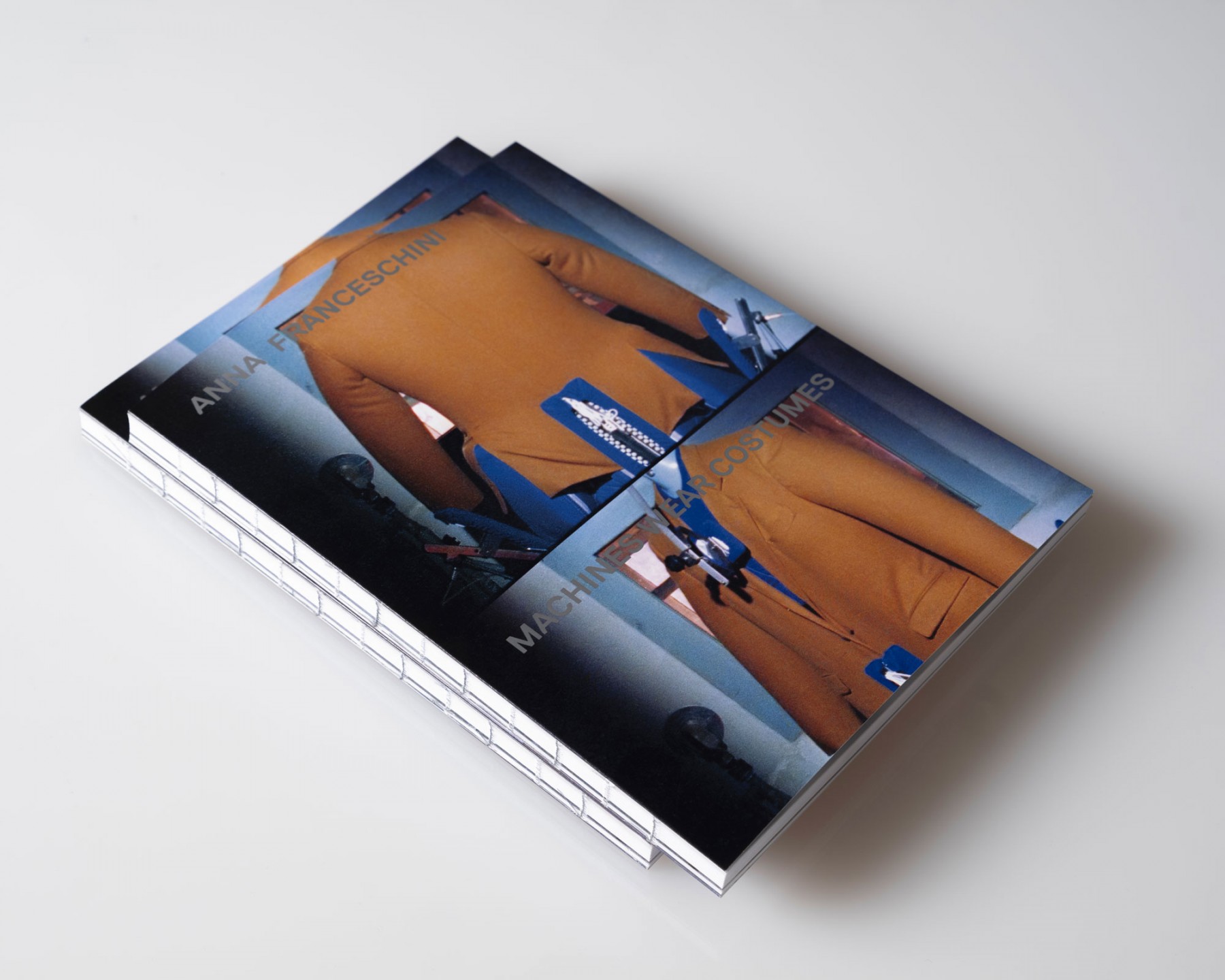
2026, English, softcover, 19 x 26 cm, 176 pages
ISBN 979-12-82771-02-3
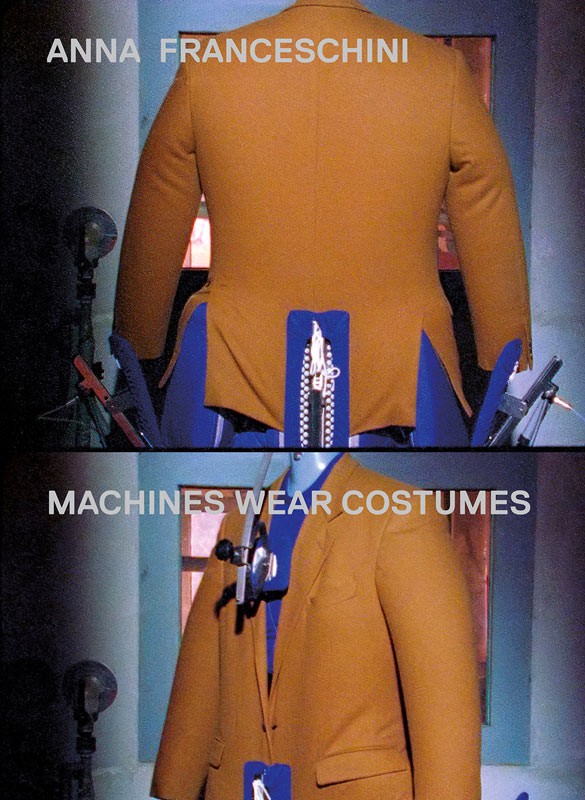
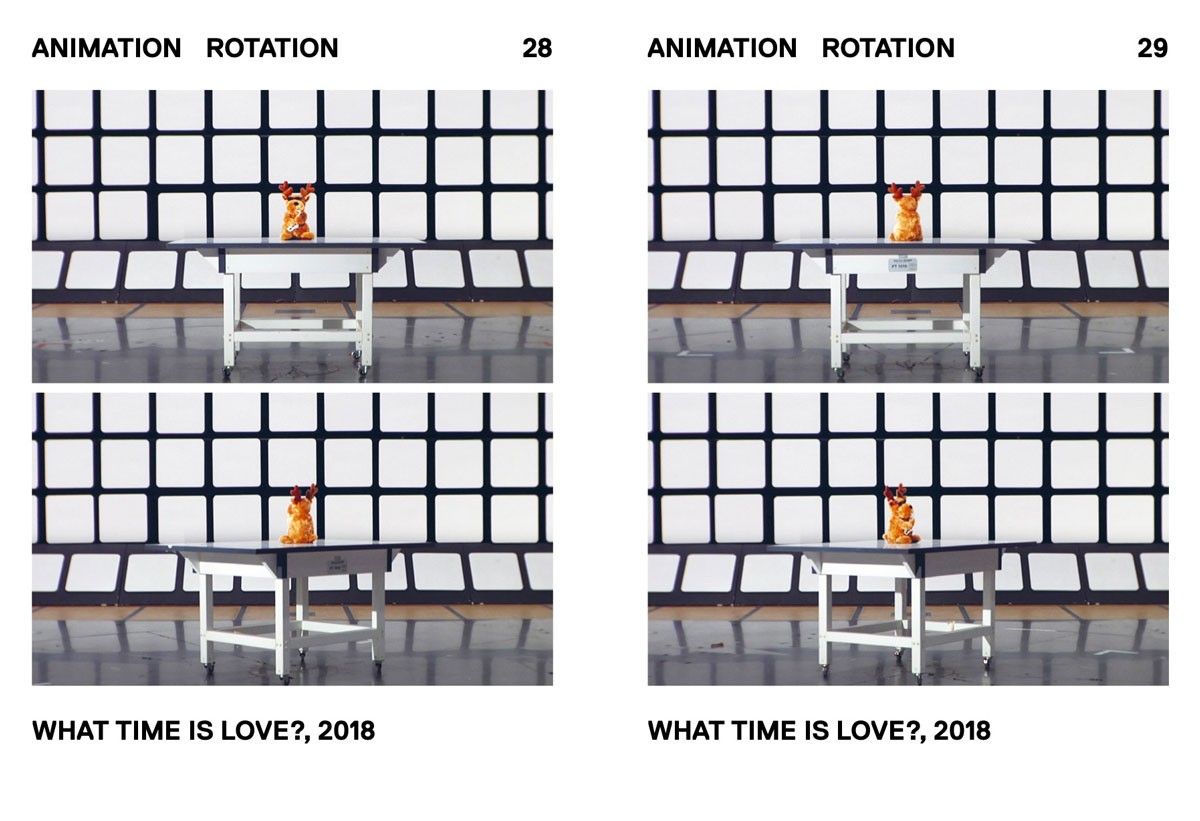
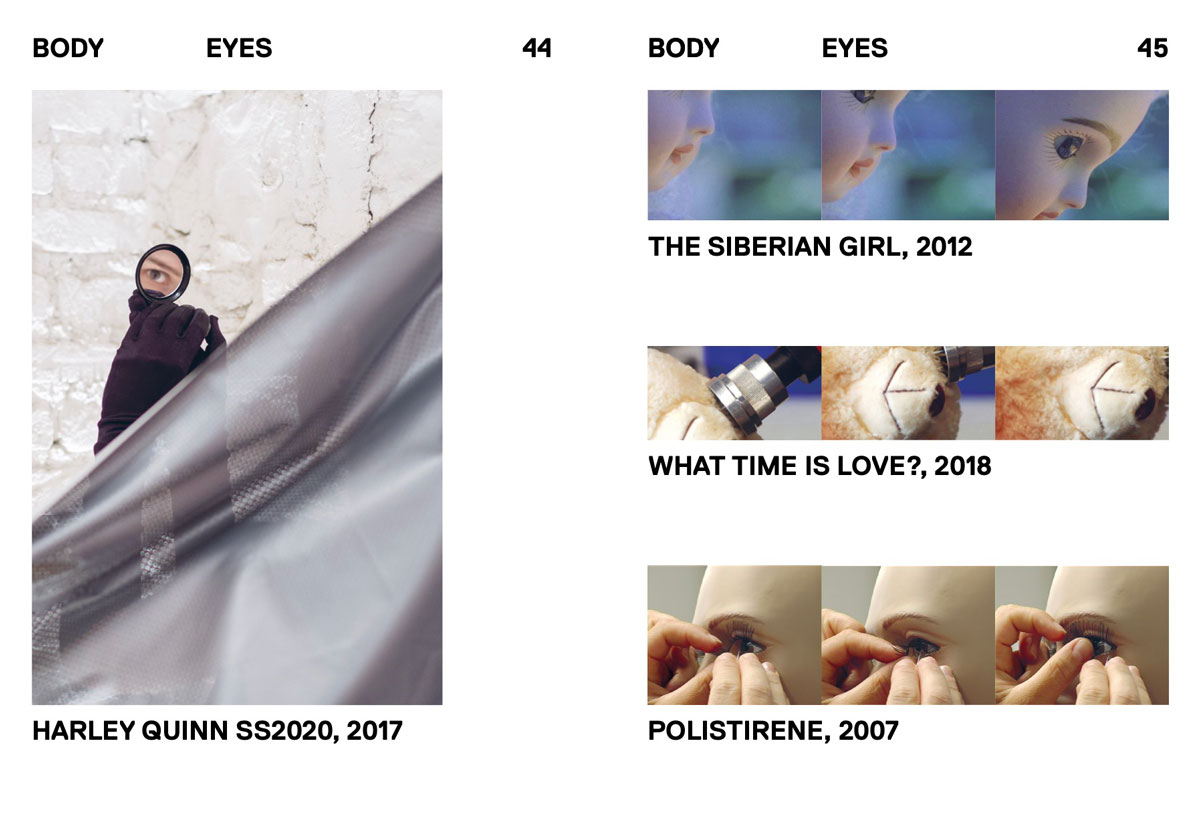
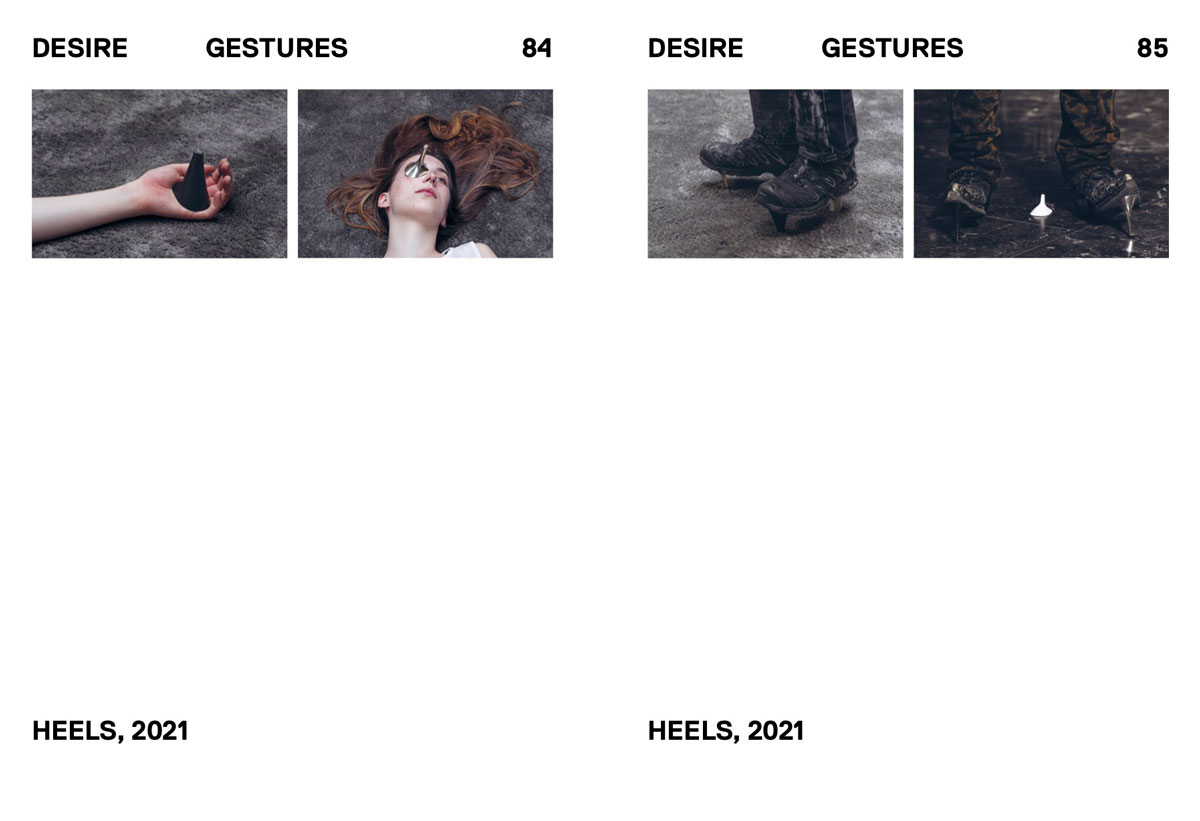
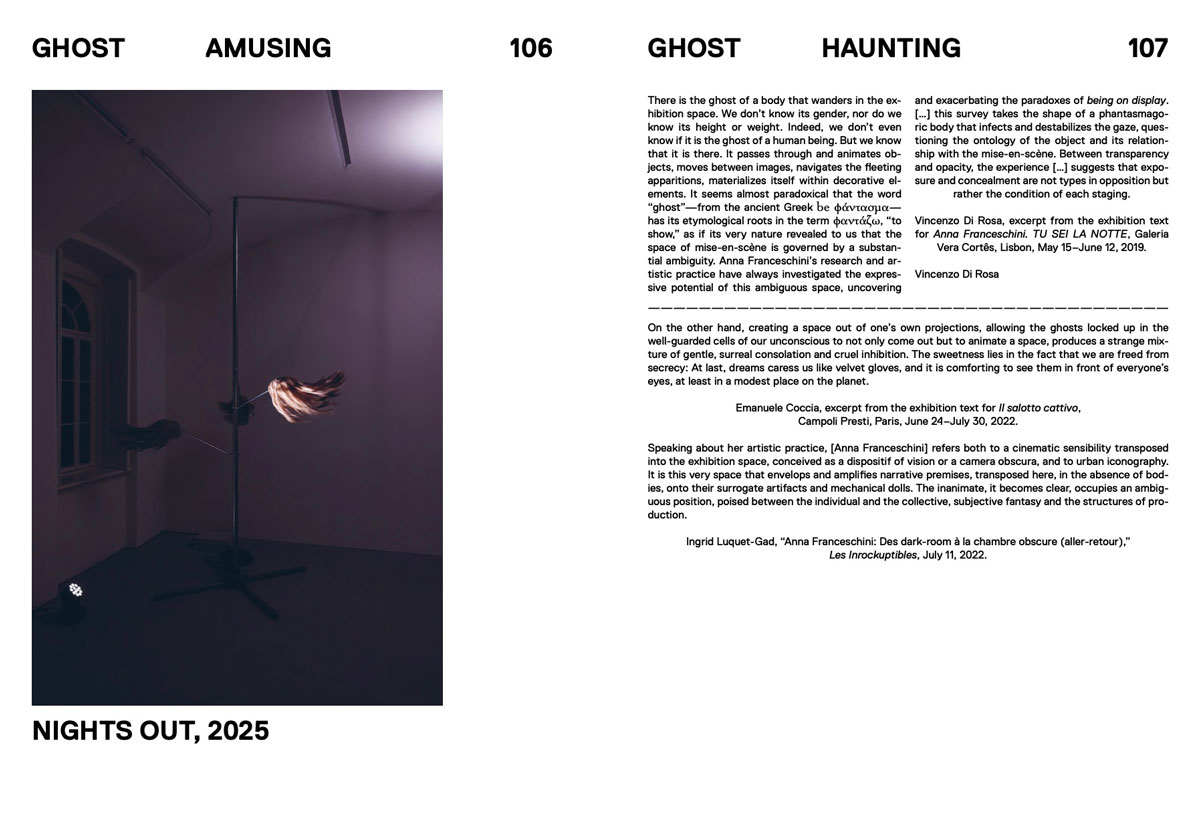
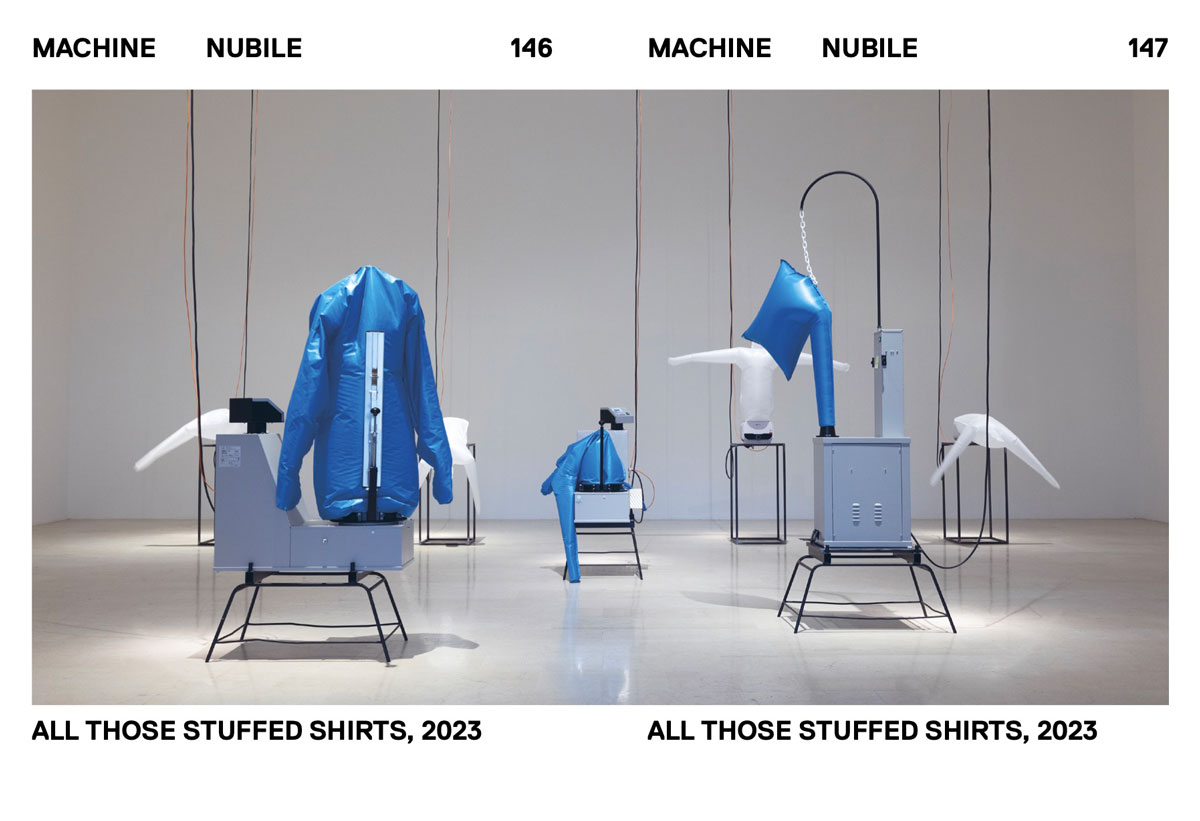
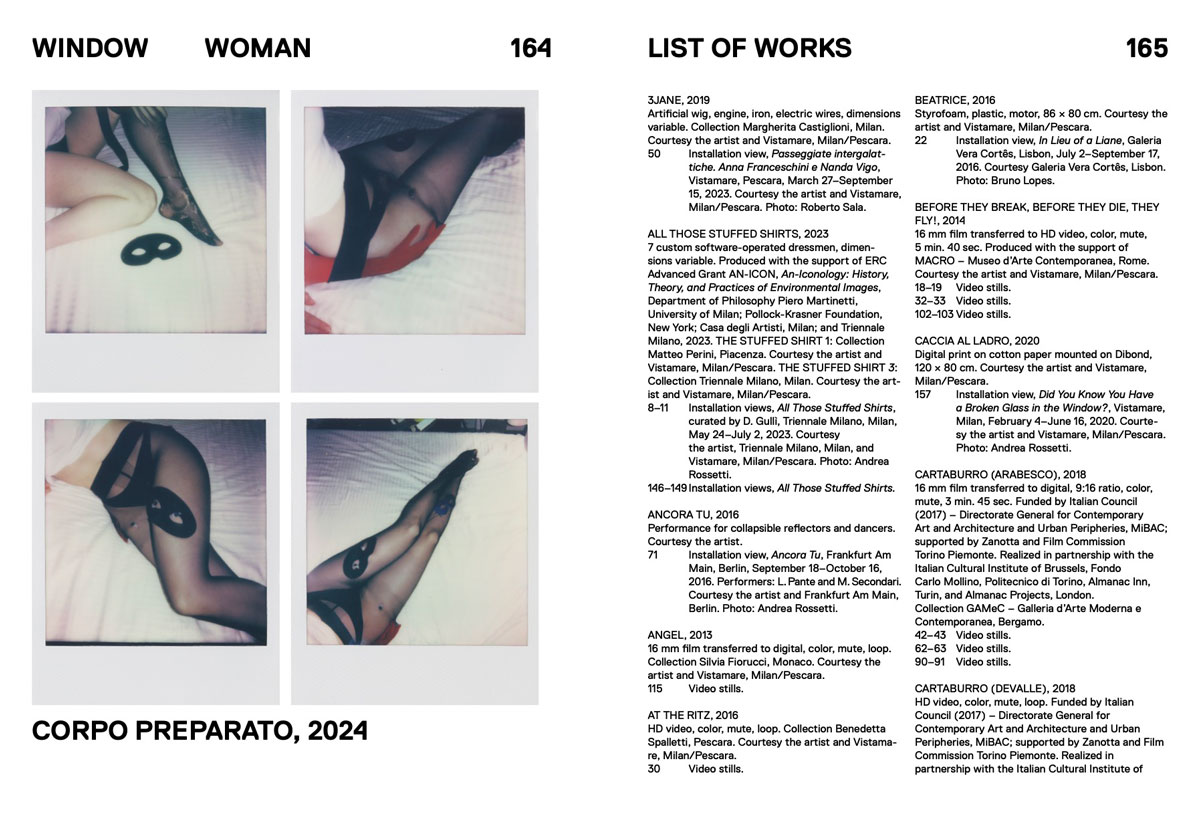
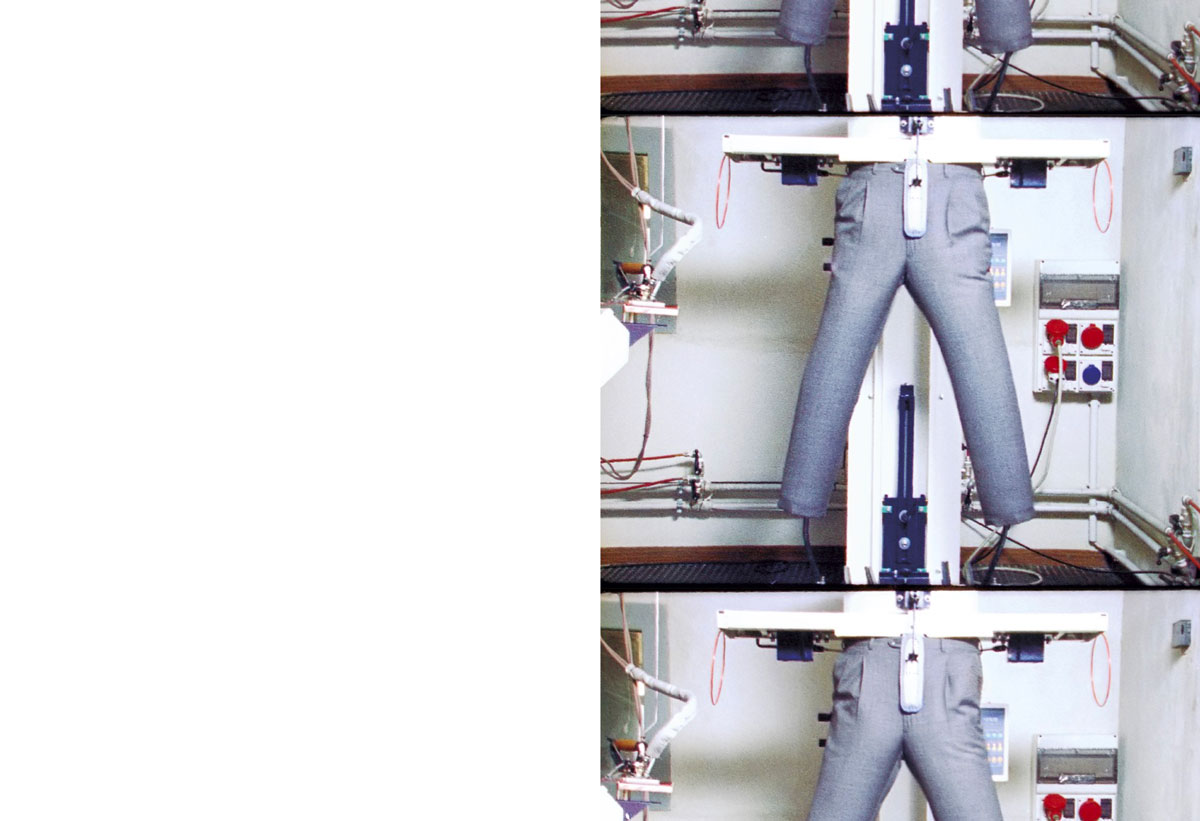
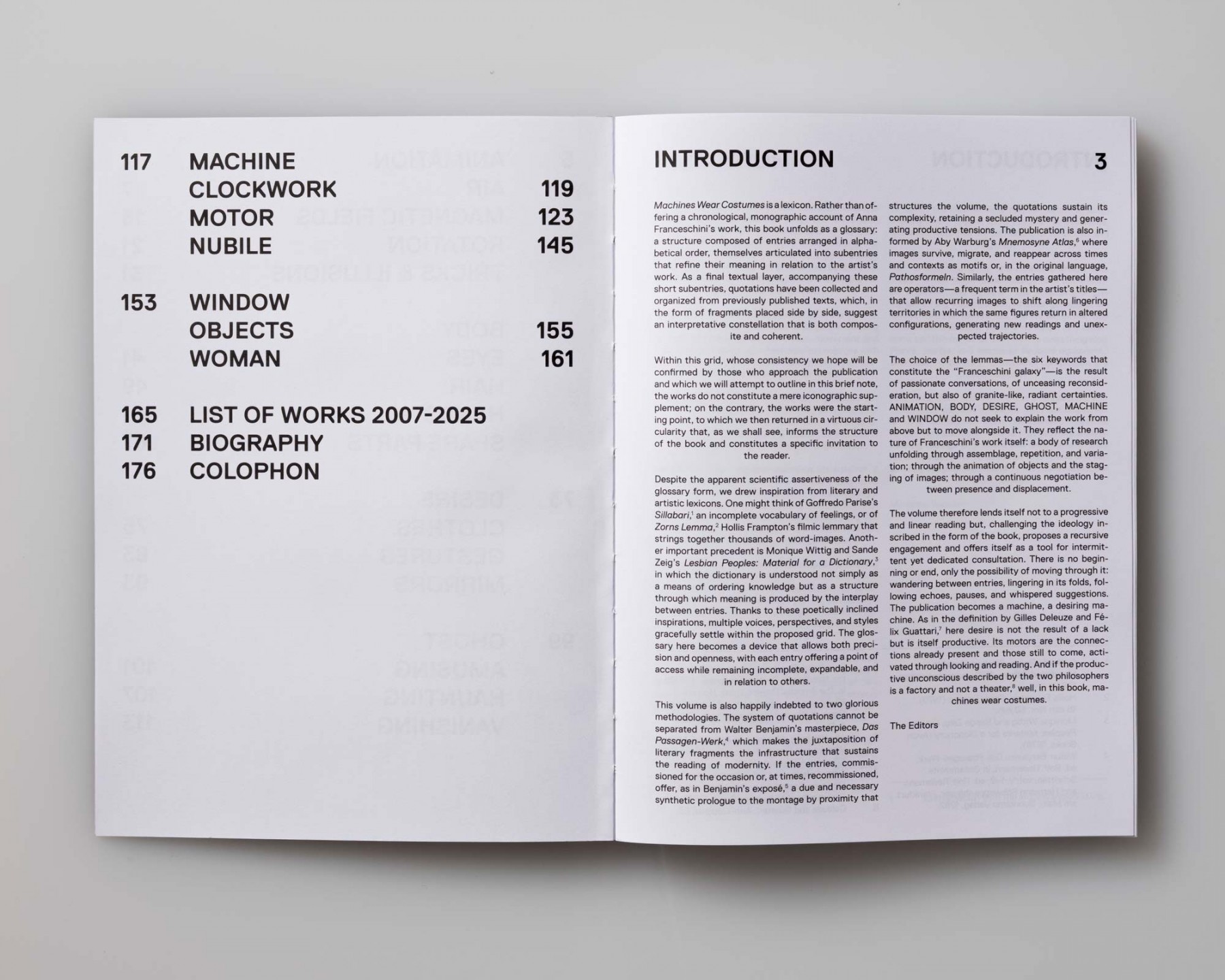
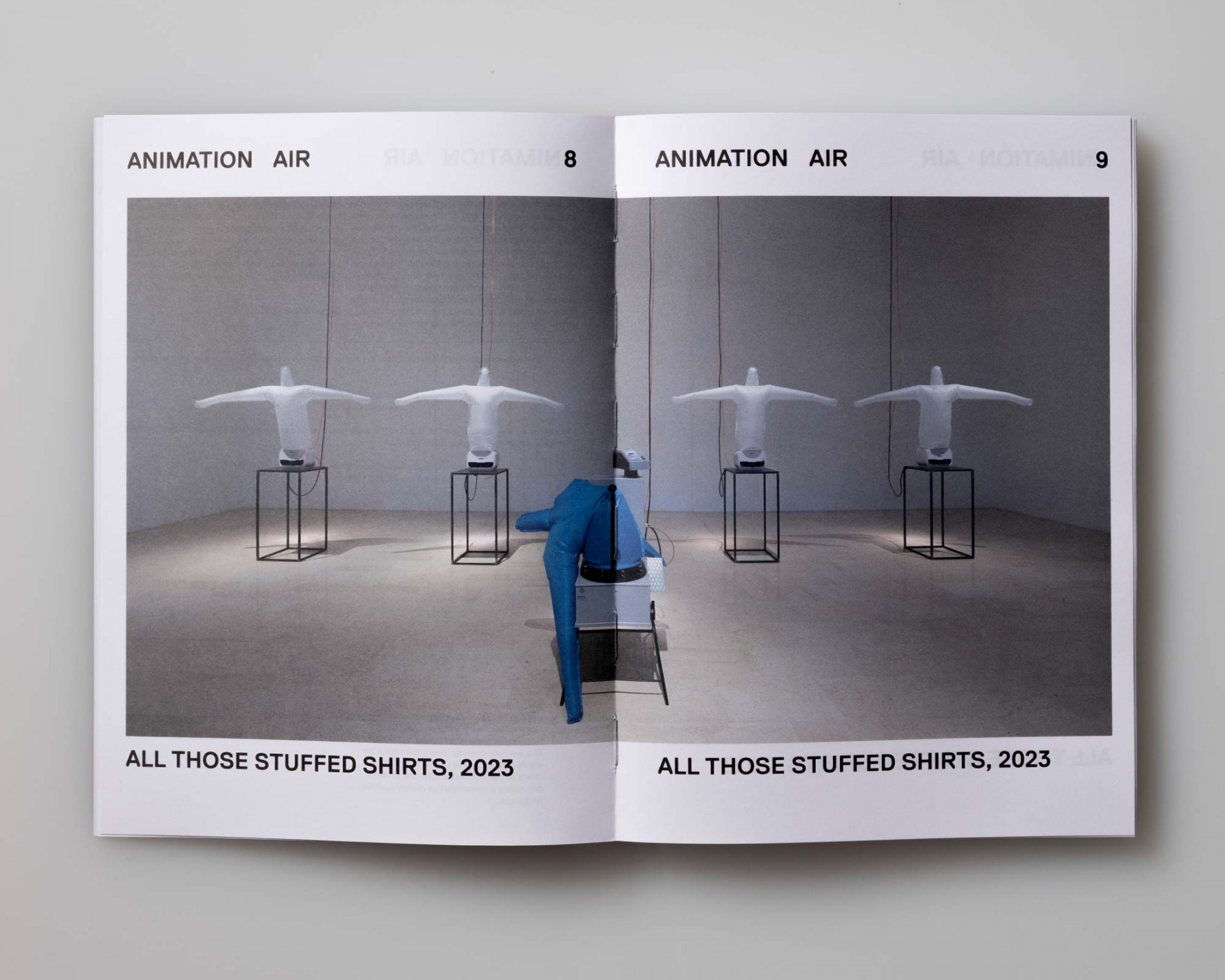
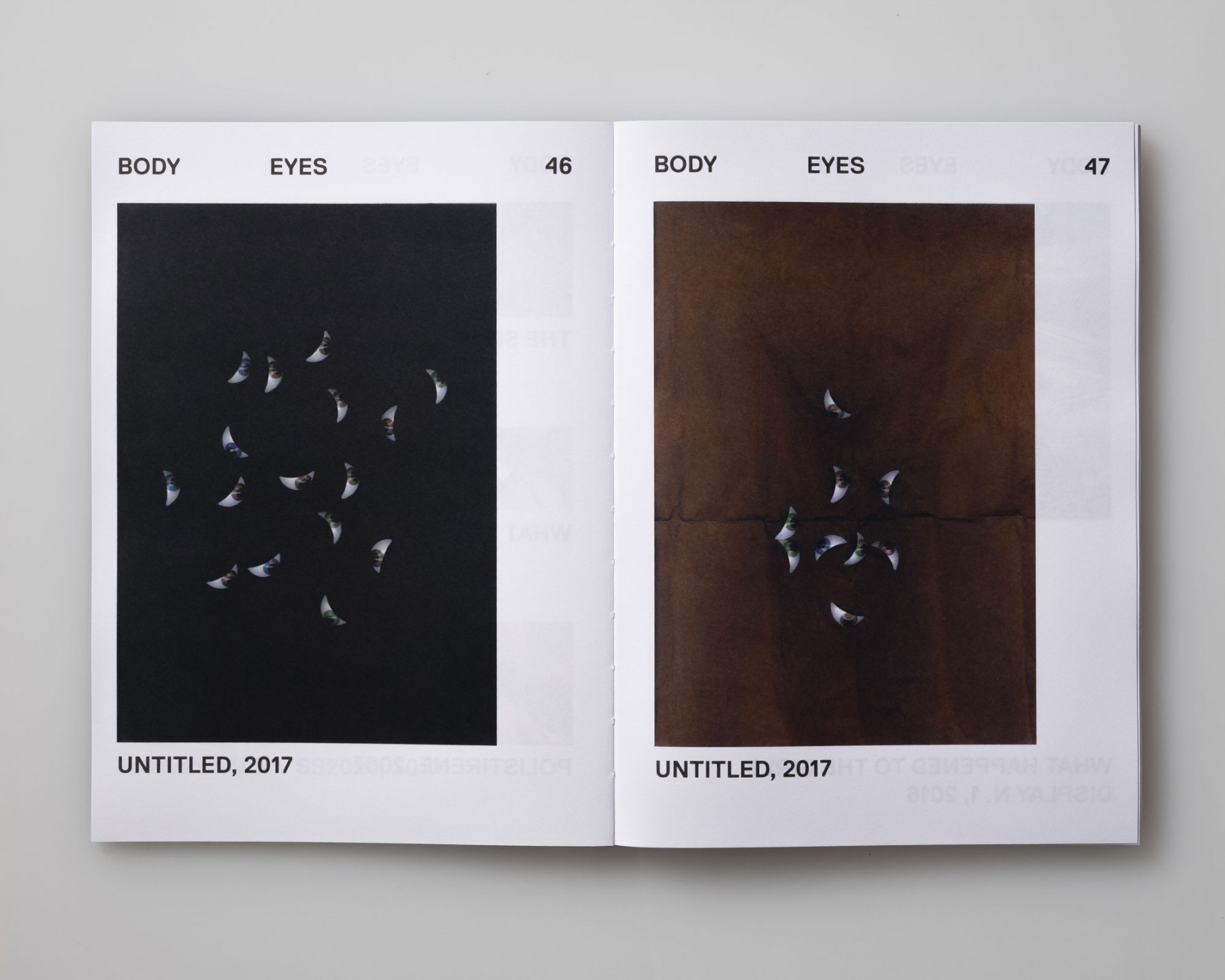
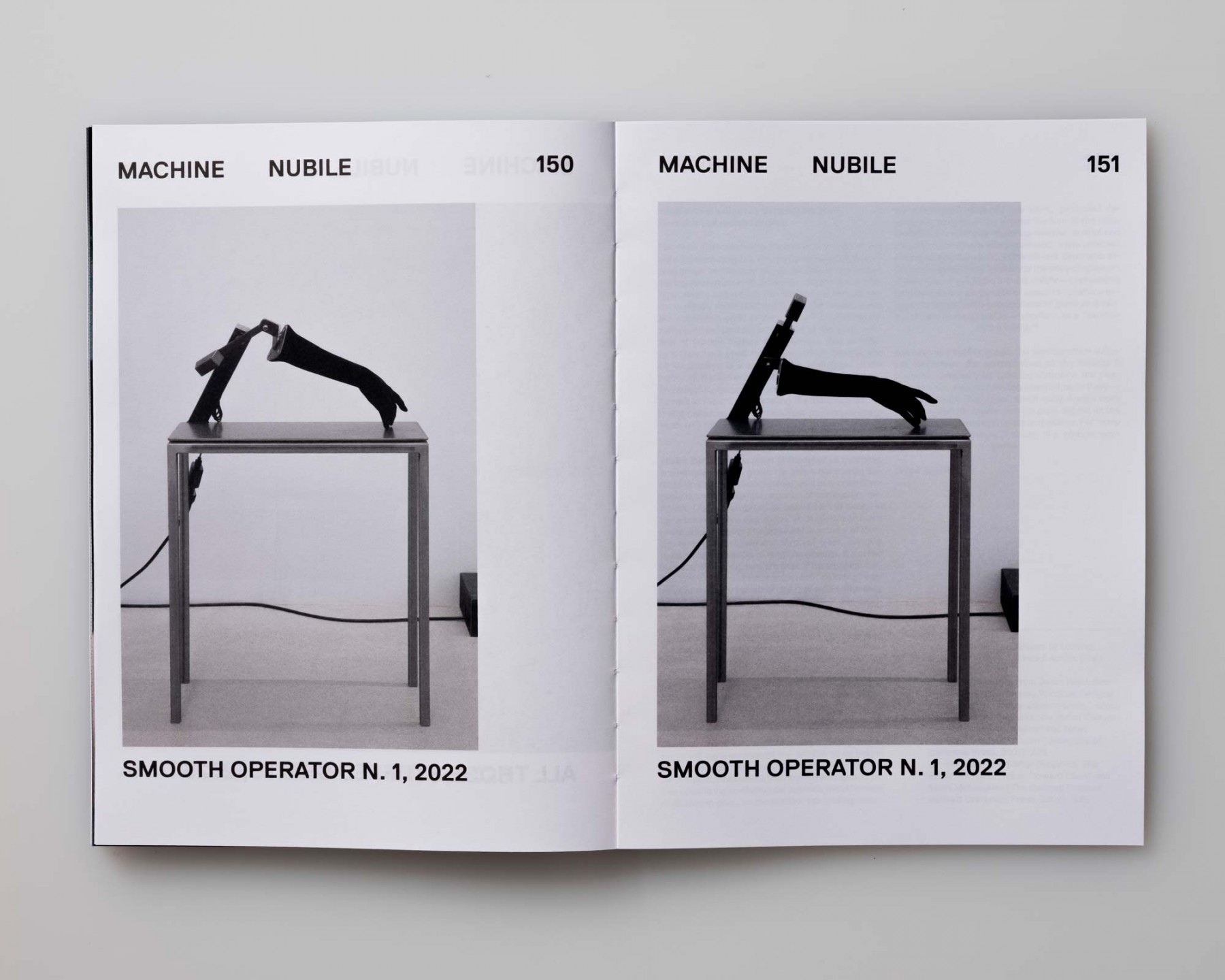
Machines Wear Costumes is Anna Franceschini’s first monograph, bringing together works made between 2007 and 2025. Rather than a chronological account, the publication offers an in-depth look at the artist’s oeuvre through a specialized lexicon. This glossary is organized around six core entries—Animation, Body, Machine, Ghost, Desire, and Window—which are further articulated in subentries that refine their meaning in relation to the artist’s work. Newly commissioned texts by Mohamed Almusibli, Attilia Fattori Franchini, Ilaria Gianni, Ingrid Luquet-Gad, Jeppe Ugelvig, and Marianna Vecellio are expanded by a constellation of quotations from previously published texts to offer a composite yet coherent interpretation.
Indebted in structure to Walter Benjamin’s Das Passagen‑Werk, and in visual approach to Aby Warburg’s Mnemosyne Atlas, the book favors juxtaposition and recurrence over linear narrative, mirroring Franceschini’s own practice of repetition, rotation, and animation. By resisting a fixed reading order, the volume invites an open and recursive engagement, functioning as a “desiring machine,” activated anew through each act of looking and reading.
Machines Wear Costumes has been promoted by Kunstverein Gartenhaus and supported by the Directorate-General for Contemporary Creativity of the Italian Ministry of Culture under the Italian Council program (13th edition, 2024).