Pardon Façade documents the artistic output of Luca Monterastelli, showcasing almost all of the sculptures and installations that he produced between 2011 and 2022. Across four chapters—corresponding to four solo shows that he staged in Milan, Otegem, Antwerp, and Naples—the publication provides the first overview of the artist’s work.
More than half a century after its premiere, Yvonne Rainer, in collaboration with choreographer and dancer Emily Coates, directed the 2019 revival of her 1965 performance Parts of Some Sextets. This book poses questions about the trajectories of artworks, performers, and audiences, all while tracing the life—and afterlife—of a dance.
How does technology organize life? This book documents and reflects on the exhibition Proof of Stake: Technological Claims at Kunstverein in Hamburg, curated by Simon Denny and Bettina Steinbrügge. It brings together a unique group of artists and scholars who investigate the technological apparatuses and power relations of organized life.
This artist’s first monograph brings together sketches, documentation and installation shots, as well as an in-depth analysis of her practice. It highlights her process of making art, from the conception of an idea to the finished work, and from the deconstruction and re-assembling of her characters’ identities to the relentless creation of new worlds.
Published on the occasion of the first exhibition in Italy by Jenna Gribbon, staged at the Collezione Maramotti, Mirages showcases a wealth of images that highlight the fluid, sensual output of this artist who, in repeatedly portraying her wife, the musician Mackenzie Scott (aka TORRES), explores the implications inherent in seeing and being seen.
The catalogue of this ambitious project, held at the Centre d’Art Contemporain Genève in 2017, reflects on the centrality of writing in contemporary visual art practices. Documenting its slippages from printed matters to the digital realm, from voice modulations to its sculptural presence, this book celebrates the word in all its forms.
Edited by Laura Barreca and Giovanna Fiume
Texts by Laura Barreca, Naor Ben-Yehoyada, Giovanna Fiume, Gabi Scardi, Jane C. Schneider, Peter T. Schneider
Designed by BIFFIPOL
2026, English / Italian, softcover, 24 x 15.6 cm, 384 pages
ISBN 979-12-82771-01-6
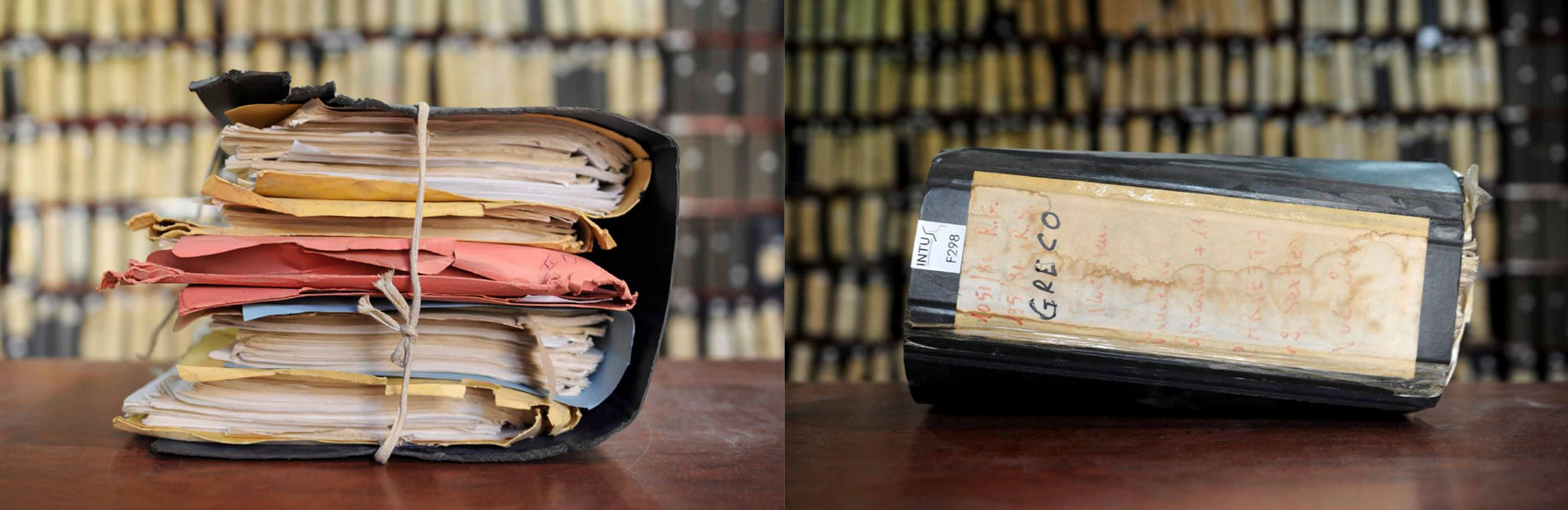
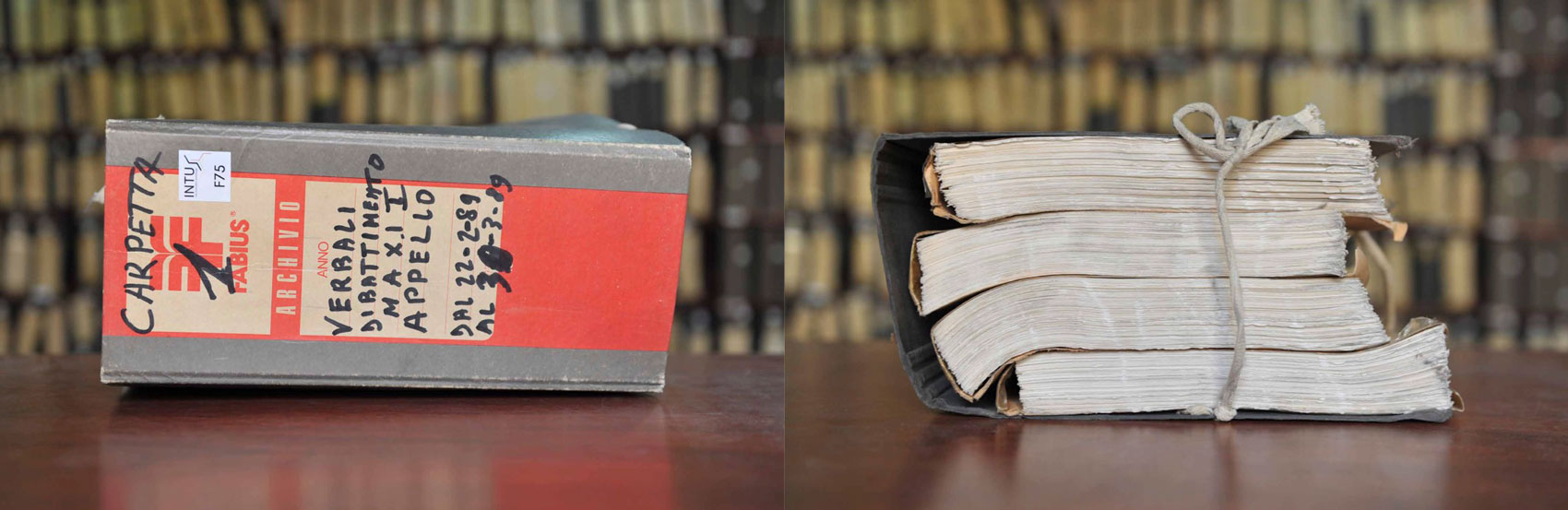
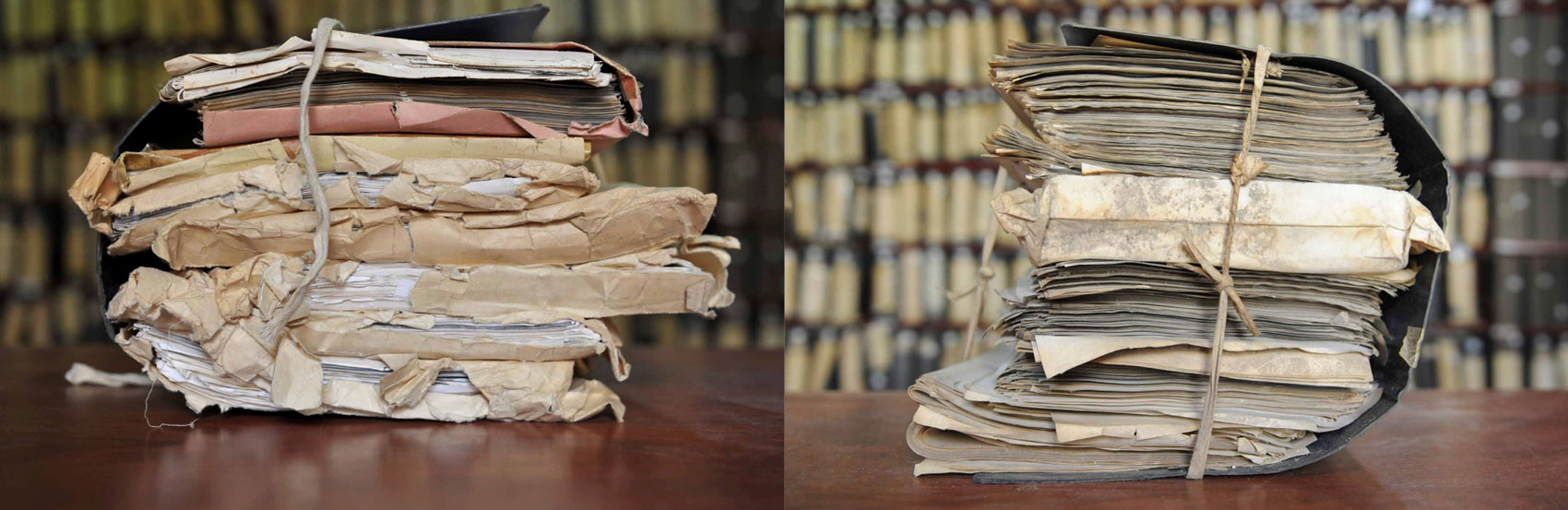
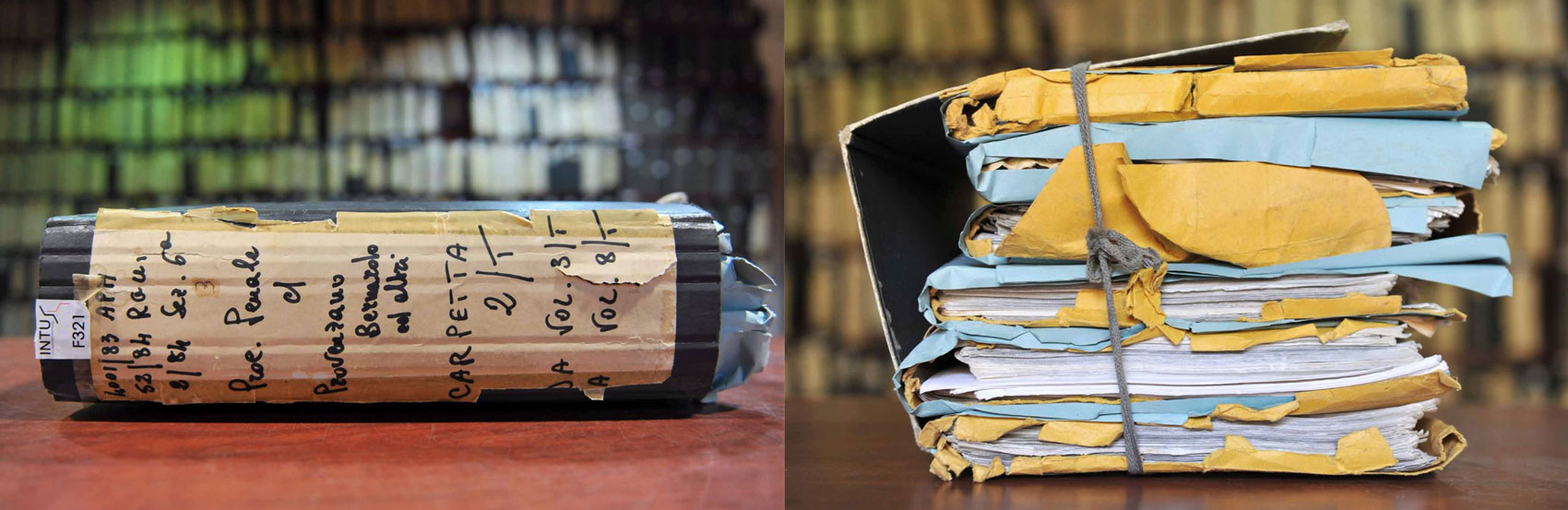
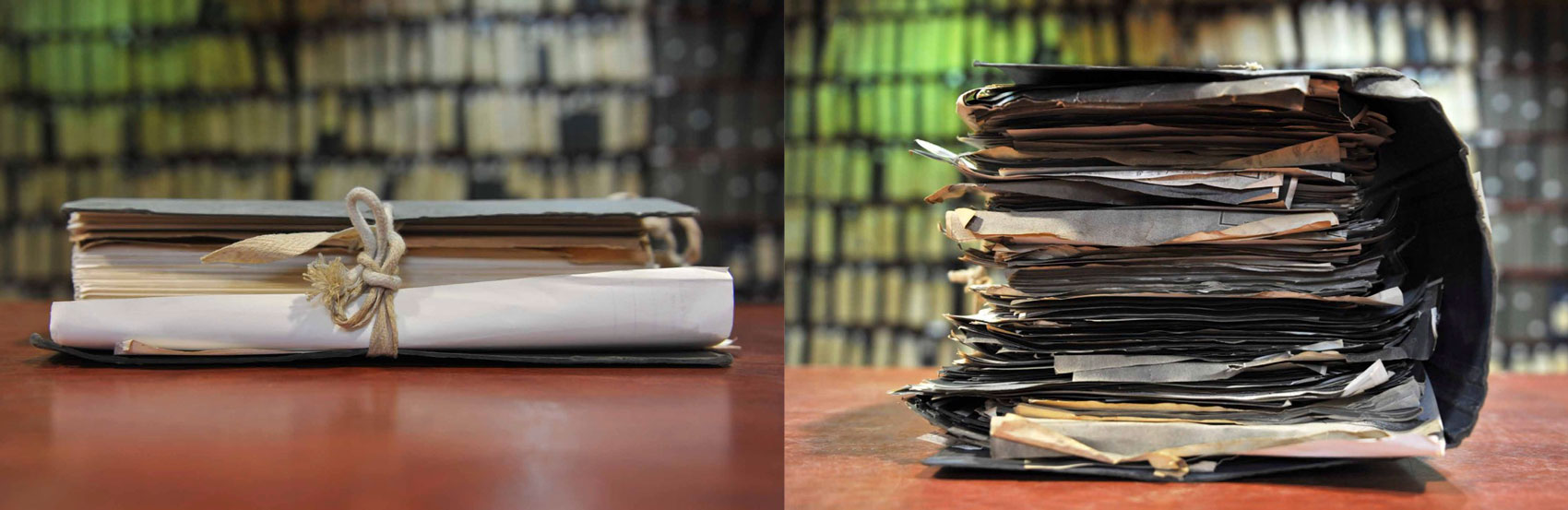
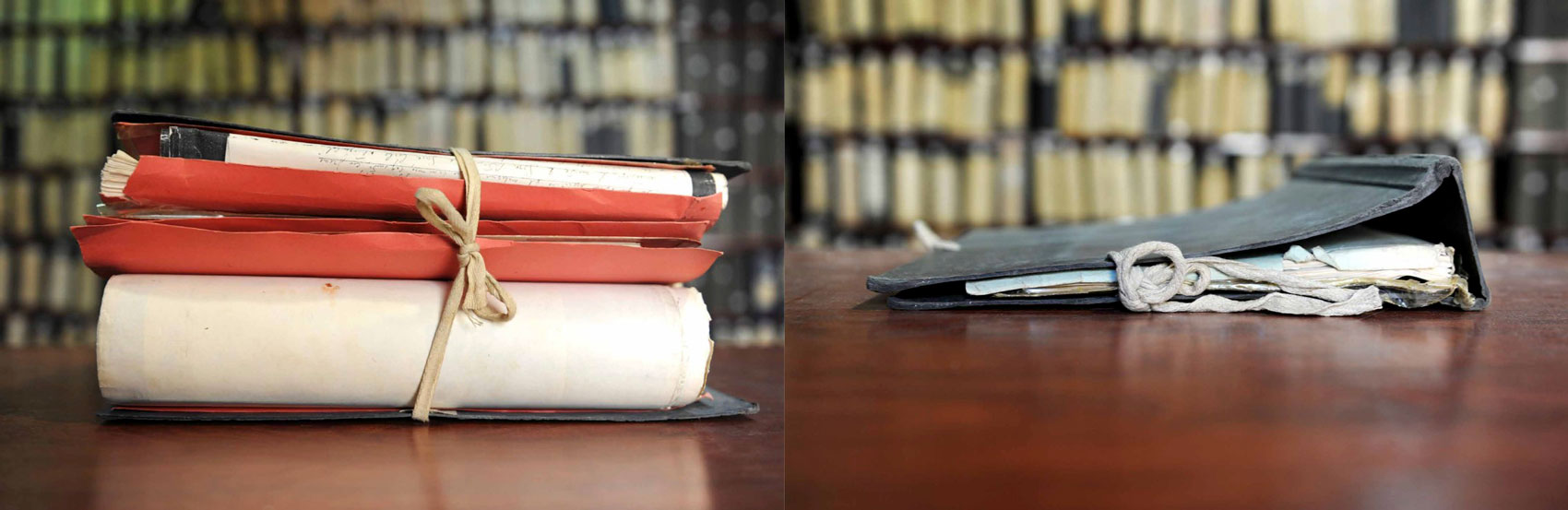
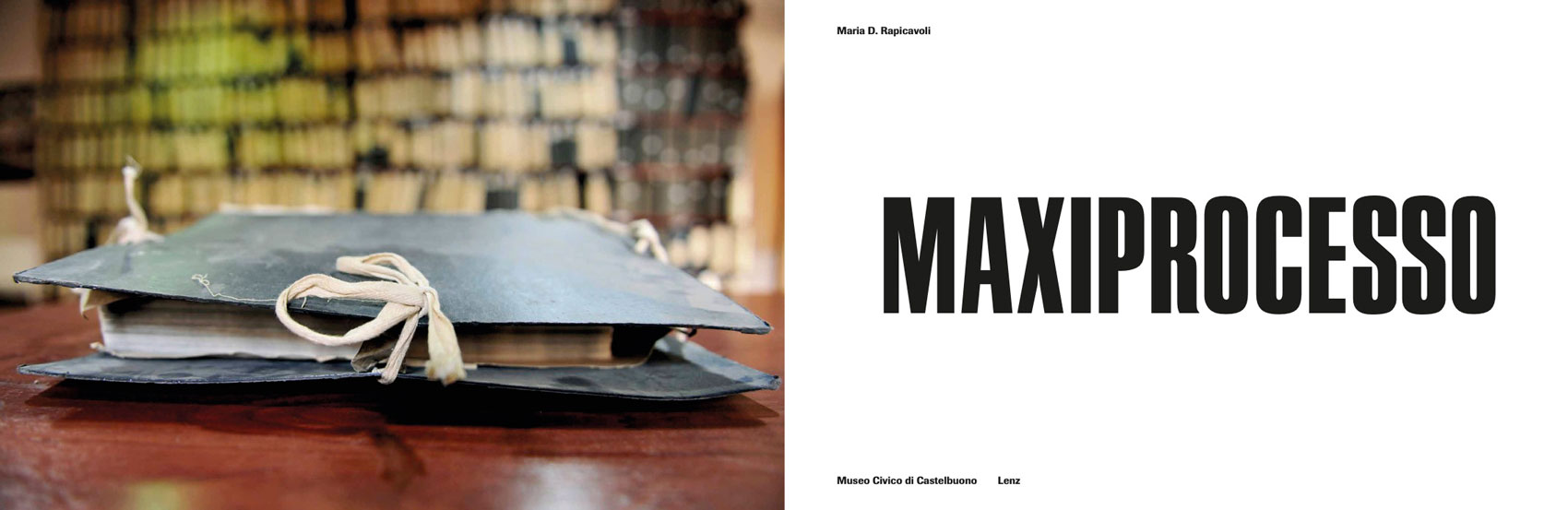
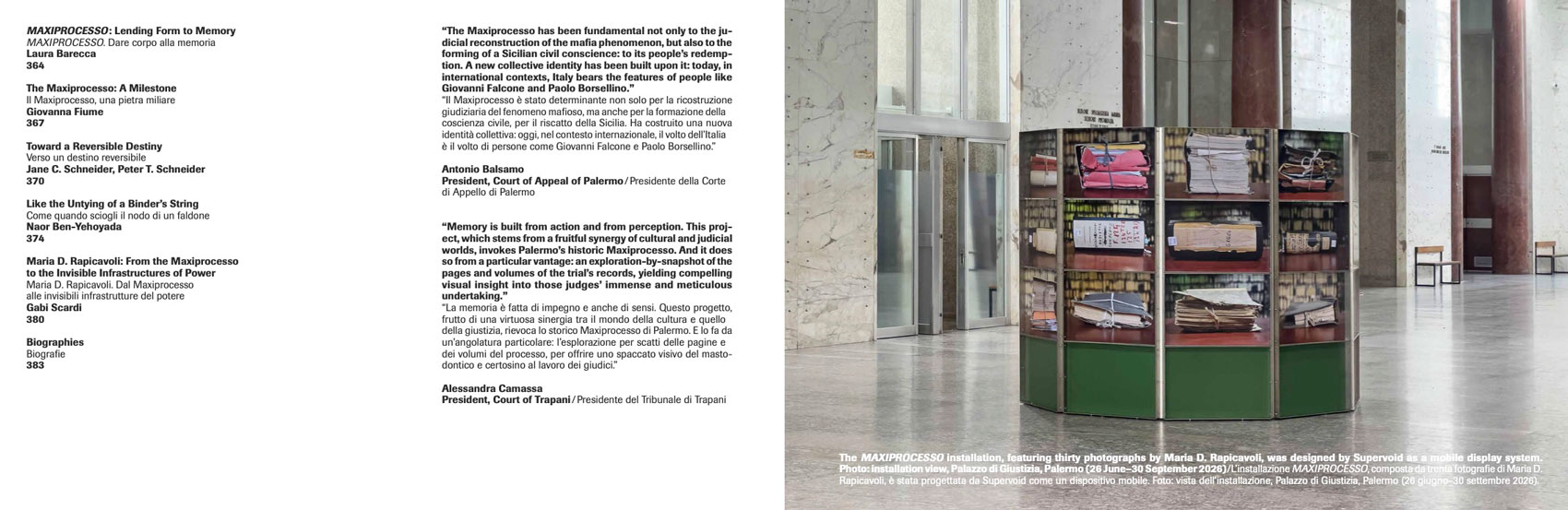
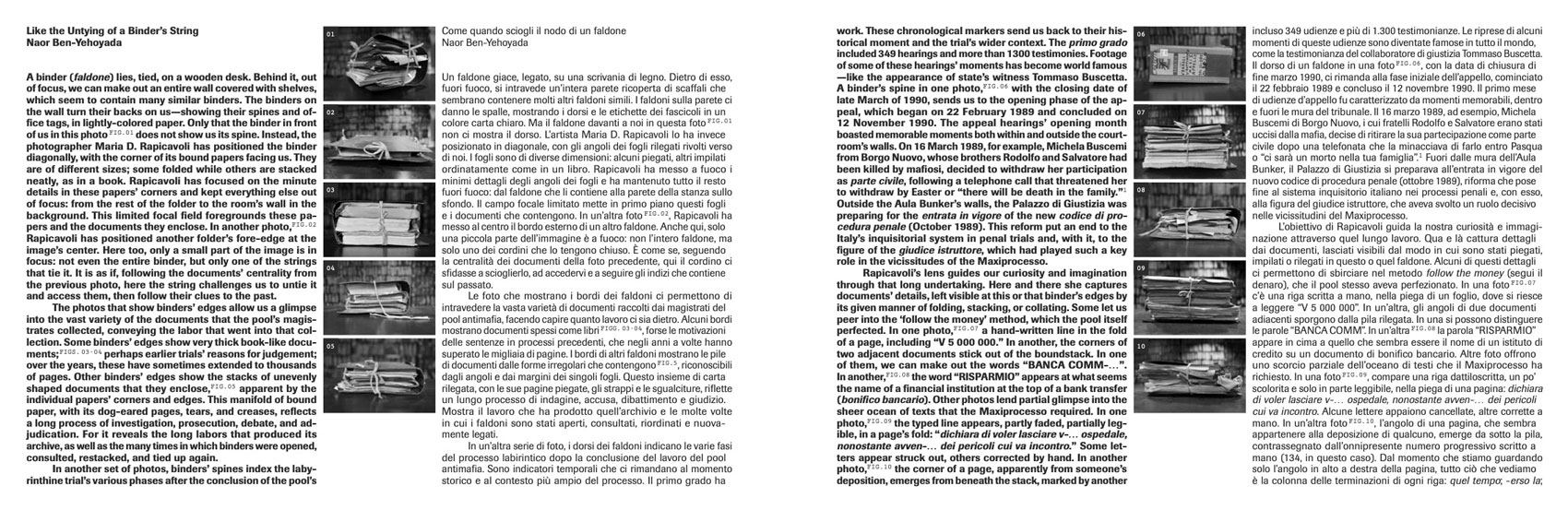
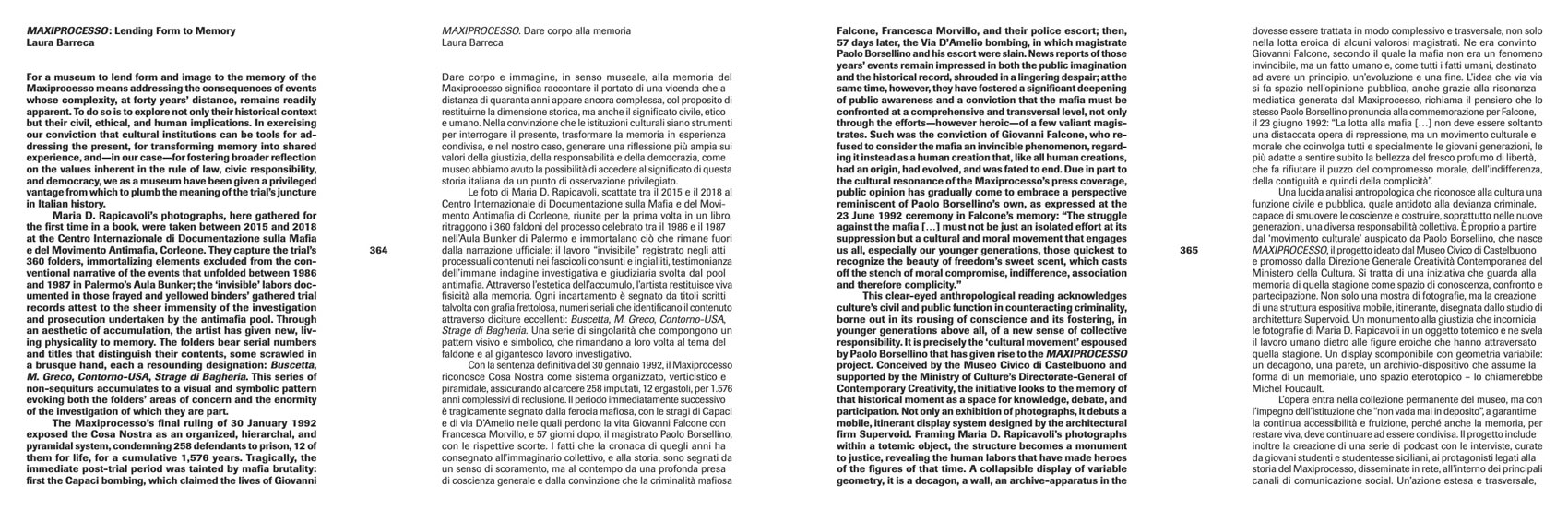
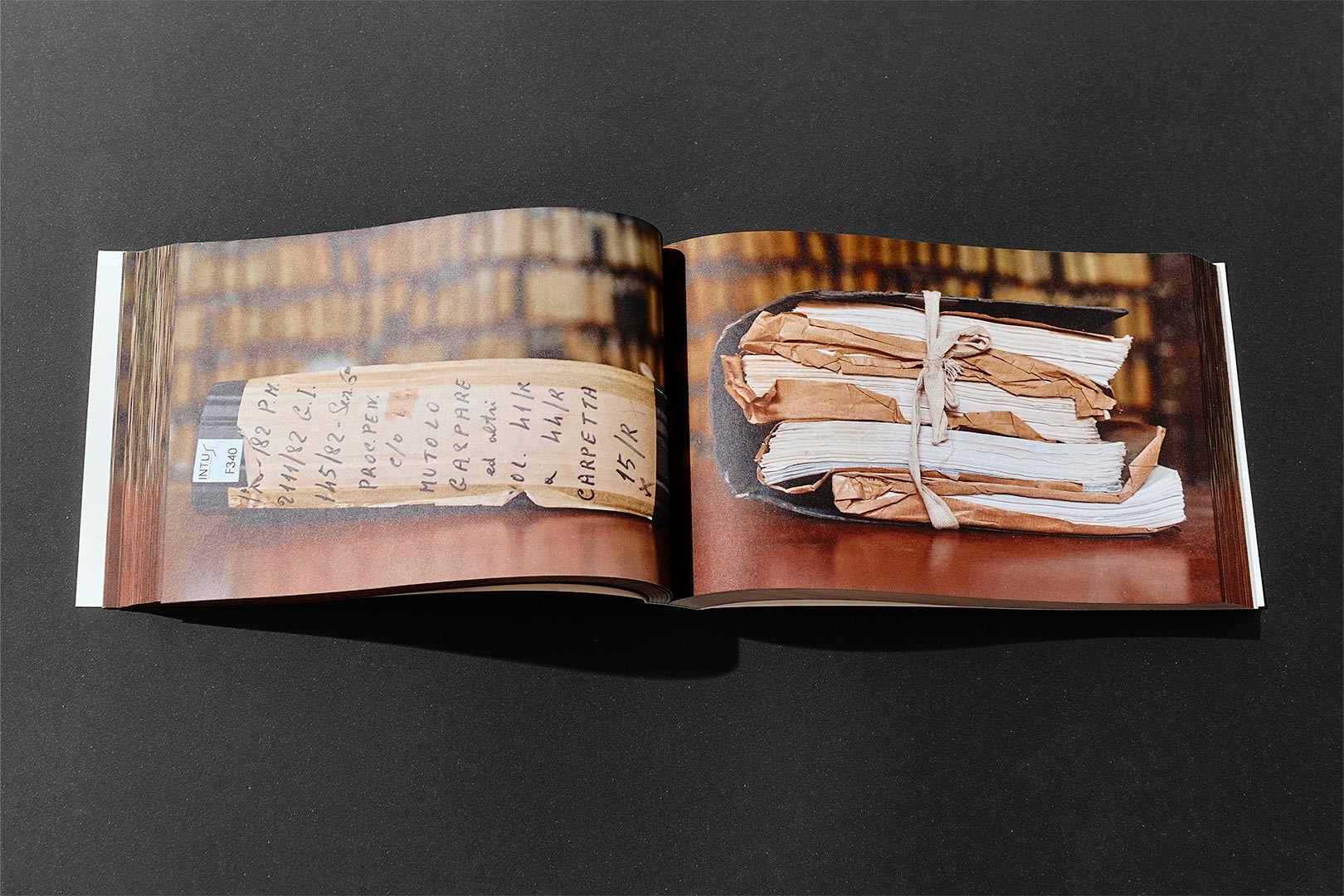
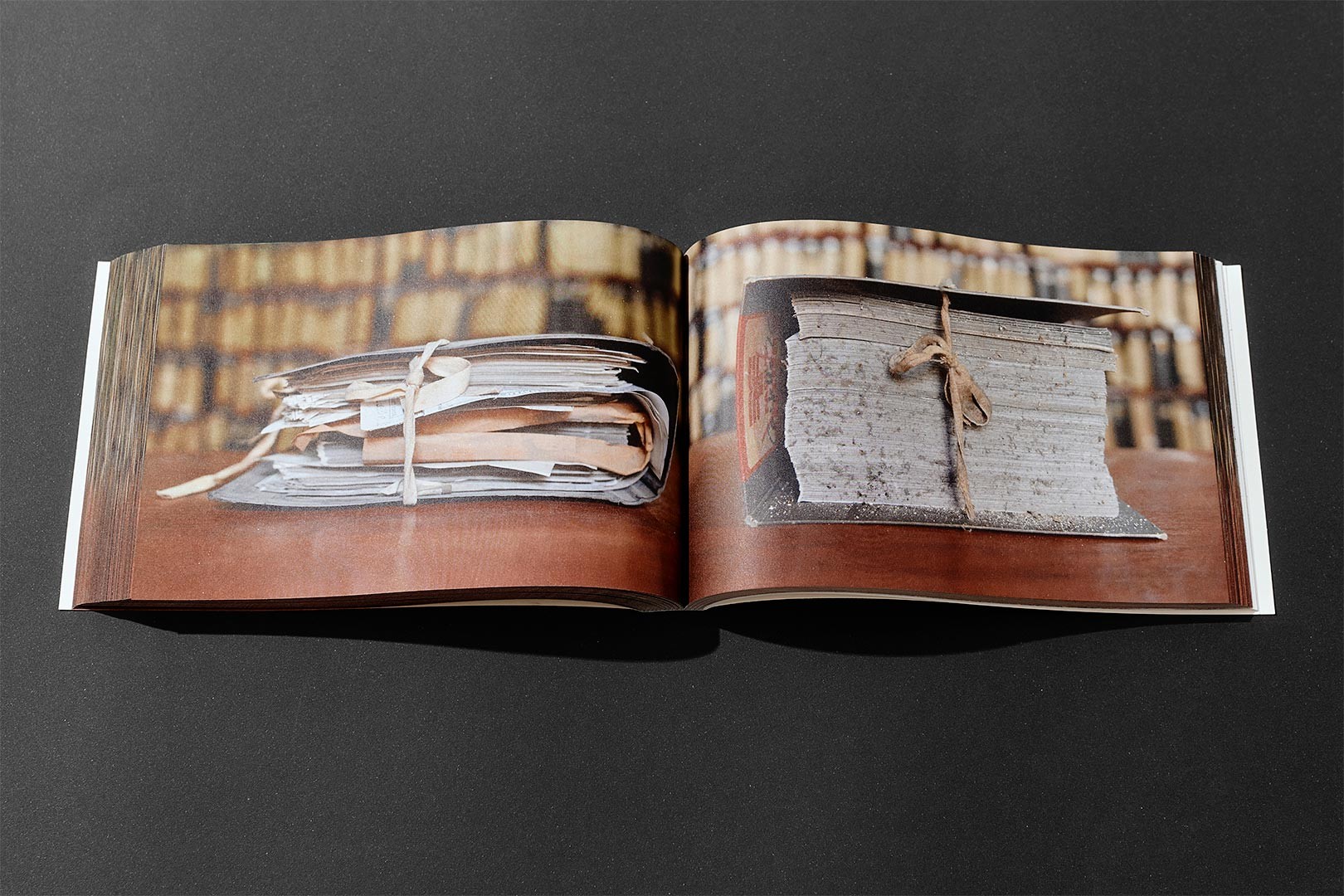
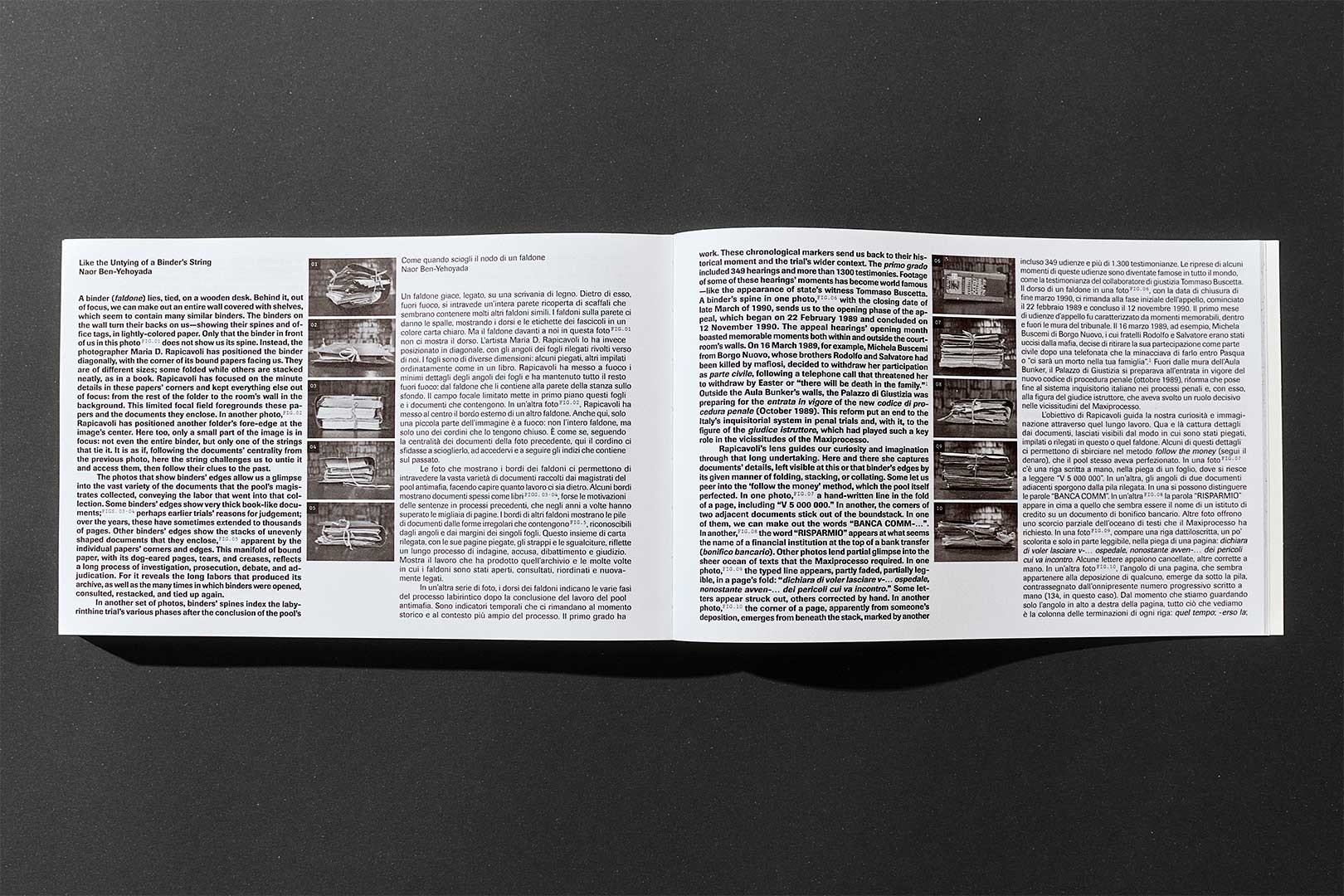
MAXIPROCESSO showcases the first-ever presentation of Maria D. Rapicavoli’s complete photographic series of the same name: 360 photographs, one for each of the archival folders that collectively document the largest mafia “Maxi Trial” in history, held in Palermo from 1986 to 1987. A selection from Rapicavoli’s series was exhibited at the Court of Palermo in 2026, housed in an installation designed by architecture firm Supervoid. The photographs convey the physical dimension of the exacting work underpinning the trial: reports, interrogations, wiretaps, depositions, and other documents charting Cosa Nostra’s activities. Together, they form the material footprint of the Palermo antimafia team’s vast investigation, which reconstructed and exposed the organization’s hierarchical structure for the first time.
In photographing the folders as a series, Rapicavoli moves beyond documentary representation. The images’ apparent repetition conveys the sheer volume of evidence produced by the investigation, making visible the scale of an archive whose contents usually remain inaccessible. By publishing the complete sequence, this volume communicates the materiality and magnitude of what is a crucial body of archival heritage. Thirty of Rapicavoli’s photographs have entered the permanent collection of the Museo Civico di Castelbuono, which has committed to ensuring their enduring accessibility and to fostering continued awareness and discussion of the historical legacy they represent.
The project also extends into the digital space through a series of podcast interviews pairing young Sicilian students with figures personally involved in the history of the Maxiprocesso. The initiative aims to encourage younger generations to interact more closely with this history and to develop a heightened sense of social responsibility. As Laura Barreca, Director of the Museo Civico di Castelbuono, observes: “As a public museum, today we reflect on the active role that cultural institutions can play in building a more aware, responsible, and engaged society. In Sicily, this duty assumes a still deeper meaning: here the memory of the Maxiprocesso will continue to be preserved, reinterpreted, and handed down to new generations, lending full expression to the power of contemporary art as as a tool for interpretation, dialogue, and dissemination.”
MAXIPROCESSO was staged by the Museo Civico di Castelbuono with the support of the 2025 Strategia Fotografia open call promoted by the Italian Ministry of Culture’s Directorate-General for Contemporary Creativity, and with the assistance of nctm e l’arte: A project by ADVANT Nctm. The project was developed with the support of Antonio Balsamo, President of the Court of Appeal of Palermo, and Alessandra Camassa, President of the Court of Trapani, and marks the fortieth anniversary of the start of the Maxiprocesso. Through photography and contemporary art, it reaffirms the trial’s landmark role in late-twentieth-century Italian history while exploring the connections between justice, cultural institutions, and social responsibility, and how this pivotal event can be interpreted and transmitted to new generations.