A Cosmic Movie Camera is the title of the 18th edition of the BIM’24, which also marks the 50th anniversary of the Biennale organized by the Centre d’Art Contemporain Genève. By blending the real and the virtual, its catalogue captures the spirit of the exhibition, which explores the evolution of moving images, particularly in our algorithmic age.
The book seeks to define the contours of the obsession with the teenage years; a fixation that has shaped a significant strand of contemporary art over the last ten years. Adolescence is here understood as a state of mind, a prolonged condition that dissolves the transition into adulthood and becomes a critique of an unstable world.
In this multi-voiced book, starting from the Orobie Alpine range, the mountainside becomes an epistemological lens through which to interpret contemporaneity and address issues such as multi-species migrations, our relationship with geological time and intergenerational inheritance, and the rethinking of collective memories and rituals.
For years now, the Die Vier von der Tankstelle (Four from the Gas Station) have been roaming across an area stretching out to the south of the Baltic Sea. They prowl their way through sparsely populated areas, wantonly terrorizing the inhabitants. The 2026 calendar by Jos de Gruyter and Harald Thys bears witness to their presence.
The first monograph dedicated to Lorenza Longhi, published with the Kunst Museum Winterthur, adopts a format associated with prototypes, manuals, or working documents. Its irregularities reflect Longhi’s ongoing examination of value, functionality, and the aesthetics of the everyday.
This publication is an extensive monograph devoted to the work of Carlos Bunga, published in conjunction with his eponymous show at CAM – Gulbenkian. In addition to a number of essays, which offer an in-depth look at his multifaceted practice, the book contains previously unpublished photos that reveal his working process.
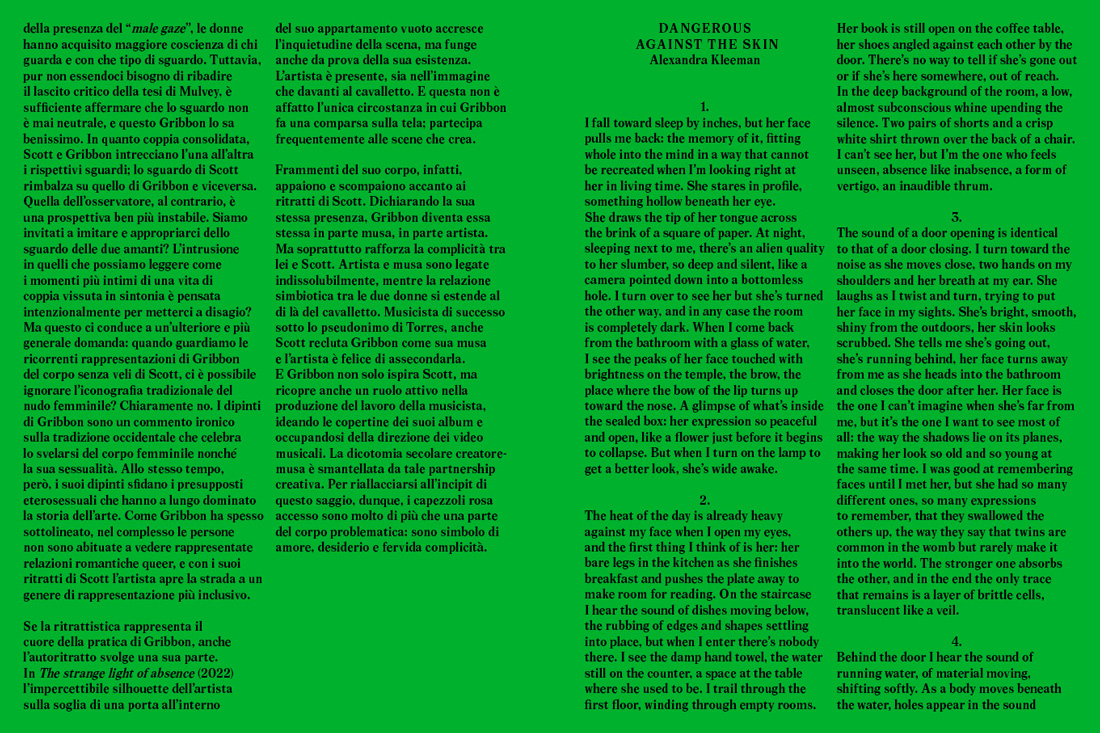
Texts by Flavia Frigeri and Alexandra Kleeman
Design by Lorenzo Mason Studio
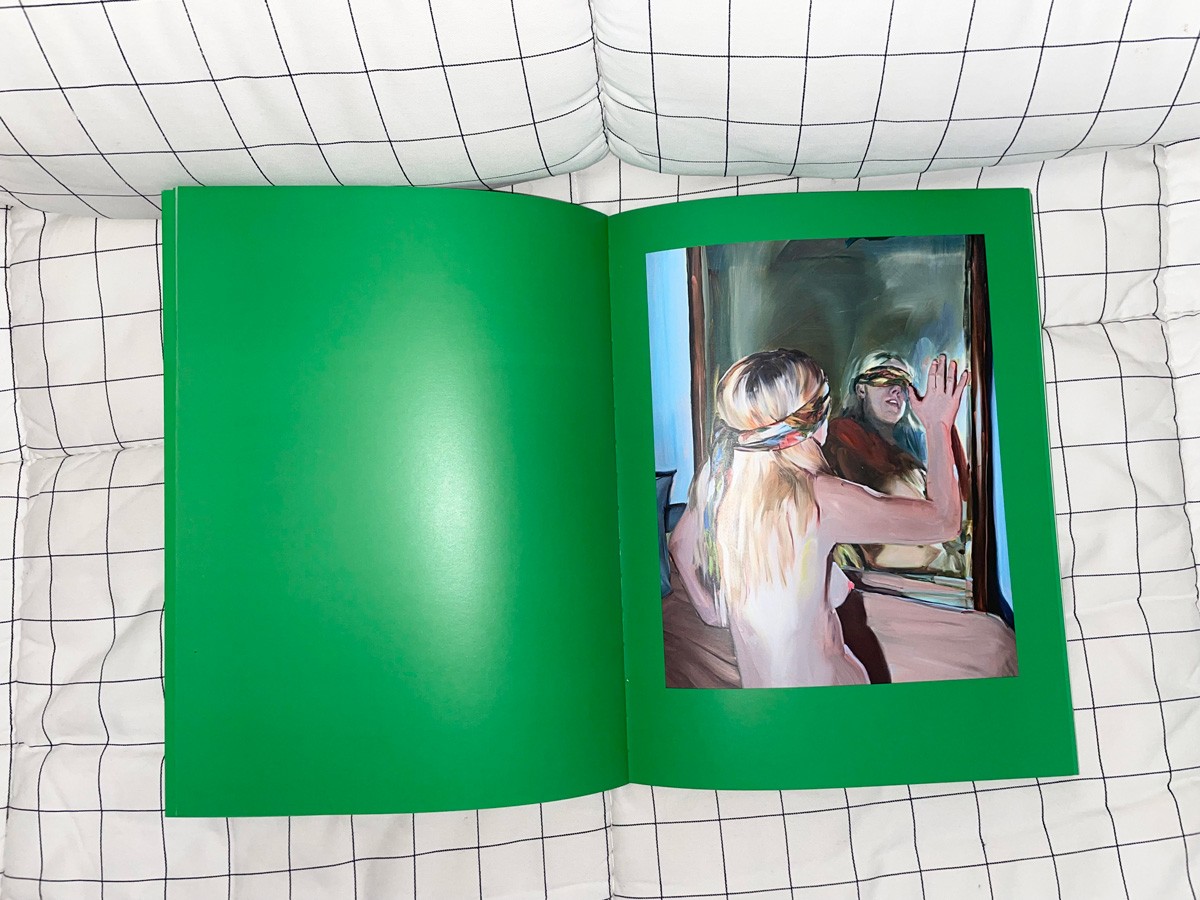
2022, English / Italian, softcover, 24 x 32 cm, 96 pages
ISBN 979-12-80579-37-9
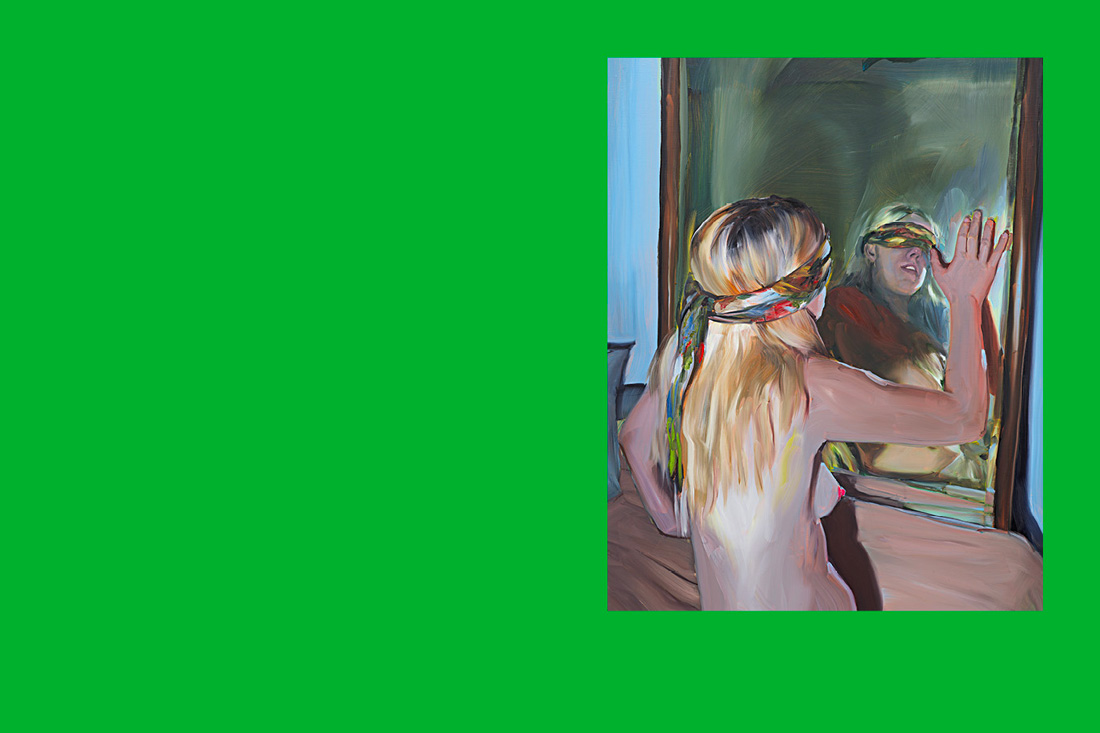
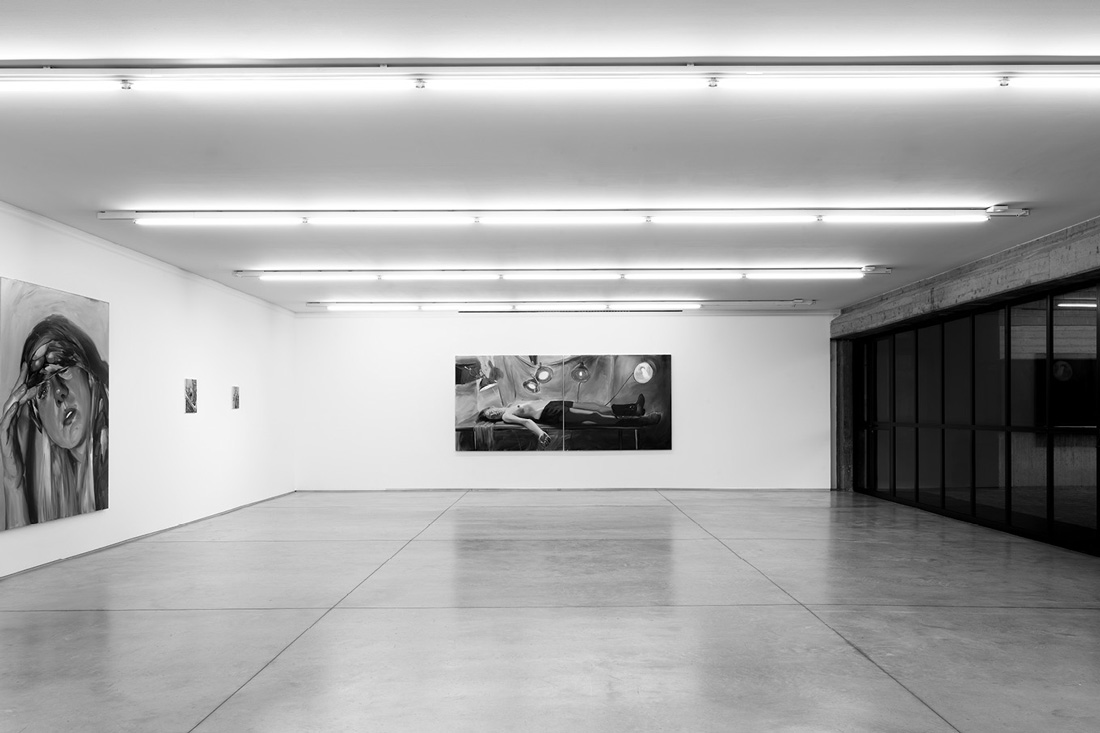
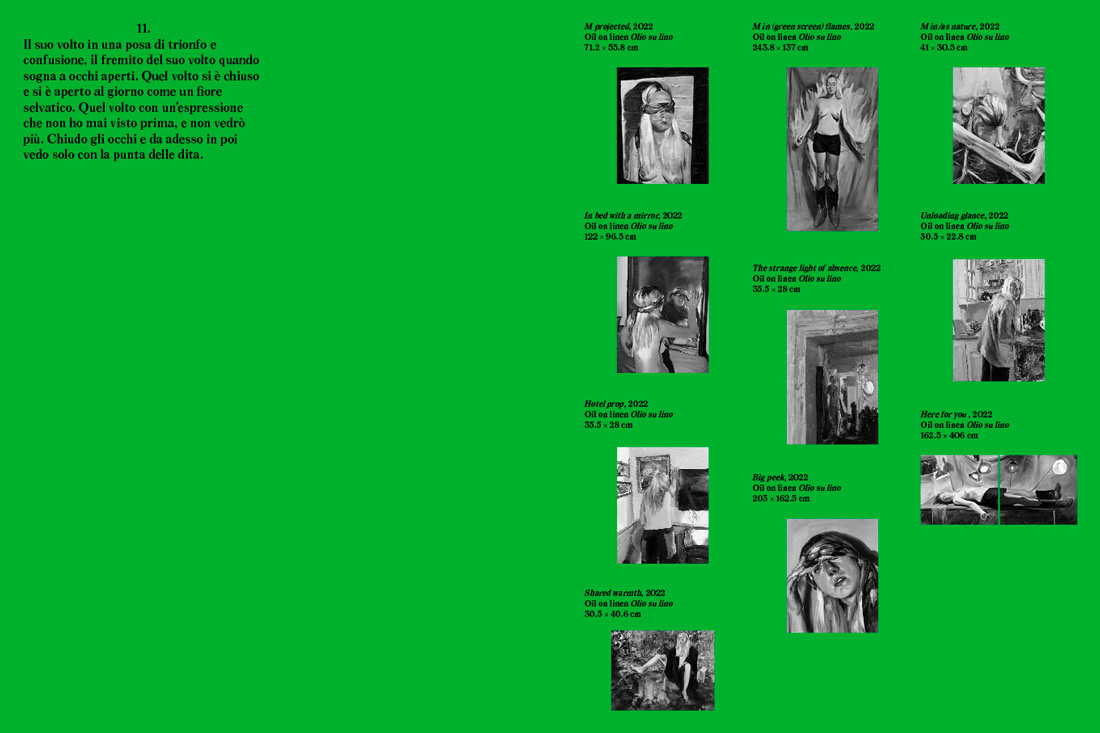
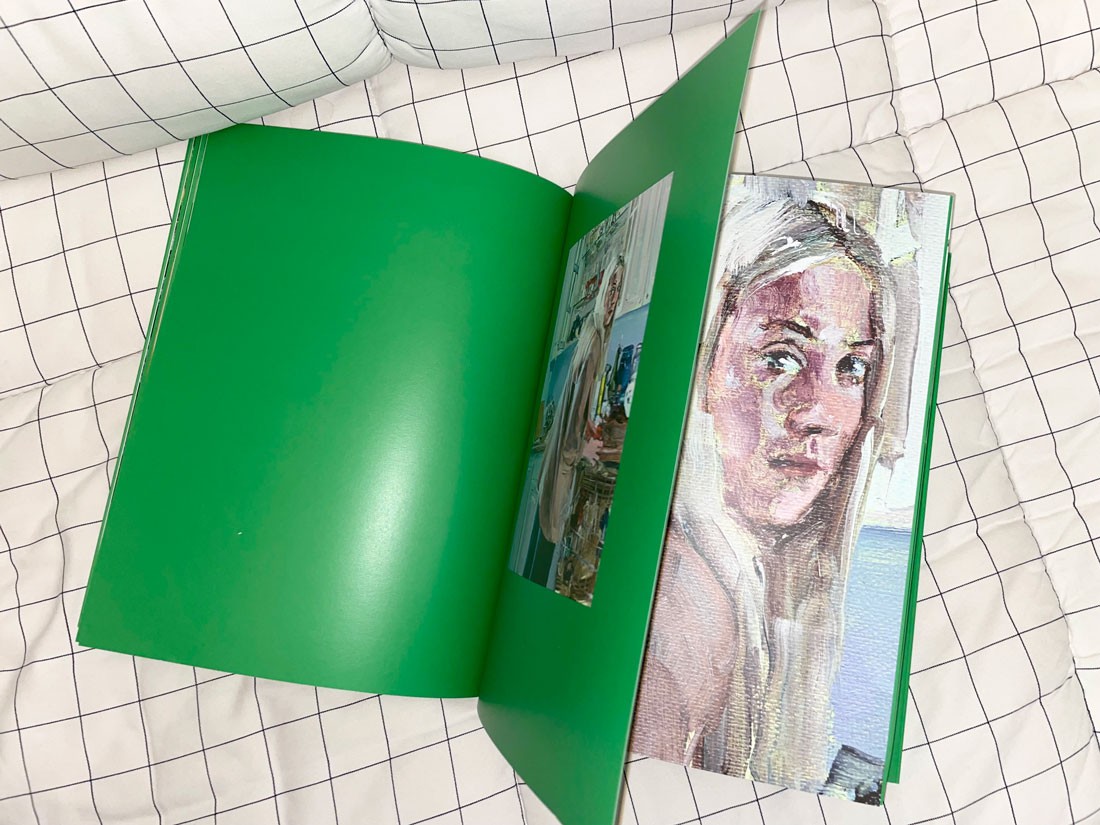
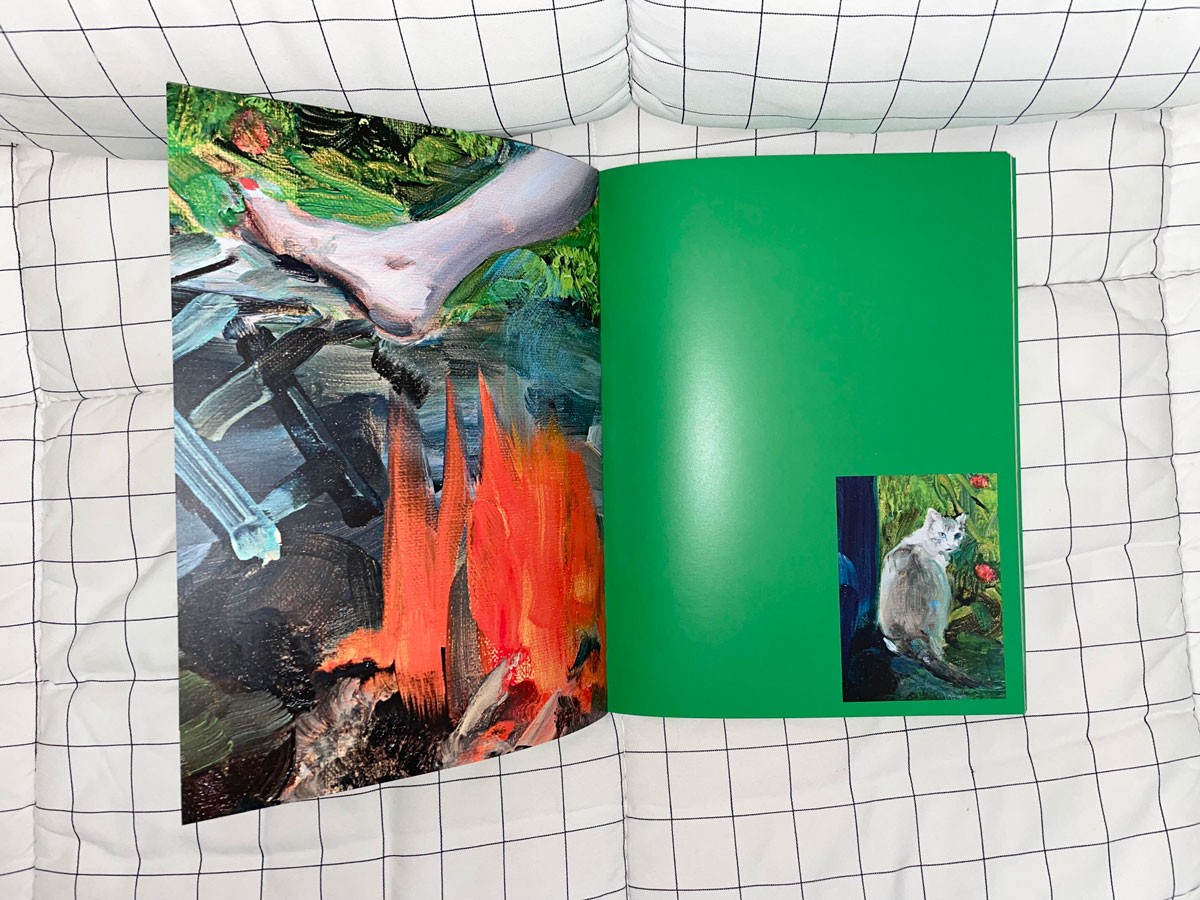
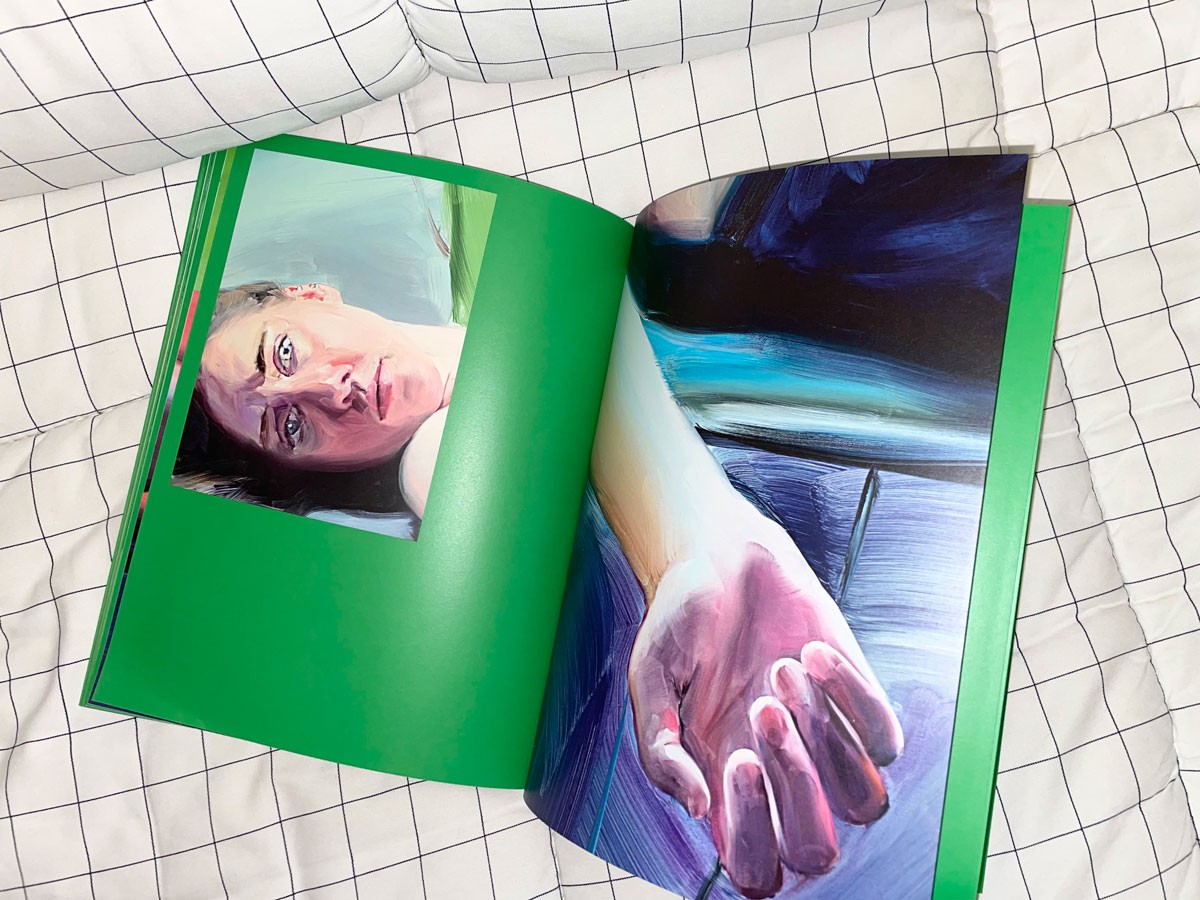
Published in conjunction with Mirages—the first solo show in Italy by American artist Jenna Gribbon, who has conceived it specifically for the Collezione Maramotti’s Pattern Room—the book showcases a wealth of images and essays by art historian and curator Flavia Frigeri and by writer Alexandra Kleeman.
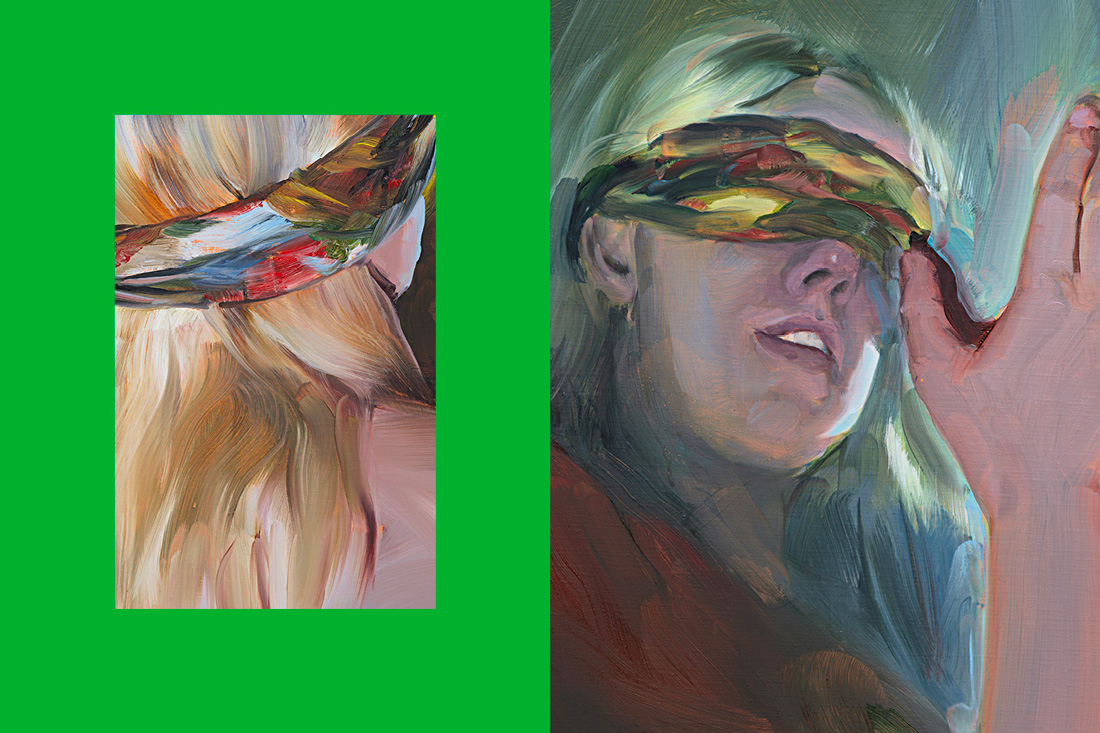
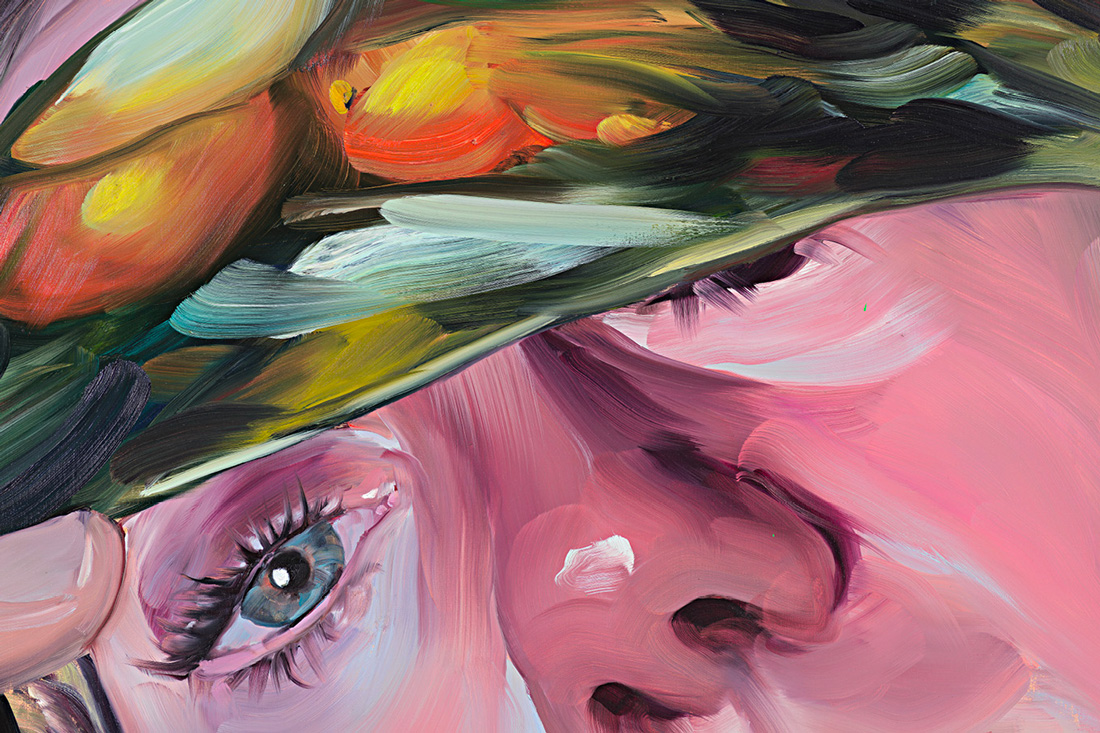
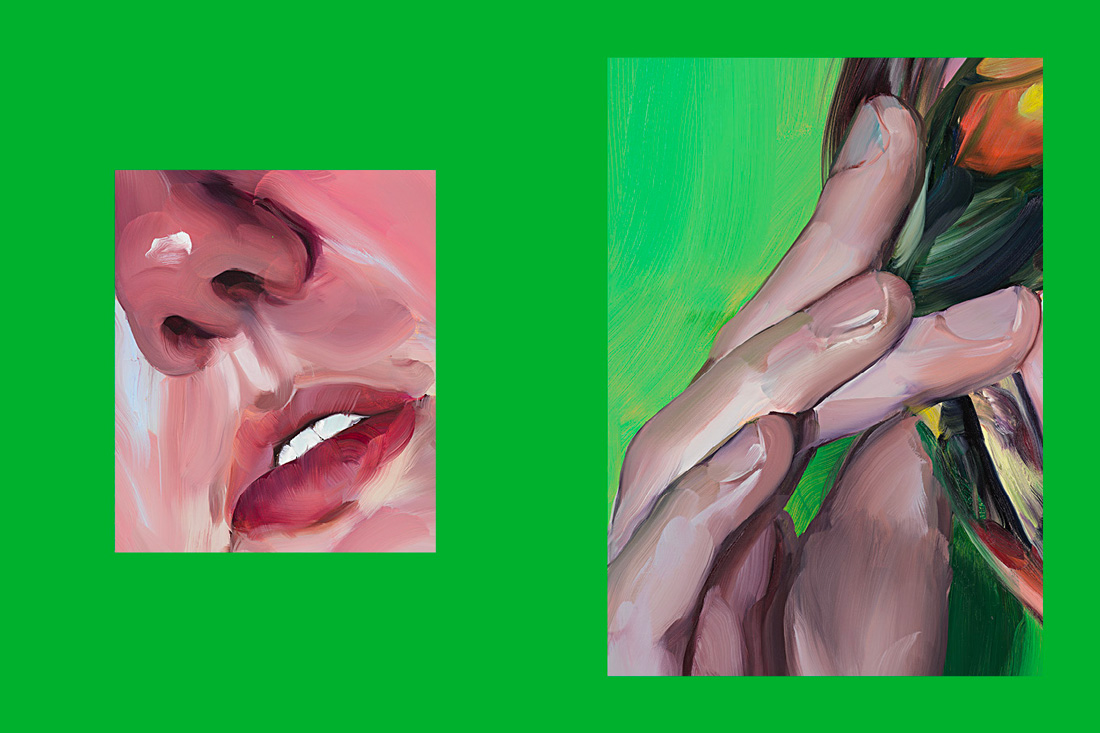
Gribbon often depicts the people closest to her: her friends, her son, her partner, her fellow artists. Her paintings capture the intricacies and dynamics within these relationships while addressing the implications surrounding seeing and being seen. The central subject of the works in the exhibition is the artist’s partner, musician Mackenzie Scott (aka TORRES). Gribbon’s protagonist is portrayed in vivid colours and fluid, sensual brushstrokes that make the surroundings almost merge with her body—a body that is reflected, moulded, perused, made larger than life—experimenting with scale and compositions that are entirely new for the artist.
While in the larger paintings the visual energy of these images radiates from a distance—their forms becoming almost abstract as one approaches the surface of the canvas—the smaller works demand proximity, a personal movement towards and into the work in order to grasp its details and narrative.
As unique portrayals of a female universe where beauty and pleasure are political tools for demolishing patriarchal and heterosexual structures, her works engage viewers as active participants in complex relationships of the gaze.