A richly illustrated publication accompanying the experimental noise project as durational solo performance by Marco Fusinato for the Australia Pavilion at the 59th International Art Exhibition La Biennale di Venezia.
This catalogue explores some of the pivotal themes of the artist’s research, from her interest in crossing and redefining the border between interior and exterior to the relationship between the aesthetic object and its institutional context.
Published in conjunction with a solo exhibition at Kunst Museum Winterthur, this book provides the first overview of Altmann’s work to date, characterized by a strongly socio-critical consciousness, and reveals the artist’s influences and inspirations.
The first monograph dedicated to Paloma Bosquê addresses the Brazilian artist’s ways of understanding and giving shape to that matter which can be perceived, but not rationalized.
The first book on London based artist Gili Tal, whose practice identifies how the digital has long become a reality that has subjected our habits of perception to a radical change.
Through comprehensive and interdisciplinary readings of landscape, cinema, architecture, and visual culture, this first monograph builds on the storytelling dimensions that have always informed the photographic oeuvre of the Syrian artist.
Edited by Alessandro Rabottini
Texts by Martin Germann, Matilde Guidelli-Guidi, Luca Monterastelli, and Alessandro Rabottini
Design Lorenzo Mason Studio
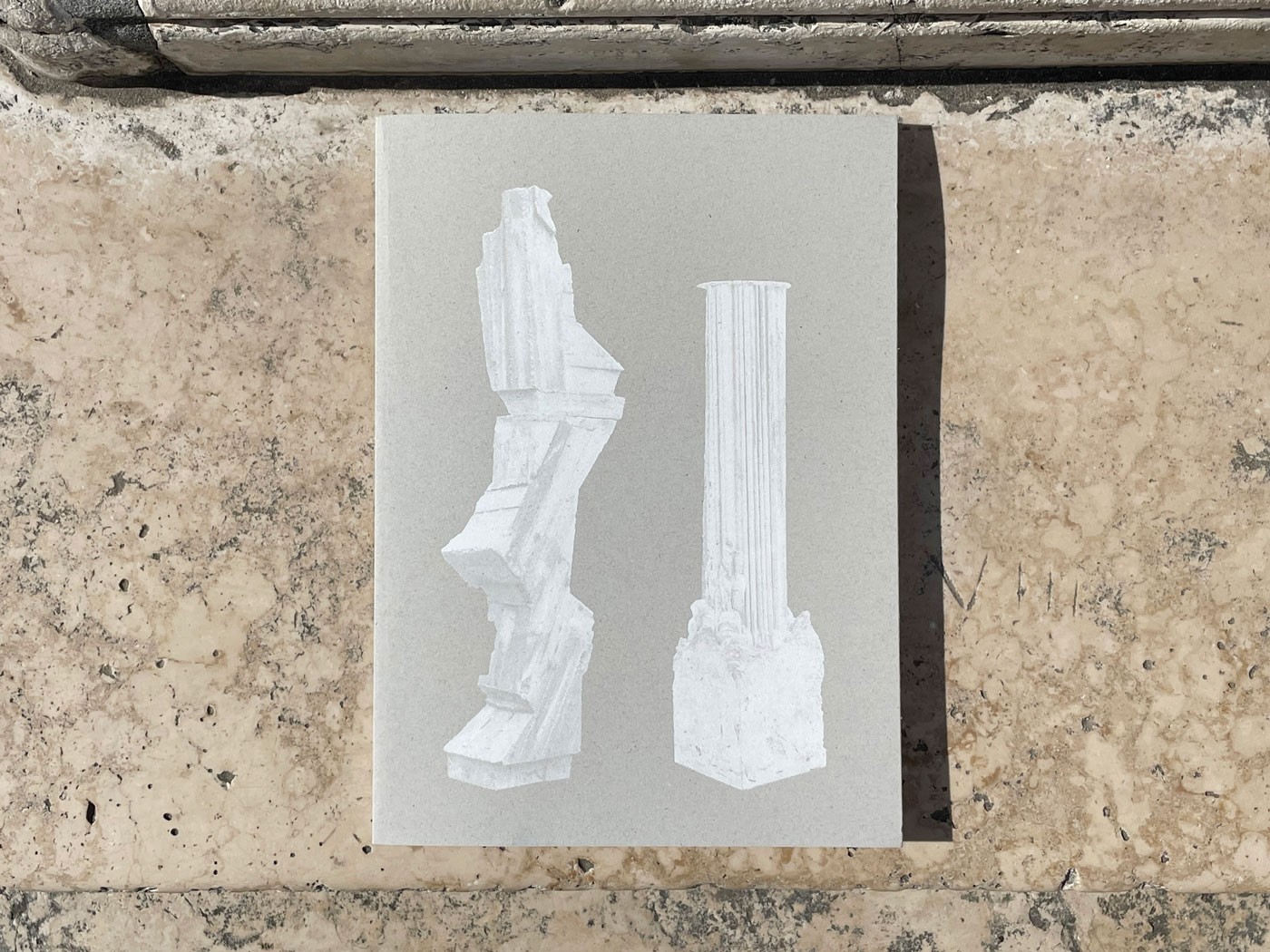
2023, English / Italian, softcover, 20 x 28 cm, 128 pages
ISBN 979-12-80579-33-1
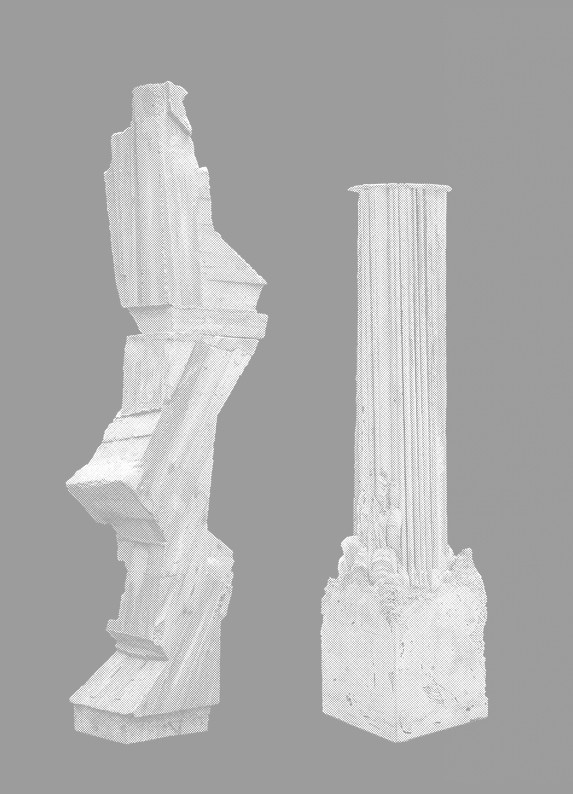
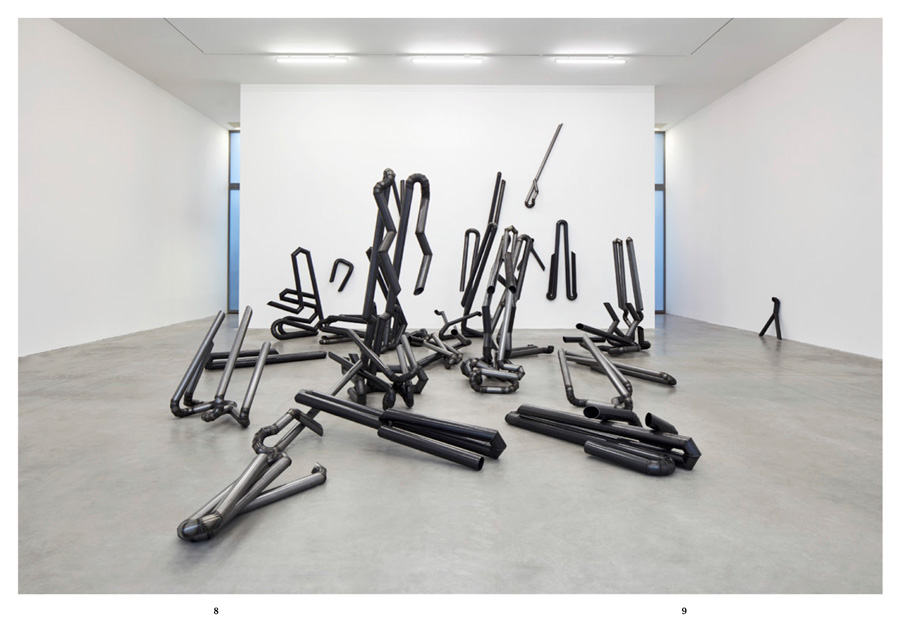
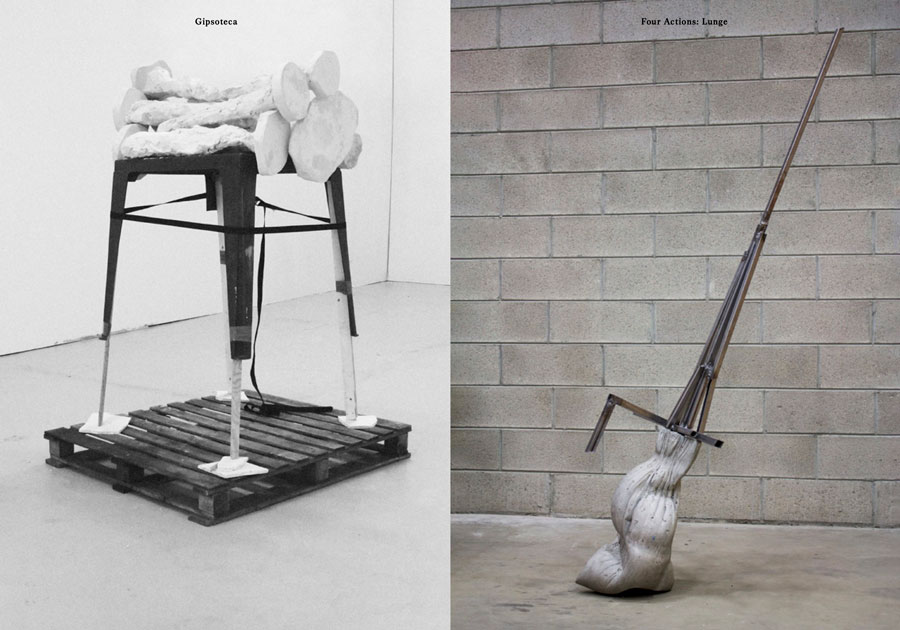
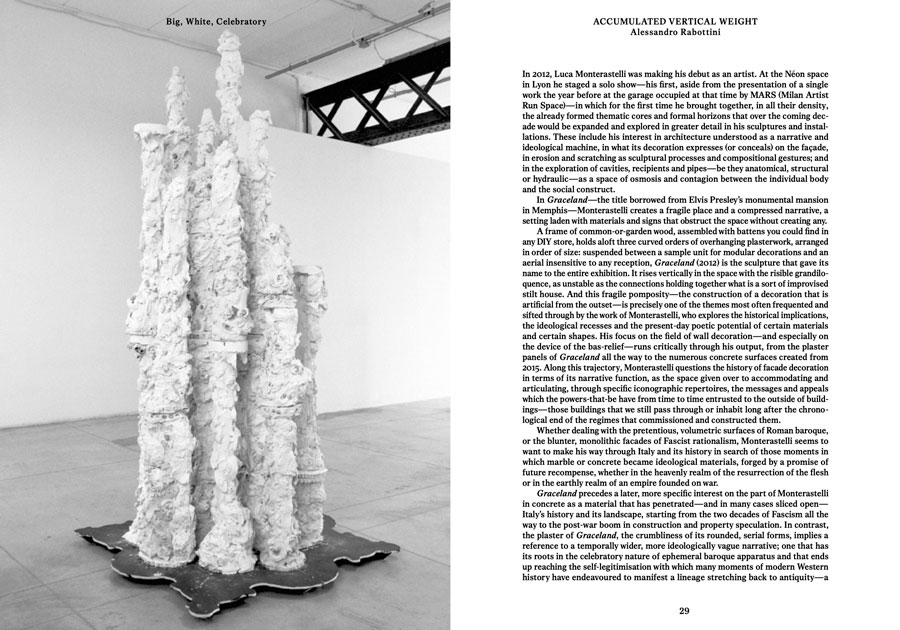
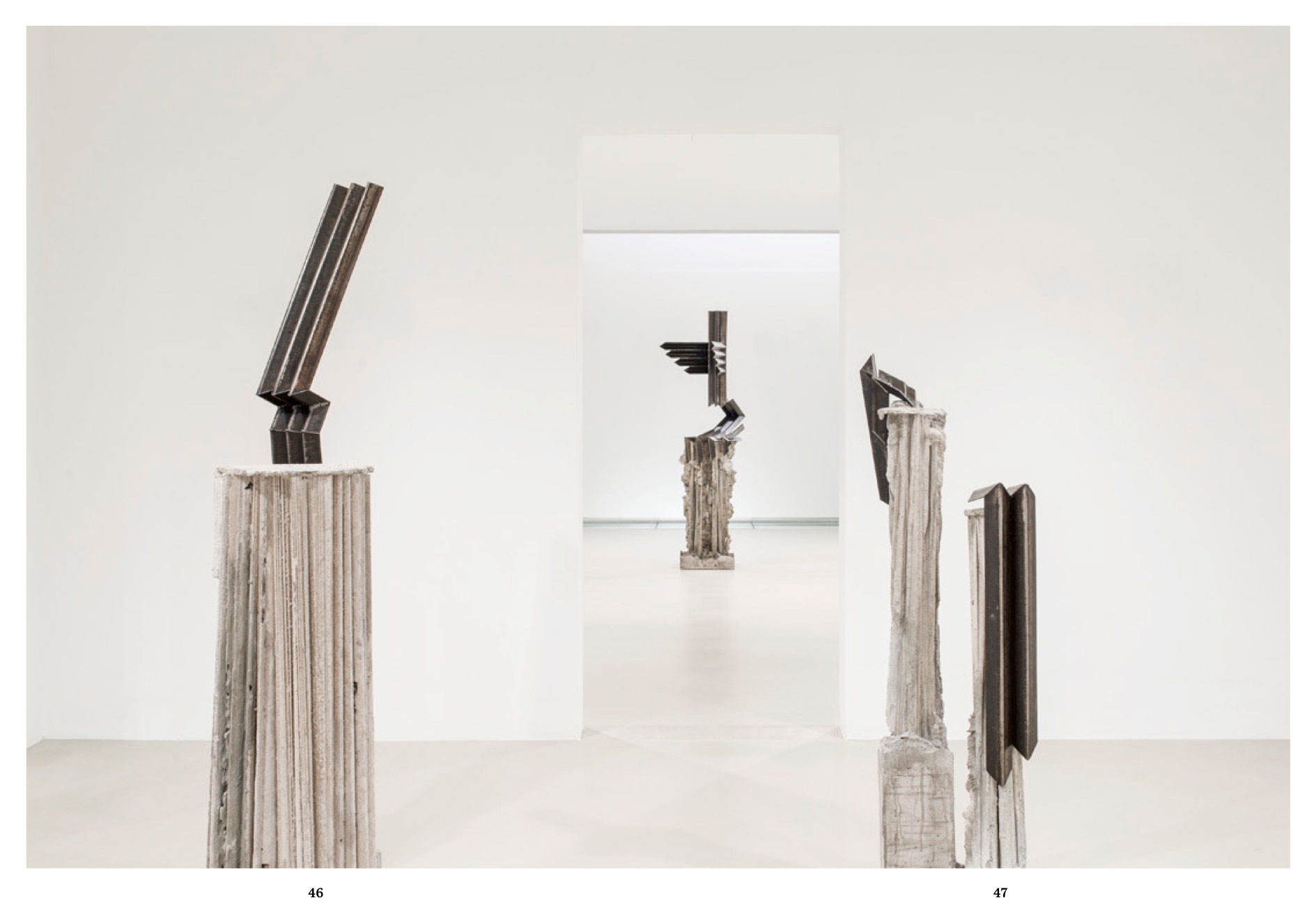
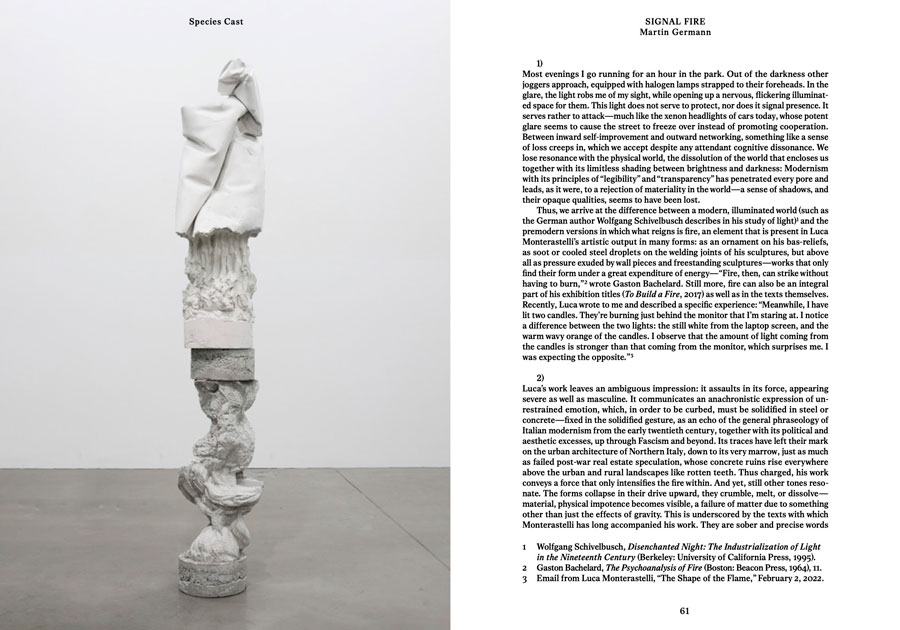
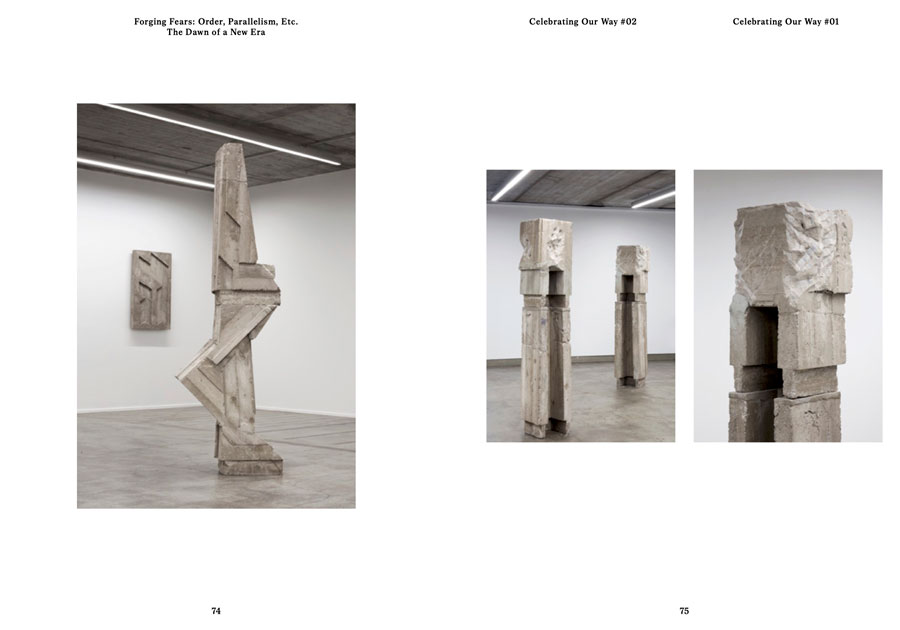
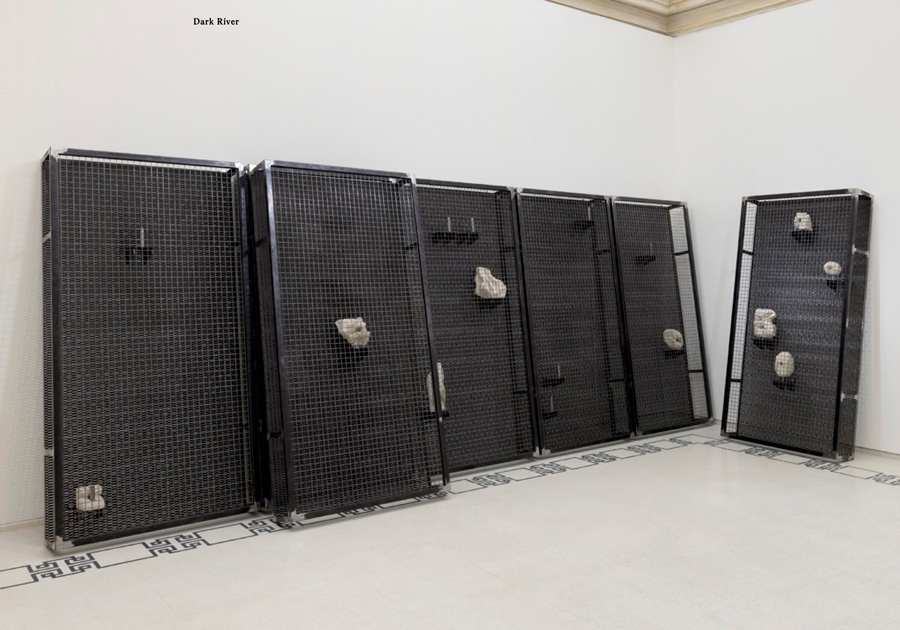
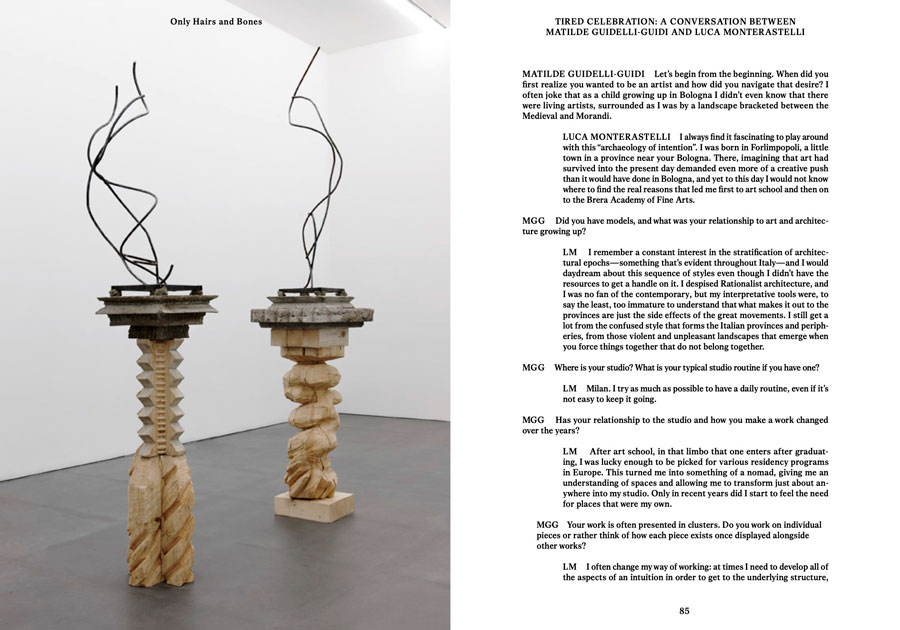
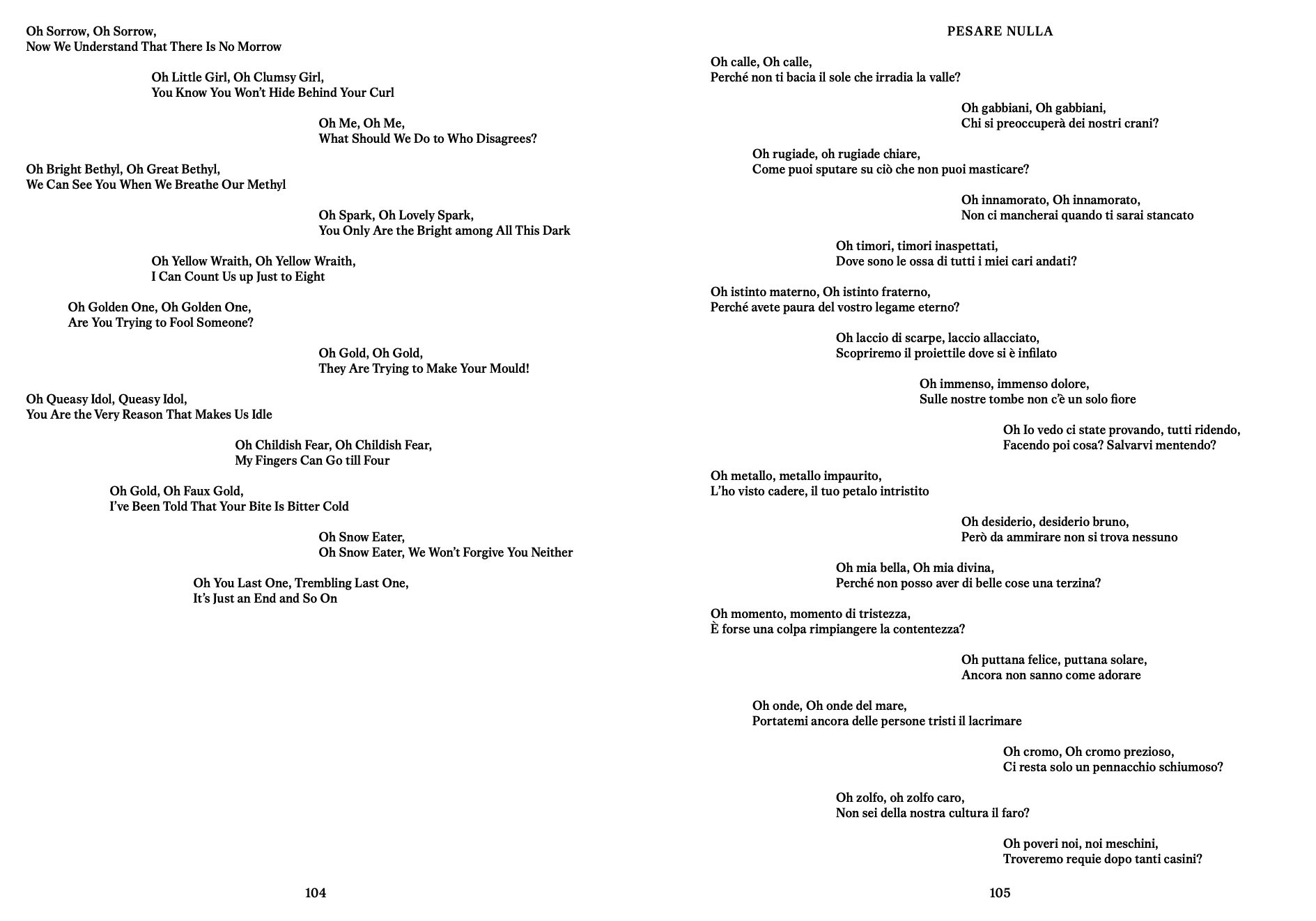
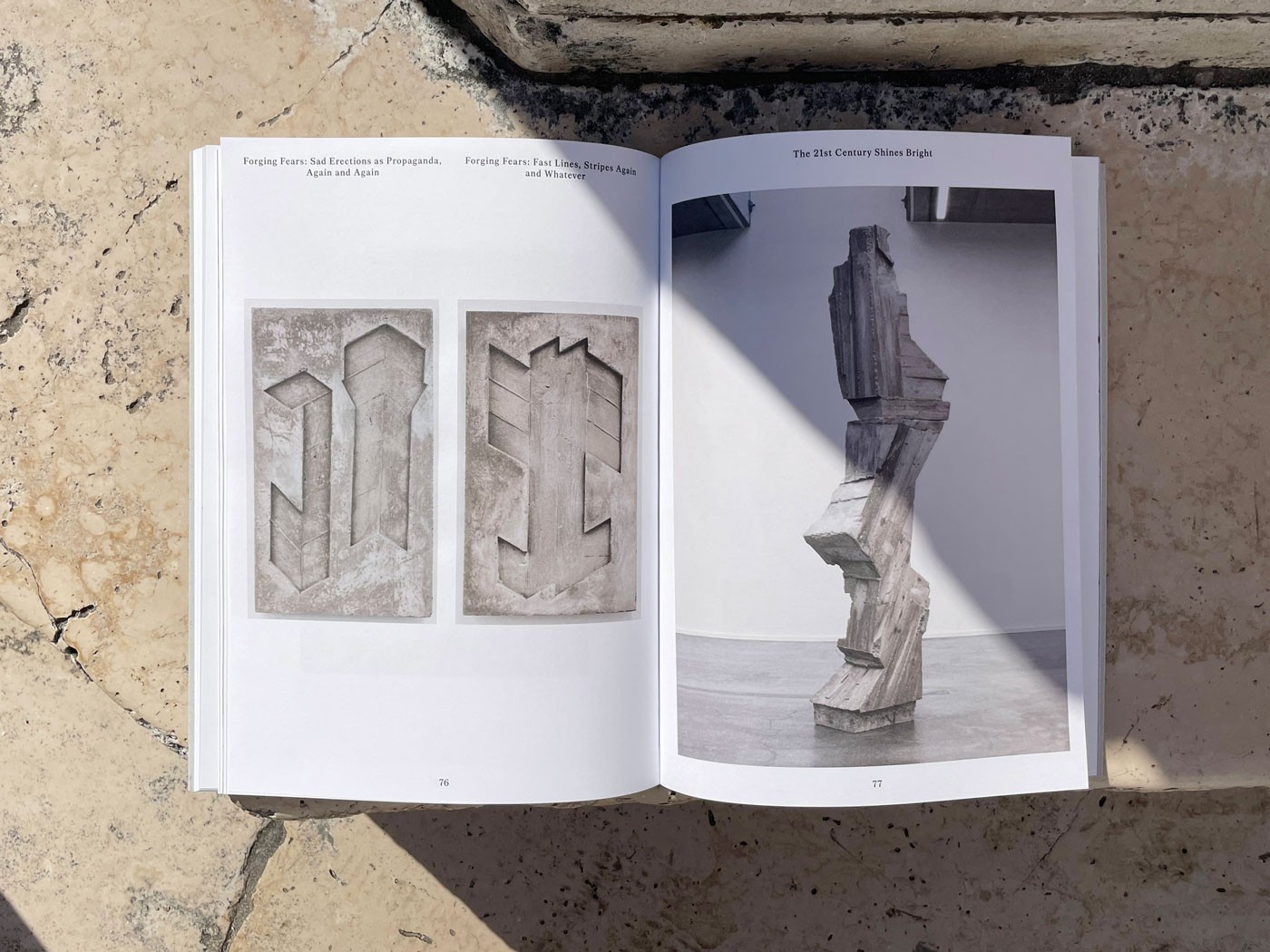
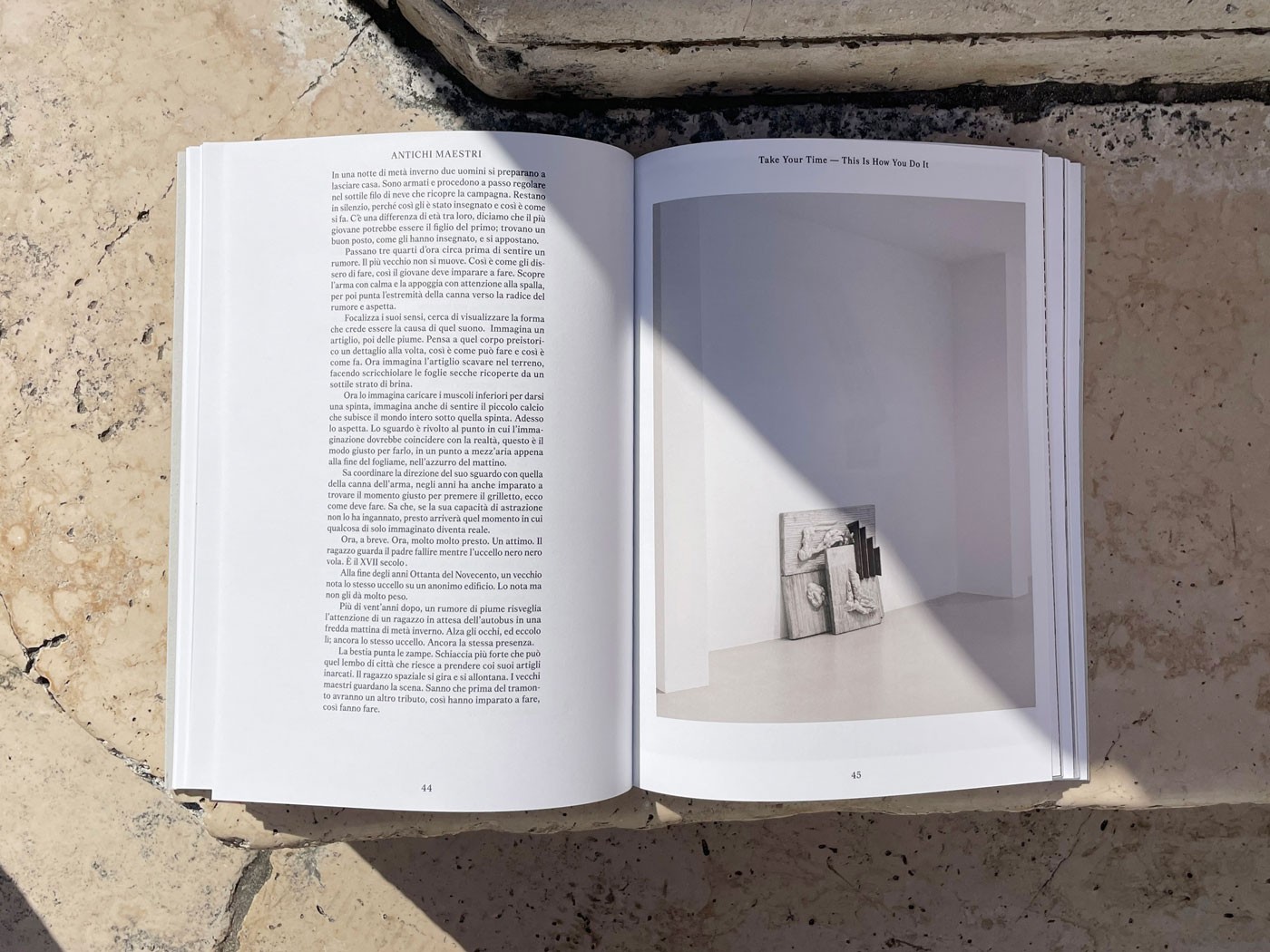
Pardon Façade documents the artistic output of Luca Monterastelli, showcasing almost all of the sculptures and installations that he produced between 2011 and 2022. With four chapters corresponding to four solo shows that he staged in Milan, Otegem, Antwerp and Naples, the architecture of the book is structured around the photographic documentation of these exhibitions, each introduced with a text written by the artist for the occasion. The centrality of Monterastelli’s writing to the book reflects his way of conceiving the medium of the personal exhibition as a specific narrative context, as a story that takes place between and with the works. This impulse of his towards a metaphorical and imaginary narrative is echoed by the eloquence of the titles of the works, which accompany the images in a story told across the pages.
Amid these four main groupings, we find images of individual works, some conceived for group shows, together with an essay by Martin Germann, a conversation between Matilde Guidelli-Guidi and the artist, and an introduction essay to Monterastelli’s oeuvre by Alessandro Rabottini.