The essays in this first-ever monograph dedicated to Swiss artist Jan Vorisek, alongside image portfolios of the exhibitions they explore and an appendix that features photos and documentation of Vorisek’s performances, recordings and ephemera, grant us unprecedented access to the private fictions that the work reveals.
Since the 1990s Costa has been challenging hierarchies of art production and the fetishization of the “finished” artwork, inviting viewers to reconsider what is discarded, both materially and socially. Through over 300 artworks, accompanied by new writing, this catalogue explores Adriano Costa’s work, a meditation on transformation—of objects, meanings, and systems of value.
This richly illustrated book considers the dazzling oeuvre of choreographer and dancer Marlene Monteiro Freitas. In line with her creative methodology, Alexandra Balona unfolds an “atlas of affects” through five emblematic dance pieces that reveal the intensity, humor, and humanity of one of today’s most radical choreographic voices.
Invited to present an exhibition at the Galleria Borghese in Rome, Kenyan-American artist Wangechi Mutu has developed an innovative approach to museum space, challenging hierarchy, permanence, and fixed meanings. With in-depth essays and a rich selection of illustrations, this catalog retraces that exhibition and explores the themes and concerns that have long characterized the artist’s practice.
Invitata a concepire una mostra alla Galleria Borghese, l’artista keniota-americana Wangechi Mutu ha sviluppato un approccio innovativo allo spazio museale, confrontandosi con le gerarchie, la permanenze e le sedimentazioni del contesto. Attraverso saggi approfonditi e una ricca selezione di illustrazioni, questo catalogo ripercorre la mostra ed esplora i temi e le preoccupazioni che da tempo caratterizzano la pratica dell’artista.
A visual notebook of the screenshots taken by Yngve Holen over the past five years or so, 6G—the anticipated next phase of network technology—is a peculiarly sized artist’s book, a glossy non-linear agglomeration that reflects the intersections of production, life, and digital debris.
Edited by Alessandro Rabottini
Texts by Martin Germann, Matilde Guidelli-Guidi, Luca Monterastelli, and Alessandro Rabottini
Design Lorenzo Mason Studio
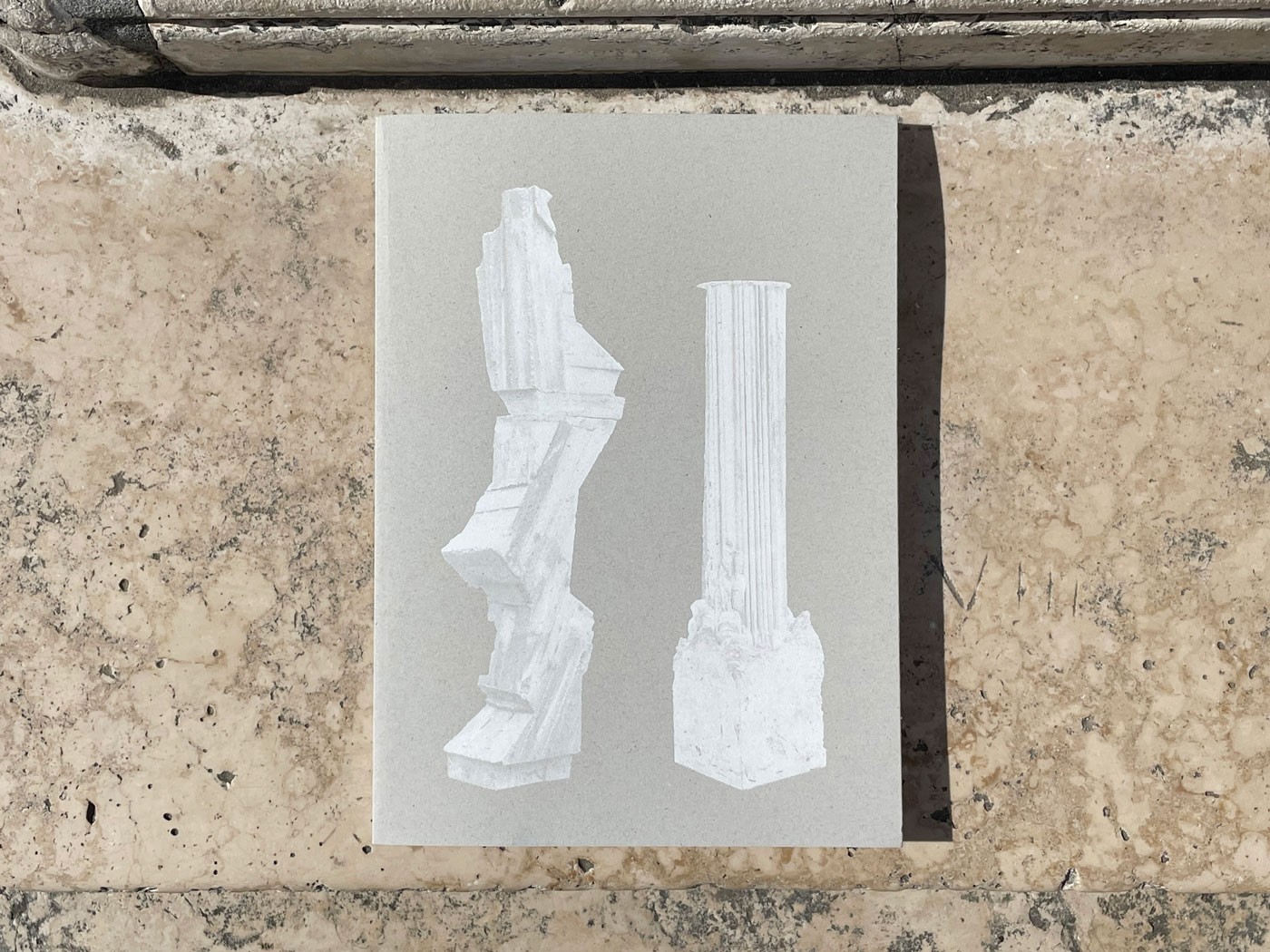
2023, English / Italian, softcover, 20 x 28 cm, 128 pages
ISBN 979-12-80579-33-1
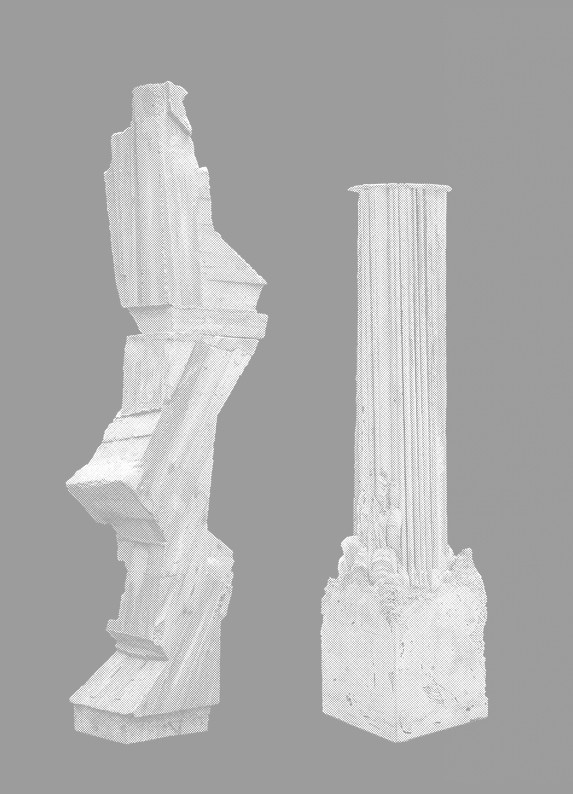
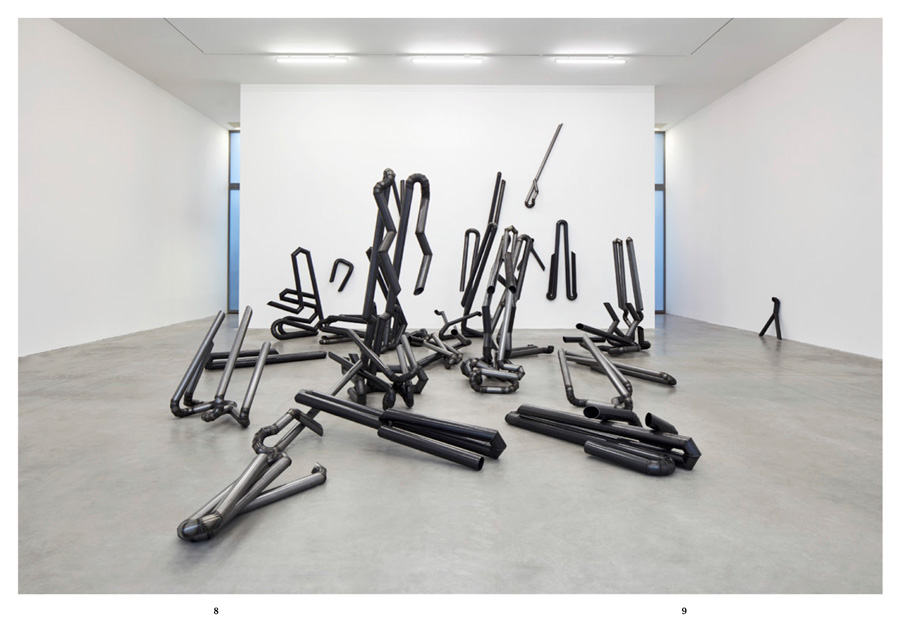
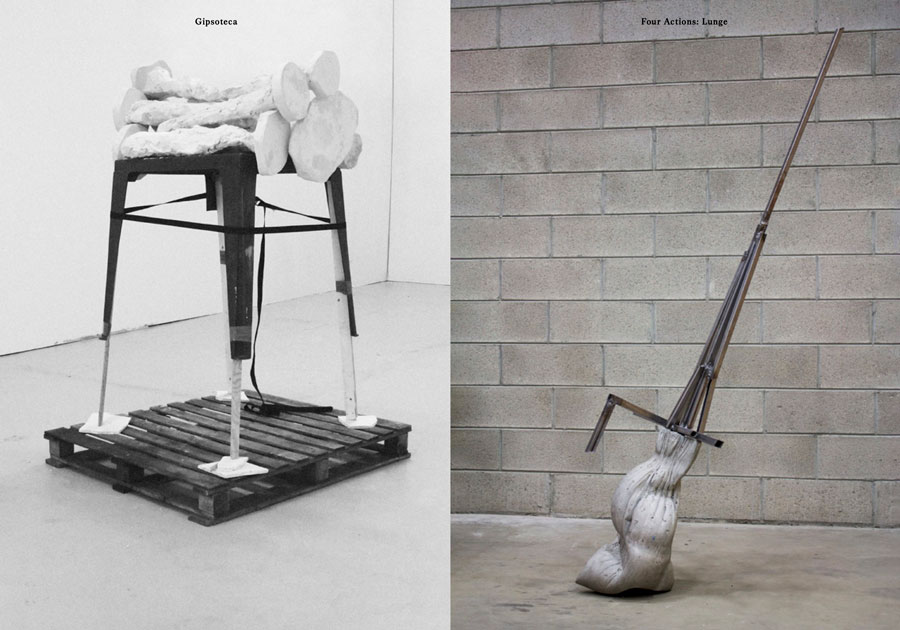
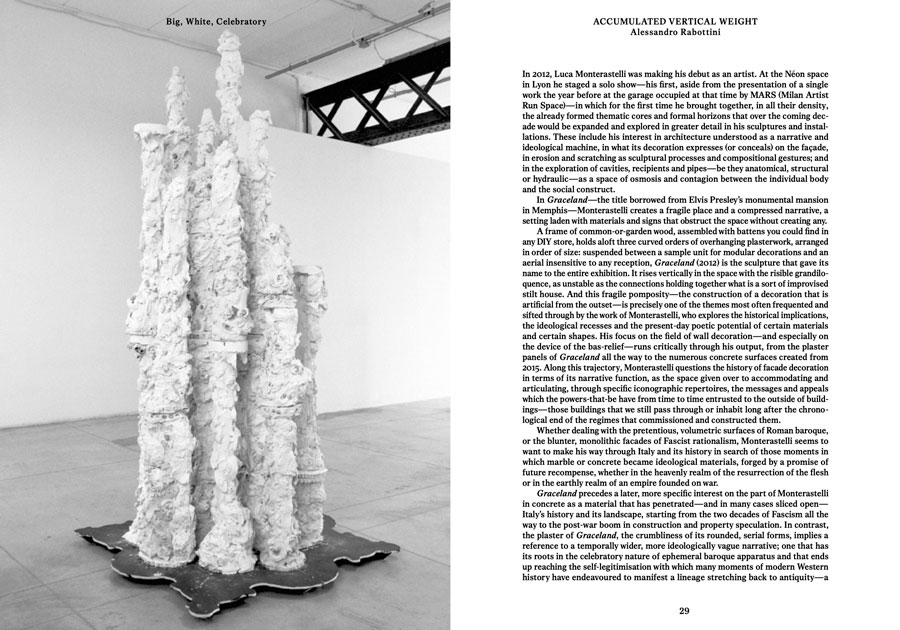
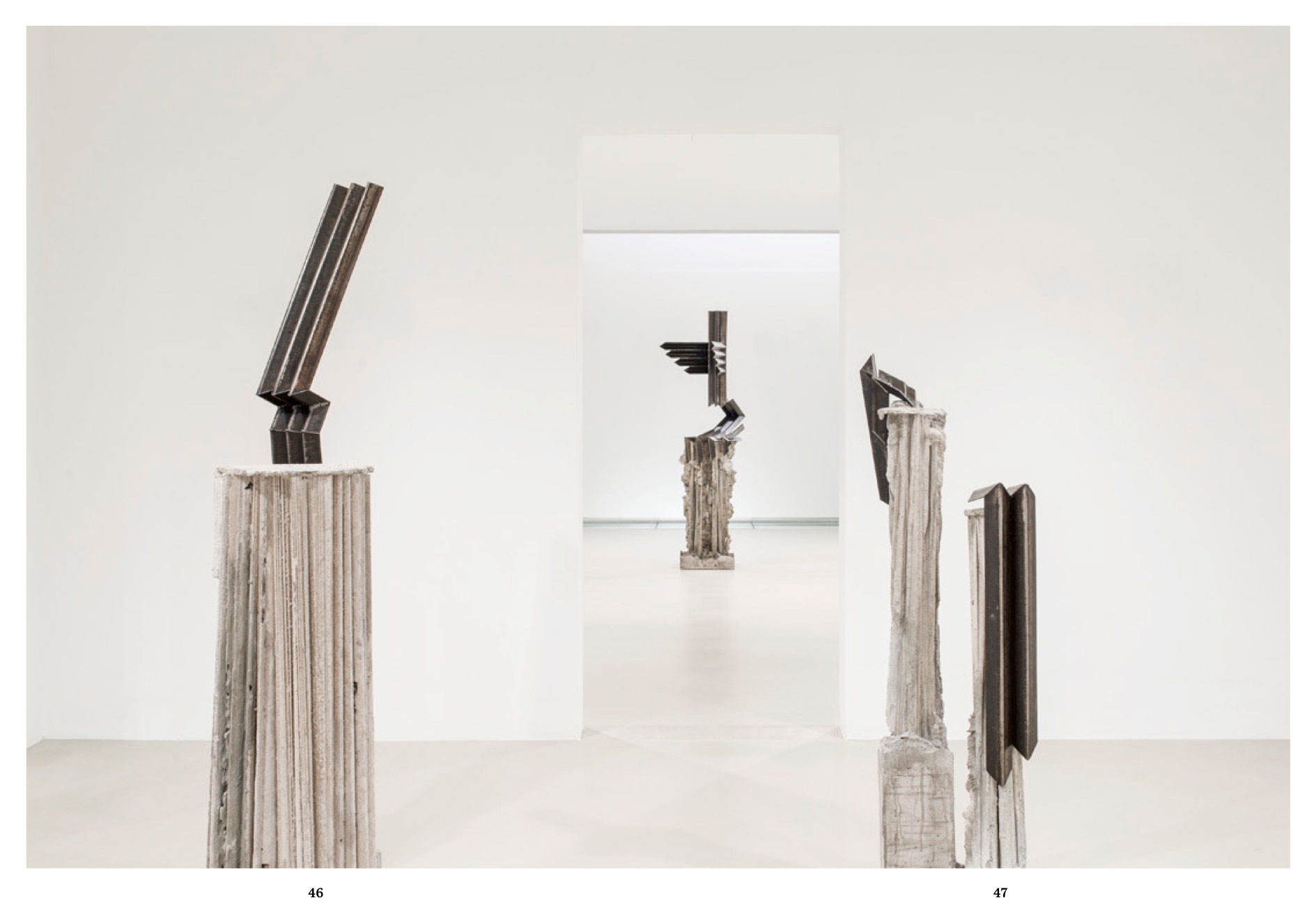
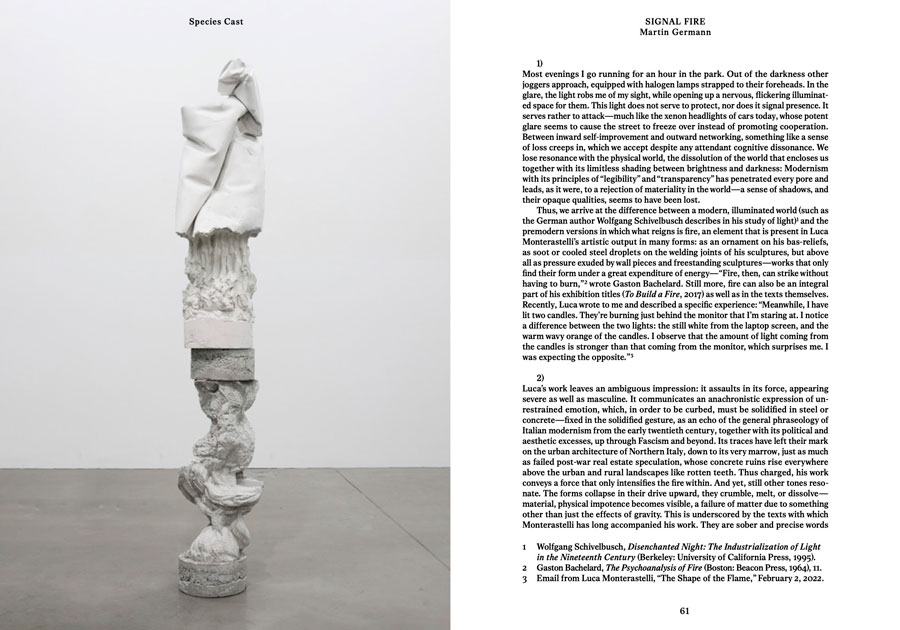
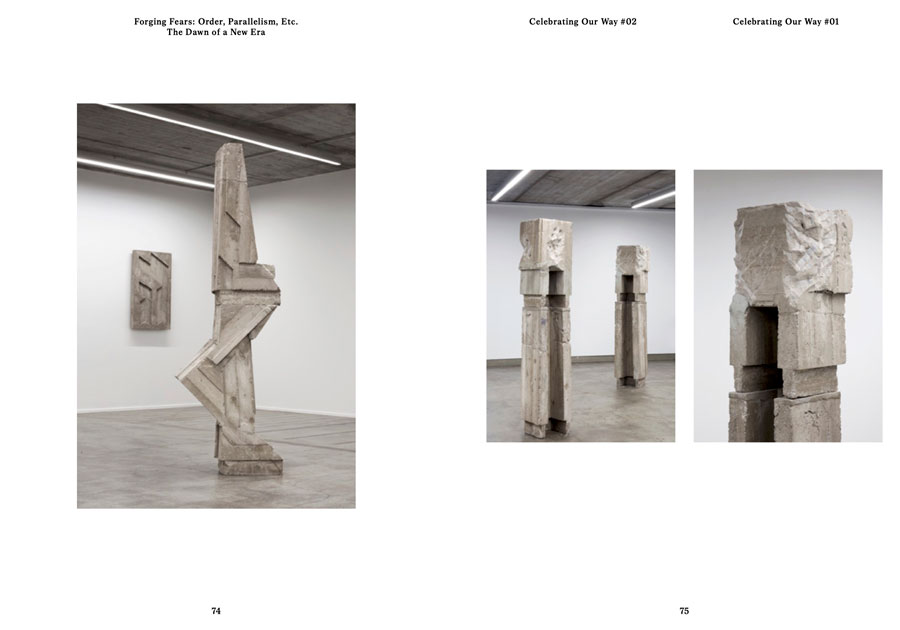
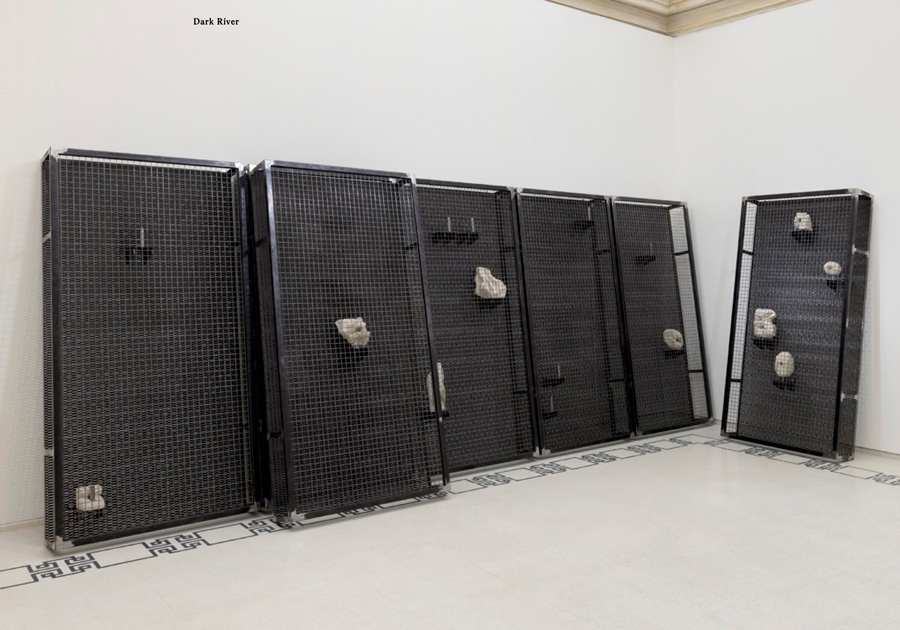
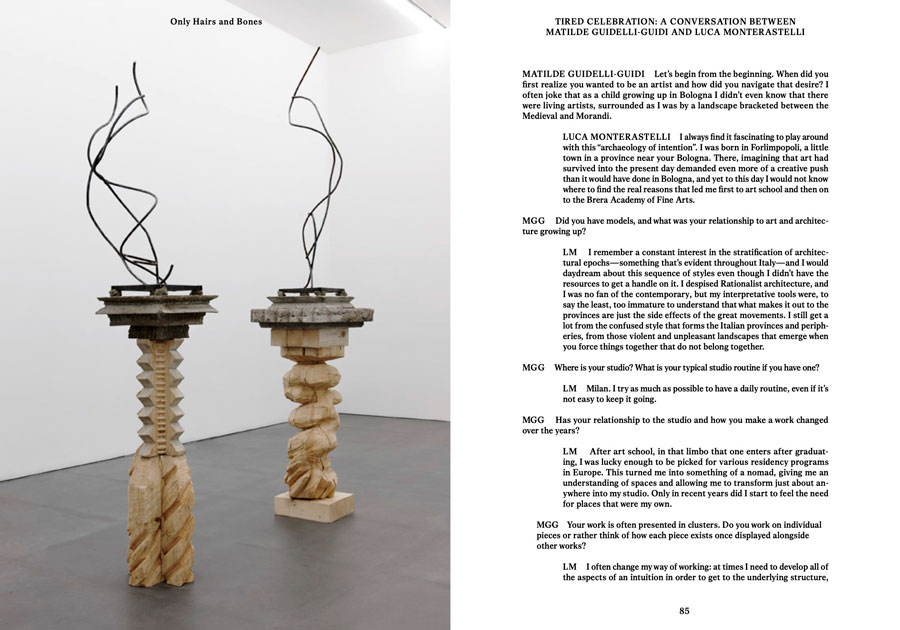
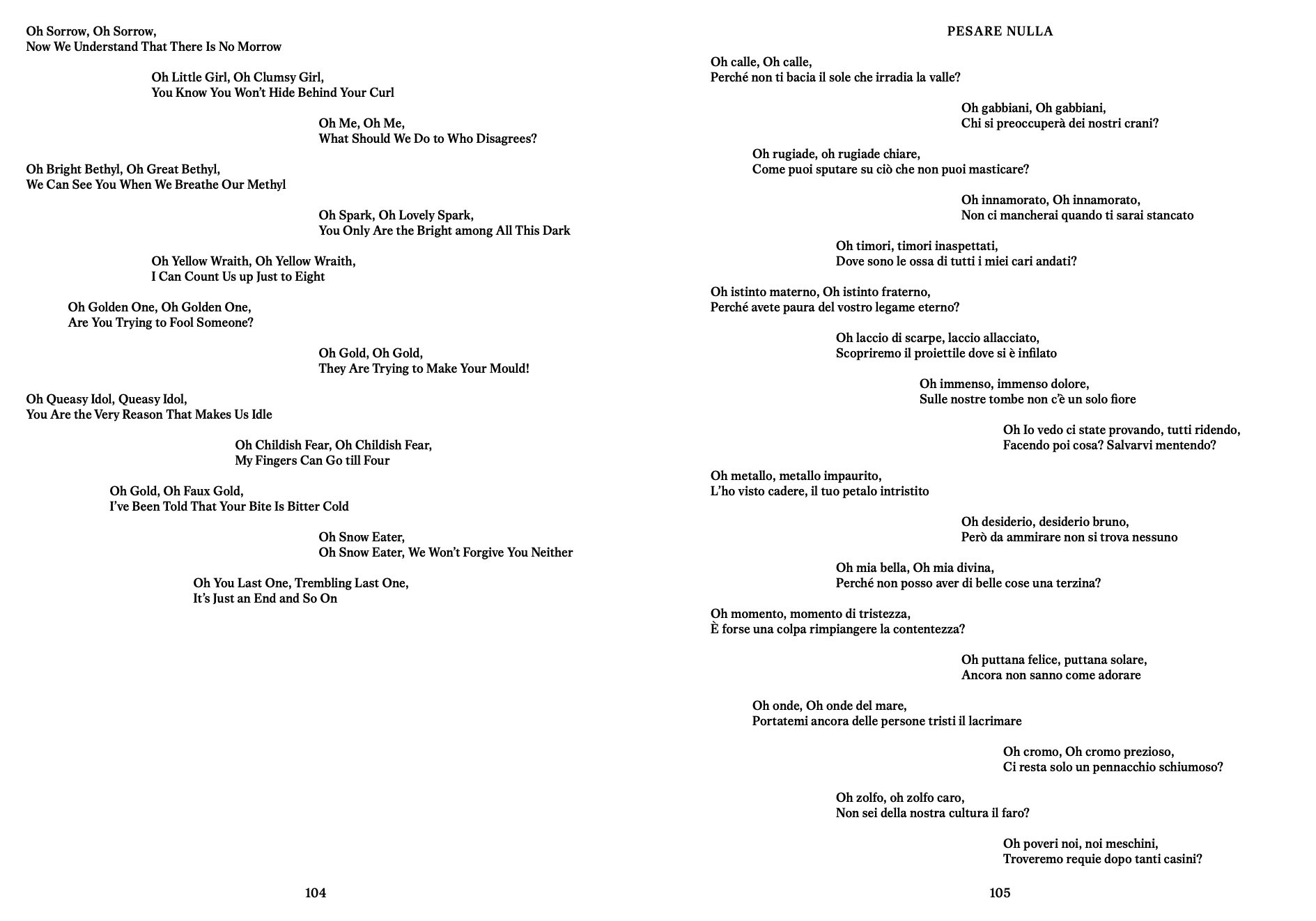
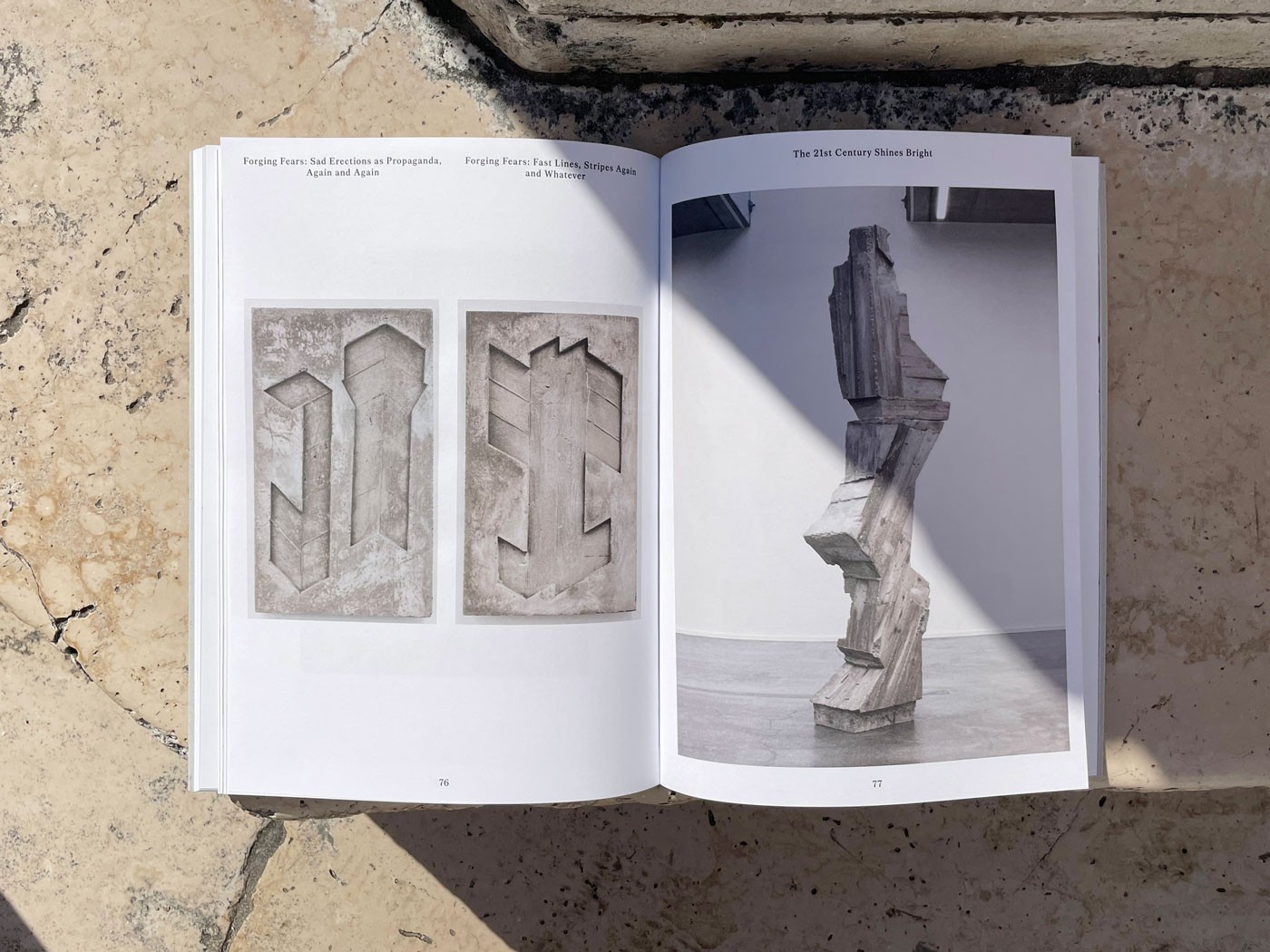
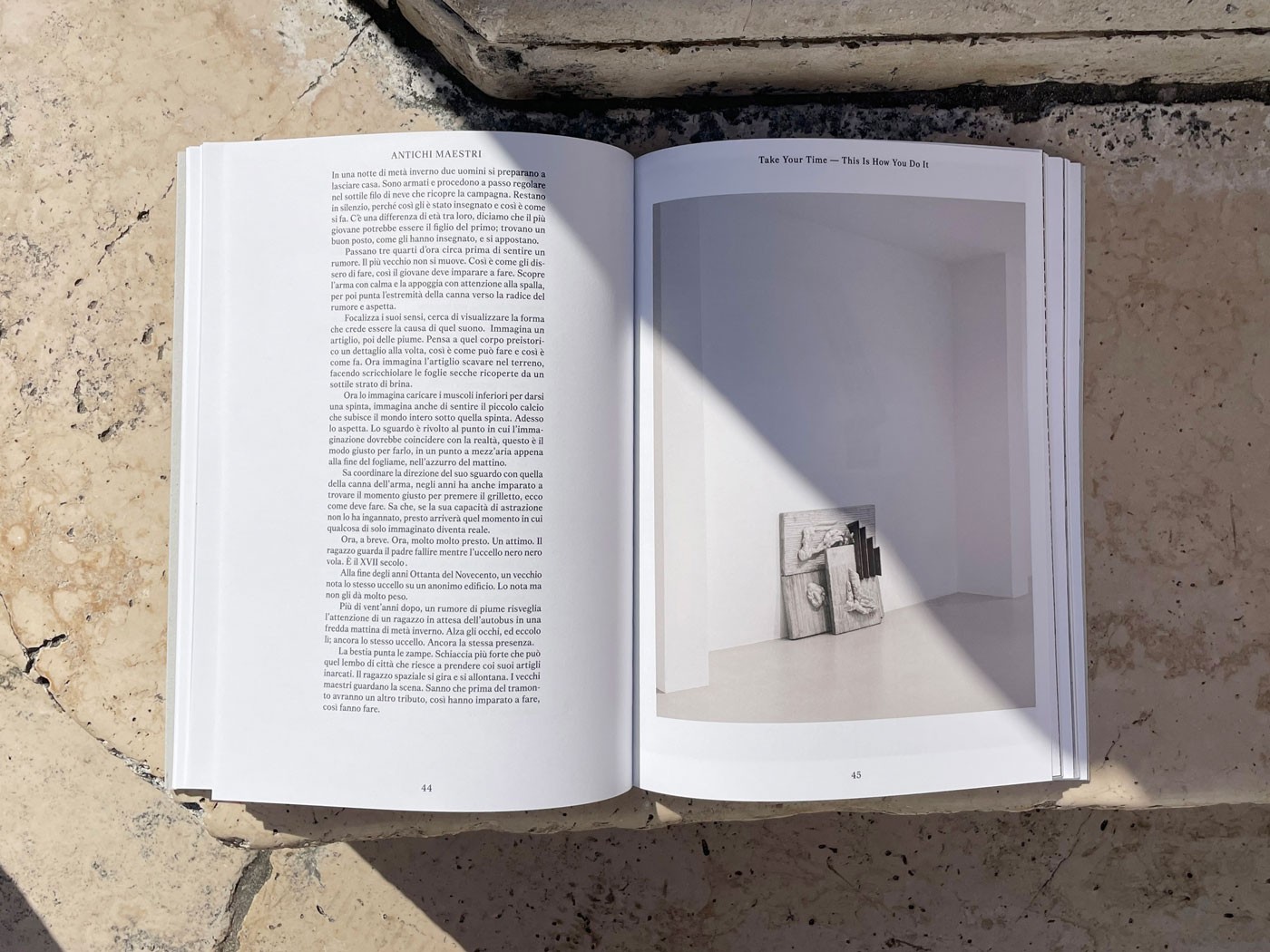
Pardon Façade documents the artistic output of Luca Monterastelli, showcasing almost all of the sculptures and installations that he produced between 2011 and 2022. With four chapters corresponding to four solo shows that he staged in Milan, Otegem, Antwerp and Naples, the architecture of the book is structured around the photographic documentation of these exhibitions, each introduced with a text written by the artist for the occasion. The centrality of Monterastelli’s writing to the book reflects his way of conceiving the medium of the personal exhibition as a specific narrative context, as a story that takes place between and with the works. This impulse of his towards a metaphorical and imaginary narrative is echoed by the eloquence of the titles of the works, which accompany the images in a story told across the pages.
Amid these four main groupings, we find images of individual works, some conceived for group shows, together with an essay by Martin Germann, a conversation between Matilde Guidelli-Guidi and the artist, and an introduction essay to Monterastelli’s oeuvre by Alessandro Rabottini.