The paintings and drawings by Jake Grewal draw the viewer in through stillness and ambiguity: they invite reflection on how we inhabit places—physically and emotionally—and how our inner landscapes mirror the physical world. This is the Grewal’s first book, published to accompany the artist’s exhibition at Studio Voltaire.
The transformation of the notion of monuments and the way cultural institutions choose to deal with it find in Maurizio Cattelan an interpreter capable of manipulating historical memory and shared symbols, to the point of turning them into a terrain of doubt and play. Lisa Parola and Lorenzo Giusti investigate the potential of contemporary art within the public sphere.
This is a visual archive of 12 years of developing, designing and exhibiting the House of One, a multireligious sacred space in the heart of Berlin. The architecture, conceived by Kuehn Malvezzi, has been displayed at various venues while being developed in close collaboration with three local religious communities in Berlin since 2012.
The first major monograph on artist Jill Mulleady, whose paintings thread motifs of decay, memory, history, and private myth, featuring humans and animals enacting their instinctive psychological reactions to ever-present threats of danger.
The essays in this first-ever monograph dedicated to Swiss artist Jan Vorisek, alongside image portfolios of the exhibitions they explore and an appendix that features photos and documentation of Vorisek’s performances, recordings and ephemera, grant us unprecedented access to the private fictions that the work reveals.
Since the 1990s Costa has been challenging hierarchies of art production and the fetishization of the “finished” artwork, inviting viewers to reconsider what is discarded, both materially and socially. Through over 300 artworks, accompanied by new writing, this catalogue explores Adriano Costa’s work, a meditation on transformation—of objects, meanings, and systems of value.
Edited by Samson Young
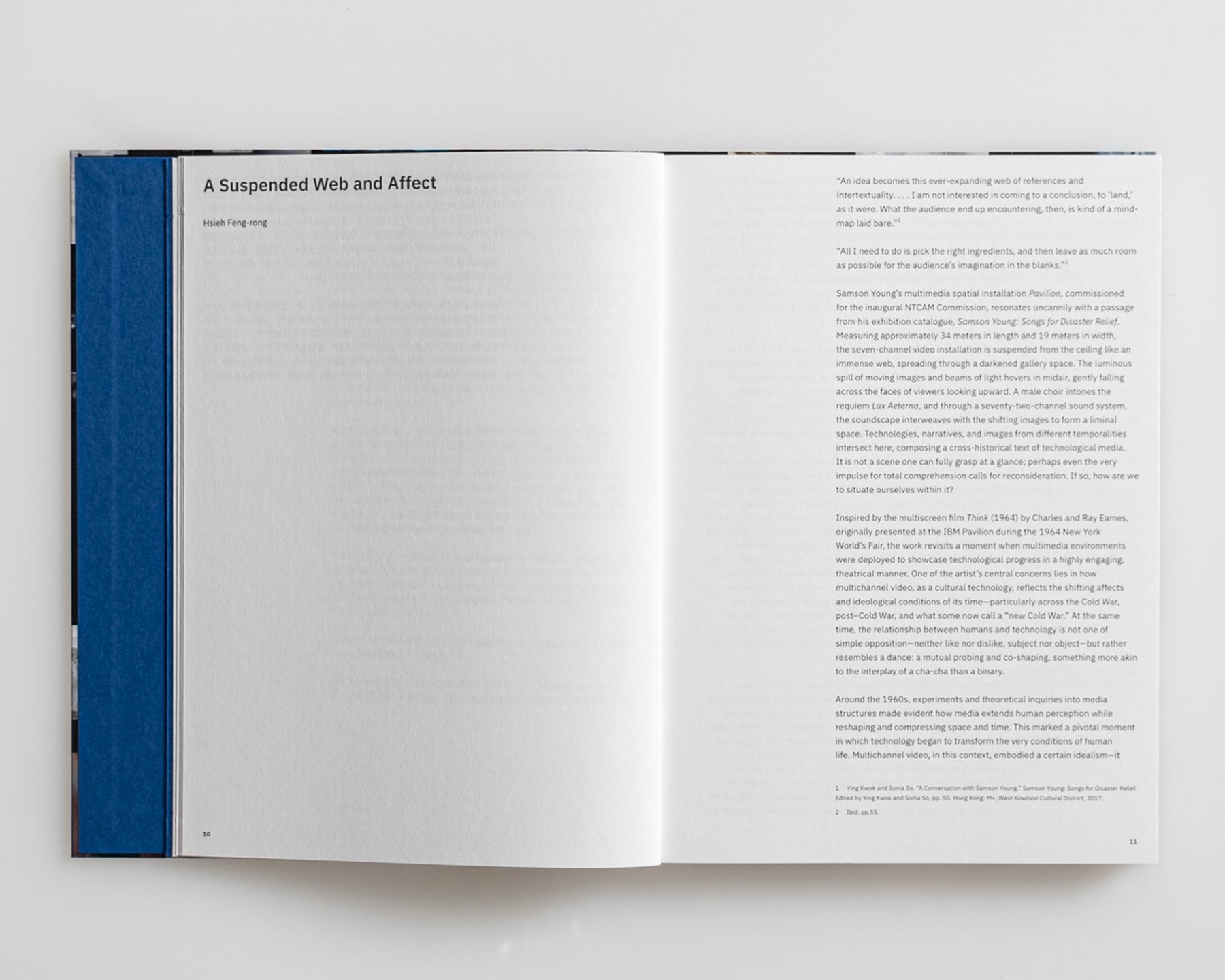
Texts by Eric Schuldenfrei, Hsieh Feng-rong, and Katherine Adams
Designed by Lin Guan-ming
Co-published with New Taipei City Art Museum
2026, English / Chinese, hardcover, 19 × 26 cm, 168 pages
ISBN 979-12-80579-97-3
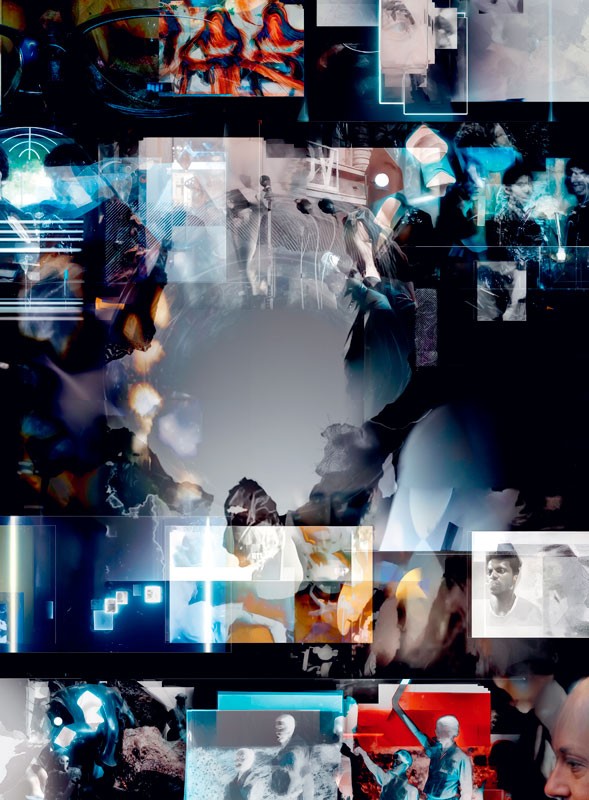
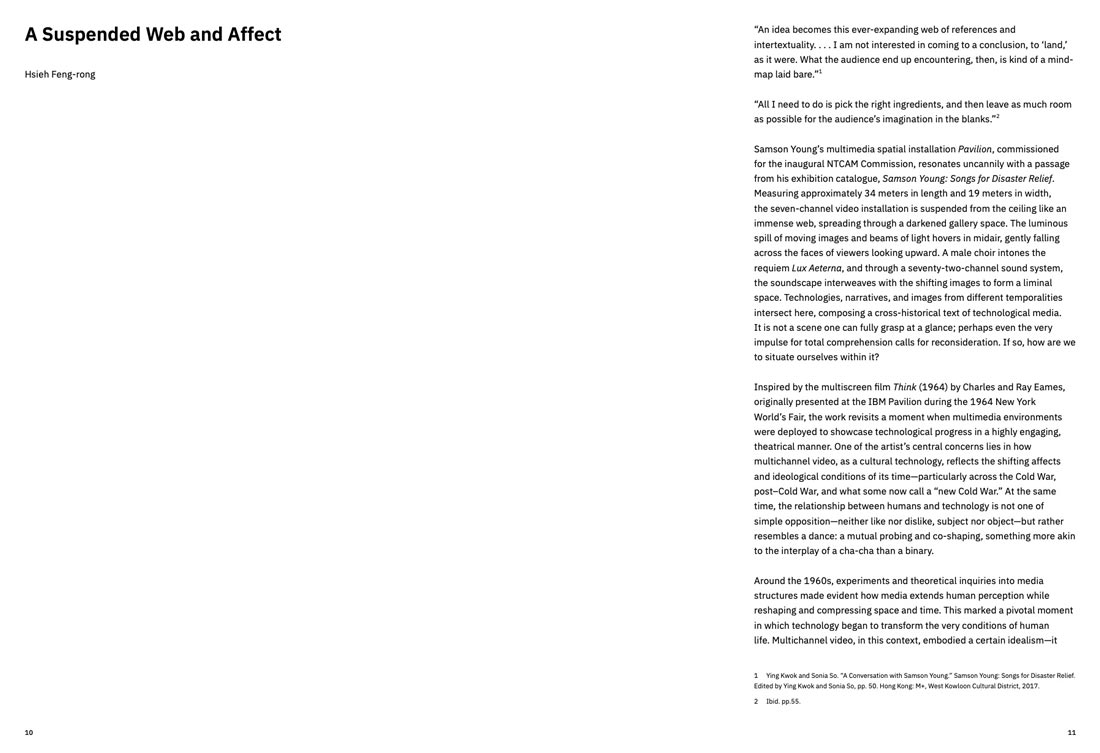
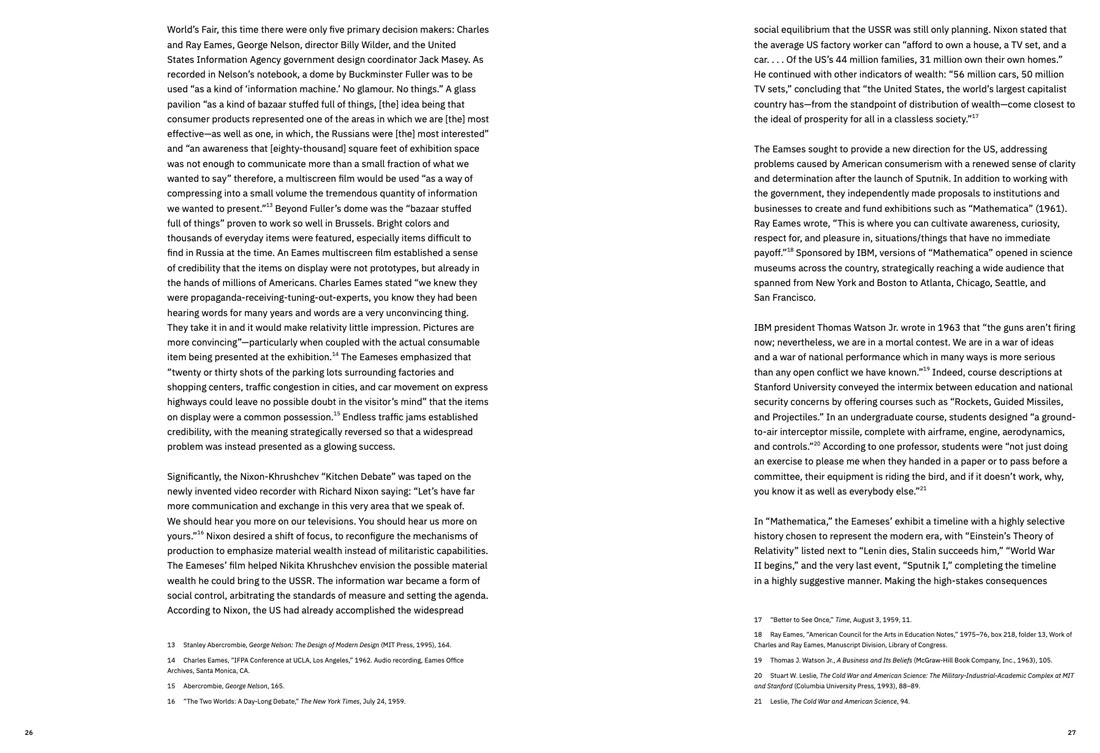
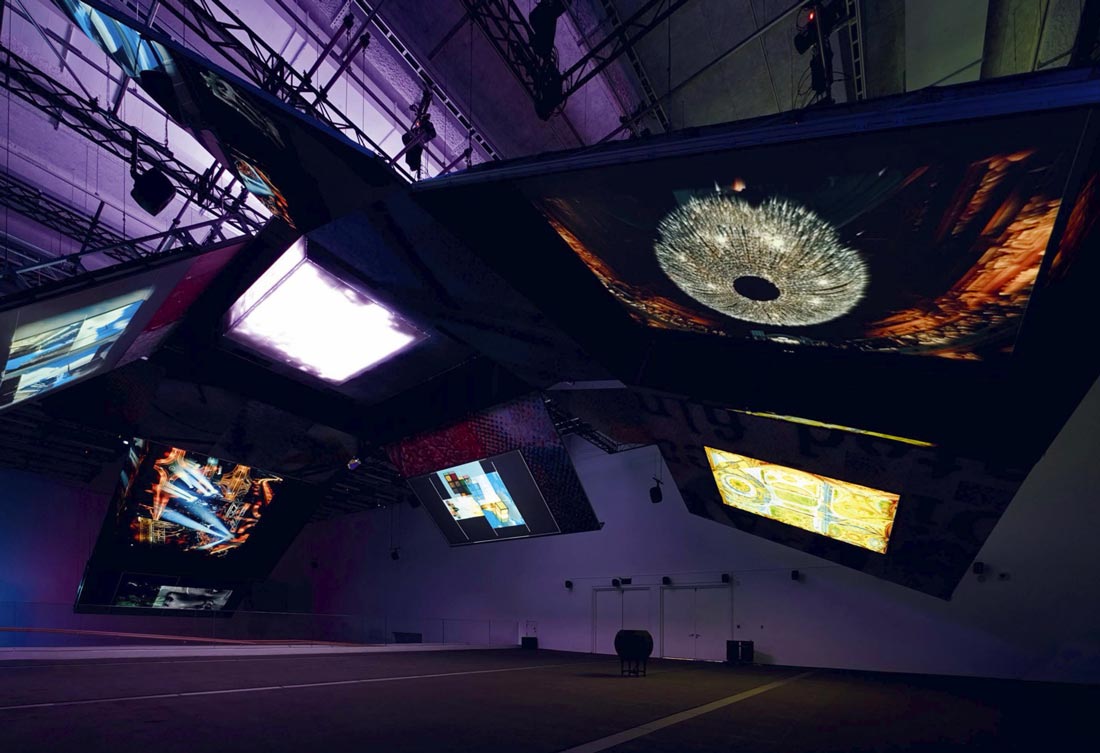
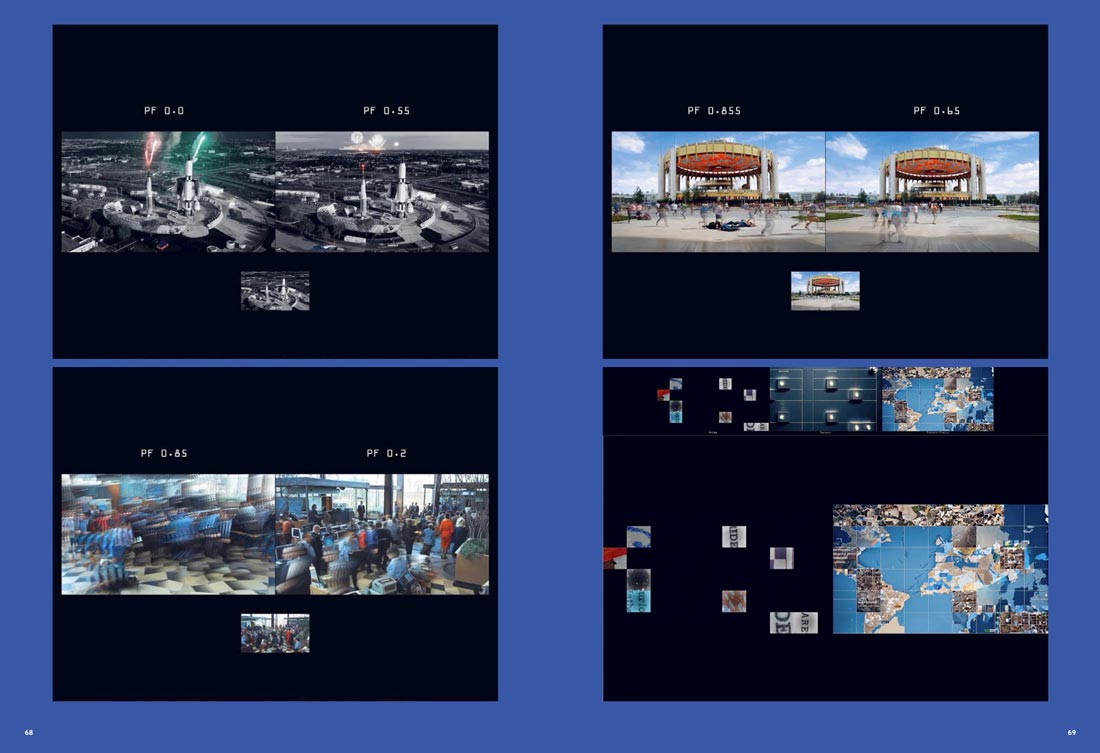
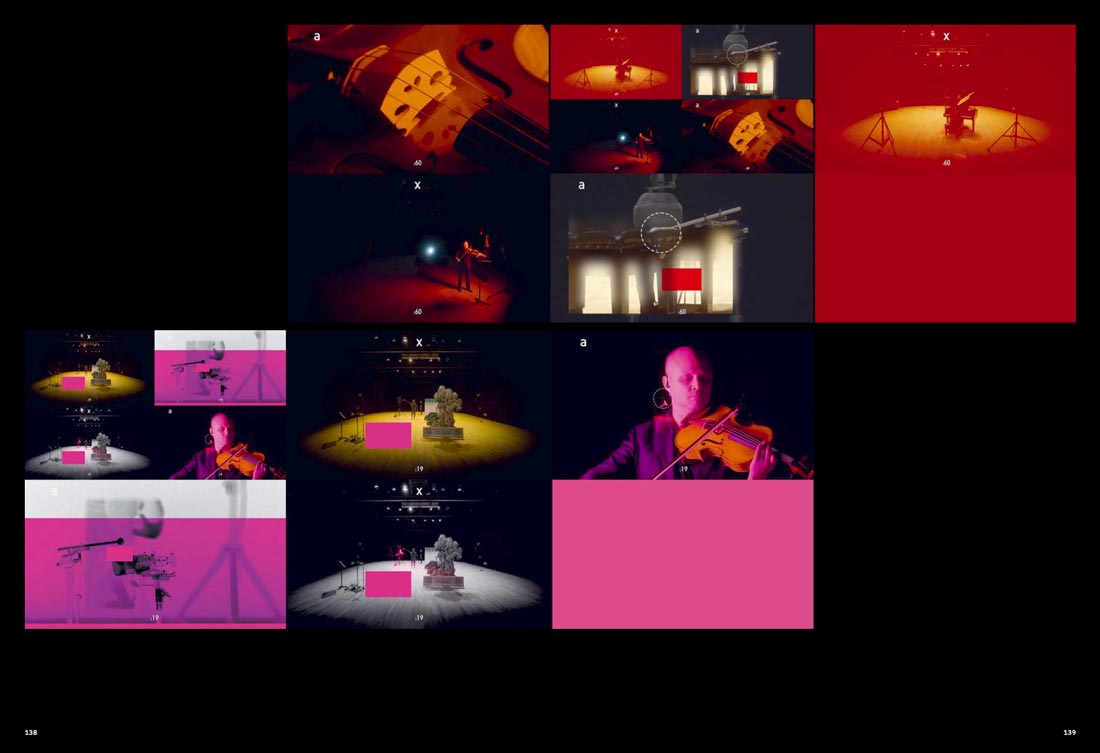
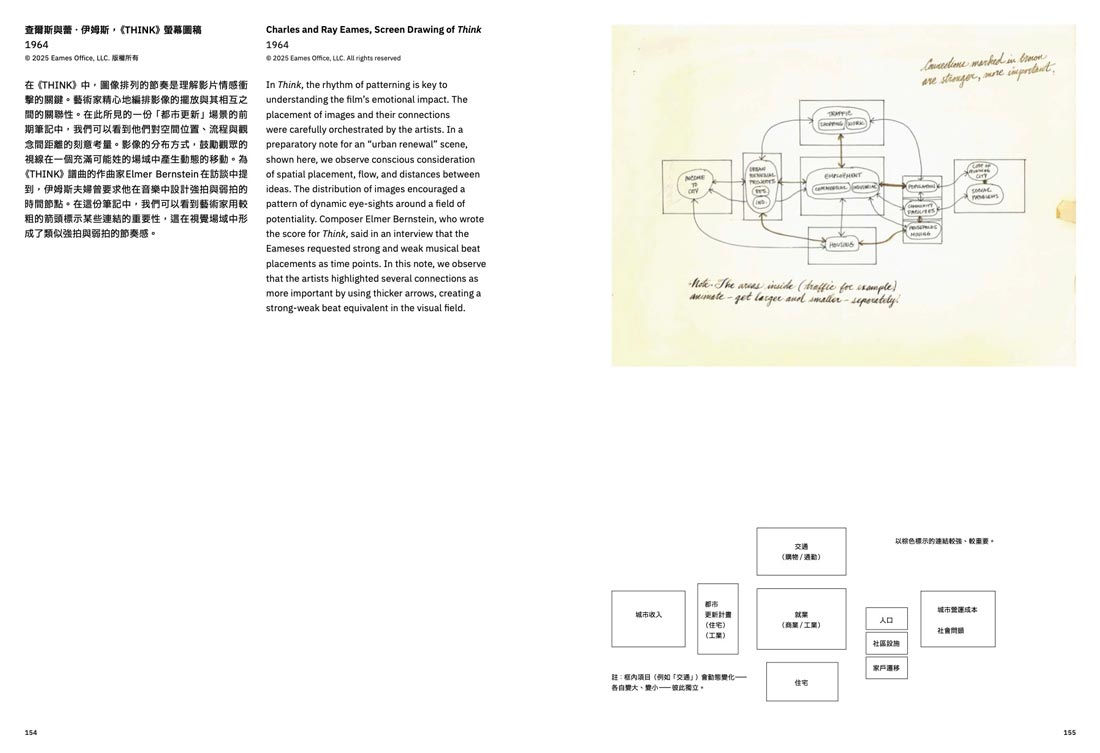
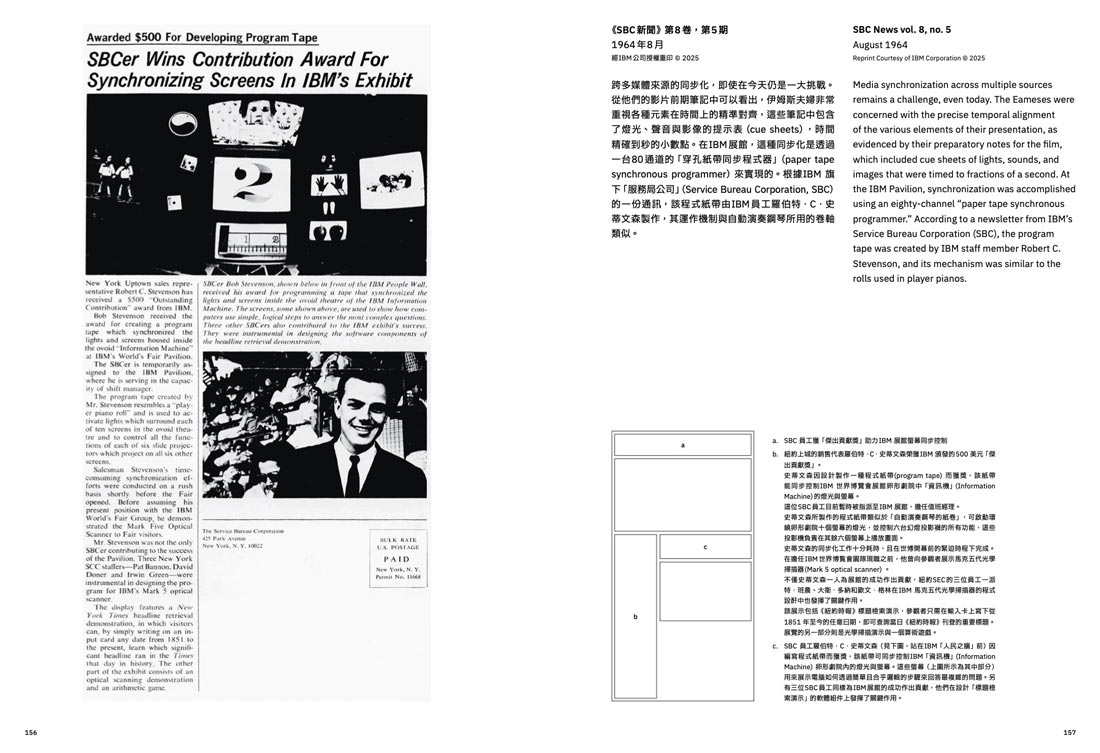
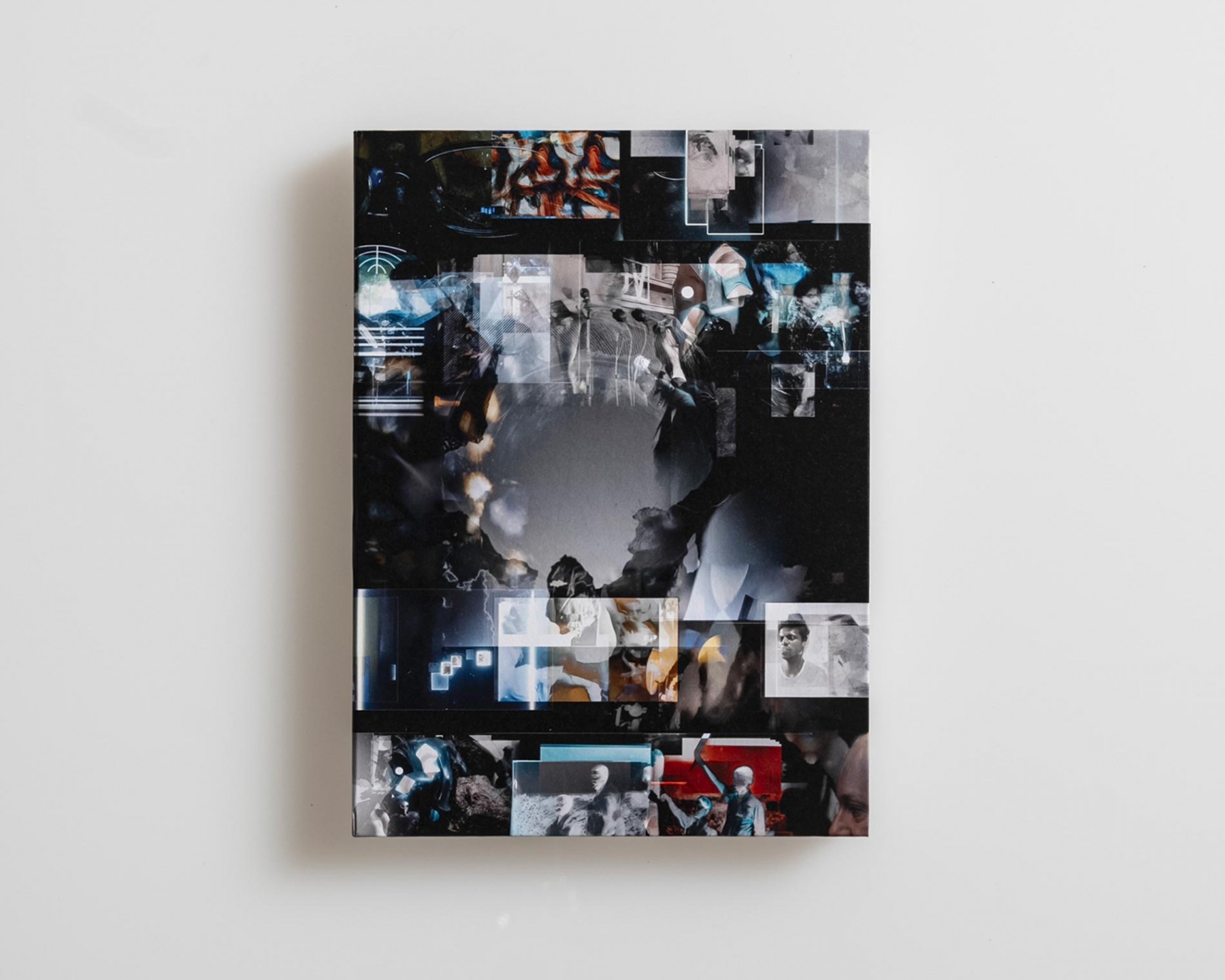
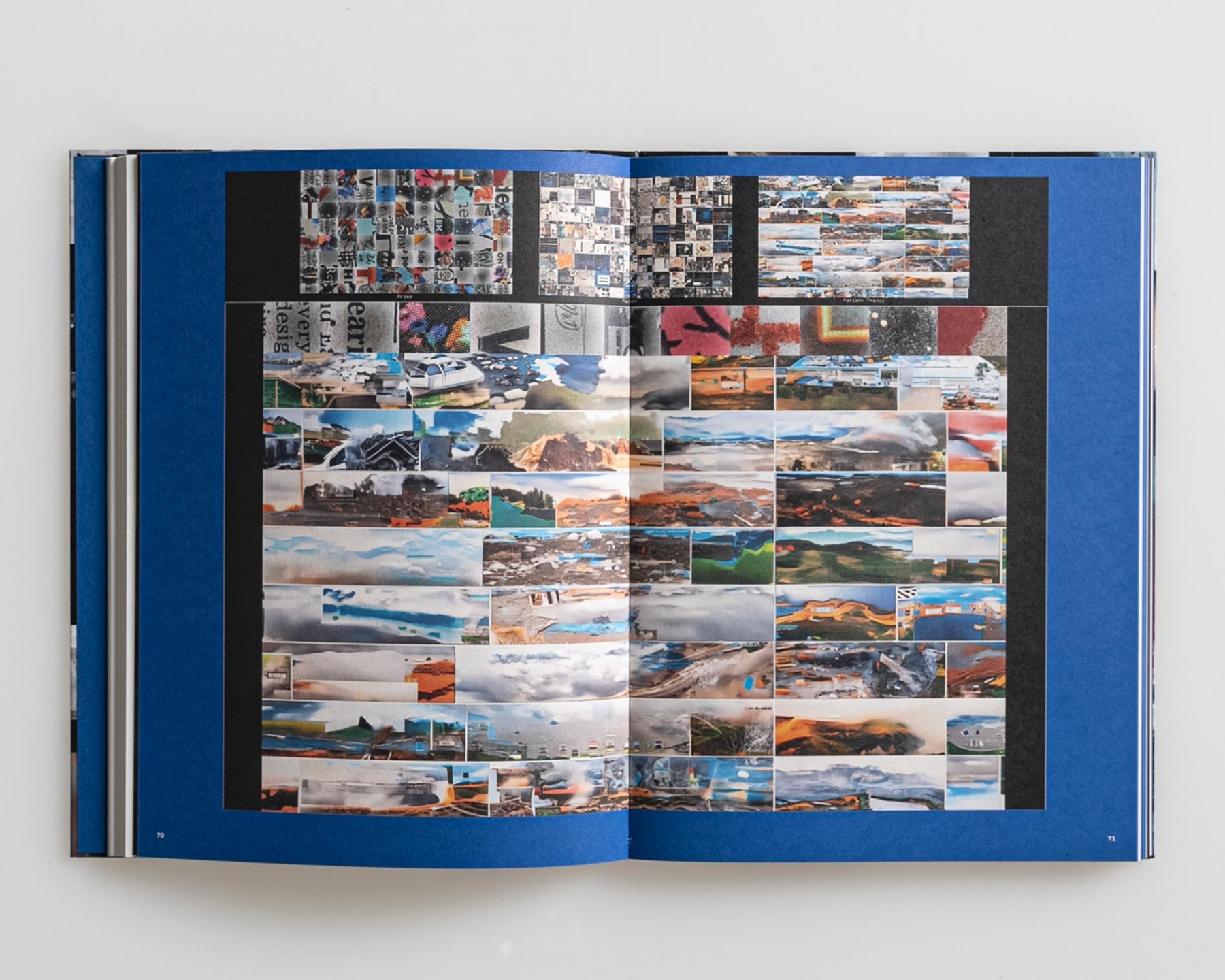
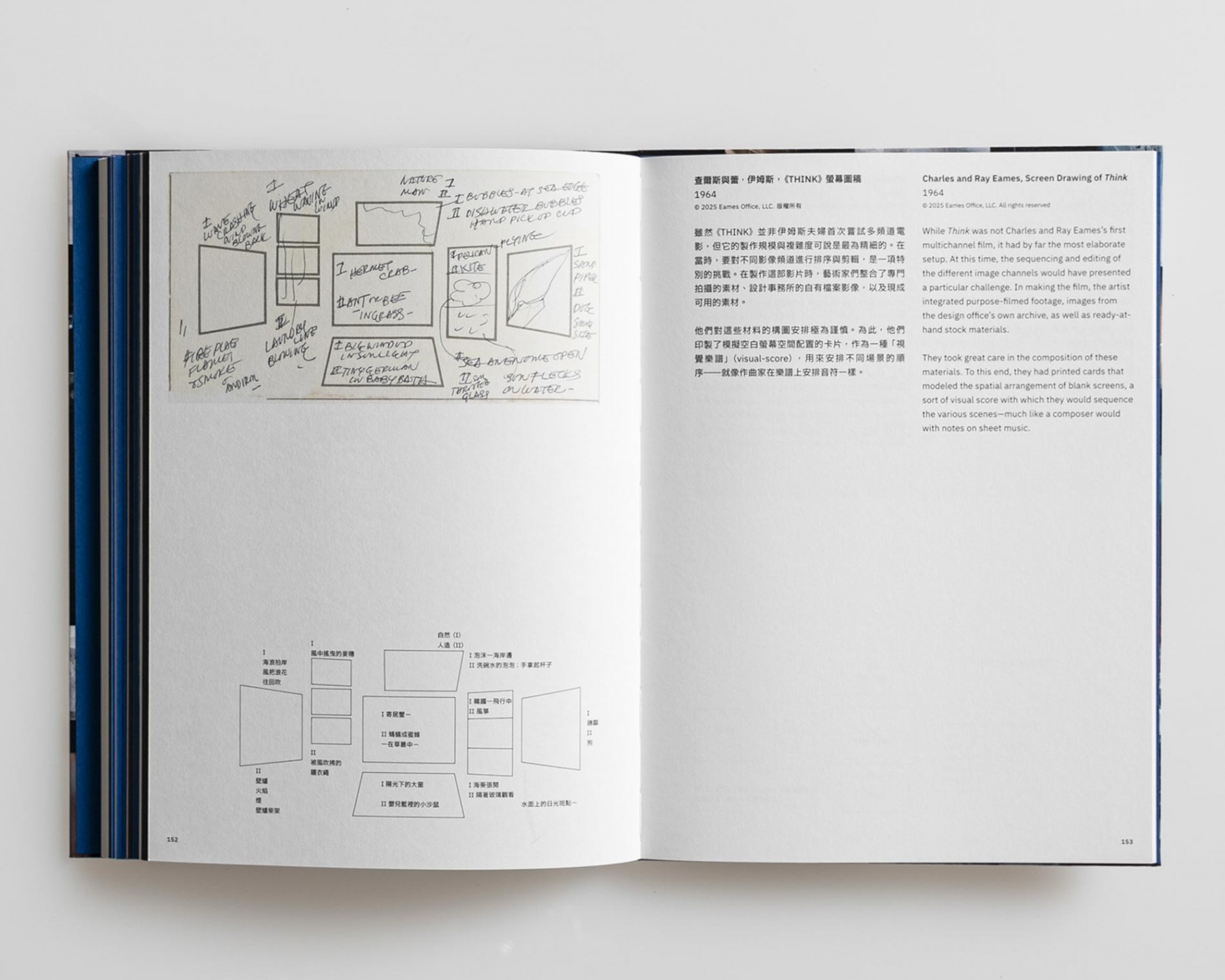
Pavilion by multimedia artist Samson Young explores the legacy of the film THINK, created by Charles and Ray Eames for the IBM Pavilion at the 1964 New York World’s Fair. At the dawn of the computer age, THINK pictured computers as models of how the human mind both receives and processes information, immersing audiences in a dynamic stream of images, sounds, and ideas. Taking as a point of departure THINK’s multiscreen setup and its distinctive orchestration of audio-visual rhythm, Pavilion revisits this early precursor to database cinema and reflects upon the optimism and apprehension that shaped its cultural context, at a time when generative AI has now exponentially increased the scale and speed of data patterning. Pavilion integrates filmed and archival material, and uses generative AI to composite footage iteratively. It features new choral compositions created by the artist for the occasion and performed by members of the Taipei Male Choir, presented in a multi-channel soundscape designed by Hsieh Hsien Te at the Taiwan Sound Lab.
This catalogue is published to coincide with the Pavilion exhibition, part of the NTCAM COMMISSION, a biennial commissioning program organized by the New Taipei City Art Museum. Each edition sees an internationally recognized artist or collective being invited to create new works specifically for one of the museum’s most challenging exhibition spaces.
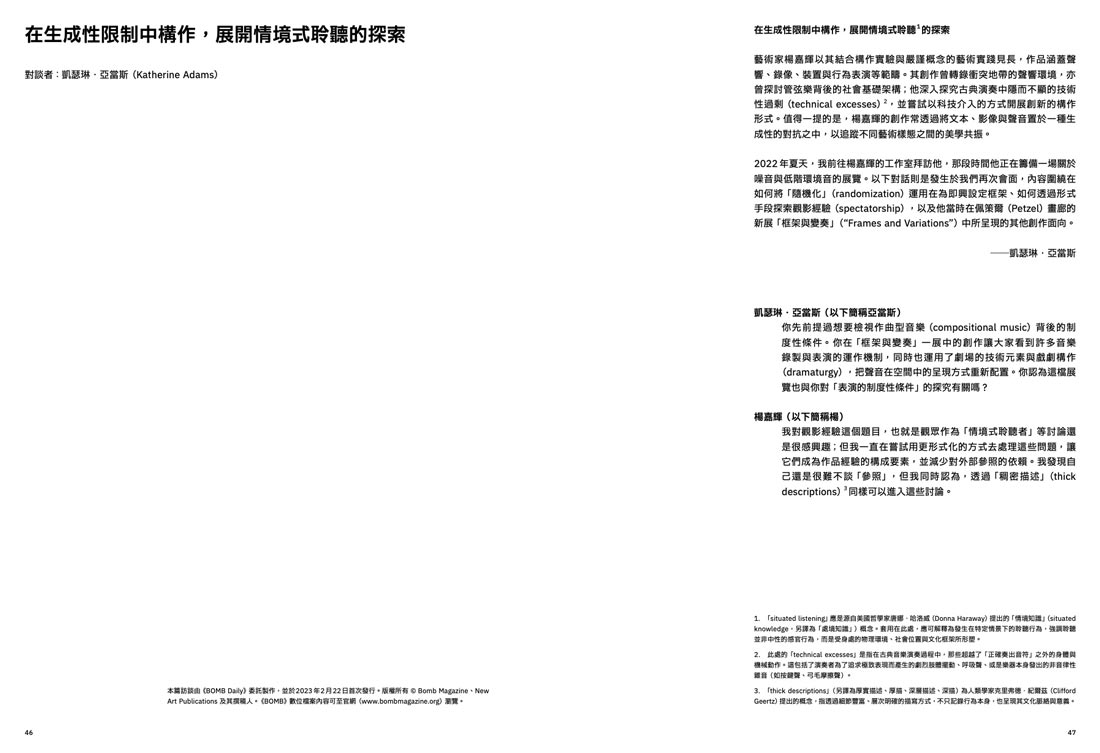
Bringing together new essays by curator Hsieh Feng-rong and architect-scholar Eric Schuldenfrei, author of the monograph The Films of Charles and Ray Eames, the volume also includes two interviews conducted by curator Katherine C. M. Adams. Focusing on the artist’s approach to chance operation and computation, these conversations offer further insight into the work.