Martin Heidegger, Glenn Gould, Jacques-Louis David, Cy Twombly, Paul Engelmann and Ludwig Wittgenstein: characters that Francesco Arena has chosen or rediscovered in multiple contexts over the time recur in this book. Ranging from philosophy, to music, to visual arts, they embrace the whole world of knowledge.
This first institutional monograph on the multimedia practice of artist and director Ali Cherri aims to highlight the themes and formal concerns running through his most recent, highly significant projects at GAMeC, Bergamo; Frac Bretagne, Rennes; Swiss Institute, New York; Biennale Arte 2022, Venice; and the National Gallery, London.
The book highlights the main characteristics of the collective trauma that gave rise to Rachel Whiteread’s project for GAMeC. The psychoanalysts Angelo Antonio Moroni and Pietro Roberto Goisis map out a composite picture, starting from the sense of vulnerability and collective loss associated with the Covid-19 pandemic.
This book, with follows the eponymous exhibition at Mudam Luxembourg, is constructed as a story, with a prologue, four acts, and an epilogue: an intuitive journey through the voices of thirty-four artists from different generations who are experimenting with the idea of the performative.
Dreaming Alcestis is an artist’s book by artist and filmmaker Beatrice Gibson, conceived as an accompaniment to her holographic film installation of the same name. It features a commissioned essay by poet and translator Allison Grimaldi Donahue, as well as a reprint of the American poet Alice Notley’s 1991 essay What Can Be Learned From Dreams?
What if clay is the future and the future is clay? Curators Chus Martínez and Filipa Ramos brought together a group of artists to think and create through this old, maleable and fascinating matter. The result was materialized in an exhibition and book format entitled Feet of Clay.
Edited by Alison Coplan
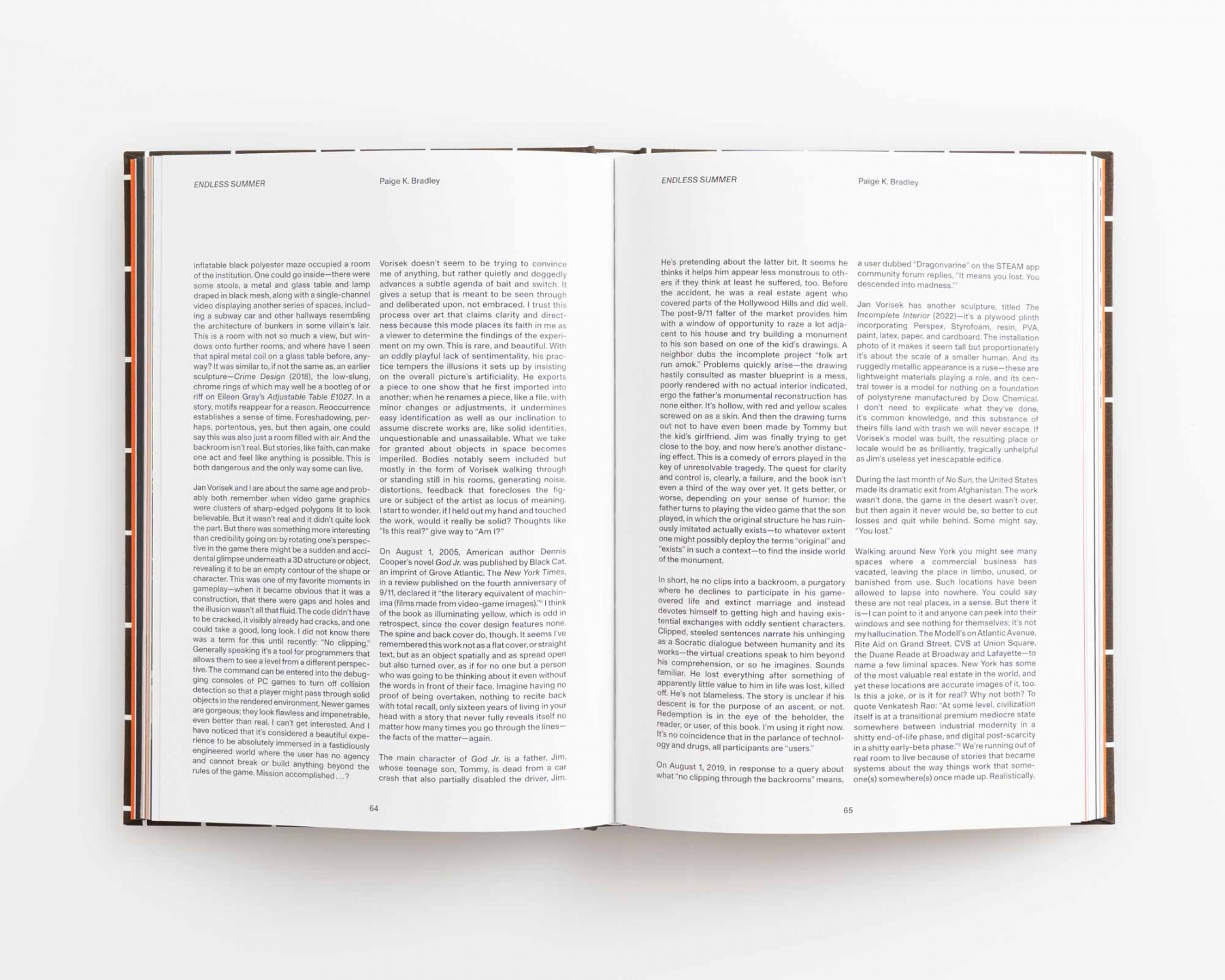
Texts by Brit Barton, Paige K. Bradley, Elisa R. Linn, Tyler Maxin
Designed by Pacific
2025, English, hardcover, 28.5 x 20.5 cm, 184 pages
ISBN 979-12-80579-71-3
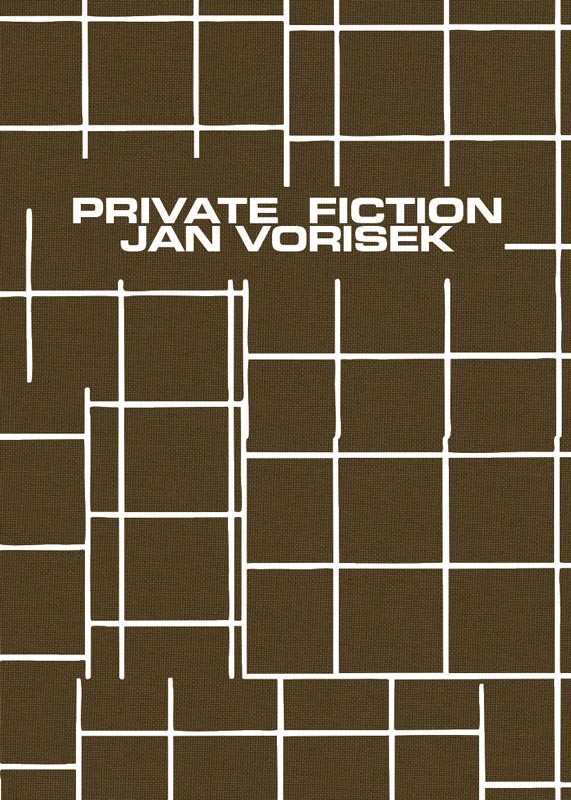
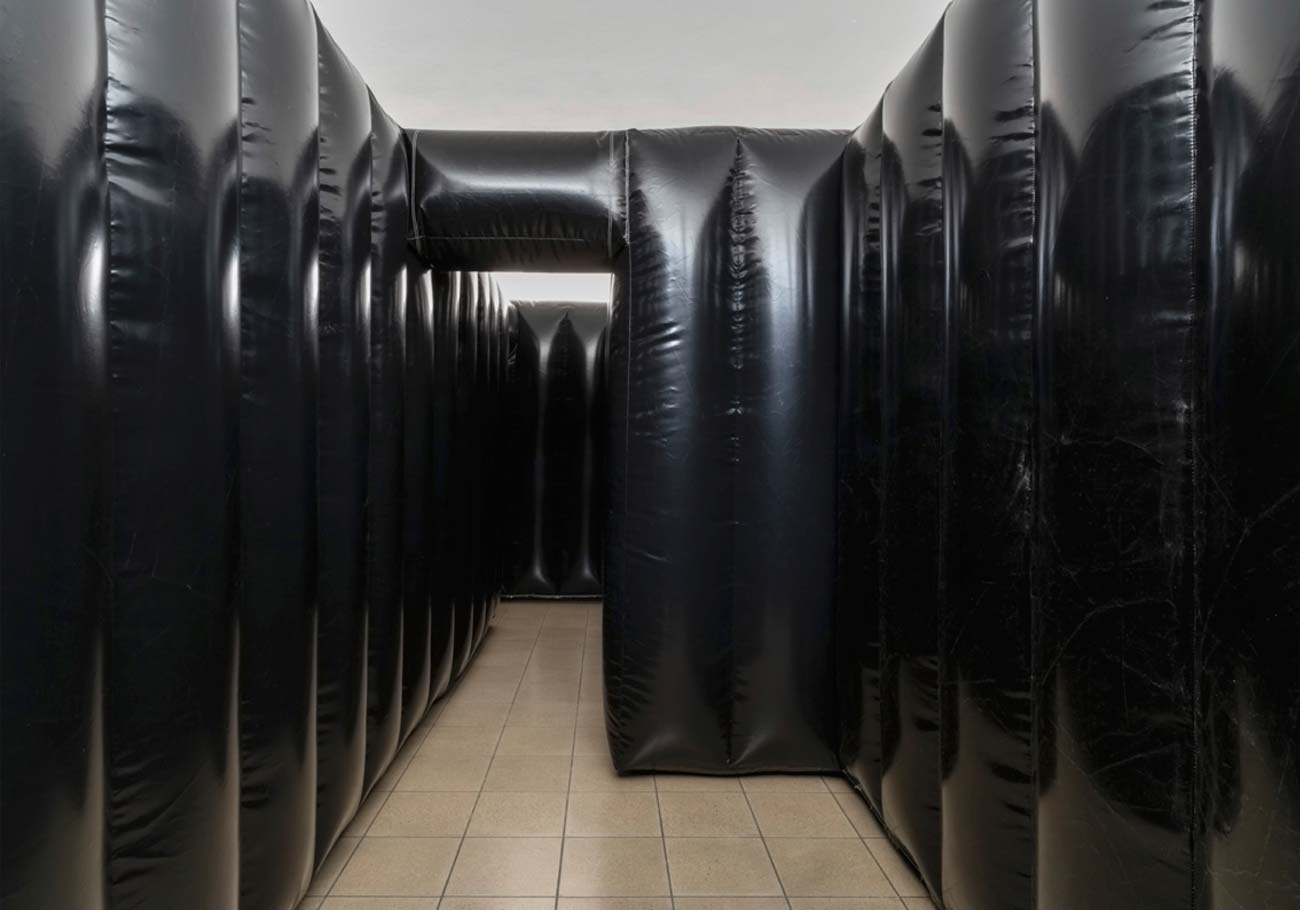
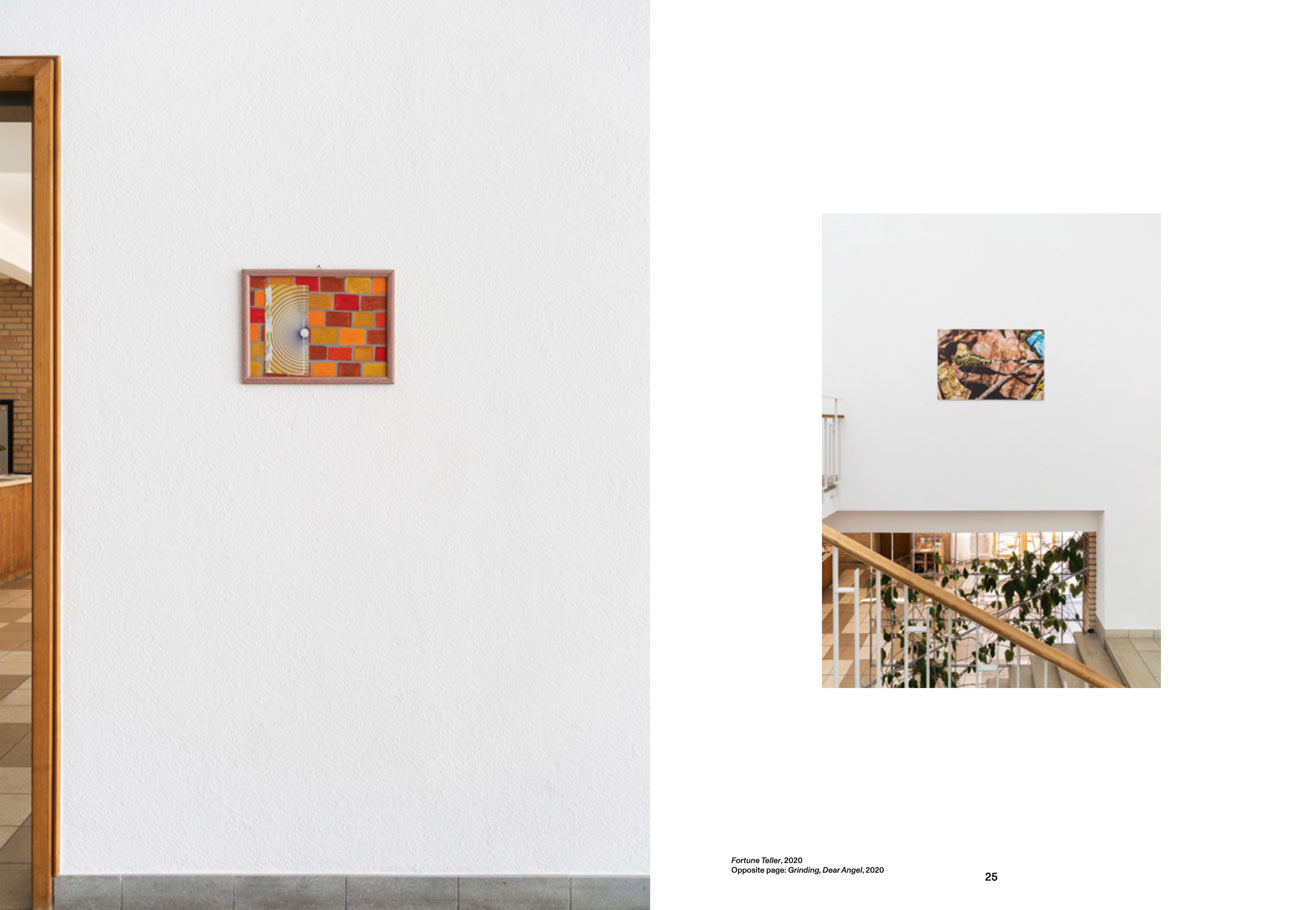
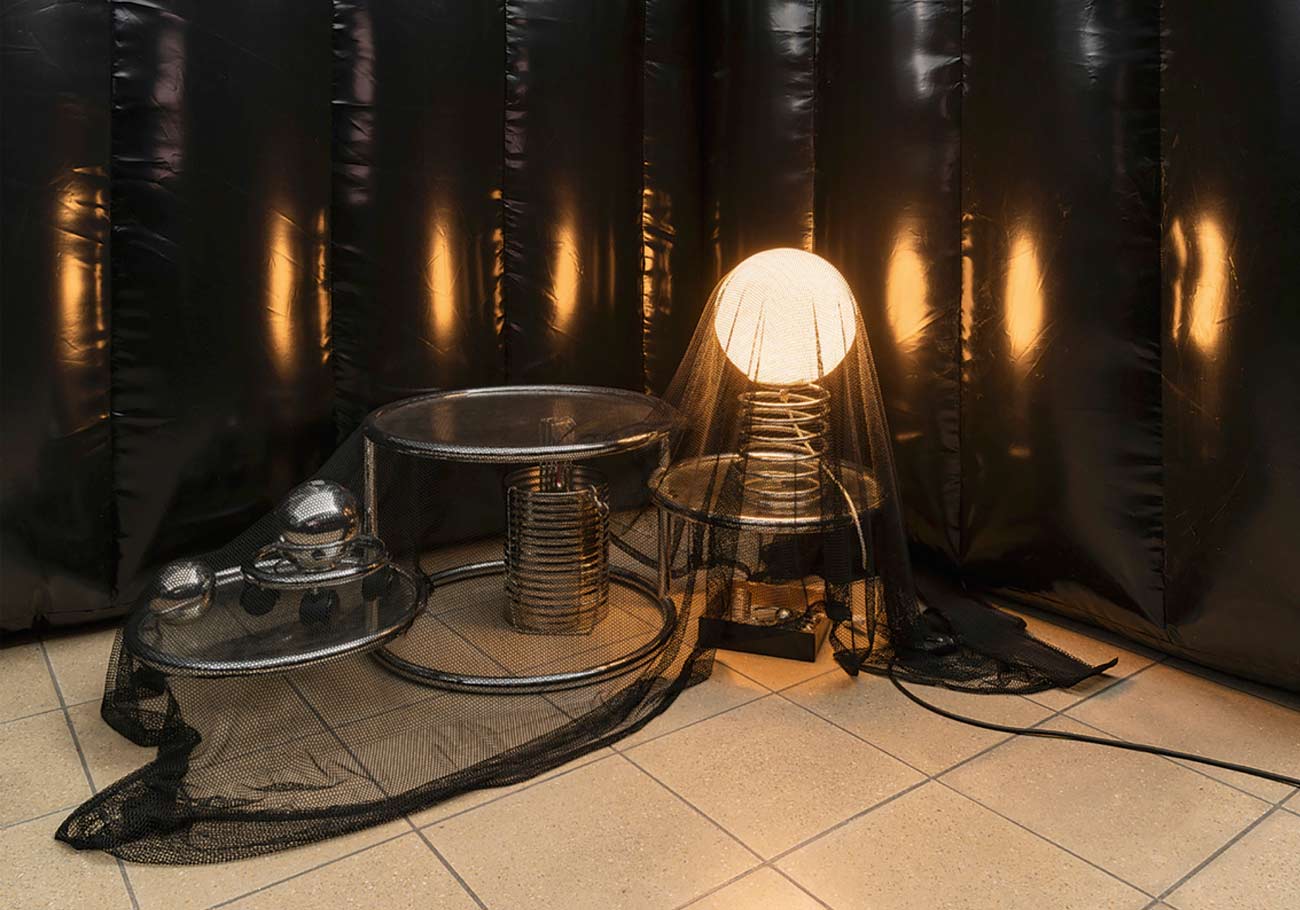
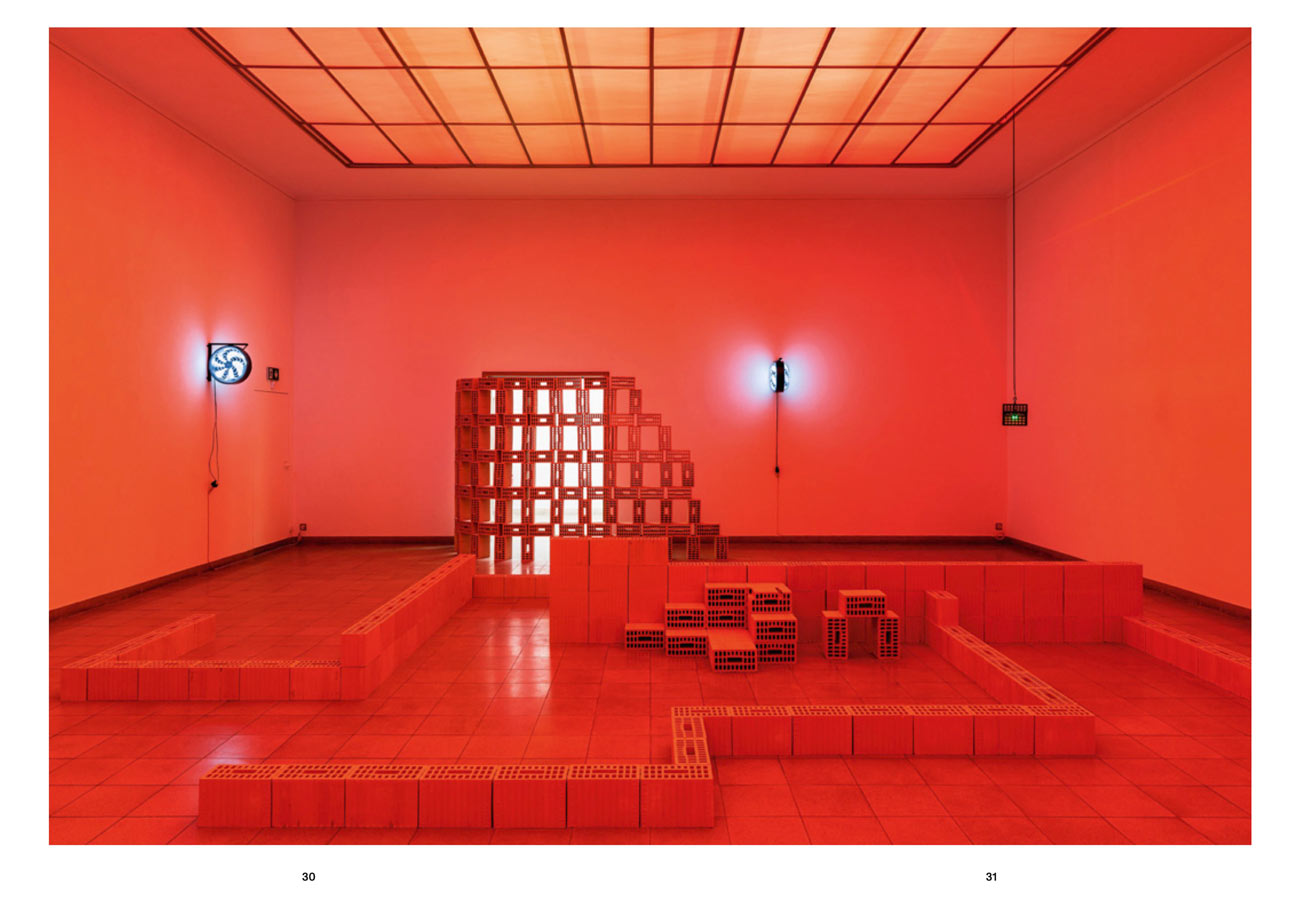
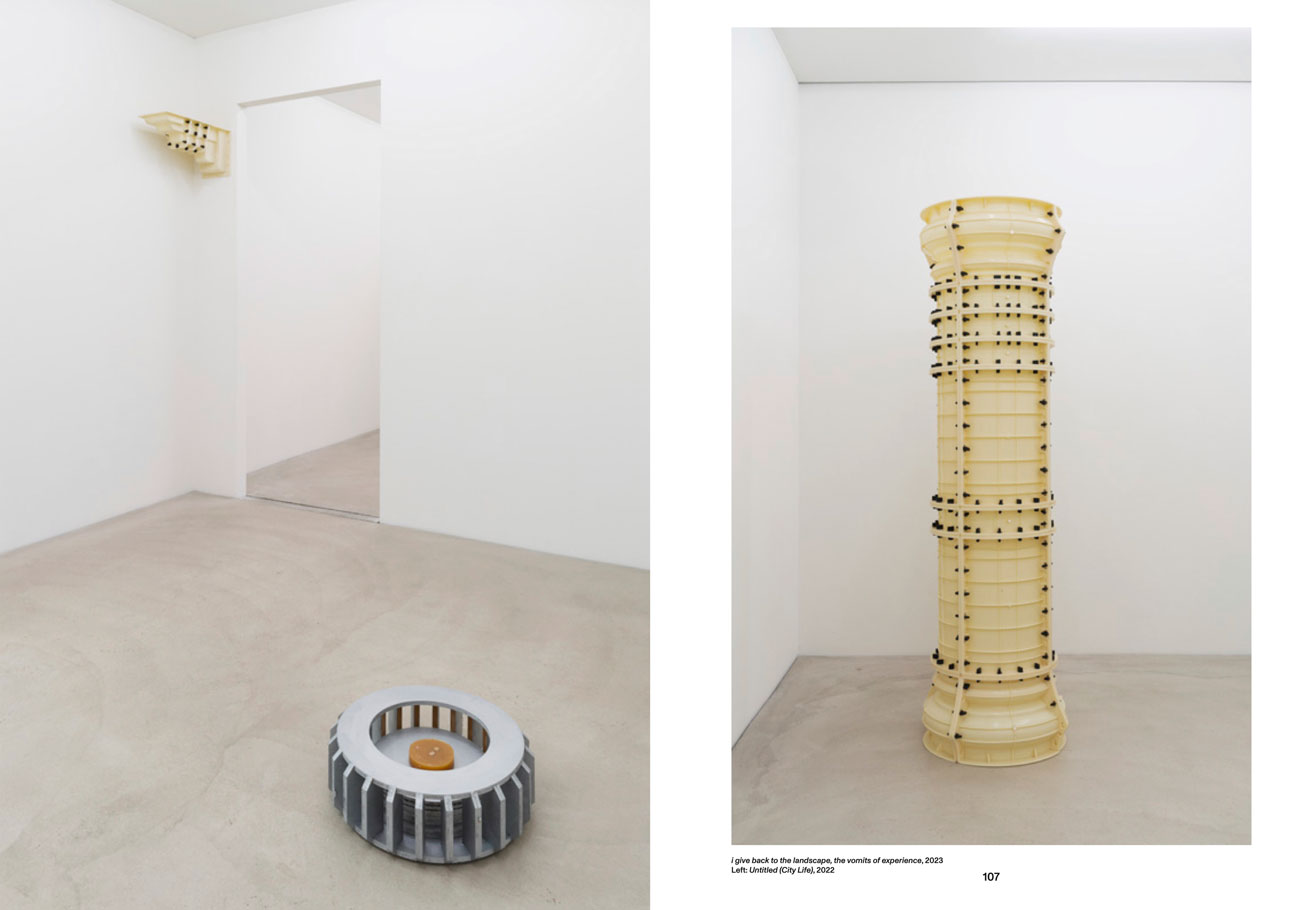
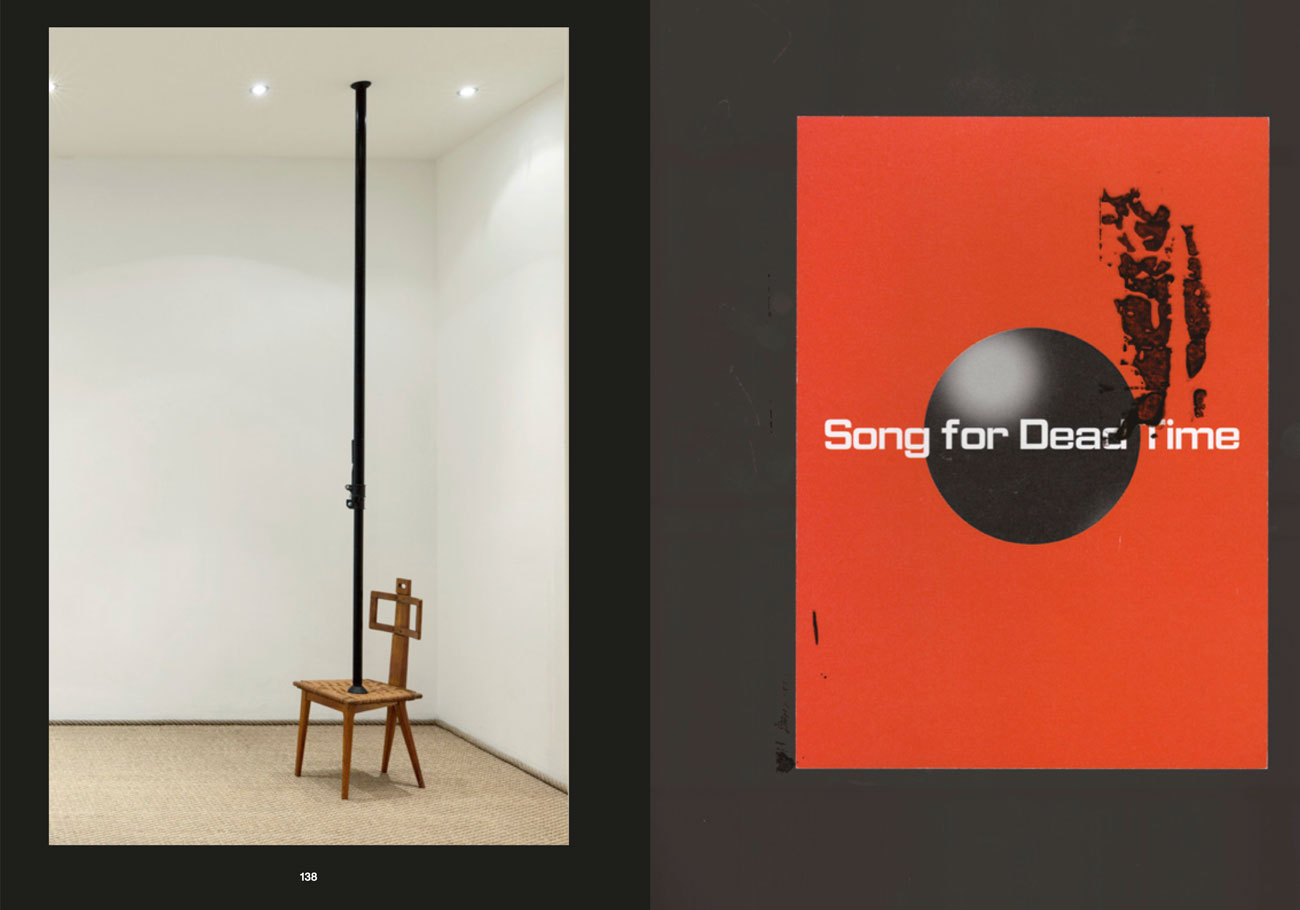
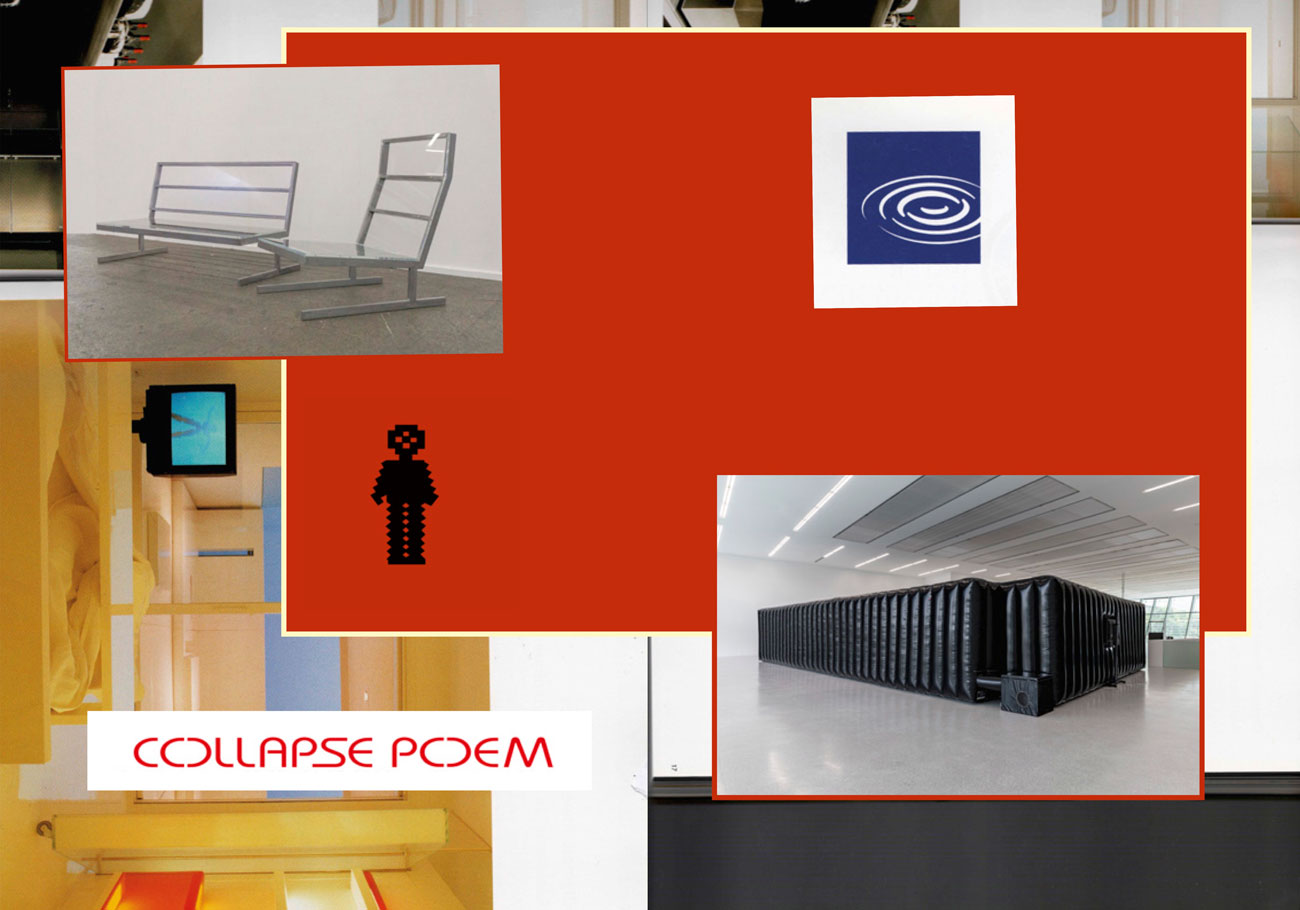
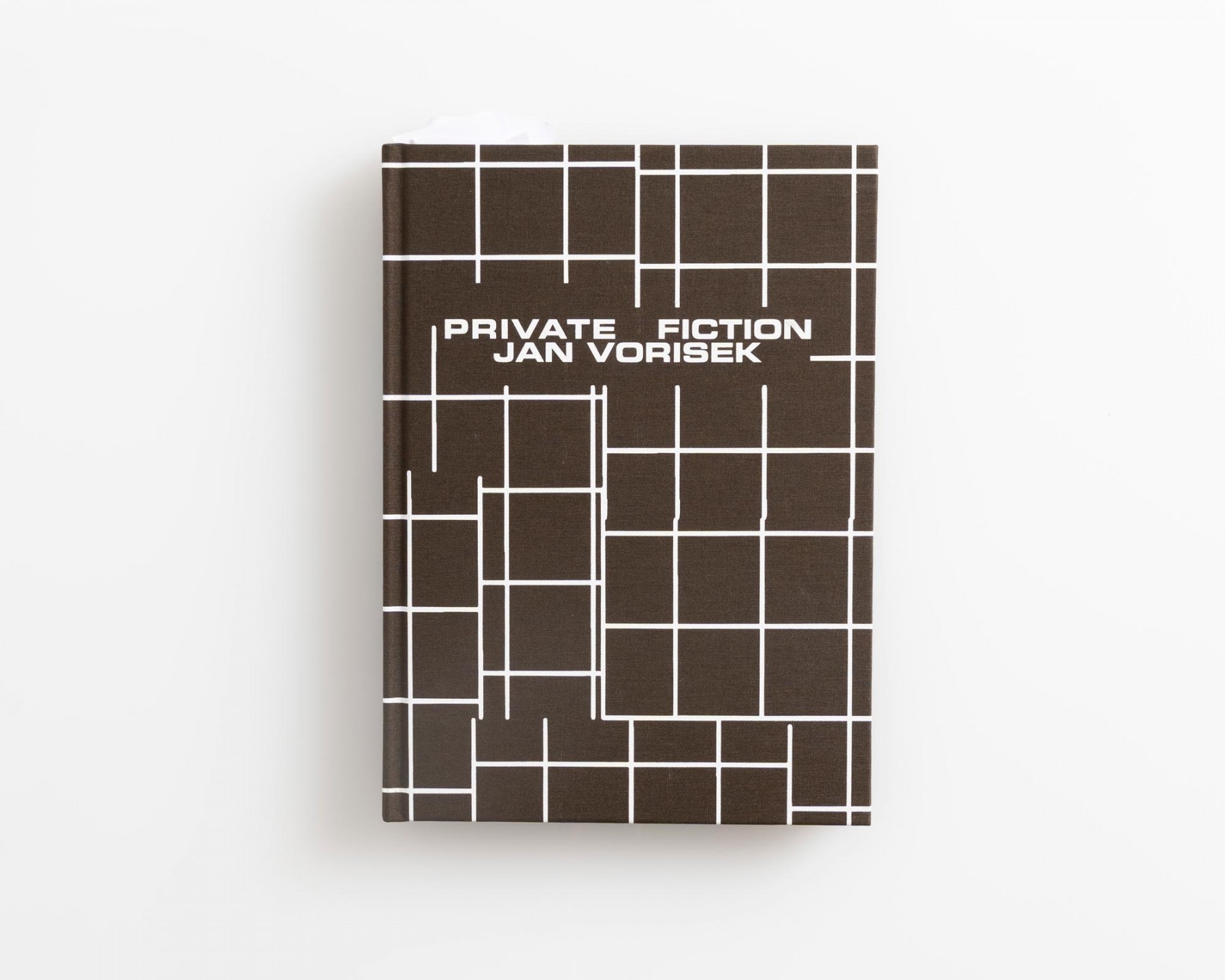
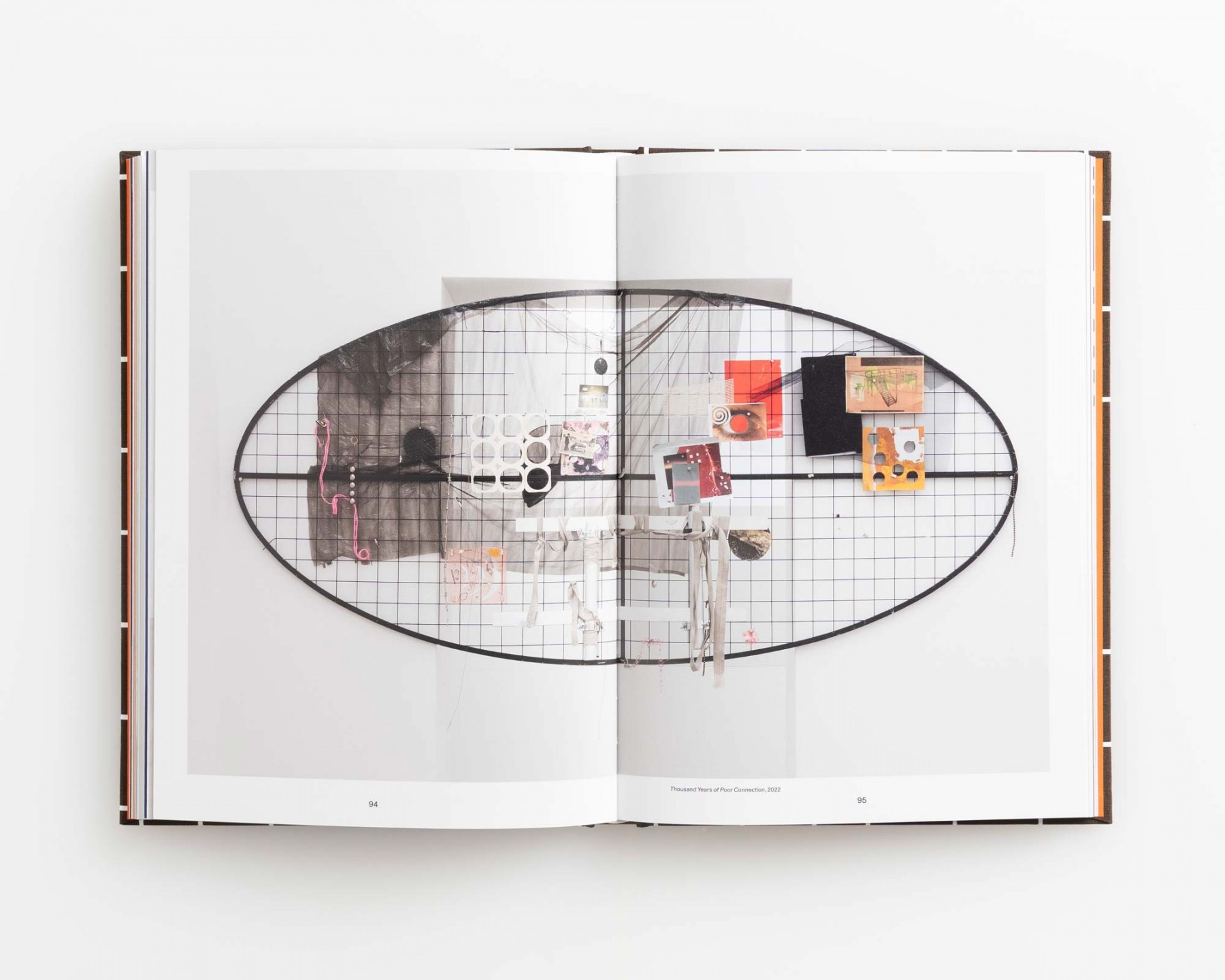
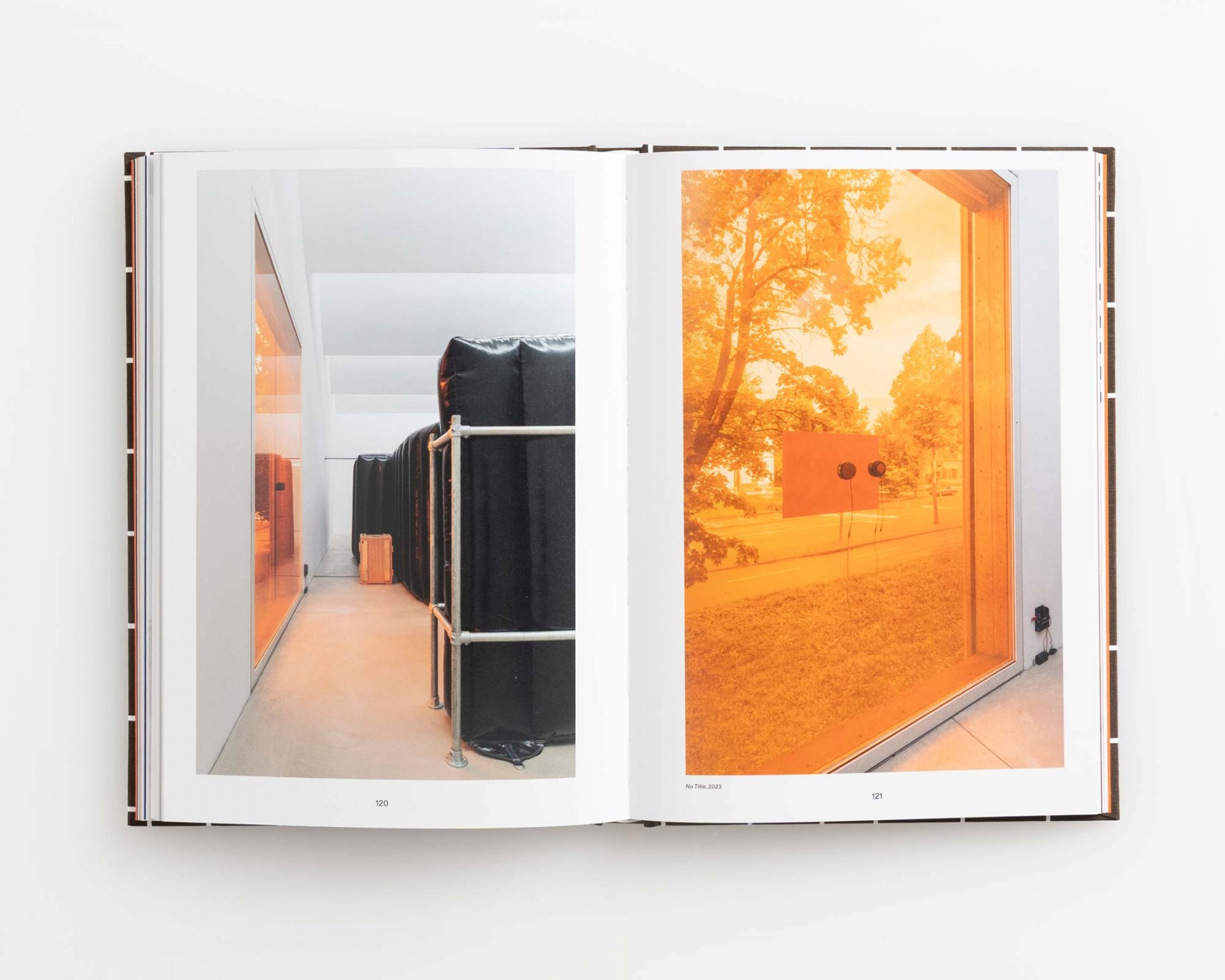
Swiss artist Jan Vorisek (born 1987 in Basel) works across sculpture, video and sound to create site-specific installations that examine formal hierarchies through the delineation of space. In assemblages of found materials and sound-producing devices, he explores the fluctuation of noise as a medium for information. The multitudes of the smallest details of Vorisek’s practice provide, just as the complexities of the room-size installation do, an intricate, layered and endlessly unfolding potential for encounter and revelation.
A recurring theme in Vorisek’s works is the idea of process, decay or corrosion, not only as metaphor but as operative method: structures and objects are continuously disassembled, re-organized, re-animated, creating fluctuating environments where form and sound interweave.
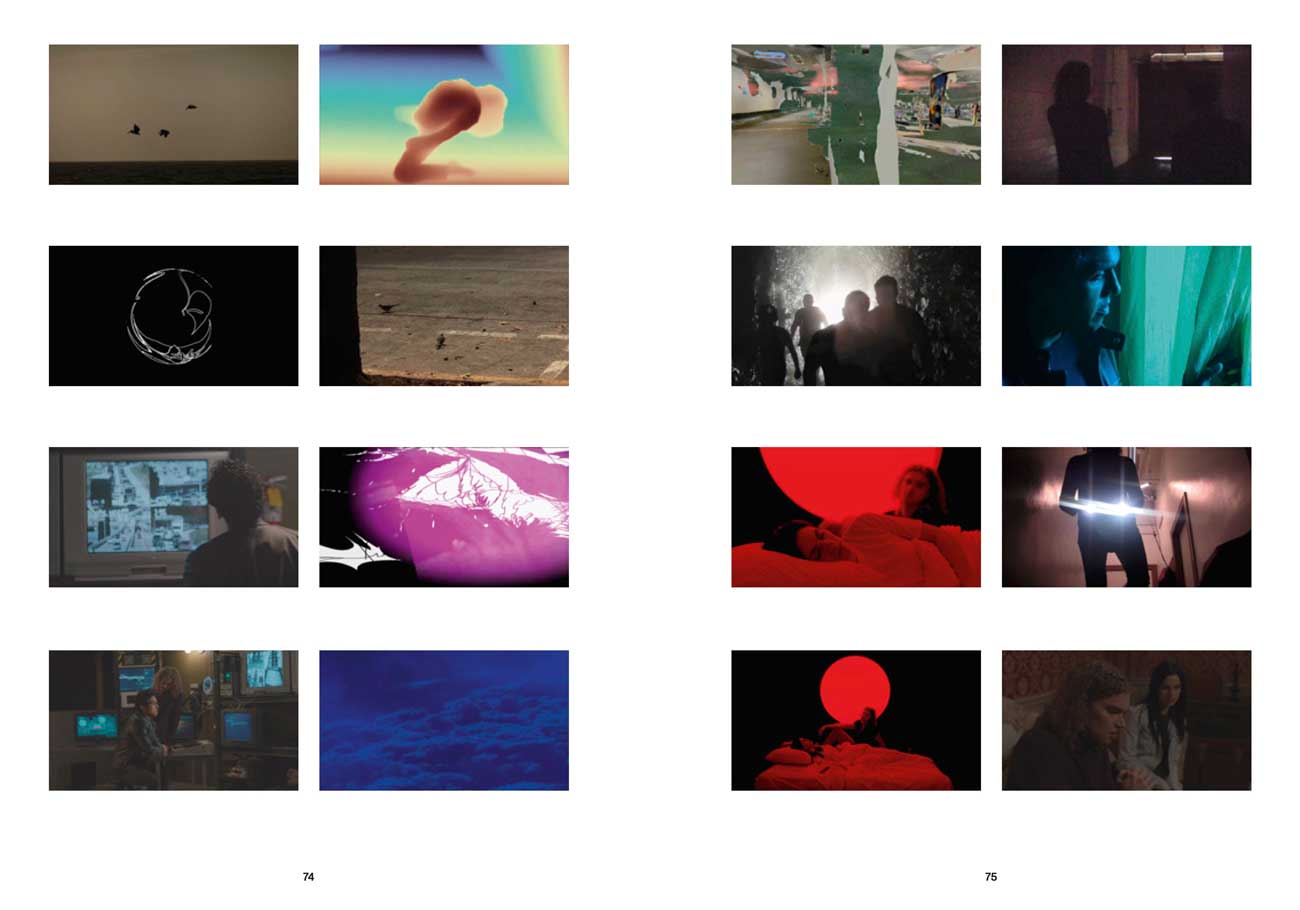
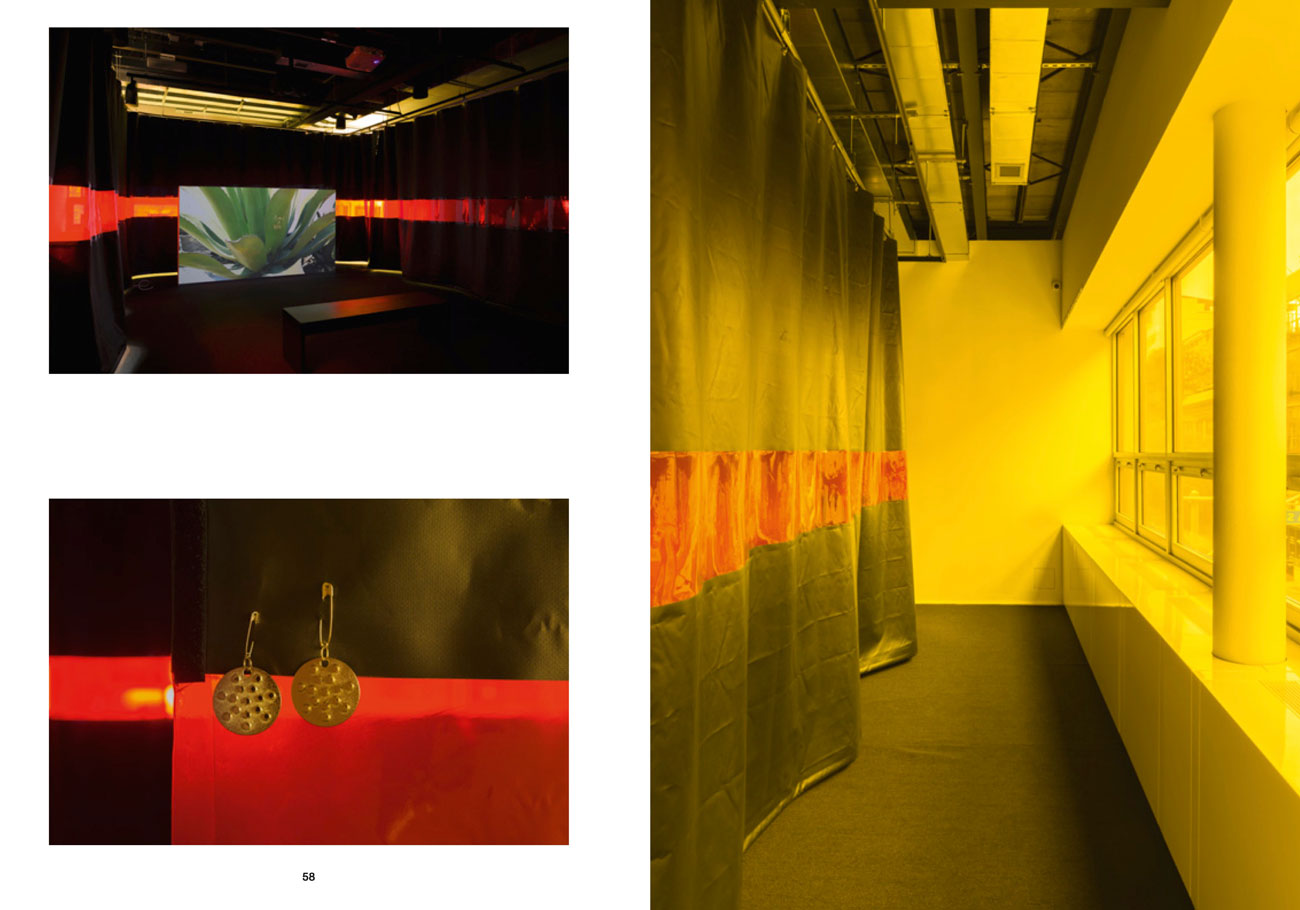
The essays in the artist’s first-ever monograph, alongside image portfolios of the exhibitions they explore and an appendix that features photos and documentation of Vorisek’s performances, recordings and ephemera, grant us unprecedented access to the private fictions that the work reveals.