A Cosmic Movie Camera is the title of the 18th edition of the BIM’24, which also marks the 50th anniversary of the Biennale organized by the Centre d’Art Contemporain Genève. By blending the real and the virtual, its catalogue captures the spirit of the exhibition, which explores the evolution of moving images, particularly in our algorithmic age.
The book seeks to define the contours of the obsession with the teenage years; a fixation that has shaped a significant strand of contemporary art over the last ten years. Adolescence is here understood as a state of mind, a prolonged condition that dissolves the transition into adulthood and becomes a critique of an unstable world.
In this multi-voiced book, starting from the Orobie Alpine range, the mountainside becomes an epistemological lens through which to interpret contemporaneity and address issues such as multi-species migrations, our relationship with geological time and intergenerational inheritance, and the rethinking of collective memories and rituals.
For years now, the Die Vier von der Tankstelle (Four from the Gas Station) have been roaming across an area stretching out to the south of the Baltic Sea. They prowl their way through sparsely populated areas, wantonly terrorizing the inhabitants. The 2026 calendar by Jos de Gruyter and Harald Thys bears witness to their presence.
The first monograph dedicated to Lorenza Longhi, published with the Kunst Museum Winterthur, adopts a format associated with prototypes, manuals, or working documents. Its irregularities reflect Longhi’s ongoing examination of value, functionality, and the aesthetics of the everyday.
This publication is an extensive monograph devoted to the work of Carlos Bunga, published in conjunction with his eponymous show at CAM – Gulbenkian. In addition to a number of essays, which offer an in-depth look at his multifaceted practice, the book contains previously unpublished photos that reveal his working process.
Edited by Alison Coplan
Texts by Brit Barton, Paige K. Bradley, Elisa R. Linn, Tyler Maxin
Designed by Pacific
2025, English, hardcover, 28.5 x 20.5 cm, 184 pages
ISBN 979-12-80579-71-3
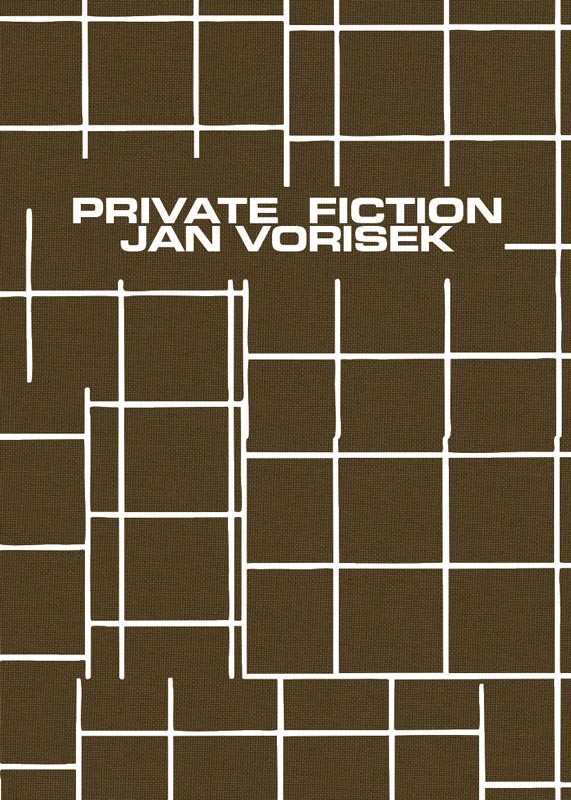
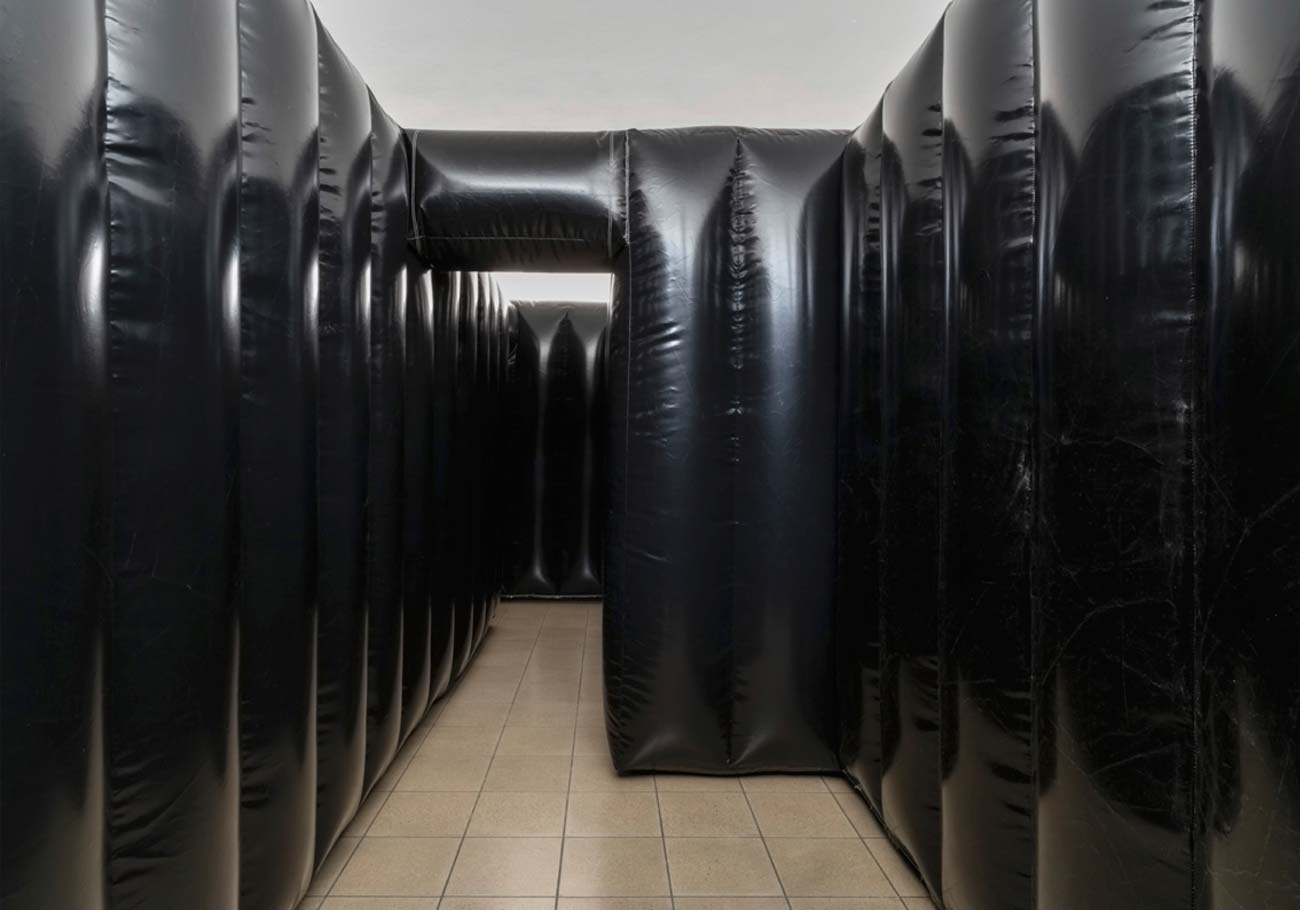
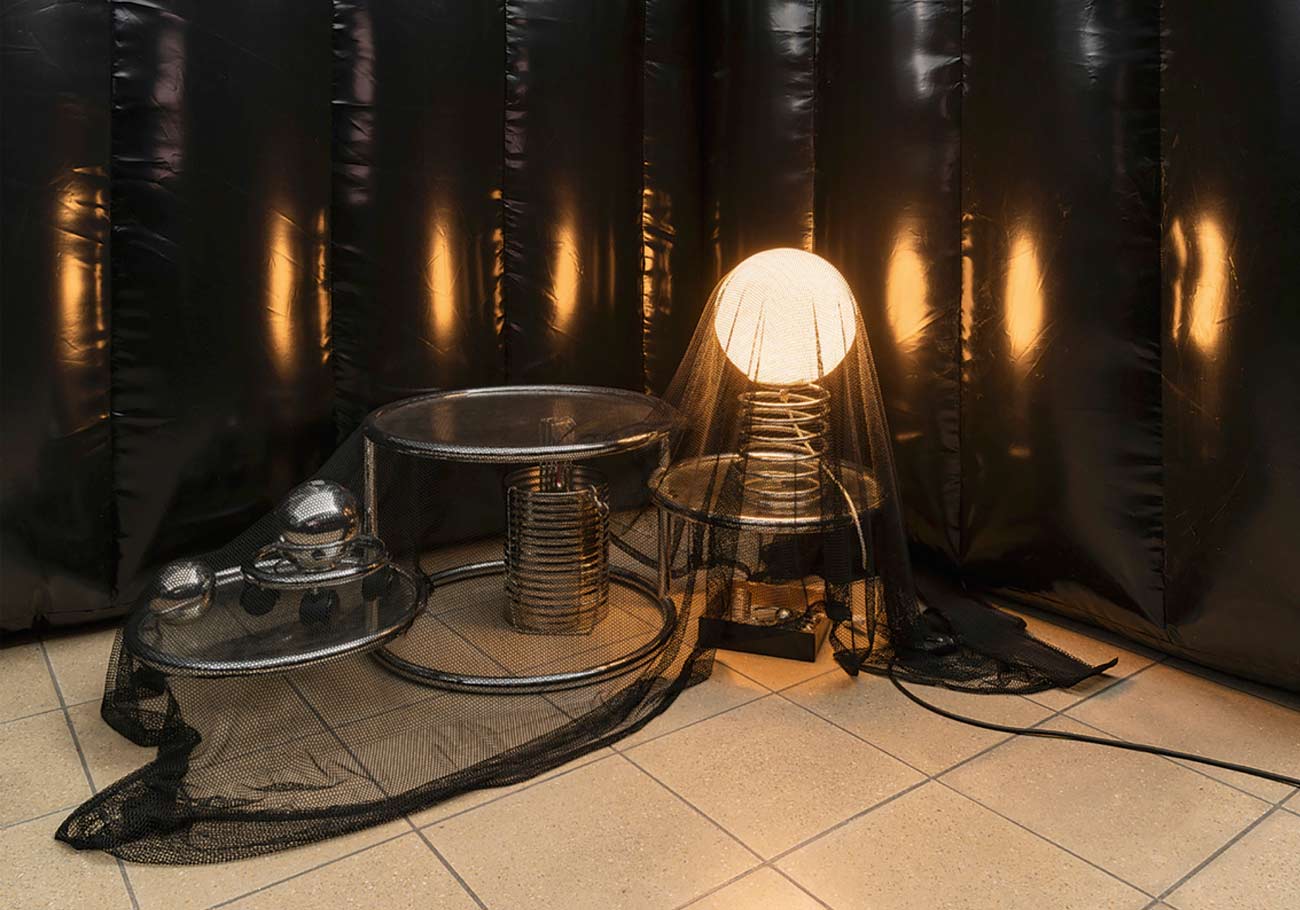
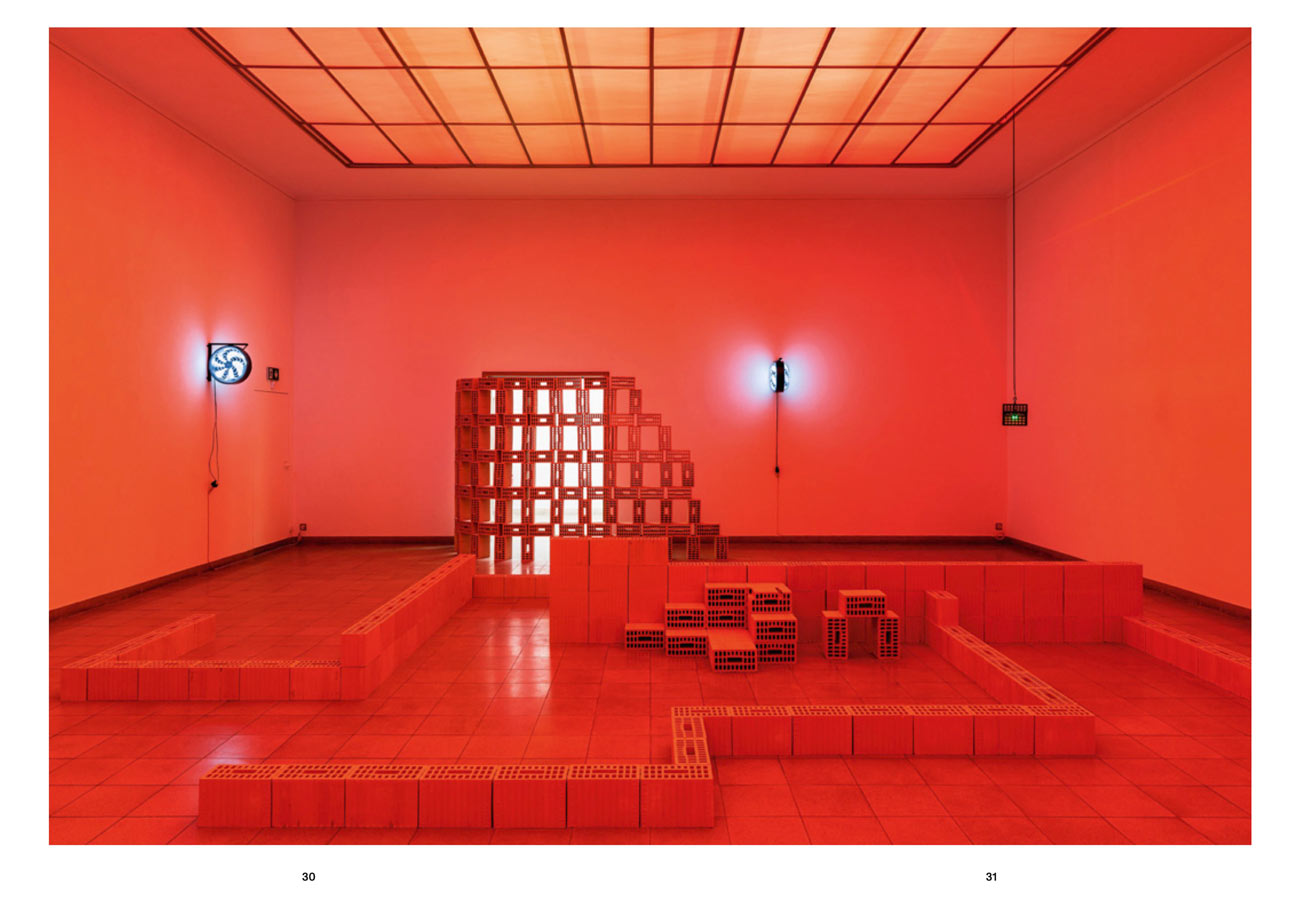
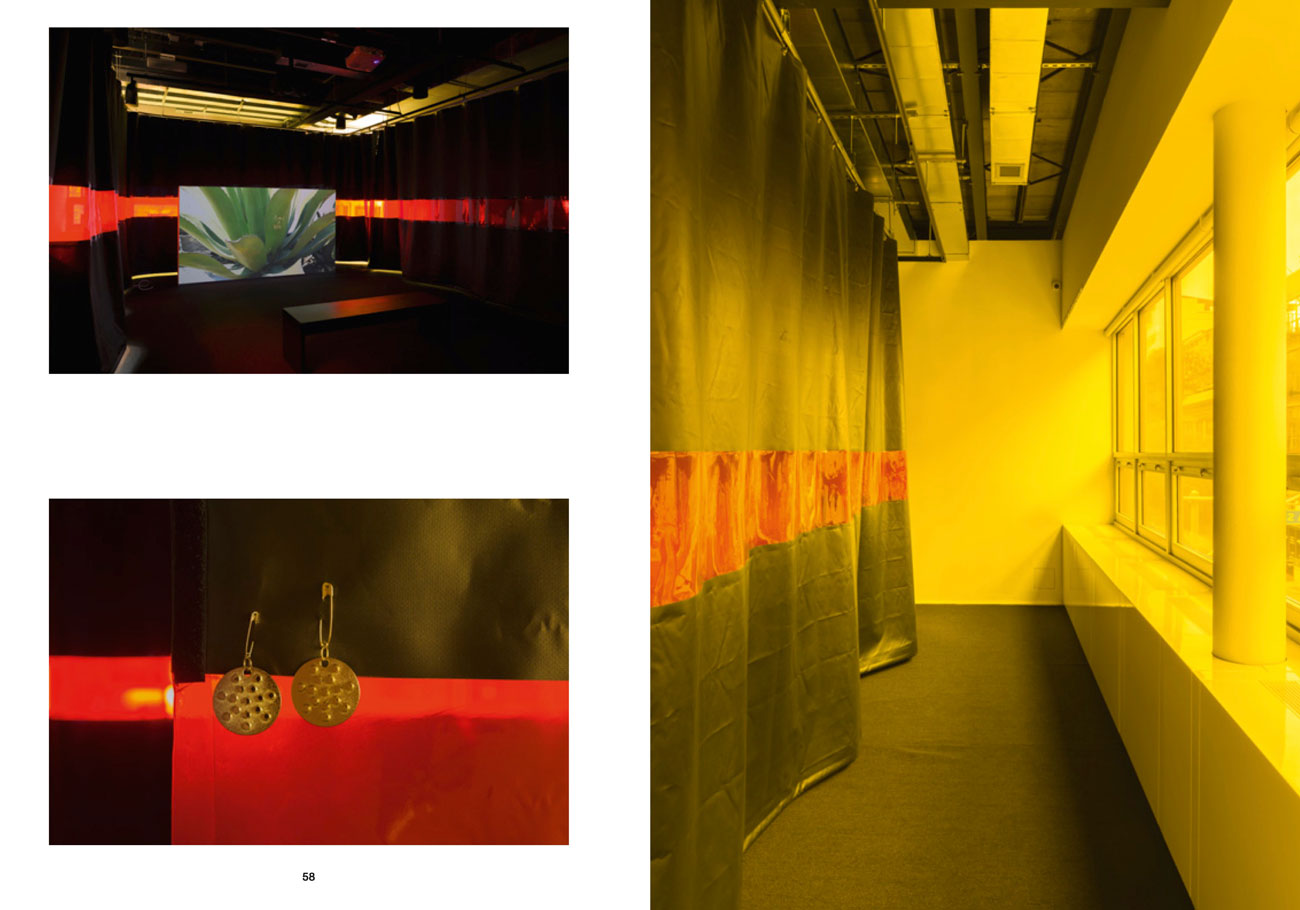
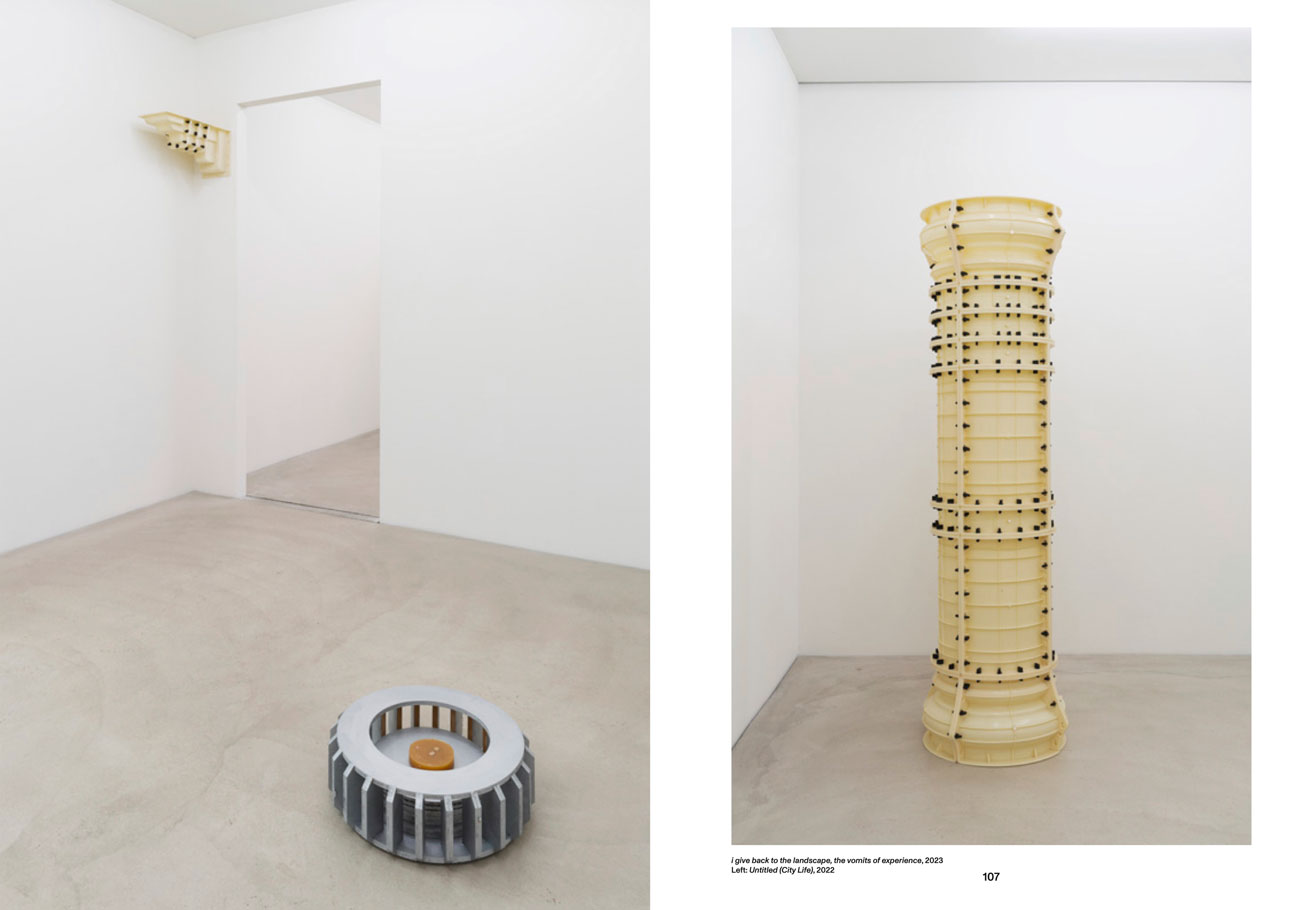
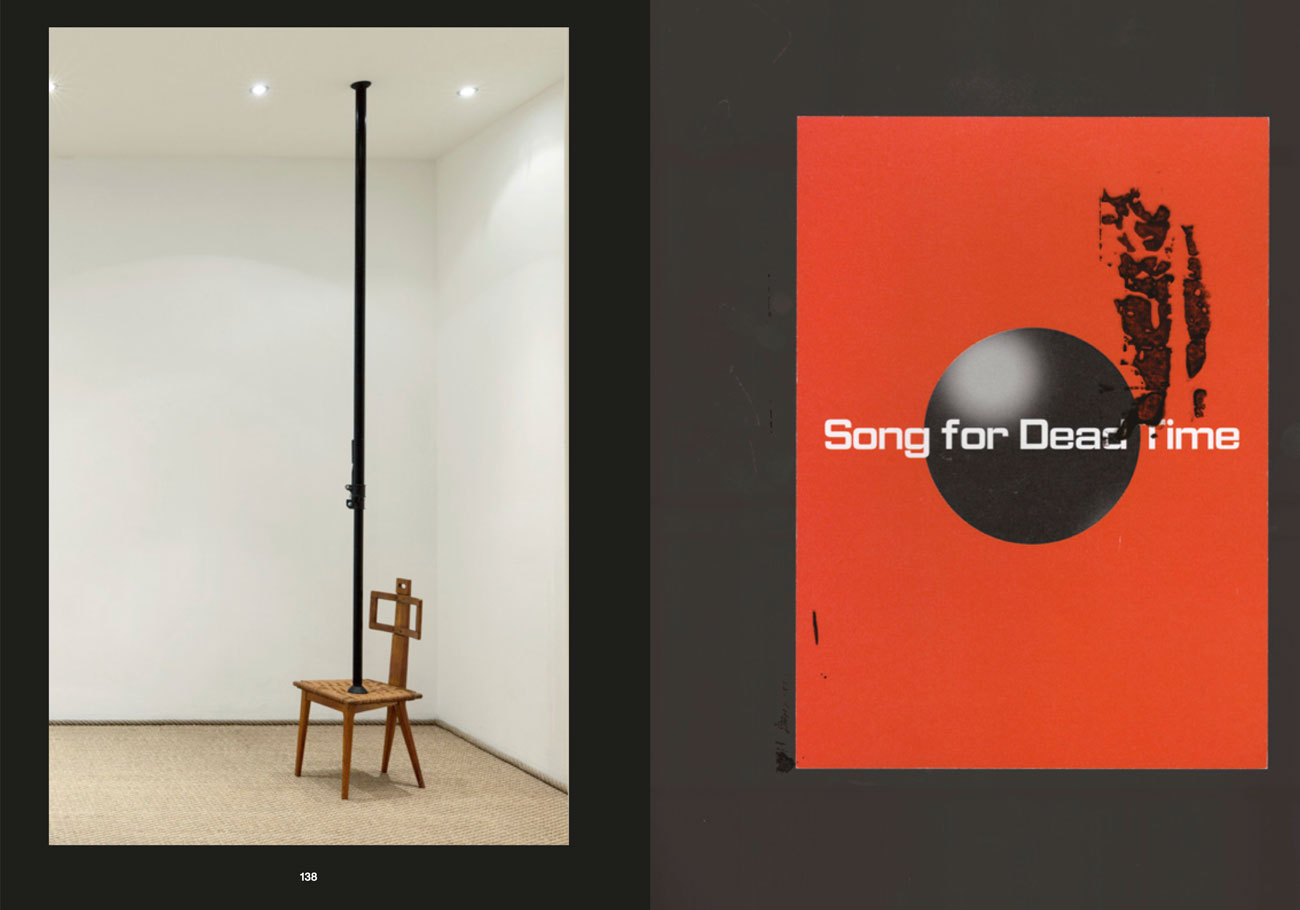
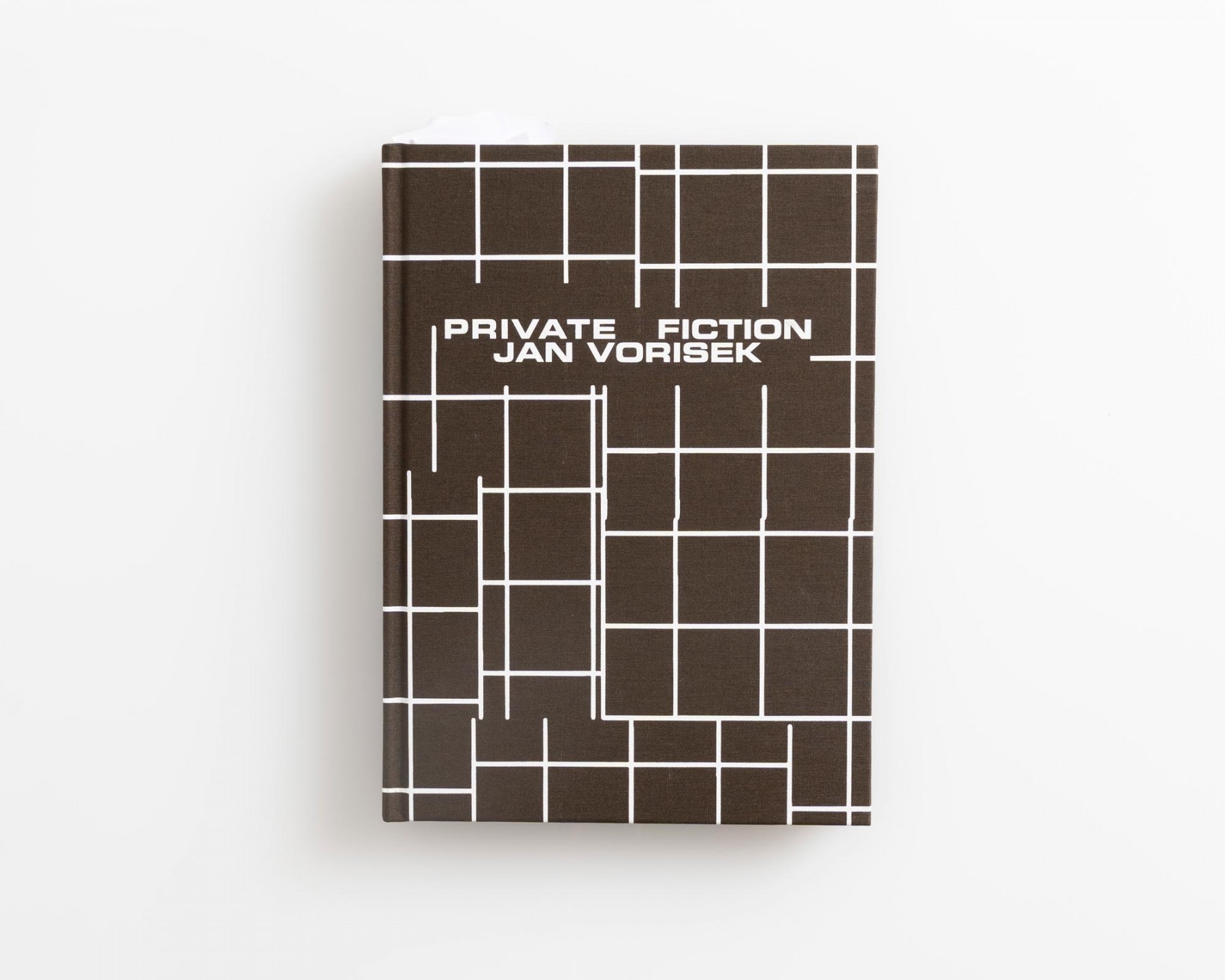
Swiss artist Jan Vorisek (born 1987 in Basel) works across sculpture, video and sound to create site-specific installations that examine formal hierarchies through the delineation of space. In assemblages of found materials and sound-producing devices, he explores the fluctuation of noise as a medium for information. The multitudes of the smallest details of Vorisek’s practice provide, just as the complexities of the room-size installation do, an intricate, layered and endlessly unfolding potential for encounter and revelation.
A recurring theme in Vorisek’s works is the idea of process, decay or corrosion, not only as metaphor but as operative method: structures and objects are continuously disassembled, re-organized, re-animated, creating fluctuating environments where form and sound interweave.
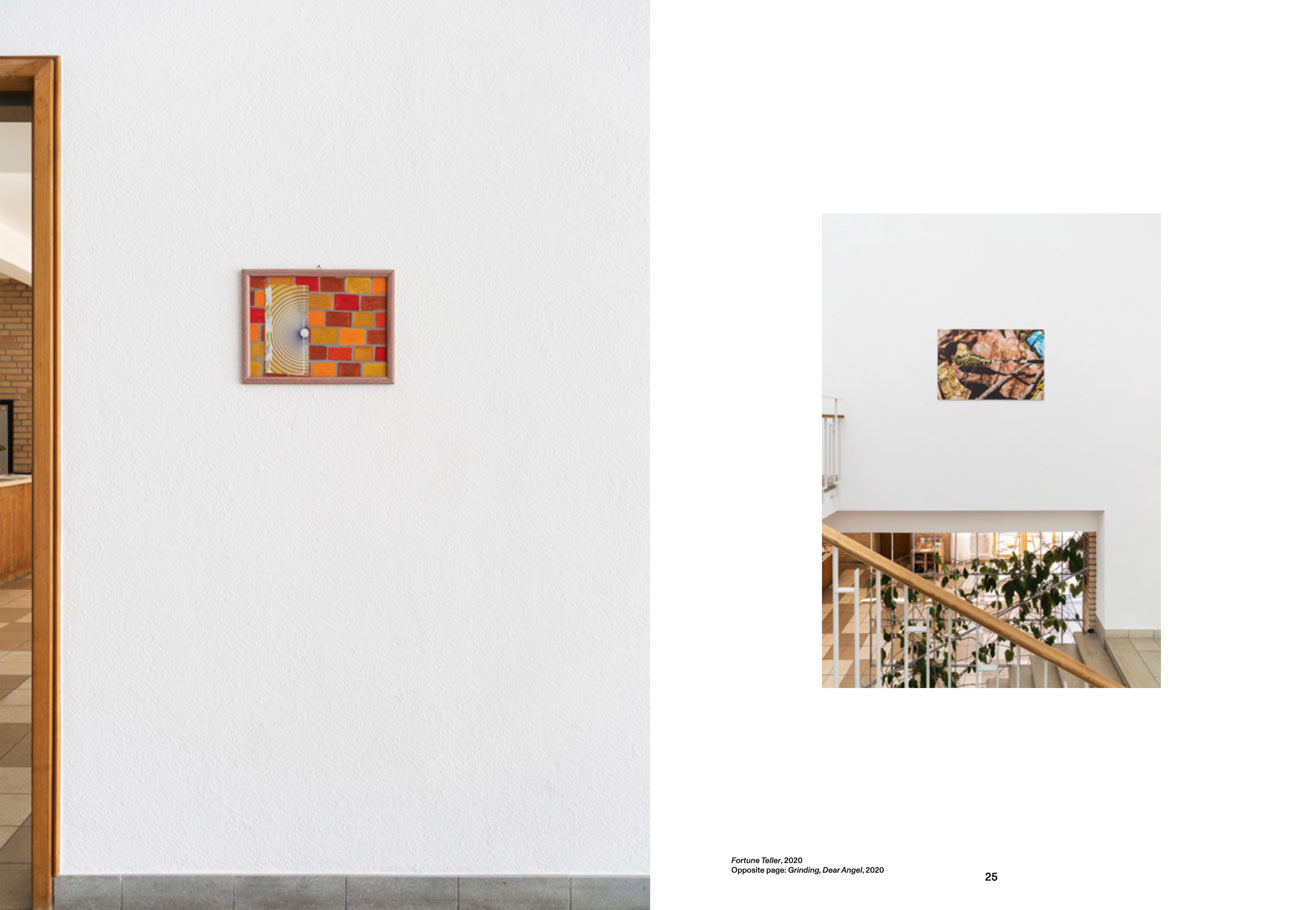
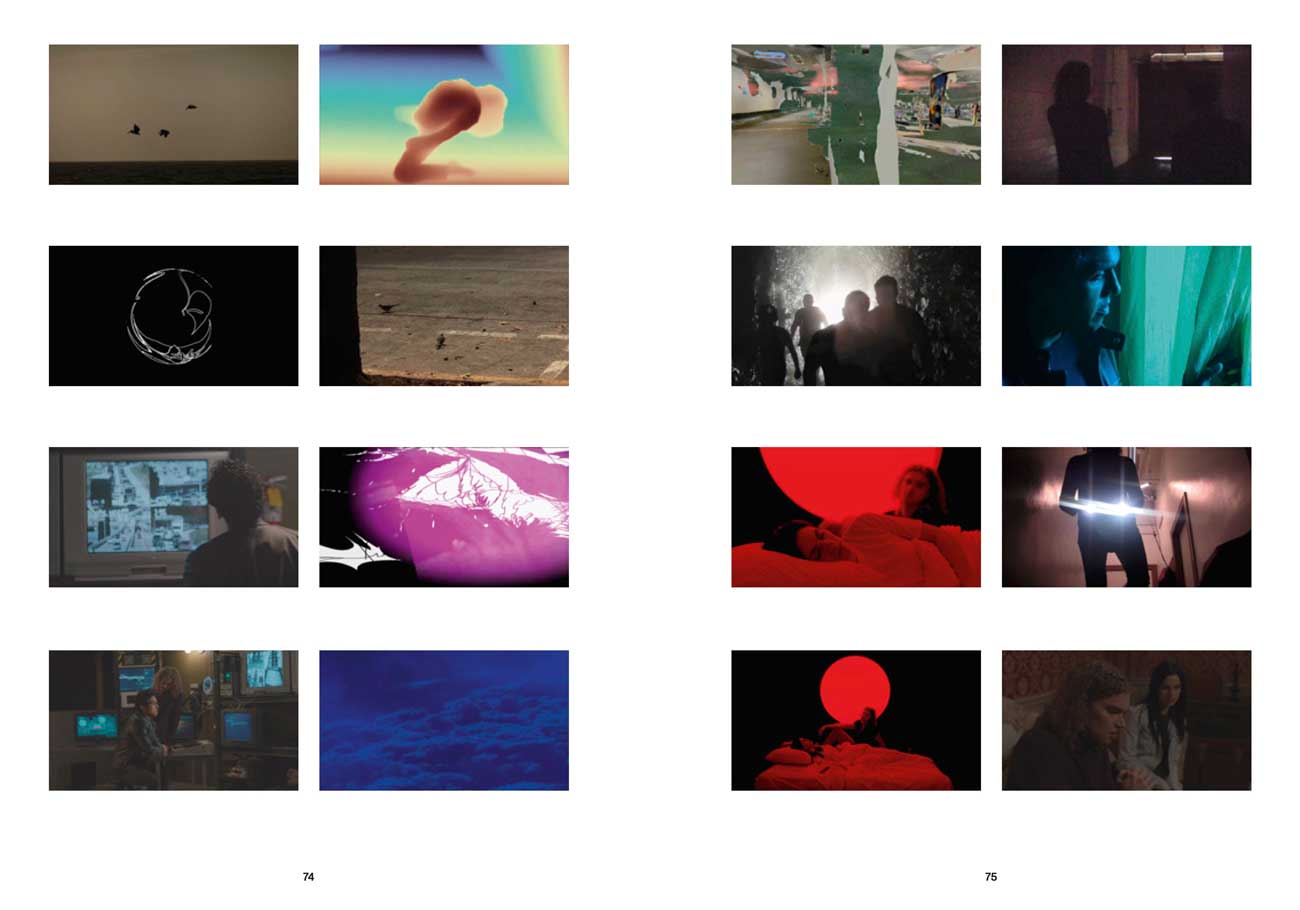
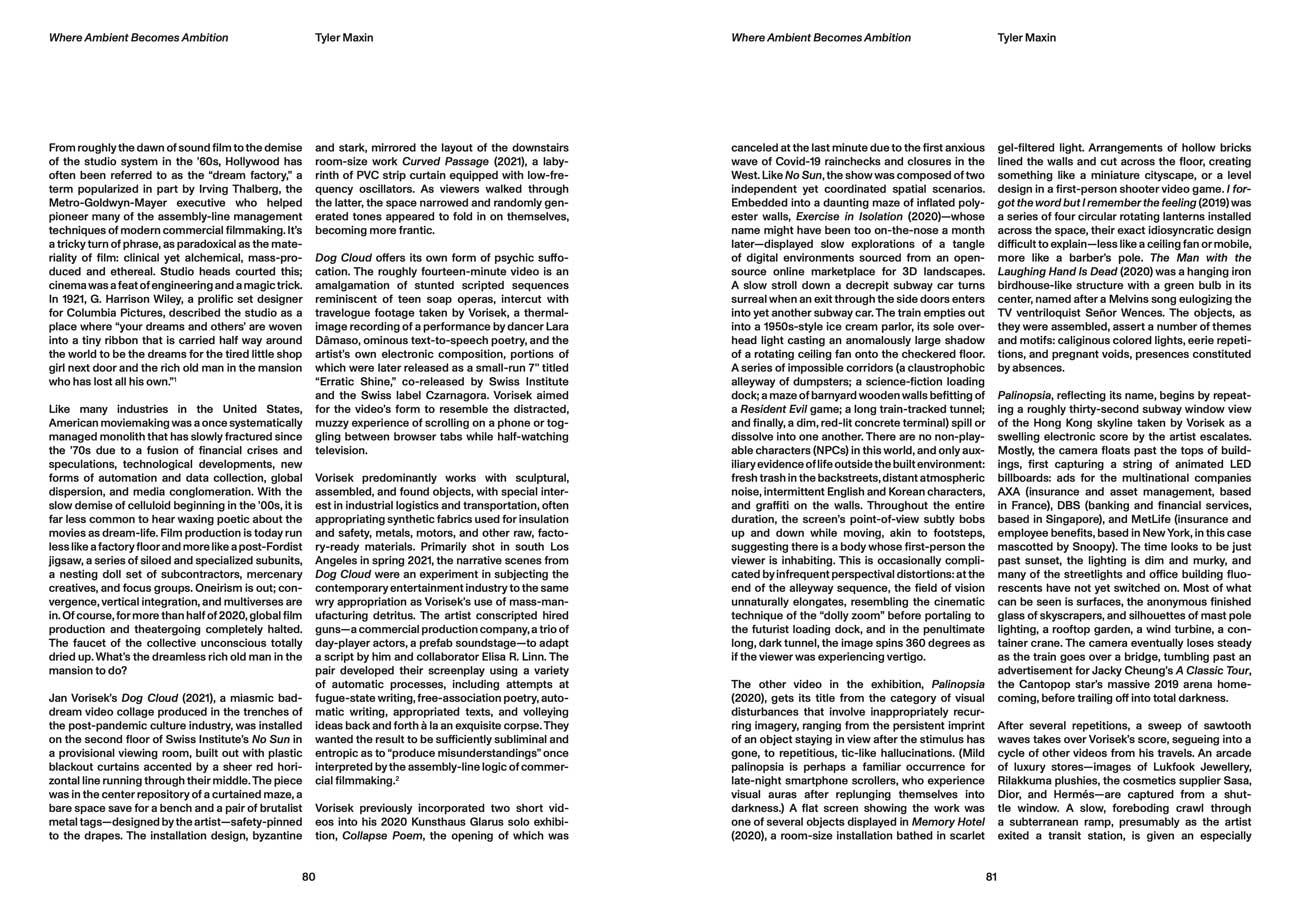
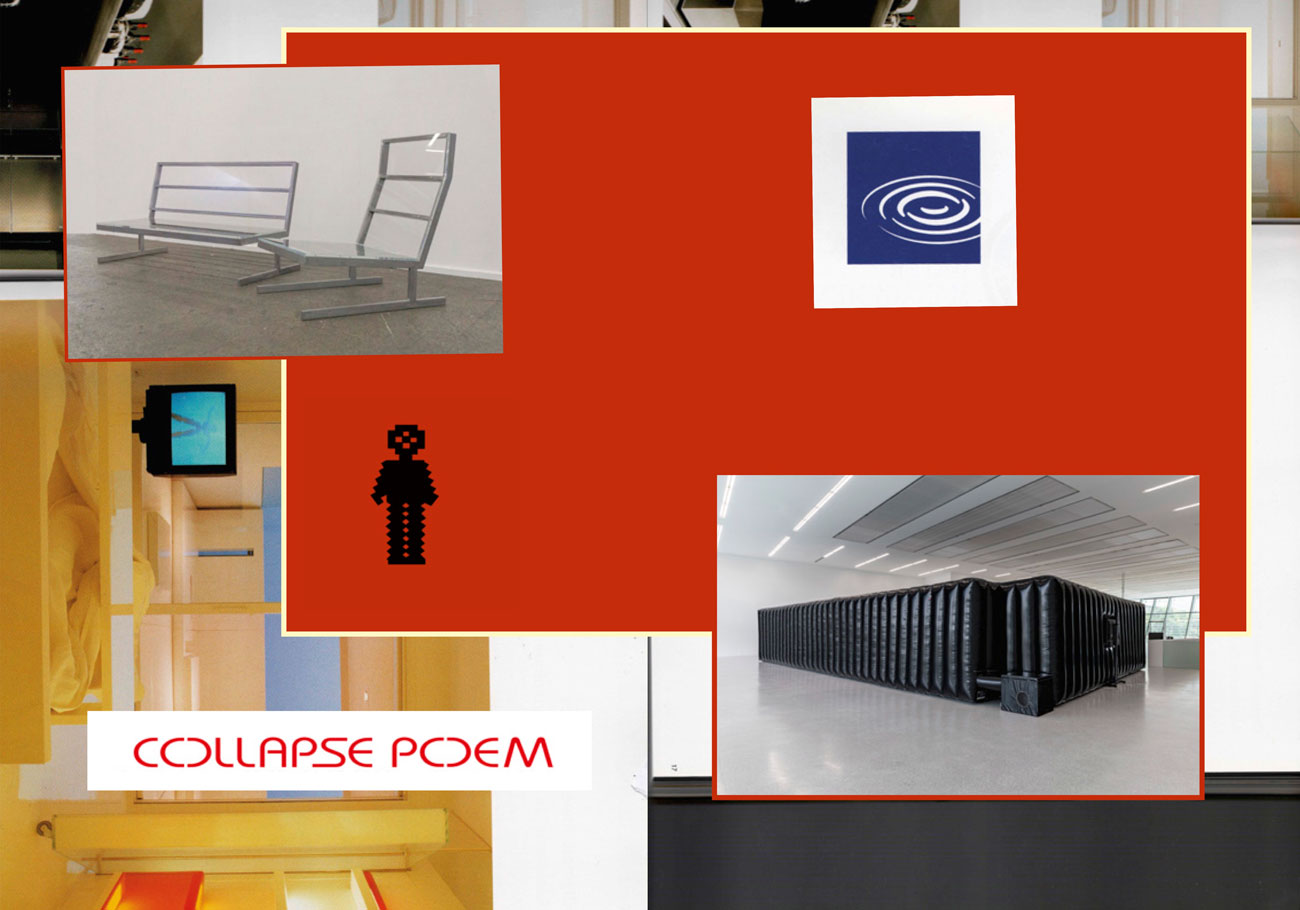
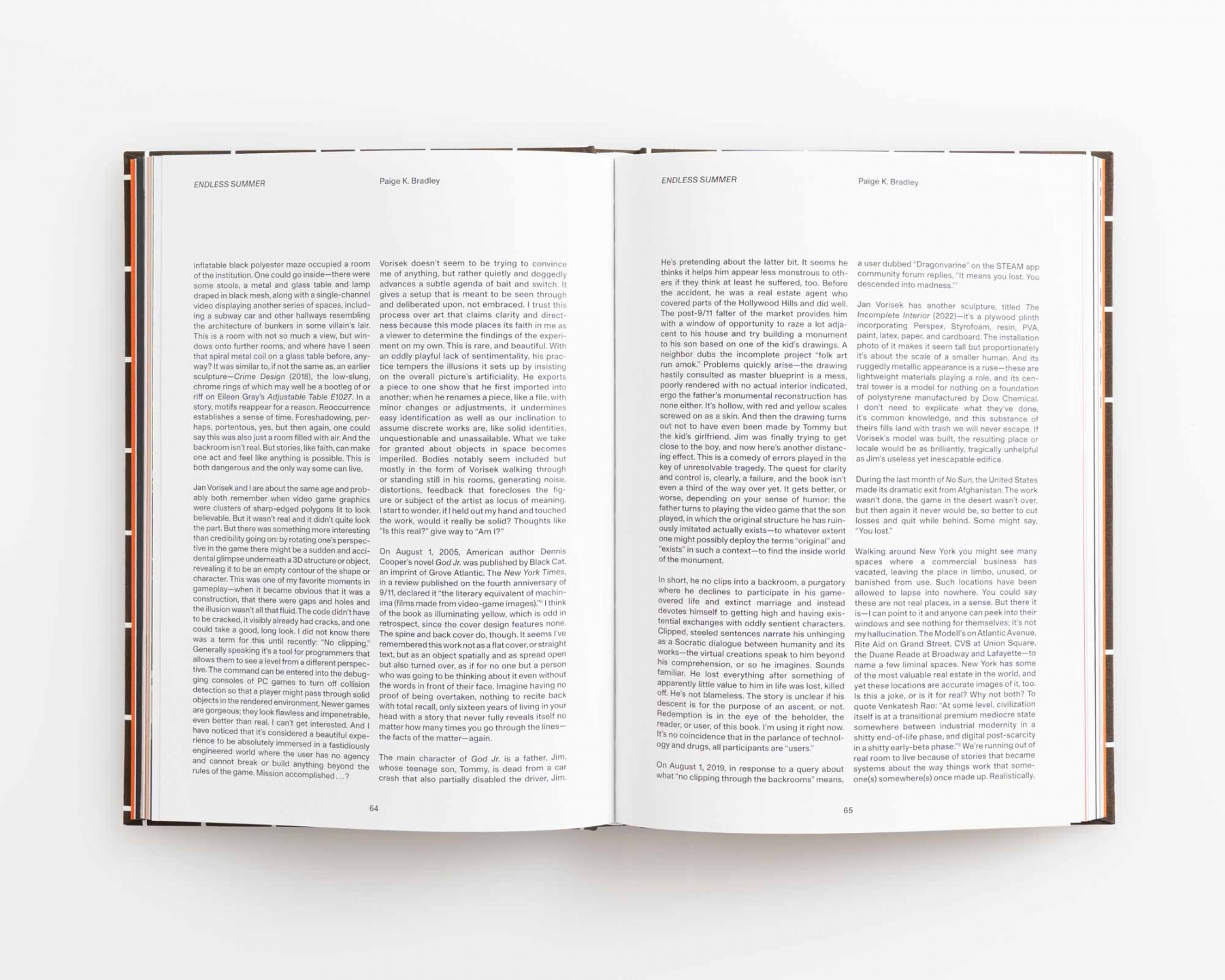
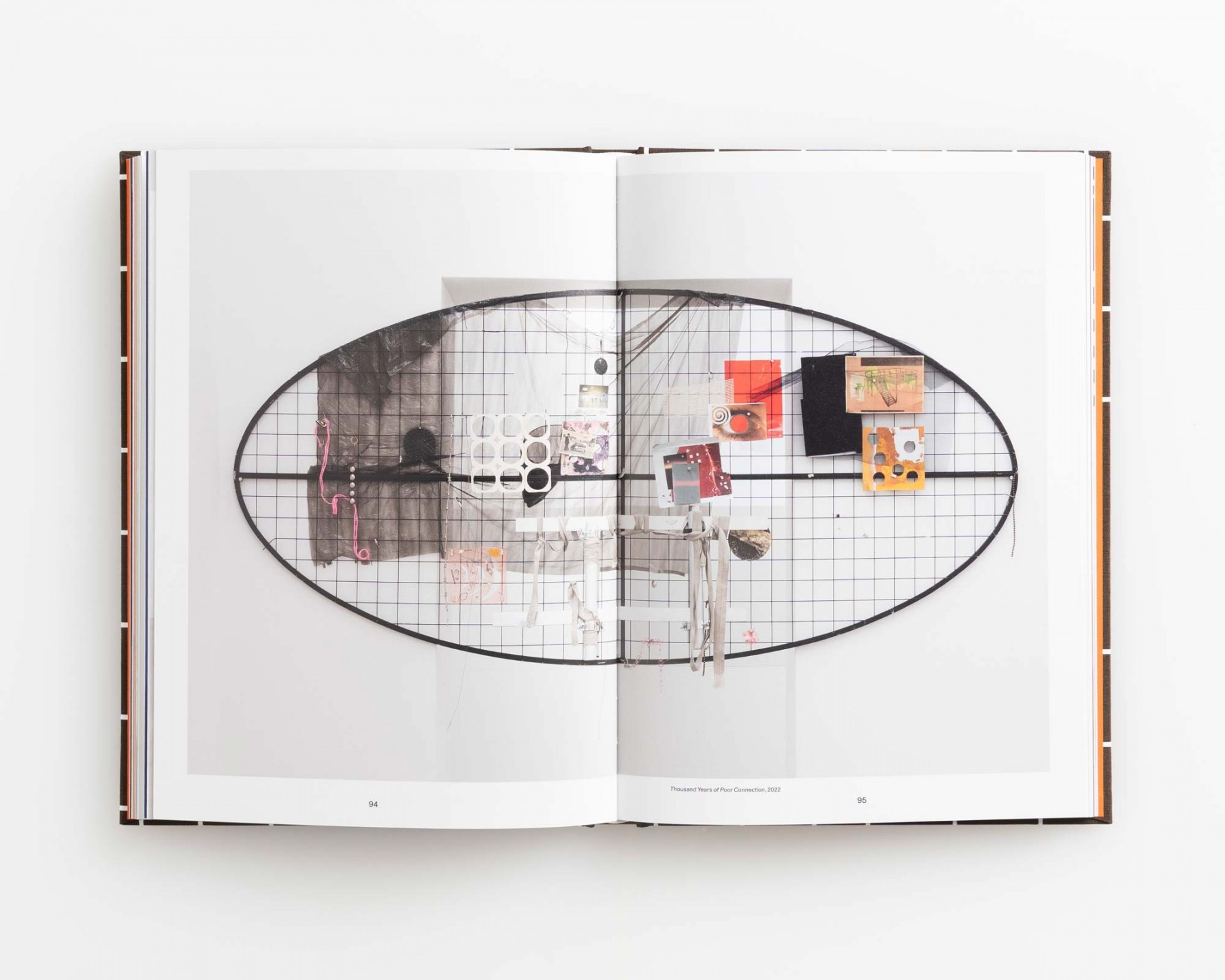
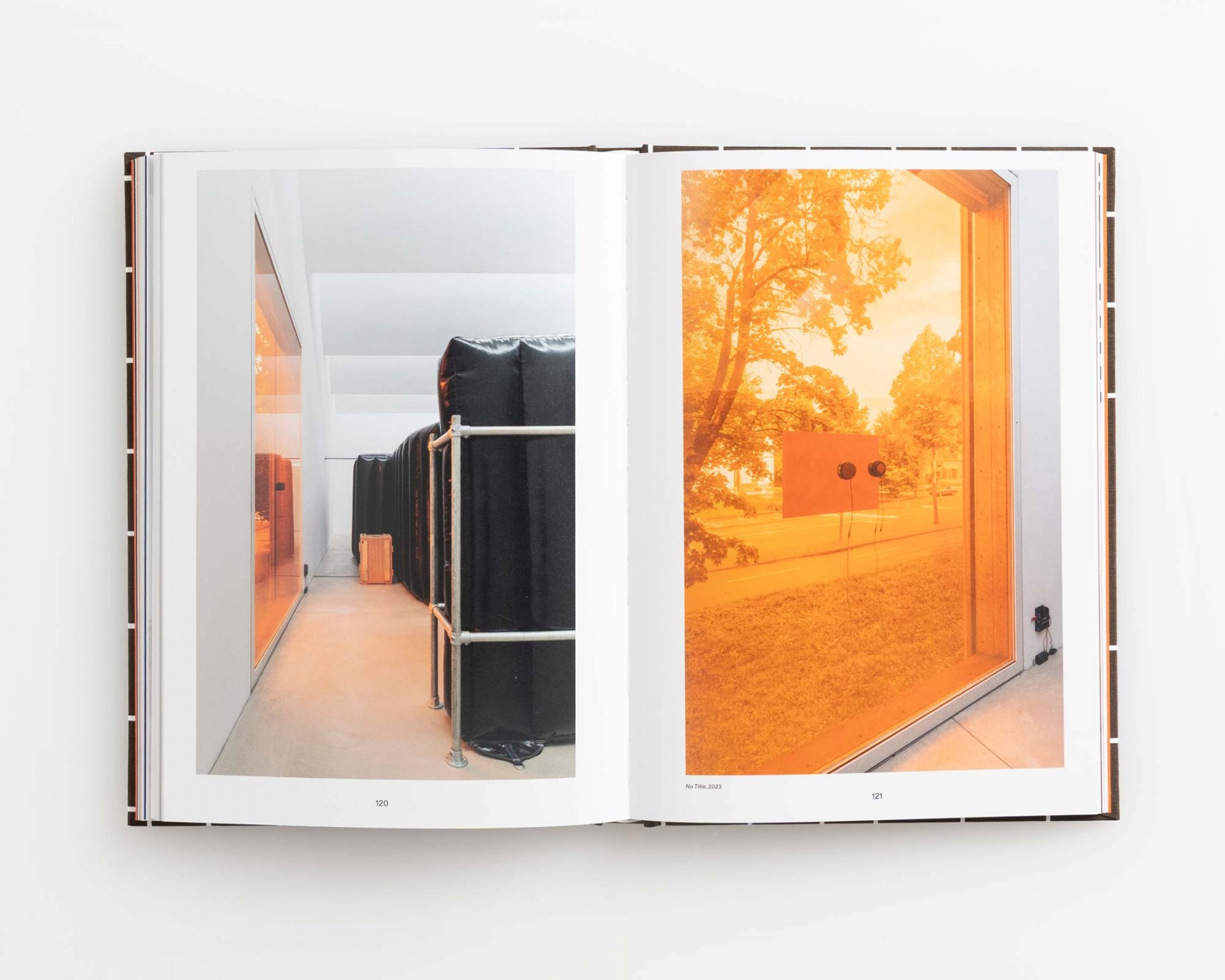
The essays in the artist’s first-ever monograph, alongside image portfolios of the exhibitions they explore and an appendix that features photos and documentation of Vorisek’s performances, recordings and ephemera, grant us unprecedented access to the private fictions that the work reveals.