This richly illustrated book considers the dazzling oeuvre of choreographer and dancer Marlene Monteiro Freitas. In line with her creative methodology, Alexandra Balona unfolds an “atlas of affects” through five emblematic dance pieces that reveal the intensity, humor, and humanity of one of today’s most radical choreographic voices.
Invited to present an exhibition at the Galleria Borghese in Rome, Kenyan-American artist Wangechi Mutu has developed an innovative approach to museum space, challenging hierarchy, permanence, and fixed meanings. With in-depth essays and a rich selection of illustrations, this catalog retraces that exhibition and explores the themes and concerns that have long characterized the artist’s practice.
Invitata a concepire una mostra alla Galleria Borghese, l’artista keniota-americana Wangechi Mutu ha sviluppato un approccio innovativo allo spazio museale, confrontandosi con le gerarchie, la permanenze e le sedimentazioni del contesto. Attraverso saggi approfonditi e una ricca selezione di illustrazioni, questo catalogo ripercorre la mostra ed esplora i temi e le preoccupazioni che da tempo caratterizzano la pratica dell’artista.
A visual notebook of the screenshots taken by Yngve Holen over the past five years or so, 6G—the anticipated next phase of network technology—is a peculiarly sized artist’s book, a glossy non-linear agglomeration that reflects the intersections of production, life, and digital debris.
Conceived as a visual résumé, the book provides a comprehensive overview of Posenenske’s solo exhibitions and a record of her numerous group shows. Featuring an essay by curator Erlend Hammer on the role of documentary photographs in the circulation of works of art, it was published in conjunction with the eponymous show at the Haugar Art Museum in Tønsberg.
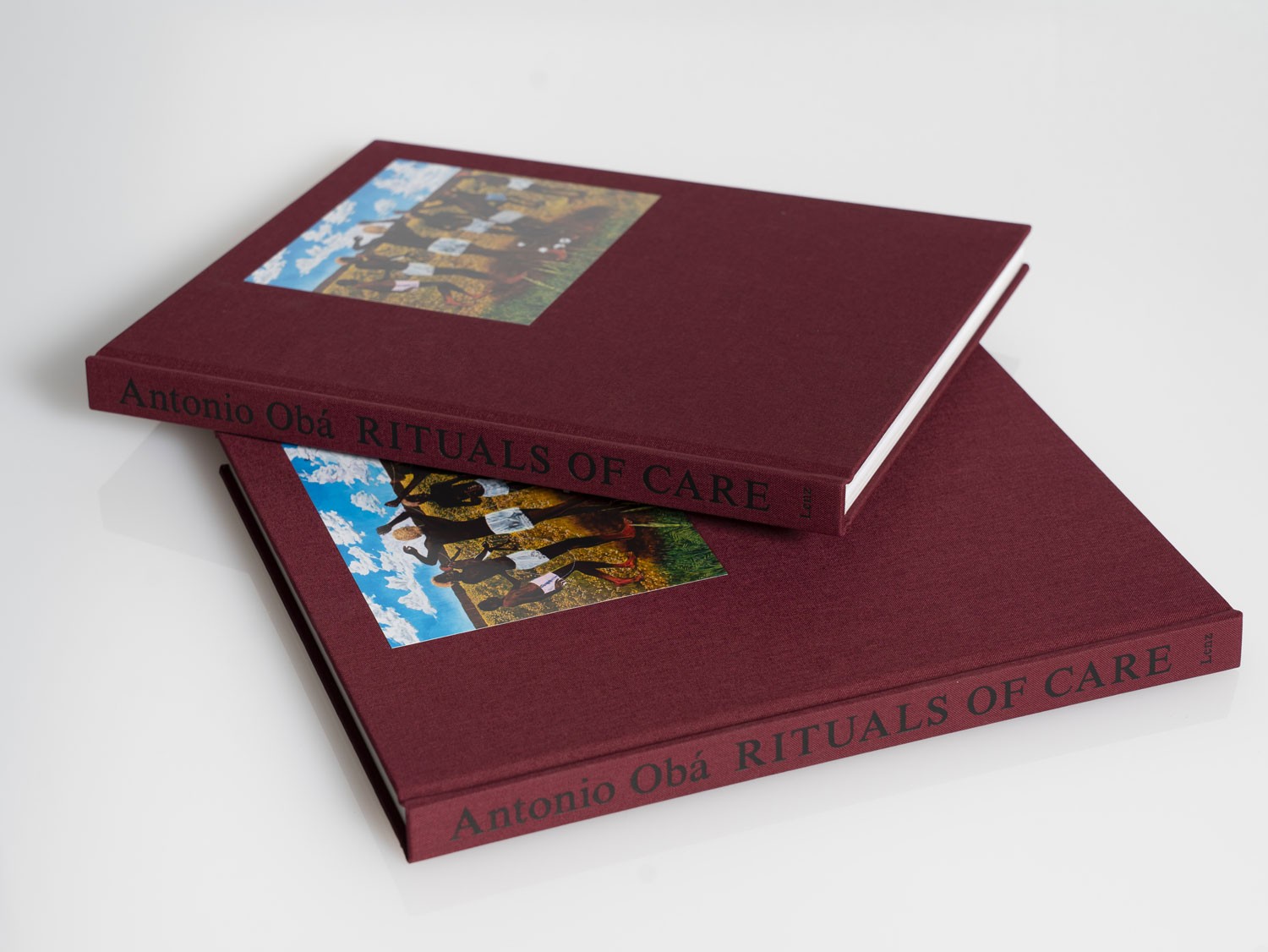
Edited by Andrea Bellini
Texts by Andrea Bellini, Lorraine Mendes, Antonio Obá, Larry Ossei-Mensah
Designed by Lorenzo Mason Studio
2025, English, hardcover, 24 x 30 cm, 224 pages
ISBN 979-12-80579-74-4
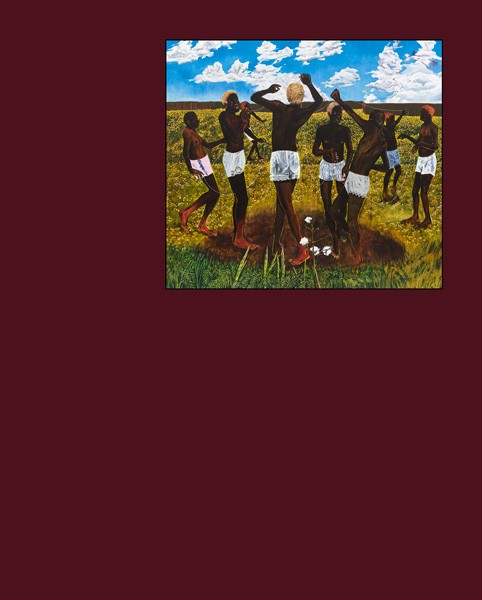
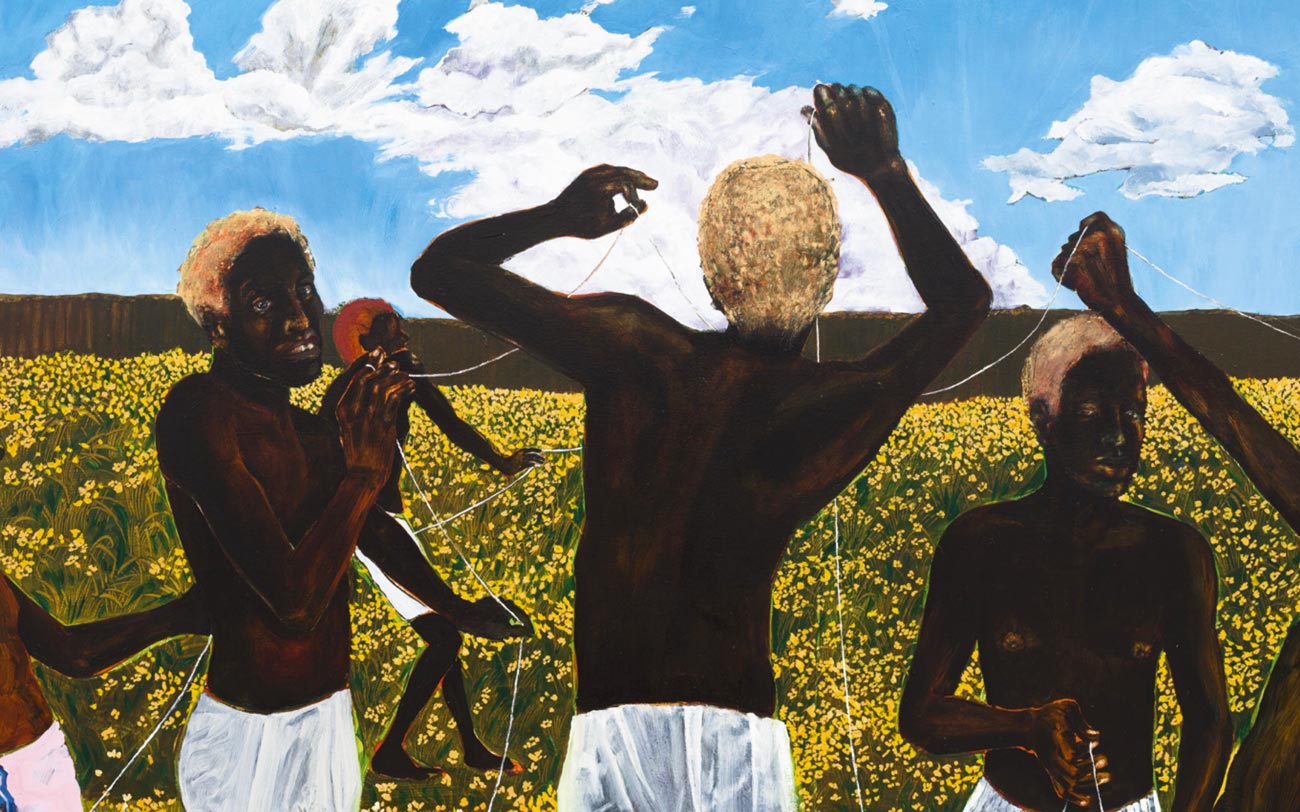
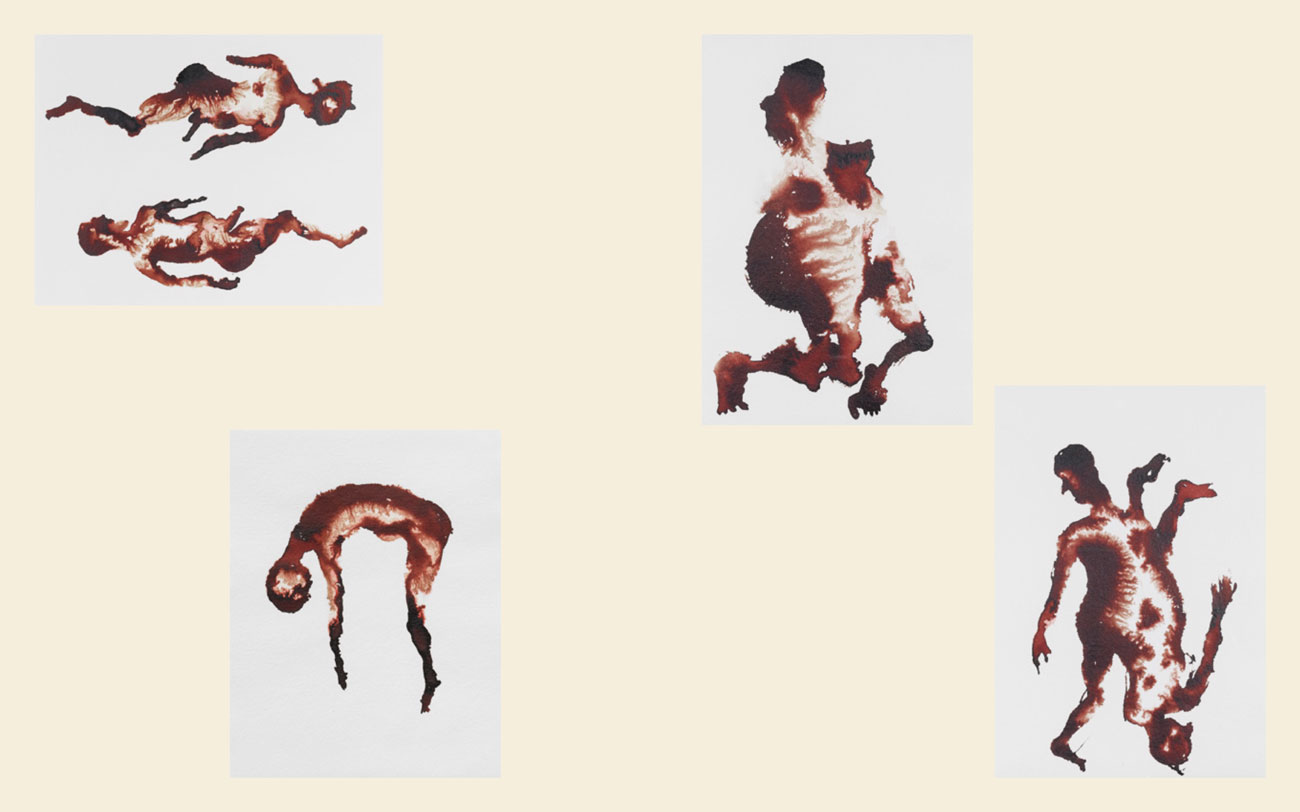
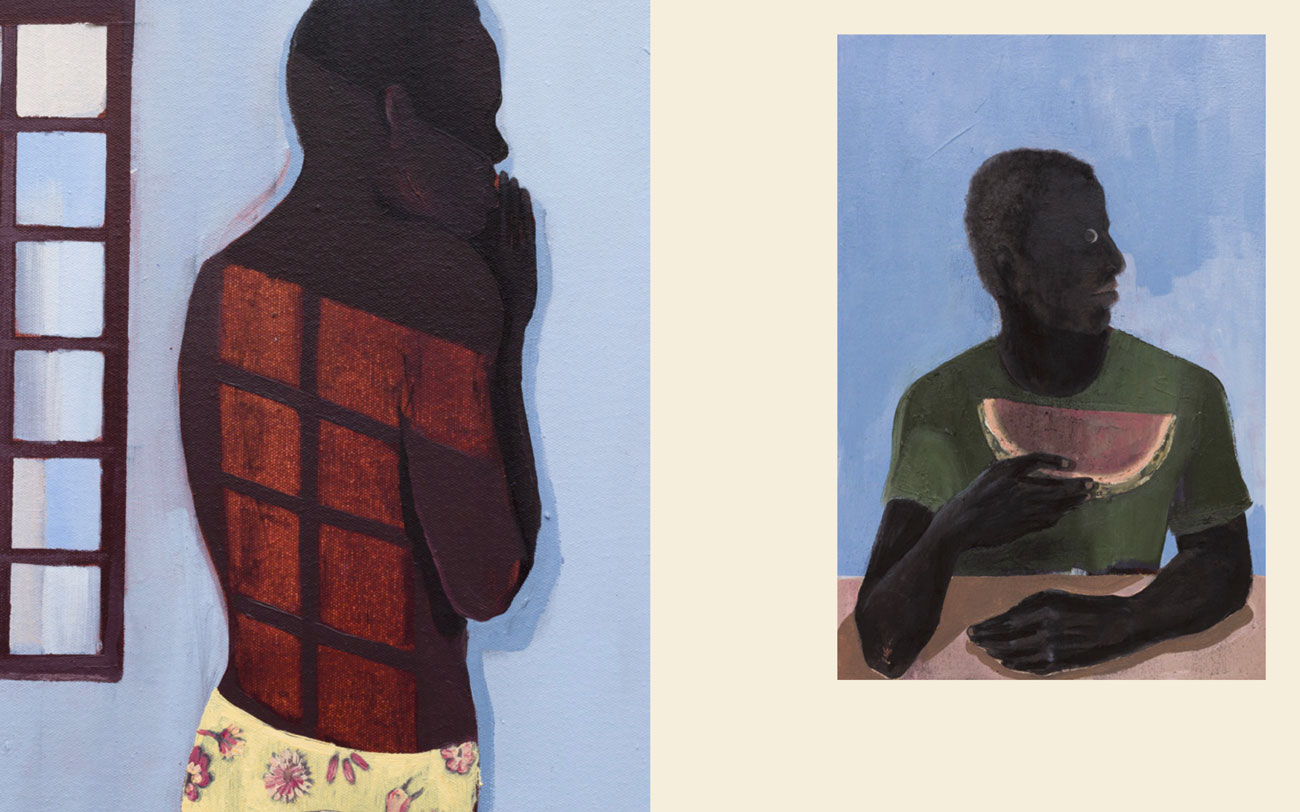
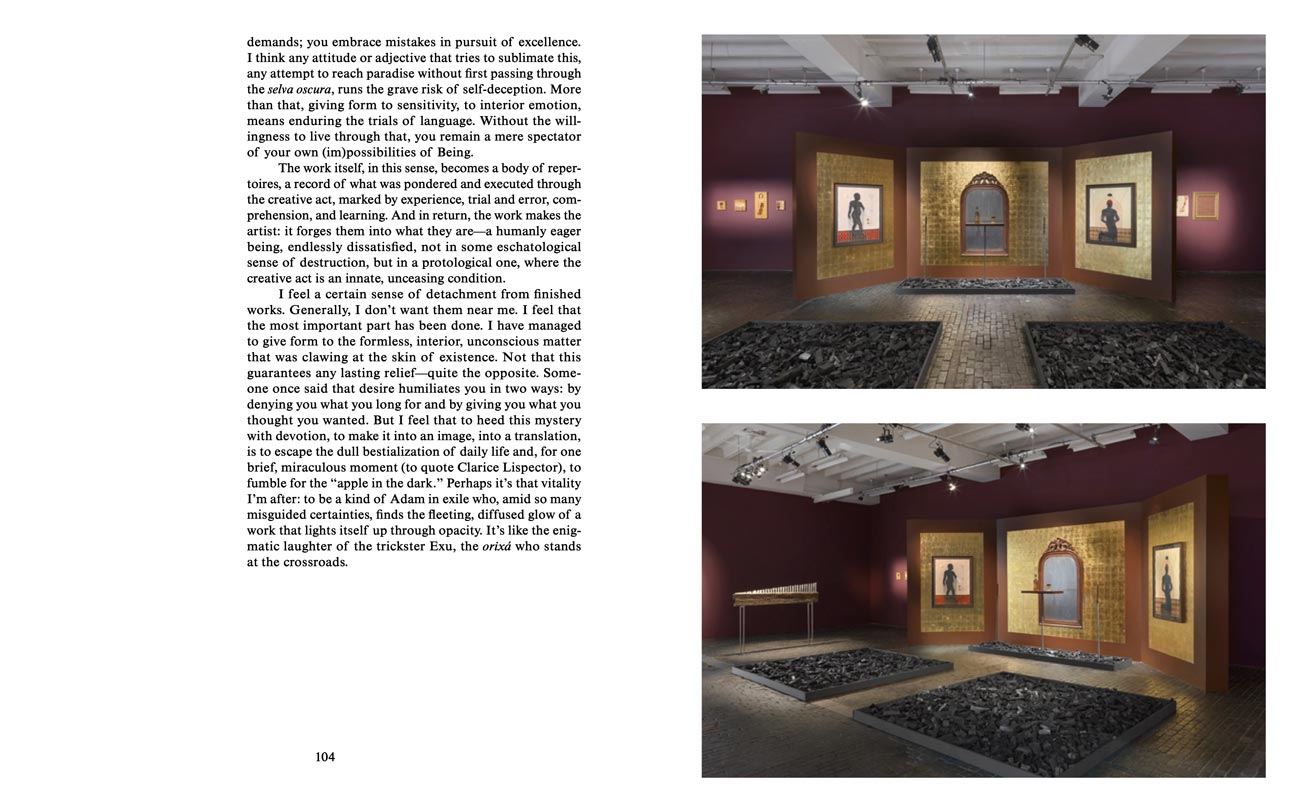
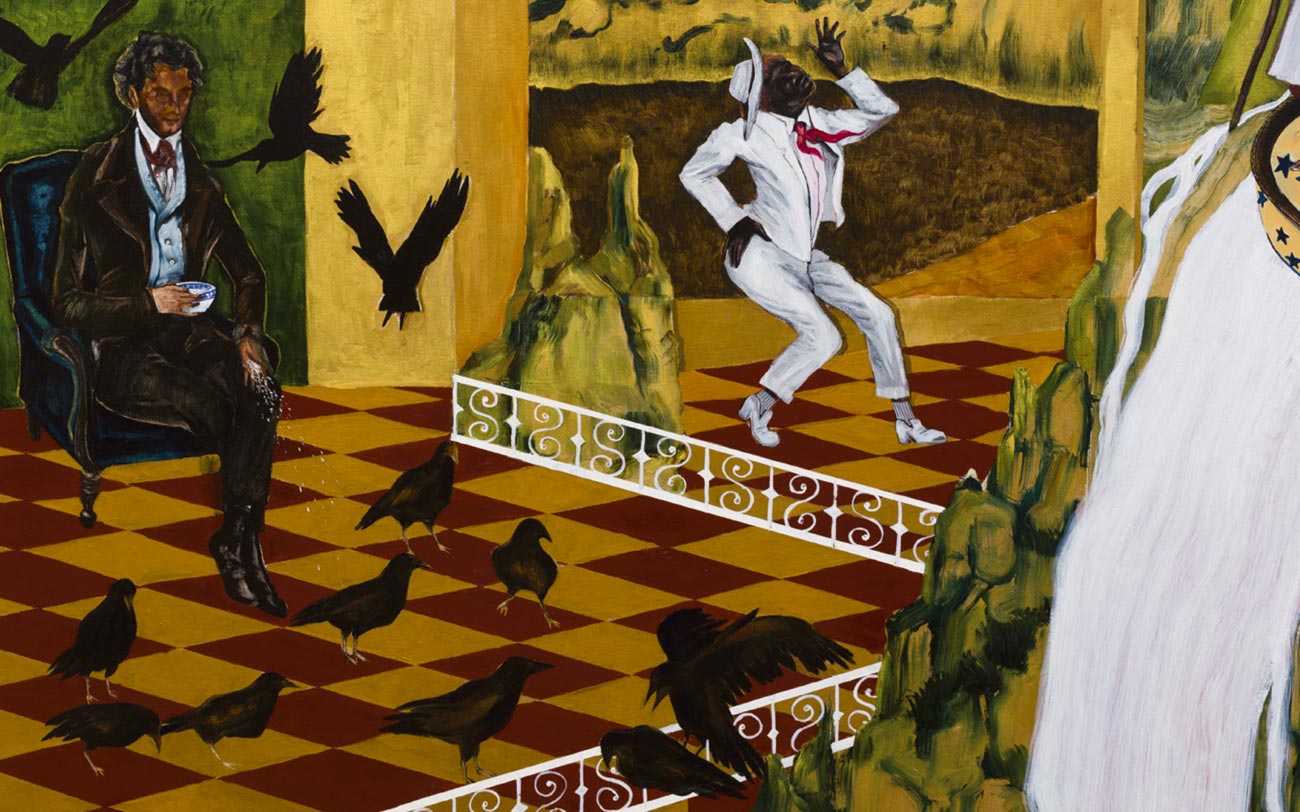
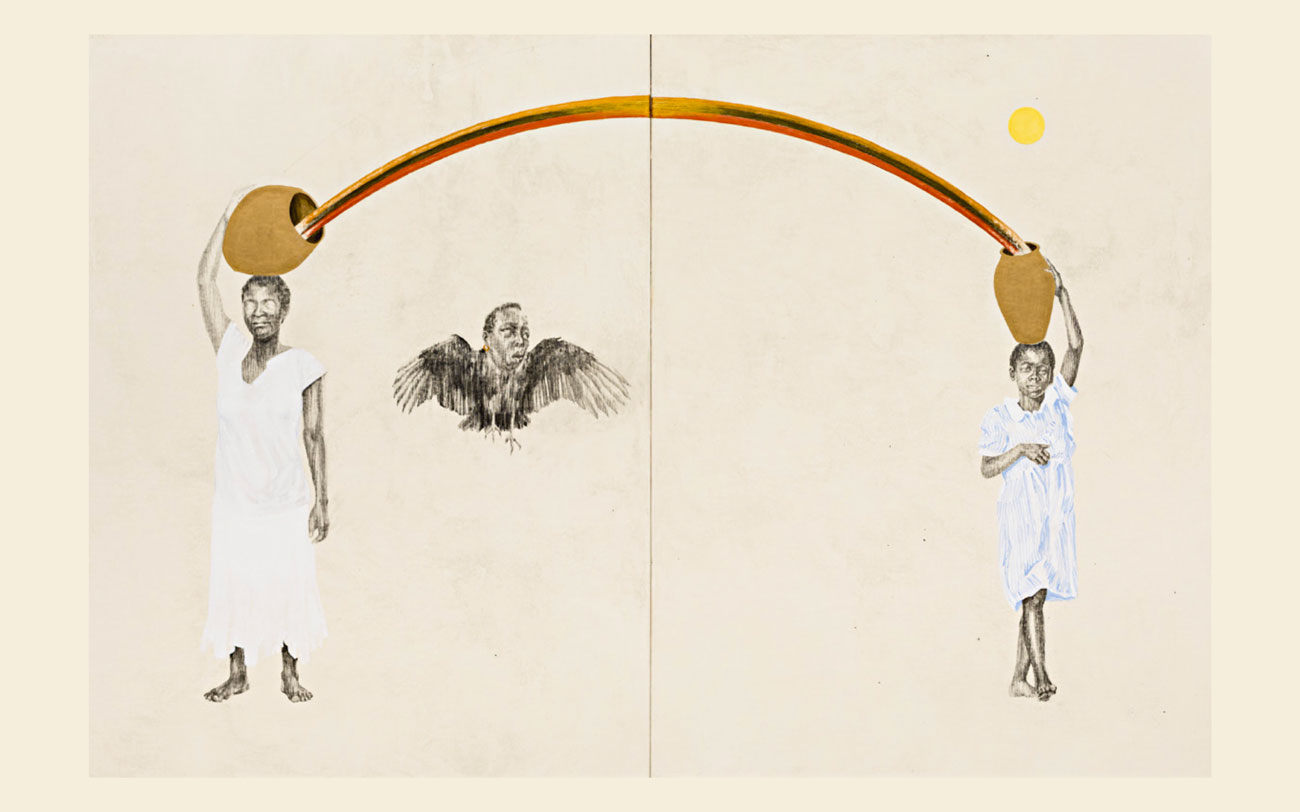
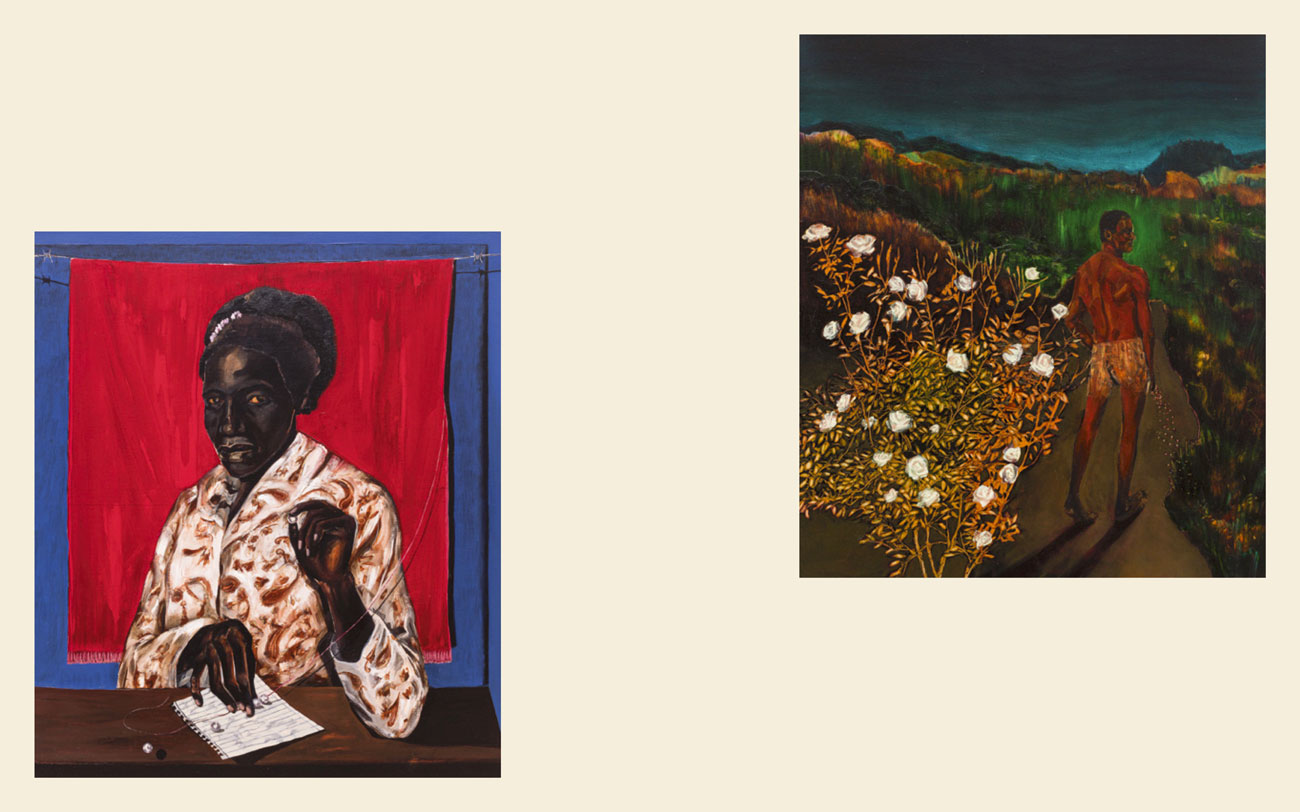
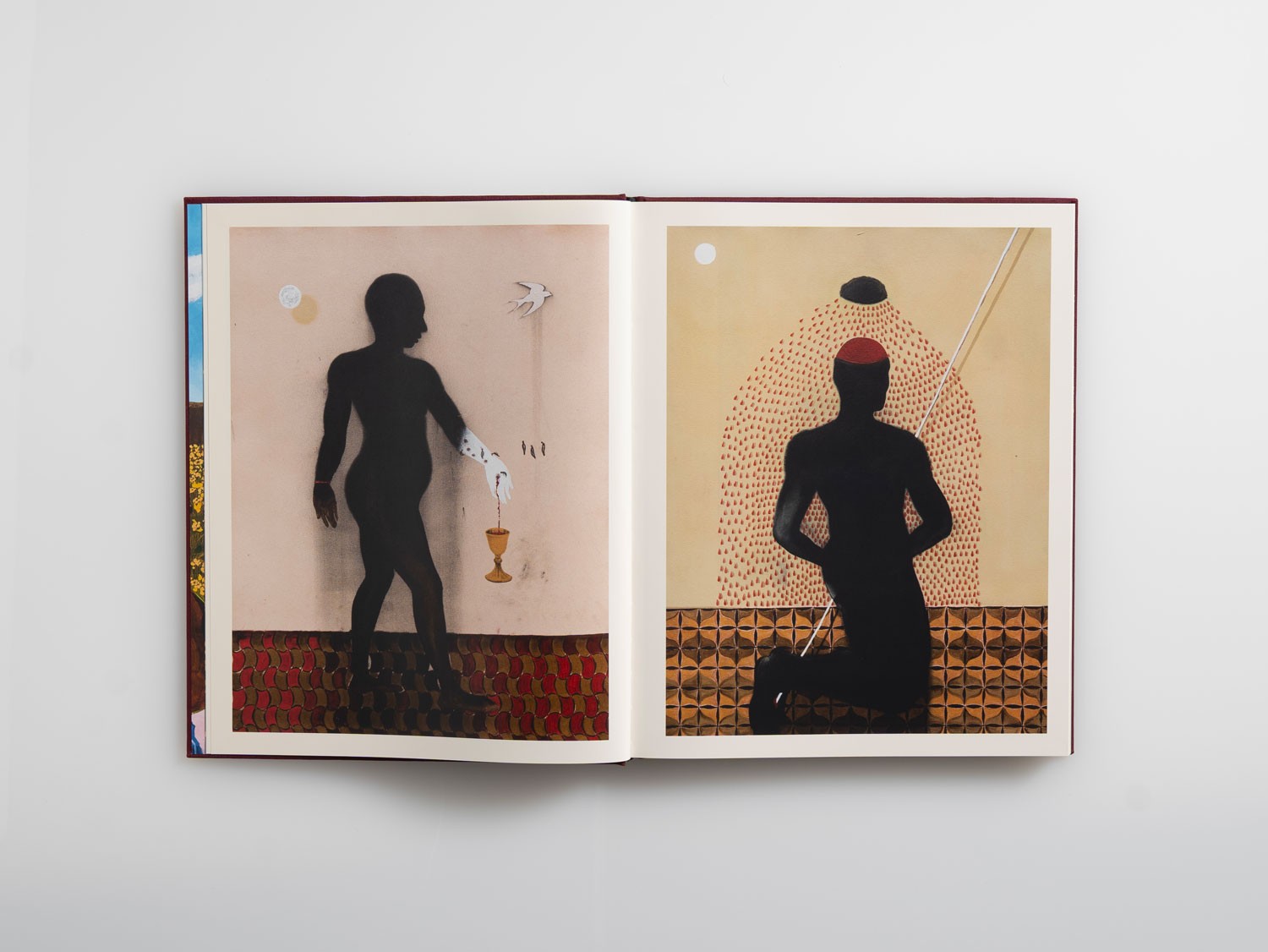
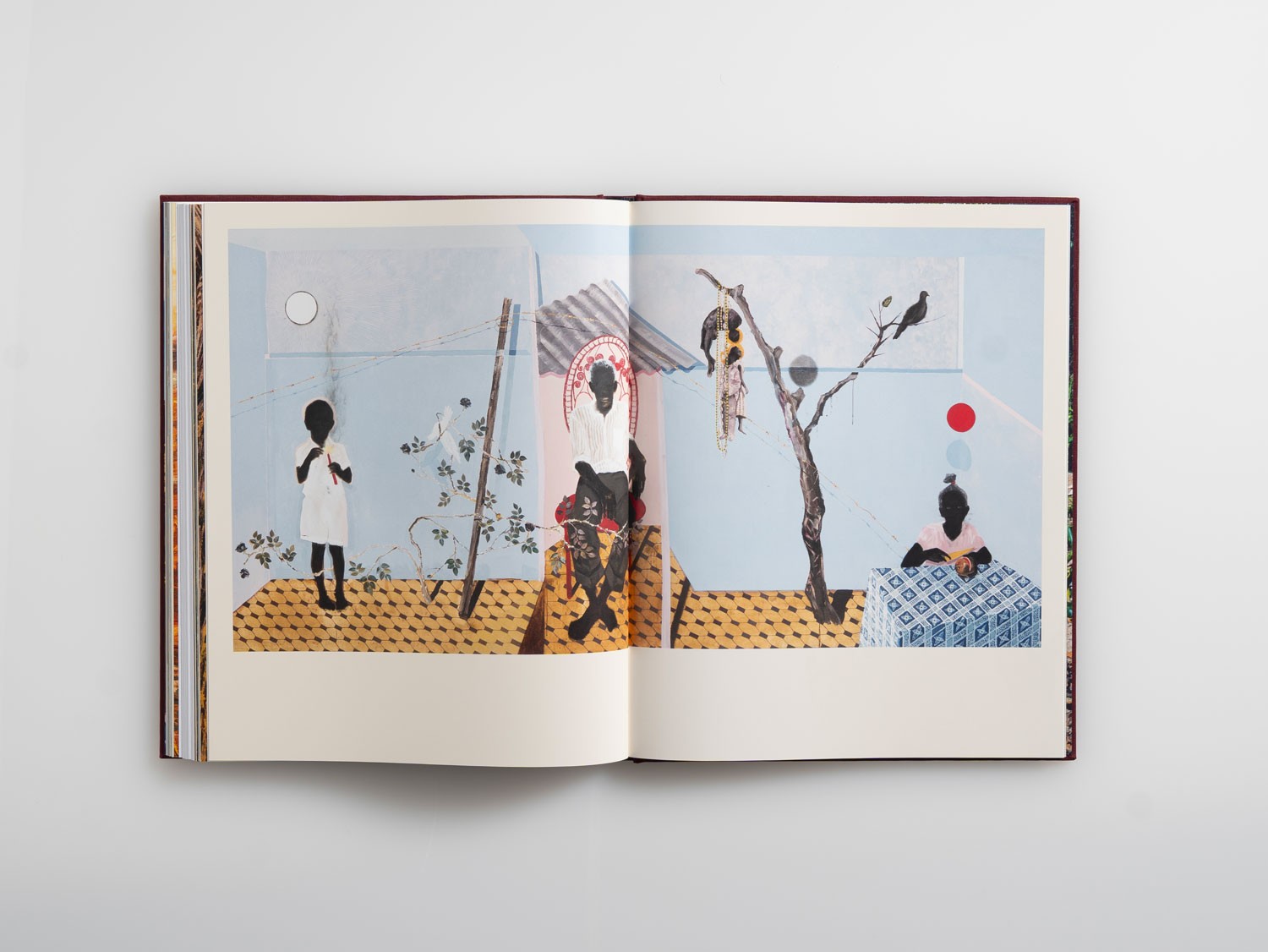
Antonio Obá: Rituals of Care traces the practice of the Brazilian artist from 2016 to the present, offering a broad survey of his recent work, dwelling on the recurring motifs and iconographic sources that feed the complex imagery of his painting. Extensively illustrated, the book returns the richness of Obá’s paintings, with enlargements on some of the details woven into the pictorial texture that, in addition to showing his masterful technique, make certain elements of his visual vocabulary stand out.
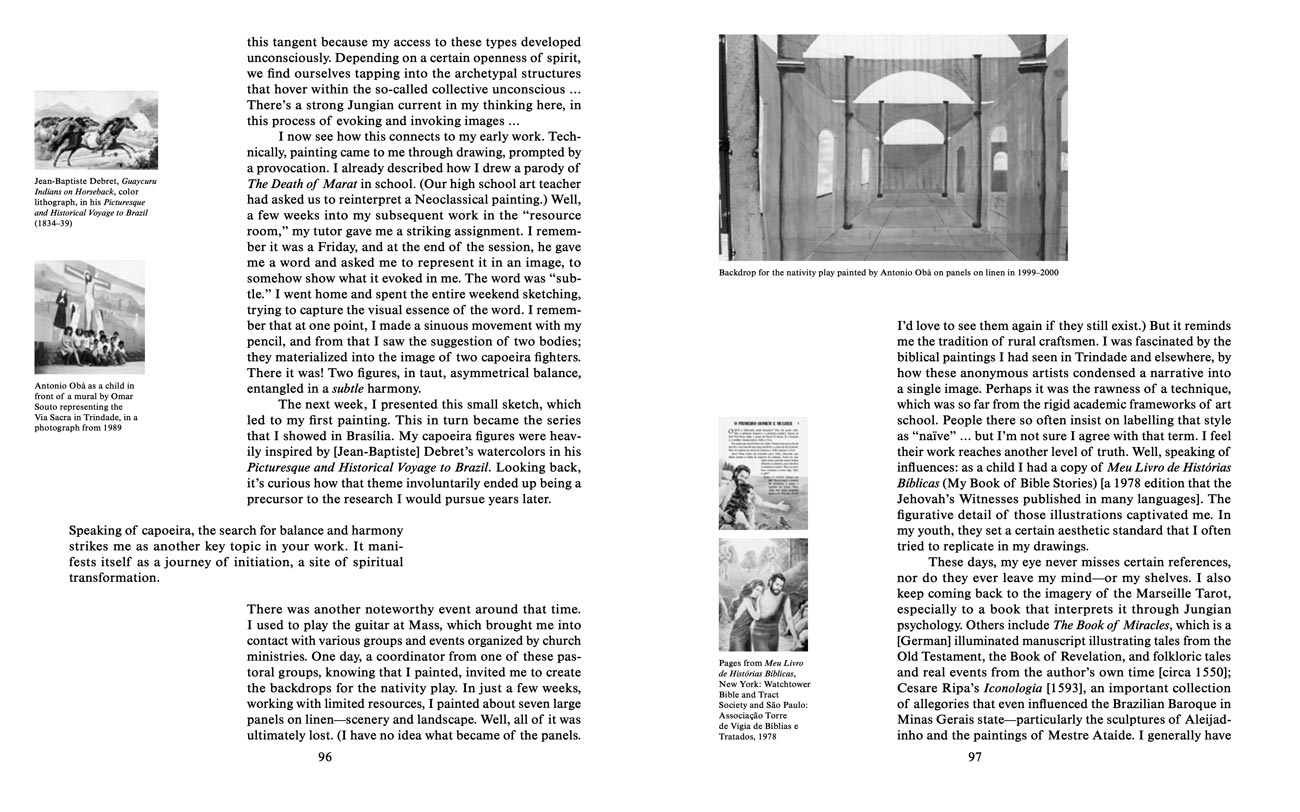
The conversation between Andrea Bellini and Antonio Obá that opens the book offers the opportunity to learn, through the artist’s voice, about the key passages of his research, and to examine his diverse cultural references—from the Baroque of Minas Gerais to traditional Chinese painting, from Rembrandt to the Catholic ex-votos—until we discover the Obá’s civic vocation, of painting as a spiritual practice.
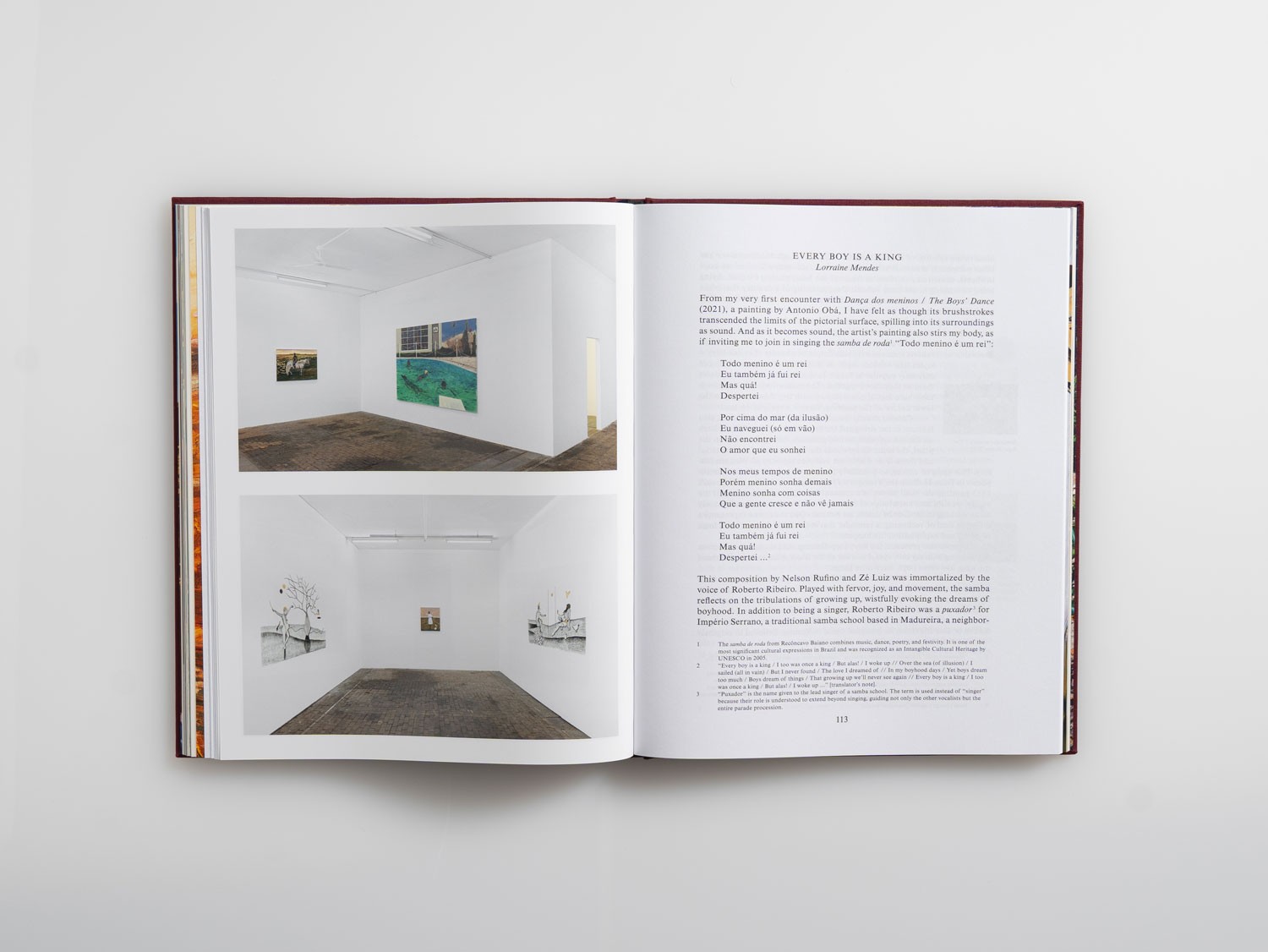
The two essays commissioned for the occasion analyze the complexity of these layered signifiers. Lorraine Mendes’s essay “Every Boy Is a King” offers an in-depth analysis of Obá’s religious syncretism. It suggests an interpretation of its layered symbols, particularly the sankofa and the deity Exú, both of which pay tribute to the artist’s West African roots. Above and beyond the specific cultural contexts of this iconography, the author emphasizes the universal value of Obá’s work, its evocative, transformative, dynamic power, which—like music or dance—knows no national boundaries or barriers.
Larry Ossei-Mensah’s essay “Embodiment: The Art of Antonio Obá” investigates the complex cultural legacy that is intertwined with the artist’s practice, connected to his Afro-Brazilian roots, to the social and political realities of the Black diaspora, and to Christian, Candomblé, and Umbanda traditions. In addition to examining the context in which Obá’s work is rooted, the author situates it within a galaxy of artists who have focused on questions of identity, often using their own bodies as tools of social and cultural critique.
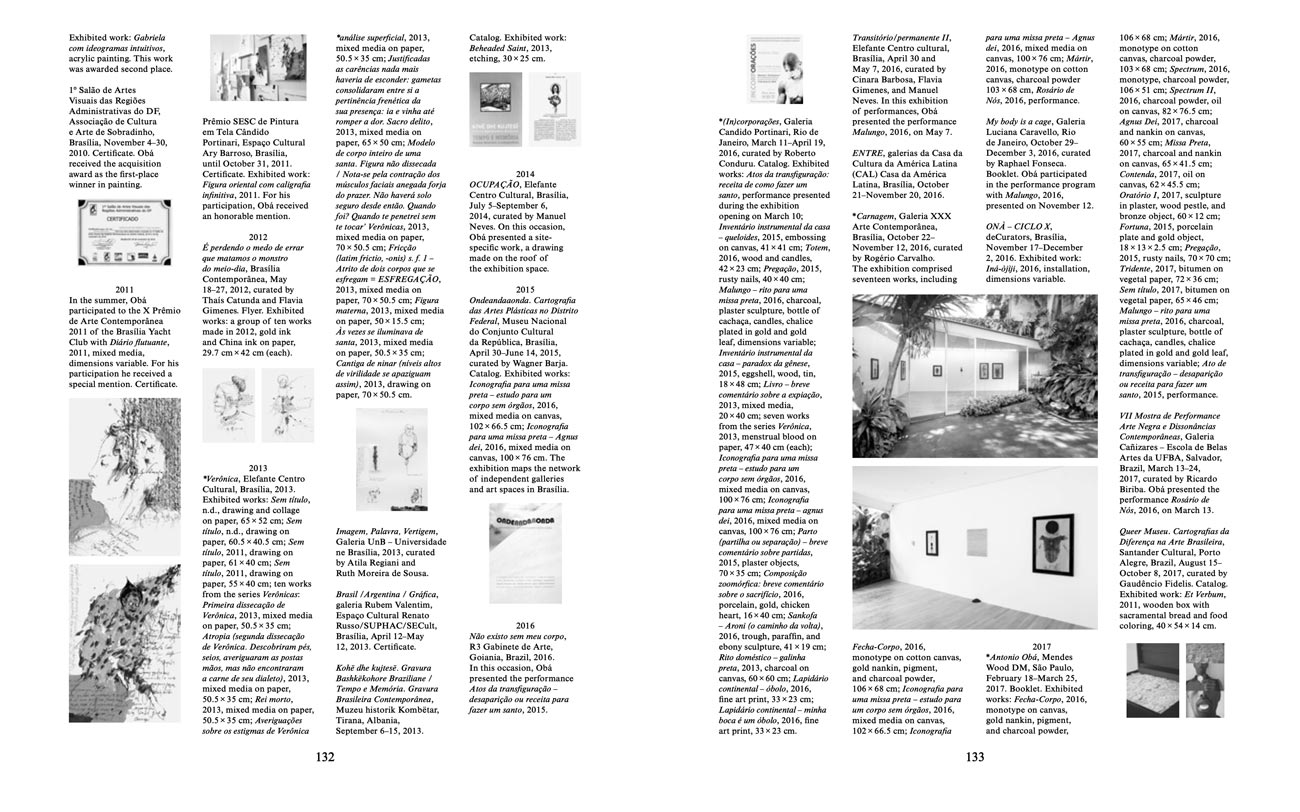
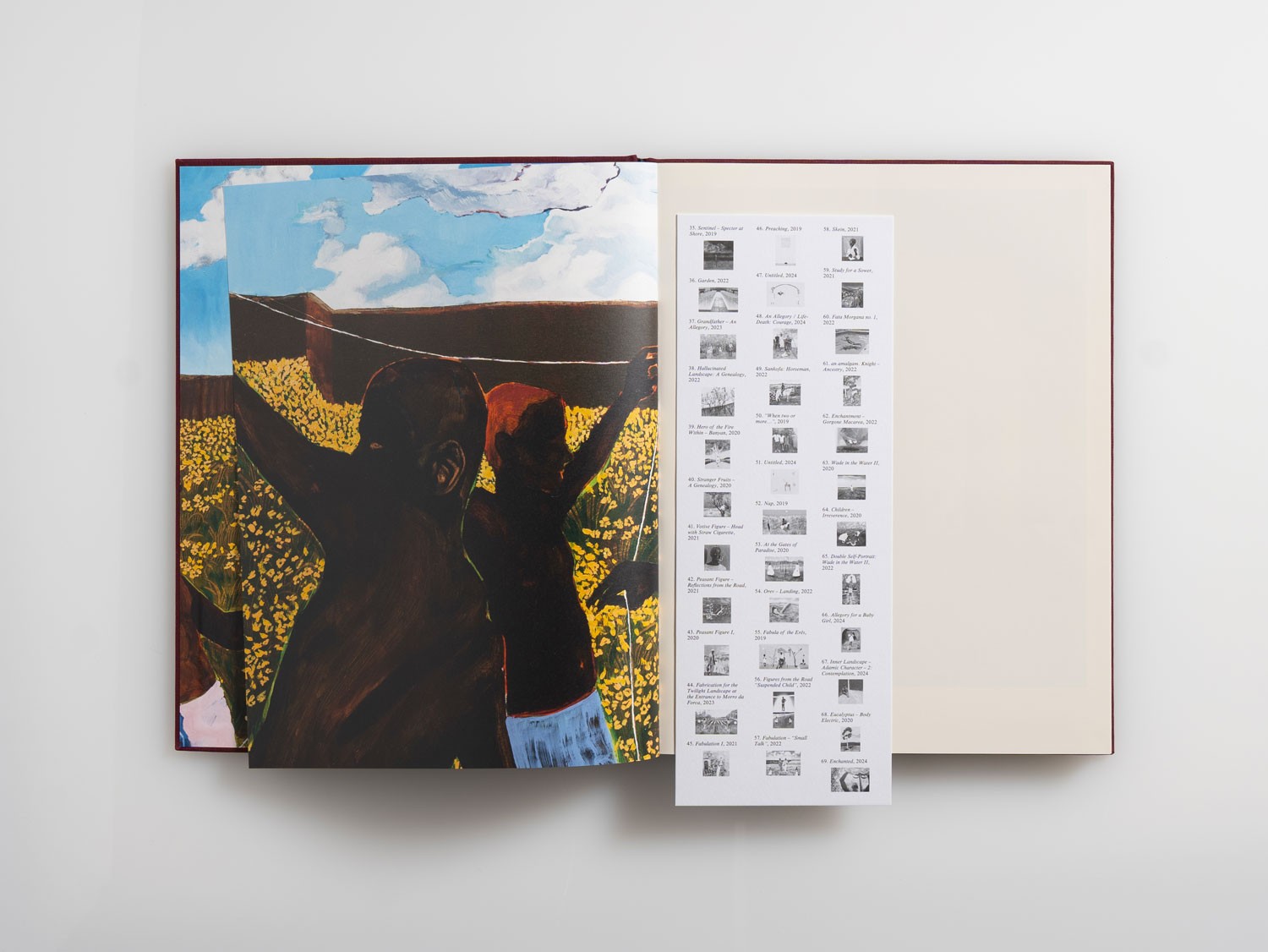
Completing the book is a chronology, compiled by Sara De Chiara, tracing the artist’s formative years and exhibition history, accompanied by rich documentary materials.
The book is published on the occasion of Antonio Obá: Rituals of Care, the first mid-career survey in Europe dedicated to the Brazilian artist, curated by Andrea Bellini, at the Centre d’Art Contemporain Genève.