A Cosmic Movie Camera is the title of the 18th edition of the BIM’24, which also marks the 50th anniversary of the Biennale organized by the Centre d’Art Contemporain Genève. By blending the real and the virtual, its catalogue captures the spirit of the exhibition, which explores the evolution of moving images, particularly in our algorithmic age.
The book seeks to define the contours of the obsession with the teenage years; a fixation that has shaped a significant strand of contemporary art over the last ten years. Adolescence is here understood as a state of mind, a prolonged condition that dissolves the transition into adulthood and becomes a critique of an unstable world.
In this multi-voiced book, starting from the Orobie Alpine range, the mountainside becomes an epistemological lens through which to interpret contemporaneity and address issues such as multi-species migrations, our relationship with geological time and intergenerational inheritance, and the rethinking of collective memories and rituals.
For years now, the Die Vier von der Tankstelle (Four from the Gas Station) have been roaming across an area stretching out to the south of the Baltic Sea. They prowl their way through sparsely populated areas, wantonly terrorizing the inhabitants. The 2026 calendar by Jos de Gruyter and Harald Thys bears witness to their presence.
The first monograph dedicated to Lorenza Longhi, published with the Kunst Museum Winterthur, adopts a format associated with prototypes, manuals, or working documents. Its irregularities reflect Longhi’s ongoing examination of value, functionality, and the aesthetics of the everyday.
This publication is an extensive monograph devoted to the work of Carlos Bunga, published in conjunction with his eponymous show at CAM – Gulbenkian. In addition to a number of essays, which offer an in-depth look at his multifaceted practice, the book contains previously unpublished photos that reveal his working process.
Edited by Lorenzo Giusti and Valentina Gervasoni
Essay by Brandon LaBelle
Designed by Lorenzo Mason Studio
2024, English / Italian, softcover, 11 x 17.7 cm, 96 pages
ISBN 979-12-80579-32-4
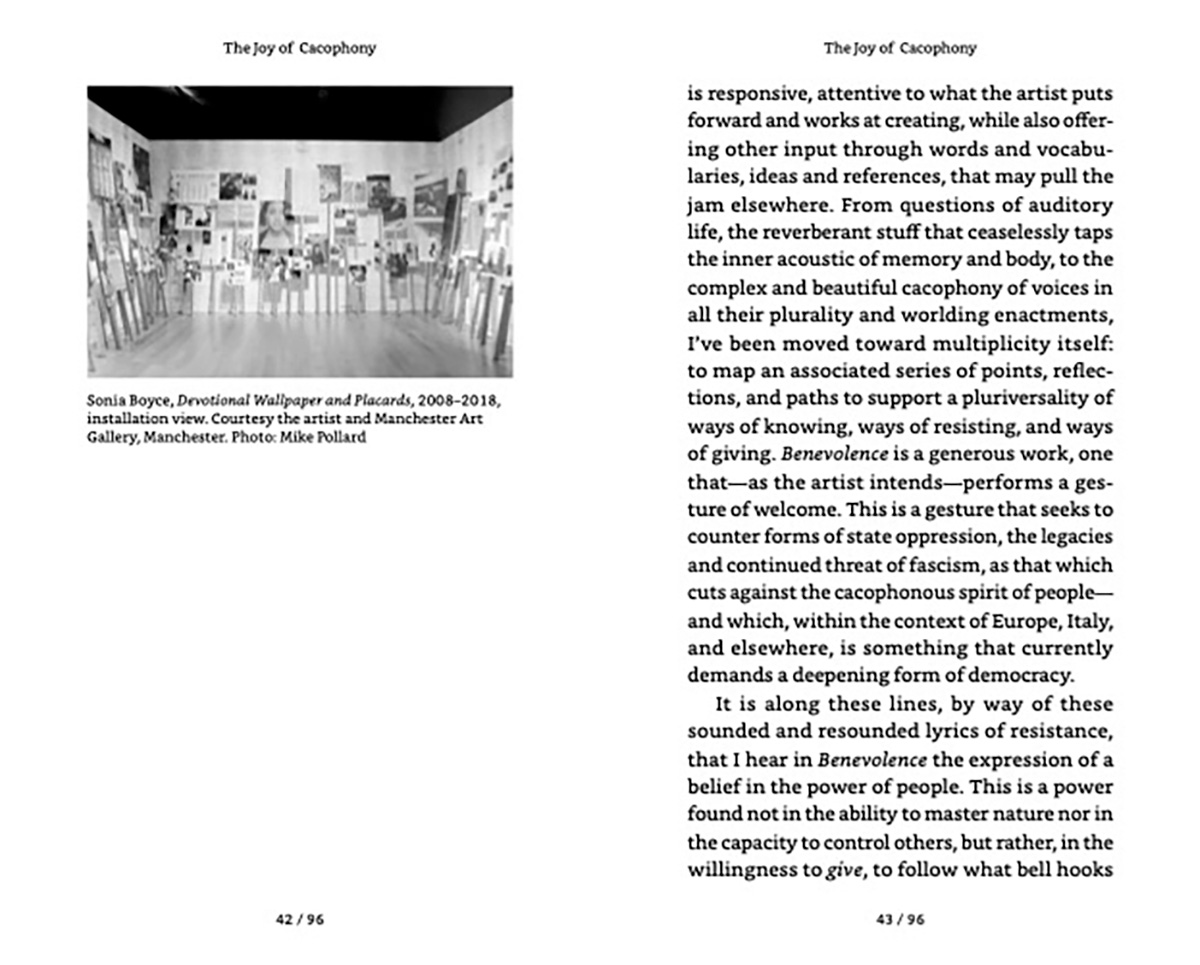
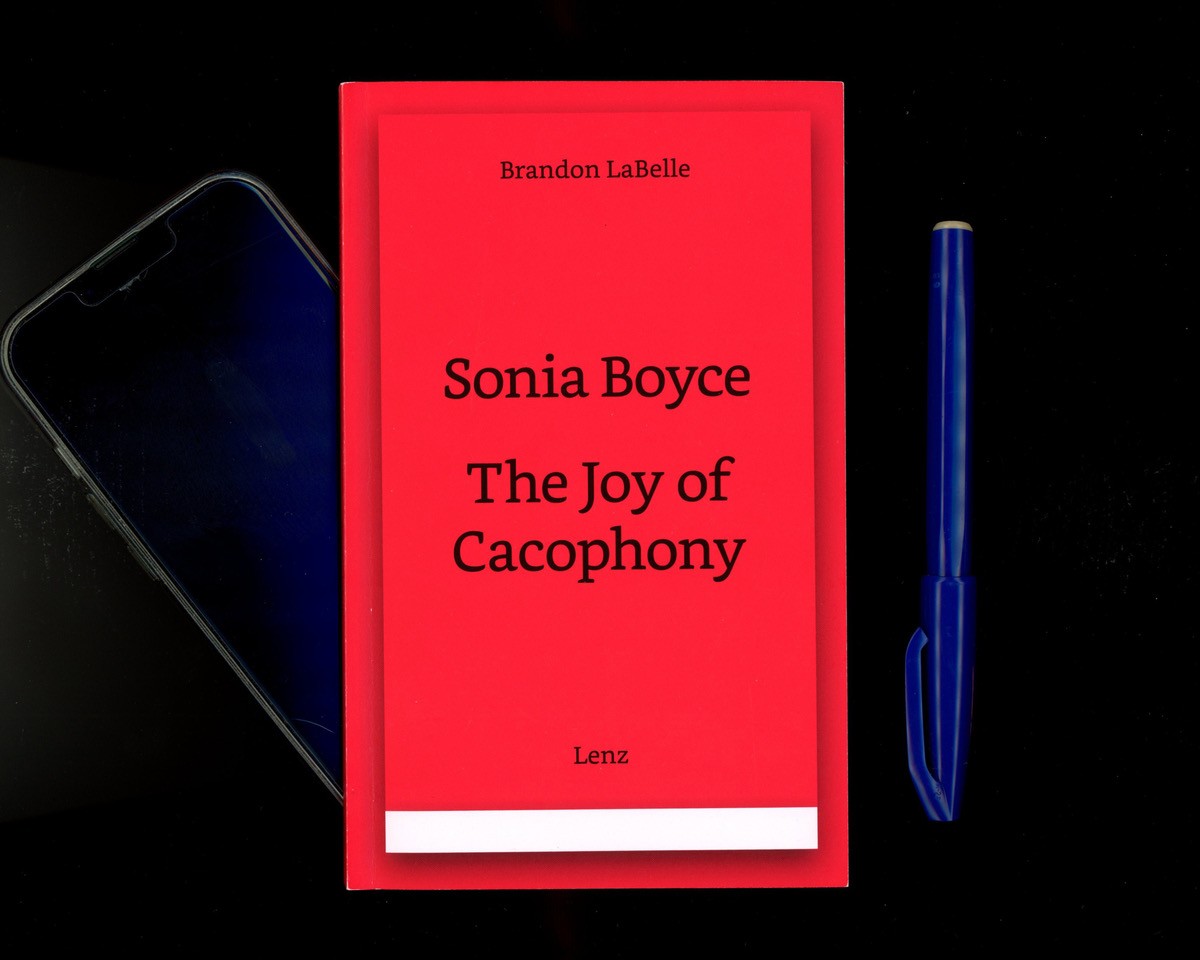
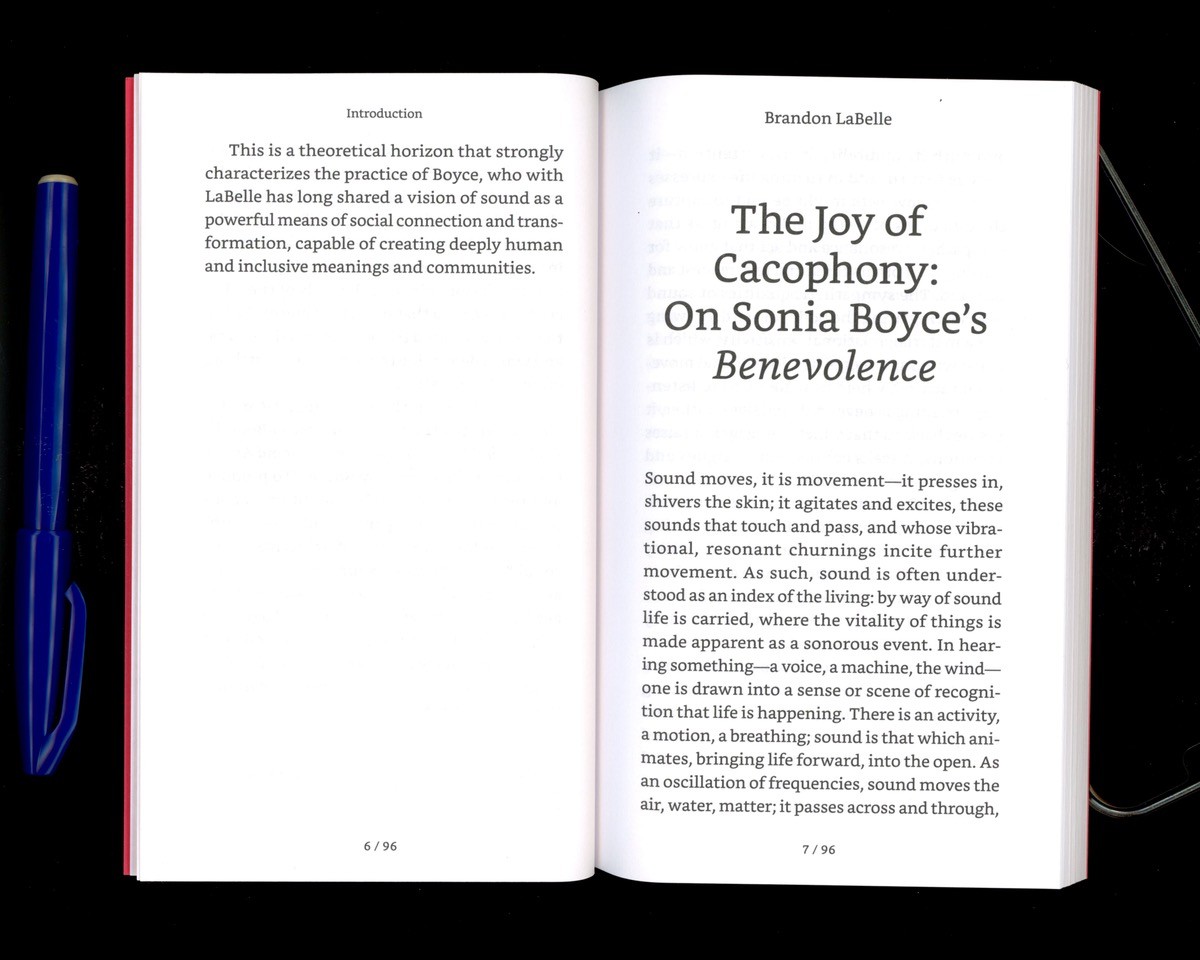
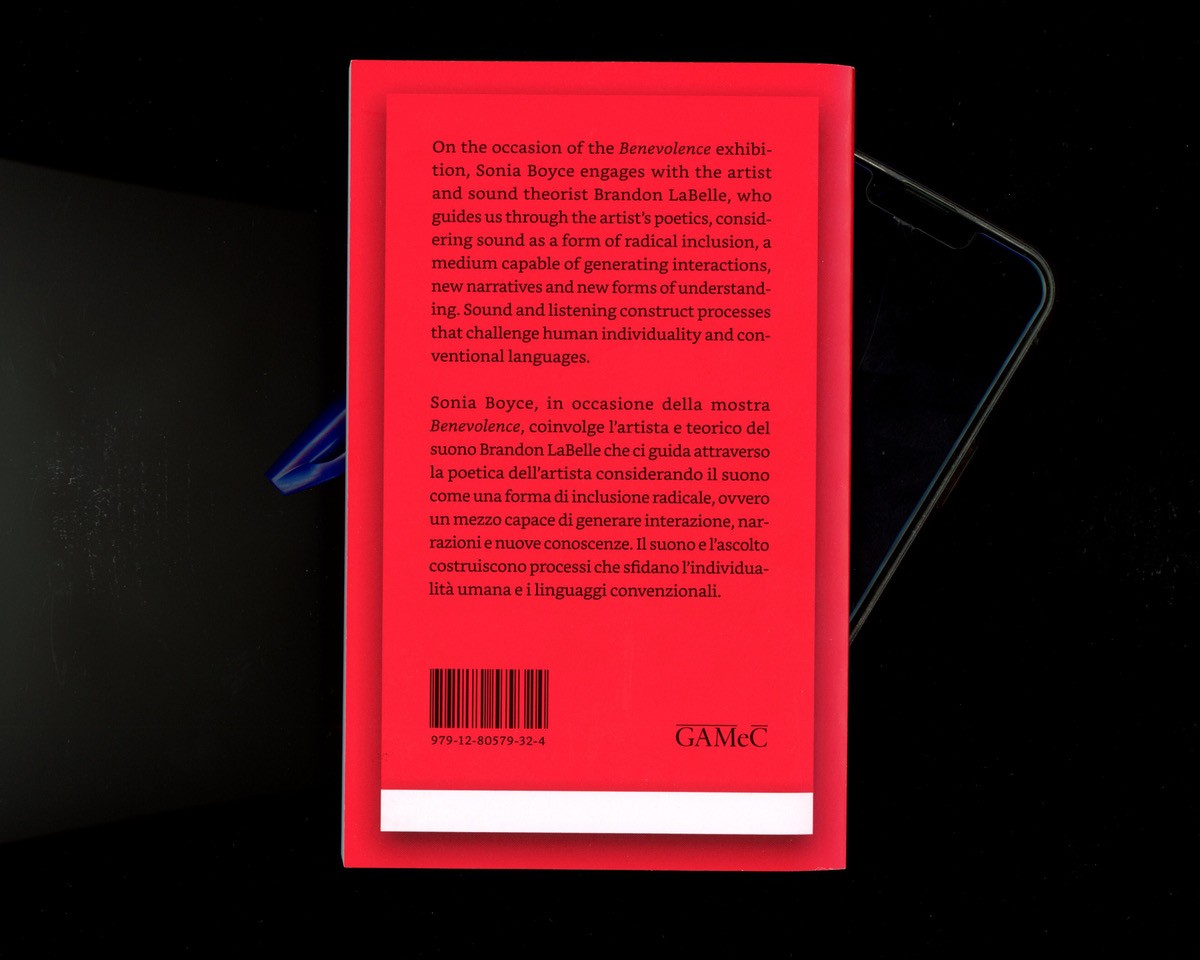
Sonia Boyce engages with the artist and sound theorist Brandon LaBelle, who guides us through the artist’s poetics, considering sound as a form of radical inclusion, a medium capable of generating interaction, narratives and new understanding. Sound and listening construct processes that challenge human individuality and conventional languages. Sound, by its porous nature, and the cultural and symbolic manifestation of music fostering social connections, exert an influence on everyone’s capacity to participate.
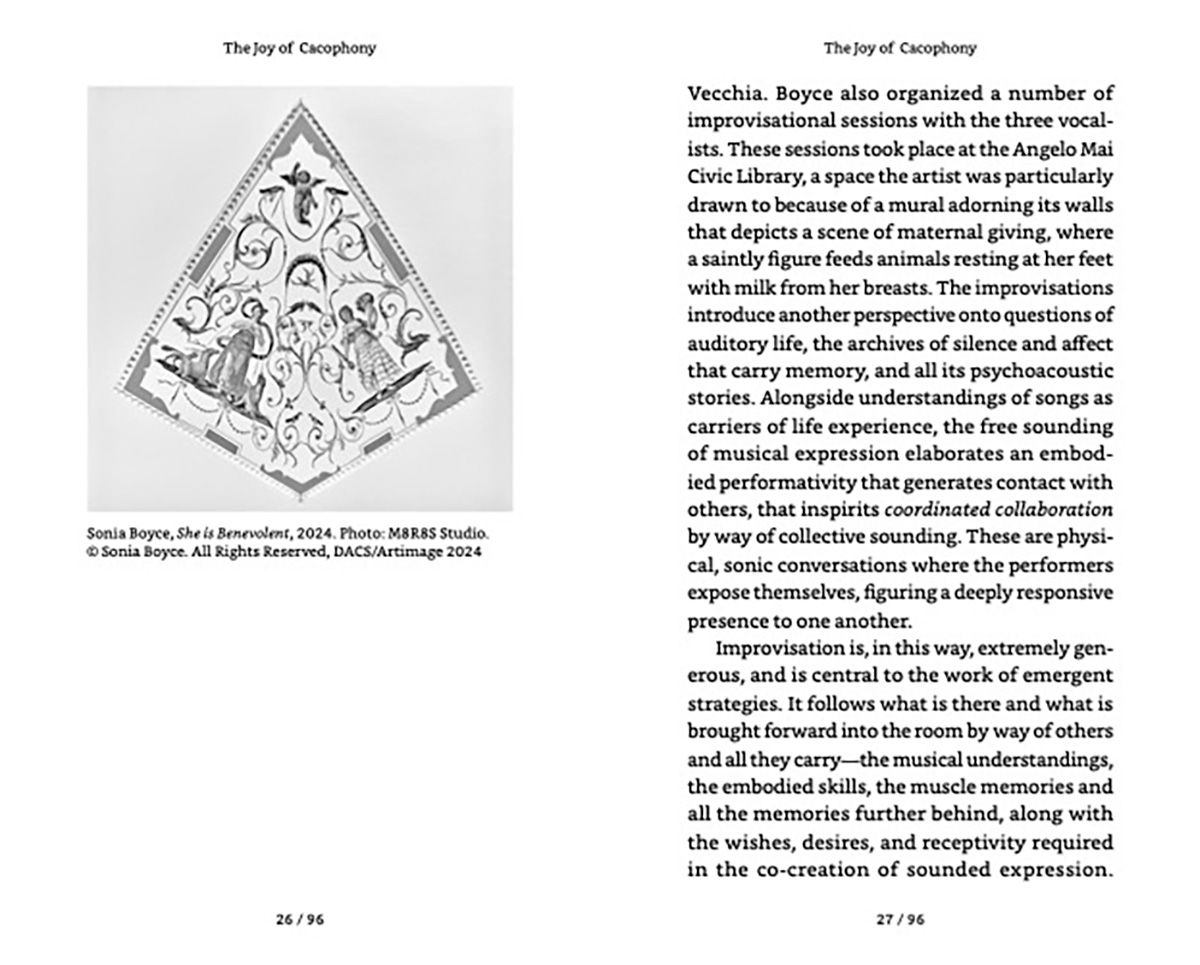
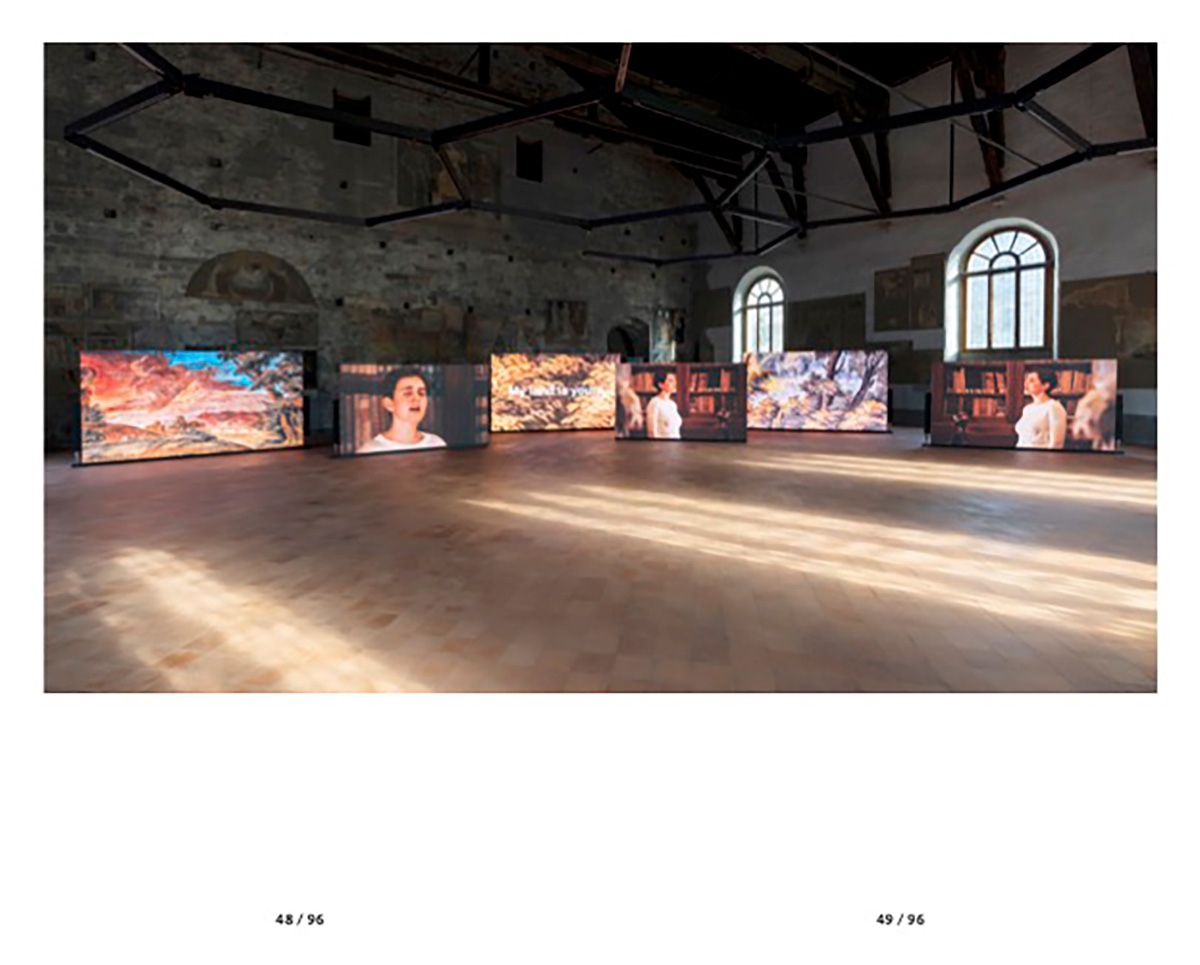
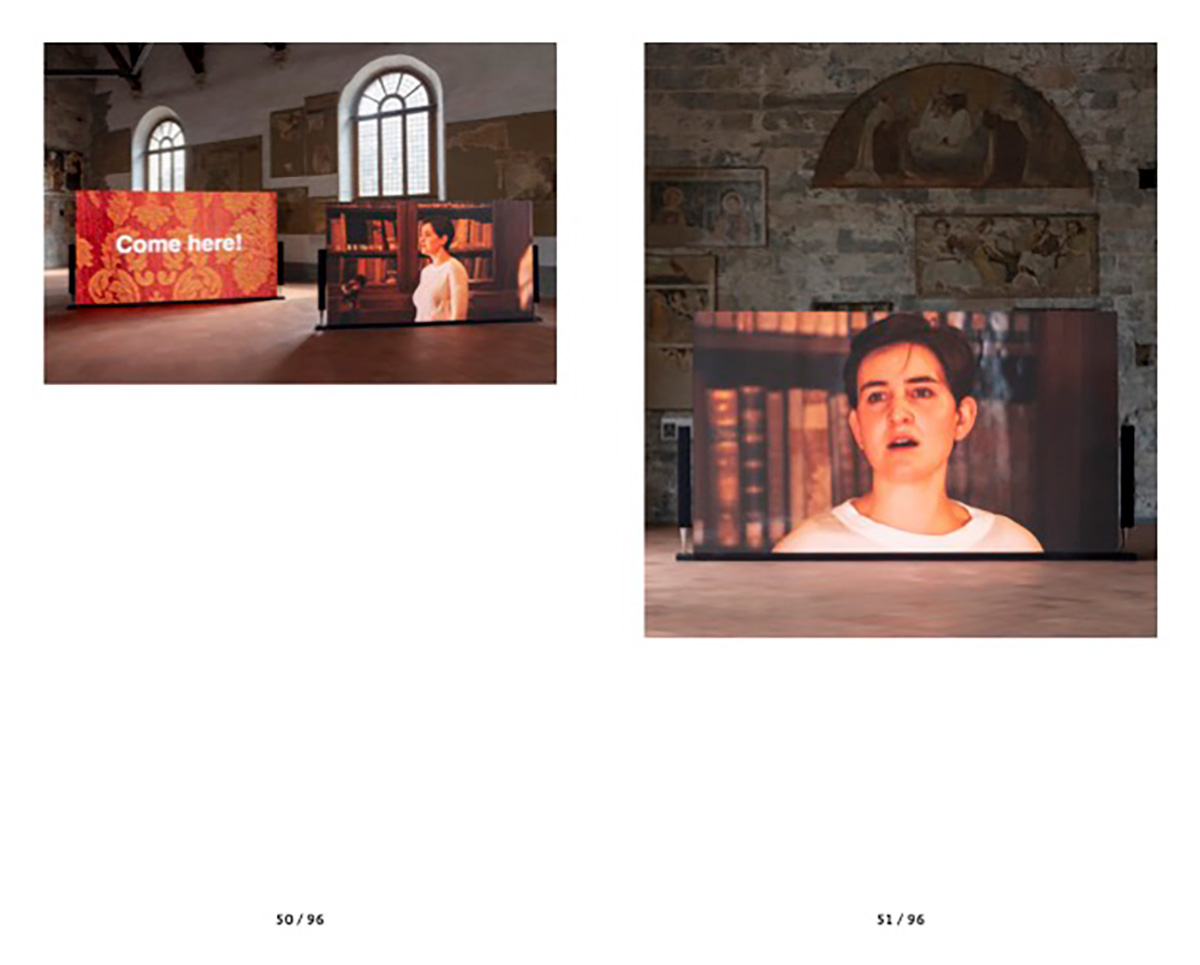
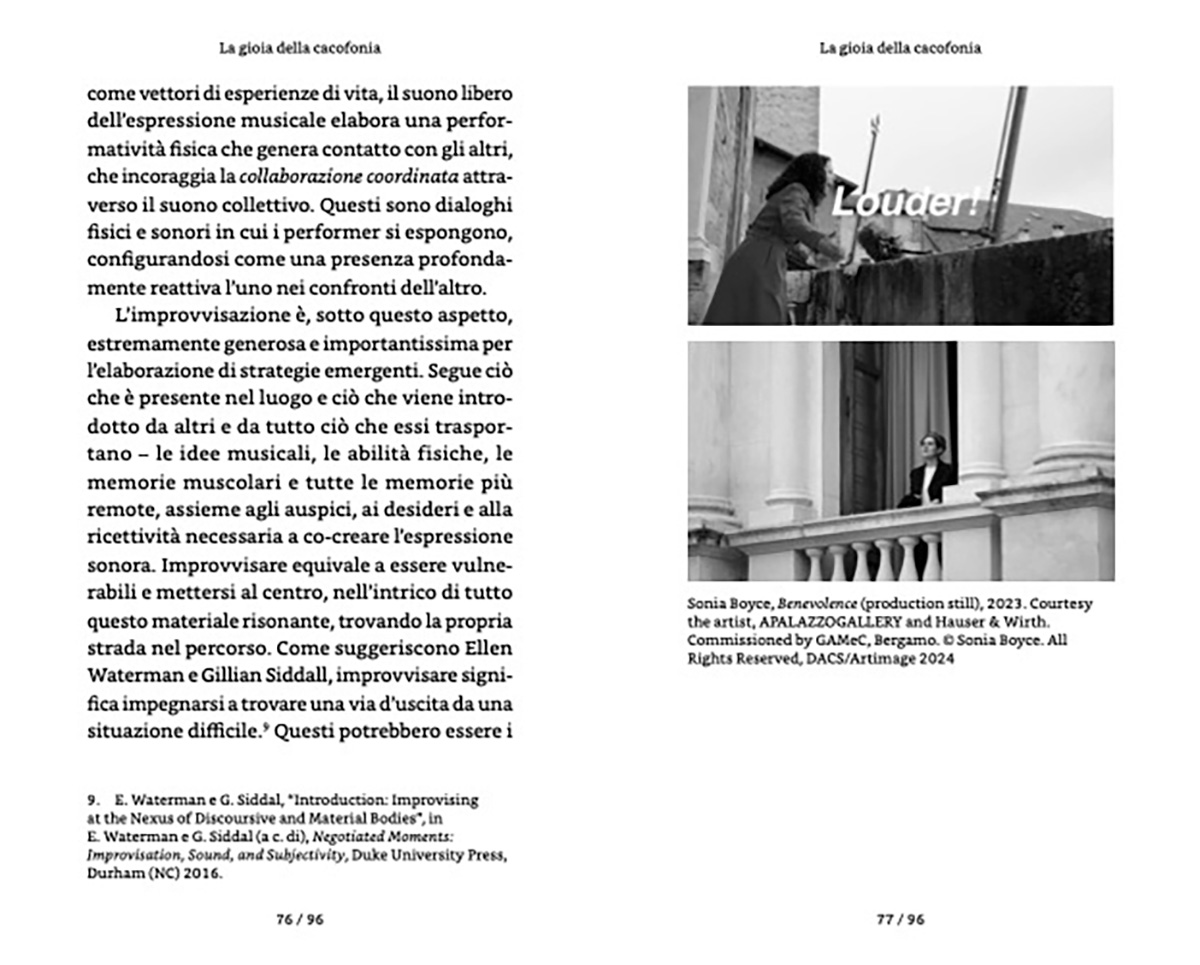
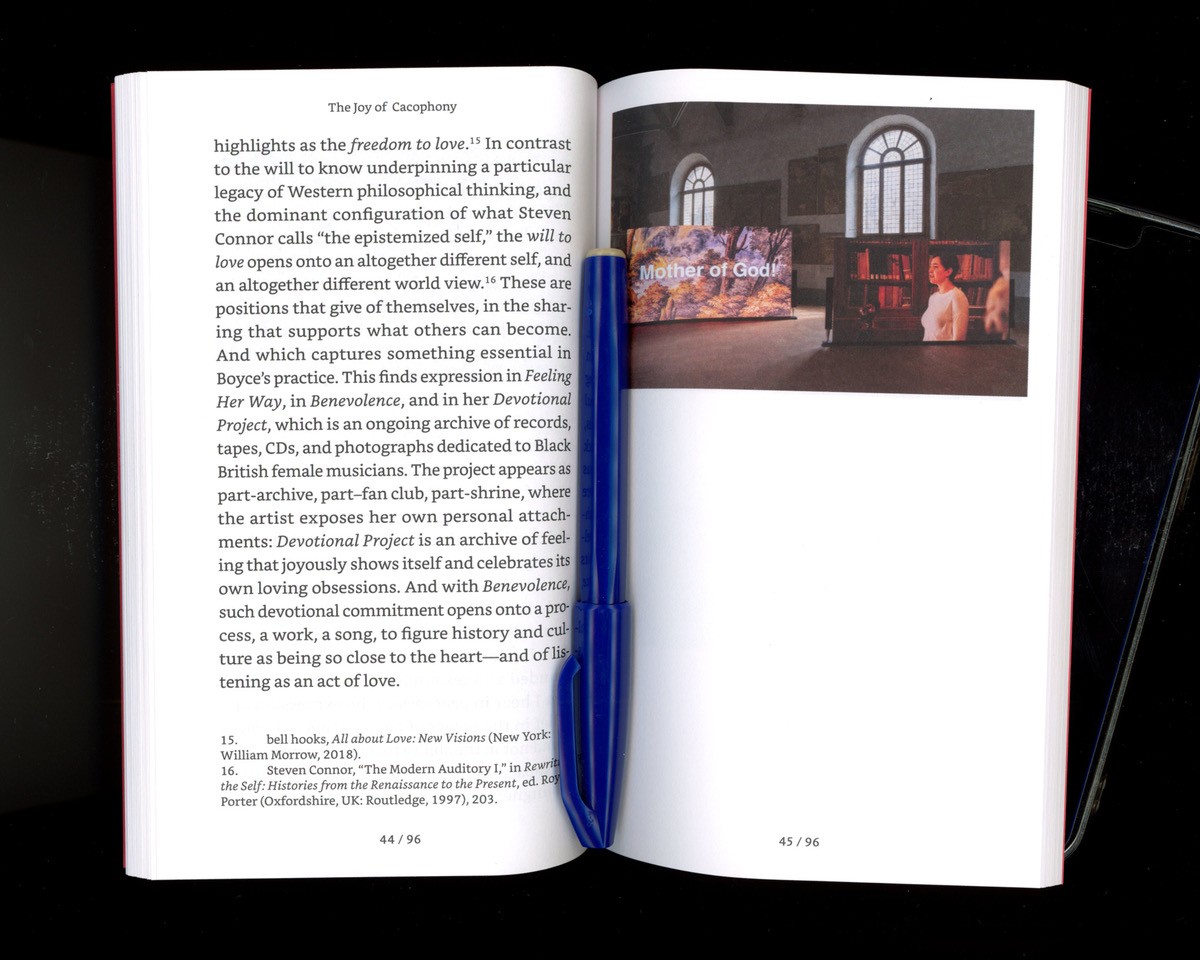
Sonia Boyce’s project for Palazzo della Ragione saw her collaborate with three students from the “Gaetano Donizetti” Higher Institute of Musical Studies in Bergamo, who were invited to perform and improvise popular songs in the heart of Bergamo’s “Città Alta.” The act of singing from balconies is an explicit reference to the lockdowns, during which people sang songs from inside their homes to support each other in what was a time of crisis. These actions inspired the artist, for whom singing itself represents a gesture of altruism and empathy. The Joy of Cacophony is the second book in a series of short essay collections inspired by the site-specific art projects specially conceived for GAMeC at Palazzo della Ragione, a symbolic, time-honored location within the city of Bergamo that embodies the values of community life and participation. The artist was asked to name an author who interests her—be it a researcher, a philosopher or a scholar—and whose thinking could be said to underpin the project, with a view to finding a path through the complexities of the present day, starting from the work produced but without necessarily lingering on it.