This richly illustrated book considers the dazzling oeuvre of choreographer and dancer Marlene Monteiro Freitas. In line with her creative methodology, Alexandra Balona unfolds an “atlas of affects” through five emblematic dance pieces that reveal the intensity, humor, and humanity of one of today’s most radical choreographic voices.
Invited to present an exhibition at the Galleria Borghese in Rome, Kenyan-American artist Wangechi Mutu has developed an innovative approach to museum space, challenging hierarchy, permanence, and fixed meanings. With in-depth essays and a rich selection of illustrations, this catalog retraces that exhibition and explores the themes and concerns that have long characterized the artist’s practice.
Invitata a concepire una mostra alla Galleria Borghese, l’artista keniota-americana Wangechi Mutu ha sviluppato un approccio innovativo allo spazio museale, confrontandosi con le gerarchie, la permanenze e le sedimentazioni del contesto. Attraverso saggi approfonditi e una ricca selezione di illustrazioni, questo catalogo ripercorre la mostra ed esplora i temi e le preoccupazioni che da tempo caratterizzano la pratica dell’artista.
A visual notebook of the screenshots taken by Yngve Holen over the past five years or so, 6G—the anticipated next phase of network technology—is a peculiarly sized artist’s book, a glossy non-linear agglomeration that reflects the intersections of production, life, and digital debris.
Conceived as a visual résumé, the book provides a comprehensive overview of Posenenske’s solo exhibitions and a record of her numerous group shows. Featuring an essay by curator Erlend Hammer on the role of documentary photographs in the circulation of works of art, it was published in conjunction with the eponymous show at the Haugar Art Museum in Tønsberg.
Edited by Lorenzo Giusti and Valentina Gervasoni
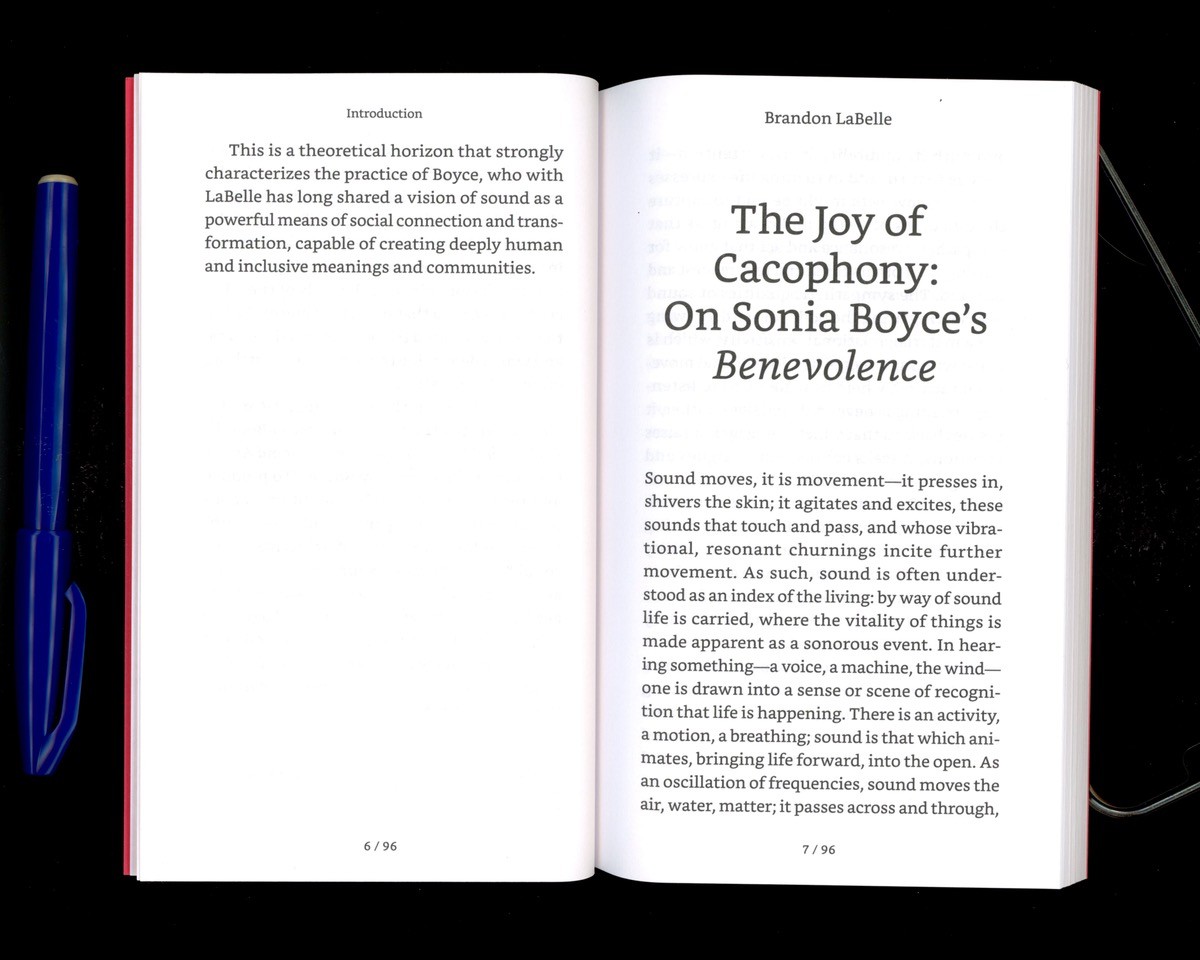
Essay by Brandon LaBelle
Designed by Lorenzo Mason Studio
2024, English / Italian, softcover, 11 x 17.7 cm, 96 pages
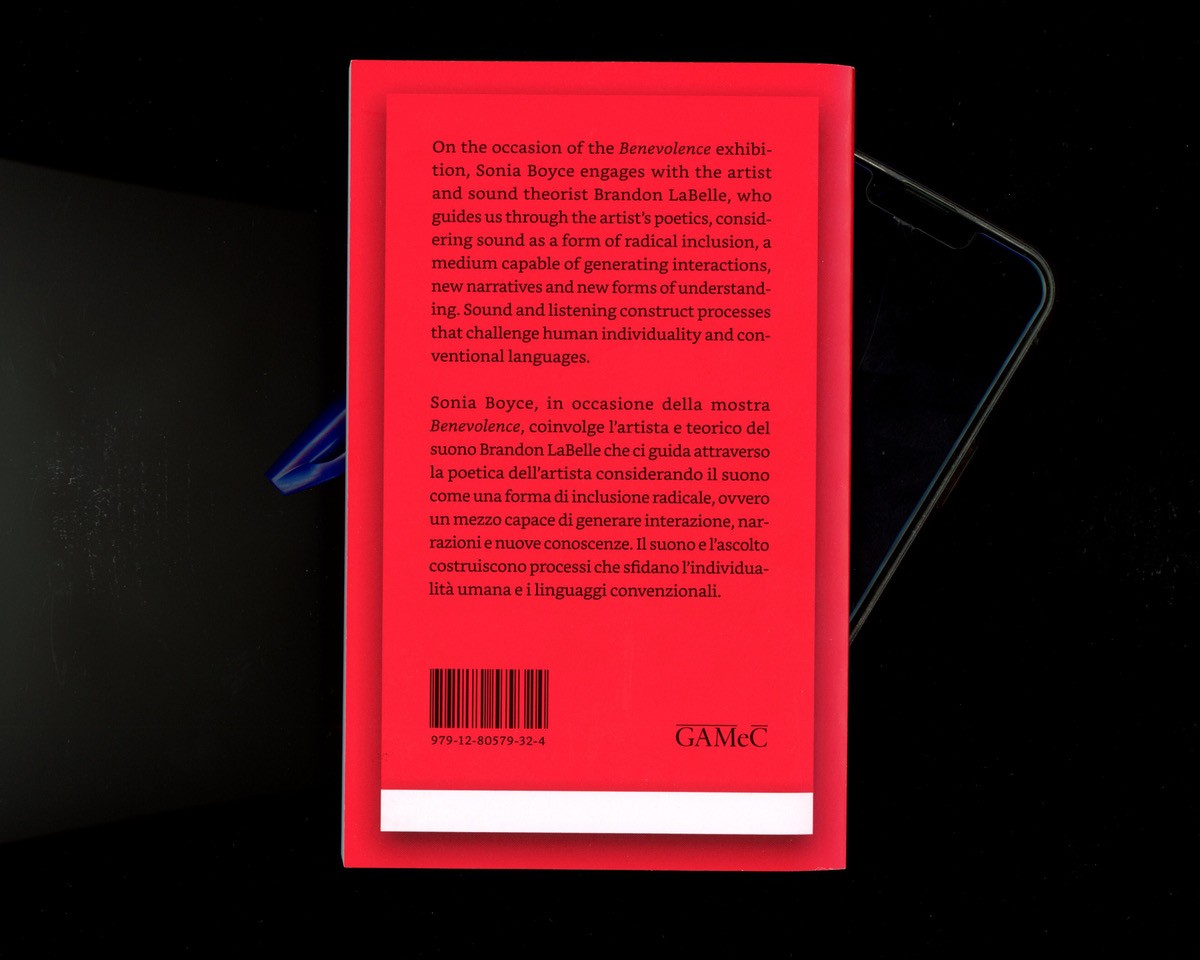
ISBN 979-12-80579-32-4
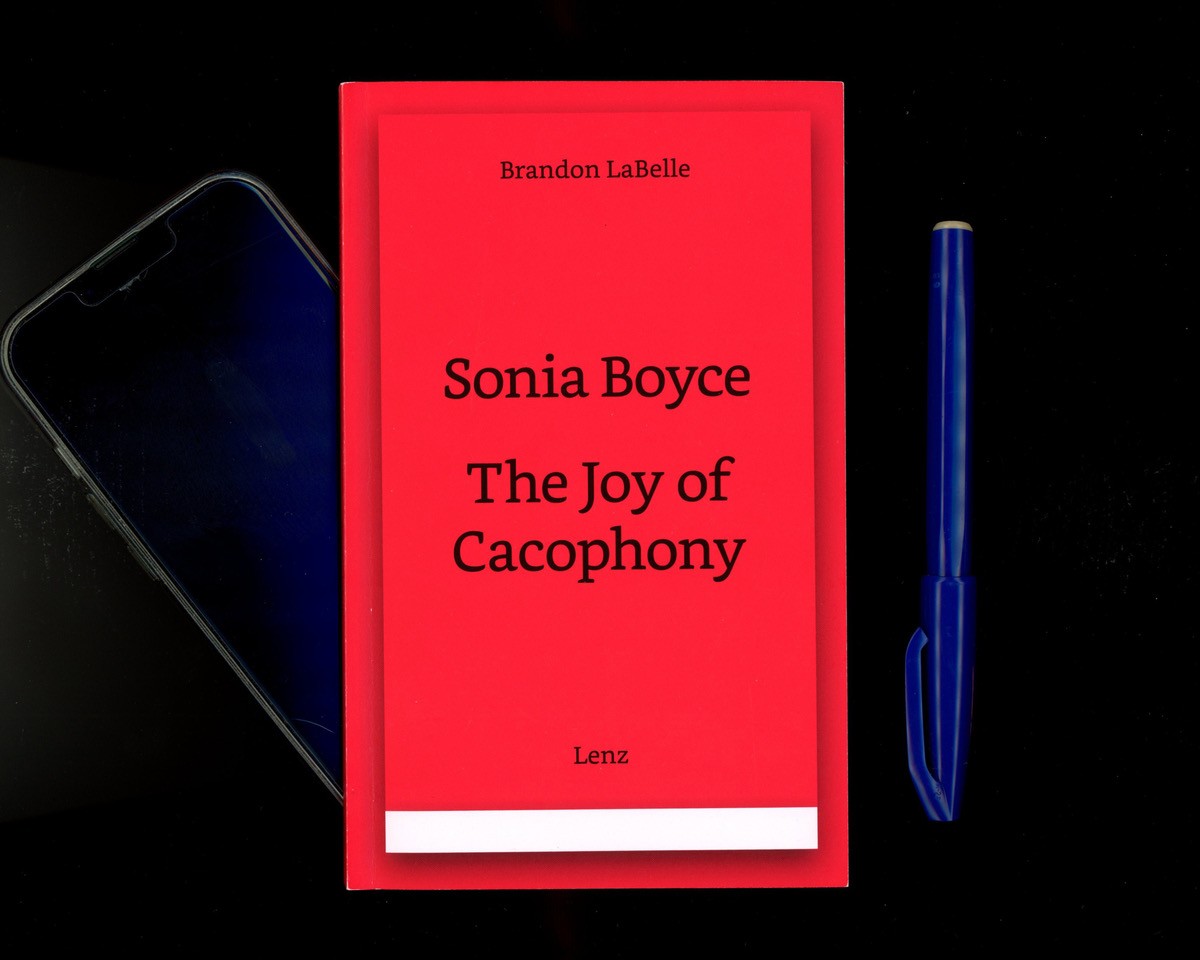
Sonia Boyce engages with the artist and sound theorist Brandon LaBelle, who guides us through the artist’s poetics, considering sound as a form of radical inclusion, a medium capable of generating interaction, narratives and new understanding. Sound and listening construct processes that challenge human individuality and conventional languages. Sound, by its porous nature, and the cultural and symbolic manifestation of music fostering social connections, exert an influence on everyone’s capacity to participate.
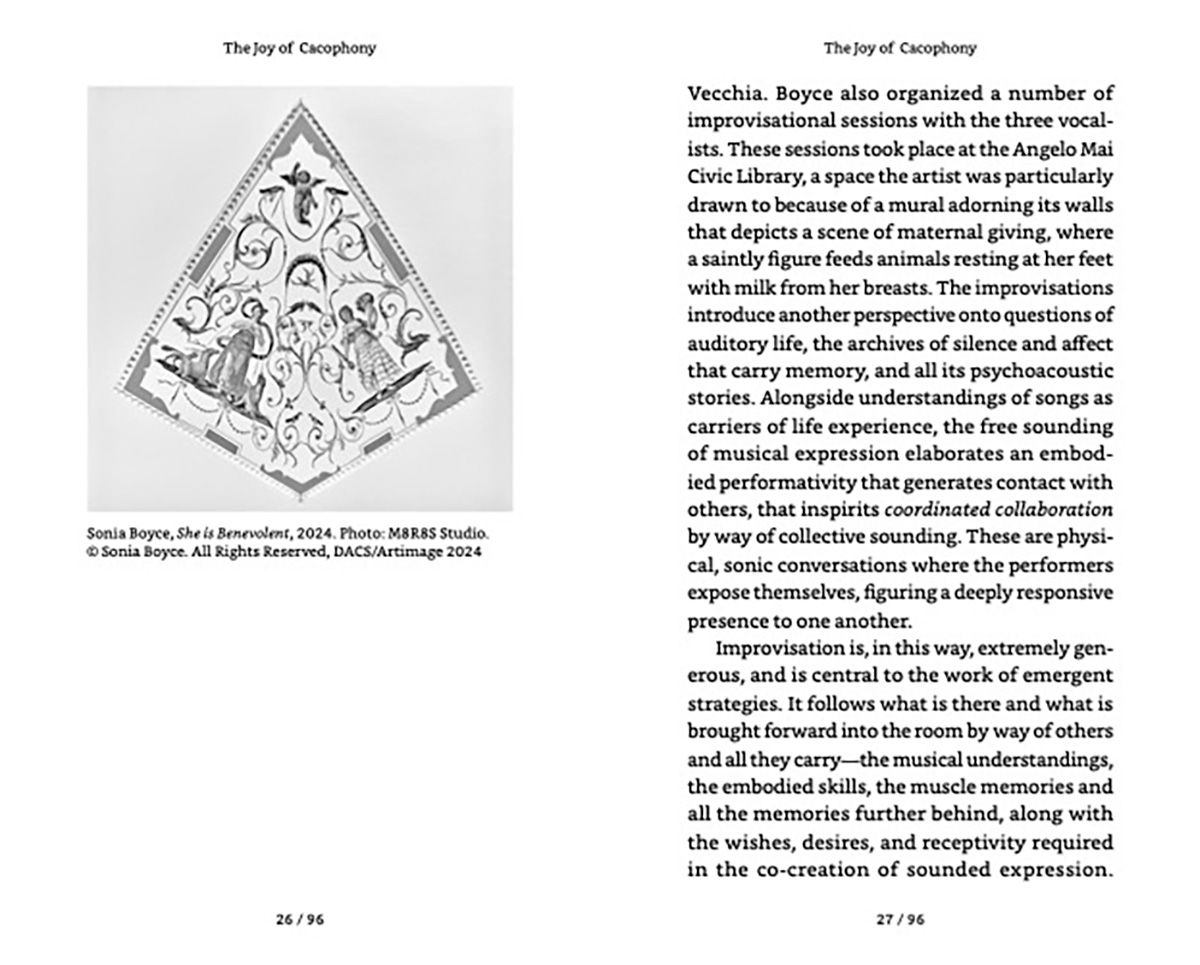
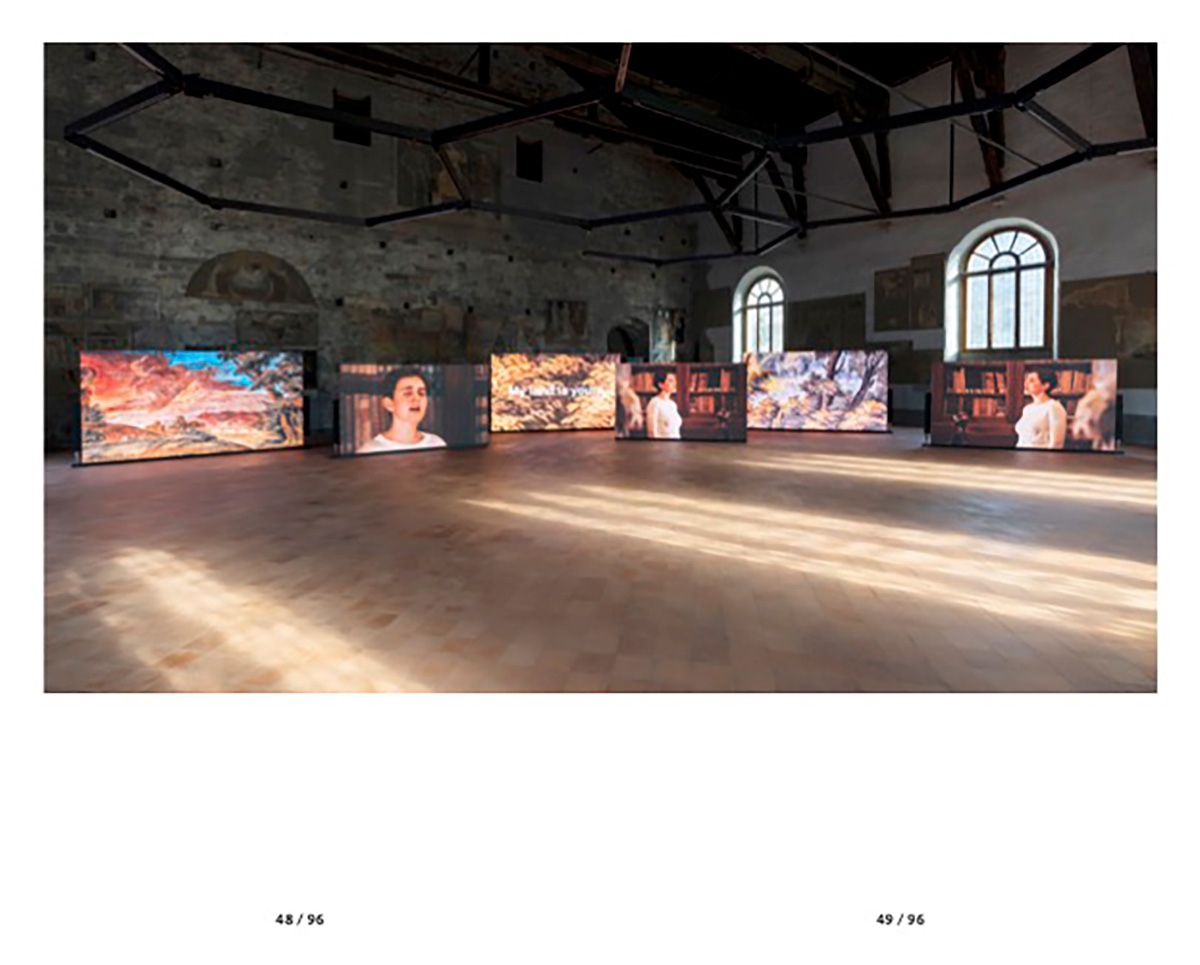
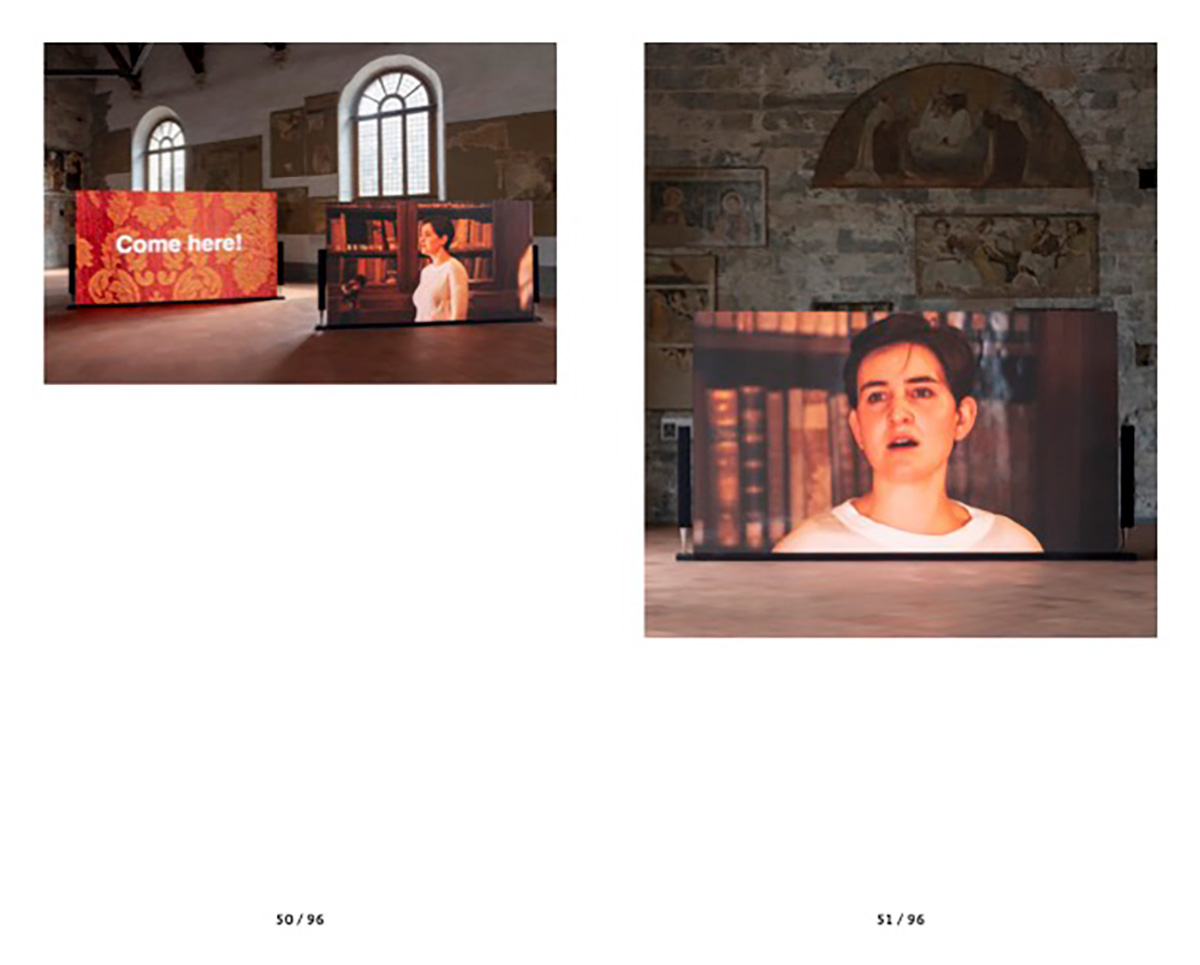
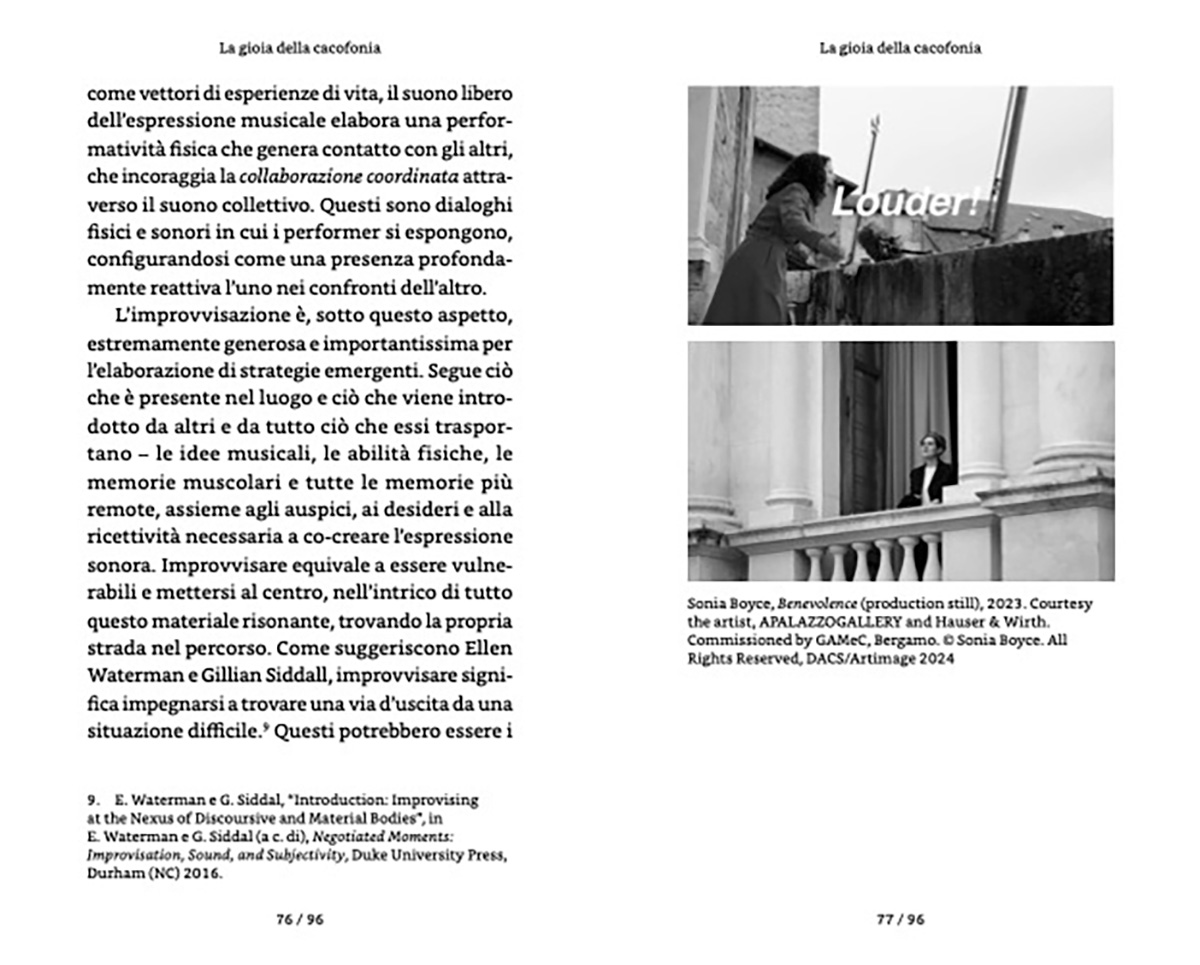
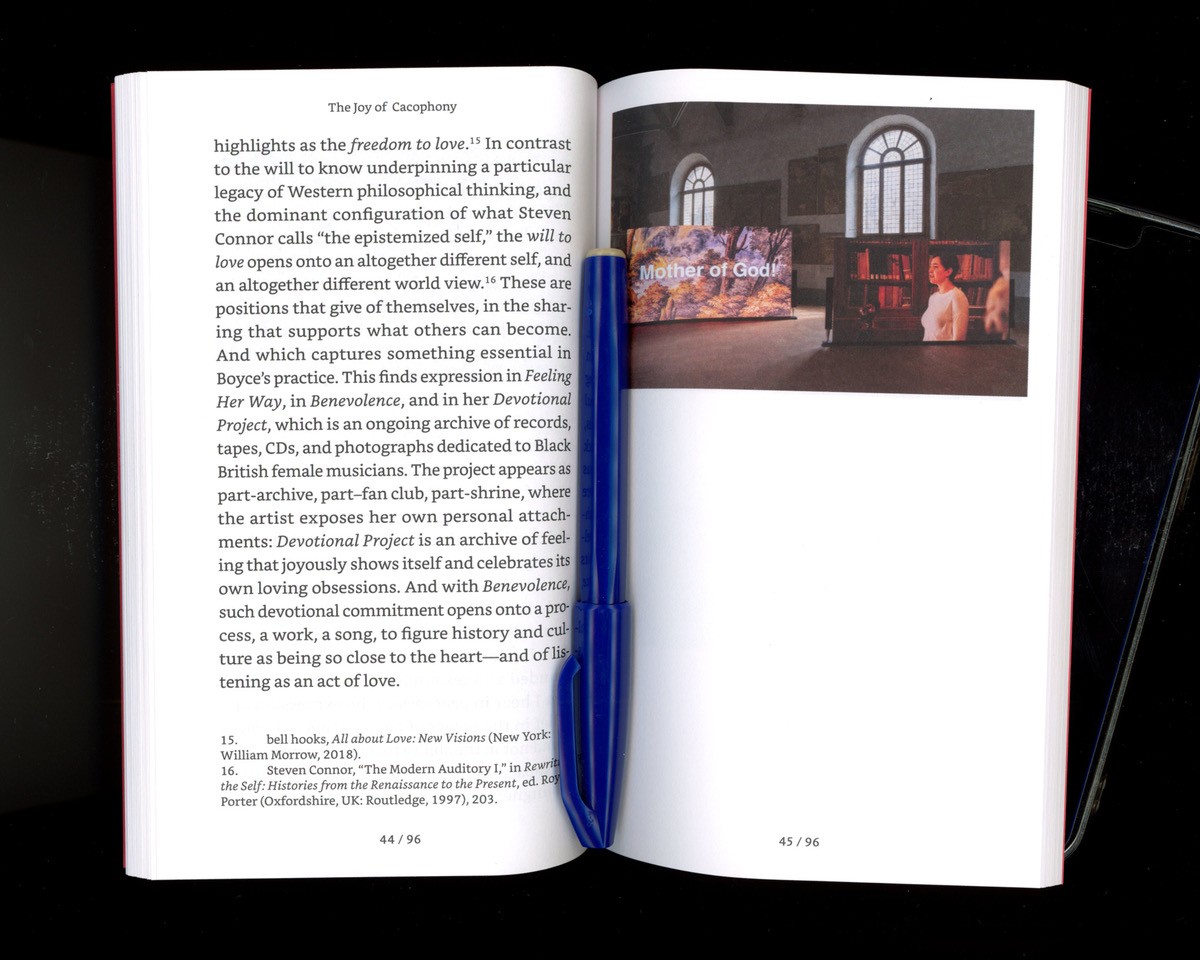
Sonia Boyce’s project for Palazzo della Ragione saw her collaborate with three students from the “Gaetano Donizetti” Higher Institute of Musical Studies in Bergamo, who were invited to perform and improvise popular songs in the heart of Bergamo’s “Città Alta.” The act of singing from balconies is an explicit reference to the lockdowns, during which people sang songs from inside their homes to support each other in what was a time of crisis. These actions inspired the artist, for whom singing itself represents a gesture of altruism and empathy. The Joy of Cacophony is the second book in a series of short essay collections inspired by the site-specific art projects specially conceived for GAMeC at Palazzo della Ragione, a symbolic, time-honored location within the city of Bergamo that embodies the values of community life and participation. The artist was asked to name an author who interests her—be it a researcher, a philosopher or a scholar—and whose thinking could be said to underpin the project, with a view to finding a path through the complexities of the present day, starting from the work produced but without necessarily lingering on it.