This small anthology reviews some of the central themes of Diego Marcon’s research: from the role of the display in exhibitions to his relationship with cinema, from the use of special effects and animatronics to the sense of community established through his work. Glassa accompanies the exhibition of the same name designed by the artist for the spaces of the Centro per l’arte contemporanea Luigi Pecci in Prato.
Strata raccoglie 37 conversazioni con artisti il cui lavoro ha dato un contributo significativo alla scena artistica italiana e internazionale a partire dal 2000. Questo libro è il resoconto personale di una serie di incontri, amicizie e relazioni professionali che Vincenzo de Bellis e Alessandro Rabottini hanno coltivato negli ultimi vent’anni.
Strata compiles 37 conversations with artists whose work has made a significant contribution to the Italian and international art scene since 2000. This book is the personal account of a number of encounters, friendships, and professional relationships that Vincenzo de Bellis and Alessandro Rabottini have nurtured over the past twenty years.
Pardon Façade documents the artistic output of Luca Monterastelli, showcasing almost all of the sculptures and installations that he produced between 2011 and 2022. Across four chapters—corresponding to four solo shows that he staged in Milan, Otegem, Antwerp, and Naples—the publication provides the first overview of the artist’s work.
More than half a century after its premiere, Yvonne Rainer, in collaboration with choreographer and dancer Emily Coates, directed the 2019 revival of her 1965 performance Parts of Some Sextets. This book poses questions about the trajectories of artworks, performers, and audiences, all while tracing the life—and afterlife—of a dance.
How does technology organize life? This book documents and reflects on the exhibition Proof of Stake: Technological Claims at Kunstverein in Hamburg, curated by Simon Denny and Bettina Steinbrügge. It brings together a unique group of artists and scholars who investigate the technological apparatuses and power relations of organized life.
Edited by Giovanna Borasi, Albert Ferré, Francesco Garutti, Jayne Kelley
Texts by Sandrine Colard, Corinna Gardner, Oulimata Gueye, Claudio Gulli, Siliva Gutiérrez, Renato Leotta, Andrea Lissoni, Hannah Turner, Akram Zaatari
Designed by (Studio) Jonathan Hares / Amaury Hamon
Published with Canadian Centre for Architecture
2025, English, softcover, 224 pages, 24 x 31 cm
ISBN 979-12-80579-72-0
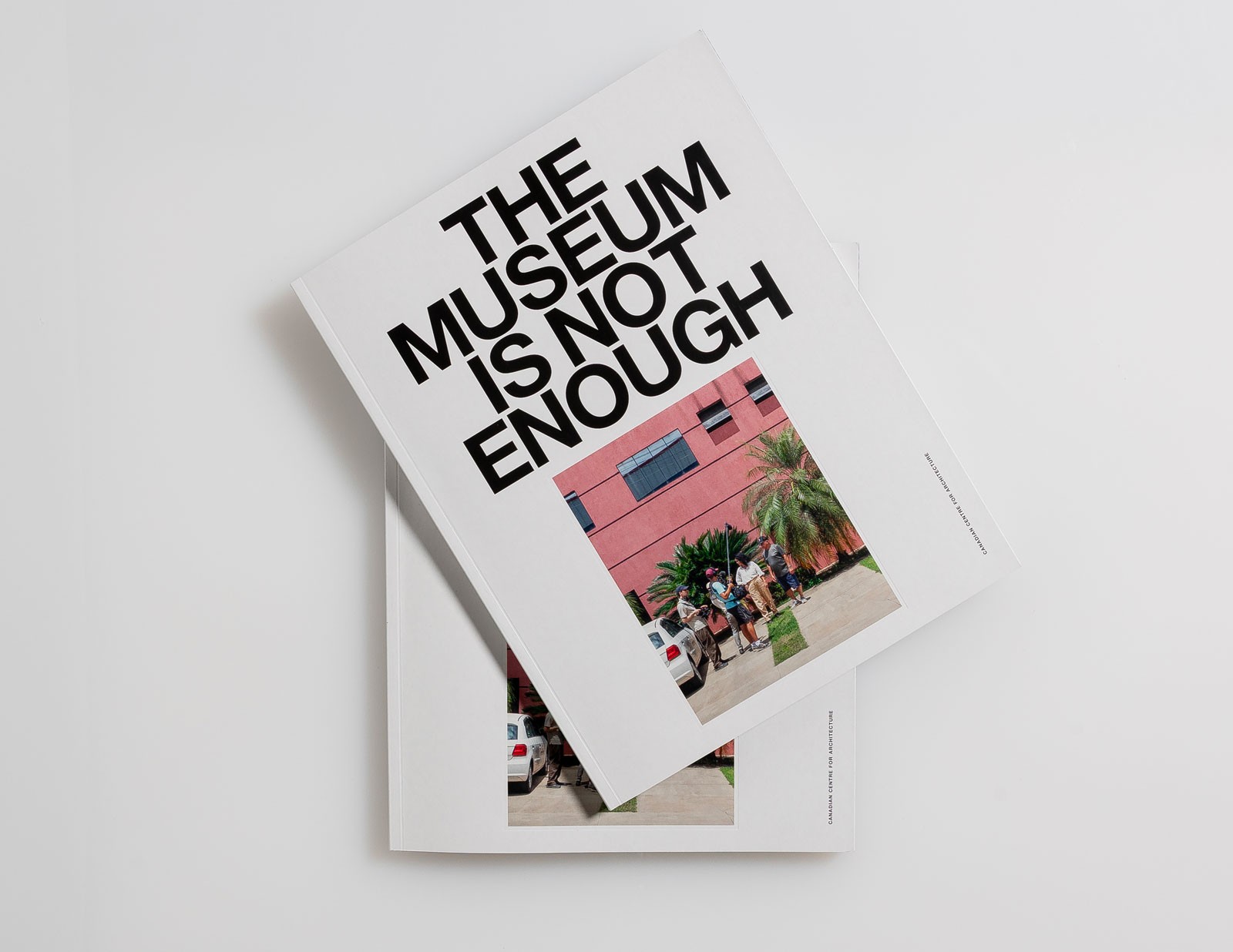
The CCA conceives The Museum Is Not Enough as a platform to reflect on some of the beliefs and concerns that define its curatorial activity—why and how it works—and, by extension, the role of cultural institutions in society. Stating that the museum is not enough means asking what a museum should be and do, and suggests that its entitlement to concentrate knowledge and meaning has dissolved.
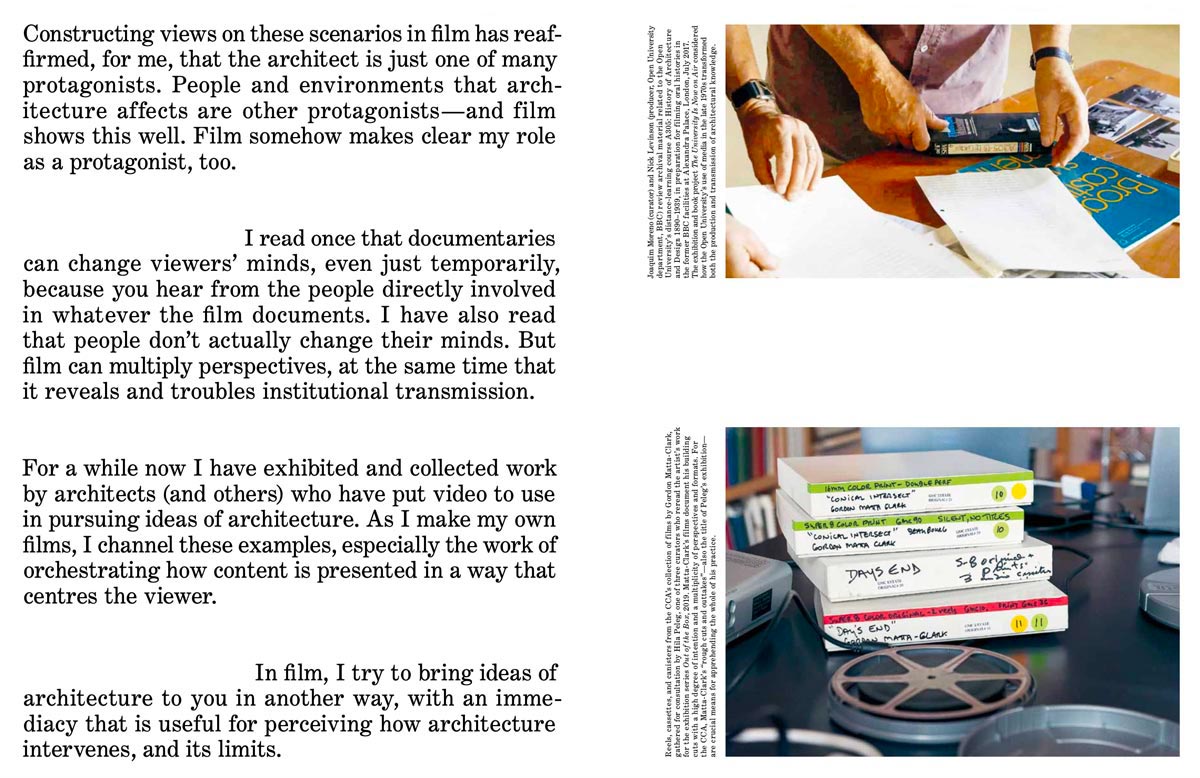
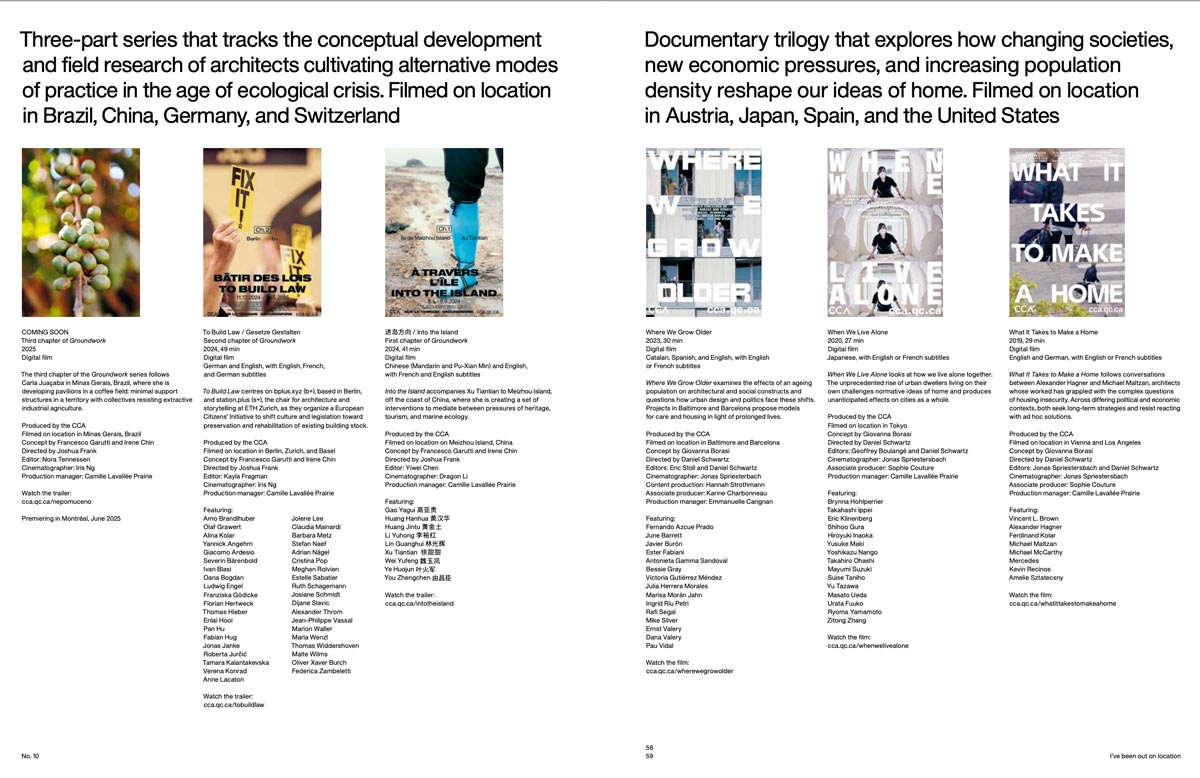
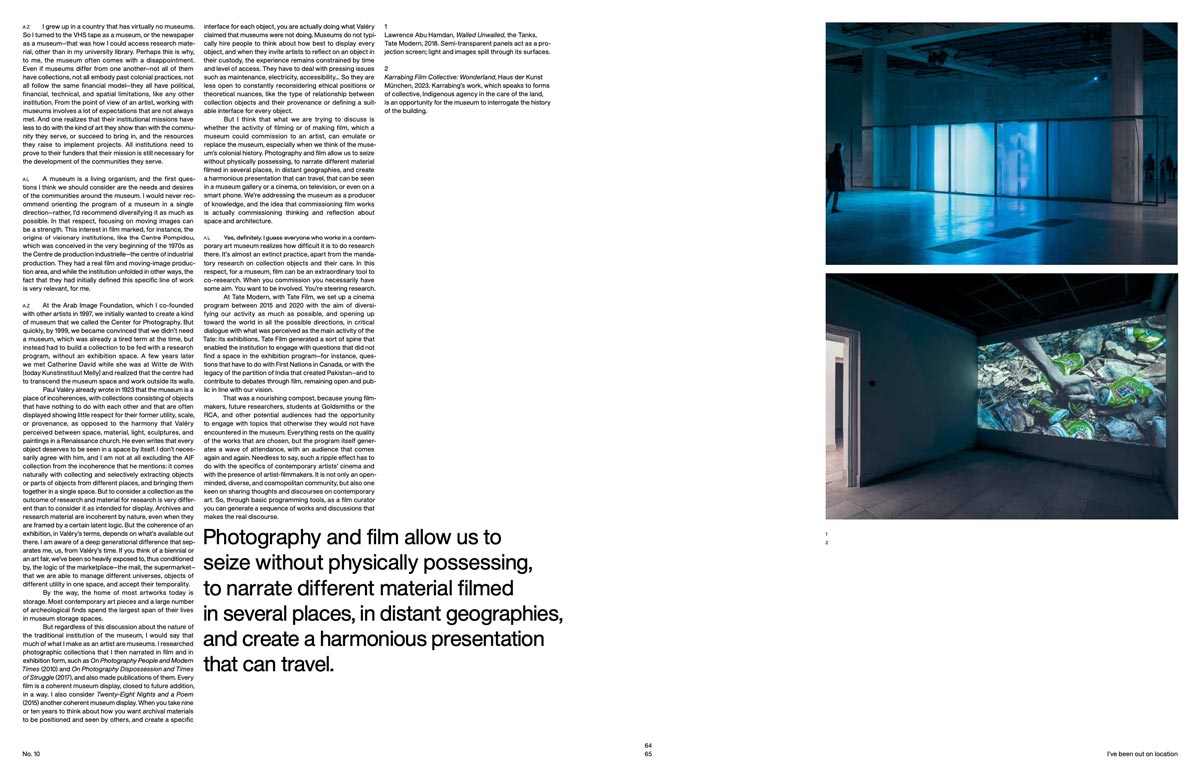
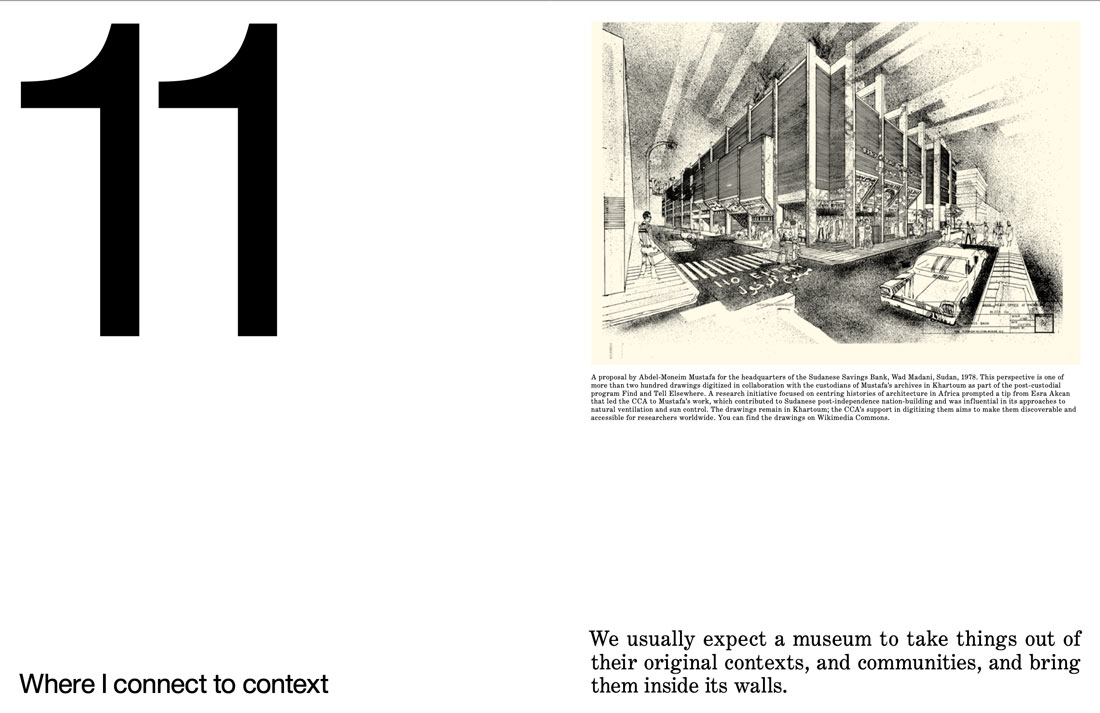
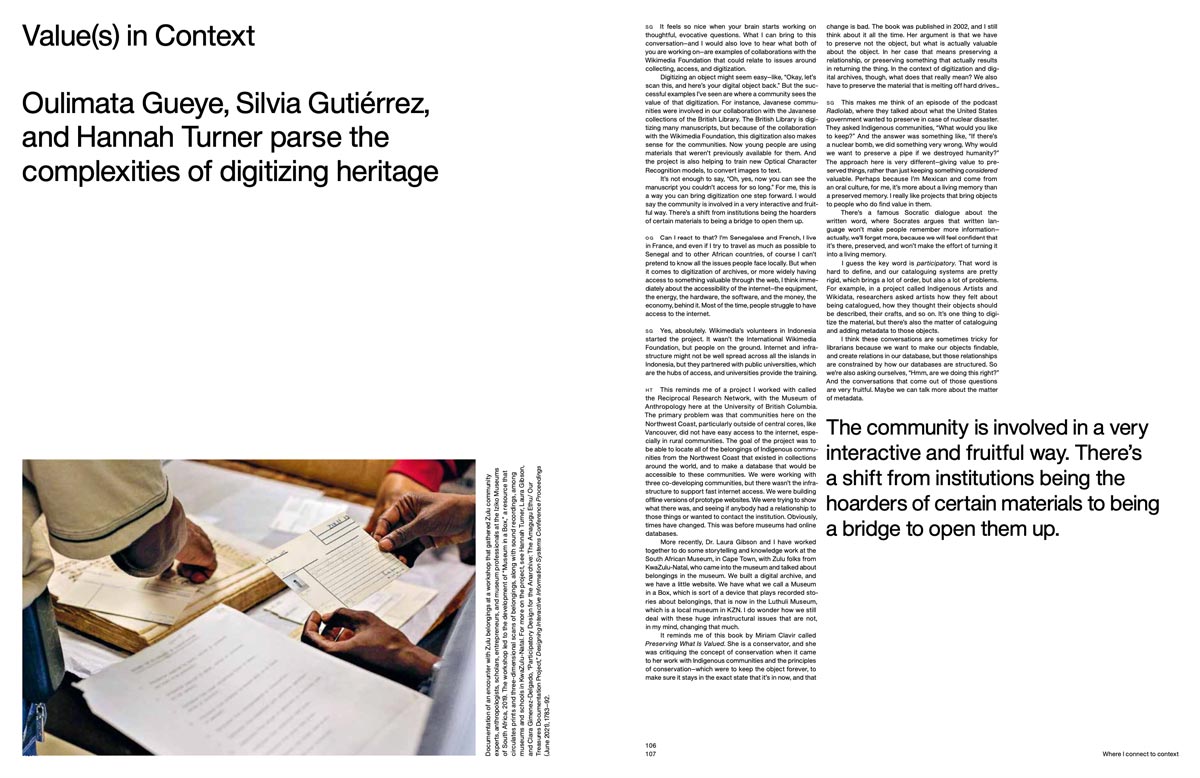
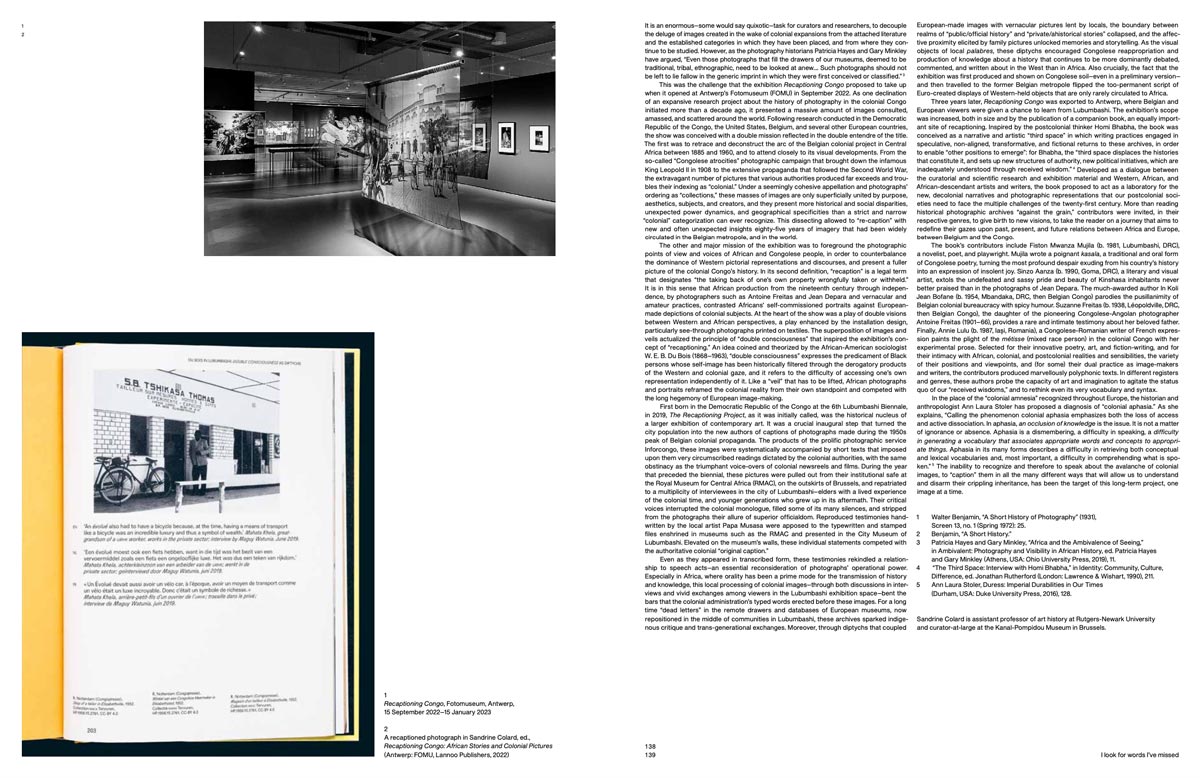
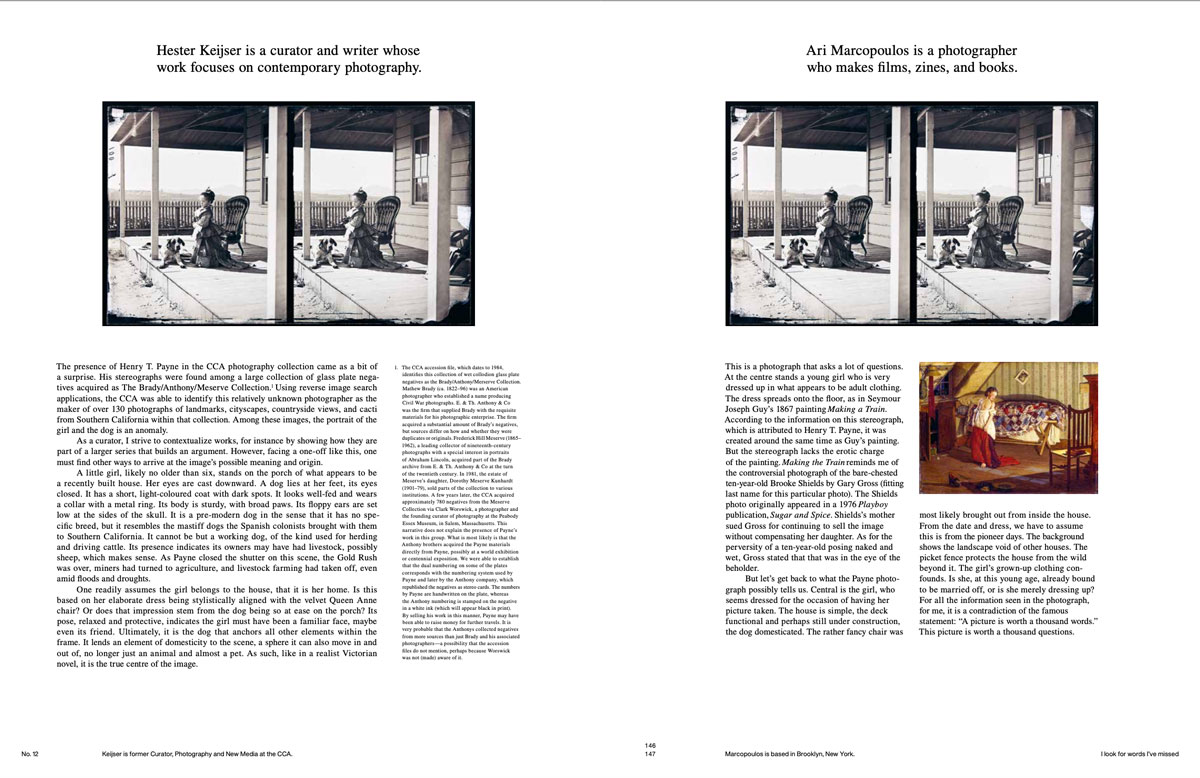
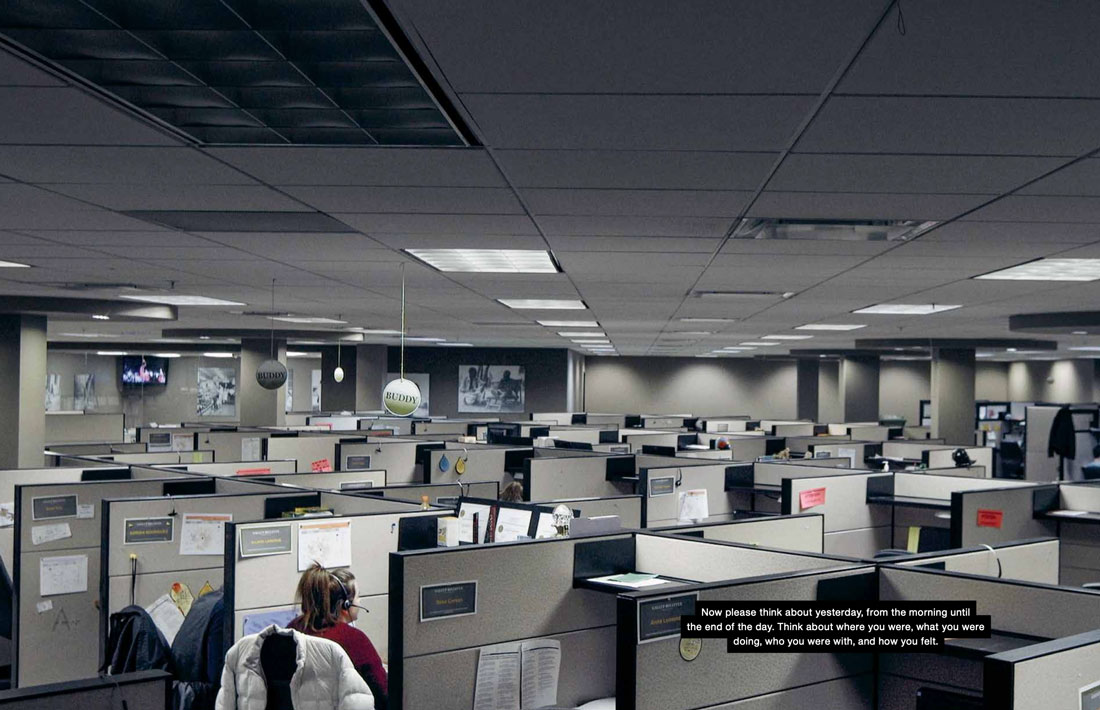
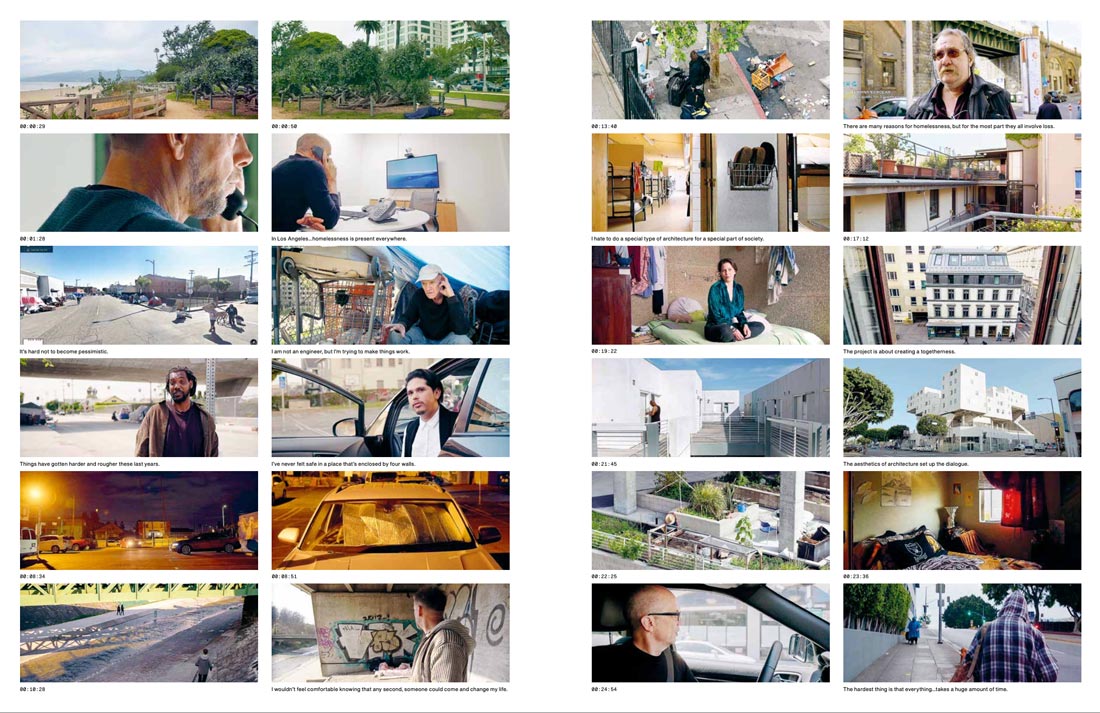
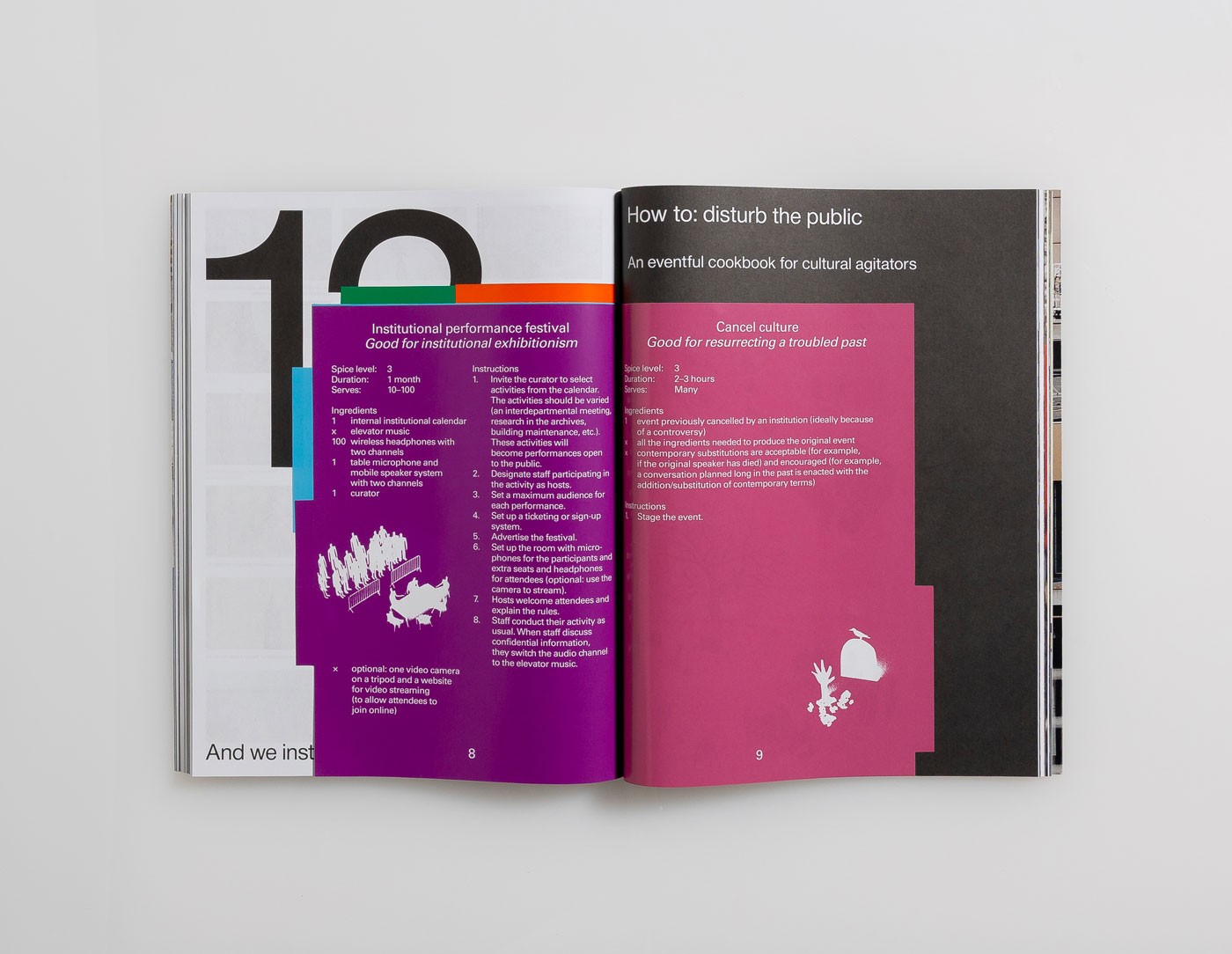
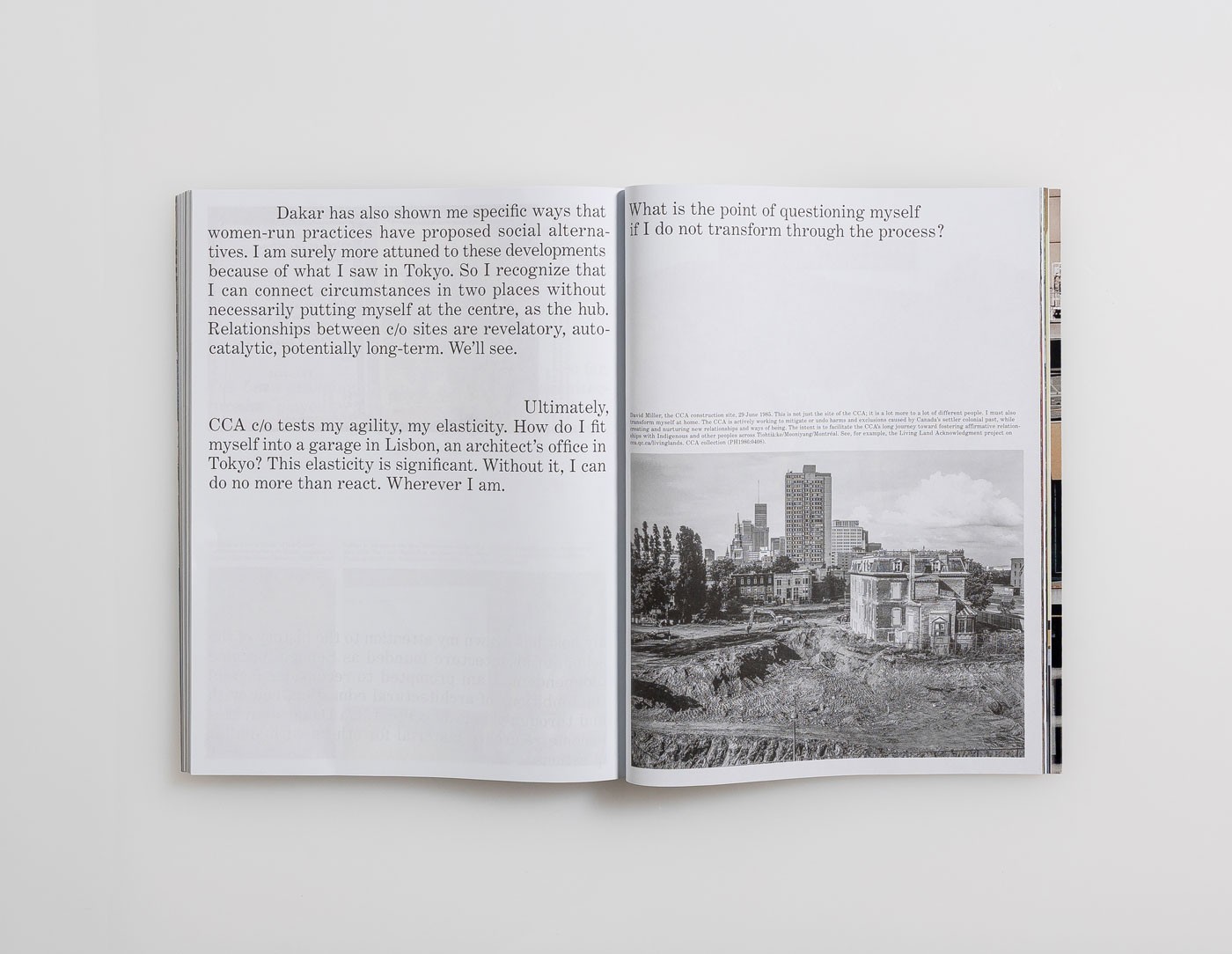
As a follow-up of a first volume published in 2019 that built on years of thematic investigations, the book focuses on how the institution works out and on these questions by rethinking its tools and how it relates to others. The Museum Is Not Enough (no. 10–14) gathers conversations among curators, artists, academics, and architects on how institutions engage multiple contexts, objects, and perspectives: reflecting on strategies to unlearn and decentre established ways of seeing and doing; looking closely at how to describe and document archival sources while interrogating the stakes, and often the harm, in separating cultural objects from their context; questioning the relationship between institutions and “the public”; and discussing curatorial tools—and particularly film—that collapse research and display, observation and action, here and there.
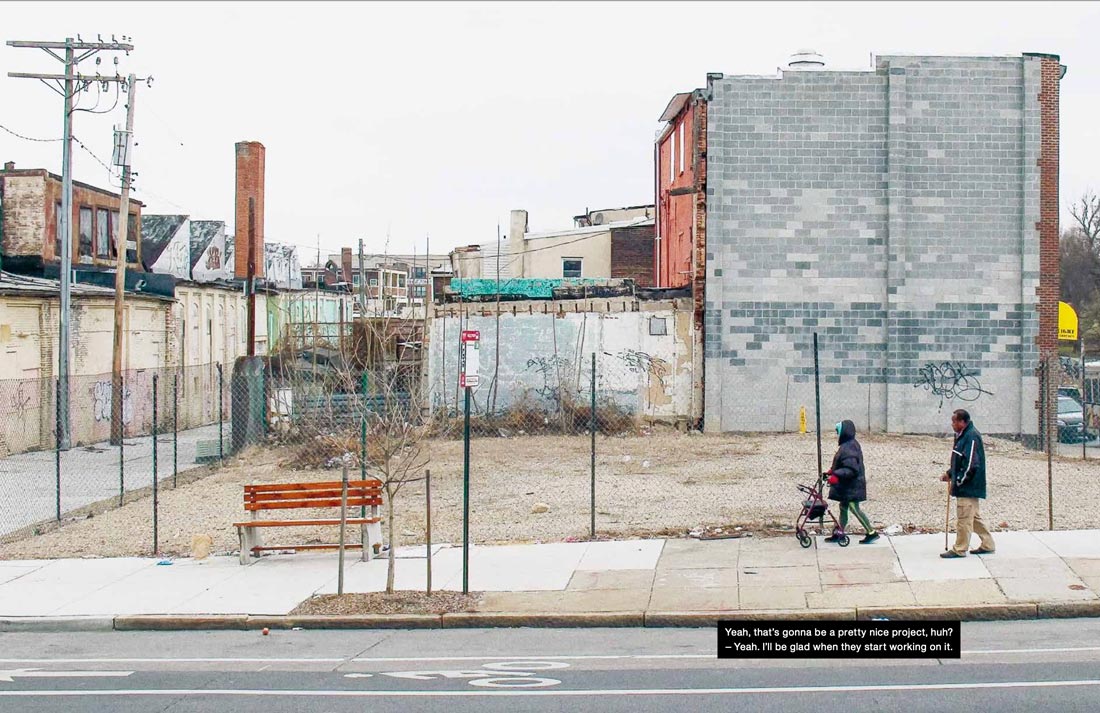
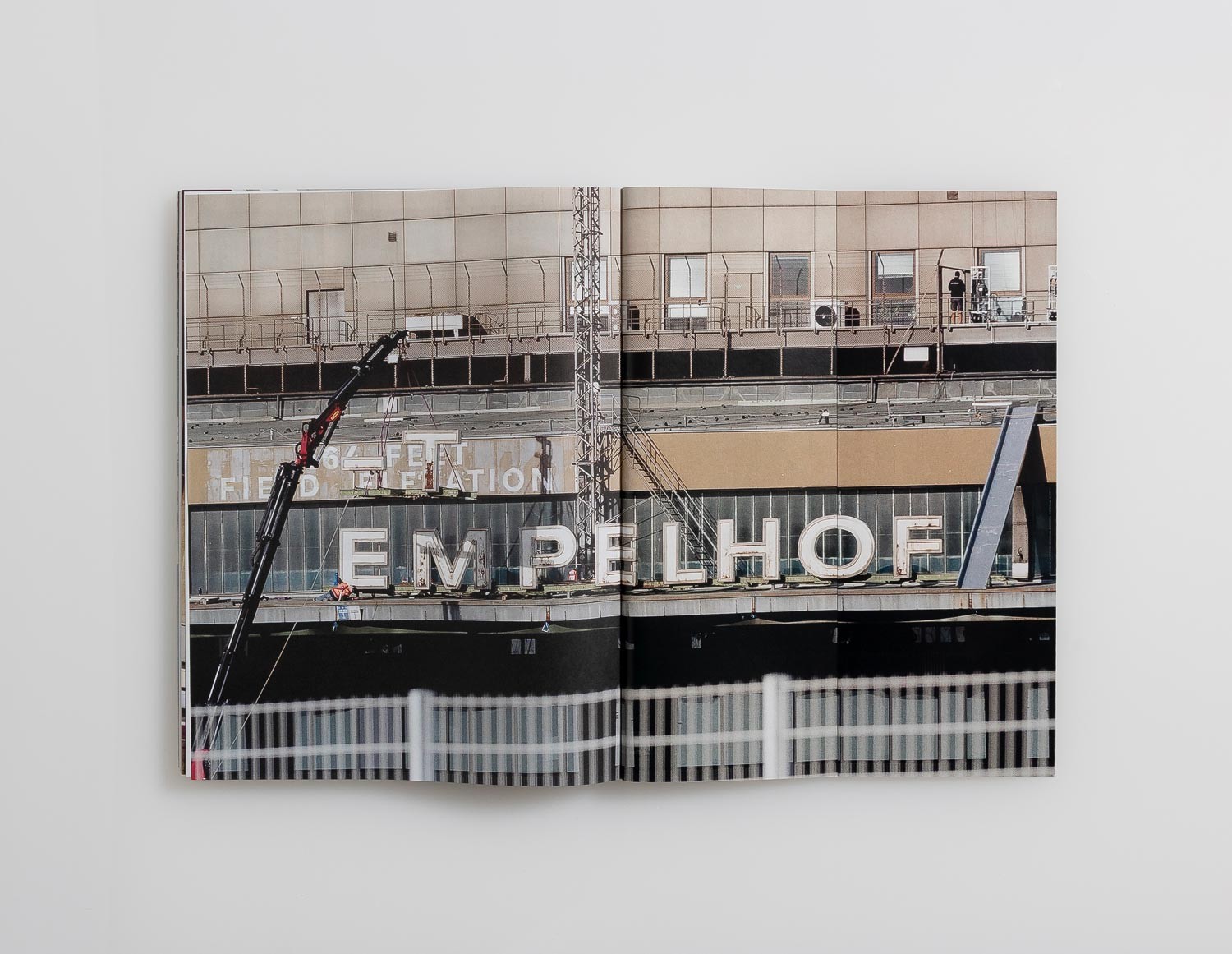
Underlying these reflections is the realization that the museum’s activity can’t be constructed from a fixed position. Unless the questions it deals with are observed from another angle, it is hard not to perpetuate the thinking that created them. The book responds to an urgent need to equip the institution to understand how things around it are rapidly changing, and the importance of conveying and discussing this instability. Here, the museum gets outside its physical walls to explore on-site, to talk with people, to connect and activate collaborators, to design conditions for different forms of dialogue to happen on the ground.