The artist’s book to love and devour by Tolia Astakhishvili was published on the occasion of the inaugural exhibition at the new site of the Nicoletta Fiorucci Foundation in Venice, curated by Hans Ulrich Obrist.
This monograph, published on the occasion of Samson Young’s exhibition at SFMOMA, focuses on his latest project, Intentness and Songs, a multimedia installation that poetically traces the idiosyncratic rhythms of love, memory, experiences of time, and AI. Essays and a rich set of unpublished materials offer new keys to understanding the artist’s work.
The book, published on the occasion of the eponymous exhibition held at CAM – Gulbenkian in Lisbon, explores convergences in the work of Paula Rego (Lisbon, 1935 – London, 2022) and Adriana Varejão (Rio de Janeiro, 1964), although they belong to different generations and come from different backgrounds.
O livro, lançado por ocasião da exposição homónima no CAM – Centro de Arte Moderna Gulbenkian, em Lisboa, explora as convergências nas obras de Paula Rego (Lisboa, 1935 – Londres, 2022) e Adriana Varejão (Rio de Janeiro, 1964), apesar de pertencerem a gerações e contextos distintos.
The future of architecture lies in the curatorial approach. This is the thesis put forward by architect Wilfried Kuehn and theorist Dubravka Sekulić in their book, which brings together contributions from more than 30 authors working in the fields of architecture, art, and curatorial knowledge and practice.
Emanuele Coccia describes the radical creative freedom inscribed in Ernesto Neto’s practice, analyzing the workings of the Brazilian artist’s pieces of living architecture. Art on Earth is the third book in a series of short essay collections inspired by the site-specific projects conceived for GAMeC at Palazzo della Ragione.
Edited by Giovanna Borasi, Albert Ferré, Francesco Garutti, Jayne Kelley
Texts by Sandrine Colard, Corinna Gardner, Oulimata Gueye, Claudio Gulli, Siliva Gutiérrez, Renato Leotta, Andrea Lissoni, Hannah Turner, Akram Zaatari
Designed by (Studio) Jonathan Hares / Amaury Hamon
Published with Canadian Centre for Architecture
2025, English, softcover, 224 pages, 24 x 31 cm
ISBN 979-12-80579-72-0
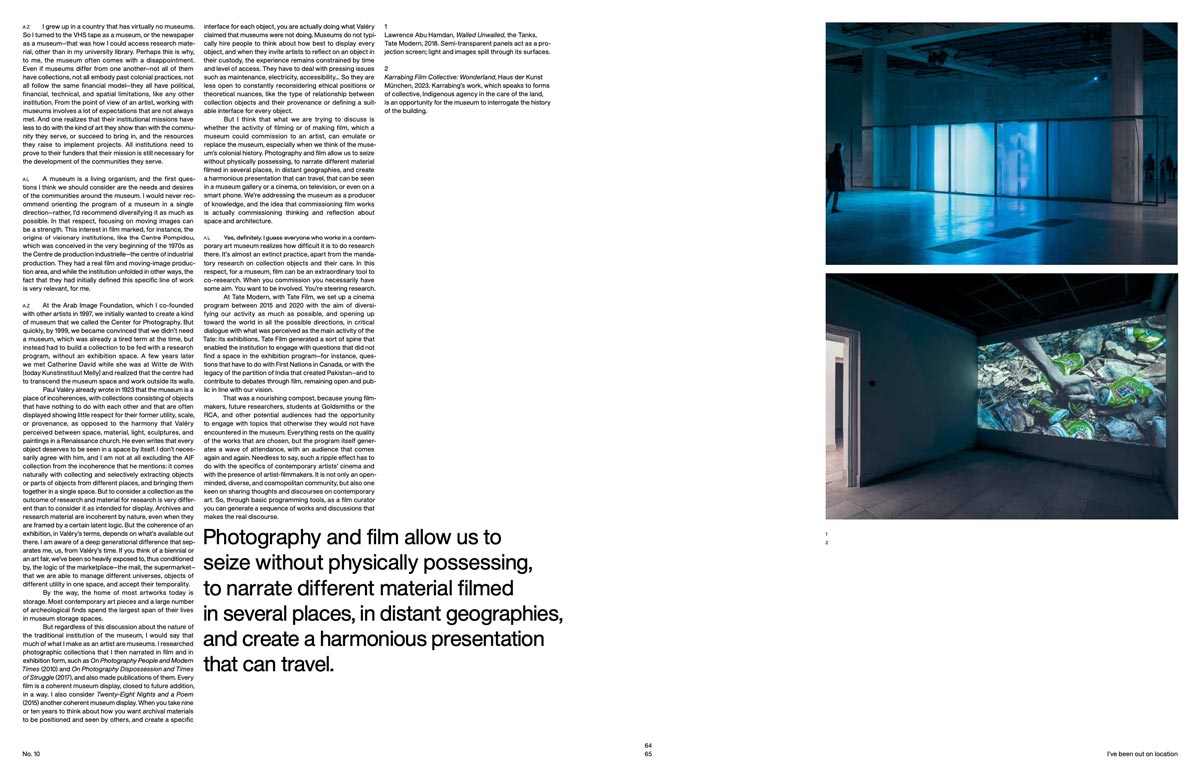
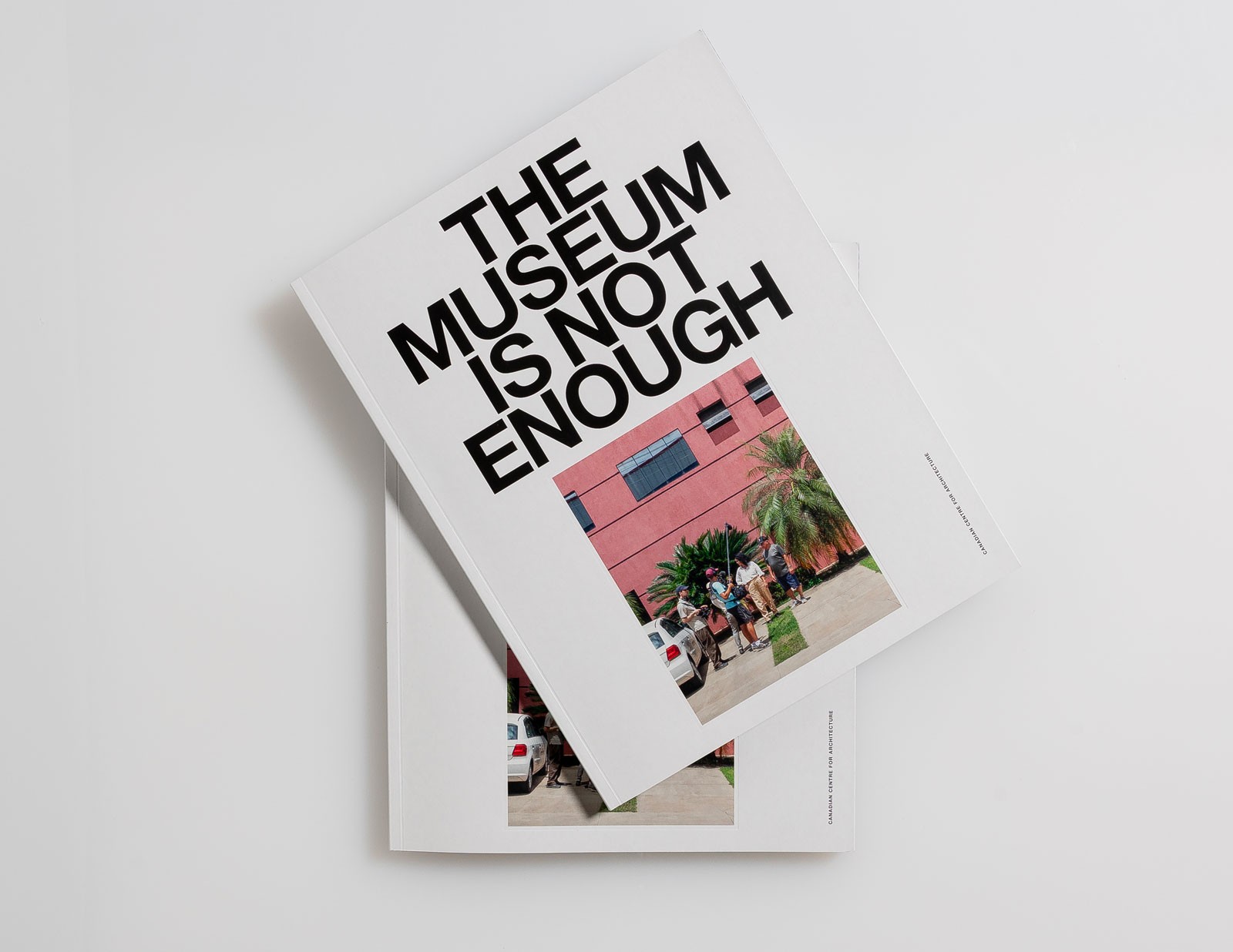
The CCA conceives The Museum Is Not Enough as a platform to reflect on some of the beliefs and concerns that define its curatorial activity—why and how it works—and, by extension, the role of cultural institutions in society. Stating that the museum is not enough means asking what a museum should be and do, and suggests that its entitlement to concentrate knowledge and meaning has dissolved.
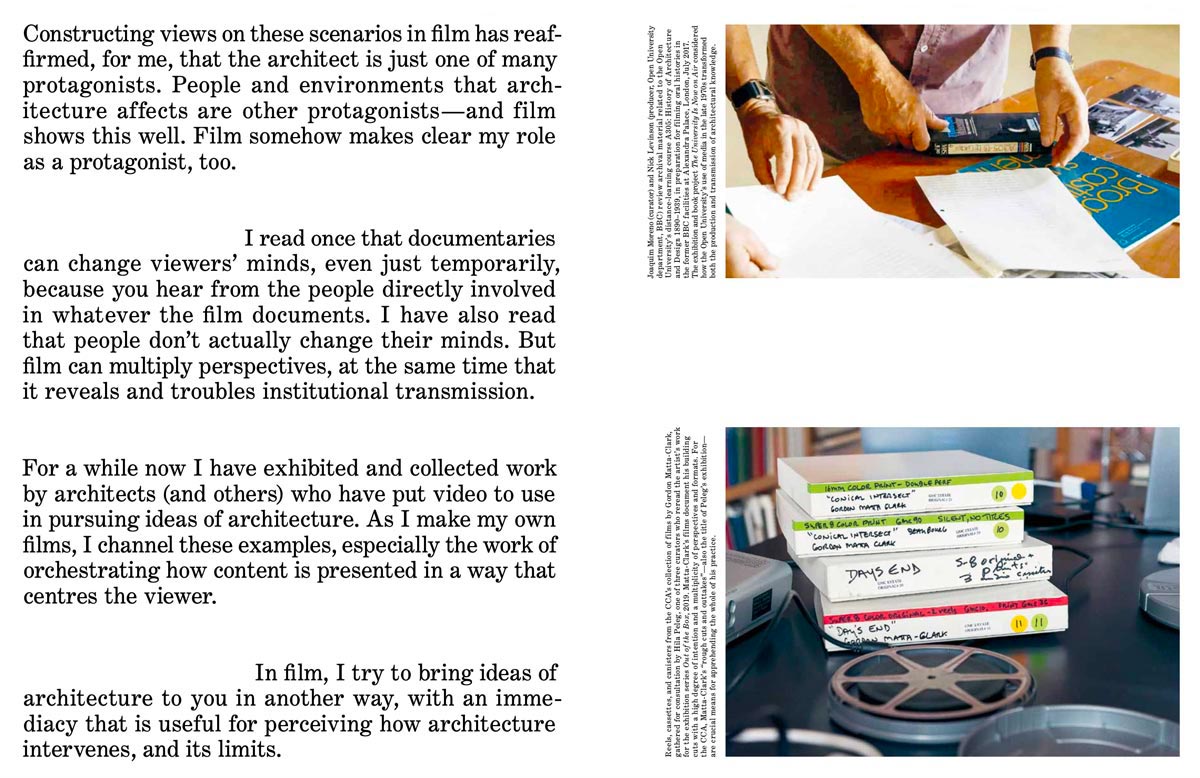
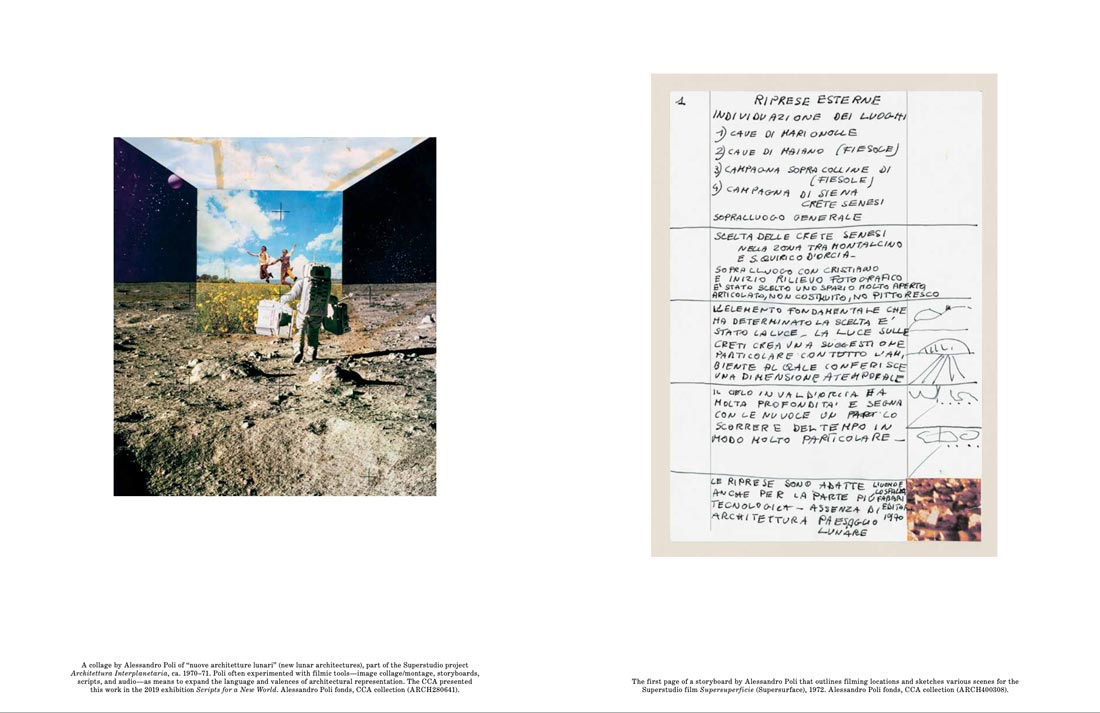
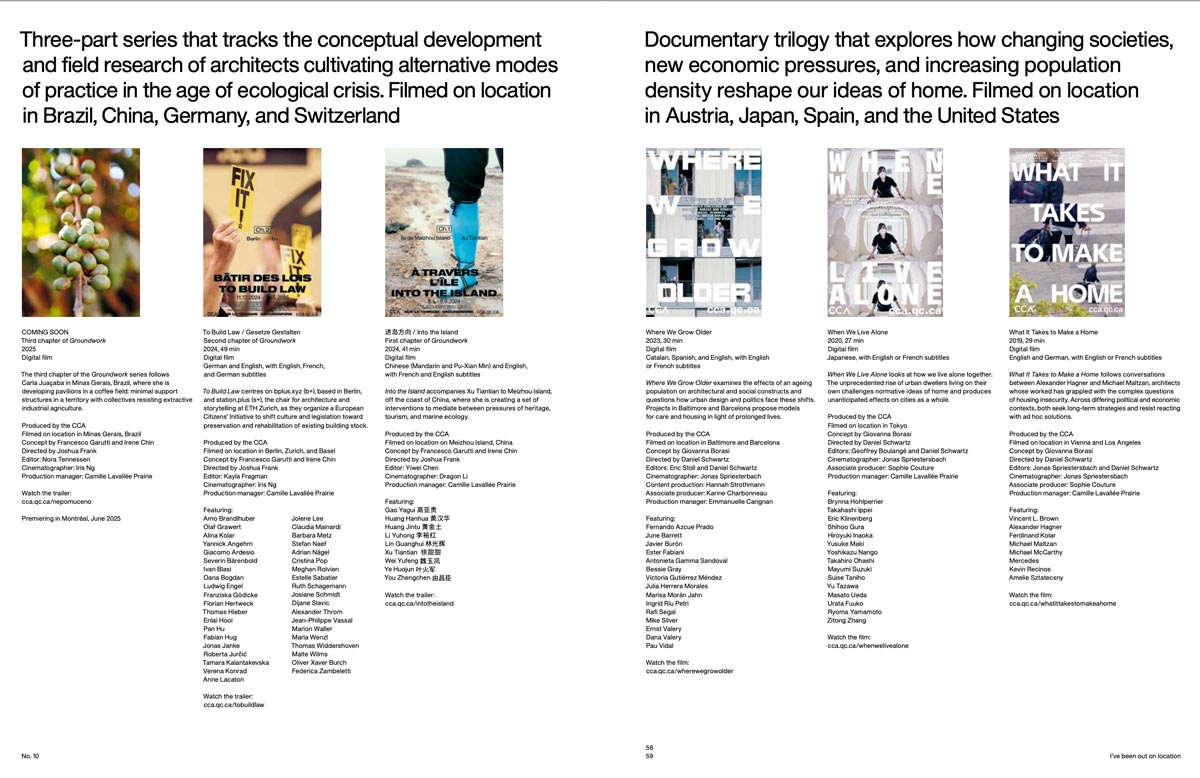
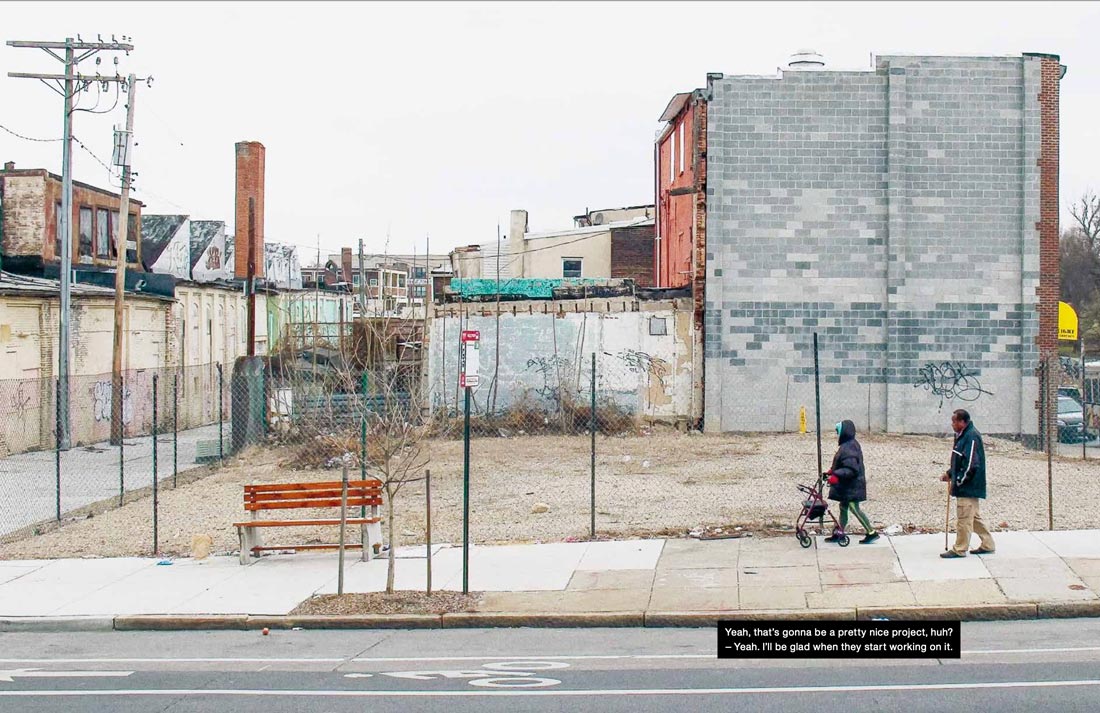
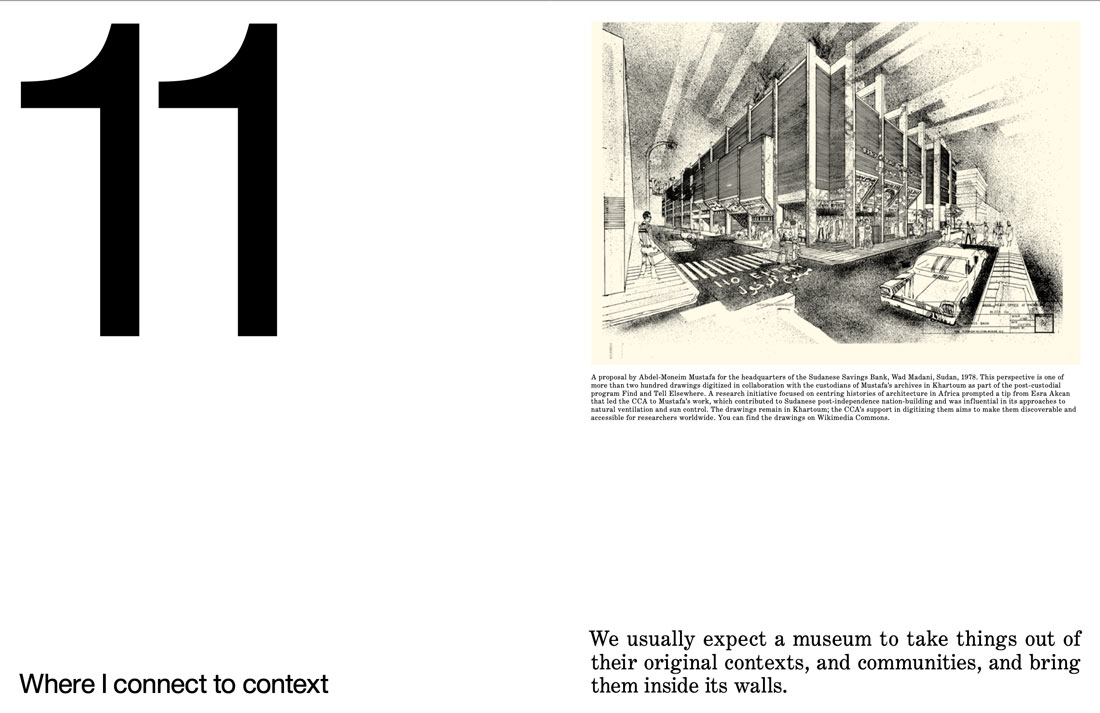
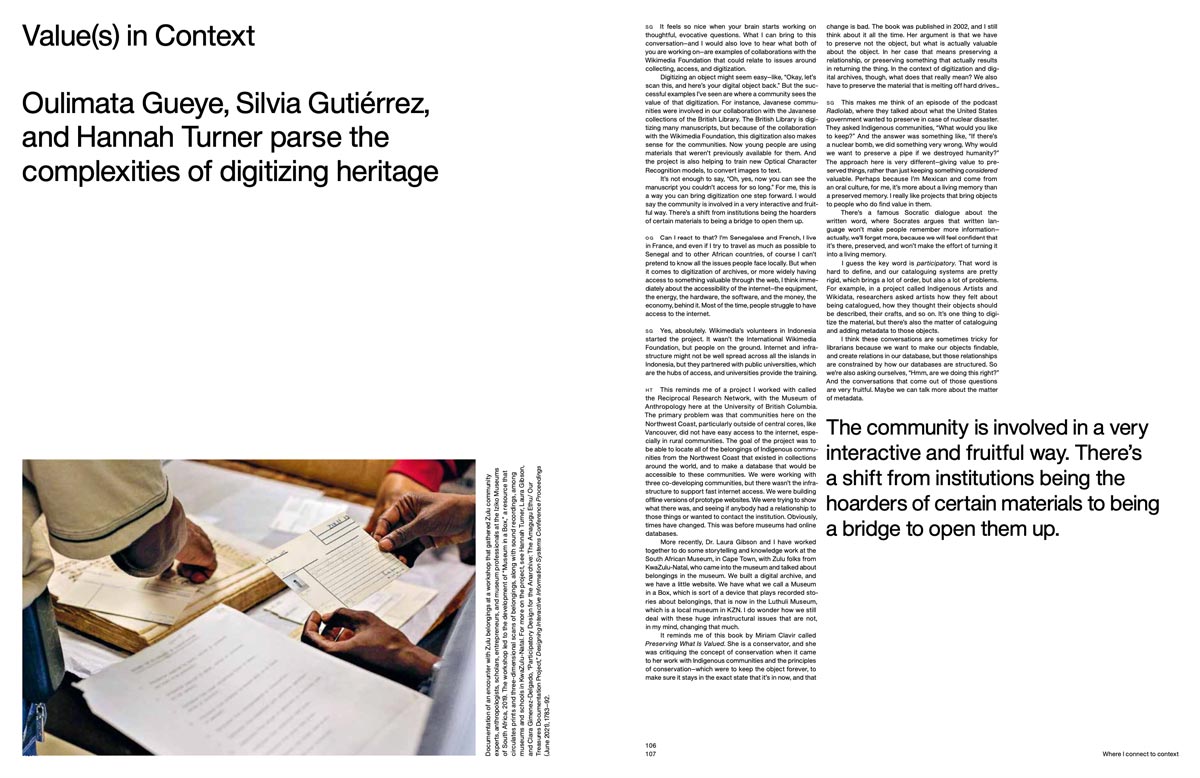
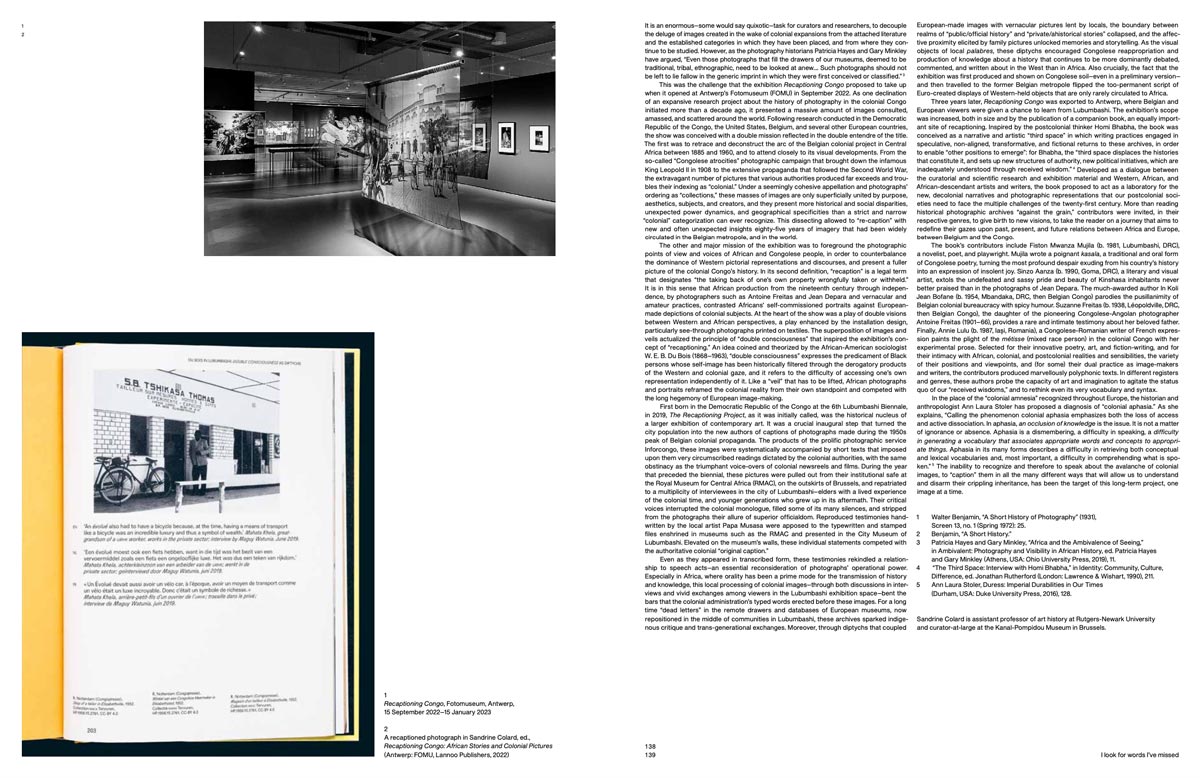
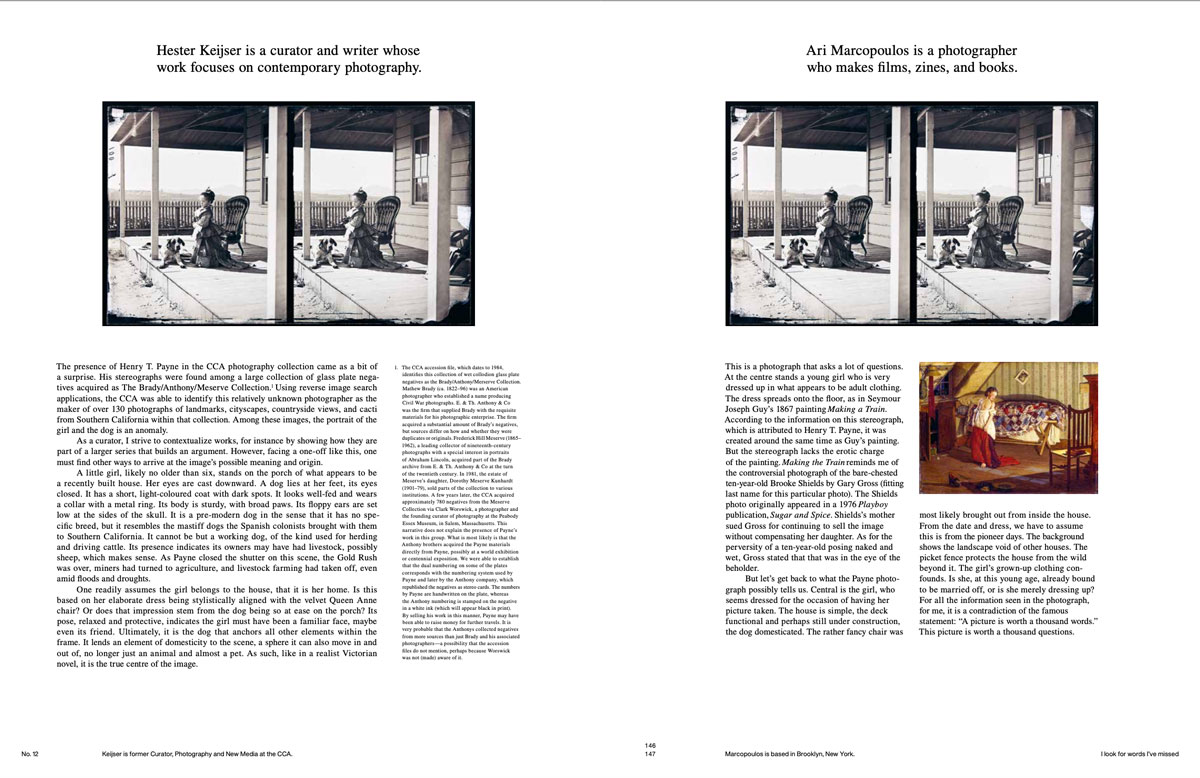
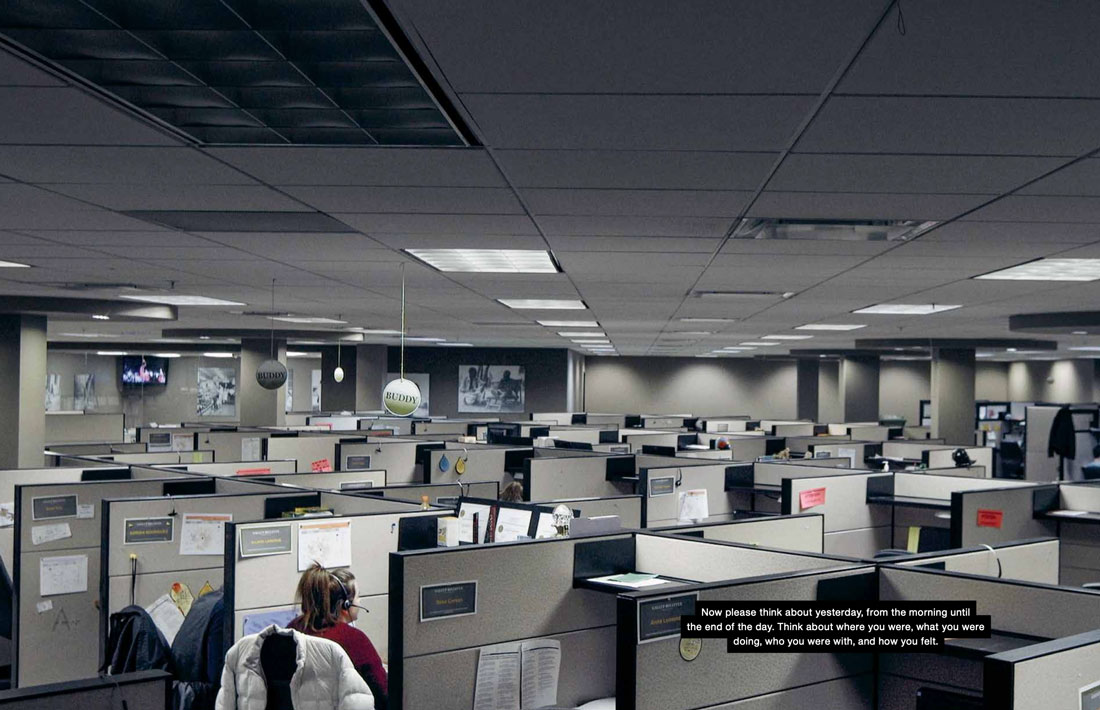
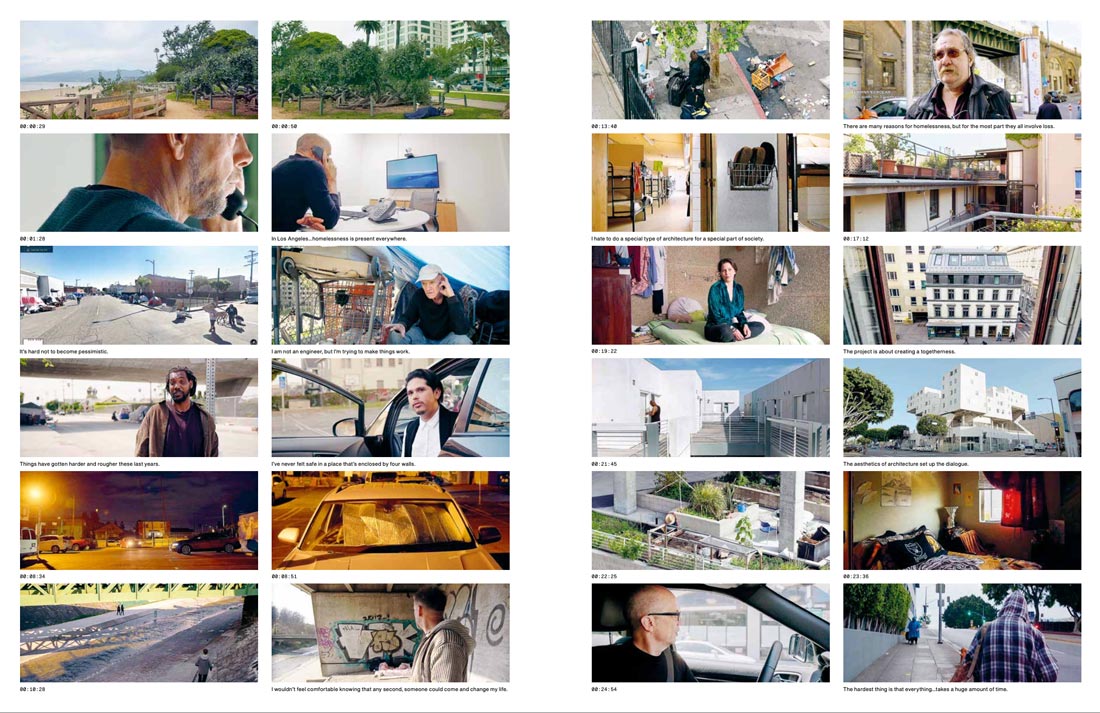
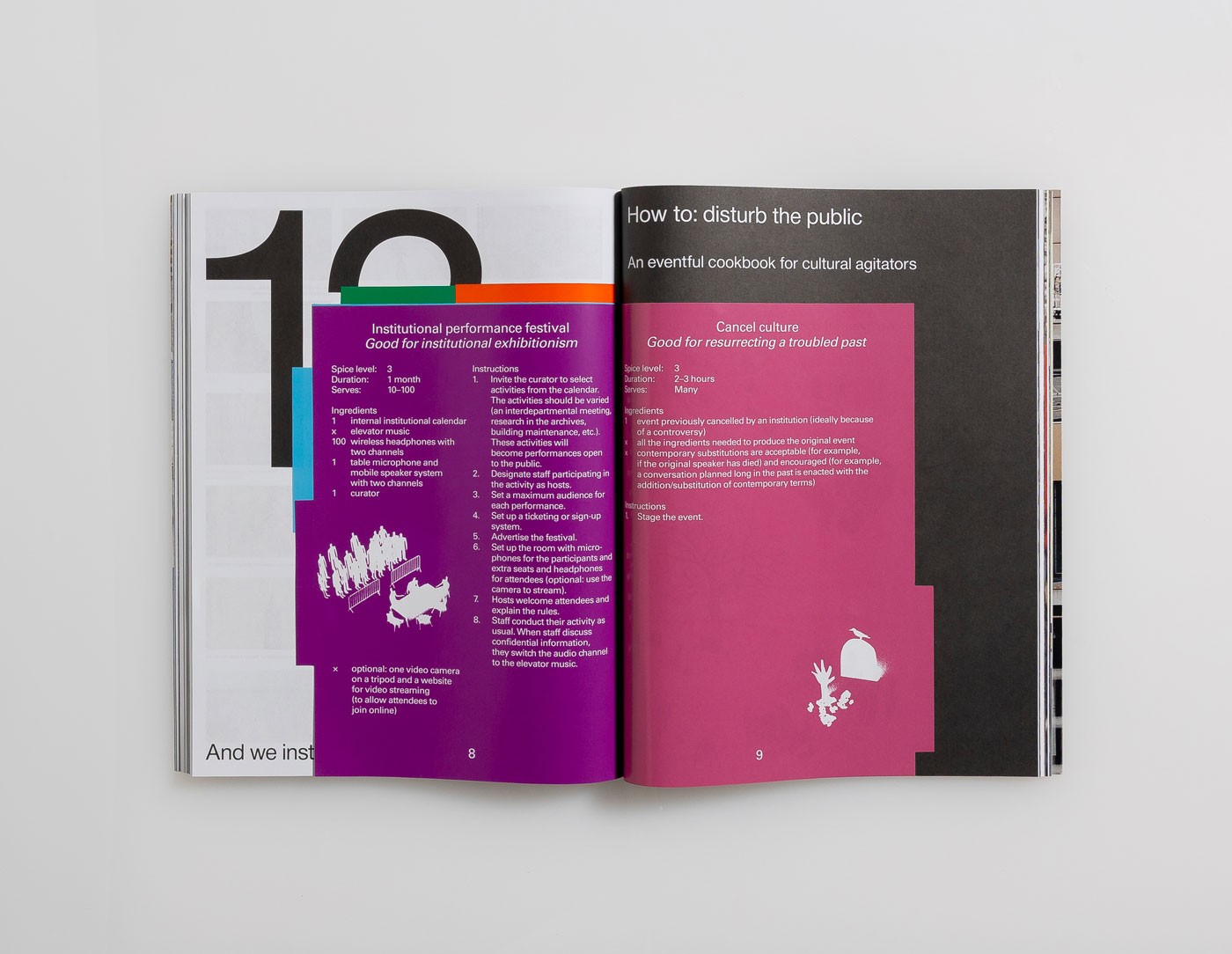
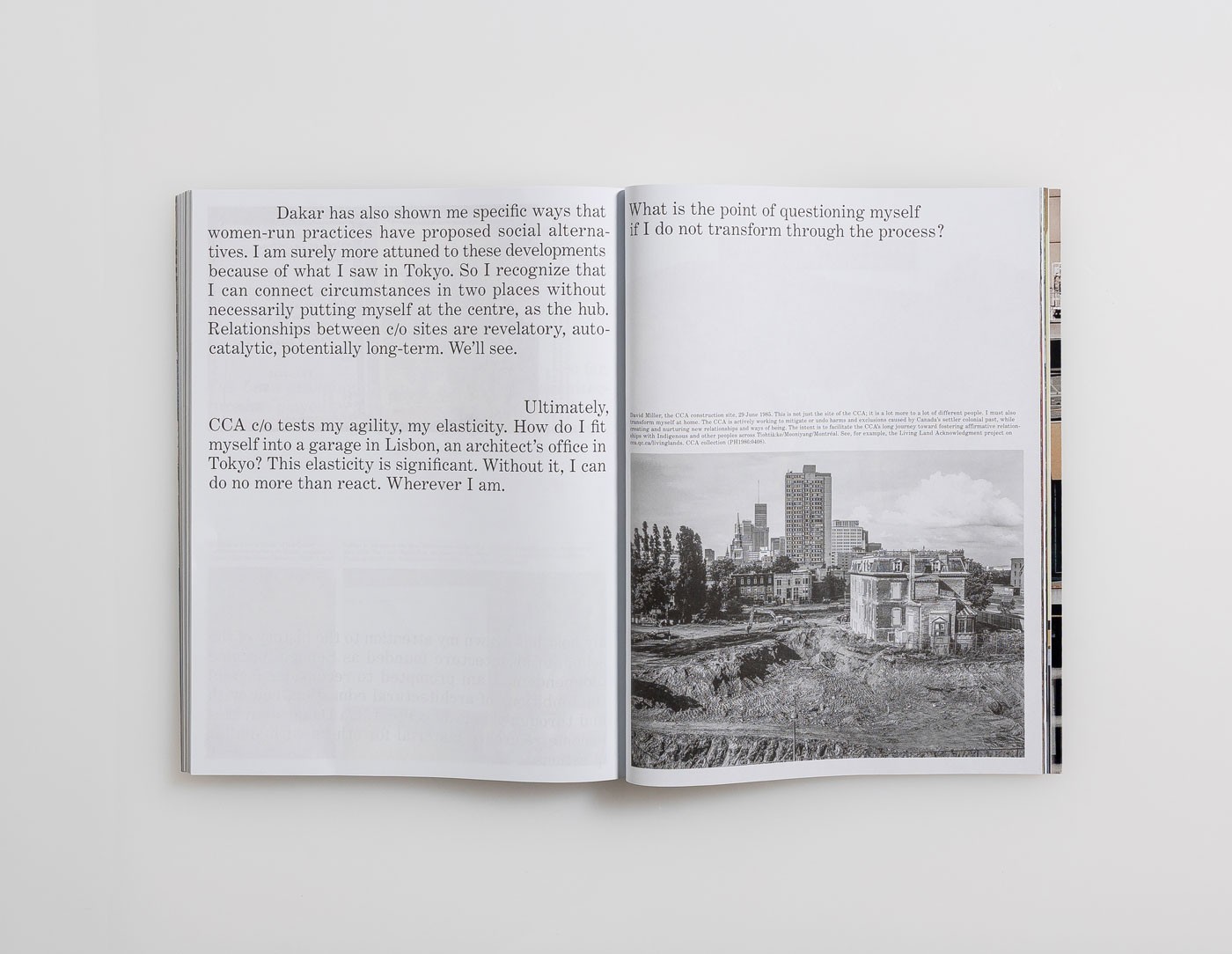
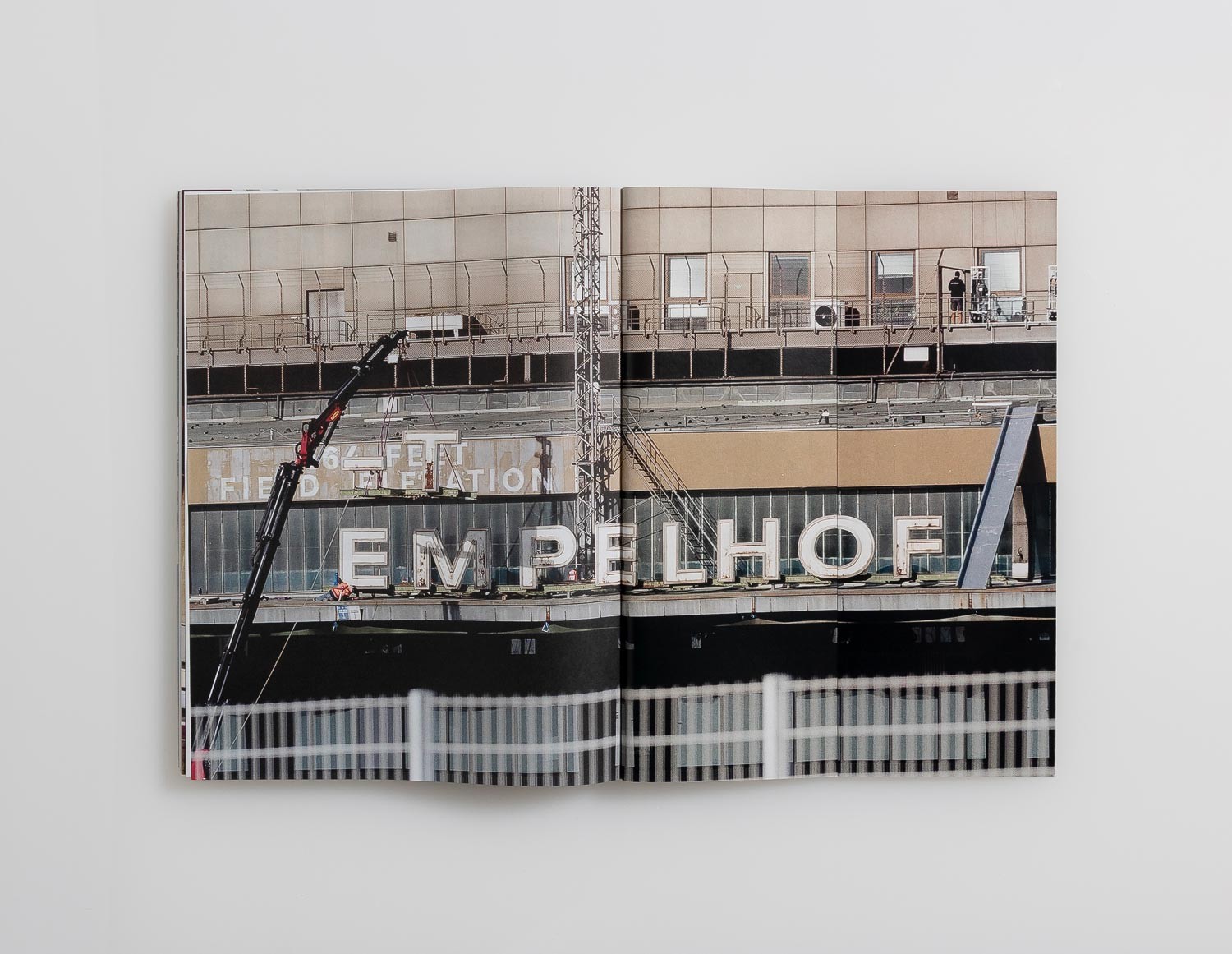
As a follow-up of a first volume published in 2019 that built on years of thematic investigations, the book focuses on how the institution works out and on these questions by rethinking its tools and how it relates to others. The Museum Is Not Enough (no. 10–14) gathers conversations among curators, artists, academics, and architects on how institutions engage multiple contexts, objects, and perspectives: reflecting on strategies to unlearn and decentre established ways of seeing and doing; looking closely at how to describe and document archival sources while interrogating the stakes, and often the harm, in separating cultural objects from their context; questioning the relationship between institutions and “the public”; and discussing curatorial tools—and particularly film—that collapse research and display, observation and action, here and there.
Underlying these reflections is the realization that the museum’s activity can’t be constructed from a fixed position. Unless the questions it deals with are observed from another angle, it is hard not to perpetuate the thinking that created them. The book responds to an urgent need to equip the institution to understand how things around it are rapidly changing, and the importance of conveying and discussing this instability. Here, the museum gets outside its physical walls to explore on-site, to talk with people, to connect and activate collaborators, to design conditions for different forms of dialogue to happen on the ground.