Dreaming Alcestis is an artist’s book by artist and filmmaker Beatrice Gibson, conceived as an accompaniment to her holographic film installation of the same name. It features a commissioned essay by poet and translator Allison Grimaldi Donahue, as well as a reprint of the American poet Alice Notley’s 1991 essay What Can Be Learned From Dreams?
What if clay is the future and the future is clay? Curators Chus Martínez and Filipa Ramos brought together a group of artists to think and create through this old, maleable and fascinating matter. The result was materialized in an exhibition and book format entitled Feet of Clay.
Catalog of the eponymous exhibition, held at the Centre d’Art Contemporain Genève and curated by Andrea Bellini, this publication brings together a number of essays that explore the notion of metamorphosis from different perspectives. The catalog, like the exhibition, celebrates a world in constant transformation, where human nature is fluid and hybrid, open to change.
Ce catalogue de l’exposition éponyme, organisée au Centre d’Art Contemporain Genève sous la direction d’Andrea Bellini, rassemble plusieurs essais qui explorent la notion de métamorphose sous différentes perspectives. Le catalogue, comme l’exposition, célèbre un monde en constante transformation, où la nature humaine est fluide et hybride, ouverte au changement.
Fredrik Værslev: The Garden Paintings is the first publication dedicated solely to one specific body of work in the artist’s practice. It includes essays by Martha Kirszenbaum and Erlend Hammer, and gives a comprehensive and chronological account of the works from the series, showing their stylistic development as well as their exhibition history.
Between an artist’s book and a catalogue, this publication follows up on Armleder’s multidimensional exhibition at KANAL in 2020–21. Through archival pictures and in depth conversations, the book is designed to recreate the immersive experience of this collective experiment, and proposes a dive into something akin to a large self-portrait, conceived through the works of more than a hundred artists.
Edited by Daniel Baumann
Trajal Harrell in conversation with Daniel Baumann
Designed by Lorenzo Mason Studio
Co-published with Kunsthalle Zürich
2026, English, softcover, 11 × 18 cm, 184 pages
ISBN 979-12-82771-00-9
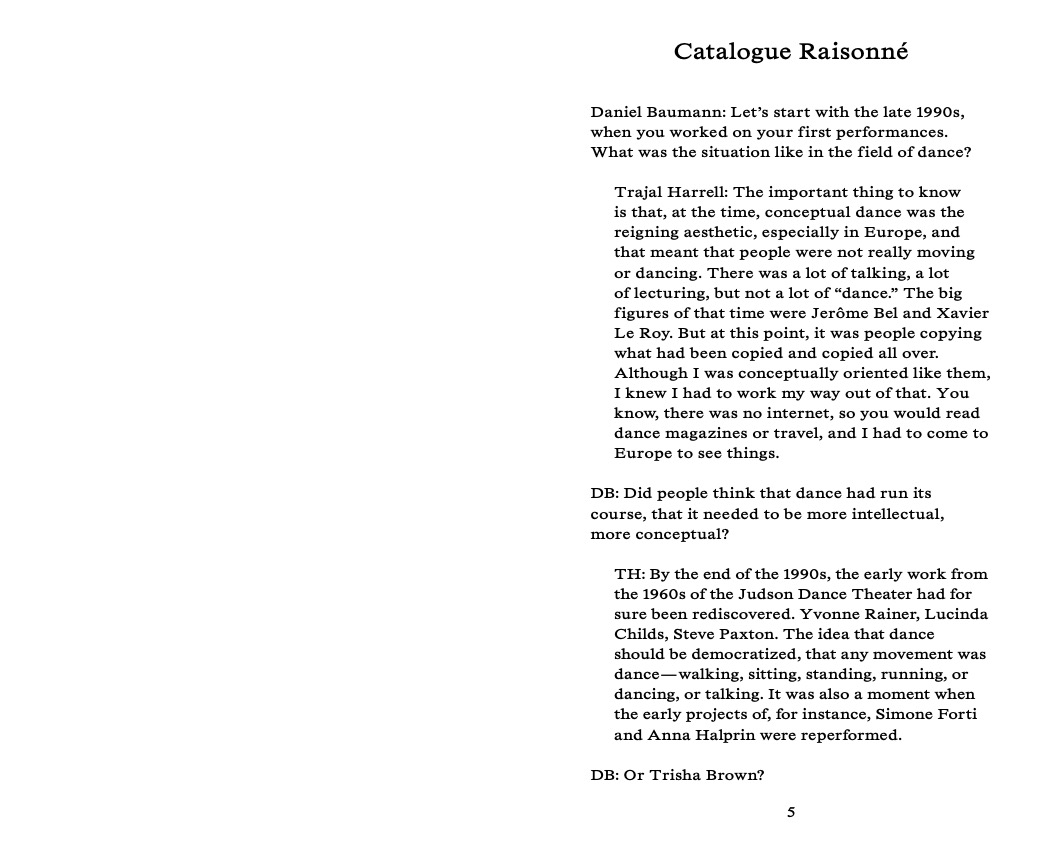
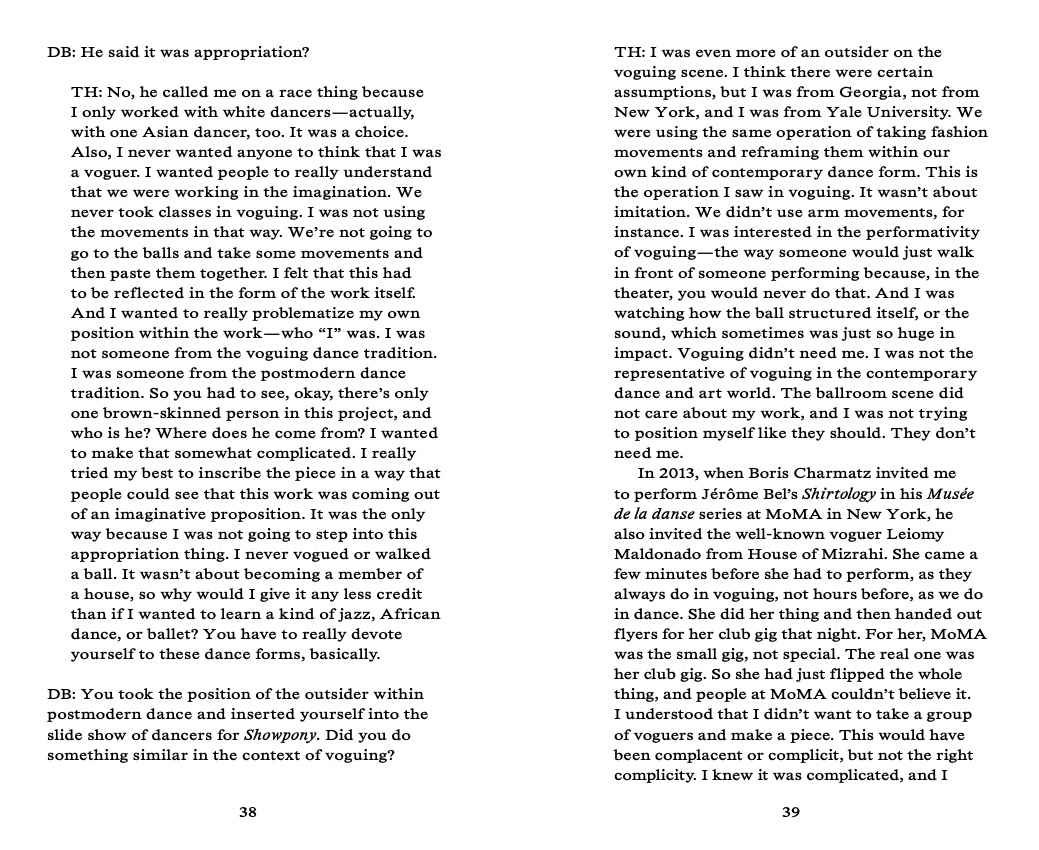
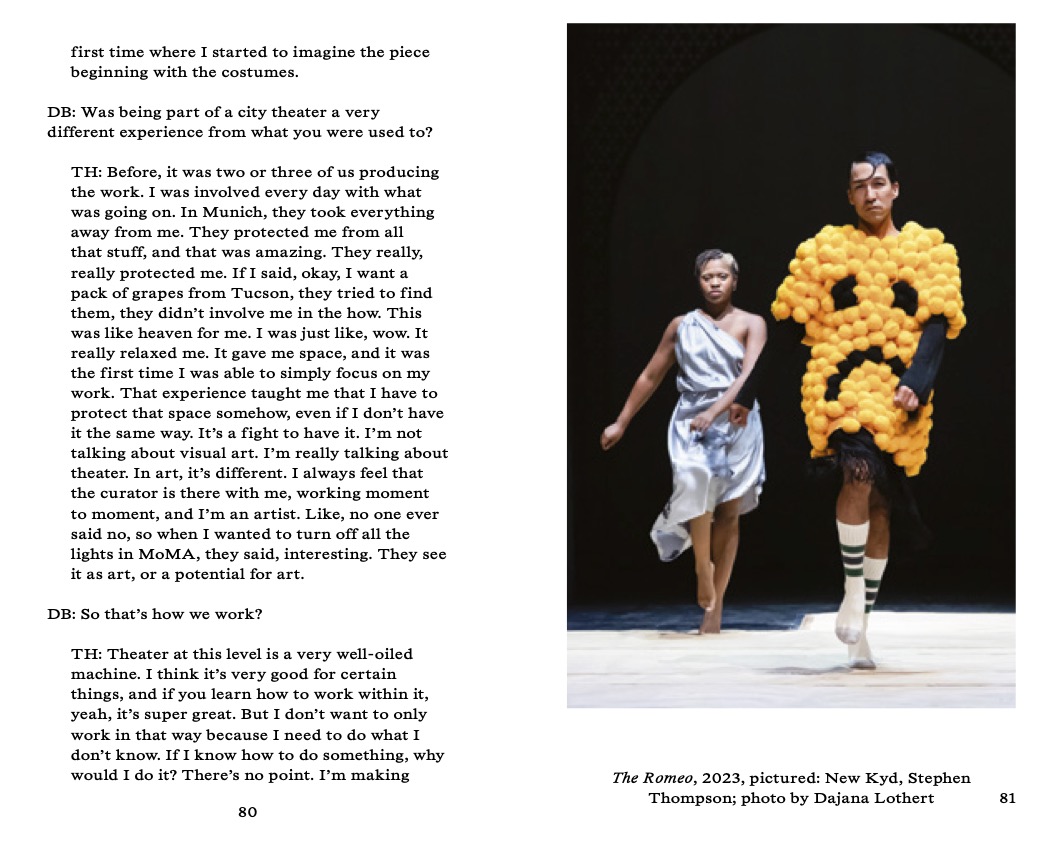
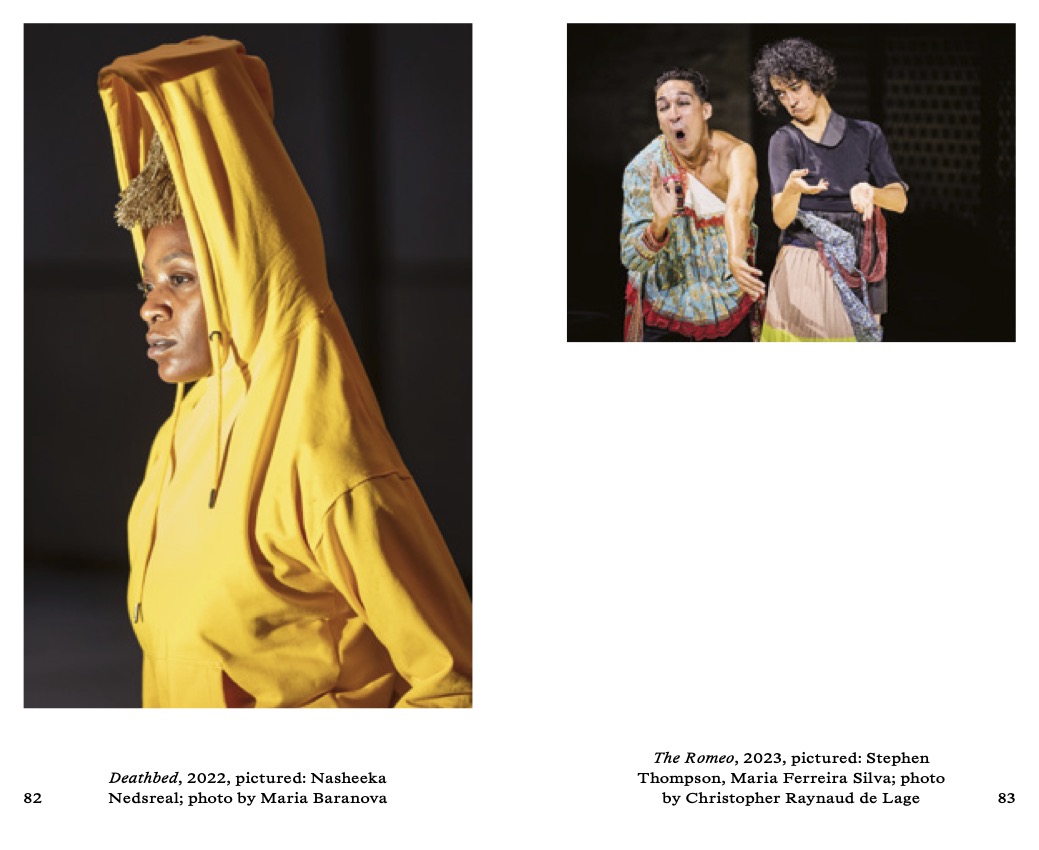
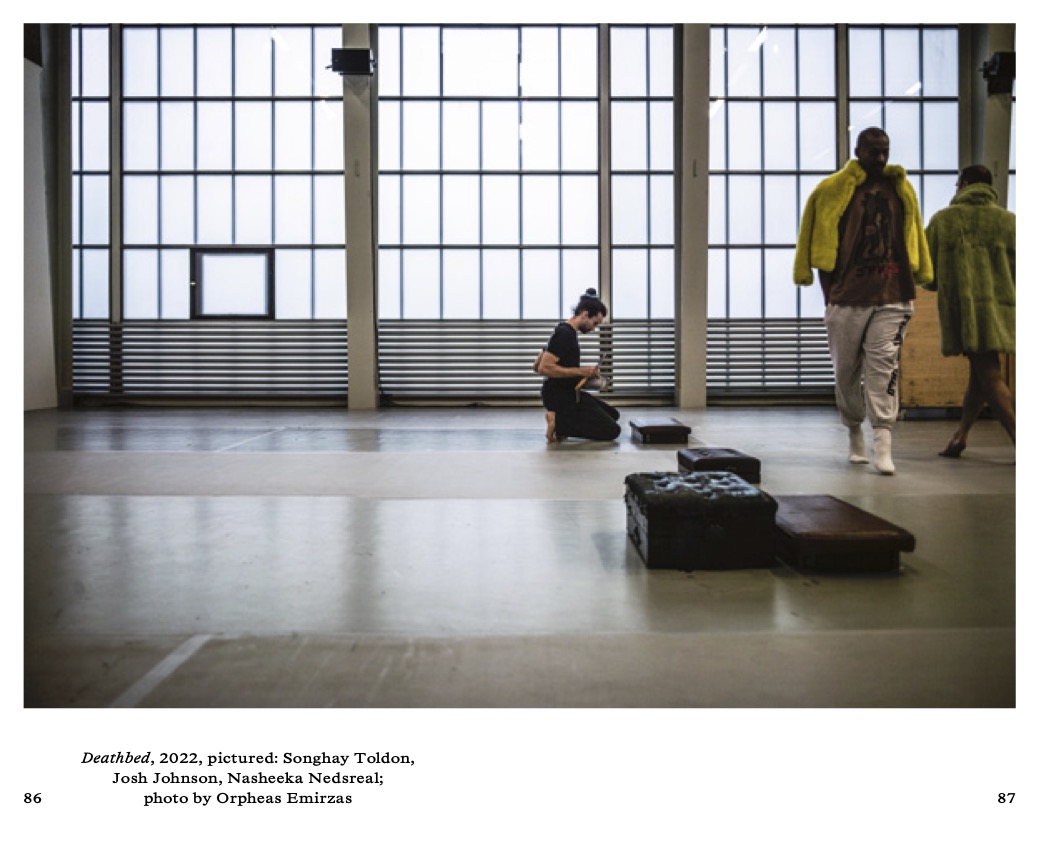
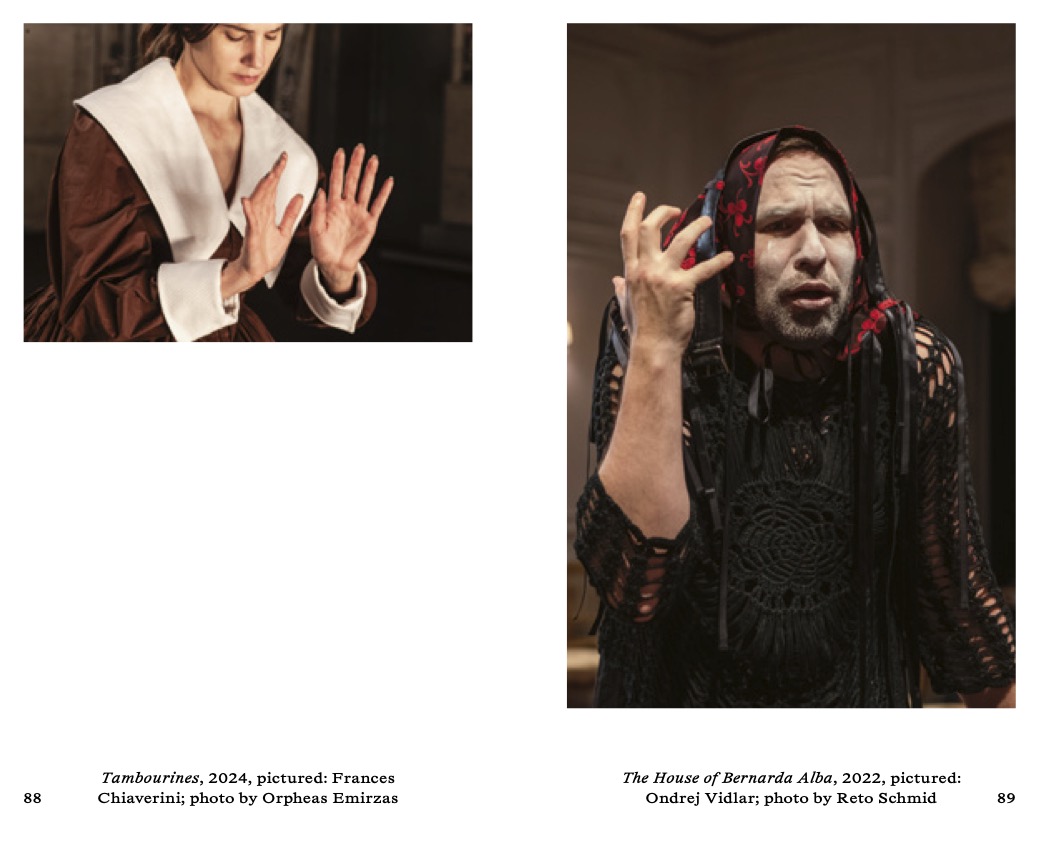
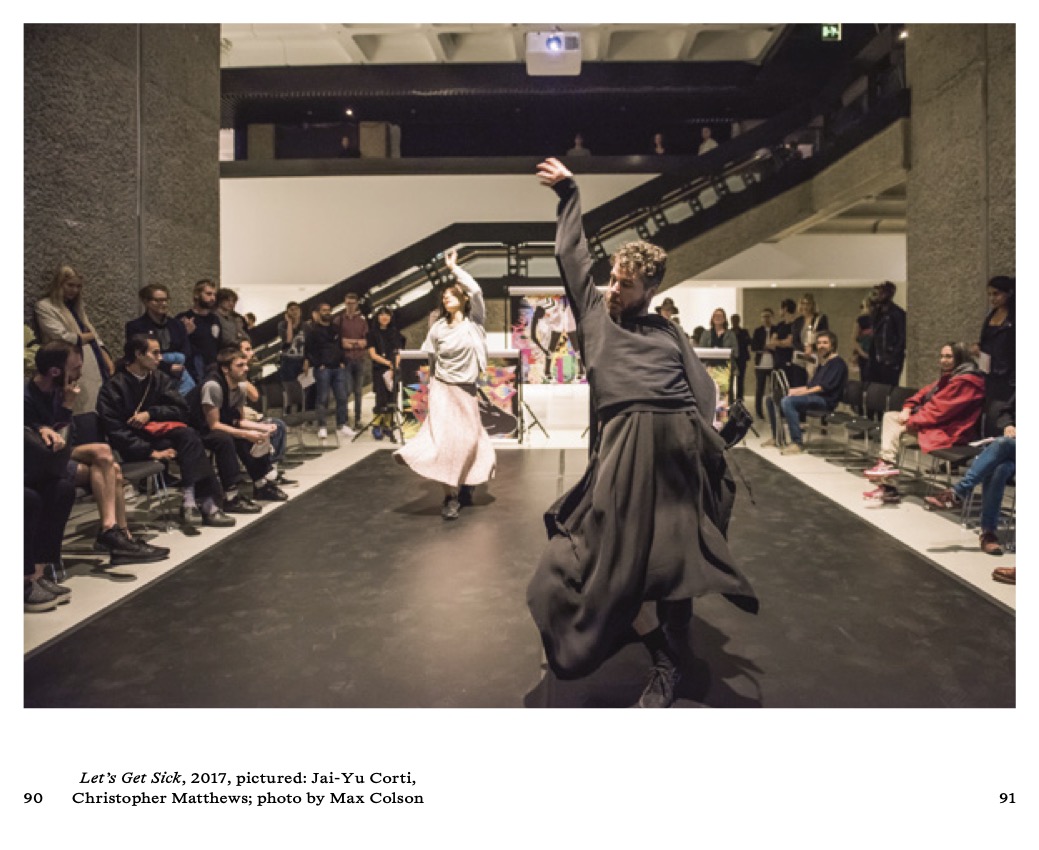
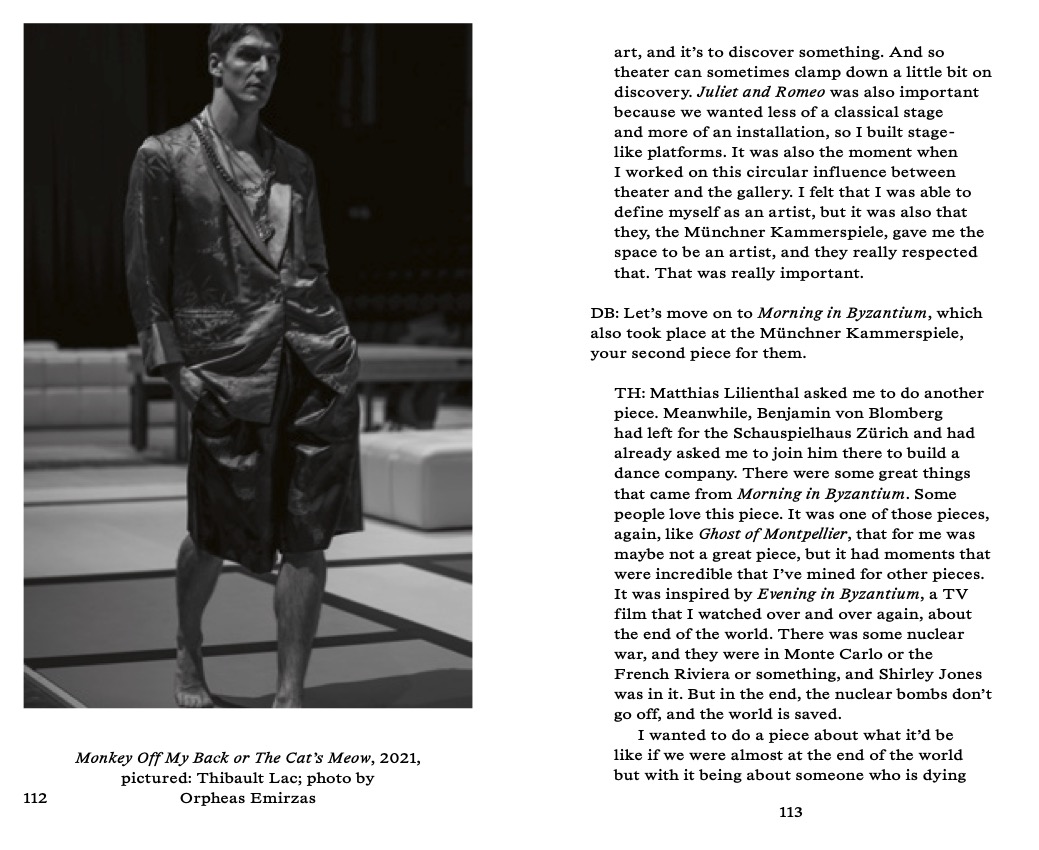
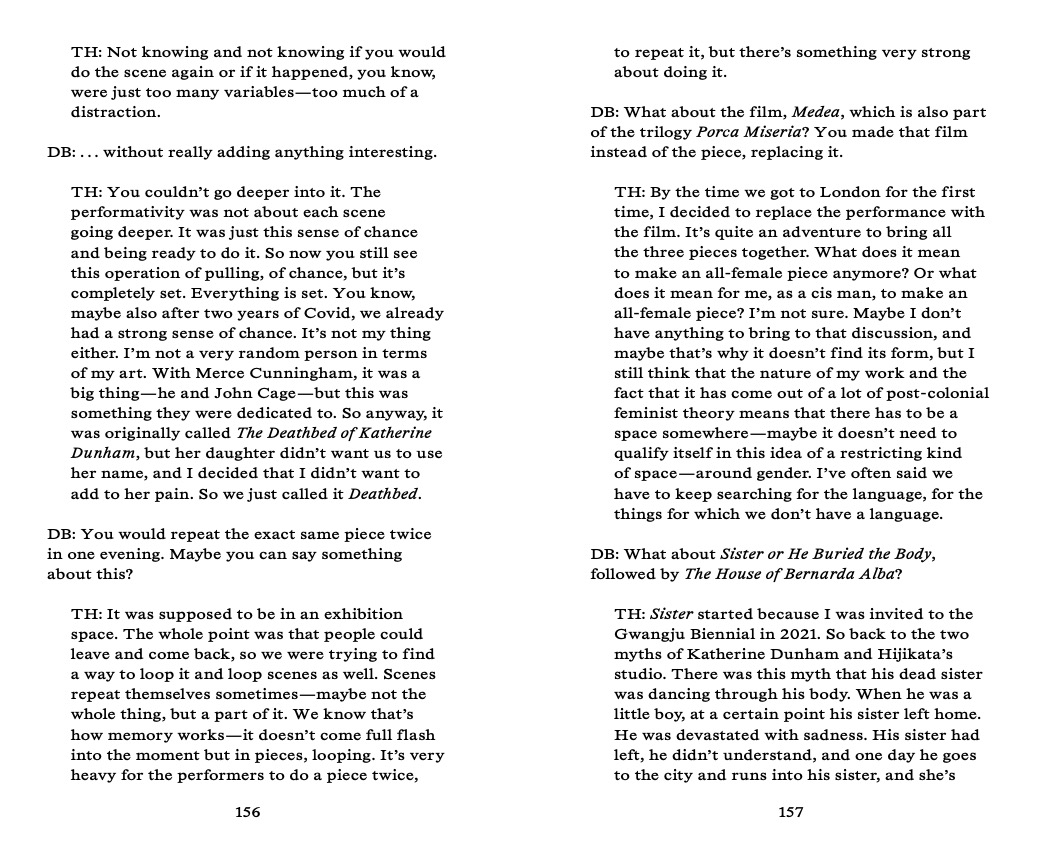
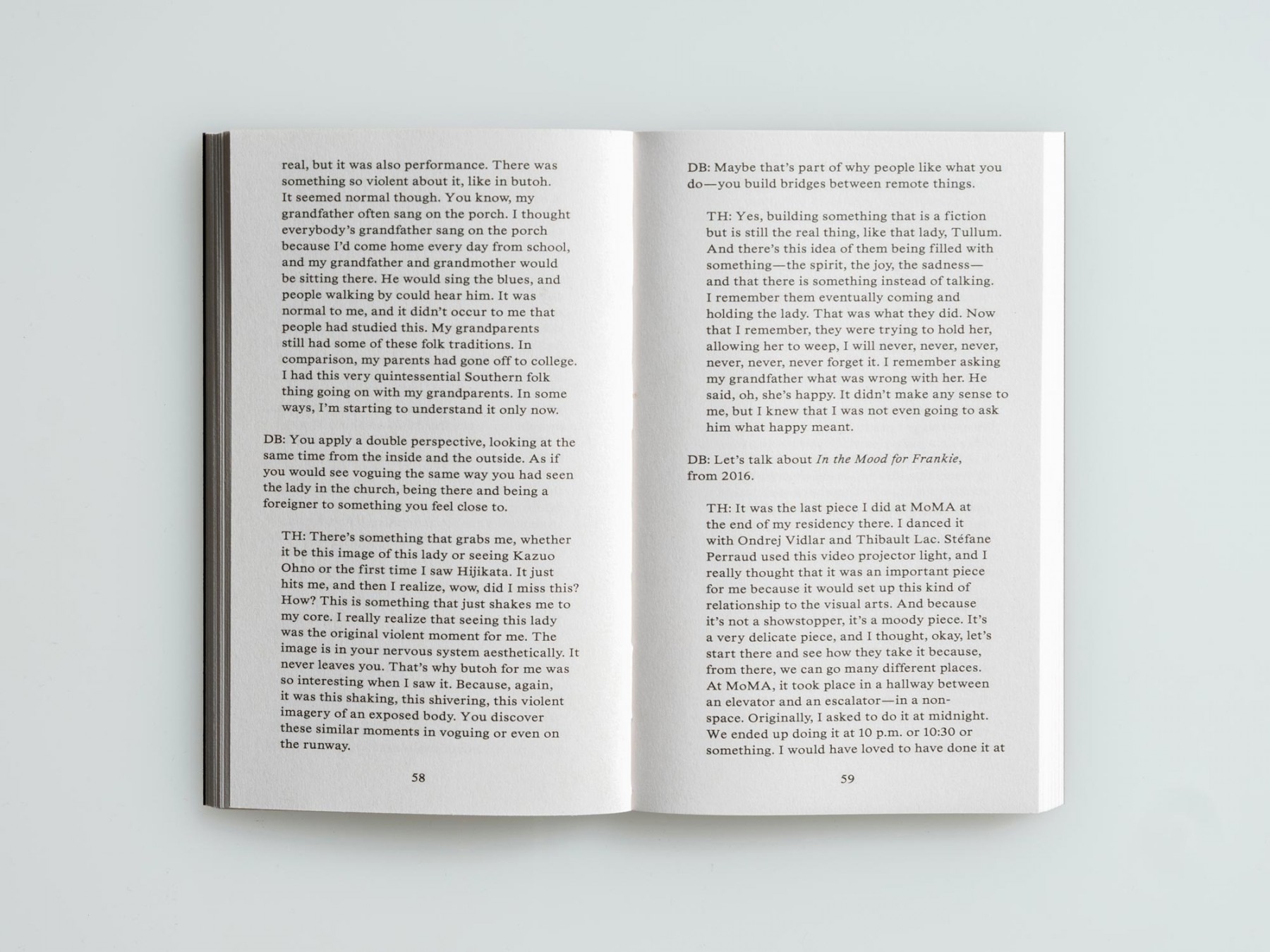
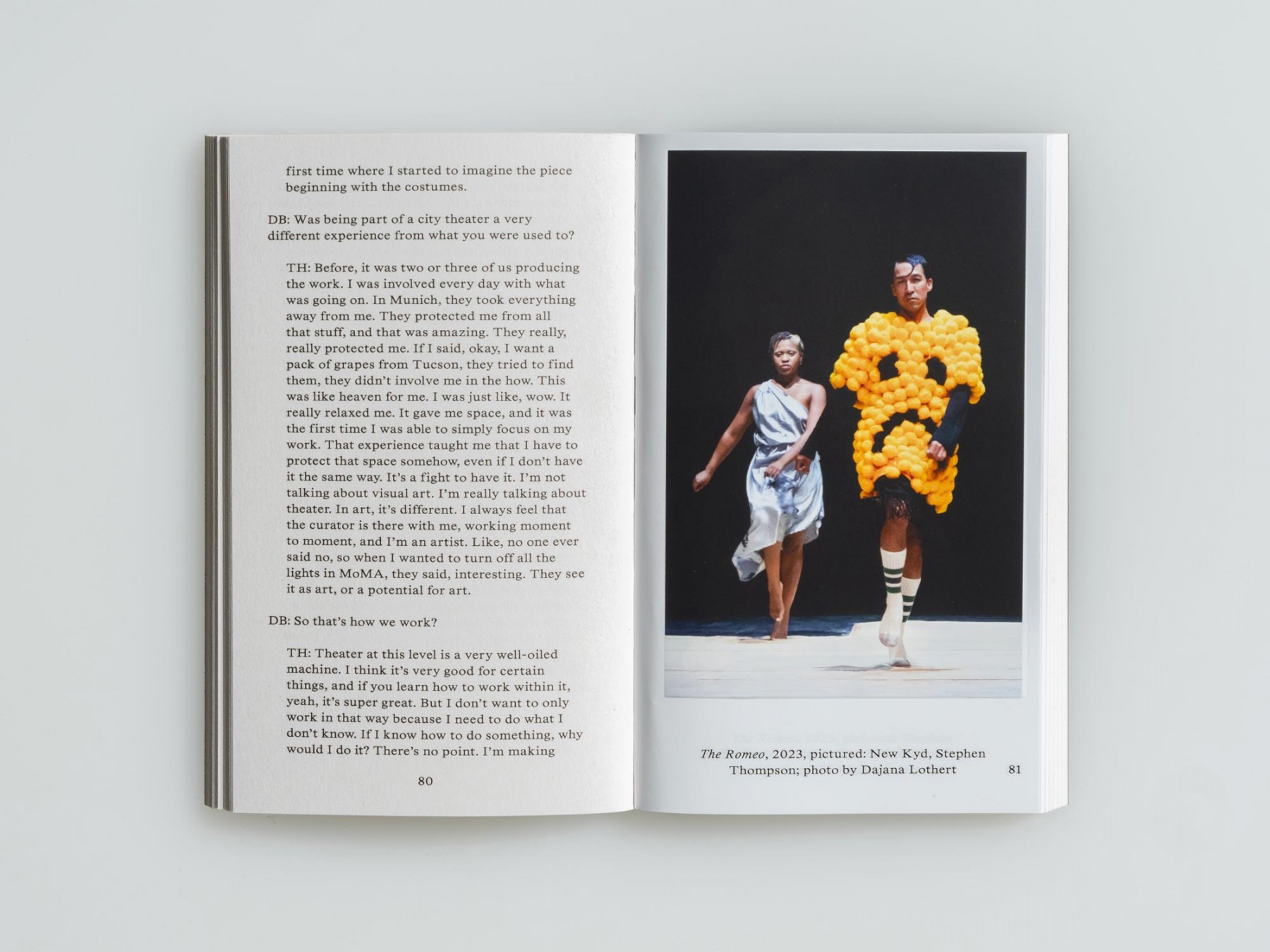
This is the very first book on the influential American choreographer and dancer Trajal Harrell. It takes the form of an entertaining, far-reaching conversation on the entirety of his choreographies and performances—hence its title of “Catalogue Raisonné.”
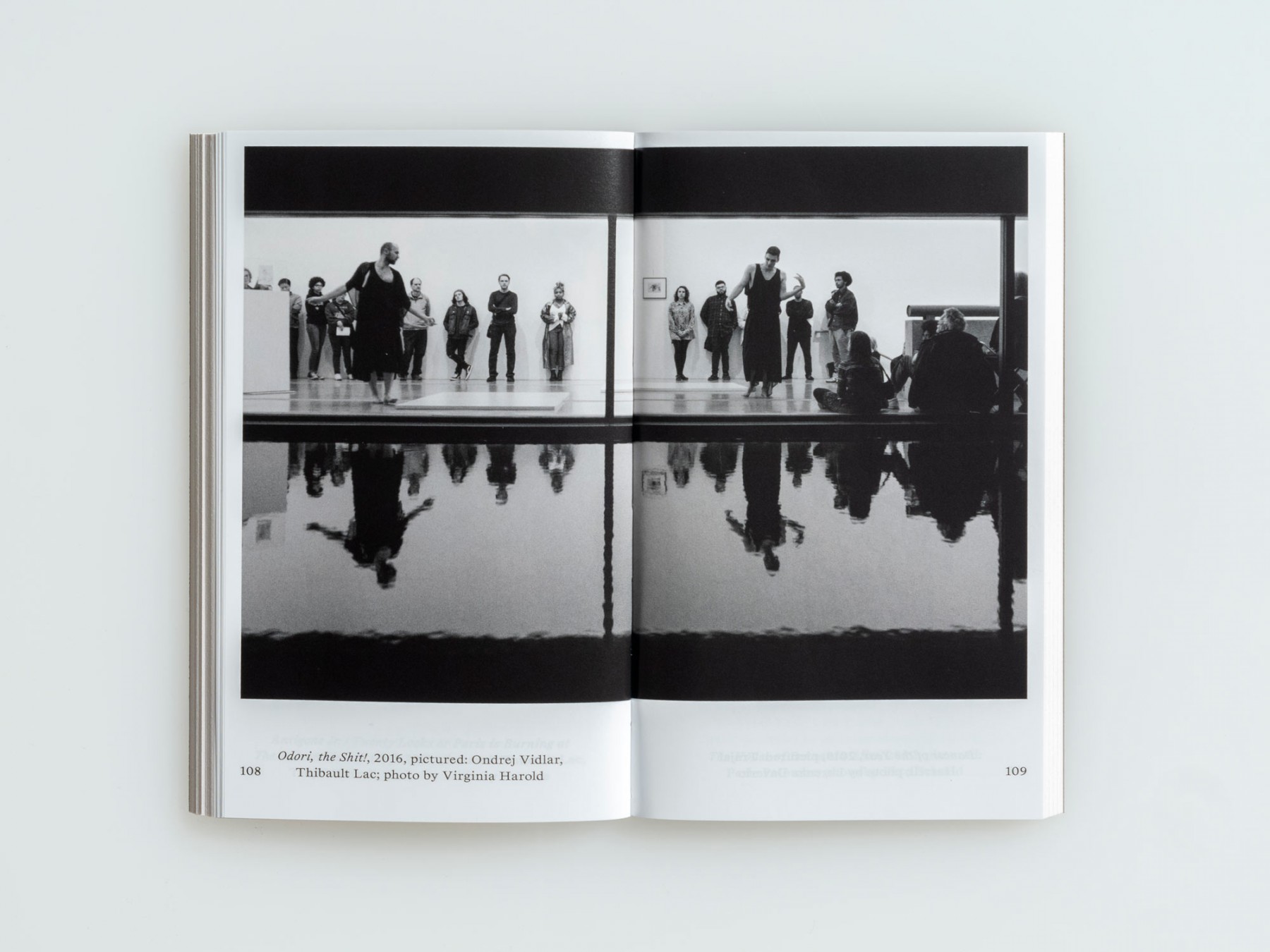
Since starting out on his prolific career in 1999, Harrell has presented his work worldwide and in a variety of contexts, on scales both large and small: from renown theaters to international festivals, libraries to public panels, prestigious little art galleries and museums to Kunsthalles and biennials. The long list includes, among many others, the Museum of Modern Art and the New Museum in New York, the Barbican Centre in London, the Schauspielhaus Zürich, the Kunsthalle Zürich, the Münchner Kammerspiele, the Fondation Cartier Paris, the Festival d’Avignon, and the Manchester International Festival.
The conversation with Swiss curator Daniel Baumann unfolds along the multiple trails blazed by Harrell’s career. It brings into sharp focus not only the artist’s interests and influences but also his own creative practice, encompassing both successes and failures. With disarming frankness and a tangible sense of vulnerability, Harrell walks the reader through the history of dance: He explains how he fought with it, how it has shaped him (and vice versa), and how he has gradually carved out a space of his own within it.
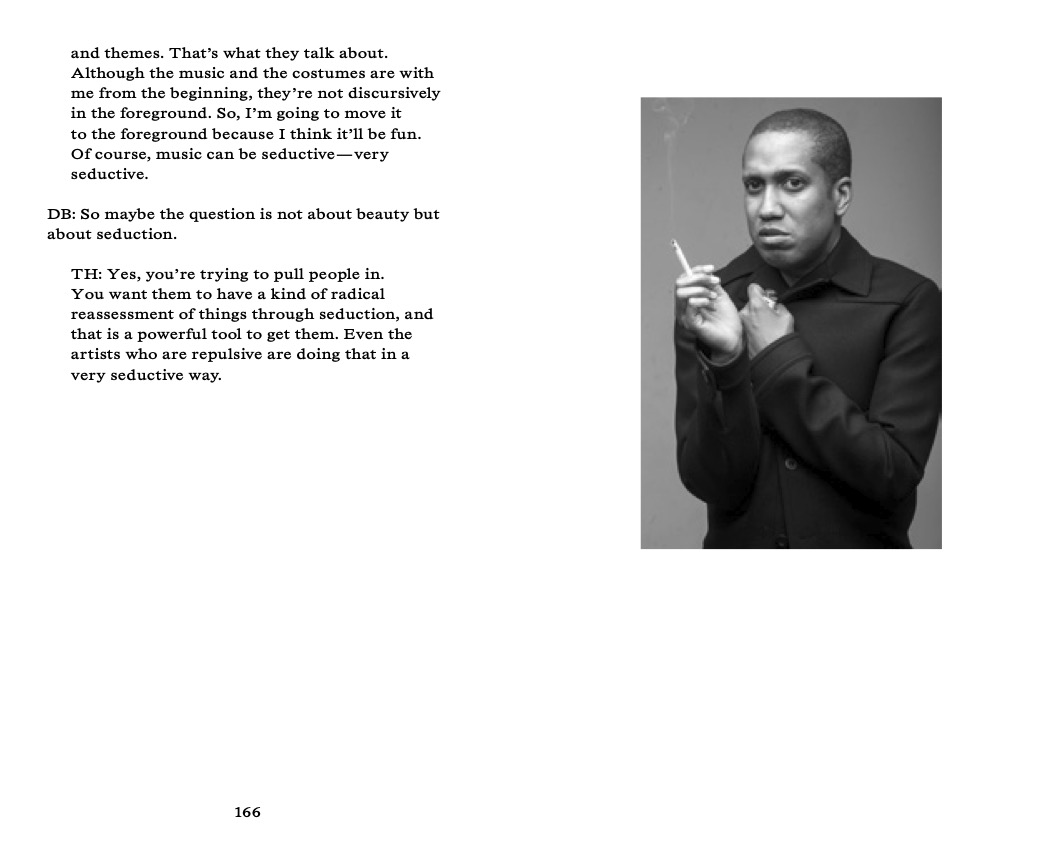
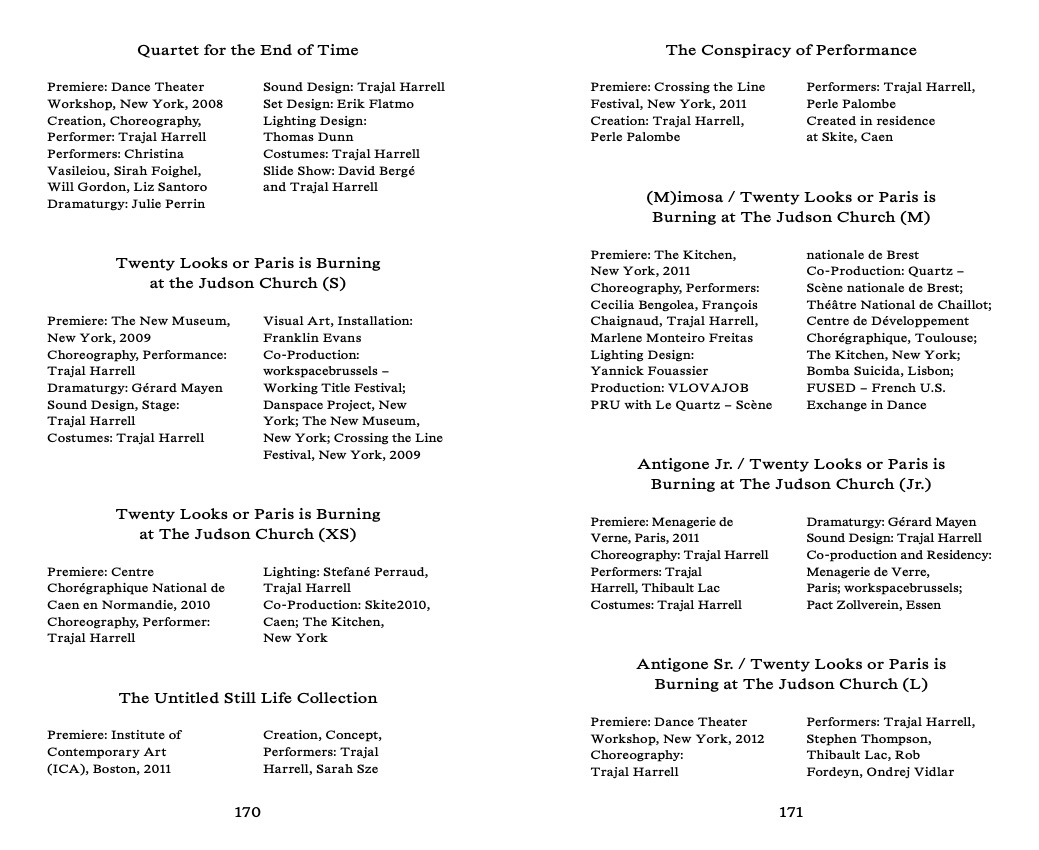
Harrell gained international acclaim for his seven-year project Twenty Looks or Paris is Burning at the Judson Church. Across eight different versions, he imagined an encounter between 1960s Harlem voguing and early downtown postmodern dance. These different choreographies share a sense of historical speculation: What would have happened in 1963 if someone from the voguing ballroom scene had come down to the Judson Church in Greenwich Village to perform alongside the early postmoderns? The voguing dance tradition refers to the competitive balls that were staged in Harlem dance halls, beginning in the 1960s. These were a form of social performance practiced primarily by African American and Latino gays, and trans people. One of the main elements of voguing is the performing of social and gender identities through fashion, movement, and behavior. At the same historical moment, in the 1960s, the pioneers of postmodern dance broke with the traditional representations of classical and modern dance, becoming interested in dance without artifice and concerning themselves instead with “authenticity.”
This is only one of several dance forms that, throughout his career, Harrell has investigated in order to transform and transgress the history of dance. By engaging with Hoochie Coochie, the culture of fashion and runway, butoh, and the dances of Greek Antiquity, Harrell challenges us to re-think dance from a multiplicity of different and sometimes conflicting perspectives.