The essays in this first-ever monograph dedicated to Swiss artist Jan Vorisek, alongside image portfolios of the exhibitions they explore and an appendix that features photos and documentation of Vorisek’s performances, recordings and ephemera, grant us unprecedented access to the private fictions that the work reveals.
Since the 1990s Costa has been challenging hierarchies of art production and the fetishization of the “finished” artwork, inviting viewers to reconsider what is discarded, both materially and socially. Through over 300 artworks, accompanied by new writing, this catalogue explores Adriano Costa’s work, a meditation on transformation—of objects, meanings, and systems of value.
This richly illustrated book considers the dazzling oeuvre of choreographer and dancer Marlene Monteiro Freitas. In line with her creative methodology, Alexandra Balona unfolds an “atlas of affects” through five emblematic dance pieces that reveal the intensity, humor, and humanity of one of today’s most radical choreographic voices.
Invited to present an exhibition at the Galleria Borghese in Rome, Kenyan-American artist Wangechi Mutu has developed an innovative approach to museum space, challenging hierarchy, permanence, and fixed meanings. With in-depth essays and a rich selection of illustrations, this catalog retraces that exhibition and explores the themes and concerns that have long characterized the artist’s practice.
Invitata a concepire una mostra alla Galleria Borghese, l’artista keniota-americana Wangechi Mutu ha sviluppato un approccio innovativo allo spazio museale, confrontandosi con le gerarchie, la permanenze e le sedimentazioni del contesto. Attraverso saggi approfonditi e una ricca selezione di illustrazioni, questo catalogo ripercorre la mostra ed esplora i temi e le preoccupazioni che da tempo caratterizzano la pratica dell’artista.
A visual notebook of the screenshots taken by Yngve Holen over the past five years or so, 6G—the anticipated next phase of network technology—is a peculiarly sized artist’s book, a glossy non-linear agglomeration that reflects the intersections of production, life, and digital debris.
Edited by Daniel Baumann
Trajal Harrell in conversation with Daniel Baumann
Designed by Lorenzo Mason Studio
Co-published with Kunsthalle Zürich
2026, English, softcover, 11 × 18 cm, 184 pages
ISBN 979-12-82771-00-9
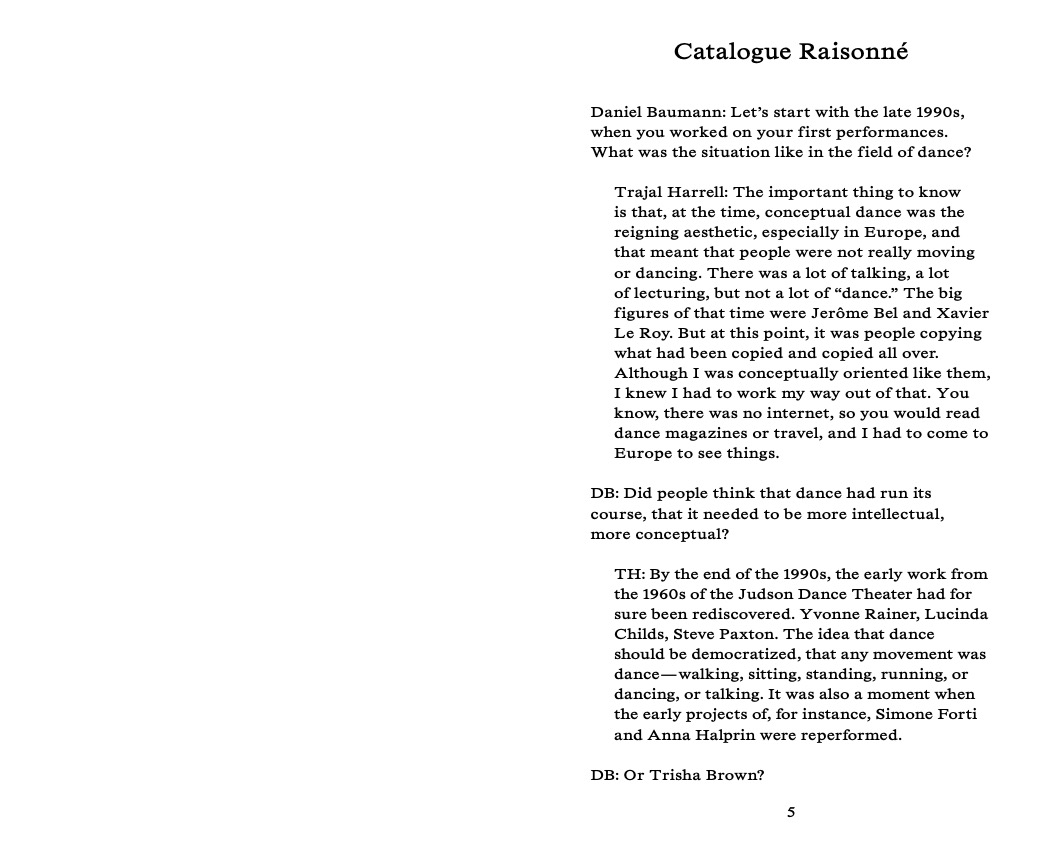
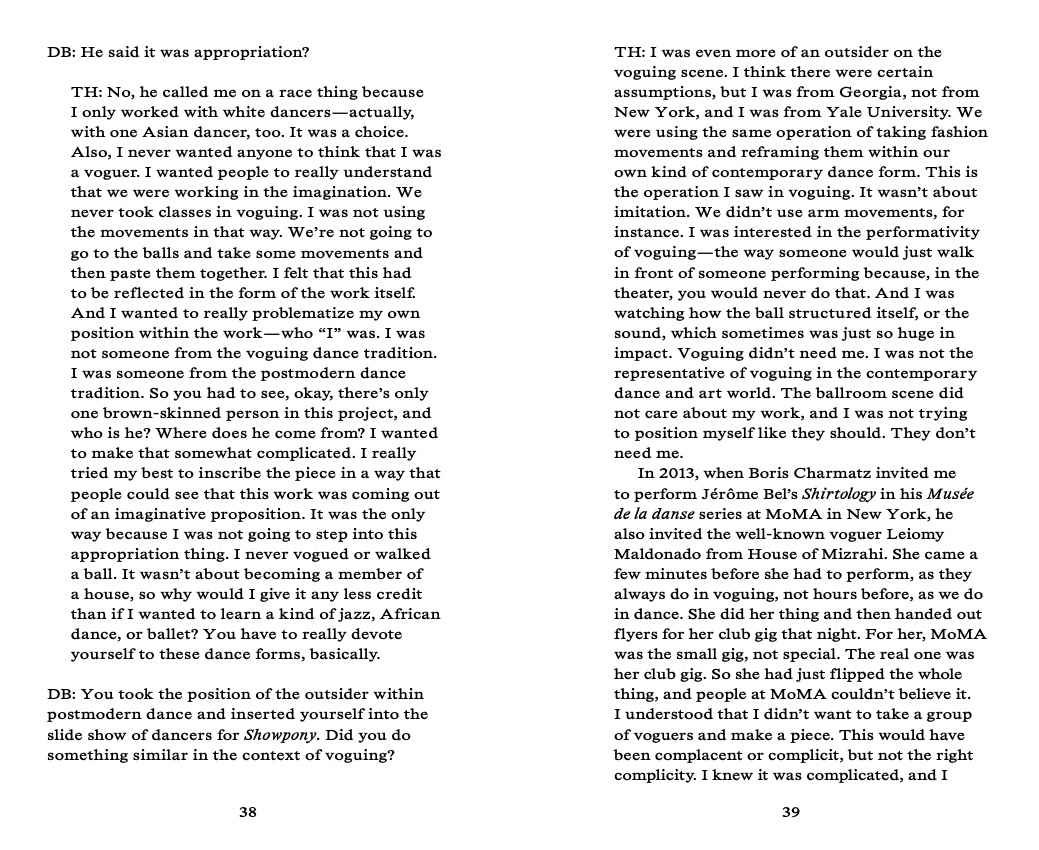
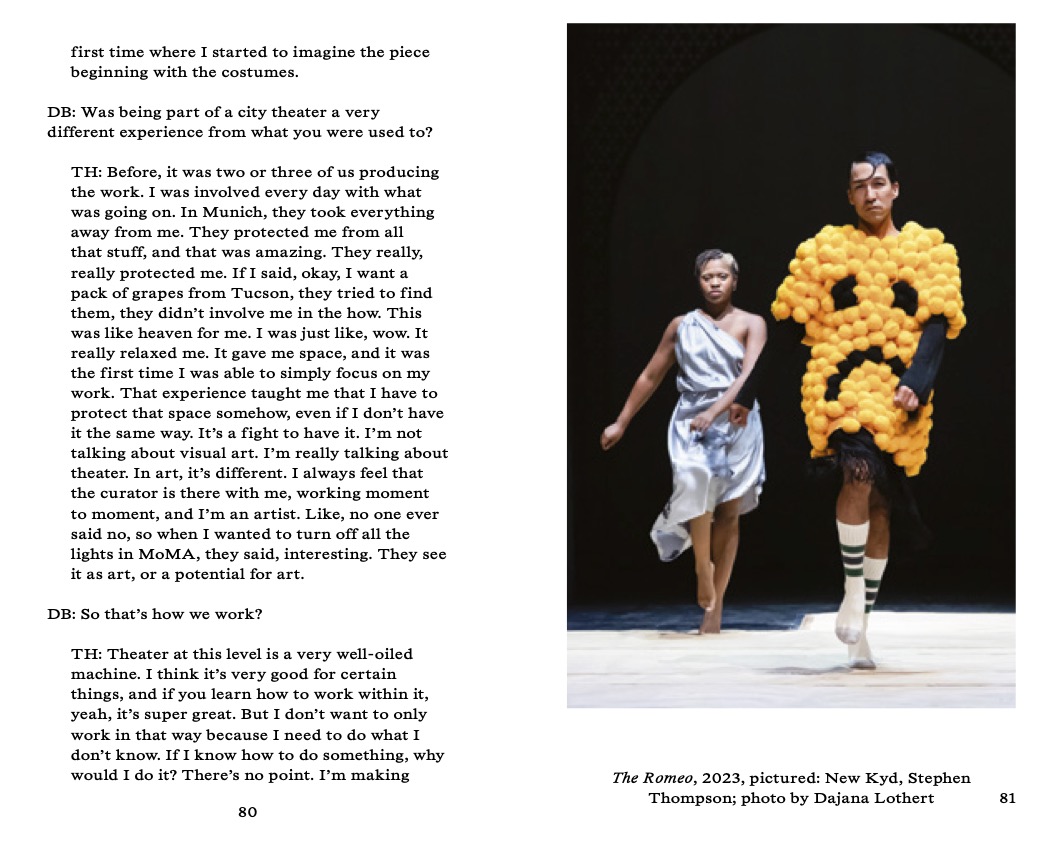
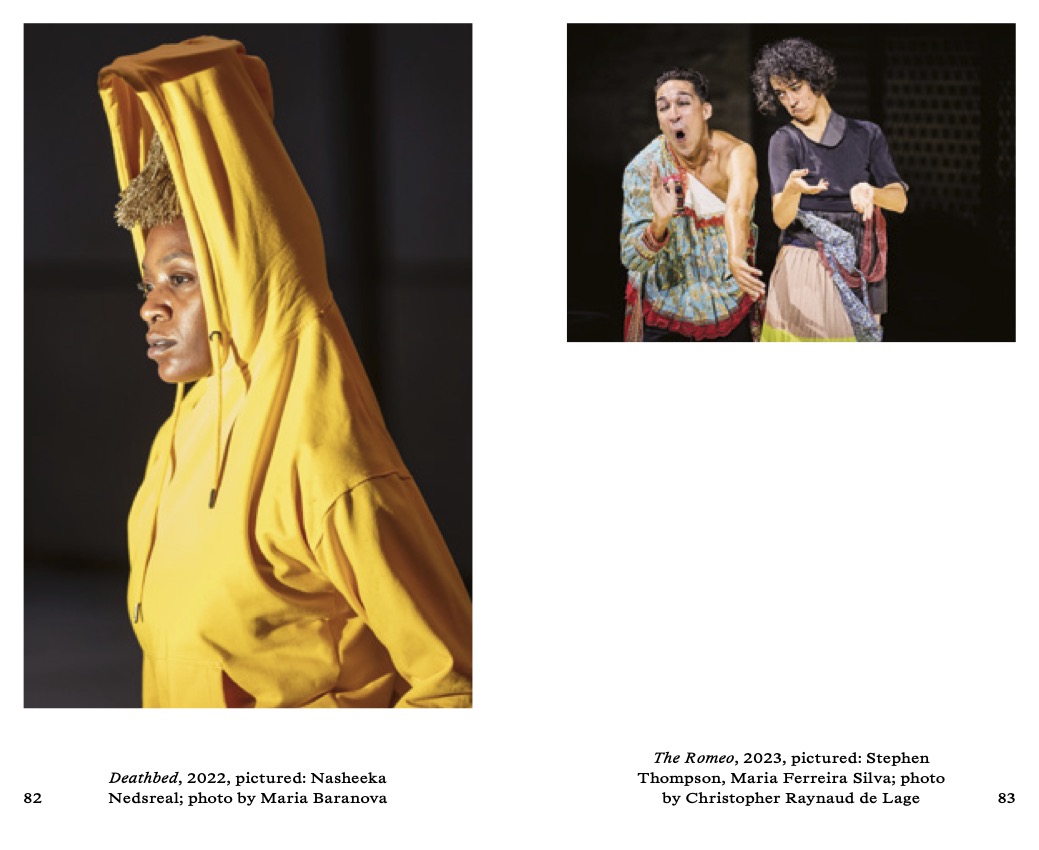
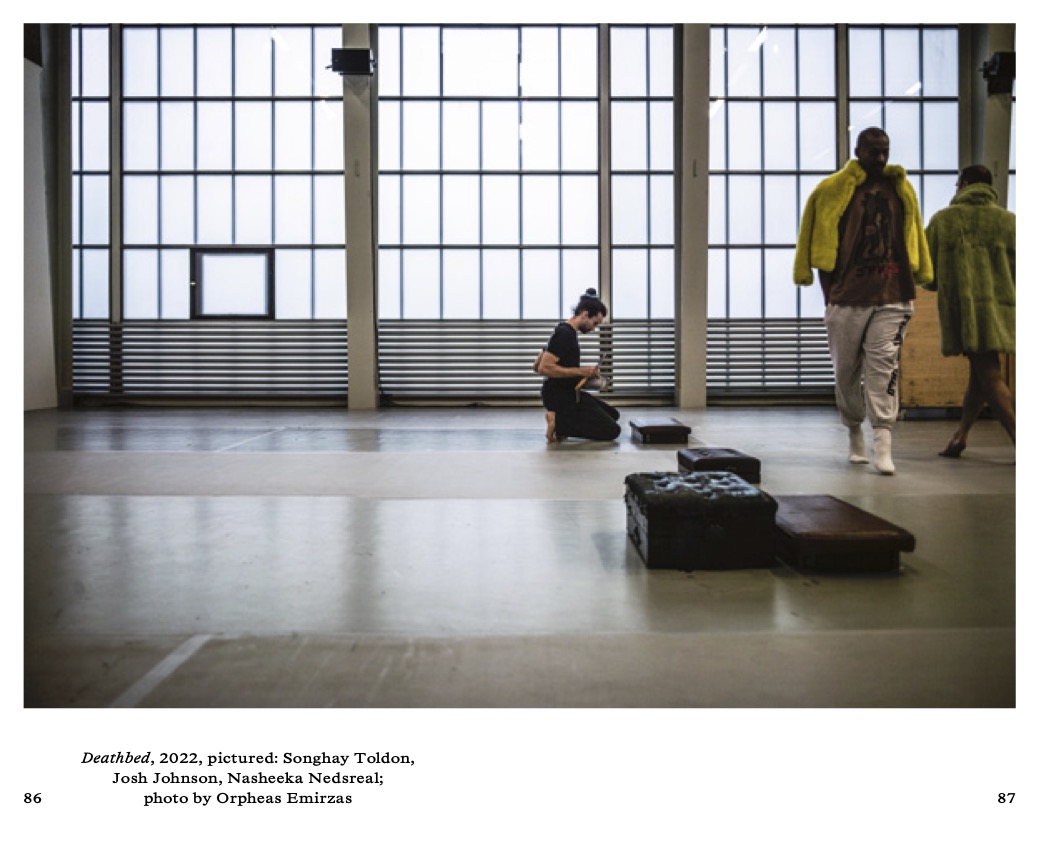
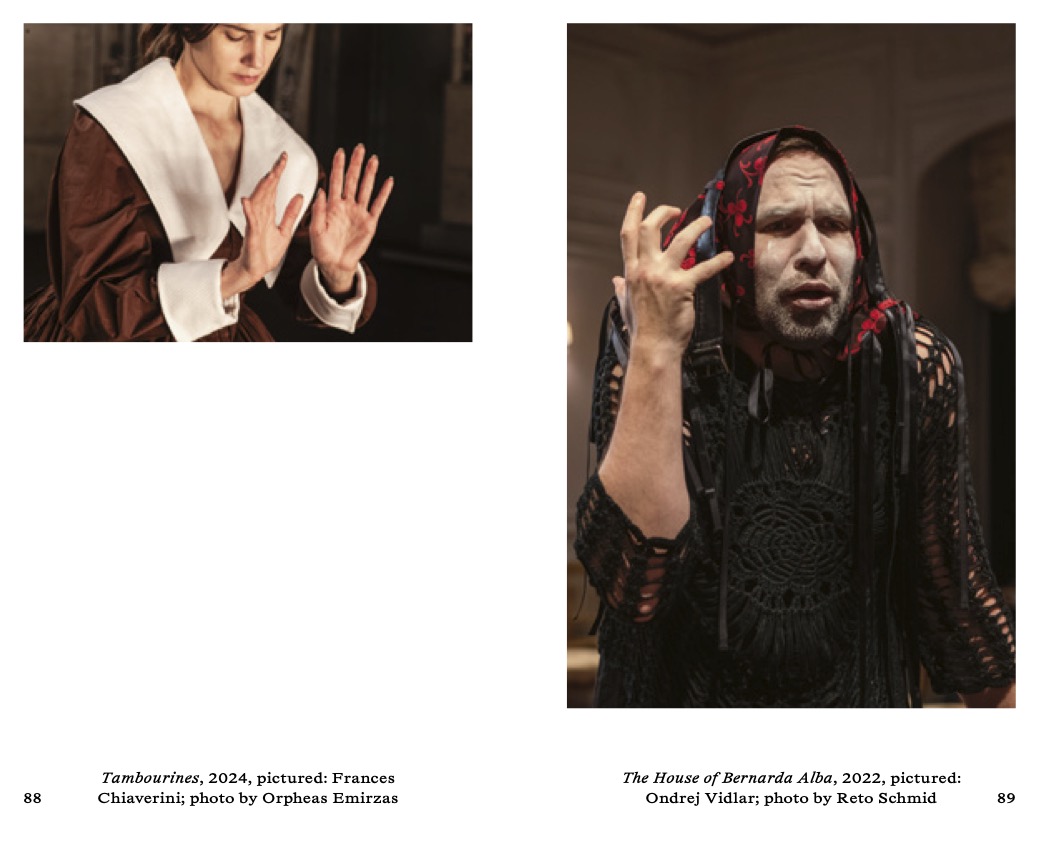
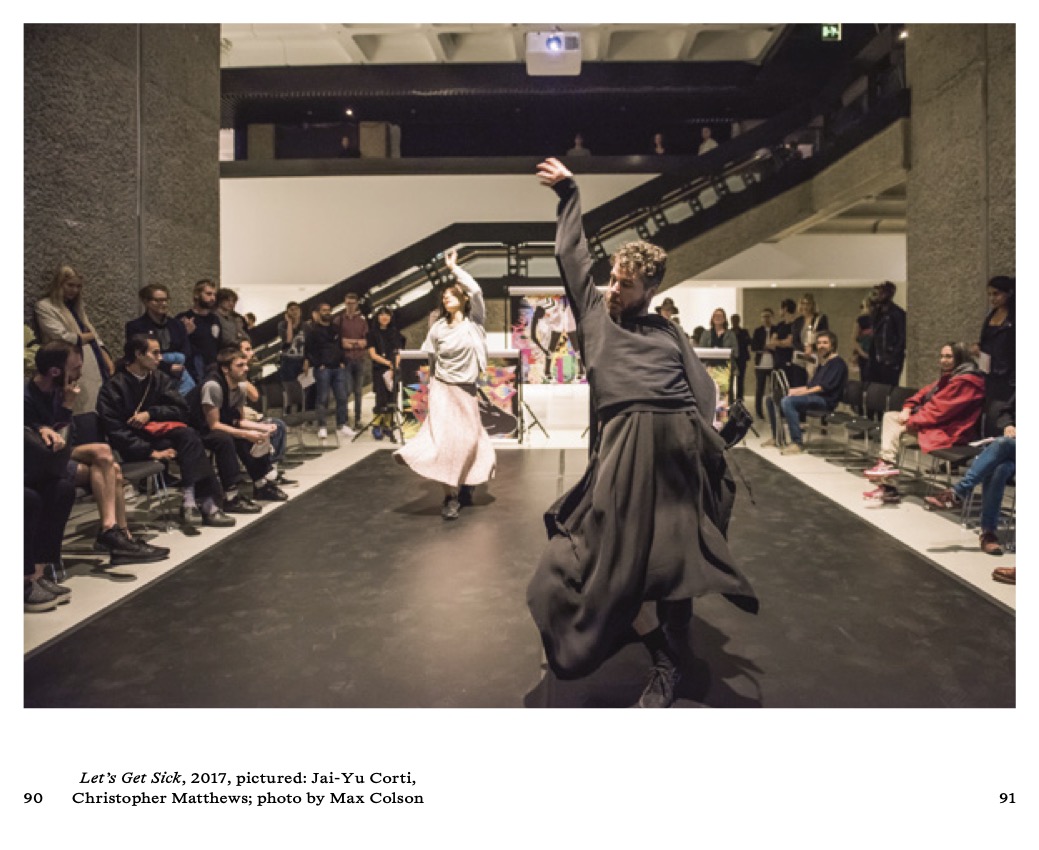
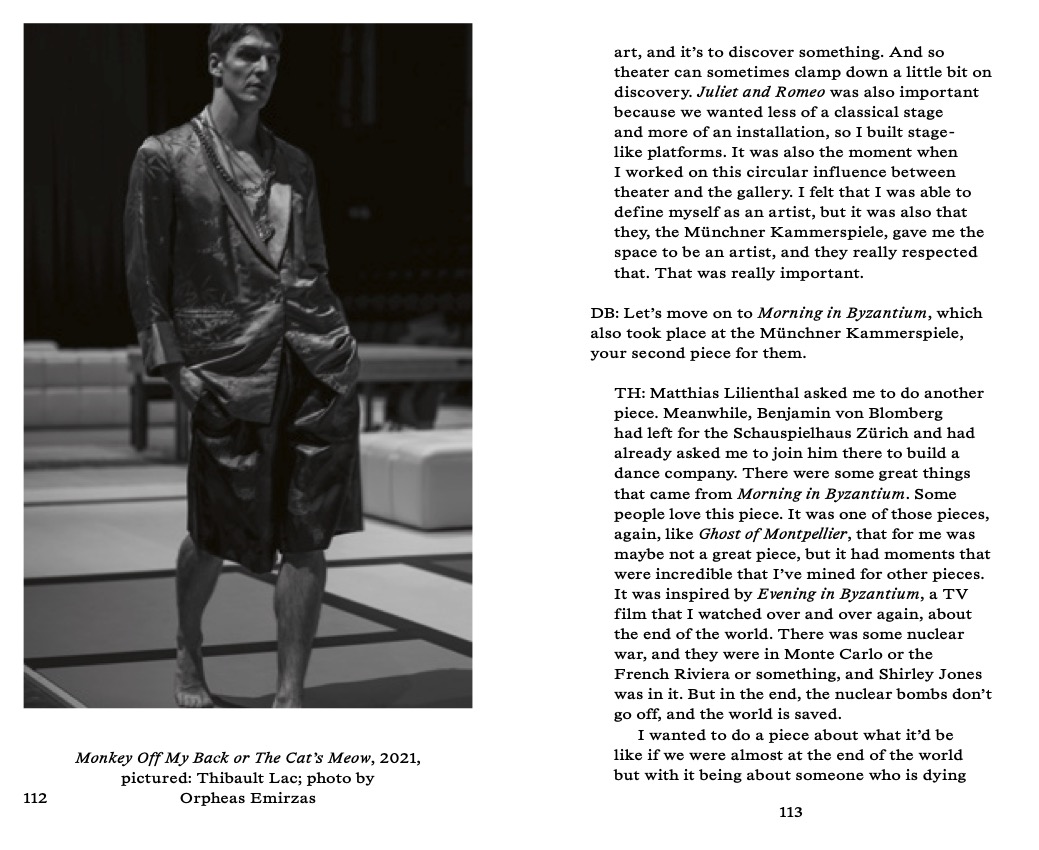
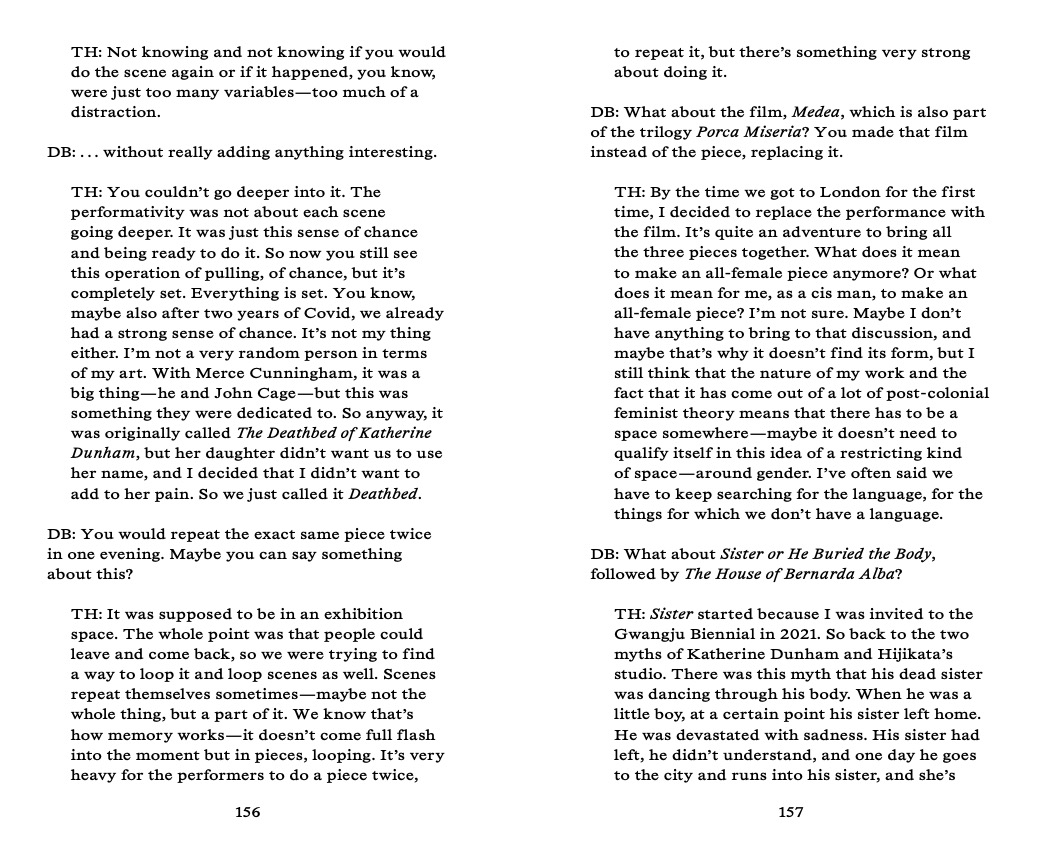
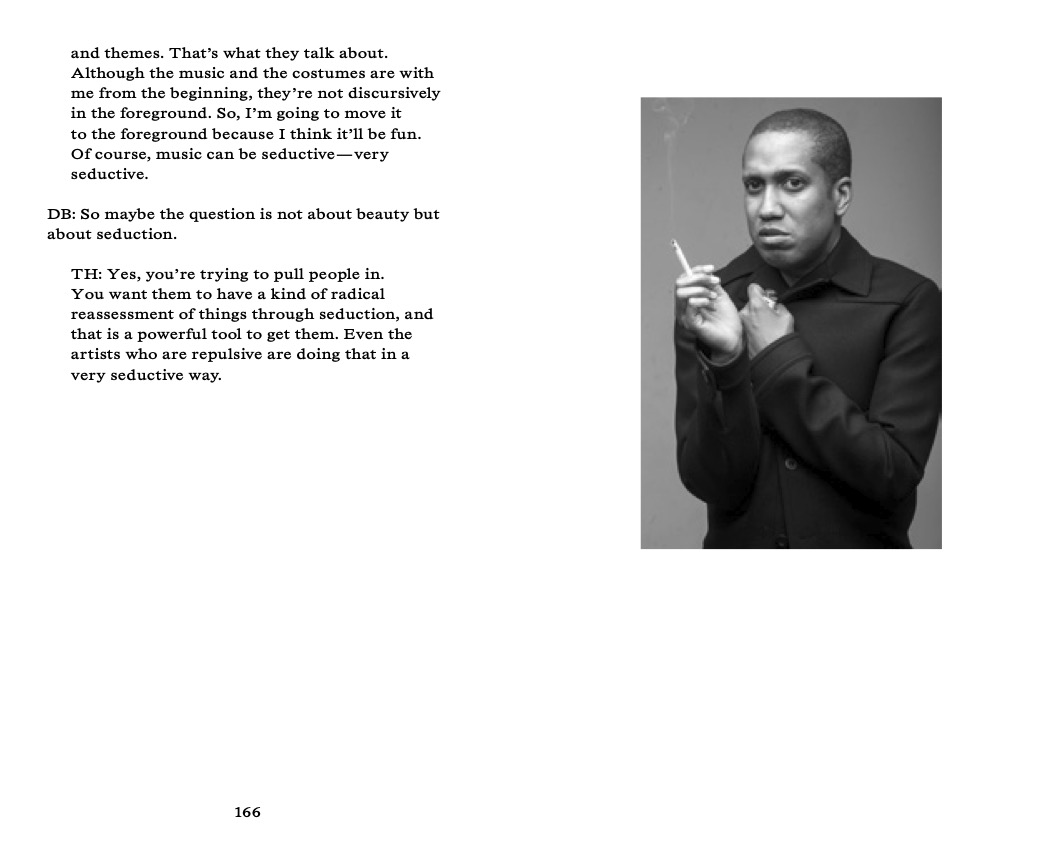
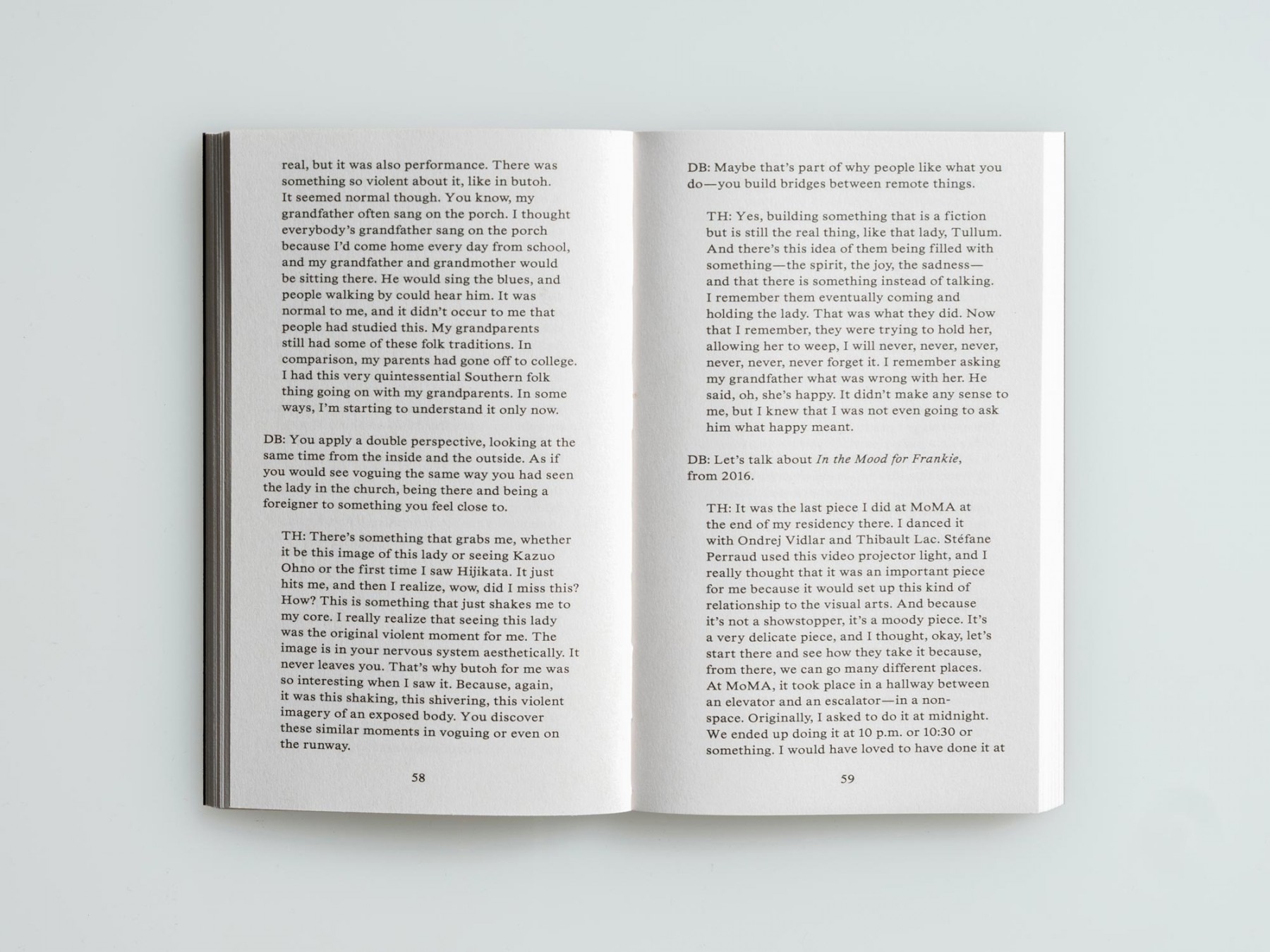
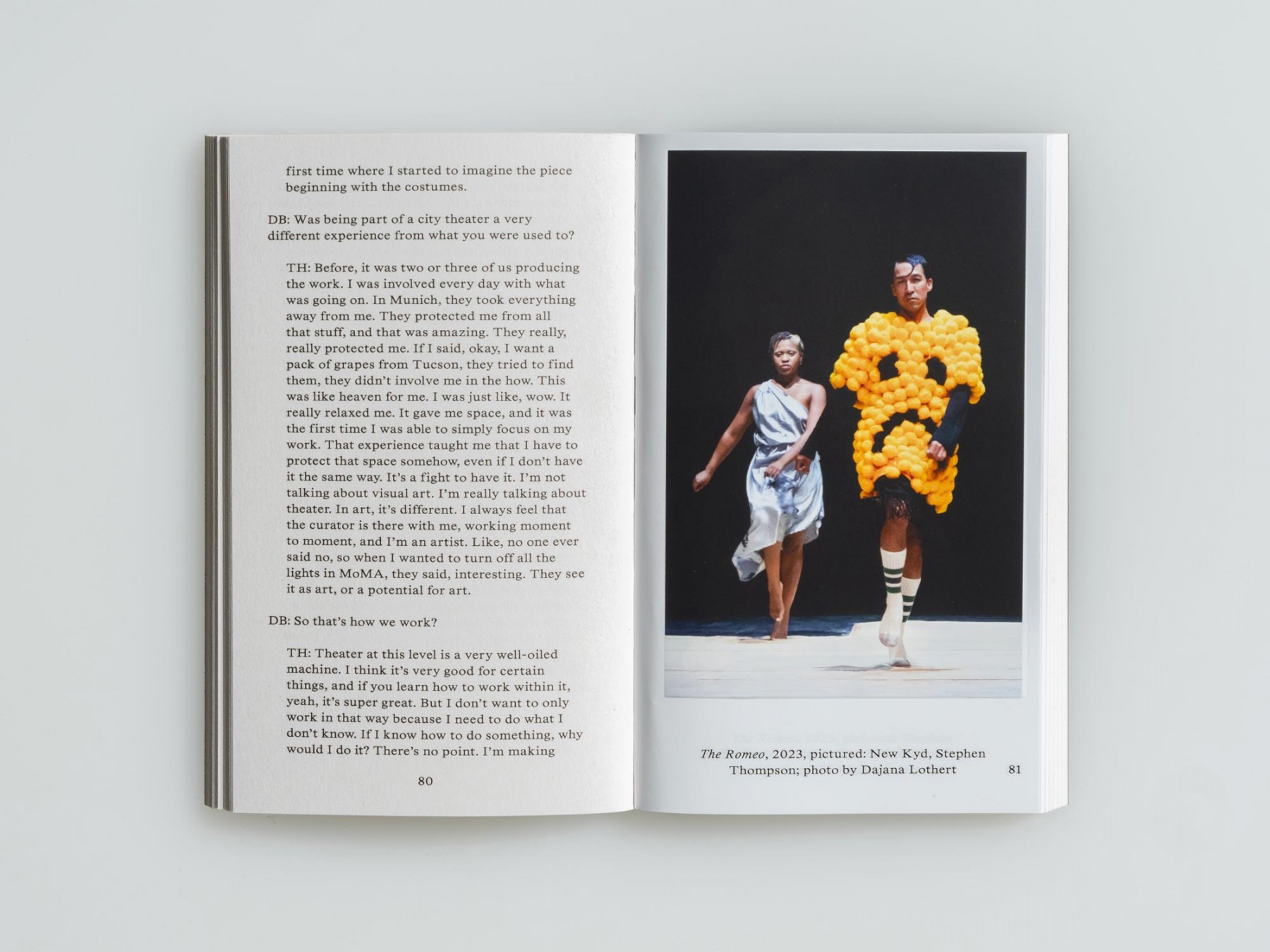
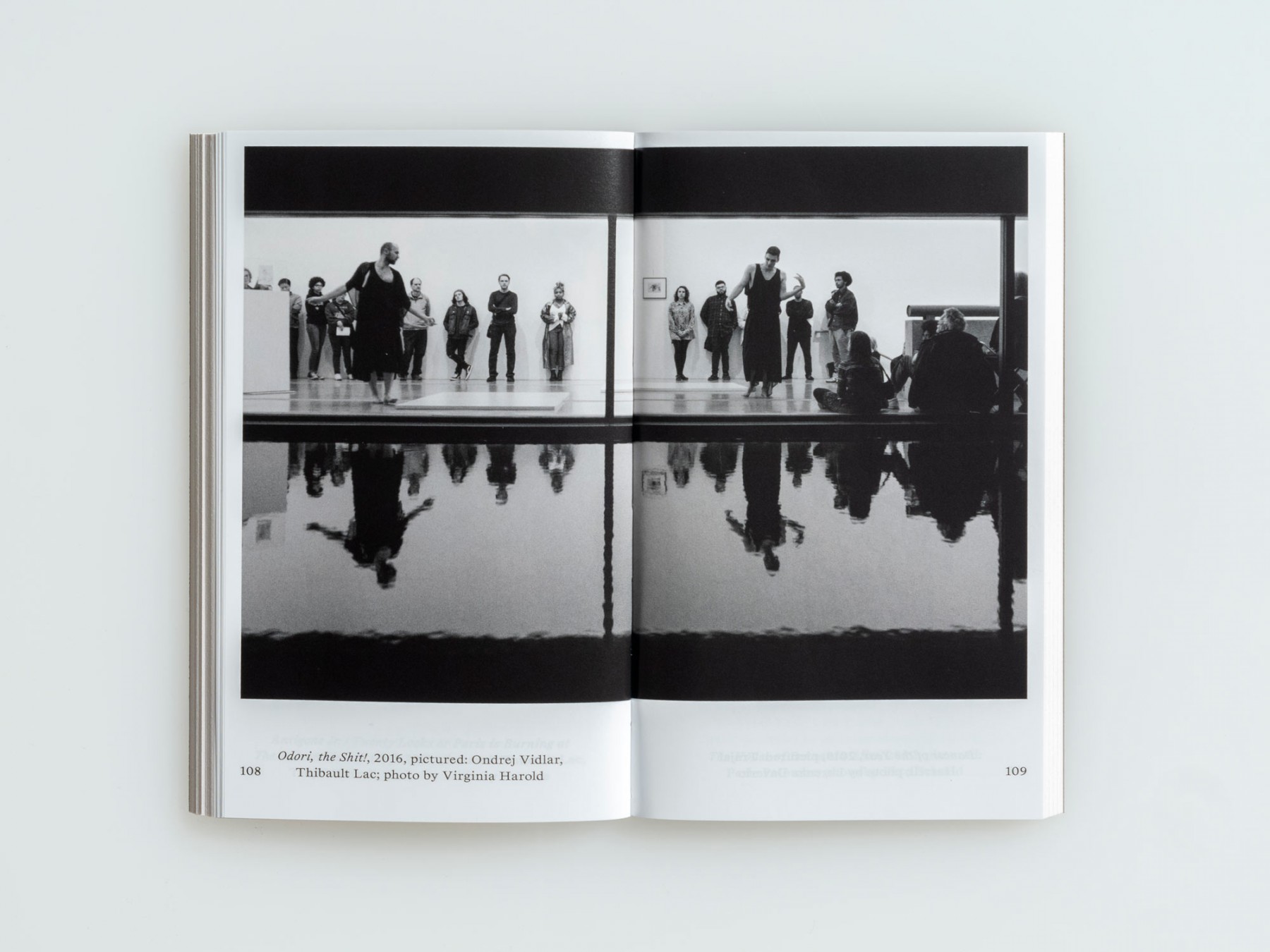
This is the very first book on the influential American choreographer and dancer Trajal Harrell. It takes the form of an entertaining, far-reaching conversation on the entirety of his choreographies and performances—hence its title of “Catalogue Raisonné.”
Since starting out on his prolific career in 1999, Harrell has presented his work worldwide and in a variety of contexts, on scales both large and small: from renown theaters to international festivals, libraries to public panels, prestigious little art galleries and museums to Kunsthalles and biennials. The long list includes, among many others, the Museum of Modern Art and the New Museum in New York, the Barbican Centre in London, the Schauspielhaus Zürich, the Kunsthalle Zürich, the Münchner Kammerspiele, the Fondation Cartier Paris, the Festival d’Avignon, and the Manchester International Festival.
The conversation with Swiss curator Daniel Baumann unfolds along the multiple trails blazed by Harrell’s career. It brings into sharp focus not only the artist’s interests and influences but also his own creative practice, encompassing both successes and failures. With disarming frankness and a tangible sense of vulnerability, Harrell walks the reader through the history of dance: He explains how he fought with it, how it has shaped him (and vice versa), and how he has gradually carved out a space of his own within it.
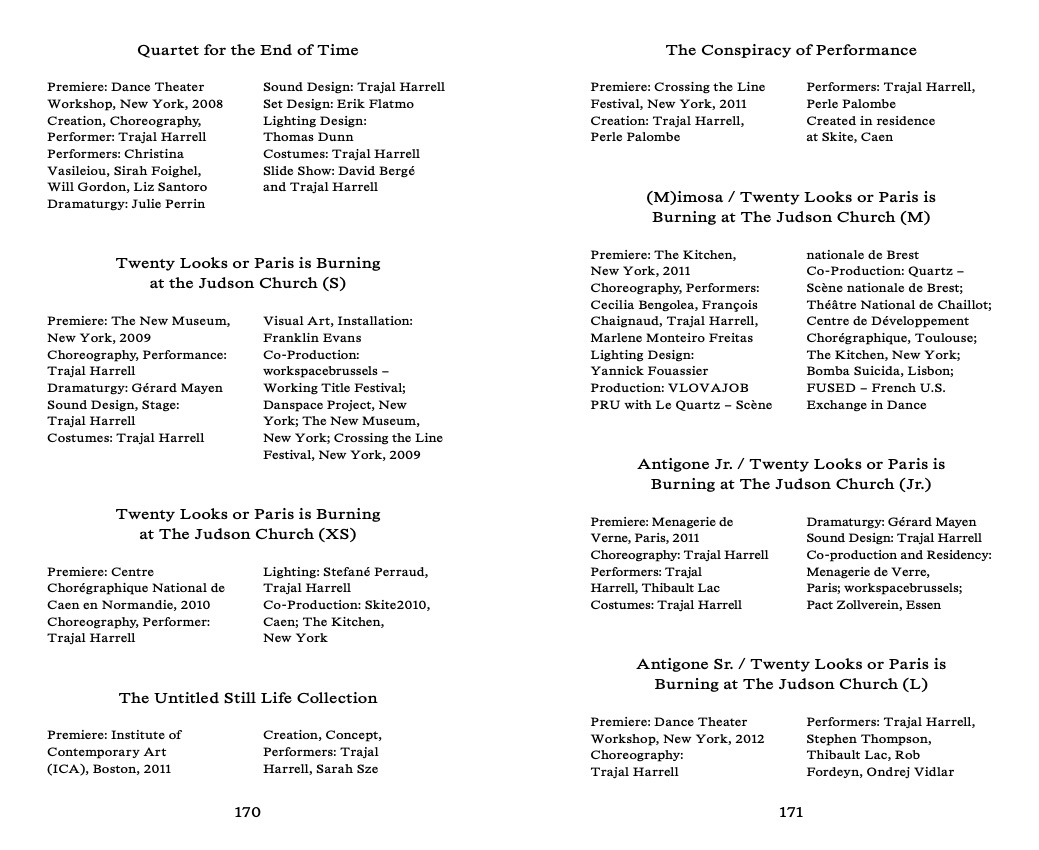
Harrell gained international acclaim for his seven-year project Twenty Looks or Paris is Burning at the Judson Church. Across eight different versions, he imagined an encounter between 1960s Harlem voguing and early downtown postmodern dance. These different choreographies share a sense of historical speculation: What would have happened in 1963 if someone from the voguing ballroom scene had come down to the Judson Church in Greenwich Village to perform alongside the early postmoderns? The voguing dance tradition refers to the competitive balls that were staged in Harlem dance halls, beginning in the 1960s. These were a form of social performance practiced primarily by African American and Latino gays, and trans people. One of the main elements of voguing is the performing of social and gender identities through fashion, movement, and behavior. At the same historical moment, in the 1960s, the pioneers of postmodern dance broke with the traditional representations of classical and modern dance, becoming interested in dance without artifice and concerning themselves instead with “authenticity.”
This is only one of several dance forms that, throughout his career, Harrell has investigated in order to transform and transgress the history of dance. By engaging with Hoochie Coochie, the culture of fashion and runway, butoh, and the dances of Greek Antiquity, Harrell challenges us to re-think dance from a multiplicity of different and sometimes conflicting perspectives.