A Cosmic Movie Camera is the title of the 18th edition of the BIM’24, which also marks the 50th anniversary of the Biennale organized by the Centre d’Art Contemporain Genève. By blending the real and the virtual, its catalogue captures the spirit of the exhibition, which explores the evolution of moving images, particularly in our algorithmic age.
The book seeks to define the contours of the obsession with the teenage years; a fixation that has shaped a significant strand of contemporary art over the last ten years. Adolescence is here understood as a state of mind, a prolonged condition that dissolves the transition into adulthood and becomes a critique of an unstable world.
In this multi-voiced book, starting from the Orobie Alpine range, the mountainside becomes an epistemological lens through which to interpret contemporaneity and address issues such as multi-species migrations, our relationship with geological time and intergenerational inheritance, and the rethinking of collective memories and rituals.
For years now, the Die Vier von der Tankstelle (Four from the Gas Station) have been roaming across an area stretching out to the south of the Baltic Sea. They prowl their way through sparsely populated areas, wantonly terrorizing the inhabitants. The 2026 calendar by Jos de Gruyter and Harald Thys bears witness to their presence.
The first monograph dedicated to Lorenza Longhi, published with the Kunst Museum Winterthur, adopts a format associated with prototypes, manuals, or working documents. Its irregularities reflect Longhi’s ongoing examination of value, functionality, and the aesthetics of the everyday.
This publication is an extensive monograph devoted to the work of Carlos Bunga, published in conjunction with his eponymous show at CAM – Gulbenkian. In addition to a number of essays, which offer an in-depth look at his multifaceted practice, the book contains previously unpublished photos that reveal his working process.
Edited by Nicola Wright
Texts by Andrew Bonacina, Jake Grewal and Philip Hoare
Designed by Lorenzo Mason Studio
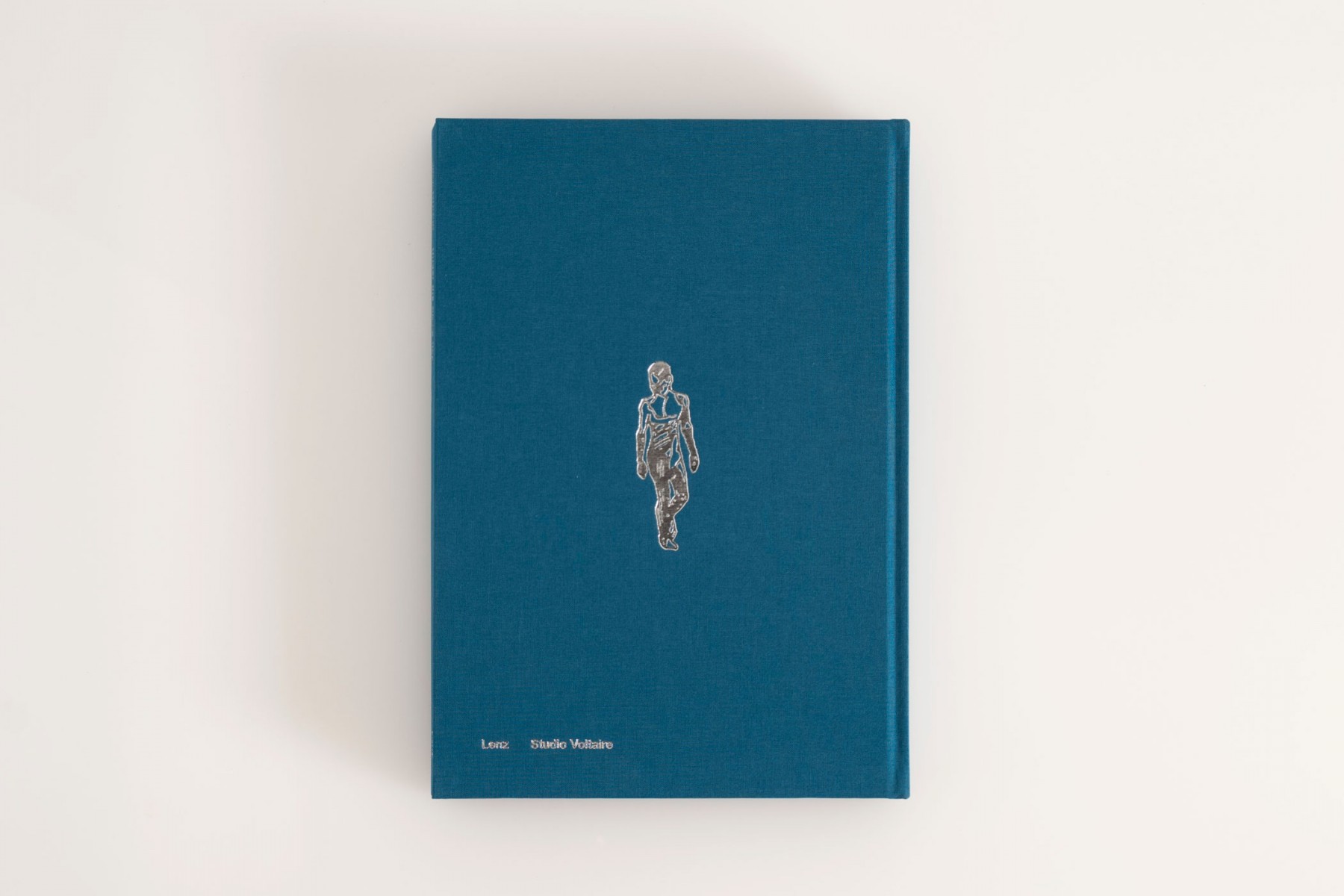
Co-published with Studio Voltaire
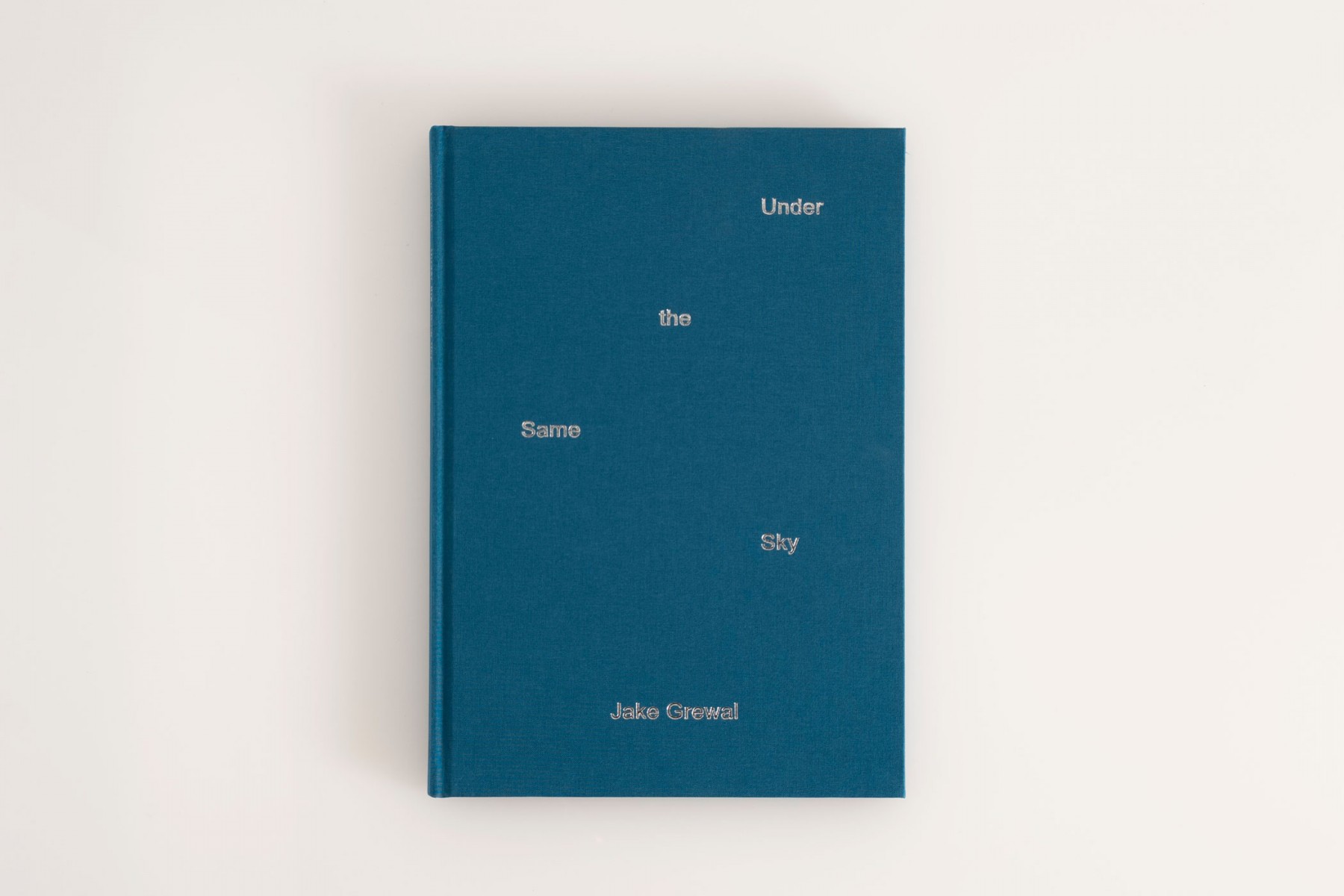
2025, English, hardcover, 33.5 x 23.5 cm, 144 pages
ISBN 979-12-80579-91-1
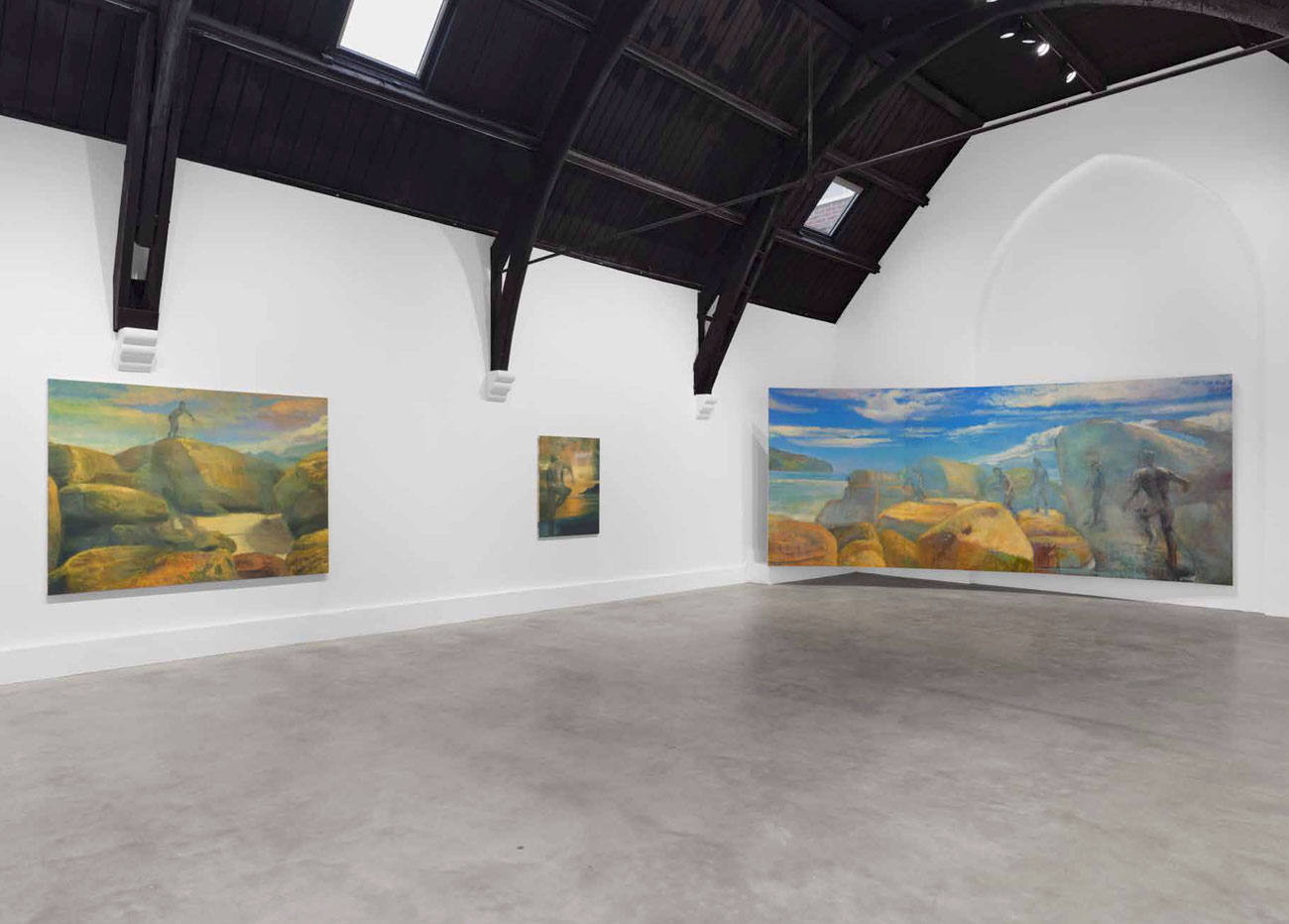
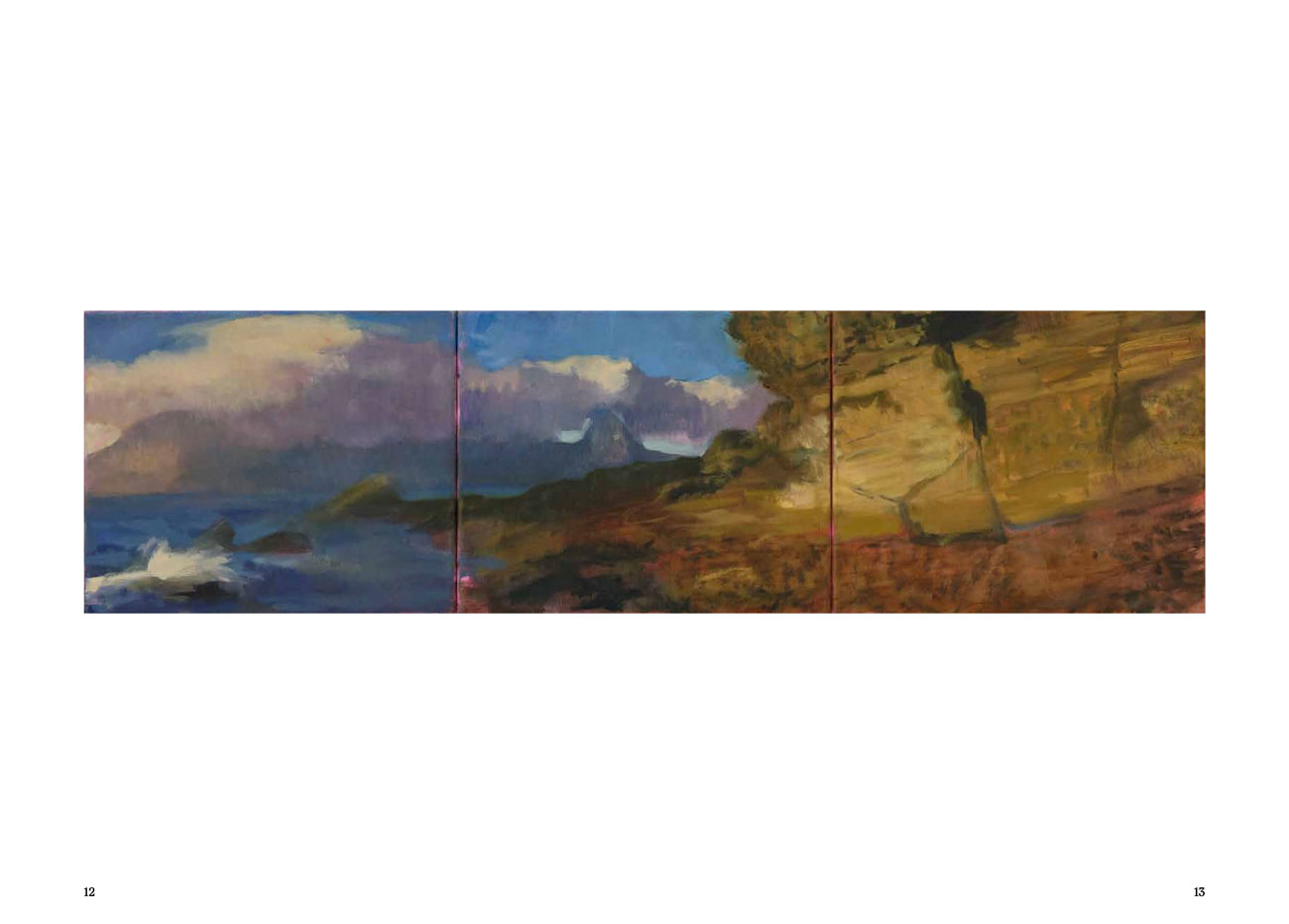
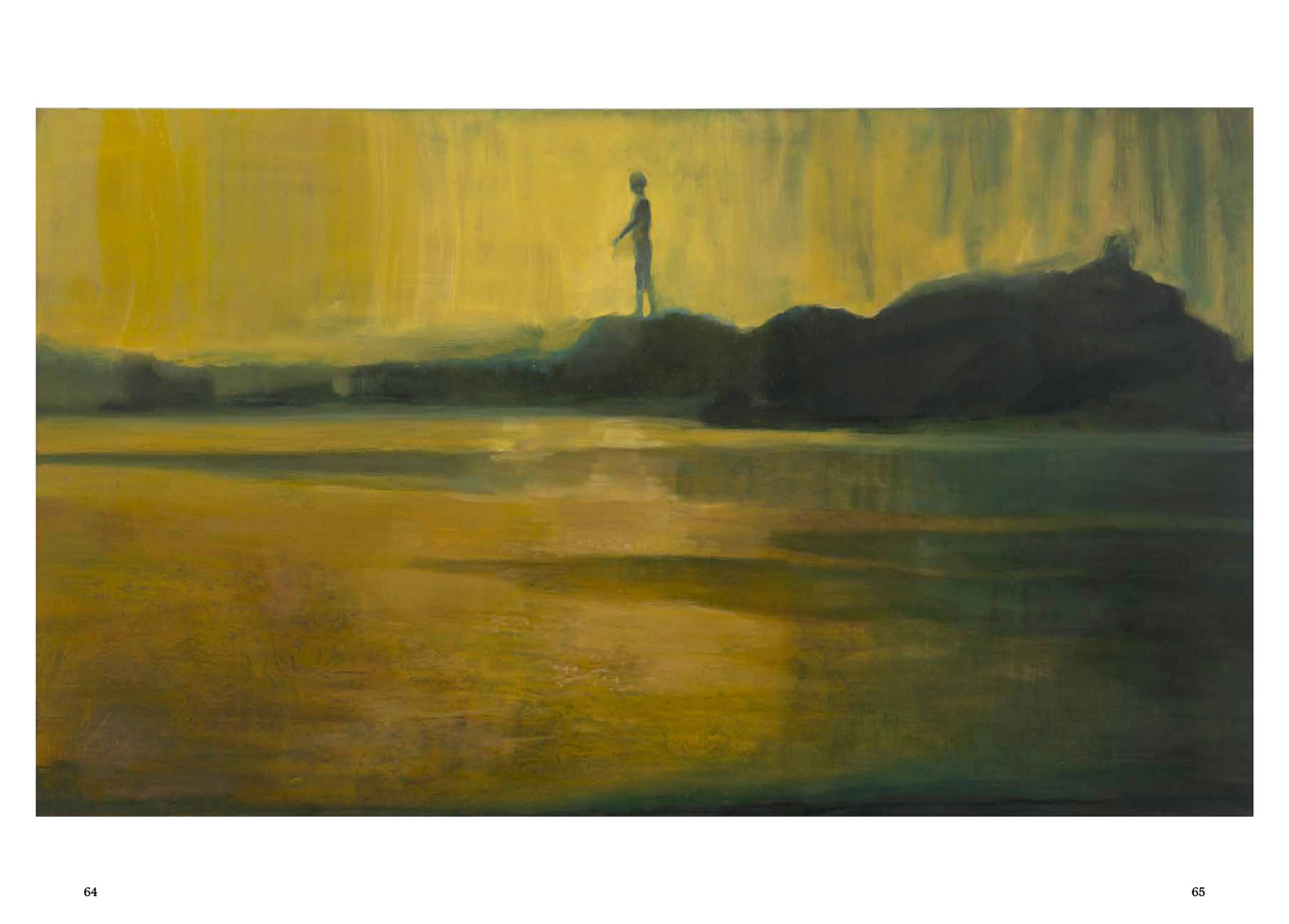
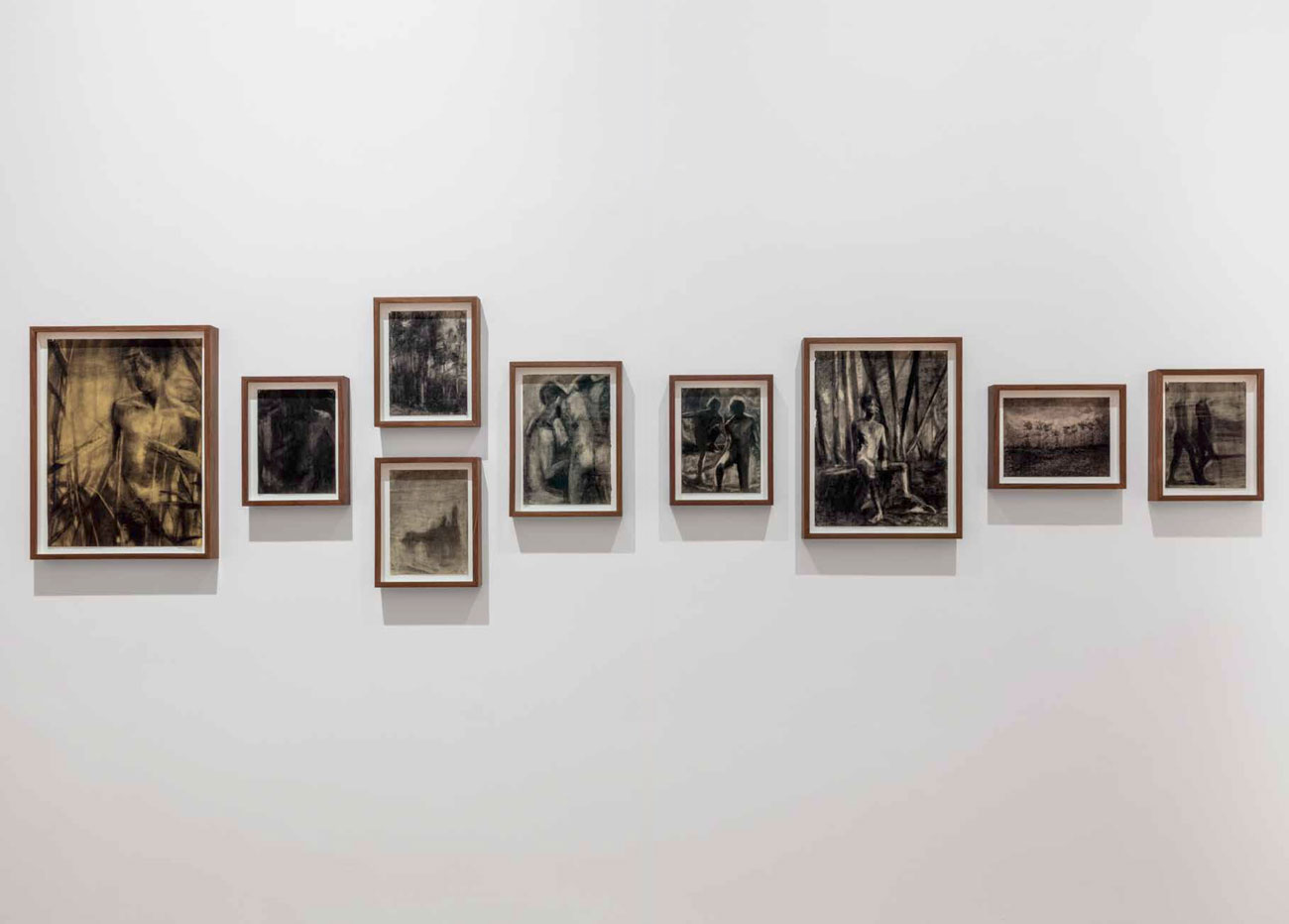
Jake Grewal’s work explores the intertwined themes of landscape, identity, and queer embodiment. His paintings and drawings often depict solitary figures in natural settings that blur the boundary between the external world and inner emotion. The landscapes—misty forests, coastal horizons, and shifting terrains—act less as backdrops and more as psychological spaces where intimacy, vulnerability, and transformation unfold.
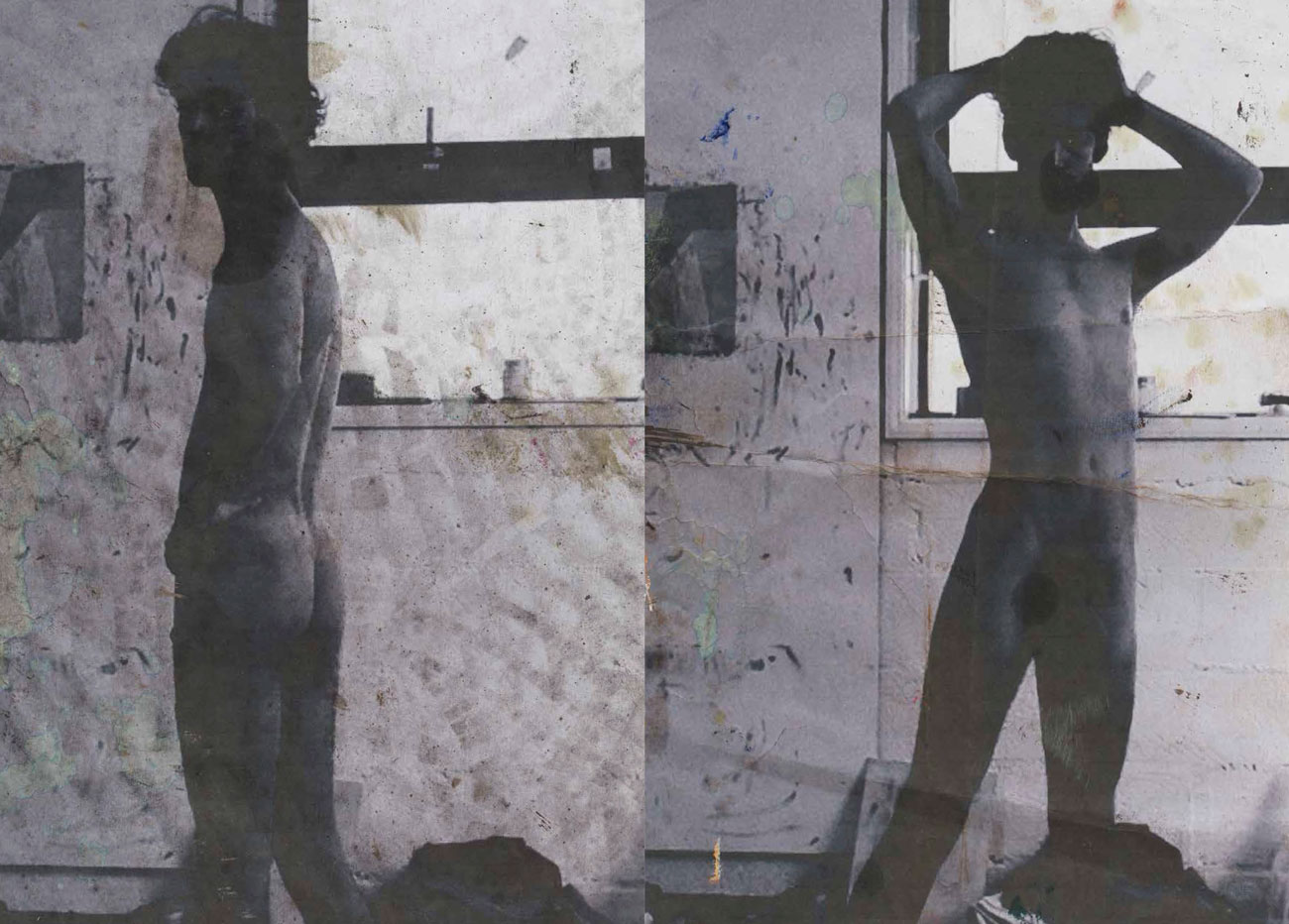
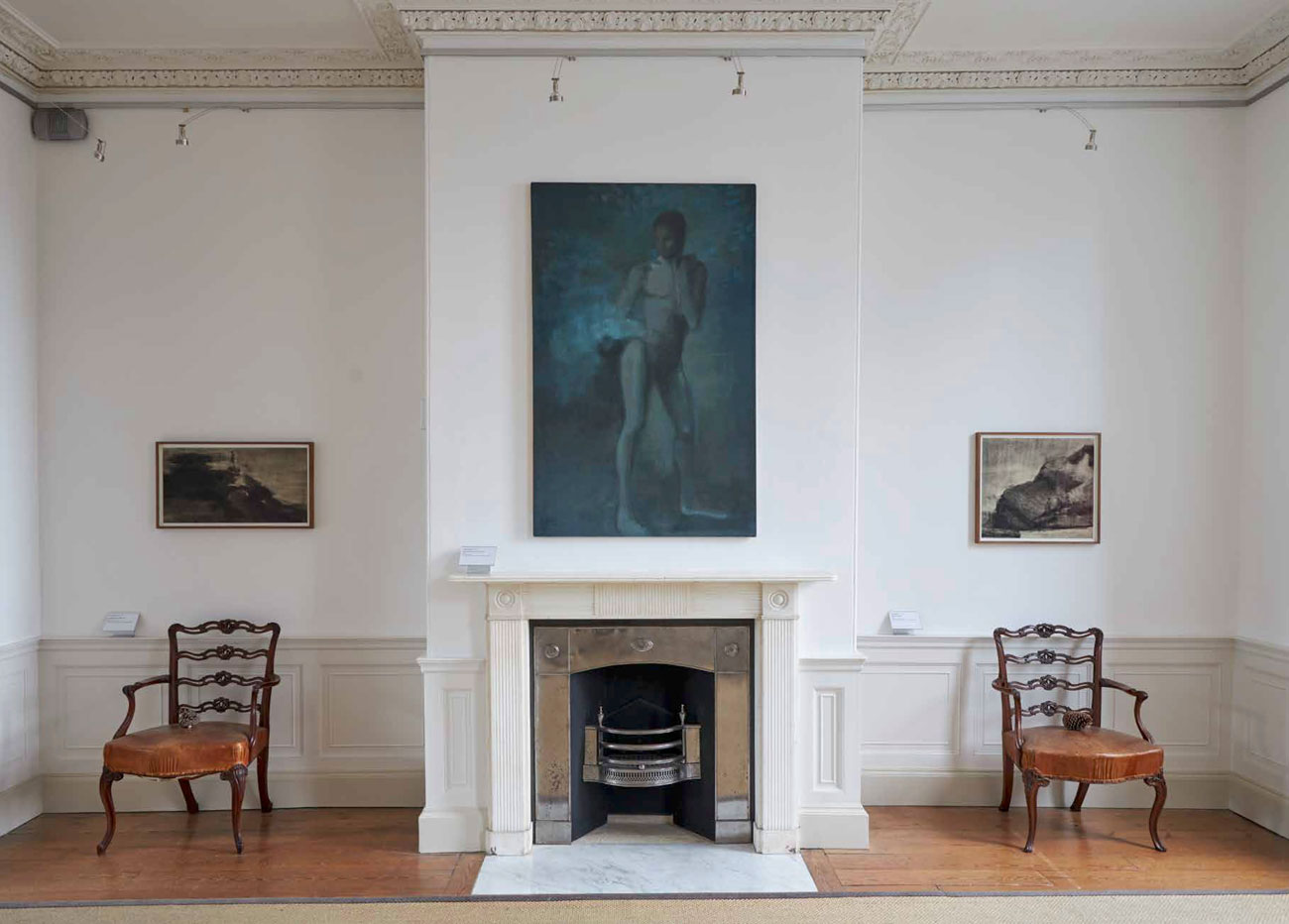
Central to Grewal’s practice is the relationship between human fragility and the cyclical processes of nature. Through motifs of erosion, water, and changing light, he reflects on time, memory, and renewal. His figures—often nude and rendered with tenderness—suggest both exposure and belonging, merging with their surroundings in ways that evoke the fluidity of identity and desire.
Grewal’s sensibility is deeply informed by his queer and diasporic experience. Rather than addressing these identities overtly, he weaves them into the emotional and atmospheric texture of his paintings. The result is work that feels both personal and universal: meditations on longing, connection, and the search for home within the self and the world.
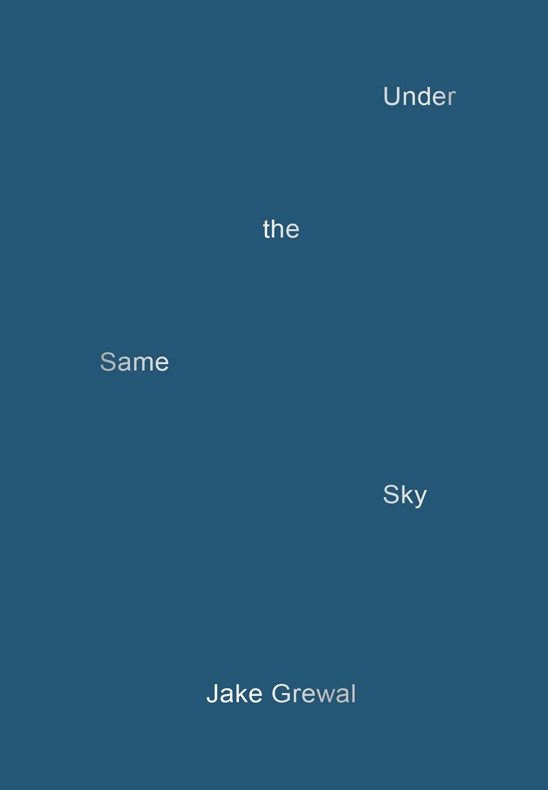
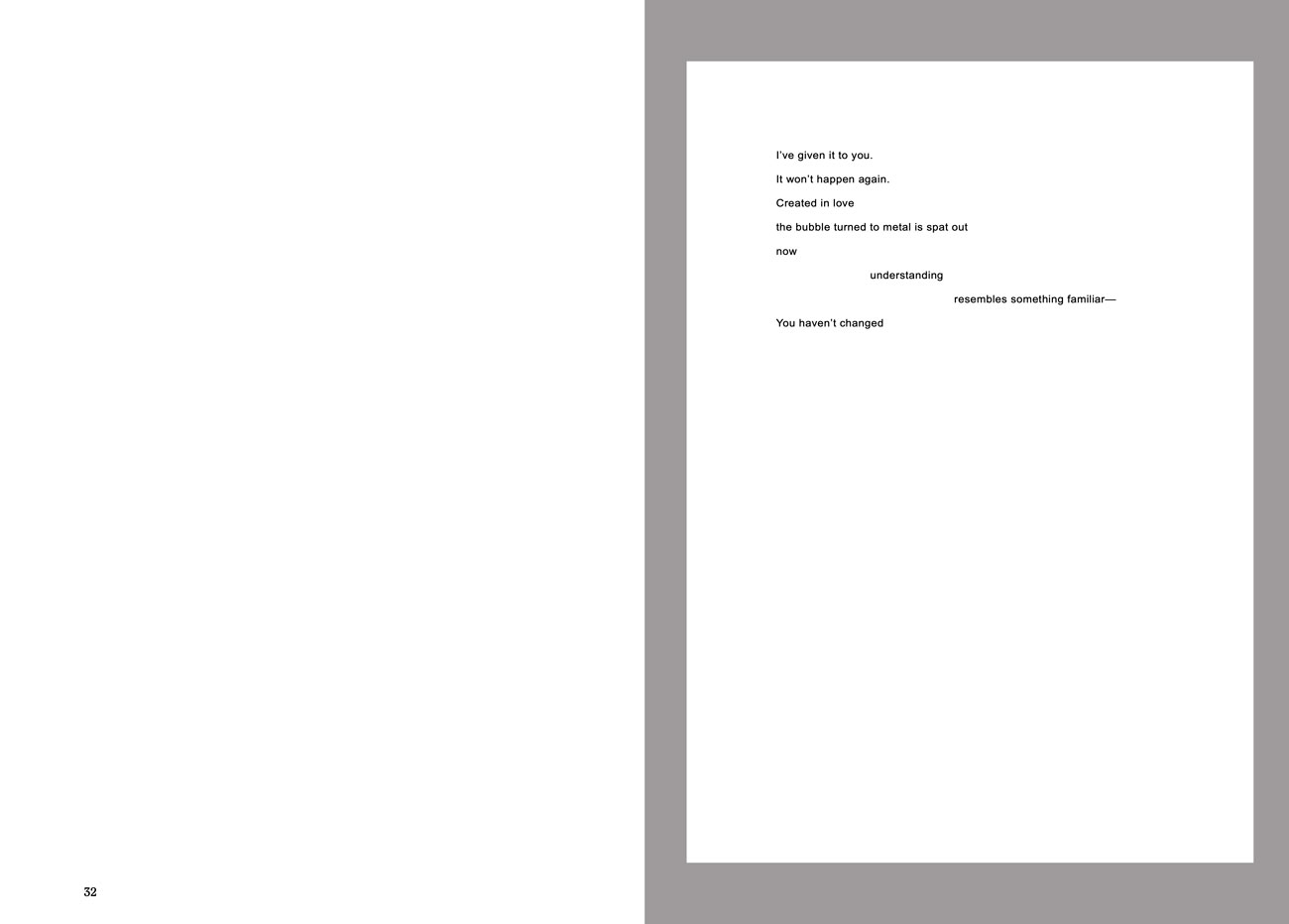
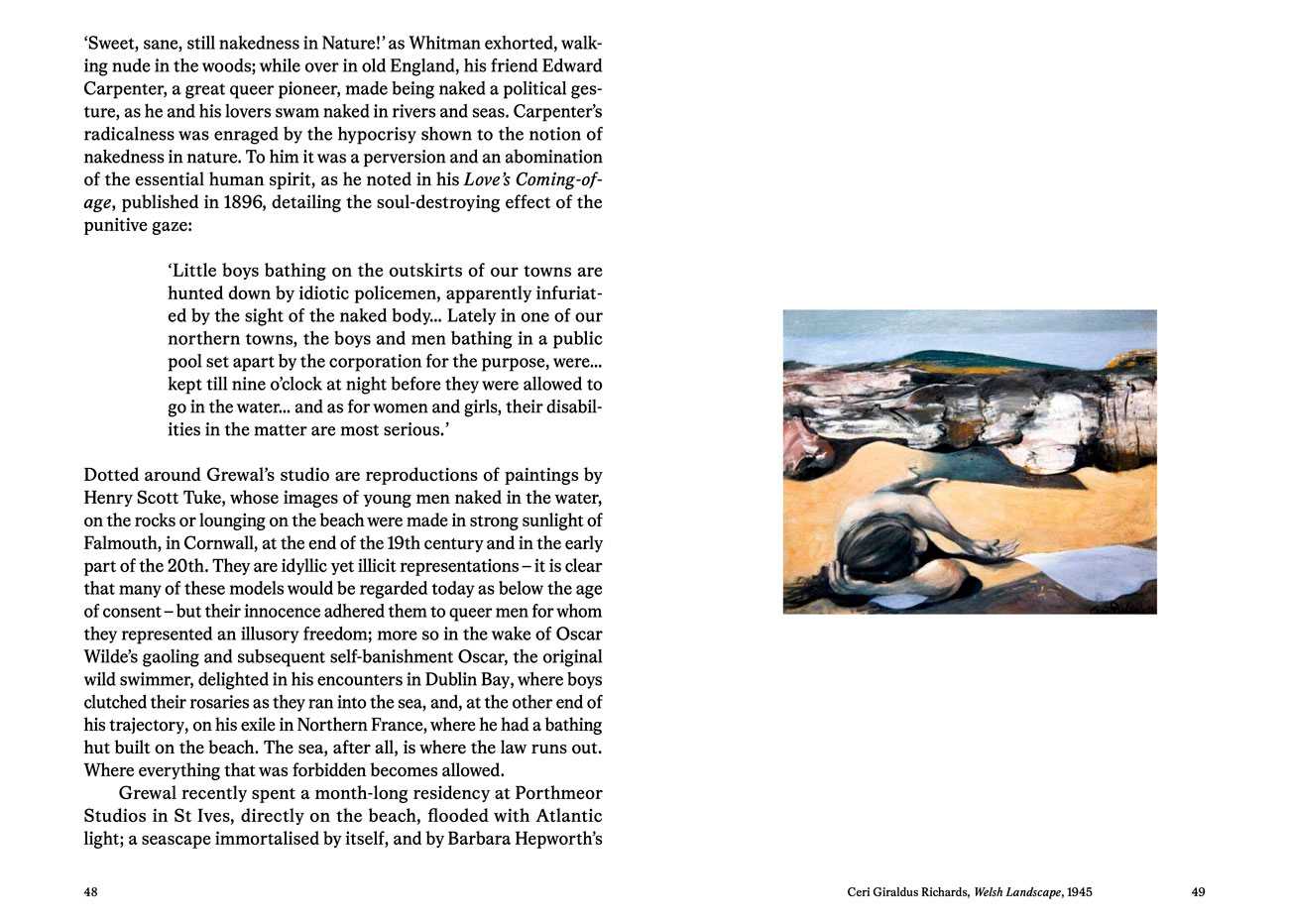
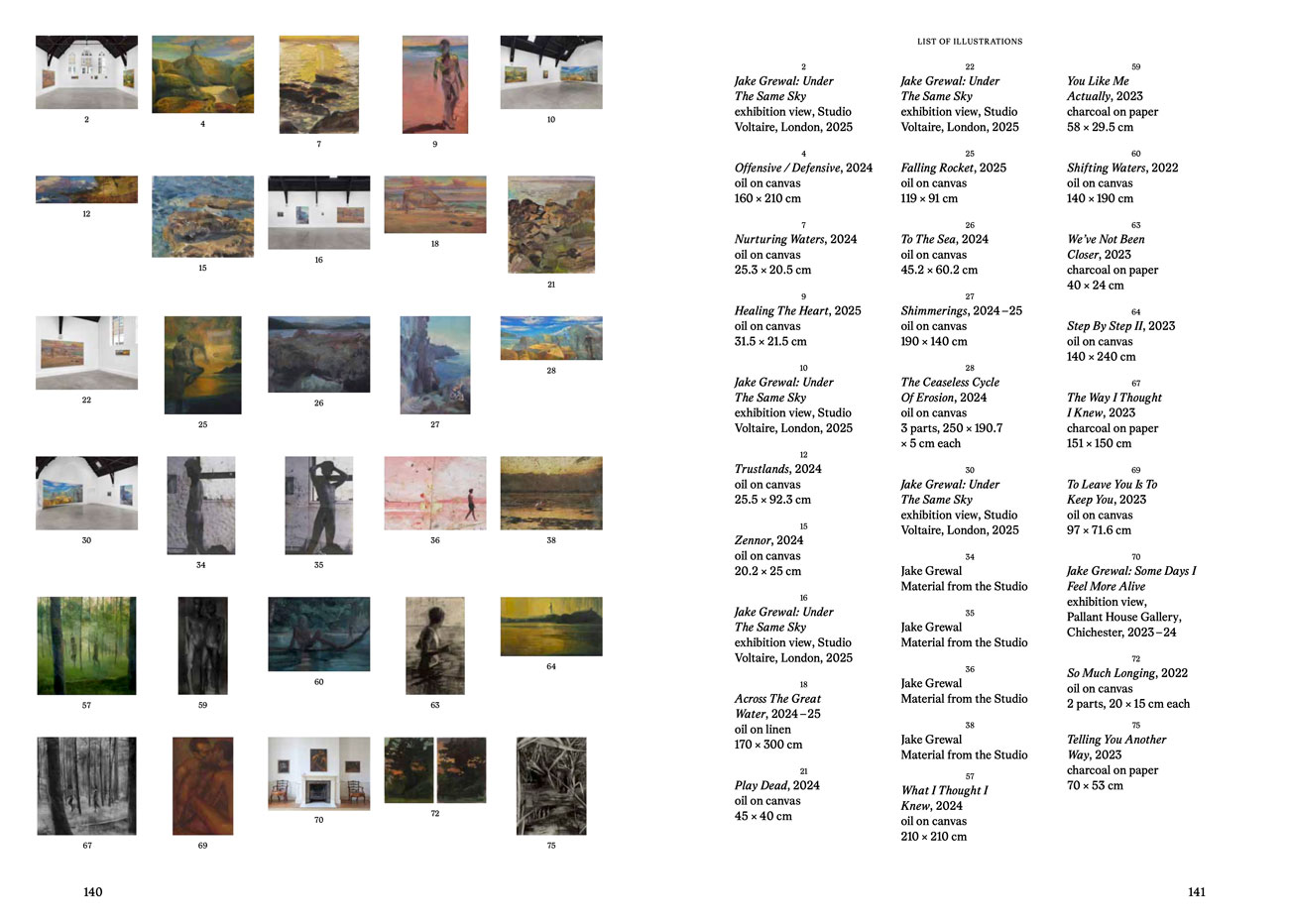
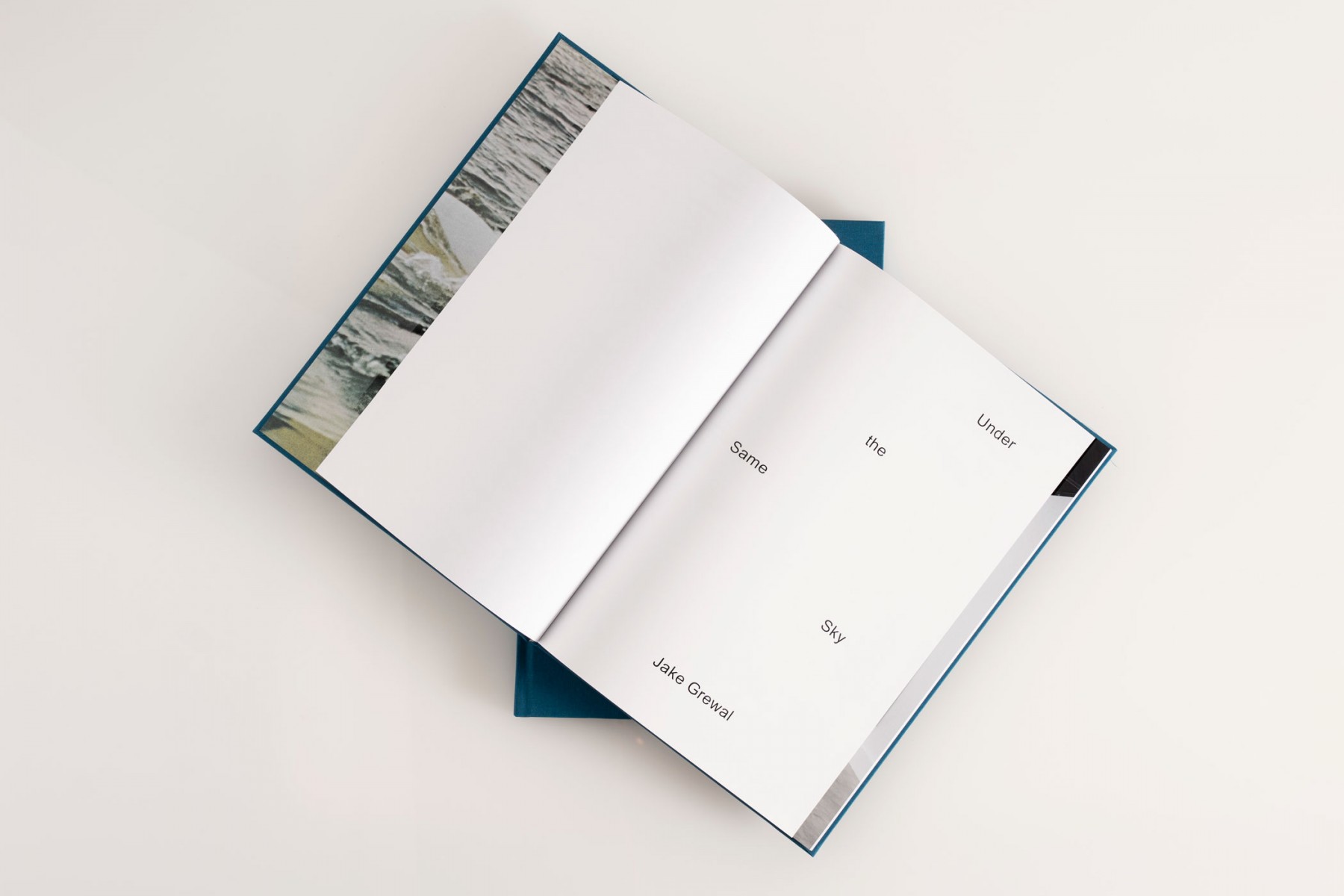
Under the Same Sky is Grewal’s first monograph, published on the occasion of the artist’s recent exhibition at Studio Voltaire, London. Accompanied by a conversation between the artist and Andrew Bonacina and an essay by Philip Hoare, this book also features the paintings and drawings that informed Grewal’s past exhibitions at Pallant House Gallery, Chichester, and Thomas Dane Gallery in London.