This compelling artist’s book is built around KOOL (“cabbage” in Dutch), an original font designed by Reus, somewhere between a plant alphabet and concrete poetry. The publication draws on the type specimen book tradition to present new typefaces.
Through a rich selection of images, this artist’s book, published in two editions—gold and silver—explores the birth, life and death of Francesco Gennari’s work Vorrei perdermi e non trovarmi più, 2022, exhibited for the first time at the Ciaccia Levi Gallery in Paris.
Through a rich selection of images, this artist’s book, published in two editions—gold and silver—explores the birth, life and death of Francesco Gennari’s work Vorrei perdermi e non trovarmi più, 2022, exhibited for the first time at the Ciaccia Levi Gallery in Paris.
This richly illustrated publication combines artwork, archival and process imagery, and includes an extended interview with the artist, as well as new essays by key thinkers in the fields of anthropology, philosophy, political economy and art history.
In the first monograph on the feminist conceptual artist collective Claire Fontaine, political theorist and somatic practitioner Anita Chari explores the artist’s theoretical and political innovations to illuminate a more haptic, embodied approach to the practice of critical theory.
Shahryar Nashat inserts his art in the pages of this new artist’s book, which takes the form of a catalogue-turned-manual: but instead of explaining its meaning, he strips it of its aura, flaunts its nature as an object and describes step-by-step how to create it.
Edited by Nicola Wright
Texts by Andrew Bonacina, Jake Grewal and Philip Hoare
Designed by Lorenzo Mason Studio
Co-published with Studio Voltaire
2025, English, hardcover, 33.5 x 23.5 cm, 144 pages
ISBN 979-12-80579-91-1
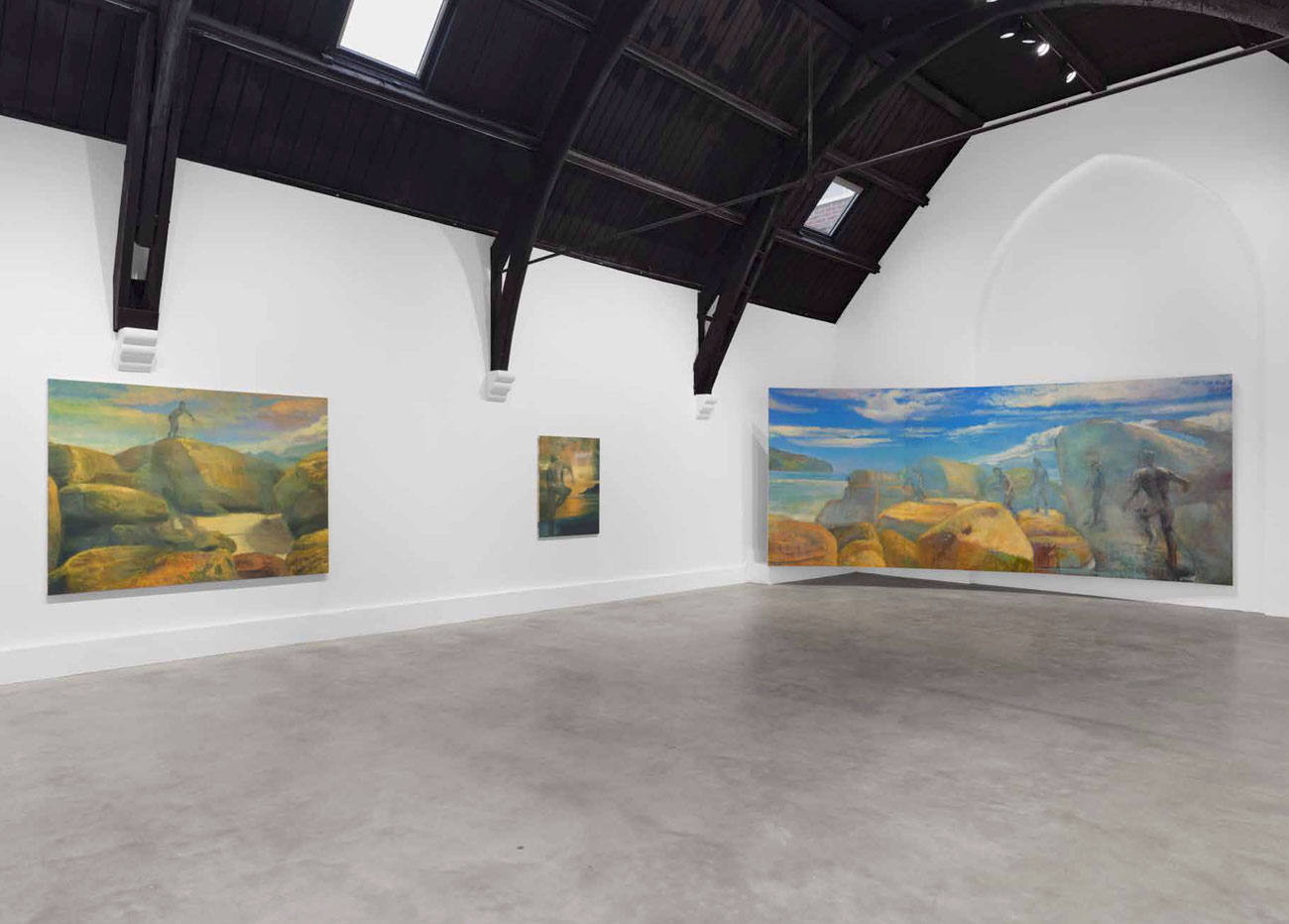
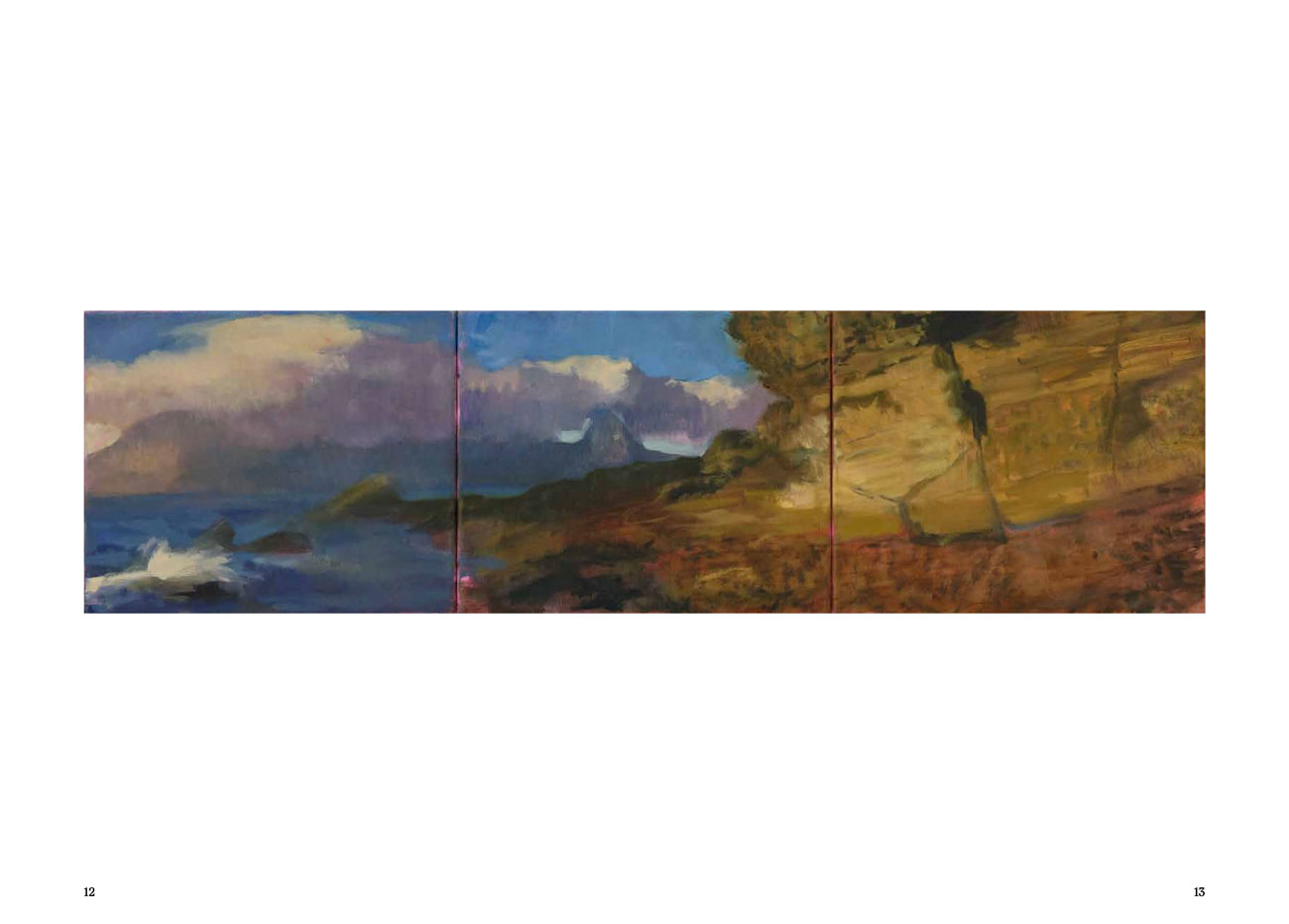
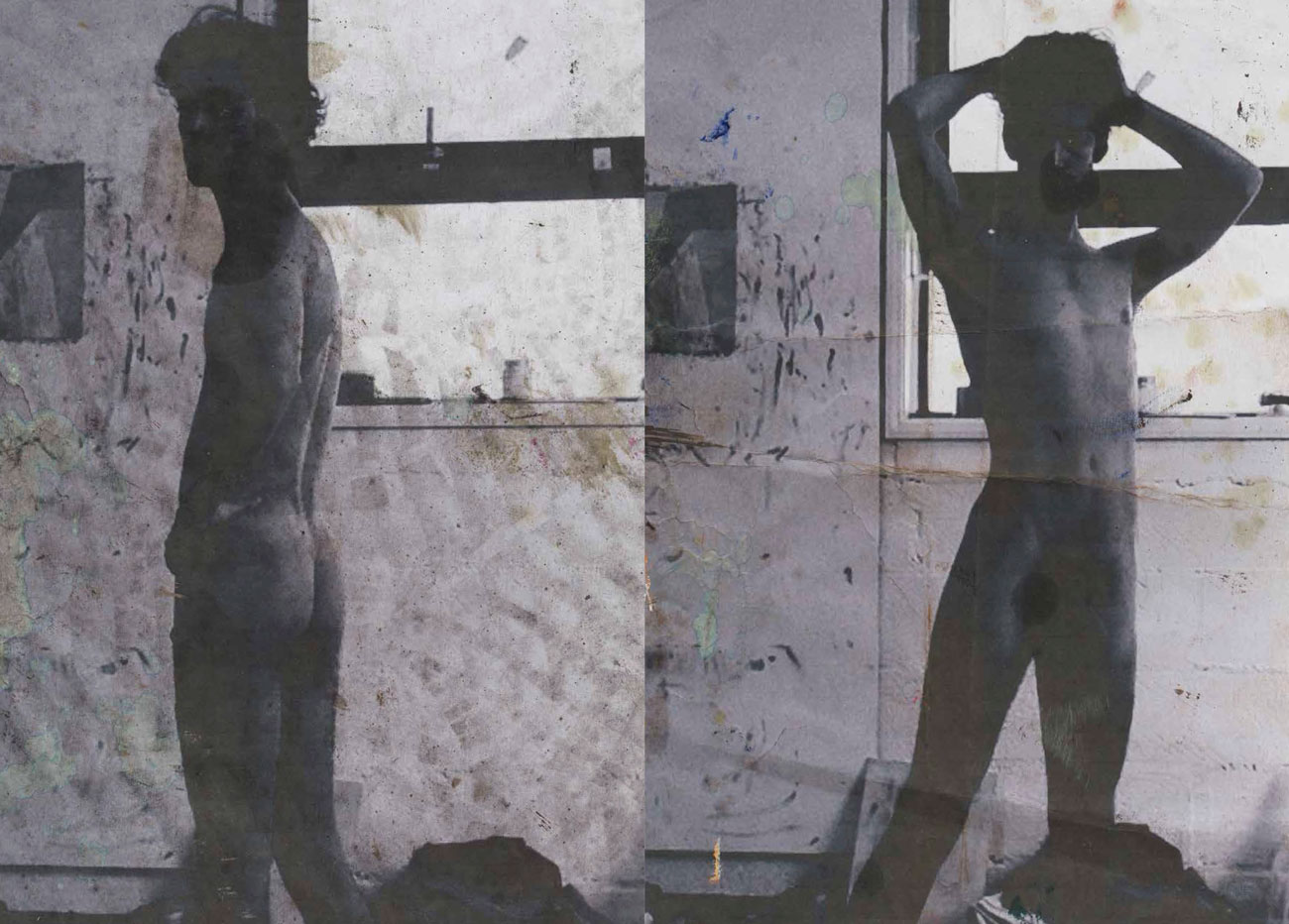
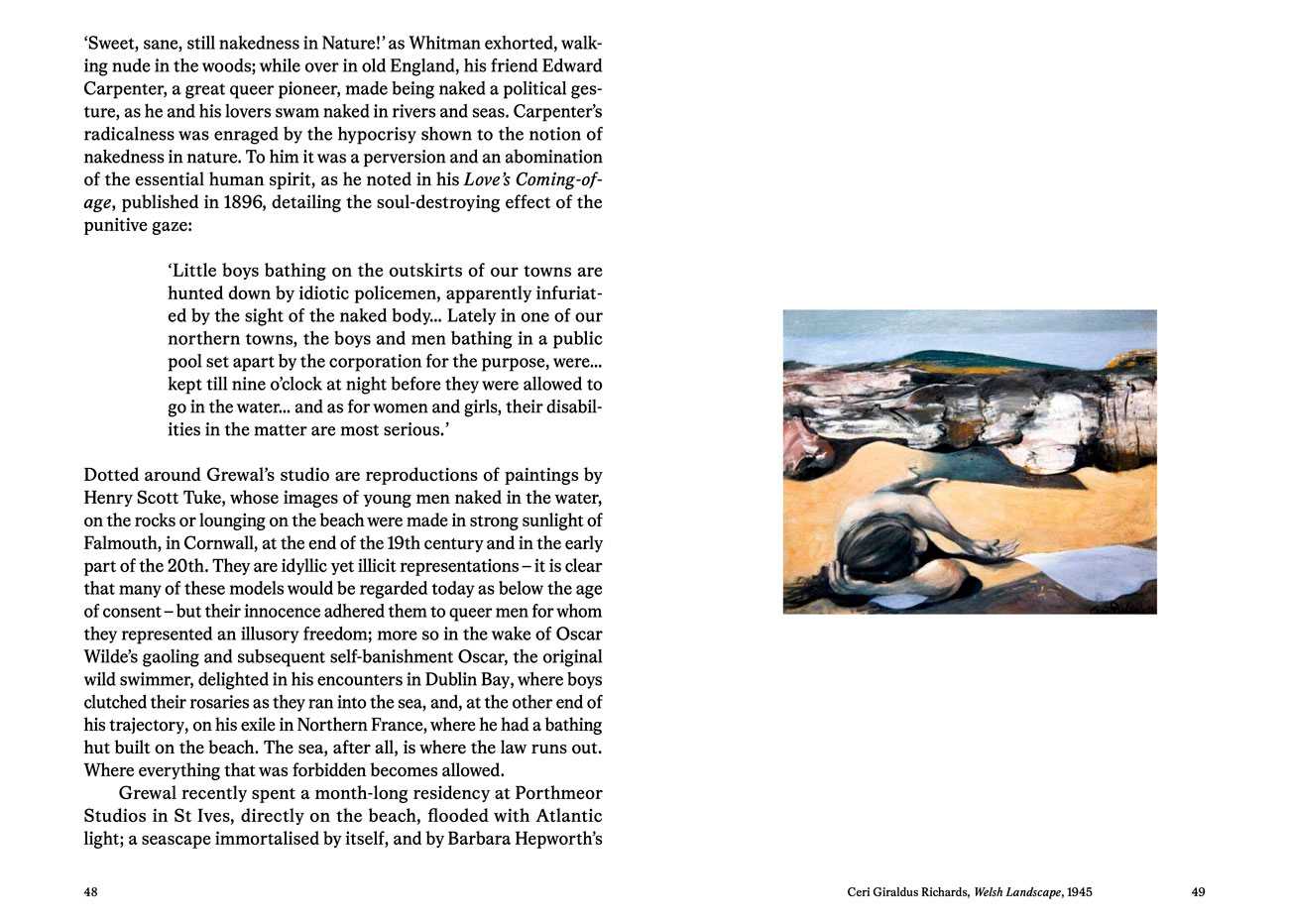
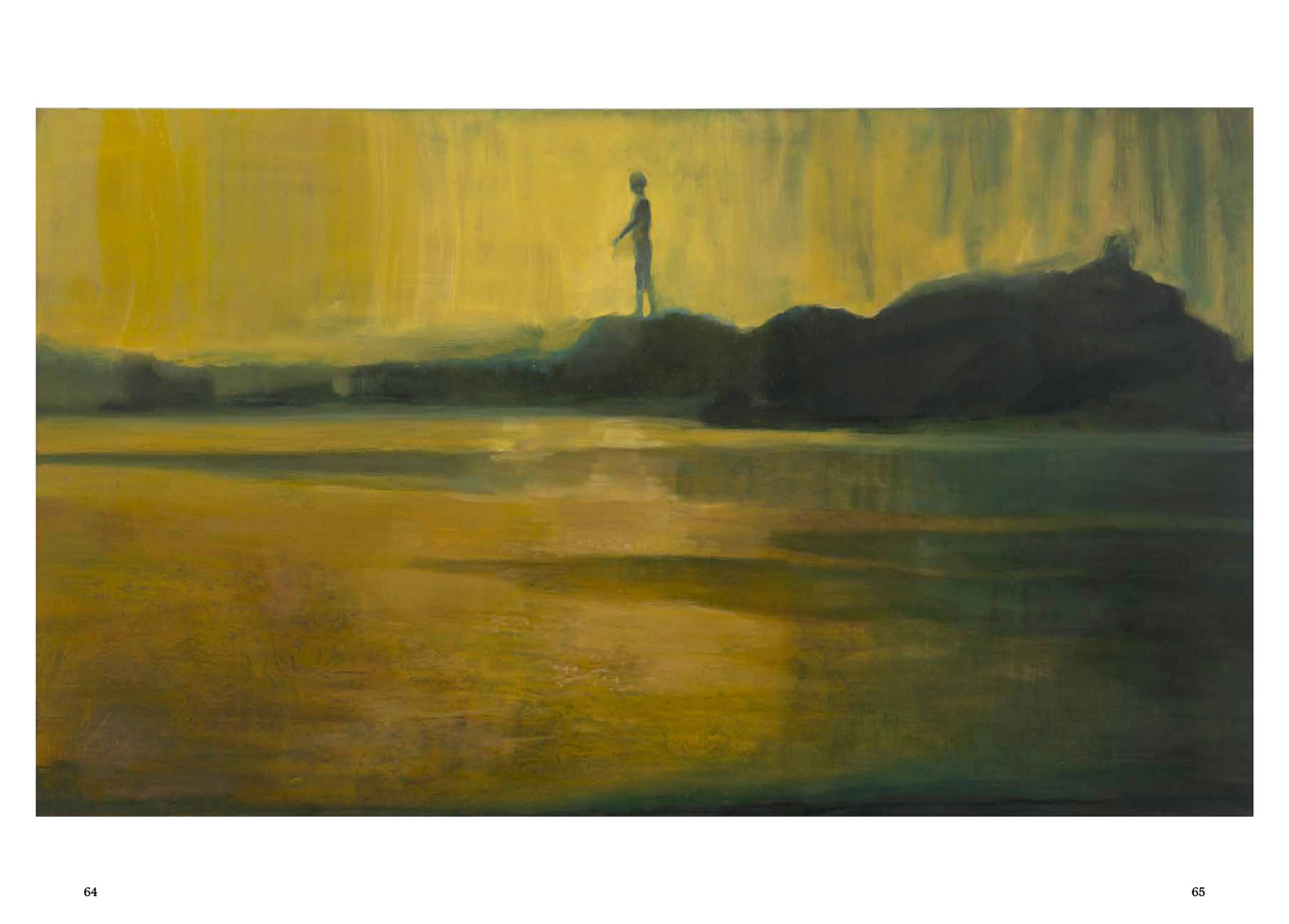
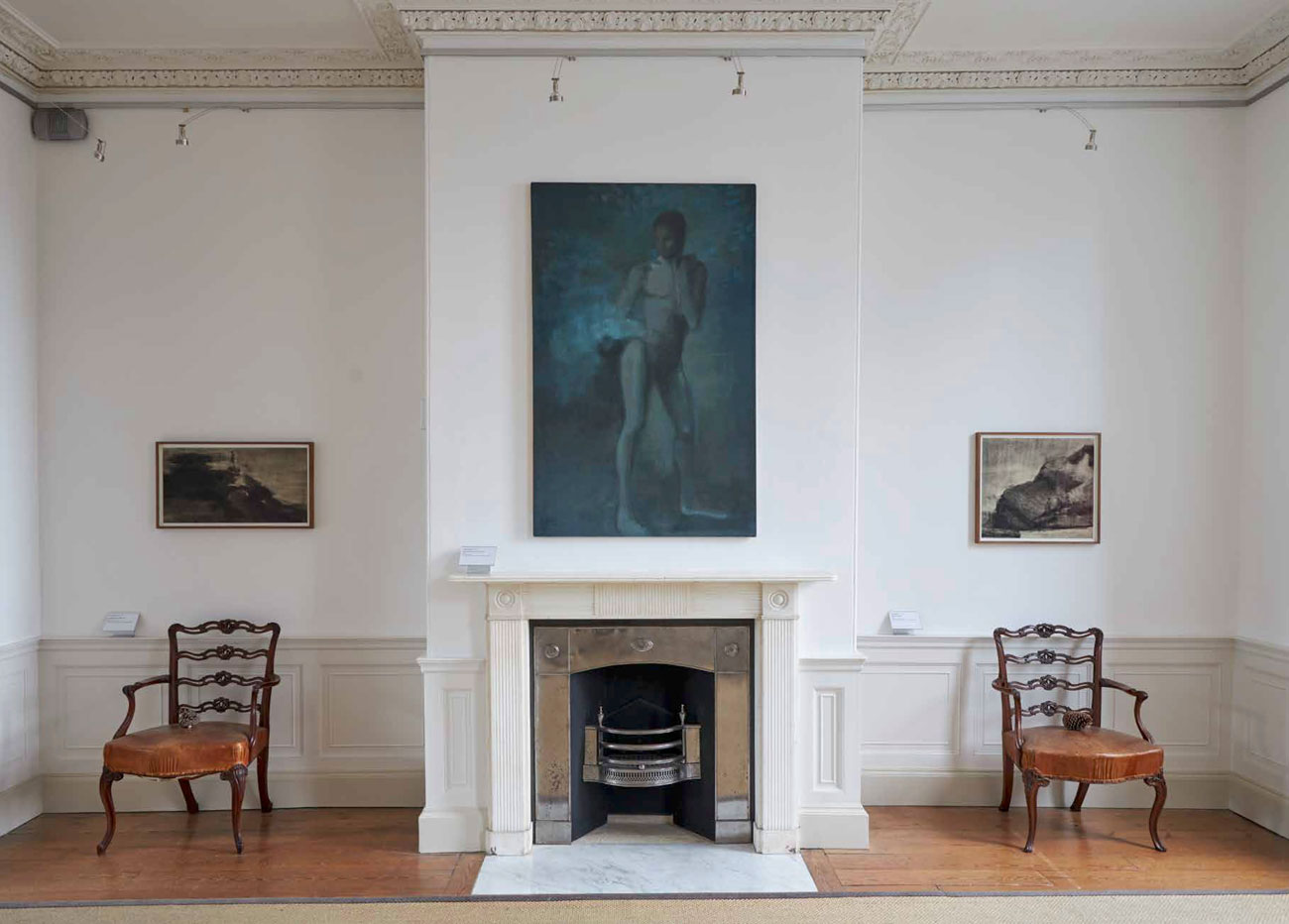
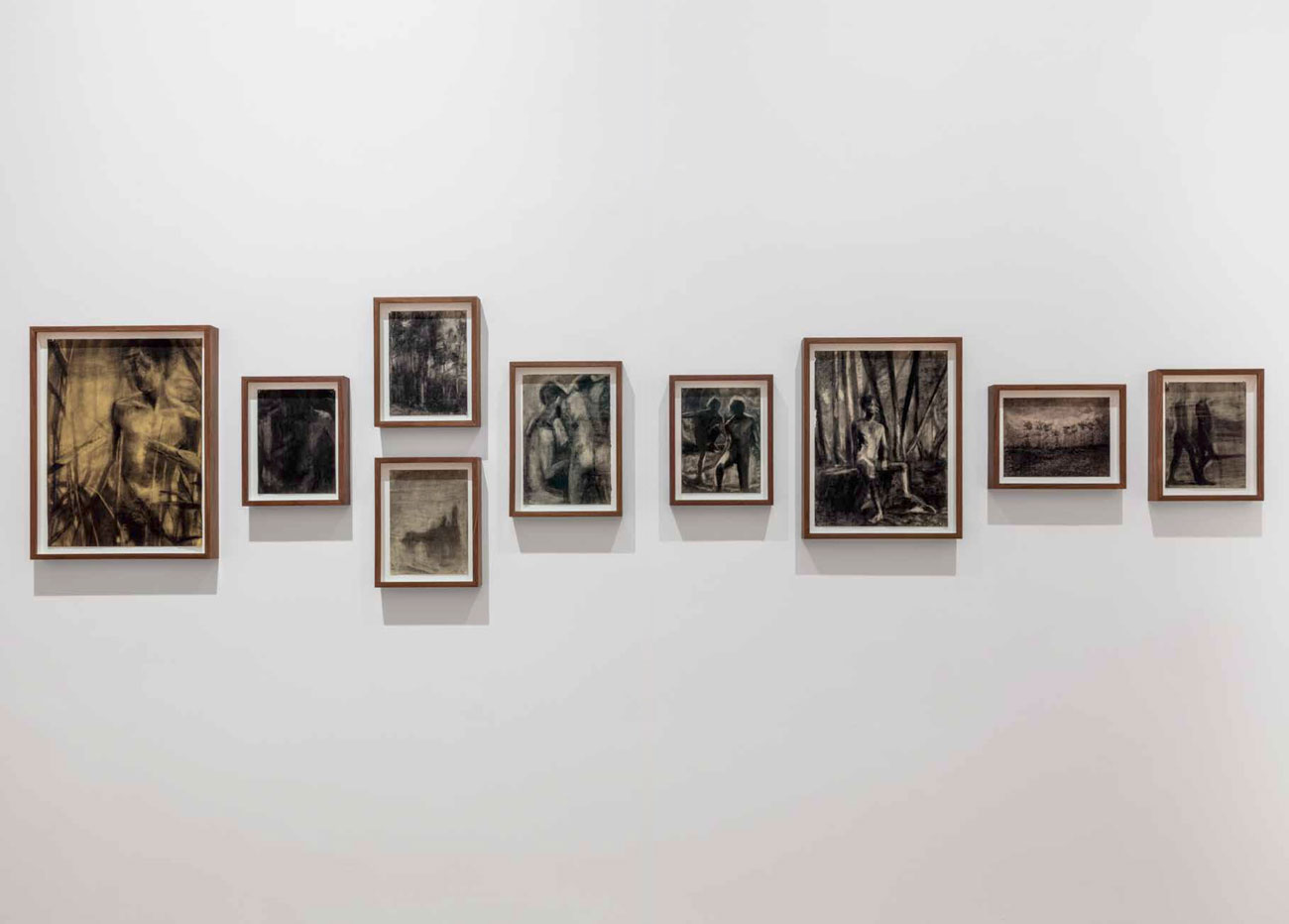
Jake Grewal’s work explores the intertwined themes of landscape, identity, and queer embodiment. His paintings and drawings often depict solitary figures in natural settings that blur the boundary between the external world and inner emotion. The landscapes—misty forests, coastal horizons, and shifting terrains—act less as backdrops and more as psychological spaces where intimacy, vulnerability, and transformation unfold.
Central to Grewal’s practice is the relationship between human fragility and the cyclical processes of nature. Through motifs of erosion, water, and changing light, he reflects on time, memory, and renewal. His figures—often nude and rendered with tenderness—suggest both exposure and belonging, merging with their surroundings in ways that evoke the fluidity of identity and desire.
Grewal’s sensibility is deeply informed by his queer and diasporic experience. Rather than addressing these identities overtly, he weaves them into the emotional and atmospheric texture of his paintings. The result is work that feels both personal and universal: meditations on longing, connection, and the search for home within the self and the world.
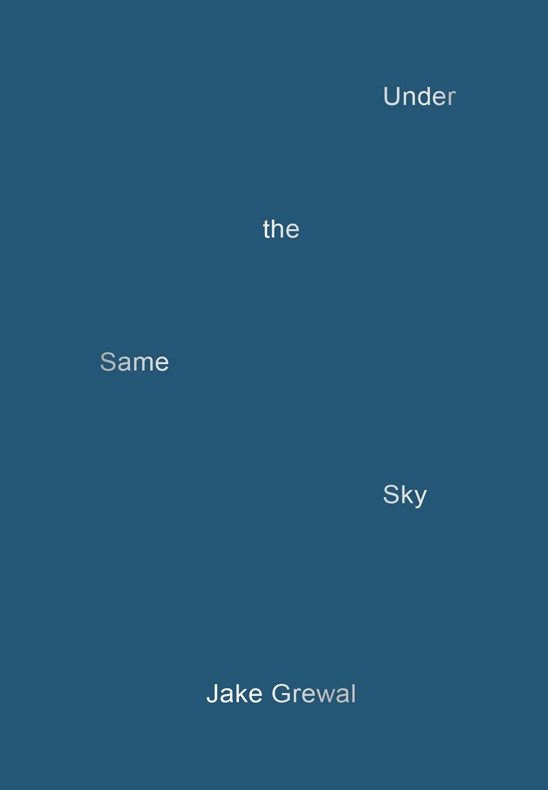
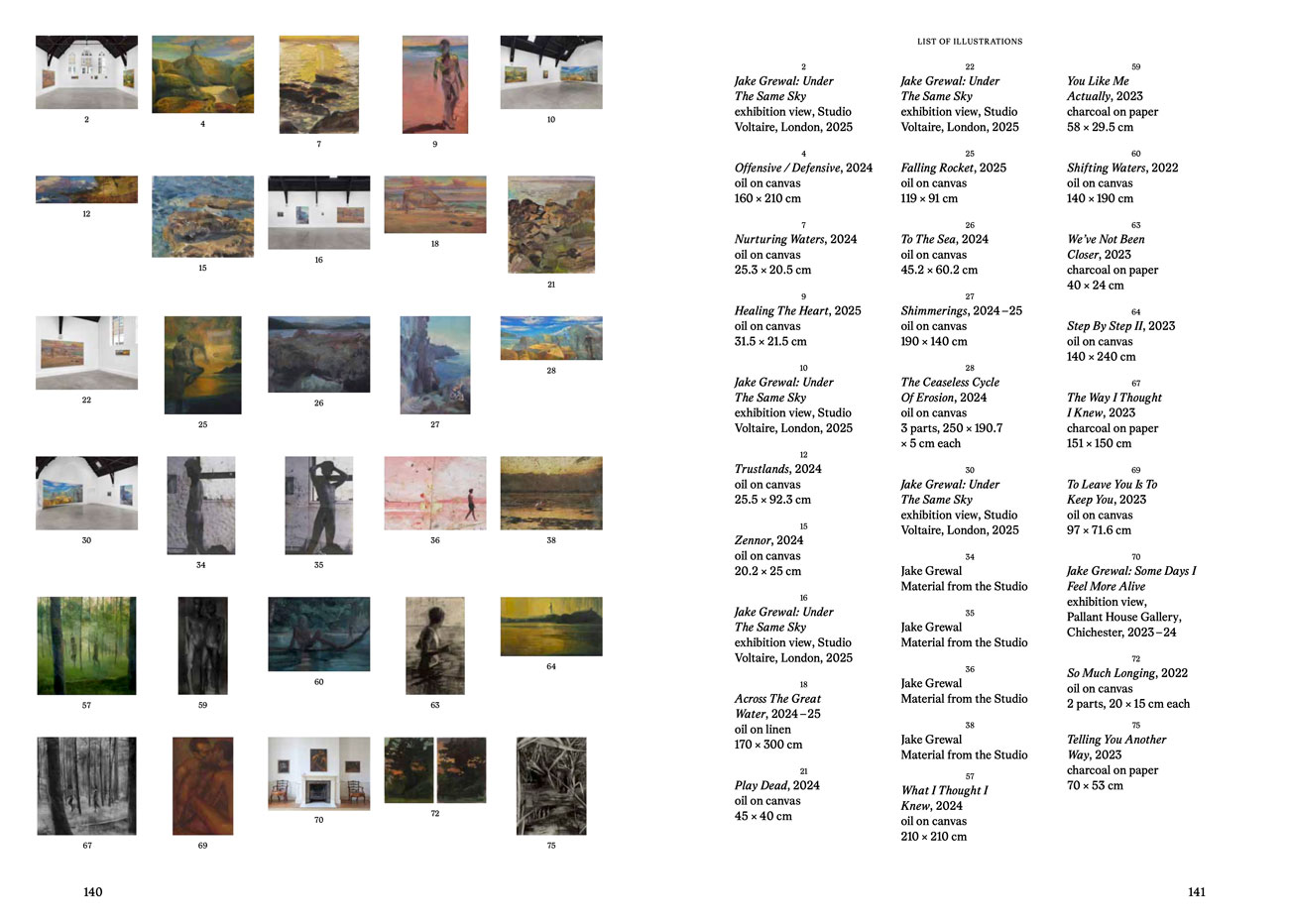
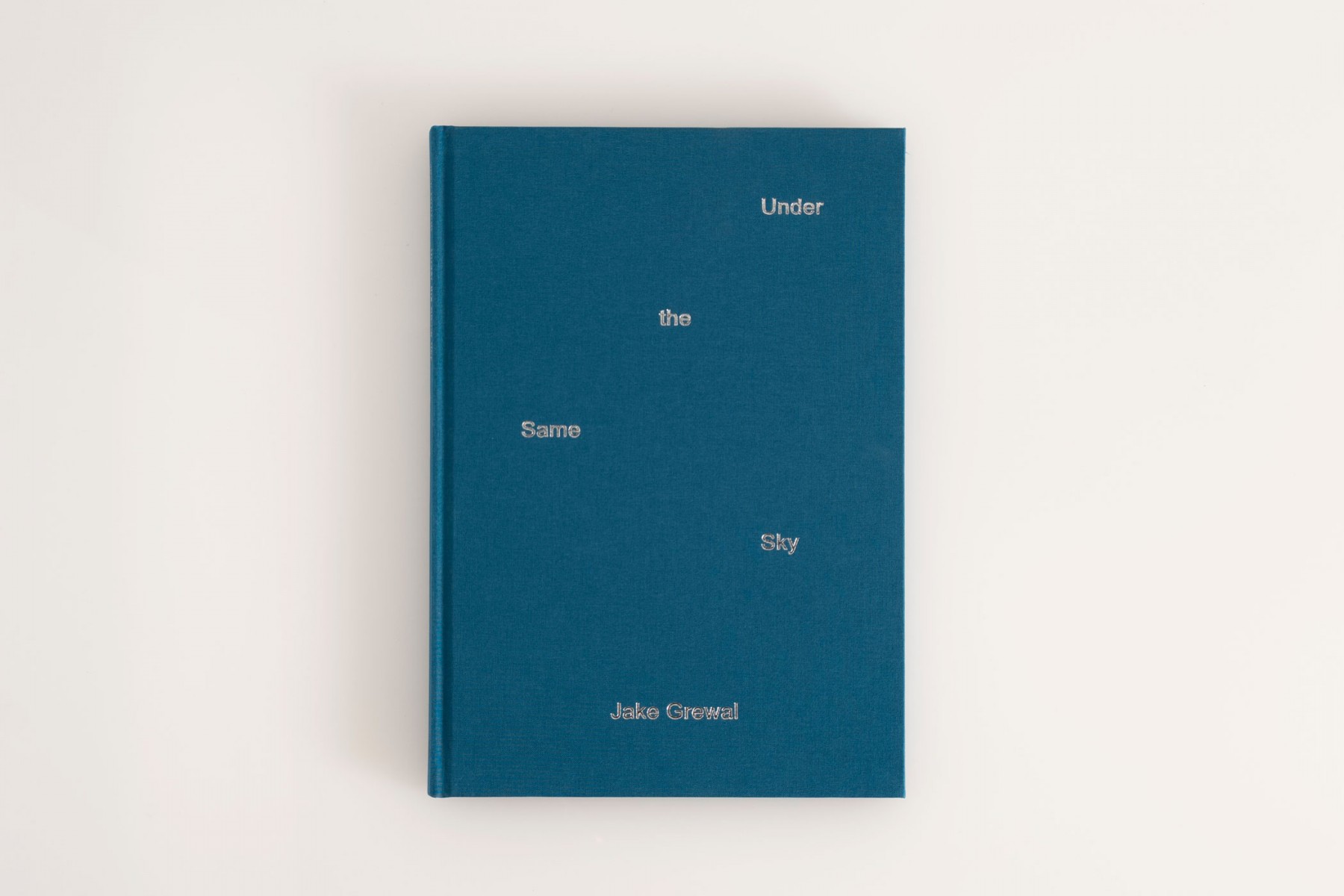
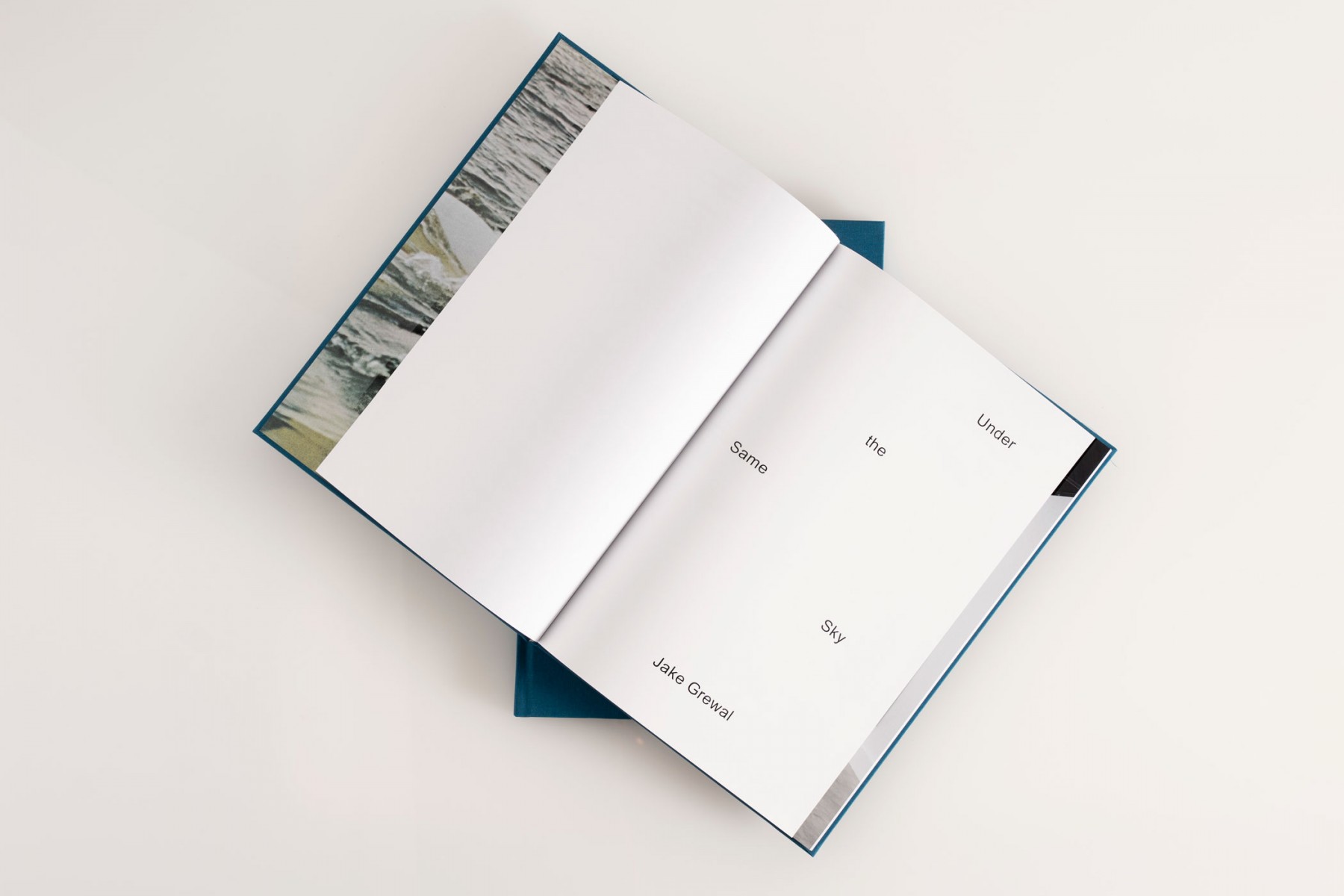
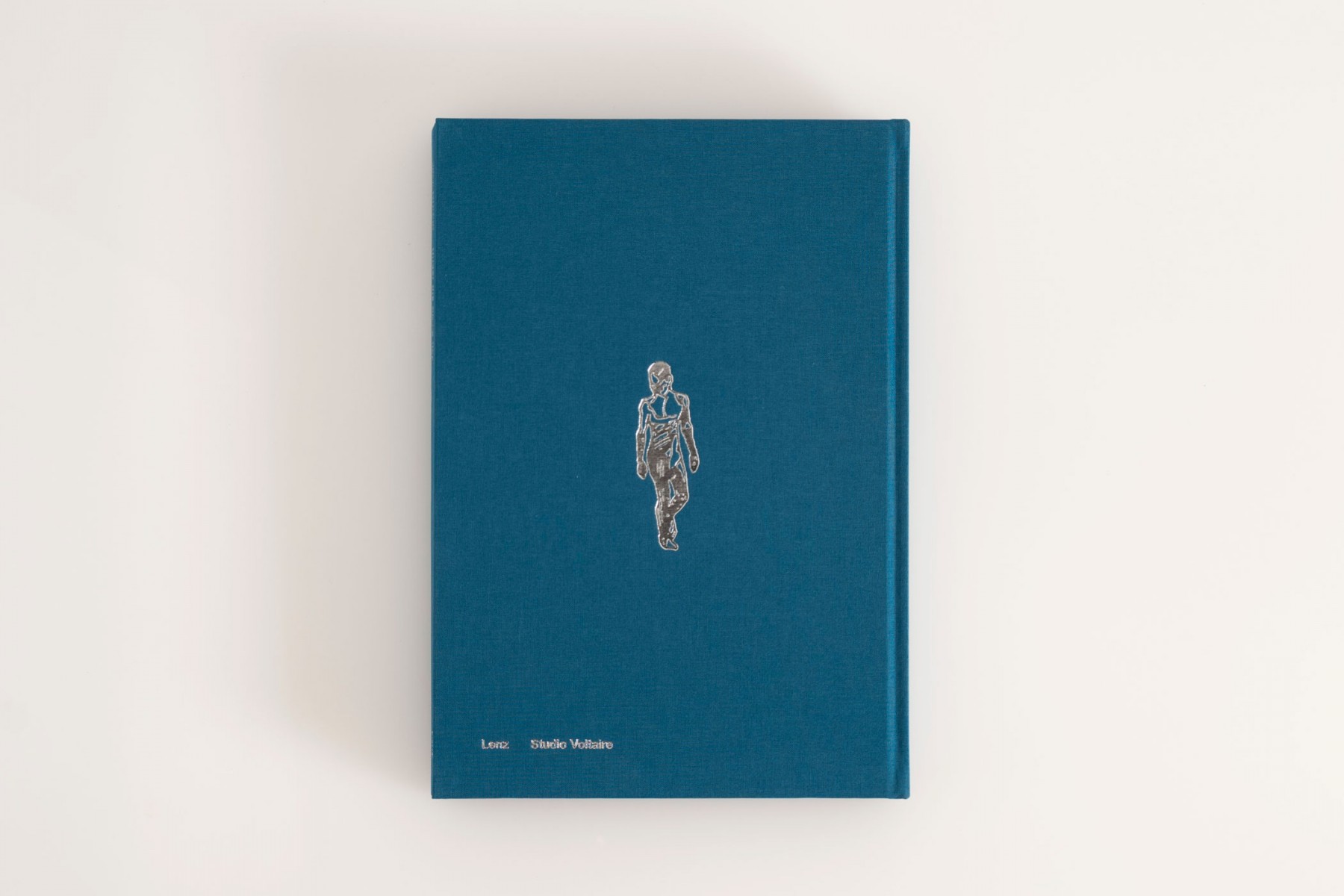
Under the Same Sky is Grewal’s first monograph, published on the occasion of the artist’s recent exhibition at Studio Voltaire, London. Accompanied by a conversation between the artist and Andrew Bonacina and an essay by Philip Hoare, this book also features the paintings and drawings that informed Grewal’s past exhibitions at Pallant House Gallery, Chichester, and Thomas Dane Gallery in London.