This richly illustrated book considers the dazzling oeuvre of choreographer and dancer Marlene Monteiro Freitas. In line with her creative methodology, Alexandra Balona unfolds an “atlas of affects” through five emblematic dance pieces that reveal the intensity, humor, and humanity of one of today’s most radical choreographic voices.
Invited to present an exhibition at the Galleria Borghese in Rome, Kenyan-American artist Wangechi Mutu has developed an innovative approach to museum space, challenging hierarchy, permanence, and fixed meanings. With in-depth essays and a rich selection of illustrations, this catalog retraces that exhibition and explores the themes and concerns that have long characterized the artist’s practice.
Invitata a concepire una mostra alla Galleria Borghese, l’artista keniota-americana Wangechi Mutu ha sviluppato un approccio innovativo allo spazio museale, confrontandosi con le gerarchie, la permanenze e le sedimentazioni del contesto. Attraverso saggi approfonditi e una ricca selezione di illustrazioni, questo catalogo ripercorre la mostra ed esplora i temi e le preoccupazioni che da tempo caratterizzano la pratica dell’artista.
A visual notebook of the screenshots taken by Yngve Holen over the past five years or so, 6G—the anticipated next phase of network technology—is a peculiarly sized artist’s book, a glossy non-linear agglomeration that reflects the intersections of production, life, and digital debris.
Conceived as a visual résumé, the book provides a comprehensive overview of Posenenske’s solo exhibitions and a record of her numerous group shows. Featuring an essay by curator Erlend Hammer on the role of documentary photographs in the circulation of works of art, it was published in conjunction with the eponymous show at the Haugar Art Museum in Tønsberg.
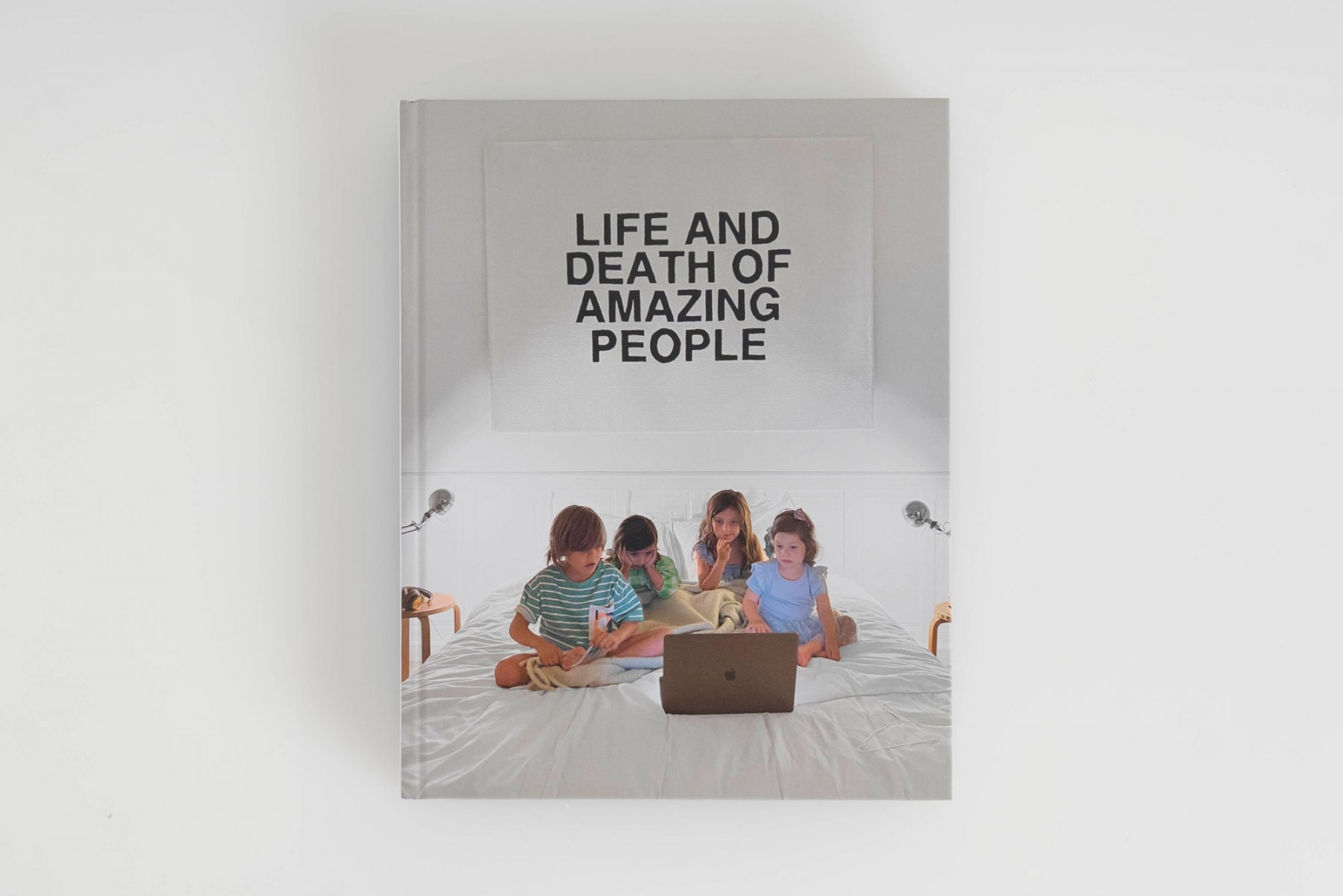
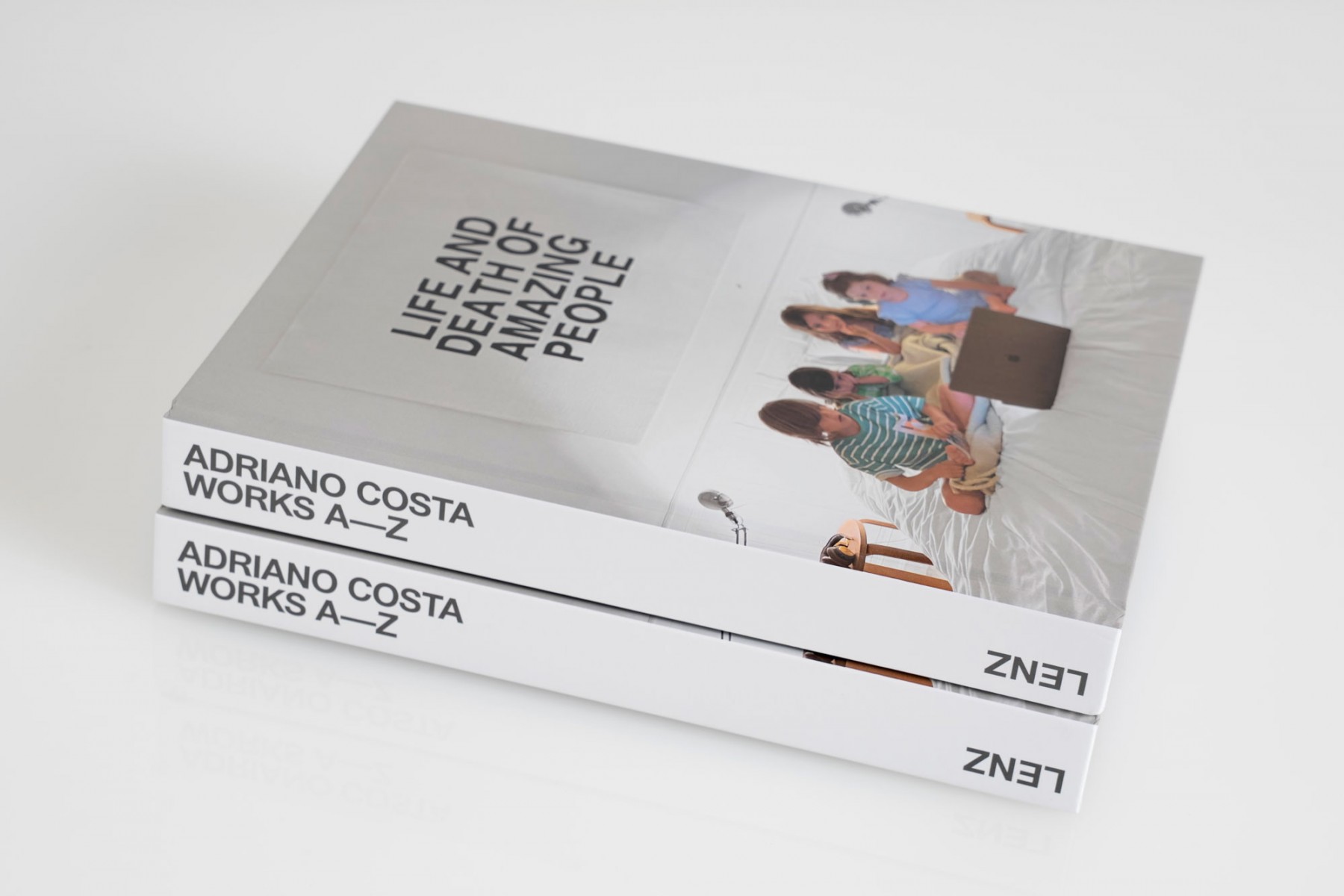
Edited by Adriano Costa with Stefano Cernuschi
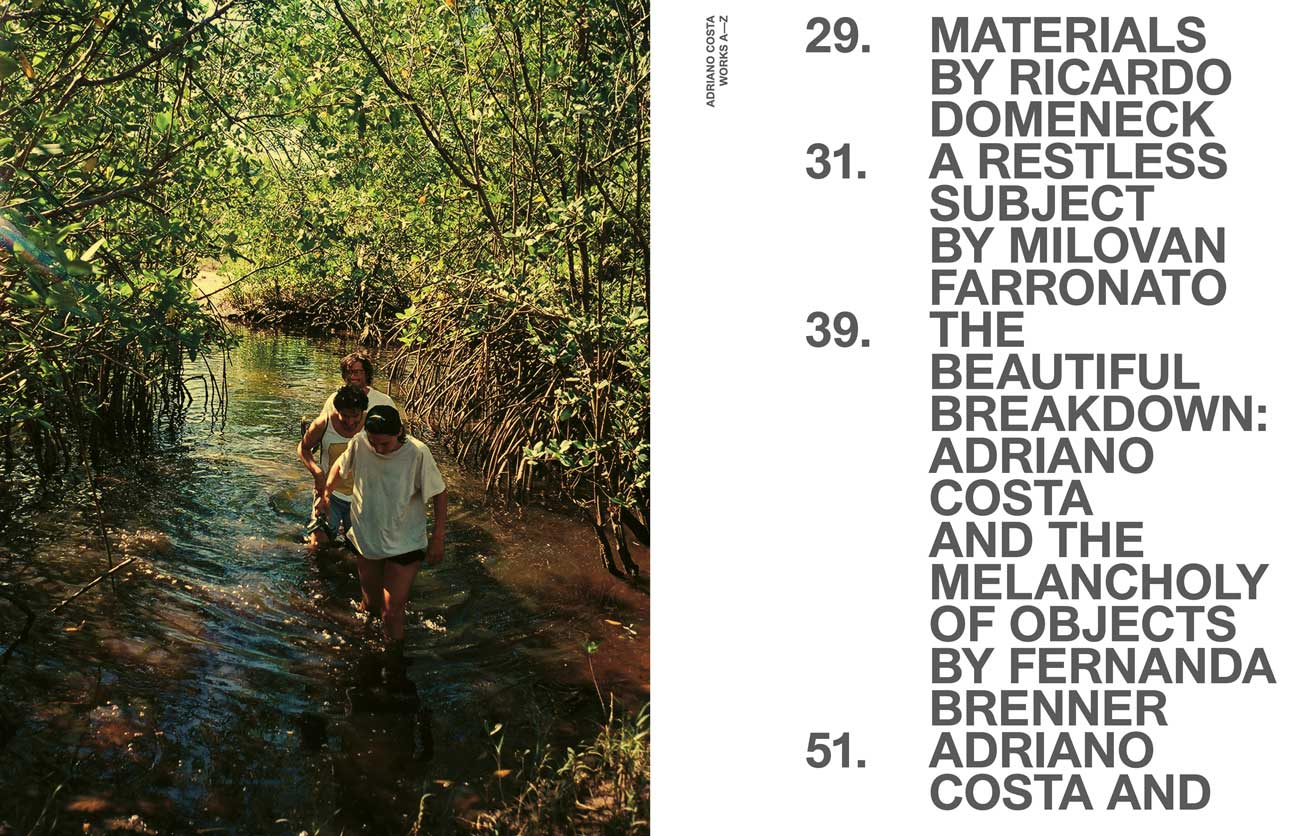
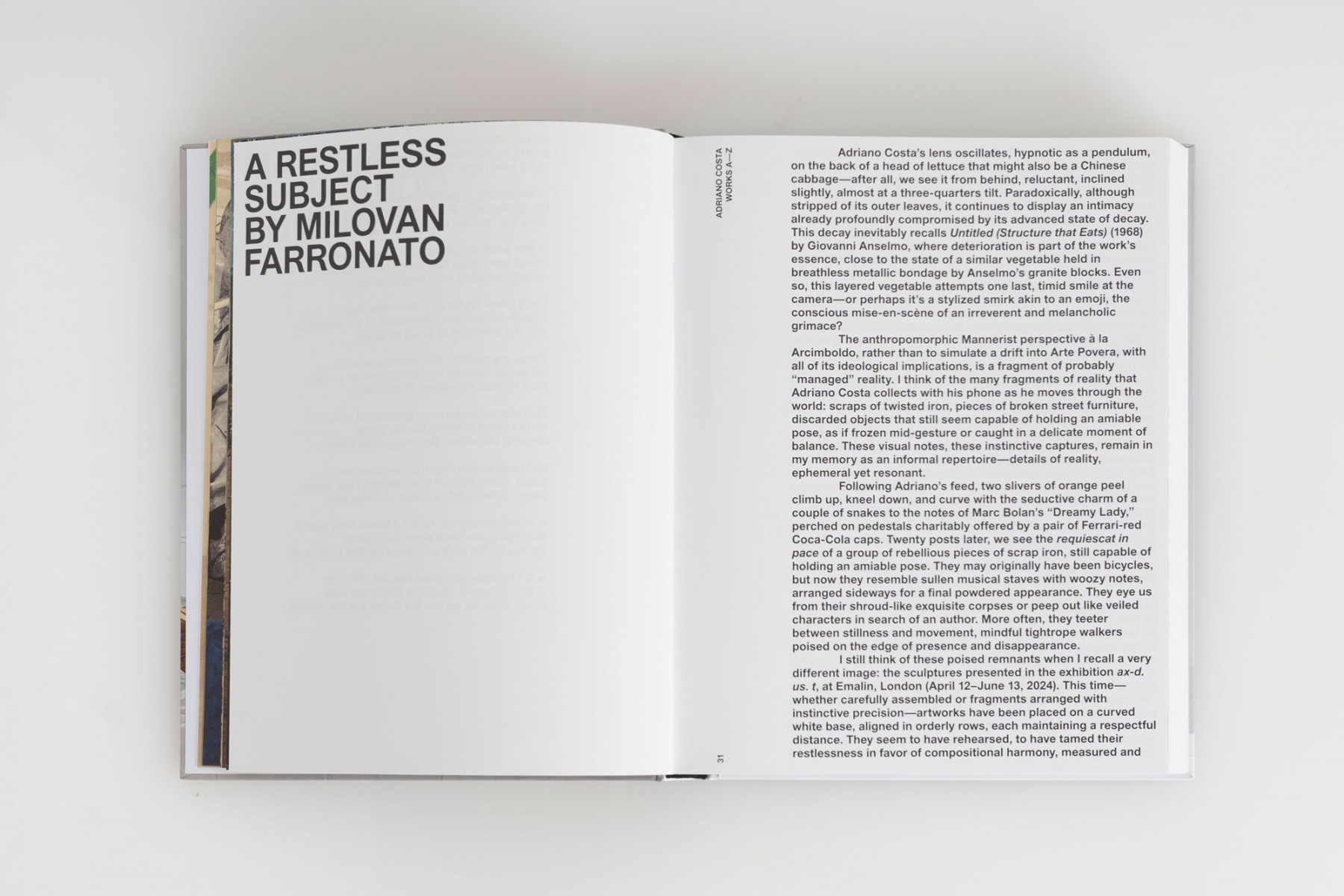
Texts by Fernanda Brenner, Milovan Farronato, Hans Ulrich Obrist and Adriano Costa
Designed by Tommaso Garner
2025, English, hardcover, 27 x 20 cm, 432 pages
ISBN 979-12-80579-78-2
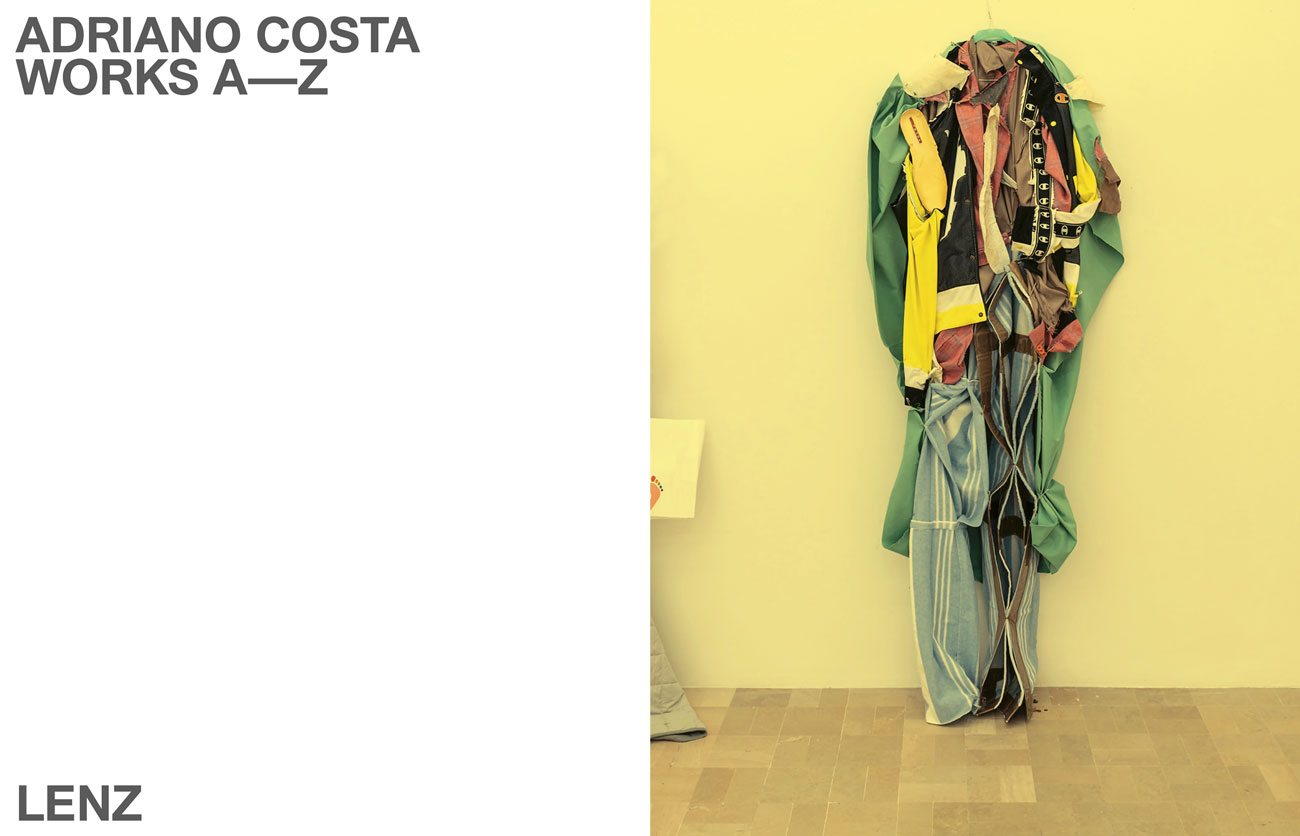
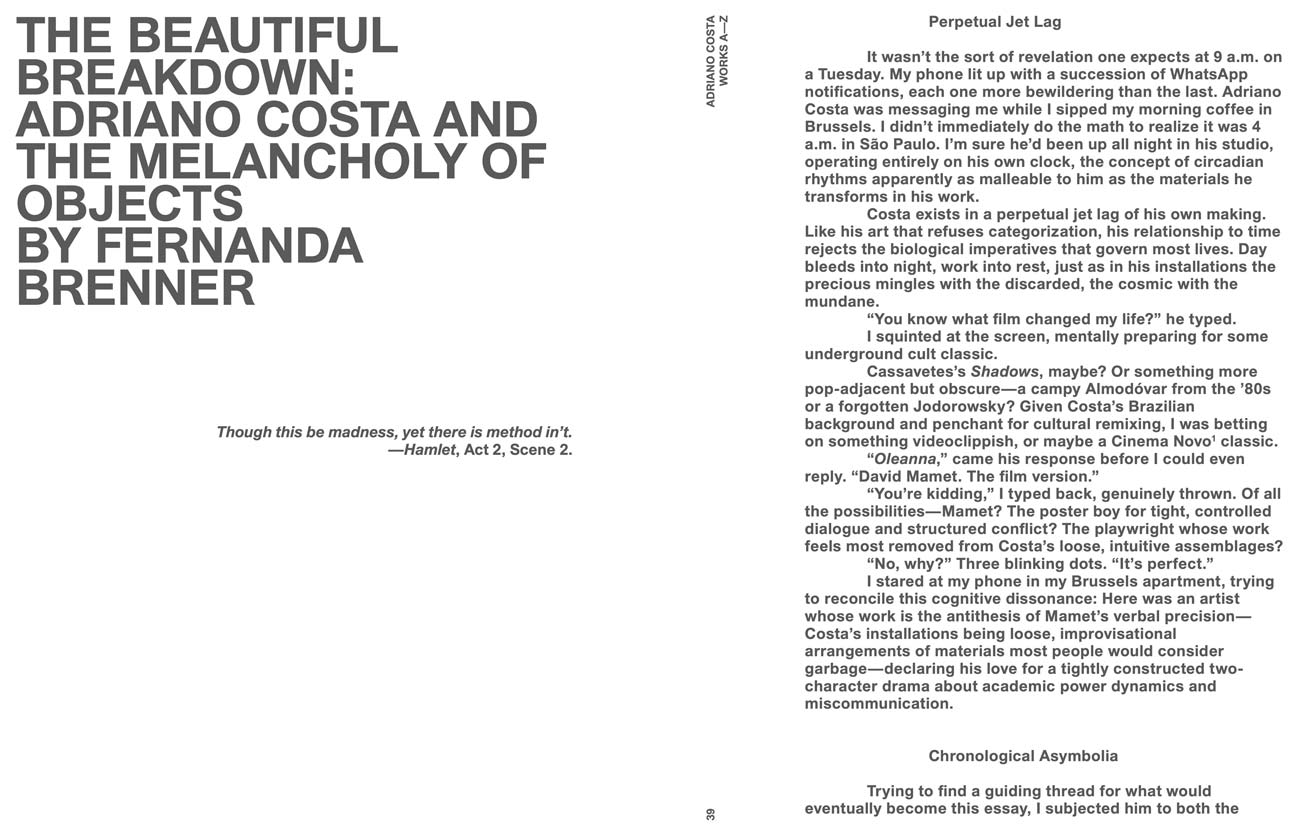
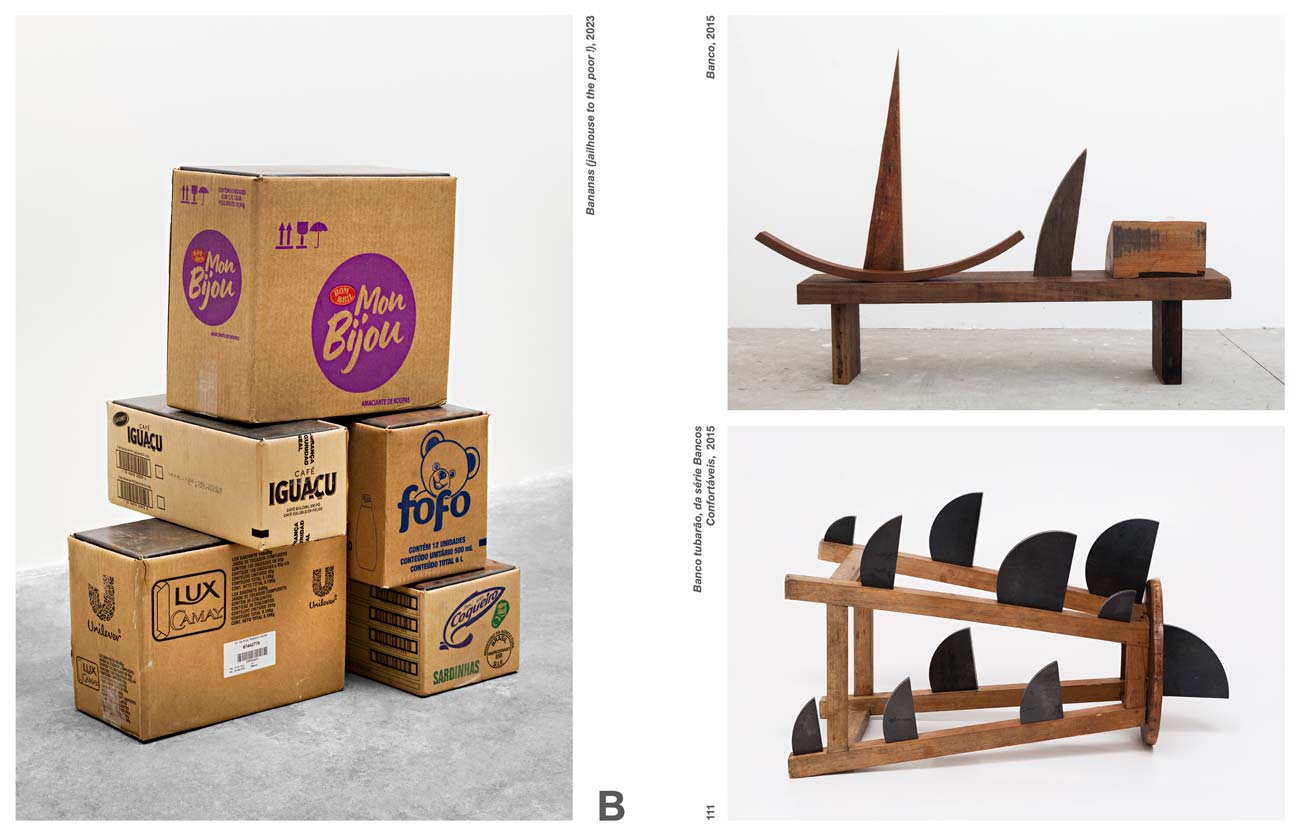
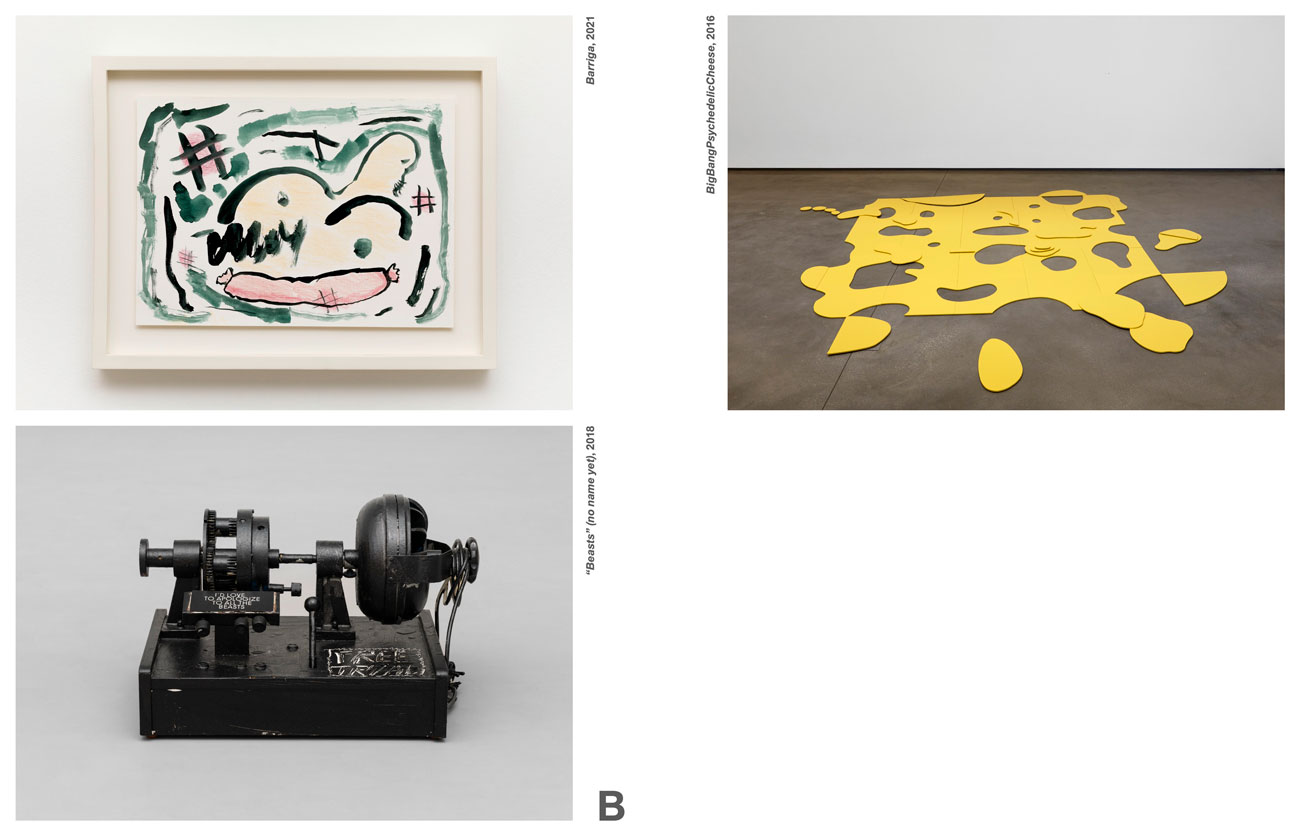
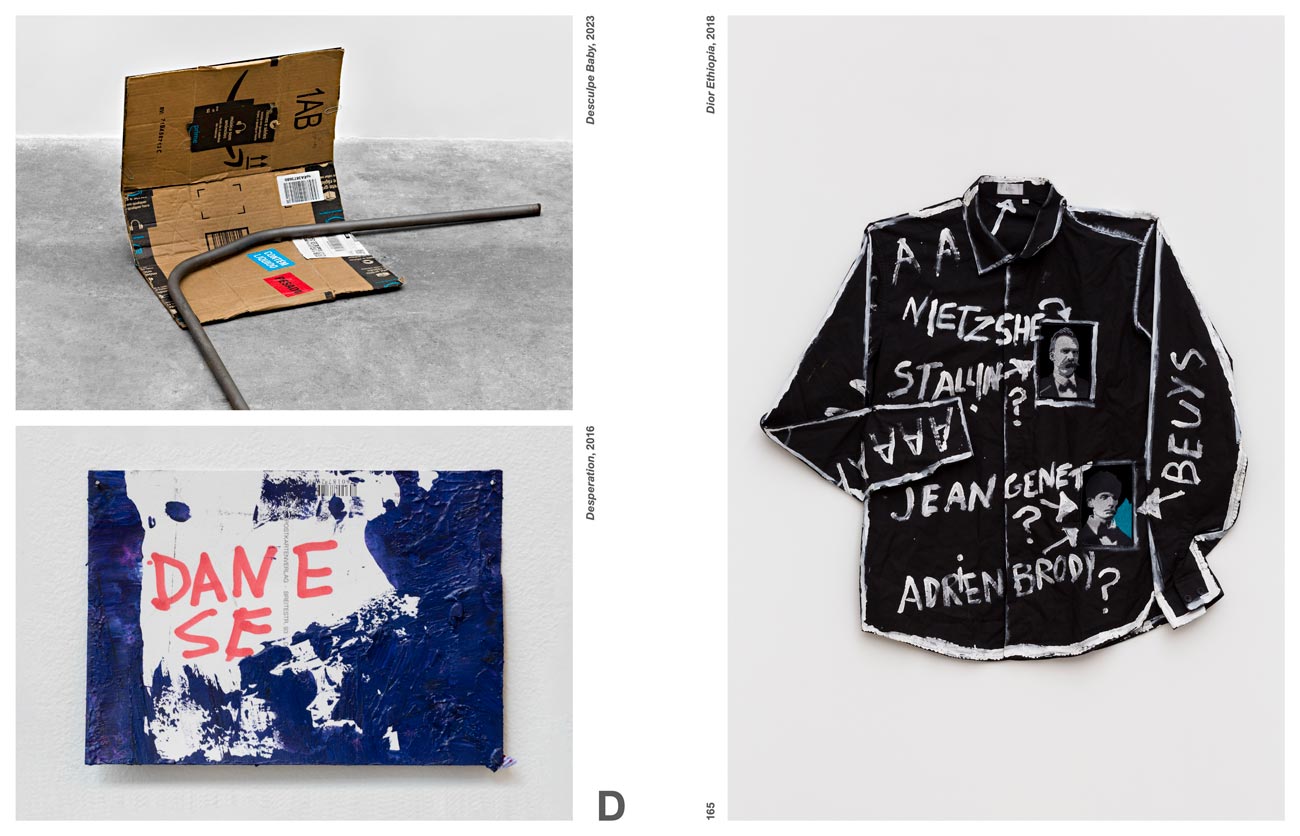
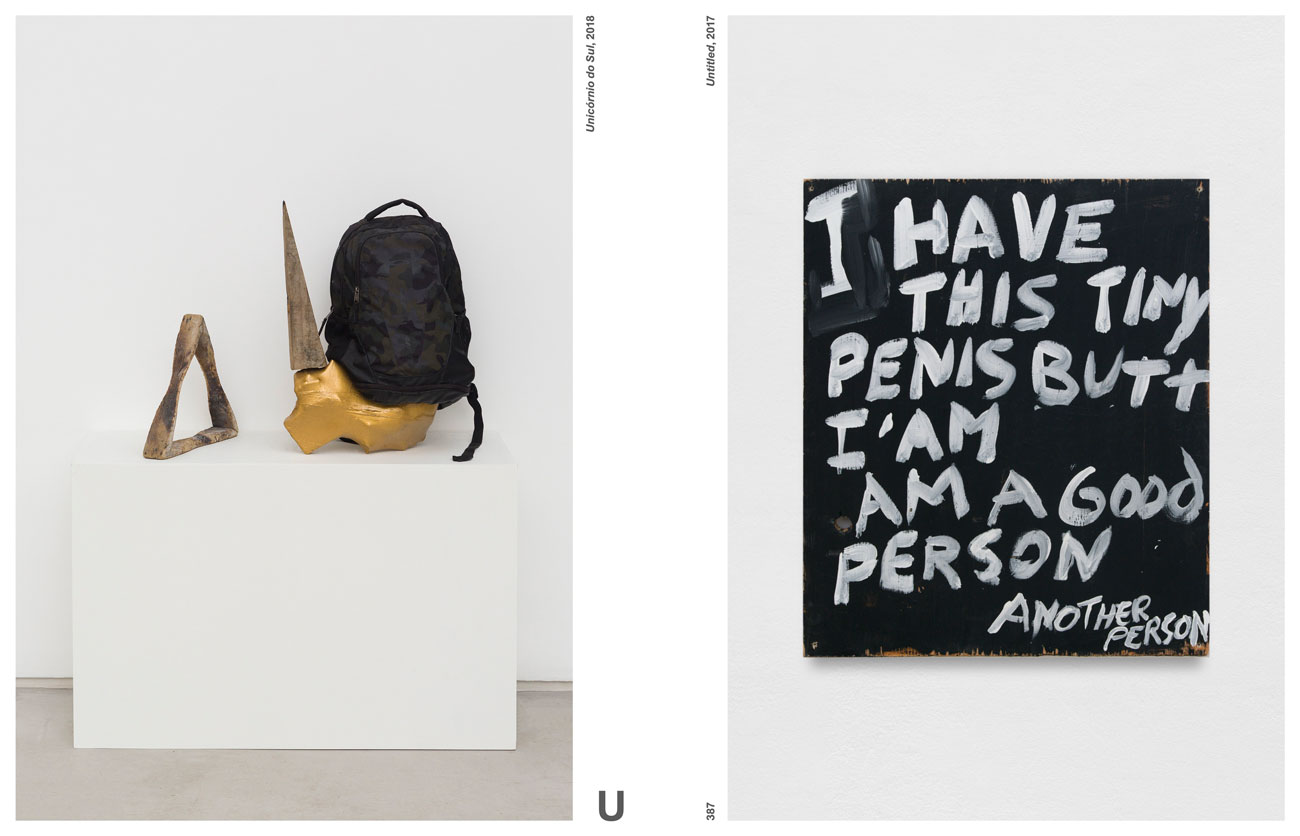
In a practice now spanning three decades, Adriano Costa has embodied a playful yet critical approach to materiality, form, and social context. Working primarily with found and everyday objects, the artist transforms discarded materials—such as fabrics, furniture, metal, and plastic—into sculptural assemblages that question notions of value, taste, and authorship. His process often embraces imperfection, humor, and spontaneity, creating works that appear casual or improvised but carry deep social and cultural resonance. Costa’s art merges the aesthetics of resourcefulness and informality found in urban street life with a conceptual critique of global consumer culture.
Beauty and meaning can emerge from the overlooked or the broken: Costa’s installations and assemblages often evoke a sense of fragility and transience, emphasizing the impermanent and the handmade. Through this, Costa challenges the hierarchies of art production and the fetishization of the “finished” artwork. His use of found materials also reflects broader political and economic realities, particularly in Brazil, where scarcity and creativity often coexist. Ultimately, Adriano Costa’s work is a meditation on transformation—of objects, meanings, and systems of value—inviting viewers to reconsider what is discarded, both materially and socially.
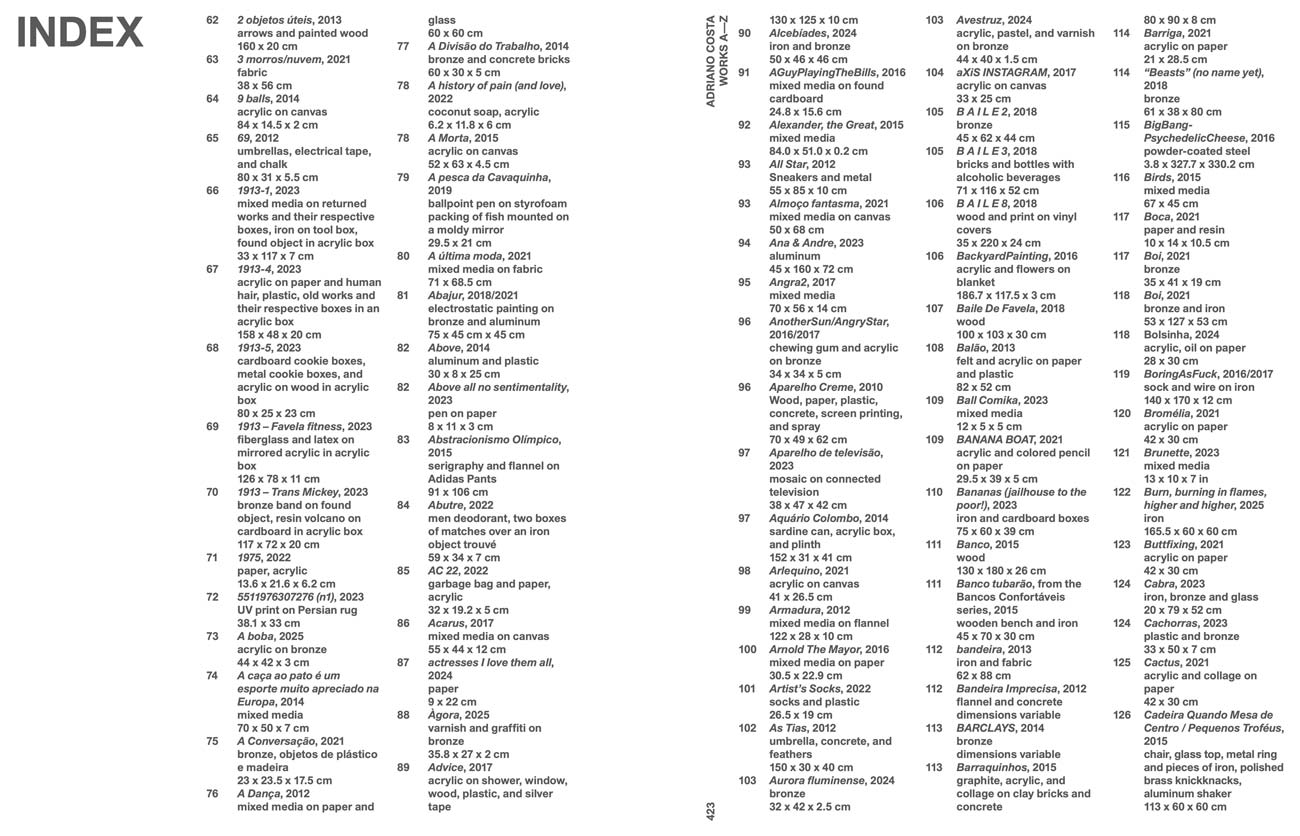
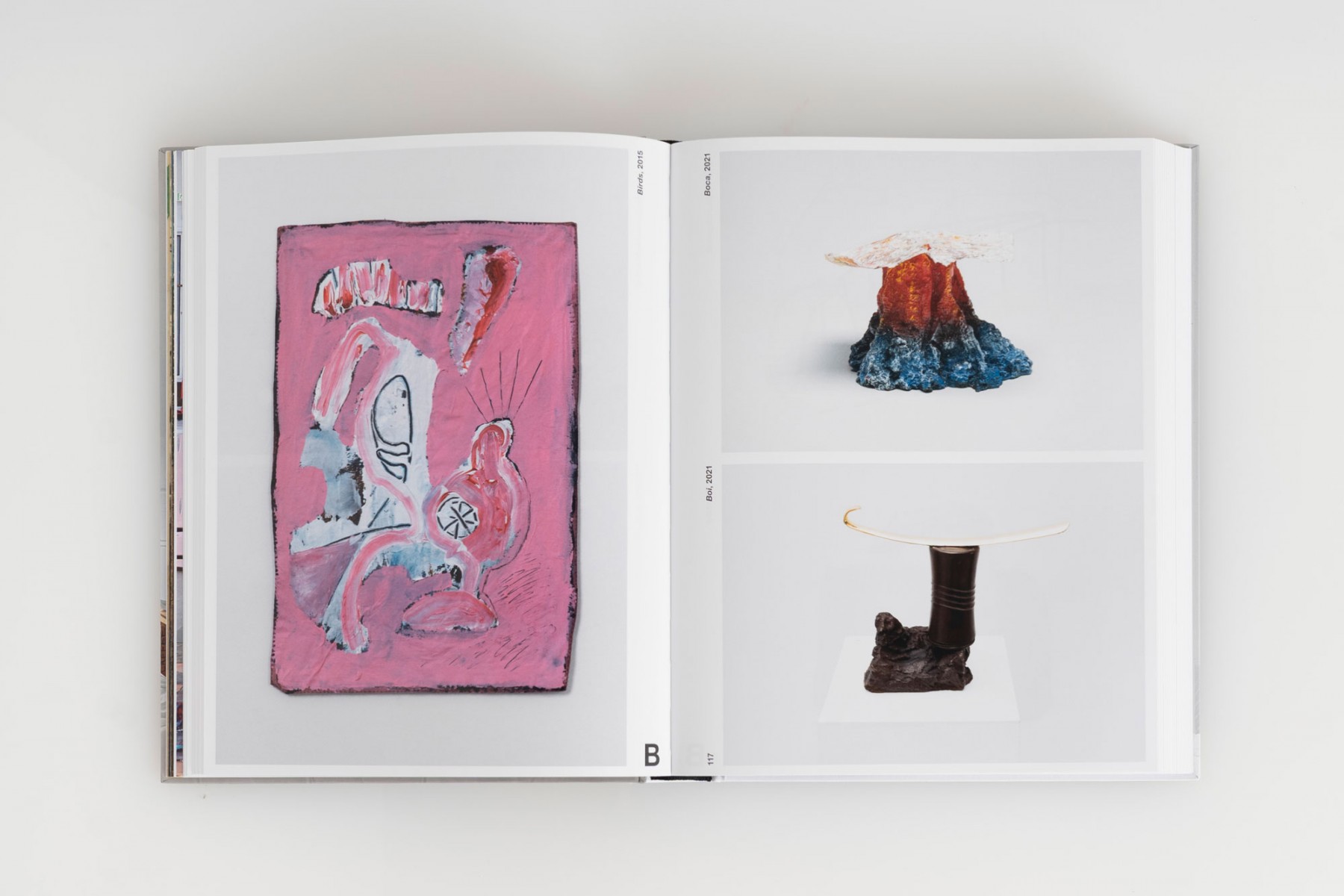
This unprecedented catalogue collects over 300 pieces listed in alphabetical order—titles are a key part of Costa’s works—alongside new writing by Fernanda Brenner and Milovan Farronato, two critics who have long followed and championed the artist’s practice.