This small anthology reviews some of the central themes of Diego Marcon’s research: from the role of the display in exhibitions to his relationship with cinema, from the use of special effects and animatronics to the sense of community established through his work. Glassa accompanies the exhibition of the same name designed by the artist for the spaces of the Centro per l’arte contemporanea Luigi Pecci in Prato.
Strata raccoglie 37 conversazioni con artisti il cui lavoro ha dato un contributo significativo alla scena artistica italiana e internazionale a partire dal 2000. Questo libro è il resoconto personale di una serie di incontri, amicizie e relazioni professionali che Vincenzo de Bellis e Alessandro Rabottini hanno coltivato negli ultimi vent’anni.
Strata compiles 37 conversations with artists whose work has made a significant contribution to the Italian and international art scene since 2000. This book is the personal account of a number of encounters, friendships, and professional relationships that Vincenzo de Bellis and Alessandro Rabottini have nurtured over the past twenty years.
Pardon Façade documents the artistic output of Luca Monterastelli, showcasing almost all of the sculptures and installations that he produced between 2011 and 2022. Across four chapters—corresponding to four solo shows that he staged in Milan, Otegem, Antwerp, and Naples—the publication provides the first overview of the artist’s work.
More than half a century after its premiere, Yvonne Rainer, in collaboration with choreographer and dancer Emily Coates, directed the 2019 revival of her 1965 performance Parts of Some Sextets. This book poses questions about the trajectories of artworks, performers, and audiences, all while tracing the life—and afterlife—of a dance.
How does technology organize life? This book documents and reflects on the exhibition Proof of Stake: Technological Claims at Kunstverein in Hamburg, curated by Simon Denny and Bettina Steinbrügge. It brings together a unique group of artists and scholars who investigate the technological apparatuses and power relations of organized life.
Edited by Lydia Ourahmane and Polly Staple
Texts by Nicoletta Fiorucci, Lydia Ourahmane, Polly Staple
Designed by Lorenzo Mason Studio
2026, English, softcover, 16.5 × 24 cm, 384 pages
ISBN 979-12-80579-98-0
This book accompanies 5 Works, Lydia Ourahmane’s first institutional solo show in Italy, staged at the Nicoletta Fiorucci Foundation in Venice and curated by Polly Staple, during the 61st Venice Biennale. As Ourahmane’s first publication, the book sets a template for her future editorial projects. Central to this design is the custom typeface “LL,” created by the artist with graphic designer Lorenzo Mason. Ourahmane’s new commission, 5 Works, followed her residency at the Foundation, which saw her living and working in Venice from January to May 2026.
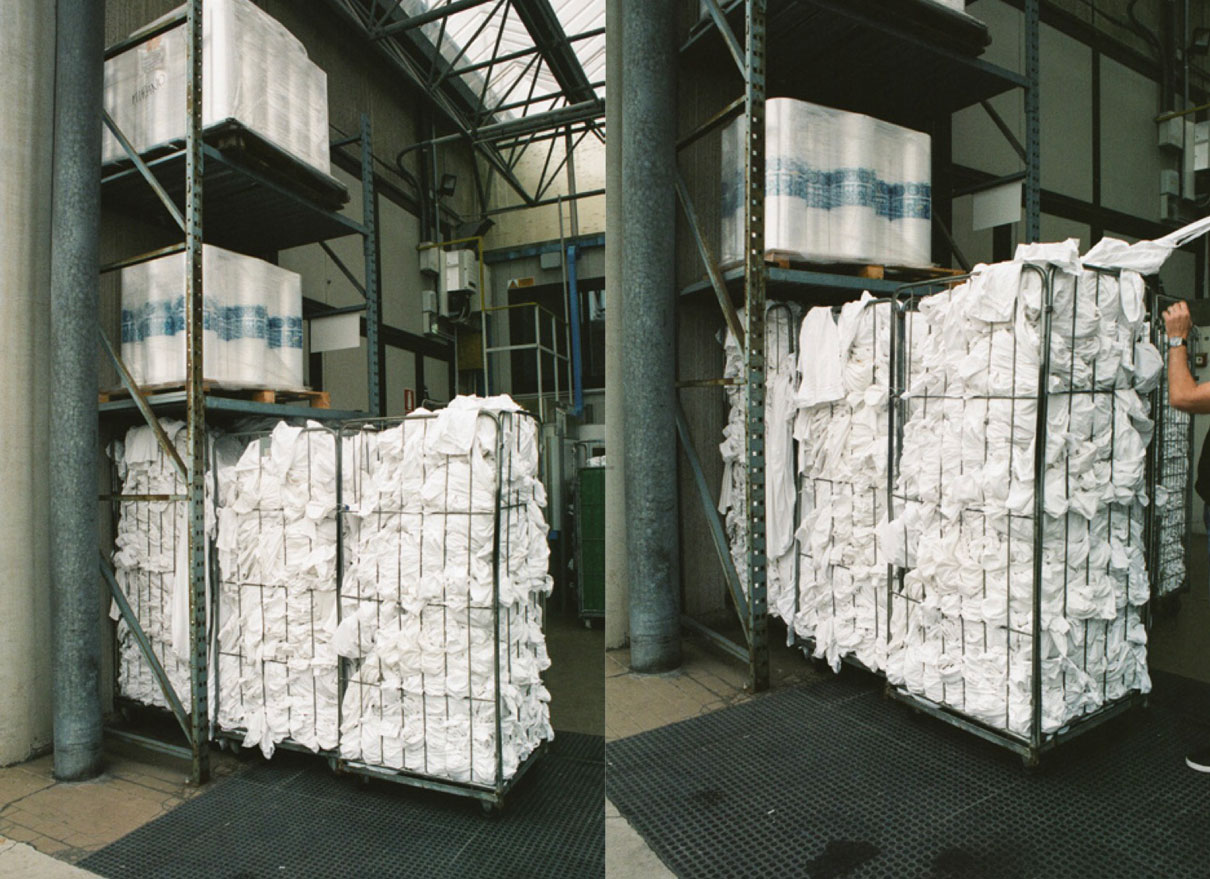
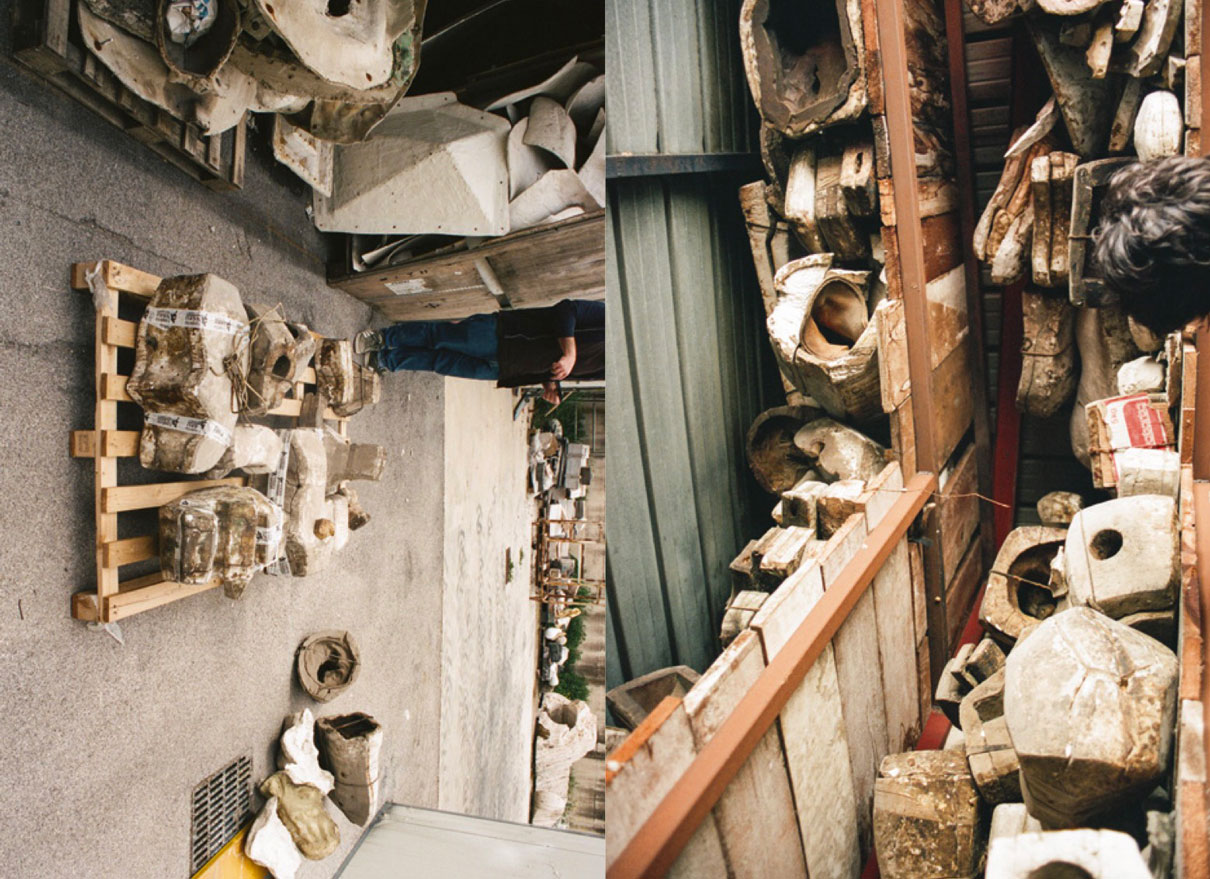
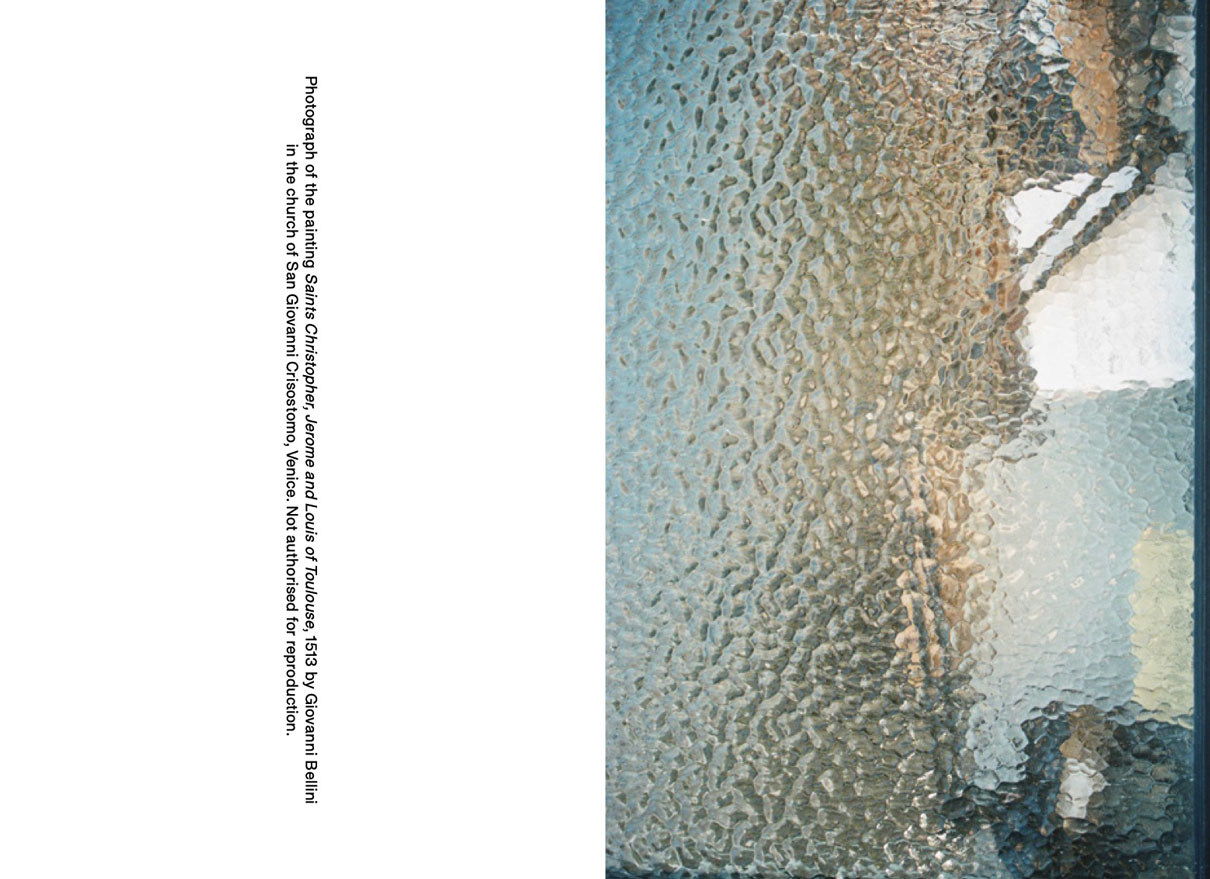
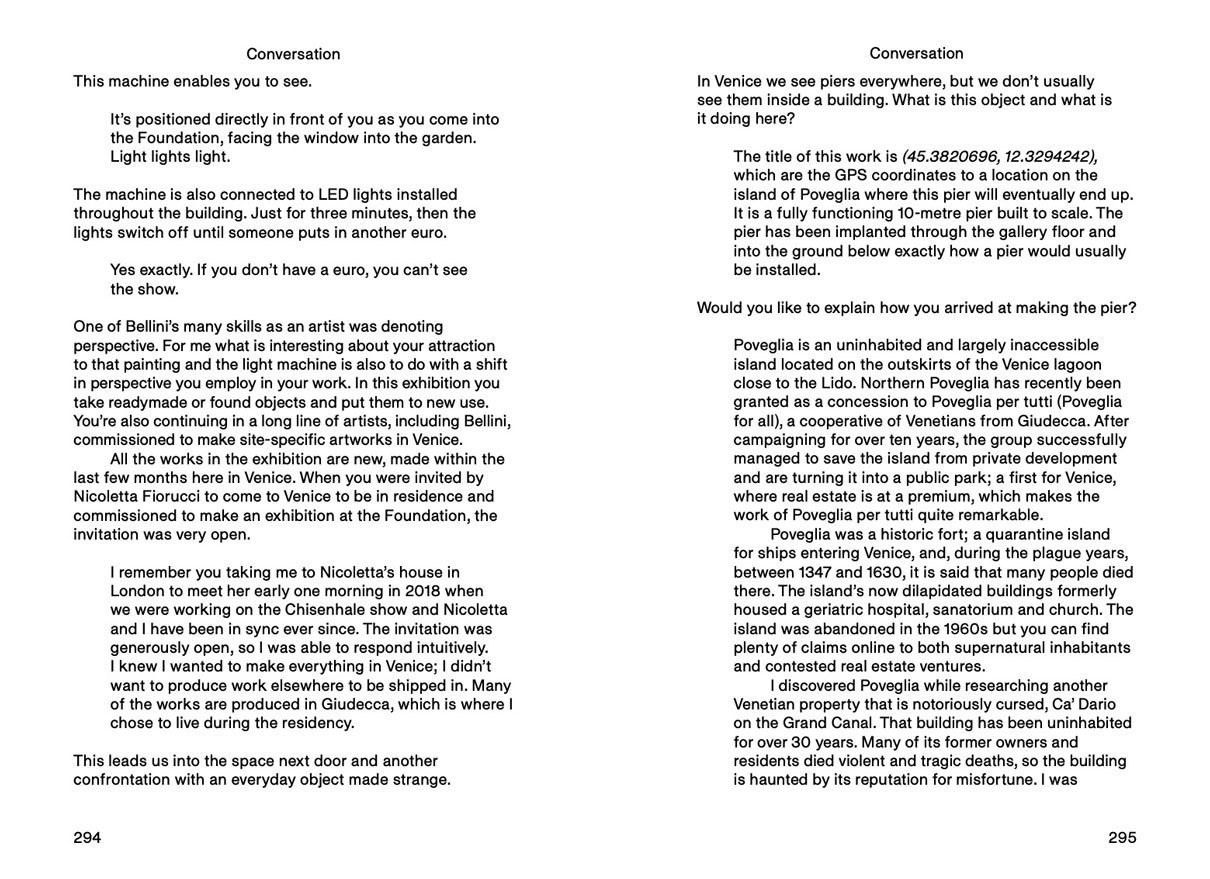
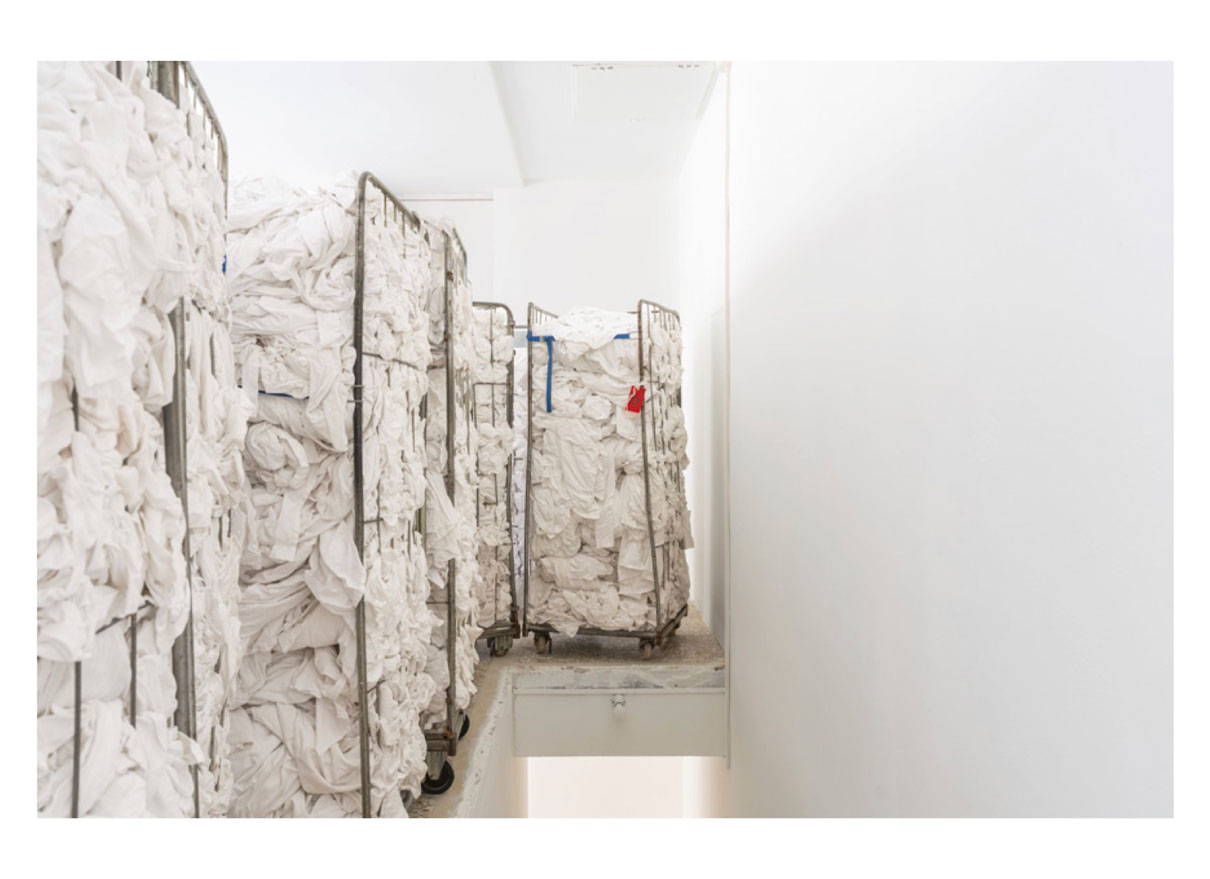
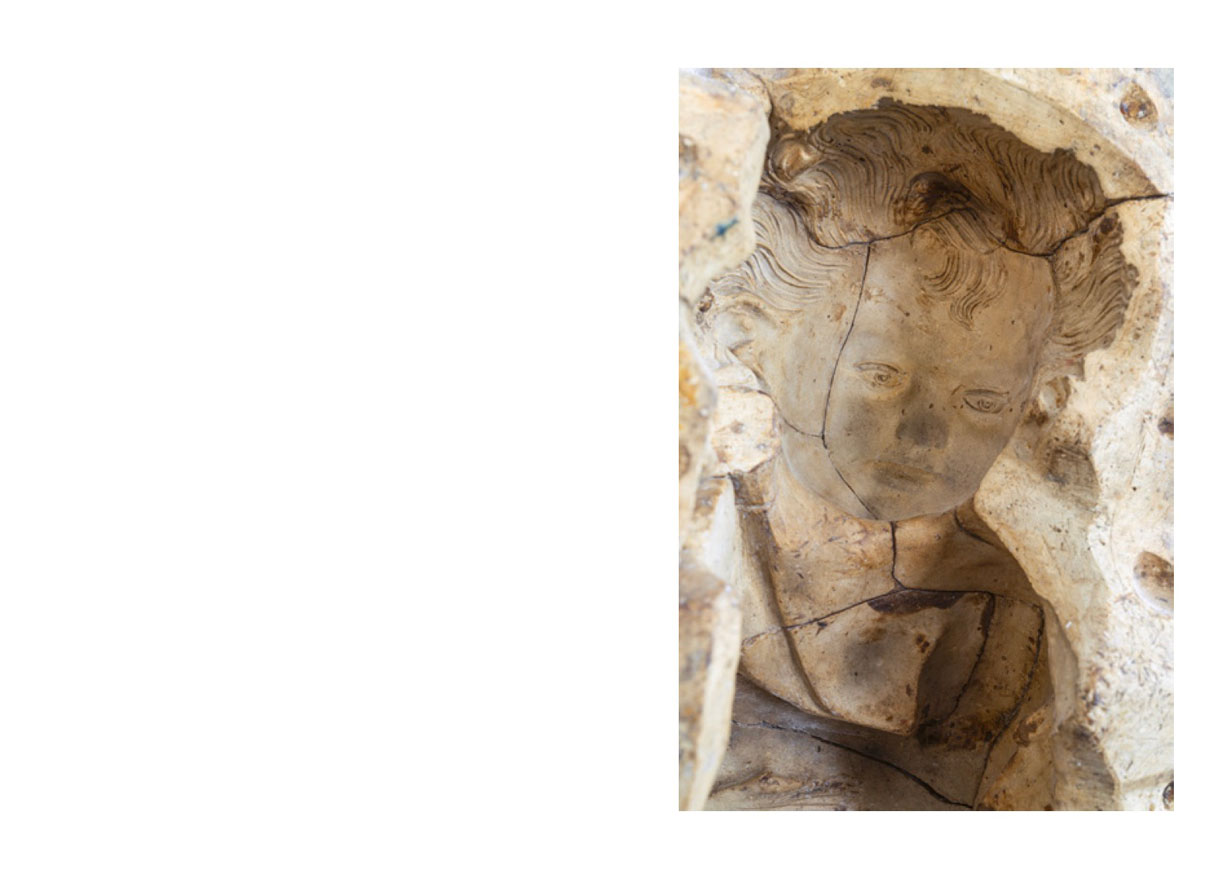
One of the show’s prerequisites was that many of the artworks should be created in Venice. Ourahmane thus worked with Venetian craftspeople and technicians but also with organisations in the city and the surrounding Veneto region. 5 Works combines a wide range of visceral media—antique sculpture moulds, church lighting and decommissioned bed linen among them—with traditional conceptual gestures such as the recontextualization of found objects and the presentation of documentary processes. Several works in the exhibition are the direct result of negotiations, transactions and exchanges specific to historic sites and activist associations in Venice: the church of San Giovanni Crisostomo, Poveglia per tutti, Banco Lotto No. 10: Il Cerchio, Lavanderia LSG and TOCIA! Cucina e Comunità.
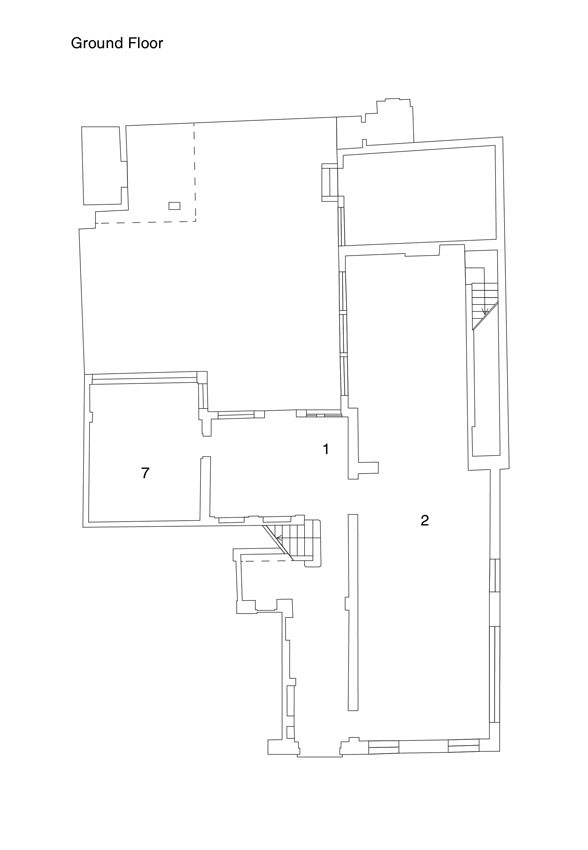
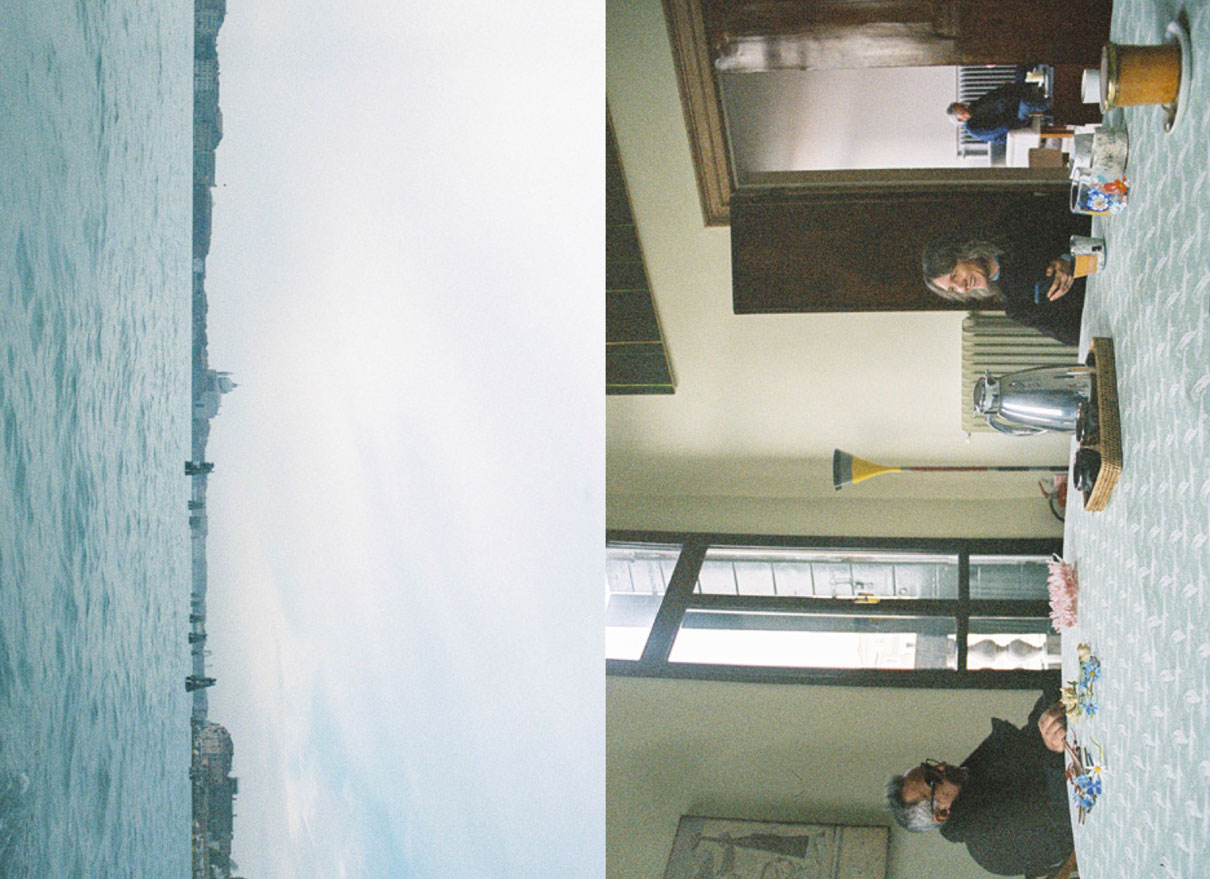
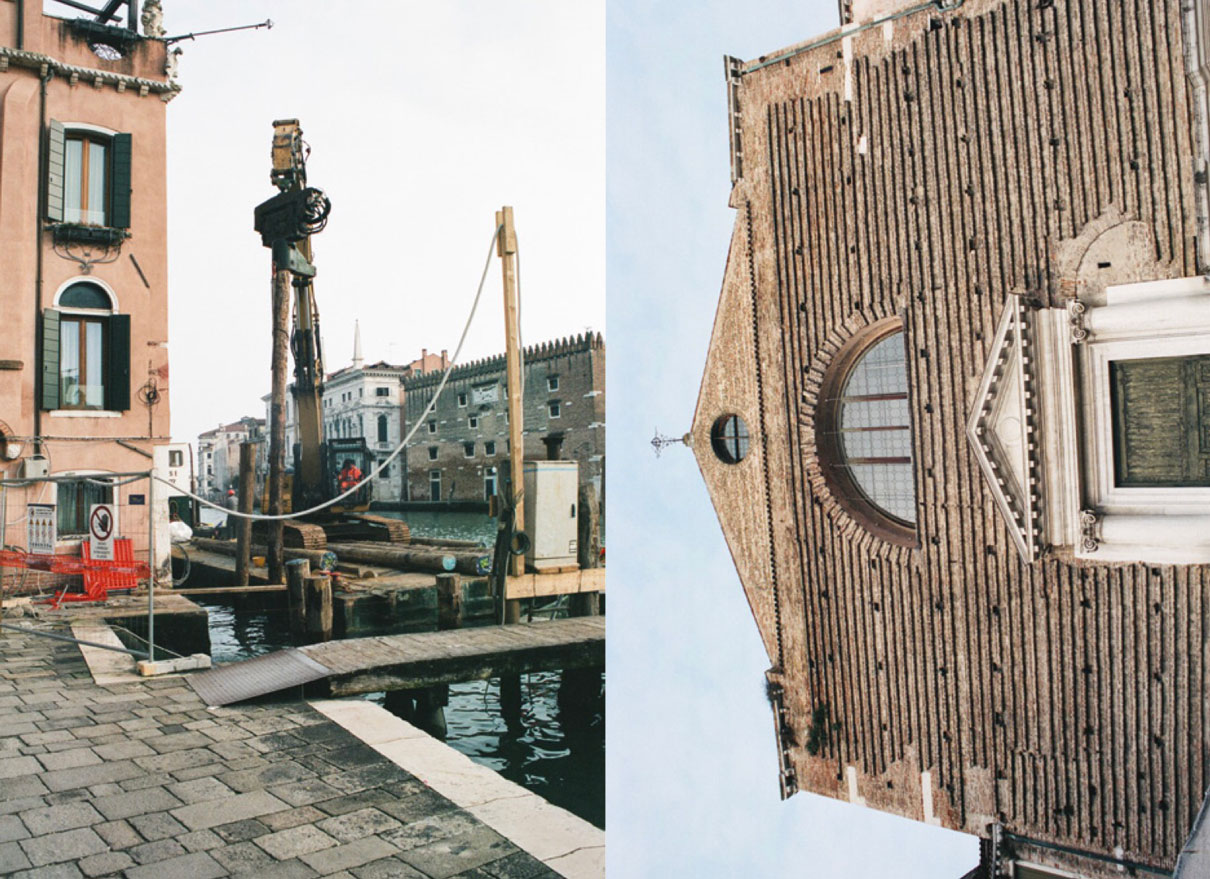
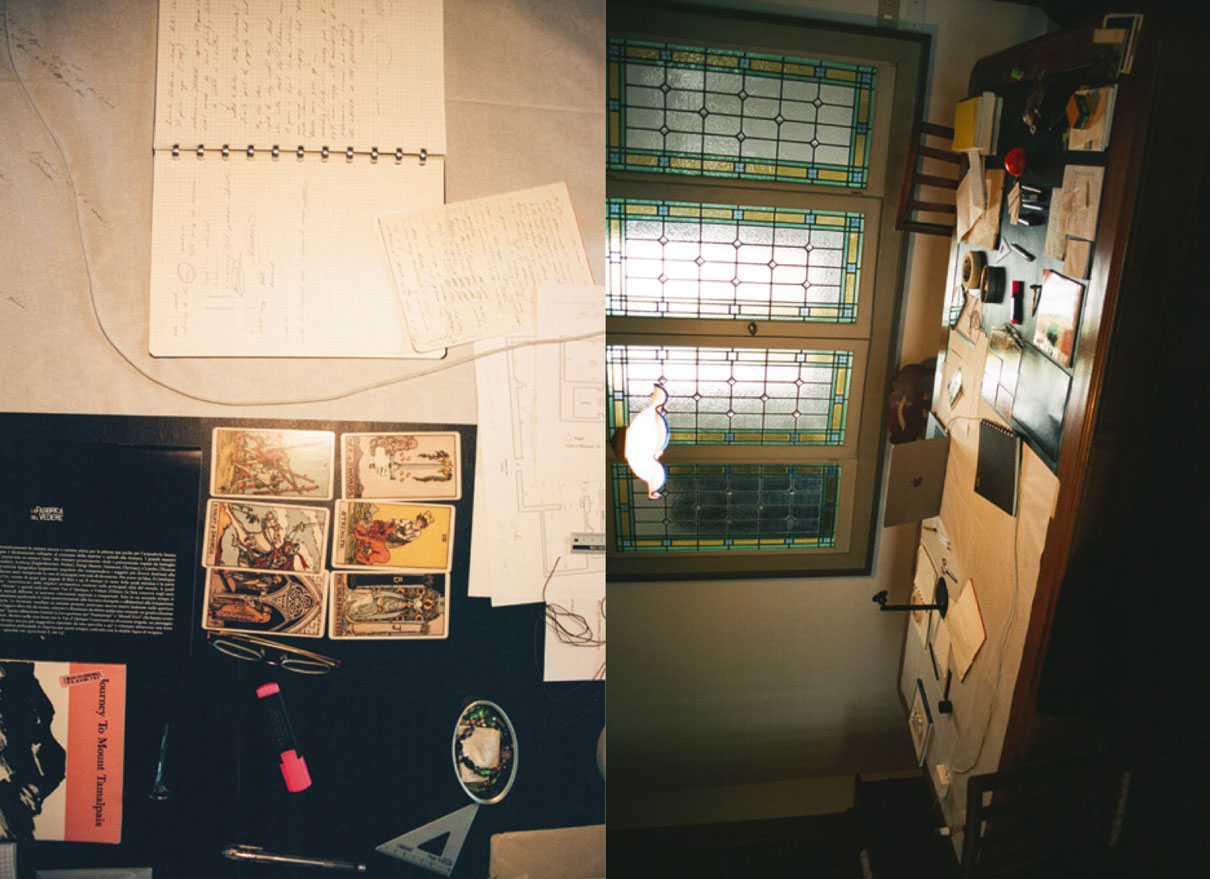
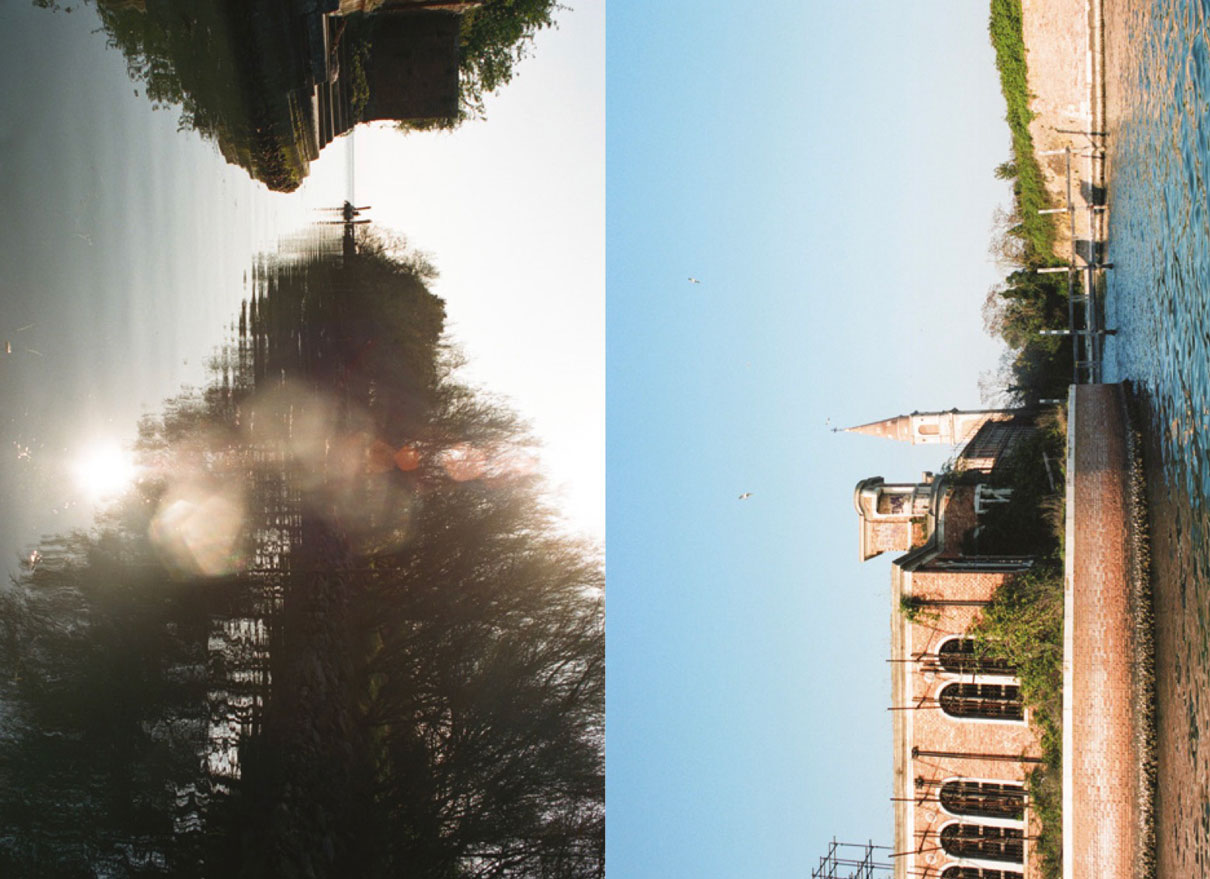
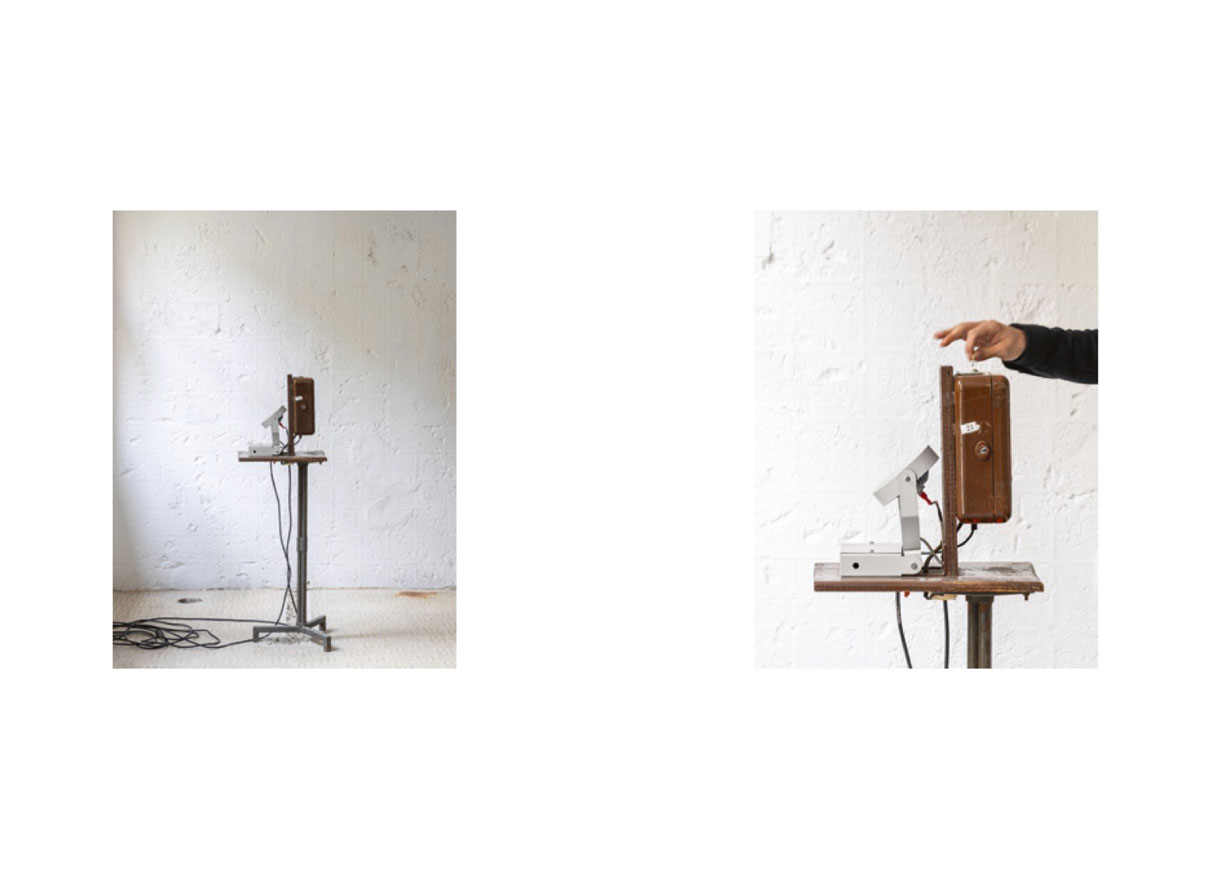
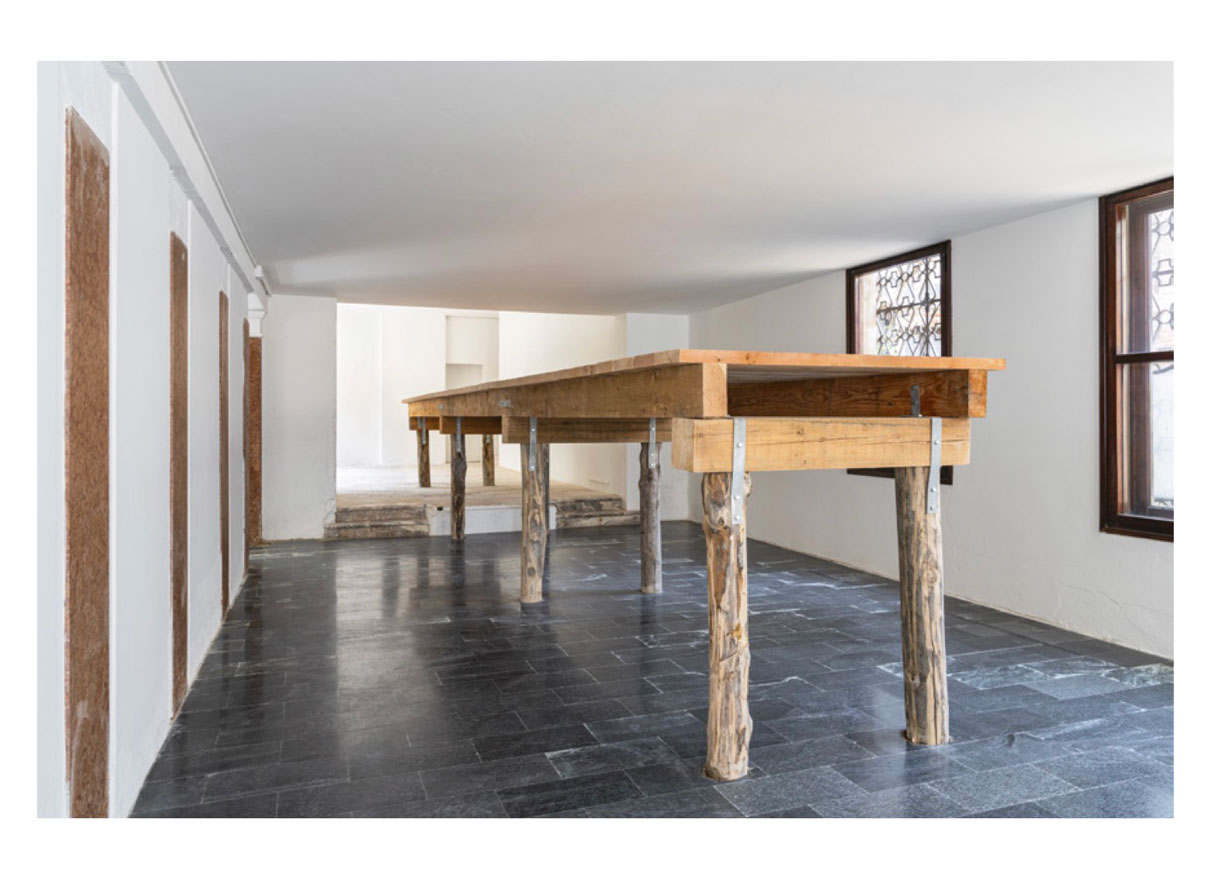
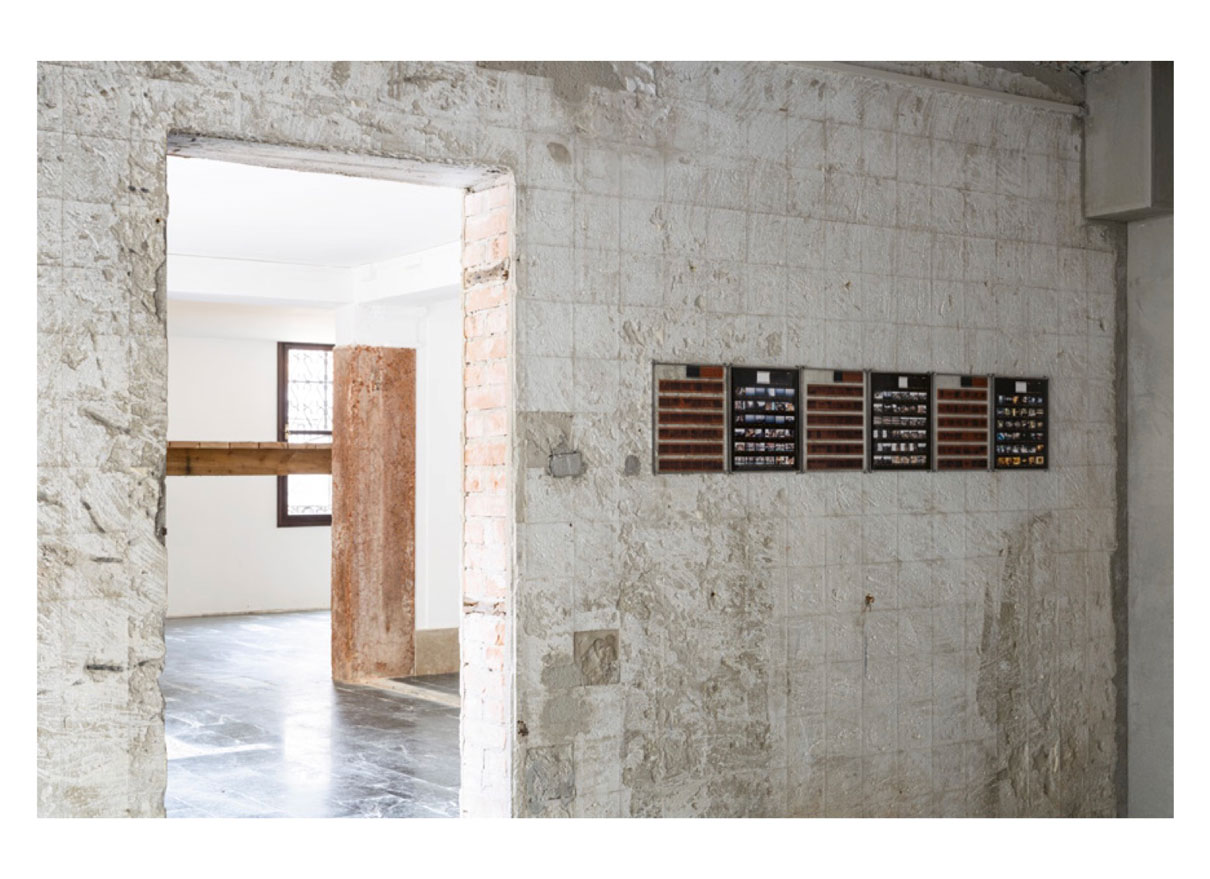
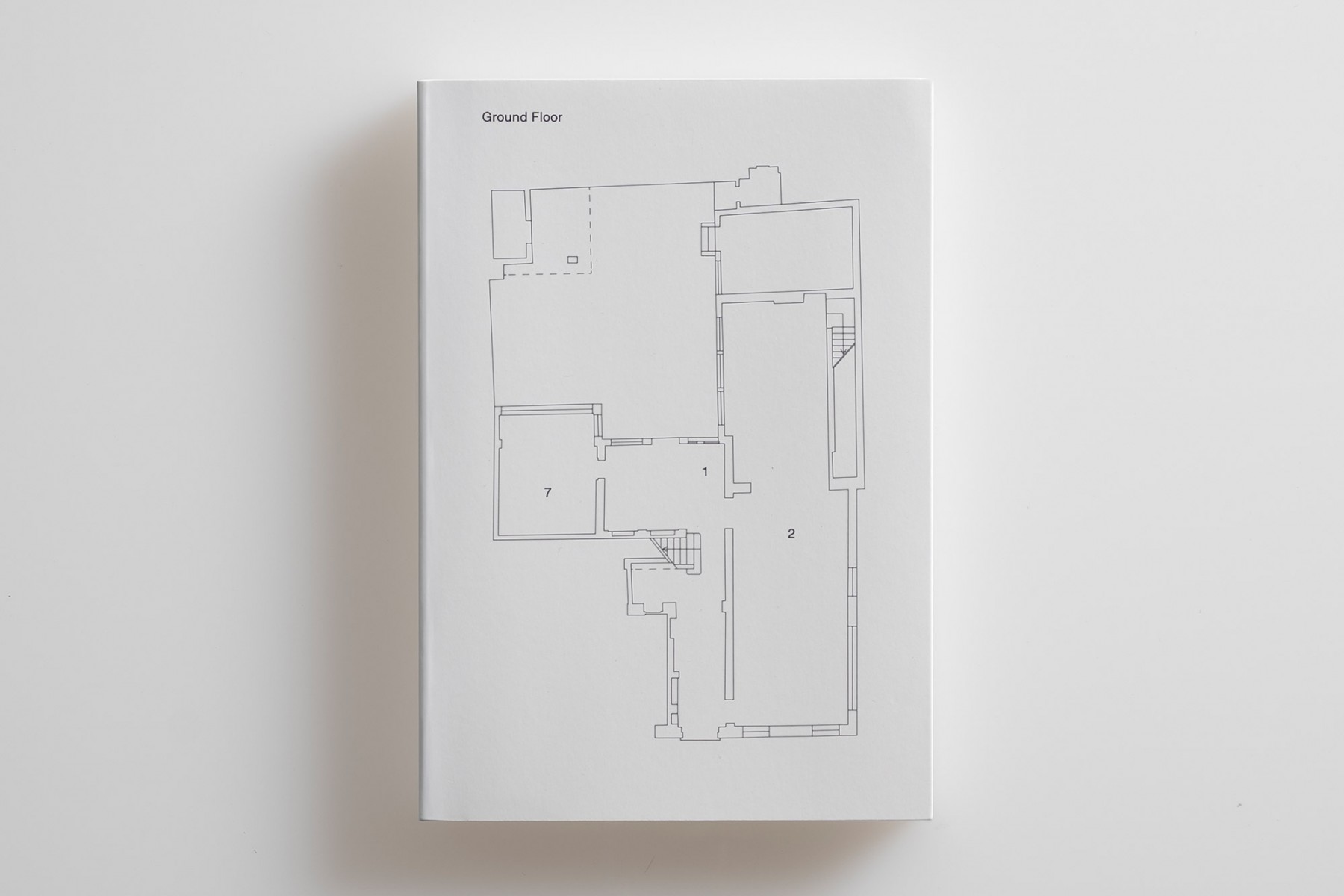
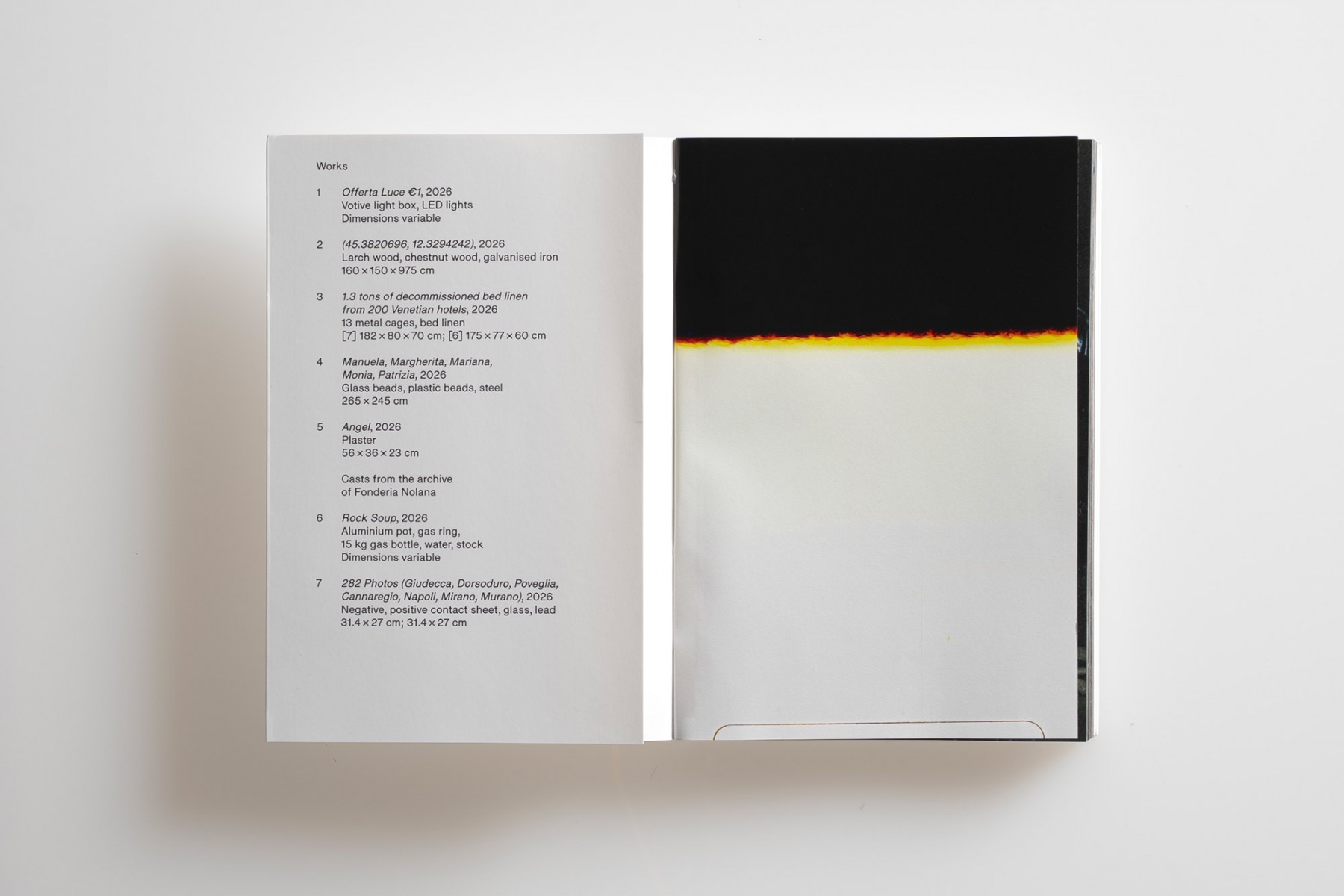
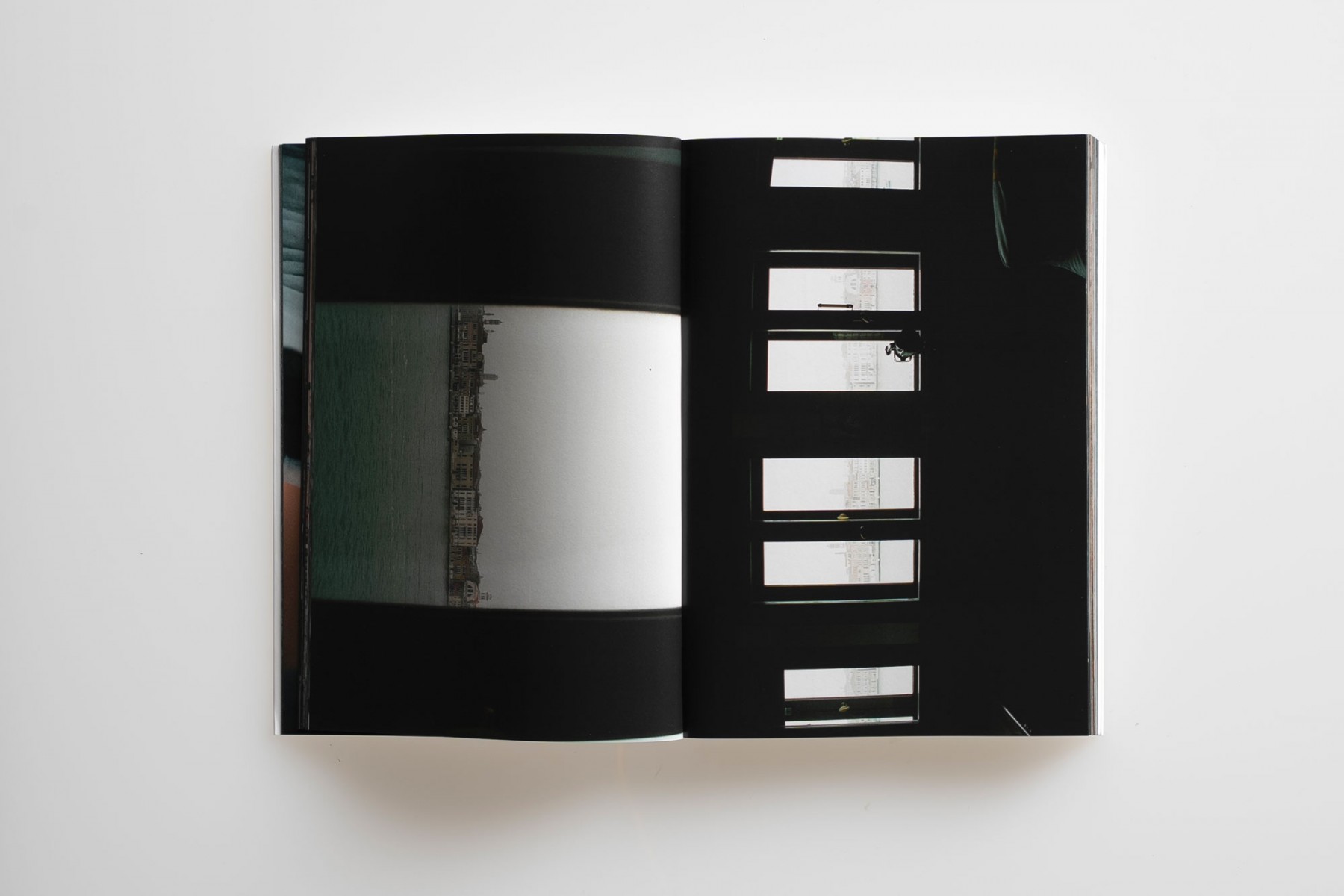
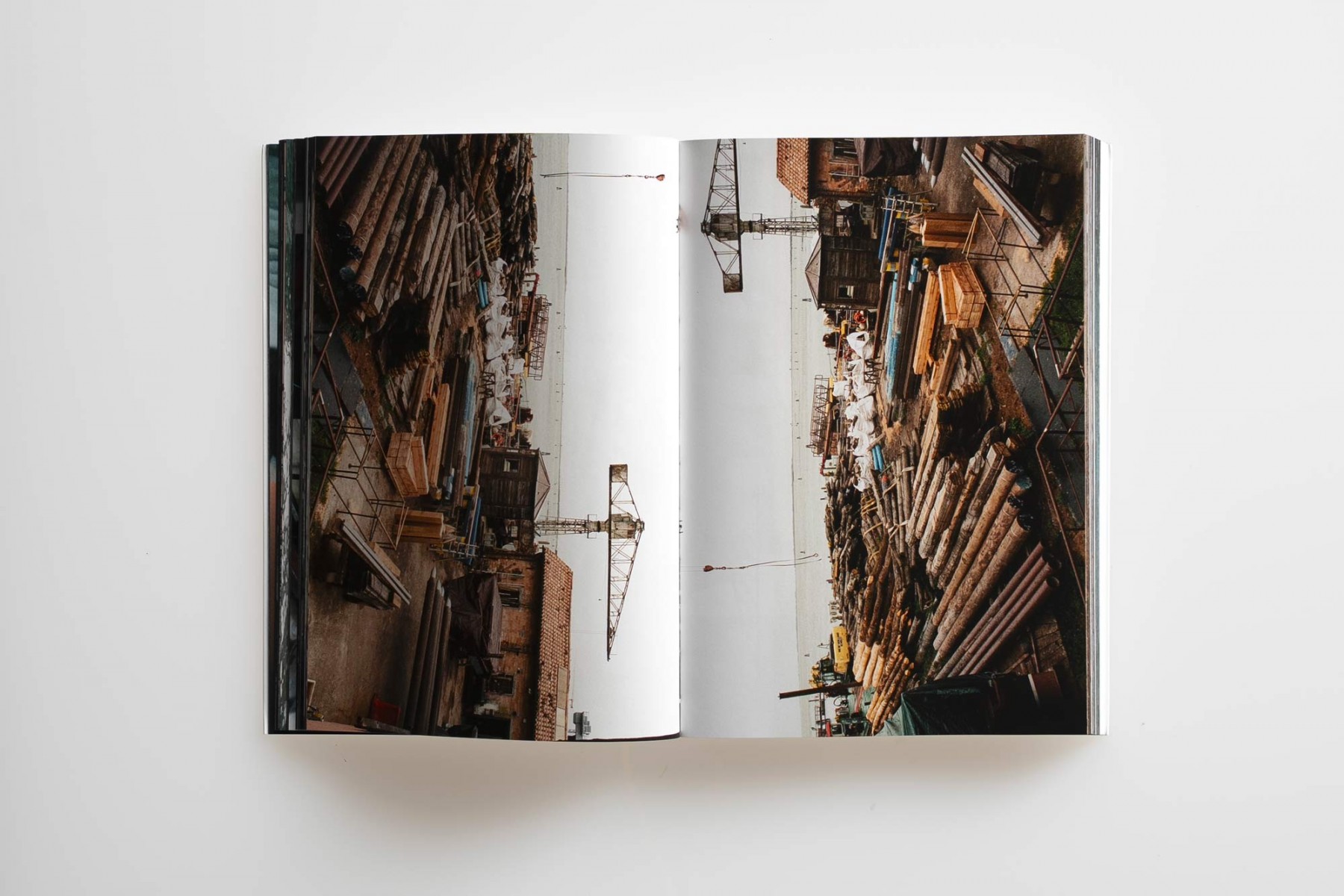
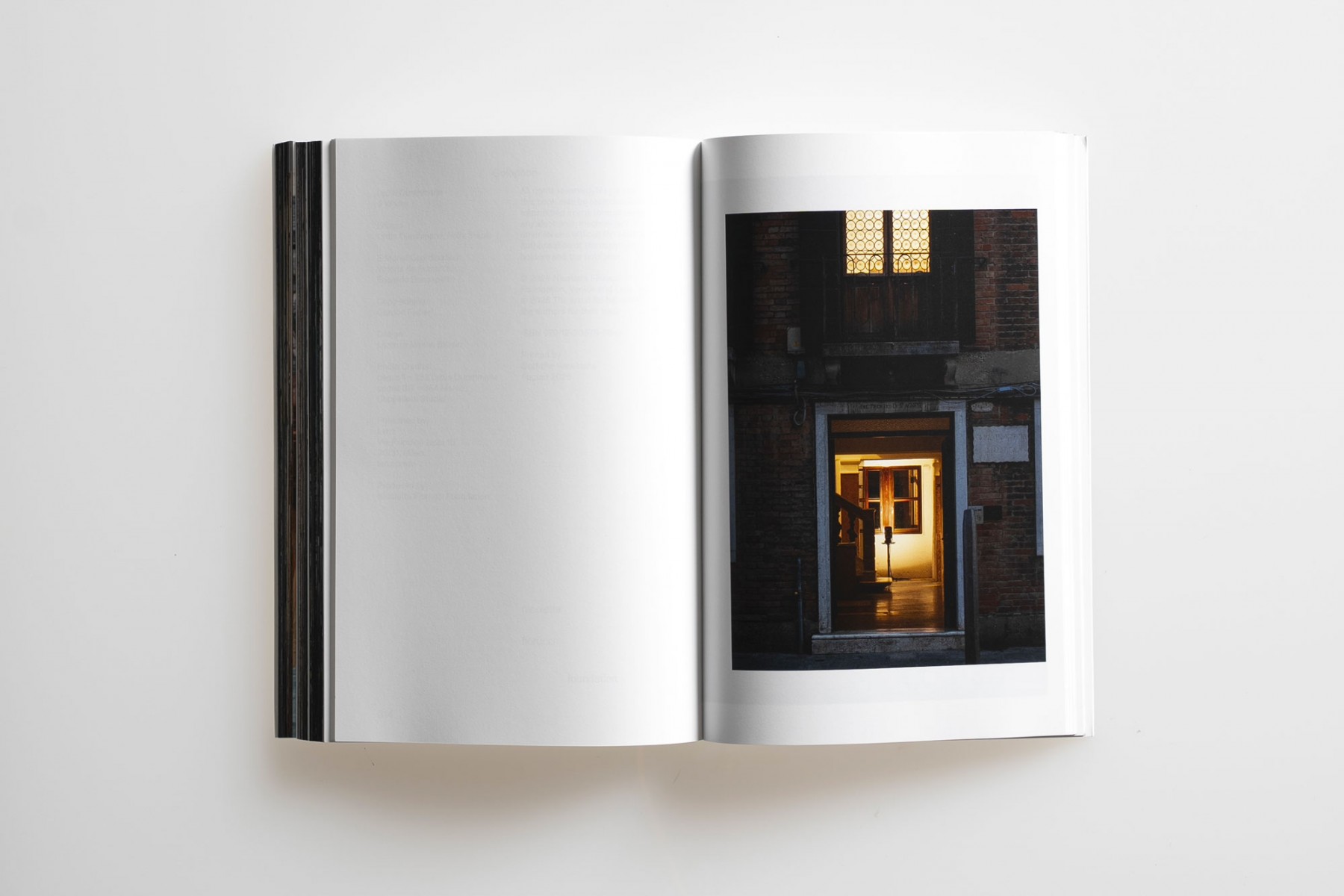
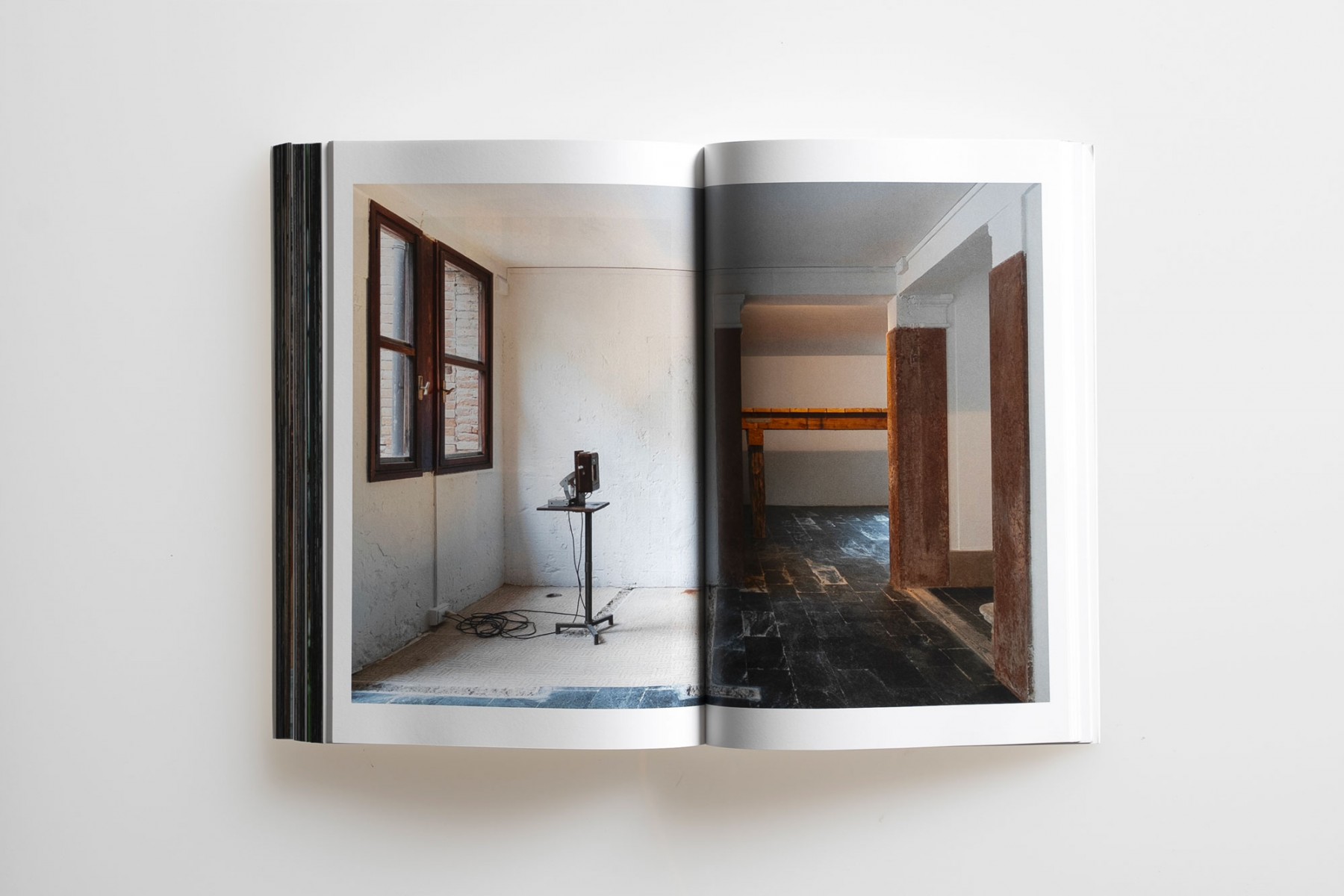
The publication encompasses the following elements: 282 photographs that Ourahmane shot during her residency in Venice while preparing 5 Works; an introduction to Ourahmane’s work and to the exhibition, written by Staple; a conversation between Ourahmane and Staple, structured as a walking tour of the exhibition; installation views, by photographer Marco Cappelletti, sequenced in the order visitors encountered the works; the floor plan of the exhibition—appearing on the book’s cover—complete with the list of works; and an endnote by Nicoletta Fiorucci.