This artist’s first monograph brings together sketches, documentation and installation shots, as well as an in-depth analysis of her practice. It highlights her process of making art, from the conception of an idea to the finished work, and from the deconstruction and re-assembling of her characters’ identities to the relentless creation of new worlds.
Published on the occasion of the first exhibition in Italy by Jenna Gribbon, staged at the Collezione Maramotti, Mirages showcases a wealth of images that highlight the fluid, sensual output of this artist who, in repeatedly portraying her wife, the musician Mackenzie Scott (aka TORRES), explores the implications inherent in seeing and being seen.
The catalogue of this ambitious project, held at the Centre d’Art Contemporain Genève in 2017, reflects on the centrality of writing in contemporary visual art practices. Documenting its slippages from printed matters to the digital realm, from voice modulations to its sculptural presence, this book celebrates the word in all its forms.
A book emerged from the need to try to tell the story of architecture in a way quite unlike how it’s usually told, in a continuous dialogue between the anthropological gaze of Armin Linke’s photos compared with the ideation process of two public works by the Carlana Mezzalira Pentimalli architecture office.
The book documents and brings together two exhibition projects by Nina Canell and Maria Hassabi. Essays, unpublished materials and a rich set of photographic materials form the driving force behind two visual narratives that offer new keys to understanding the research of the two artists.
Can art, literature, filmmaking, and music draw out, make visible, legible, audible, or even contestable the patterns in which our lives are held? Considering the work by Stan Douglas, Harun Farocki, Ingri Fiksdal, Åke Hodell, Stefan Panhans & Andrea Winkler, Susan Philipsz, and Elizabeth Price, this publication entertains this question.
Edited by Lydia Ourahmane and Polly Staple
Texts by Nicoletta Fiorucci, Lydia Ourahmane, Polly Staple
Designed by Lorenzo Mason Studio
2026, English, softcover, 16.5 × 24 cm, 384 pages
ISBN 979-12-80579-98-0
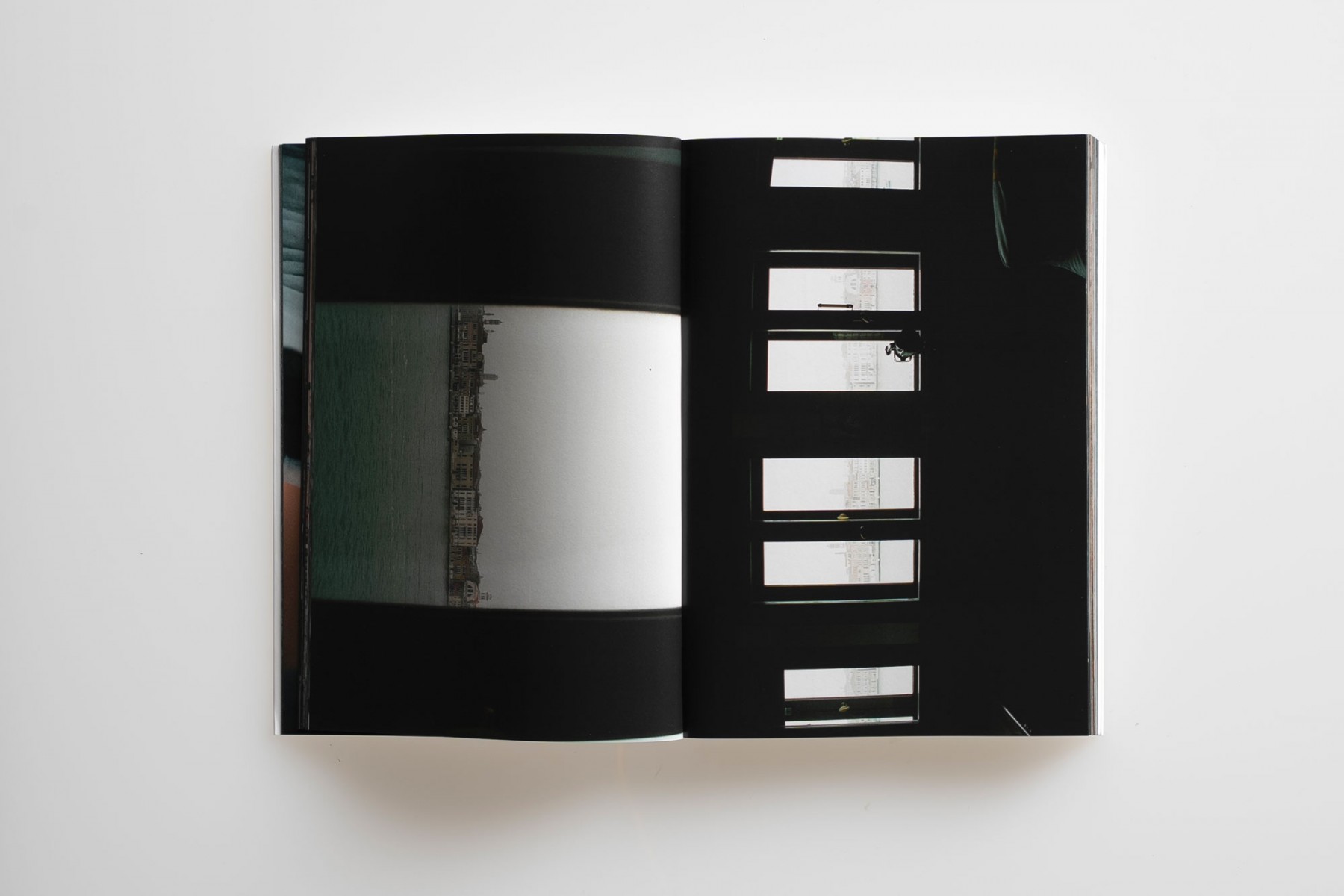
This book accompanies 5 Works, Lydia Ourahmane’s first institutional solo show in Italy, staged at the Nicoletta Fiorucci Foundation in Venice and curated by Polly Staple, during the 61st Venice Biennale. As Ourahmane’s first publication, the book sets a template for her future editorial projects. Central to this design is the custom typeface “LL,” created by the artist with graphic designer Lorenzo Mason. Ourahmane’s new commission, 5 Works, followed her residency at the Foundation, which saw her living and working in Venice from January to May 2026.
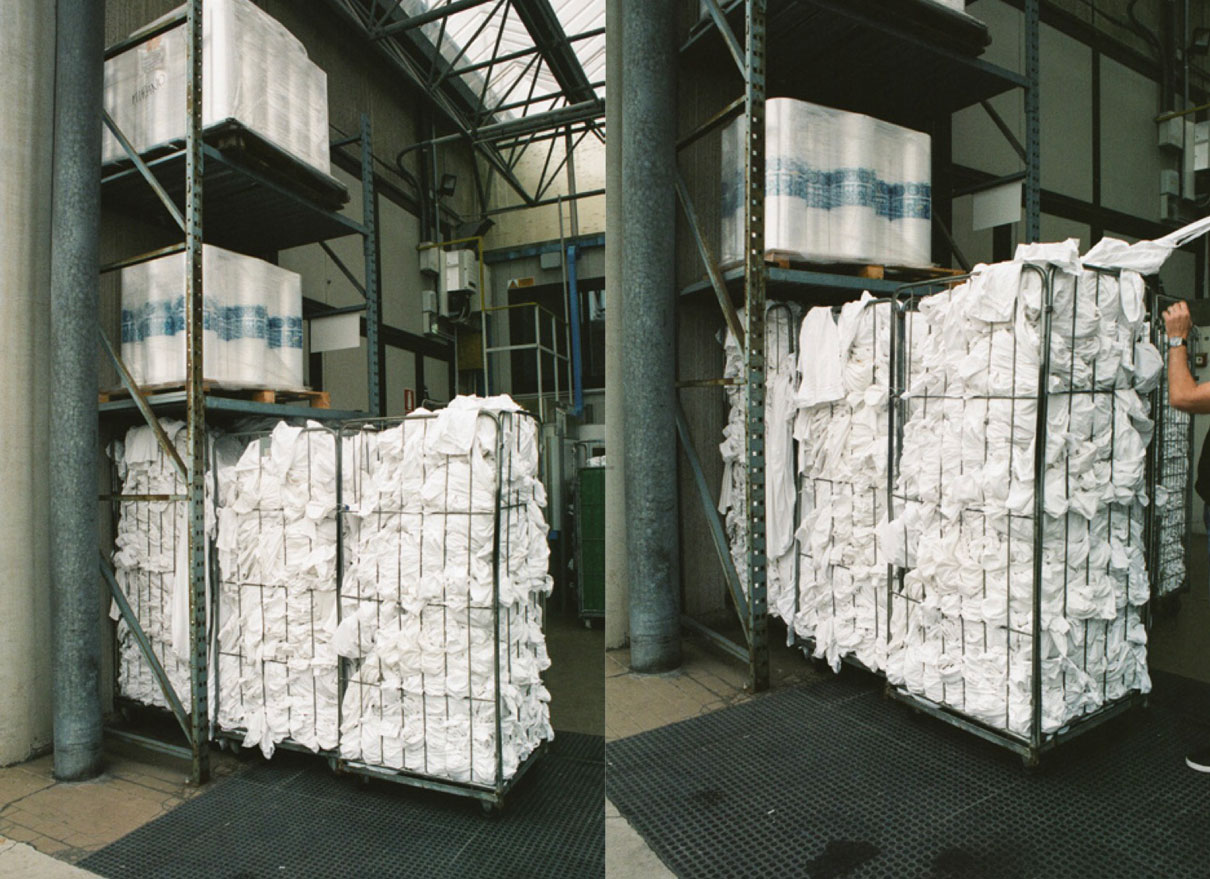
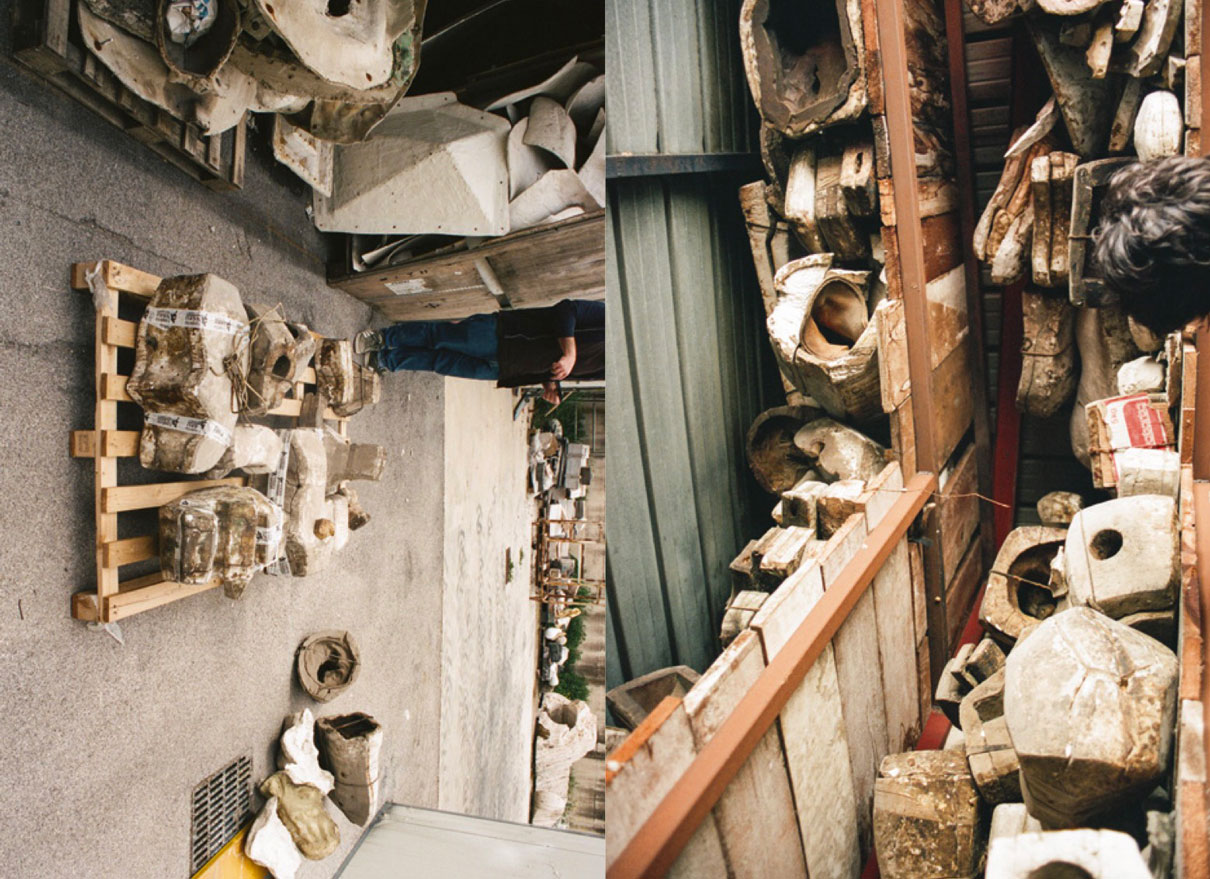
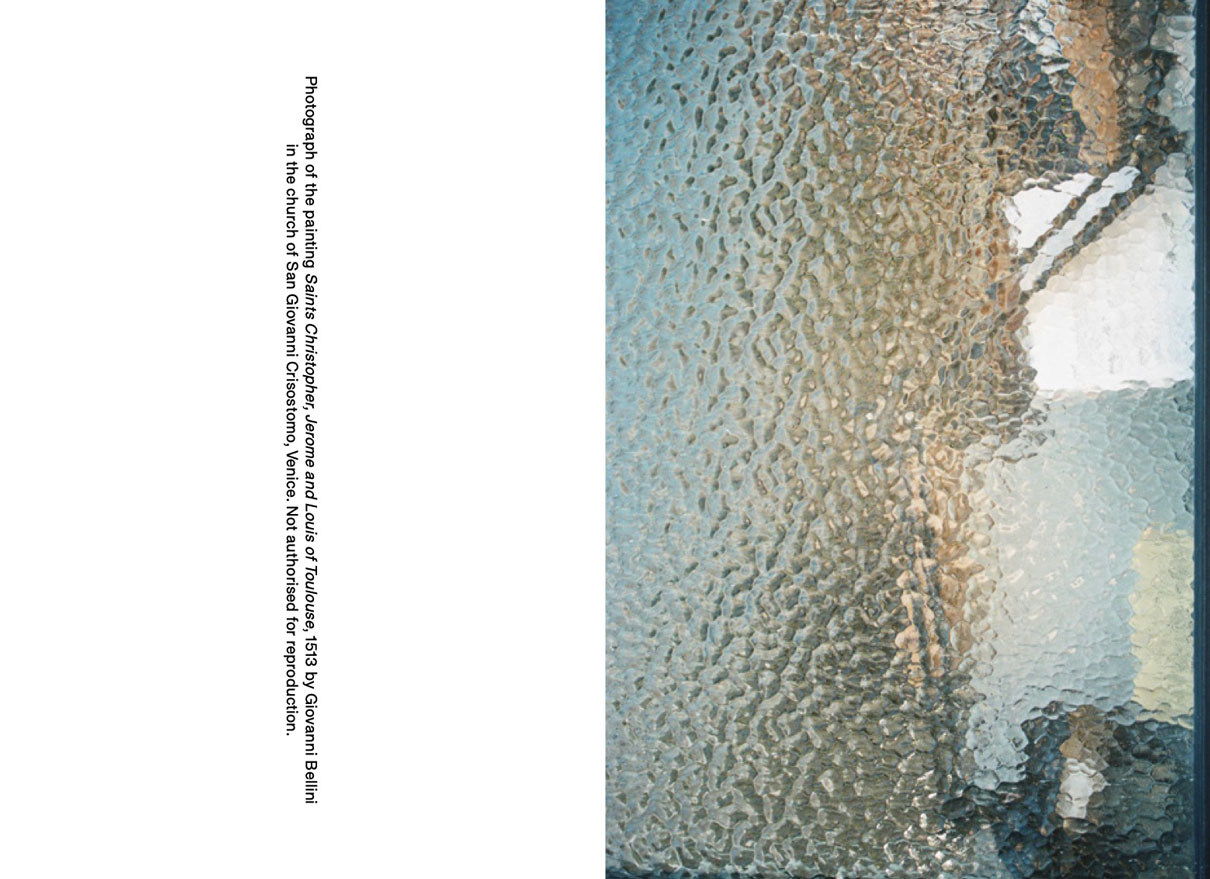
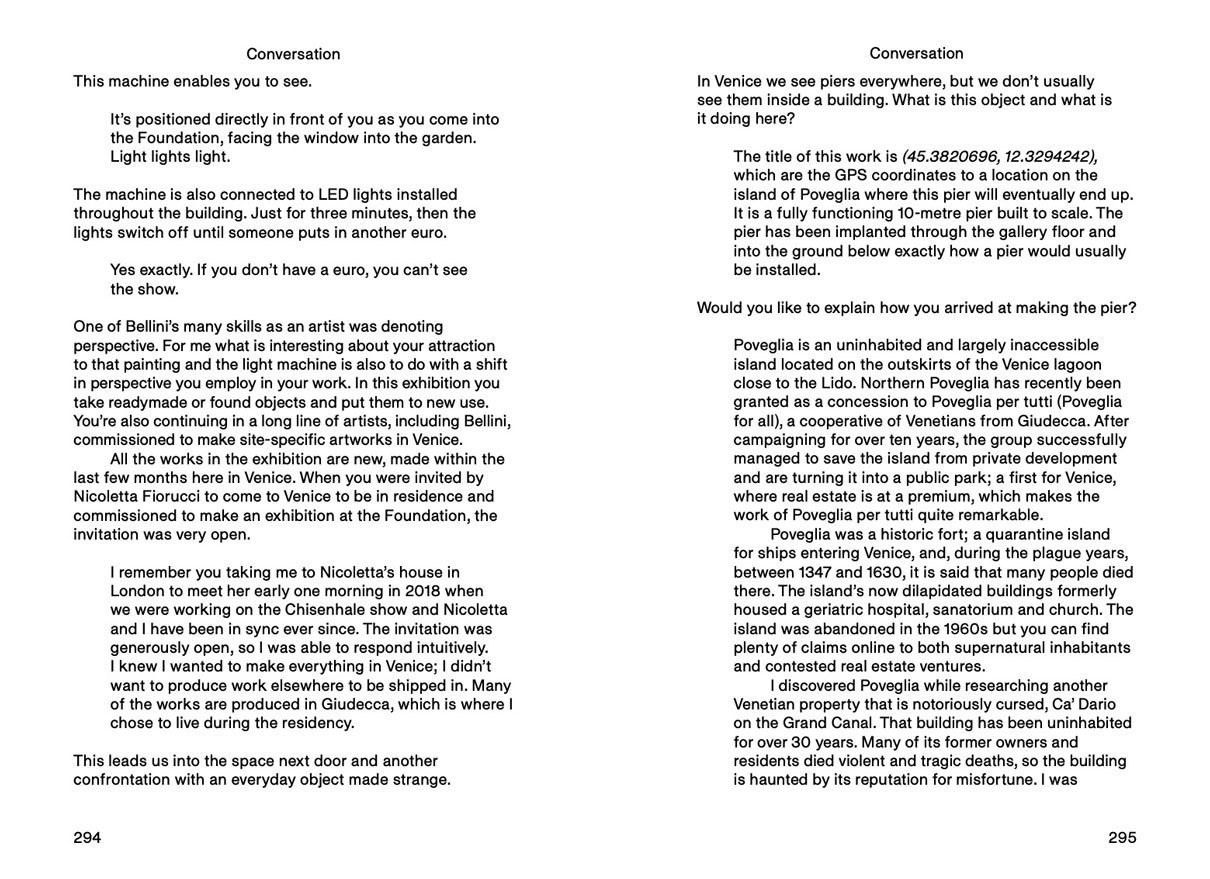
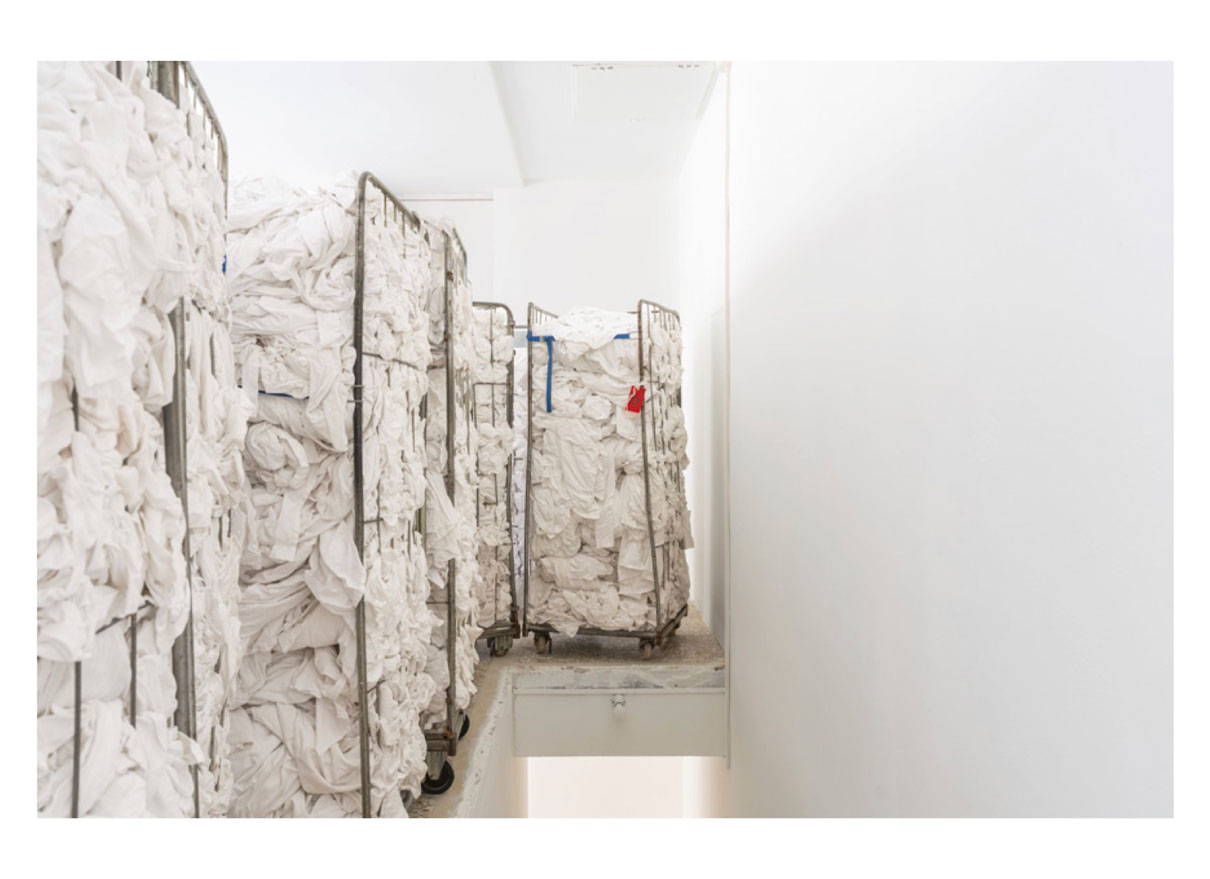
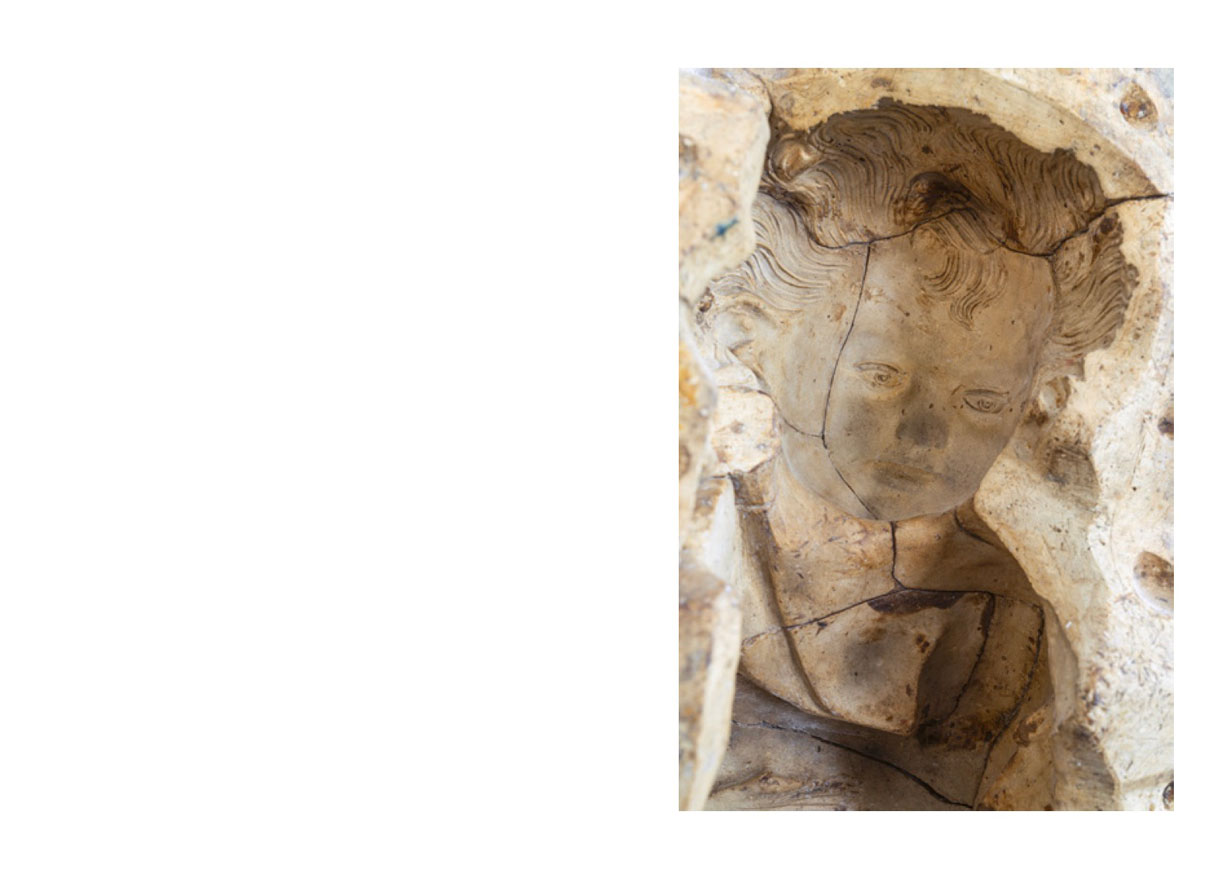
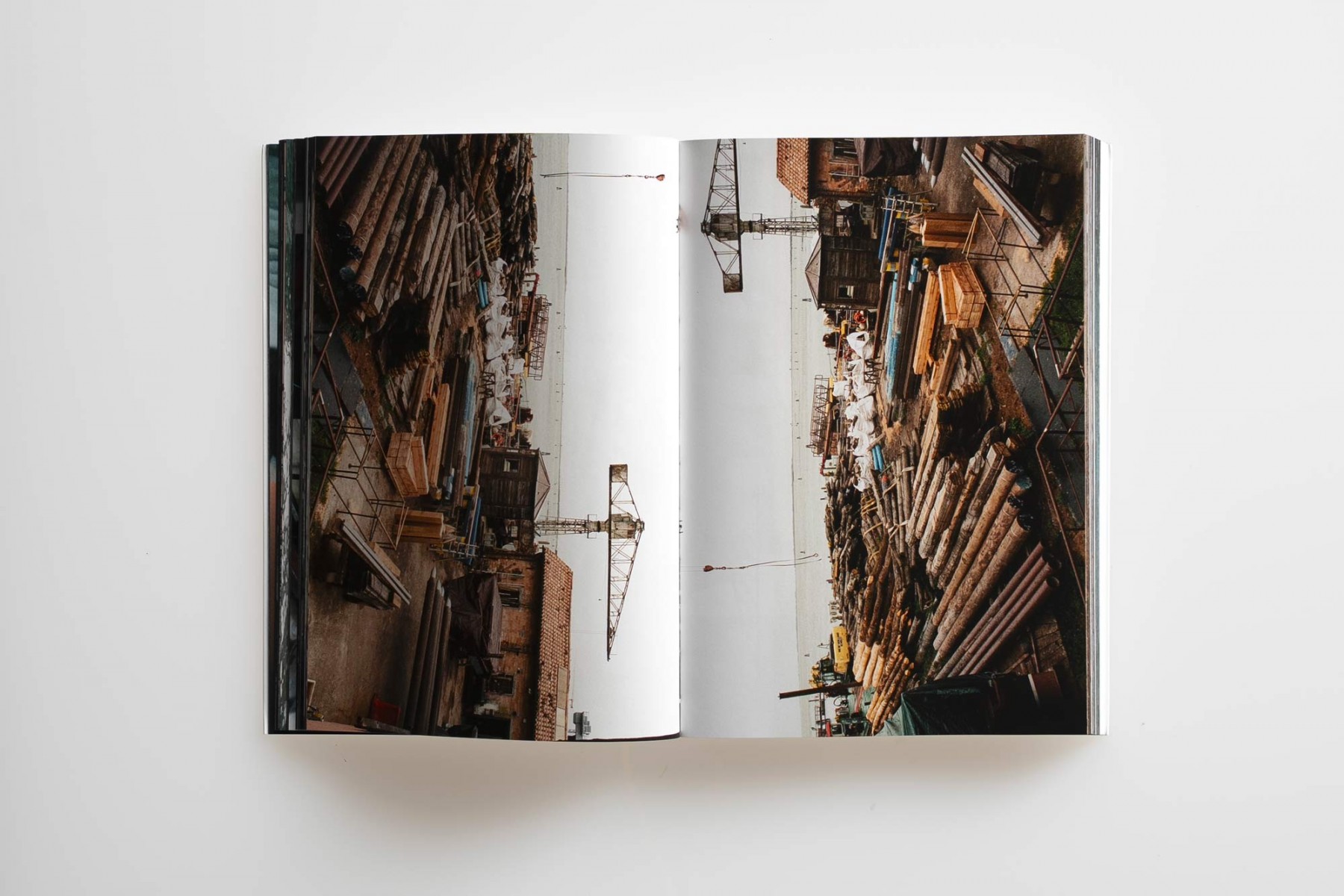
One of the show’s prerequisites was that many of the artworks should be created in Venice. Ourahmane thus worked with Venetian craftspeople and technicians but also with organisations in the city and the surrounding Veneto region. 5 Works combines a wide range of visceral media—antique sculpture moulds, church lighting and decommissioned bed linen among them—with traditional conceptual gestures such as the recontextualization of found objects and the presentation of documentary processes. Several works in the exhibition are the direct result of negotiations, transactions and exchanges specific to historic sites and activist associations in Venice: the church of San Giovanni Crisostomo, Poveglia per tutti, Banco Lotto No. 10: Il Cerchio, Lavanderia LSG and TOCIA! Cucina e Comunità.
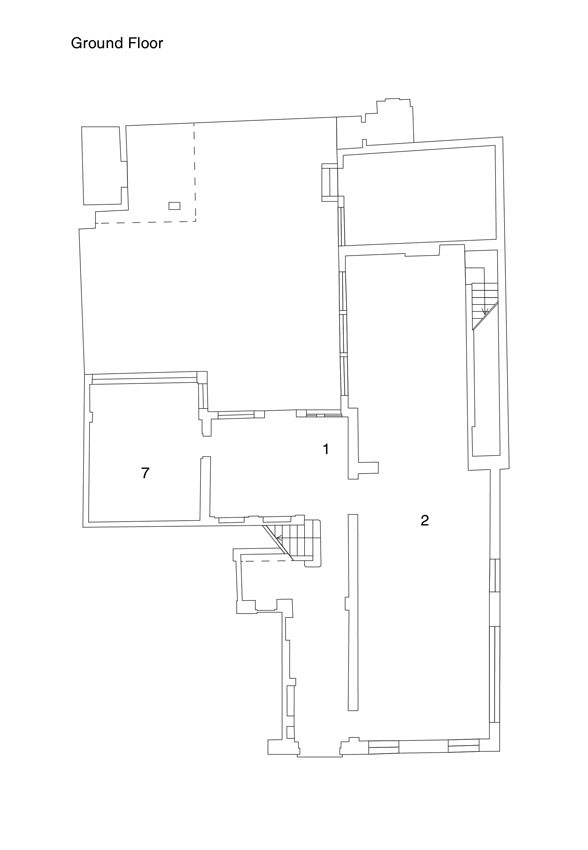
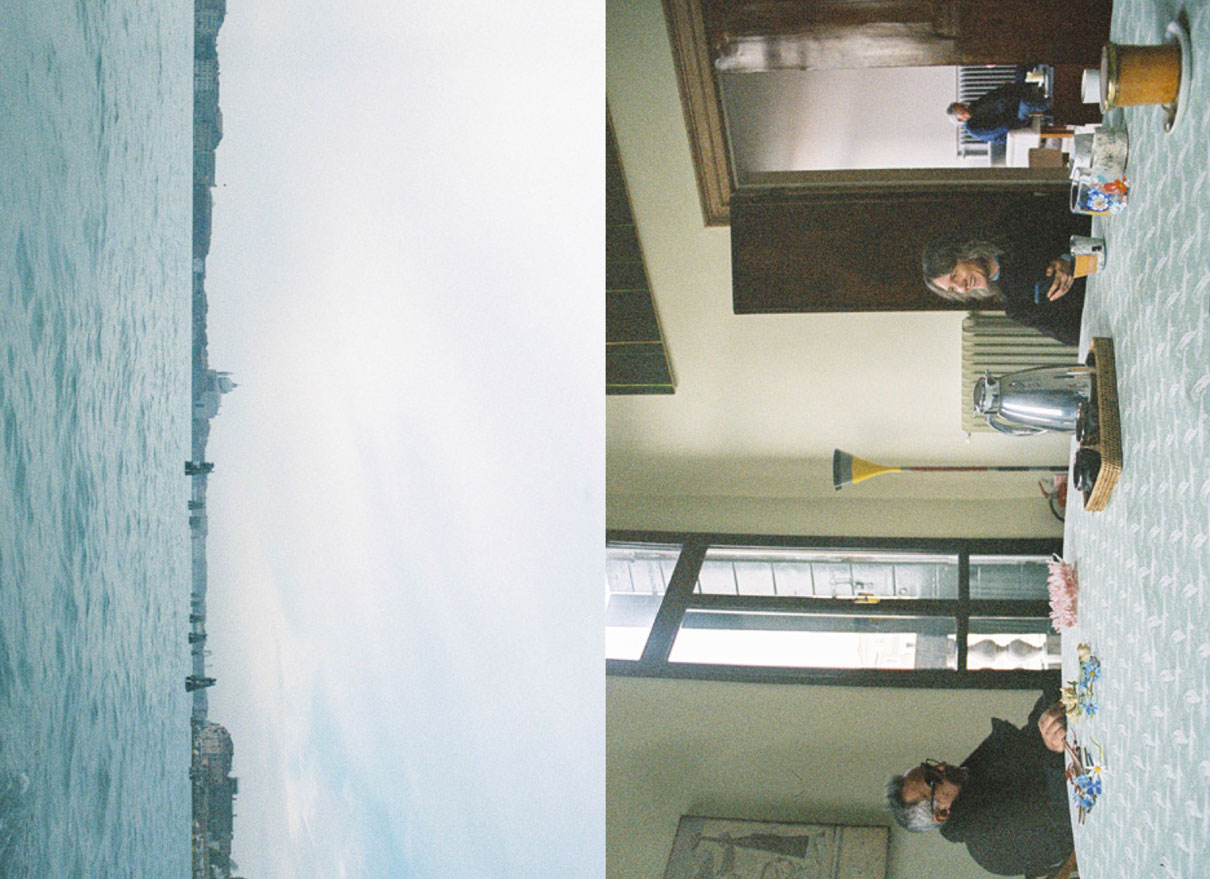
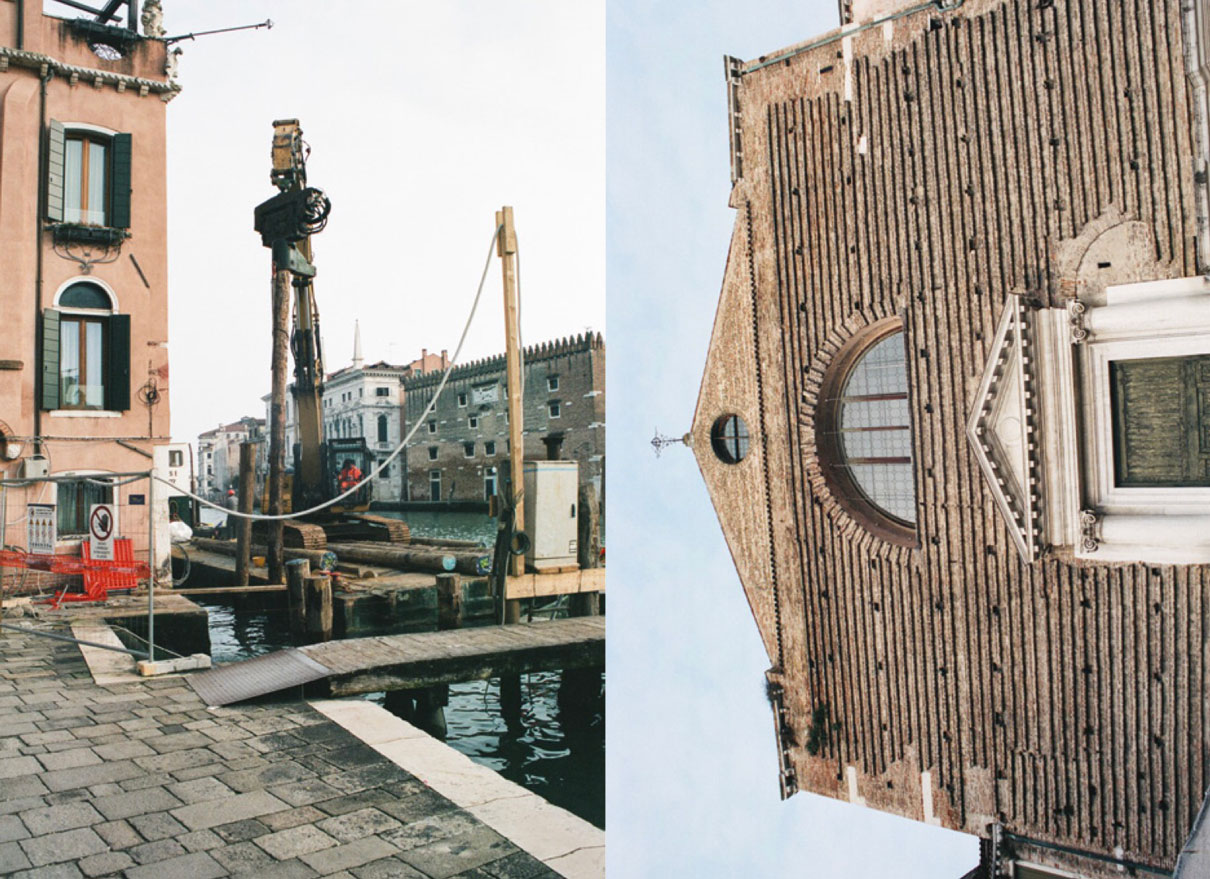
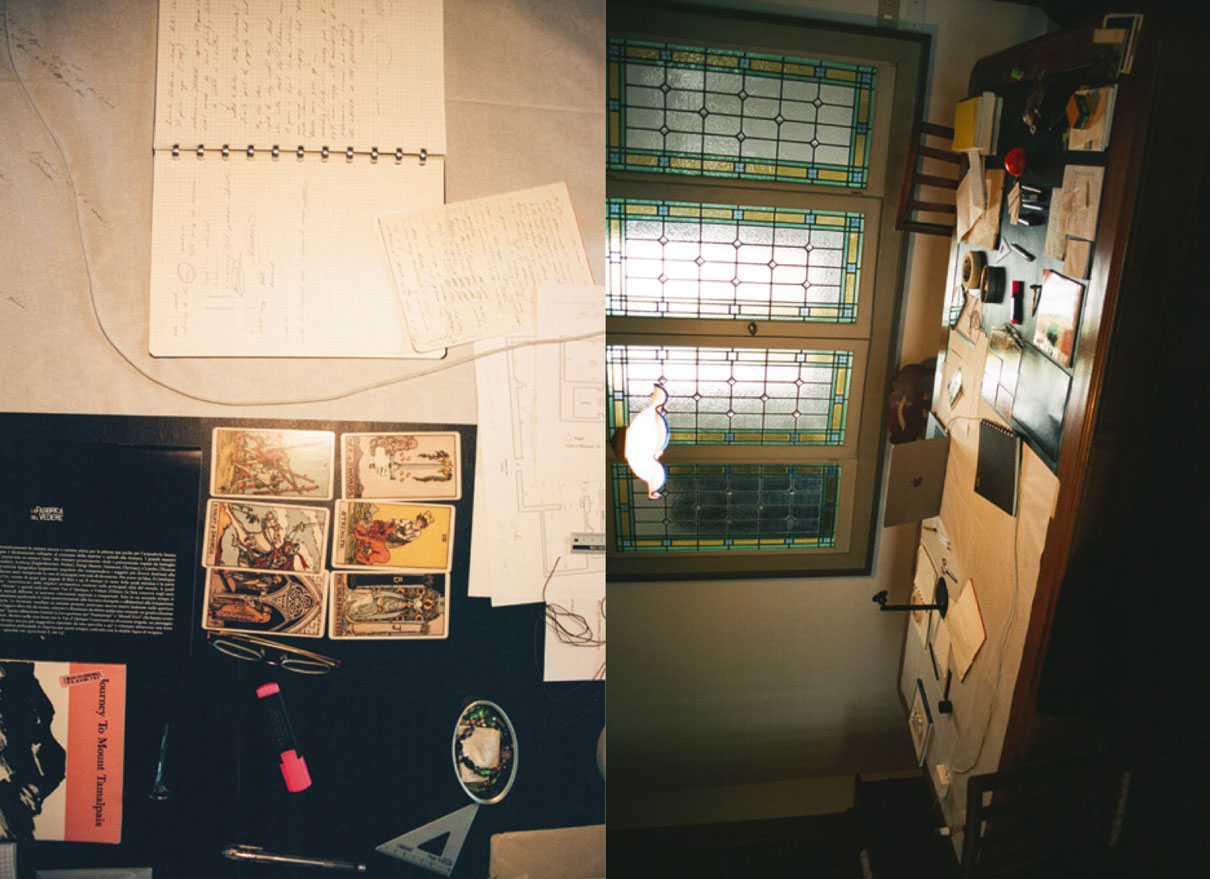
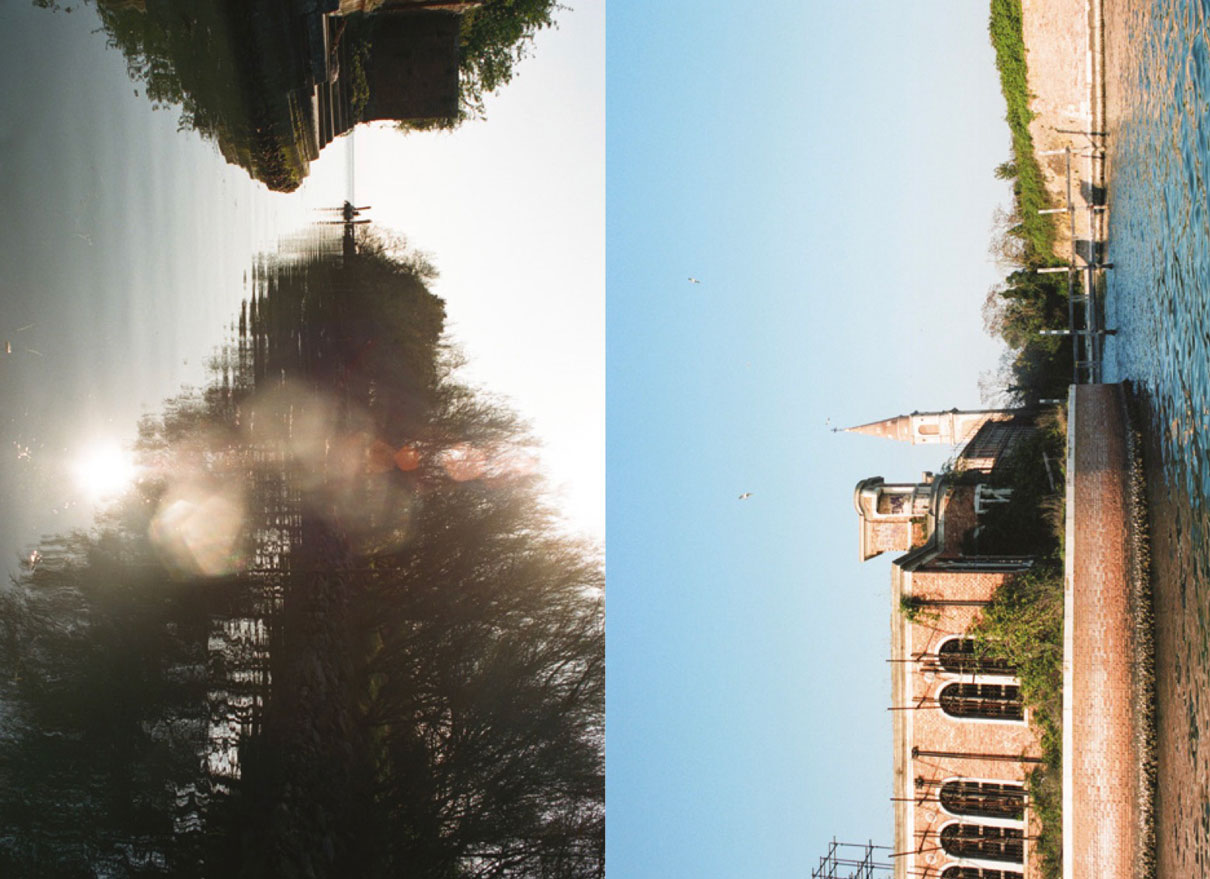
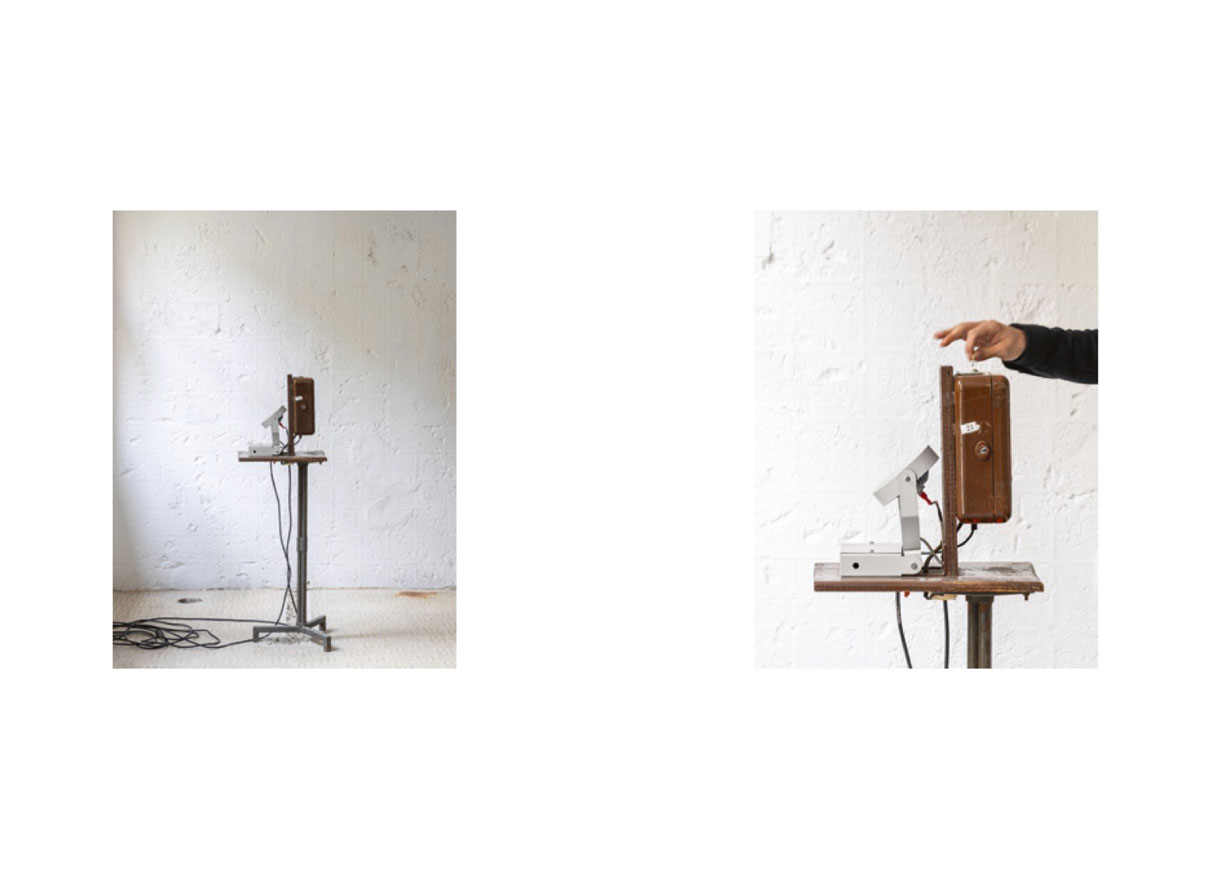
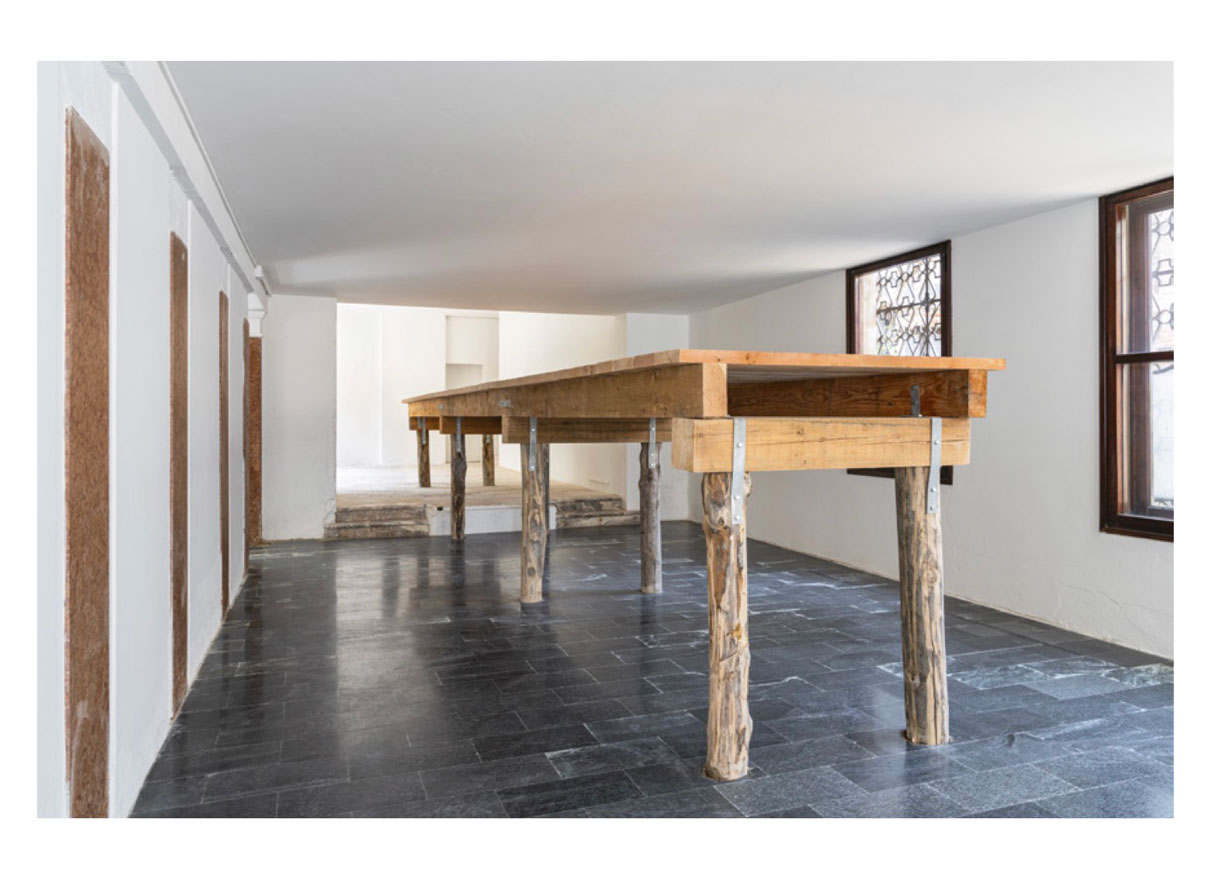
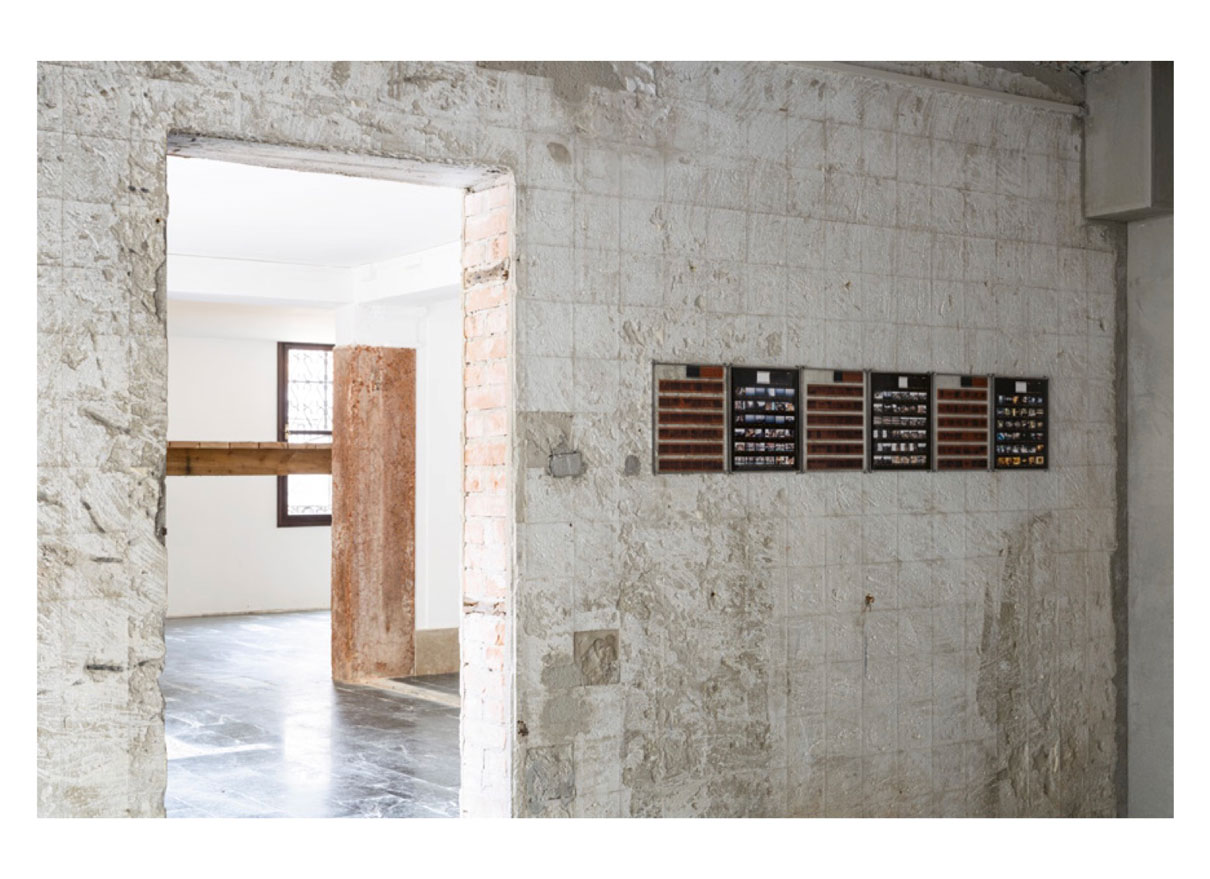
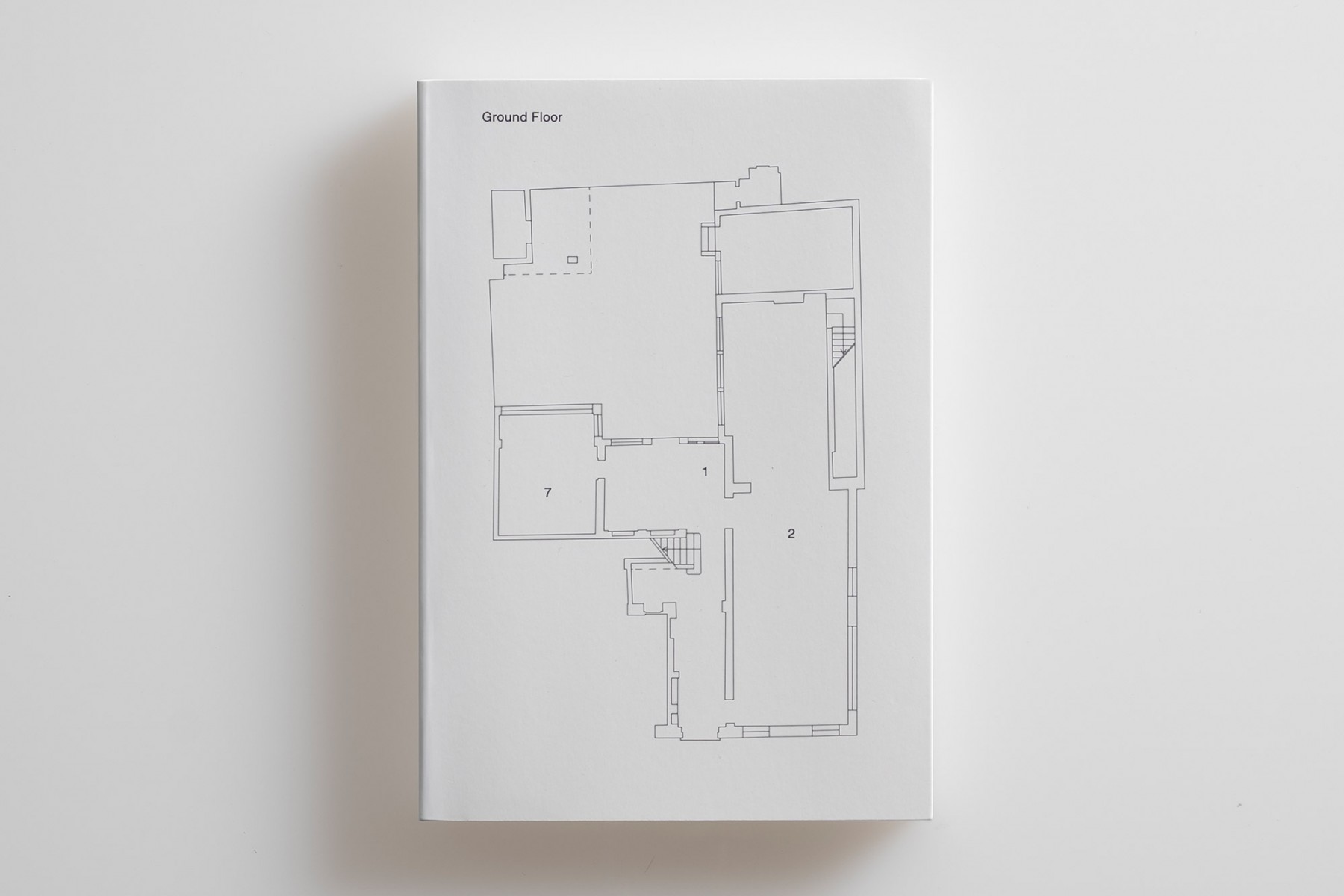
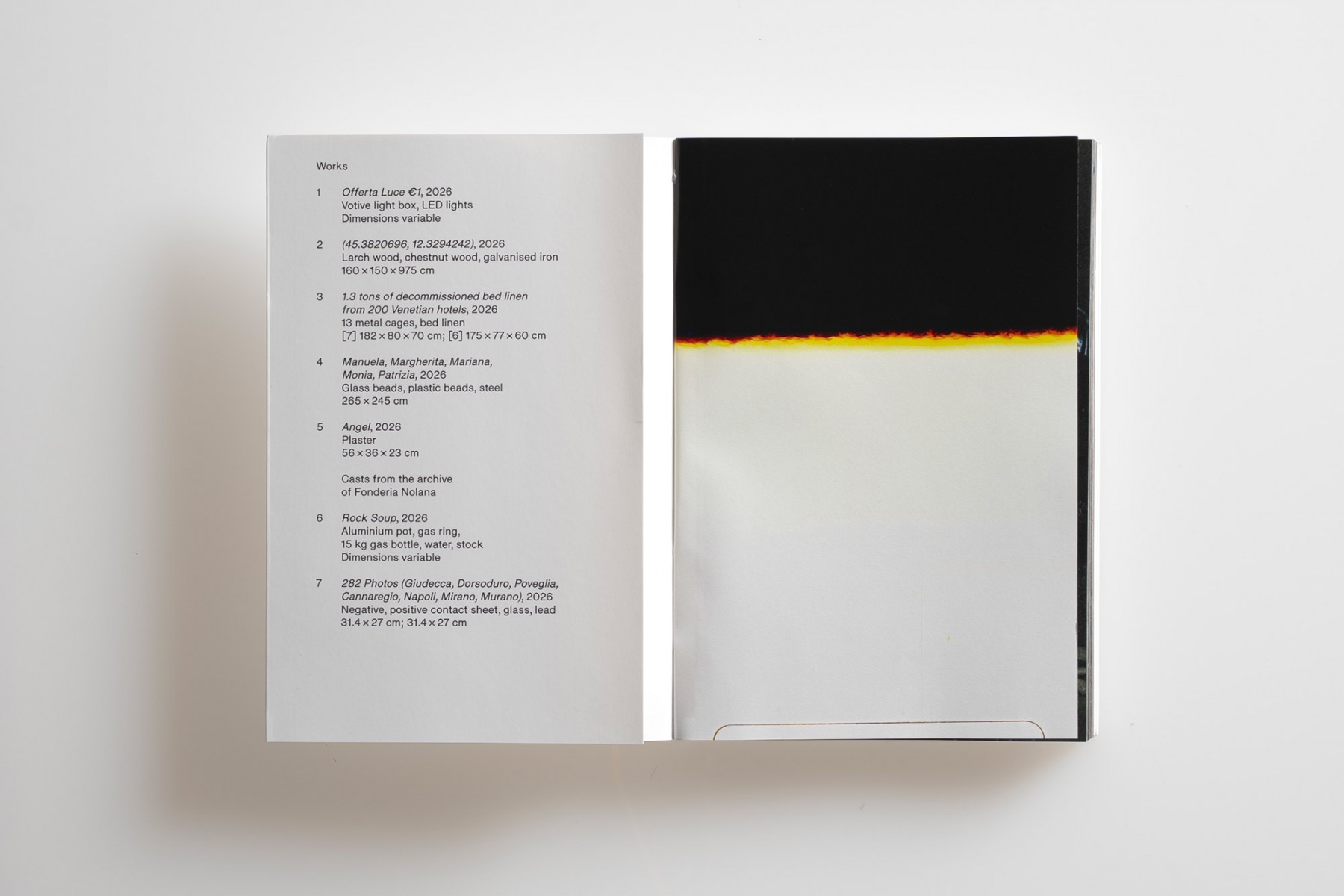
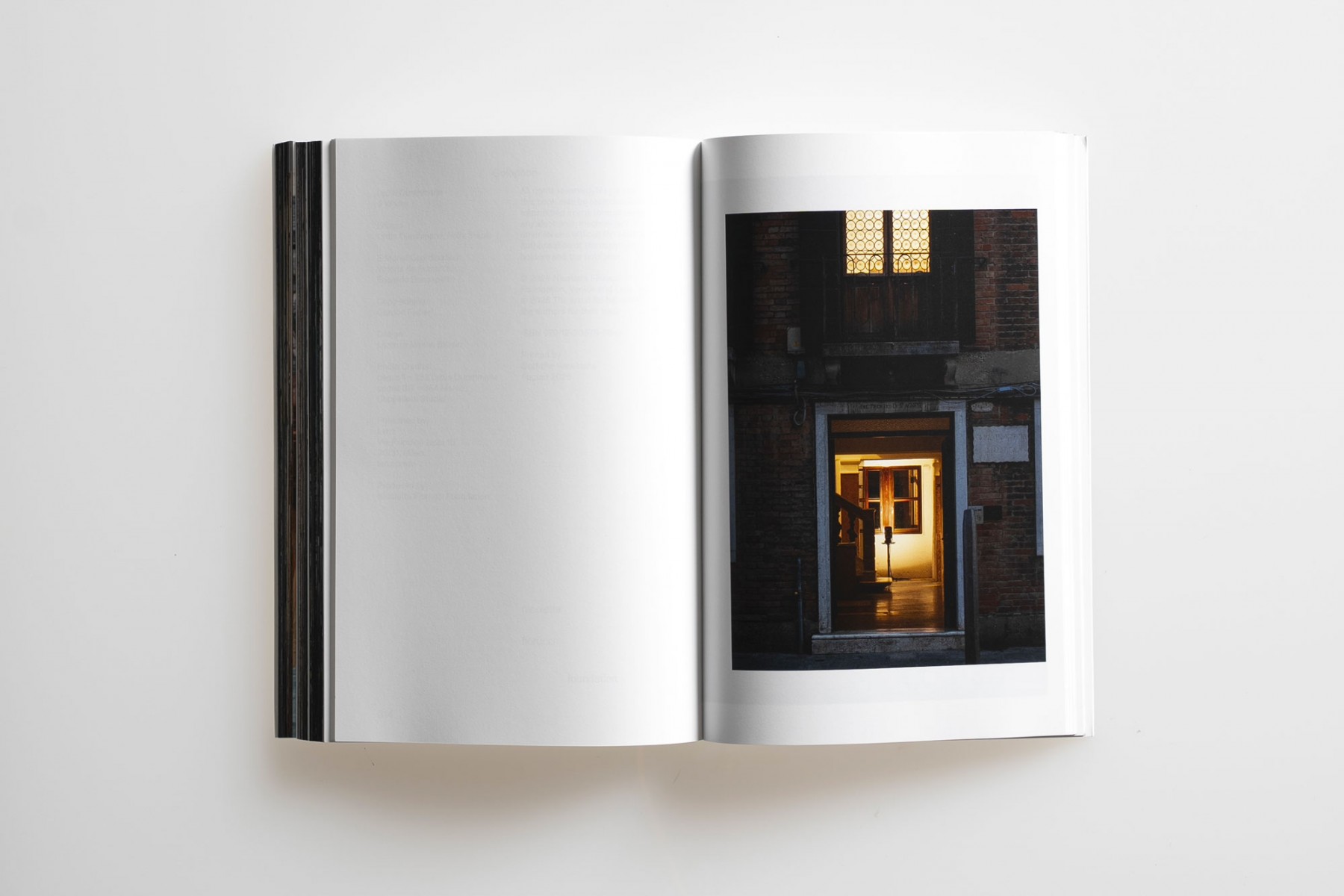
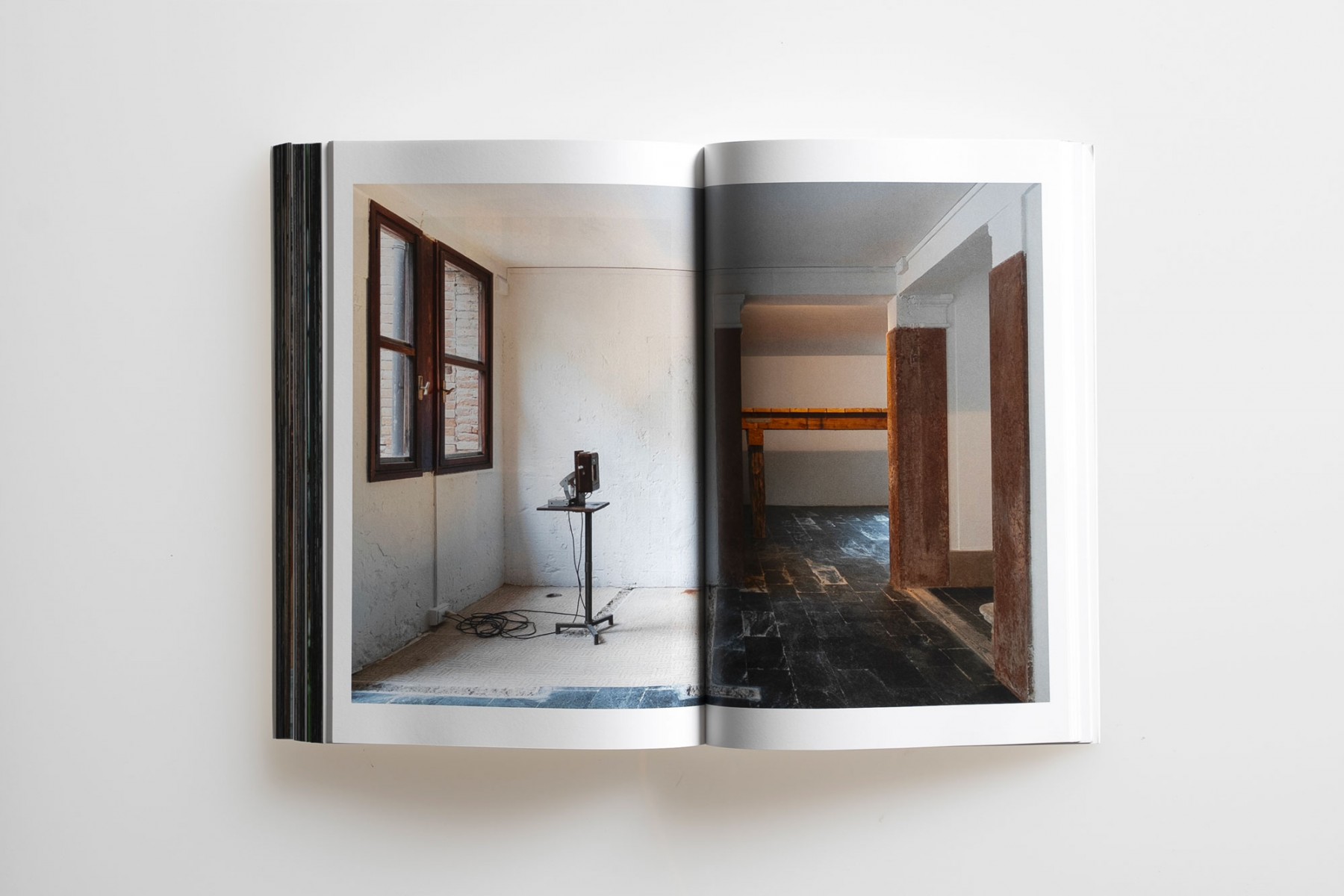
The publication encompasses the following elements: 282 photographs that Ourahmane shot during her residency in Venice while preparing 5 Works; an introduction to Ourahmane’s work and to the exhibition, written by Staple; a conversation between Ourahmane and Staple, structured as a walking tour of the exhibition; installation views, by photographer Marco Cappelletti, sequenced in the order visitors encountered the works; the floor plan of the exhibition—appearing on the book’s cover—complete with the list of works; and an endnote by Nicoletta Fiorucci.