Since the 1980s, Belgian artist Sigefride Bruna Hauman has created a highly original body of work in different media. Her installations, reliefs and videos are the subject of a much-overdue retrospective organized by M Leuven—and of this first monograph.
Rituals of Care is an extensive monograph devoted to the work of Antonio Obá, published in conjunction with his eponymous exhibition presented at the Centre d’Art Contemporain Genève, curated by Andrea Bellini. Extensively illustrated, the book immerses the reader in Obá’s multifaceted oeuvre and in the magical iconographic universe of his paintings.
Claiming that the museum is not enough means asking what a museum should be and do, eventually questioning the role of cultural institutions in society. Through conversations, stills of documentaries, responses, and reprints of archival documents that explore ideas of architecture on the ground, this volume reflects on the tools deployed by the institution to redefine its relationship to others.
Affirmer que le musée ne suffit pas, c’est interroger ce qu’un musée devrait être et faire, et réfléchir de manière critique sur le rôle des institutions culturelles dans nos sociétés. À travers des conversations, des photogrammes de documentaires, des interventions et des reproductions d’archives questionnant les conceptions de l’architecture sur le terrain, ce volume réfléchit aux outils mis en œuvre par l’institution pour redéfinir sa relation aux autres.
Semi-Nomadic Debt-Ridden Bedouins is the first monograph on the work of the Palestinian artist and filmmaker Basma al-Sharif. Spanning nearly two decades of moving-image and installation work, it combines visual documentation with texts that reflect on the charged political landscapes through which al-Sharif navigates.
This monograph marks the occasion of the first European survey of Nicola L. (1932–2018). Often discussed in the context of Pop Art, activism, feminism, and design, this is the first in-depth exploration of the multi-layered and expansive nature of her extraordinary practice, which also encompassed cosmology, environmental concerns, spirituality, political protest, and sexuality.
Edited by Lydia Ourahmane and Polly Staple
Texts by Nicoletta Fiorucci, Lydia Ourahmane, Polly Staple
Designed by Lorenzo Mason Studio
2026, English, softcover, 16.5 × 24 cm, 384 pages
ISBN 979-12-80579-98-0
This book accompanies 5 Works, Lydia Ourahmane’s first institutional solo show in Italy, staged at the Nicoletta Fiorucci Foundation in Venice and curated by Polly Staple, during the 61st Venice Biennale. As Ourahmane’s first publication, the book sets a template for her future editorial projects. Central to this design is the custom typeface “LL,” created by the artist with graphic designer Lorenzo Mason. Ourahmane’s new commission, 5 Works, followed her residency at the Foundation, which saw her living and working in Venice from January to May 2026.
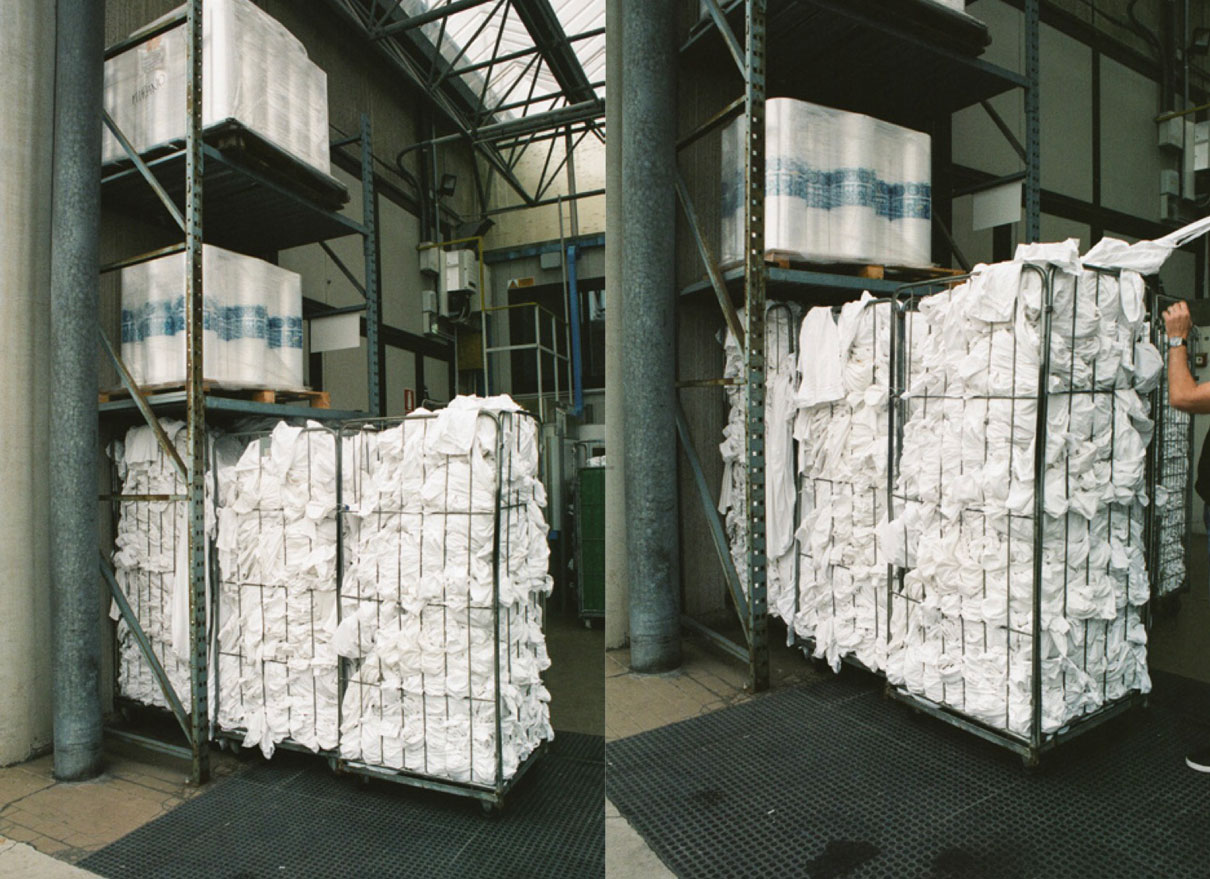
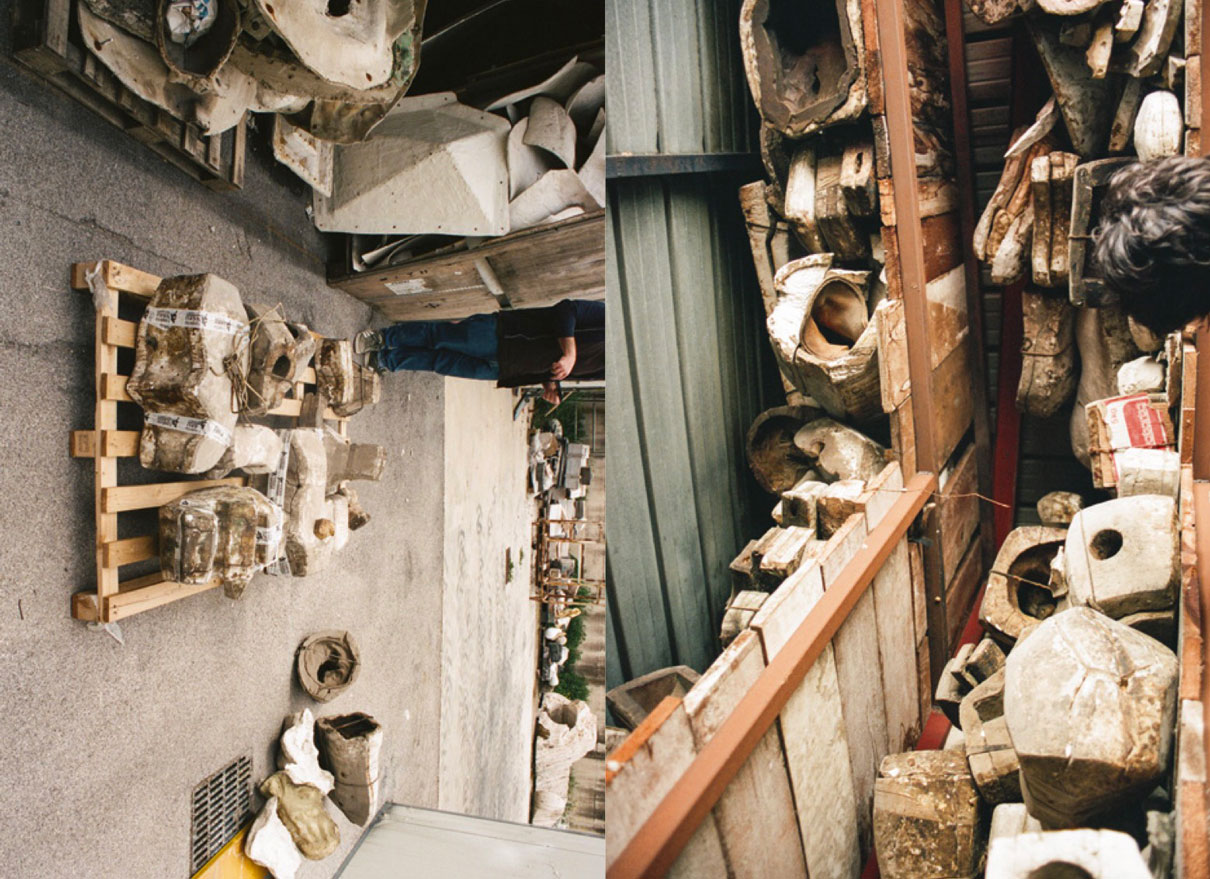
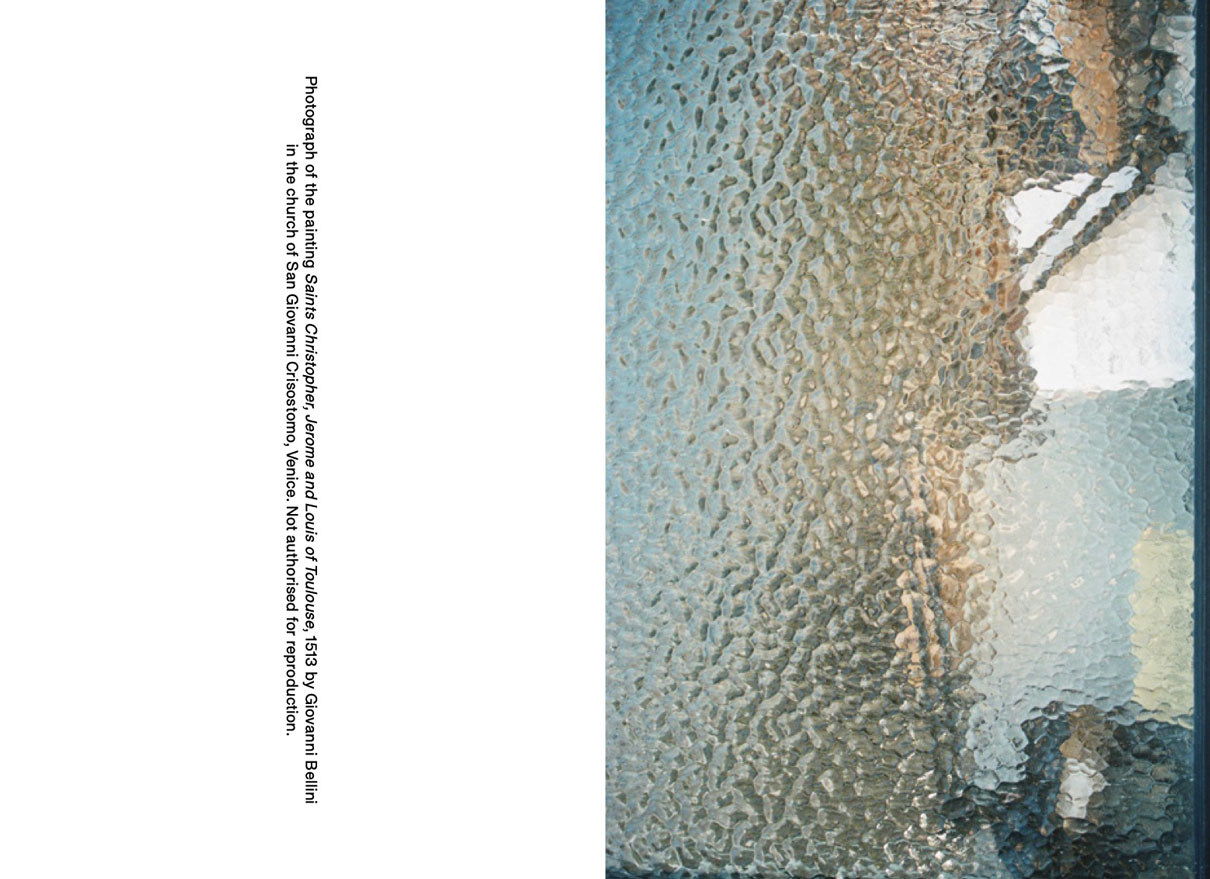
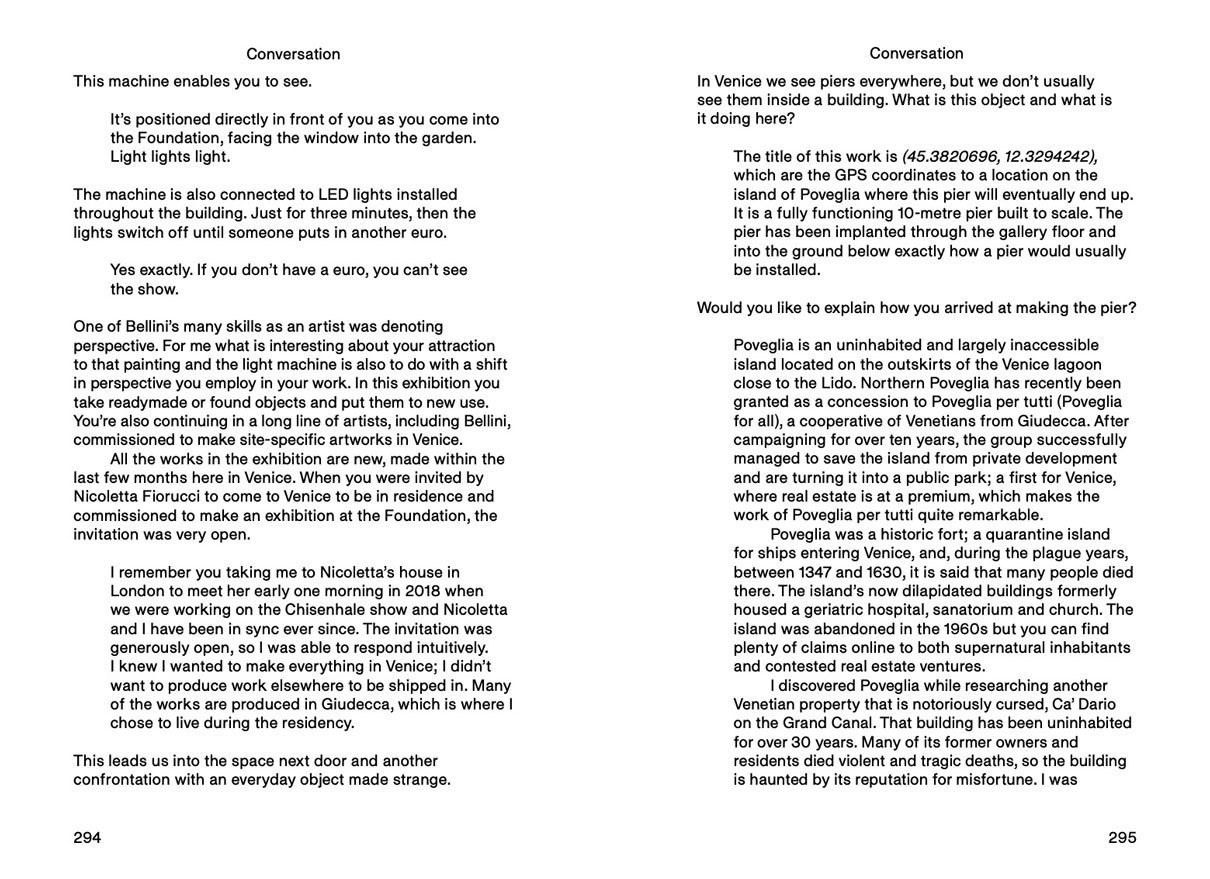
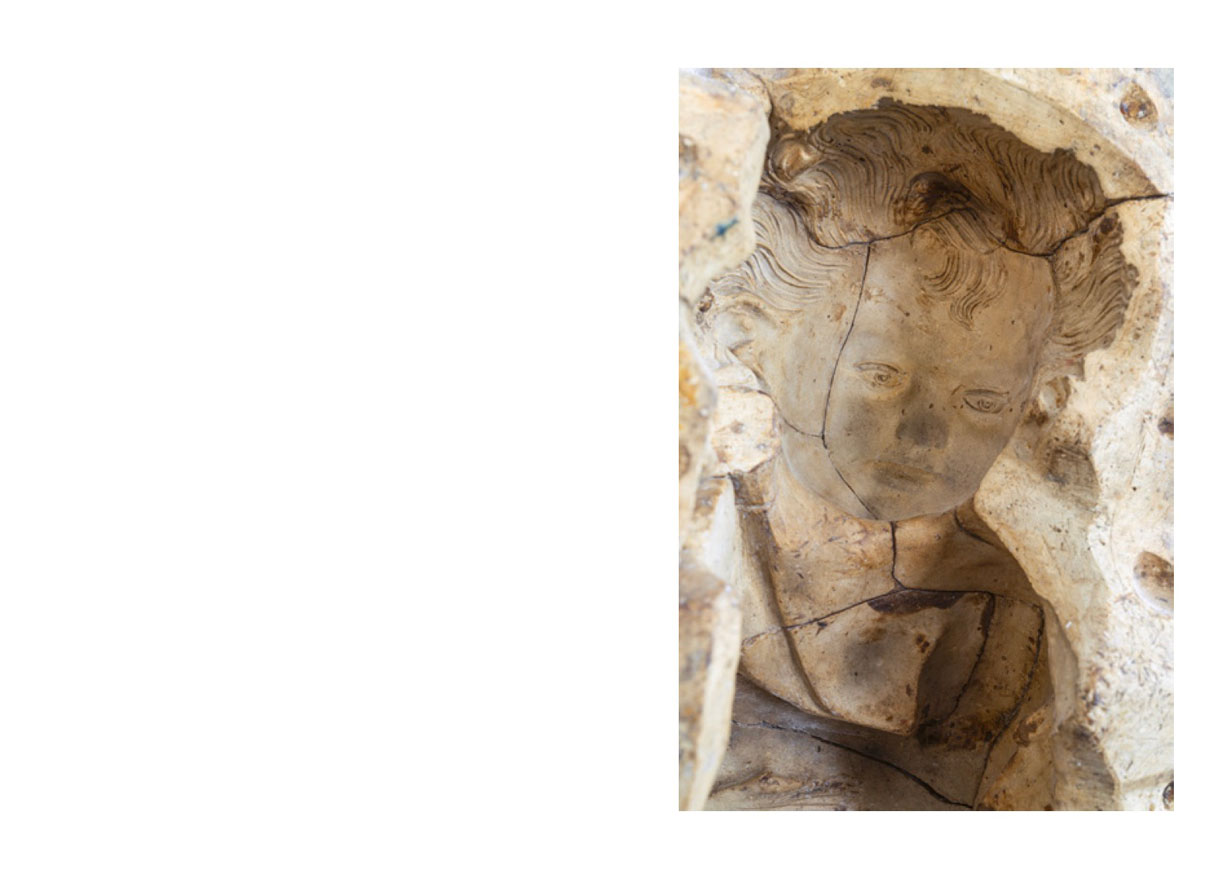
One of the show’s prerequisites was that many of the artworks should be created in Venice. Ourahmane thus worked with Venetian craftspeople and technicians but also with organisations in the city and the surrounding Veneto region. 5 Works combines a wide range of visceral media—antique sculpture moulds, church lighting and decommissioned bed linen among them—with traditional conceptual gestures such as the recontextualization of found objects and the presentation of documentary processes. Several works in the exhibition are the direct result of negotiations, transactions and exchanges specific to historic sites and activist associations in Venice: the church of San Giovanni Crisostomo, Poveglia per tutti, Banco Lotto No. 10: Il Cerchio, Lavanderia LSG and TOCIA! Cucina e Comunità.
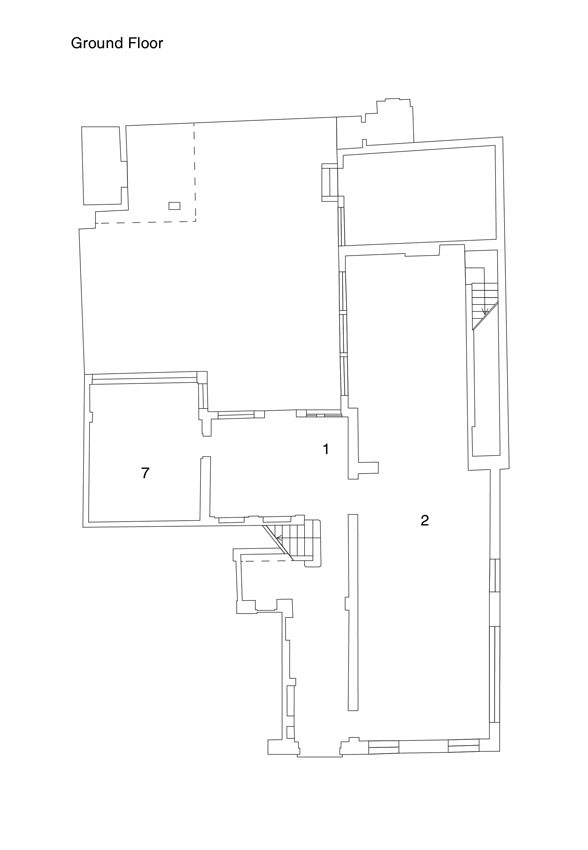
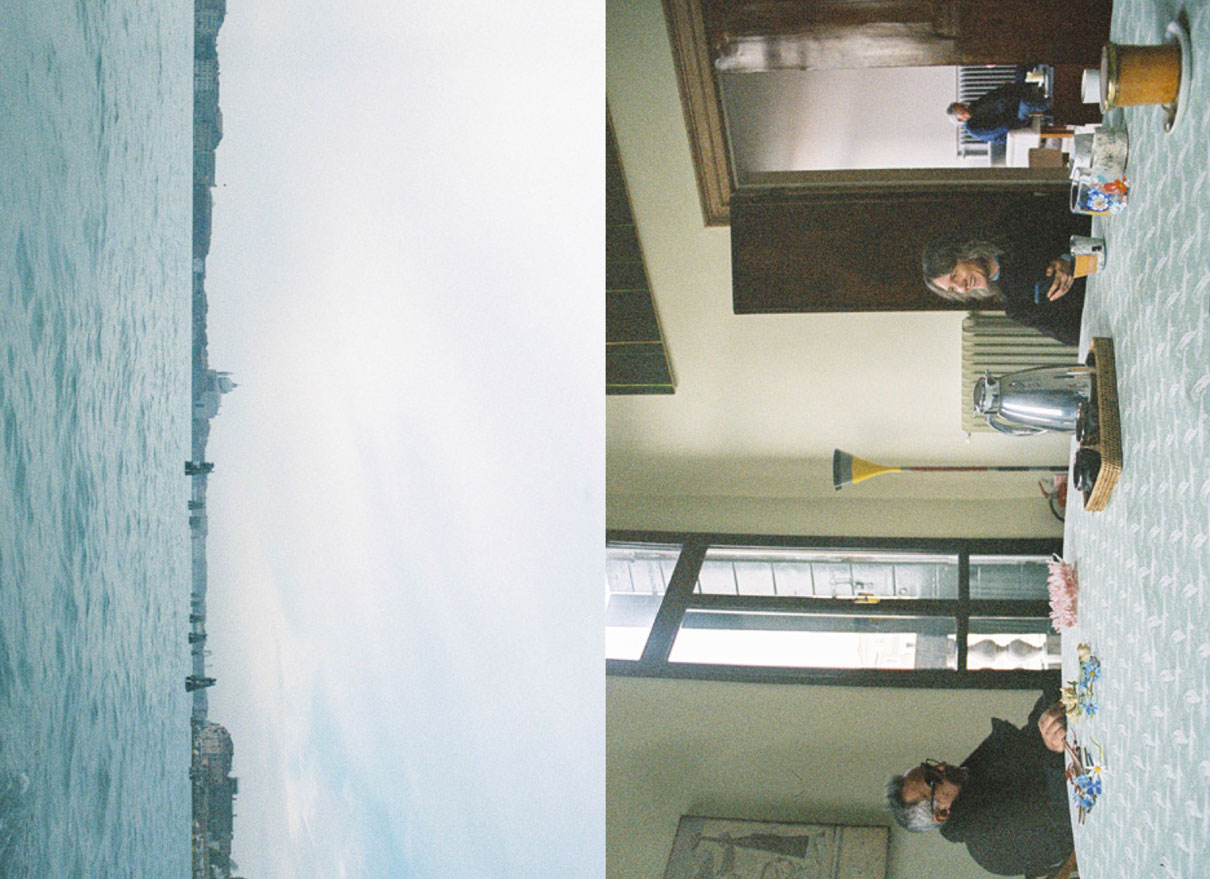
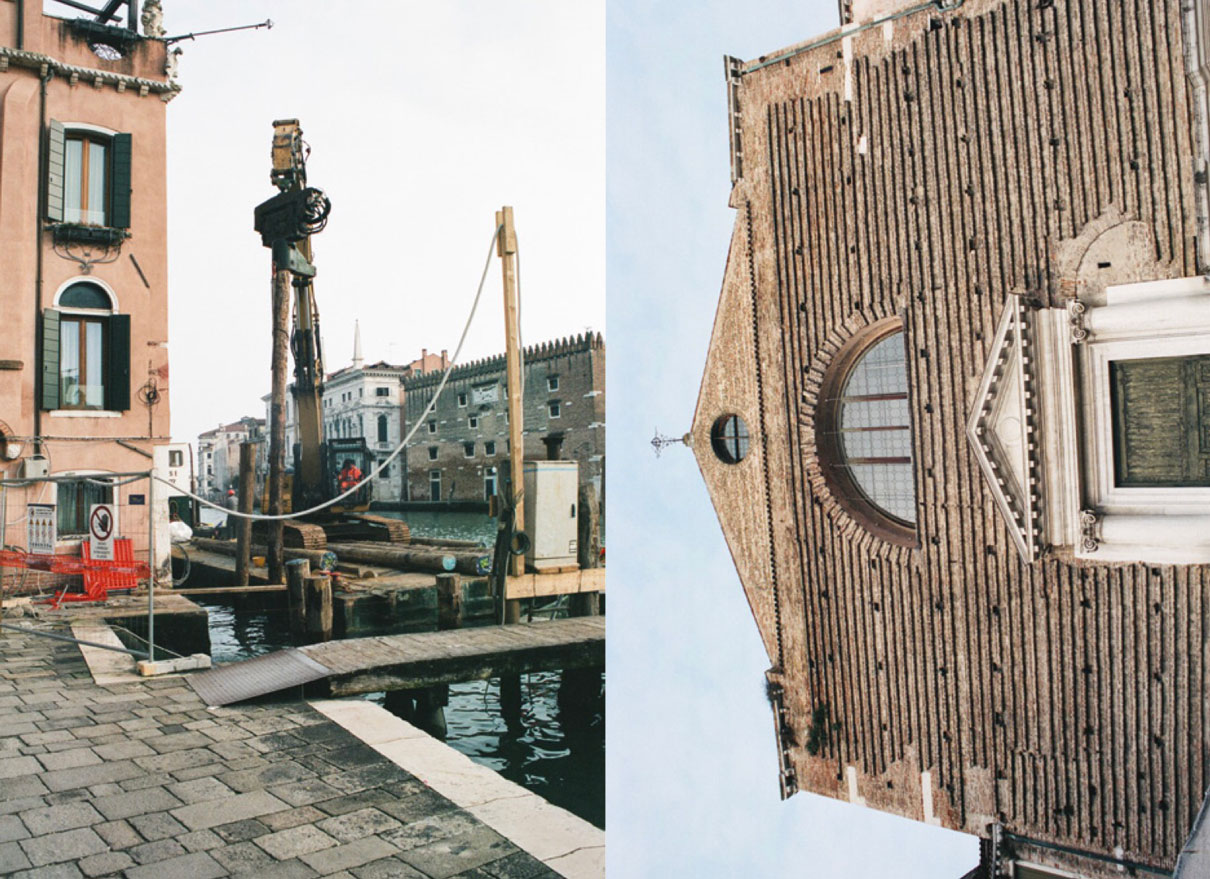
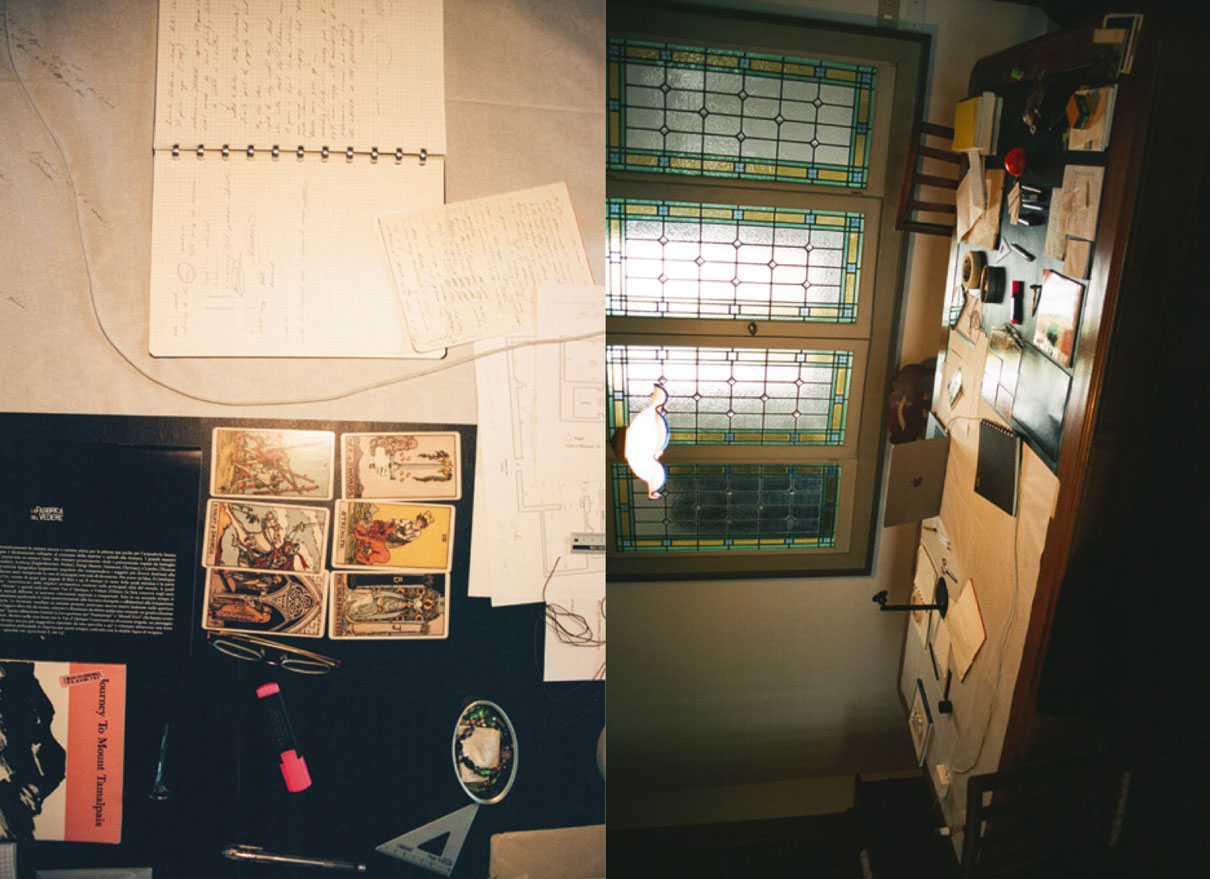
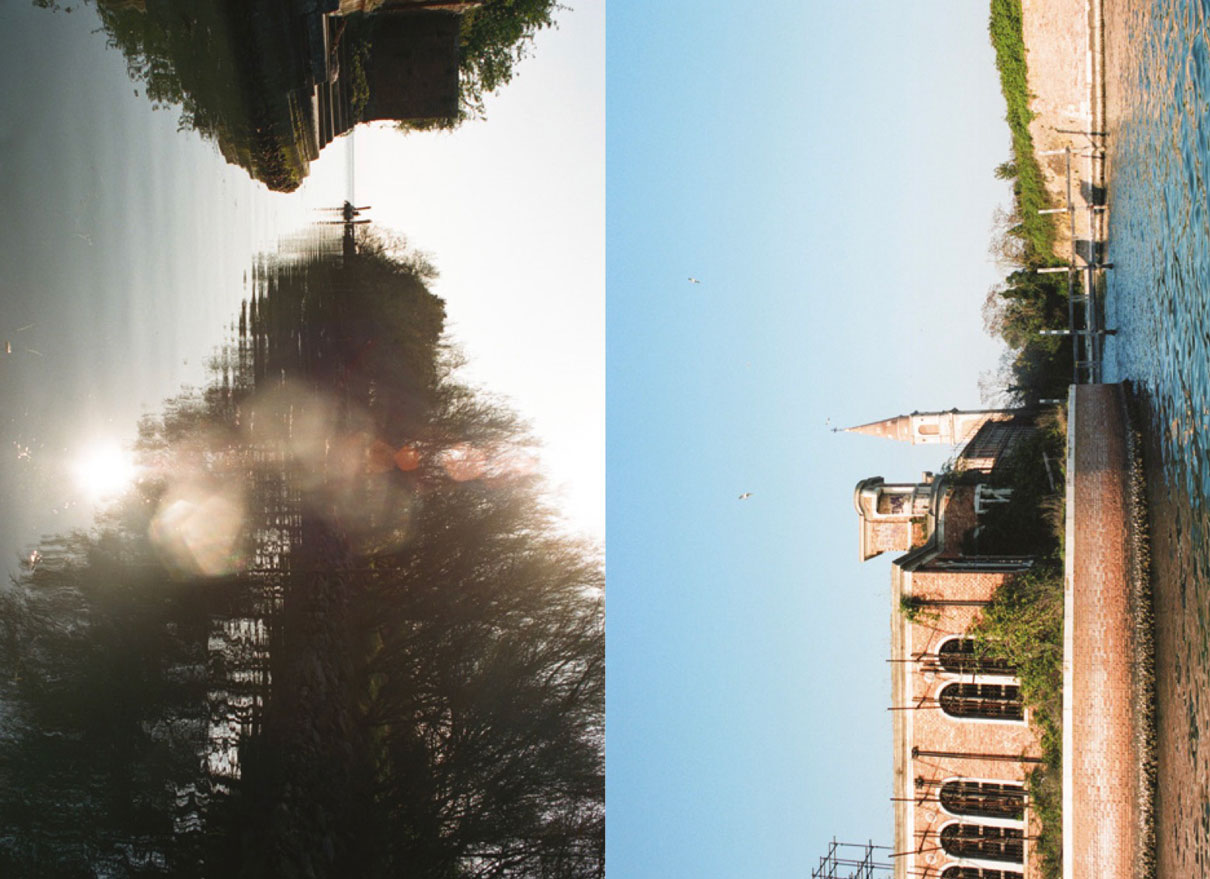
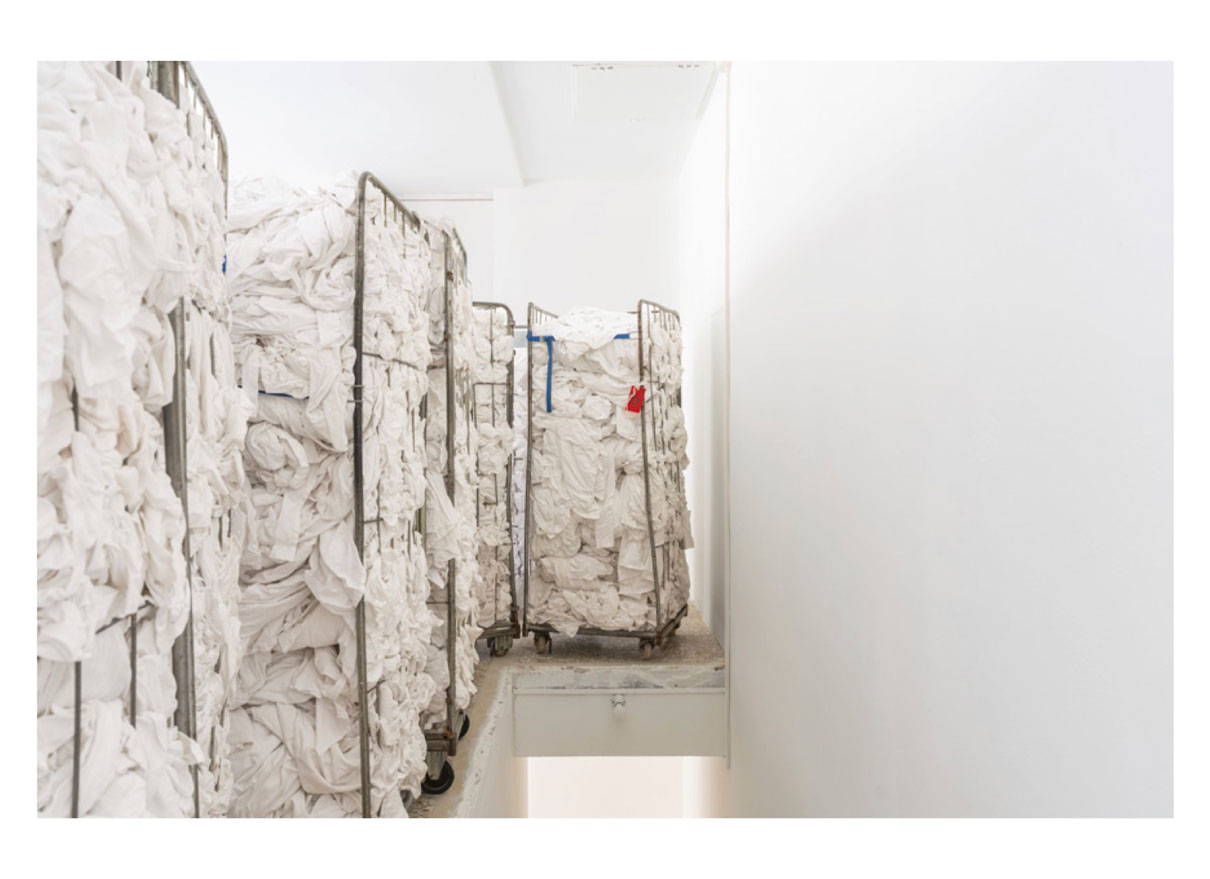
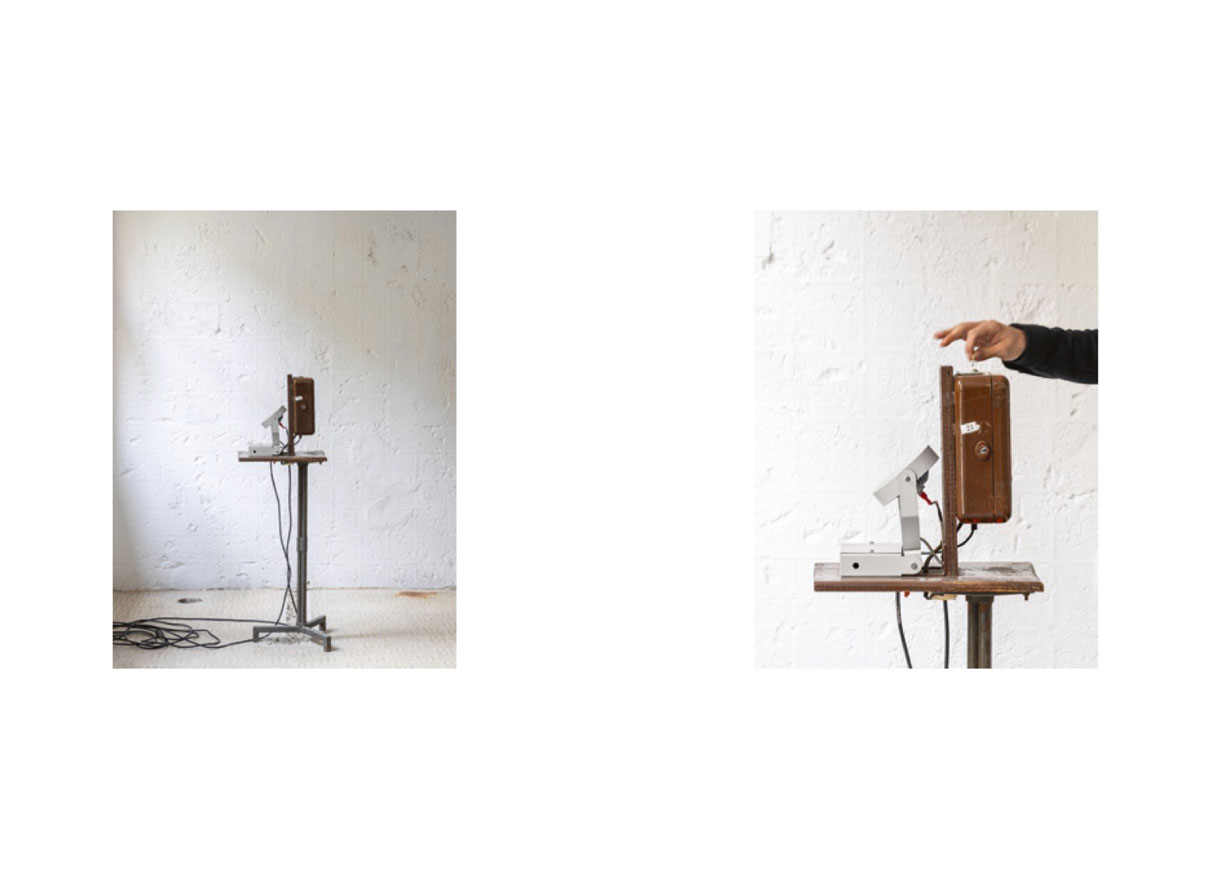
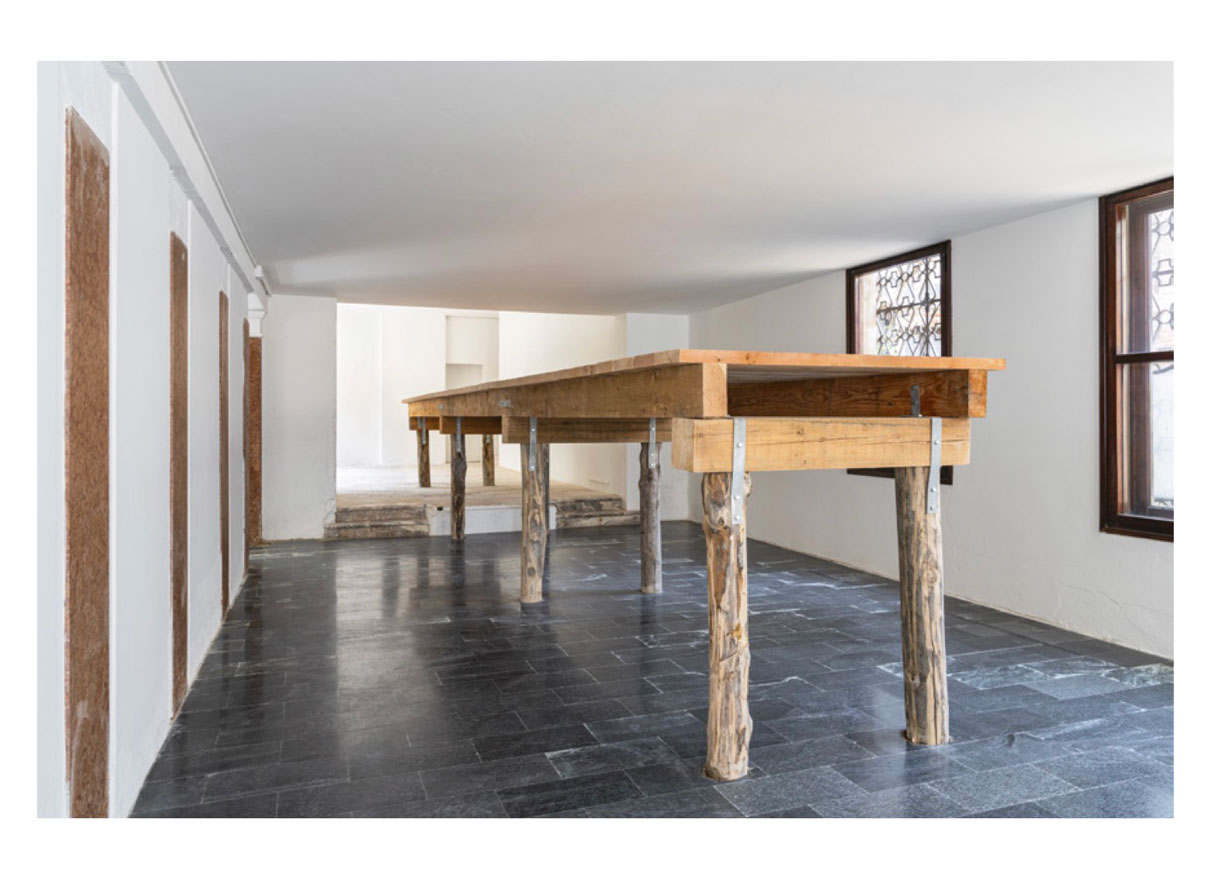
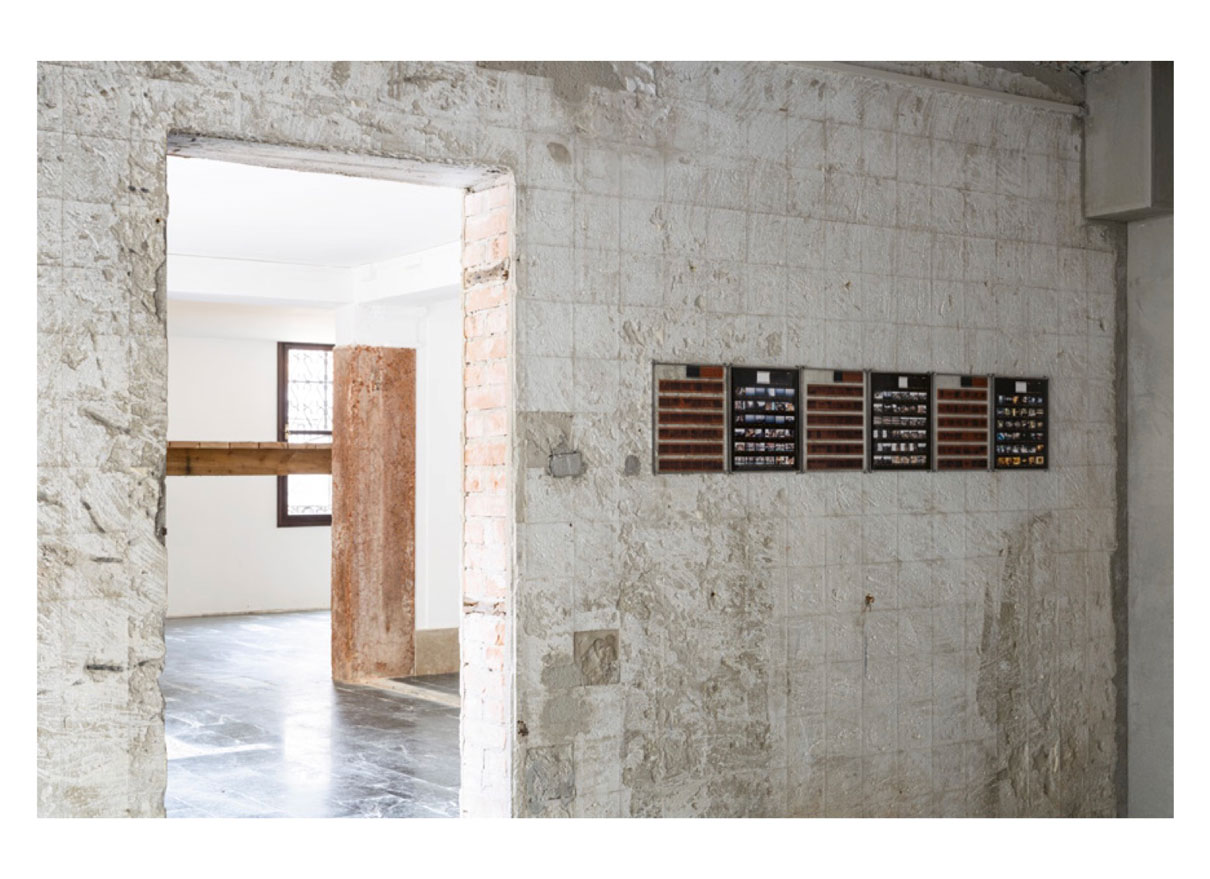
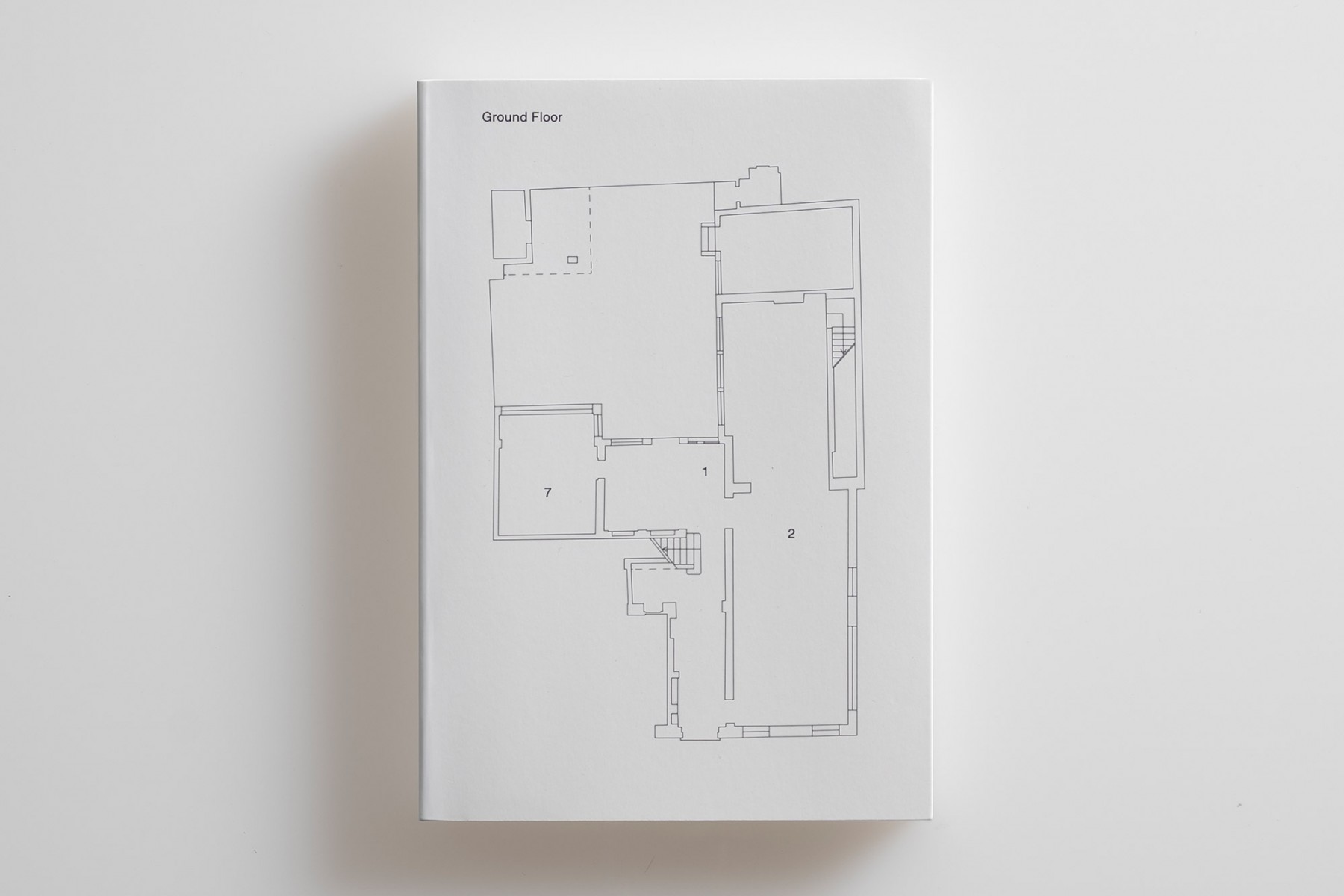
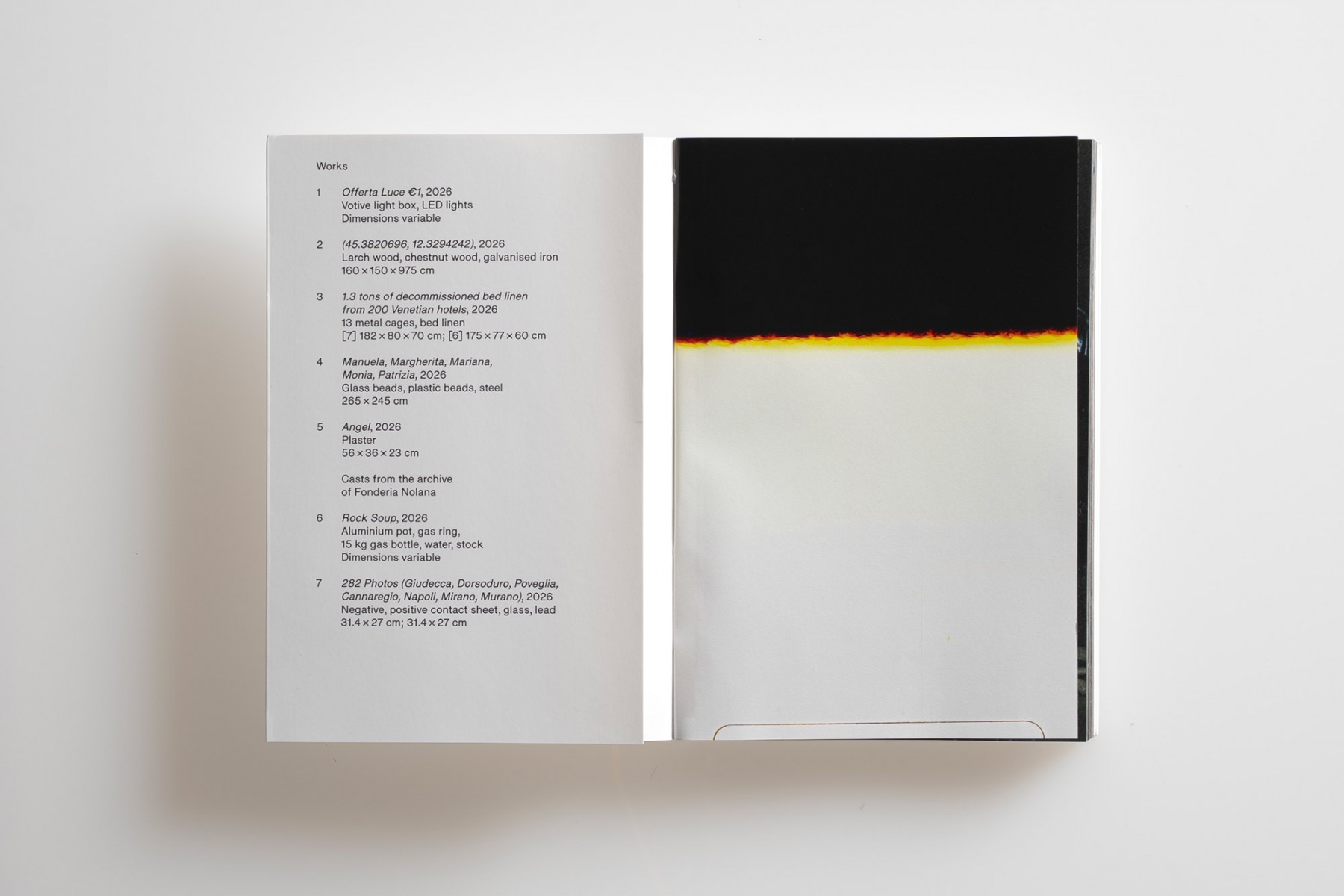
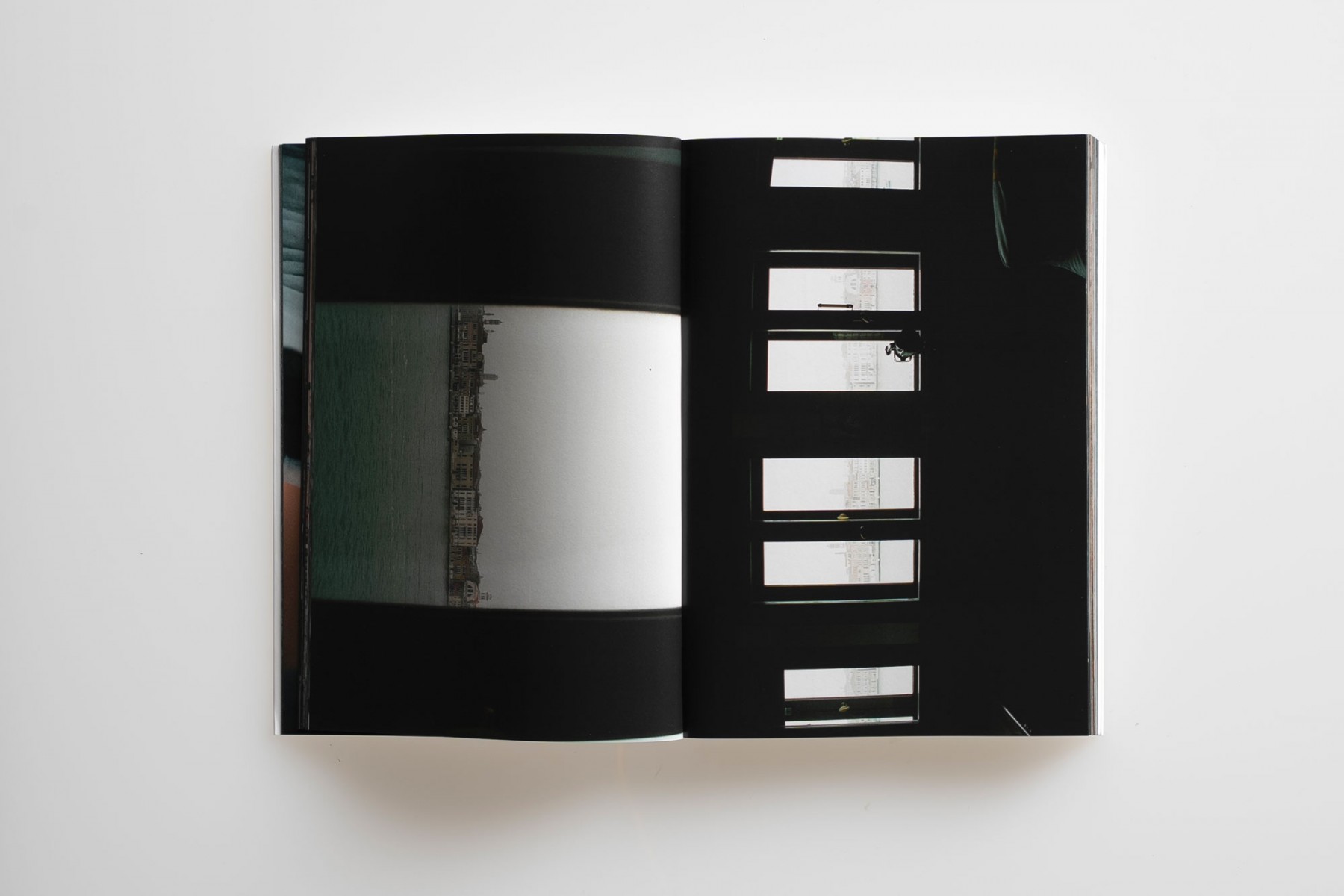
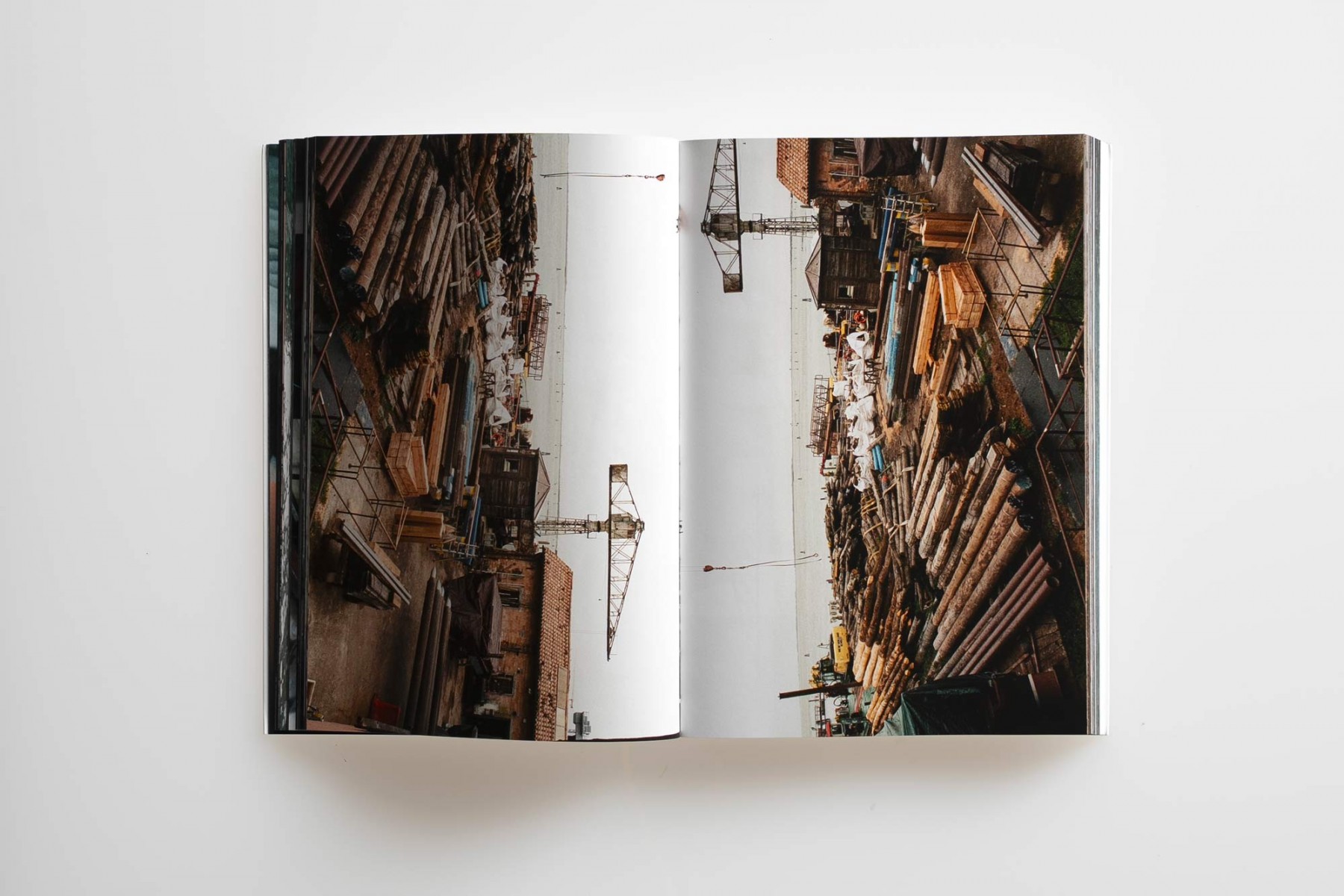
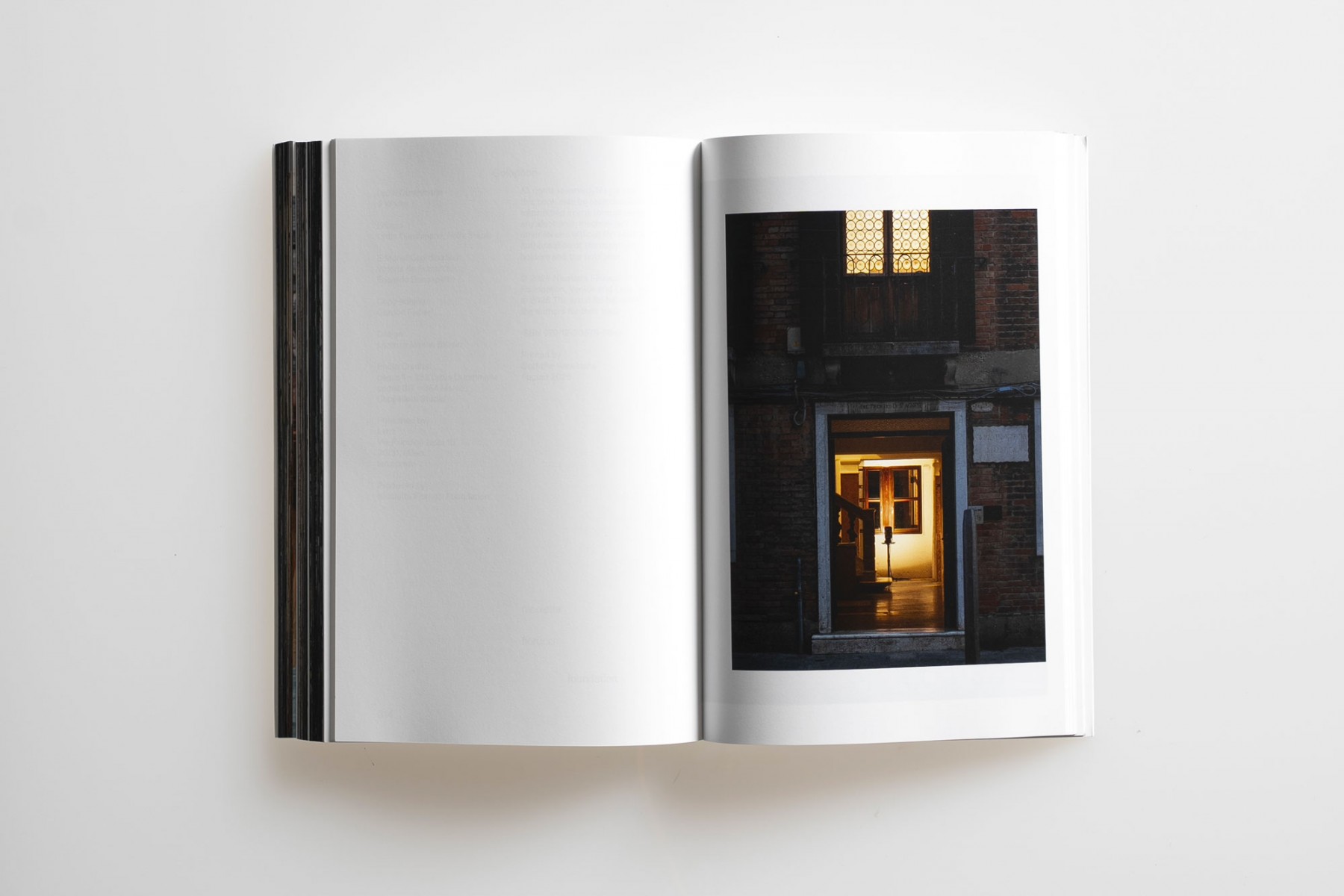
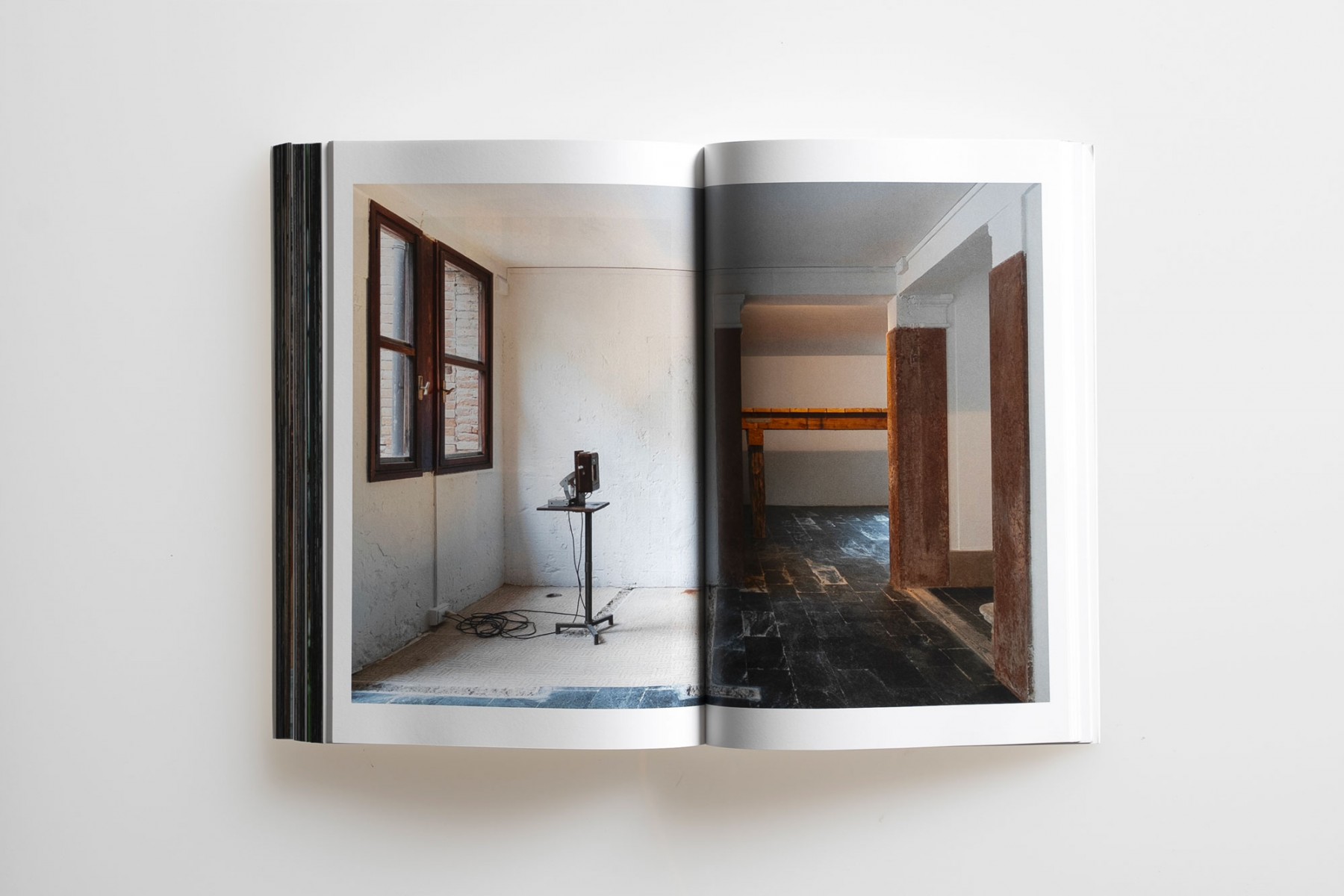
The publication encompasses the following elements: 282 photographs that Ourahmane shot during her residency in Venice while preparing 5 Works; an introduction to Ourahmane’s work and to the exhibition, written by Staple; a conversation between Ourahmane and Staple, structured as a walking tour of the exhibition; installation views, by photographer Marco Cappelletti, sequenced in the order visitors encountered the works; the floor plan of the exhibition—appearing on the book’s cover—complete with the list of works; and an endnote by Nicoletta Fiorucci.