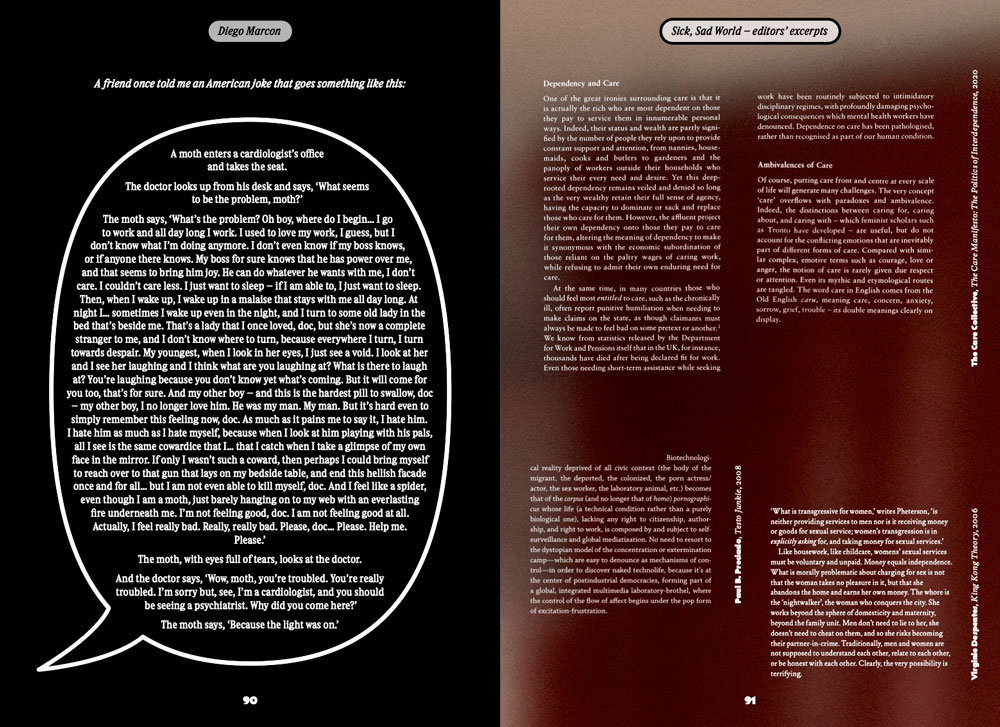
This small anthology reviews some of the central themes of Diego Marcon’s research: from the role of the display in exhibitions to his relationship with cinema, from the use of special effects and animatronics to the sense of community established through his work. Glassa accompanies the exhibition of the same name designed by the artist for the spaces of the Centro per l’arte contemporanea Luigi Pecci in Prato.
Strata raccoglie 37 conversazioni con artisti il cui lavoro ha dato un contributo significativo alla scena artistica italiana e internazionale a partire dal 2000. Questo libro è il resoconto personale di una serie di incontri, amicizie e relazioni professionali che Vincenzo de Bellis e Alessandro Rabottini hanno coltivato negli ultimi vent’anni.
Strata compiles 37 conversations with artists whose work has made a significant contribution to the Italian and international art scene since 2000. This book is the personal account of a number of encounters, friendships, and professional relationships that Vincenzo de Bellis and Alessandro Rabottini have nurtured over the past twenty years.
Pardon Façade documents the artistic output of Luca Monterastelli, showcasing almost all of the sculptures and installations that he produced between 2011 and 2022. Across four chapters—corresponding to four solo shows that he staged in Milan, Otegem, Antwerp, and Naples—the publication provides the first overview of the artist’s work.
More than half a century after its premiere, Yvonne Rainer, in collaboration with choreographer and dancer Emily Coates, directed the 2019 revival of her 1965 performance Parts of Some Sextets. This book poses questions about the trajectories of artworks, performers, and audiences, all while tracing the life—and afterlife—of a dance.
How does technology organize life? This book documents and reflects on the exhibition Proof of Stake: Technological Claims at Kunstverein in Hamburg, curated by Simon Denny and Bettina Steinbrügge. It brings together a unique group of artists and scholars who investigate the technological apparatuses and power relations of organized life.
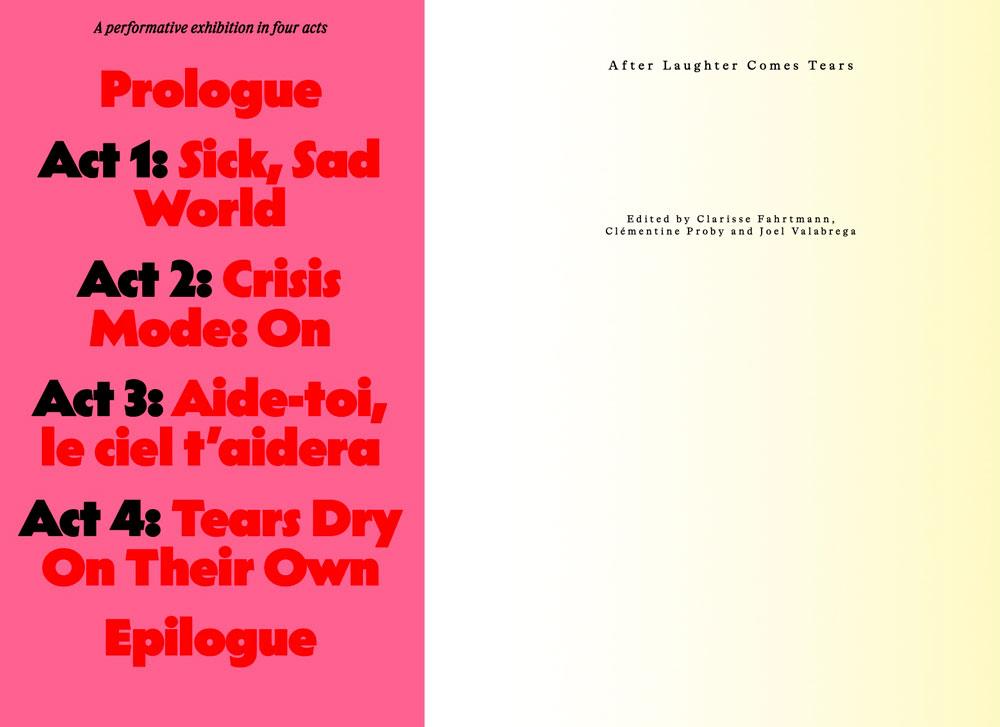
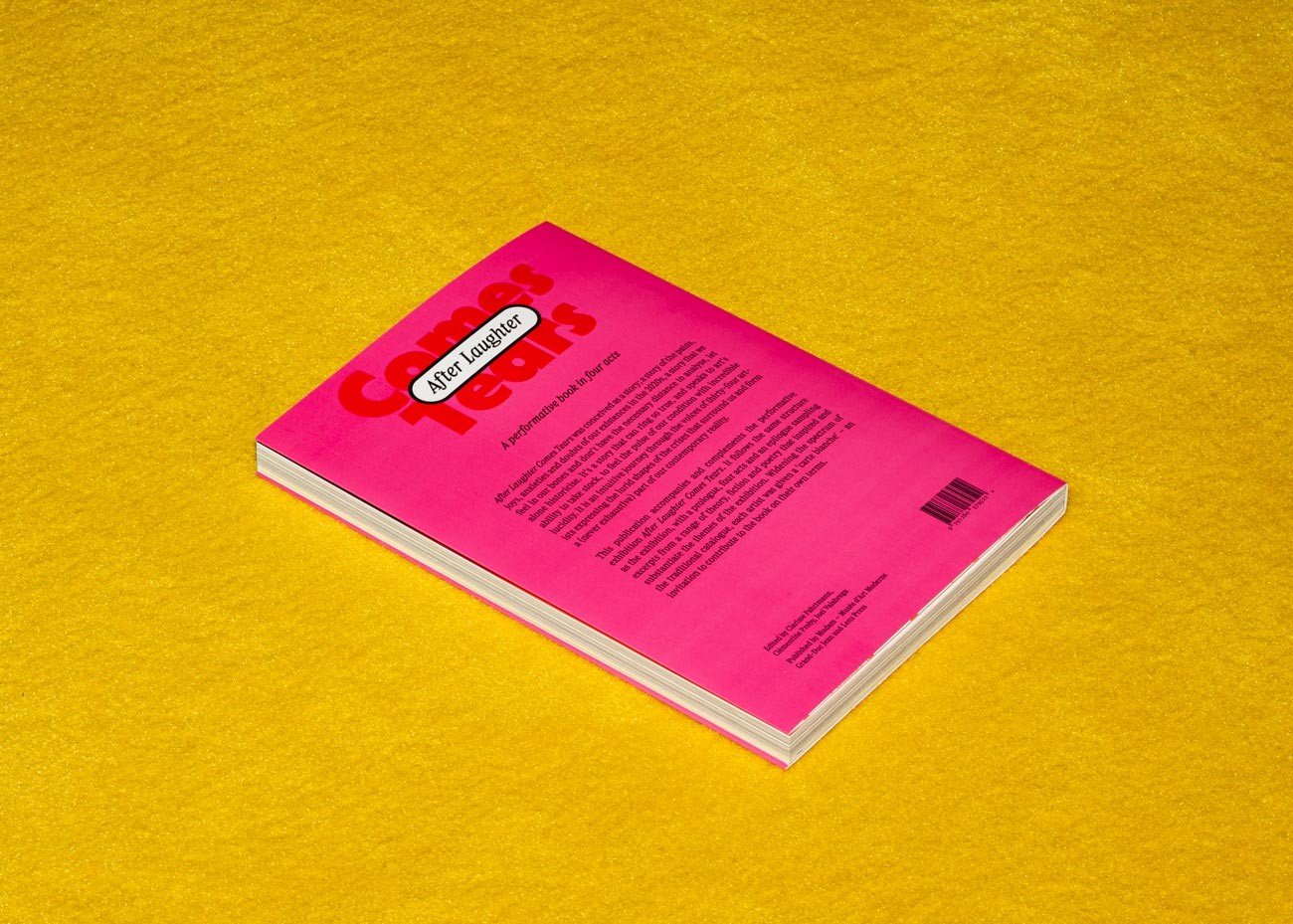
Edited by Clarisse Fahrtmann, Clementine Proby and Joel Valabrega
Foreword by Bettina Steinbrügge
Authors: Kate Cooper, Lukas Hofmann, David McDermott, Markus Pilgram, Agnieszka Polska, Clémentine Proby, Sin Wai Kin, Bettina Steinbrügge, Geraldine Tedder, Joel Valabrega and Lauren Wetmore
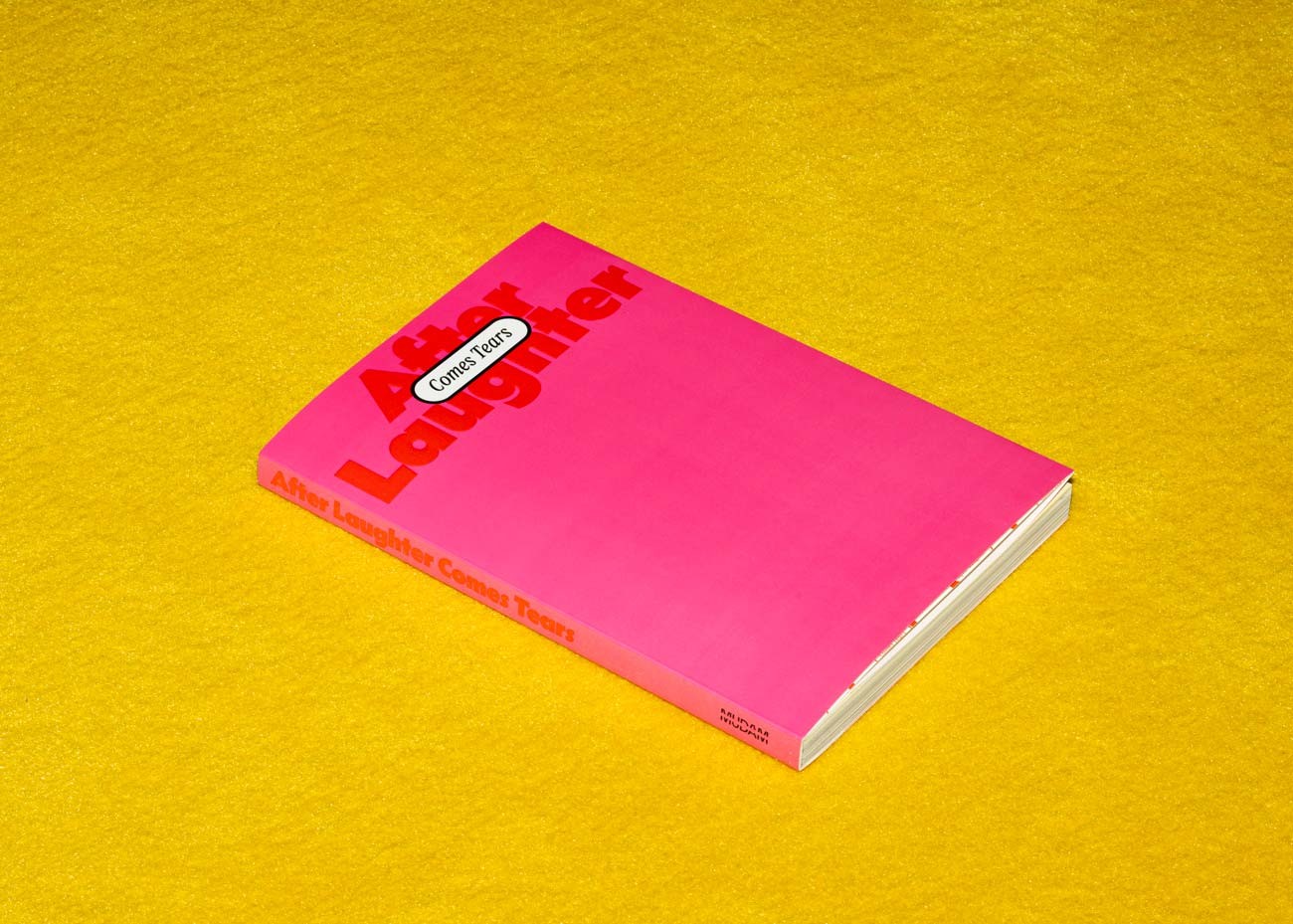
Design by Sam de Groot
2023, English, softcover, 16.5 x 24 cm, 200 pages
ISBN: 979-12-80579-52-2
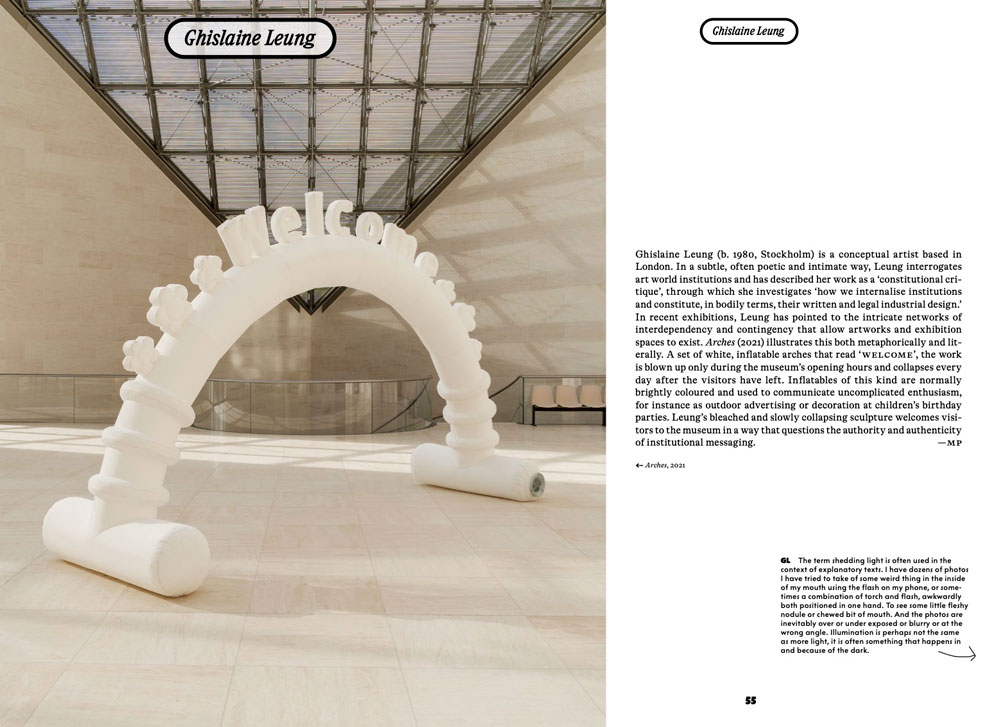
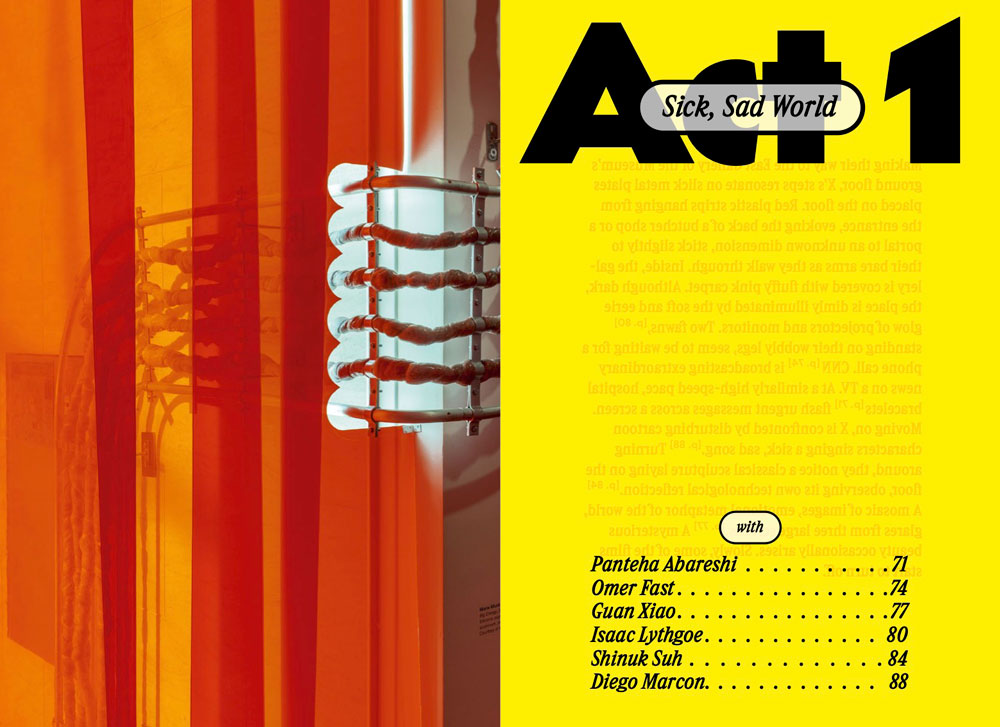
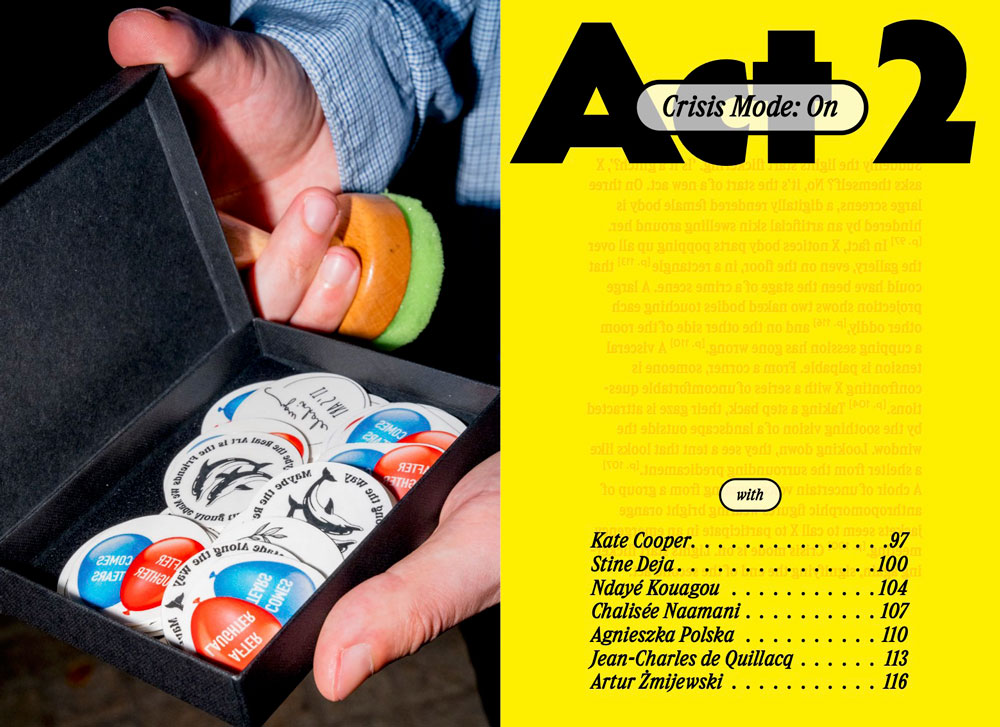
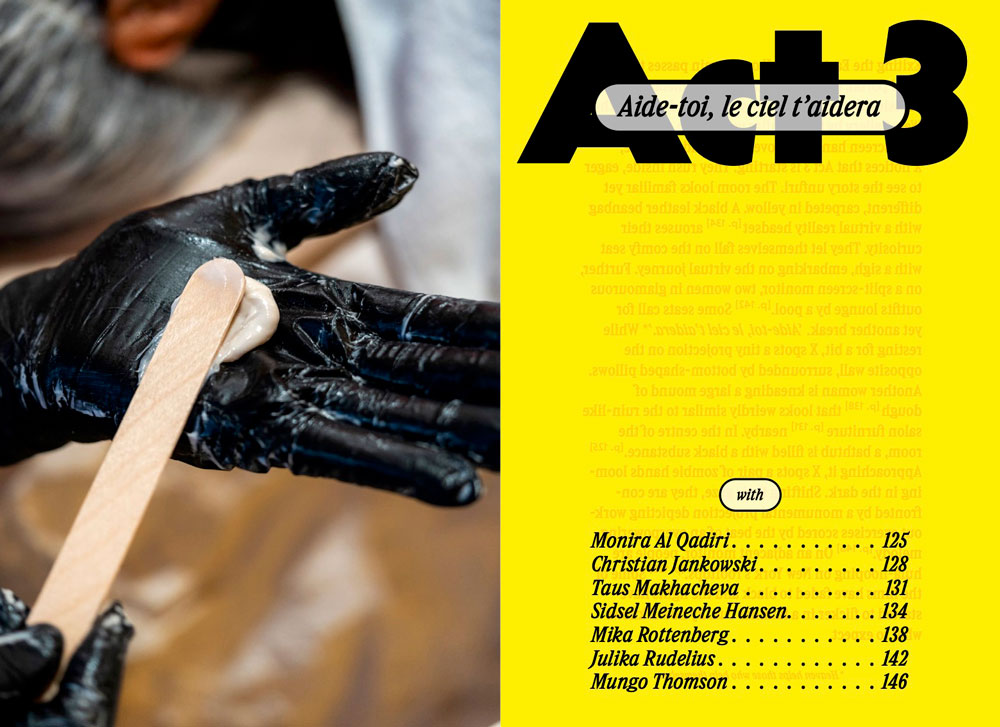
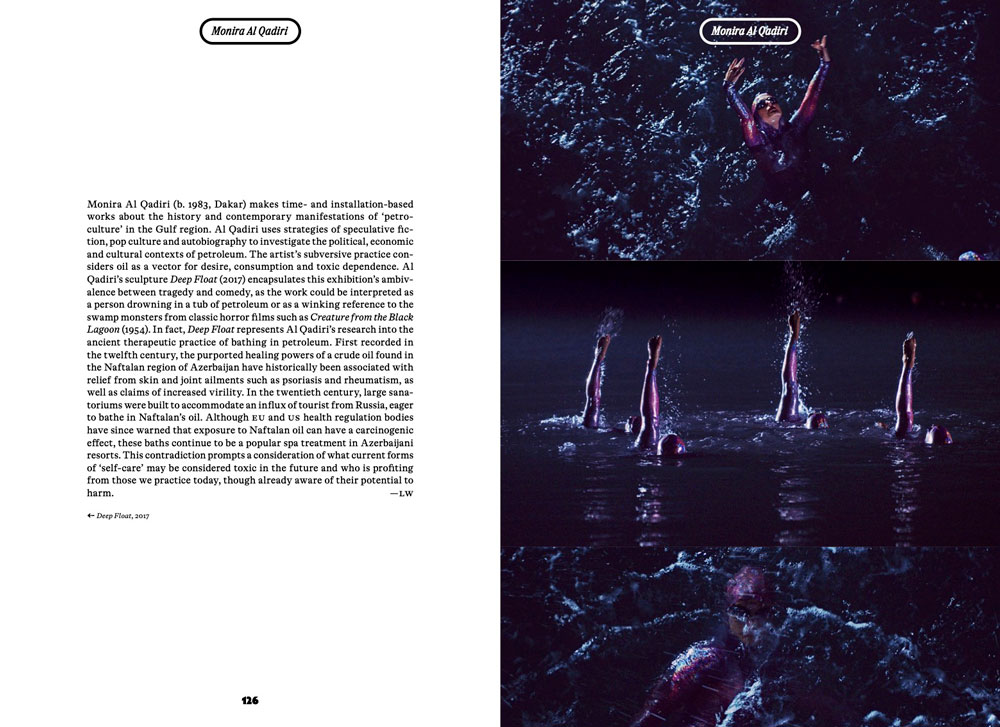
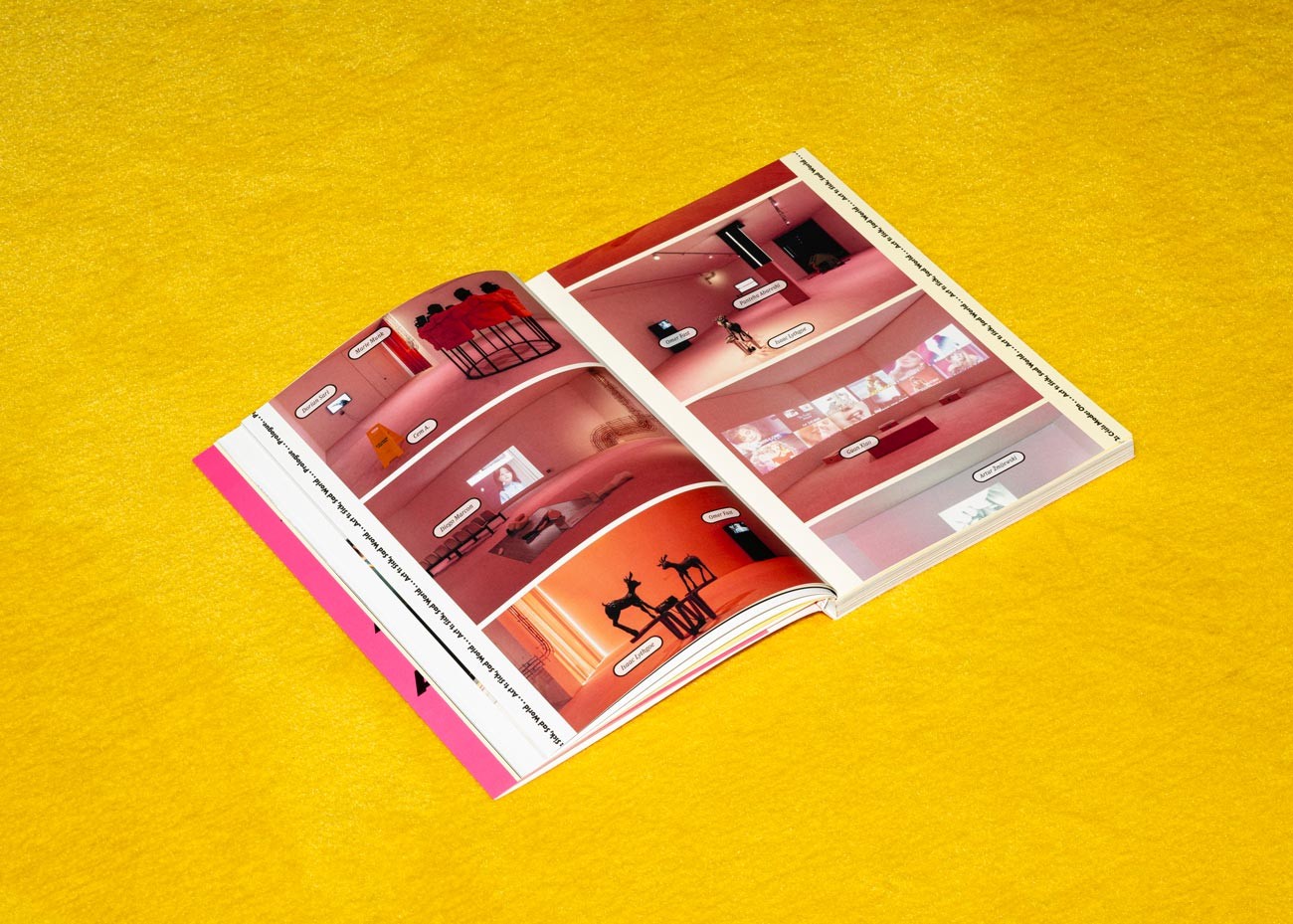
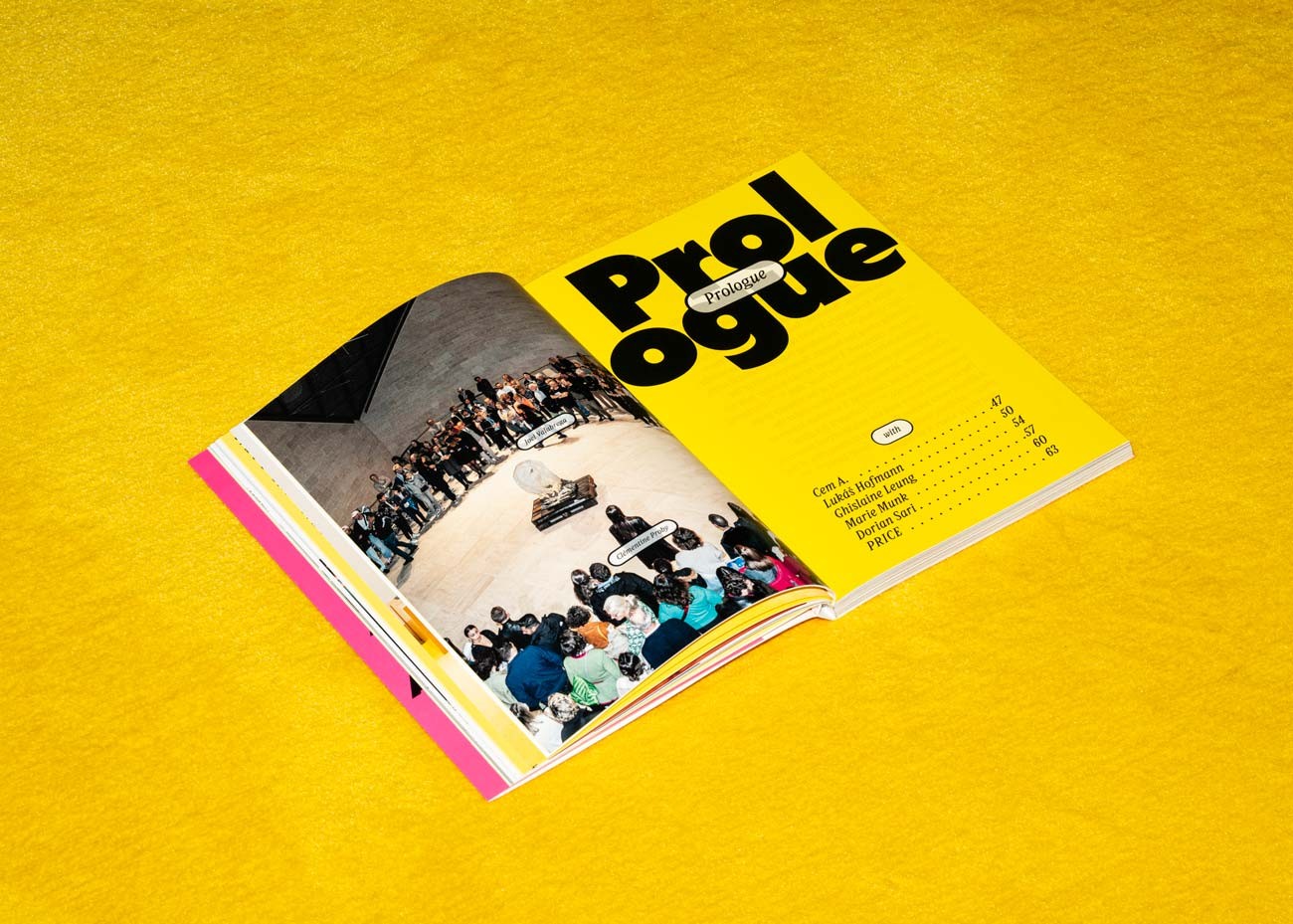
After Laughter Comes Tears, in its exhibition and book forms, brings together artists from different generations who are experimenting with the idea of the performative. This publication follows the structure of the exhibition at Mudam Luxembourg, with a prologue, four acts and an epilogue, which each sample excerpts from the range of theory, fiction and poetry that inspired and substantiate the themes of the exhibition. Widening the spectrum of the traditional catalogue, each artist was given a “carte blanche”—an invitation to contribute to the book on their own terms.
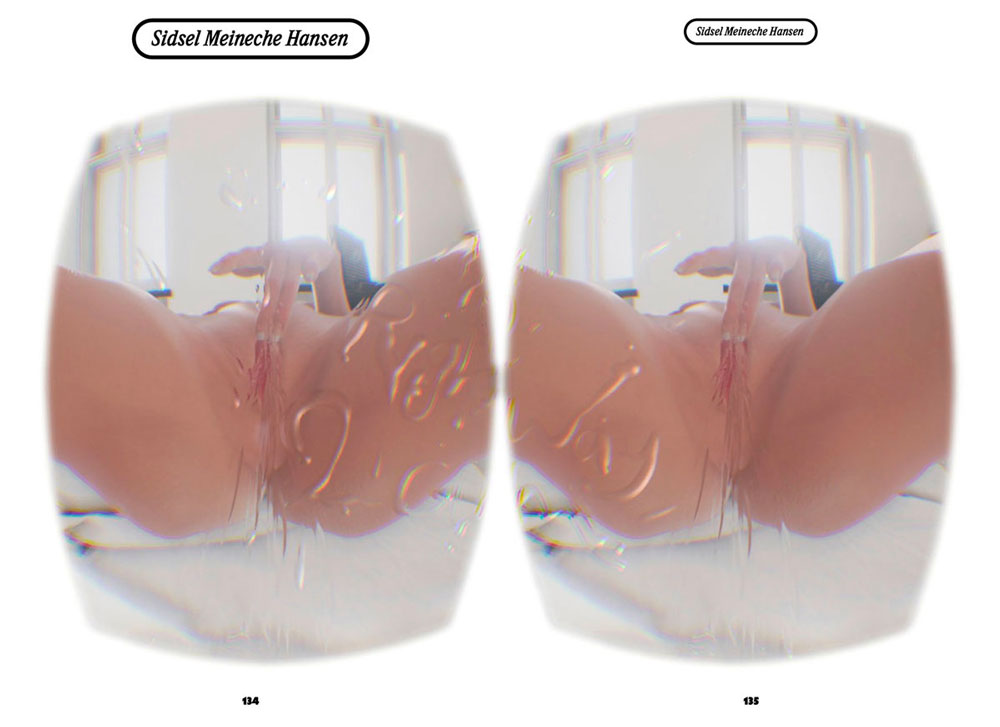
This performative book was conceived as a story; a story of the pains, joys, anxieties and doubts of the 2020s. It takes as a starting point, the feelings of stasis and anger that define the present stage of late capitalism, framed by the anxieties of a generation facing a climate crisis, welfare states trampled and failed by neoliberal policies and the rise of xenophobia around the globe, partly fueled by fake news spreading on- and offline. It is an intuitive journey through the voices of thirty-four artists expressing the lurid shapes of the crises that surround us and form a (never exhaustive) part of our contemporary reality. They are Cem A., Panteha Abareshi, Monira Al Qadiri, Kate Cooper, Pauline Curnier Jardin, Jesse Darling, Stine Deja, Omer Fast, Anna Franceschini, Guan Xiao, Sidsel Meineche Hansen, Lukáš Hofmann, Christian Jankowski, Chris Korda, Ndayé Kouagou, Ghislaine Leung, Isaac Lythgoe, Taus Makhacheva, Diego Marcon, Jacopo Miliani, Marie Munk, Chalisée Naamani, Agnieszka Polska, PRICE, Jean-Charles de Quillacq, Mika Rottenberg, Julika Rudelius, Dorian Sari, Sin Wai Kin, Shinuk Suh, Martine Syms, Mungo Thomson, Cajsa von Zeipel, and Artur Żmijewski.