Through a rich selection of images, this artist’s book, published in two editions—gold and silver—explores the birth, life and death of Francesco Gennari’s work Vorrei perdermi e non trovarmi più, 2022, exhibited for the first time at the Ciaccia Levi Gallery in Paris.
Through a rich selection of images, this artist’s book, published in two editions—gold and silver—explores the birth, life and death of Francesco Gennari’s work Vorrei perdermi e non trovarmi più, 2022, exhibited for the first time at the Ciaccia Levi Gallery in Paris.
This richly illustrated publication combines artwork, archival and process imagery, and includes an extended interview with the artist, as well as new essays by key thinkers in the fields of anthropology, philosophy, political economy and art history.
In the first monograph on the feminist conceptual artist collective Claire Fontaine, political theorist and somatic practitioner Anita Chari explores the artist’s theoretical and political innovations to illuminate a more haptic, embodied approach to the practice of critical theory.
Shahryar Nashat inserts his art in the pages of this new artist’s book, which takes the form of a catalogue-turned-manual: but instead of explaining its meaning, he strips it of its aura, flaunts its nature as an object and describes step-by-step how to create it.
Martin Heidegger, Glenn Gould, Jacques-Louis David, Cy Twombly, Paul Engelmann and Ludwig Wittgenstein: characters that Francesco Arena has chosen or rediscovered in multiple contexts over the time recur in this book. Ranging from philosophy, to music, to visual arts, they embrace the whole world of knowledge.
Edited by Fabian Schöneich
Texts by Lawrence Abu Hamdan, Natasha Ginwala, Ruba Katrib, Andrea Lissoni, Ramona Naddaff,
Fabian Schöneich, Yasmine Seale, Theodor Ringborg, Eyal Weizman
Designed by David Bennewith
Co-published with Bonnier Konsthall
2022, English, hardcover, 19 x 25 cm, 256 pages
ISBN 979-12-80579-08-9
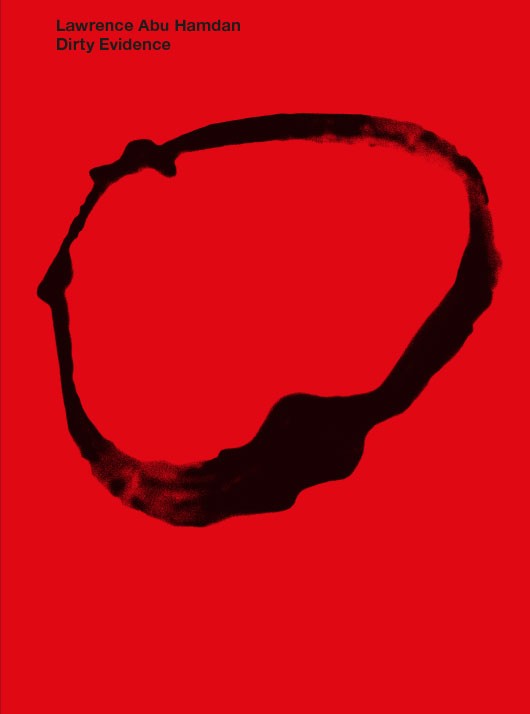
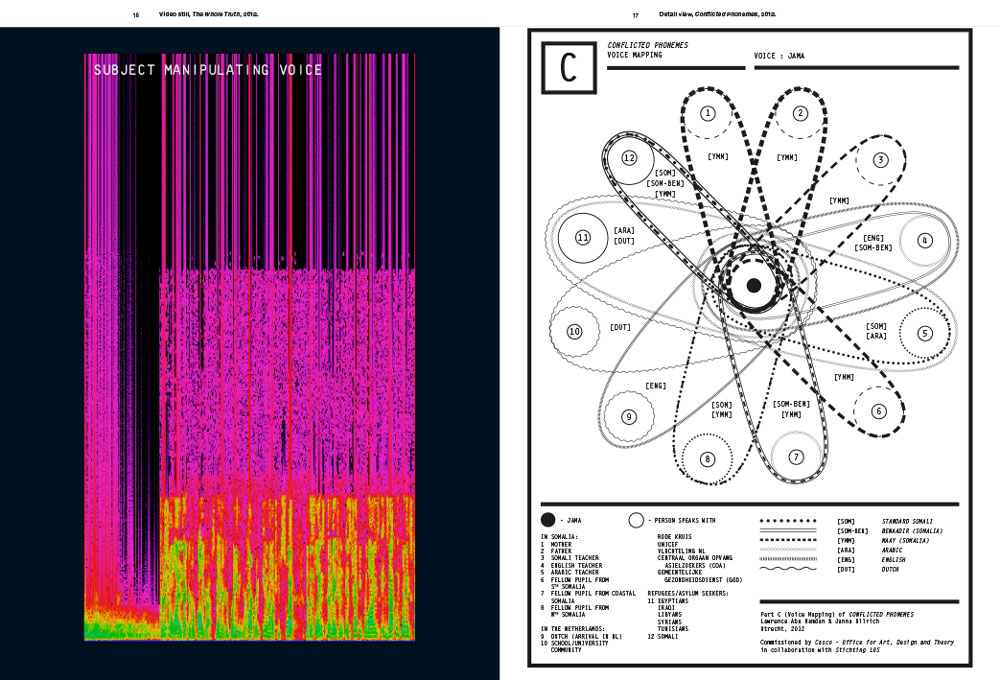
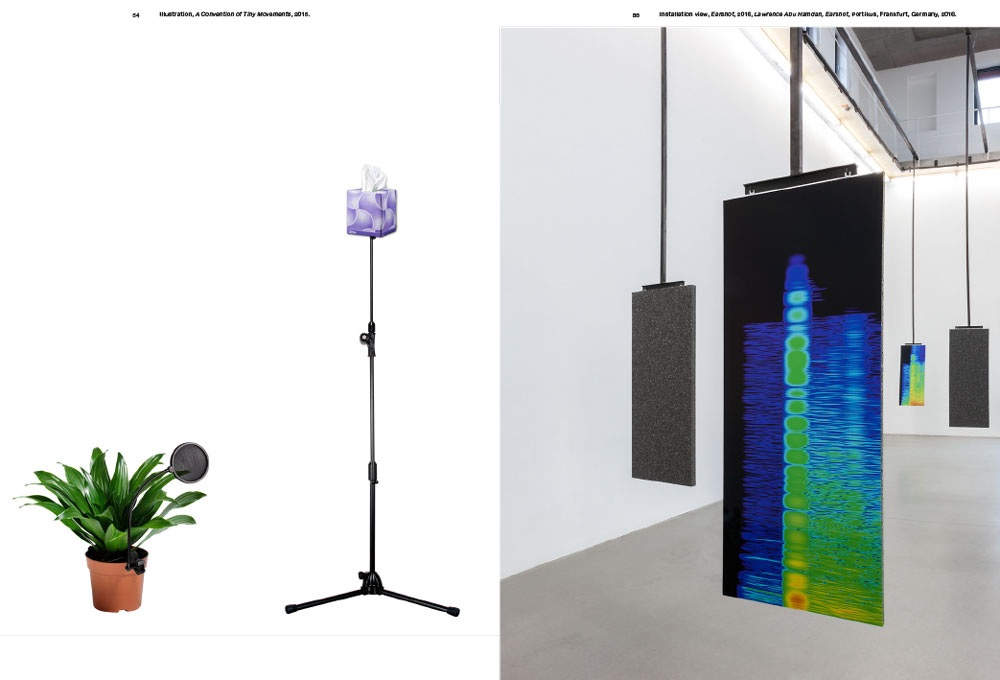
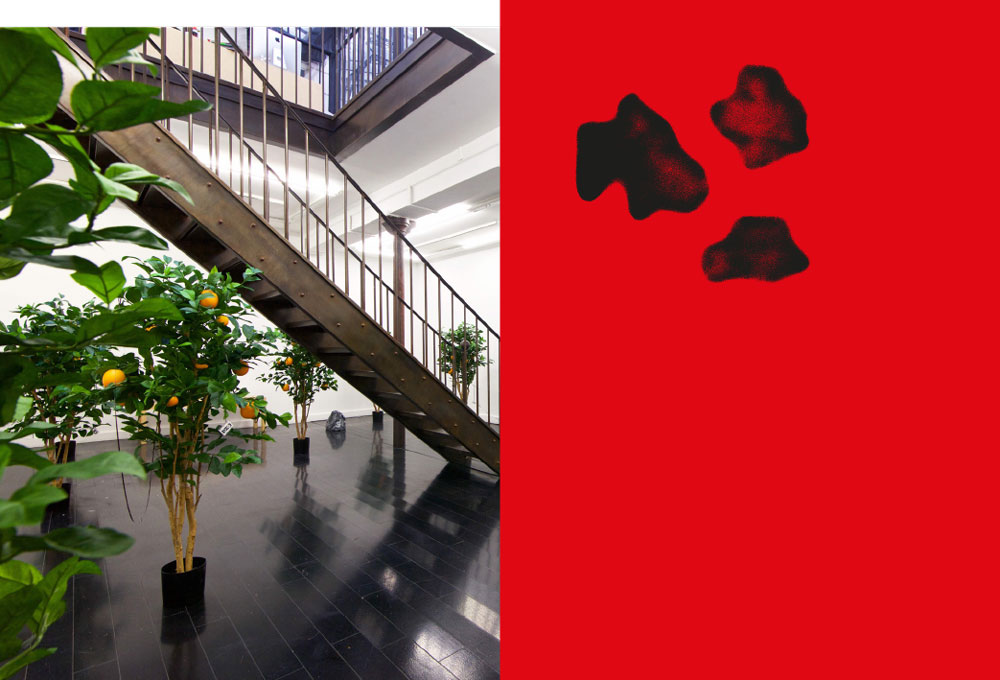
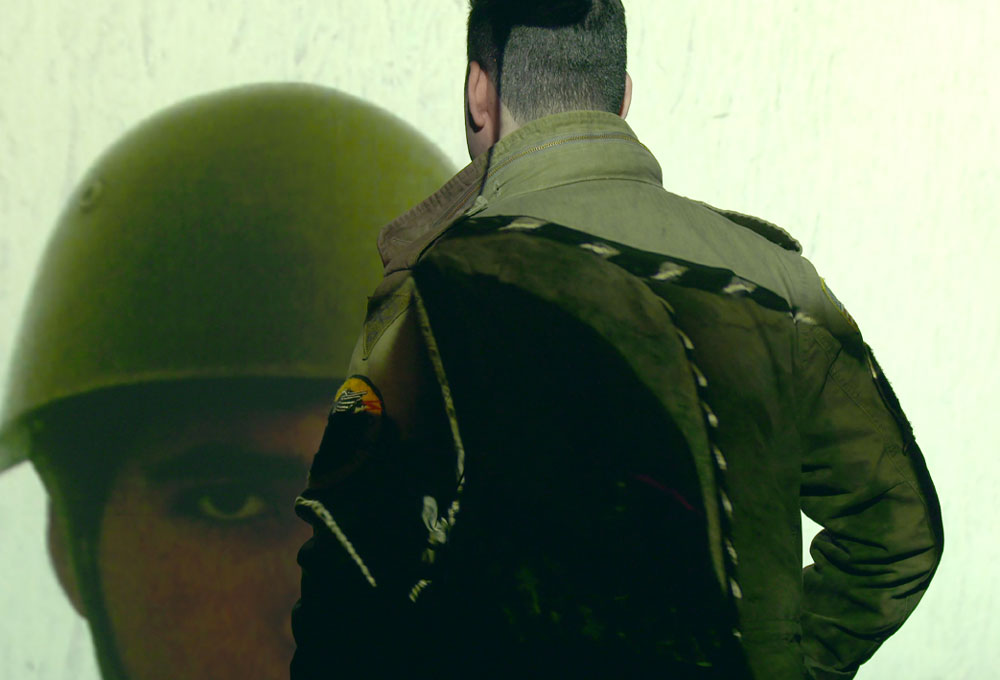
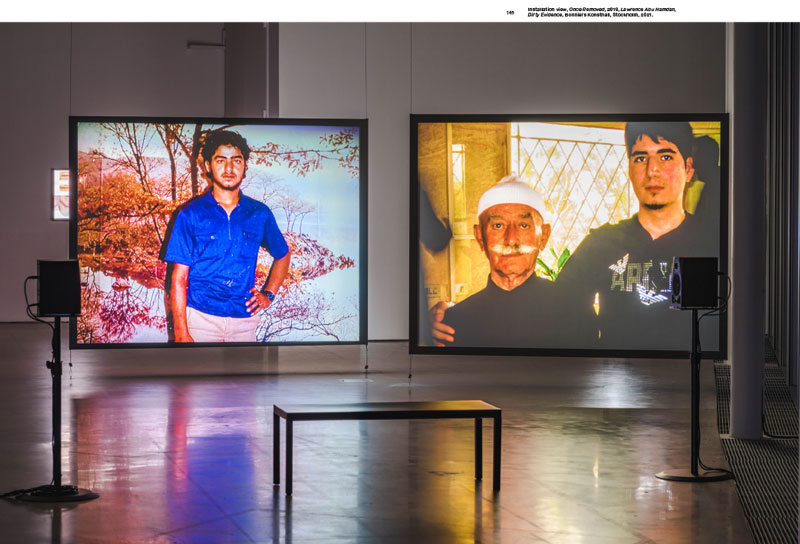
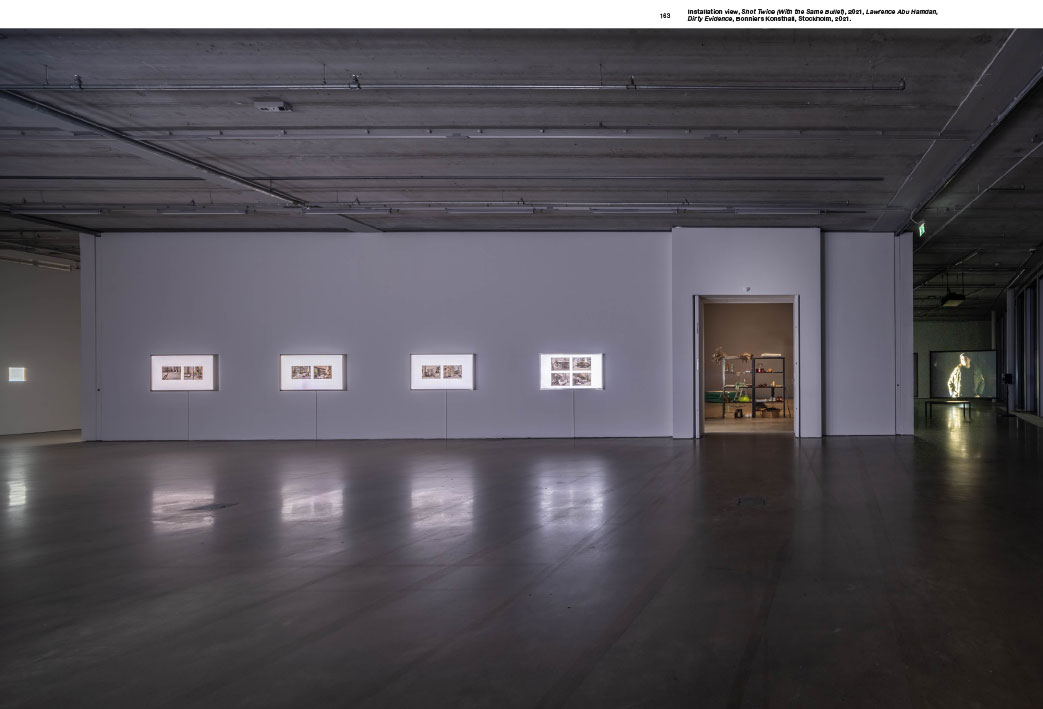
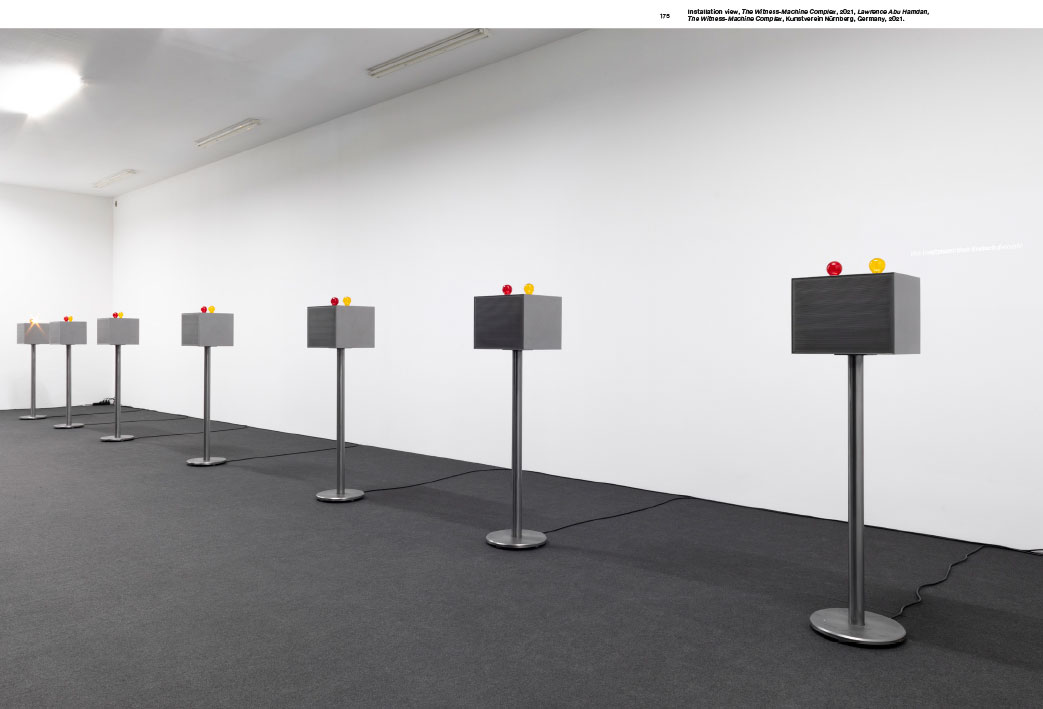
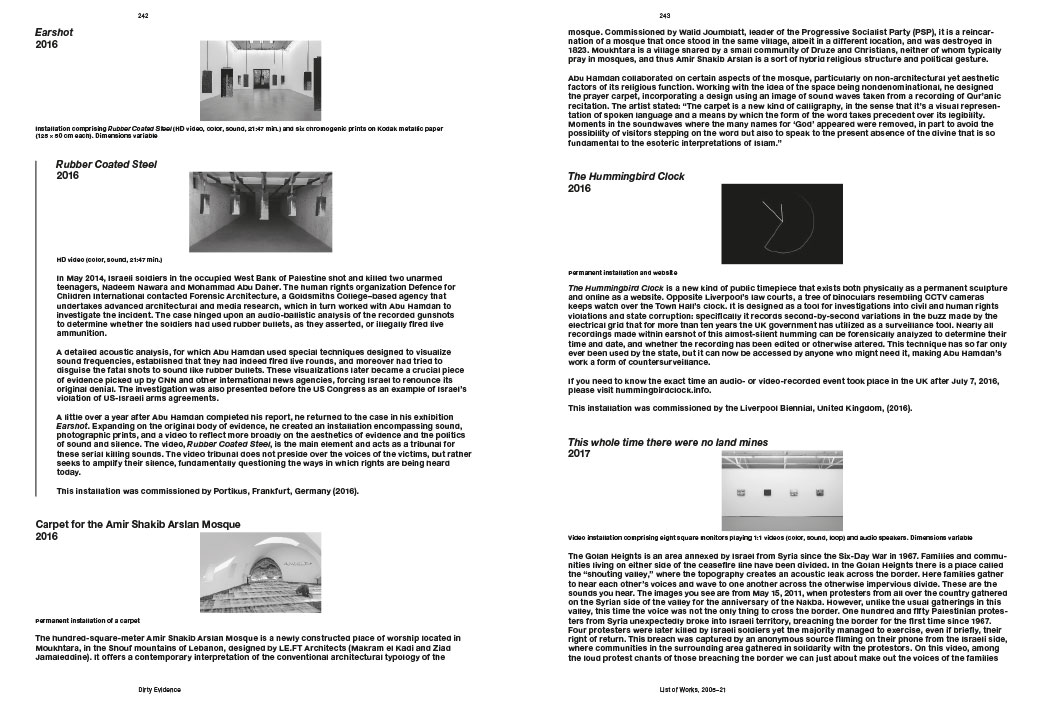
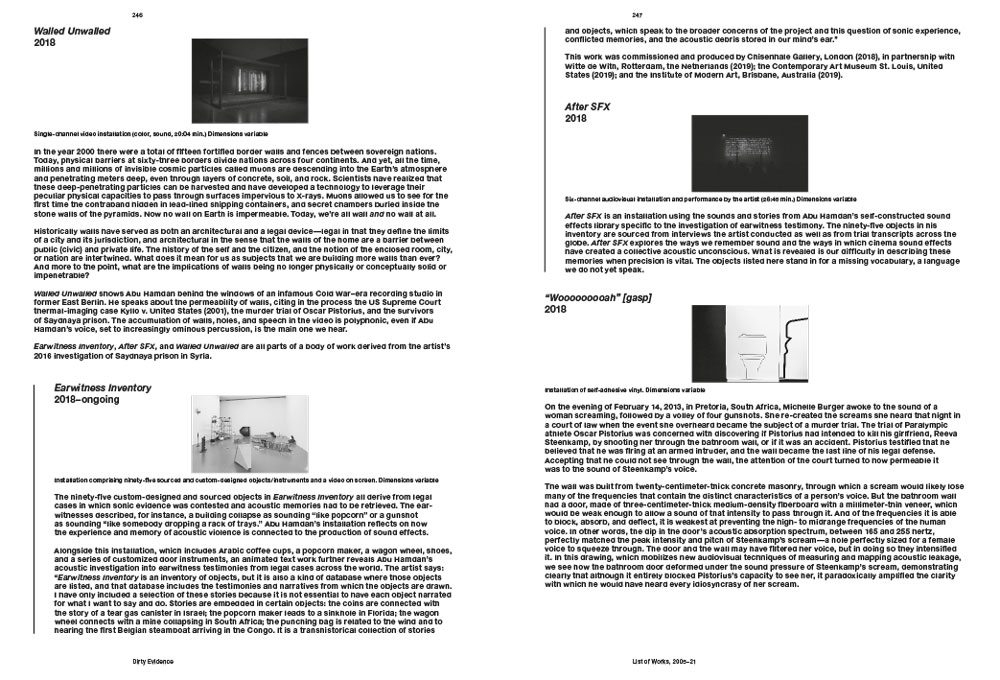
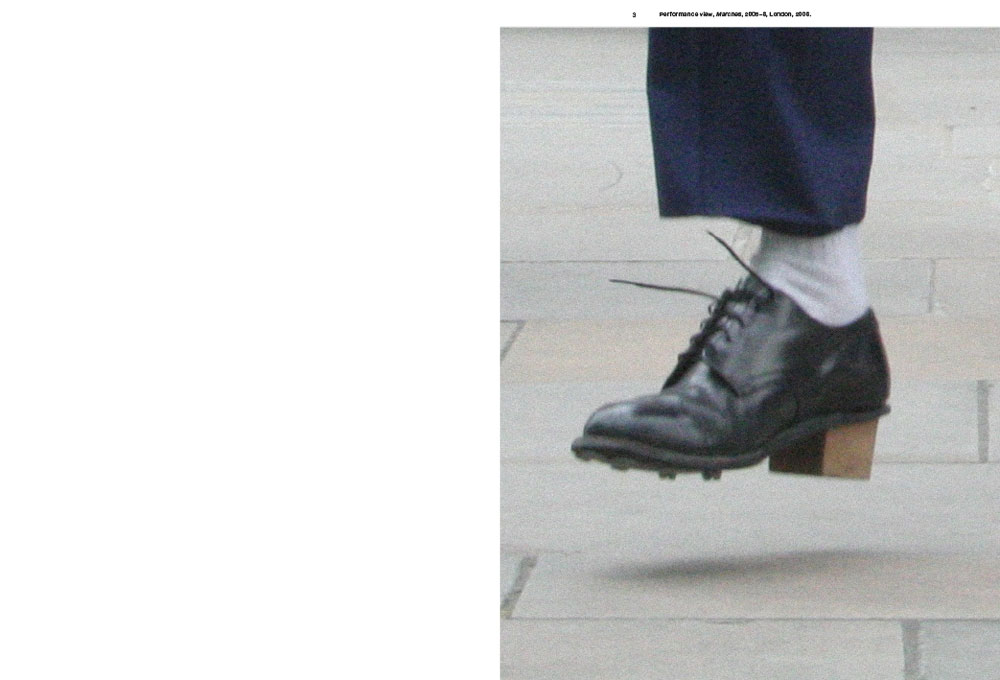
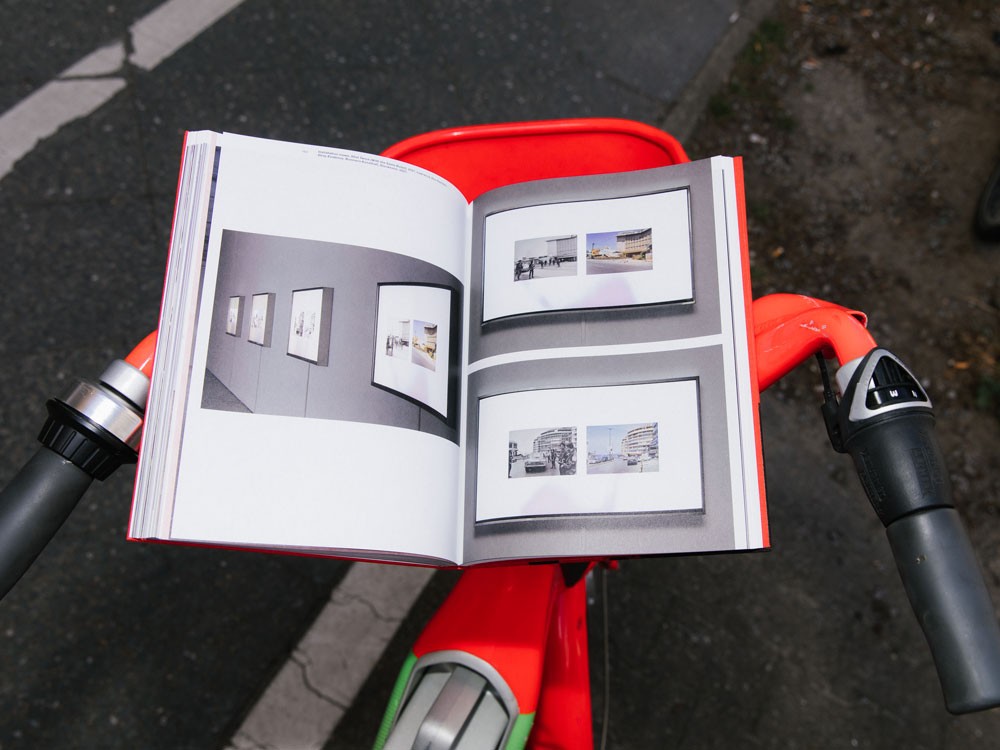
Richly illustrated, this book provides for the first time a visual overview of Lawrence Abu Hamdan’s works of more than a decade, and elaborates on a formal vocabulary characterized by the aesthetics of sound and language. Published on the occasion of his exhibition at Bonniers Konsthall in Stockholm, a group of authors have been invited to engage with individual works and their underlying concepts. Abu Hamdan recognizes the space for art as a site where attention can be drawn to real socio-political conditions in order to challenge the structures behind them. The artist can therefore push at the boundaries of what constitutes testimony. The title “Dirty Evidence” comes from Abu Hamdan’s definition of evidence in which a truth value is derived from its very inadmissibility before the law. It is precisely the evidence’s figurative dirt and dirtiness that works toward the production of truth.