Published on the occasion of the first exhibition in Italy by Jenna Gribbon, staged at the Collezione Maramotti, Mirages showcases a wealth of images that highlight the fluid, sensual output of this artist who, in repeatedly portraying her wife, the musician Mackenzie Scott (aka TORRES), explores the implications inherent in seeing and being seen.
The catalogue of this ambitious project, held at the Centre d’Art Contemporain Genève in 2017, reflects on the centrality of writing in contemporary visual art practices. Documenting its slippages from printed matters to the digital realm, from voice modulations to its sculptural presence, this book celebrates the word in all its forms.
A book emerged from the need to try to tell the story of architecture in a way quite unlike how it’s usually told, in a continuous dialogue between the anthropological gaze of Armin Linke’s photos compared with the ideation process of two public works by the Carlana Mezzalira Pentimalli architecture office.
The book documents and brings together two exhibition projects by Nina Canell and Maria Hassabi. Essays, unpublished materials and a rich set of photographic materials form the driving force behind two visual narratives that offer new keys to understanding the research of the two artists.
Can art, literature, filmmaking, and music draw out, make visible, legible, audible, or even contestable the patterns in which our lives are held? Considering the work by Stan Douglas, Harun Farocki, Ingri Fiksdal, Åke Hodell, Stefan Panhans & Andrea Winkler, Susan Philipsz, and Elizabeth Price, this publication entertains this question.
This new major monographic publication on the Ghanian artist documents the work that transformed sites and repurposed buildings in his native town of Tamale to transformative outcomes rooted into the idea of art as a tool of understanding, rebalancing, and advancement.
Edited by Fabian Schöneich
Texts by Lawrence Abu Hamdan, Natasha Ginwala, Ruba Katrib, Andrea Lissoni, Ramona Naddaff,
Fabian Schöneich, Yasmine Seale, Theodor Ringborg, Eyal Weizman
Designed by David Bennewith
Co-published with Bonnier Konsthall
2022, English, hardcover, 19 x 25 cm, 256 pages
ISBN 979-12-80579-08-9
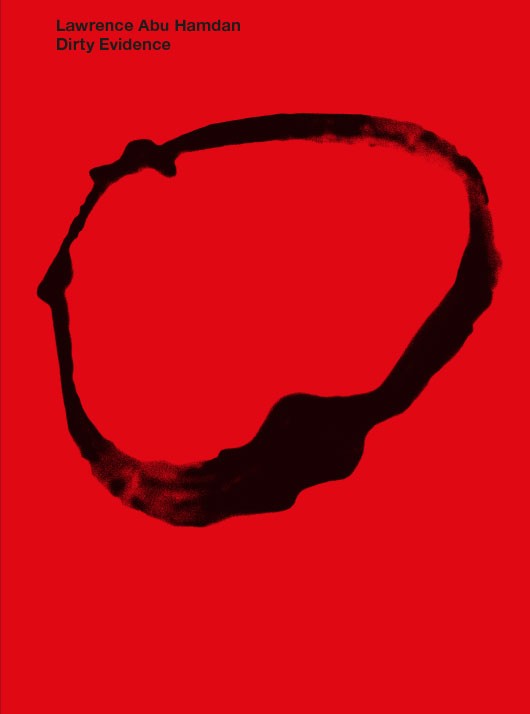
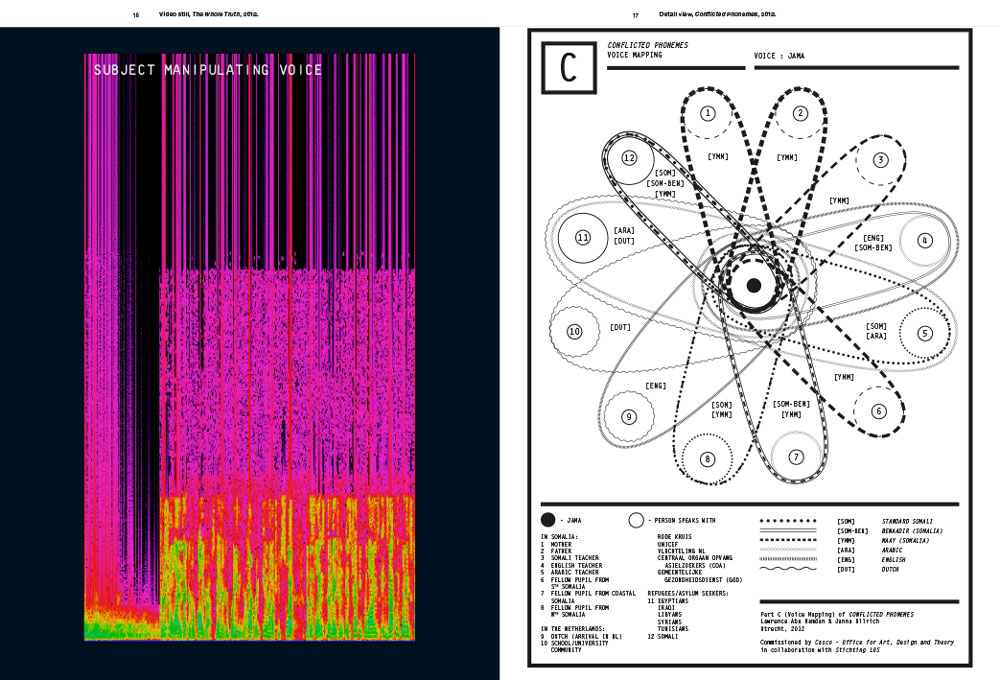
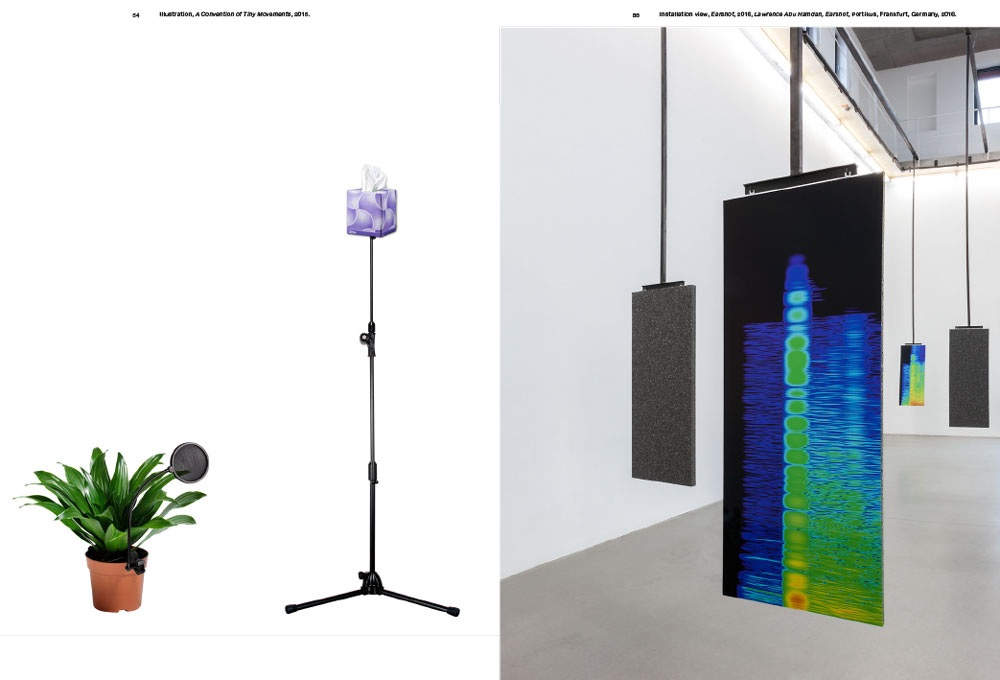
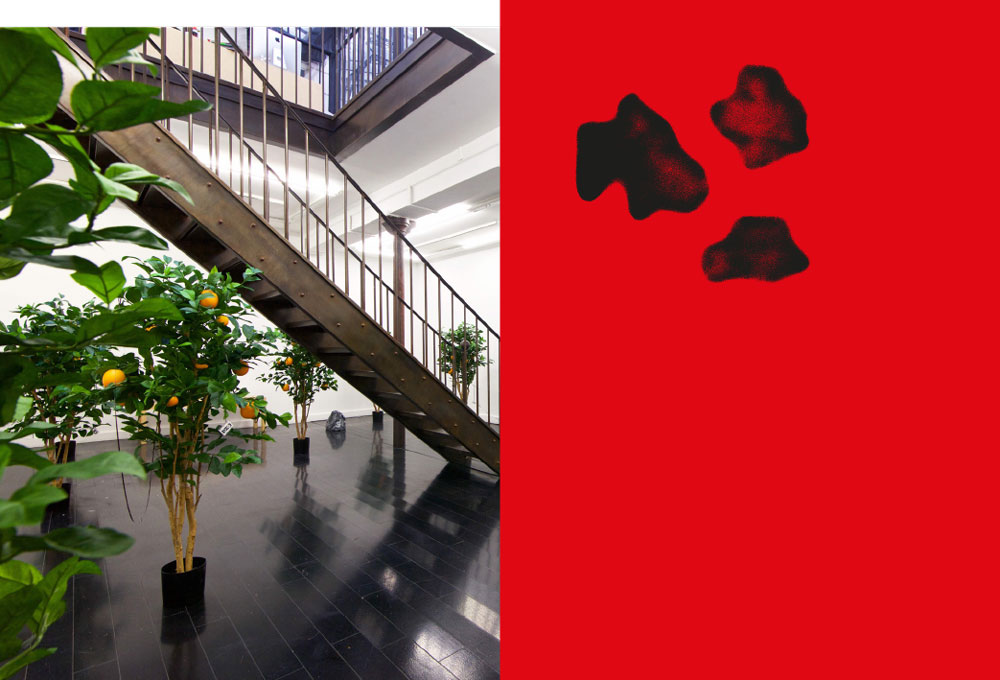
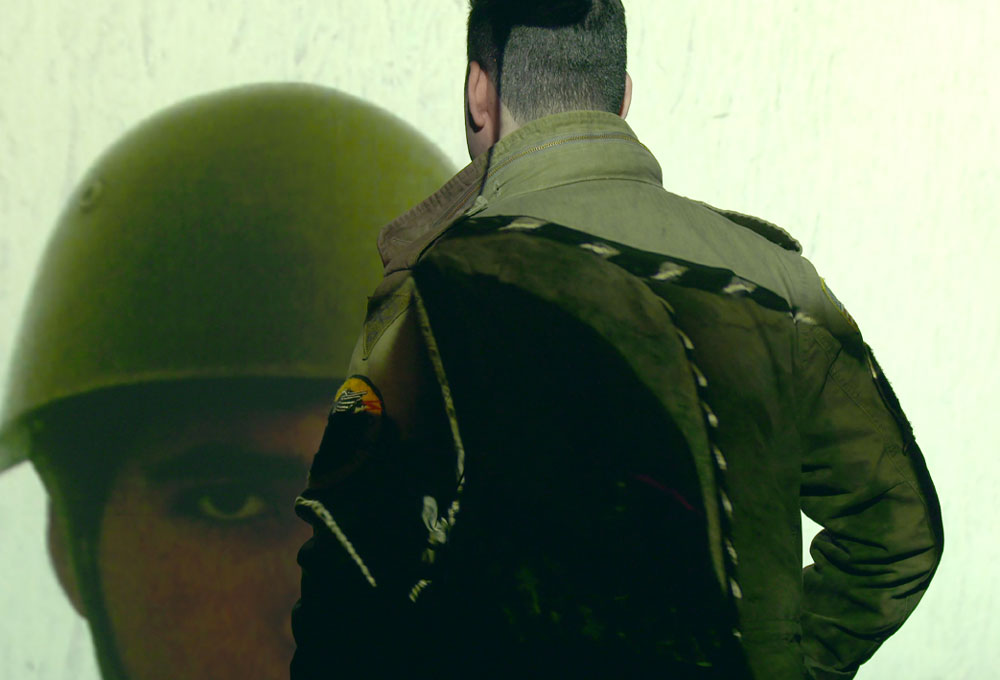
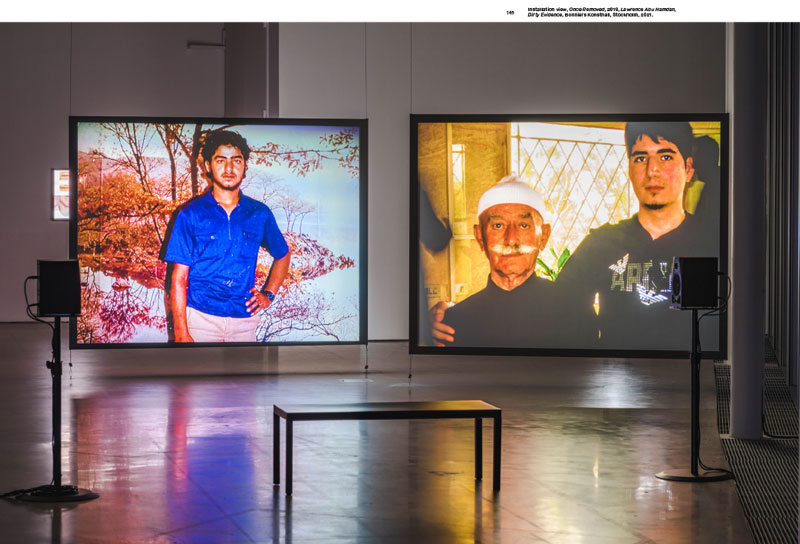
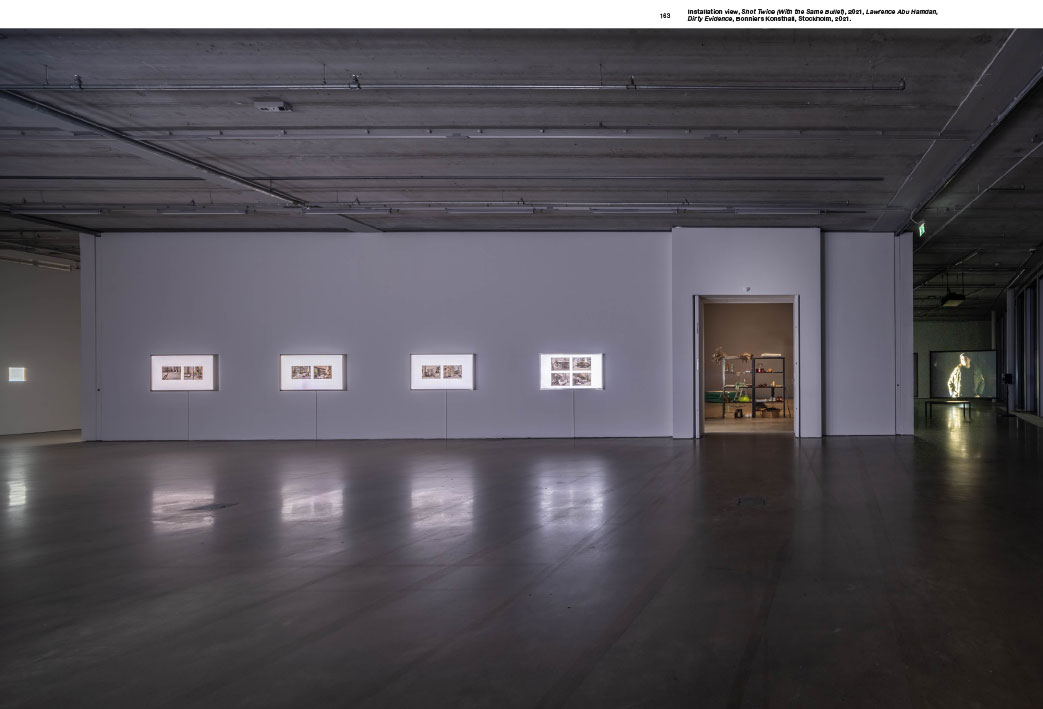
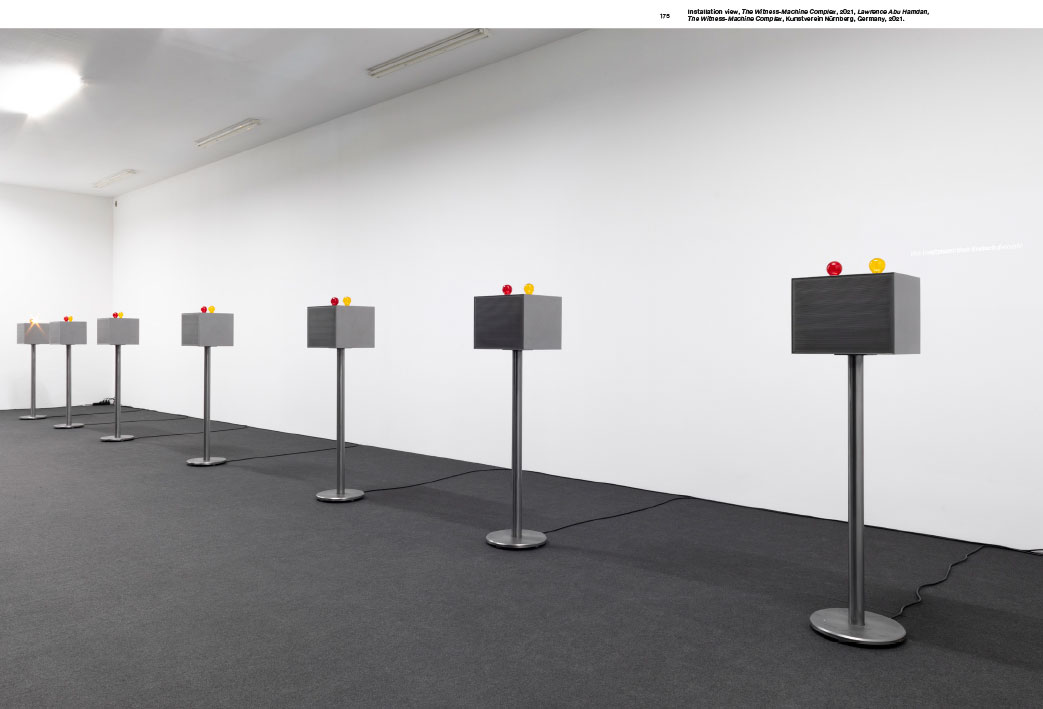
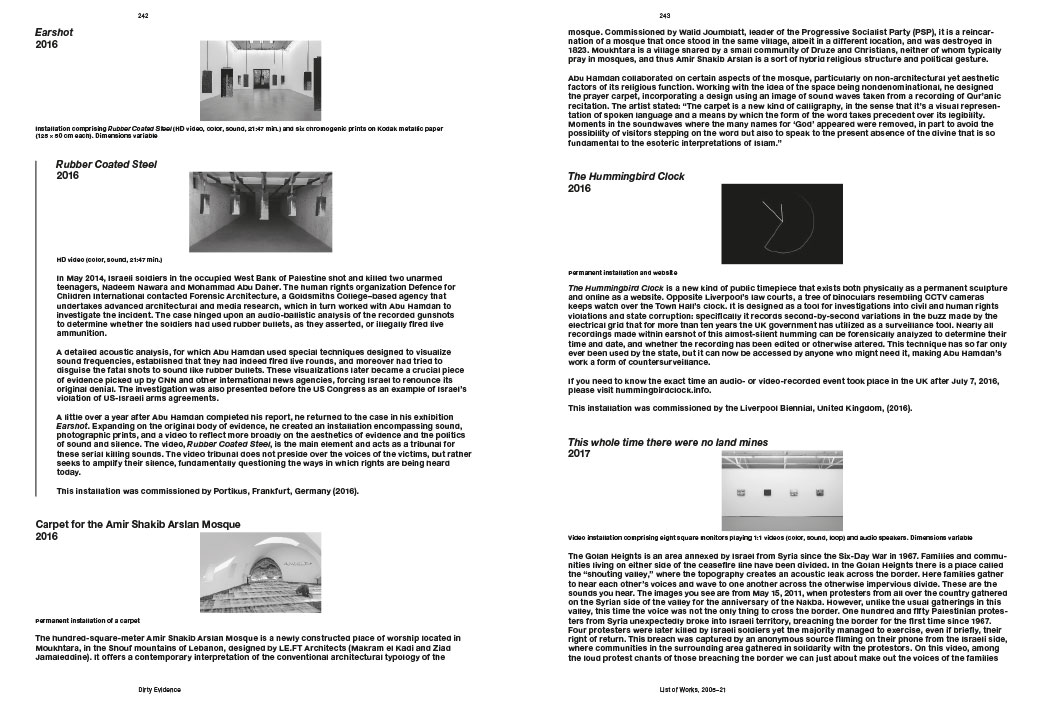
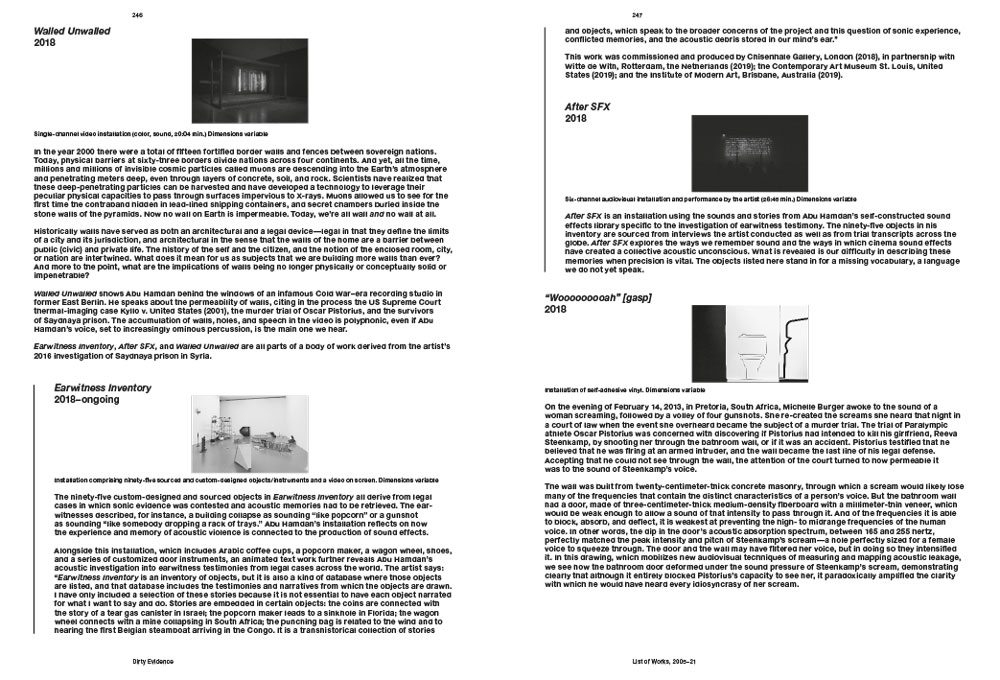
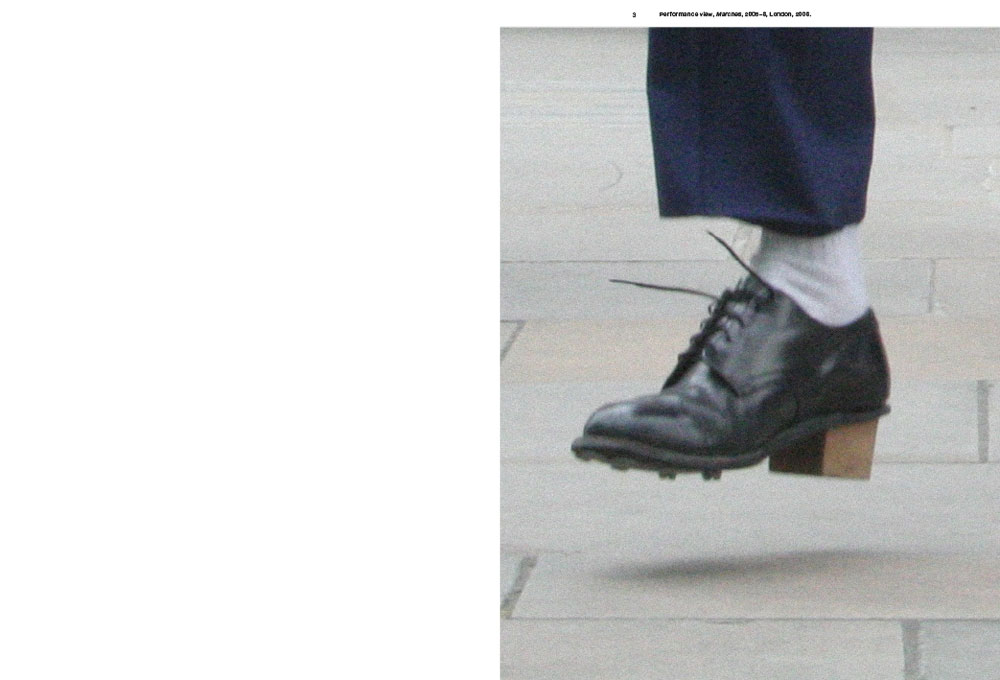
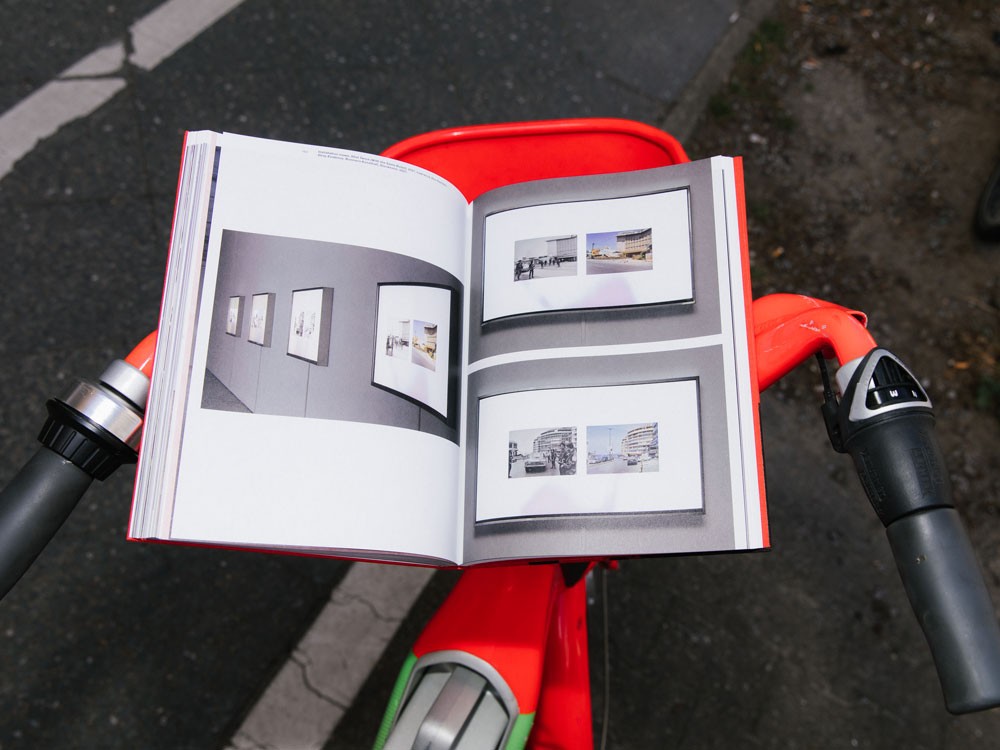
Richly illustrated, this book provides for the first time a visual overview of Lawrence Abu Hamdan’s works of more than a decade, and elaborates on a formal vocabulary characterized by the aesthetics of sound and language. Published on the occasion of his exhibition at Bonniers Konsthall in Stockholm, a group of authors have been invited to engage with individual works and their underlying concepts. Abu Hamdan recognizes the space for art as a site where attention can be drawn to real socio-political conditions in order to challenge the structures behind them. The artist can therefore push at the boundaries of what constitutes testimony. The title “Dirty Evidence” comes from Abu Hamdan’s definition of evidence in which a truth value is derived from its very inadmissibility before the law. It is precisely the evidence’s figurative dirt and dirtiness that works toward the production of truth.