Since the 1980s, Belgian artist Sigefride Bruna Hauman has created a highly original body of work in different media. Her installations, reliefs and videos are the subject of a much-overdue retrospective organized by M Leuven—and of this first monograph.
Rituals of Care is an extensive monograph devoted to the work of Antonio Obá, published in conjunction with his eponymous exhibition presented at the Centre d’Art Contemporain Genève, curated by Andrea Bellini. Extensively illustrated, the book immerses the reader in Obá’s multifaceted oeuvre and in the magical iconographic universe of his paintings.
Claiming that the museum is not enough means asking what a museum should be and do, eventually questioning the role of cultural institutions in society. Through conversations, stills of documentaries, responses, and reprints of archival documents that explore ideas of architecture on the ground, this volume reflects on the tools deployed by the institution to redefine its relationship to others.
Affirmer que le musée ne suffit pas, c’est interroger ce qu’un musée devrait être et faire, et réfléchir de manière critique sur le rôle des institutions culturelles dans nos sociétés. À travers des conversations, des photogrammes de documentaires, des interventions et des reproductions d’archives questionnant les conceptions de l’architecture sur le terrain, ce volume réfléchit aux outils mis en œuvre par l’institution pour redéfinir sa relation aux autres.
Semi-Nomadic Debt-Ridden Bedouins is the first monograph on the work of the Palestinian artist and filmmaker Basma al-Sharif. Spanning nearly two decades of moving-image and installation work, it combines visual documentation with texts that reflect on the charged political landscapes through which al-Sharif navigates.
This monograph marks the occasion of the first European survey of Nicola L. (1932–2018). Often discussed in the context of Pop Art, activism, feminism, and design, this is the first in-depth exploration of the multi-layered and expansive nature of her extraordinary practice, which also encompassed cosmology, environmental concerns, spirituality, political protest, and sexuality.
Edited by Eva Fabbris, Lilou Vidal, Stefania Zuliani with Anna Cuomo
Texts by Tomaso Binga, Eva Fabbris, Daria Khan, Quinn Latimer, Luca Lo Pinto, Lilou Vidal, Stefania Zuliani
Designed by Lorenzo Mason Studio
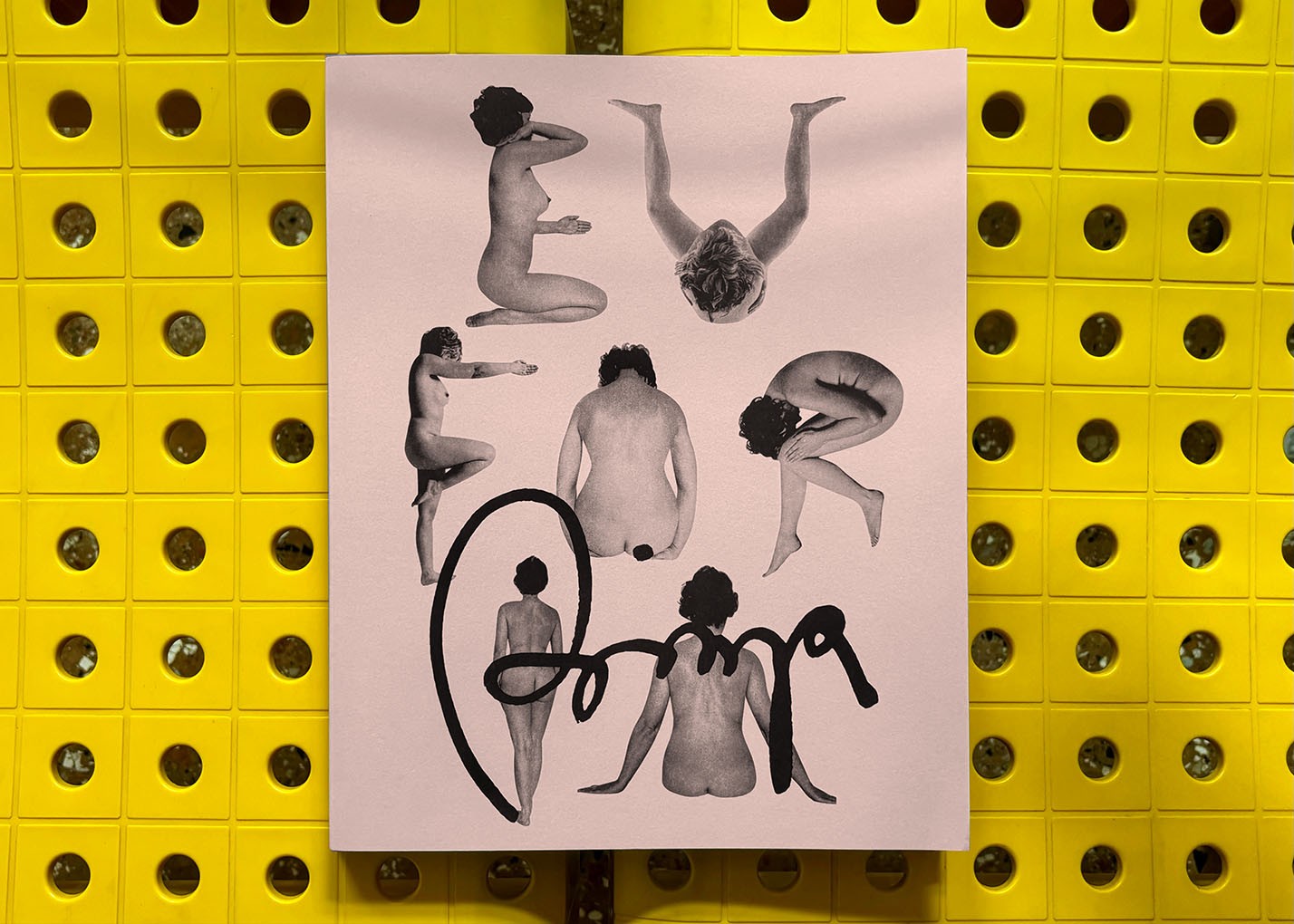
2024, English / Italian, softcover, 24 x 30 cm, 304 pages
ISBN: 979-12-80579-42-3
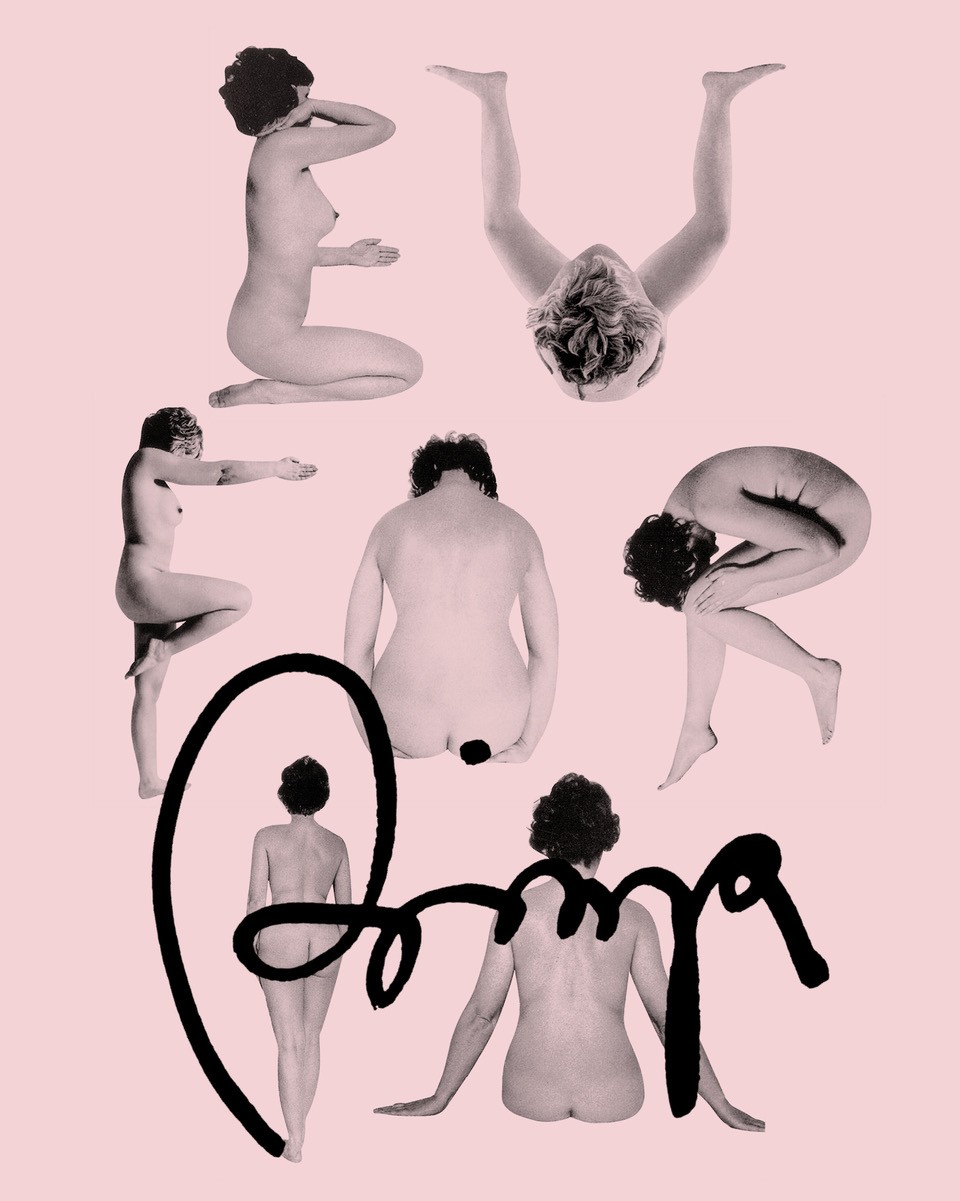
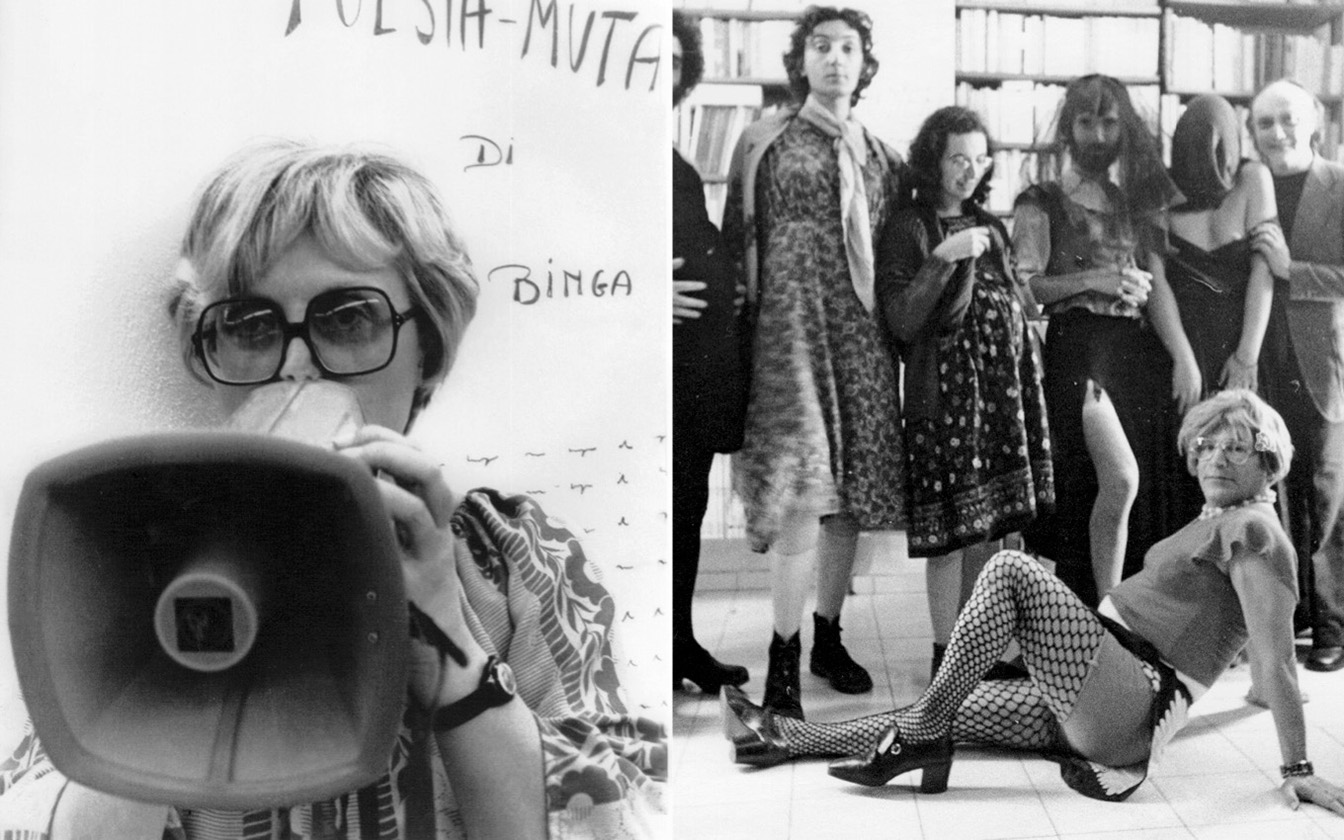
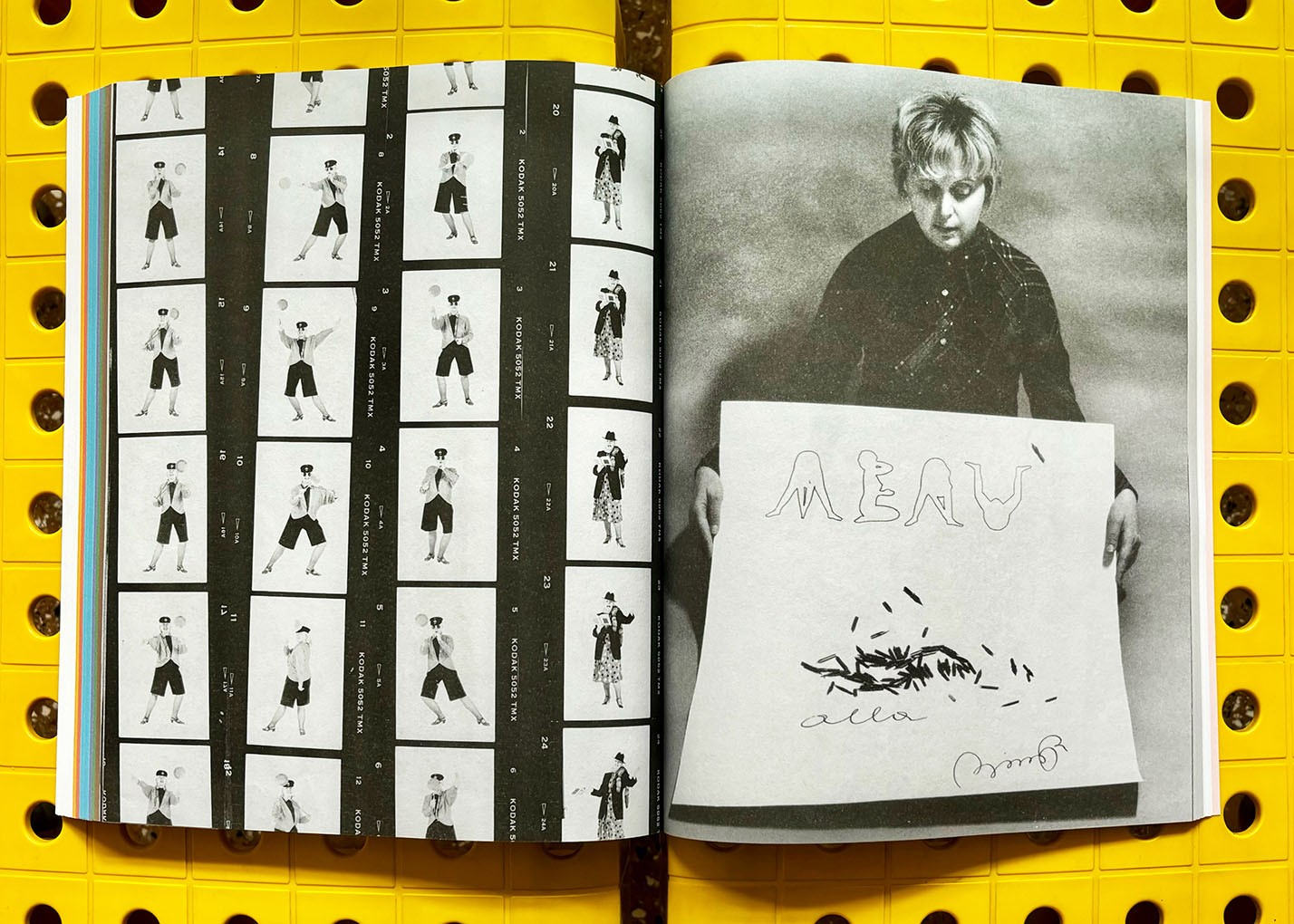
Embedded in the language of visual and sound poetry, the practice of Tomaso Binga (Bianca Pucciarelli Menna, born in Salerno in 1931) is based on an ironic, insightful questioning of the idea of gender. In her work, this theme is not only a generator of identity, but also a way of looking afresh at the social roles, rights and opportunities traditionally available to women. Her decision to work under a male pseudonym from 1971 onwards was intended to parody male privilege and to provoke a barbed reflection on the political dimension of what it is to be a woman. Her attitude has served as a key marker within the gender equality issues at the center of the debate raging amongst the younger generations.
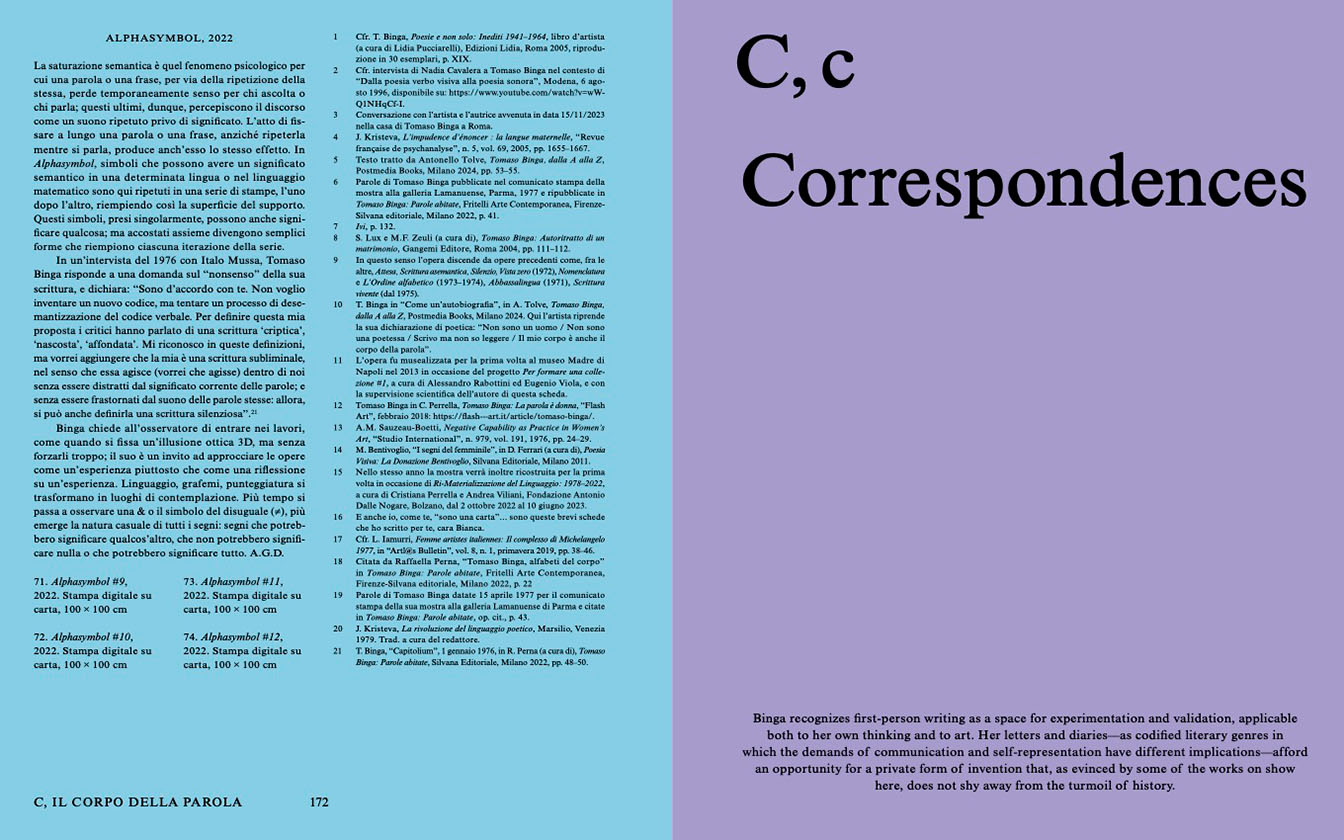
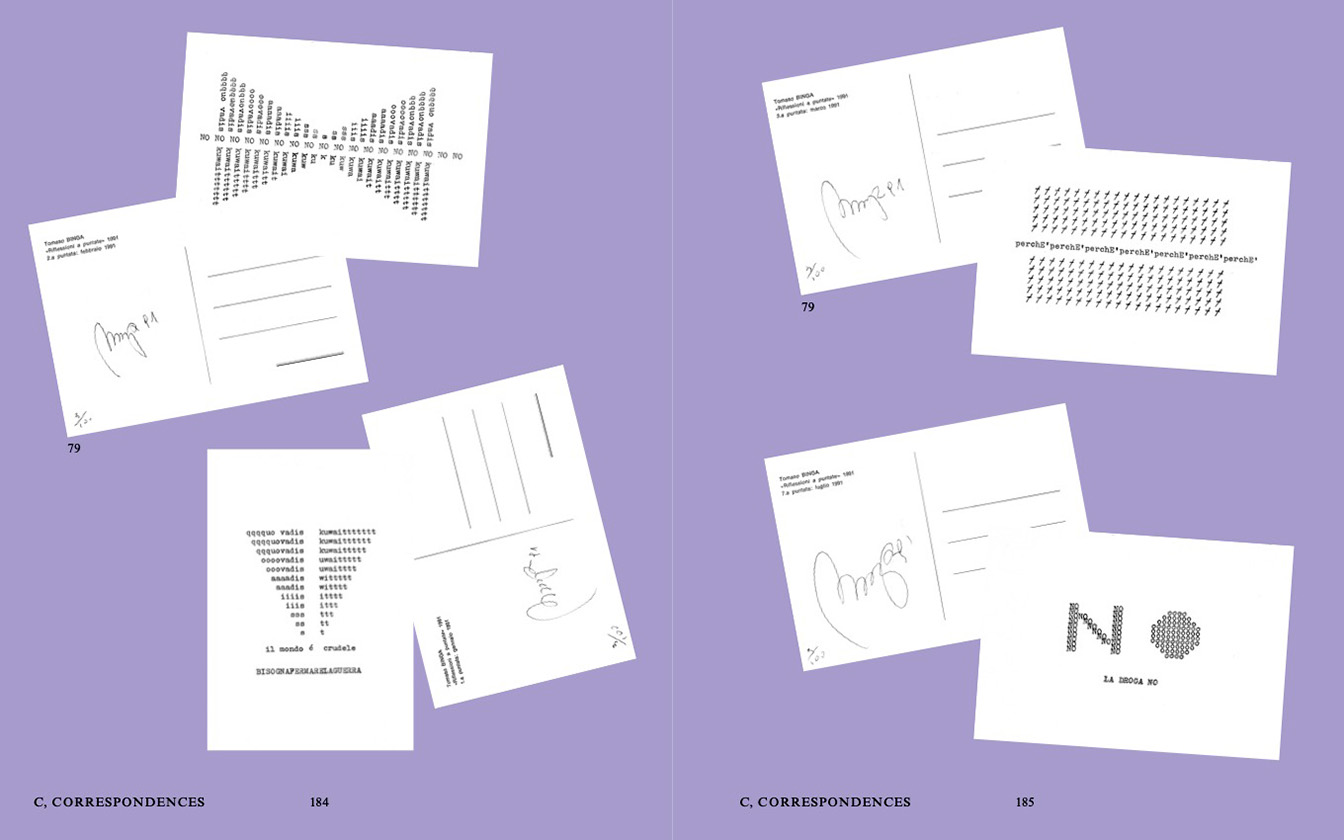
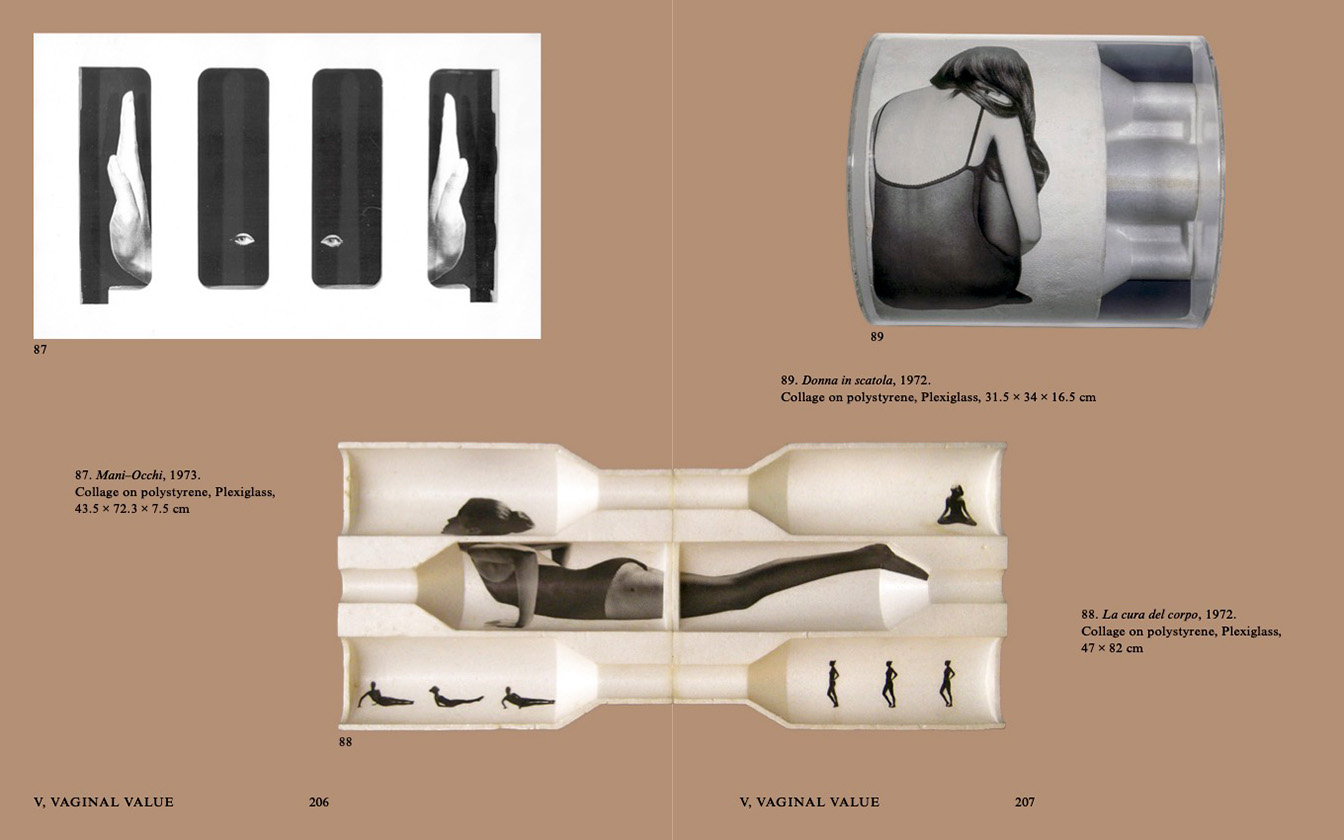
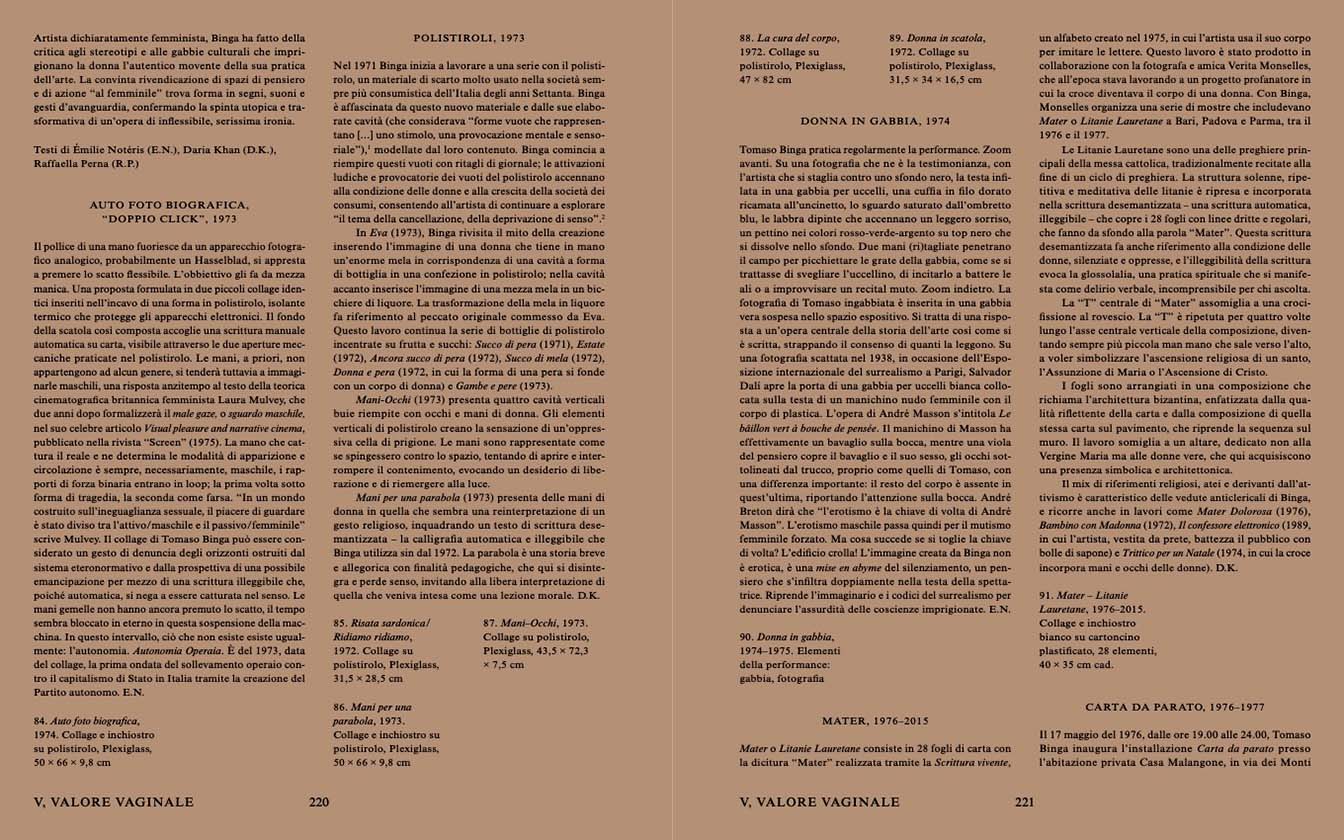
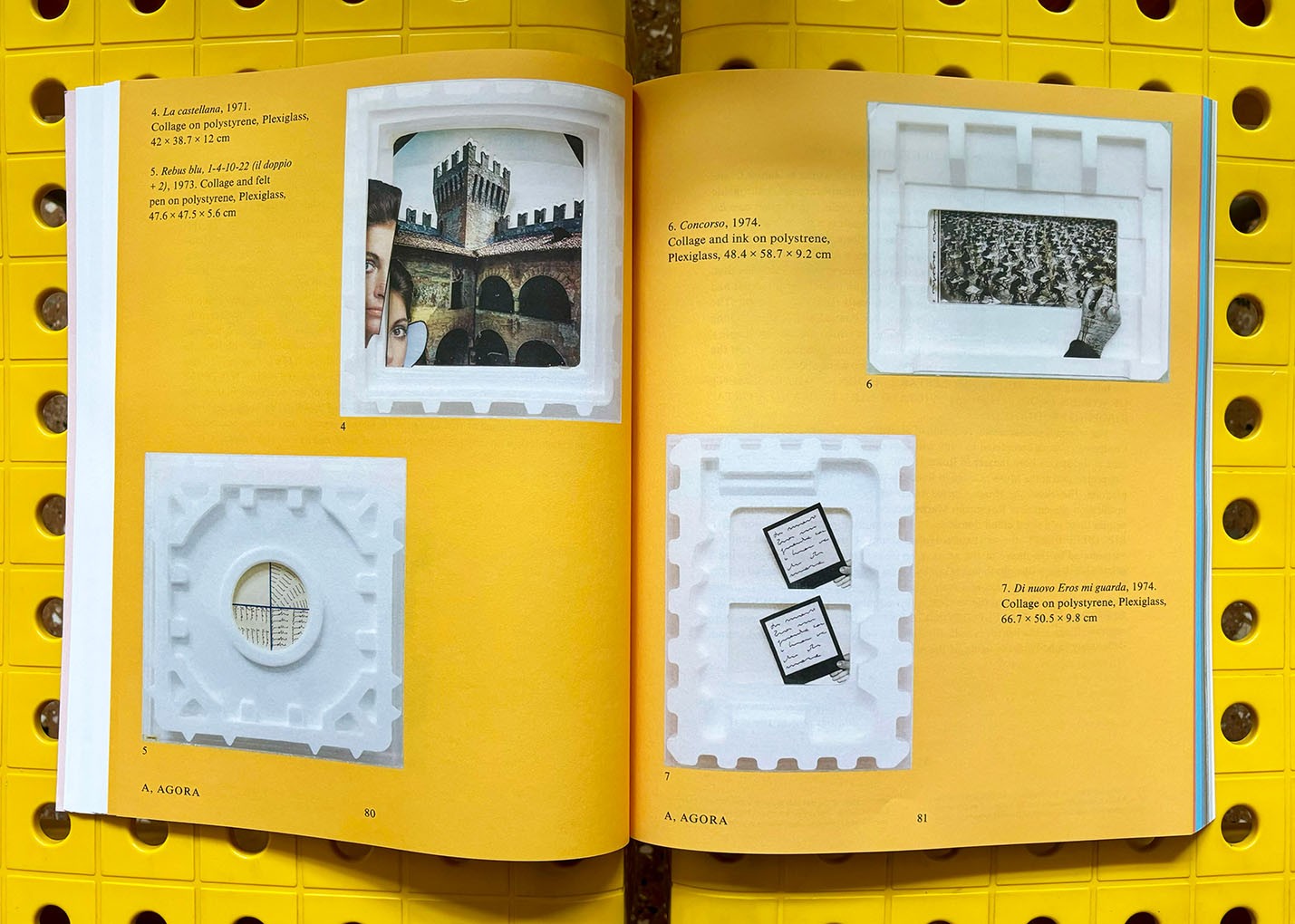
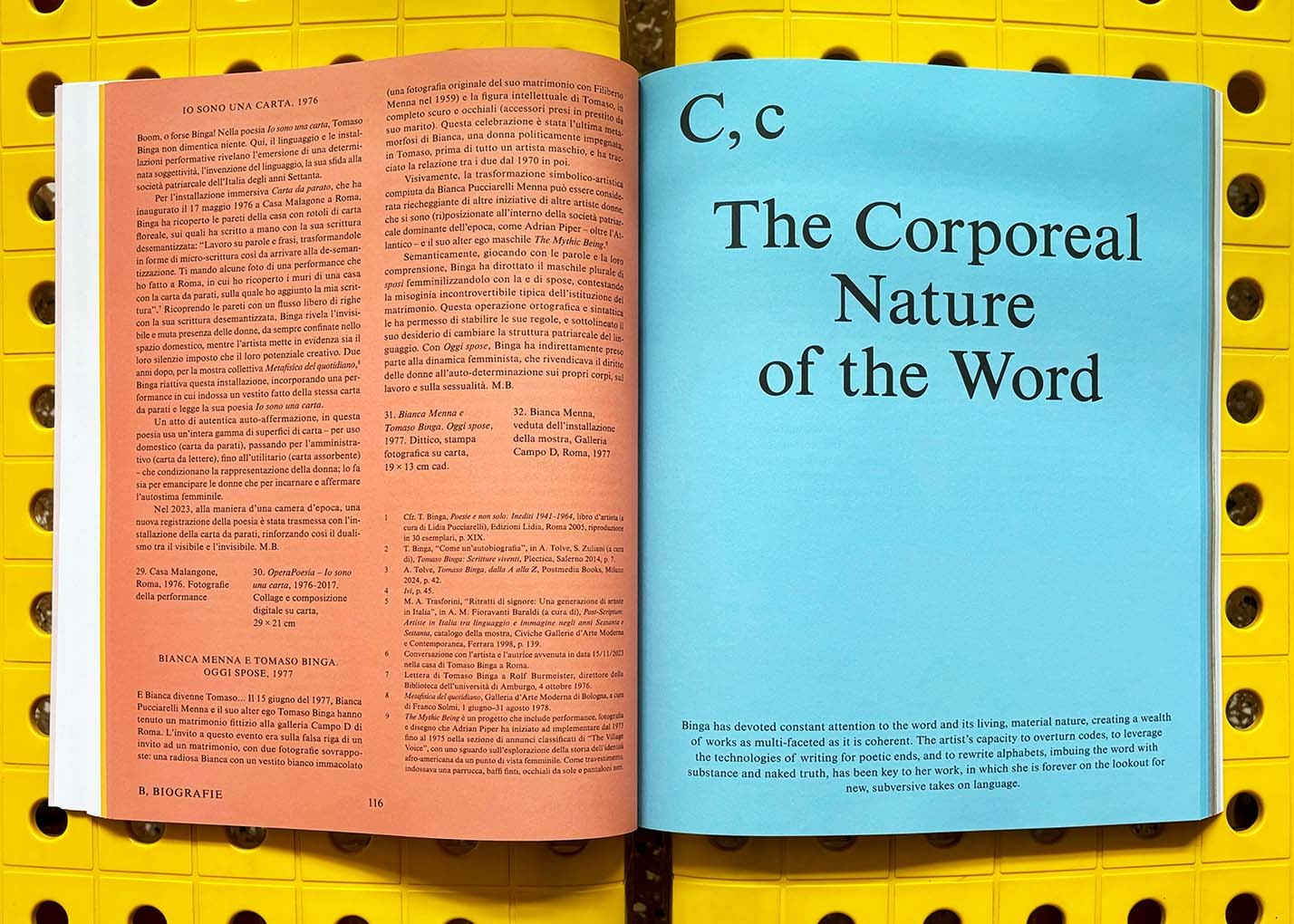
This monograph explores the work and the artistic activities of Tomaso Binga through a specific lexicon (Agora, Biographies, the Corporeal Nature of the Word, Correspondences, Geographies, Vaginal Value), and also features a selection of poems by the artist.
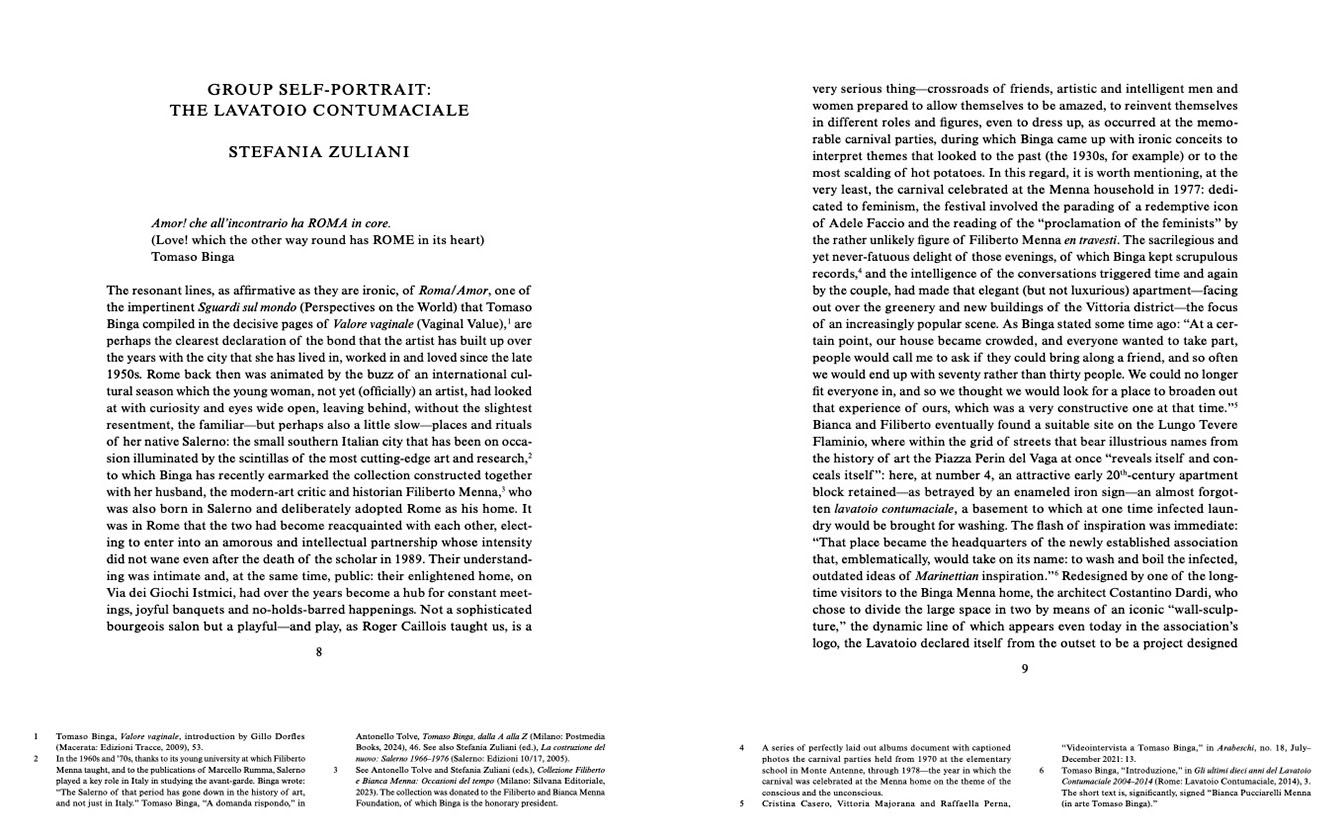
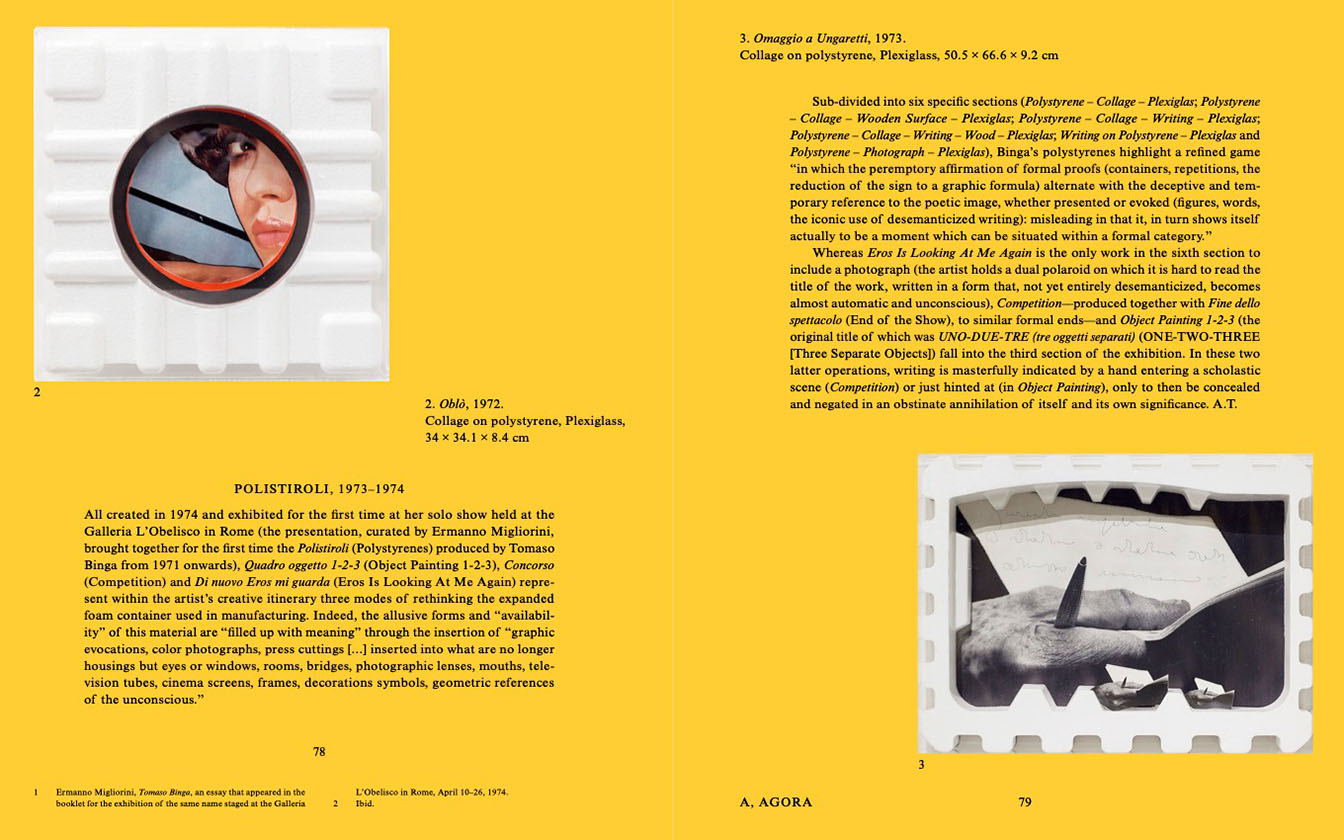
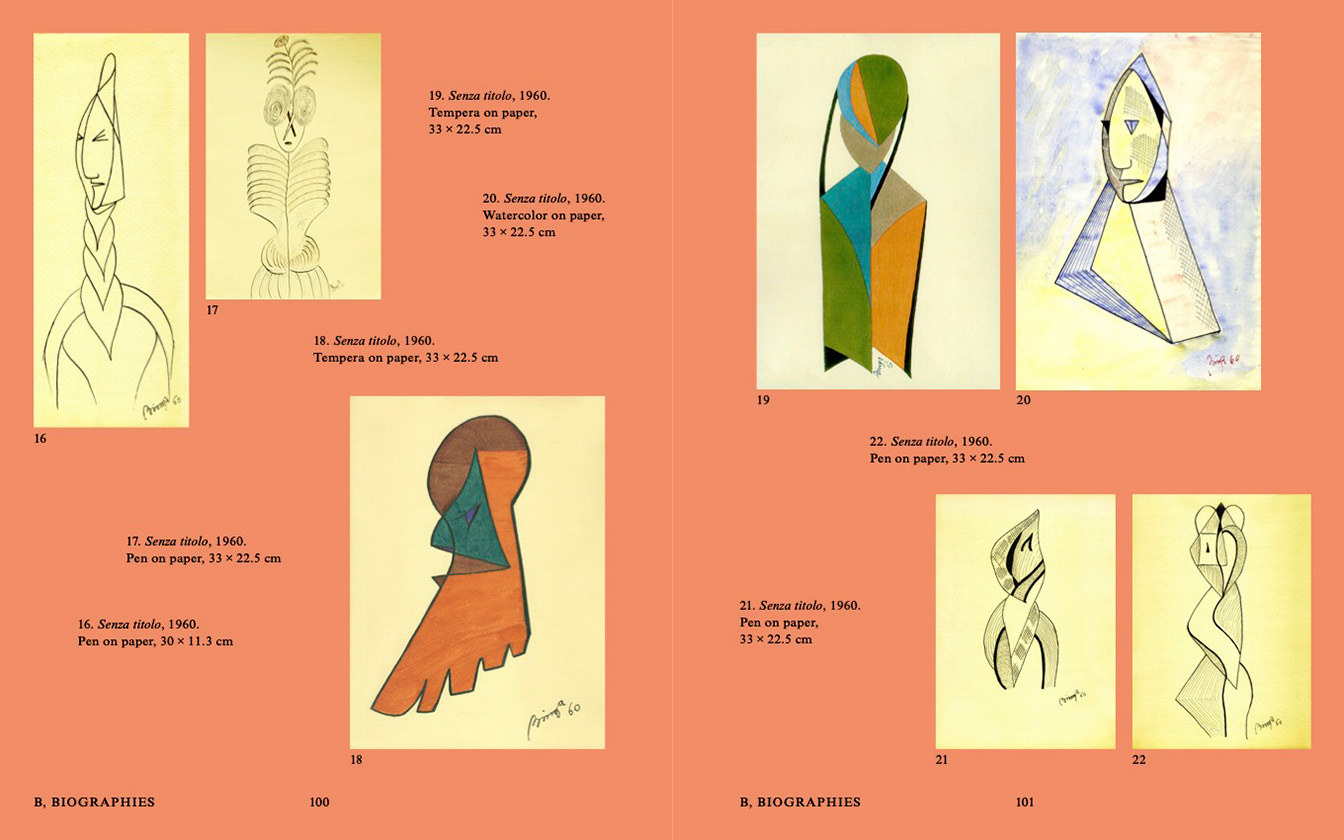
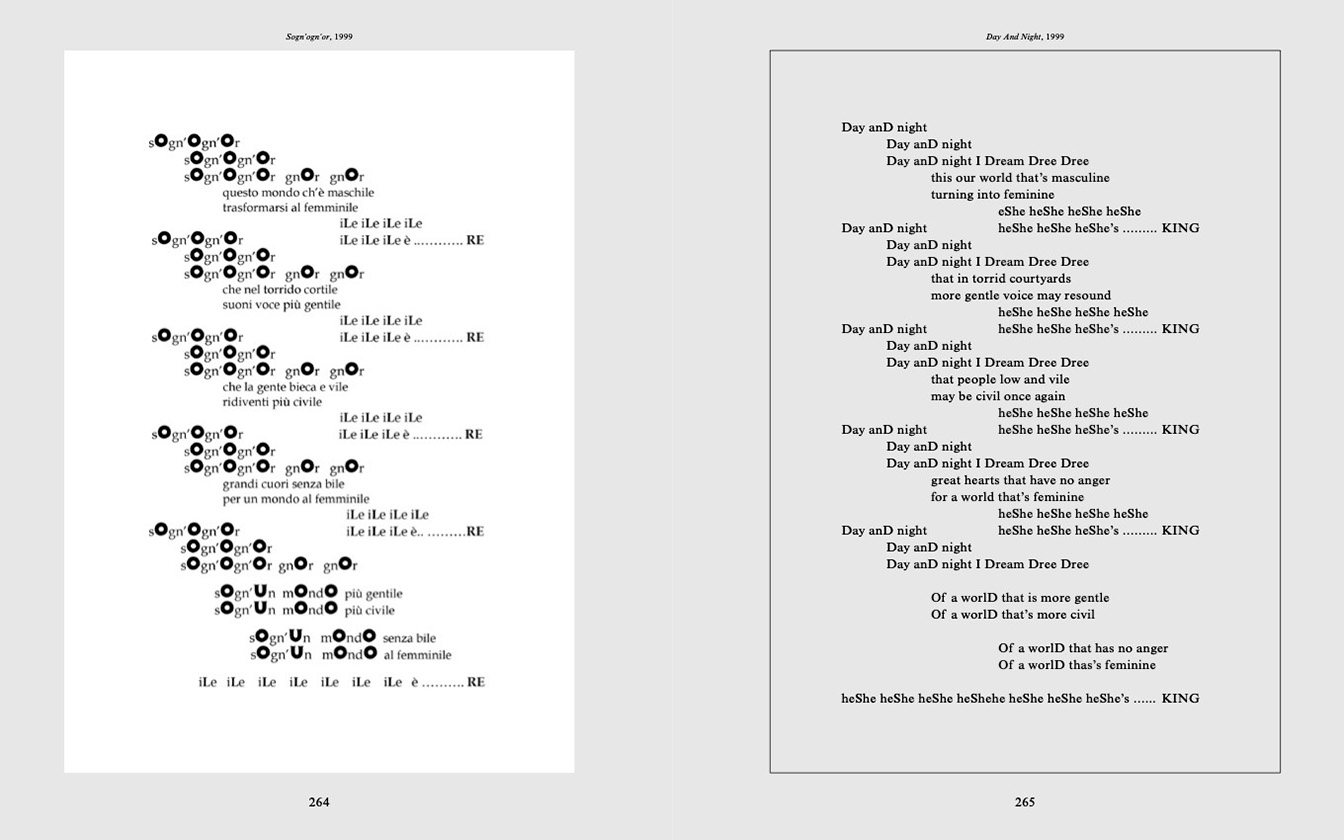
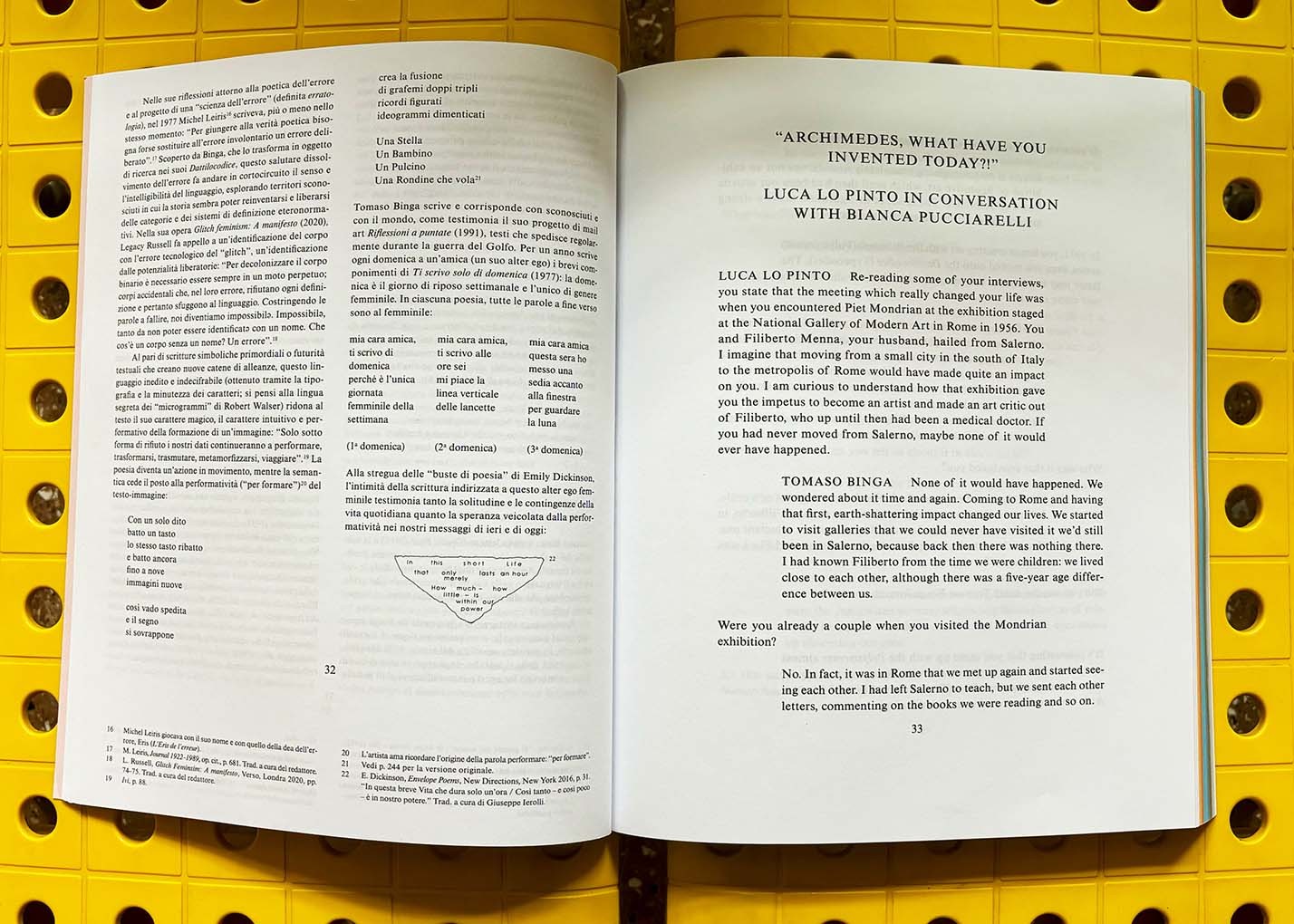
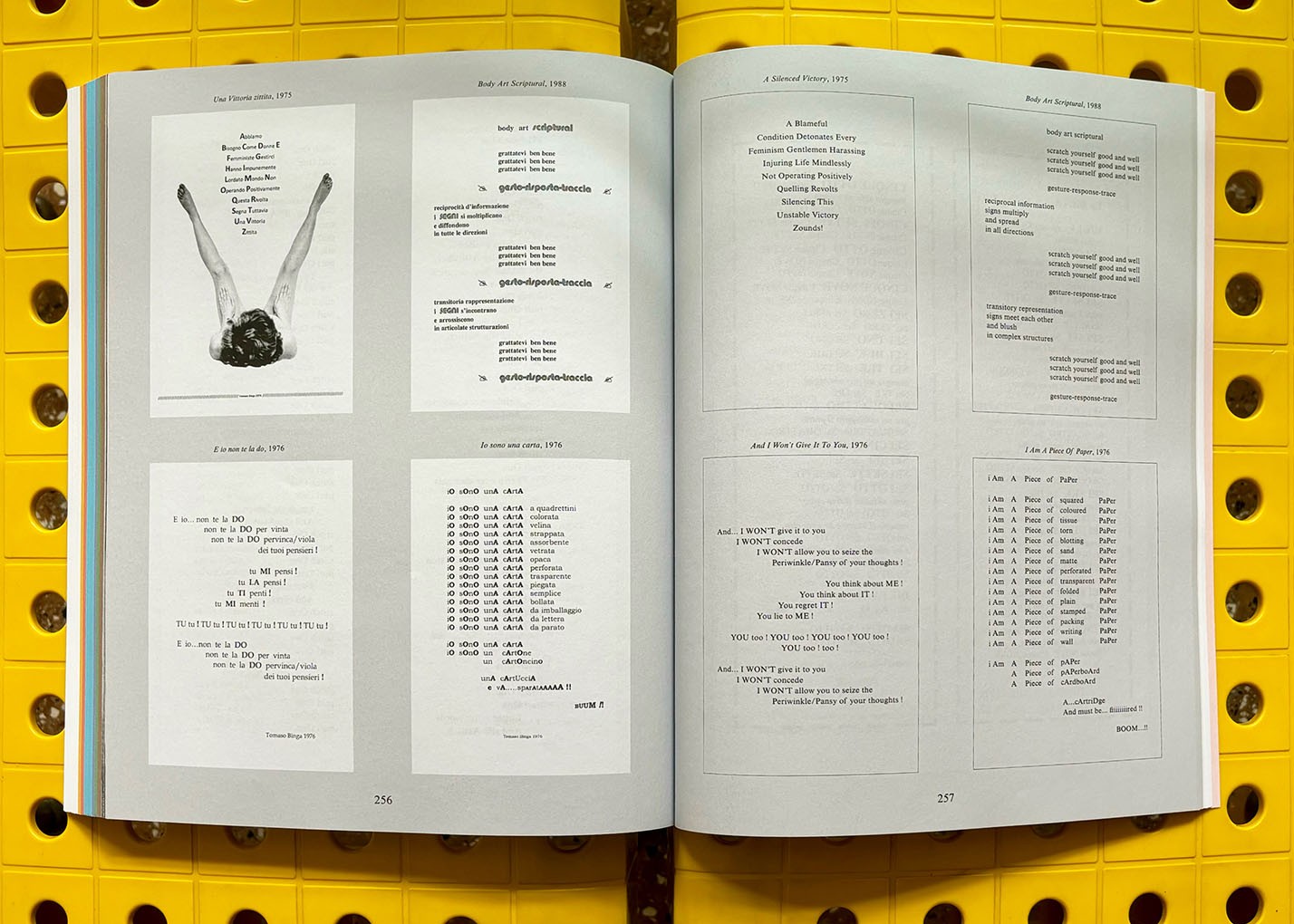
The volume explores the key passages of Tomaso Binga’s artistic practice, and as such is divided into three macro areas. The first, purely textual, following institutional introduction by the President of the Fondazione Donnaregina per le arti contemporanee Angela Tecce, features texts by Eva Fabbris, Daria Khan, Quinn Latimer, Lilou Vidal, and Stefania Zuliani, as well as a conversation between the artist herself and Luca Lo Pinto. The second part brings together a series of short critical texts that offer an in-depth analysis of single works and small bodies of work by Tomaso Binga. These contents are further subdivided into six categories (Agora, Biographies, The Body of the Word, Correspondences, Geographies, Vaginal Value) with the aim of delving into the key areas of interest in Tomaso Binga’s practice in chronological order. Critical contributions are thus provided by Marc Bembekoff, Barbara Casavecchia, Martina Cavalli, Chiara Costa, Anna Cuomo, Valérie Da Costa, Allison Grimaldi Donahue, Daria Khan, Émilie Notéris, Raffaella Perna, Antonello Tolve, and Andrea Viliani. The third and final part is dedicated to the artist’s visual poems. Each poem is accompanied by an English translation, in several cases published here for the first time.
The publishing project was the winner of the twelfth edition of Italian Council, supported by the General Directorate for Contemporary Creativity of the Ministry of Culture, promoted by the Fondazione Donnaregina per le arti contemporanee and made possible with the support of the Associazione Amici del Madre.