This artist’s first monograph brings together sketches, documentation and installation shots, as well as an in-depth analysis of her practice. It highlights her process of making art, from the conception of an idea to the finished work, and from the deconstruction and re-assembling of her characters’ identities to the relentless creation of new worlds.
Published on the occasion of the first exhibition in Italy by Jenna Gribbon, staged at the Collezione Maramotti, Mirages showcases a wealth of images that highlight the fluid, sensual output of this artist who, in repeatedly portraying her wife, the musician Mackenzie Scott (aka TORRES), explores the implications inherent in seeing and being seen.
The catalogue of this ambitious project, held at the Centre d’Art Contemporain Genève in 2017, reflects on the centrality of writing in contemporary visual art practices. Documenting its slippages from printed matters to the digital realm, from voice modulations to its sculptural presence, this book celebrates the word in all its forms.
A book emerged from the need to try to tell the story of architecture in a way quite unlike how it’s usually told, in a continuous dialogue between the anthropological gaze of Armin Linke’s photos compared with the ideation process of two public works by the Carlana Mezzalira Pentimalli architecture office.
The book documents and brings together two exhibition projects by Nina Canell and Maria Hassabi. Essays, unpublished materials and a rich set of photographic materials form the driving force behind two visual narratives that offer new keys to understanding the research of the two artists.
Can art, literature, filmmaking, and music draw out, make visible, legible, audible, or even contestable the patterns in which our lives are held? Considering the work by Stan Douglas, Harun Farocki, Ingri Fiksdal, Åke Hodell, Stefan Panhans & Andrea Winkler, Susan Philipsz, and Elizabeth Price, this publication entertains this question.
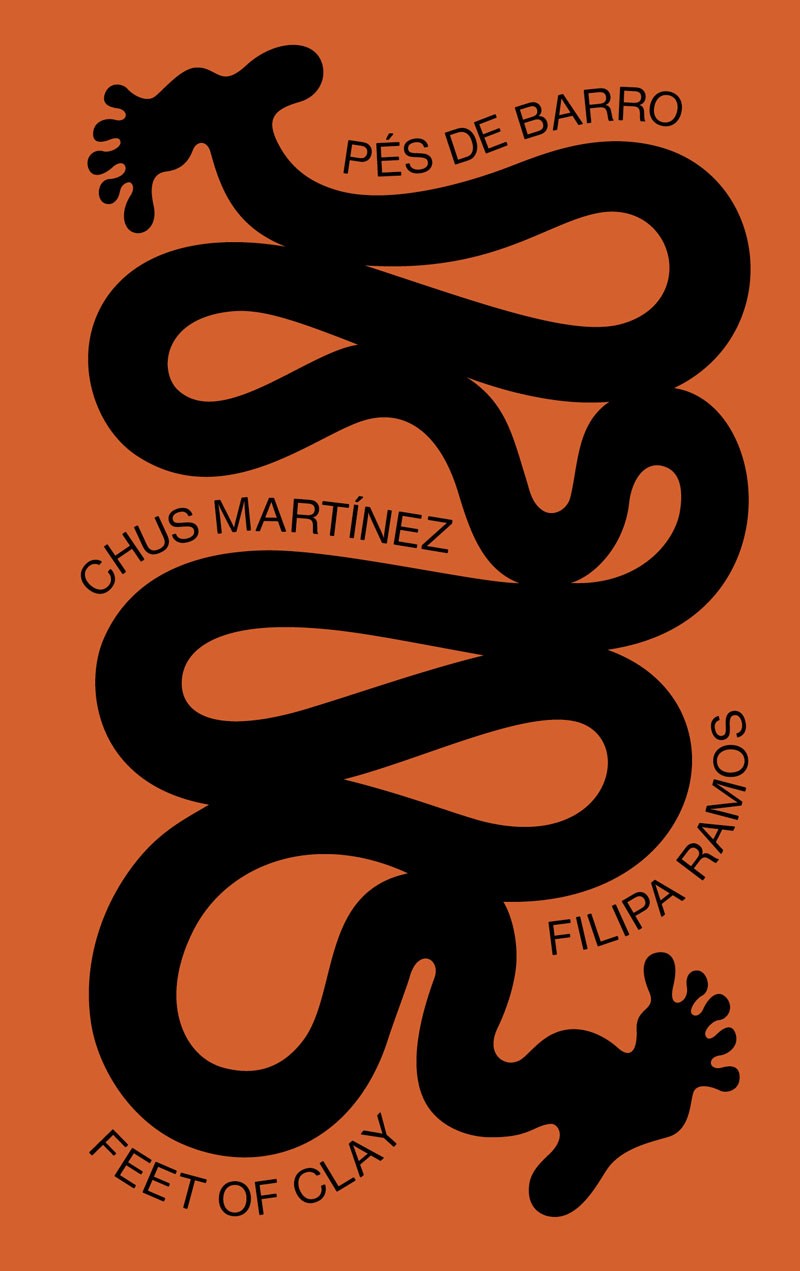
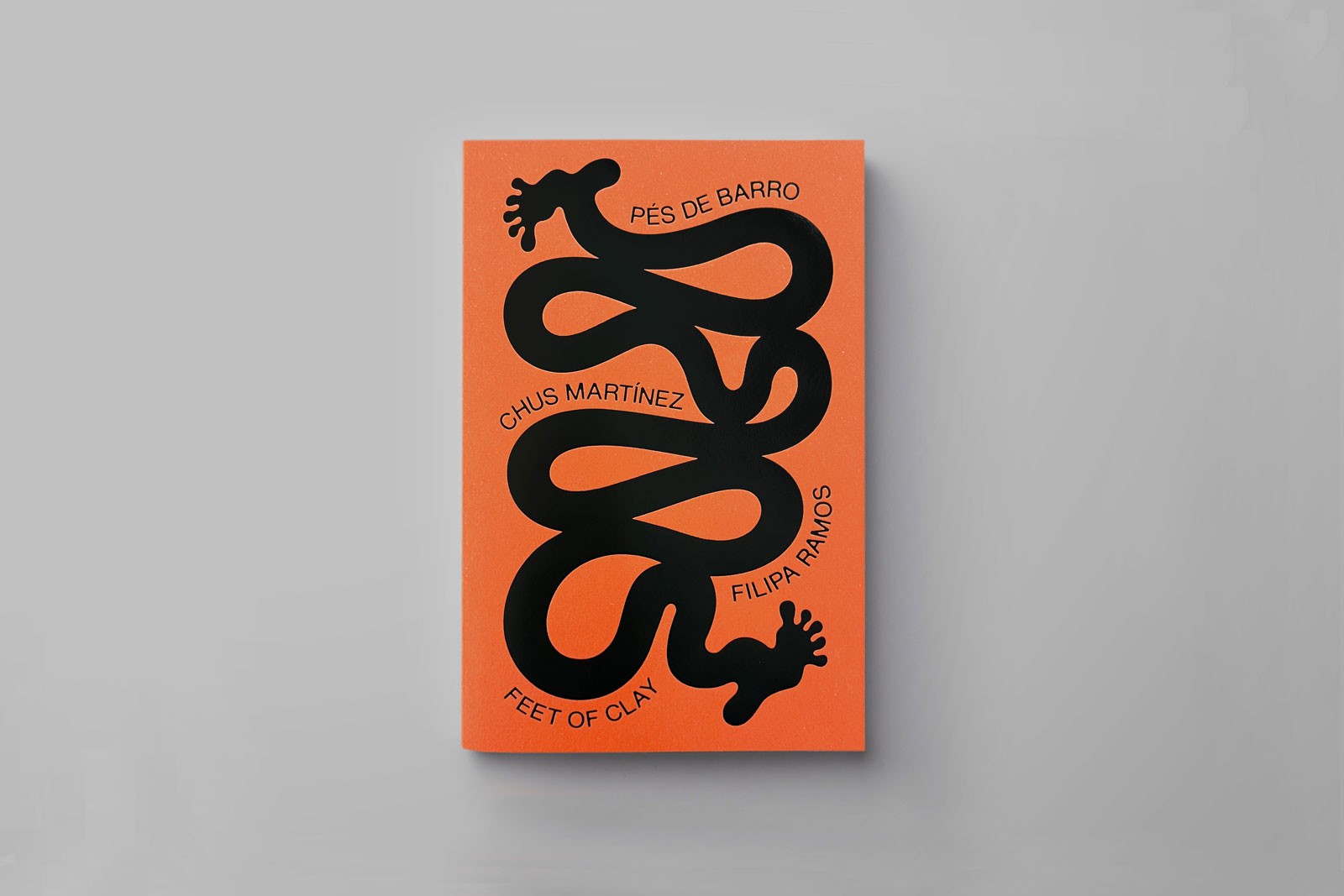
Edited by Chus Martínez and Filipa Ramos
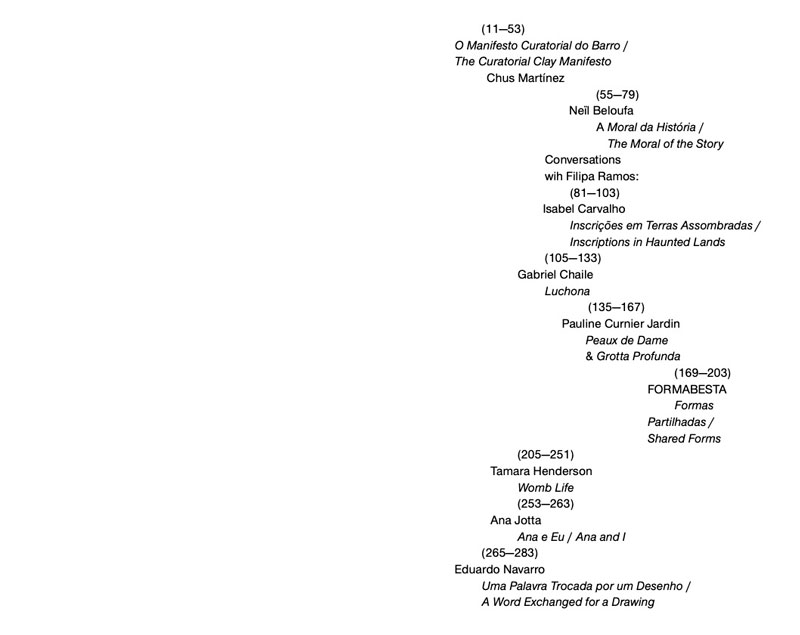
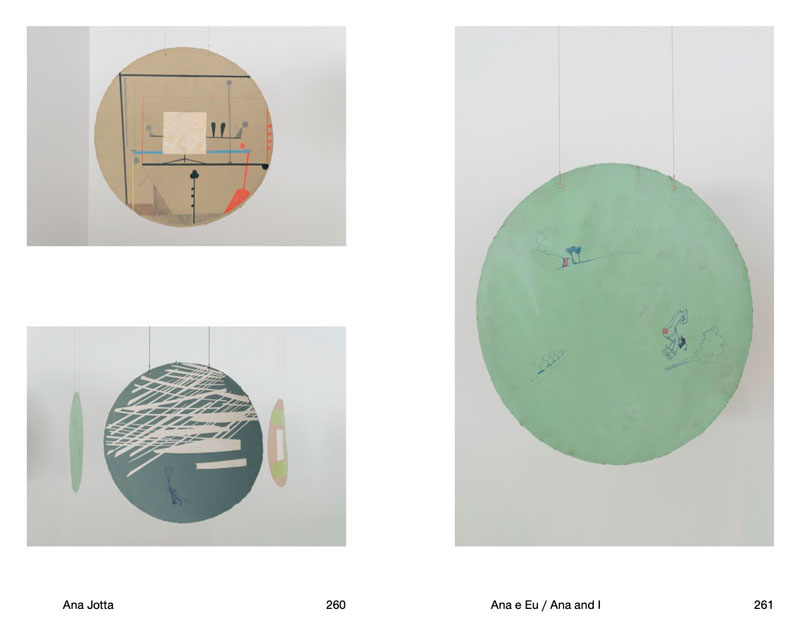
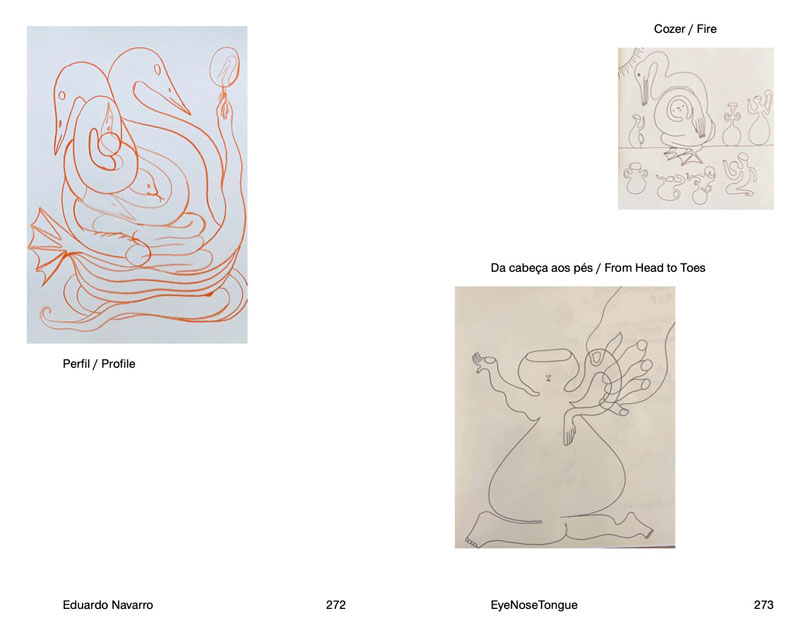
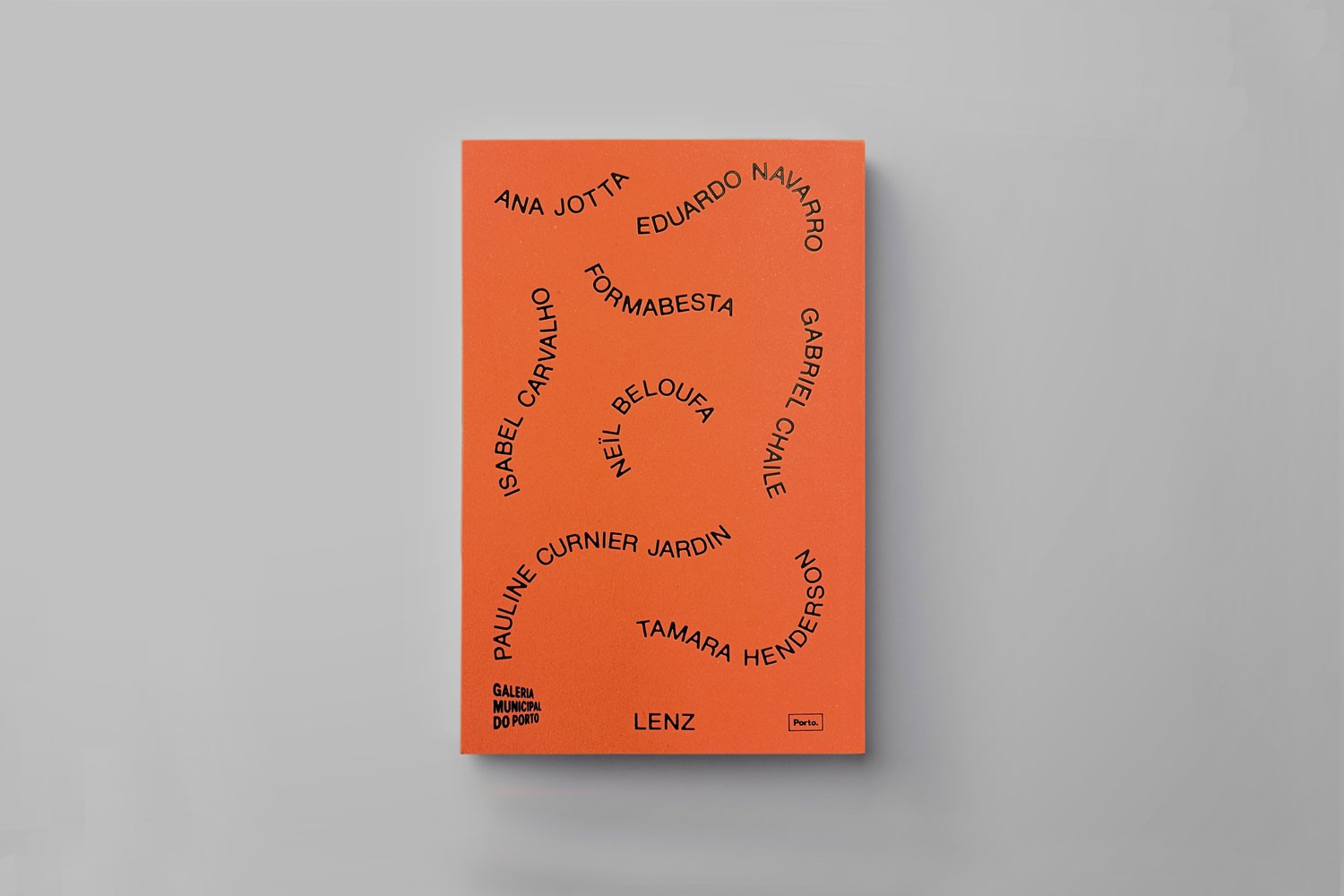
Texts by Neïl Beloufa, Isabel Carvalho, Gabriel Chaile, Pauline Curnier Jardin, Formabesta (Salvador e Juan Cidrás), Tamara Henderson, Ana Jotta, Chus Martínez, Eduardo Navarro, and Filipa Ramos
Design by Ana Dominguez Studio
2023, English / Portuguese, softcover, 11.2 X 17.8 cm, 288 pages
ISBN: 979-12-80579-50-8
Some may associate clay, pottery and ceramics to tradition, and tradition to the past. Some may associate technology, digital communication and data with the new, and the new with the future. What if the future is only a technology as old and unusual as clay? What if clay is a matter that renews itself constantly and gives time its unpredictable configurations?
What if clay is the future and the future is clay? And if the feet of clay only reveal a vulnerability because the rest of the body is made of a different material? And if the feet of clay are actually rooting people to the earth, connecting them through the same matter? And if feet of clay are a way to establish a post-technological communication that requires no webs, no networks, no cables; only our many, one, two, eight, twenty feet and some clay?
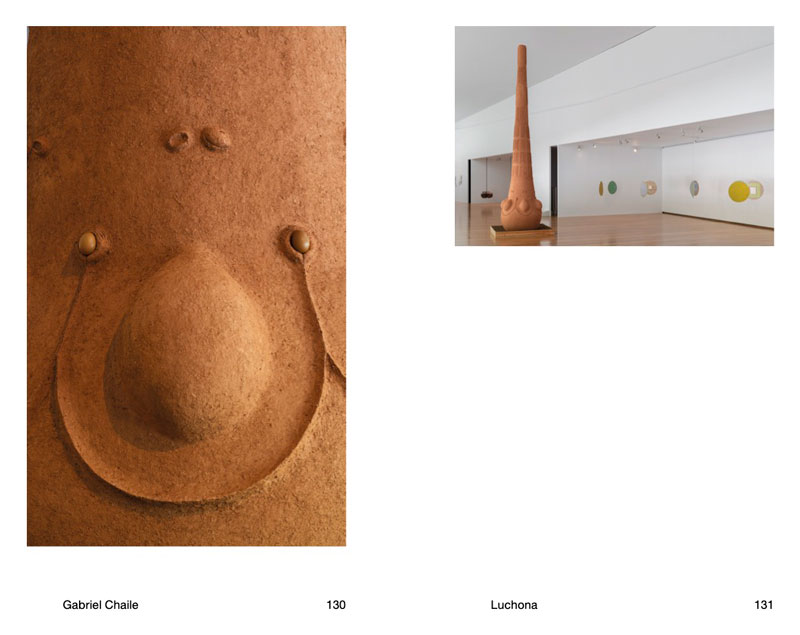
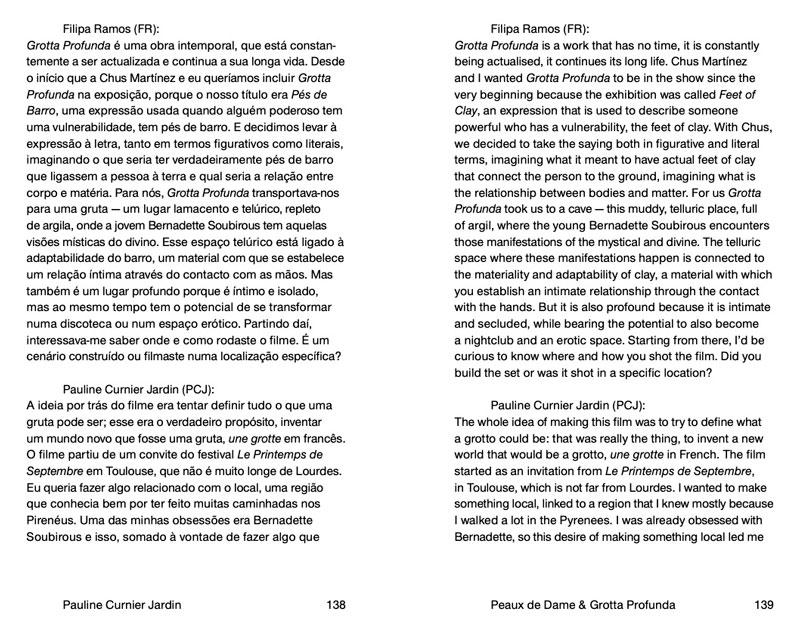
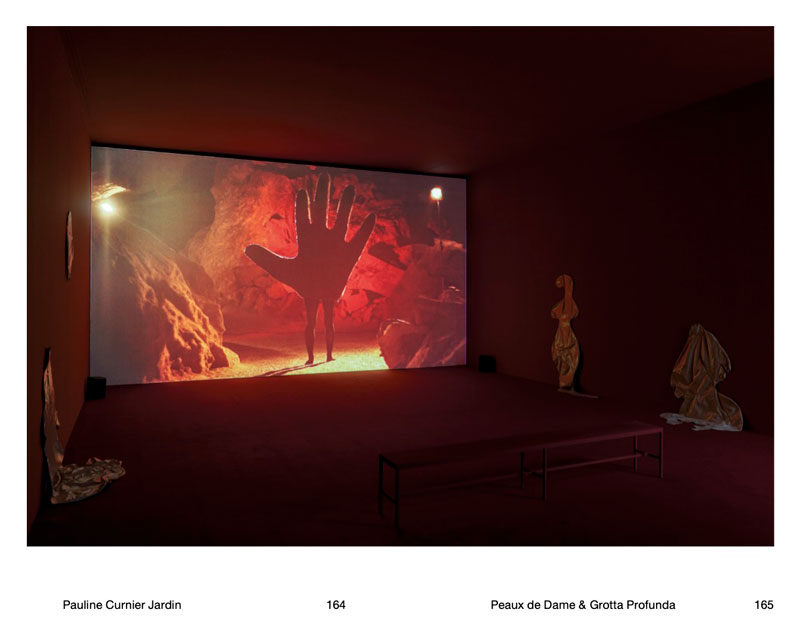
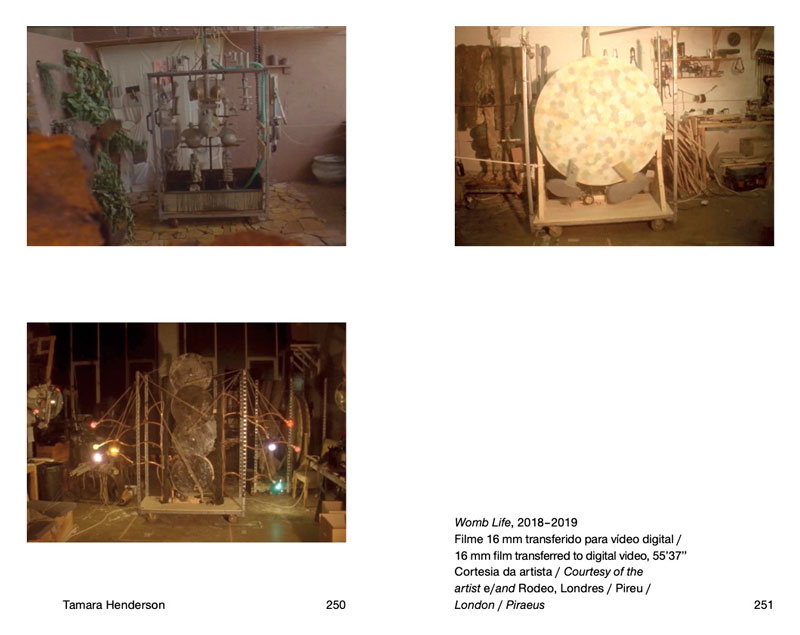
These are some of the questions and enigmas addressed by curators Chus Martínez and Filipa Ramos, who brought together a group of artists who have been using clay, pottery and ceramics in an exhibition entitled Feet of Clay, presented at Galeria Municipal do Porto in 2021. Like clay, the project has now been moulded into book format, bringing together exclusive texts and interviews with the participating artists: Neïl Beloufa, Isabel Carvalho, Gabriel Chaile, Pauline Curnier Jardin, Formabesta (Salvador and Juan Cidrás), Tamara Henderson, Ana Jotta and Eduardo Navarro.
Published with Galeria Municipal do Porto / Ágora - Cultura e Desporto do Porto, E.M.