This new major monographic publication on the Ghanian artist documents the work that transformed sites and repurposed buildings in his native town of Tamale to transformative outcomes rooted into the idea of art as a tool of understanding, rebalancing, and advancement.
For life and limbs, Austrian artist and curator Anna-Sophie Berger has assembled a group of works, from Arakawa and Gins to Lyle Ashton Harris, that register the body as a habitat that can be imaginatively stretched, altered, modified, adorned, replicated or destroyed.
This two-volume catalog, curated by Andrea Bellini and the New York-based collective DIS, is the outcome of the 2021 edition of the Biennale de l’Image en Mouvement (BIM’21), presented at the Centre d’Art Contemporain Genève.
Christian Frosi was long considered one of the most inspiring and promising Italian artists debuting in the early 2000s. That is until just over ten years into his career, when he decided to make himself unreachable and remove himself from art history, its customs and figures.
Featuring new contributions by Sitara Abuzar Ghaznawi and a wealth of commissioned texts and writings, this book is conceived as a continuation of the exhibition held at Cabaret Voltaire, Zurich and, in a modified form, at Swiss Institute, New York.
In a context in which institutions are facing a surge of public scrutiny, the publication revisits the artistic practice of institutional critique to ask what it means today, and to consider its ability to respond to the urgent social, political, and economic issues of our time.
Edited by Edoardo Bonaspetti
Commissioning Editors: Maria Sica (director, IIC Tel Aviv) and Nicola Trezzi (director and curator,
CCA Tel Aviv-Yafo)
Design Lorenzo Mason Studio
2023, English, softcover, 21 x 30 cm, twenty 60 × 40 cm sheets of wrapping paper
ISBN: 979-12-80579-26-3
On March 11, 2011, the most powerful earthquake ever to hit Japan created a tsunami that laid waste to the country’s east coast, causing a catastrophic breach at the Fukushima Daiichi Nuclear Power Plant. Since then, access to the contaminated towns and surrounding countryside has been mostly limited to scientists and specialized decontamination crews. The project Don’t Follow the Wind (2015–ongoing)—organized by the Tokyo-based art collective Chim↑Pom from Smappa!Group, together with Kenji Kubota, Jason Waite, and Eva & Franco Mattes—marked a historic exception: a group of artists entered the exclusion zone to produce a series of site-specific works. Installed in several venues on loan from former residents, these interventions comprise an exhibition that will remain unreachable in person for many years to come, until it will finally be deemed safe to return.
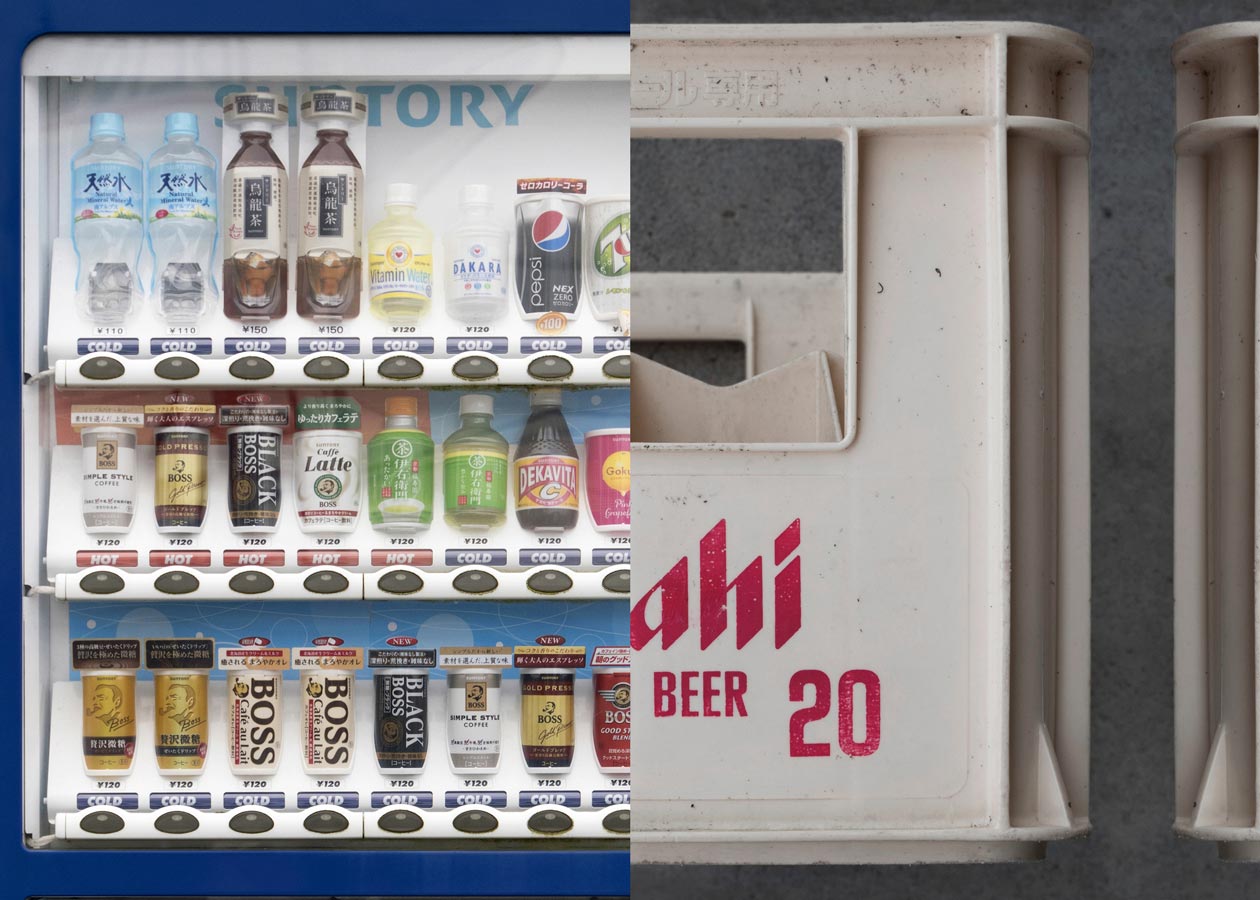
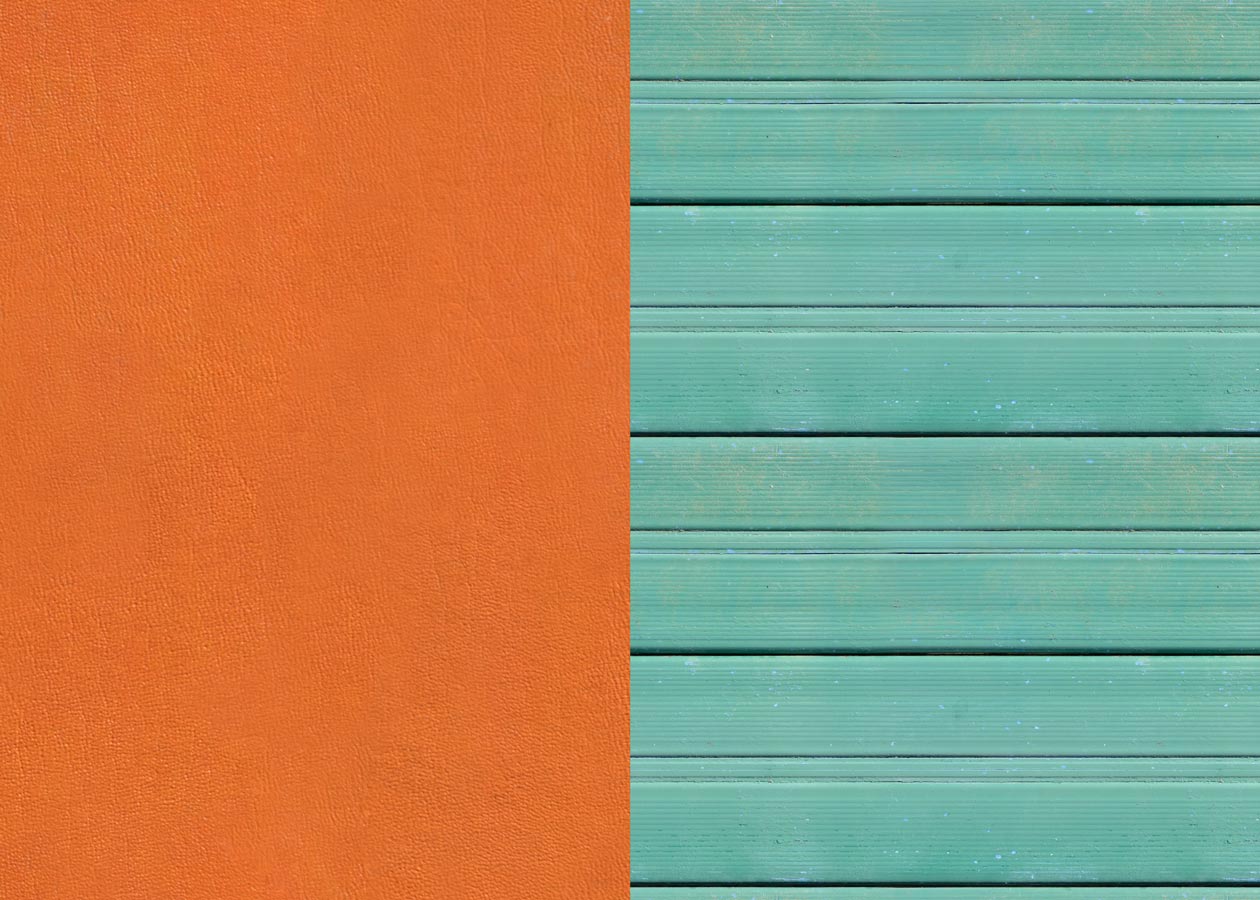
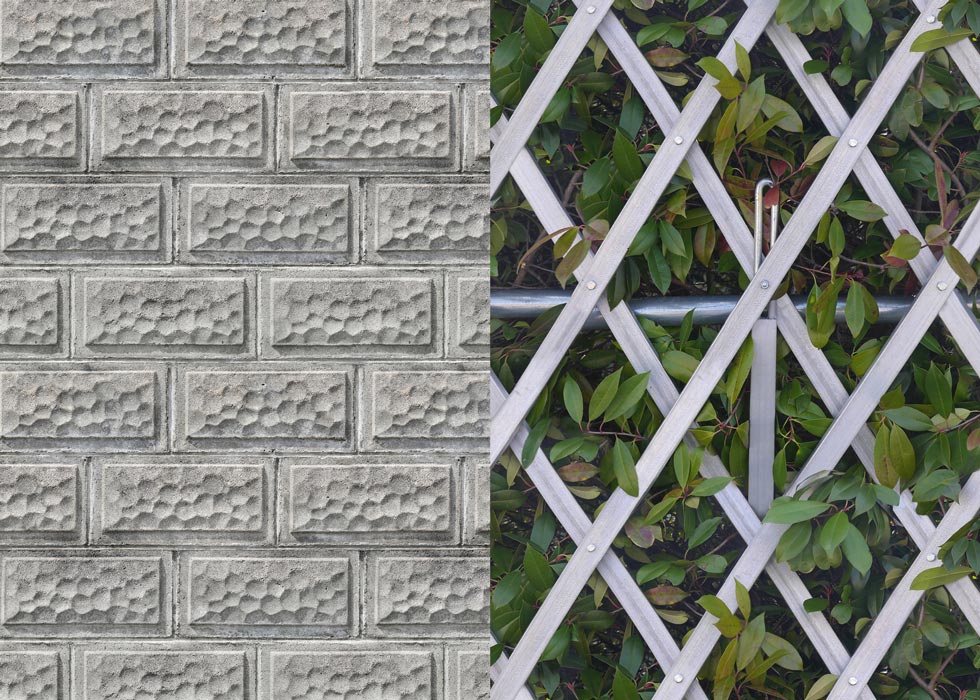
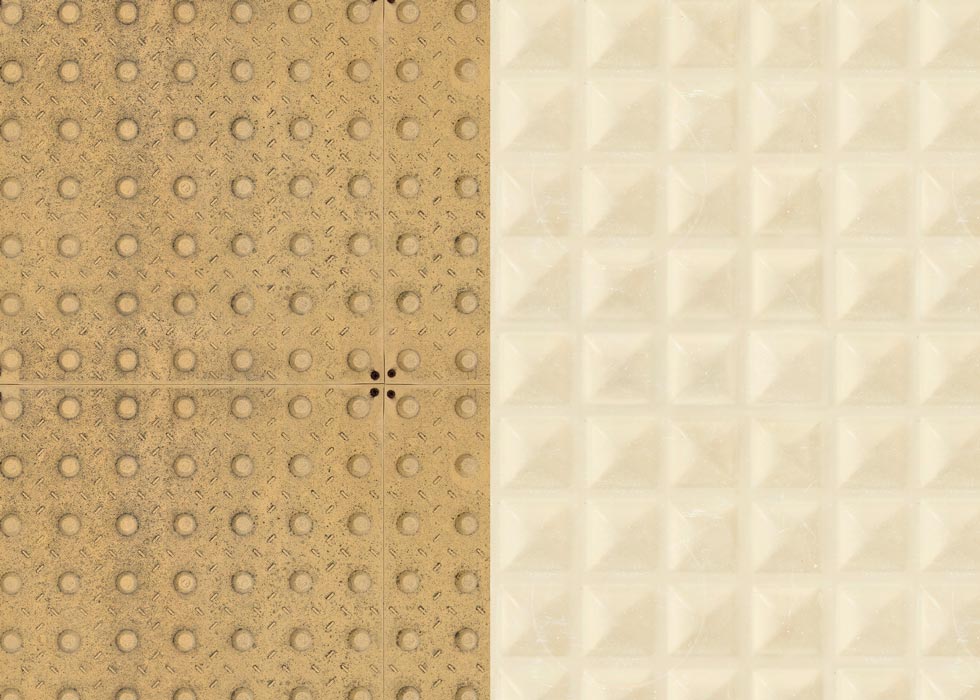
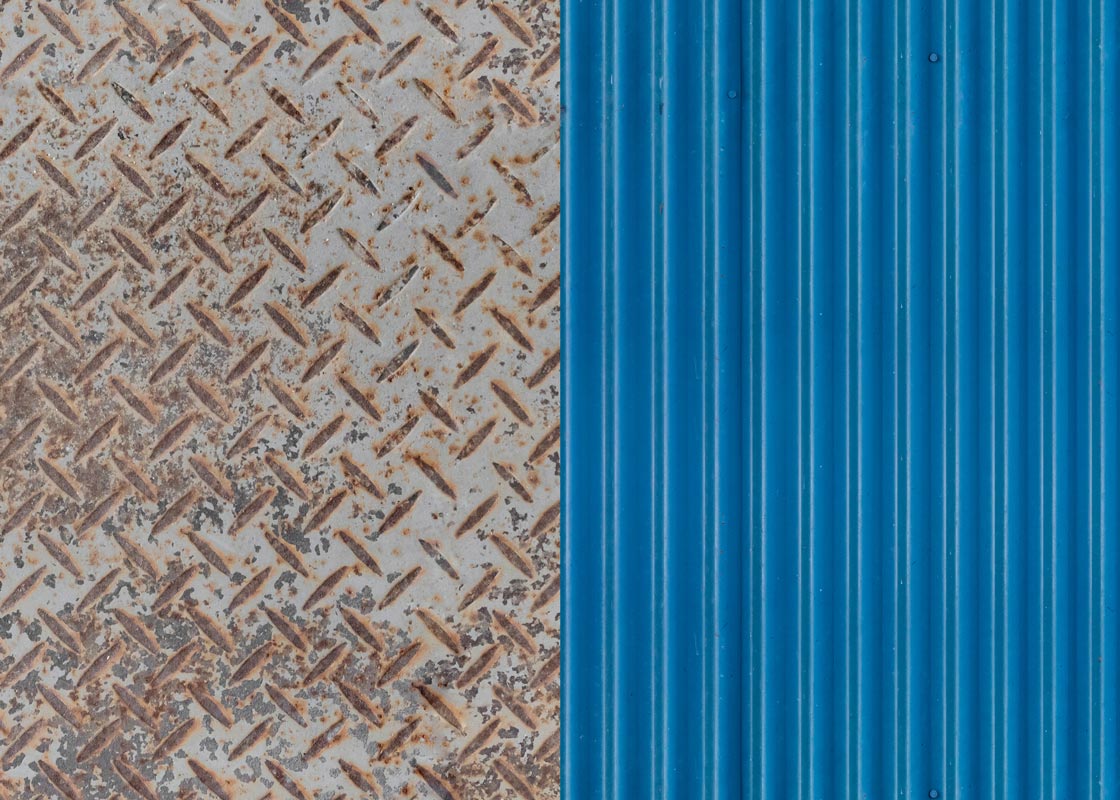
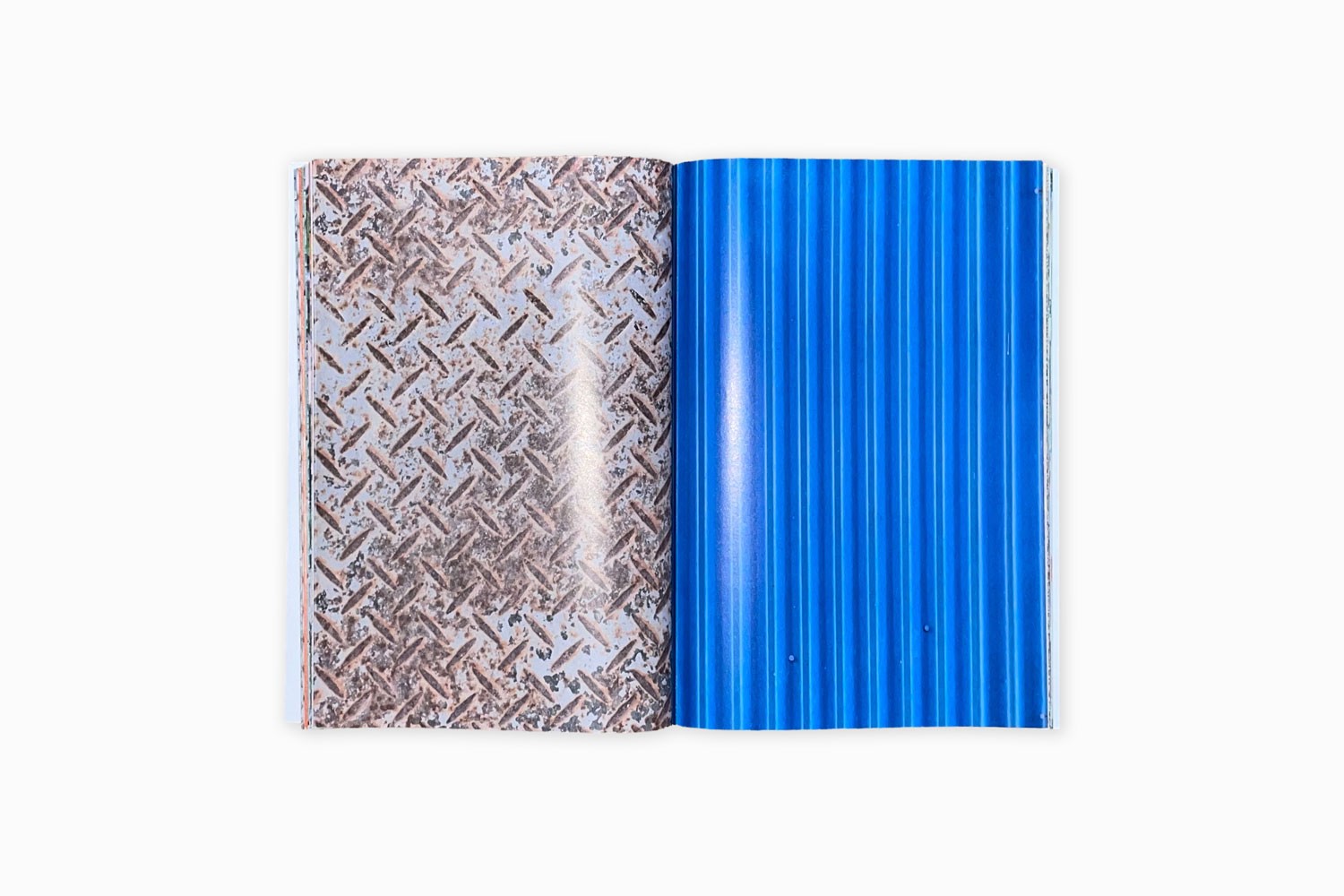
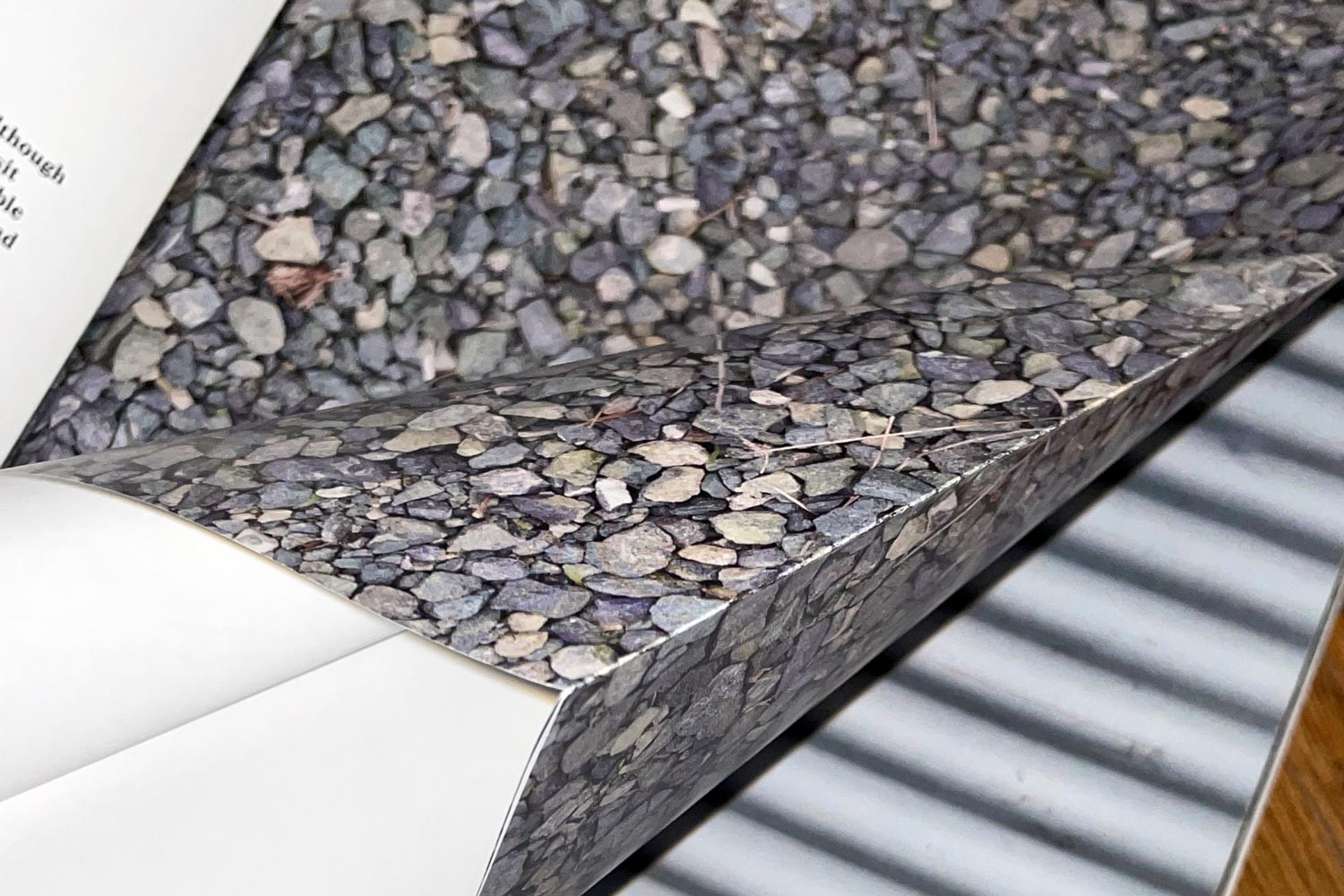
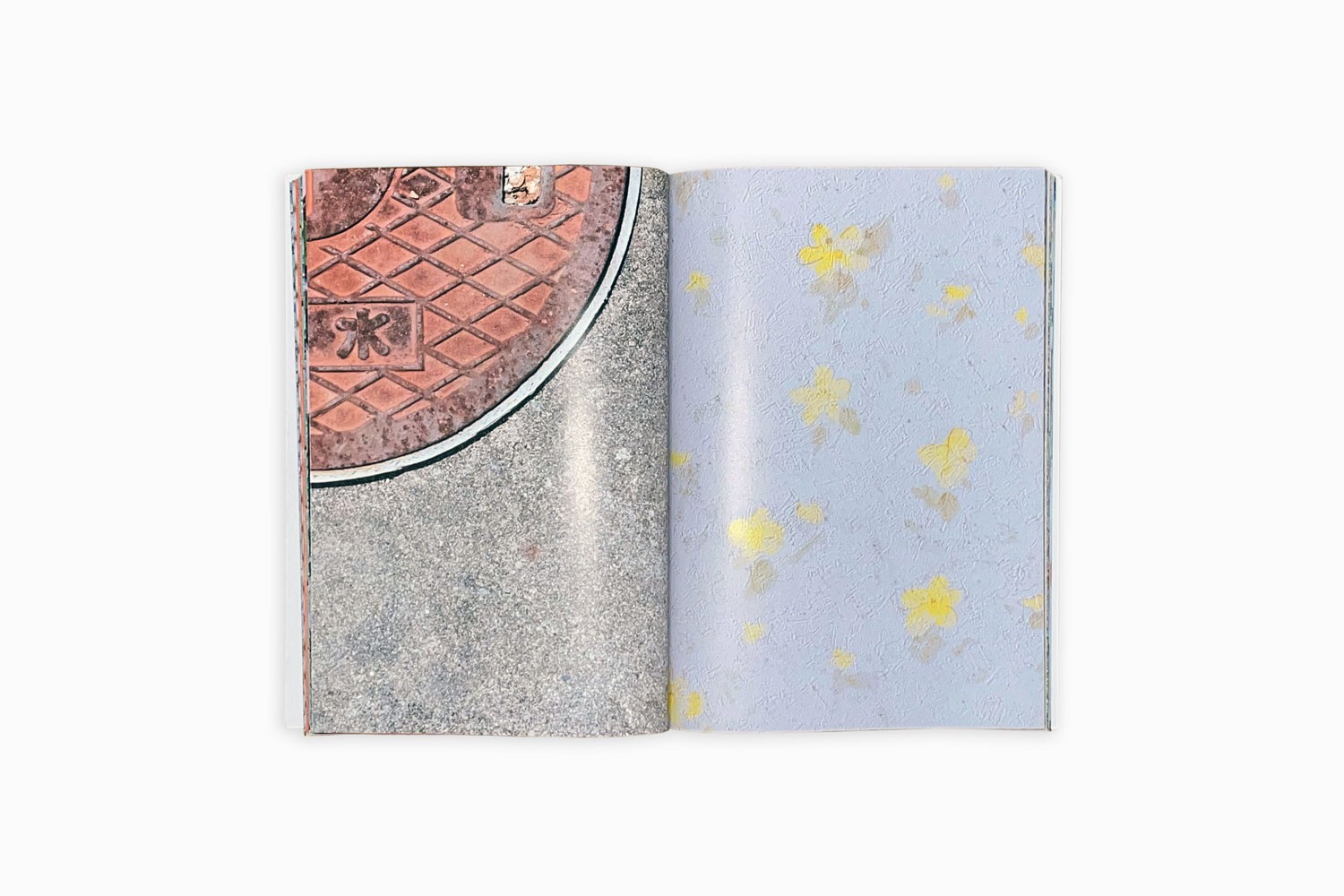
Fukushima Texture Pack is an artistic record of Eva & Franco Mattes’ engagement with this contaminated landscape. Borrowing the format of books of wrapping paper, it contains twenty large pre-perforated sheets. Each features a visual texture, a surface captured on camera amid radioactive ruins. All such patterns afford a seamless repeating motif, should they be installed in a tile formation as wallpaper. They comprise a representative sample of the 152 textures the artists first released online as freehold digital files. The pages of this book may be used freely to cover other books, decorate boxes, wrap gifts, form origami, or they may be framed as small works of art.
This artist’s book extends Eva & Franco Mattes’ interest in Fukushima’s geographical displacement. Following its radioactive ungrounding, this location is now most accessible through its representation. But images are given to obscuring the matter at hand—to wrapping it up, so to speak, in a reduced form. The tragic proportions of the Fukushima meltdown outstrip virtually all frames. With this in mind, how can one maintain awareness of this nuclear disaster? How might we live with the facts?
The textures—sampling walls and floors, rust, bricks, gravel, underbrush, tatami mats, dirt, desks, closets, and more—are unspectacular by design. Eschewing the gnarled automobiles, collapsed buildings, and other wrecks left in the wake of the tsunami, the visual banality of these posters speak to an invisible crisis. Additionally, their modular, tessellating design allows for the limitless spread of a given motif. As possible wallpaper, they evoke the new baselines of background radiation, omnipresent in and around the exclusion zone—a new surface condition.
The publication is supported by Istituto Italiano di Cultura Tel Aviv in collaboration with CCA Tel Aviv-Yafo.