First Meeting is the first monograph on Argentinian artist Santiago de Paoli. From his early, experimental projects to his most recent explorations, the book delves into his innovative approach of painting on unconventional materials. The book features commissioned essays by Fernanda Brenner and Mariano Mayer, as well as a conversation between Christian Rattemeyer and the artist.
Infinite Memory is Caroline Poggi and Jonathan Vinel’s first monograph, co-published with Fondation Cartier pour l’art contemporain and Lenz. Like a memory card, the book stores information about a selection of films from the initial decade of the artists’ practice. Considered as an object, much like a piece of hardware that stores digital memory, the book offers the possibility to scroll infinitely, with no beginning or end.
Through the words of the sound artist and theorist Brandon LaBelle, the book explores the social and relational component of sound that gave rise to Benevolence, the site-specific project by Sonia Boyce. The Joy of Cacophony is the second book in a series of essay collections inspired by the site-specific projects conceived for GAMeC at Palazzo della Ragione.
Consisting of a richly illustrated booklet and a record vinyl, this special release accompanies the performative sound-based project A Comparative Dialogue Act by artists Andrea Mancini and the collective Every Island, hosted in the Luxembourg Pavilion at the 60th Venice Biennale.
Conceived as a catalogue and an artist’s book, the publication offers a deeper insight into the eponymous 2022 exhibition staged at Indipendenza Roma, and explores tensions that can be generated between artworks and their surrounding architectural context, raising questions of taste, value, function and decoration.
The practice of Tomaso Binga (Bianca Pucciarelli Menna, 1931) toys with the notion of gender, reconsidering women’s social roles and rights. This monograph, edited by Eva Fabbris, Lilou Vidal, and Stefania Zuliani, analyses her work through various languages and features a selection of poems, highlighting the author’s critical and artistic approach.
Edited by Edoardo Bonaspetti
Commissioning Editors: Maria Sica (director, IIC Tel Aviv) and Nicola Trezzi (director and curator,
CCA Tel Aviv-Yafo)
Design Lorenzo Mason Studio
2023, English, softcover, 21 x 30 cm, twenty 60 × 40 cm sheets of wrapping paper
ISBN: 979-12-80579-26-3
On March 11, 2011, the most powerful earthquake ever to hit Japan created a tsunami that laid waste to the country’s east coast, causing a catastrophic breach at the Fukushima Daiichi Nuclear Power Plant. Since then, access to the contaminated towns and surrounding countryside has been mostly limited to scientists and specialized decontamination crews. The project Don’t Follow the Wind (2015–ongoing)—organized by the Tokyo-based art collective Chim↑Pom from Smappa!Group, together with Kenji Kubota, Jason Waite, and Eva & Franco Mattes—marked a historic exception: a group of artists entered the exclusion zone to produce a series of site-specific works. Installed in several venues on loan from former residents, these interventions comprise an exhibition that will remain unreachable in person for many years to come, until it will finally be deemed safe to return.
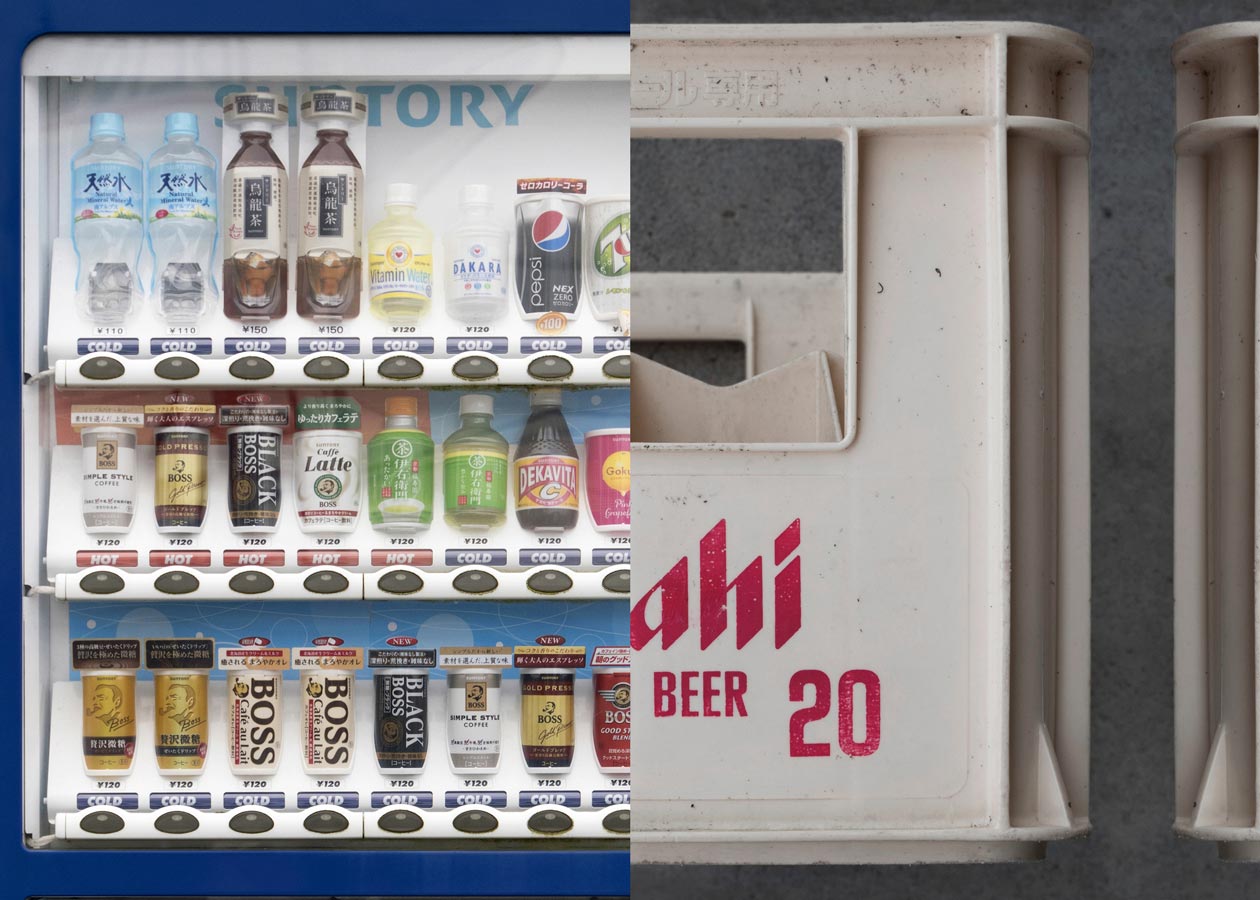
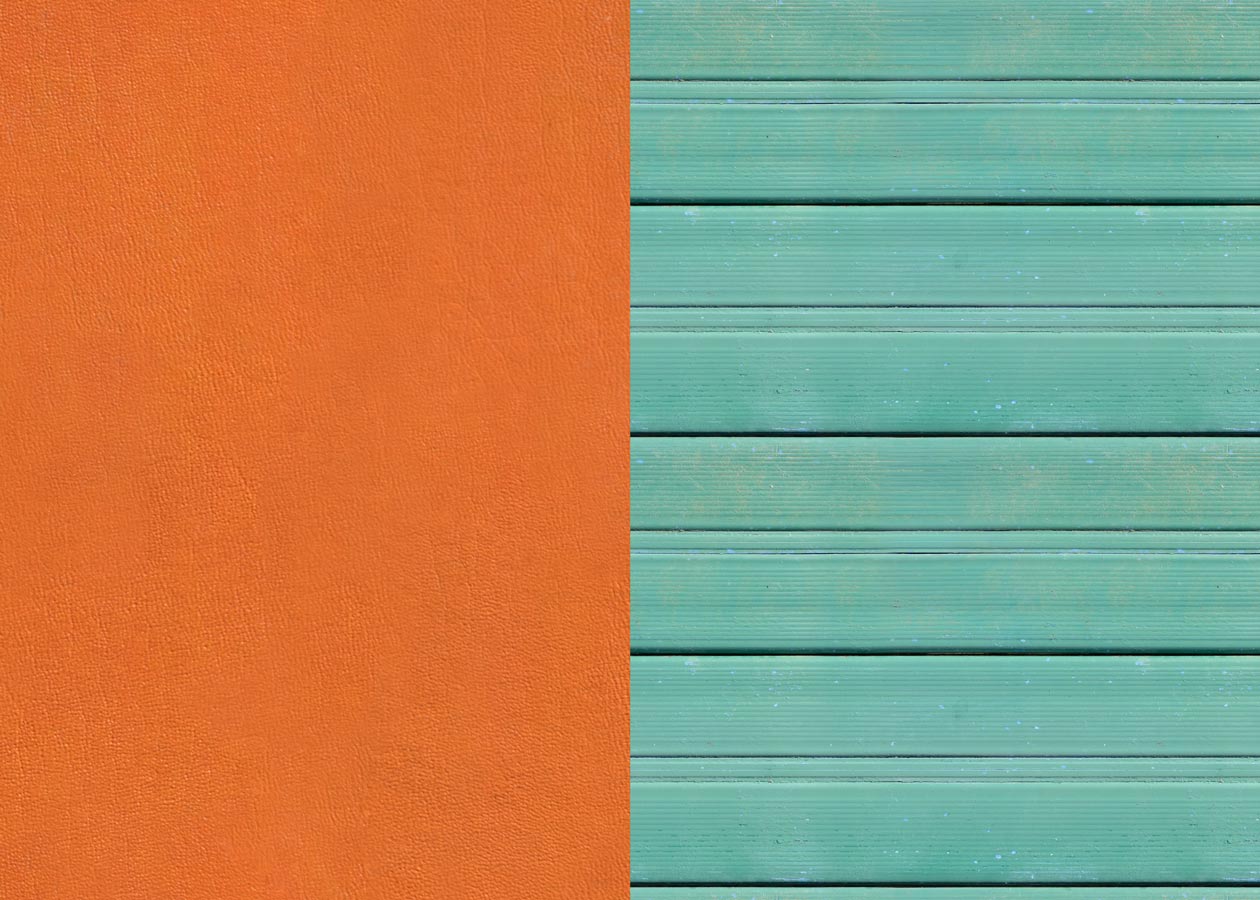
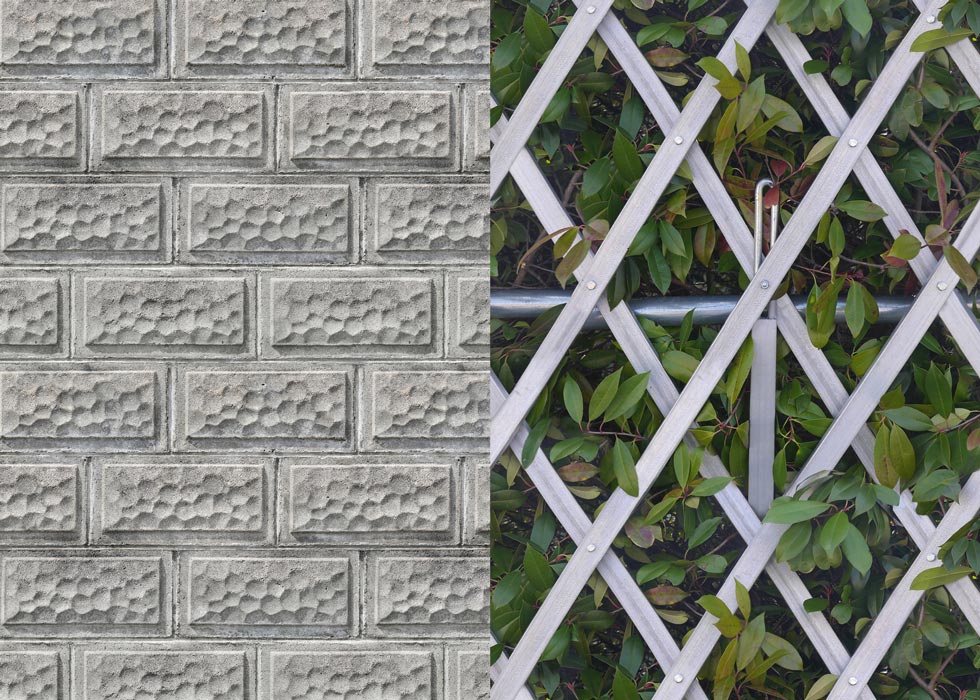
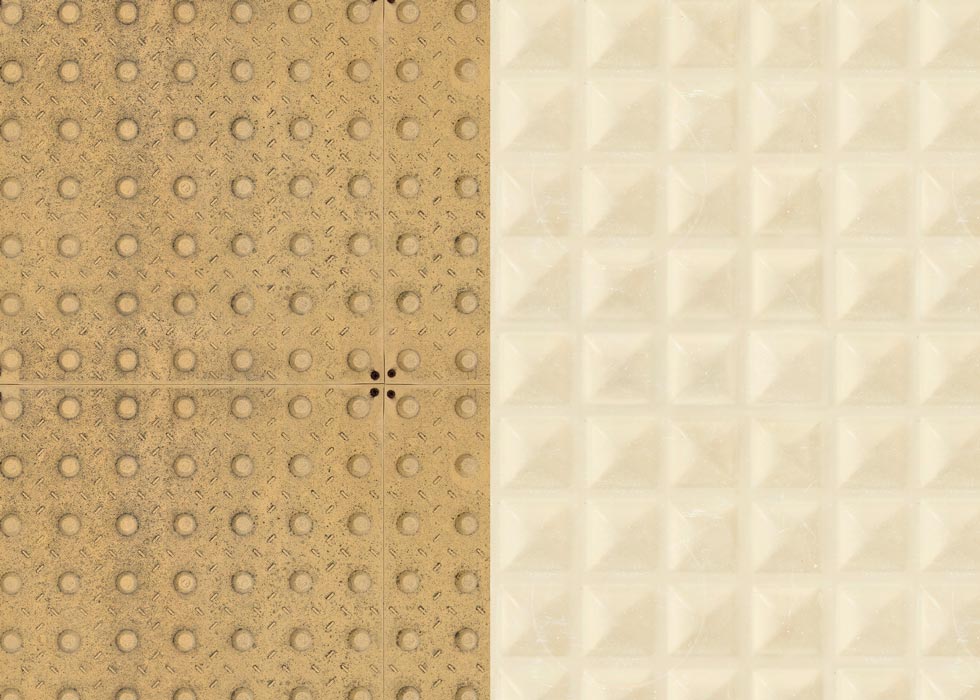
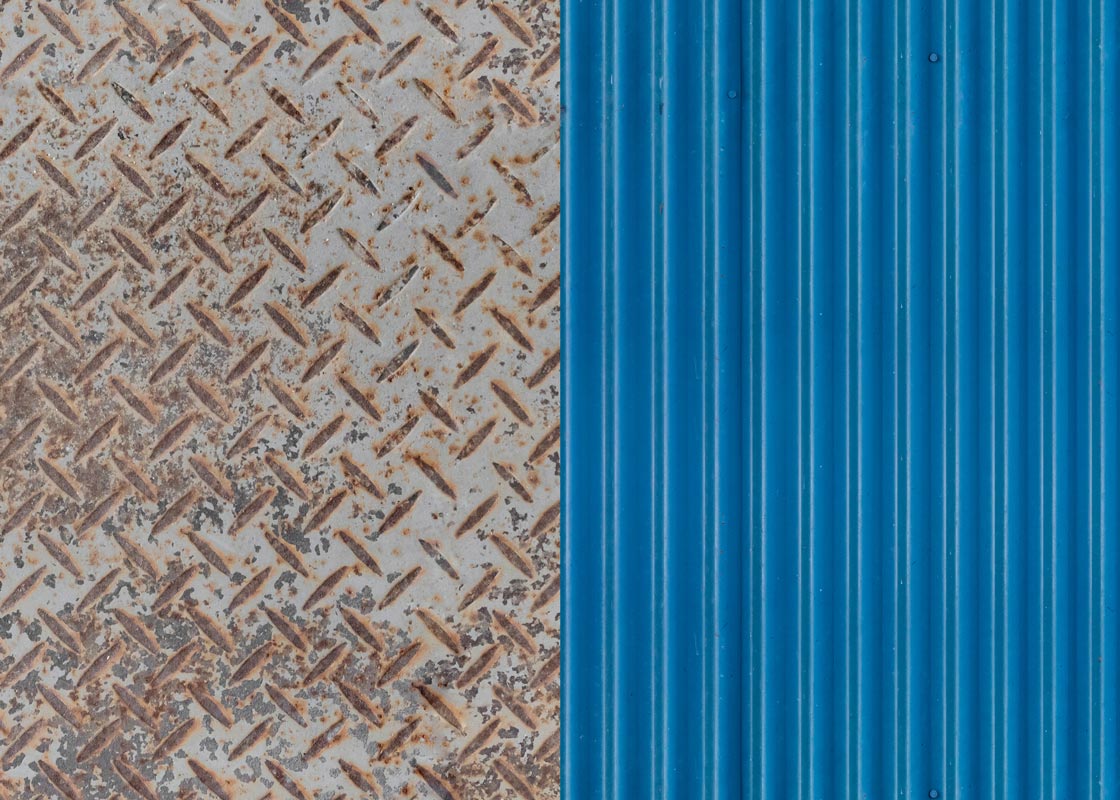
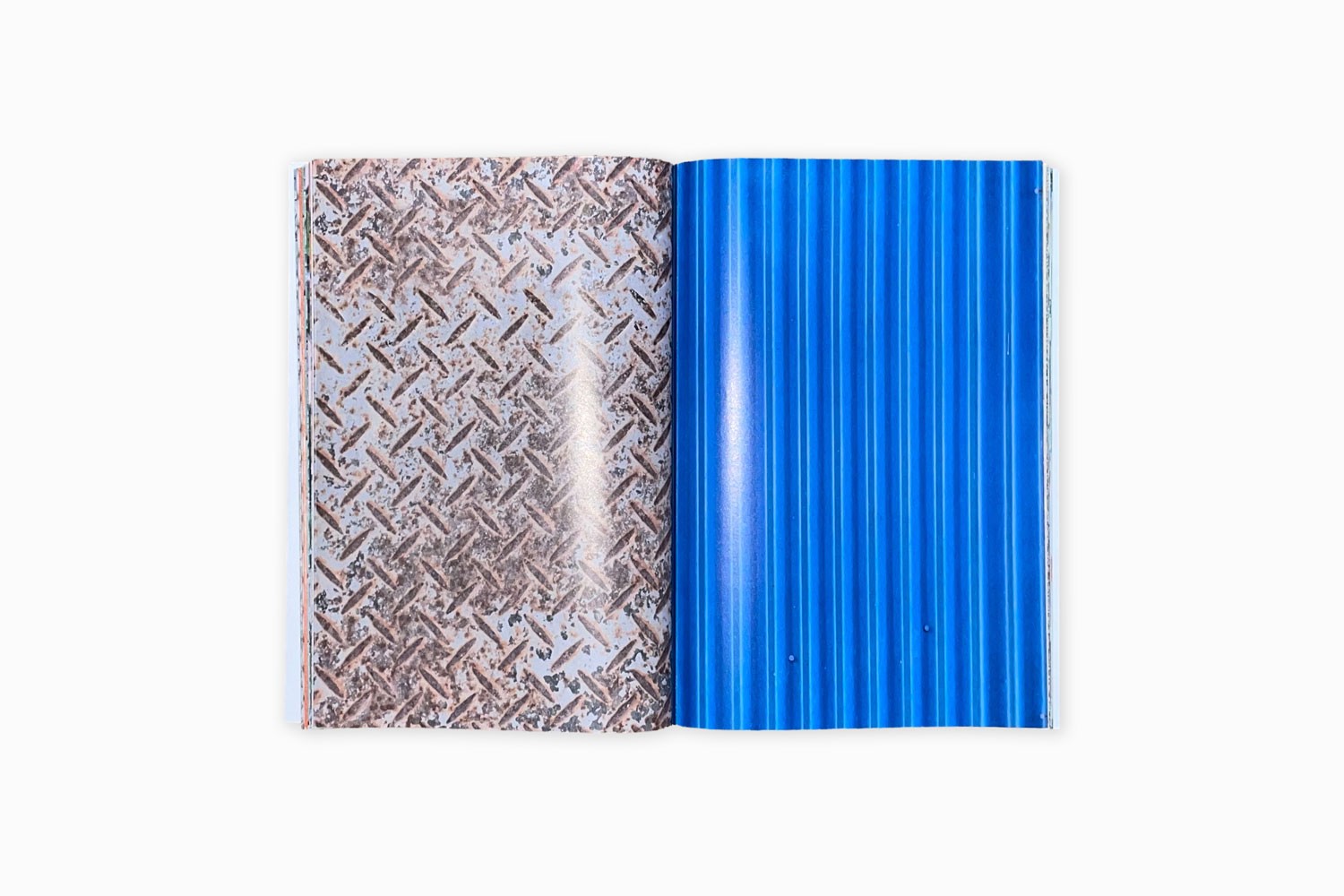
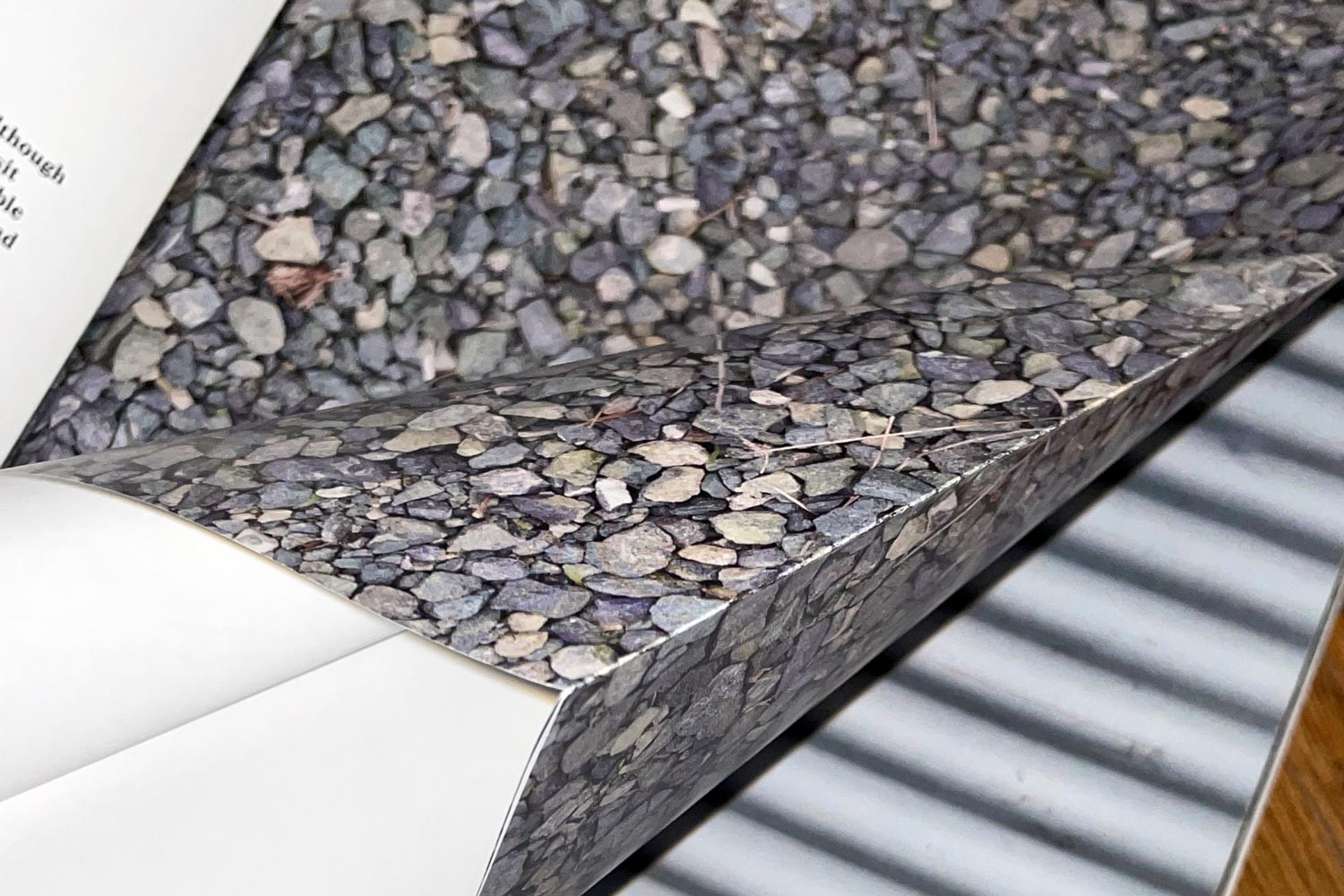
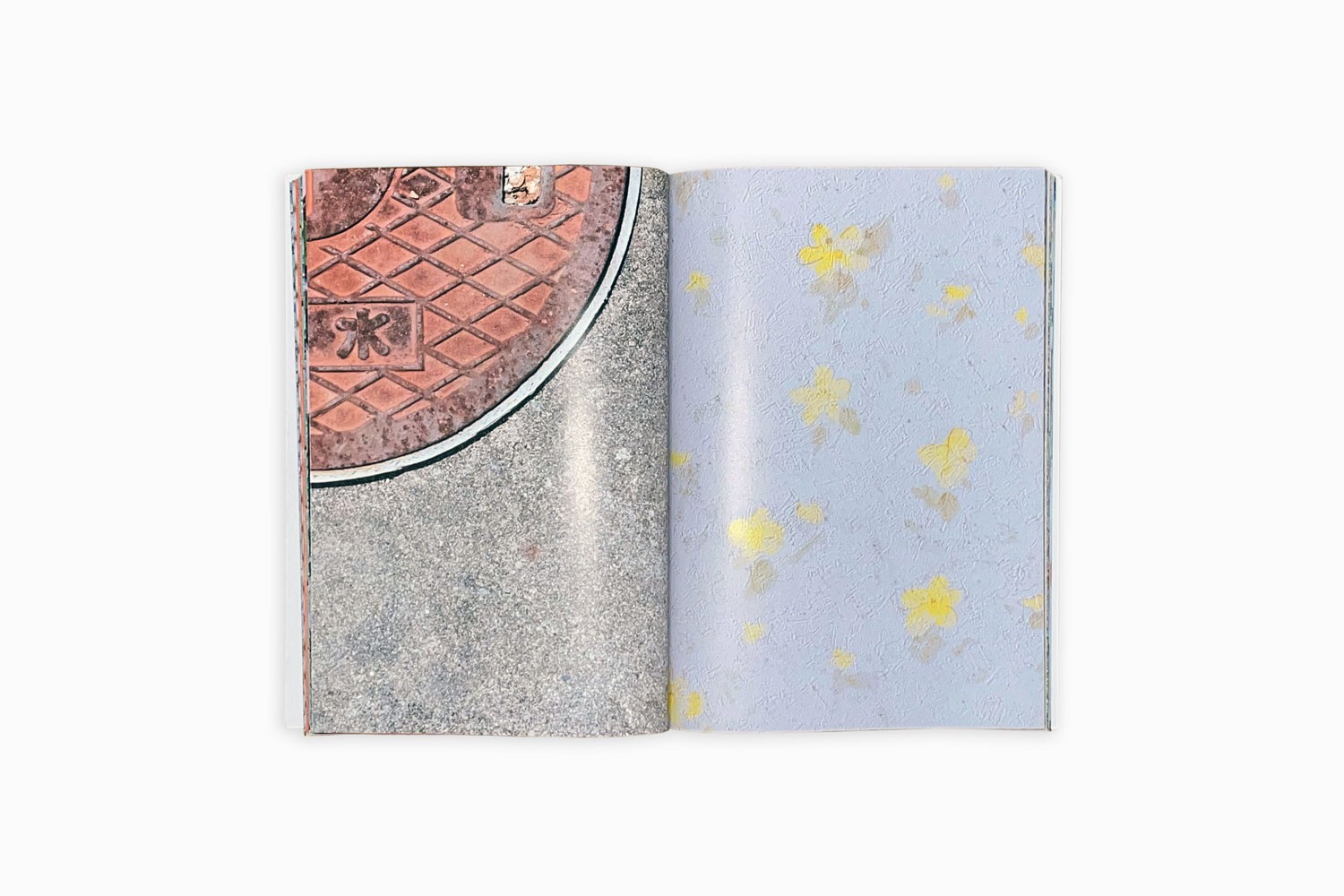
Fukushima Texture Pack is an artistic record of Eva & Franco Mattes’ engagement with this contaminated landscape. Borrowing the format of books of wrapping paper, it contains twenty large pre-perforated sheets. Each features a visual texture, a surface captured on camera amid radioactive ruins. All such patterns afford a seamless repeating motif, should they be installed in a tile formation as wallpaper. They comprise a representative sample of the 152 textures the artists first released online as freehold digital files. The pages of this book may be used freely to cover other books, decorate boxes, wrap gifts, form origami, or they may be framed as small works of art.
This artist’s book extends Eva & Franco Mattes’ interest in Fukushima’s geographical displacement. Following its radioactive ungrounding, this location is now most accessible through its representation. But images are given to obscuring the matter at hand—to wrapping it up, so to speak, in a reduced form. The tragic proportions of the Fukushima meltdown outstrip virtually all frames. With this in mind, how can one maintain awareness of this nuclear disaster? How might we live with the facts?
The textures—sampling walls and floors, rust, bricks, gravel, underbrush, tatami mats, dirt, desks, closets, and more—are unspectacular by design. Eschewing the gnarled automobiles, collapsed buildings, and other wrecks left in the wake of the tsunami, the visual banality of these posters speak to an invisible crisis. Additionally, their modular, tessellating design allows for the limitless spread of a given motif. As possible wallpaper, they evoke the new baselines of background radiation, omnipresent in and around the exclusion zone—a new surface condition.
The publication is supported by Istituto Italiano di Cultura Tel Aviv in collaboration with CCA Tel Aviv-Yafo.