This new major monographic publication on the Ghanian artist documents the work that transformed sites and repurposed buildings in his native town of Tamale to transformative outcomes rooted into the idea of art as a tool of understanding, rebalancing, and advancement.
For life and limbs, Austrian artist and curator Anna-Sophie Berger has assembled a group of works, from Arakawa and Gins to Lyle Ashton Harris, that register the body as a habitat that can be imaginatively stretched, altered, modified, adorned, replicated or destroyed.
This two-volume catalog, curated by Andrea Bellini and the New York-based collective DIS, is the outcome of the 2021 edition of the Biennale de l’Image en Mouvement (BIM’21), presented at the Centre d’Art Contemporain Genève.
Christian Frosi was long considered one of the most inspiring and promising Italian artists debuting in the early 2000s. That is until just over ten years into his career, when he decided to make himself unreachable and remove himself from art history, its customs and figures.
Featuring new contributions by Sitara Abuzar Ghaznawi and a wealth of commissioned texts and writings, this book is conceived as a continuation of the exhibition held at Cabaret Voltaire, Zurich and, in a modified form, at Swiss Institute, New York.
In a context in which institutions are facing a surge of public scrutiny, the publication revisits the artistic practice of institutional critique to ask what it means today, and to consider its ability to respond to the urgent social, political, and economic issues of our time.
Edited by Michelle Cotton and Francesco Manacorda
Texts by Guglielmo Castelli, Sarah Crowe, Lillian Davies, and Francesco Manacorda
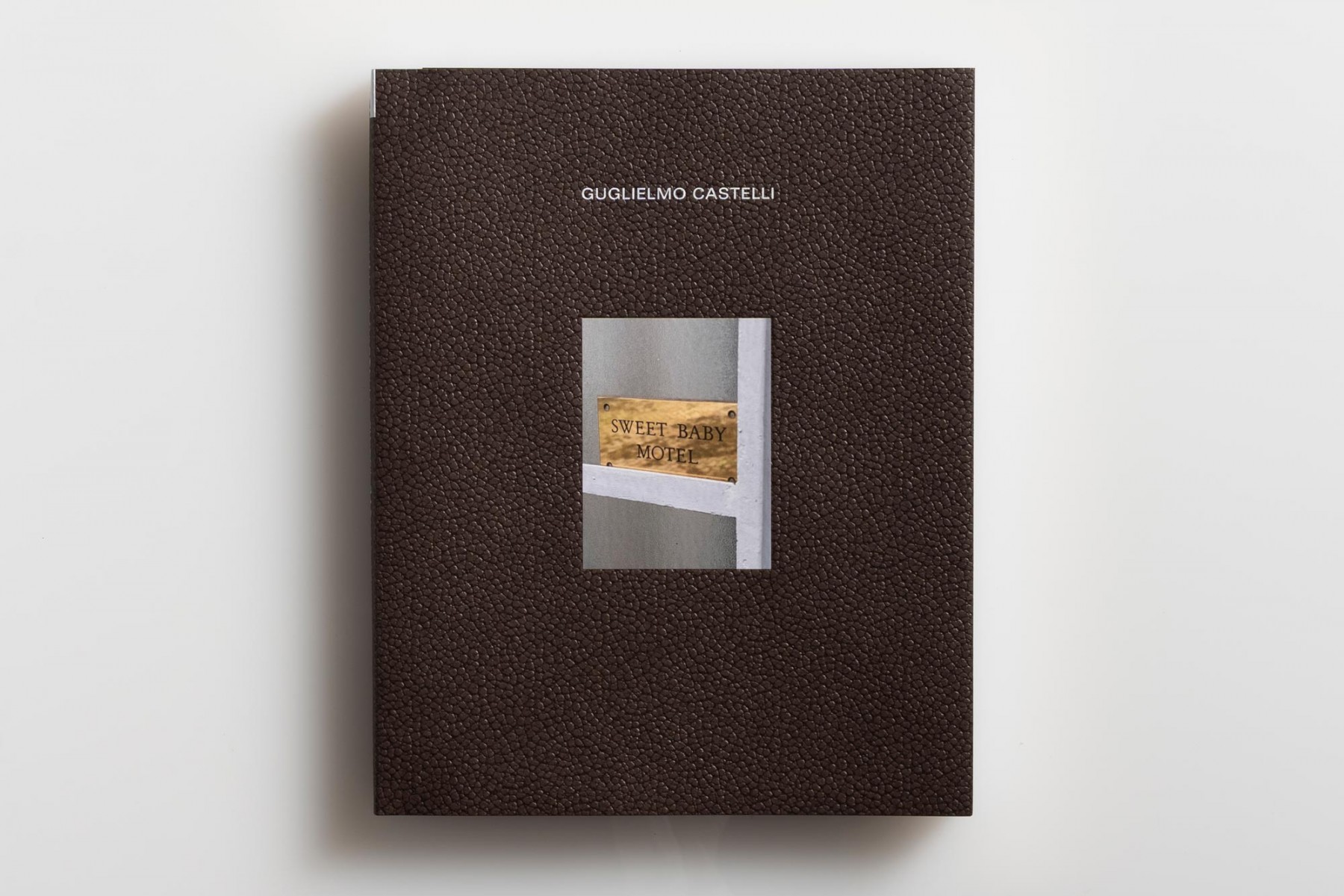
Designed by Lorenzo Mason Studio
2026, English / Italian / German, 24 x 30 cm, 256 pages
ISBN 979-12-80579-90-4
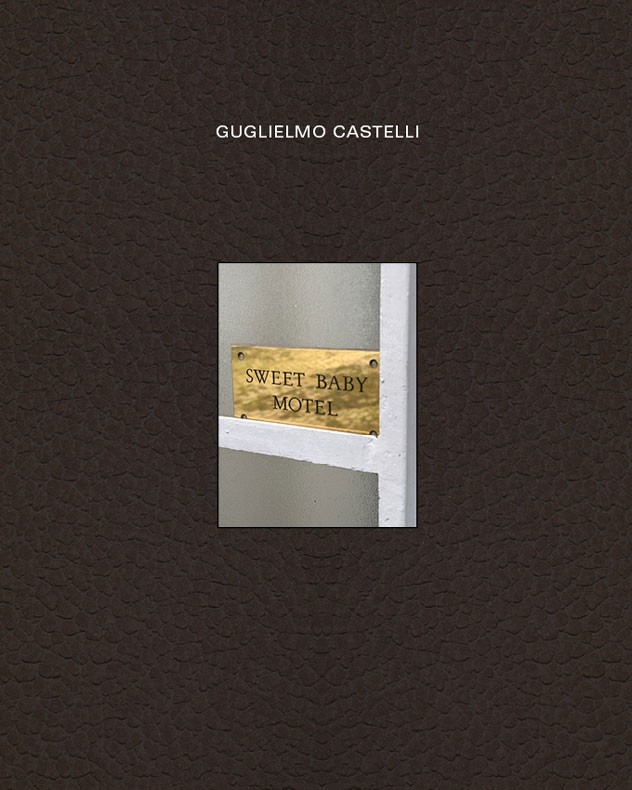
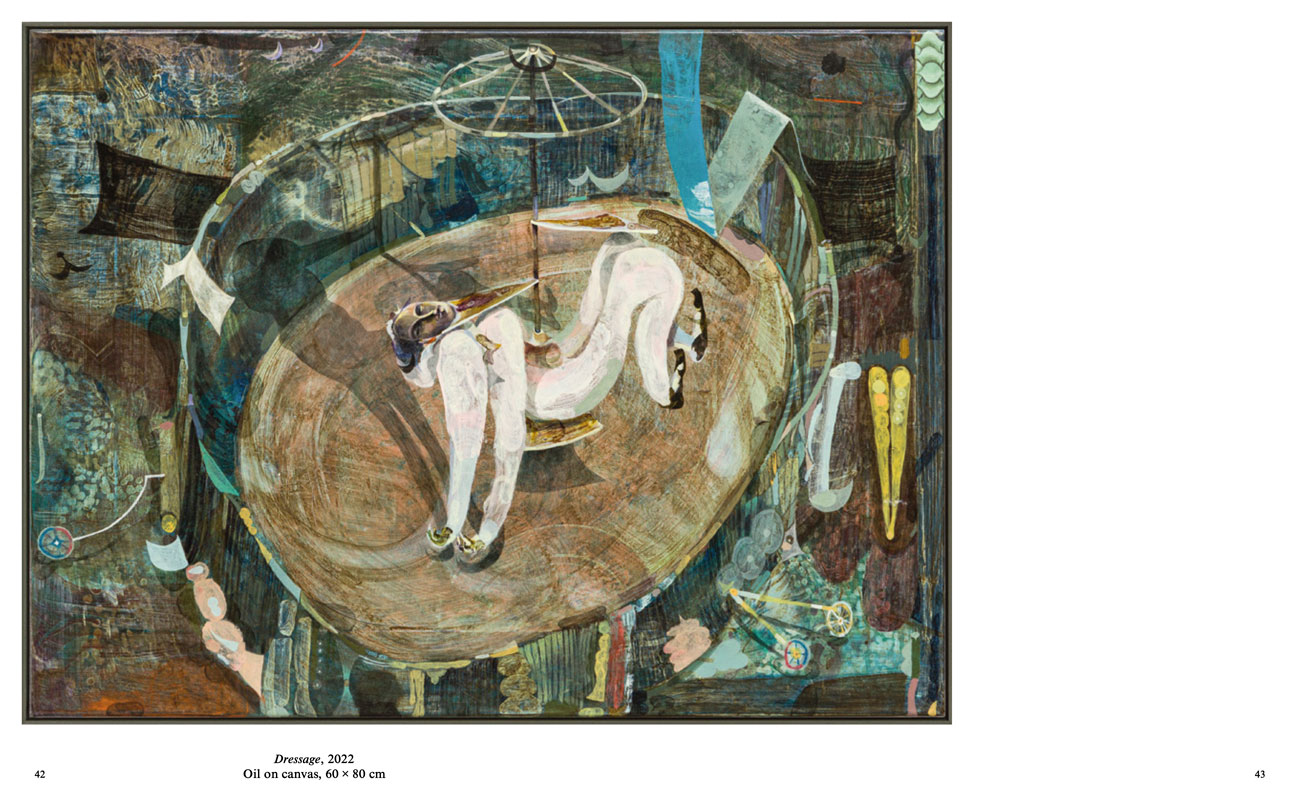
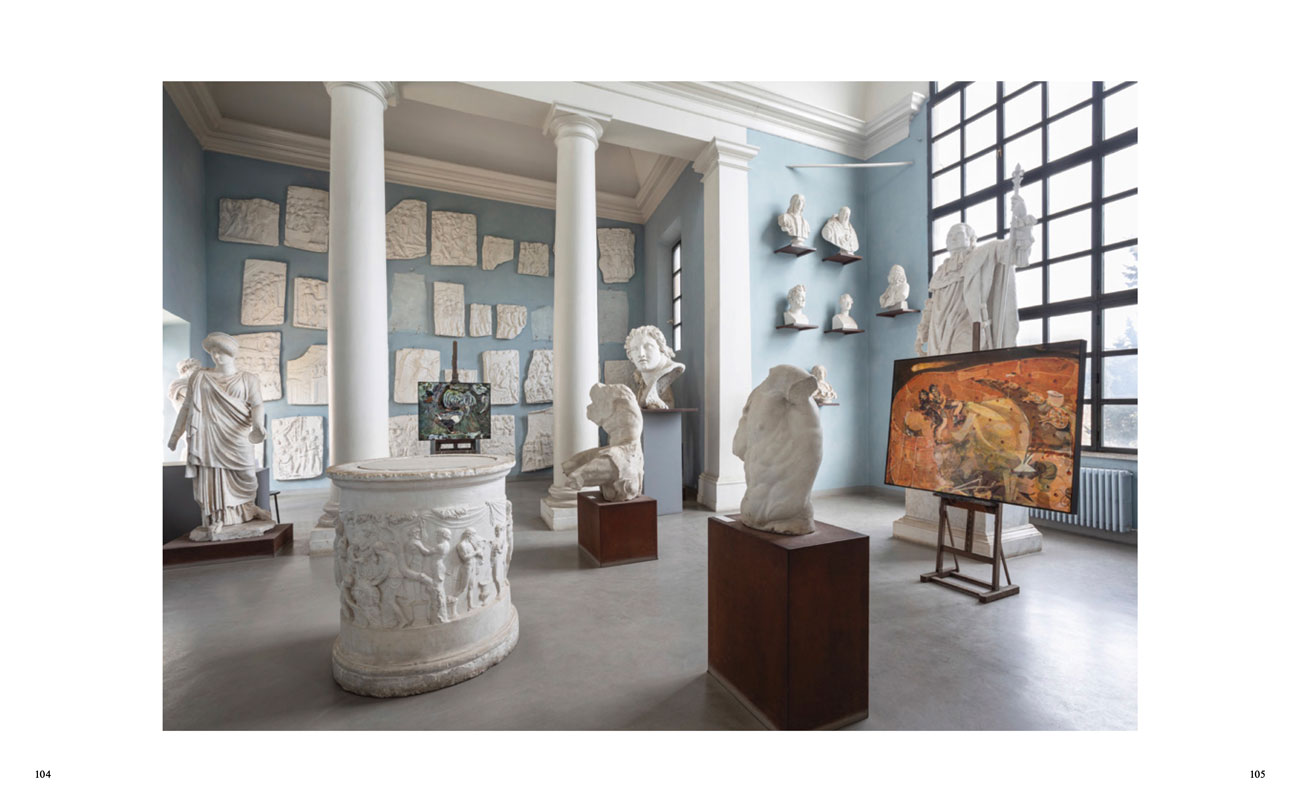
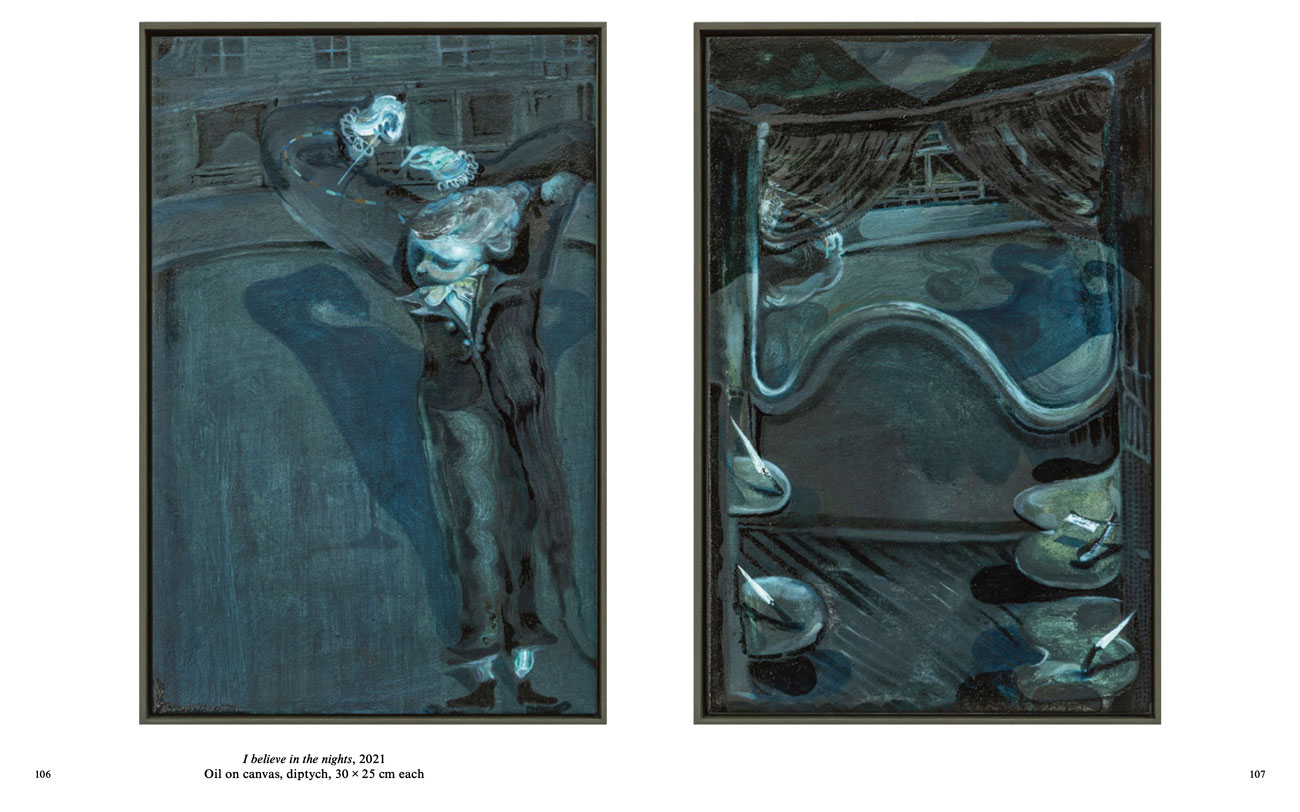
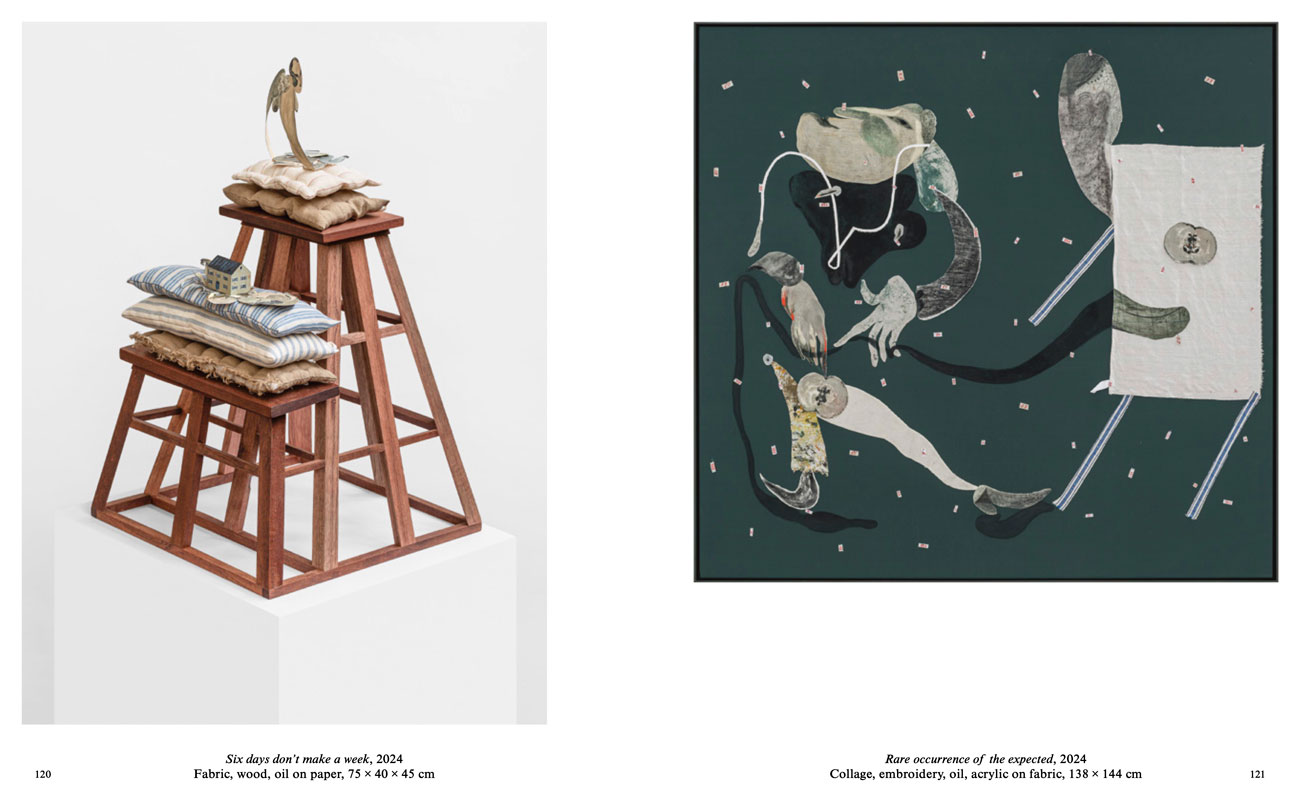
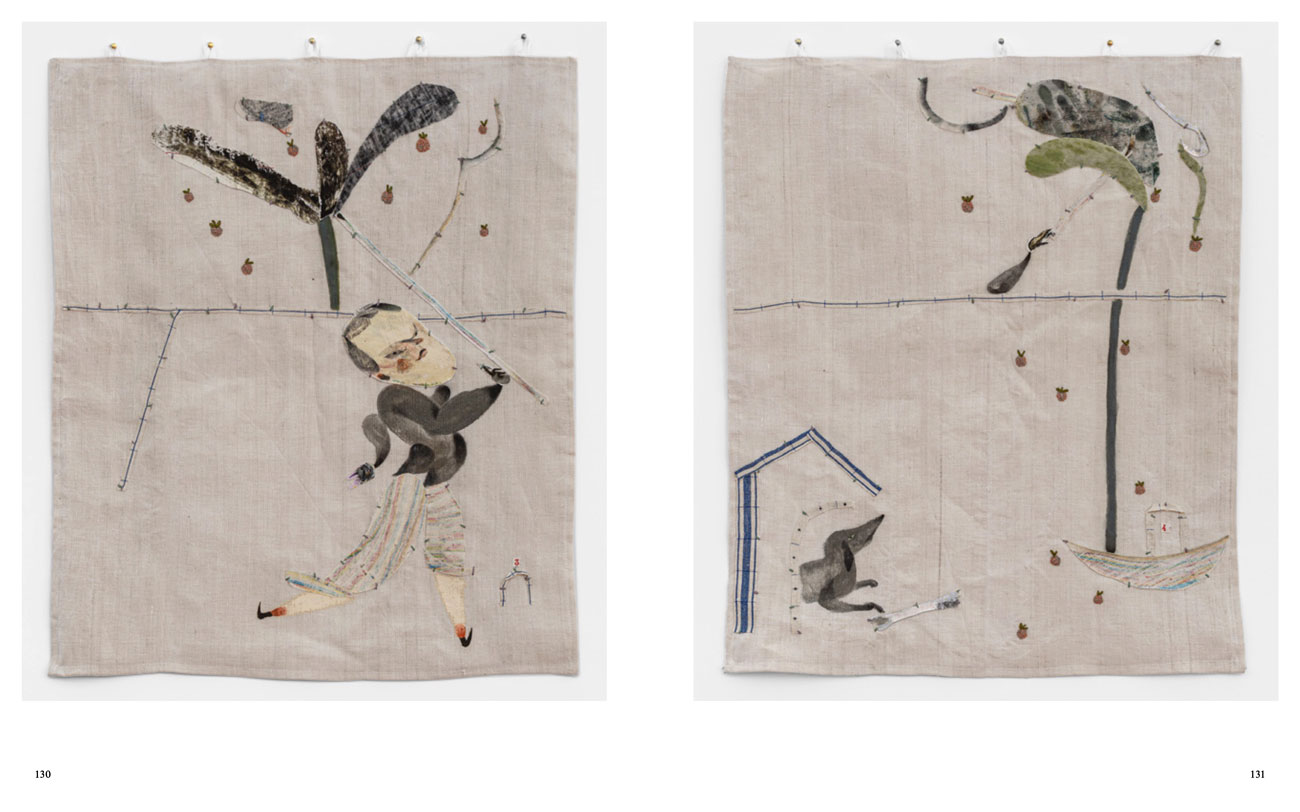
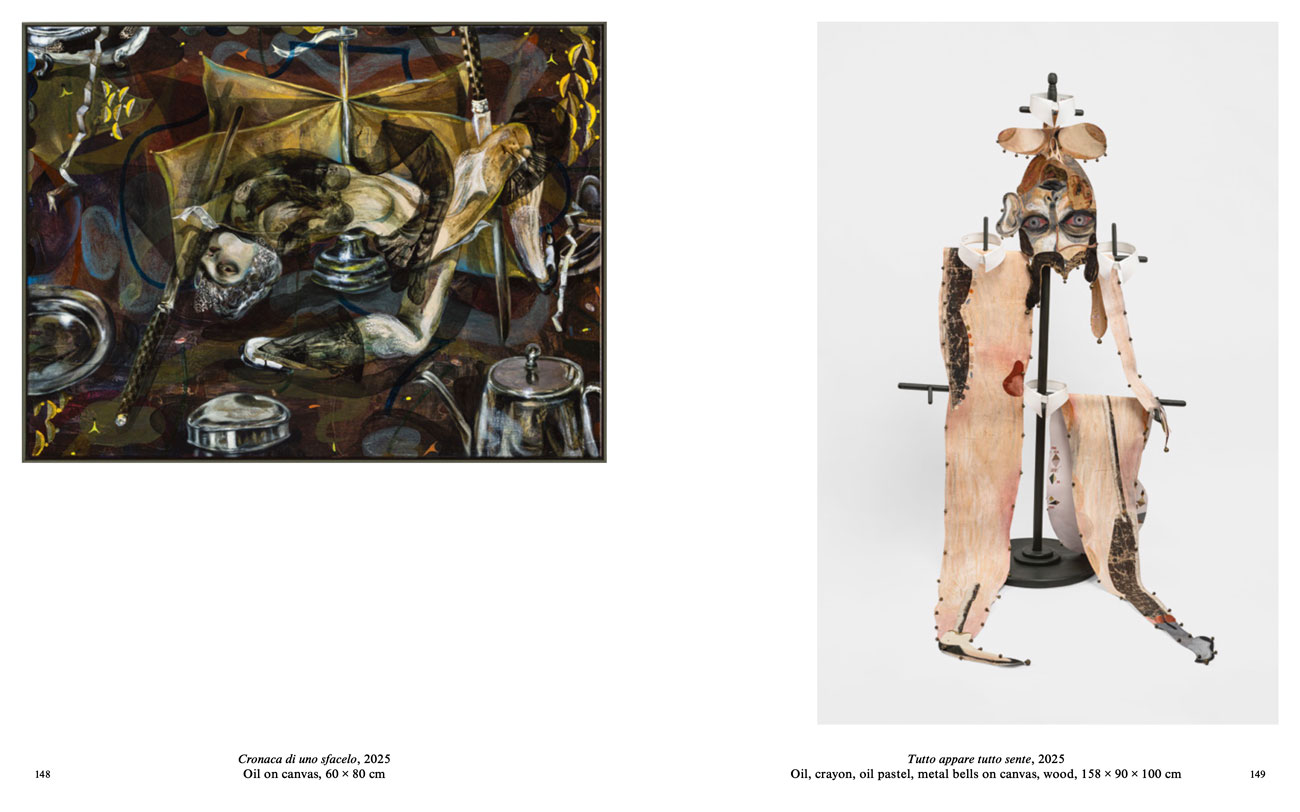
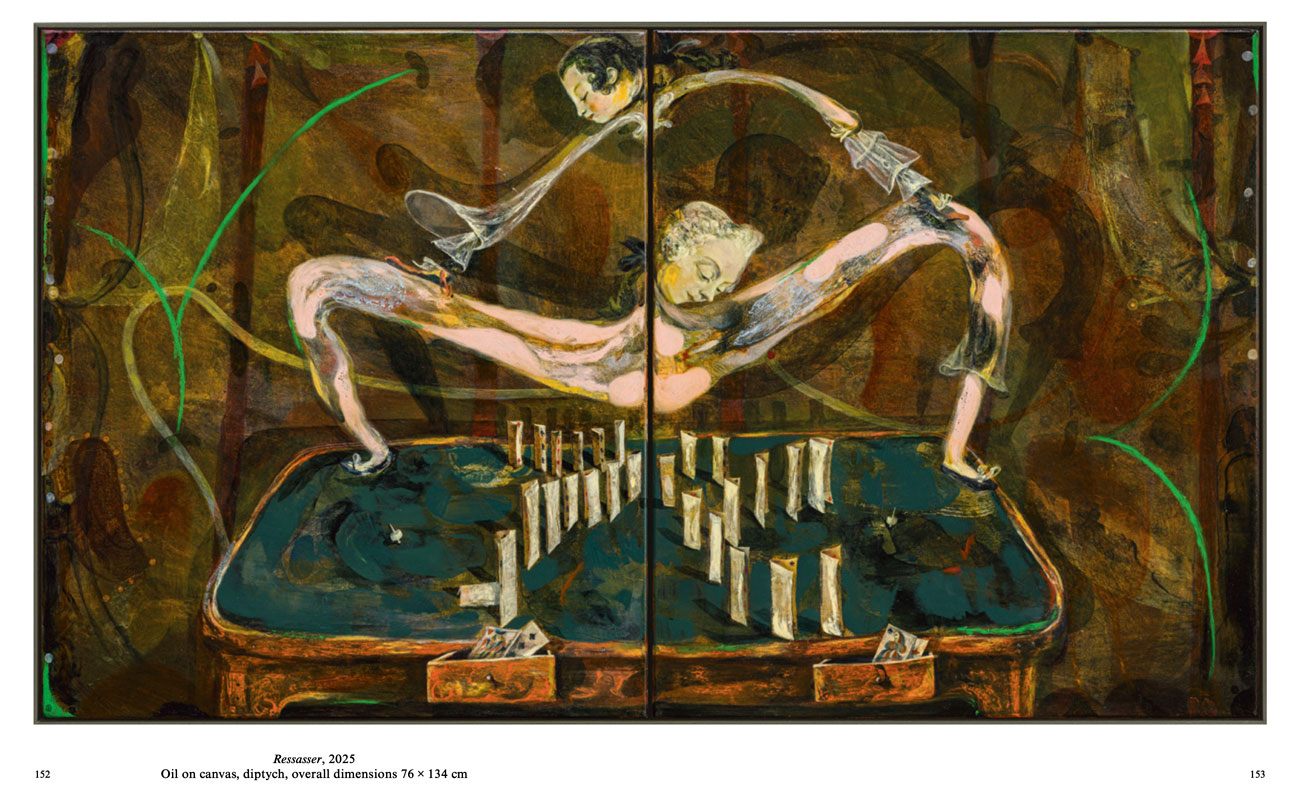
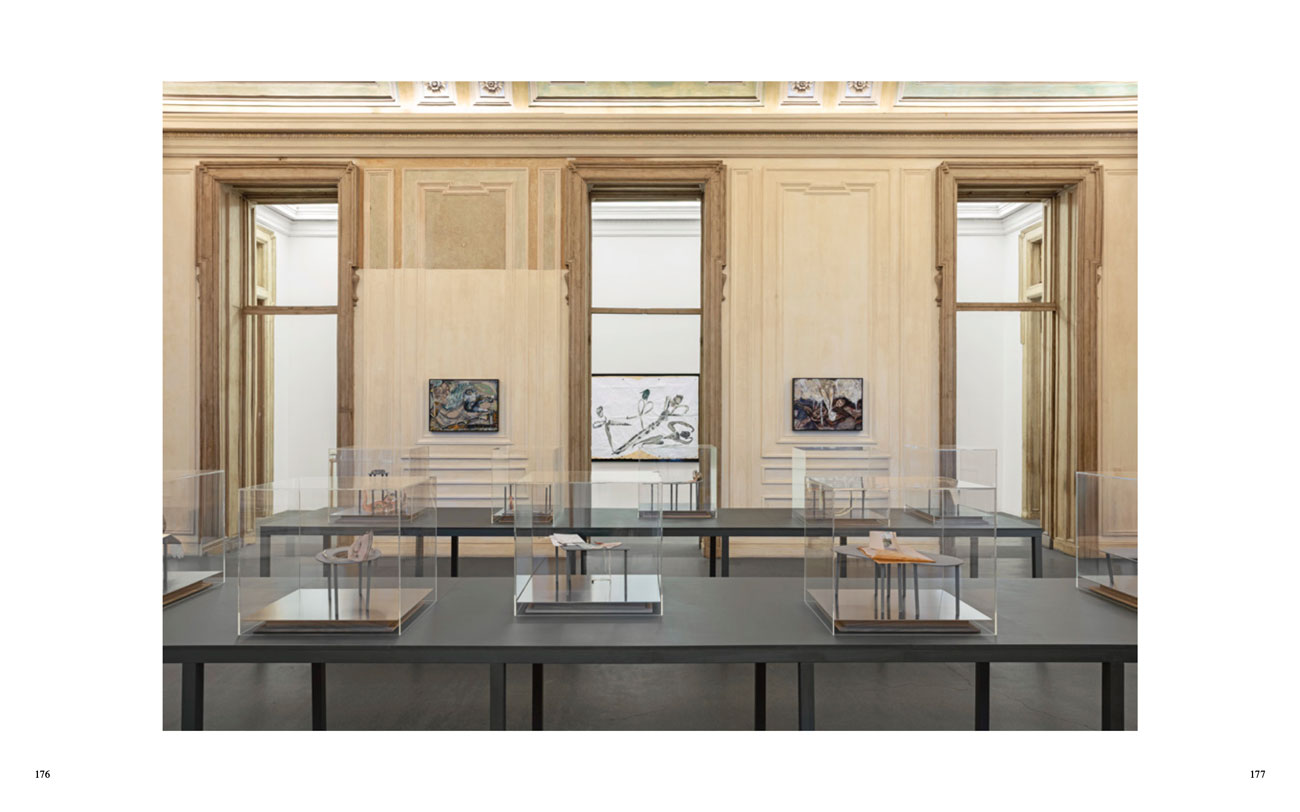
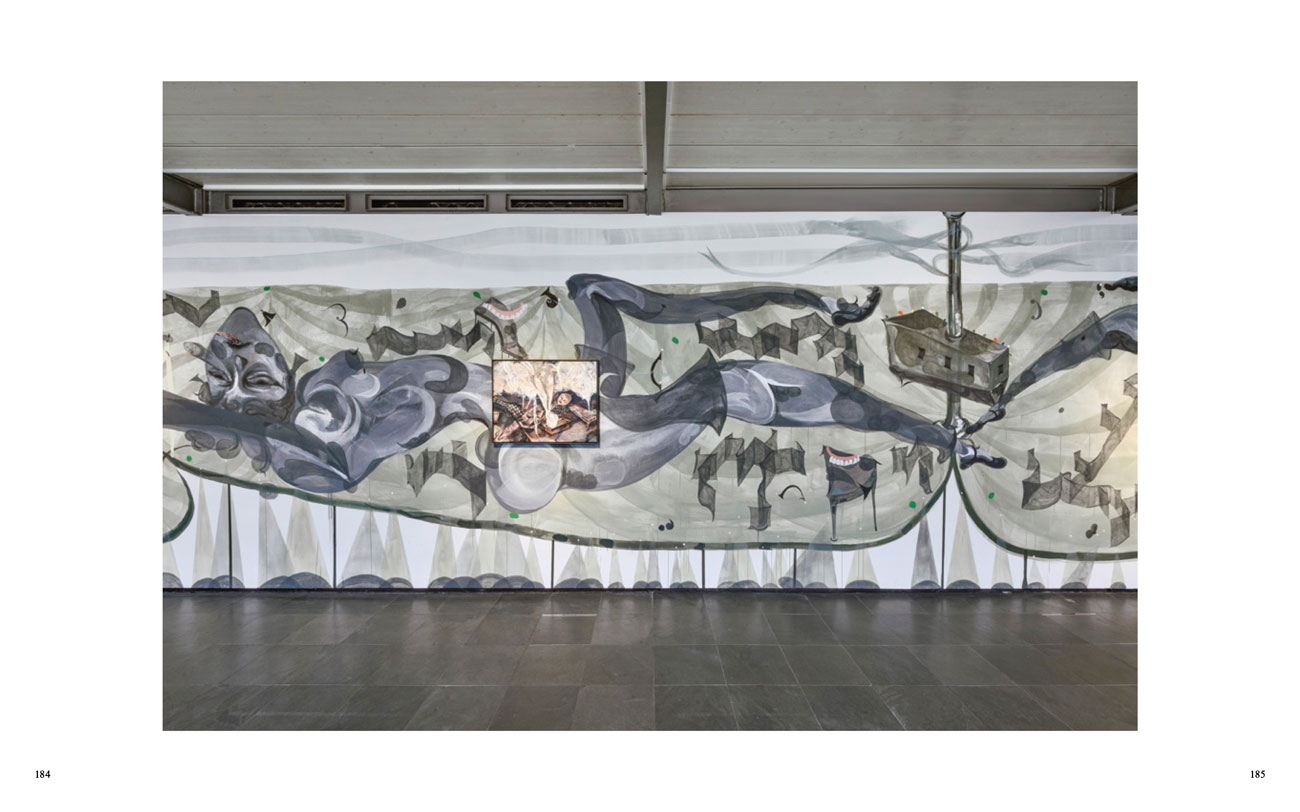
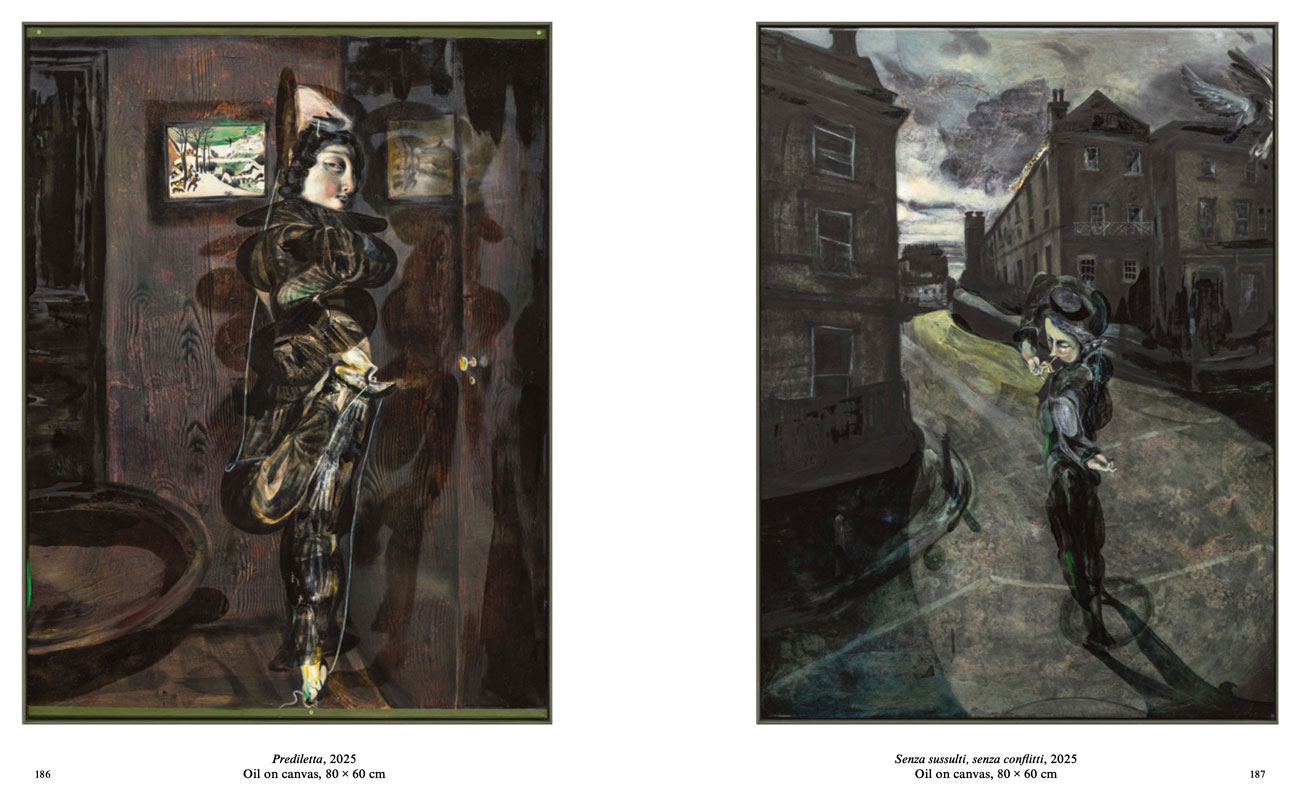
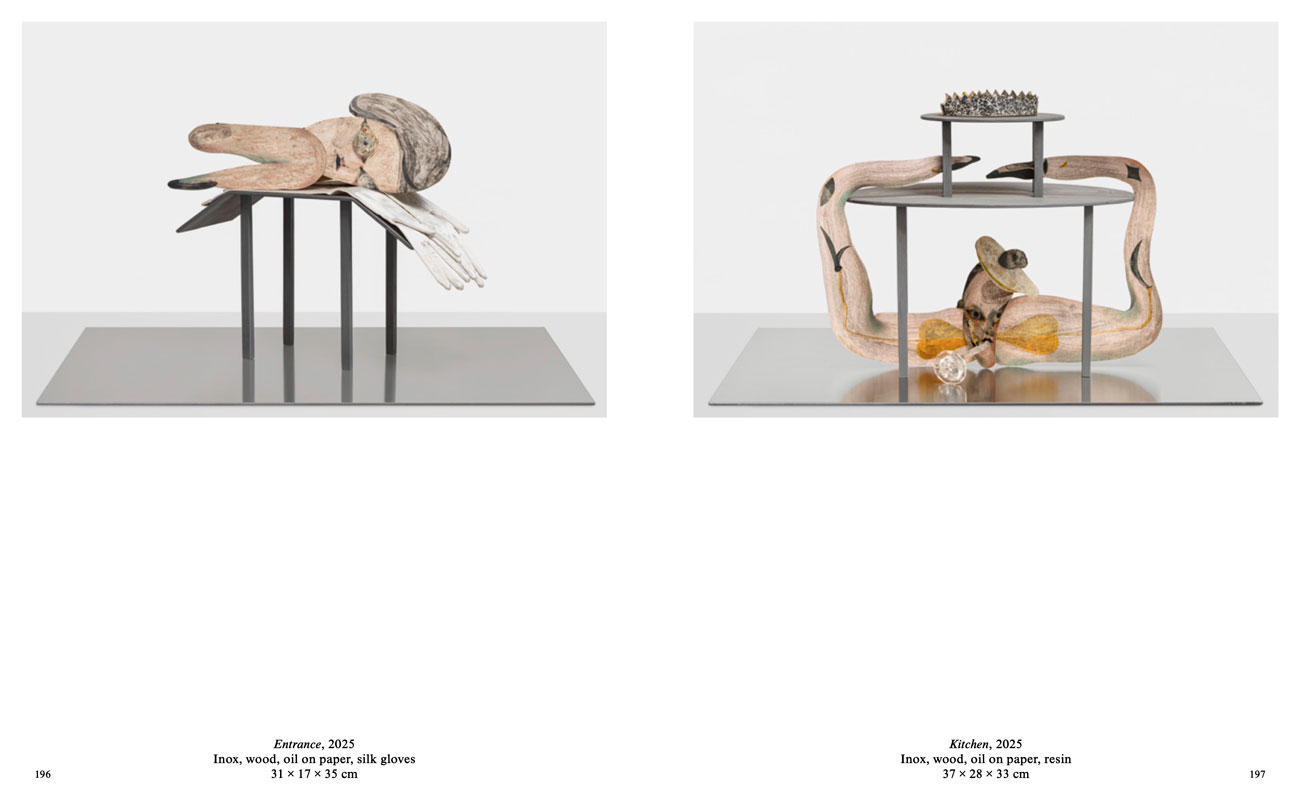
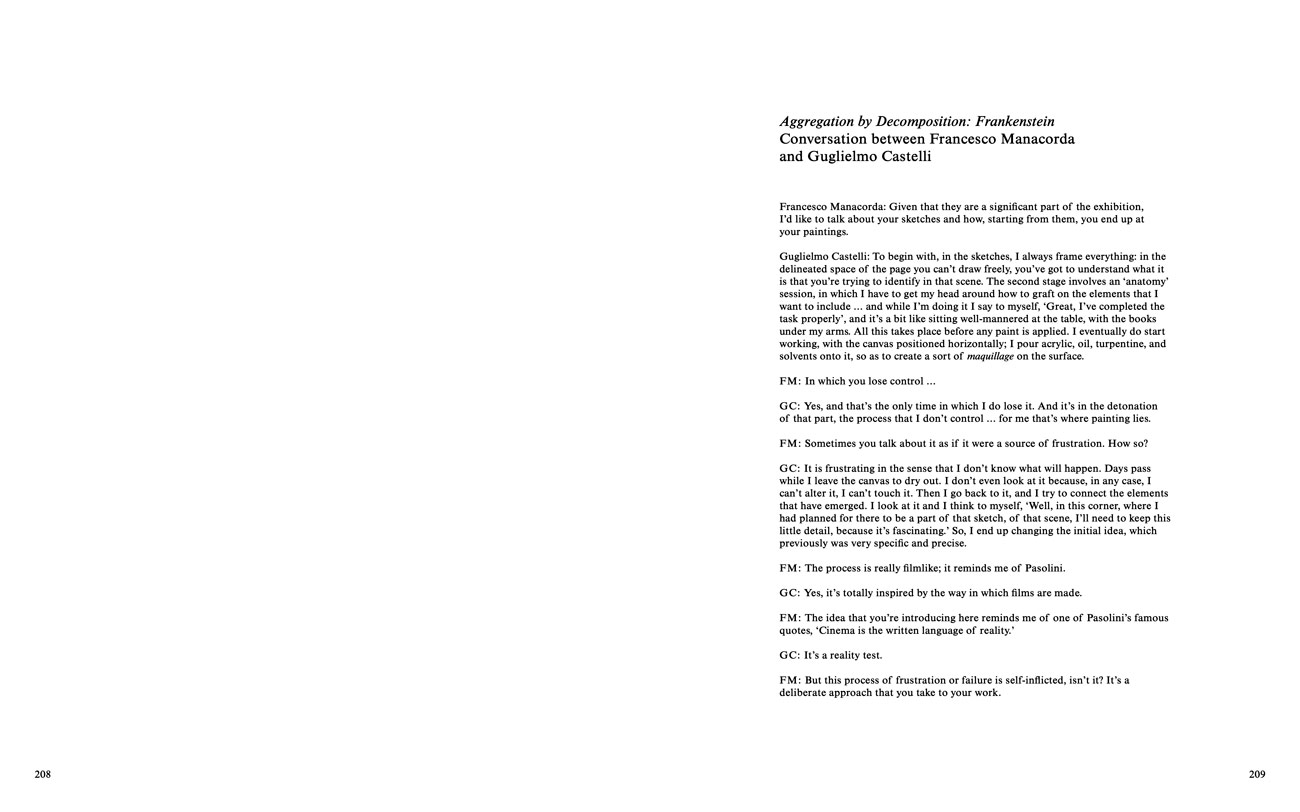
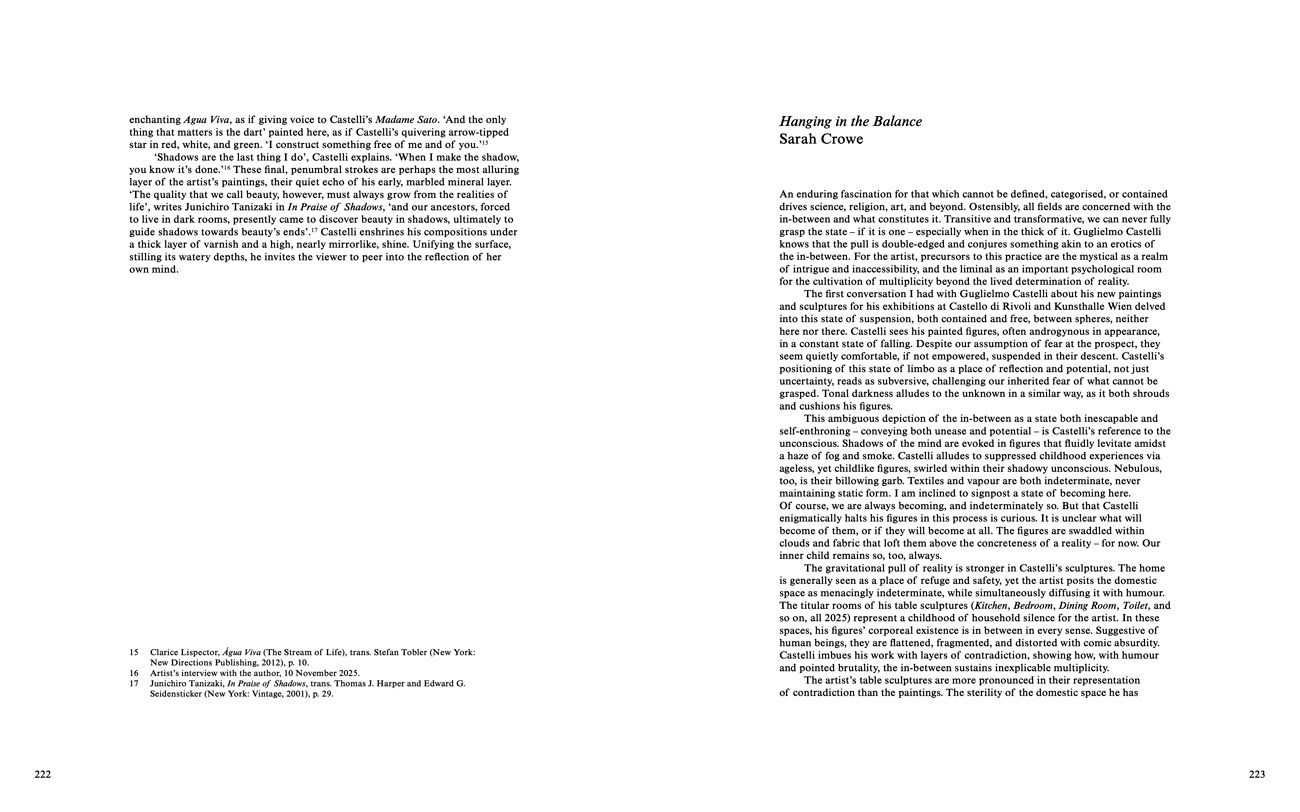
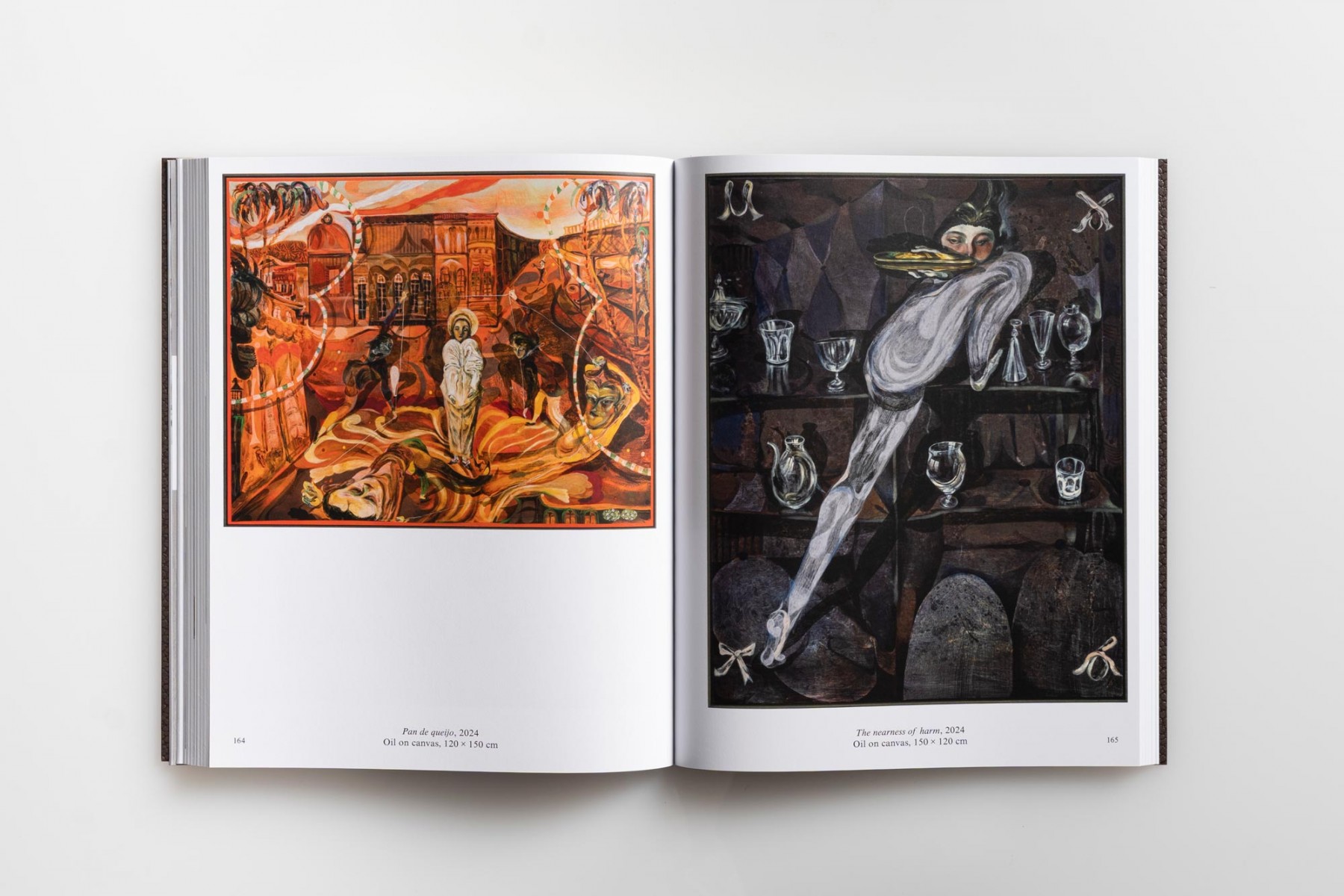
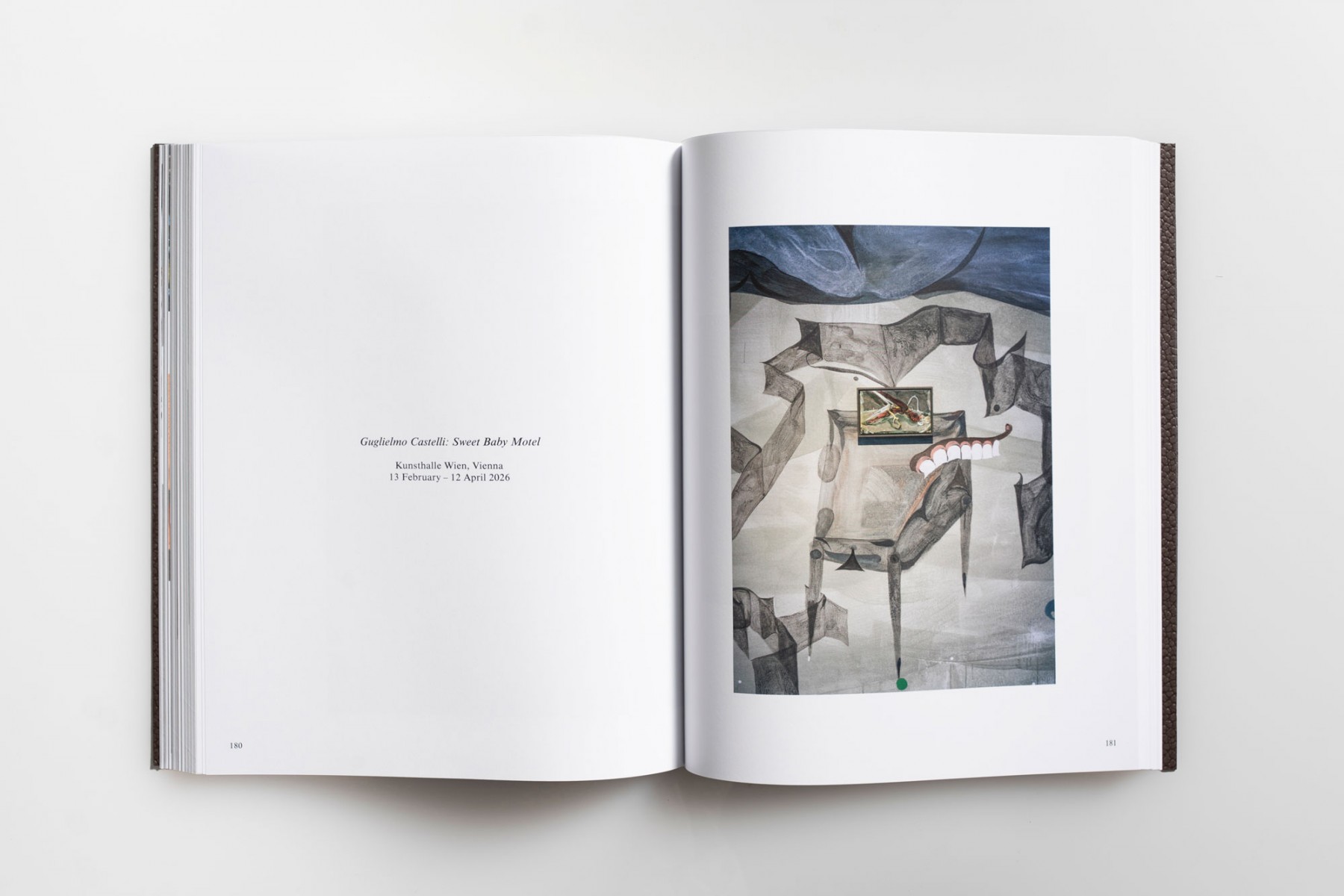
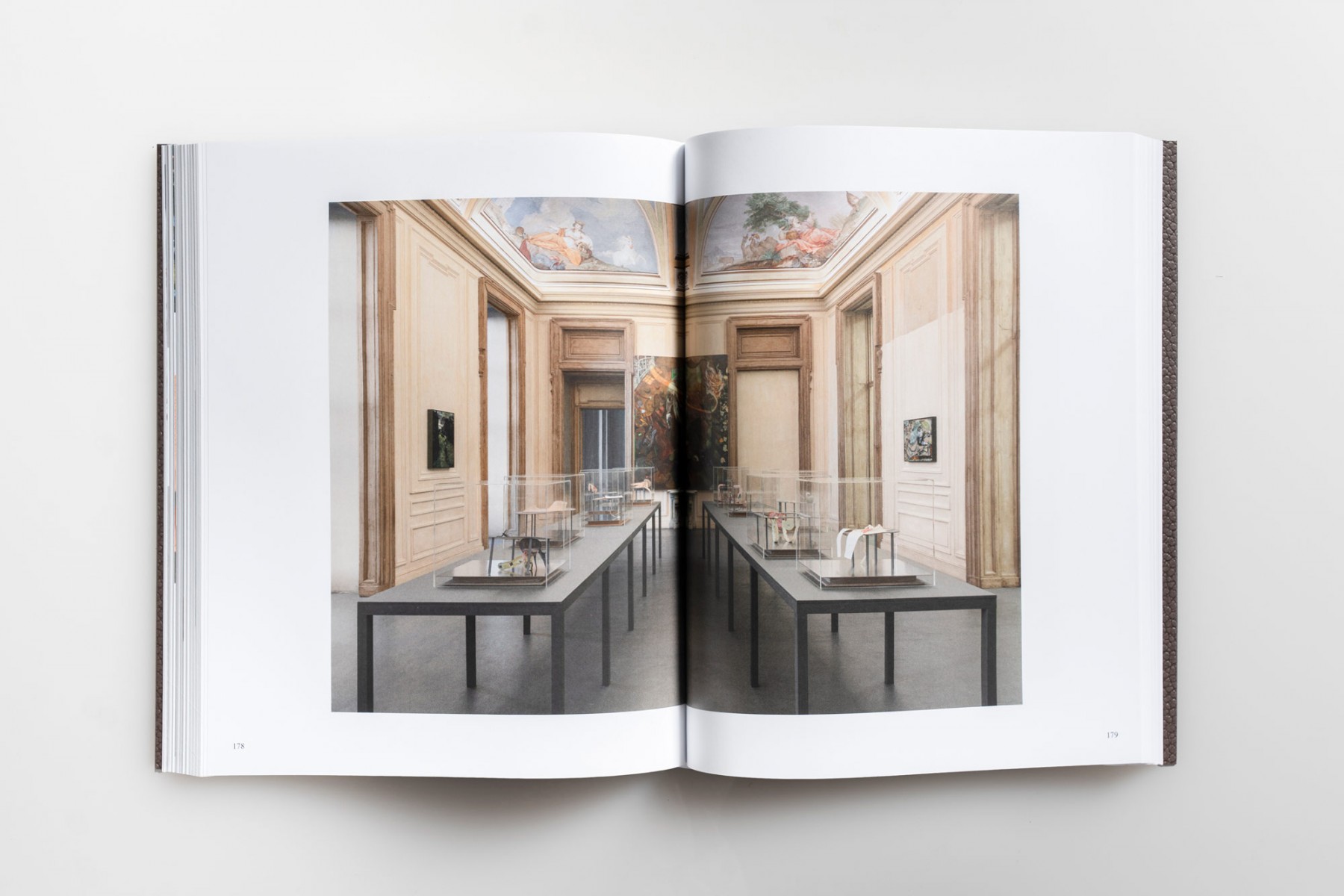
Published on the occasion of the exhibitions at Castello di Rivoli Museo d’Arte Contemporanea, Rivoli-Turin, and Kunsthalle Wien, Vienna, Guglielmo Castelli: Sweet Baby Motel is the first comprehensive monograph on the artist’s painting and sculpture. The publication conducts a wide-ranging investigation into the artist’s ethereal poetics, including newly commissioned essays by the curators of the exhibitions at Castello di Rivoli Museo d’Arte Contemporanea and Kunsthalle Wien, and by art historian and critic Lillian Davies. Davies explores the enigmatic depths of Castelli’s painting practice, and curator Sarah Crowe pays particular attention to the artist’s weightless, boneless, and genderless figures. Francesco Manacorda interviews the artist on his scenographic, filmic approach.
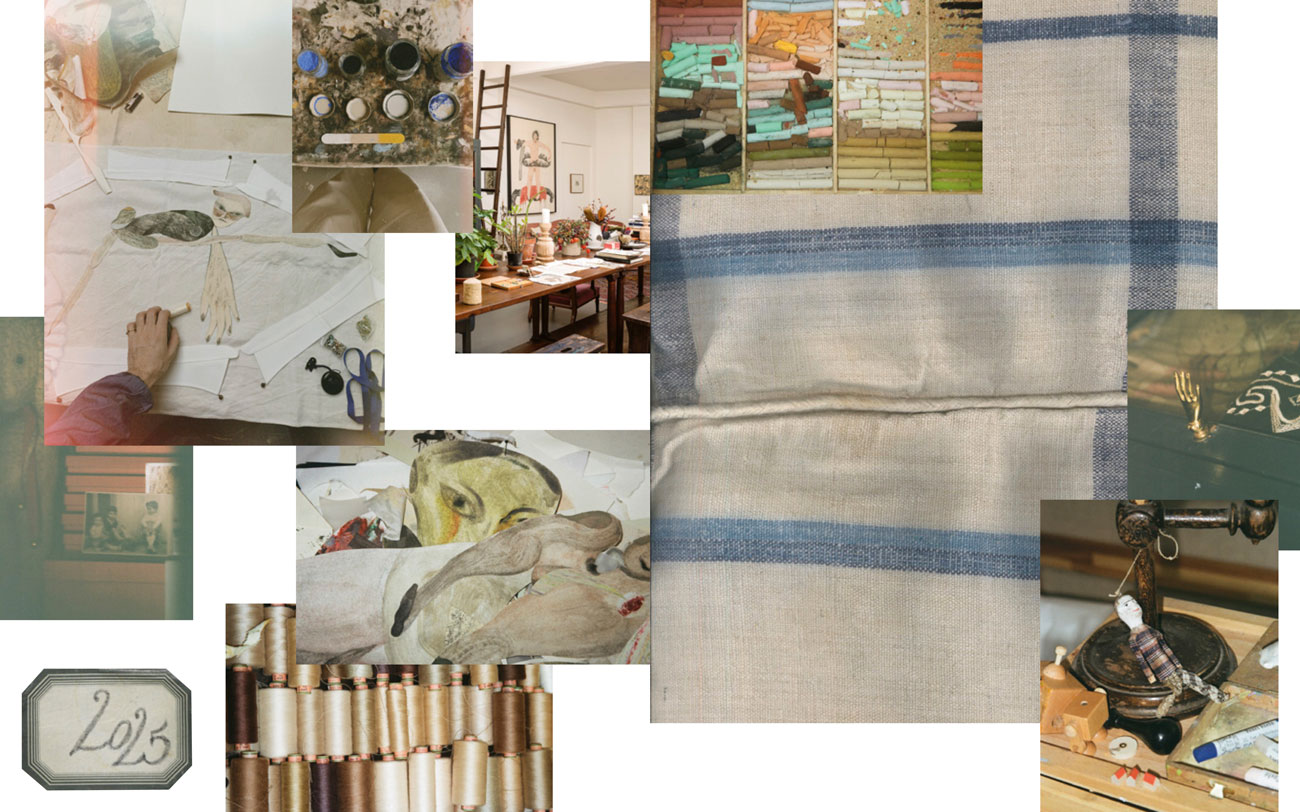
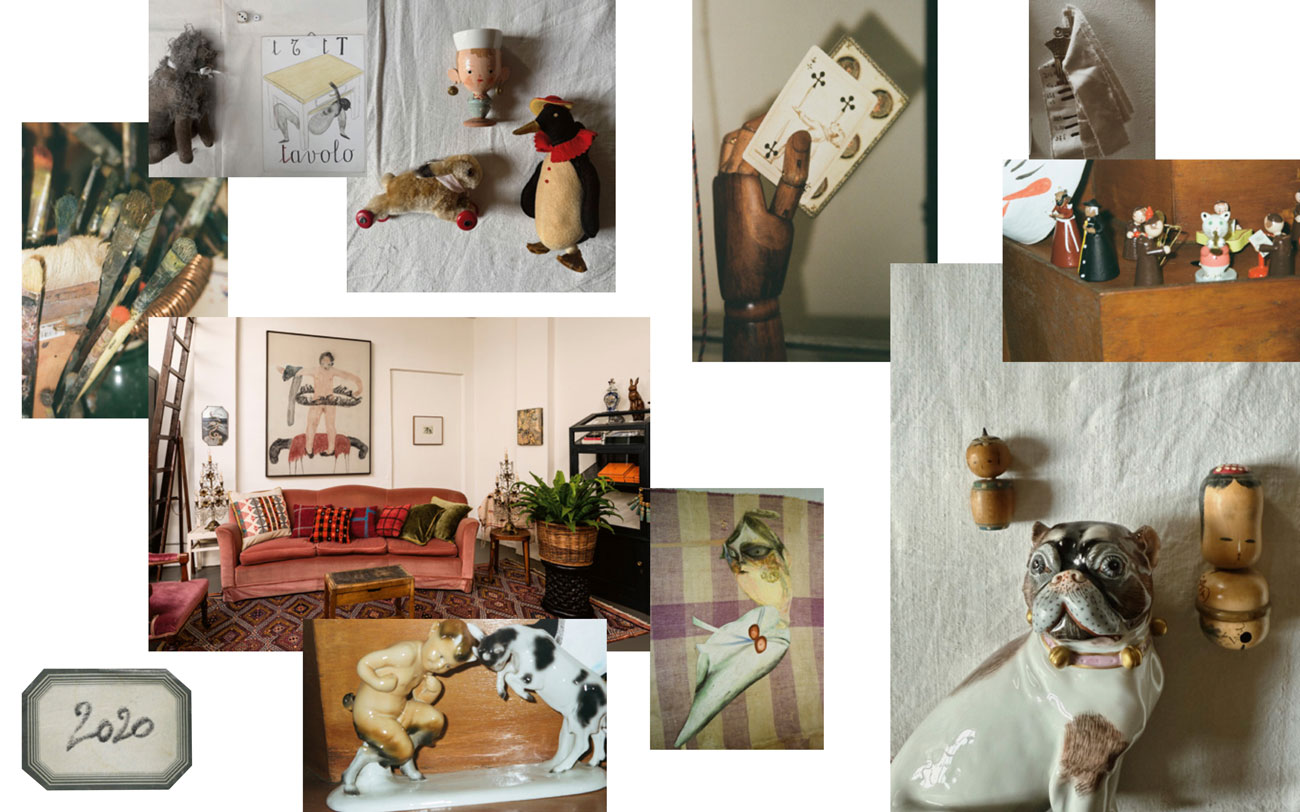
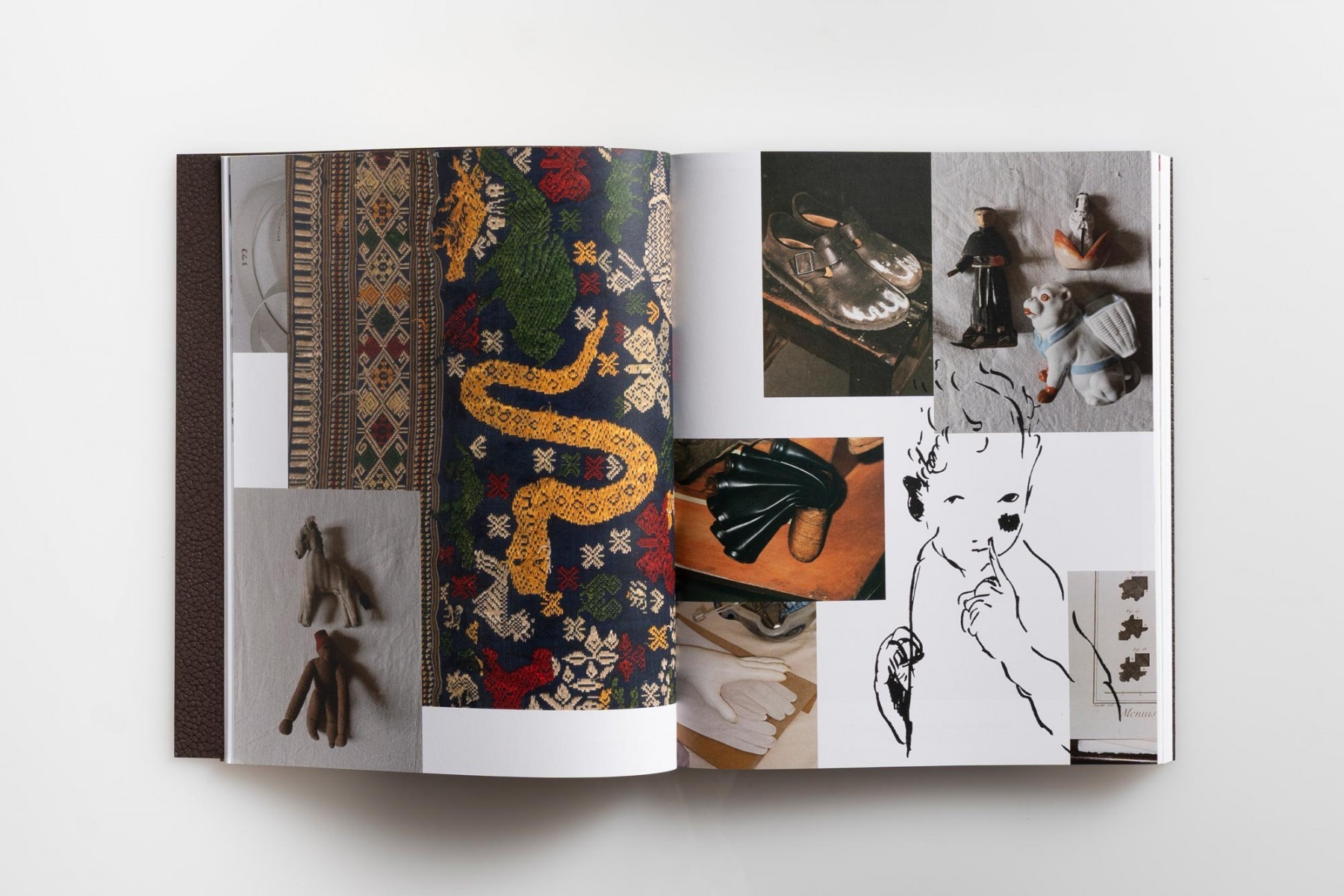
Castelli developed a new corpus of works for the exhibitions in Turin and Vienna that spans painting, collage, and sculpture, and culminates in a selection of his sketchbooks. Facilitating a deep understanding of process and intimate aspects of Castelli’s practice, these sketchbooks are invaluable repositories of creative trajectories, containing references from different places and times, which are then carefully selected by the artist to flow into his work.
The sketchbooks and the artistic process they embody guide the temporal structure and artistic intimacy of the publication. Castelli constellates myriad materials—from preliminary drawings and notes to poetry excerpts and fabric cutoffs—as conceptual inspiration for bodies of work that he conceives as fully fledged exhibitions. In the publication, examples of these collaged fields of associations preface documentation of individual exhibitions and their groups of work, thus bringing the artist’s practice full circle.