Conceived as a visual résumé, the book provides a comprehensive overview of Posenenske’s solo exhibitions and a record of her numerous group shows. Featuring an essay by curator Erlend Hammer on the role of documentary photographs in the circulation of works of art, it was published in conjunction with the eponymous show at the Haugar Art Museum in Tønsberg.
Since the 1980s, Belgian artist Sigefride Bruna Hauman has created a highly original body of work in different media. Her installations, reliefs and videos are the subject of a much-overdue retrospective organized by M Leuven—and of this first monograph.
Rituals of Care is an extensive monograph devoted to the work of Antonio Obá, published in conjunction with his eponymous exhibition presented at the Centre d’Art Contemporain Genève, curated by Andrea Bellini. Extensively illustrated, the book immerses the reader in Obá’s multifaceted oeuvre and in the magical iconographic universe of his paintings.
Claiming that the museum is not enough means asking what a museum should be and do, eventually questioning the role of cultural institutions in society. Through conversations, stills of documentaries, responses, and reprints of archival documents that explore ideas of architecture on the ground, this volume reflects on the tools deployed by the institution to redefine its relationship to others.
Affirmer que le musée ne suffit pas, c’est interroger ce qu’un musée devrait être et faire, et réfléchir de manière critique sur le rôle des institutions culturelles dans nos sociétés. À travers des conversations, des photogrammes de documentaires, des interventions et des reproductions d’archives questionnant les conceptions de l’architecture sur le terrain, ce volume réfléchit aux outils mis en œuvre par l’institution pour redéfinir sa relation aux autres.
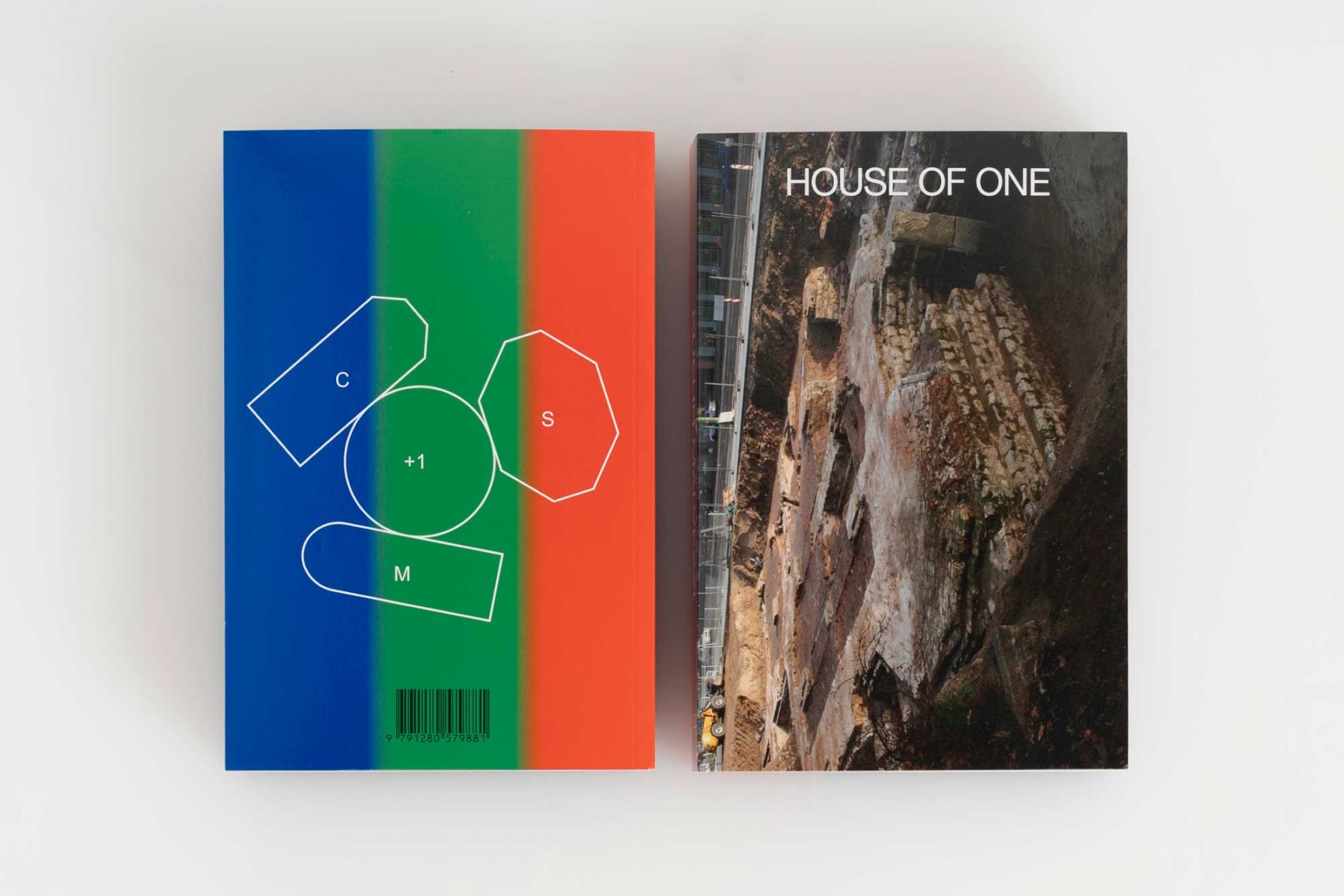
Edited by Kuehn Malvezzi
Designed by Something Fantastic
2025, English, softcover, 14.5 x 21.5 cm, 416 pages
ISBN 979-12-80579-88-1
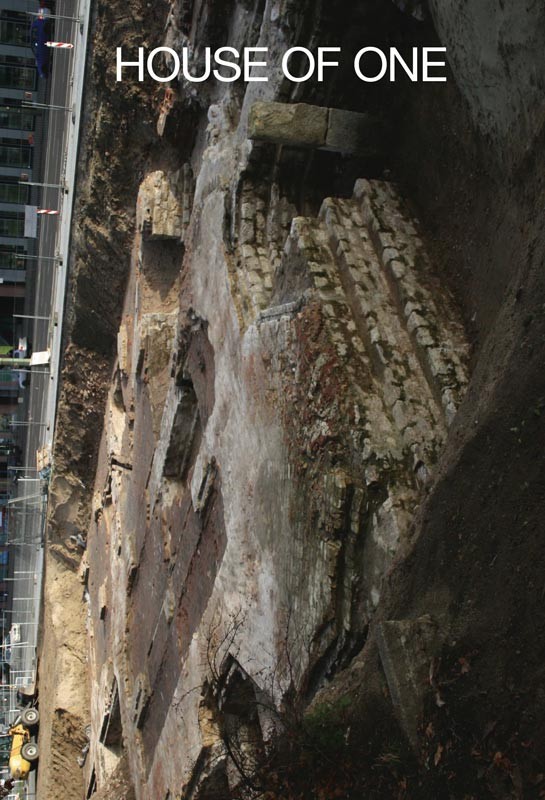
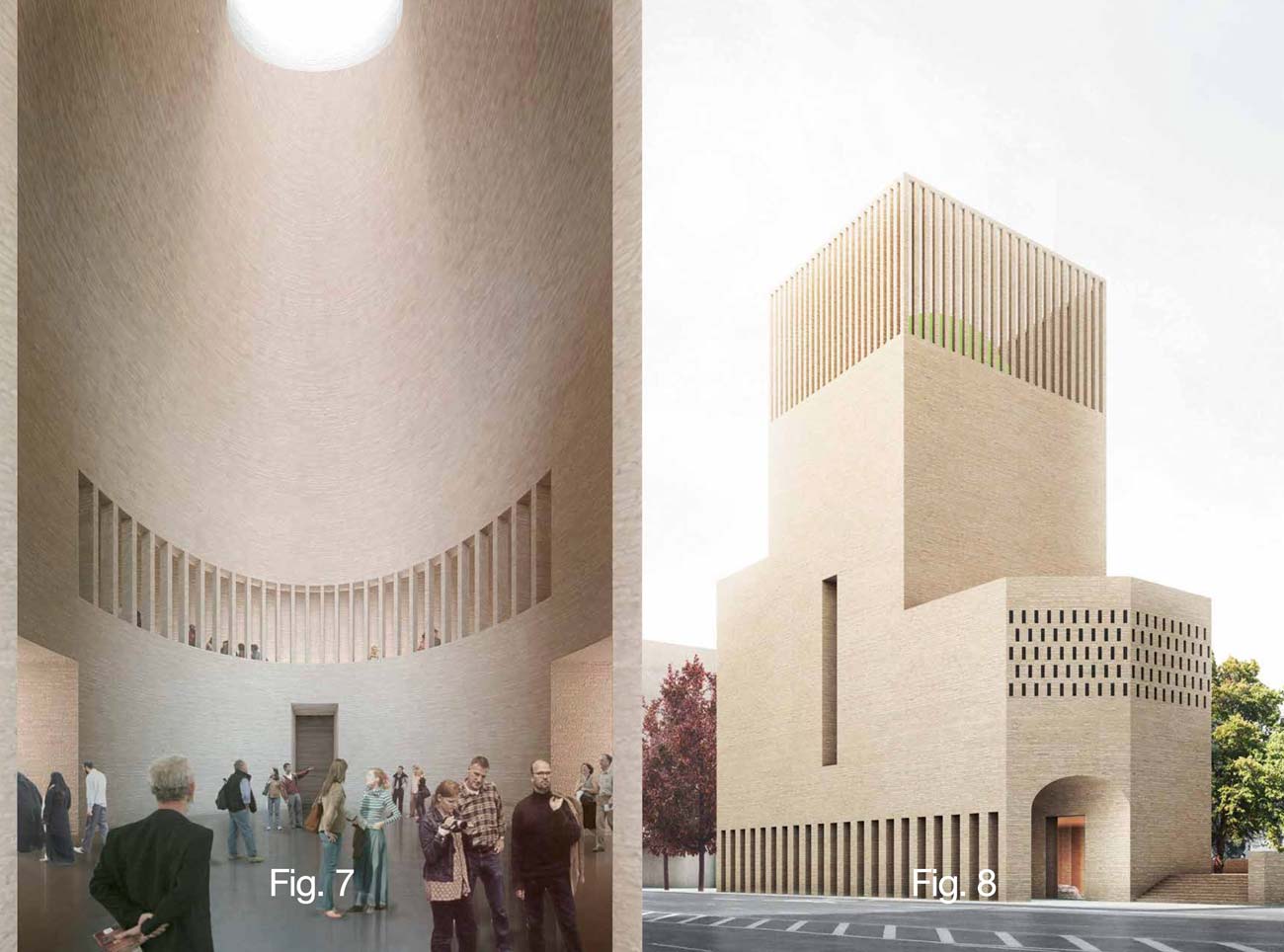
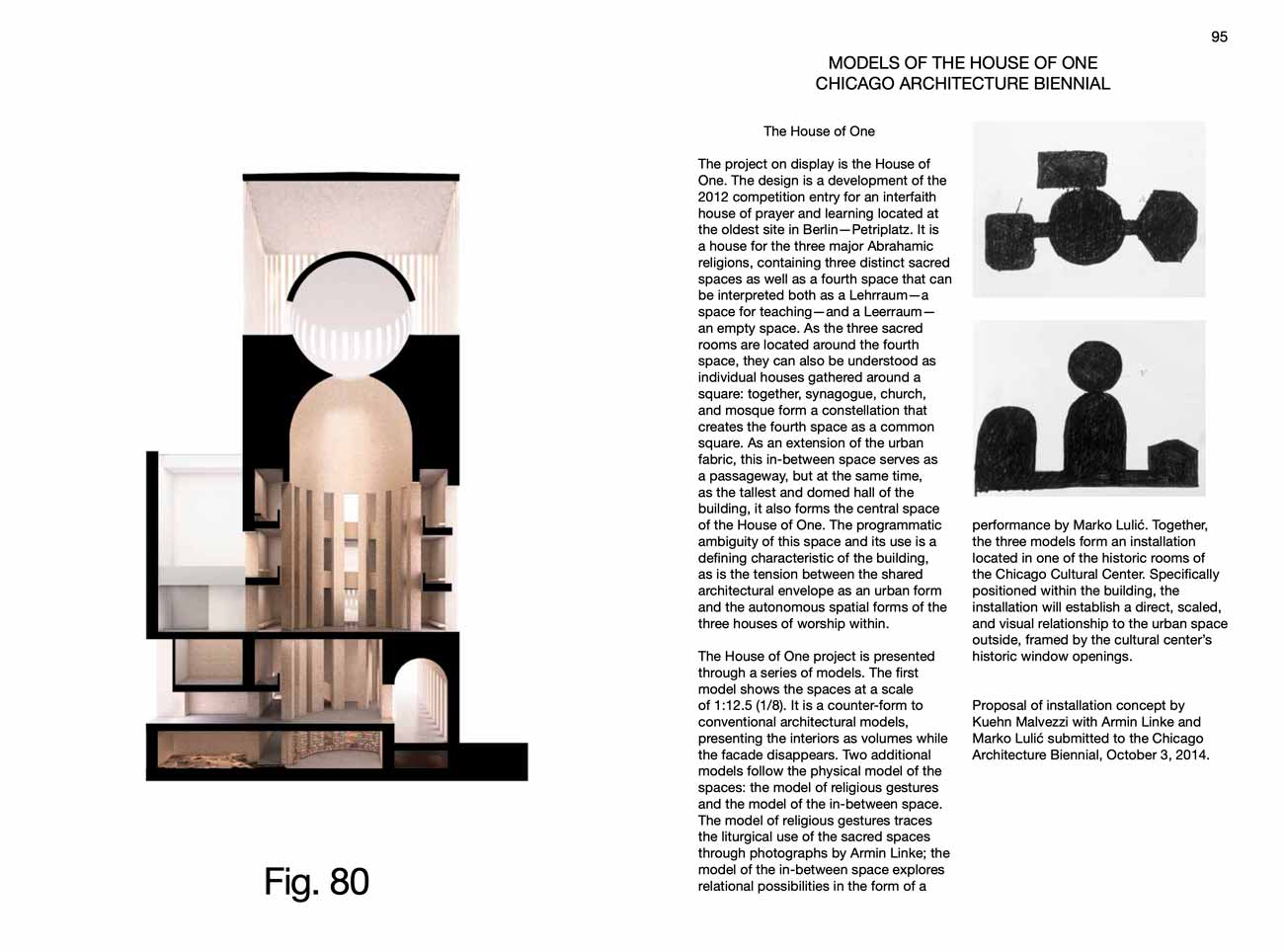
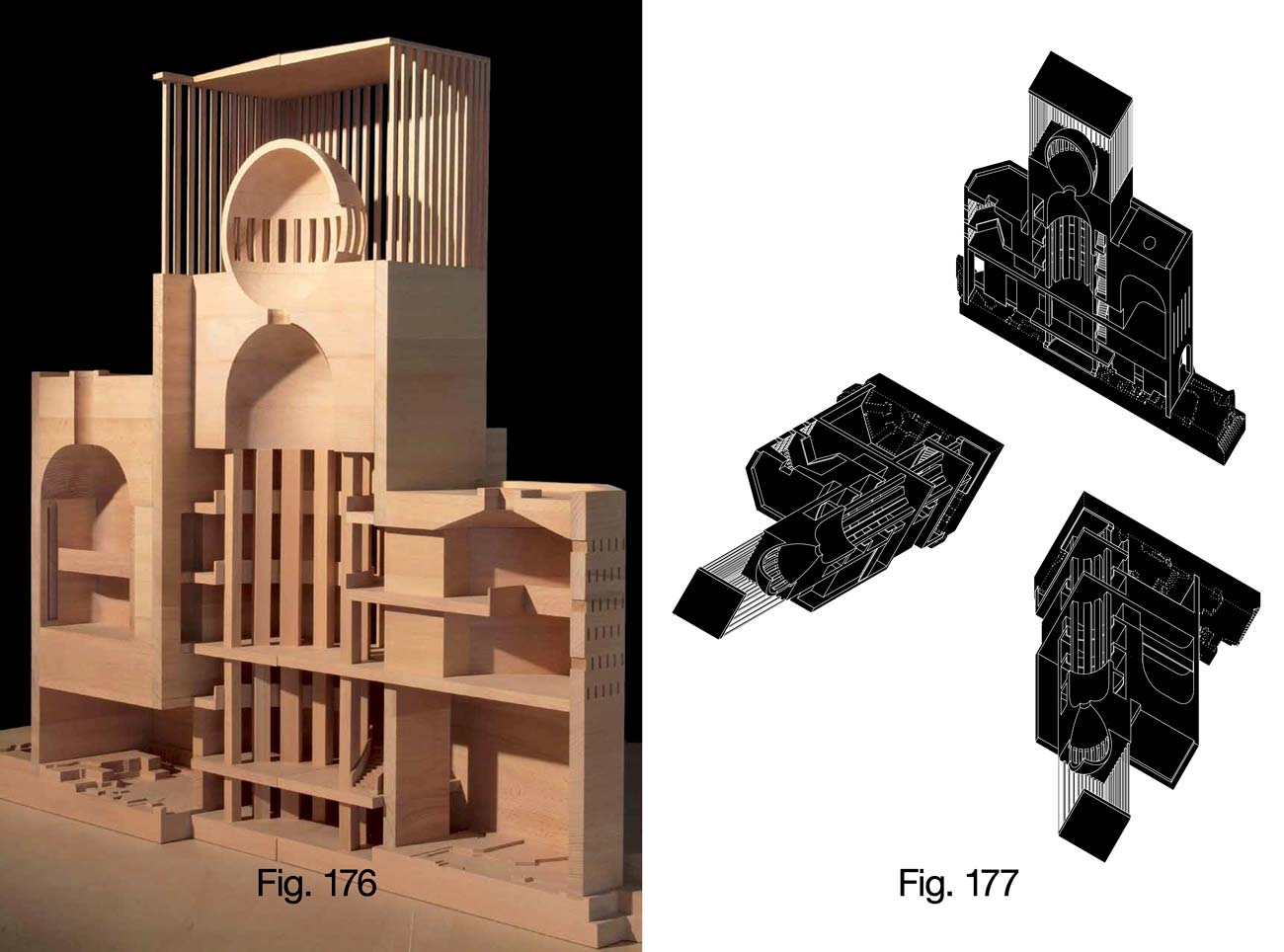
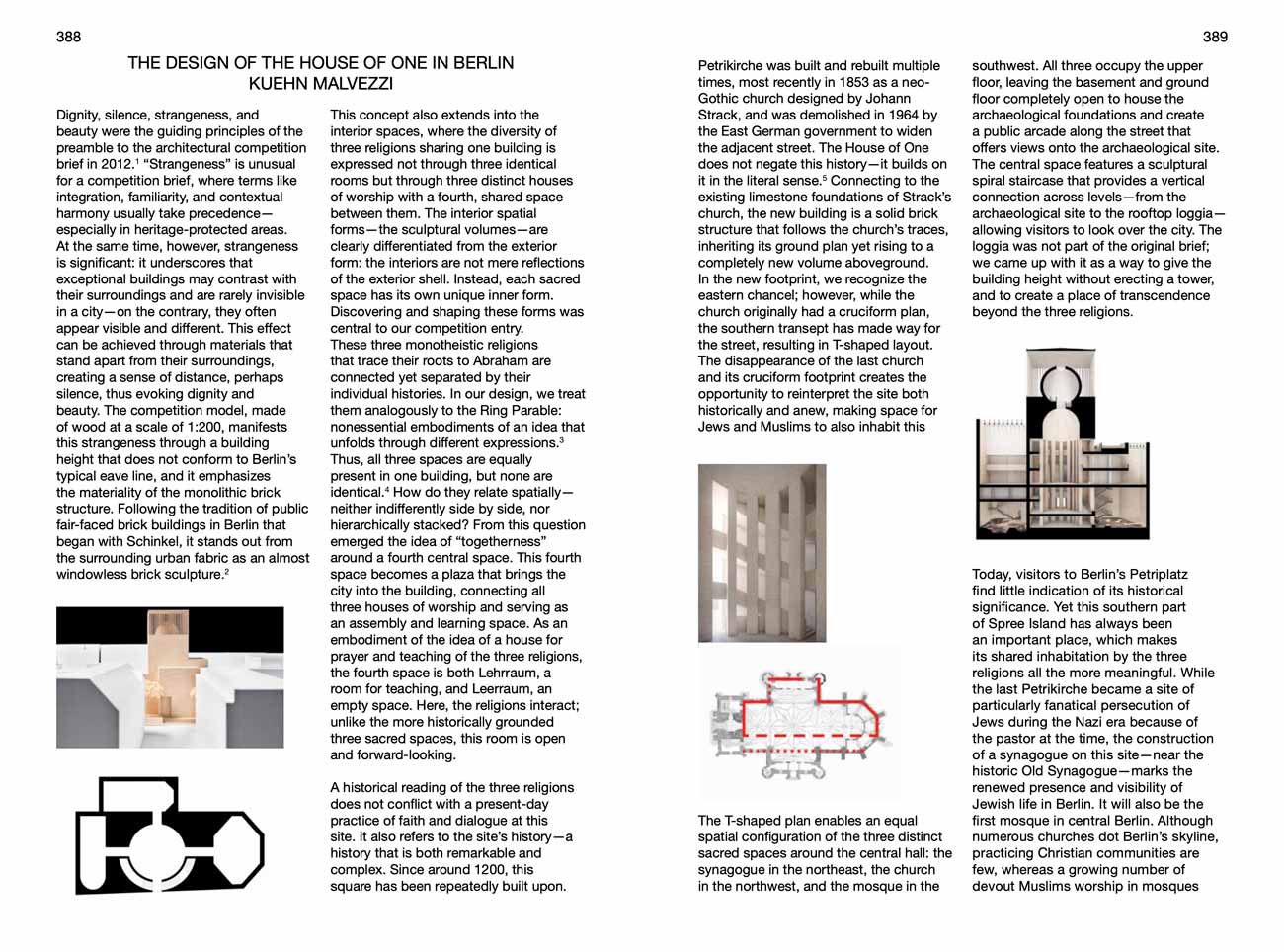
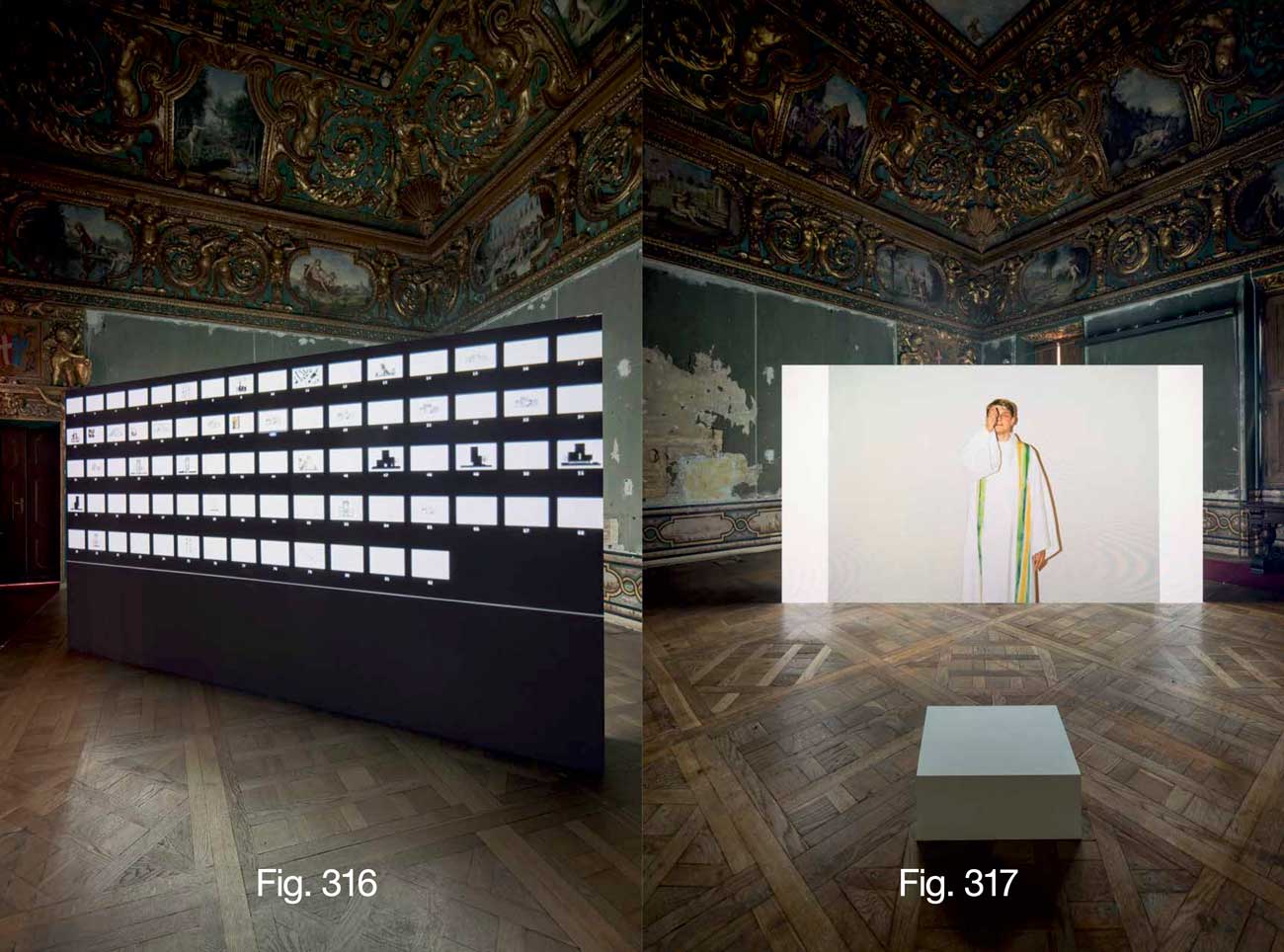
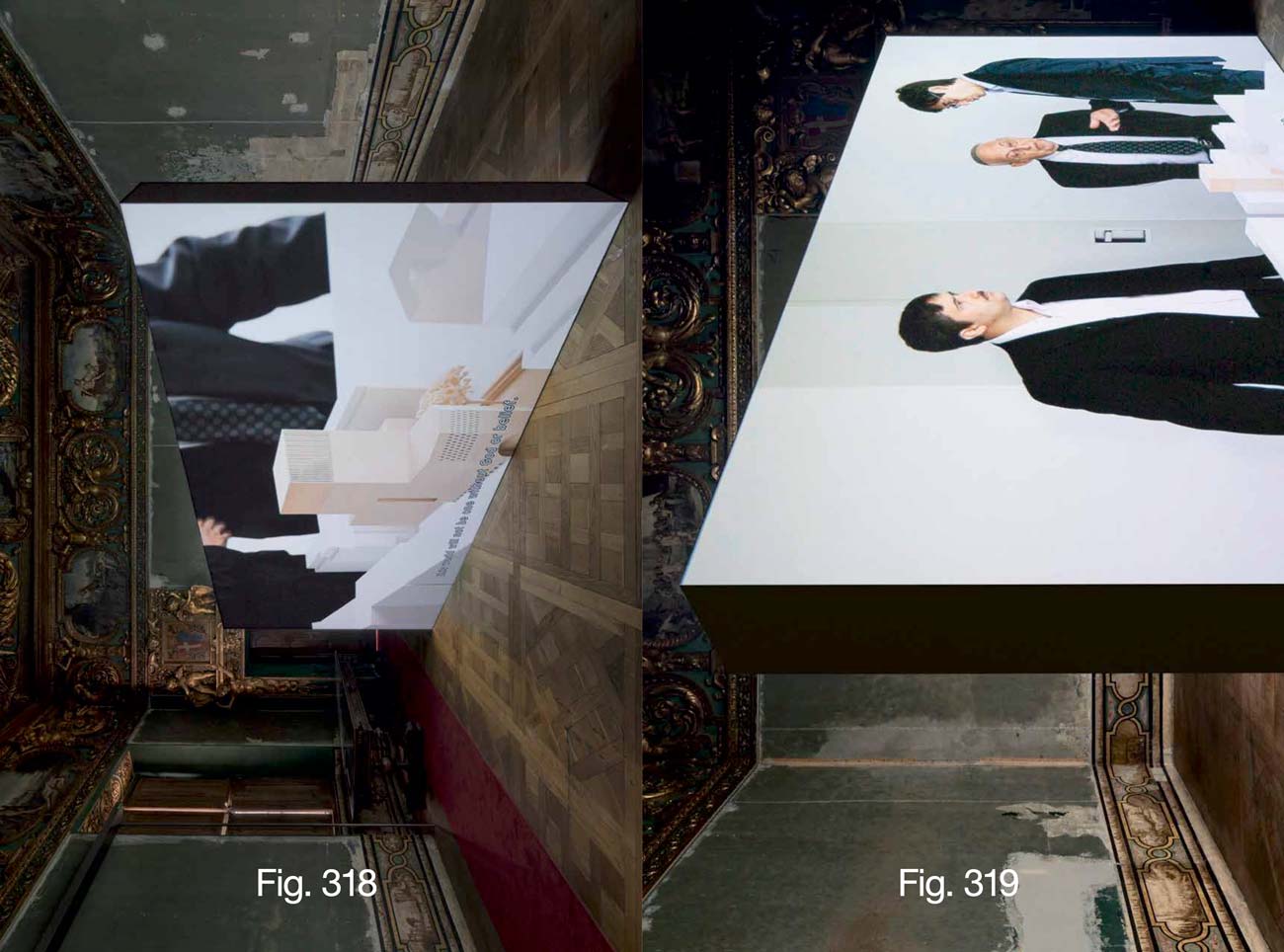
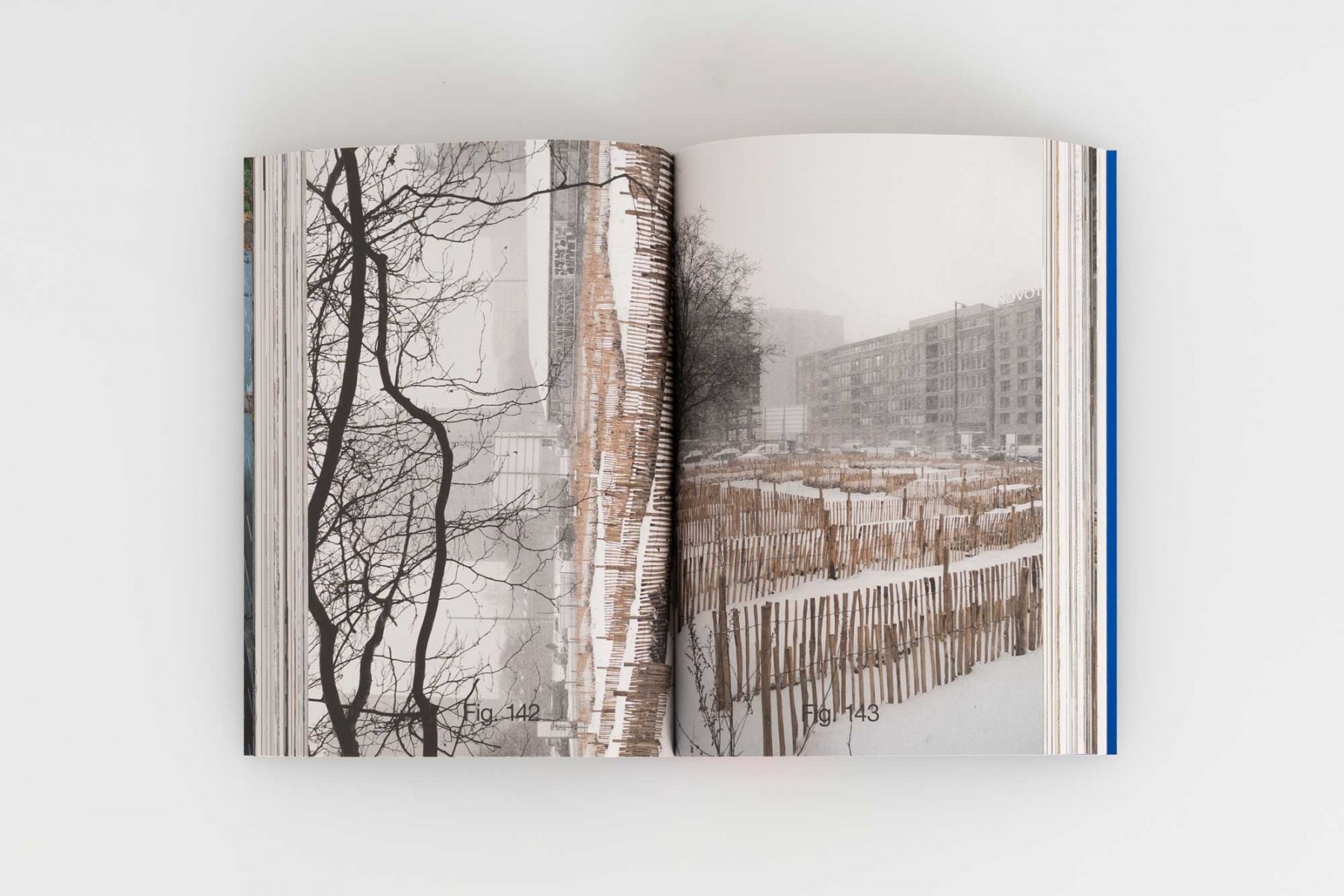
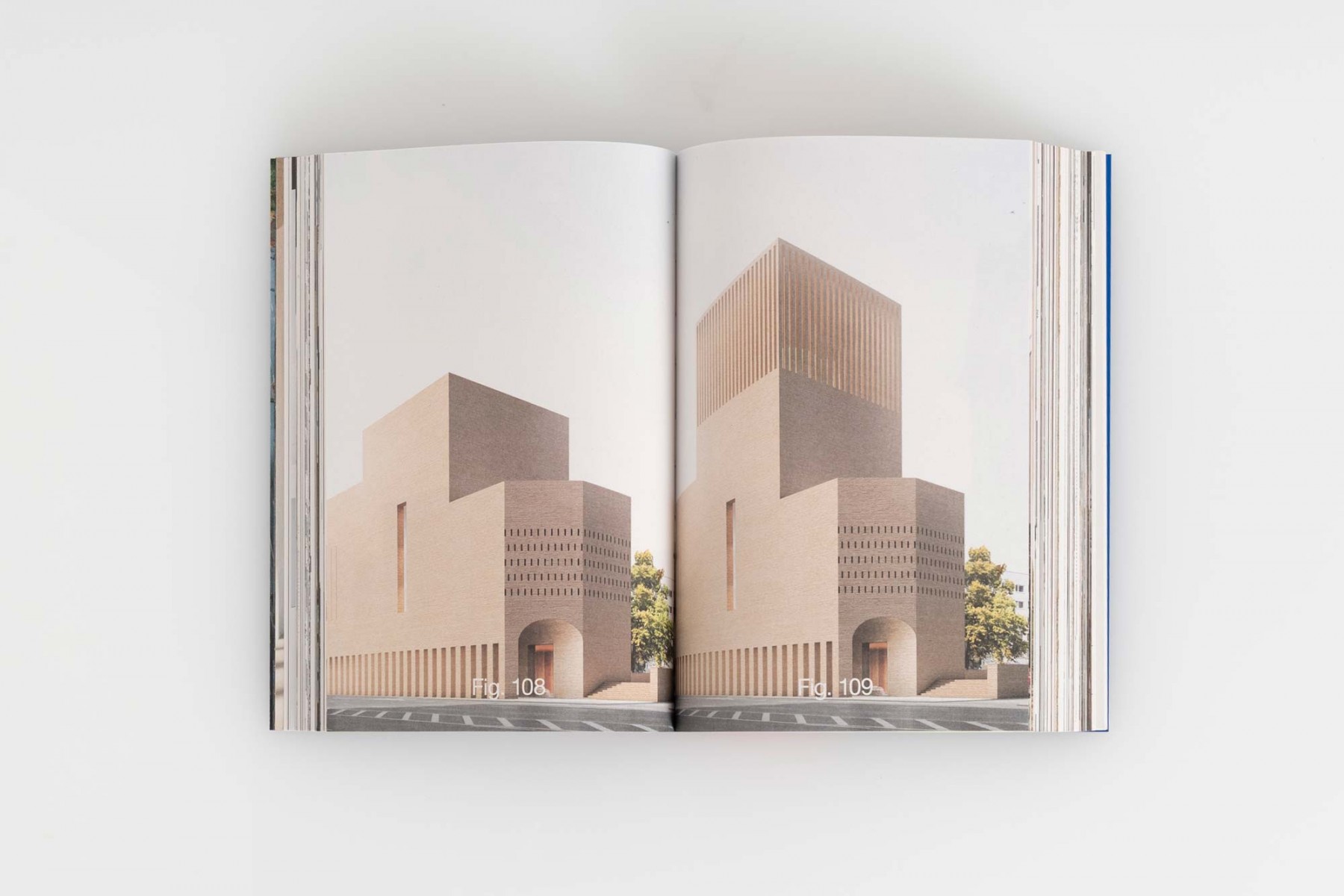
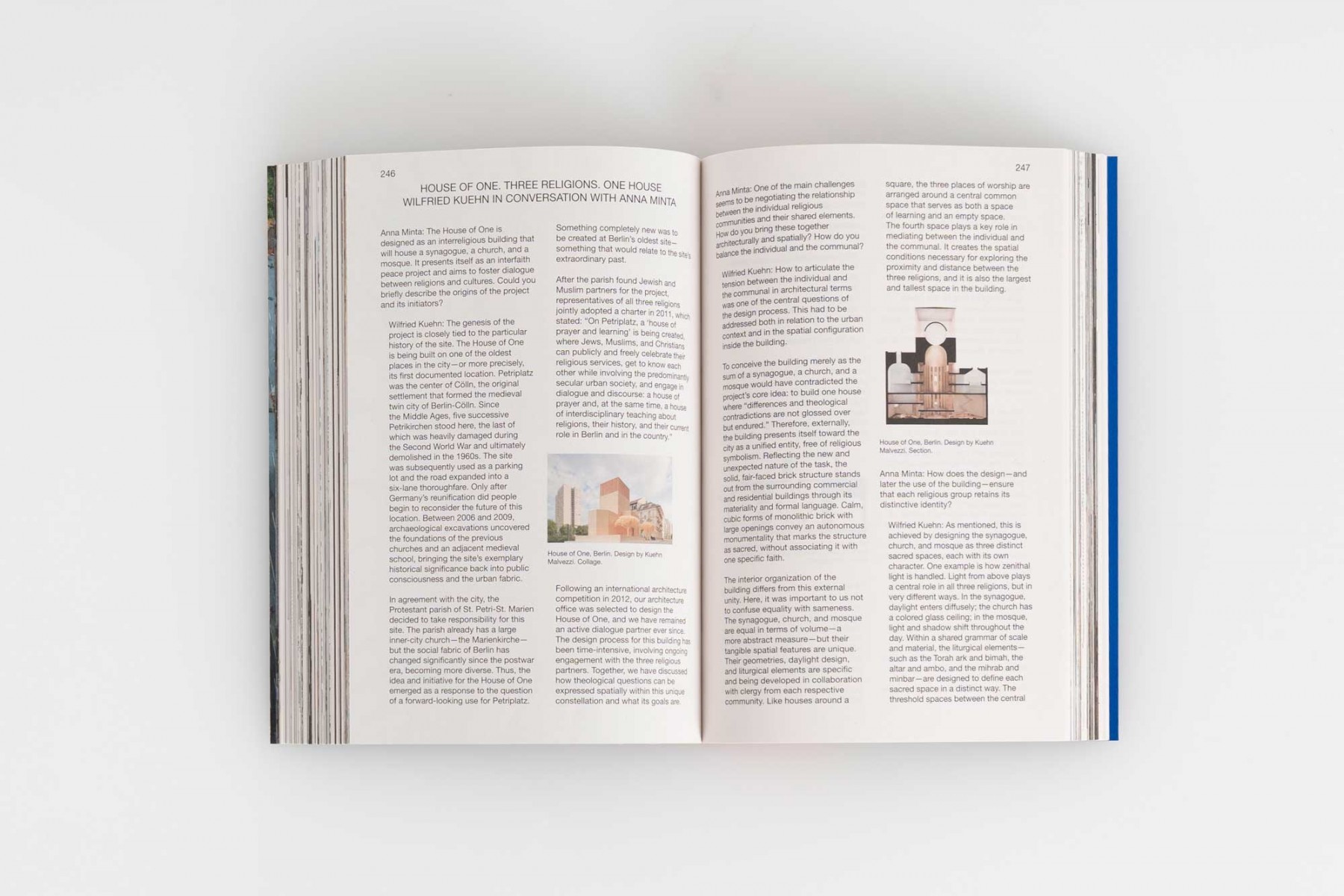
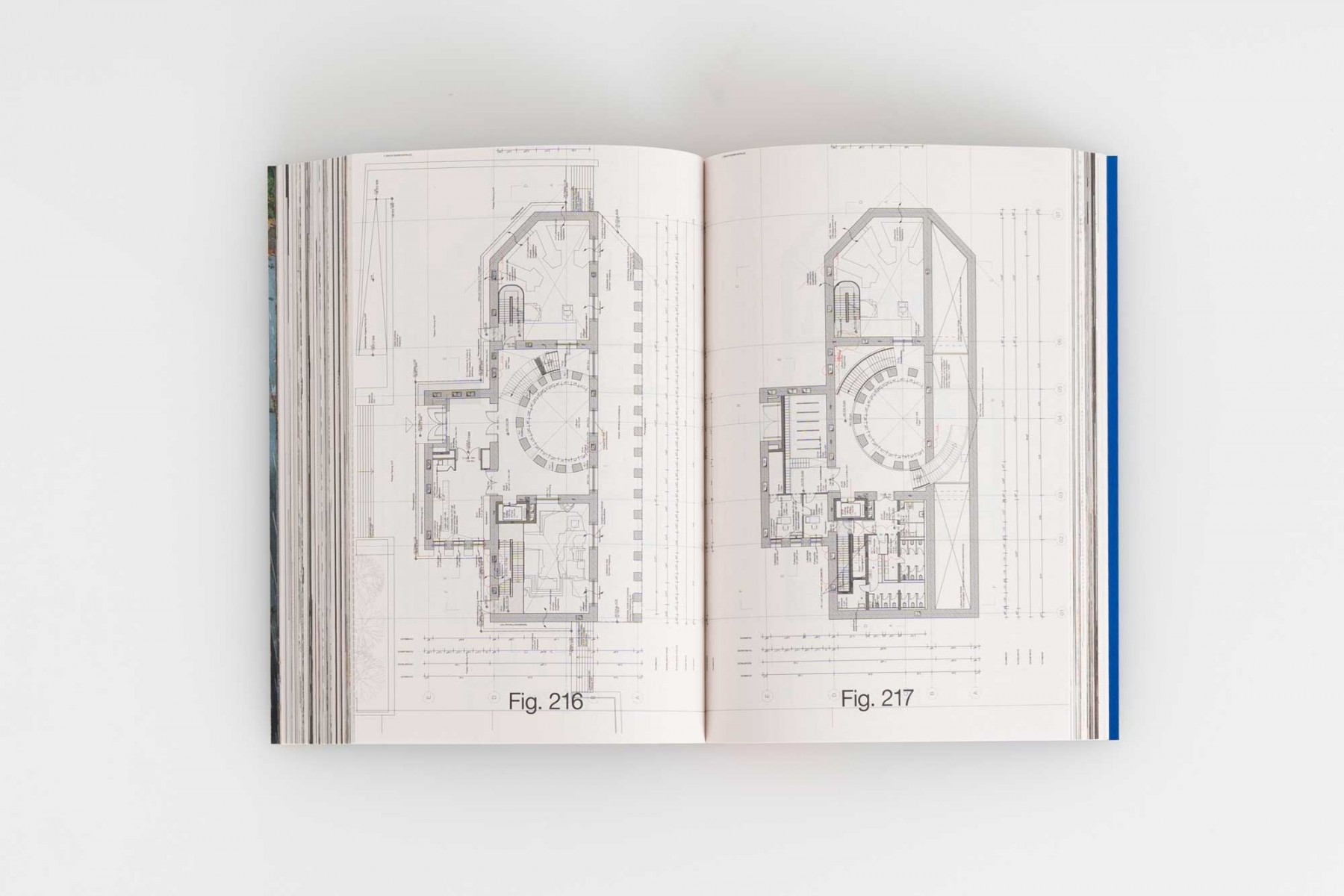
The House of One is a bold proposal by three local communities to build a house of prayer and learning for Jews, Christians, and Muslims in central Berlin. The design, which was the result of an international competition won by architects Kuehn Malvezzi in 2012, is to be built on the existing foundations of St. Petri Church, the first documented site in Berlin’s history. The concept of the House of One is based on dialogue and an understanding of other faiths. As well as being a place of worship, it will be an educational center open to everyone. The sequence of spaces follows the principle of multiplicity within unity and heterogeneity within a single building. Although their rituals are different, coming together around a central hall in one building aspires to the universal.
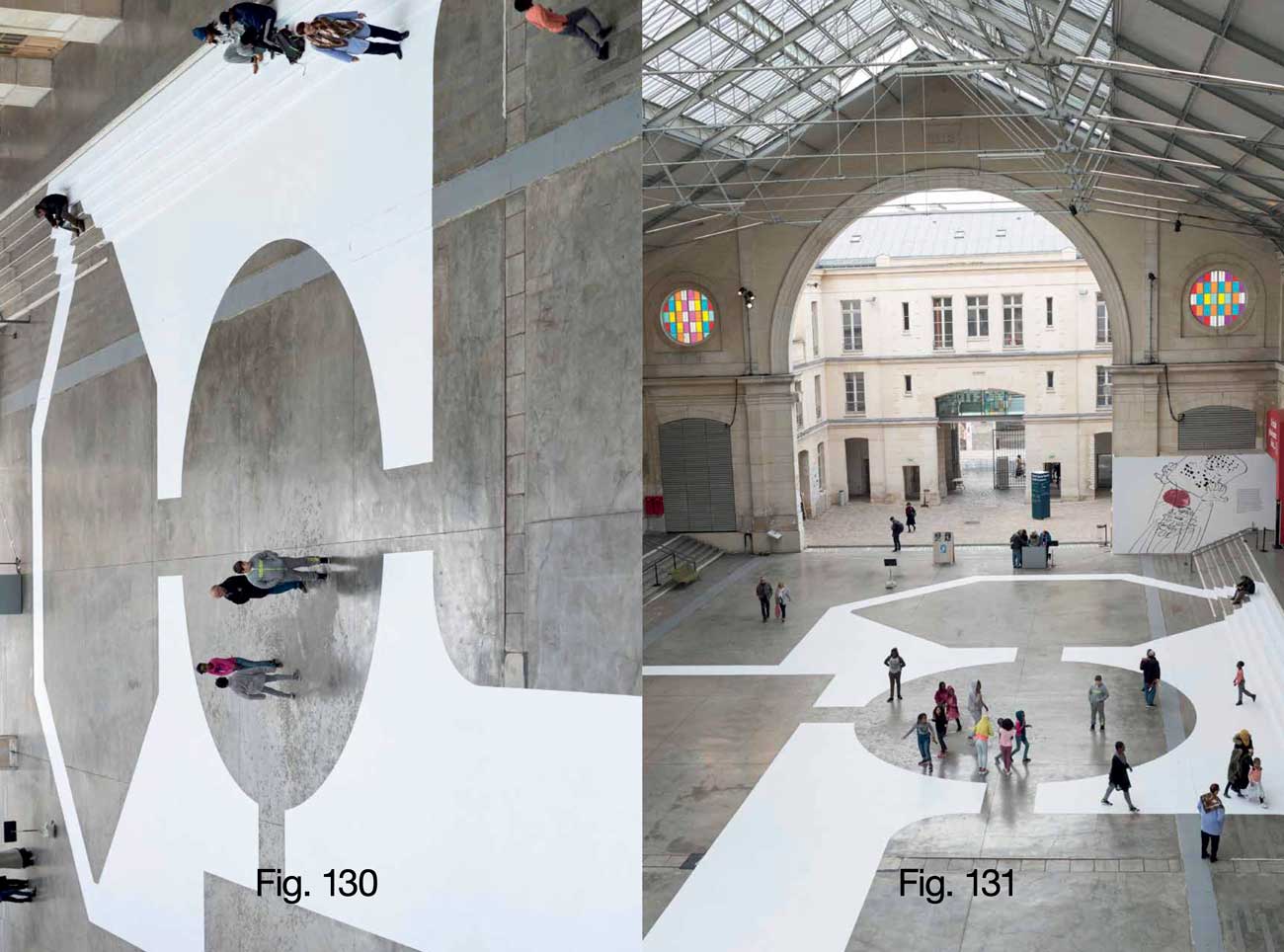
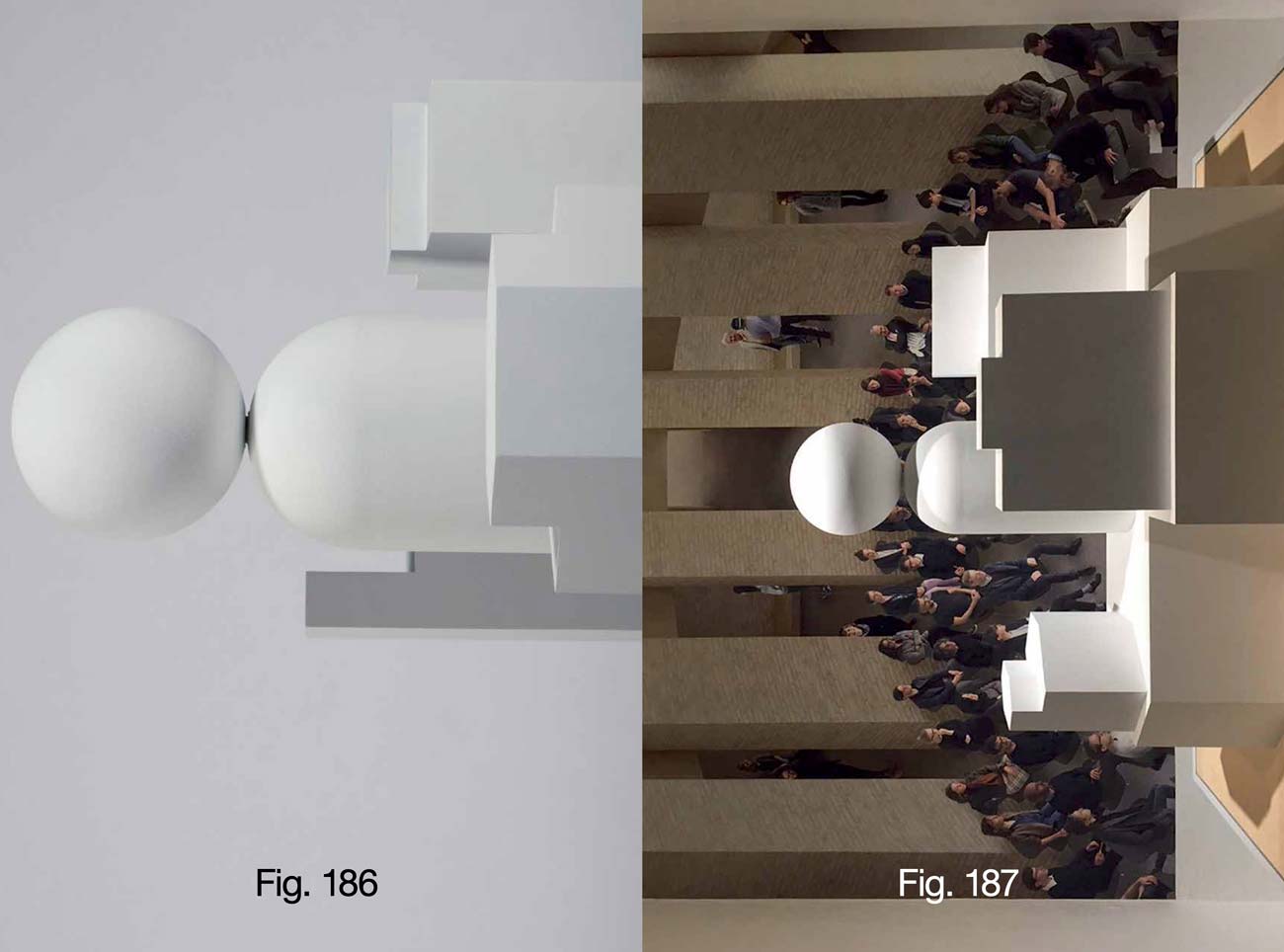
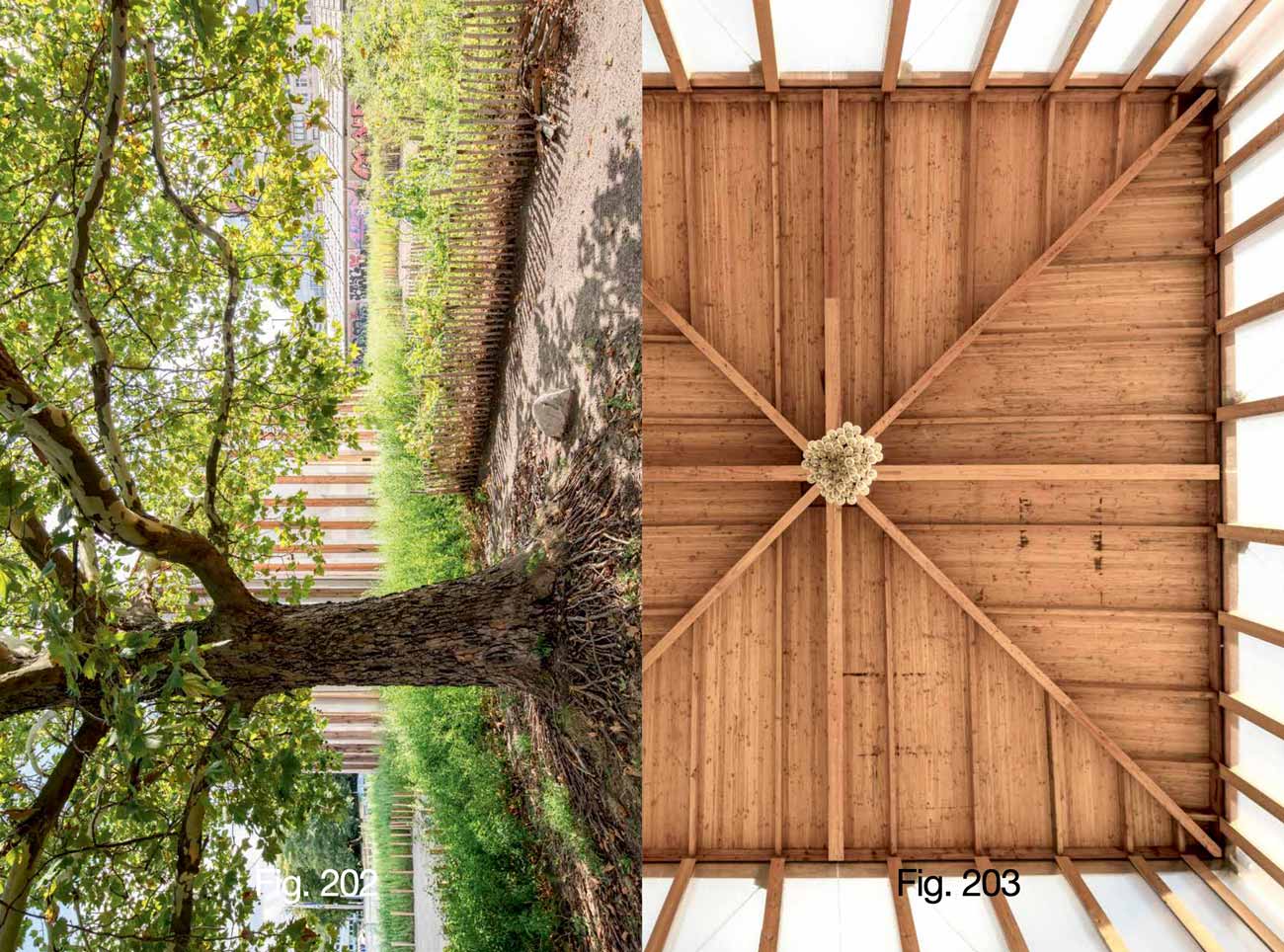
The dynamic relationship between the specific and the universal informs its architecture as a hybrid monument. Since 2012, the project has attracted considerable interest due to its uniqueness and complexity. It has been featured in numerous international exhibitions, including the Chicago Biennial and the Venice Biennale. A wooden model of the House of One is included in the collection of the Victoria and Albert Museum. This book traces the project’s development to the present day and includes details of exhibitions, articles, and contributions from artists who have interpreted the House of One through videos, photographs, and performances.