Since the 1980s, Belgian artist Sigefride Bruna Hauman has created a highly original body of work in different media. Her installations, reliefs and videos are the subject of a much-overdue retrospective organized by M Leuven—and of this first monograph.
Rituals of Care is an extensive monograph devoted to the work of Antonio Obá, published in conjunction with his eponymous exhibition presented at the Centre d’Art Contemporain Genève, curated by Andrea Bellini. Extensively illustrated, the book immerses the reader in Obá’s multifaceted oeuvre and in the magical iconographic universe of his paintings.
Claiming that the museum is not enough means asking what a museum should be and do, eventually questioning the role of cultural institutions in society. Through conversations, stills of documentaries, responses, and reprints of archival documents that explore ideas of architecture on the ground, this volume reflects on the tools deployed by the institution to redefine its relationship to others.
Affirmer que le musée ne suffit pas, c’est interroger ce qu’un musée devrait être et faire, et réfléchir de manière critique sur le rôle des institutions culturelles dans nos sociétés. À travers des conversations, des photogrammes de documentaires, des interventions et des reproductions d’archives questionnant les conceptions de l’architecture sur le terrain, ce volume réfléchit aux outils mis en œuvre par l’institution pour redéfinir sa relation aux autres.
Semi-Nomadic Debt-Ridden Bedouins is the first monograph on the work of the Palestinian artist and filmmaker Basma al-Sharif. Spanning nearly two decades of moving-image and installation work, it combines visual documentation with texts that reflect on the charged political landscapes through which al-Sharif navigates.
This monograph marks the occasion of the first European survey of Nicola L. (1932–2018). Often discussed in the context of Pop Art, activism, feminism, and design, this is the first in-depth exploration of the multi-layered and expansive nature of her extraordinary practice, which also encompassed cosmology, environmental concerns, spirituality, political protest, and sexuality.
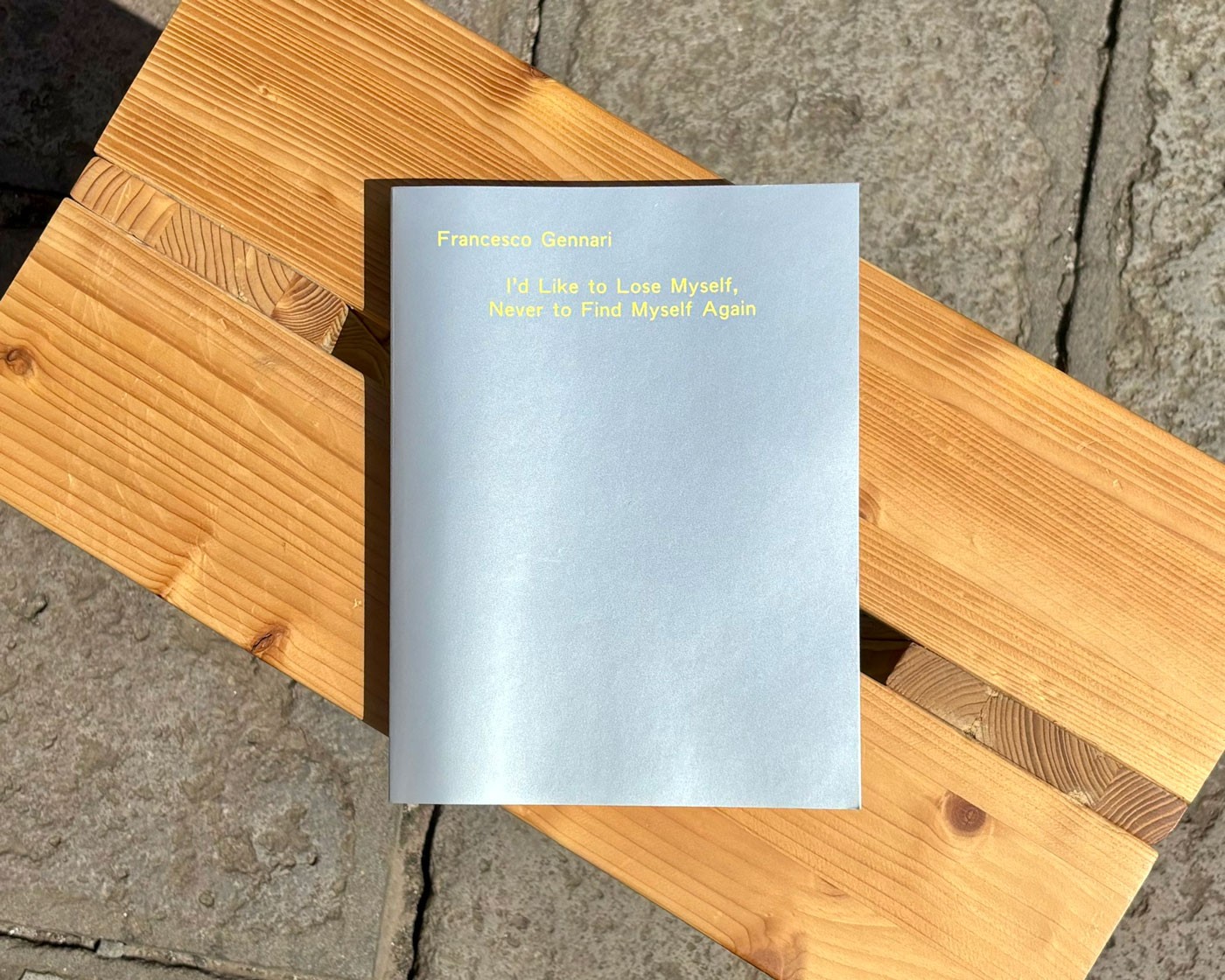
Francesco GennariI’d Like to Lose Myself, Never to Find Myself Again
Edited by Francesco Gennari and Edoardo Bonaspetti
Design by Lorenzo Mason Studio
2024, softcover, 15 x 20 cm, 320 pages
ISBN: 979-12-80579-55-3
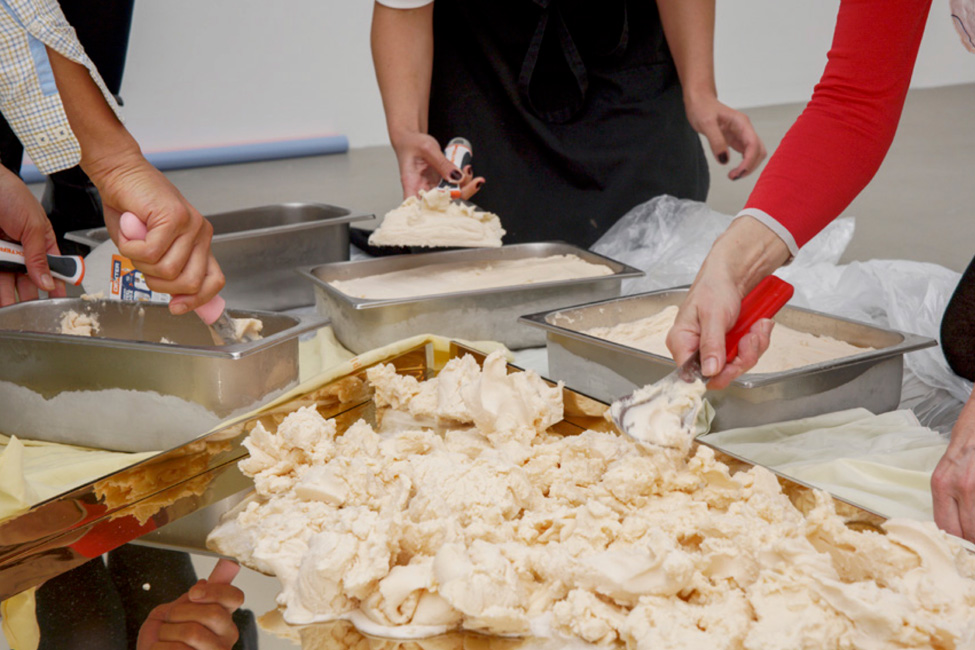
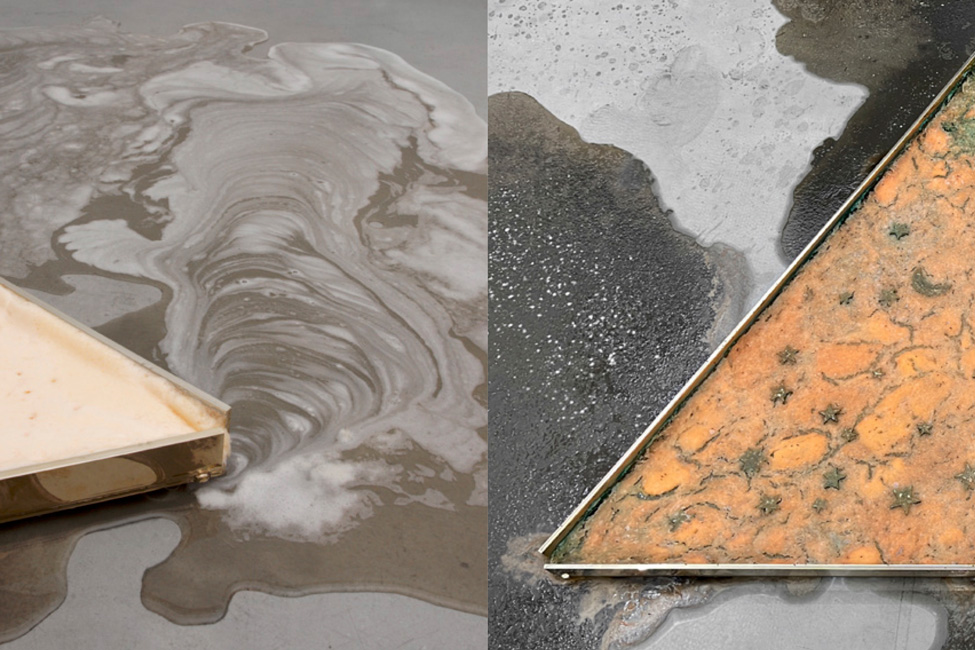
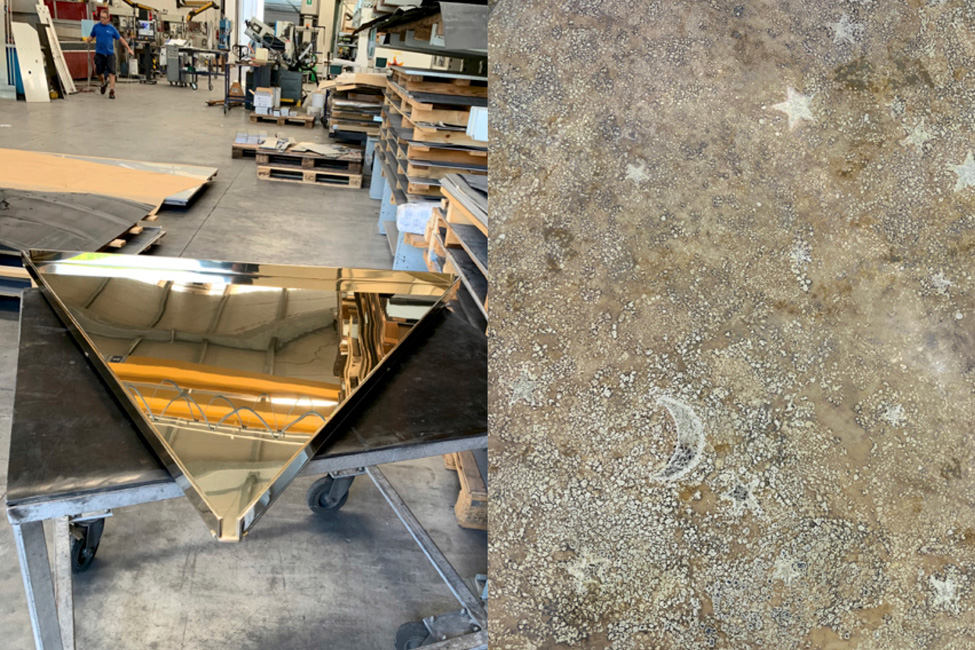
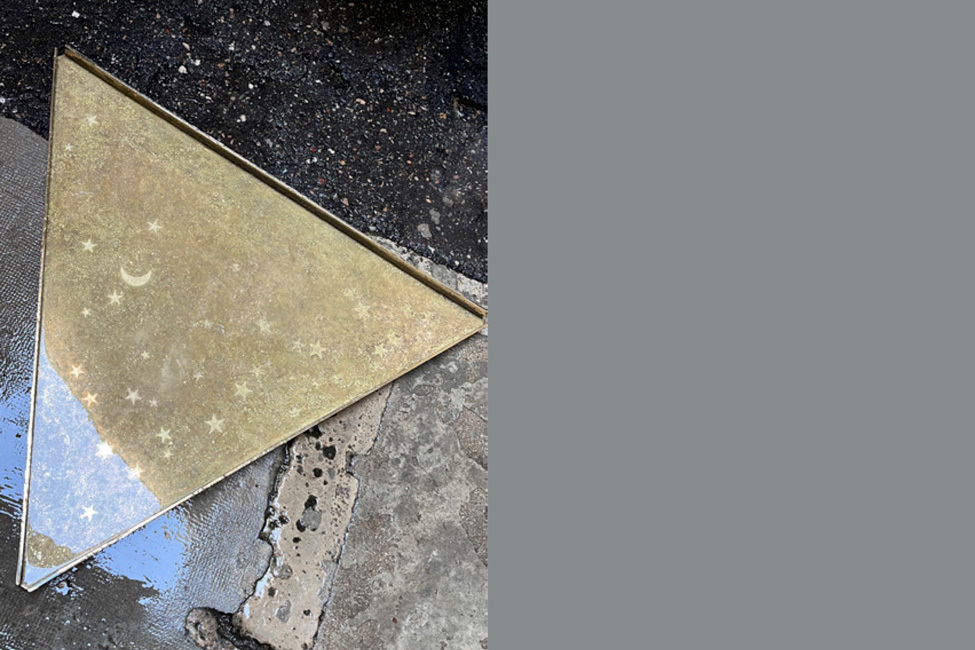
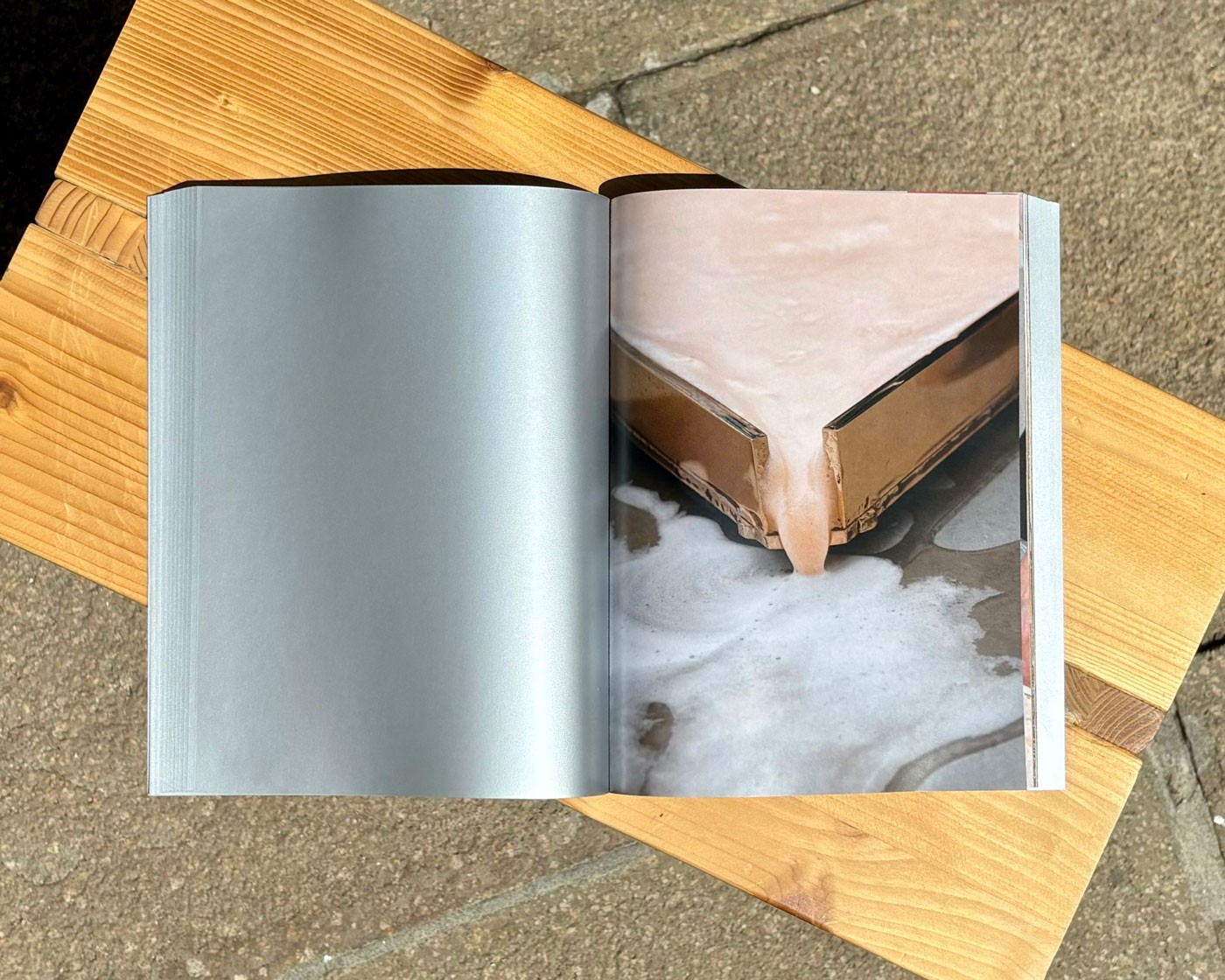
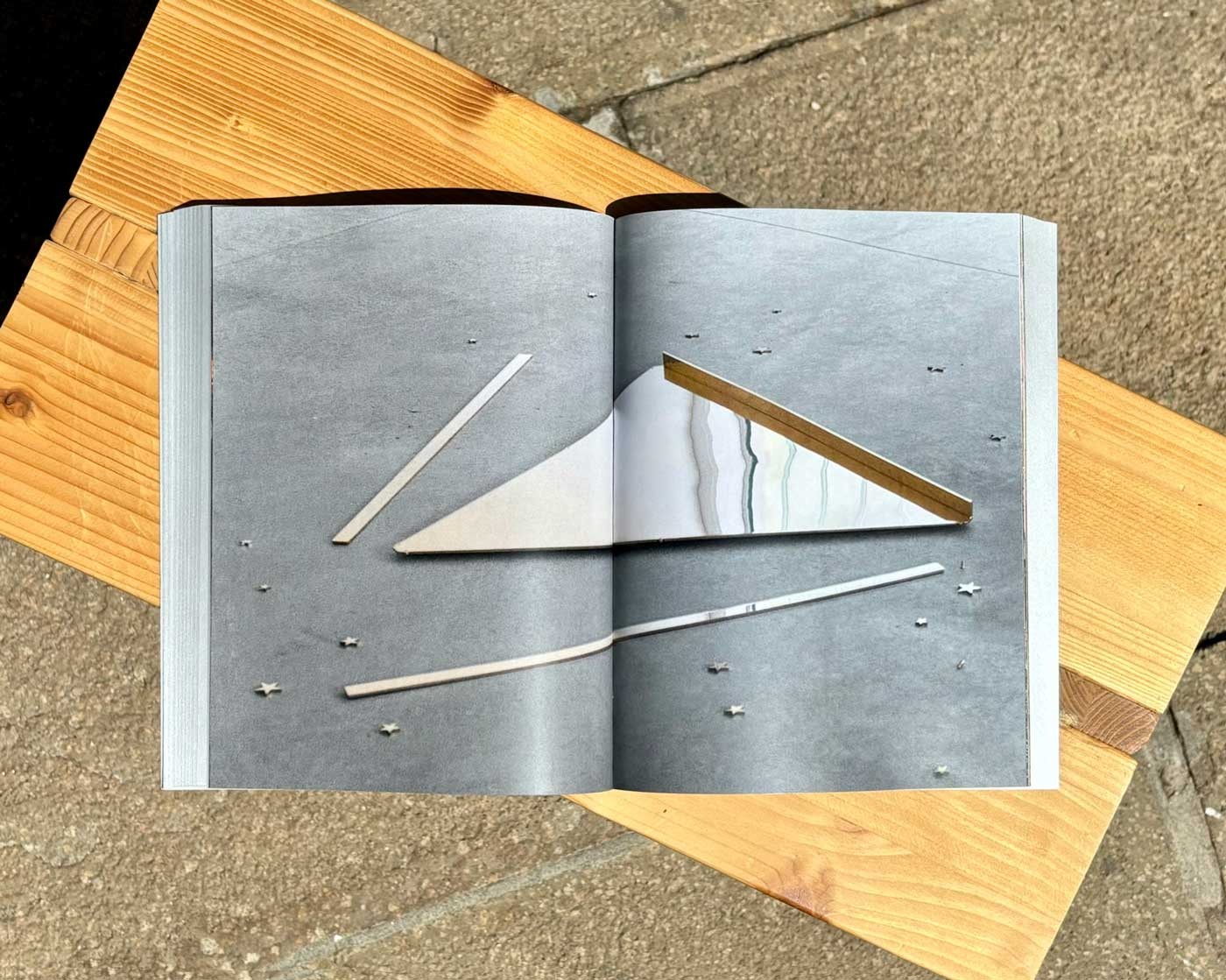
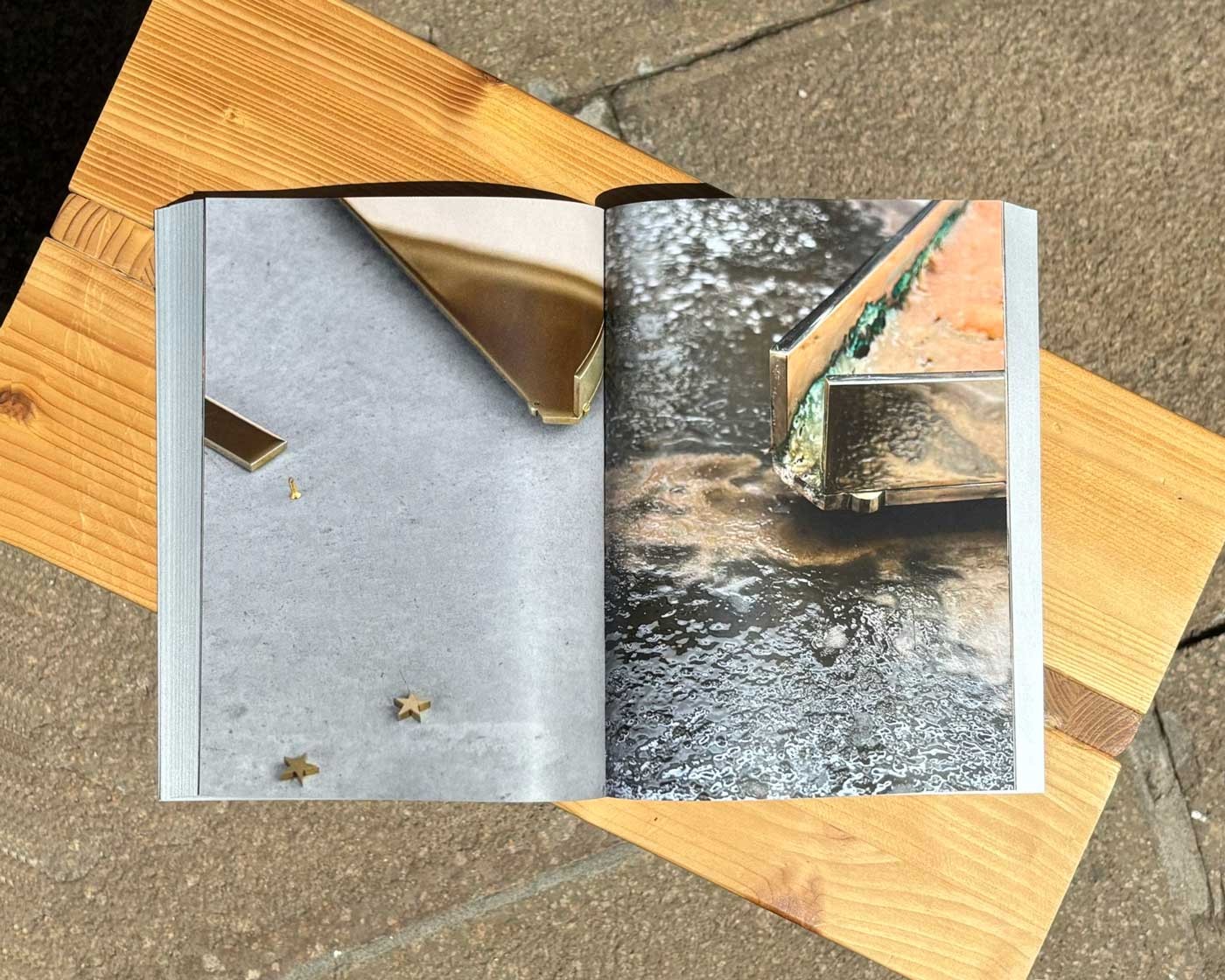
Through a rich selection of images, this artist’s book, published in two editions—gold and silver—explores the birth, life and death of Francesco Gennari’s work Vorrei perdermi e non trovarmi più, 2022, exhibited for the first time at the Ciaccia Levi Gallery in Paris.
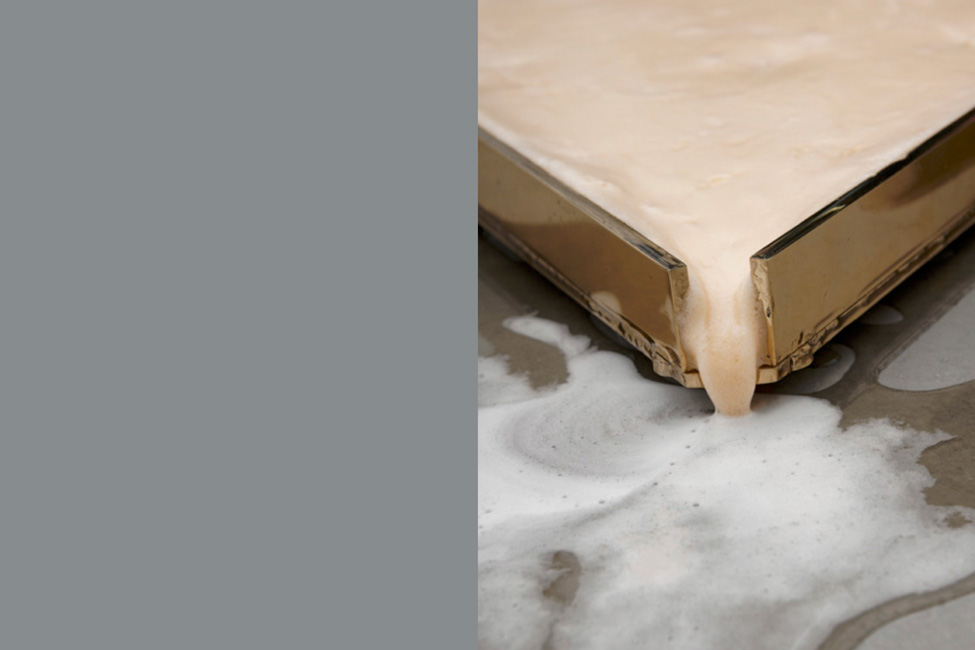
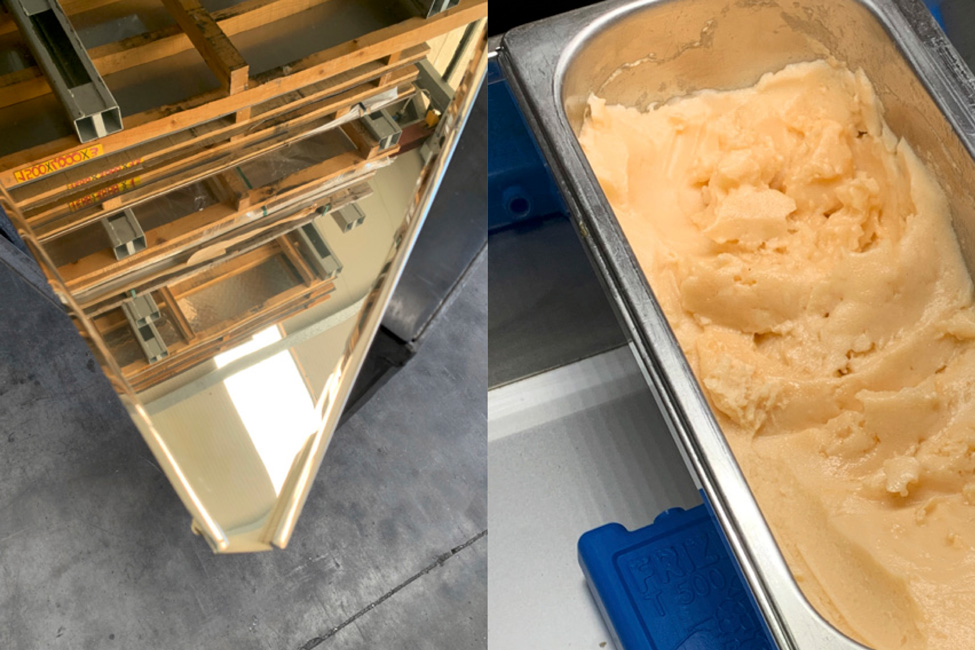
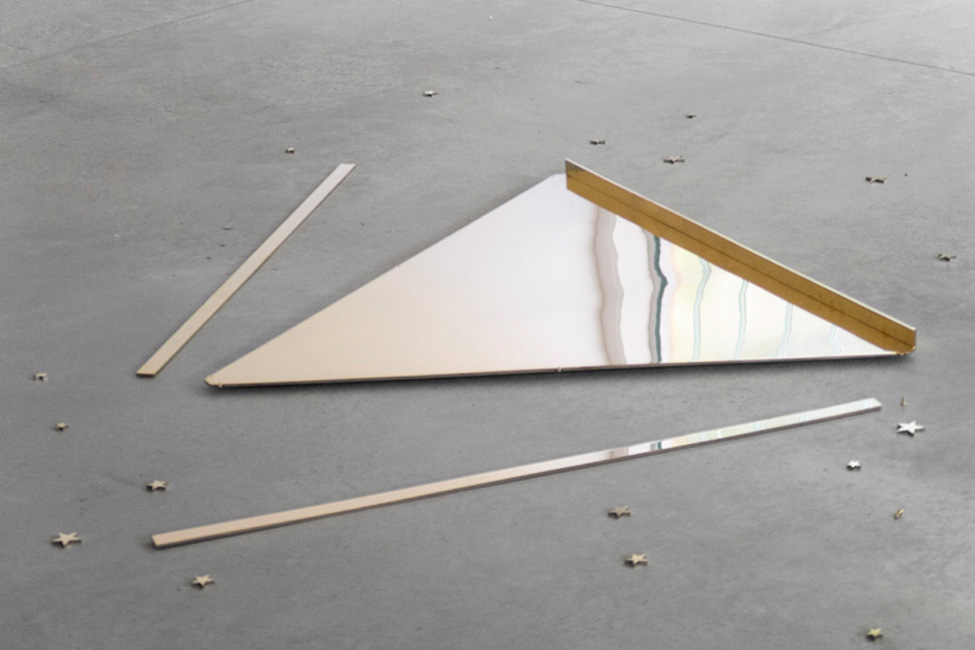
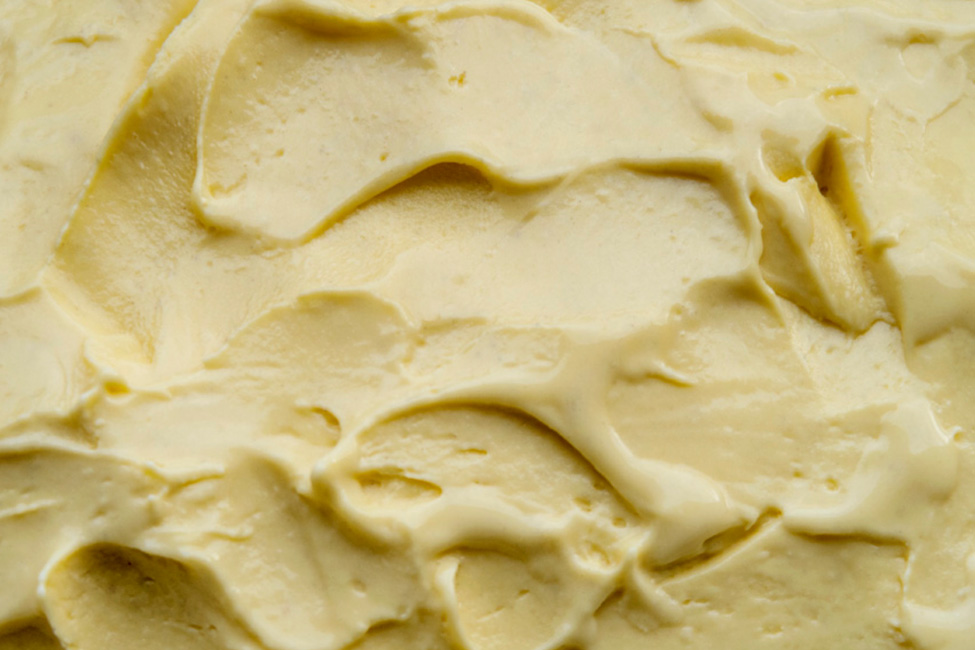
Almost twenty kilos of melon-flavored ice cream mixed with gin fill a triangular bronze prism, flooding the room with a pungent aroma, almost saturating the air and enveloping anyone who approaches in a feeling of freshness and vitality. Slits at the ends of the triangle allow the ice cream to melt and flow beyond the confines of the stainless bronze structure, dispersing into space yet leaving tangible traces of its passage. Hidden in the midst of the ice cream, a multitude of bronze stars emerge little by little. The disintegration of organic matter thus reflects its ephemeral and changeable nature, evoking a sensation of fluidity and transformation—a metaphor for the artist’s own approach to self-representation. By juxtaposing materials in unexpected and sometimes contradictory ways, Gennari generates a dialogue between form and concept that induces a profound sense of introspective reflection in the viewer.
Instinct, creativity, and loss of control also characterize the artist’s book, in which the artist further develops his research into the concept of “identity” along with the sense of the boundary and dispersion in space. This volume is created in two editions, one gold and one silver, and provides an escape from reality towards a broader and more mysterious experience, one in which the limits of human existence and the desire/need to go beyond them remain at the heart of the narrative.