Published in conjunction with a solo exhibition at Kunst Museum Winterthur, this book provides the first overview of Altmann’s work to date, characterized by a strongly socio-critical consciousness, and reveals the artist’s influences and inspirations.
The first monograph dedicated to Paloma Bosquê addresses the Brazilian artist’s ways of understanding and giving shape to that matter which can be perceived, but not rationalized.
The first book on London based artist Gili Tal, whose practice identifies how the digital has long become a reality that has subjected our habits of perception to a radical change.
Through comprehensive and interdisciplinary readings of landscape, cinema, architecture, and visual culture, this first monograph builds on the storytelling dimensions that have always informed the photographic oeuvre of the Syrian artist.
The book is the outcome of an exhibition around the theme of the sacred. The resumption of historical figures, classical art-historical iconography, and everyday images intermingle in a reconstruction of reality that is dreamlike, painful, and sometimes grotesque.
Vogliamo tutto. Cultural Practices and Labor is a publication on work within a changing socio-cultural context: from the impact of the Industrial Revolution to post-industrial decline through to the rapid evolution of the digital era.
Texts by Francesco Arena with Davide Pellicciari and Carlotta Spinelli
Notes by Nicola Del Roscio and Federico Vercellone
Design: Marcello Jacopo Biffi
2024, English / Italian, softcover, 20 x 28 cm, 112 pages
ISBN: 979-12-80579-48-5
Through his multidisciplinary practice, Francesco Arena implements continuous and subtle references to contemporary society, highlighting the impossibility of being totally self-sufficient and how crucial is to have a support from others. For the artist, just like religion, magic, philosophy and politics, art is a support for human life but also an antidote that humanity has created to give meaning to the existence and to be protected against the unknown.
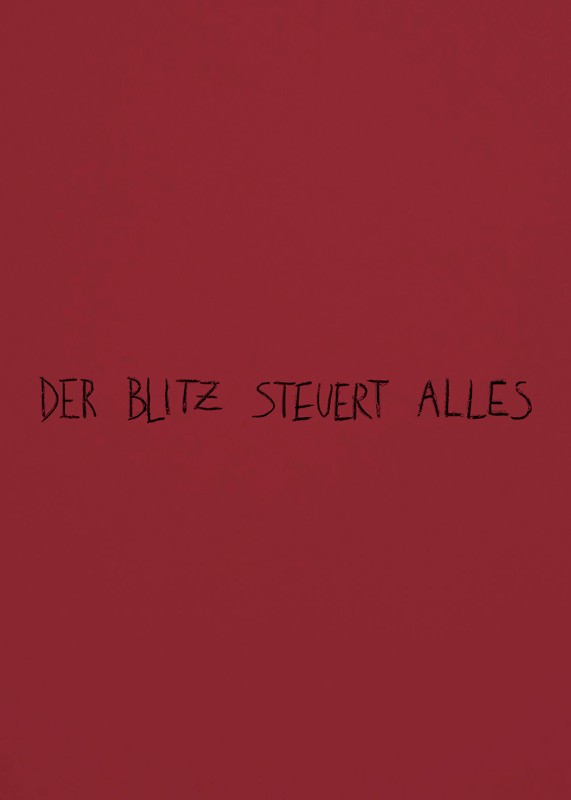
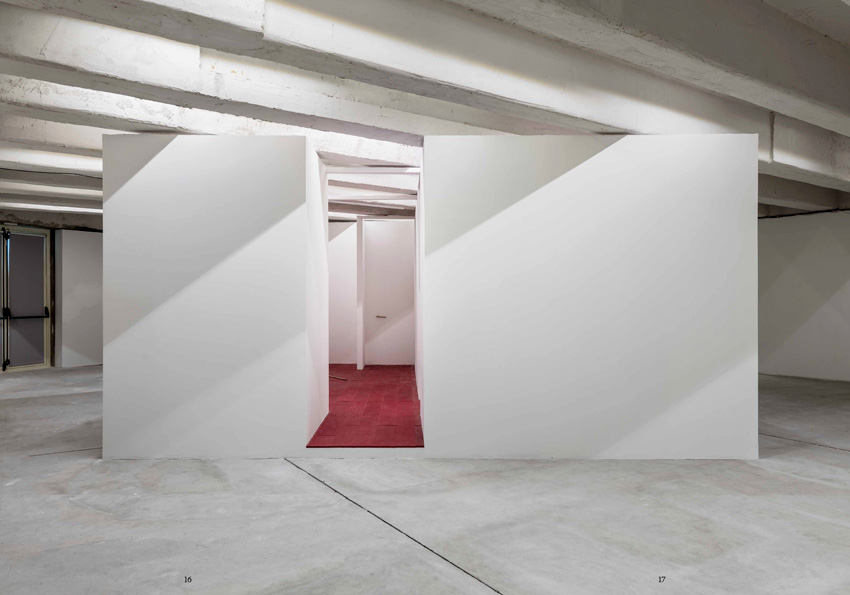
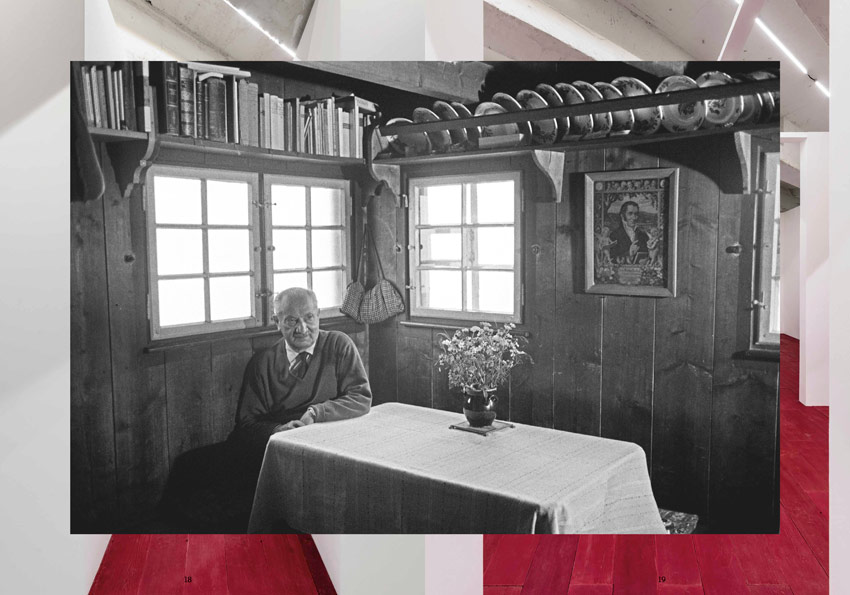
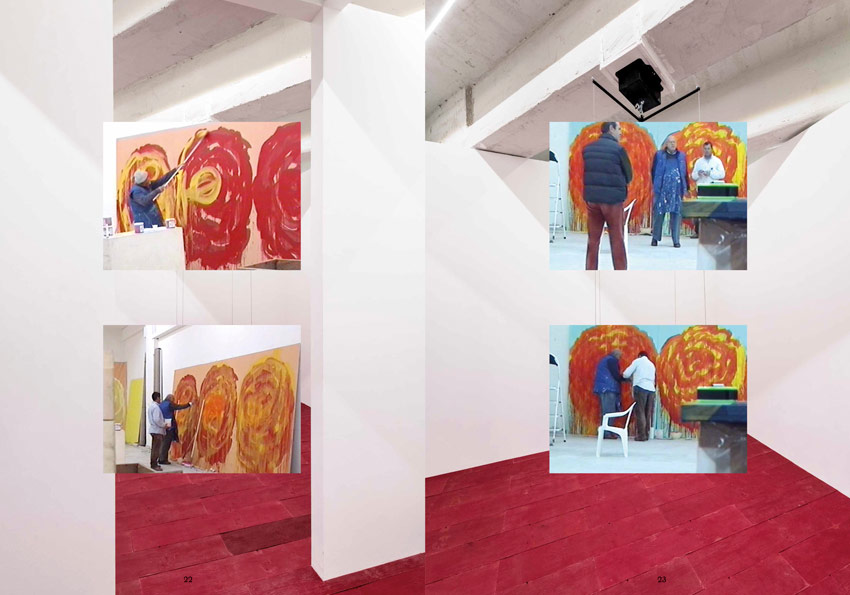
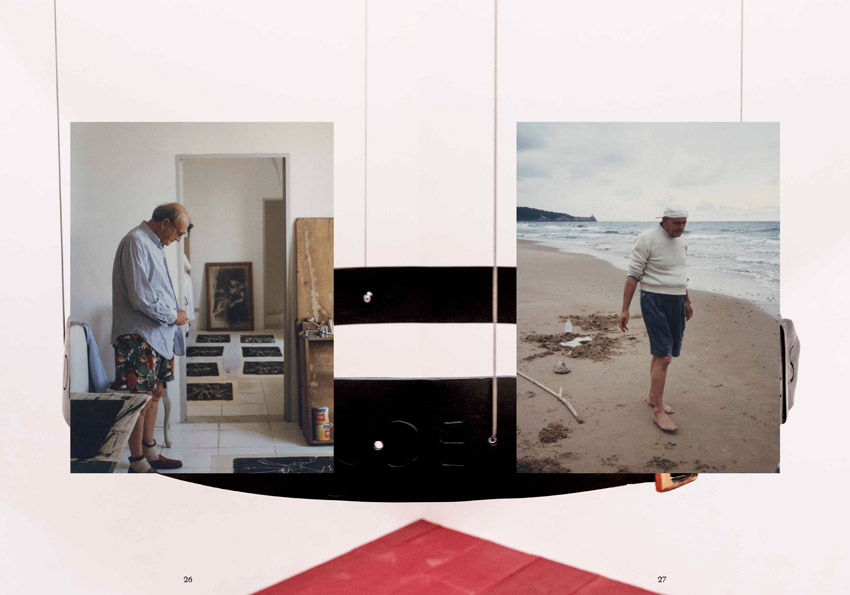
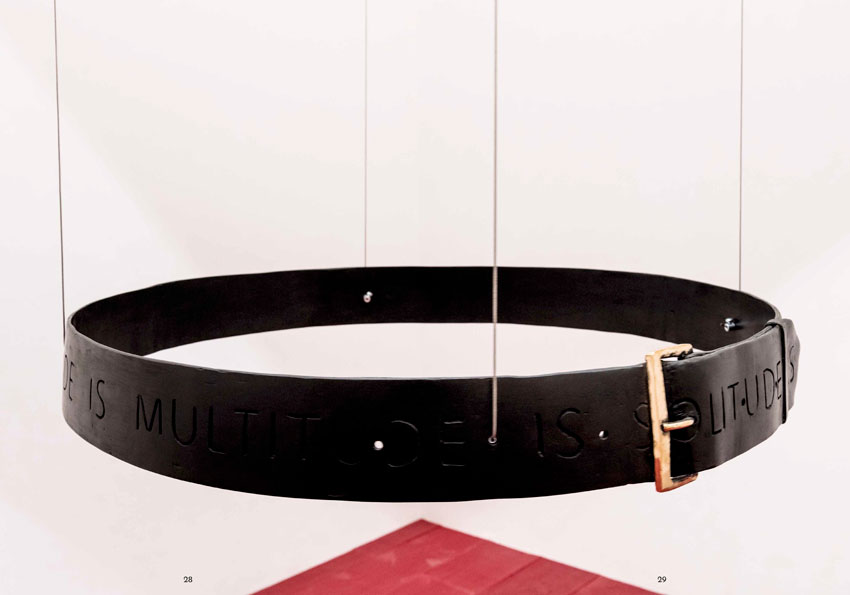
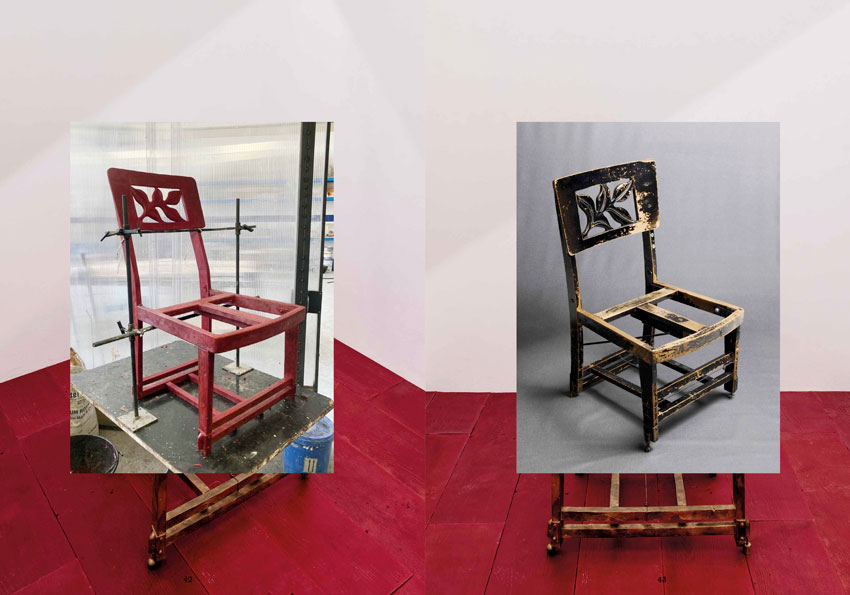
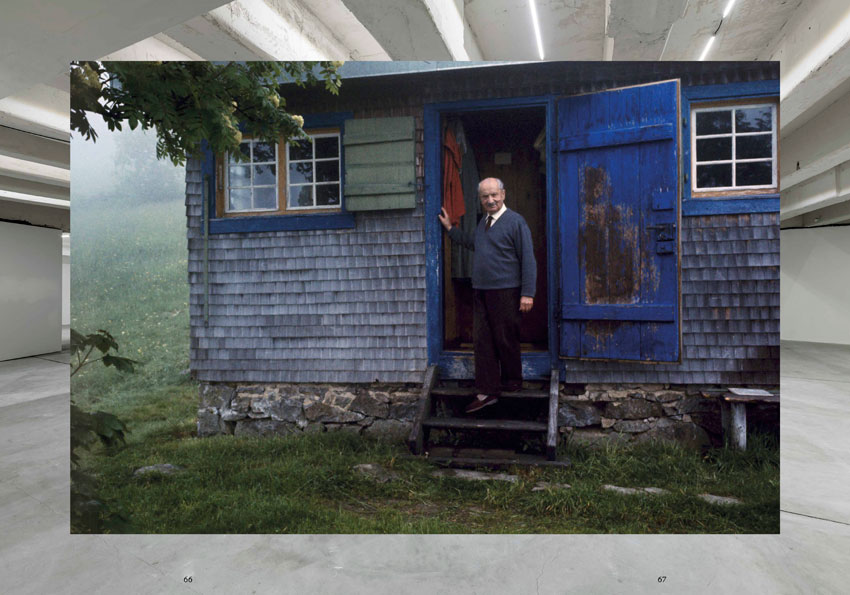
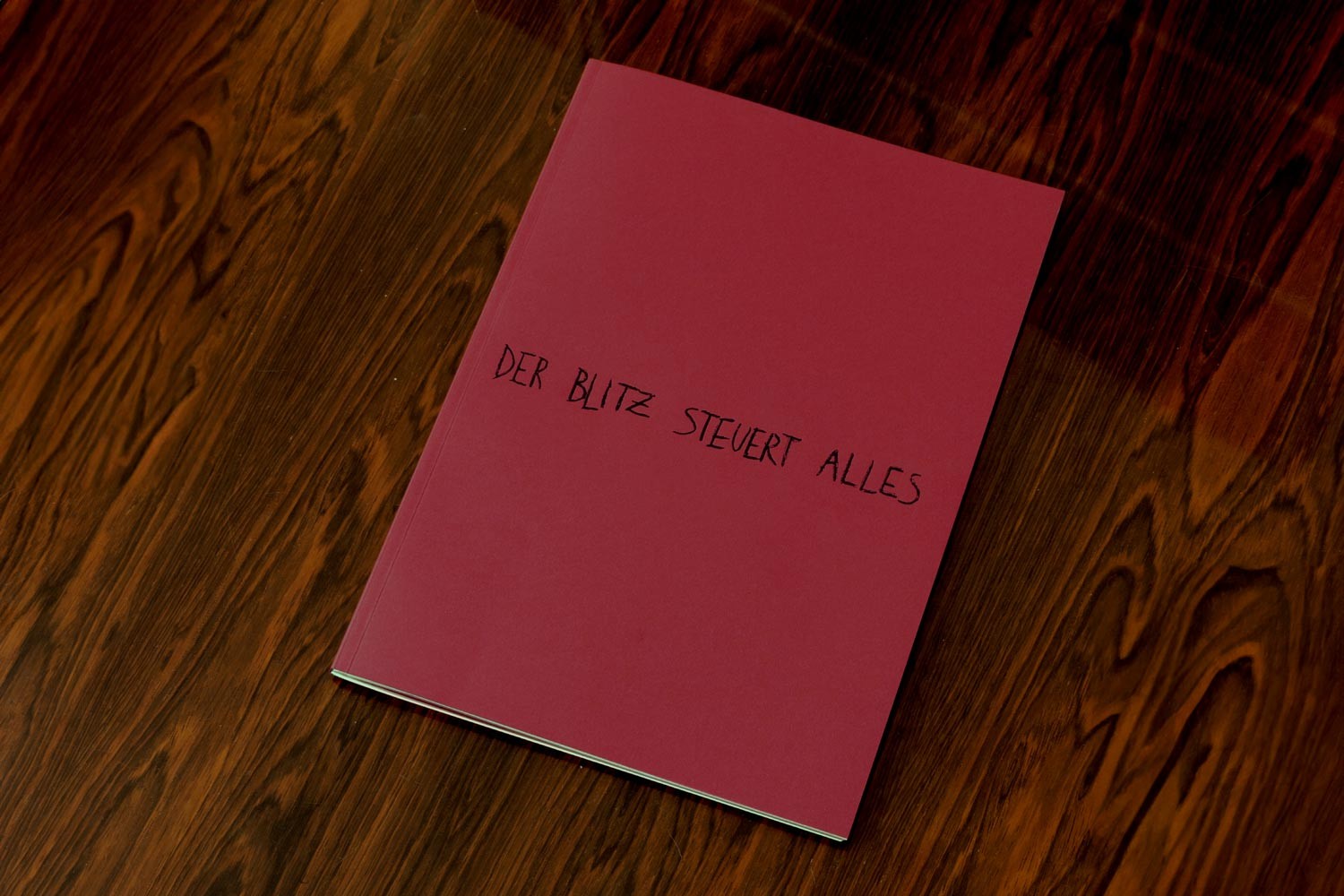
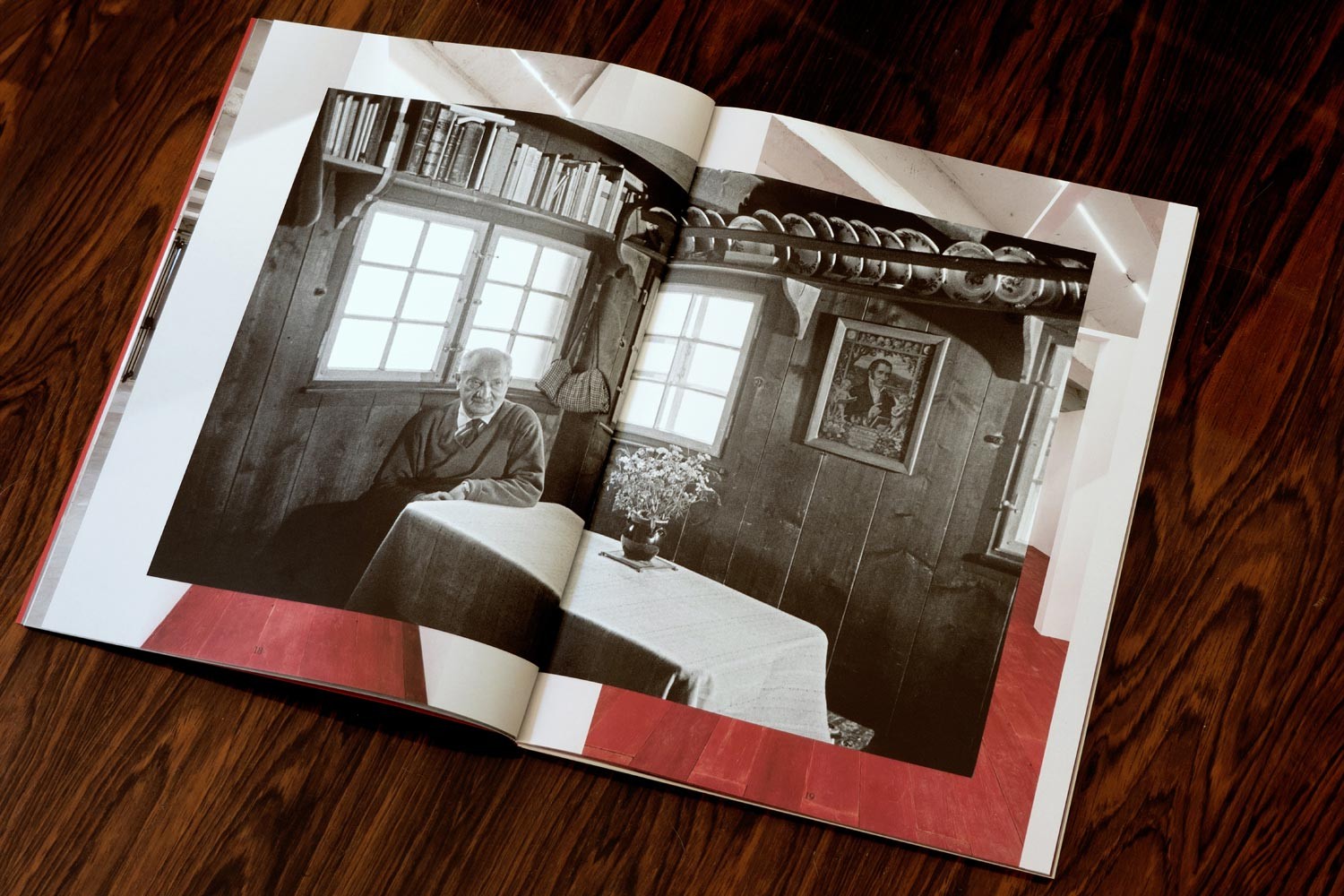
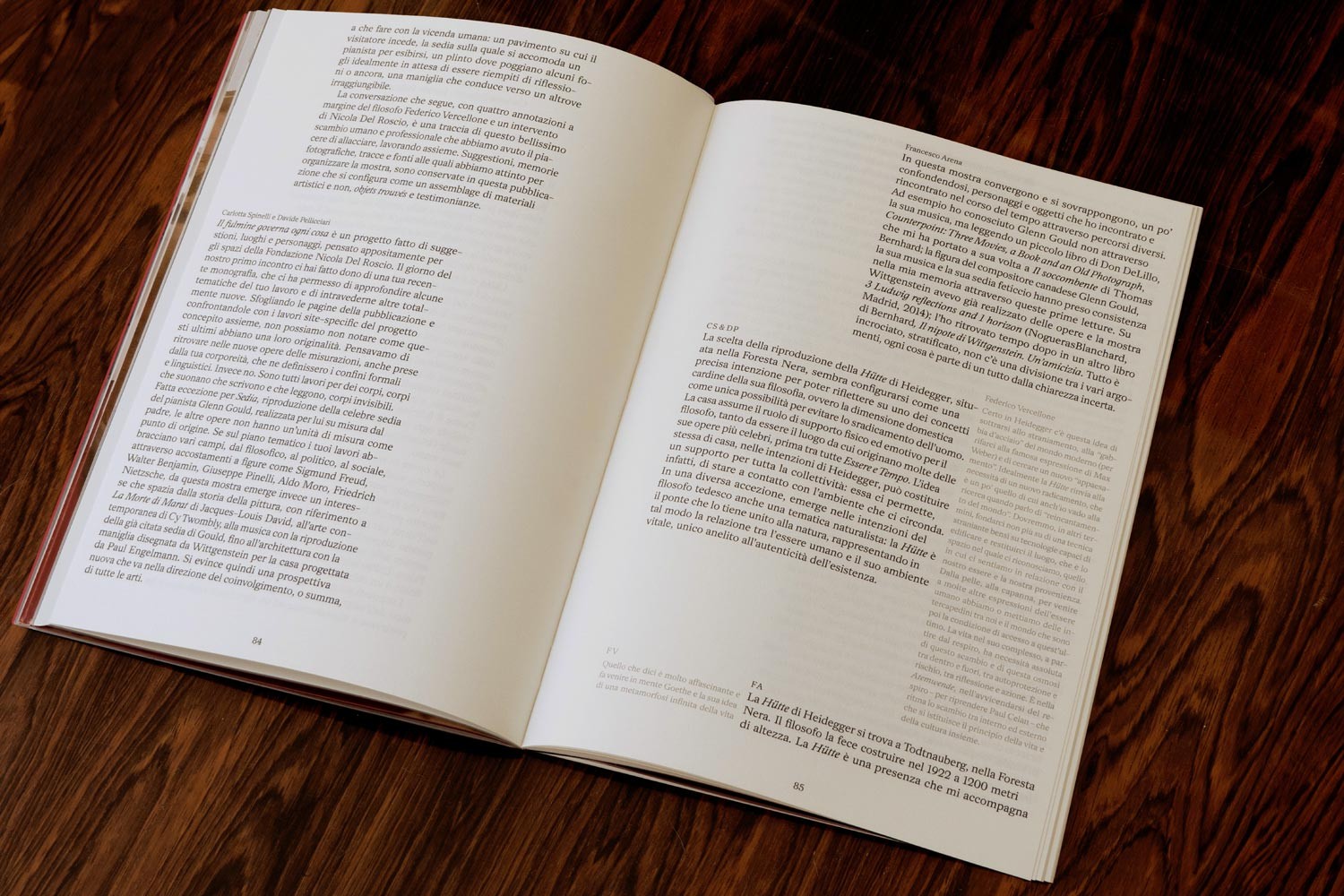
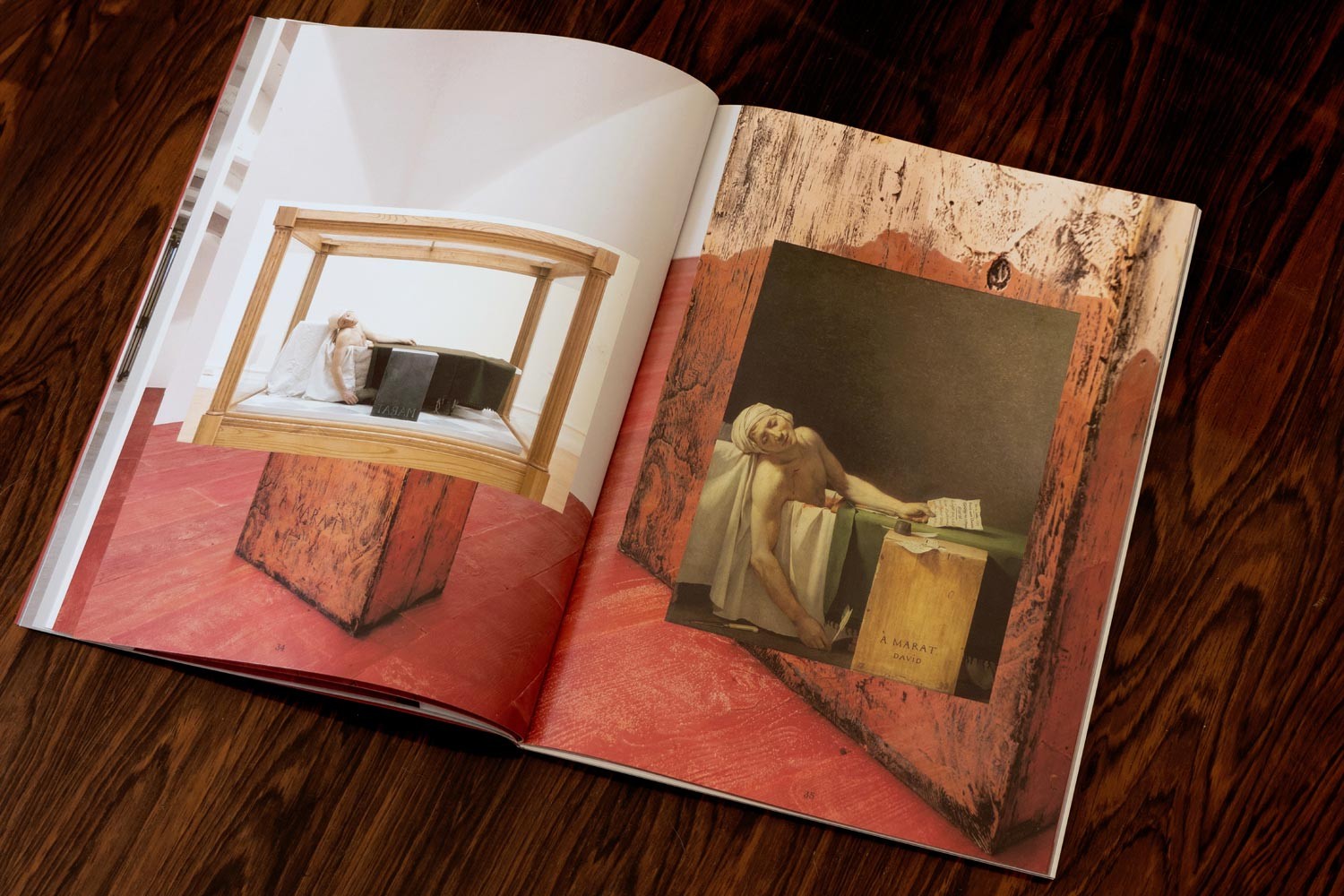
The title of this volume, published to accompany Arena’s exhibition at Fondazione Nicola Del Roscio in Rome, refers to a famous quote by Heraclitus that was inscribed on the lintel of the entrance door of Heidegger’s famous hütte in Todtnauberg, rebuilt in real dimensions inside the space of the Foundation. The hut, ideally related to the philosopher’s memory, is a work that contains a series of new sculptures that create a game of continuous cross-references and exchanges between container and content, visible and invisible, individual and collective experience. By superimposing archive images and current documentation, this book replicates the same dynamics.