Vogliamo tutto. Pratiche culturali e lavoro è una pubblicazione sul lavoro all’interno del contesto socio-culturale in evoluzione: dagli impatti della rivoluzione industriale, al declino post-industriale, fino alla rapida accelerazione dell’era digitale.
Divine Drudgery is an artist book with collages and artworks by James Richards and Leslie Thornton, and contributions by artists, writers and poets centred around liminality and the aesthetics and politics of the invisible.
The book is the first comprehensive monograph on the polymorphous work of Athanasios Argianas. It is published on the occasion of Hollowed Water, a major solo exhibition at Camden Arts Centre in 2020 and ARCH, Athens, in 2021.
Through exquisite craftsmanship, and with reference to romantic nationalism, Ann Böttcher explores how aesthetic and political projections characterize notions of nature, and how such conceptions are taken up by countries, political movements, and other institutions.
Voices (Towards Other Institutions) is the final act of the coral, multiform, articulated, two-year-long experiment carried out by Open, the Russian Federation Pavilion at the 17th International Architecture Exhibition.
The book deals with Diego Marcon’s practice through the analysis of three film and video works. Monelle (2017), Ludwig (2018), and The Parents’ Room (2020) are his most recent and complex projects, and they are all emblematic of central aspects of his production.
Texts by Francesco Arena with Davide Pellicciari and Carlotta Spinelli
Notes by Nicola Del Roscio and Federico Vercellone
Design: Marcello Jacopo Biffi
2024, English / Italian, softcover, 20 x 28 cm, 112 pages
ISBN: 979-12-80579-48-5
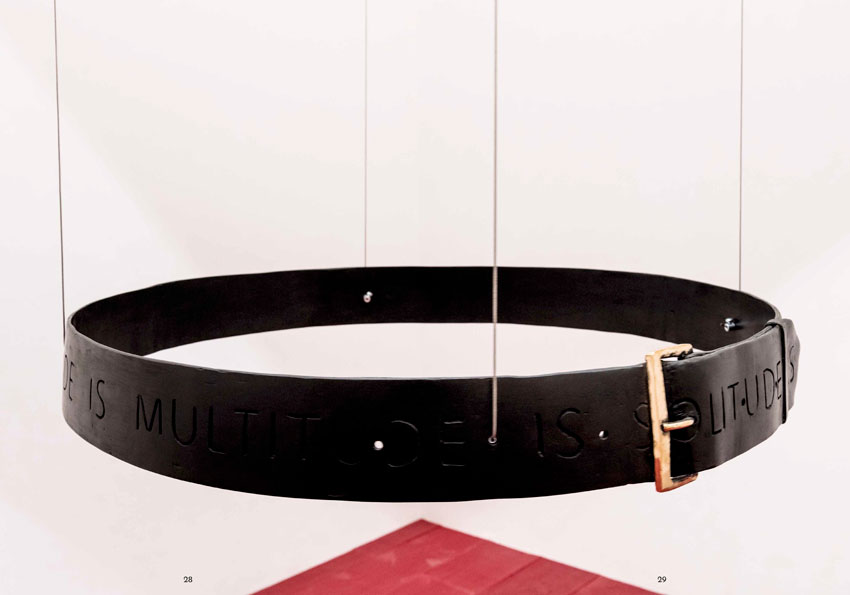
Through his multidisciplinary practice, Francesco Arena implements continuous and subtle references to contemporary society, highlighting the impossibility of being totally self-sufficient and how crucial is to have a support from others. For the artist, just like religion, magic, philosophy and politics, art is a support for human life but also an antidote that humanity has created to give meaning to the existence and to be protected against the unknown.
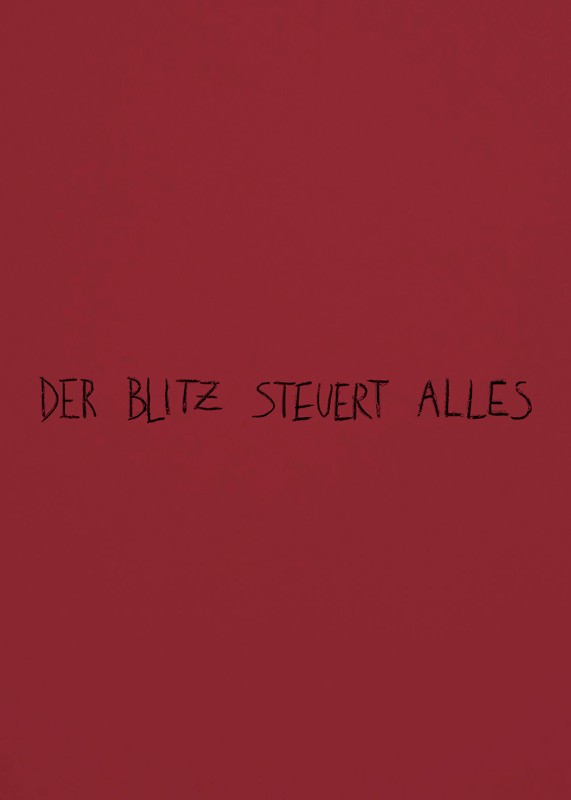
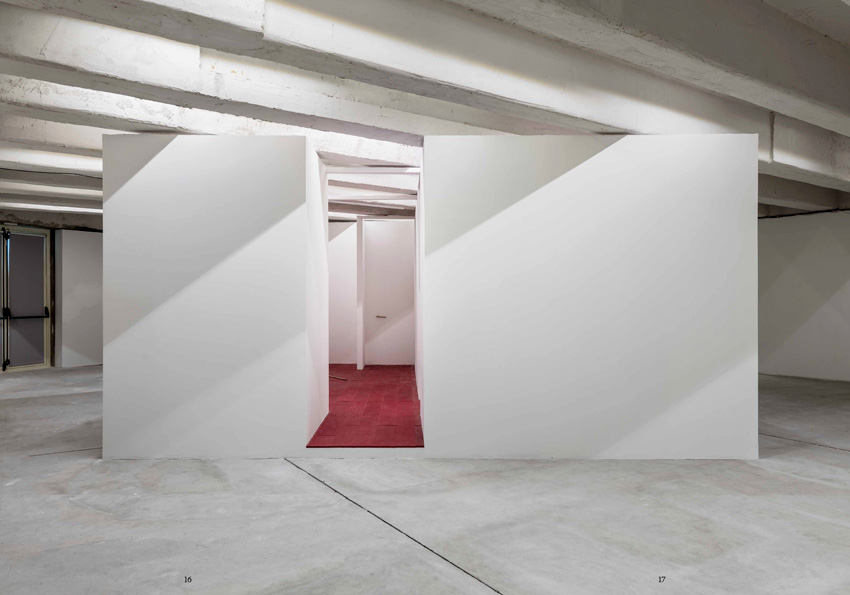
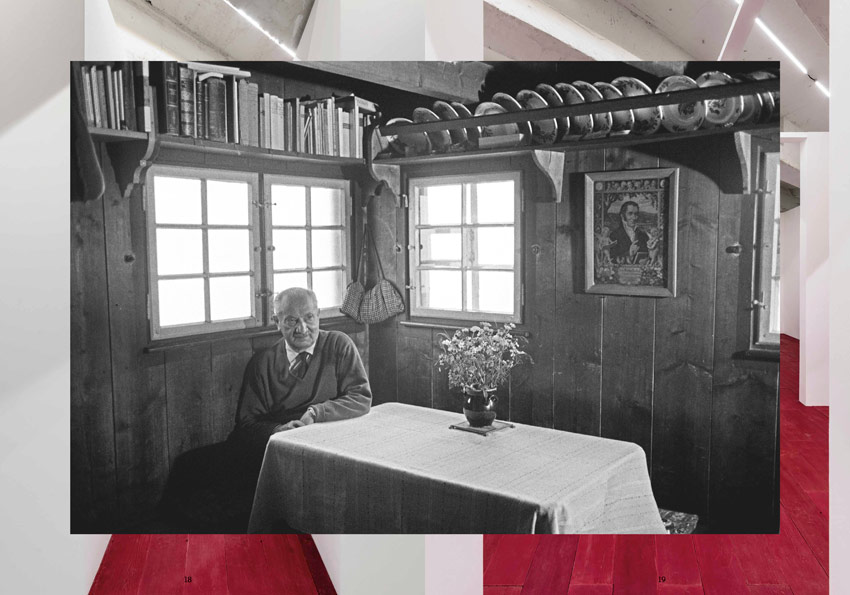
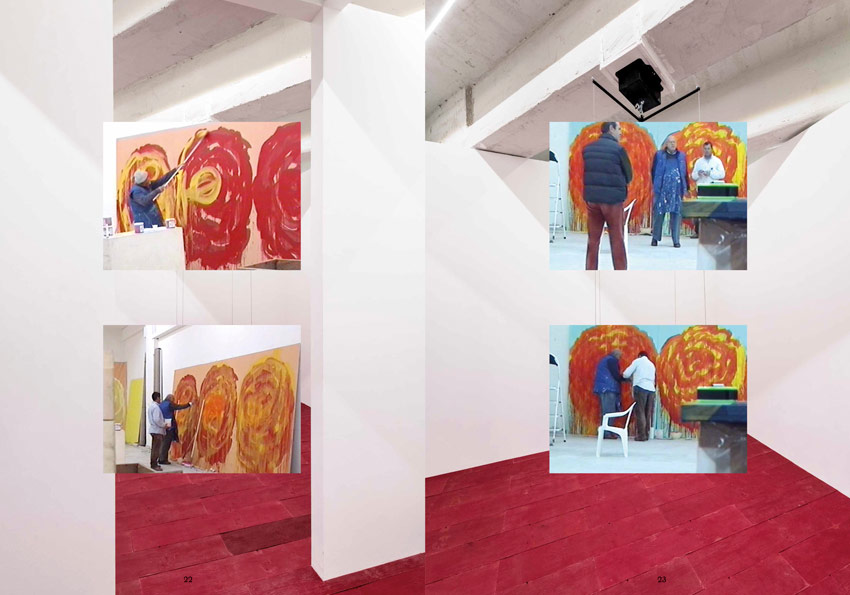
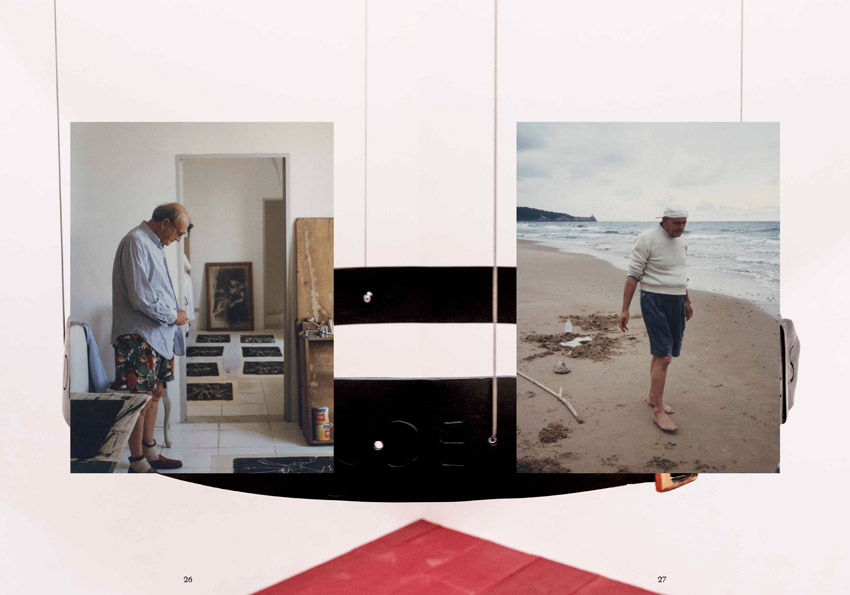
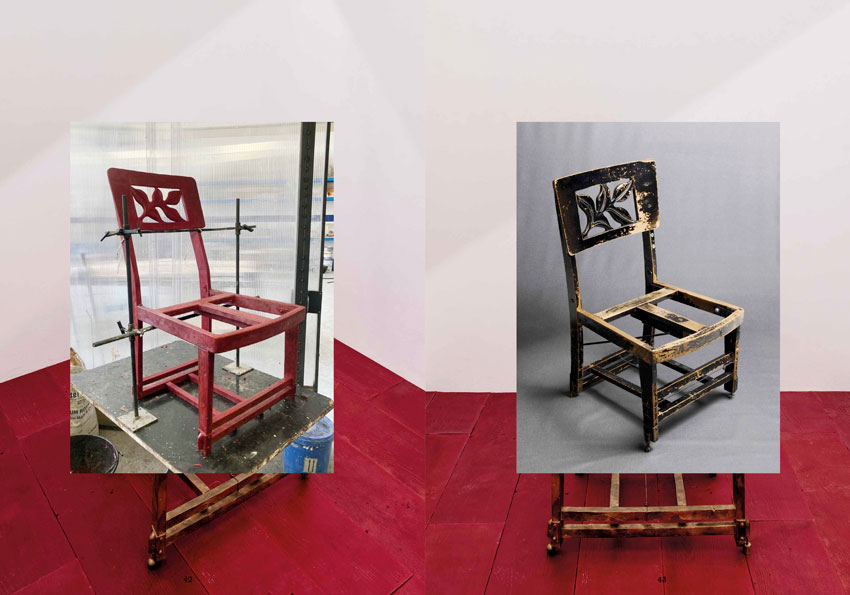
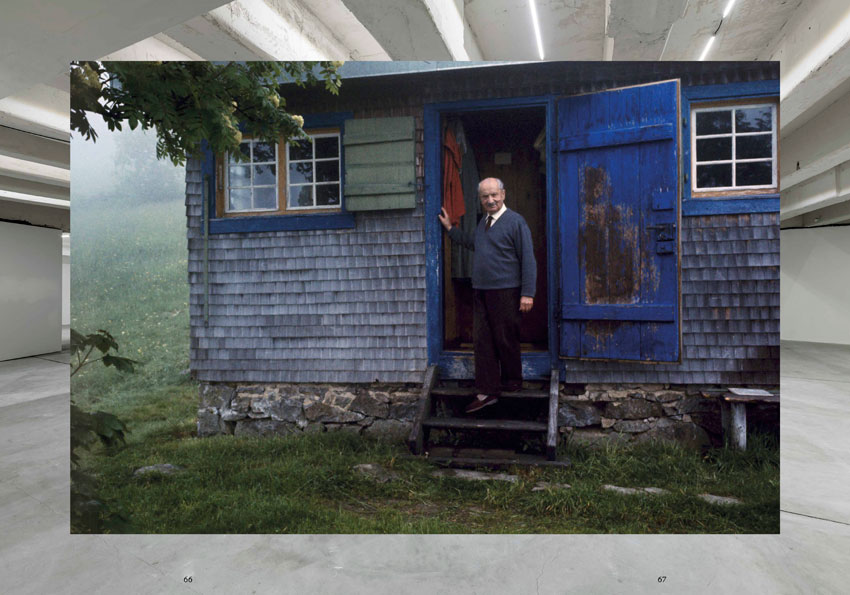
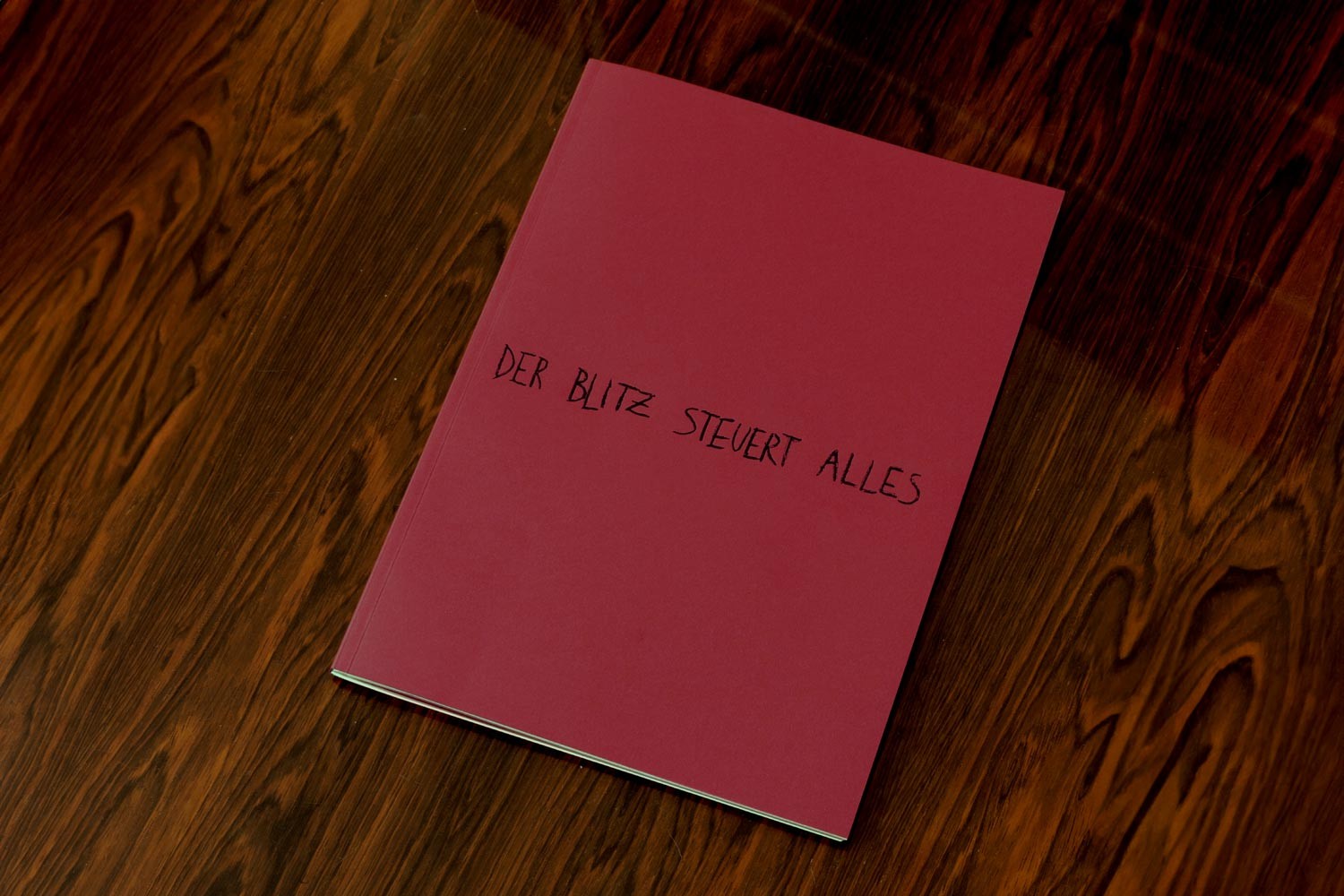
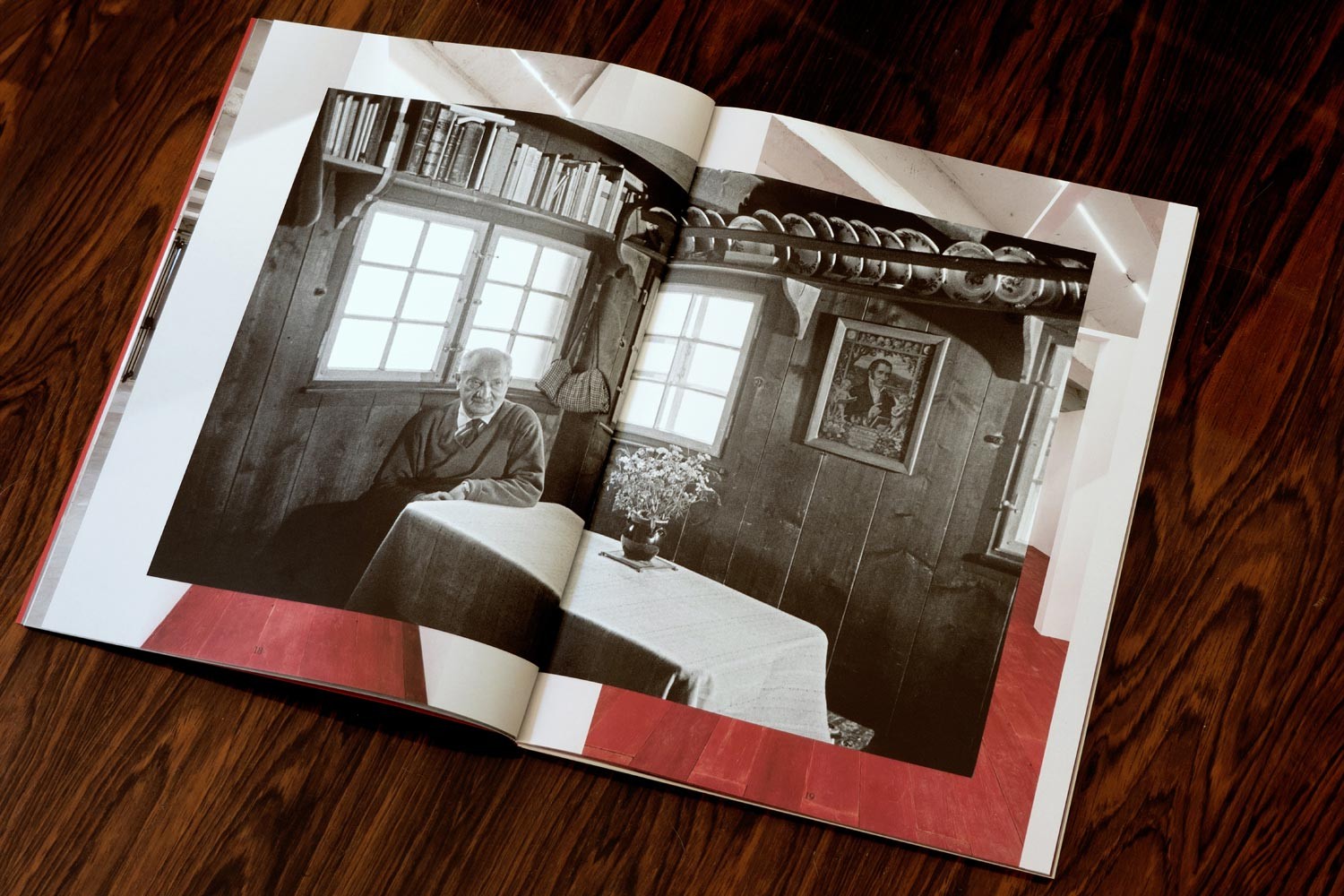
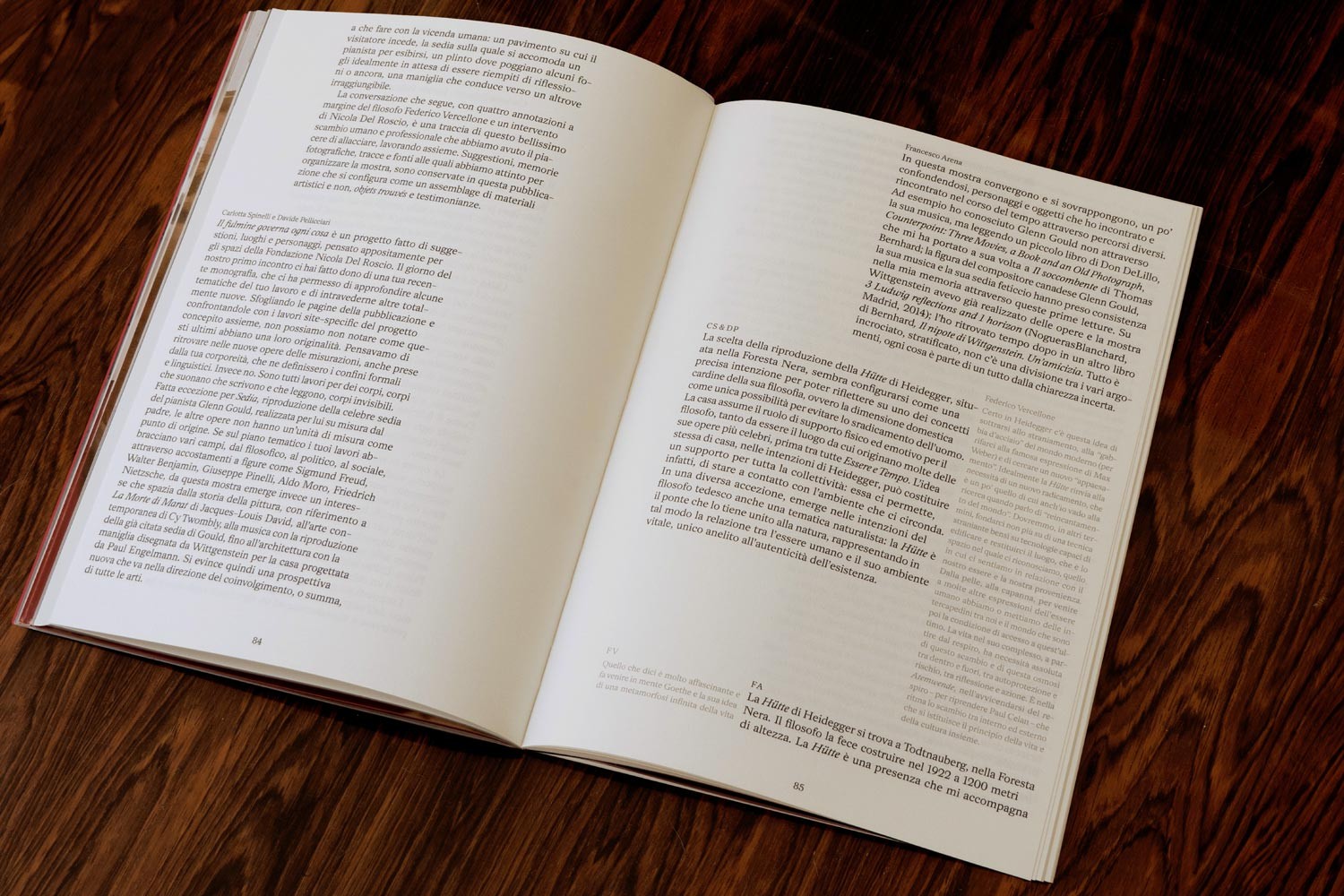
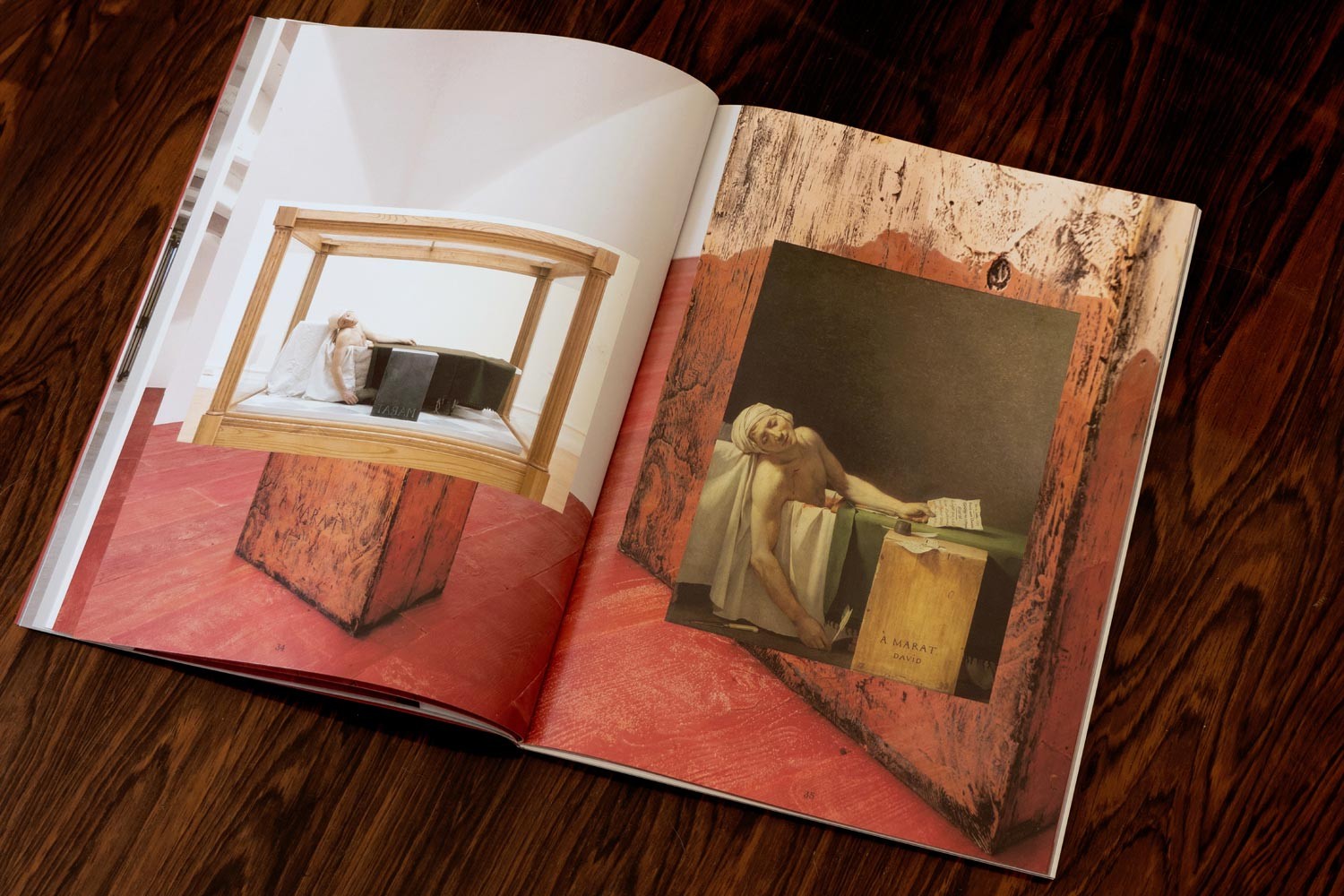
The title of this volume, published to accompany Arena’s exhibition at Fondazione Nicola Del Roscio in Rome, refers to a famous quote by Heraclitus that was inscribed on the lintel of the entrance door of Heidegger’s famous hütte in Todtnauberg, rebuilt in real dimensions inside the space of the Foundation. The hut, ideally related to the philosopher’s memory, is a work that contains a series of new sculptures that create a game of continuous cross-references and exchanges between container and content, visible and invisible, individual and collective experience. By superimposing archive images and current documentation, this book replicates the same dynamics.