Over the last ten years, Raphael Hefti has created an astonishingly body of work consisting of sculptures and installations, performance and “art-in-public-spaces.” The first comprehensive monograph is published on the occasion of his major exhibition at Kunsthalle Basel.
Between 1998 and 1999, the London-based art collective BANK operated the Fax-Bak Service. The group’s members proof-read and copy-edited more than 300 press releases by galleries. The publication is the most comprehensive record of this notorious project.
SOLD OUT
Sold Out
Listen
On how The BANK Fax-Bak Service started and how it came to be a book
In the Villa Santo Sospir, Jean Cocteau conceived his pictorial work through accumulation, inspired by Greek mythology and the Mediterranean landscape. Architecture permeates the subjects of Mauro Restiffe from a viewpoint that amplifies and reverberates the simple historical record.
Oh mio cagnetto, is the artist’s first book of writings, conceived as an artwork. It is a collection of 81 little poems that revolve around the missed and mourned figure of a puppy. It intentionally plays on the ambiguity of its nature, as both a book distributed in conventional ways and an art object.
When she started writing the Corona Tales, Chus Martínez had been weighing how people and the media were addressing the outbreak of the virus as an unprecedented disaster. One possible contribution, as curator and writer, would be to write a short story a day…
Texts by Francesco Arena with Davide Pellicciari and Carlotta Spinelli
Notes by Nicola Del Roscio and Federico Vercellone
Design: Marcello Jacopo Biffi
2024, English / Italian, softcover, 20 x 28 cm, 112 pages
ISBN: 979-12-80579-48-5
Through his multidisciplinary practice, Francesco Arena implements continuous and subtle references to contemporary society, highlighting the impossibility of being totally self-sufficient and how crucial is to have a support from others. For the artist, just like religion, magic, philosophy and politics, art is a support for human life but also an antidote that humanity has created to give meaning to the existence and to be protected against the unknown.
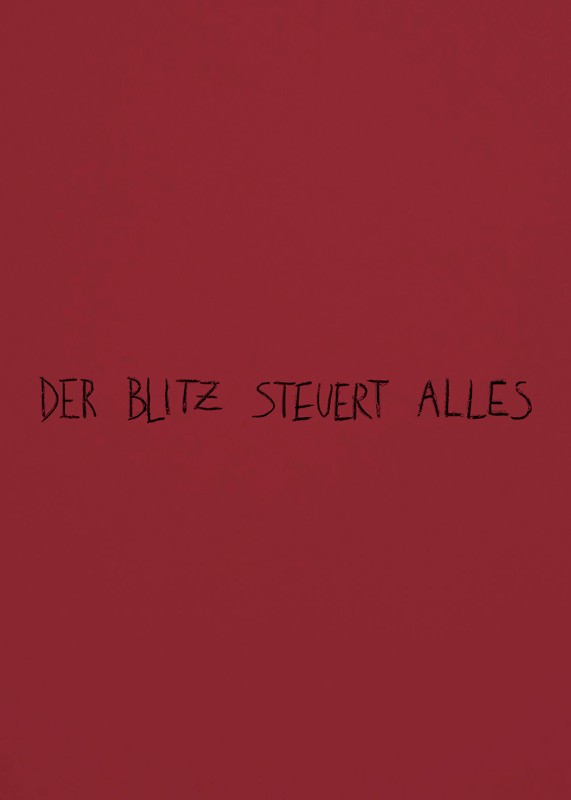
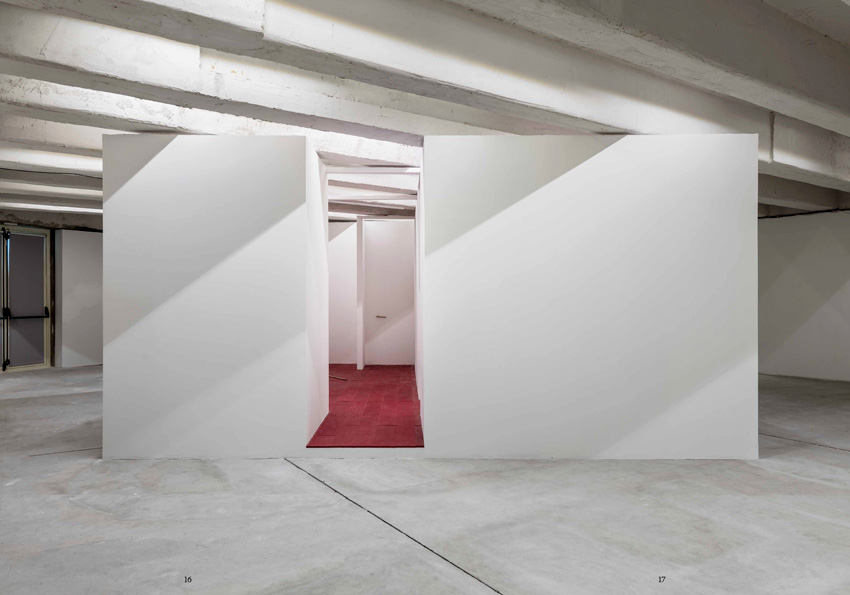
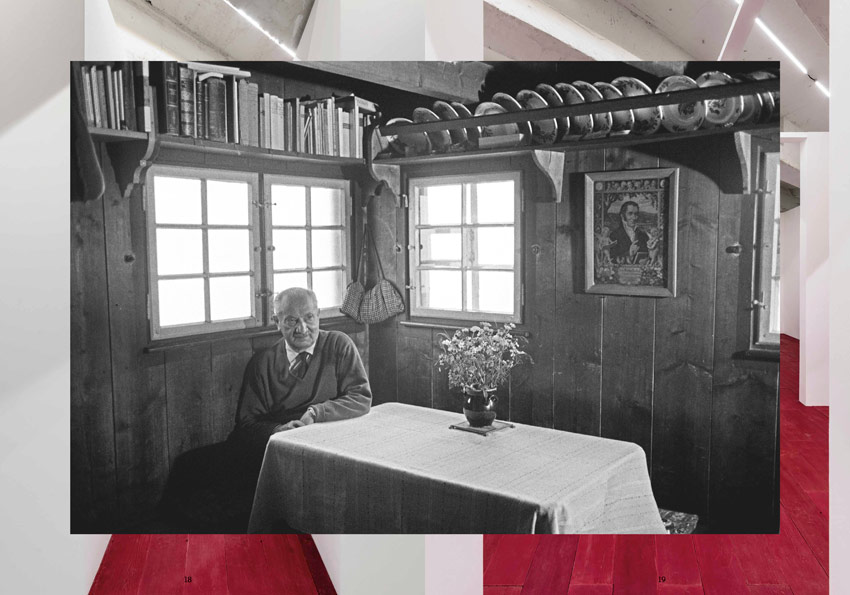
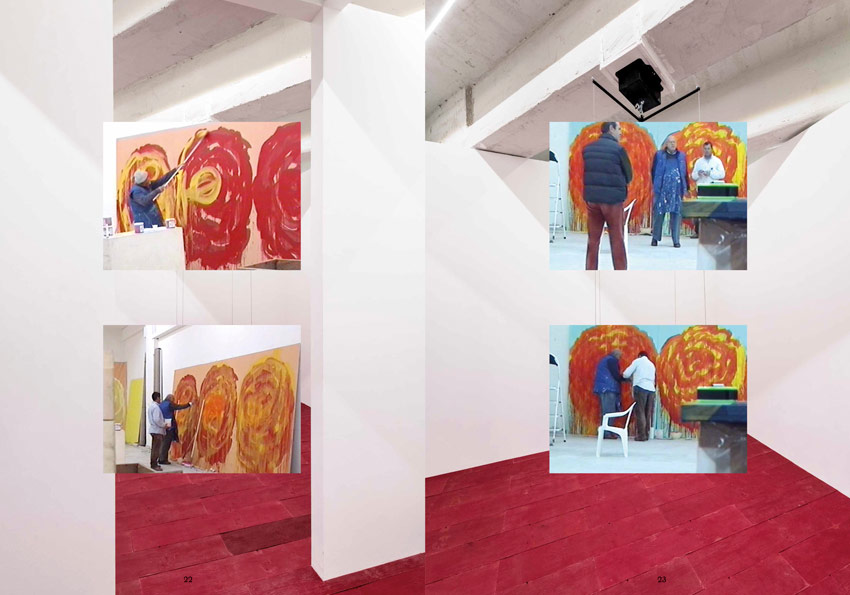
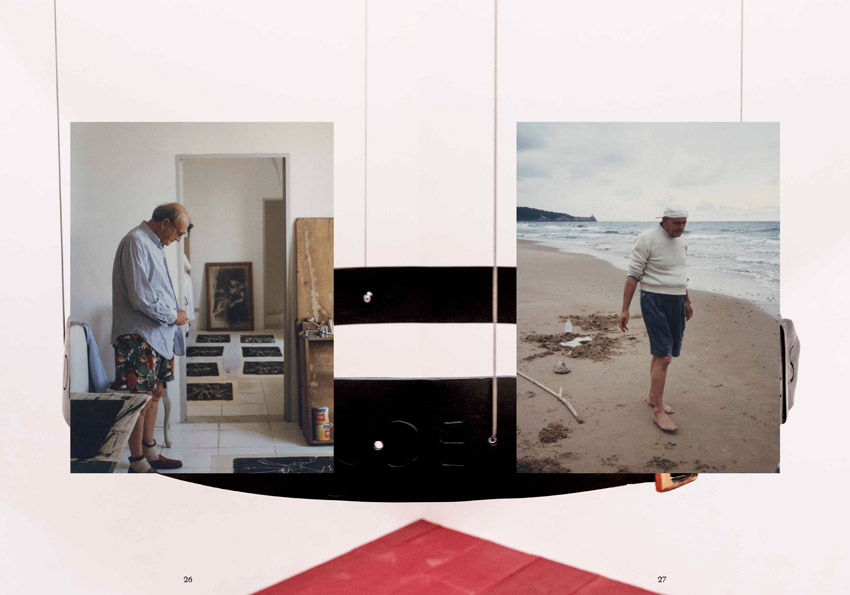
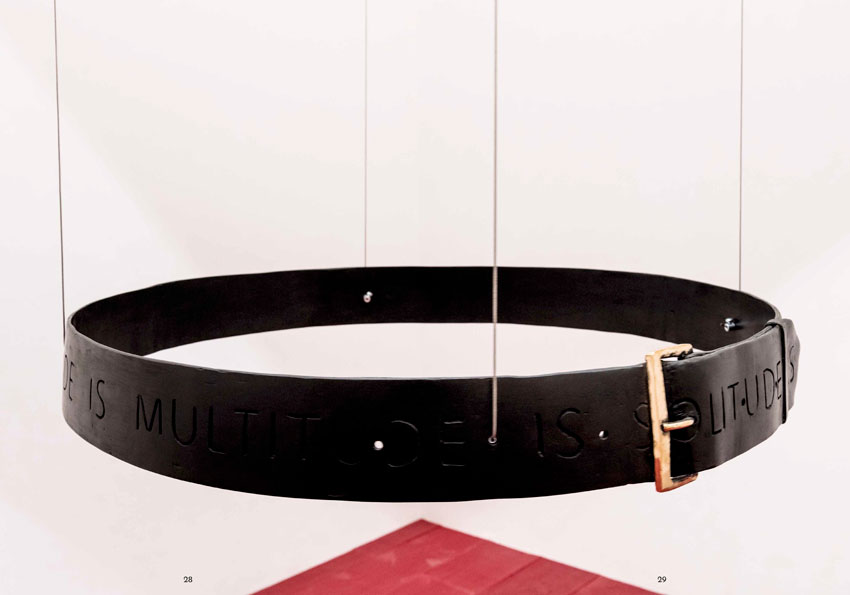
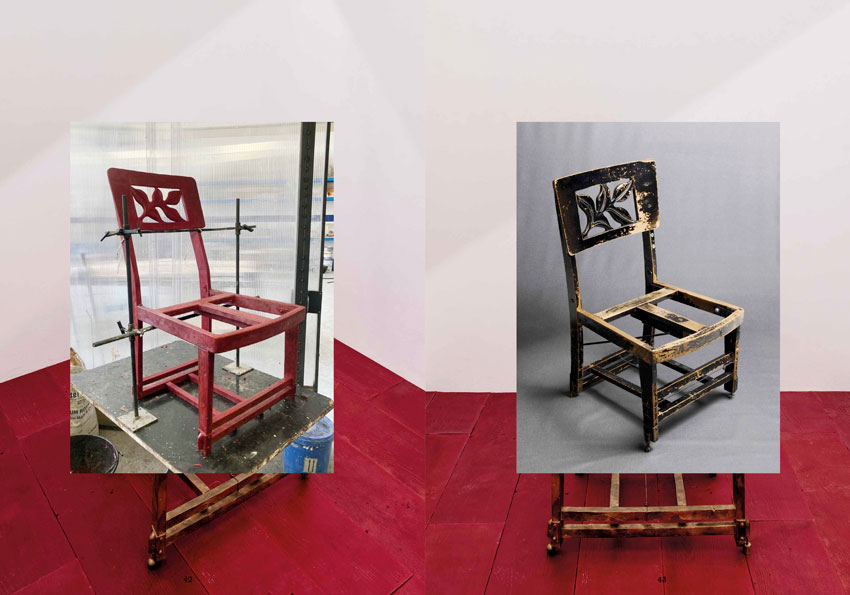
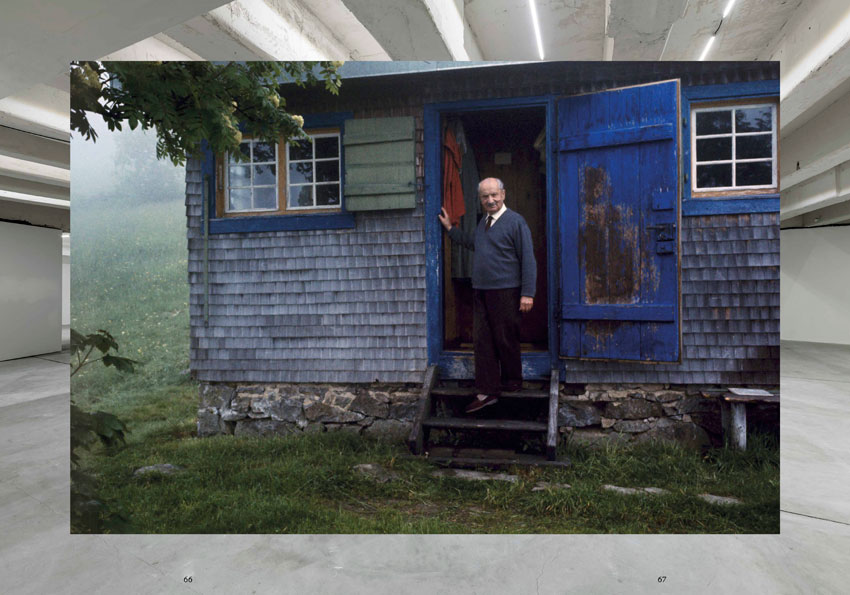
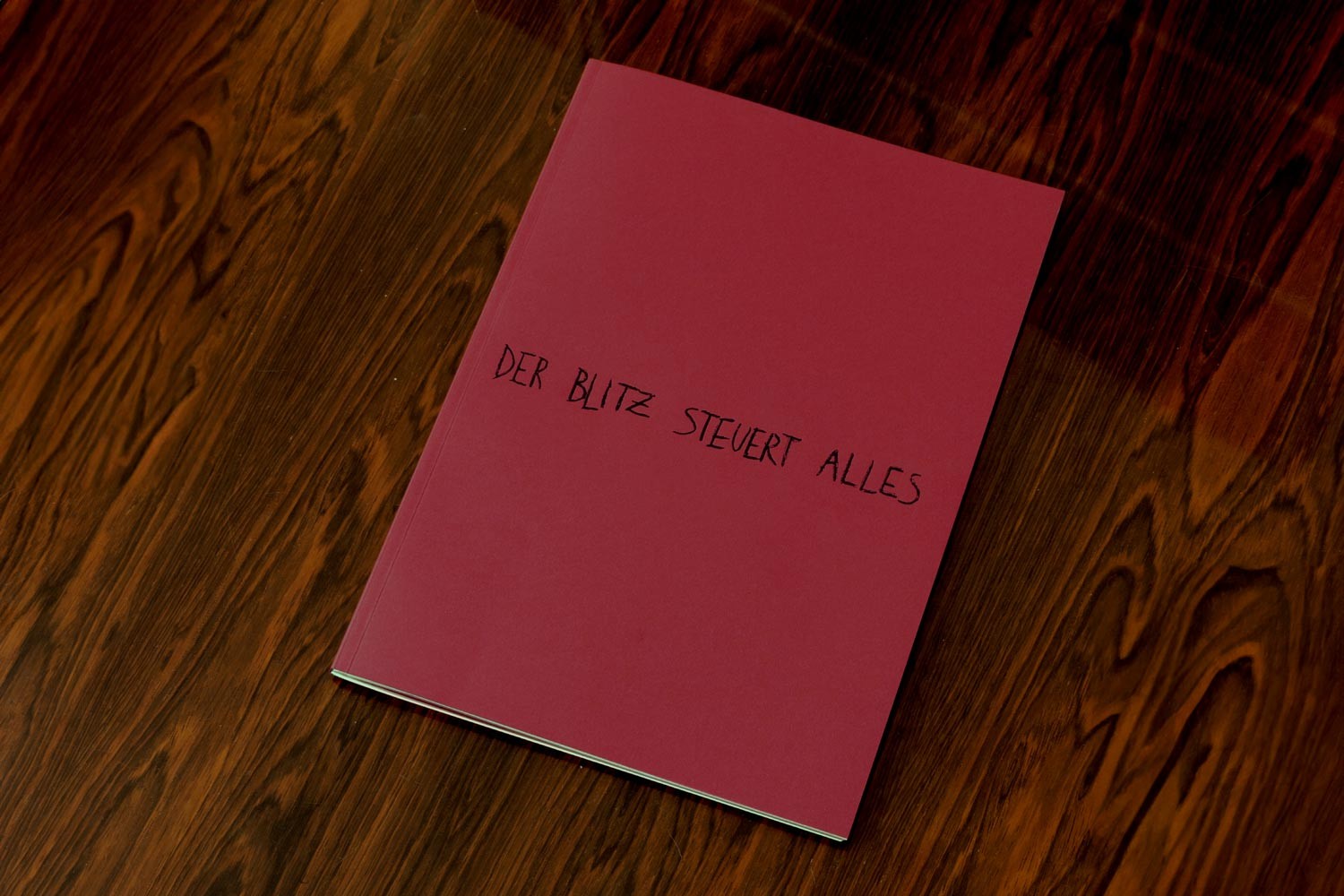
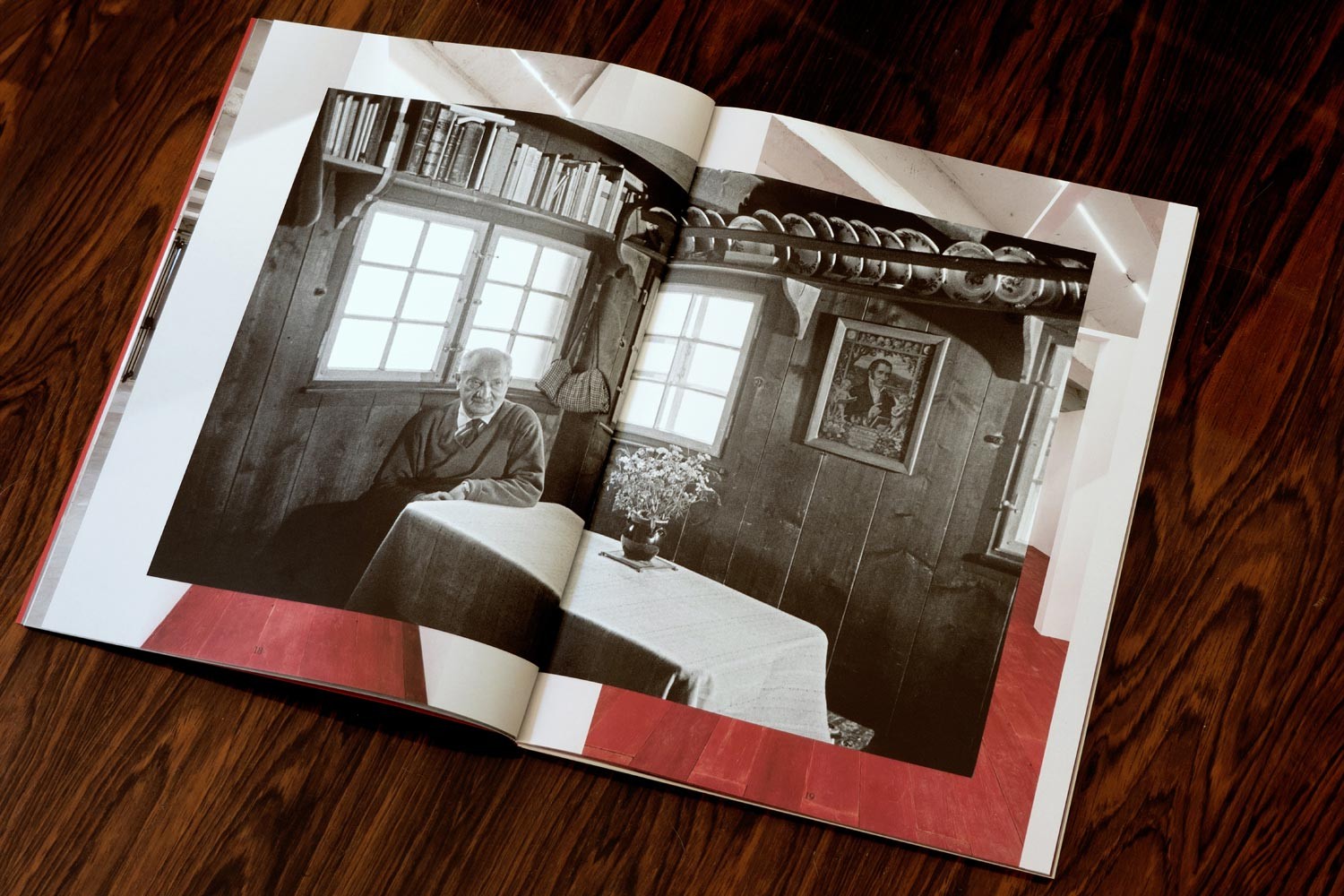
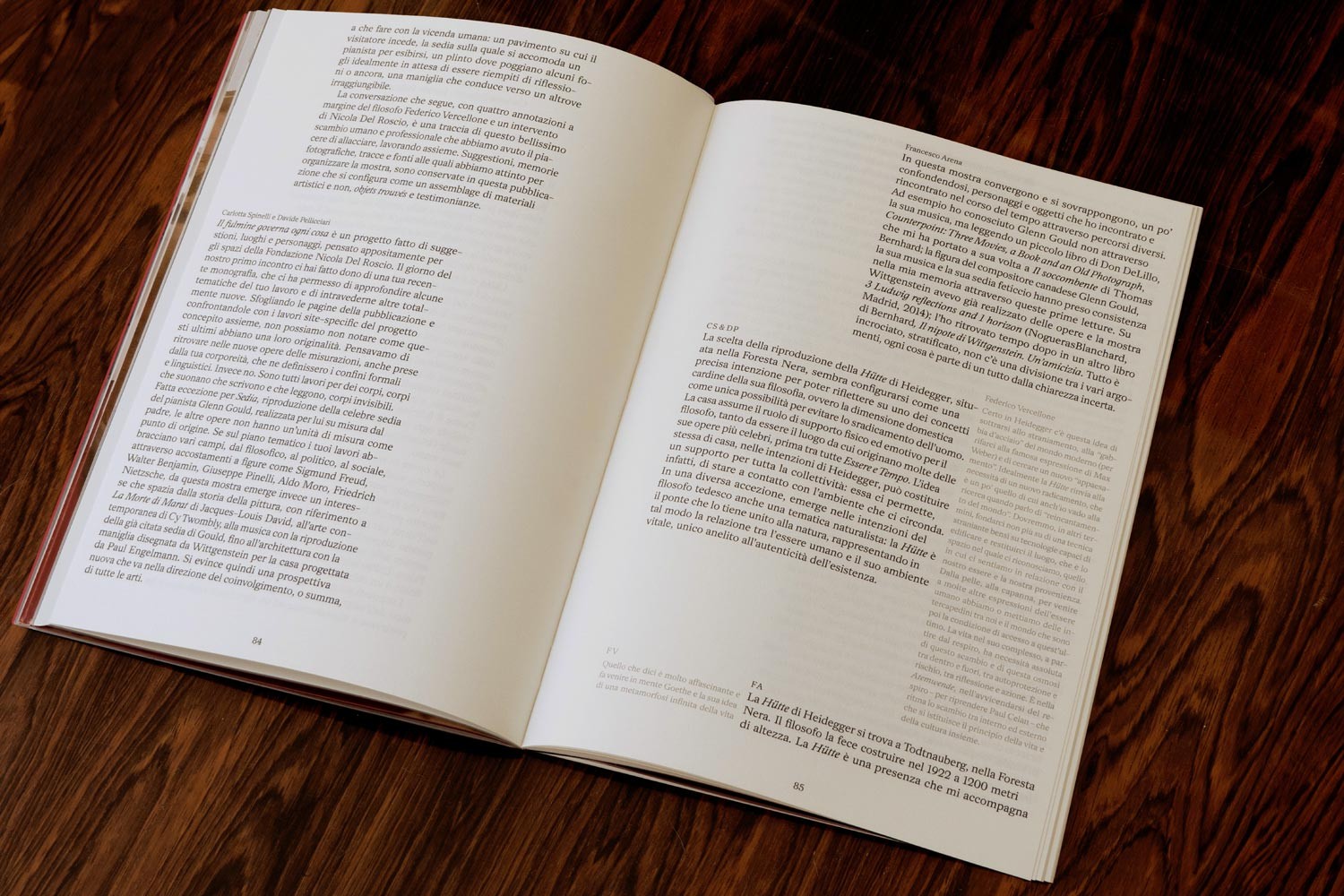
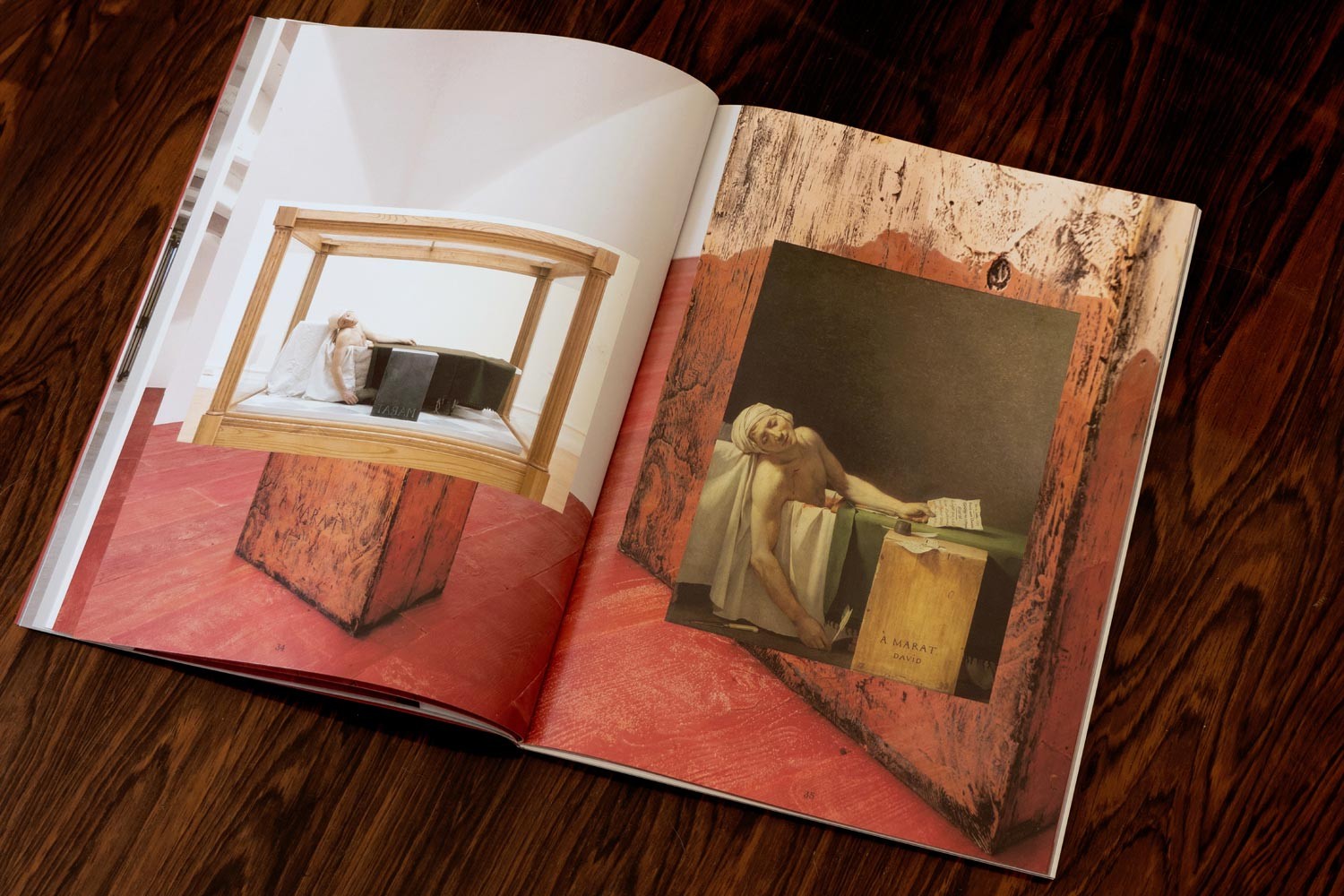
The title of this volume, published to accompany Arena’s exhibition at Fondazione Nicola Del Roscio in Rome, refers to a famous quote by Heraclitus that was inscribed on the lintel of the entrance door of Heidegger’s famous hütte in Todtnauberg, rebuilt in real dimensions inside the space of the Foundation. The hut, ideally related to the philosopher’s memory, is a work that contains a series of new sculptures that create a game of continuous cross-references and exchanges between container and content, visible and invisible, individual and collective experience. By superimposing archive images and current documentation, this book replicates the same dynamics.