This richly illustrated book considers the dazzling oeuvre of choreographer and dancer Marlene Monteiro Freitas. In line with her creative methodology, Alexandra Balona unfolds an “atlas of affects” through five emblematic dance pieces that reveal the intensity, humor, and humanity of one of today’s most radical choreographic voices.
Invited to present an exhibition at the Galleria Borghese in Rome, Kenyan-American artist Wangechi Mutu has developed an innovative approach to museum space, challenging hierarchy, permanence, and fixed meanings. With in-depth essays and a rich selection of illustrations, this catalog retraces that exhibition and explores the themes and concerns that have long characterized the artist’s practice.
Invitata a concepire una mostra alla Galleria Borghese, l’artista keniota-americana Wangechi Mutu ha sviluppato un approccio innovativo allo spazio museale, confrontandosi con le gerarchie, la permanenze e le sedimentazioni del contesto. Attraverso saggi approfonditi e una ricca selezione di illustrazioni, questo catalogo ripercorre la mostra ed esplora i temi e le preoccupazioni che da tempo caratterizzano la pratica dell’artista.
A visual notebook of the screenshots taken by Yngve Holen over the past five years or so, 6G—the anticipated next phase of network technology—is a peculiarly sized artist’s book, a glossy non-linear agglomeration that reflects the intersections of production, life, and digital debris.
Conceived as a visual résumé, the book provides a comprehensive overview of Posenenske’s solo exhibitions and a record of her numerous group shows. Featuring an essay by curator Erlend Hammer on the role of documentary photographs in the circulation of works of art, it was published in conjunction with the eponymous show at the Haugar Art Museum in Tønsberg.
Texts by Francesco Arena with Davide Pellicciari and Carlotta Spinelli
Notes by Nicola Del Roscio and Federico Vercellone
Design: Marcello Jacopo Biffi
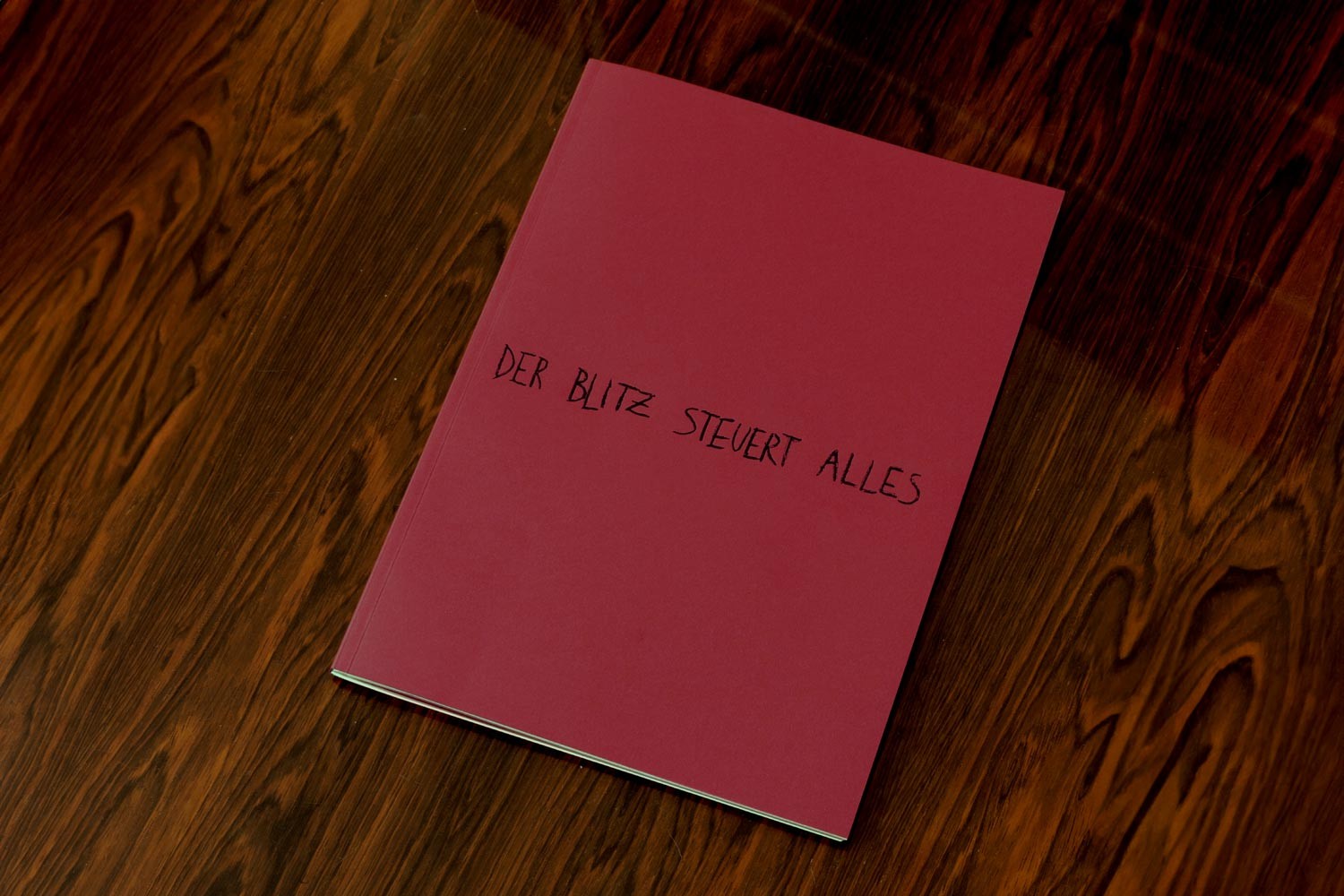
2024, English / Italian, softcover, 20 x 28 cm, 112 pages
ISBN: 979-12-80579-48-5
Through his multidisciplinary practice, Francesco Arena implements continuous and subtle references to contemporary society, highlighting the impossibility of being totally self-sufficient and how crucial is to have a support from others. For the artist, just like religion, magic, philosophy and politics, art is a support for human life but also an antidote that humanity has created to give meaning to the existence and to be protected against the unknown.
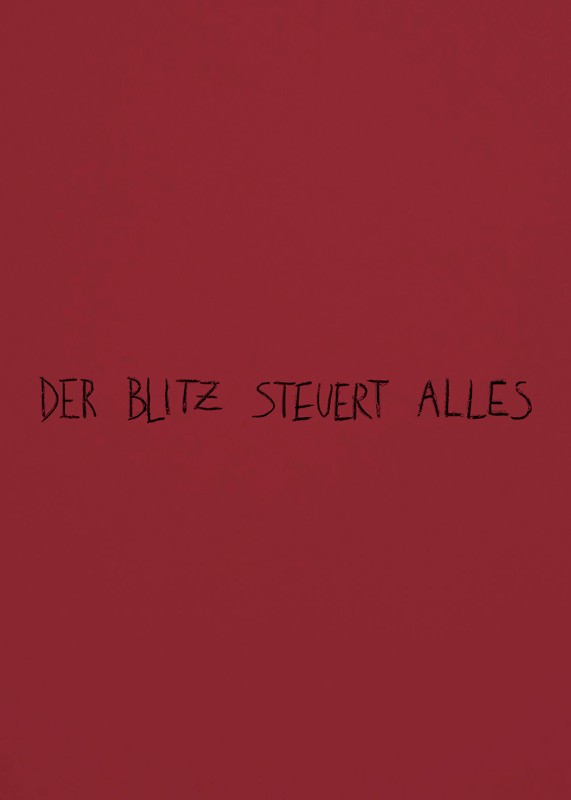
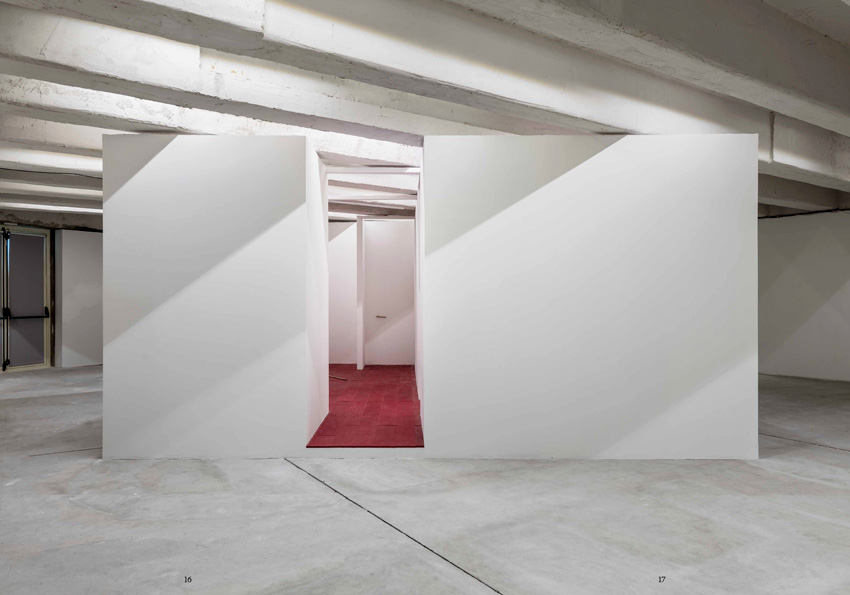
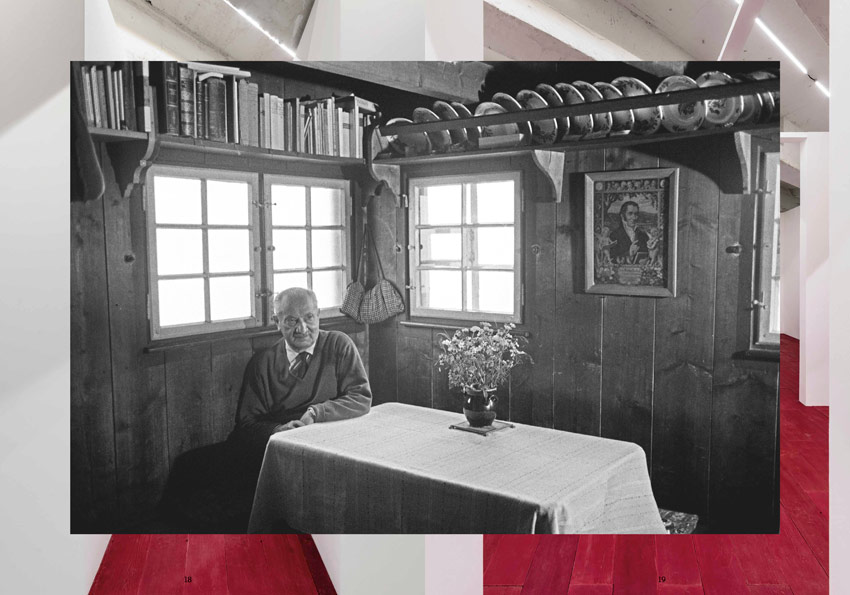
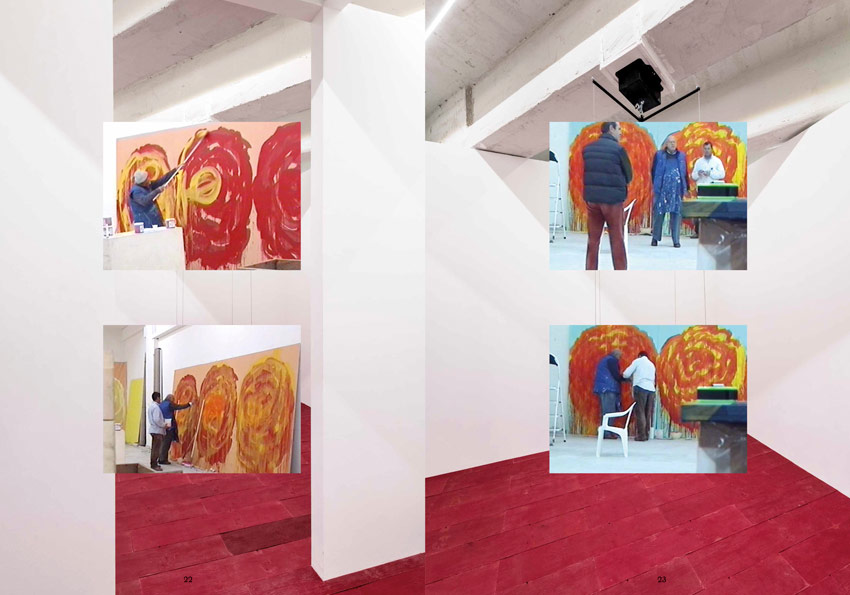
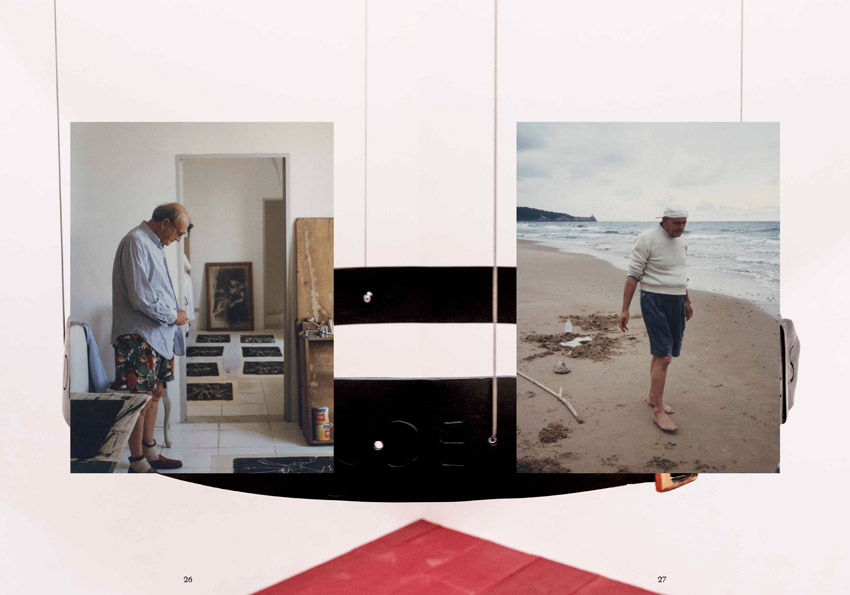
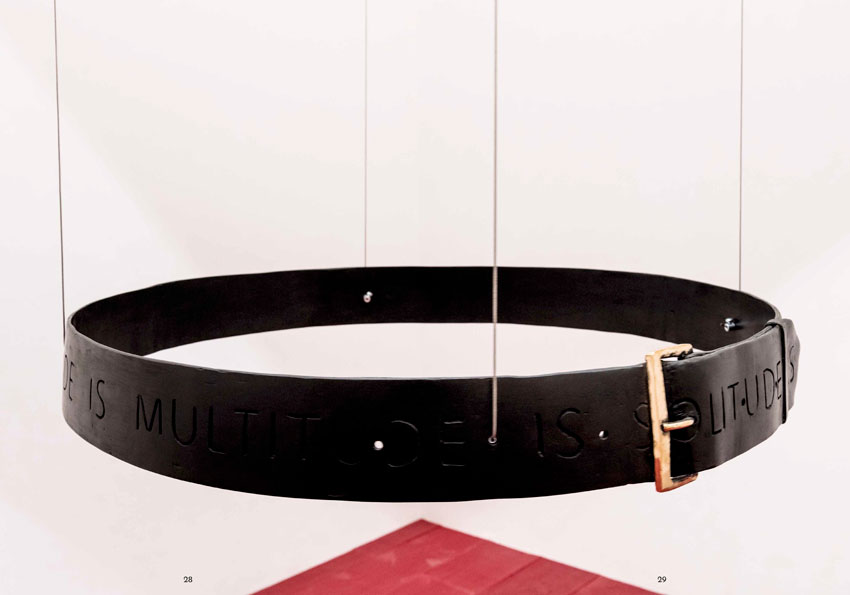
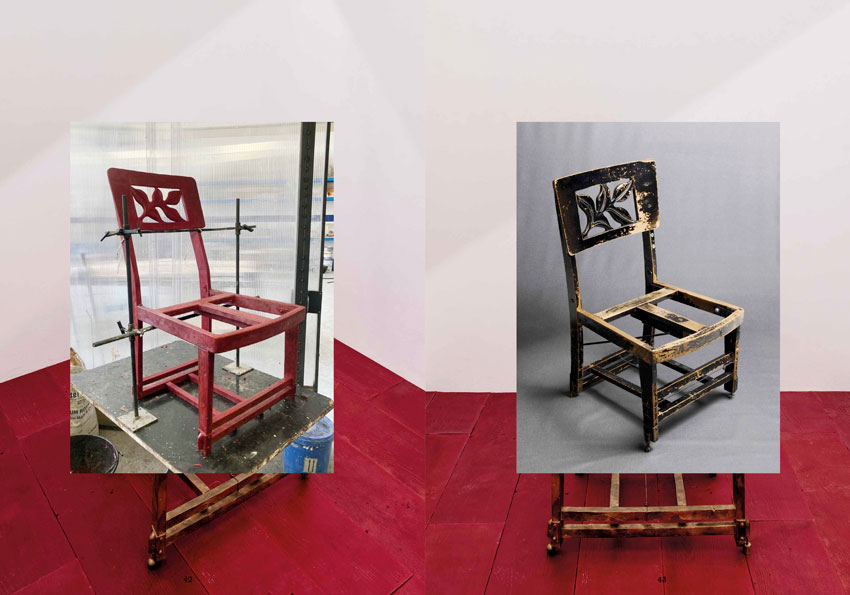
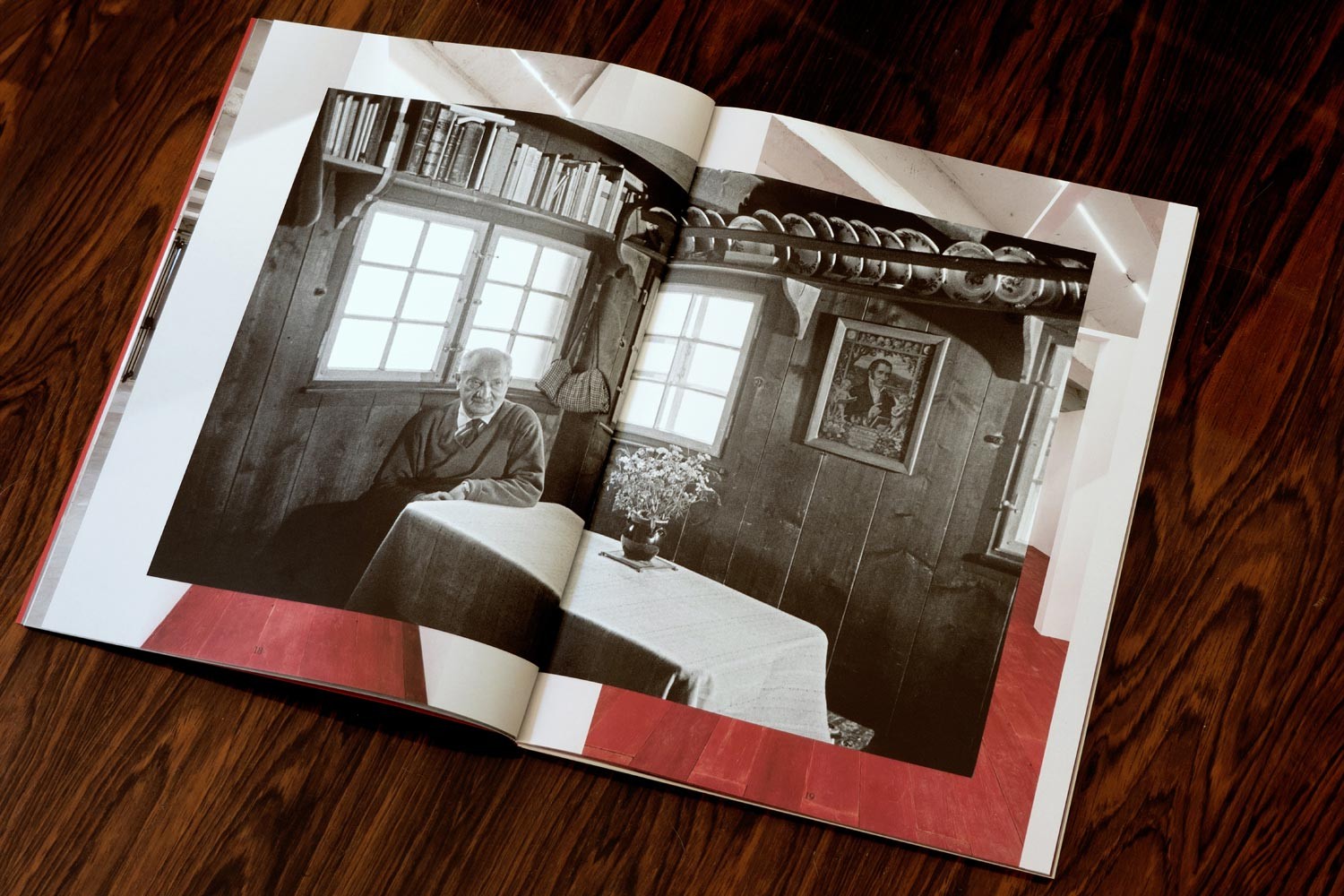
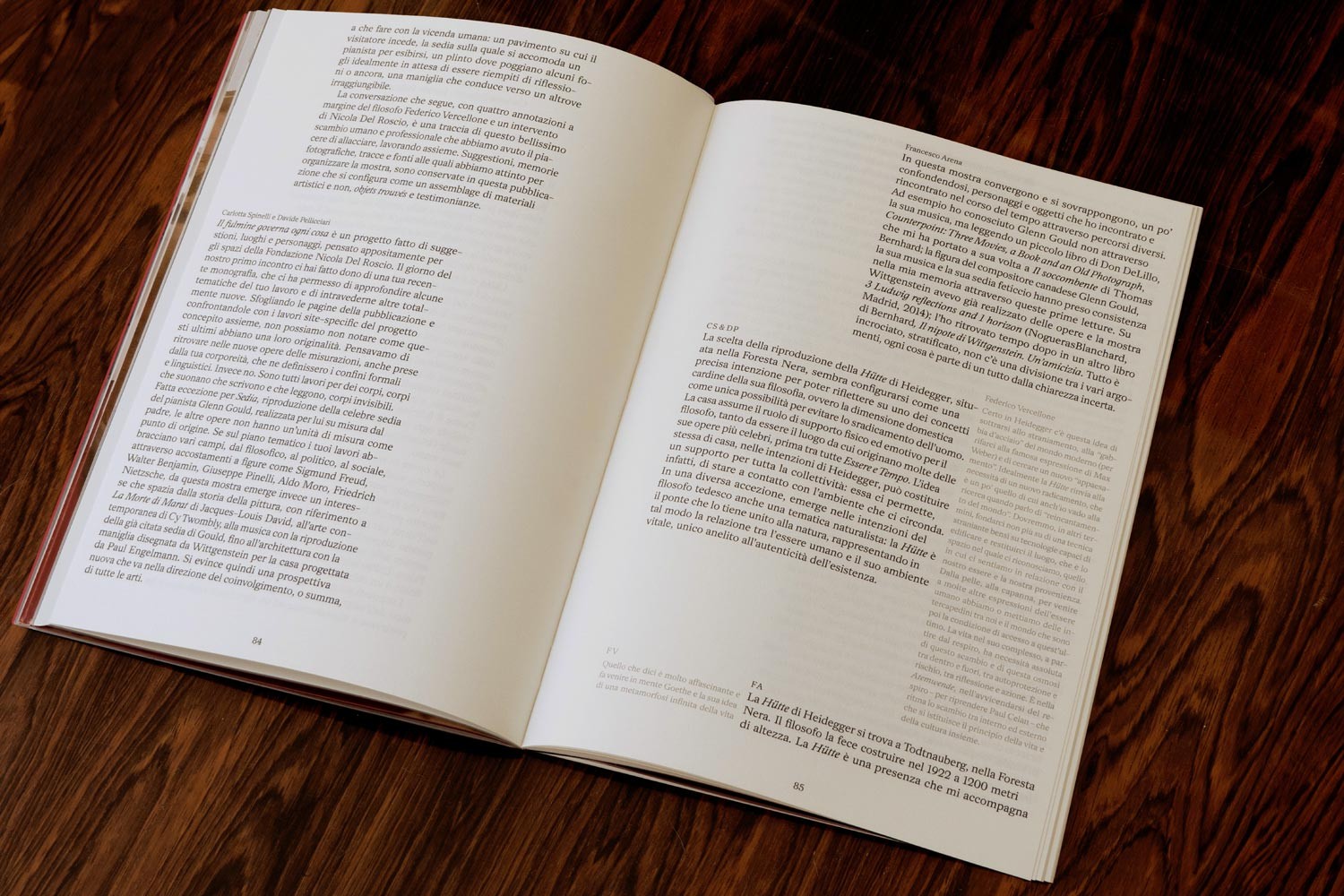
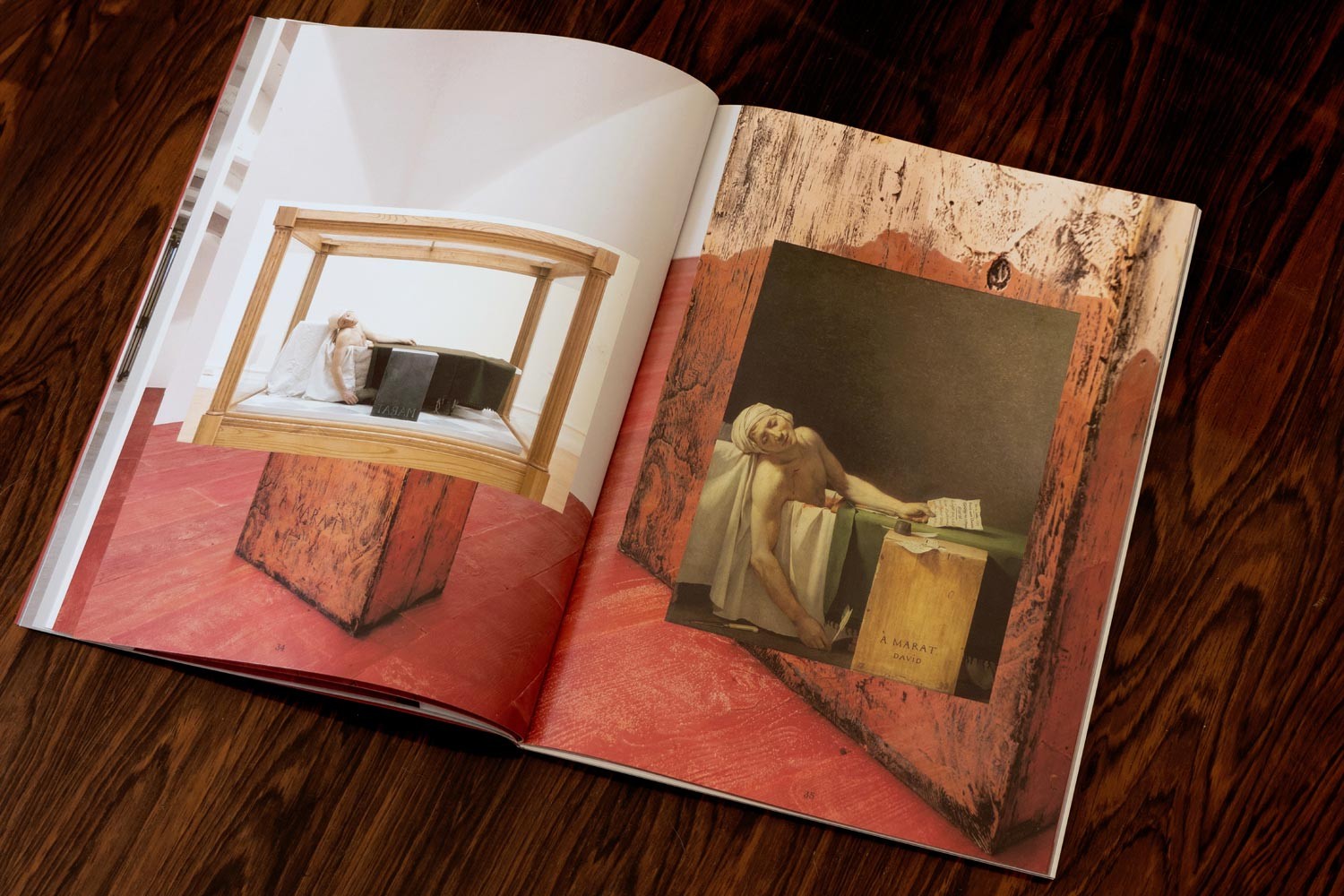
The title of this volume, published to accompany Arena’s exhibition at Fondazione Nicola Del Roscio in Rome, refers to a famous quote by Heraclitus that was inscribed on the lintel of the entrance door of Heidegger’s famous hütte in Todtnauberg, rebuilt in real dimensions inside the space of the Foundation. The hut, ideally related to the philosopher’s memory, is a work that contains a series of new sculptures that create a game of continuous cross-references and exchanges between container and content, visible and invisible, individual and collective experience. By superimposing archive images and current documentation, this book replicates the same dynamics.