Since the 1980s, Belgian artist Sigefride Bruna Hauman has created a highly original body of work in different media. Her installations, reliefs and videos are the subject of a much-overdue retrospective organized by M Leuven—and of this first monograph.
Rituals of Care is an extensive monograph devoted to the work of Antonio Obá, published in conjunction with his eponymous exhibition presented at the Centre d’Art Contemporain Genève, curated by Andrea Bellini. Extensively illustrated, the book immerses the reader in Obá’s multifaceted oeuvre and in the magical iconographic universe of his paintings.
Claiming that the museum is not enough means asking what a museum should be and do, eventually questioning the role of cultural institutions in society. Through conversations, stills of documentaries, responses, and reprints of archival documents that explore ideas of architecture on the ground, this volume reflects on the tools deployed by the institution to redefine its relationship to others.
Affirmer que le musée ne suffit pas, c’est interroger ce qu’un musée devrait être et faire, et réfléchir de manière critique sur le rôle des institutions culturelles dans nos sociétés. À travers des conversations, des photogrammes de documentaires, des interventions et des reproductions d’archives questionnant les conceptions de l’architecture sur le terrain, ce volume réfléchit aux outils mis en œuvre par l’institution pour redéfinir sa relation aux autres.
Semi-Nomadic Debt-Ridden Bedouins is the first monograph on the work of the Palestinian artist and filmmaker Basma al-Sharif. Spanning nearly two decades of moving-image and installation work, it combines visual documentation with texts that reflect on the charged political landscapes through which al-Sharif navigates.
This monograph marks the occasion of the first European survey of Nicola L. (1932–2018). Often discussed in the context of Pop Art, activism, feminism, and design, this is the first in-depth exploration of the multi-layered and expansive nature of her extraordinary practice, which also encompassed cosmology, environmental concerns, spirituality, political protest, and sexuality.
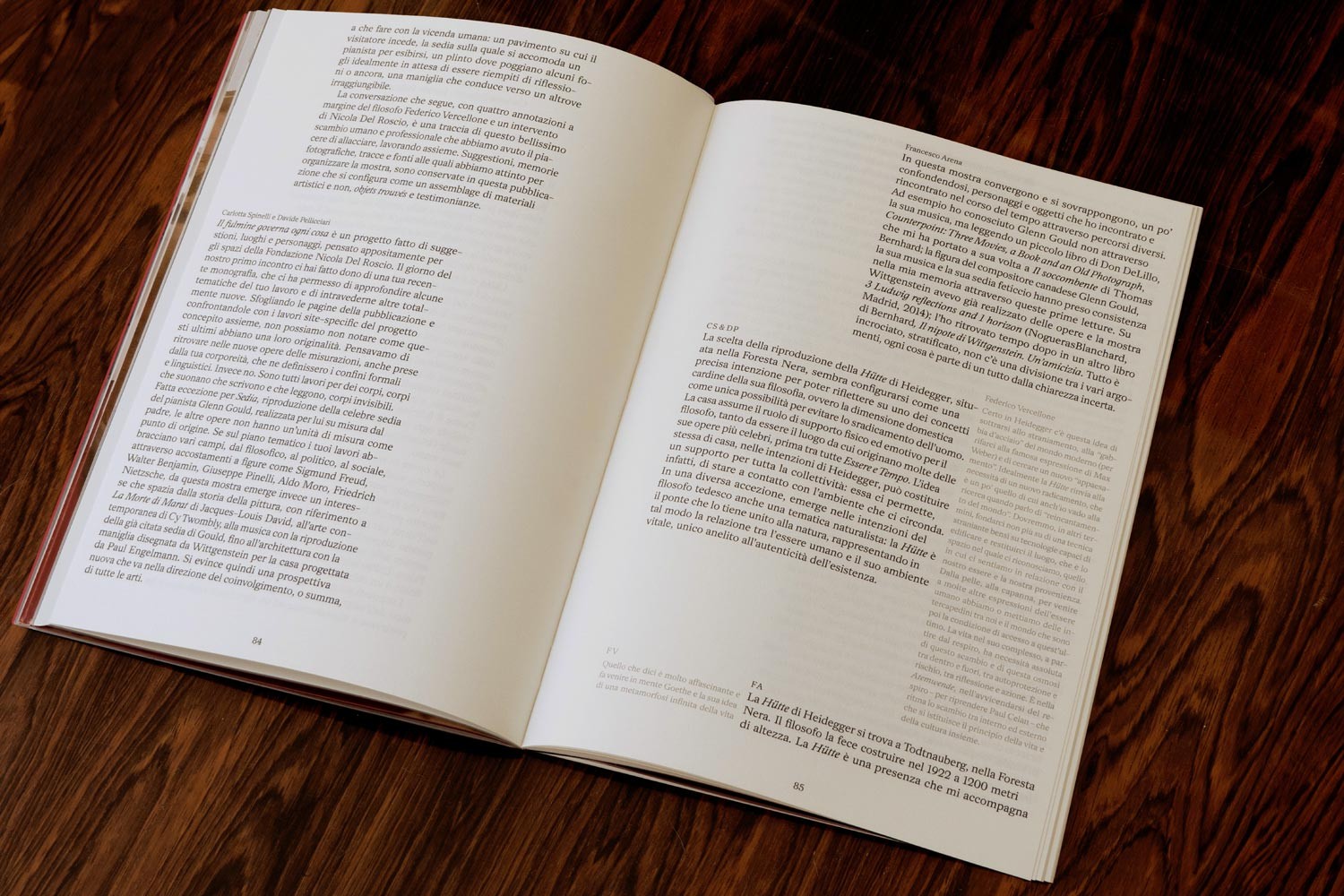
Texts by Francesco Arena with Davide Pellicciari and Carlotta Spinelli
Notes by Nicola Del Roscio and Federico Vercellone
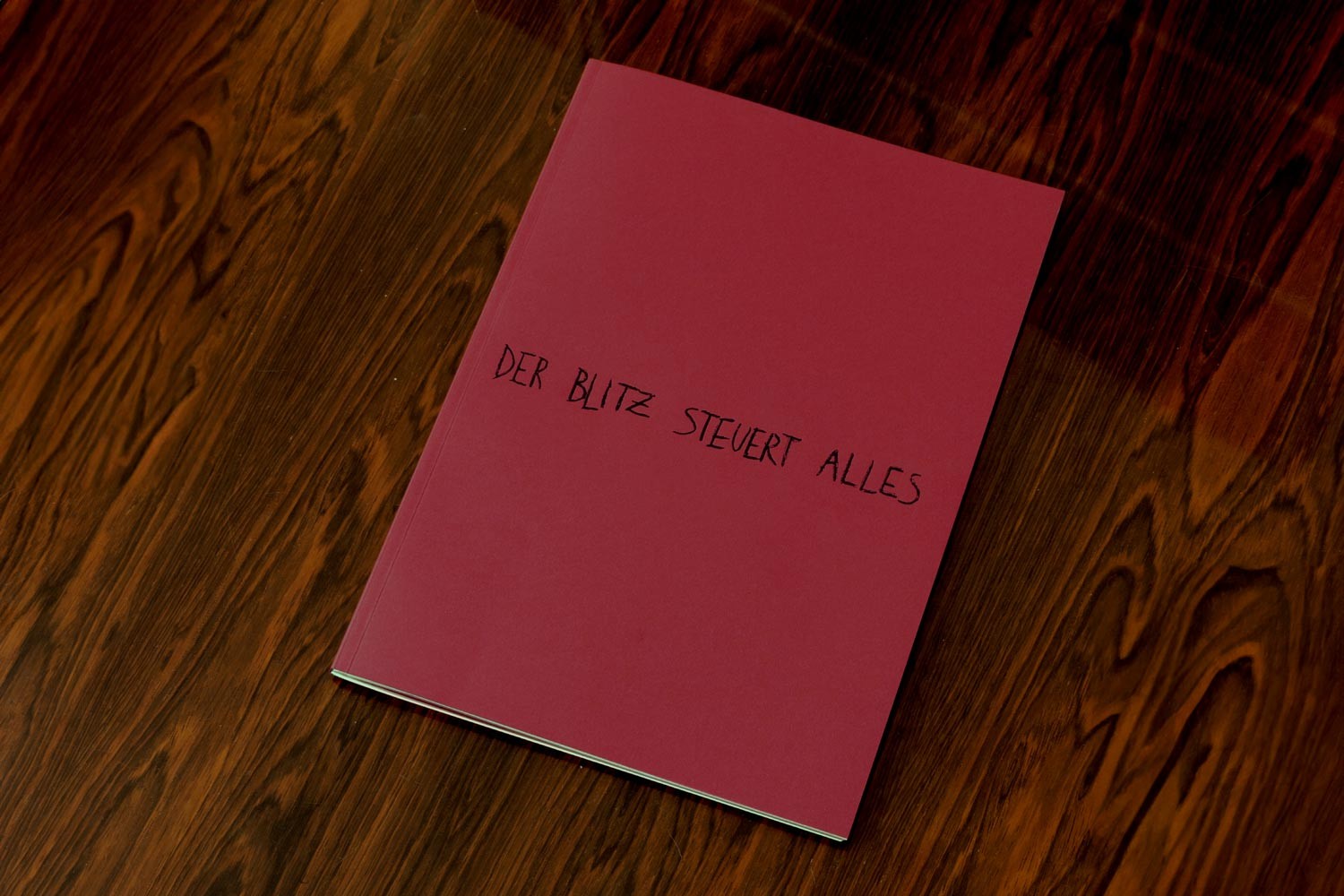
Design: Marcello Jacopo Biffi
2024, English / Italian, softcover, 20 x 28 cm, 112 pages
ISBN: 979-12-80579-48-5
Through his multidisciplinary practice, Francesco Arena implements continuous and subtle references to contemporary society, highlighting the impossibility of being totally self-sufficient and how crucial is to have a support from others. For the artist, just like religion, magic, philosophy and politics, art is a support for human life but also an antidote that humanity has created to give meaning to the existence and to be protected against the unknown.
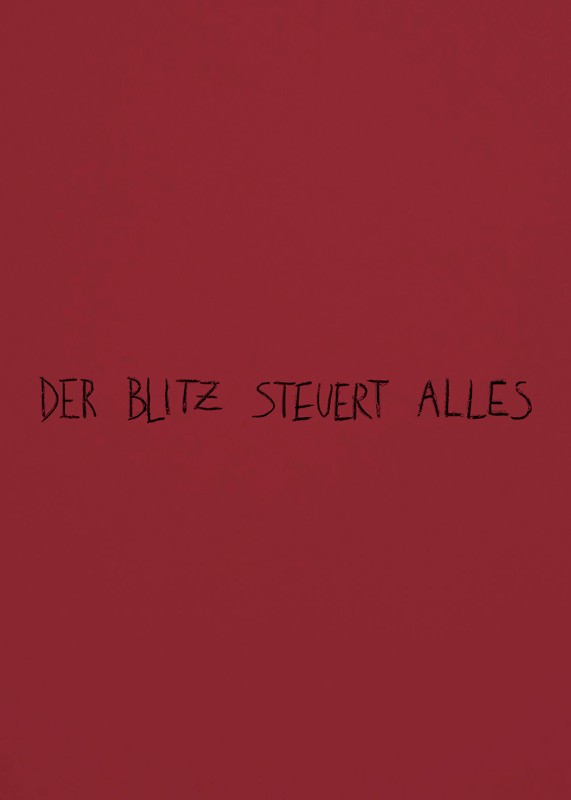
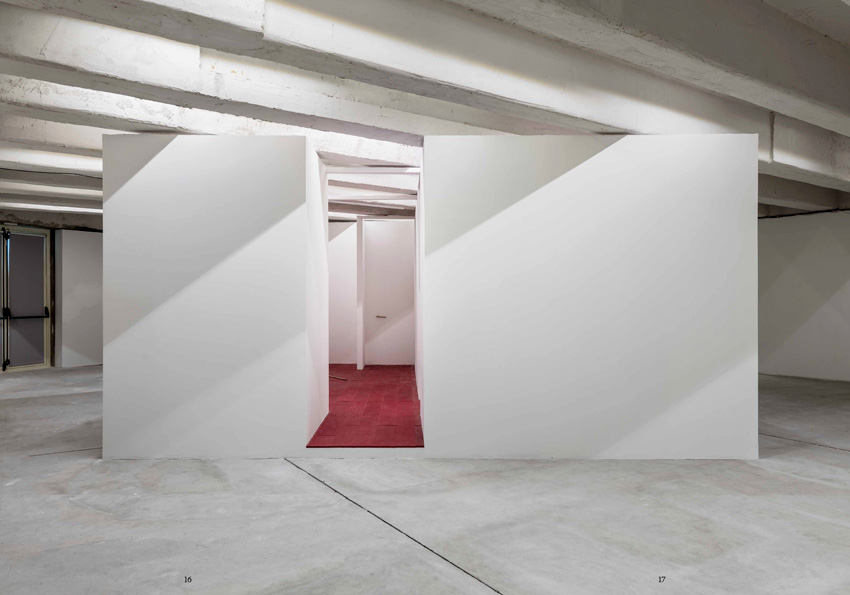
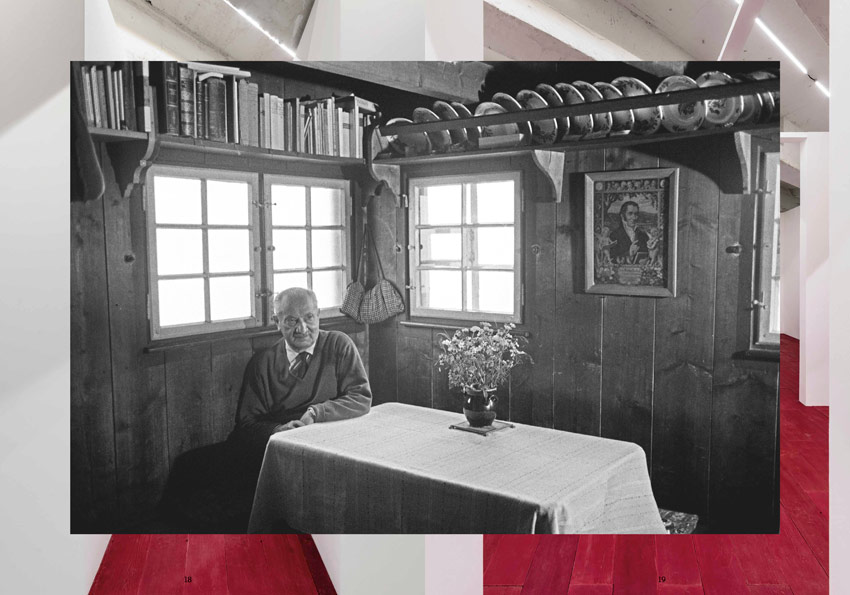
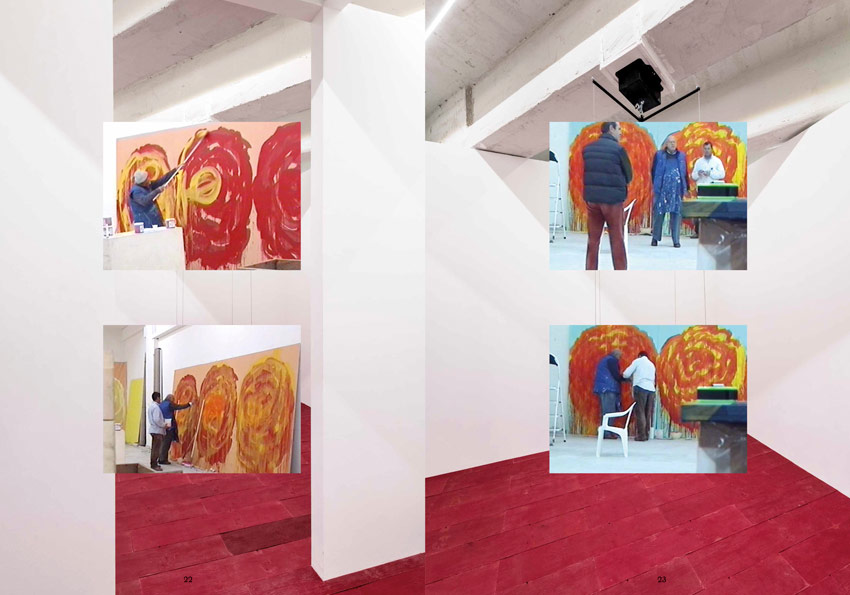
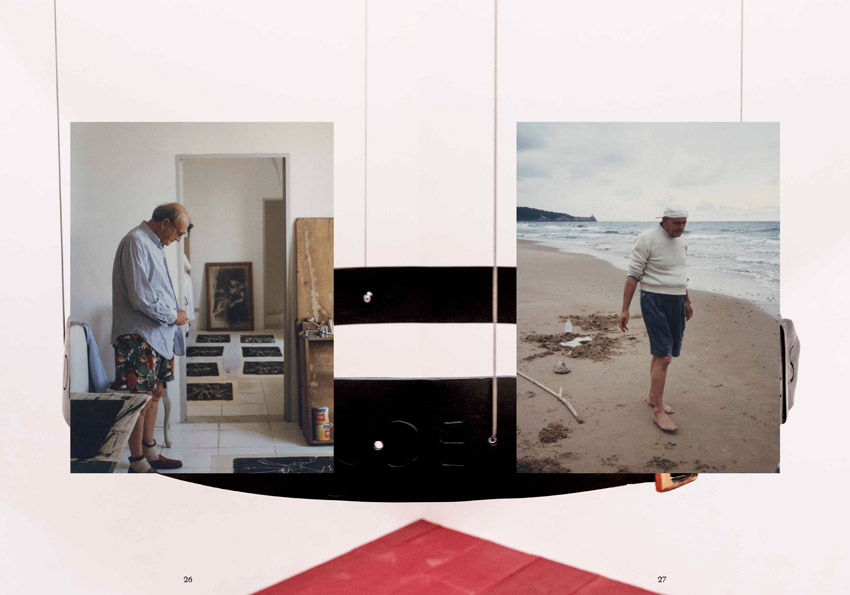
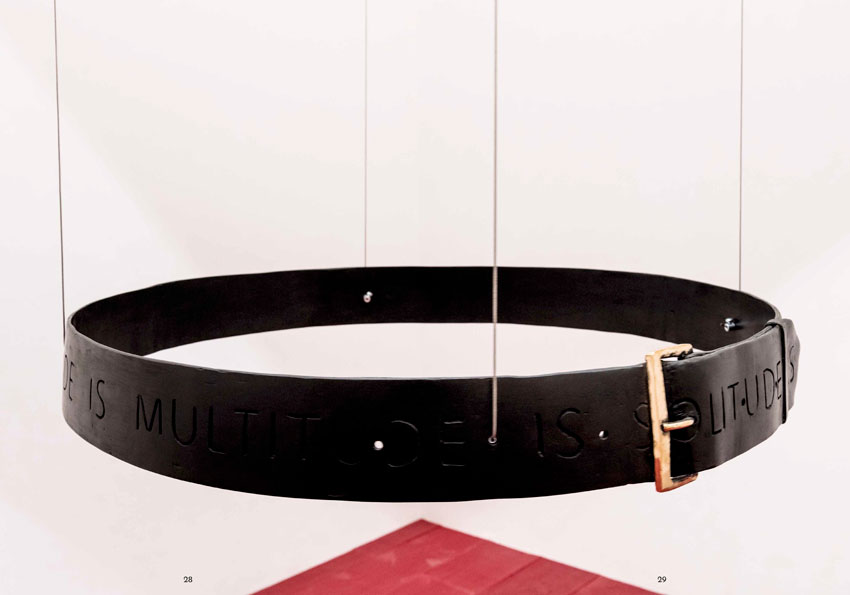
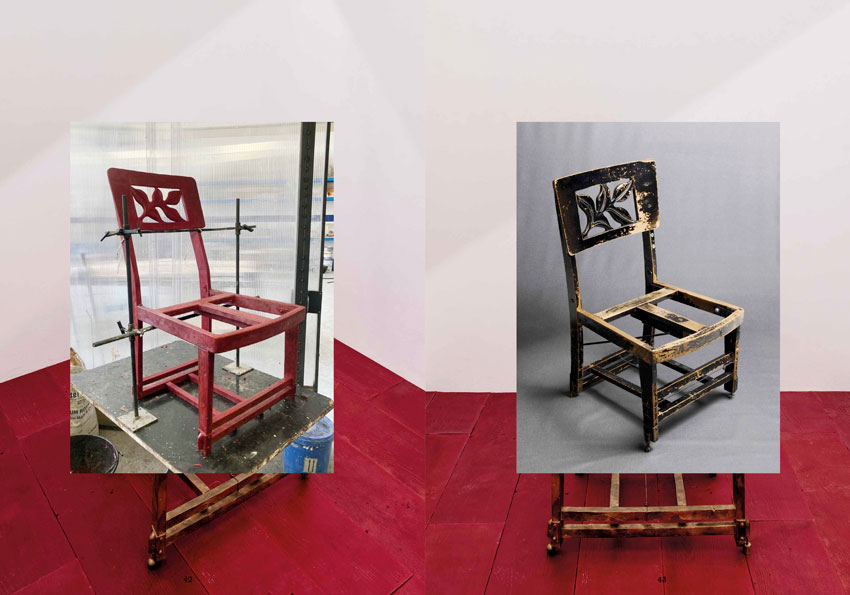
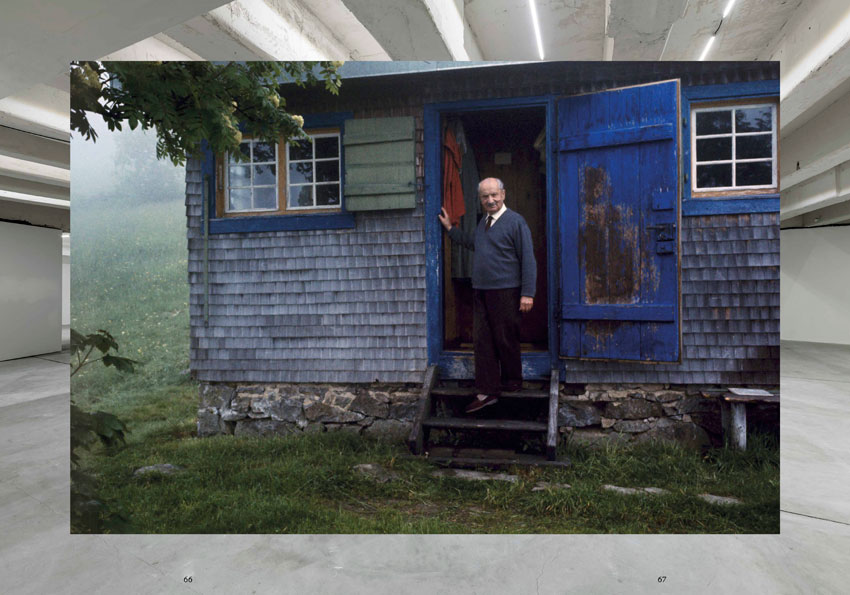
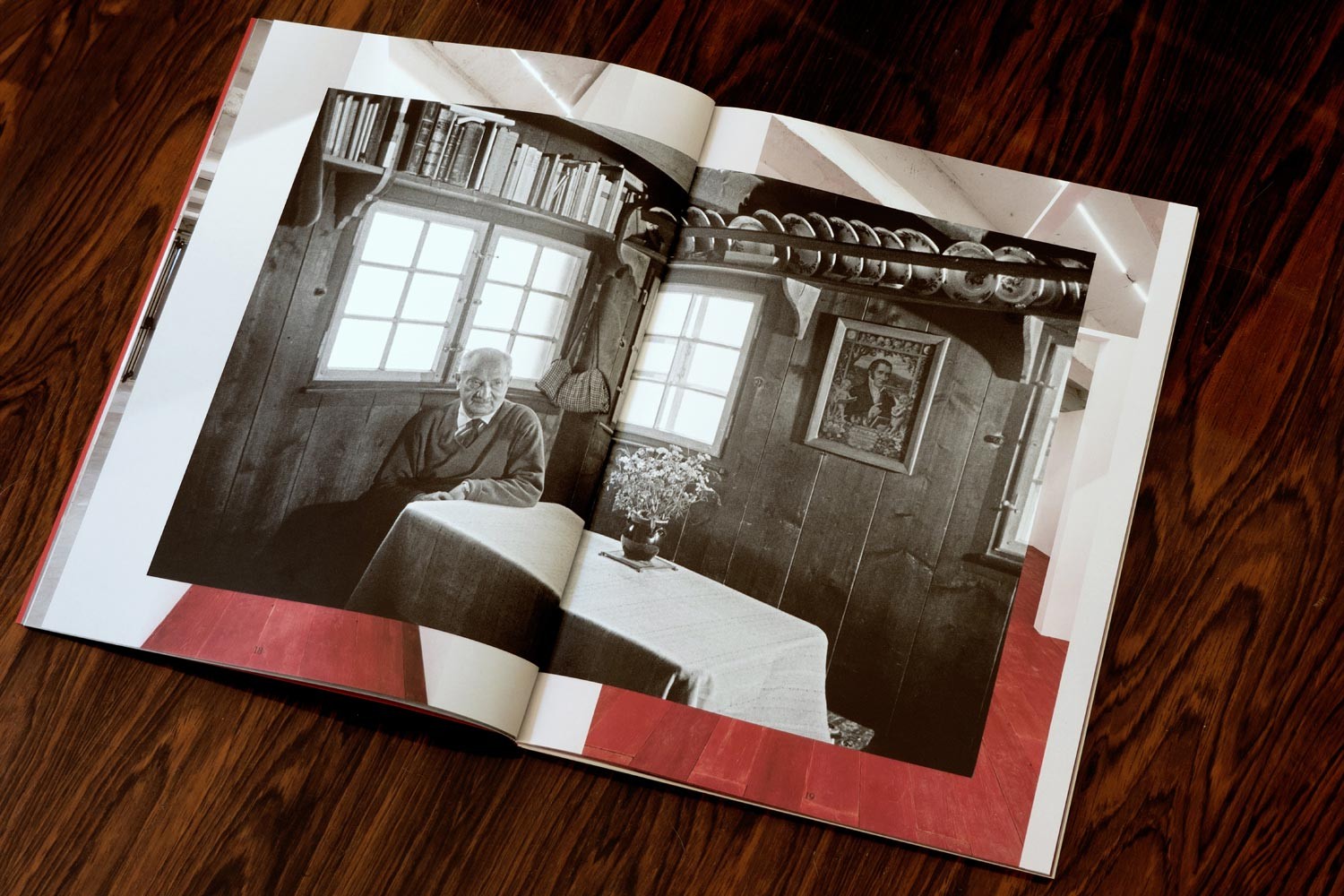
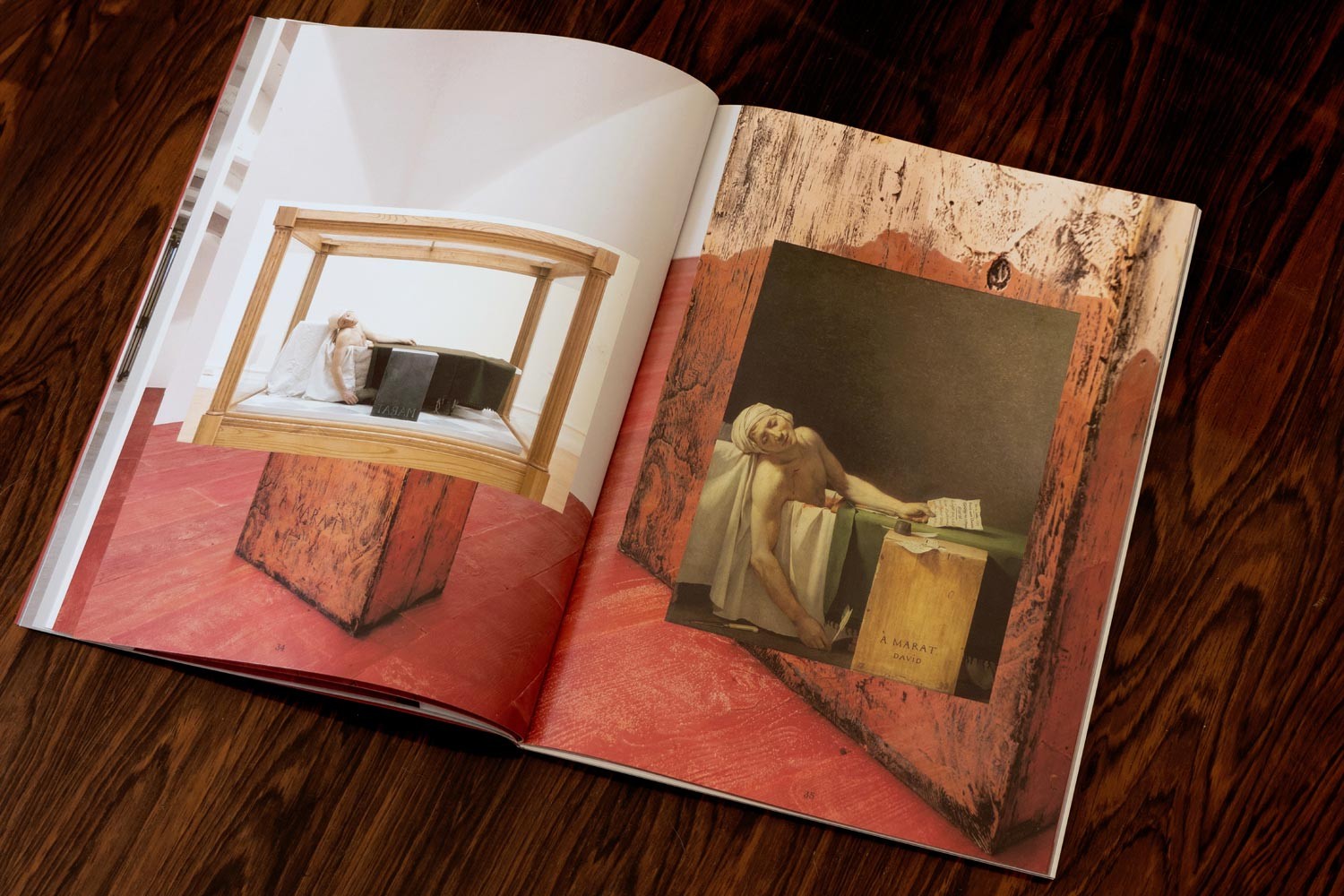
The title of this volume, published to accompany Arena’s exhibition at Fondazione Nicola Del Roscio in Rome, refers to a famous quote by Heraclitus that was inscribed on the lintel of the entrance door of Heidegger’s famous hütte in Todtnauberg, rebuilt in real dimensions inside the space of the Foundation. The hut, ideally related to the philosopher’s memory, is a work that contains a series of new sculptures that create a game of continuous cross-references and exchanges between container and content, visible and invisible, individual and collective experience. By superimposing archive images and current documentation, this book replicates the same dynamics.