This small anthology reviews some of the central themes of Diego Marcon’s research: from the role of the display in exhibitions to his relationship with cinema, from the use of special effects and animatronics to the sense of community established through his work. Glassa accompanies the exhibition of the same name designed by the artist for the spaces of the Centro per l’arte contemporanea Luigi Pecci in Prato.
Strata raccoglie 37 conversazioni con artisti il cui lavoro ha dato un contributo significativo alla scena artistica italiana e internazionale a partire dal 2000. Questo libro è il resoconto personale di una serie di incontri, amicizie e relazioni professionali che Vincenzo de Bellis e Alessandro Rabottini hanno coltivato negli ultimi vent’anni.
Strata compiles 37 conversations with artists whose work has made a significant contribution to the Italian and international art scene since 2000. This book is the personal account of a number of encounters, friendships, and professional relationships that Vincenzo de Bellis and Alessandro Rabottini have nurtured over the past twenty years.
Pardon Façade documents the artistic output of Luca Monterastelli, showcasing almost all of the sculptures and installations that he produced between 2011 and 2022. Across four chapters—corresponding to four solo shows that he staged in Milan, Otegem, Antwerp, and Naples—the publication provides the first overview of the artist’s work.
More than half a century after its premiere, Yvonne Rainer, in collaboration with choreographer and dancer Emily Coates, directed the 2019 revival of her 1965 performance Parts of Some Sextets. This book poses questions about the trajectories of artworks, performers, and audiences, all while tracing the life—and afterlife—of a dance.
How does technology organize life? This book documents and reflects on the exhibition Proof of Stake: Technological Claims at Kunstverein in Hamburg, curated by Simon Denny and Bettina Steinbrügge. It brings together a unique group of artists and scholars who investigate the technological apparatuses and power relations of organized life.
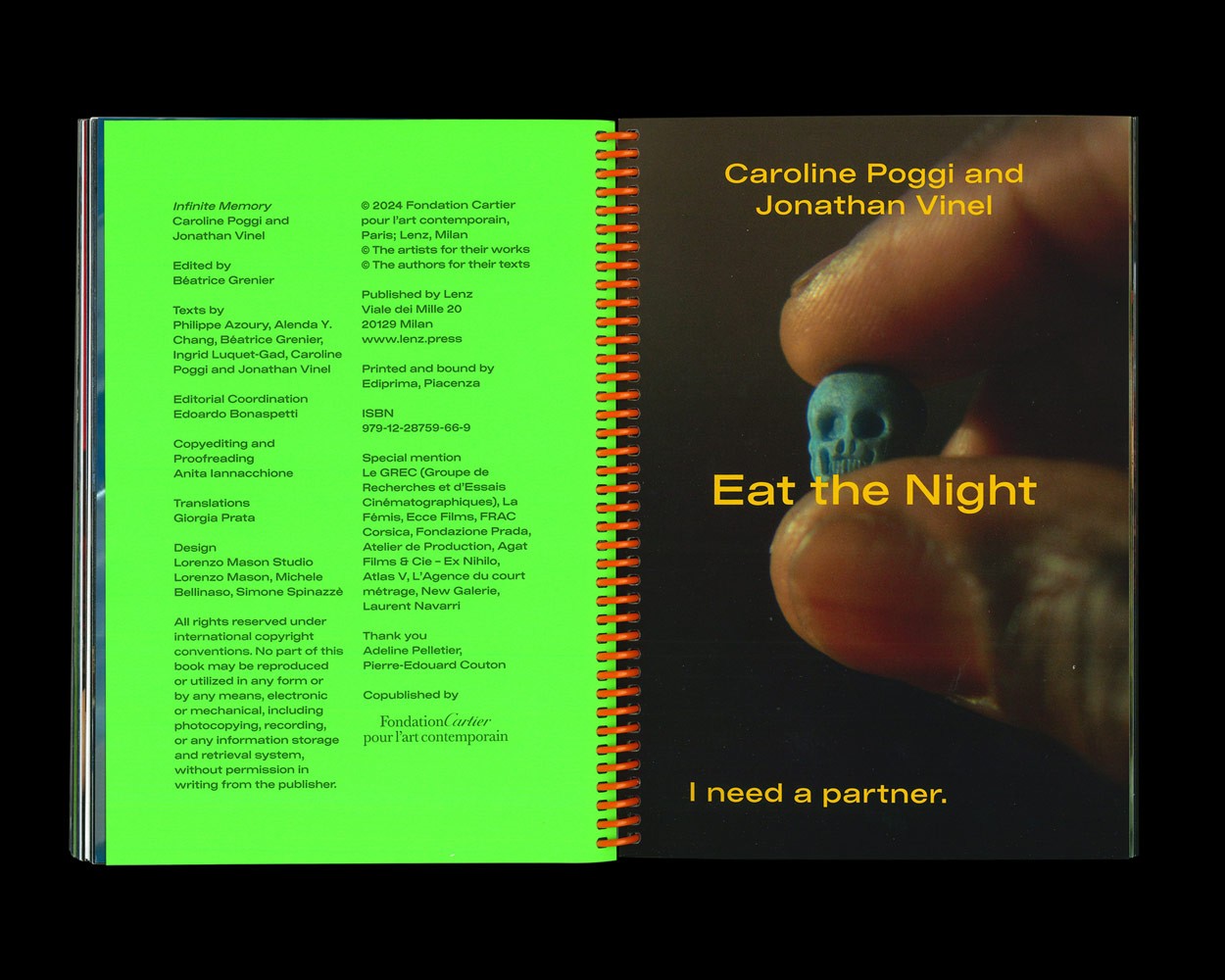
Edited by Béatrice Grenier
Texts by Philippe Azoury, Alenda Y. Chang, Béatrice Grenier, Ingrid Luquet-gad, Caroline Poggi and Jonathan Vinel
Co-published by Fondation Cartier pour l’art contemporain
Designed by Lorenzo Mason Studio
2024, English, 16.8 x 24 cm, 274 pages
ISBN 979-12-80579-66-9
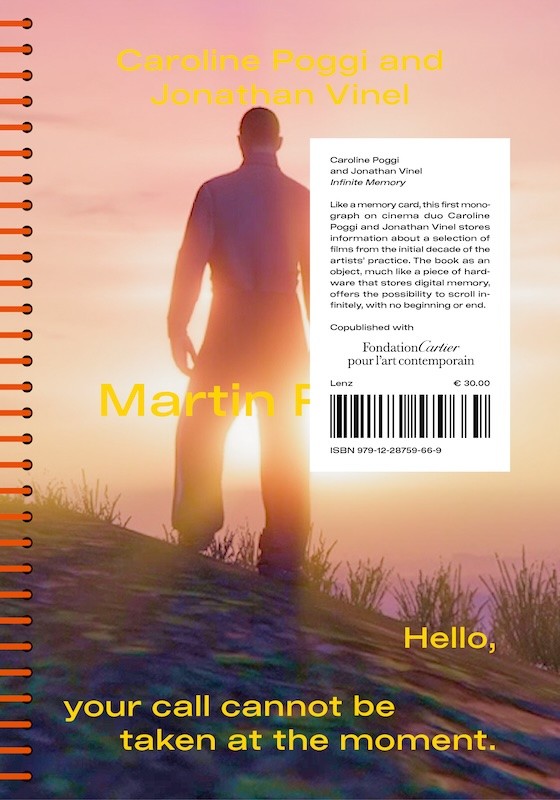
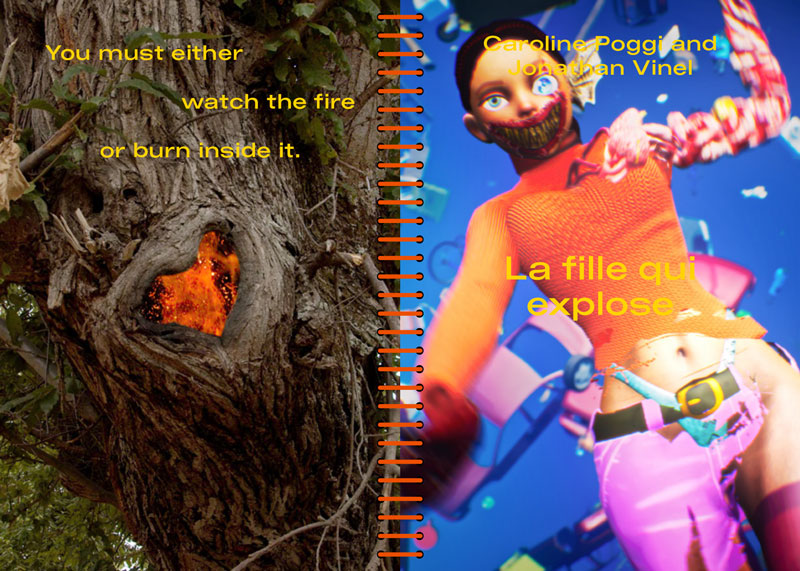
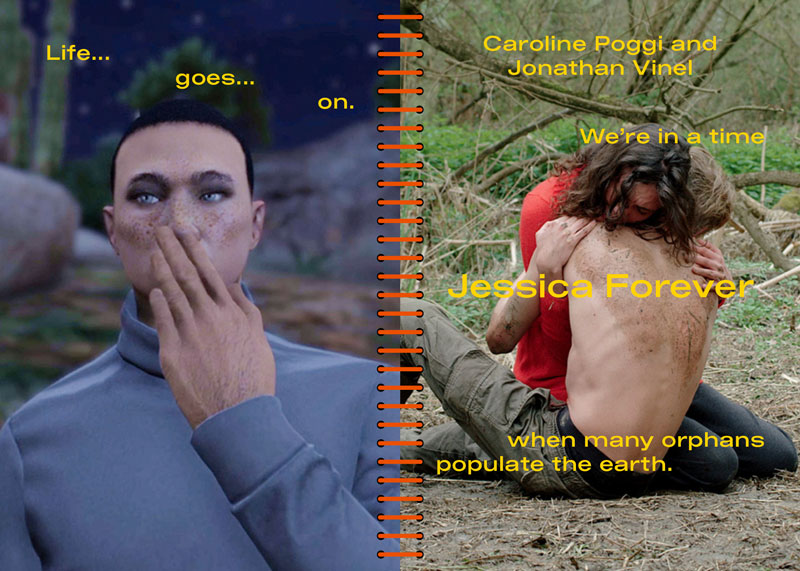
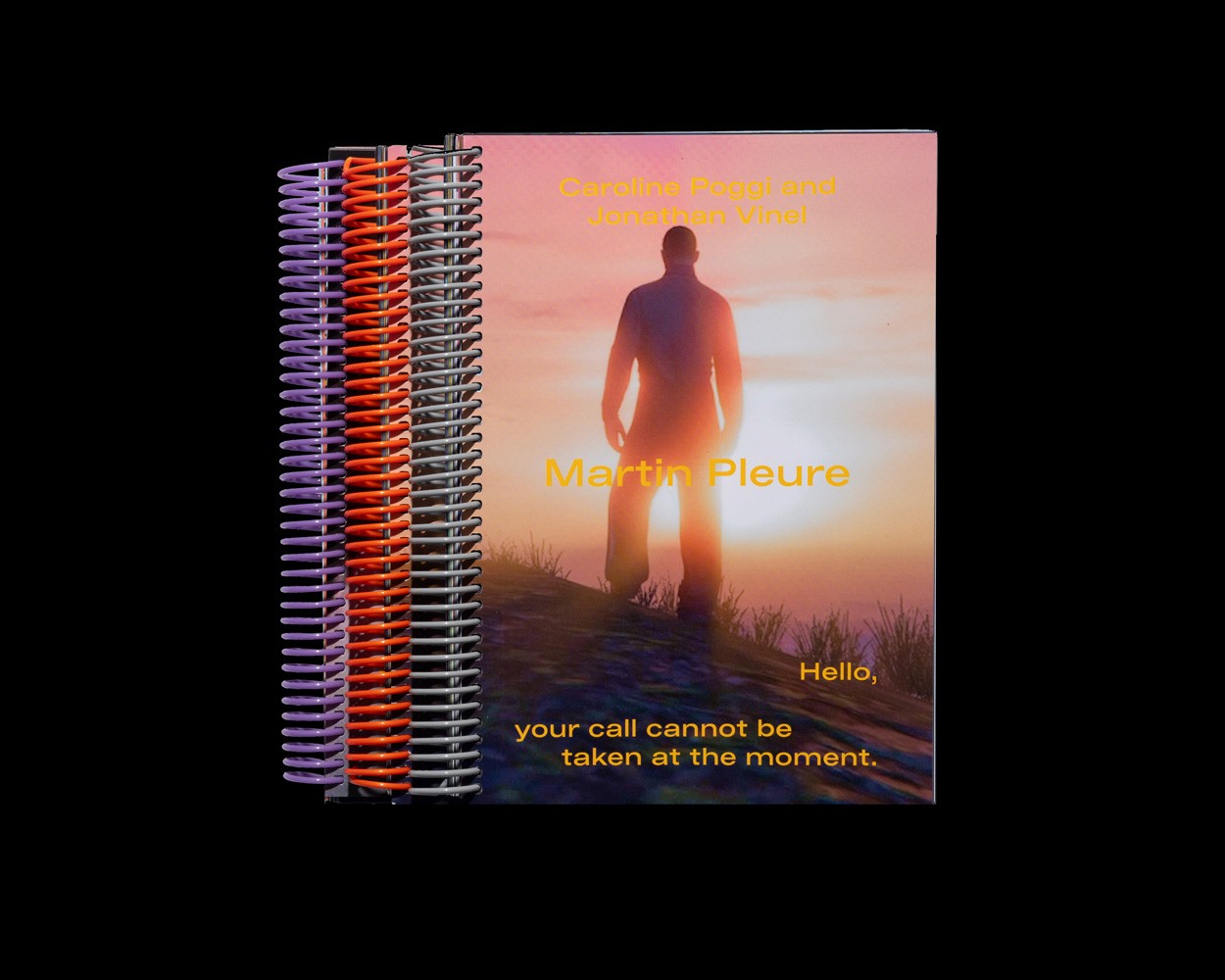
The book is the first monograph of the work of Caroline Poggi and Jonathan Vinel, published in conjunction with the release of the duo’s second feature-length film, titled Eat the Night . Formal experimentation characterises the work of emerging French film-making duo Poggi & Vinel, who employ the languages of video games, archives, and film-making to hybridise genres and break aesthetic conventions. There is ambiguity over the register within which the duo’s work should be situated: is it film, musical score, game or animation?
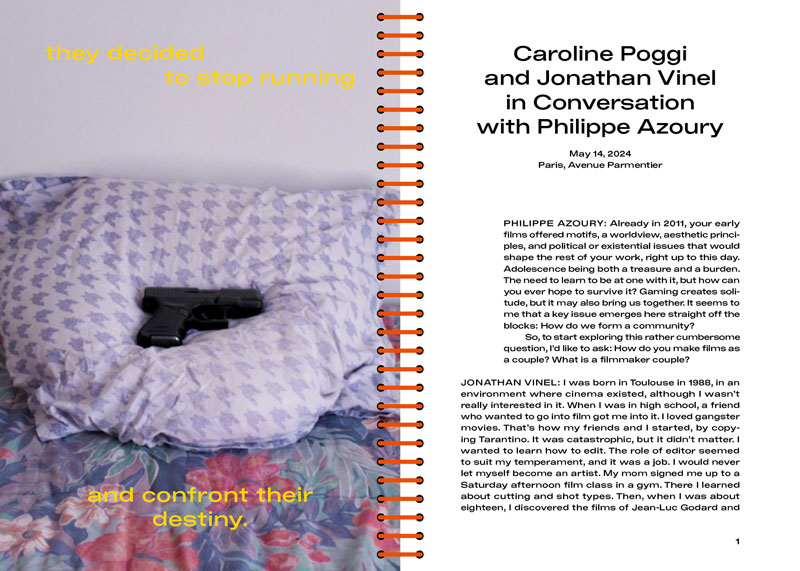
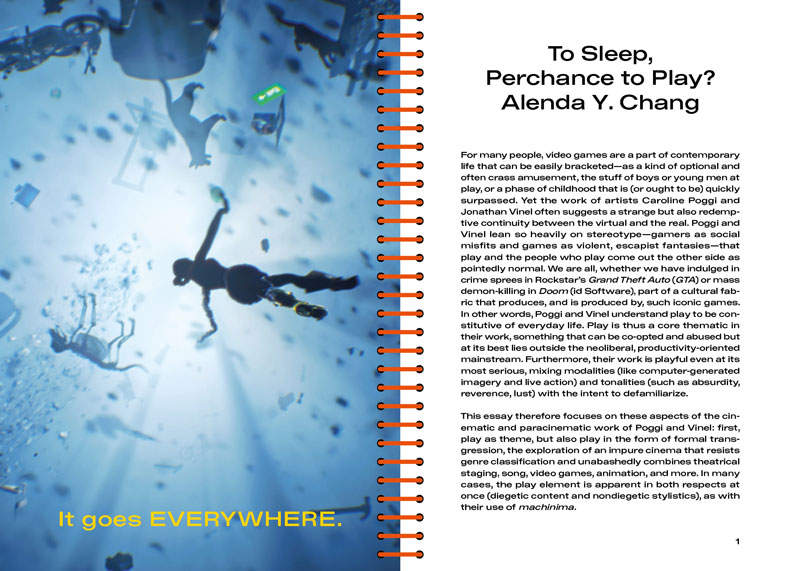
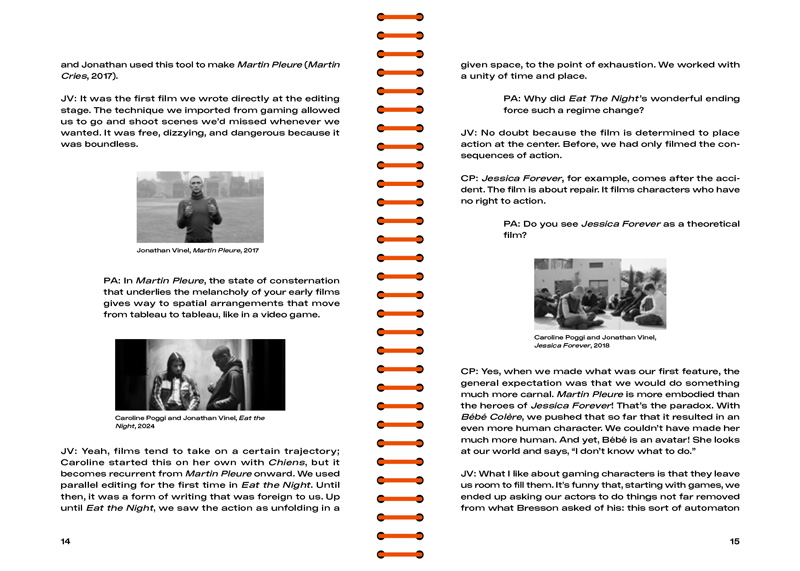
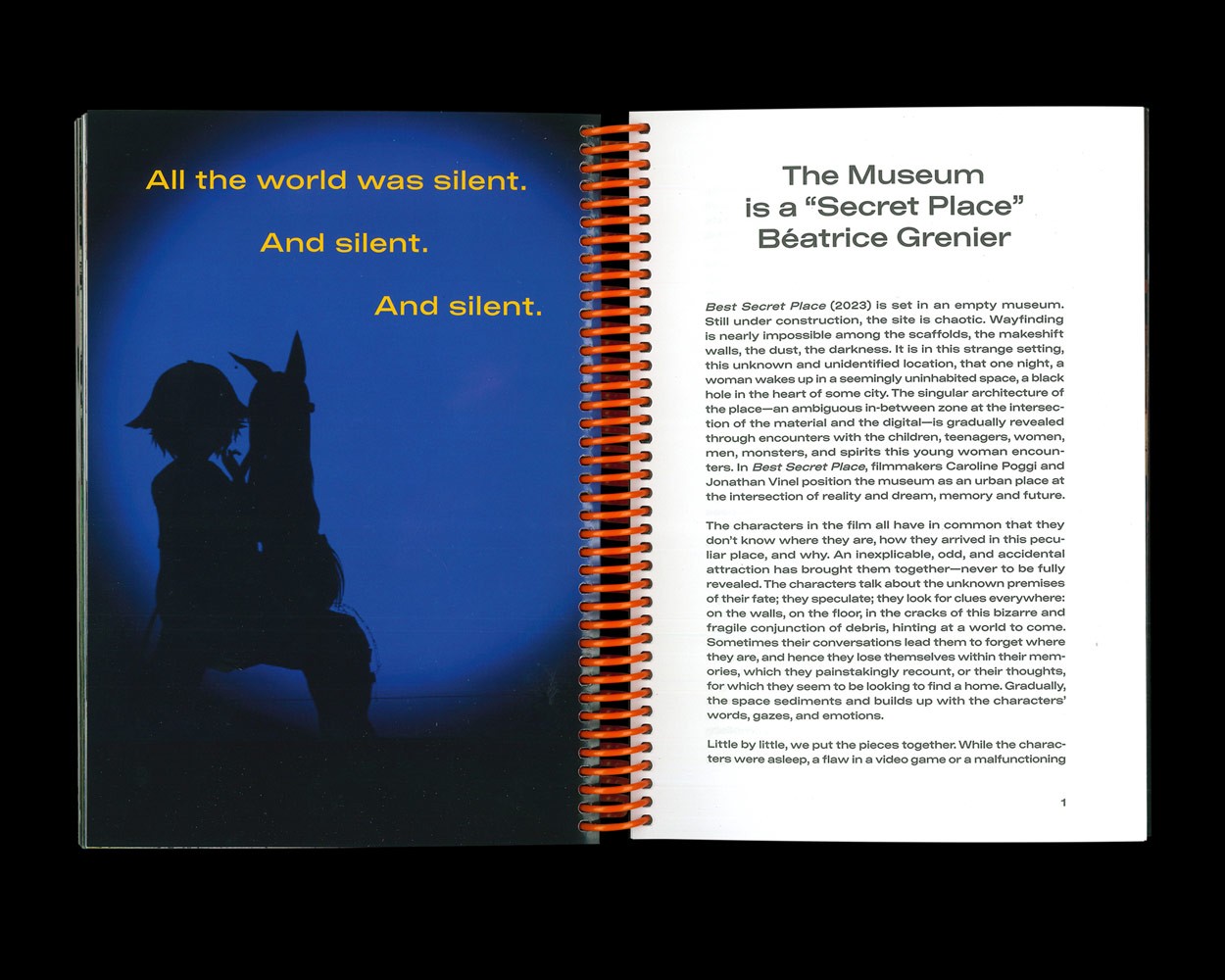
Edited by Béatrice Grenier, considered as an object the book is a formulation of an archive or a record of the duo’s work, encompassing the variety of mediums with which Poggi & Vinel engage, in addition to the overarching question of memory as explored in their practice. Three essays by Alenda Y. Chang, Béatrice Grenier and Ingrid Luquet-gad offer in-depth analyses of the ways in which the work of the duo constitutes a form of preservation through the use and reuse of video-game imagery. Identifying key works and turning points, the book provides a commentary on their particular, ambiguous positioning, somewhere between cinema-video and practice-gaming, and helps to explain why this positioning is critical vis-à-vis contemporary art today. In an interview with Philippe Azoury, the film-makers reflect on the role of community-building both within and outside their films, considering specifically the relationship between the digital characters and the ’real’ characters, and the importance of gaming in acknowledging and understanding other subjectivities.
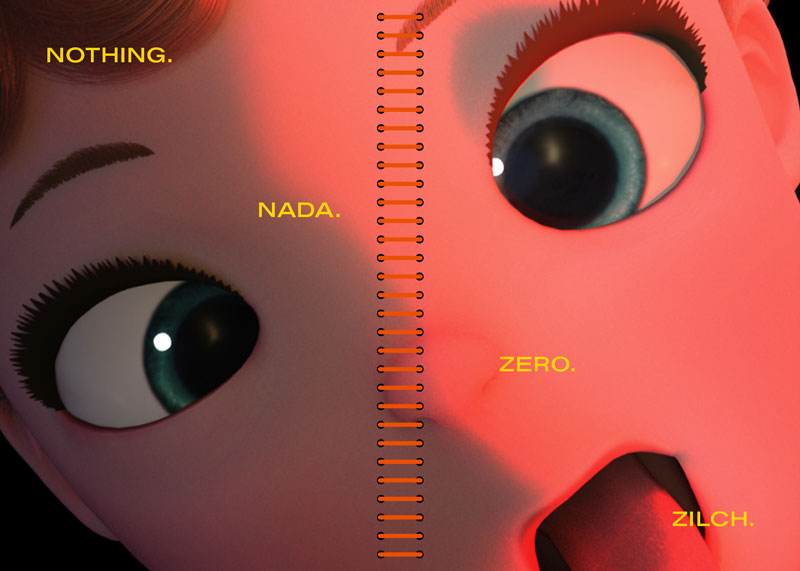
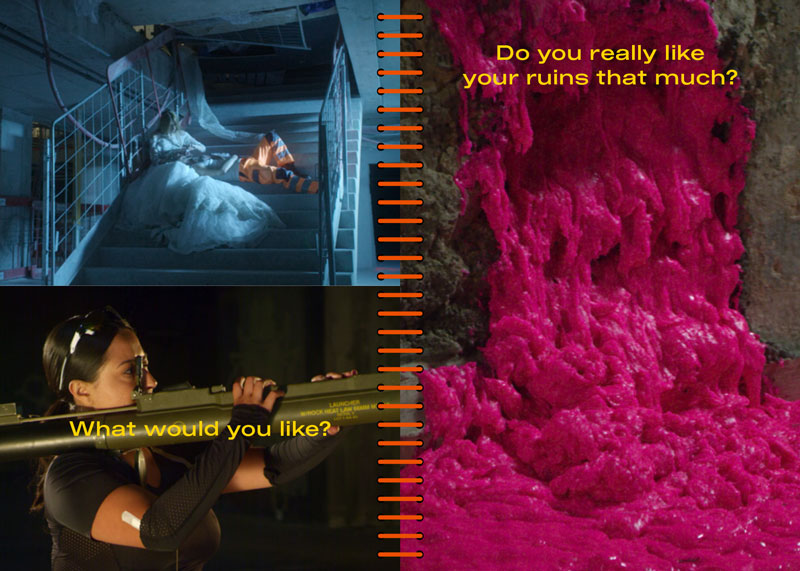
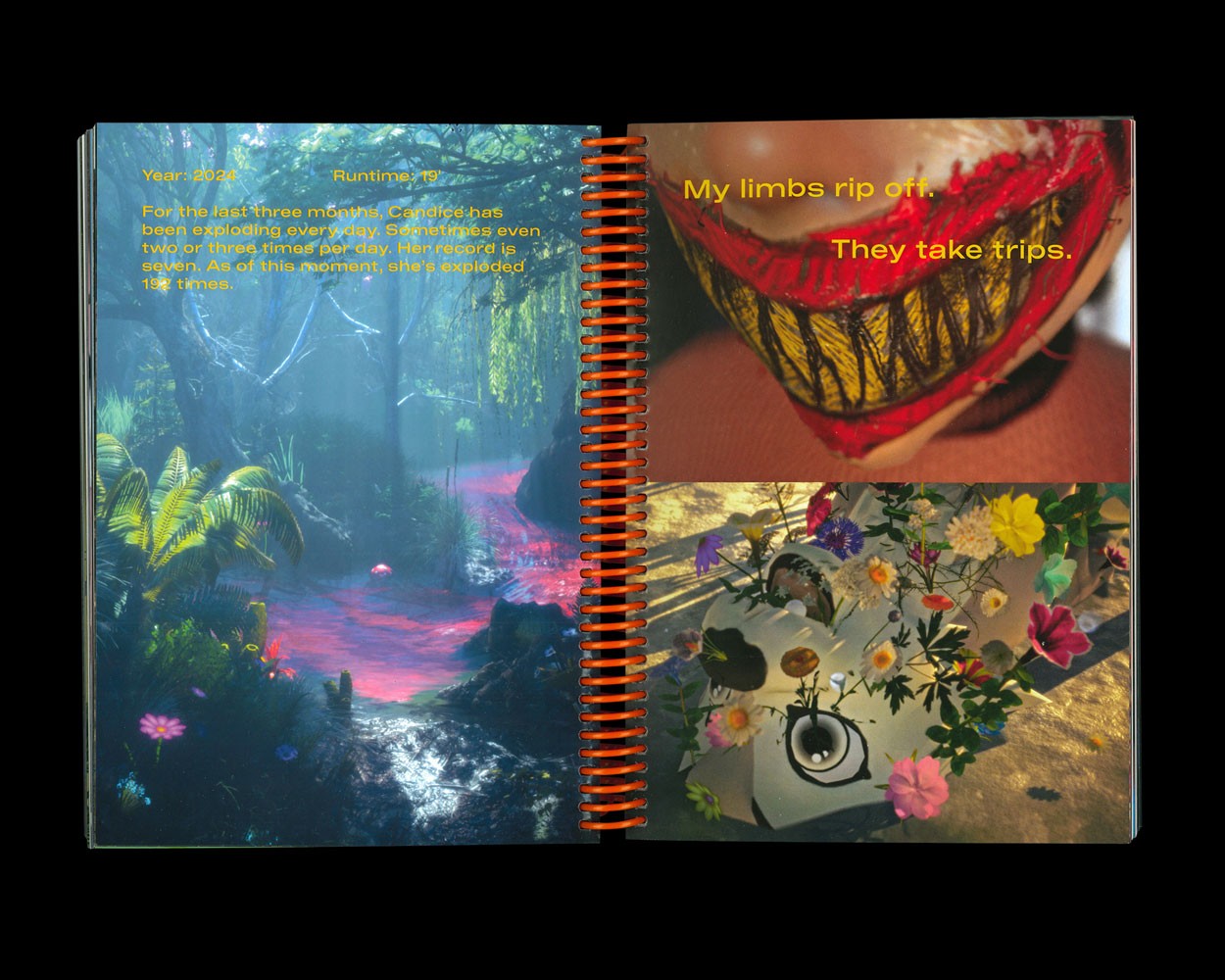
Each film selected for the book is transformed into a photo essay, calling into question the nature of the image—the significance it has when moving or still. Spiral-bound, the book is punctuated by an infinity of potential covers: the object itself has no beginning or end. One can pick off where one left off, or enter the narrative at any point—a formal attempt to transcend the nature of the age-old medium.